In this guide
- 01What An Hour Out Actually Changes
- 02Ohara: The Valley North Of The City
- 03Uji: River, Tea, And A Different Register
- 04Shiga: The Lake And What Sits Around It
- 05Should You Do A Kyoto Day Trip As A Half-Day Or A Full Day?
- 06Season: Which Destination When
- 07Car Or Rail, Per Route
- 08When To Stay In The City Instead
- 09Frequently Asked Questions
- 10Why Choose Japan Royal Service
Three days in central Kyoto fill themselves. A fourth day, spent inside the basin, returns less than it should. Most visitors never notice, because they never leave. An hour outside the city buys a change of air, a change of pace, and a landscape the city cannot hold.
This is a guide to that fourth day: three destinations within roughly an hour of Kyoto, and when each is worth the drive. We keep the city itself out of scope here — our team at Japan Royal Service has covered day-shape and midday crowd logic separately in our writing on Kyoto's quieter mornings. What follows is what sits beyond it.
What An Hour Out Actually Changes
Kyoto sits in a basin. The heat pools in summer. The crowds pool with it. Step over the surrounding hills and the temperature drops, the light lengthens, and the human density falls away faster than the distance suggests.
That is the real currency here. Not new temples to tick — you have enough of those in the city. What an hour buys is a different register: rural instead of urban, water instead of stone streets, quiet instead of managed flow. Each of the three below delivers this differently. We describe all three against the same criteria, in the same order, so you can read them against each other and decide.
Ohara: The Valley North Of The City
What it is, and what kind of day it makes. Ohara is a mountain valley to the north of Kyoto, temple-and-garden in character, distinctly more rural than anything inside the basin.
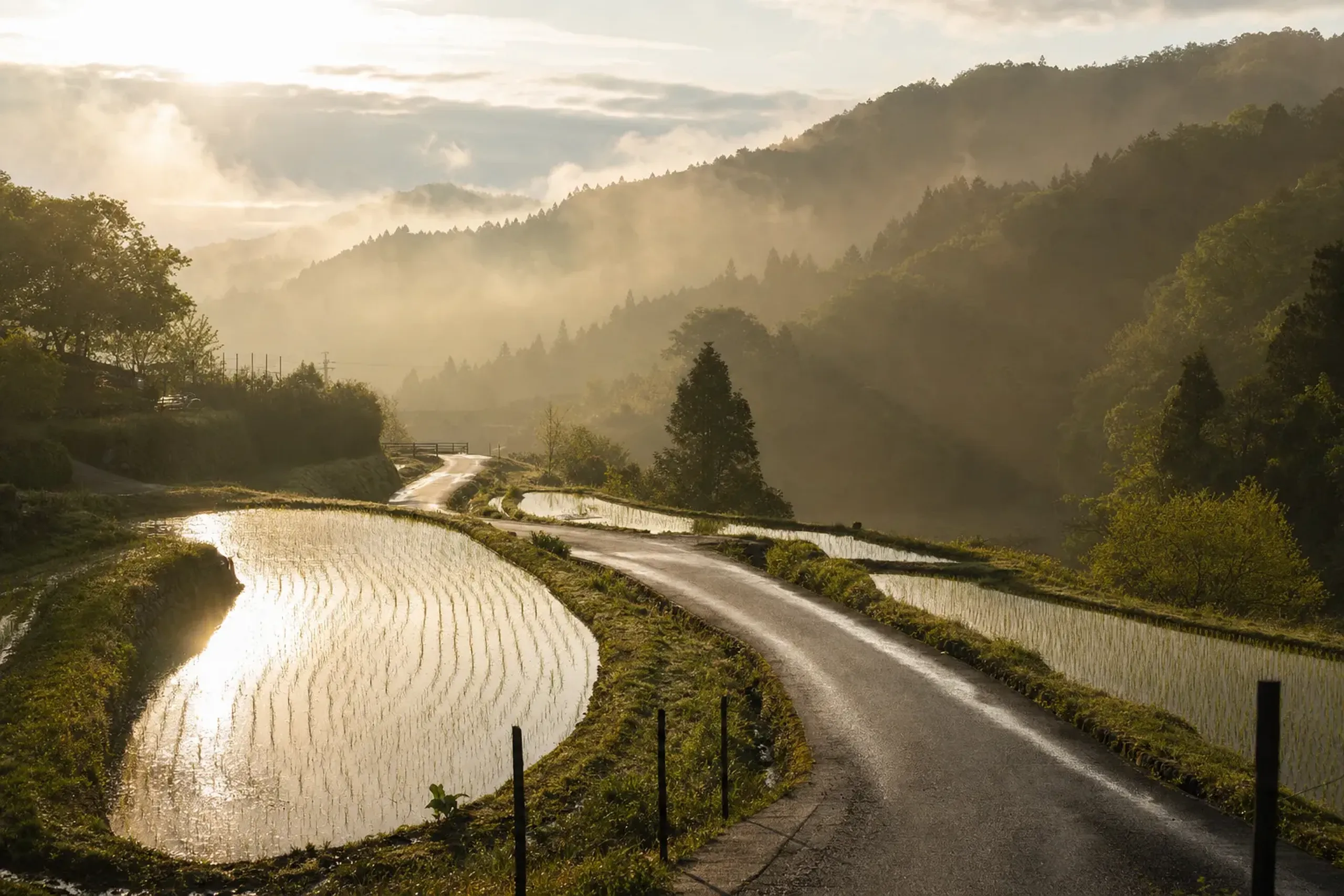
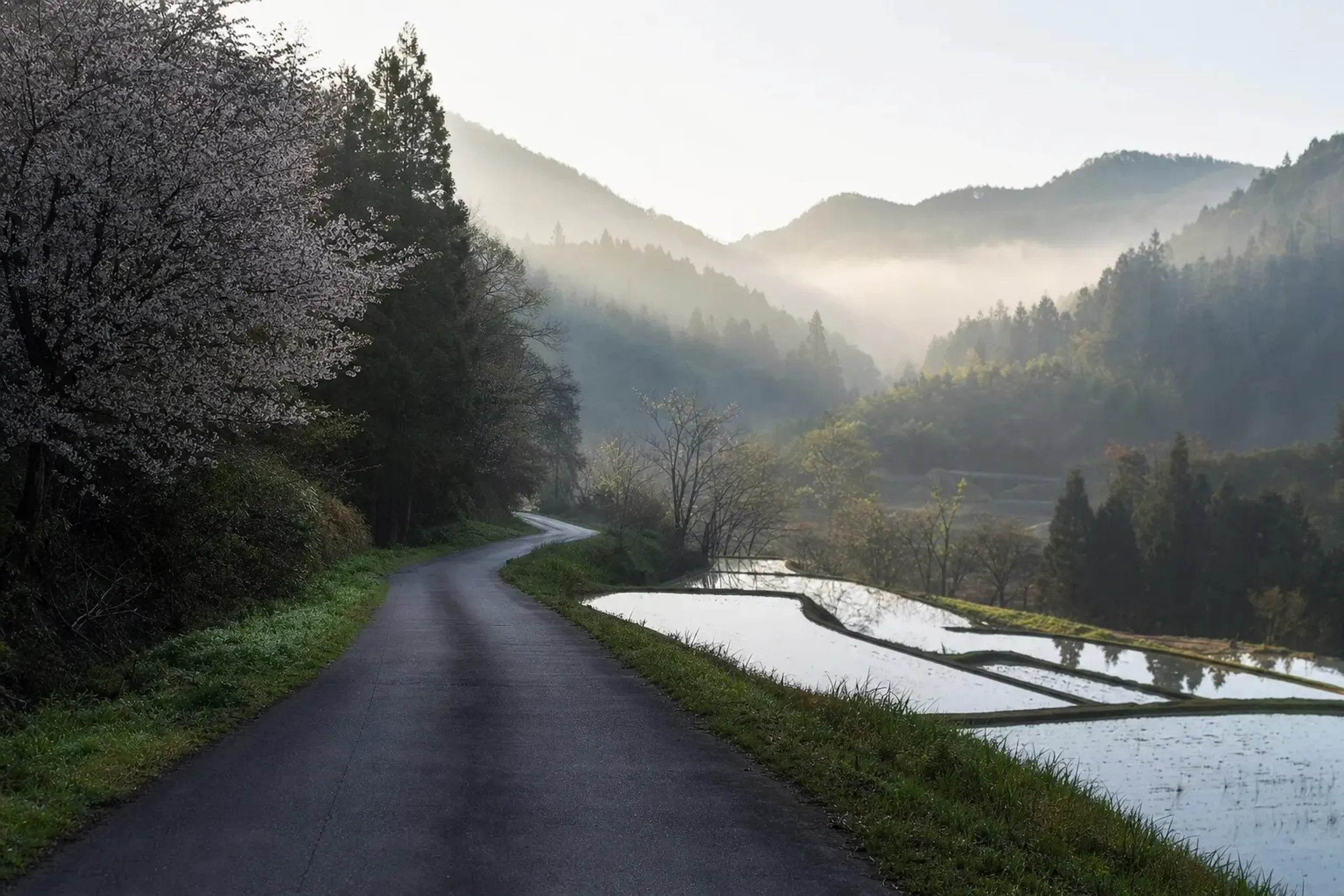
The air arrives cooler. The pace slows the moment the road narrows and the rice terraces open. It makes a contemplative day — gardens seen slowly, a valley walked rather than rushed.
Half-day or full-day. Ohara works as a half-day. Leave after breakfast, walk the valley's temples and gardens through the morning, and you are back for a Kyoto evening. A full day is possible but not required; the valley rewards depth of attention over length of stay.
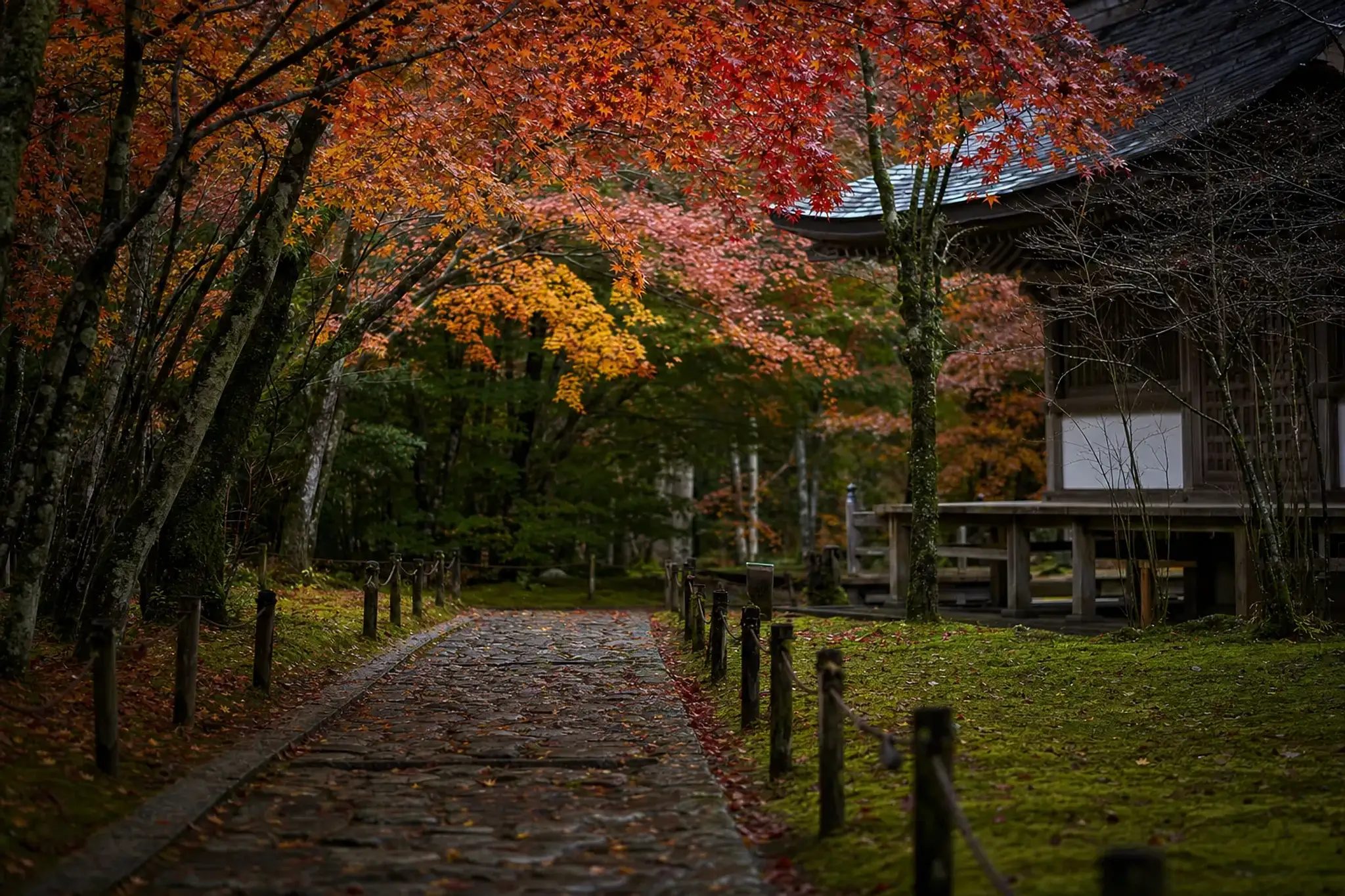
Which season suits it. Autumn is Ohara at its finest — the maples here turn ahead of the city, and the valley's cool draws the colour early. Late spring greens are quiet and lovely too. Deep winter closes much of the walking pleasure, and high summer, while cooler than the city, is not the reason to come.
Crowds, honestly. Ohara is quieter than the Golden Route, but it is not undiscovered. In peak autumn the main temple approaches carry real foot traffic. Come early. The morning belongs to those who arrive before the buses.
Driving versus rail. A car genuinely suits Ohara. The valley is not served by rail, and the bus route, while it exists, adds transfers and waiting to a journey whose whole appeal is ease. A private vehicle removes that friction and lets you time your arrival to the light.
Who should skip it. If your Kyoto days already leaned heavily on temple gardens, Ohara offers more of the same register rather than contrast.
Skip it if you want water, movement, or a change of theme.
Uji: River, Tea, And A Different Register
What it is, and what kind of day it makes. Uji sits south of Kyoto on a river, and its association with tea is genuine — cultivated over centuries, not manufactured for visitors. The register is entirely different from central Kyoto: water instead of stone lanes, a working riverside town instead of a preserved district. It makes an unhurried day of walking, water, and one of Japan's oldest and most refined cultures of a single drink.
Half-day or full-day. Uji is the strongest half-day of the three. The core sits compactly along the river, and a morning covers it well, leaving the afternoon and evening for the city. A full day suits only those who want to settle into the tea culture properly rather than pass through it.
Which season suits it. Late spring and autumn both suit Uji, the river carrying a different beauty in each. Autumn brings colour to the banks; spring brings fresh green and the year's tea culture at its most alive. Midsummer along the water can be humid and heavy — pleasant early, less so by afternoon.
Crowds, honestly. Uji draws steady domestic visitors, and its most famous site is genuinely busy. Away from that single point, though, the riverside thins out quickly. The tea houses and quieter banks reward those who wander past the obvious.
Driving versus rail.
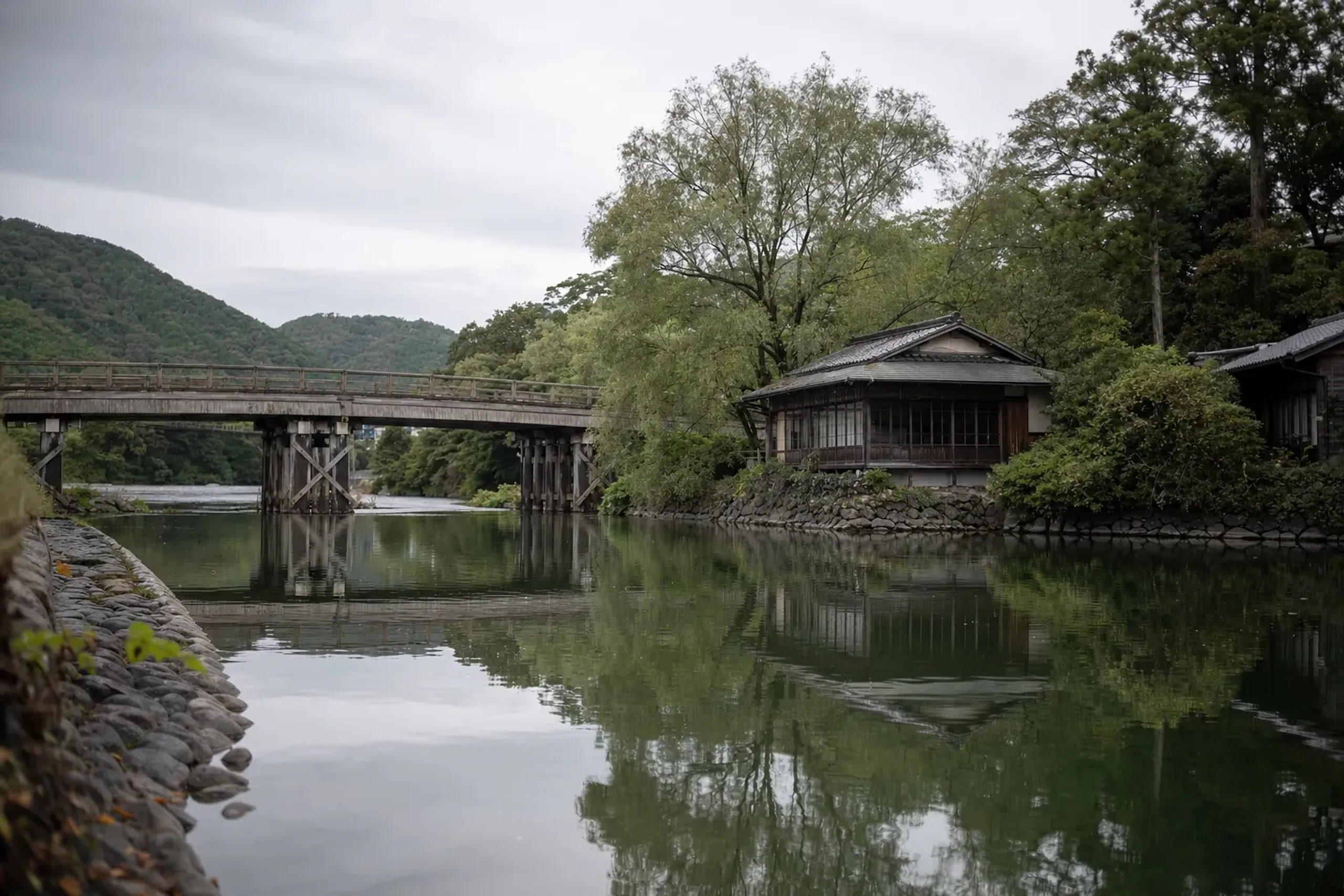
Uji is the one route where rail is simply better. The line runs directly and frequently, the town is walkable on arrival, and a car offers little the train does not — and parking near the river offers less. Take the train here and let it be easy.
Who should skip it. If tea holds no interest and you have already had your fill of riverside walking, Uji's particular pleasures may pass you by. It rewards curiosity about one thing done deeply.
Shiga: The Lake And What Sits Around It
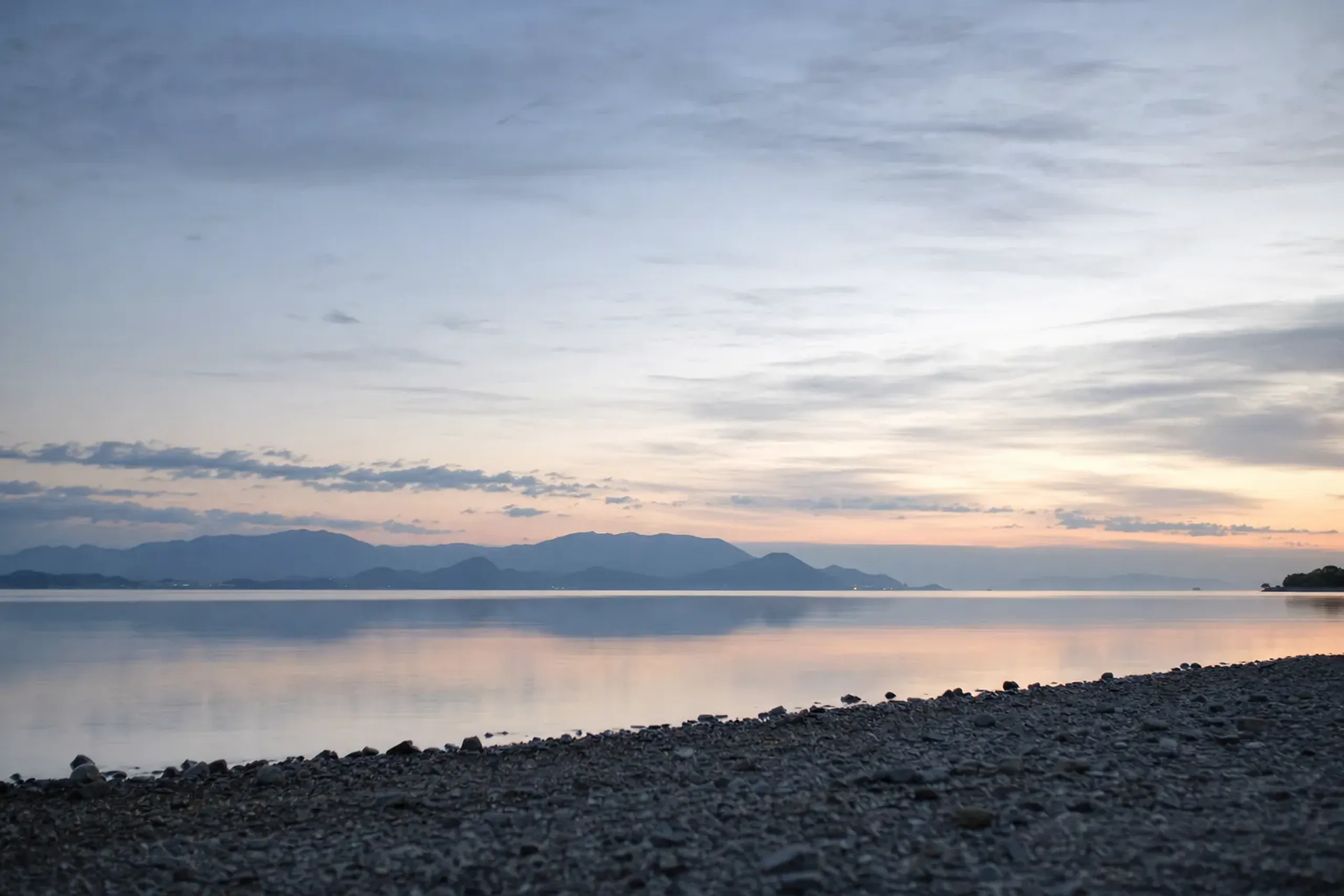
What it is, and what kind of day it makes. Shiga is the prefecture east of Kyoto, built around Japan's largest lake. The scale is the point — open water, wide sky, and a horizon the Kyoto basin never offers. Of the three it is the least visited by foreign travellers, and it makes the most expansive day: landscape rather than architecture, distance rather than density.
Half-day or full-day. Shiga wants a full day. Its rewards are spread around the lake, and the pleasure lies in moving between them — a lakeside stop, a hillside temple, a quiet town — rather than in any single dense cluster. A half-day here undersells it.
Which season suits it. Autumn is superb, the hills around the lake turning while the water stays. Clear winter days bring snow to the higher ground with the lake below — striking, if cold. Spring is gentle and green. High summer draws domestic lake-goers to the shore; lovely, but at its busiest.
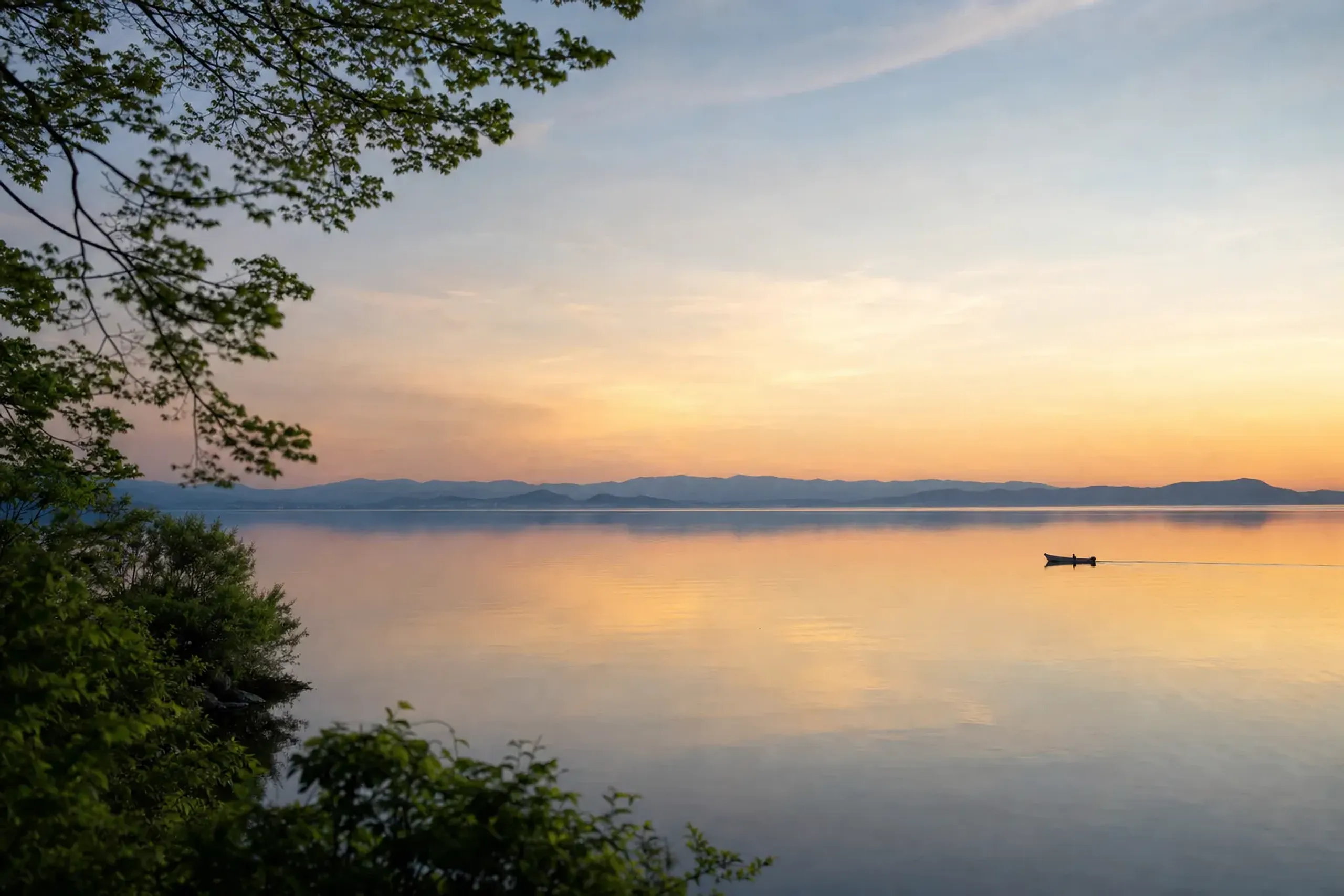
Crowds, honestly. Shiga is the quietest of the three for foreign visitors by a wide margin. You will share the lake with Japanese travellers, especially in summer, but the sense of space rarely lets it feel crowded. This is where you go to not queue.
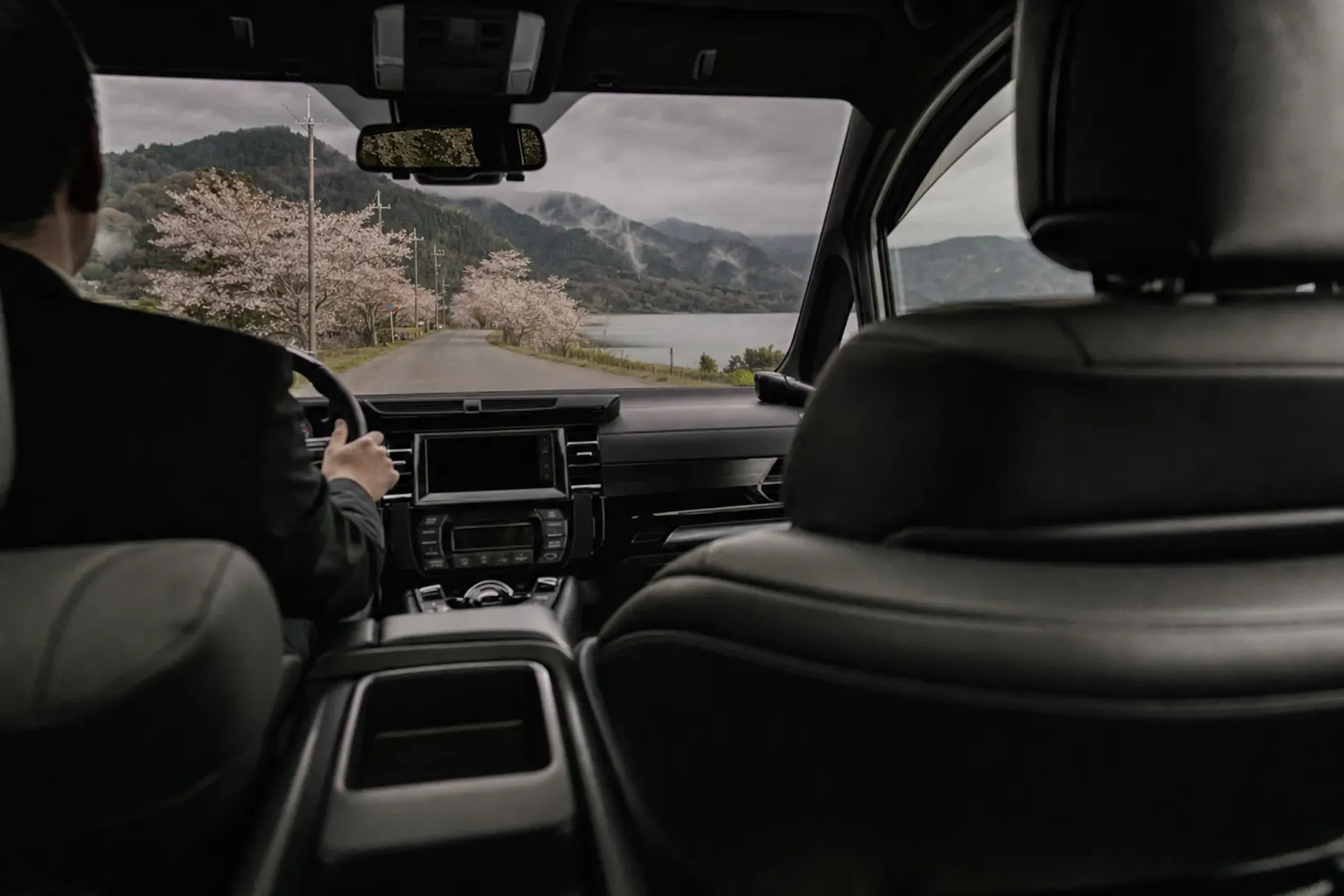
Driving versus rail. Shiga is the route that most rewards a car. The lake is large, its rewards scattered, and rail reaches only some of them. A private vehicle turns a fragmented region into a single flowing day — the difference between seeing the lake and seeing around it.
Who should skip it. If you want more of Kyoto's refined intimacy, Shiga will feel too open and too plain. It is for travellers who want horizon, movement, and a genuine break from the city's density.
Should You Do A Kyoto Day Trip As A Half-Day Or A Full Day?
Uji and Ohara work as half-days; Shiga wants a full day. That single distinction settles most planning.
The half-day case is simple and often the better one: leave after breakfast, take the morning outside the city, and return in time for a Kyoto evening — dinner, a walk, the city at its quieter hour. Uji suits this best, Ohara nearly as well. You lose nothing of your evening and gain a change of scene.
A full day out buys immersion. It is the difference between visiting a landscape and inhabiting it for a while — lunch out, a slower pace, the freedom not to watch the clock.
Shiga needs this. The others accept it but do not require it. In our experience, a party keen to protect its Kyoto evenings should choose Uji or Ohara and keep the day short.
Key distinction: Uji and Ohara are half-day trips that leave your Kyoto evening intact. Shiga is a full day out, and richer for it. Match the destination to how much of your day you are willing to spend.
Season: Which Destination When
These three change more between seasons than central Kyoto does — the right one in November is not the right one in July. Season is the deciding variable, more than distance or preference.
- Ohara
- Best season: Autumn (colour turns early); late spring green
- Season to avoid: Deep winter; high summer
- Uji
- Best season: Late spring; autumn along the river
- Season to avoid: Humid midsummer afternoons
- Shiga
- Best season: Autumn; clear winter days
- Season to avoid: Busiest summer shore weekends
One planning note that sits above all three. If your Kyoto days fall across a major festival — the Aoi Matsuri on May 15, the height of Gion Matsuri through July with its road closures on July 15 and 16 in 2026, or the Jidai Matsuri on October 22 — a day out of the basin becomes more than a change of scene. It is an escape from the city at its most congested. We treat seasonal timing in more depth in our writing on getting the season right; for the festival dates themselves, the Kyoto Convention & Visitors Bureau keeps the authoritative calendar.
Car Or Rail, Per Route
The answer differs by destination, and it is worth stating plainly rather than defaulting to one mode. We drive all three routes and arrange rail; both are genuinely available.
Uji: Rail Is Simply Better
The line runs direct and frequent, the town is walkable, and a car adds parking headaches without adding freedom. Take the train.
Ohara: A Car Removes A Real Constraint
No rail reaches the valley, and the bus adds transfers to a journey whose appeal is ease. A private car lets you arrive with the morning light and leave when you choose.
Shiga: The Car Earns Its Keep
The lake is large and its rewards scattered. Rail reaches some but not all. A vehicle turns a fragmented region into one flowing day — this is where private chauffeured transport changes what the day can be, rather than merely making it more comfortable.
When To Stay In The City Instead
Here is the honest counsel most guides withhold: if you have only three days in Kyoto, you probably should not leave it. The city gives more per day than any of these three for a first or second visit, and a day spent travelling out is a day not spent going deeper in.
These destinations earn their place on a fourth or fifth day — when the central sights are behind you and the city's returns are diminishing. That is exactly the moment an hour out repays itself. A note on ambition, too: some places marketed as Kyoto day trips genuinely require an overnight to do well, and squeezing them into a single day undoes the reason to go. We would rather tell you to stay in the city than send you on a day that does not work.
Frequently Asked Questions
Which Kyoto Day Trip Is Best If I Only Have Half A Day Free?
Uji is the strongest half-day trip from Kyoto. Its riverside core is compact, rail runs direct and frequent, and a morning covers it well — leaving your afternoon and evening free for the city.
Is It Worth Leaving Kyoto For A Day Trip If I Only Have Three Days?
Usually not. With three days, central Kyoto returns more per day than Ohara, Uji, or Shiga. These destinations suit a fourth or fifth day, once the city's main sights are behind you and its returns begin to diminish.
Should I Take A Car Or The Train For A Day Trip From Kyoto?
It depends on the route. Rail is better for Uji — direct, frequent, walkable on arrival. A car removes real constraints for Ohara, which rail does not reach, and for Shiga, where the lake's rewards are scattered and best linked by vehicle.
Which Day Trip From Kyoto Is Quietest For Foreign Travellers?
Shiga is by far the quietest of the three for foreign visitors. Built around Japan's largest lake, its sense of open space keeps it from feeling crowded, even when domestic lake-goers arrive in summer.
Does A Kyoto Day Trip Make Sense During Gion Matsuri In July?
Yes — often more so. During the height of Gion Matsuri, with road closures on July 15 and 16 in 2026, a day out of the basin escapes the city at its most congested. Uji or Shiga both offer relief from the crowds.
Why Choose Japan Royal Service
We drive these three routes and we arrange rail. Both are real options, and which one suits depends on the destination, the season, and the shape of the days around it — not on a fixed package. Our concierge team knows when a car removes a genuine constraint and when the train is simply the better choice, and we will say so plainly.
More than that, we will tell you when to stay in the city instead. A day out placed against the wrong point in your trip returns less than a day well spent in Kyoto. Our work is to read your dates, your season, and the rhythm you want, then place a day out only where it earns its place.
To place one of these routes against your dates and the shape of your trip, reach our team privately via WhatsApp or LINE, or contact us here.