In this guide
- 01Start Here: How Nada Differs From Fushimi (Without The Myths)
- 02What Is Miyamizu, And Why Does It Make Nada Sake Taste Drier?
- 03Why Did Edo Shape Nada Sake More Than Kobe Did?
- 04Nada-Gogo: The Five Villages That Make Japan’s Largest Sake Region
- 05How Do You Visit Nada Sake Breweries From Kobe Or Osaka Without Wasting Half The Day?
- 06What Happened To Nada In The Great Hanshin-Awaji Earthquake (And What You See Today)
- 07The Public Tier: Three Museums In Nada That Are Worth Your Time
- 08The Private Tier In Nada: What A High-Touch Visit Can Include
- 09When Is The Best Time To Visit Nada For Brewing Season And Access?
- 10A Half-Day Walk In Nada: A Practical Route That Makes Sense On Foot
- 11Nada Sake And Kobe Beef In One Day (A Pairing That Actually Works)
- 12Buying And Shipping Sake From Nada: What Is Straightforward, What Is Not
- 13Frequently Asked Questions
- 14Why Choose Japan Royal Service
You can taste the difference in the first sip. Not sweetness. Structure.
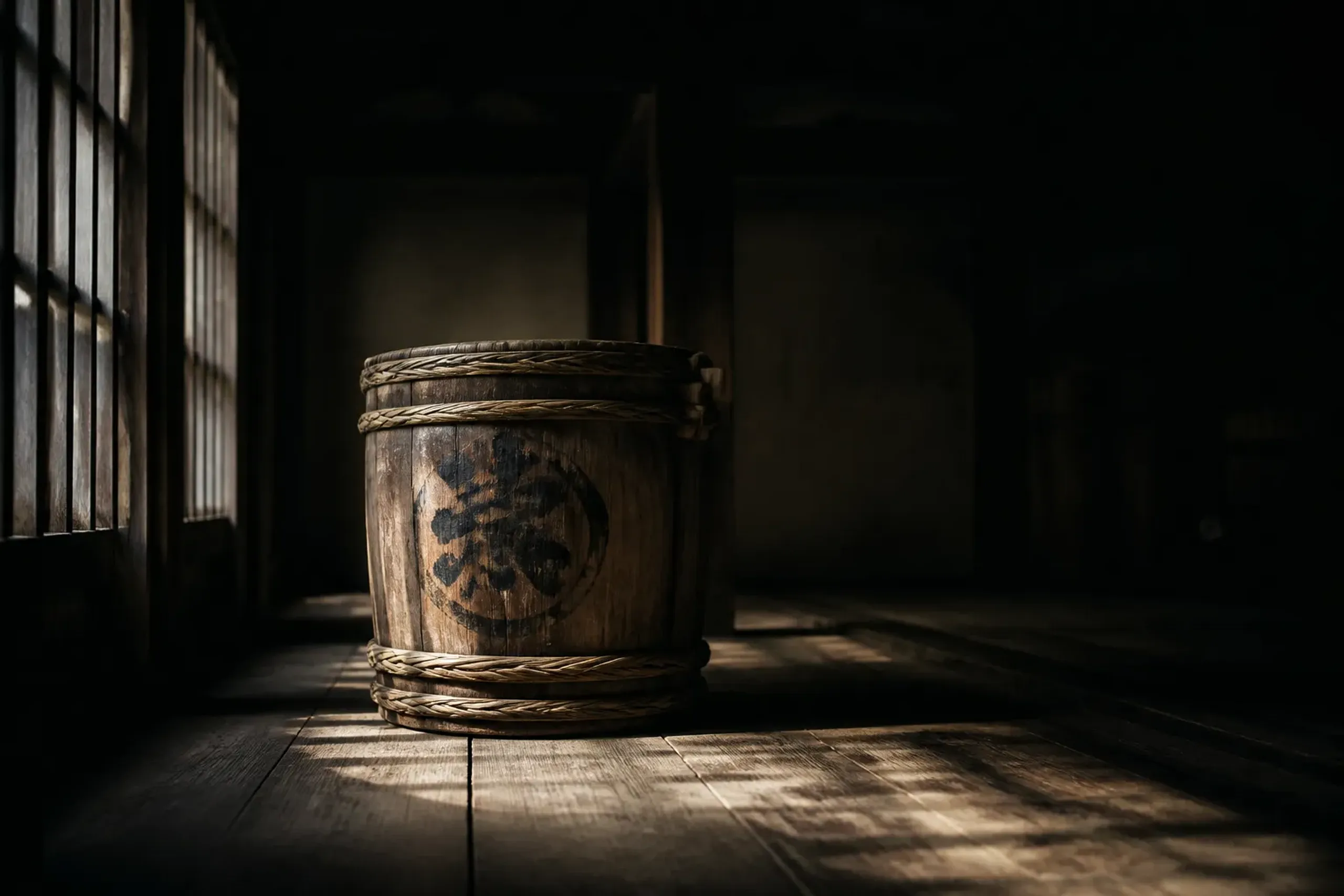
Nada—the coastal brewing belt in Kobe and Nishinomiya—built a sake style that travelled, literally, to Edo. It was brewed for a distant market and a specific palate, then shipped in barrels on tarukaisen cargo vessels.
Our team at Japan Royal Service plans days in Nada for travelers who want the Japan you do not stumble into. Quiet. Precise. And discreet.
Start Here: How Nada Differs From Fushimi (Without The Myths)
Nada’s Miyamizu is harder than Fushimi’s Gokōsui, but both are medium-hard (chūkōsui), so the contrast is real yet relative—not “hard vs soft.”
If you read our companion guide to Fushimi, this is the counterweight. Different water, yes. But the bigger difference is who the sake was for.
Fushimi (Kyoto) refined sake that fits Kyoto cuisine and court-rooted restraint. Nada (Kobe–Nishinomiya) sharpened itself for Edo’s appetite and scale. Two cities. Two buyer logics.
If you want the full foundation on styles and grades, we recommend reading The Dining Ladder: How Japanese Restaurants Take Bookings alongside your trip planning, then treat Nada as the fieldwork.
What Is Miyamizu, And Why Does It Make Nada Sake Taste Drier?
Miyamizu is Nada’s brewing water, valued for minerals that drive vigorous fermentation and low iron that protects aroma, often yielding a drier profile with firmer acidity.
The story matters because it is specific. Miyamizu (宮水) rose to fame in the Tenpō era of the late Edo period, and its discovery pushed Nada into a new tier of production and consistency.
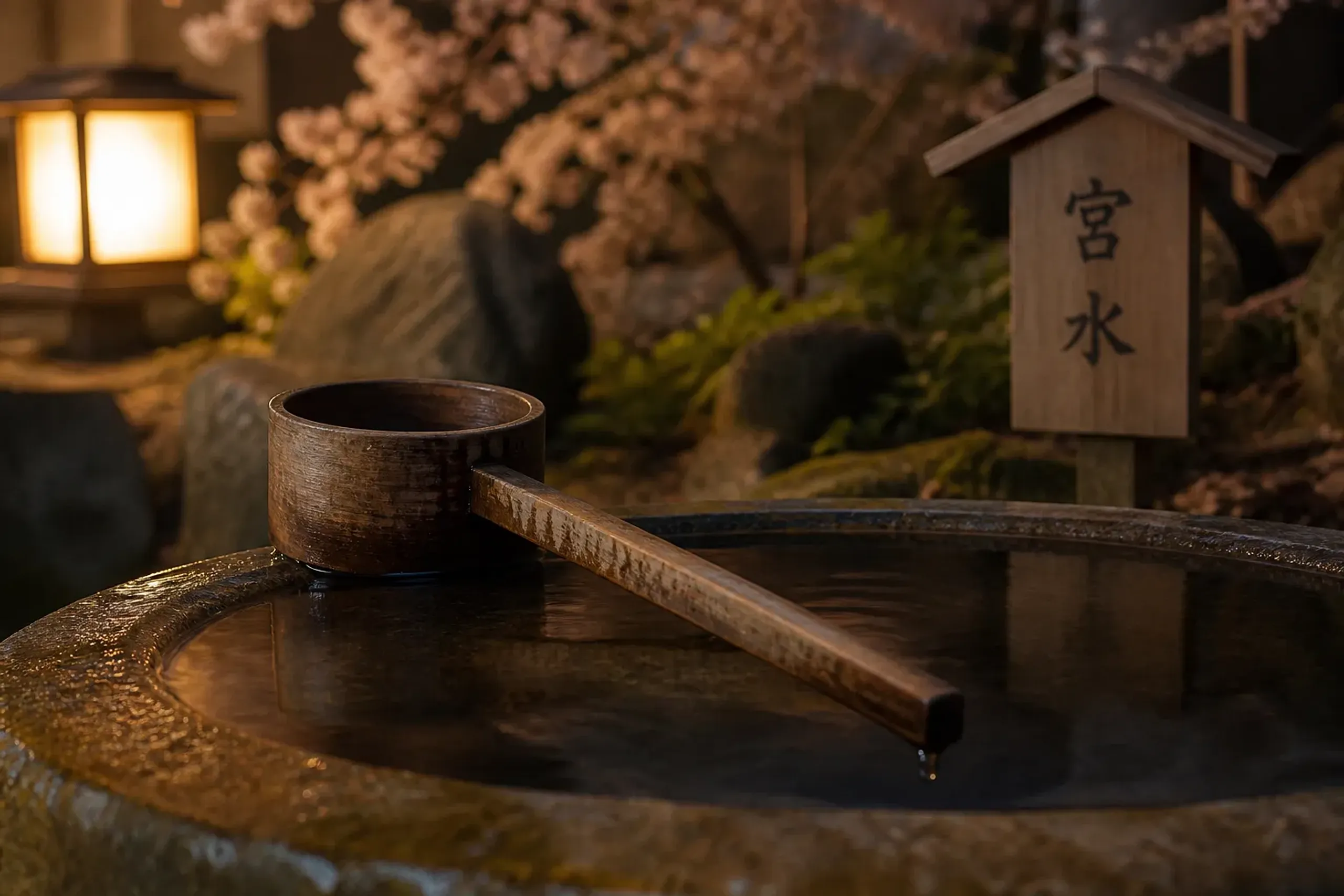
Miyamizu is one of the quiet drivers behind Nada’s firmer, drier profile.
In practical tasting terms, Miyamizu tends to give a sake a sharper outline. You may notice a cleaner snap at the finish and a feeling of lift through the mid-palate, especially when served with food.
Fushimi’s Gokōsui (御香水) is also medium-hard, just a touch softer. It usually ferments longer and often shows lower acidity and a more delicate impression—though modern brewing can produce dry or sweet sake from either water.
Why Did Edo Shape Nada Sake More Than Kobe Did?
Nada’s signature style formed because it was “Edo-okuri” sake—built for shipment and repeat buying in Edo—so generations of brewers tuned it to Edo tastes, not local Kansai dining.
This is the detail most English guides skip. The market mattered as much as the water.
In the Edo period, sake from the Kansai region was shipped as kudari-zake, and specialized vessels called tarukaisen carried sake barrels from ports around Nada/Kobe/Nishinomiya toward major cities including Edo.
When you hear the phrase 灘の男酒、伏見の女酒—Nada’s “male sake,” Fushimi’s “female sake”—treat it as shorthand for the two historical demand curves. Edo prized a bolder, drier, more assertive table presence. Kyoto prized finesse for cuisine that evolved from court cooking. Today, technique blurs the boundary, but the house styles still echo the old buyers.
Nada-Gogo: The Five Villages That Make Japan’s Largest Sake Region
Nada is not one neighborhood. It is Nadagogo (灘五郷), the “Five Villages of Nada,” running along the coast from Kobe to Nishinomiya.
Official tourism and industry sources present Nadagogo as Japan’s top-producing sake area by volume, and Japan’s national tourism site states brewers there produce over a quarter of Japan’s sake.
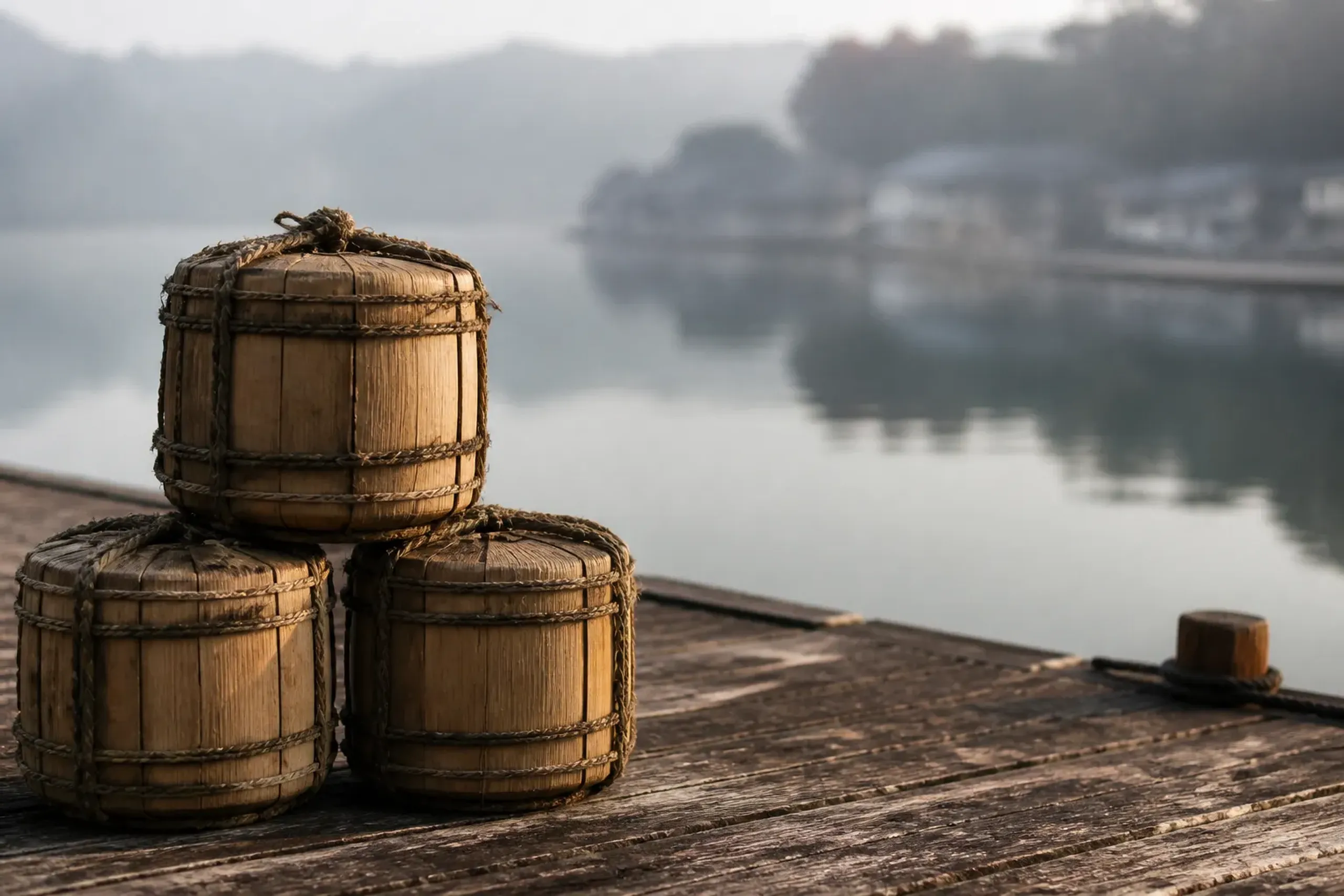
Nada’s style was tuned for Edo buyers—and the logistics to reach them.
That scale changes what you see on the ground.
The five districts are:
- Nishigo (西郷)
- Mikagego (御影郷)
- Uozakigo (魚崎郷)
- Nishinomiyago (西宮郷)
- Imazugo (今津郷)
Brewing in Nada dates back to the 17th century. Two founding dates anchor the continuity: Kiku-Masamune (1659) and Hakutsuru (1743). The district is built on two inputs—Miyamizu water and Yamada Nishiki rice—then accelerated by logistics and demand.
How Do You Visit Nada Sake Breweries From Kobe Or Osaka Without Wasting Half The Day?
The simplest plan is a half-day in Nada using JR or Hanshin lines, then walking between museums and storefront tastings; most travelers can do it without a taxi, but a chauffeur saves time and reduces exposure.
Nada sits on a practical corridor. From central Kobe, you can reach the brewery area quickly, then spend your energy on tasting, not navigation.
If you are the type who hates small frictions—finding the right exit, storing purchases, watching the clock—this is where a private transportation plan earns its keep. You arrive calm. You leave on your terms.
For travelers stitching Nada into a wider Kansai route, our concierge often pairs it with a long lunch, a low-key garden stop, or a late-afternoon return to Osaka for dinner. The goal is pace, not volume.
What Happened To Nada In The Great Hanshin-Awaji Earthquake (And What You See Today)
The Great Hanshin-Awaji Earthquake struck on 17 January 1995 and killed over six thousand people; in the Nada brewing district, wooden facilities were destroyed and many breweries rebuilt in concrete, keeping traditional methods inside new structures.
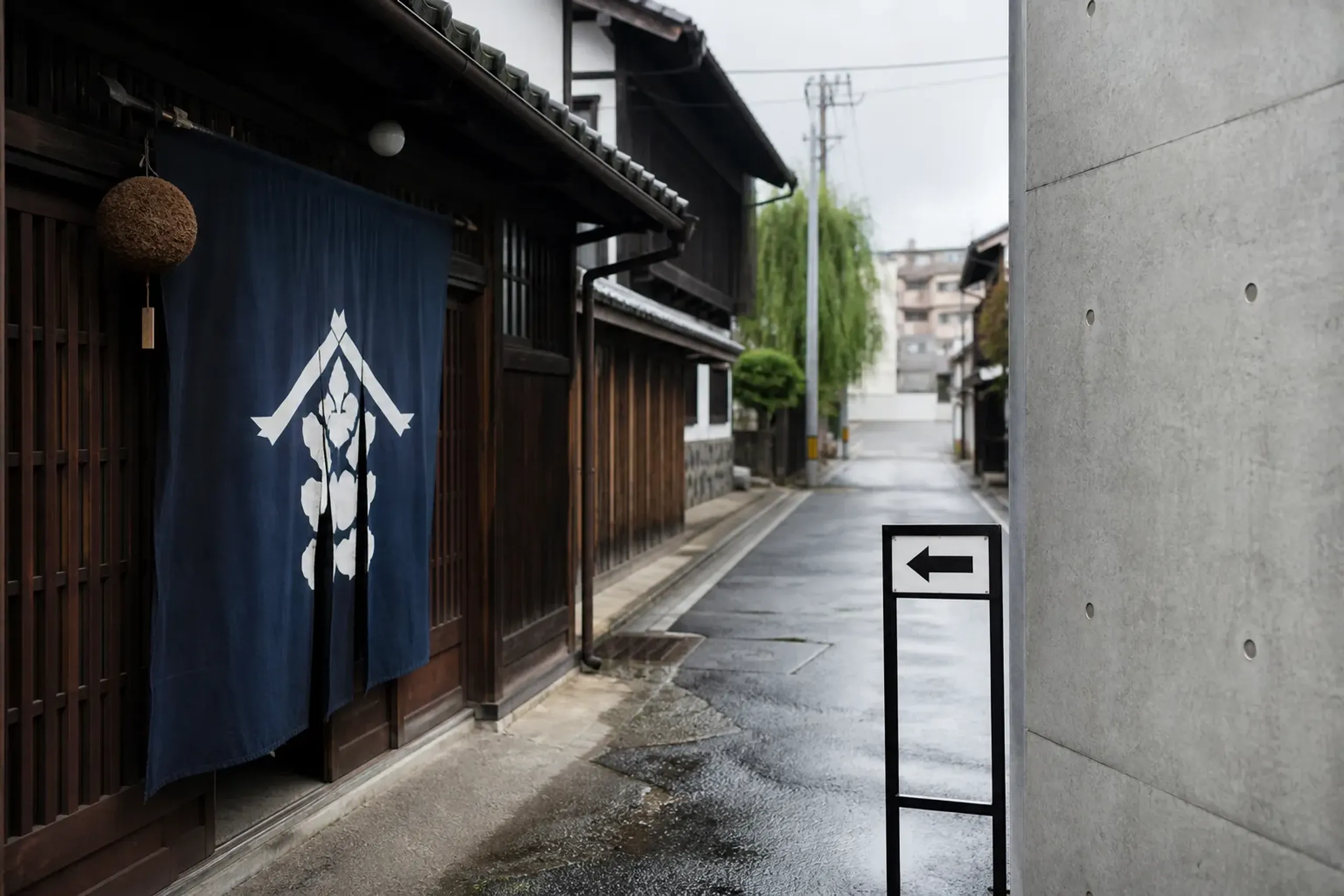
Nadagogo stretches along the coast from Kobe to Nishinomiya—five districts, one powerhouse region.
This is why Nada can look industrial compared to Fushimi. Without this context, visitors sometimes misread the landscape as “less authentic.” It is not.
Three museum stories are especially useful when you visit because they turn “rebuilding” into something you can actually picture:
- Kiku-Masamune: its museum was destroyed. Brewing tools and small equipment were recovered by hand, largely undamaged or restorable. The museum reopened on 25 January 1999 and now displays the Nada Sake Brewing Tools designated Important Tangible Folk Cultural Properties of Japan.
- Sawanotsuru: its museum (opened 1978) was destroyed, then rebuilt using mostly original materials, reopening in March 1999. During reconstruction, an underground funaba (pressing cellar) was discovered and restored.
- Hakutsuru: its museum was heavily damaged and restored. It occupies a brewery built in the 1910s that operated until around 1970.
Recovered tools and a rediscovered funaba. Two clean images. They explain the district better than any poetic paragraph.
The Public Tier: Three Museums In Nada That Are Worth Your Time
These are reliable, visitor-ready stops with English materials and tastings. You will still want to check current opening hours and closure days before you go, because they change.
Hakutsuru Sake Brewery Museum (Hakutsuru)
Hakutsuru operates the Hakutsuru Sake Brewery Museum by opening an old sake brewhouse to the public in its original form. It is one of the clearest ways to understand scale, tools, and workflow without needing special access.
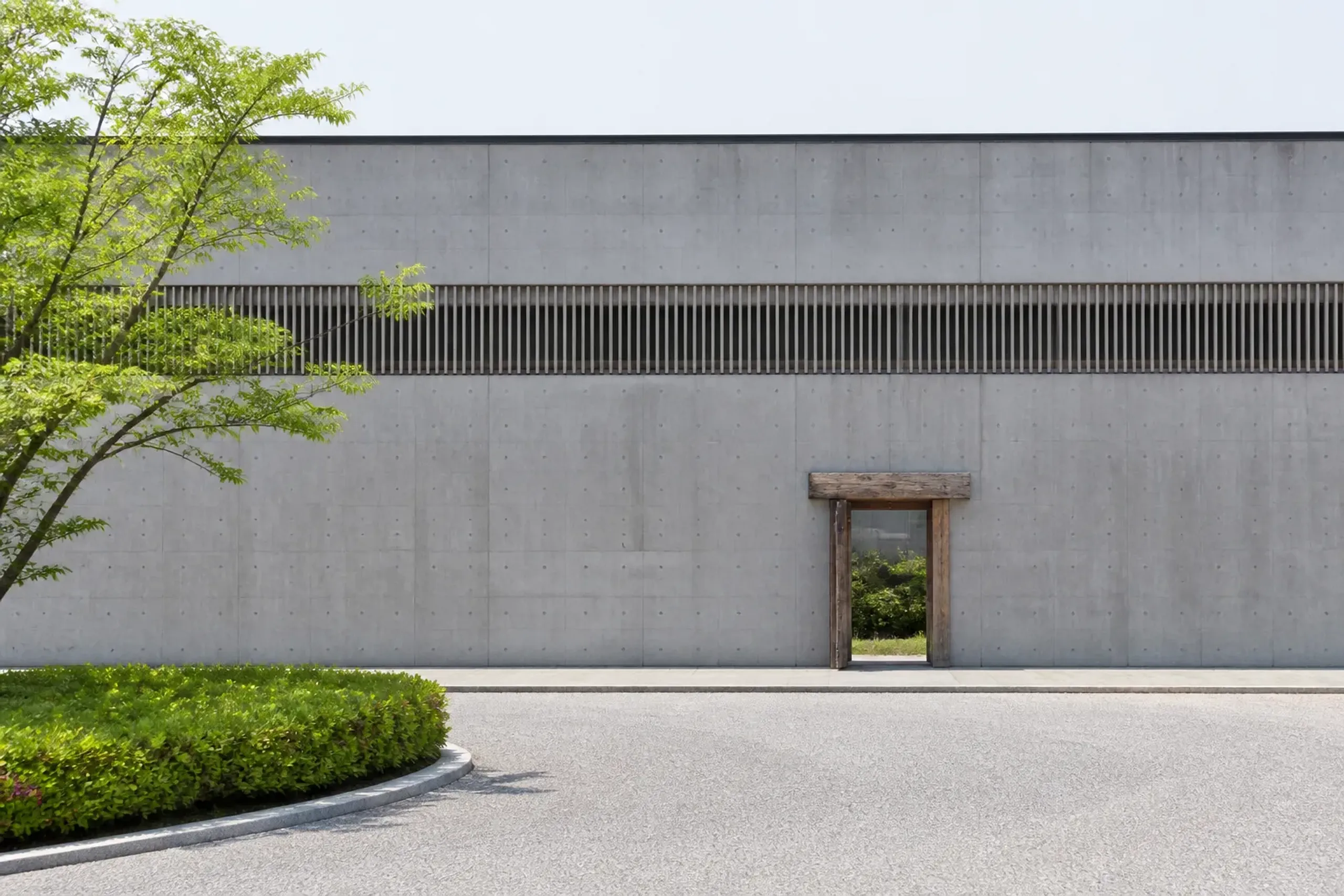
After 17 January 1995, many kura rebuilt in concrete while keeping traditional methods inside.
For travelers who like contemporary hooks, Hakutsuru has published 2026 updates around museum programming, including product explanation sessions tied to “HAKUTSURU SAKE CRAFT THE PREMIUM 2026,” and a limited-quantity microbrewery release (“HAKUTSURU SAKE CRAFT No.18”) sold at the museum starting May 16, 2026.
Kiku-Masamune Sake Brewery Museum (Kiku-Masamune)
Kiku-Masamune was founded in 1659, and the museum’s post-1995 recovery story changes how you read what is on display. Tools recovered by hand are not abstract history; they are inventory that survived.
Kiku-Masamune also operates a taru (cedar barrel) sake barrel-making facility across the road, which requires an advance online reservation. Plan this early if it matters to you. It is time-specific, and slots can be limited.
Sawanotsuru Sake Museum (Sawanotsuru)
Sawanotsuru’s museum is closely linked to the earthquake rebuilding story, including the restored underground funaba discovered during reconstruction. If you want one place that makes the “rupture and rebuild” legible, this is a strong candidate.
Key fact: Museum hours and closure days can change by season and special programming. JRS will confirm directly with each museum close to your travel date.
The Private Tier In Nada: What A High-Touch Visit Can Include
This is where the trip becomes personal. Quietly so.
Depending on season, relationships, and hygiene constraints, private visits in Nada can include private tastings outside public hours, guided tastings across grades with clear explanations, and possible meetings with a tōji or brewery leadership.
In some cases, access can extend to houses that do not receive general visitors.
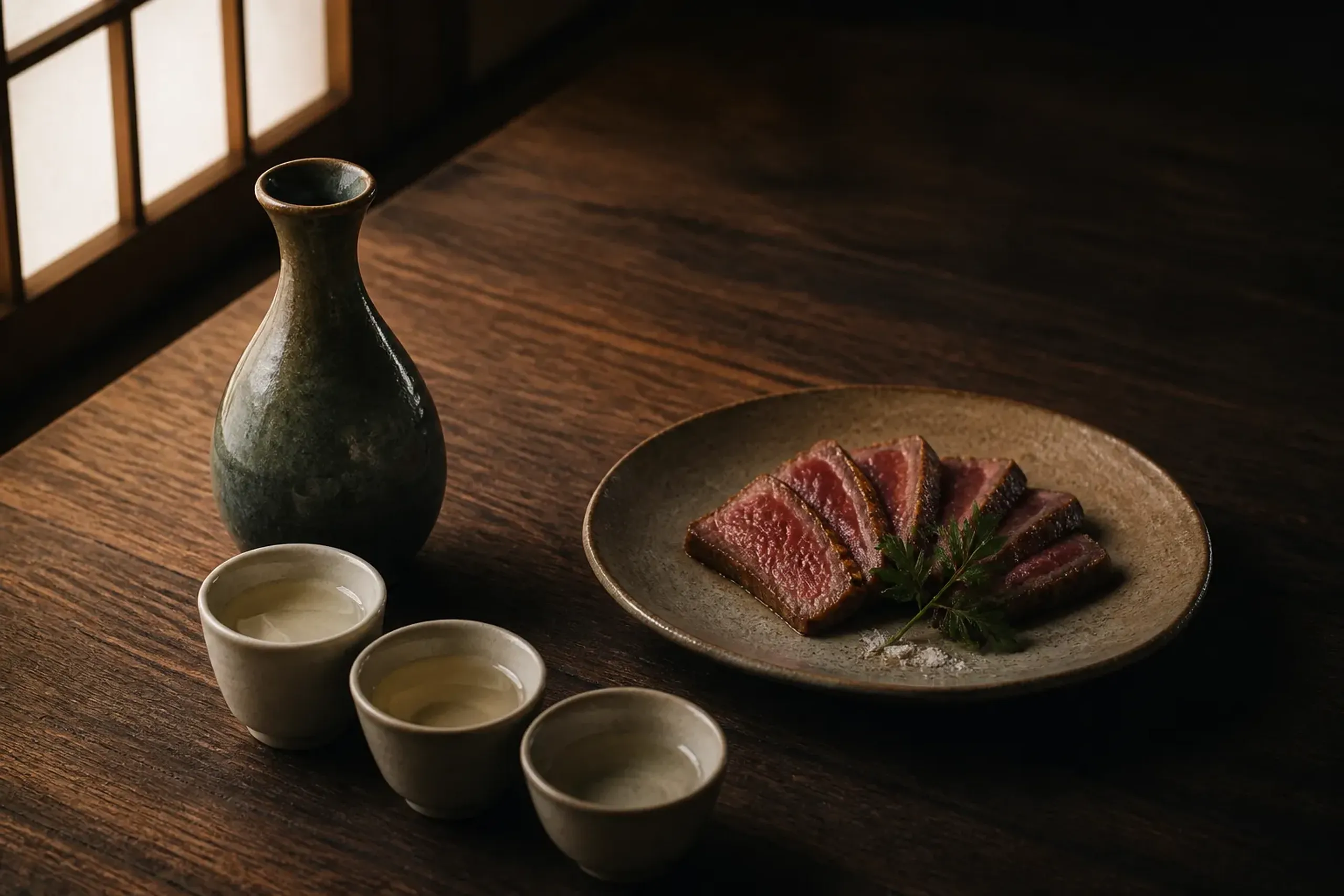
A structured tasting earlier, then a paced beef dinner later—Kobe makes the pairing feel natural.
It can also include brewing-floor access during the brewing season (October through March), with what you see changing week by week as fermentation and pressing move through their cycle.
Conditions are strict and non-negotiable:
- Hygiene protocols: follow the brewery’s sanitation instructions precisely.
- No perfume: scent disrupts tasting and can be refused on entry.
- Food restrictions: avoid strongly fermented foods such as nattō before a visit, per brewery guidance.
- Party size: small groups only; many kura limit numbers for safety and control.
Our role at Japan Royal Service, publicly, is to share what is possible and how to plan around it. For private coordination, guests speak with our concierge directly after inquiry.
When Is The Best Time To Visit Nada For Brewing Season And Access?
October through March is the brewing season in Nada, and it is the only window when brewing-floor observation is sometimes possible under strict conditions.
If you care about production rather than just tasting, winter is the point. The air is colder, fermentation is active, and the district feels more workmanlike.
It is also Kansai’s quieter season, which helps HNW travelers who dislike crowds but still want substance. Less noise. Better attention.
If you are timing a 2026 trip, winter openings and spring museum programs can be useful anchors; for example, regional “kura-biraki” style programming has documented dates such as January 25, 2026, and Hakutsuru has published 2026 museum events and limited releases tied to onsite microbrewery output.
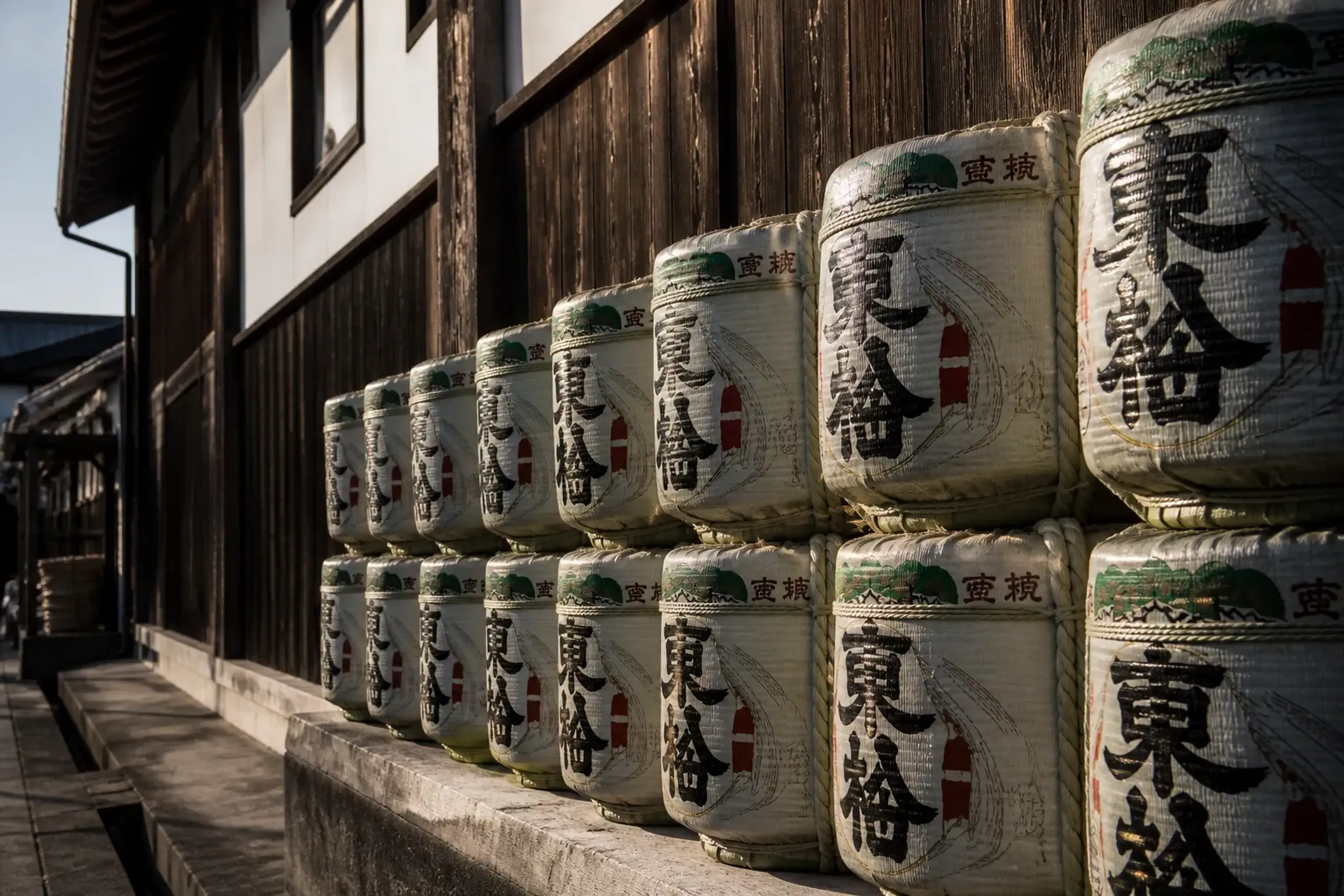
A Half-Day Walk In Nada: A Practical Route That Makes Sense On Foot
You do not need to “tour” Nada with a flag and a headset. Walking works.
The area mixes older structures, museum buildings, and post-1995 concrete breweries. That visual contrast is the point, not a flaw.
A strong half-day shape is three stops with breathing room between them: one museum that teaches process, one that anchors the earthquake recovery story, and one tasting-focused stop where you slow down and take notes. Keep it tight. Your palate fatigues.
If you want a longer day, we often suggest adding a single non-sake stop—architecture, a garden, a waterfront pause—so the day does not become a blur of similar aromas.
Nada Sake And Kobe Beef In One Day (A Pairing That Actually Works)
Kobe is one of the few places where this pairing feels inevitable. A structured tasting earlier in the day, then a carefully paced beef dinner at night, is a clean arc.
Do it wrong and you dull both. Big mistake.
Our team typically recommends a tasting style that builds from lighter, crisper profiles toward richer expressions, then leaves space—time and appetite—before dinner. If you want context on where the beef begins, read A Day in Tajima: Where Kobe Beef Begins.
If your schedule allows, adding a day that includes Tajima (Hyogo) can deepen the story: the landscape, the farming, then Kobe for the table. It is not a checklist. It is a chain of causes.
Buying And Shipping Sake From Nada: What Is Straightforward, What Is Not
Domestic delivery within Japan is usually straightforward, but export is where constraints appear, and unpasteurised sake generally travels poorly.
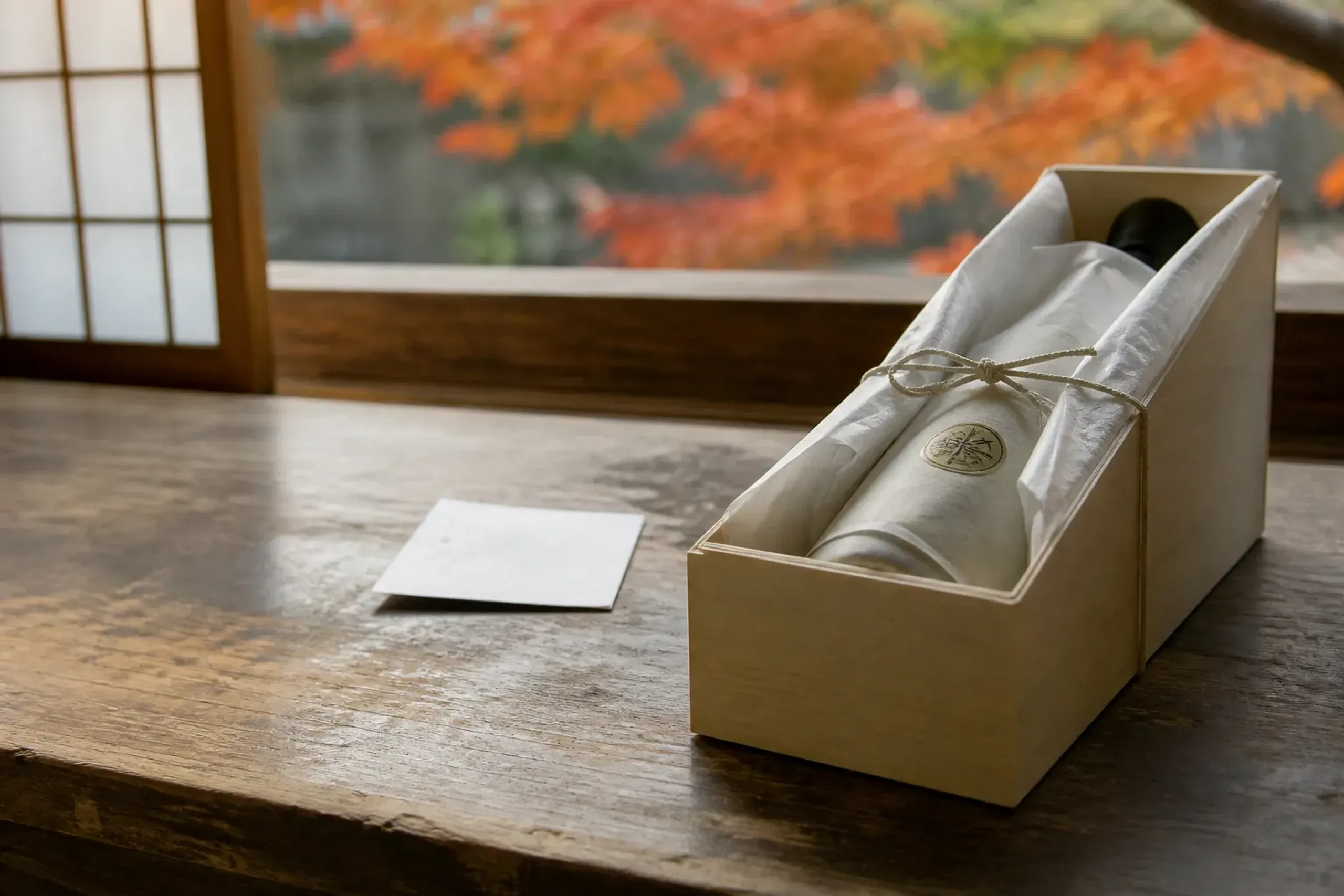
If you are staying in Japan for a while, shipping to your next hotel can be the simplest path, especially if you are buying multiple bottles and want your hands free.
If you plan to take bottles home, think about stability and timing. Museum-exclusive limited releases can sell out, and the best choice may be what is sensible to transport, not what looks rare.
When guests ask us for guidance, we focus on what you can drink well—at home, in your climate—rather than what will merely survive the journey.
Frequently Asked Questions
Is Nada’s Water “Hard Water,” And Fushimi’s “Soft Water”?
No—both are medium-hard (chūkōsui), with Nada’s Miyamizu harder by degree (often cited around 100 vs around 80), which is a real but relative difference.
That relative hardness, plus low iron in Miyamizu, helps drive vigorous fermentation and a drier, firmer impression in many Nada styles. Modern brewing can still produce a wide range in either region.
Can I Visit The Hakutsuru, Kiku-Masamune, And Sawanotsuru Museums In One Day?
Yes, many travelers can visit all three in a half-day to full day, but it works best when you limit tastings and confirm each museum’s current hours and closure days.
We prefer a paced route with breaks, so your palate stays sharp and you can actually remember what you liked.
When Can I See Brewing In Progress In Nada?
Brewing activity is seasonal, and observation access is generally limited to October through March, with strict rules that vary by brewery and timing within the season.
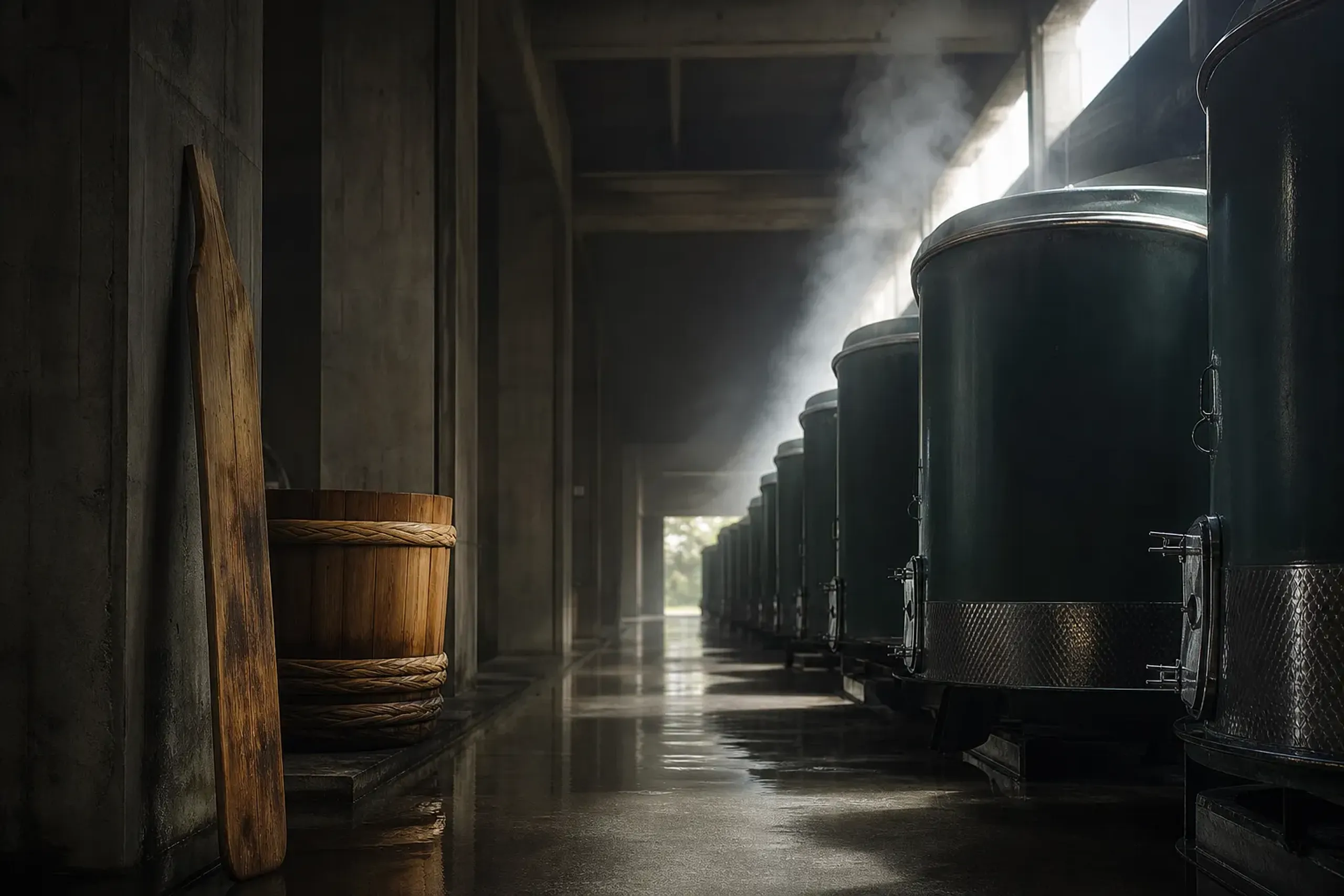
Even in season, what you see depends on where the kura is in its cycle. Some days are all fermentation tanks. Other days are pressing and storage work.
Can Japan Royal Service Help Plan A Discreet Nada Sake Day Trip From Osaka For Two People?
Yes—our concierge can design a discreet, timed itinerary for two, balancing museum stops, tastings, transfers, and dinner pacing based on your preferences and travel style.
We keep privacy central: low-visibility routing, careful timing, and minimal public friction. For private coordination, guests reach our team directly after inquiry.
Why Choose Japan Royal Service
Luxury travelers do not come to Nada for a generic tasting. They come for clarity: what shaped the style, why the district looks the way it does, and which doors are worth approaching quietly.
Our team at Japan Royal Service builds that clarity into the trip. We plan with discretion first—tight scheduling, controlled visibility, and privacy around your identity and itinerary.
We also curate for hidden-Japan value. Not “secret” for show, but the kind of access that works by introduction: measured visits, serious interpretation, and, when appropriate, shokunin-level encounters with people who make the work real.
If you want Nada to feel like Edo’s supply chain made present—water, rice, logistics, and taste—our concierge will shape the day so it reads cleanly, even when the district itself looks rebuilt.
For private coordination, reach our team privately via WhatsApp or LINE, or contact us here.