In this guide
- 01Why Winter Is The Season That Matters For Niigata Sake
- 02How Does Niigata Snow And Water Shape The Taste Of Its Sake?
- 03When Should You Plan A Niigata Sake Brewery Trail For Peak Brewing Activity?
- 04A 3–4 Brewery Niigata Sake Trail That Shows Range, Not Repetition
- 05What You Actually See Inside A Working Niigata Brewery In Winter
- 06How Do Introductions To Sake Makers Change A Niigata Brewery Visit?
- 07Rice, Regional Character, And Why Niigata Feels “Clean”
- 08Tasting Sake That Rarely Leaves Niigata
- 09How To Combine A Niigata Sake Trail With A Wider Snow-Country Winter Trip
- 10Food With Niigata Sake: Keep It Local And Let It Stay Simple
- 11Practical Winter Notes: Layering, Reservations, And Getting In From Tokyo
- 12Plan Your Winter Niigata Sake Trail
In September, a “brewery visit” can mean empty tanks and a gift shop. You hear a good story. You buy a bottle. Then you leave, slightly unsatisfied.
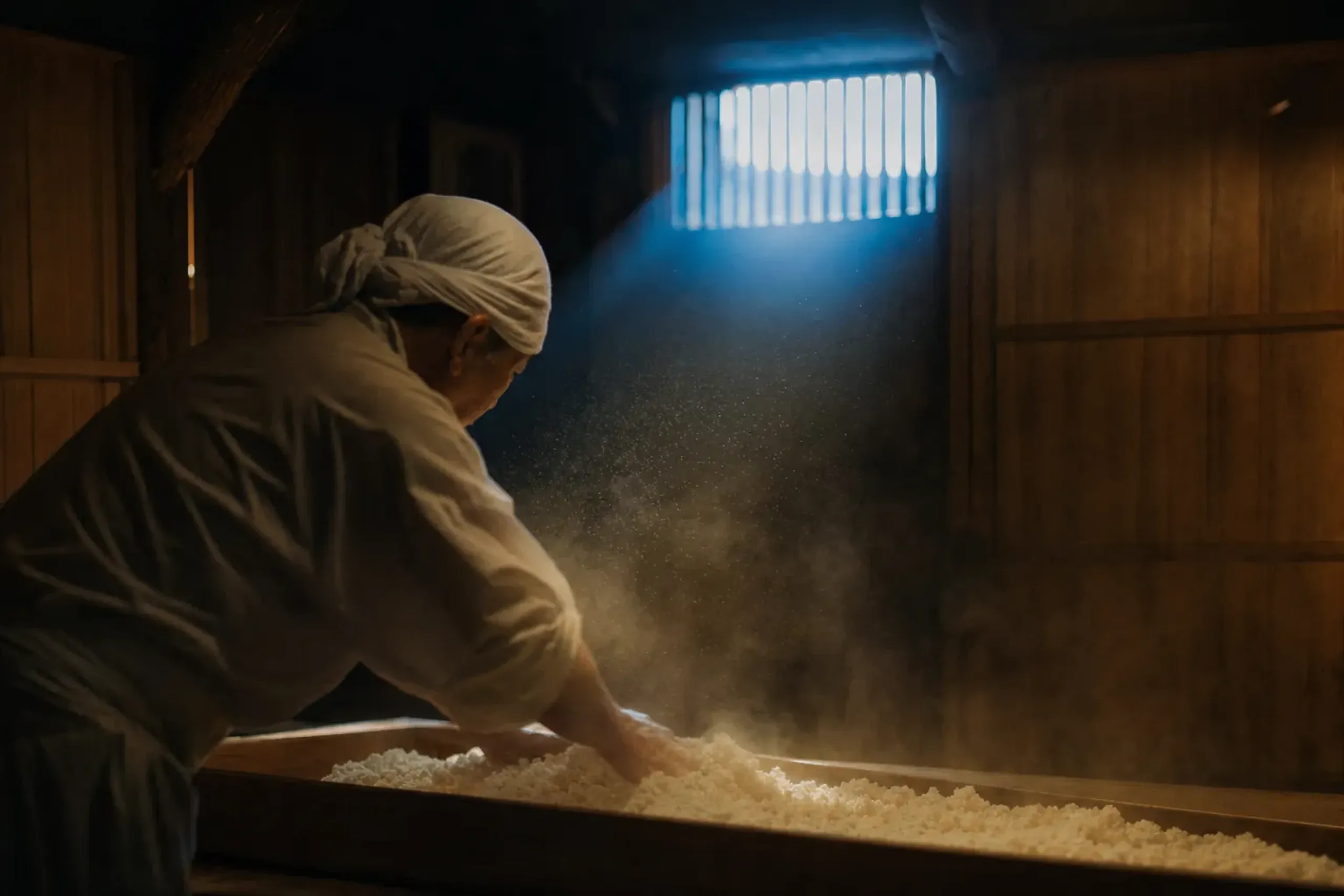
Niigata in winter is another matter entirely. The work is in the room with you: steam on the windows, wet boots at the threshold, and a faint, sweet cereal scent drifting from a koji room.
If you want sake as living craft, timing is the whole point. Our team at Japan Royal Service builds Niigata sake travel around the months when decisions are being made daily — not recited later for visitors.
Why Winter Is The Season That Matters For Niigata Sake
Niigata’s active brewing season runs from December through March, with February at the peak of activity.
Outside that window, you can still visit many breweries. You can still taste. But you are mostly seeing a building and a brand story, not the daily rhythm of production.
In winter, you may be close enough to feel the temperature drop as you step into the production areas, and you begin to sense why the region’s style became what it is. Quiet. Restrained. Clean on the finish. Deeply wabi-sabi, in the best sense: nothing loud, nothing forced, nothing added merely for show.
That contrast is the whole argument. A brewery visited out of season is a place that was busy. A brewery visited in winter is a place that is busy.
How Does Niigata Snow And Water Shape The Taste Of Its Sake?
Niigata’s heavy snowfall melts and filters slowly through granite into very soft, low-mineral water, which supports slow, controlled fermentation and a clean, precise sake with little roughness or sweetness.
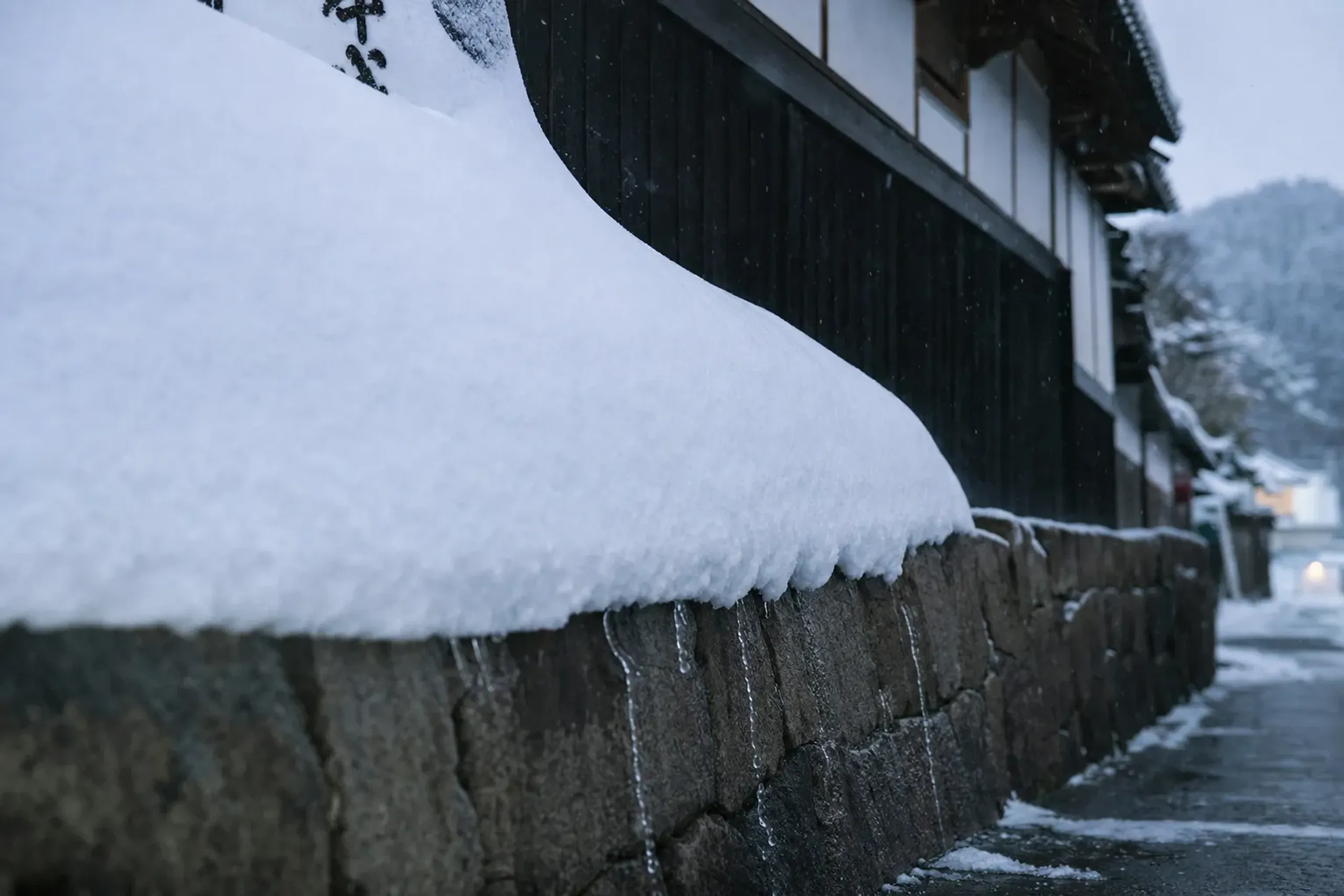
This is not a chemistry lecture. It is an on-site sensation. Snow piles up outside, and inside, the brewery stays fixed on control — temperature, timing, and the small adjustments that keep fermentation steady.
Cold matters too. The colder, more stable winter environment supports the slow pace that Niigata is known for, and it mirrors the local preference for clarity over showiness. If you favor Burgundy over a blockbuster Cabernet, you tend to understand Niigata almost immediately.
And this is where shokunin becomes real. A brewer’s day is a sequence of careful, repetitive choices that only look simple after you have watched them happen with your own eyes.
When Should You Plan A Niigata Sake Brewery Trail For Peak Brewing Activity?
Plan your Niigata sake brewery trail between December and March, aiming for February if you want the best odds of seeing active koji rooms and fermentation work in full swing.
There are practical reasons to keep the window tight. Some breweries close around New Year. Many visits require reservations, and English-language guide availability varies from house to house.
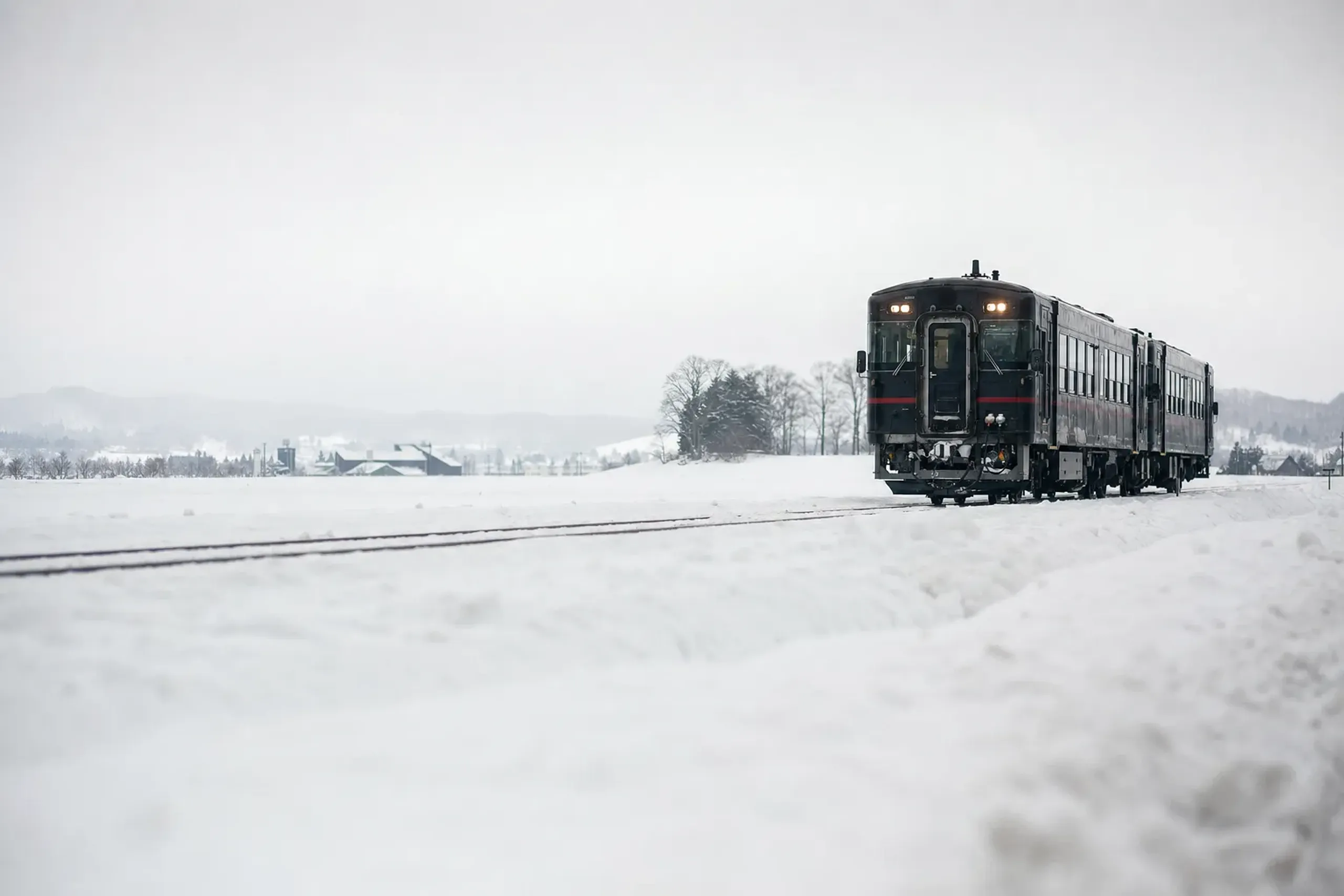
Winter also changes the pacing. Roads can be snowy. Trains run, but you want margin. This is where a considered luxury approach becomes less about flash and more about calm sequence: fewer hops, more time inside, and warm stops in between.
Our concierge team at Japan Royal Service typically plans 3 to 4 brewery stops across 2 to 3 days, with buffers that keep the day from turning into a sprint. Every element is arranged as part of a bespoke itinerary shaped around how deep you want to go.
A 3–4 Brewery Niigata Sake Trail That Shows Range, Not Repetition
Niigata is commonly cited as having roughly 80 to 100 breweries, and in 2026 the Niigata Sake Brewers Association reported 82 breweries participating in Sake no Jin.
That scale is exactly why a “one brewery” plan can feel thin. The point of a trail is contrast. Even within a single prefecture, house style varies. The water is shared, but the decisions are not.
Below is a practical trail structure using real, verifiable destinations. It is built to show three different faces of Niigata sake culture: an accessible city brewery, a station-based tasting library for calibration, and a snow-country facility that makes winter visible.
Day 1 (Niigata City): Imayo Tsukasa Sake Brewery + Evening In Furumachi
Start in Niigata City for an orientation day. Low friction. You are not gambling on mountain weather just yet.
Imayo Tsukasa Sake Brewery (founded 1767) publishes an English-language tour on its official site, and it also offers tasting information in English, including amazake options. A grounding first stop.
Afterward, shift to Furumachi. This traditional entertainment and dining quarter is where events like the Niigata Sake Summer Festival were held on July 11–12, 2026, in venues including Furumachi Rufuru Plaza and Furumachi Mall. Even if you are traveling in winter, Furumachi still matters as a dining base and an address that helps you read the city’s social map.
Day 2 (Niigata City / Transit): Ponshukan For A Calibrated Tasting Baseline
Before you go deeper, set a baseline.
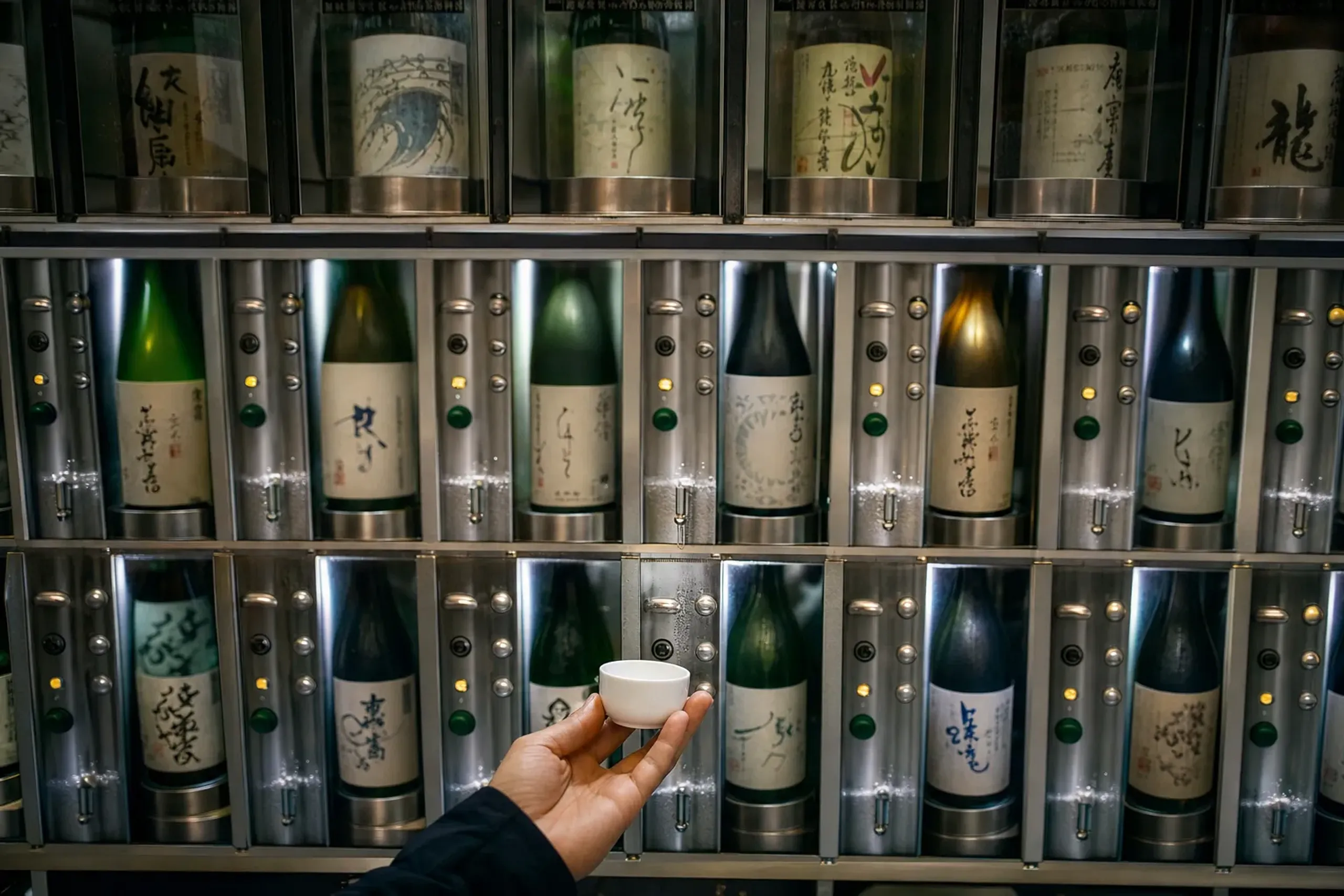
Ponshukan is promoted by JNTO as a place to immerse yourself in Niigata’s sake culture, including tasting and even sake baths.
The Echigo-Yuzawa location states that visitors can pay ¥500 to receive a sake cup and five tasting coins (per its English page). A travel-industry report also indicated the five-coin price would rise from ¥500 to ¥1,000 starting July 1, 2026, applying to the Niigata, Nagaoka, and Echigo-Yuzawa counters. Confirm the current rule at the time you travel.
Ponshukan is not the same as meeting the maker. It is still useful. You can taste across styles quickly, learn what “clean and precise” means in your own mouth, and decide which direction you want your brewery visits to lean.
Day 3 (Snow Country Direction): Hakkaisan Uonuma No Sato And A Yukimuro Tour
If you want winter to feel tangible, go where snow is part of the experience architecture. Hakkaisan Uonuma no Sato publishes an English booking page for a Yukimuro (snow storage) tour, describing the snow storage environment and the tour logistics.
This is a quintessentially “Niigata only” moment. Snow here is not merely scenery. It is an input, a constraint, and a design choice — and you can feel the temperature shift the instant you step into a snow storage space.
We keep the day deliberately simple. One core visit. Time for a slow lunch. Then back before you tire.
Optional Day 4 (Niigata City): Takarayama Sake Brewery As A Contrast Stop
For a different angle within Niigata City, Takarayama Sake Brewery is listed on the official Tohoku tourism site with address details (1380 Ishise, Nishikan-ku, Niigata City) and a tour/tasting/souvenir plan description.
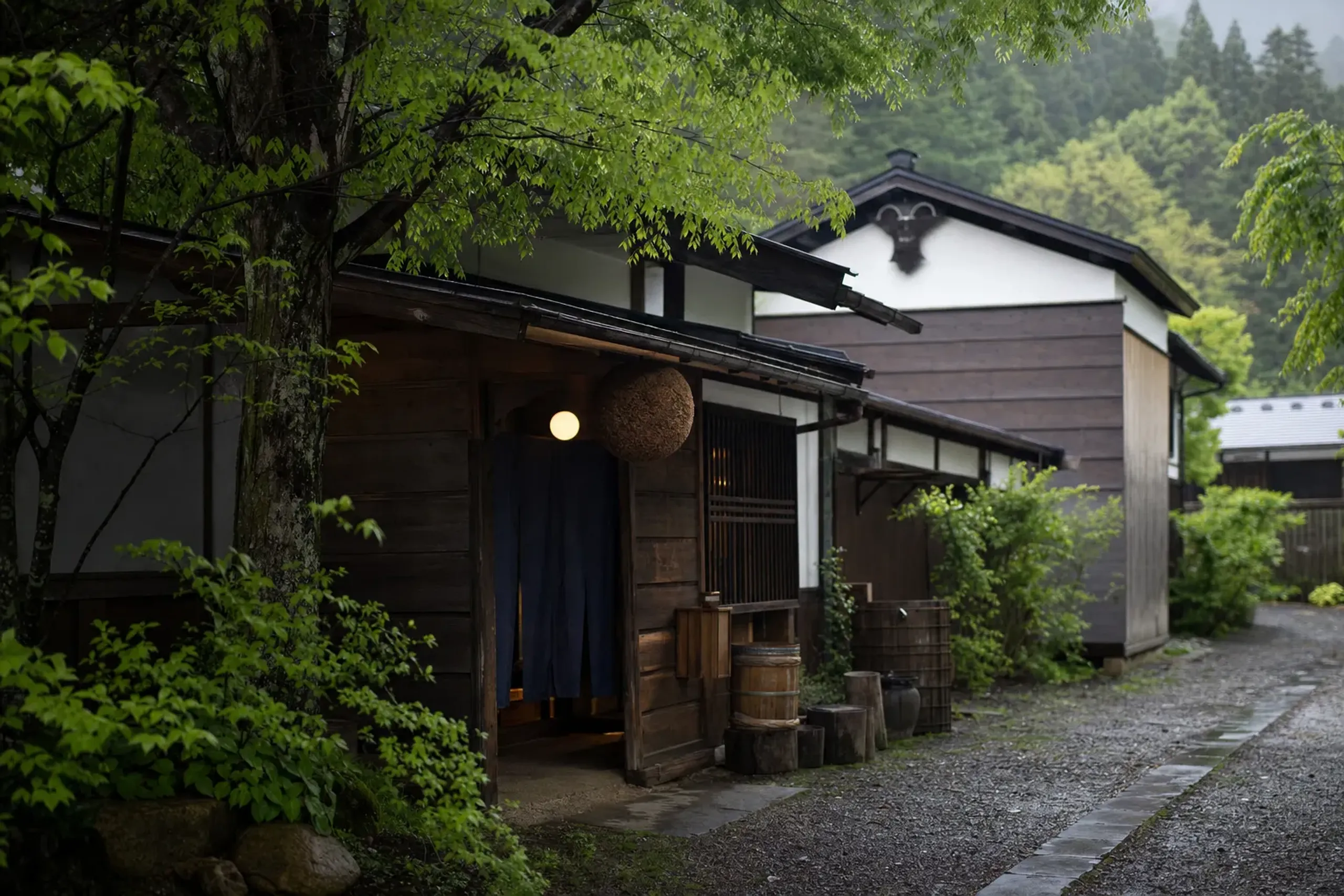
Not every brewery stop needs to be “rare.” Some are valuable precisely because they are legible. You can focus on the craft rather than the logistics, and that clarity makes your later, more private introductions land with far greater weight.
Key fact: Brewery tour formats vary widely in Niigata; some offer English-language guides, most require reservation, and some close around New Year.
What You Actually See Inside A Working Niigata Brewery In Winter
You are not there for labels. You are there for process.
On a winter visit, the most meaningful rooms tend to be the ones that feel plain: a koji room with controlled warmth, fermentation tanks actively working, and staff moving with a quiet, rehearsed economy. The air can smell faintly sweet and warm, like fresh steamed rice cooling.
The best moments are small. A brief explanation of what is being adjusted today. A pause before answering, because the person speaking is choosing accuracy over charm.
We encourage guests to listen for decision-making language. Not slogans. Phrases like “today we…” or “this week we…” signal that you are hearing production reality, not the marketing version.
How Do Introductions To Sake Makers Change A Niigata Brewery Visit?
Introductions to the maker shift the visit from a tour script to a conversation about choices, constraints, and house style.
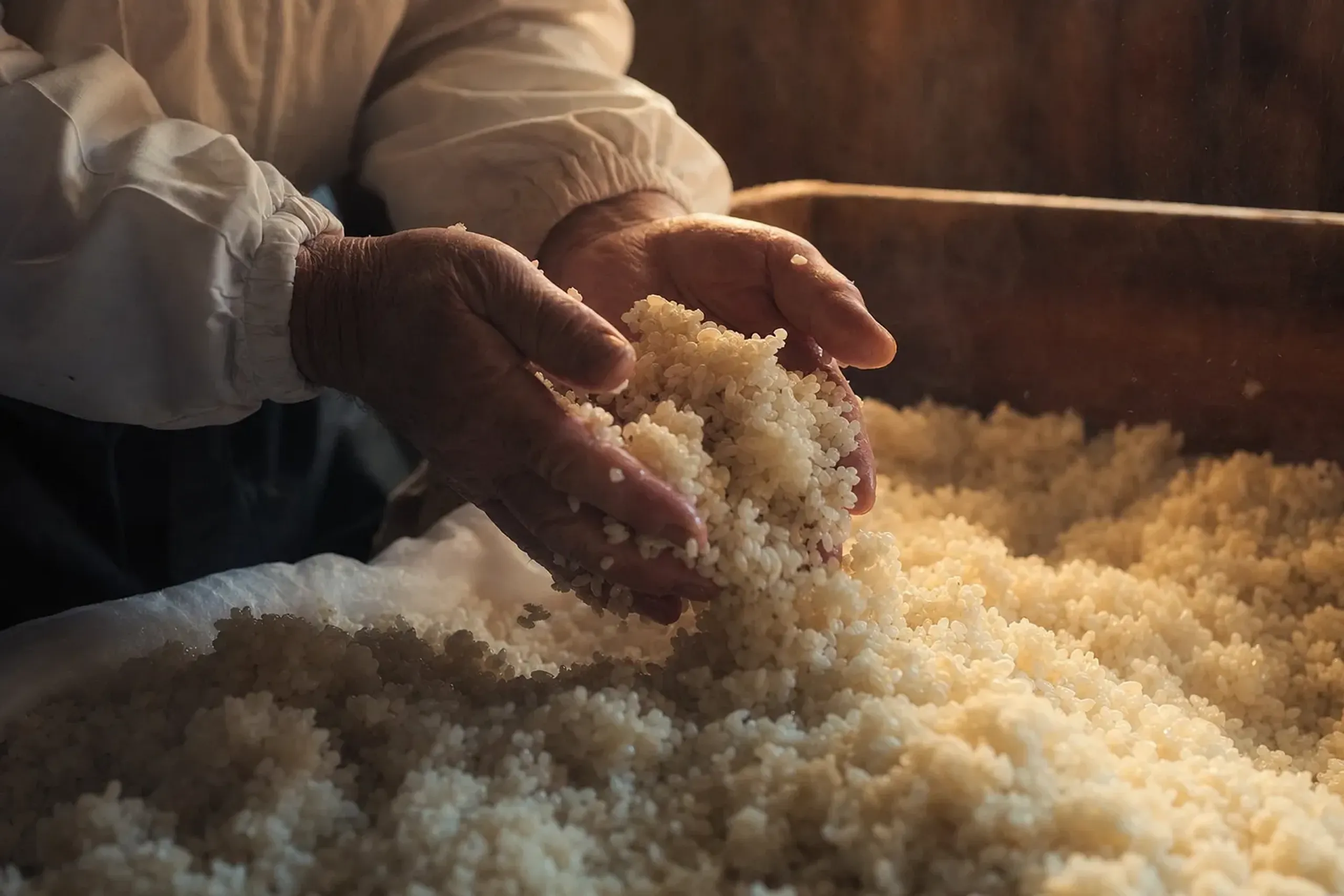
Many Niigata brewery tours are self-bookable. That is a good thing. It also means you often meet a guide rather than someone actually steering the brew day.
When you are introduced properly, the temperature in the room changes. Not dramatically. Just more directly. You can ask why something is done their way, what they watch for in winter, and which part of the process they refuse to rush. These are the introductions that Google cannot find — the ones that open only through relationships built over years.
This is also where discretion matters. Our clients do not want their movements broadcast, and most makers do not want casual crowds drifting into working production spaces. At Japan Royal Service, discretion is not a promise we make loudly. It is a default we keep quietly, guest after guest.
Rice, Regional Character, And Why Niigata Feels “Clean”
In Niigata, rice and water are not separate topics. They behave like a single system.
We keep the rice talk simple on purpose, because over-technical tasting vocabulary can flatten the experience. What matters for travelers is this: Niigata’s style often reads as precise, with a finish that feels tidy rather than sweet or heavy, and winter brewing is part of how that precision is maintained.
In our experience, the most rewarding way to learn is comparative. Taste, then walk. Taste again. Your palate recalibrates as you move between producers, and you begin to notice decisions that you would miss entirely in a single stop.
If you want a deeper “craft logic” approach, our team often points guests to a material-journey way of thinking — ingredient to process to finish — like the perspective used in Wasanbon and the Cherrywood Mould of Takamatsu.
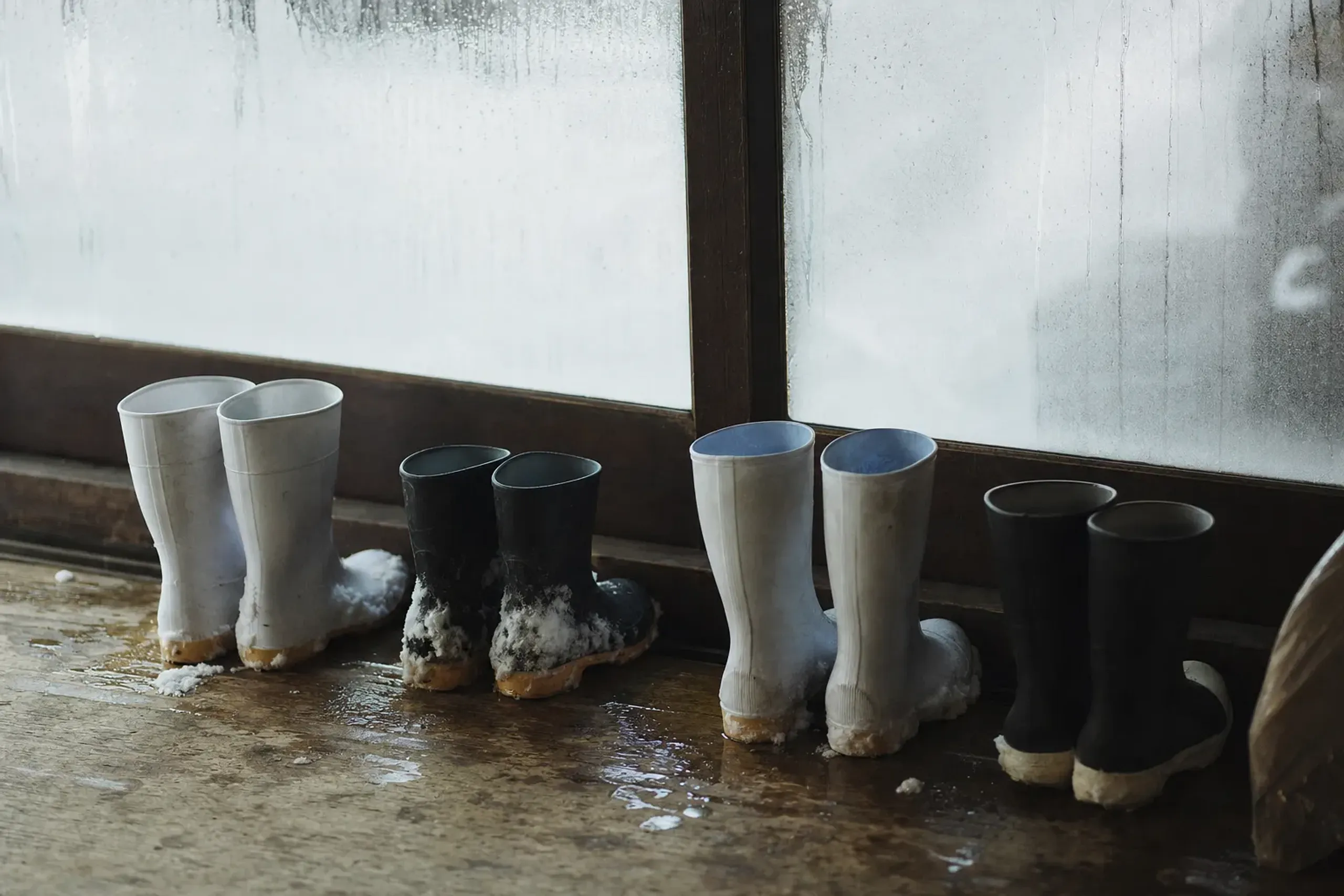
Different craft. The same discipline.
Tasting Sake That Rarely Leaves Niigata
Some of the most interesting bottles are never designed for export at all. They are made for locals, for local food, and for local timing.
With the right introductions, it can be possible to taste sake that is genuinely difficult to find outside the prefecture. Do not treat this like a scavenger hunt. Treat it like a privilege of context.
Ponshukan is useful for breadth. A brewer’s own tasting, guided in context, is where you find depth. Together, they make the trail feel complete.
Keep a notebook. Two lines per pour is enough. One word about aroma, one word about finish, and one note about what food you would want beside it.
How To Combine A Niigata Sake Trail With A Wider Snow-Country Winter Trip
A winter Niigata sake trail pairs naturally with a broader “Snow Country” route, because rail access is straightforward and the emptiness is part of the reward.
From Tokyo, the Joetsu Shinkansen is the practical spine: roughly 80 minutes to Nagaoka, and around two hours to Niigata City. From there, you decide whether you want city-based nights with day excursions, or a deeper immersion in the snow country itself.
This article is the Niigata-and-sake companion to our broader winter argument. If you want the bigger frame — quiet, rail, winter food, New Year pacing — read it alongside “Winter in Snow Country” on Japan Royal Service. We recommend linking the two routes both ways as you plan.
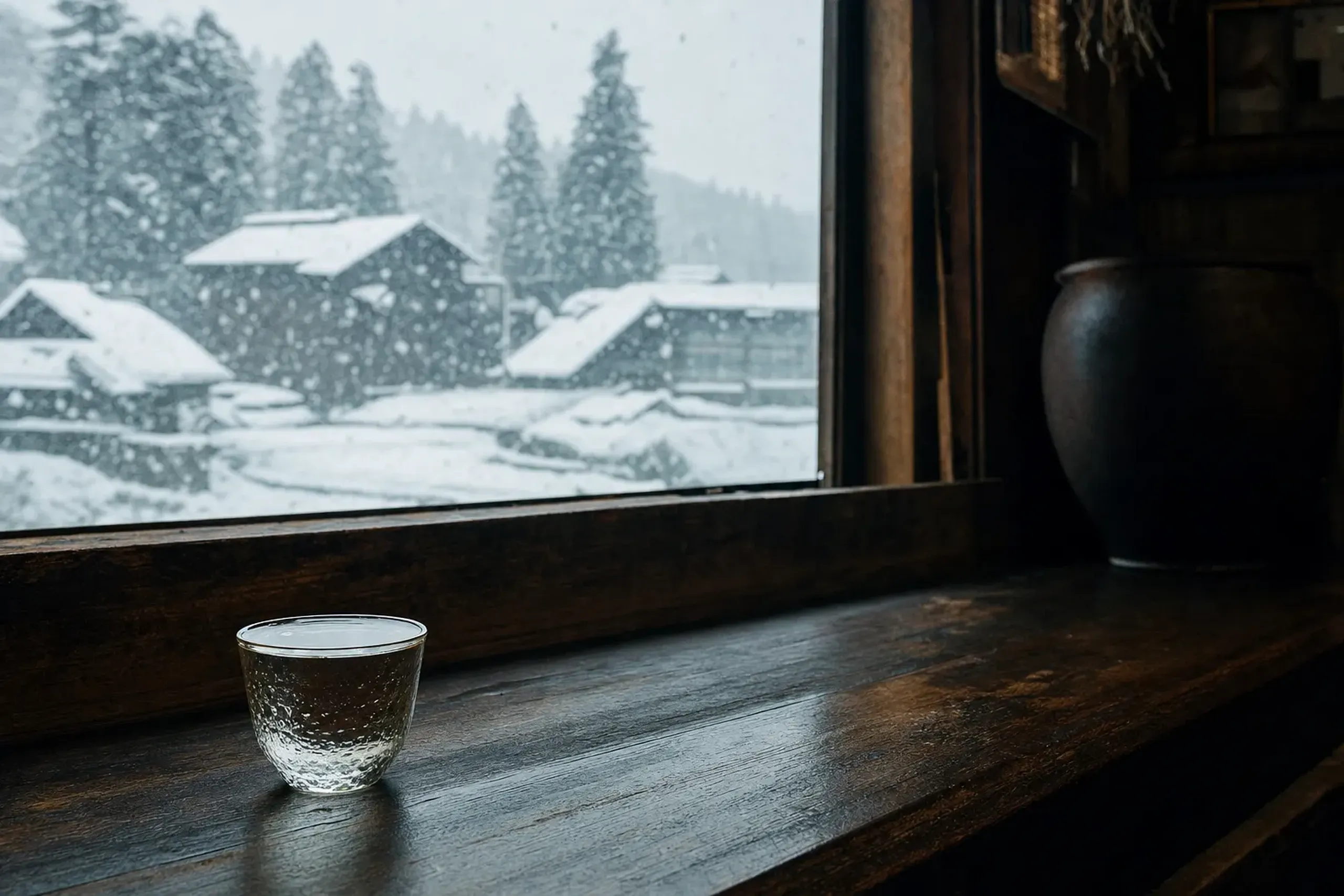
Niigata adds something specific: you do not merely look at the snow. You taste what the snow does.
Food With Niigata Sake: Keep It Local And Let It Stay Simple
Niigata’s pairing logic is straightforward: coastal seafood, serious rice, and flavors that never fight the glass.
We avoid turning this into a menu lecture. What matters is sequencing. Taste earlier in the day. Eat properly afterward. Keep the dinner calm so your palate stays sharp rather than fatigued.
For broader seasonal food timing across Japan, we point guests to our ingredient-focused guide rather than forcing seasonality into every paragraph. Use it as your planning compass, then keep Niigata itself focused on sake.
If you are traveling with friends, consider splitting tastings across the table rather than duplicating every pour. It keeps the experience social, and it helps you cover more range without excess.
Practical Winter Notes: Layering, Reservations, And Getting In From Tokyo
Dress for cold interiors, not for ski slopes. It is a meaningful difference.
Breweries can be chilly, even indoors, because stable temperatures matter to the work. Wear a thin base layer, add a warm mid layer, and bring a coat that handles wet snow. Shoes should tolerate slush. Avoid anything precious.
For Tokyo-to-Niigata planning, rail is usually the cleanest approach, and it supports a calm start and finish to the trip. If your itinerary includes private transportation on the ground, winter traction and timing buffers become part of the comfort rather than an afterthought.
Plan Your Winter Niigata Sake Trail
Winter in Niigata is a narrow window, and the introductions that make it extraordinary are arranged quietly, well in advance. If you would like a trail built around active koji rooms, private conversations with the people making the decisions, and the calm, discreet logistics that let you simply be present, contact us here to begin a tailored proposal shaped entirely around your dates and palate.