In this guide
- 01Is Noto Peninsula Open To Tourists Right Now?
- 02The Argument: A Coastline Permanently Changed, And Visitors Genuinely Returning
- 03What Recovery Looks Like On The Ground (And Why It Varies By Area)
- 04What Still Has Not Returned: The Aze No Kirameki Illumination At Shiroyone Senmaida
- 05Seeing The Uplift Without Turning It Into Spectacle
- 06How To Get To Noto Peninsula In 2026 (And What Can Still Change)
- 07How To Visit Responsibly: The Reboot Suzu Guided Program
- 08Where Craftsmanship Still Speaks: Shokunin And Quiet Purchases That Matter
- 09What Japan Royal Service Can Support (Plainly, Once)
- 10Frequently Asked Questions
- 11Why Choose Japan Royal Service
Parts of the Noto Peninsula are open, moving, and receiving visitors again, while Oku-Noto remains unevenly recovered after the January 2024 earthquake and September 2024 flooding.
That sentence matters. It sets the tone for a visit that is both welcome and watchful. No pretending, no disaster-as-spectacle.
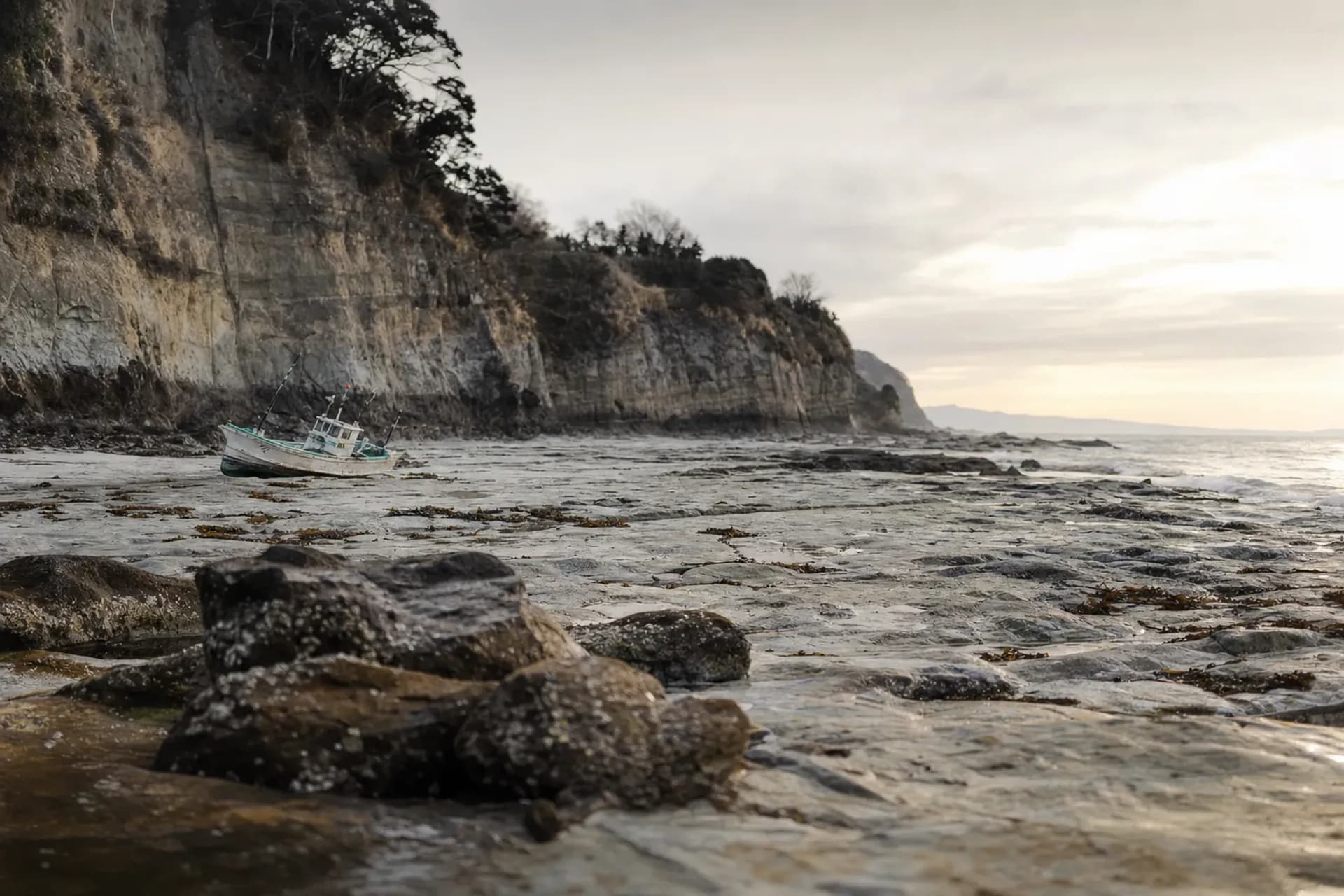
What has changed is not only the roads and storefronts. In places, the coastline itself lifted by up to 5.5 meters, leaving a new shoreline you can see with your own eyes—quietly, respectfully, and with local guidance.
Is Noto Peninsula Open To Tourists Right Now?
Yes—much of the Noto Peninsula is welcoming visitors again, while recovery is still ongoing and travel conditions are most variable in Oku-Noto (Wajima, Suzu, Anamizu, and Noto Town).
Our team at Japan Royal Service treats Noto as a destination where “open” is real, but never blanket. The peninsula did not recover evenly. The outer tip took a genuine double hit: the January 2024 earthquake, then severe rainfall flooding in September 2024.
Kanazawa’s tourism association has stated that the tourism impact from the disasters has essentially disappeared and visitors can travel with confidence, even as construction continues. That is a meaningful signal for travelers basing in Kanazawa and moving outward. It also sits beside another truth: in Oku-Noto, you will still see temporary operations, repairs, and day-to-day access changes.
So the right question becomes: where, when, and how. That is where a careful plan matters.
The Argument: A Coastline Permanently Changed, And Visitors Genuinely Returning
The Noto Peninsula’s uplift was not symbolic—it was physical, measured, and lasting.
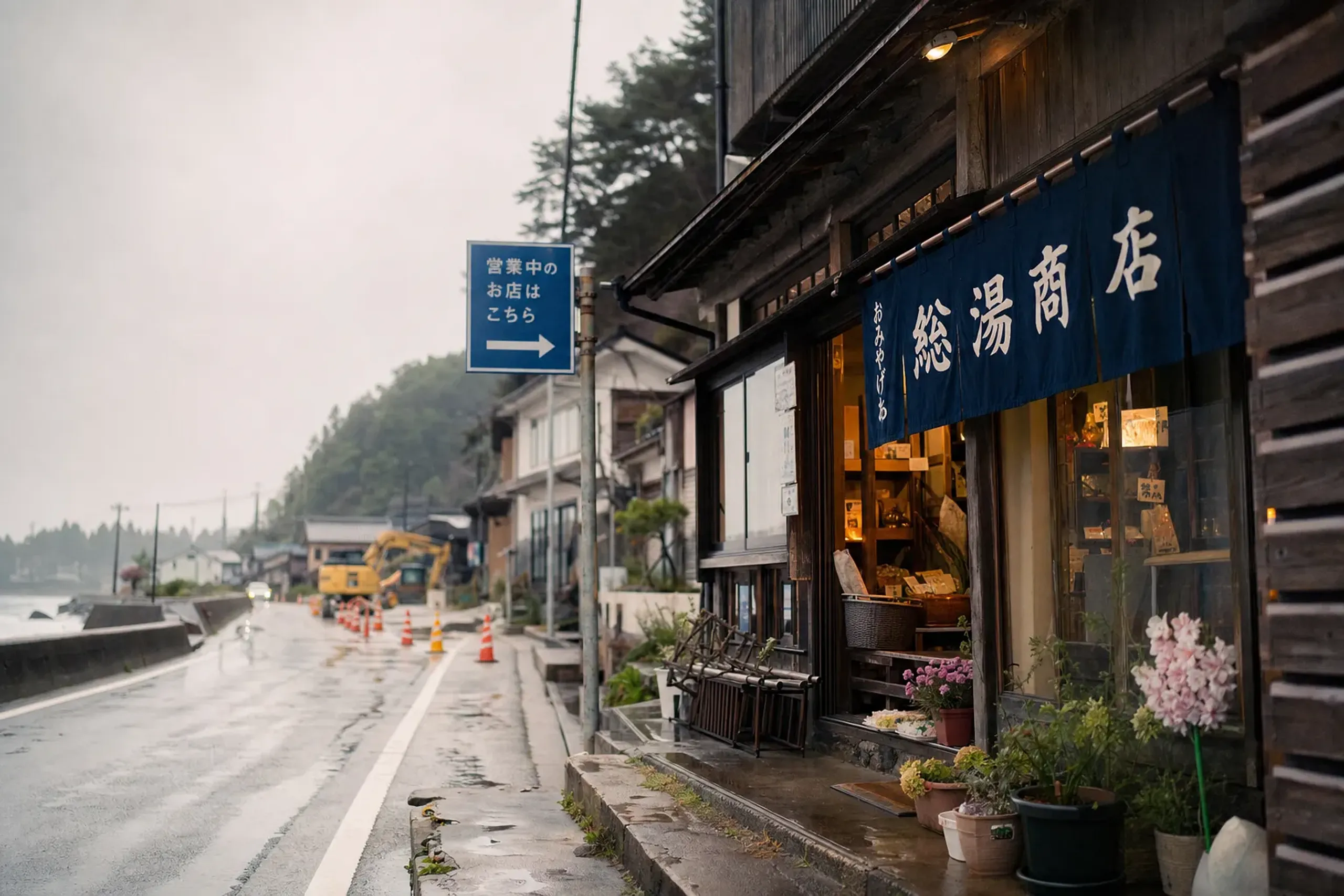
In places, land rose by up to 5.5 meters. The shape of coves and edges is different now.
And yet people are coming back in a way that is visible on the ground. A November 2025 field report from a disaster-risk research institute documented large tour buses, out-of-prefecture rental cars, and foreign visitors staying in local guesthouses. Not only recovery workers. Actual travelers.
That shift matters because it reflects a social pivot: from emergency presence to normal movement. The most respectful way to read it is simple. Local life is reopening space for guests again.
When hesitant travelers ask if it is appropriate to come at all, locals themselves have been direct: visitor spending is what drives recovery. Not pity. Not “look what happened here.” Just the ordinary act of showing up, staying, eating, and paying for what the community is still rebuilding.
What Recovery Looks Like On The Ground (And Why It Varies By Area)
Recovery in Noto is not one story. It is many, stacked along a peninsula.
In some towns you will feel a steadier rhythm—shops open, roads functioning, accommodations operating. In other places, you will still see provisional setups, limited hours, and repair work that changes the feel of a street from one week to the next. That unevenness is not a reason to avoid the region; it is a reason to plan with humility.
Oku-Noto is the area to treat with the most care.
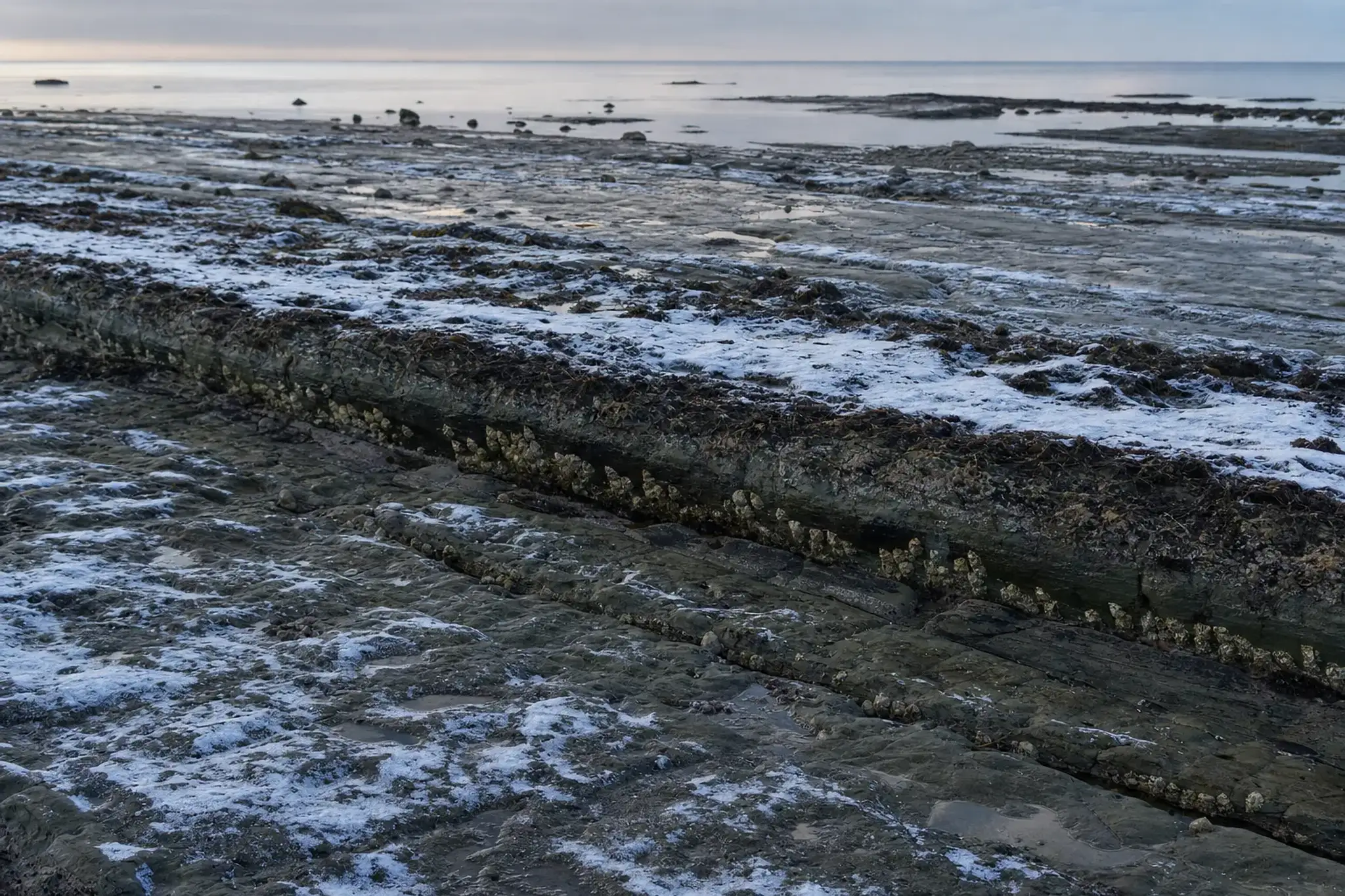
The hardest-hit places named in official recovery context include Wajima City, Suzu City, Anamizu Town, and Noto Town, all struck again by the September 2024 flooding. Travel there can be meaningful. It should also be paced.
When we map a Noto trip, we prioritize two things: clarity and lightness. Clear expectations, then an itinerary that does not burden local services.
What Is Verified As Operating Again
Several anchors of mobility and daily life have returned, and they change what is possible for visitors.
- Noto Railway has resumed full-line operation.
- Wajima Morning Market continues operating in a temporary, provisional form.
Those points are not “attractions.” They are signals that daily exchange has restarted. For travelers, they also shape the tone: you are stepping into a living place, not a curated exhibit.
A Reopening That Locals Framed As Momentum
In Suzu, one reopening stands out because of how it was positioned locally.
The Suzu Theater Museum reopened in July 2026 after heavy damage and a long closure, and it was explicitly framed as giving momentum to the region’s recovery. That language matters. It points to a community choosing forward motion, then inviting visitors back into a cultural space.
What Still Has Not Returned: The Aze No Kirameki Illumination At Shiroyone Senmaida
The “Aze no Kirameki” illumination at Shiroyone Senmaida has been suspended since the earthquake, with no resumption date announced as of the most recent information checked.
This is the one gap we name plainly because many travelers plan Noto around it.
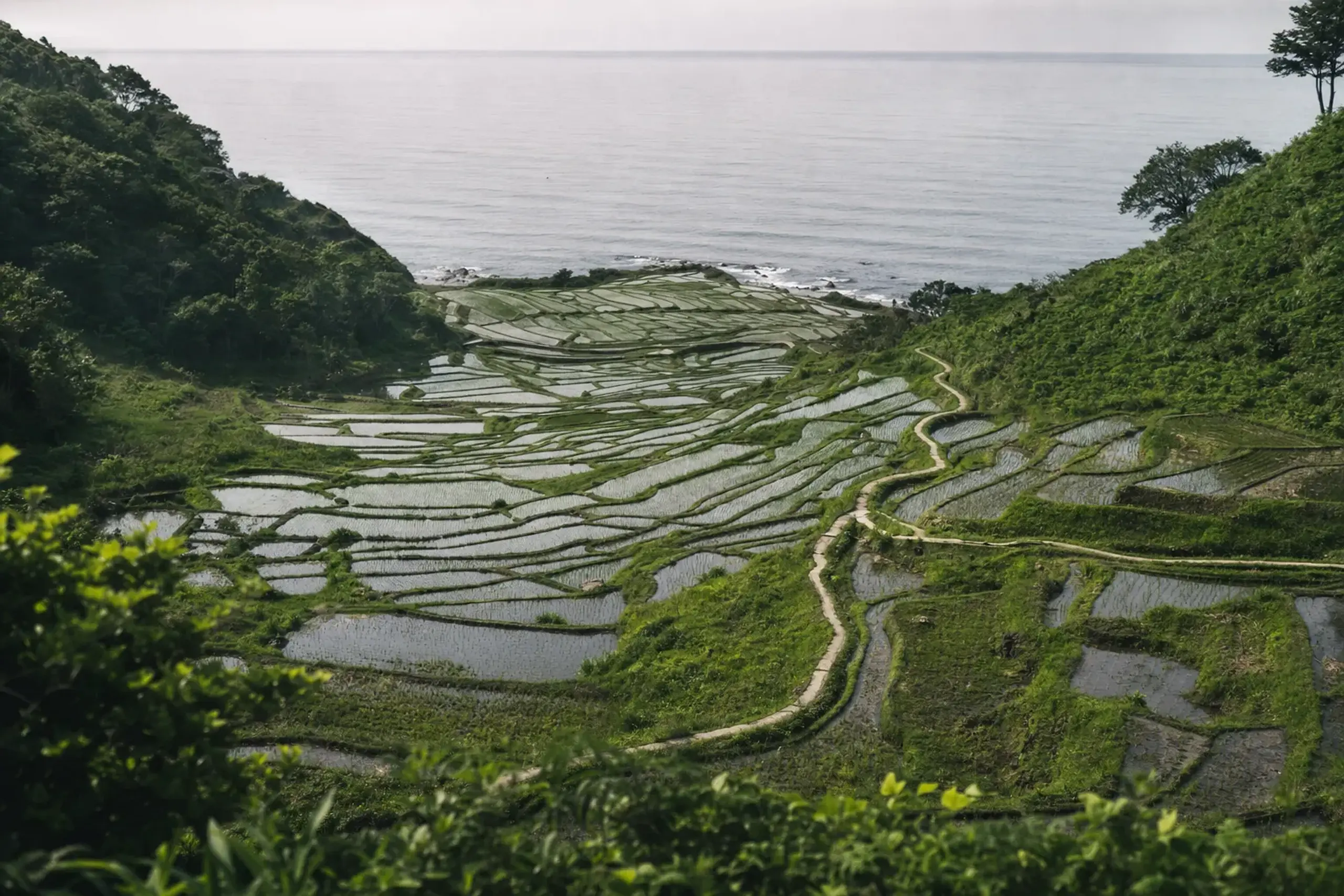
The terraces themselves remain viewable. Access can change day to day, and visitors should follow on-site signage rather than assume full access.
Key fact: Plan Shiroyone Senmaida for daytime viewing and be ready to adjust your walking route on-site; the illumination event remains suspended.
For HNW travelers, the planning implication is simple. Do not build your whole trip on a night event that is not running. Build it on places that are operating now, then treat the terraces as a quiet, respectful stop if local access allows.
Seeing The Uplift Without Turning It Into Spectacle
Yes, the coastline rose—up to 5.5 meters in places—and you can observe the change in the shape of the shore and where the water meets land.
The wrong way to frame this is as a “must-see disaster site.” Big mistake. The right way is closer to a geological field note: land moved, the sea stayed, and local communities are still adapting.
One verified example is Kinoura Marine Park, which rose roughly 2 meters. The water’s clear blue is unchanged. Its clifftop lodging remains open to visitors.
Some tour operators now frame sections of the altered coastline as something observable only in this specific post-earthquake period. If that idea draws you, hold it gently. You are not collecting a rare photo. You are witnessing a place that is still in recovery.
How To Get To Noto Peninsula In 2026 (And What Can Still Change)
Access to Noto is possible, but certain express bus routes now require a transfer at Noto Satoyama Airport, and other routes remain suspended or rerouted.
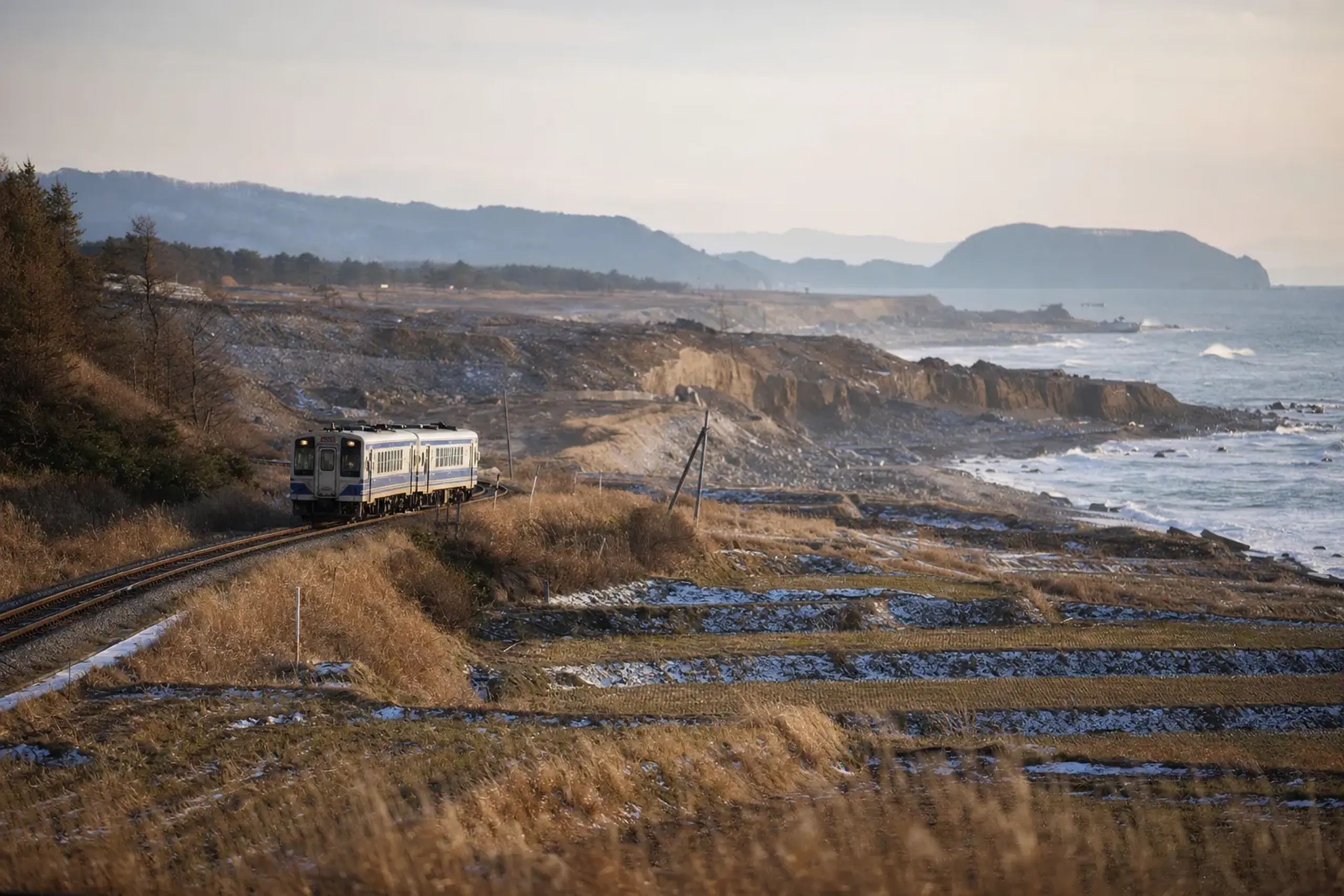
This is the part many luxury travelers underestimate. The peninsula is long. The “last mile” can become the whole day if a route changes. A plan that worked last season may not fit next month.
In our experience, the most comfortable approach is to treat Kanazawa as the clean staging point, then move outward based on real-time road conditions, your walking tolerance, and what is actually open on the days you are there. Slow is fast.
Before any visit, our concierge team verifies current road and transport access, accommodation availability, and any area-specific restrictions on a client’s behalf, because conditions continue to change actively.
A Simple Two-Speed Itinerary Logic
We often structure Noto days in two speeds: a stable base and a flexible reach.
- Stable base: a consistent hotel rhythm in Kanazawa (or another reliable hub), so your mornings start calm.
- Flexible reach: day trips that can shorten, reroute, or swap order without ruining the trip.
This approach protects your time. It also respects local reality.
How To Visit Responsibly: The Reboot Suzu Guided Program
Suzu City runs an official “Reboot Suzu” guided recovery-support tour program that helps visitors engage with the area responsibly.
This matters because it answers the most delicate question—“Should we be here?”—with a locally designed framework. You are not improvising. You are following a structure created by the community itself.
If you are considering Oku-Noto for the first time, a guided format can also lower friction.
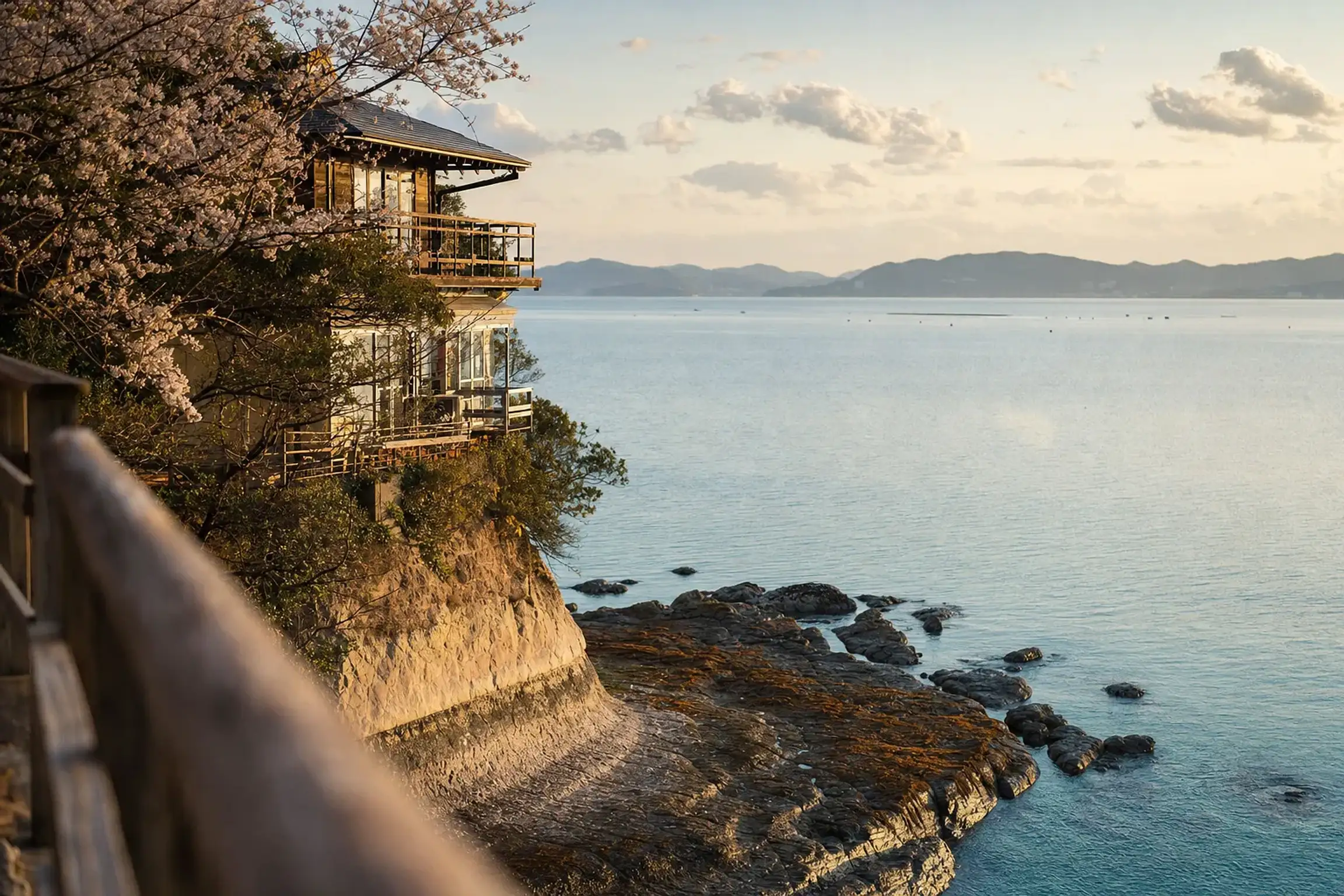
You spend less time guessing what is appropriate. You spend more time listening.
Guests who want context on how to fit an official program like this into a broader luxury itinerary may contact our concierge team for tailored guidance.
Where Craftsmanship Still Speaks: Shokunin And Quiet Purchases That Matter
One of the most grounded ways to support recovery is to buy from local makers, slowly, with intent.
Noto’s craft traditions include Wajima-nuri lacquerware, and it carries a particular weight in this recovery period. The story is not something we rush through in a general destination guide. We recommend reading our dedicated piece on the lacquerware recovery programming for detail: Arita: Where European Royalty First Found Porcelain.
That link is not a detour. It is a reminder of a Japan that still runs on shokunin—craft as a lifetime discipline, not a souvenir category. In Noto, that discipline is part of the recovery texture.
If you shop, do it quietly. Ask before photographing. Carry cash as a courtesy in small towns.
What Japan Royal Service Can Support (Plainly, Once)
Japan Royal Service supports guiding and private transportation for Noto Peninsula visits, with plans shaped around current access conditions and a low-impact pace.
For many HNW travelers, comfort is not about “doing more.” It is about friction disappearing: the right departure time, the right rest stops, and a driver who treats silence as a service.
The first time you plan private transportation / chauffeur service in a recovery region, you notice a different kind of luxury.
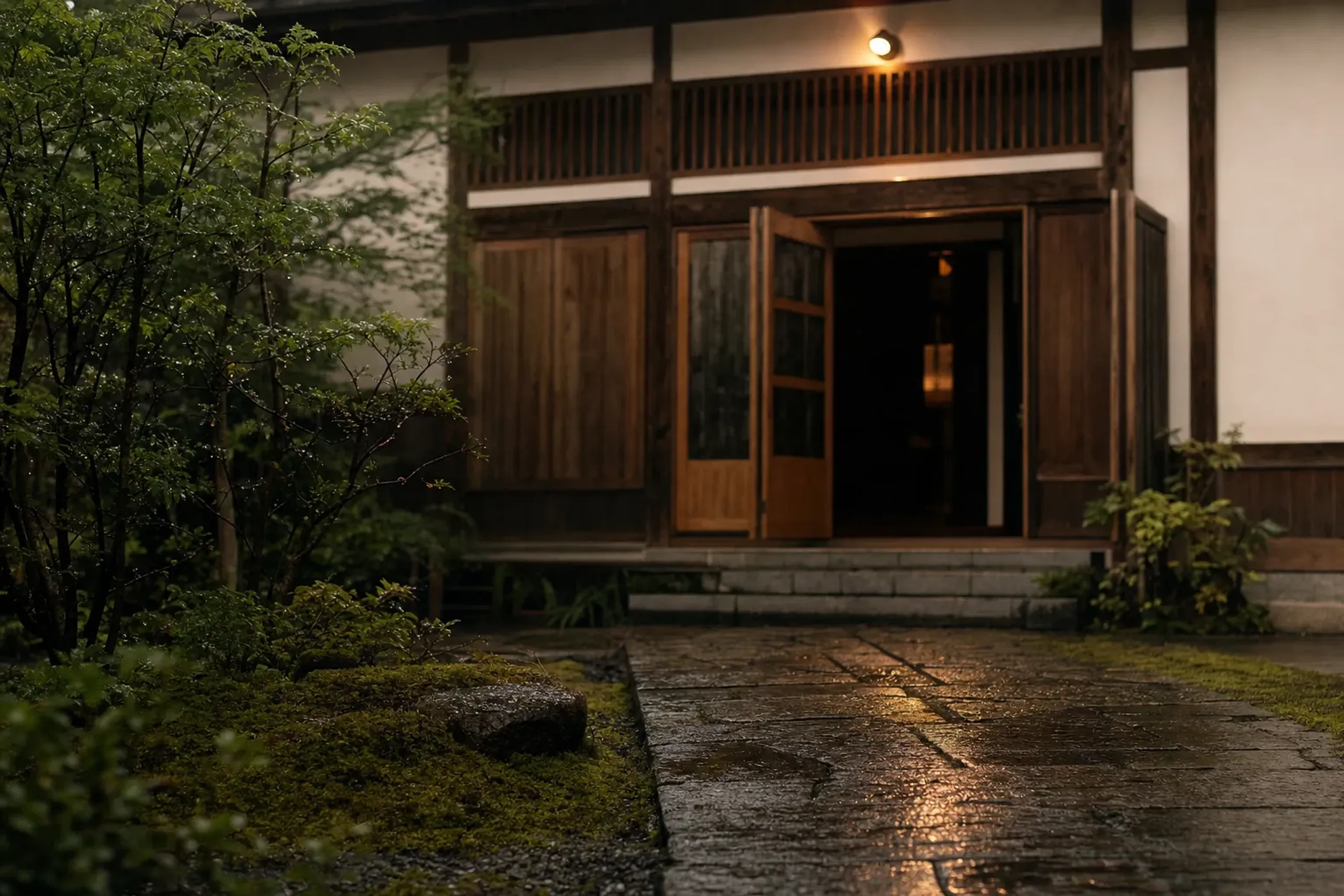
No drama. No scramble when a route changes. Just a calm reroute.
When a trip needs more than a single day, our team can advise on a tailor-made / bespoke itinerary that keeps Noto realistic, respectful, and genuinely restorative for the traveler and the host community.
Frequently Asked Questions
Is It Ethical To Visit Noto After The 2024 Earthquake And 2024 Flooding?
Yes—locals have stated directly that visitor spending is what drives recovery, as long as travelers follow local guidance and avoid burdening strained services in the most damaged areas.
We advise traveling with a light footprint: book accommodations that are operating, keep schedules flexible, and treat provisional operations with patience.
Which Parts Of Noto Are Still The Most Uneven In Recovery?
Oku-Noto—especially Wajima City, Suzu City, Anamizu Town, and Noto Town—remains the most uneven due to the January 2024 earthquake and a second blow from September 2024 flooding.
That does not mean “do not go.” It means plan days with extra time, confirm access close to departure, and avoid building your trip around a single fragile stop.
Is The Shiroyone Senmaida Illumination “Aze No Kirameki” Running?
No, the Aze no Kirameki illumination has been suspended since the earthquake and no resumption date has been announced as of the most recent information checked.
The rice terraces remain viewable, but accessible areas can change. Follow on-site signage and local instructions.
Can I Still Visit Wajima Morning Market?
Yes, Wajima Morning Market continues operating in a temporary, provisional form.
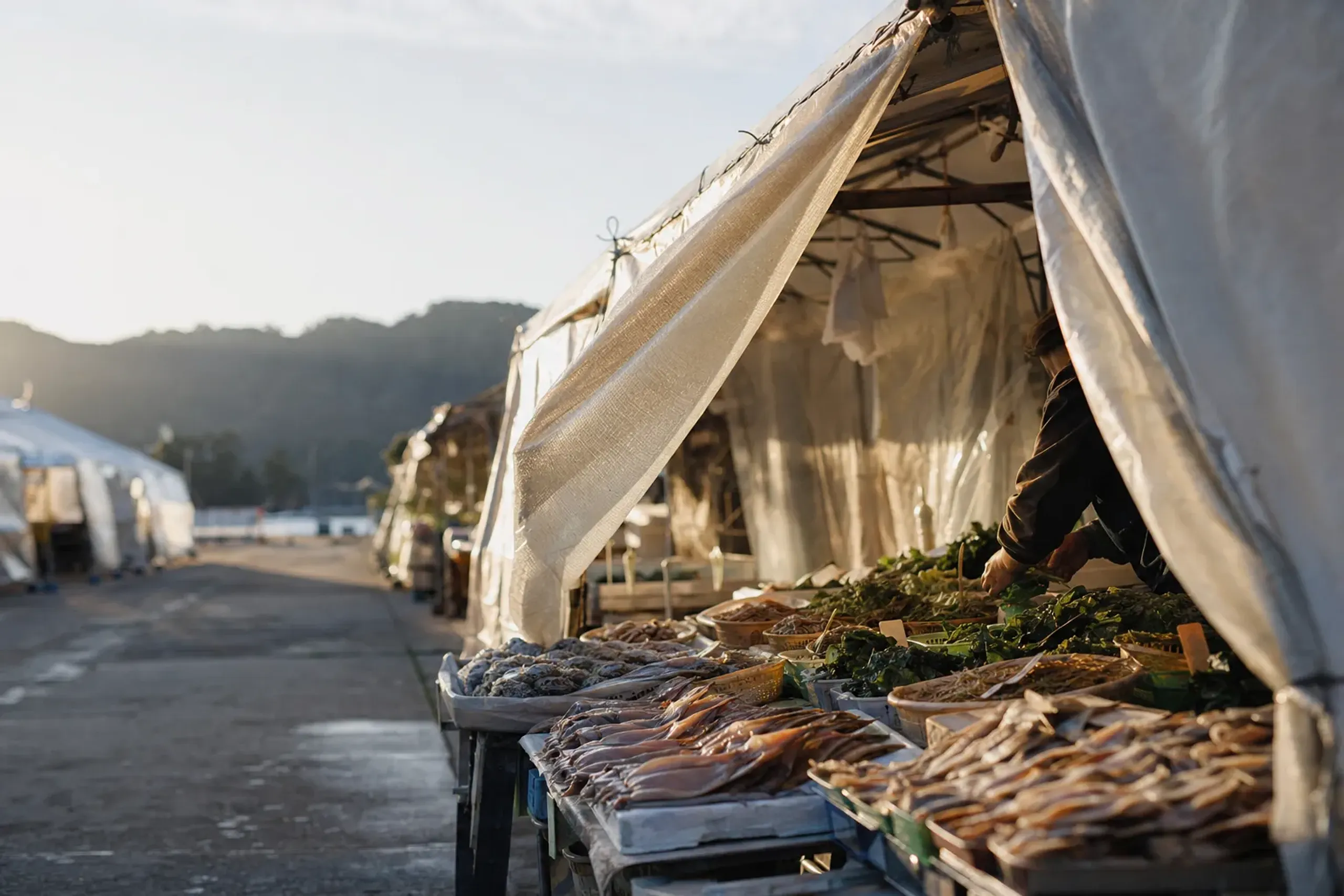
Expect a different layout than pre-2024. Arrive with time, keep expectations soft, and treat purchases as a form of support rather than “shopping.”
How Should I Plan Transportation If Bus Routes Change?
Plan for flexibility: some express bus routes require a transfer at Noto Satoyama Airport, and other routes can be suspended or rerouted.
We recommend building a base that keeps your mornings stable, then setting day routes that can shorten or pivot without losing the trip’s meaning.
Why Choose Japan Royal Service
Luxury travel to a recovering region asks for discretion first. Not attention. Our team at Japan Royal Service keeps guest identity and itineraries confidential, and we plan Noto with a low-profile rhythm that respects local space.
We also work from realities, not brochures. That means verifying access close to travel, naming what is suspended (like Aze no Kirameki), and building days that still feel complete even if a single road or viewpoint changes.
Finally, we understand why Noto matters beyond scenery. Shokunin culture, small-town buying with intent, and a coastline that physically rose are not “content.” They are the lived texture of a place returning—one guesthouse, one museum reopening, one market stall at a time.
If you want a Noto plan that is respectful, current, and quietly comfortable, reach our team privately via WhatsApp or LINE, or contact us here.