
In this guide
- 01Arita And Imari Porcelain: What You’re Actually Looking At
- 02Yi Sam-pyeong’s 1616 Discovery: The Clay That Changed Japan
- 03Why Did Karatsu Ware Nearly Disappear When Arita Porcelain Rose?
- 04How Did Arita Porcelain Reach European Royal Courts In The 1650s?
- 05Okawachiyama: The Secret Kiln Valley Near Imari
- 06Recognizing Nabeshima Styles: What To Look For In A Museum Or Gallery
- 07What Does A Private Arita Kiln Visit Or Workshop Actually Involve?
- 08Arita And Imari Festivals: When To Visit For The Best Selection
- 09How To Plan Arita, Imari, And Karatsu In One Kyushu Craft Trip
- 10Frequently Asked Questions
- 11Why Choose Japan Royal Service
In the late 1600s, porcelain from a small town in Kyushu sat in European palaces like a new kind of proof. Not proof of conquest, but of taste. White bodies, clean rings, cobalt that stayed sharp under candlelight. Arita earned that place quietly, then the world argued over how it was made.
The story begins inland, in Saga Prefecture, where clay mattered more than coastline. It also begins with a man who did not come to Japan by choice. In 1616, Korean potter Yi Sam-pyeong discovered kaolin clay at Izumiyama near Arita, enabling Japan’s first true porcelain. From there, Arita’s kilns, Imari’s port, and a sealed valley of “secret kilns” reshaped what the West believed Asia could produce.
Arita And Imari Porcelain: What You’re Actually Looking At
Arita ware is porcelain made in and around Arita; Imari ware is the same regional output as it moved through the port of Imari and, historically, into export markets.
That distinction sounds simple. It isn’t, once you start shopping, visiting kilns, and seeing labels in English and Japanese. In our experience at Japan Royal Service, a clear vocabulary changes the whole day. Fast.
Arita (Arita-yaki / Arita ware) is the production-side name. It points you toward the mountain resources, the workshops, and the museums that explain how porcelain is made and how it evolved. If you are commissioning, collecting contemporary work, or visiting an active kiln area, “Arita” usually gets you closer to what you mean.
Imari (Imari-yaki / Imari ware) is the shipping-side name, tied to the coastal port town about 15 kilometers from Arita.
Historically, it became the export label—especially from the 1650s onward when European trade increased via the Dutch East India Company. In modern usage inside Japan, “Imari” or ko-Imari often signals historical export styles or antique, collector-grade pieces rather than today’s broader Arita production.
Same region. Different emphasis. Once you know that, museum rooms begin to read like chapters instead of a blur of pretty plates.
Yi Sam-pyeong’s 1616 Discovery: The Clay That Changed Japan
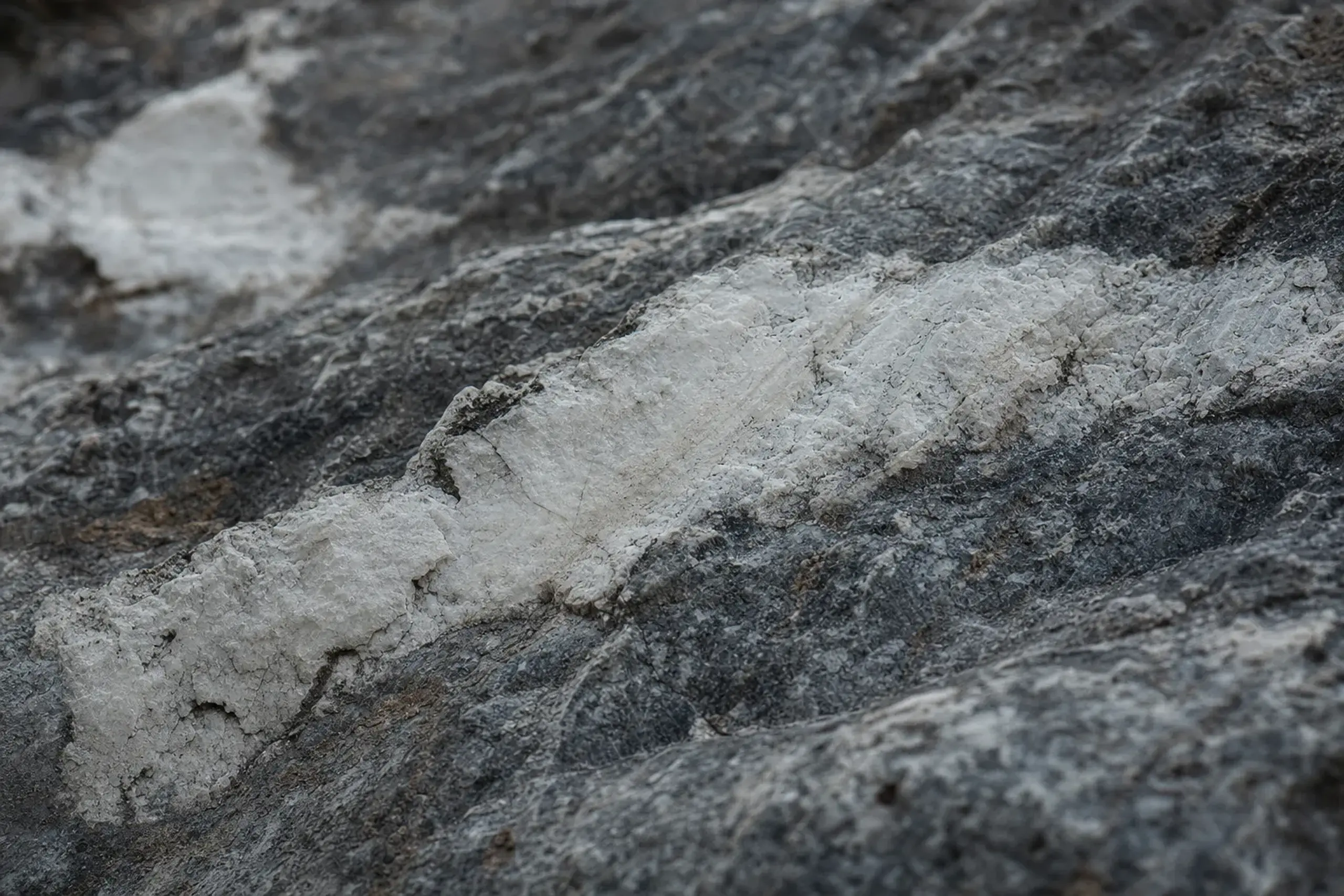
In 1616, Yi Sam-pyeong found kaolin clay at Izumiyama near Arita, which allowed porcelain to be produced in Japan for the first time.
Yi Sam-pyeong (also known as Ri Sampei in Japan) had been brought to Japan during Toyotomi Hideyoshi’s invasions of Korea (1592–1598), along with other skilled Korean potters. That fact is not an aside. It is part of the honest foundation of the craft in Arita.
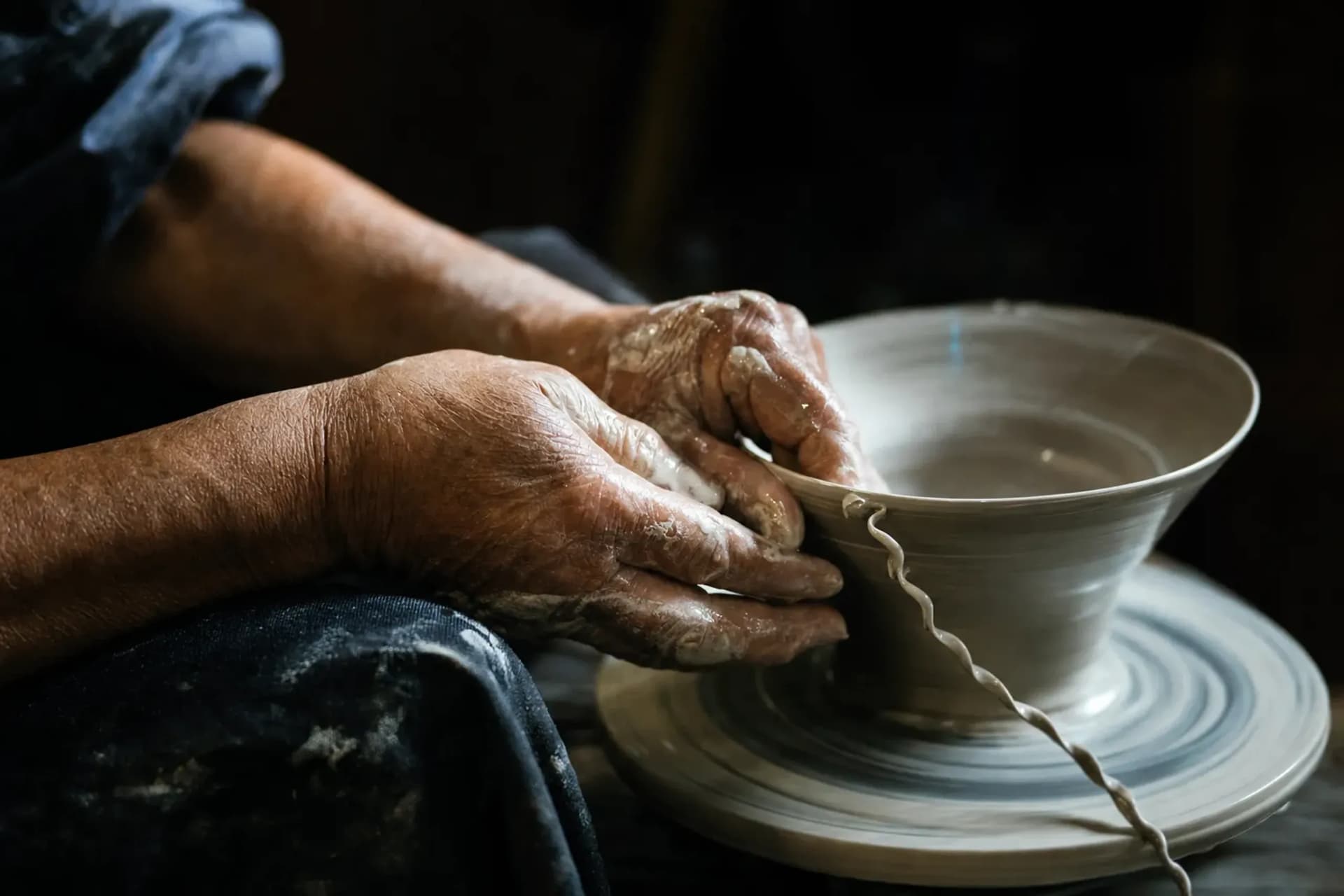
Porcelain is not “better pottery.” It is a different material world. Kaolin’s role is structural: it enables a hard, white body that can carry detail with a kind of restraint—thinness without fragility, brightness without glare. You see it in the way light pools on the surface, then drops away at the foot ring. Quiet evidence.
For a visitor today, Izumiyama is not just a name in a museum caption. It is the origin point that makes the rest of Arita make sense. Our team often frames a first Arita visit as a material journey: clay source, kiln practice, finished form, and how those forms traveled beyond Japan.

Why Did Karatsu Ware Nearly Disappear When Arita Porcelain Rose?
In 1637, the Saga Domain organized porcelain production under government-sanctioned kilns, and local Karatsu stoneware production collapsed until it revived in the 20th-century Mingei movement.
Karatsu ware was the dominant tradition in this part of Kyushu before porcelain took hold. It is stoneware, not porcelain. Earthier. Often darker, sometimes iron-rich, shaped by a different relationship to heat and utility. Then the domain made a strategic choice, and the economics followed.
The key year is 1637. Porcelain production in Arita and Imari became organized under sanctioned kilns. Once a domain invests in a material that can travel as high-status gift, export commodity, and political currency, it pulls labor and attention into that system. Karatsu stoneware—local, practical, less suited to the new export demand—lost its footing in the area.
This is not a gentle transition. It is a turning point. If you care about ceramics, it is one of the most instructive “near-miss” stories in Japan: a major tradition pushed to the edge by an administrative decision, then later rediscovered and revalued in the 20th century through the Mingei folk-craft movement.
If you want the broader Kyushu context that touches Karatsu and day-trip planning from a major city base, we recommend reading our earlier piece, Fukuoka As A Base: Four Kyushu Day Trips, Not A Road Trip. This Arita guide is the deeper ceramic chapter that post could only gesture toward.
How Did Arita Porcelain Reach European Royal Courts In The 1650s?
Arita porcelain reached Europe from the 1650s via the Dutch East India Company, after the Ming Dynasty’s collapse disrupted Chinese porcelain exports.
That sequence matters because it explains timing. European obsession with Arita predates Meissen or Sèvres. Collectors in the 17th century were not comparing Arita to European porcelain; Europe did not yet have an equivalent tradition on the same terms.
When Chinese export porcelain supply became unstable after the Ming Dynasty’s collapse, European demand did not disappear. It rerouted. Kyushu’s porcelain towns, already building capability, filled the gap. Imari, as the port, became the name that traveled with the cargo, while Arita remained the production center.
European collectors came to regard Arita’s white porcelain as the finest available anywhere. Not as a curiosity. As a status object. It sat in rooms with paintings and sculpture, functioning as both decoration and an argument: the owner had access to a global network and the discernment to choose the best outcome of it.
For modern travelers, this export story is not just history. It shapes what survives. What was shipped, what was copied, what ended up in collections, and what the museum narratives choose to emphasize.
Okawachiyama: The Secret Kiln Valley Near Imari
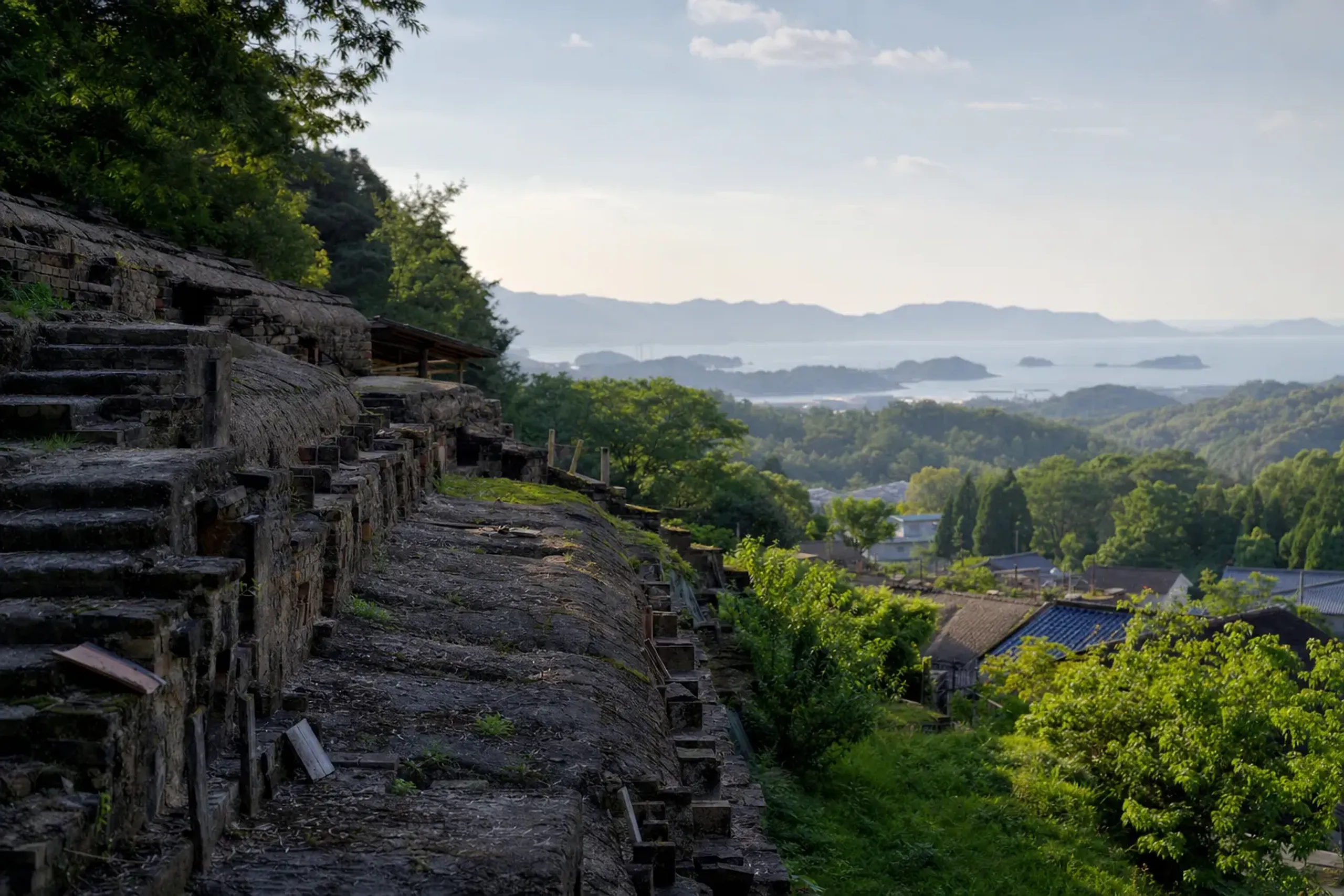
Okawachiyama, near Imari, was sealed off in the 1600s so potters could work without rival domains stealing techniques, and only approved wares for the Nabeshima clan and the shogunate were permitted to leave.
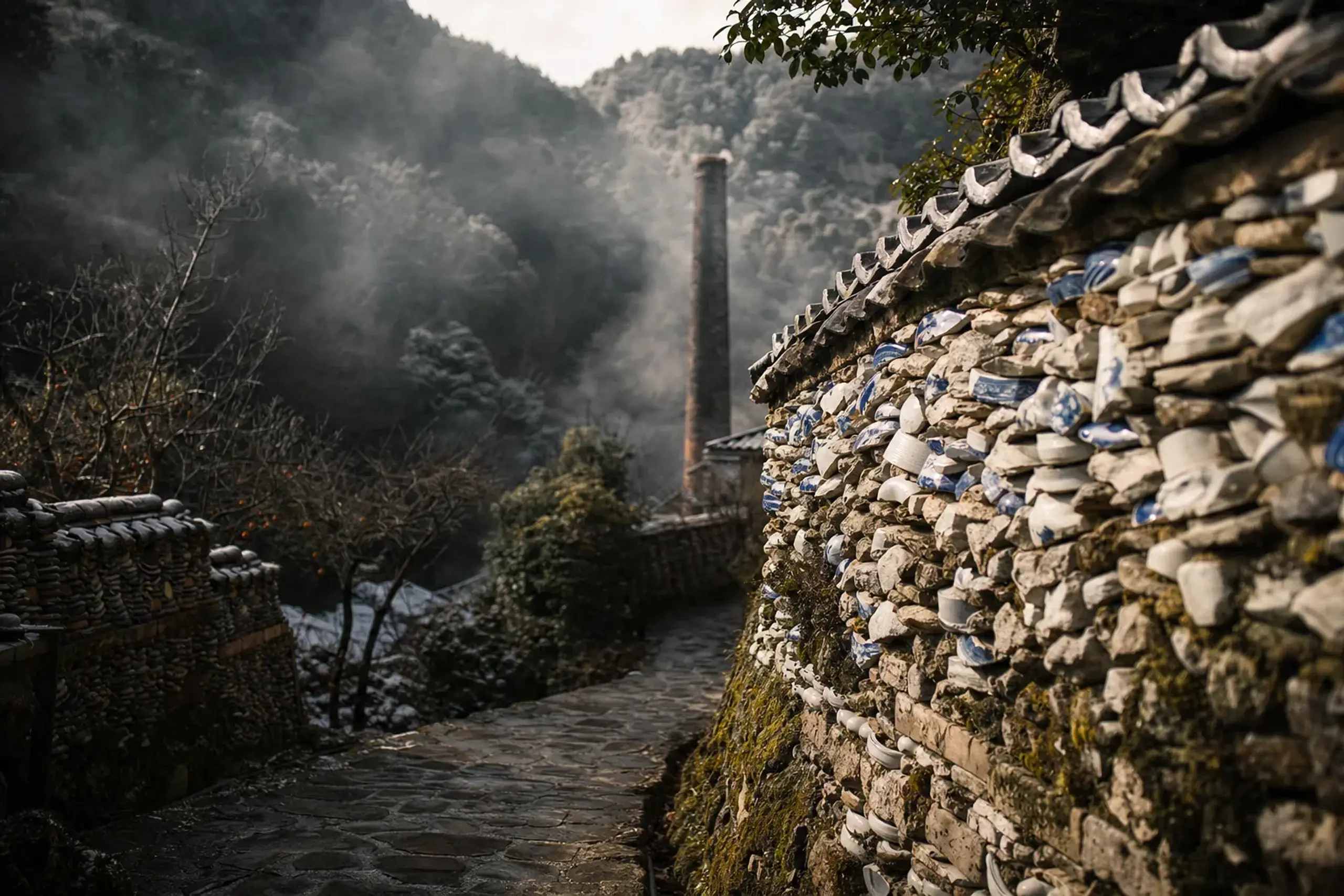
Okawachiyama is a narrow valley, and that geography is part of the point. Valleys can be controlled. Roads can be watched. In the 1600s, feudal lords treated technique as a strategic resource, not a charming cultural detail for tourists.
The valley became known as the “village of secret kilns.” This was not marketing. It was policy. Work happened out of sight, and output was restricted. Only wares approved for the Nabeshima clan and, by extension, the shogunate were allowed to leave. The protectiveness is the clue: porcelain methods were valuable enough to guard like military information.
For visitors, Okawachiyama also offers a different kind of beauty than the usual “craft town” stroll. Less signage. More stone. A sense of enclosure that fits wabi-sabi: restraint, weathering, and the calm that comes from not trying to impress.
Recognizing Nabeshima Styles: What To Look For In A Museum Or Gallery
Nabeshima porcelain is easiest to read when you stop looking for “busy” and start looking for control. Small decisions. A line that doesn’t wobble. Negative space that feels intentional rather than empty.
Three historical decorative styles are especially useful for visitors because they are visually distinct and widely referenced in Arita/Imari interpretation:
- Iro-Nabeshima: multicolored overglaze enamel. Look for crisp color placement and a sense that the design is measured, not exuberant.
- Nabeshima-Sometsuke: cobalt-blue underglaze. The blue sits beneath the glaze, so it reads as part of the body rather than paint on top.
- Nabeshima-Seiji: celadon green. The color can feel pooled or misty depending on thickness and firing, often with a quieter surface presence.
These labels help you name what your eye is already sensing.
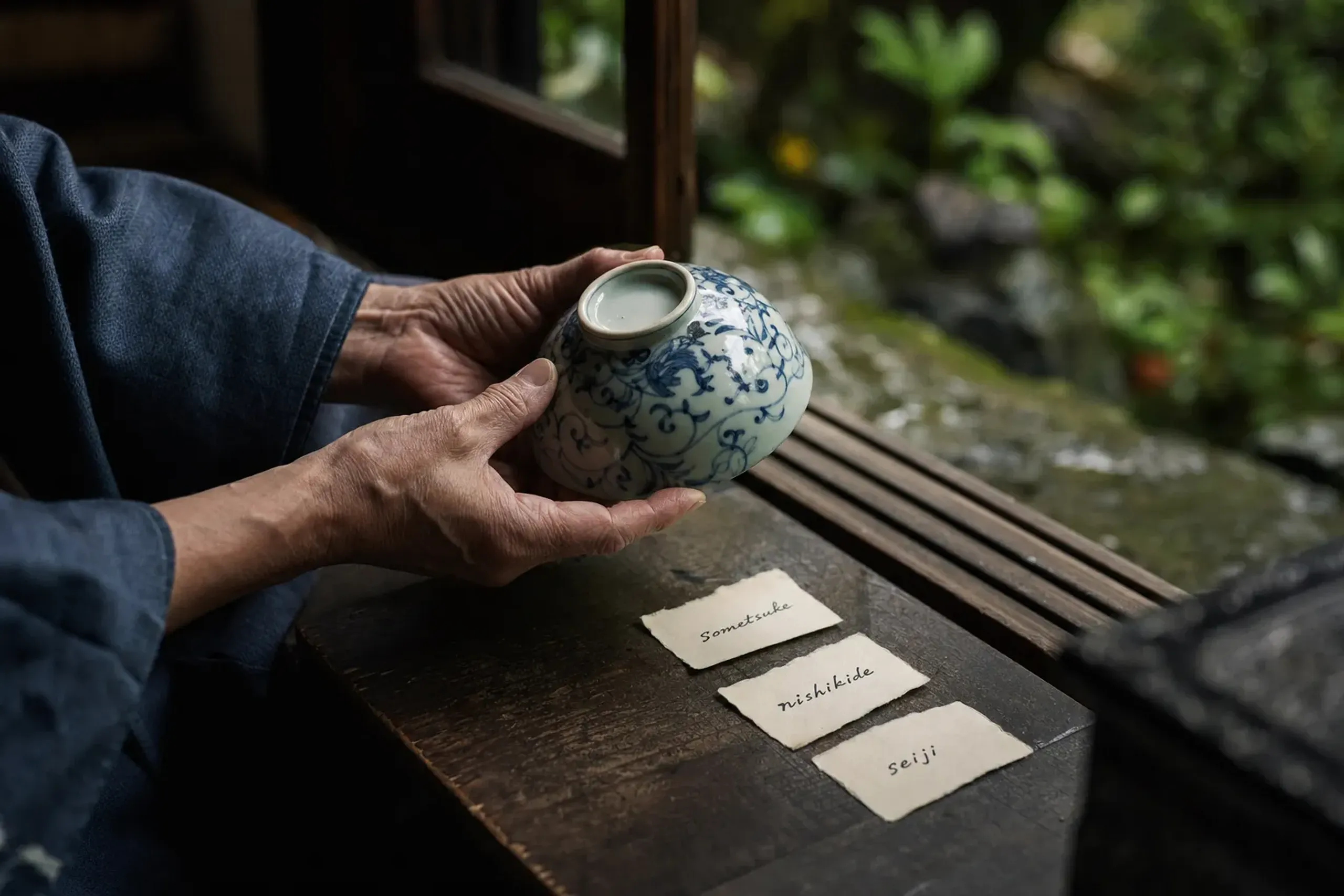
That matters when you are deciding what to buy, what to photograph, and what to ask about. A single correct term can unlock a much better conversation with a maker or curator.
We avoid pushing “shopping lists.” Big mistake. Instead, our concierge focuses on what you respond to—line, palette, weight, form—and then builds a route that supports that taste.
What Does A Private Arita Kiln Visit Or Workshop Actually Involve?
Most Arita visits combine a museum-quality overview, time in active kiln areas, and an optional hands-on session like throwing or painting, depending on the workshop’s schedule.
Two stations are practical reference points many travelers see on their tickets and maps: attractions and shops cluster around Kami-Arita Station, while the Kyushu Ceramic Museum is near Arita Station. Small detail. It helps with pacing.
A typical high-value day in Arita tends to work in three movements:
- Orientation: a museum visit early, when your eyes are fresh and crowds are thinner.
- Encounter: a kiln area or atelier where you can see process, tools, and decision-making.
- Selection: time to choose pieces with enough calm to ask about provenance, signatures, care, and packing.
If you want the conduct side—how to behave in a working studio, what to photograph, how to ask without interrupting—we keep that guidance in a separate shokunin-focused article so we don’t repeat ourselves.
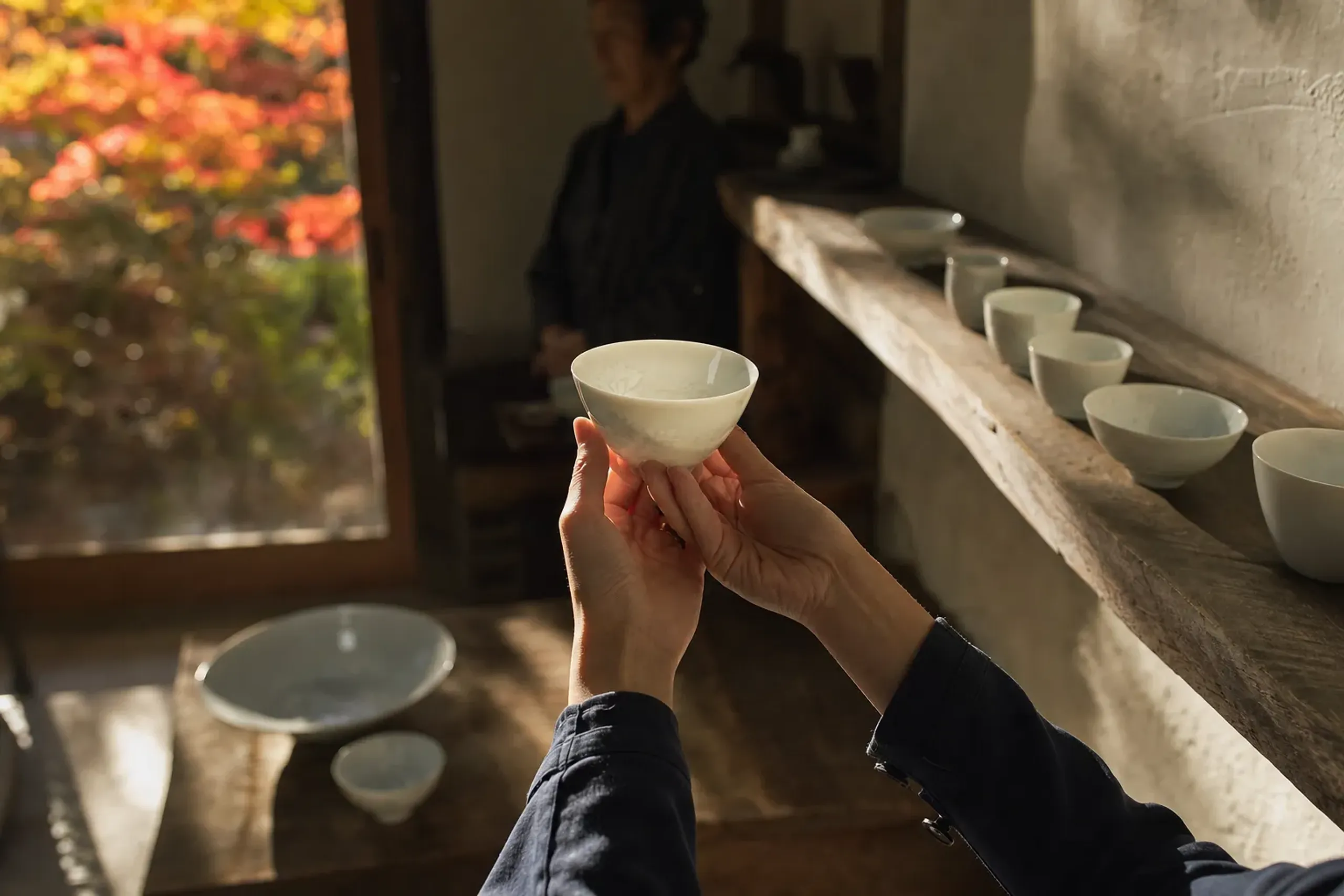
See Ri Sanpei: From War Captive to God of Arita Porcelain for deeper background, and use it as your etiquette primer before you step into an atelier.
One practical note that catches first-time visitors: Arita Porcelain Park is about four kilometers southeast of Arita Station and is not accessible by public transportation. That distance is not dramatic on a map. It changes your day in real life.
This is where private mobility becomes more than comfort. It becomes time. The first time we discuss a ceramics-focused day with guests, we also discuss routing with private transportation so the craft time stays the center, not the timetable.
Arita And Imari Festivals: When To Visit For The Best Selection
The Arita Porcelain Fair runs in late April to early May, and the Imari Porcelain Festival takes place in early November.
These are the two moments that change the rhythm of the towns. The streets feel different, and so do the choices in front of you. You will see more inventory, more variety, and more people making decisions quickly.
For 2026 planning, two published dates matter because they align with Golden Week travel patterns and collector interest:
- The 122nd Arita Ceramic Fair: April 29 to May 5, 2026.
- The 122nd Arita International Ceramics Exhibition at the Kyushu Ceramic Museum: April 29, 2026 to May 6, 2026.
Those dates create an unusually strong “museum plus market” window.
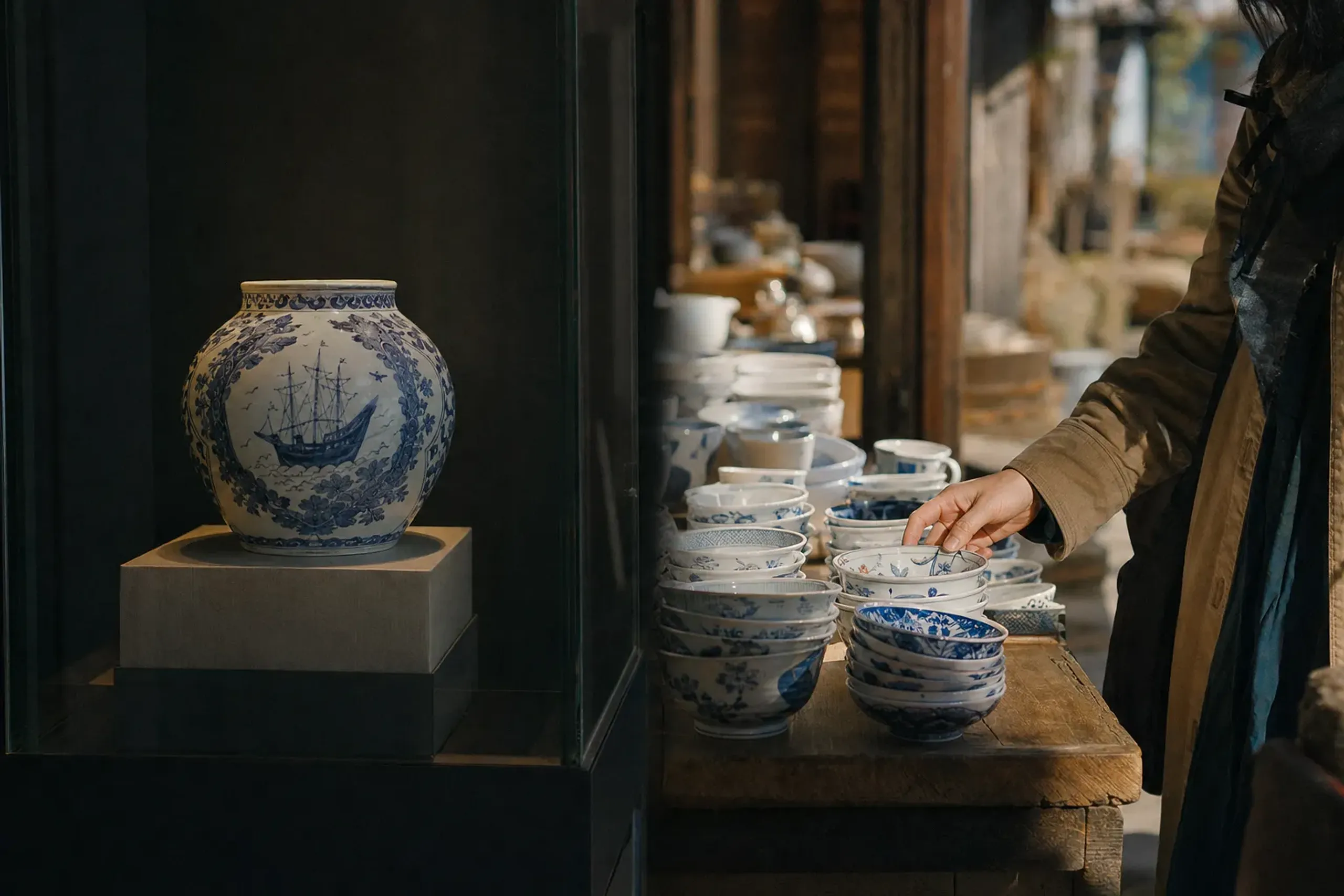
It is also peak crowd reality. If you are crowd-averse, the solution is not bravado. It is timing: early starts, thoughtful sequencing between stations, and decisive packing plans so you are not carrying boxes through dense streets.
Key fact: Golden Week crowds are predictable in Arita during the Ceramic Fair; the difference between a calm day and a tiring one is route design, not “luck.”
Early November in Imari has a different mood. Cooler air. More space. It can be better for travelers who want time to talk, not just browse.
How To Plan Arita, Imari, And Karatsu In One Kyushu Craft Trip
Arita and Imari are about 15 kilometers apart, and they pair naturally with Karatsu if you want to understand why porcelain and stoneware diverged so sharply in the same region.
This is not a “quick add-on” to a busy Kyushu loop. If you treat it that way, you will skim the surface and wonder what the fuss was about. A ceramics trip wants margin—time to sit in a museum room, then time to let your preferences sharpen.
Here are three realistic ways we see HNW travelers structure it, without turning the experience into a forced march.
Option A: One Deep Day (Arita + Imari/Okawachiyama)
Best when you want context and one strong purchase, but you are otherwise city-based.
- Start with a museum overview near Arita Station.
- Move inward to kiln areas and ateliers.
- Finish in Okawachiyama for the “secret kiln valley” chapter.
Simple on paper.
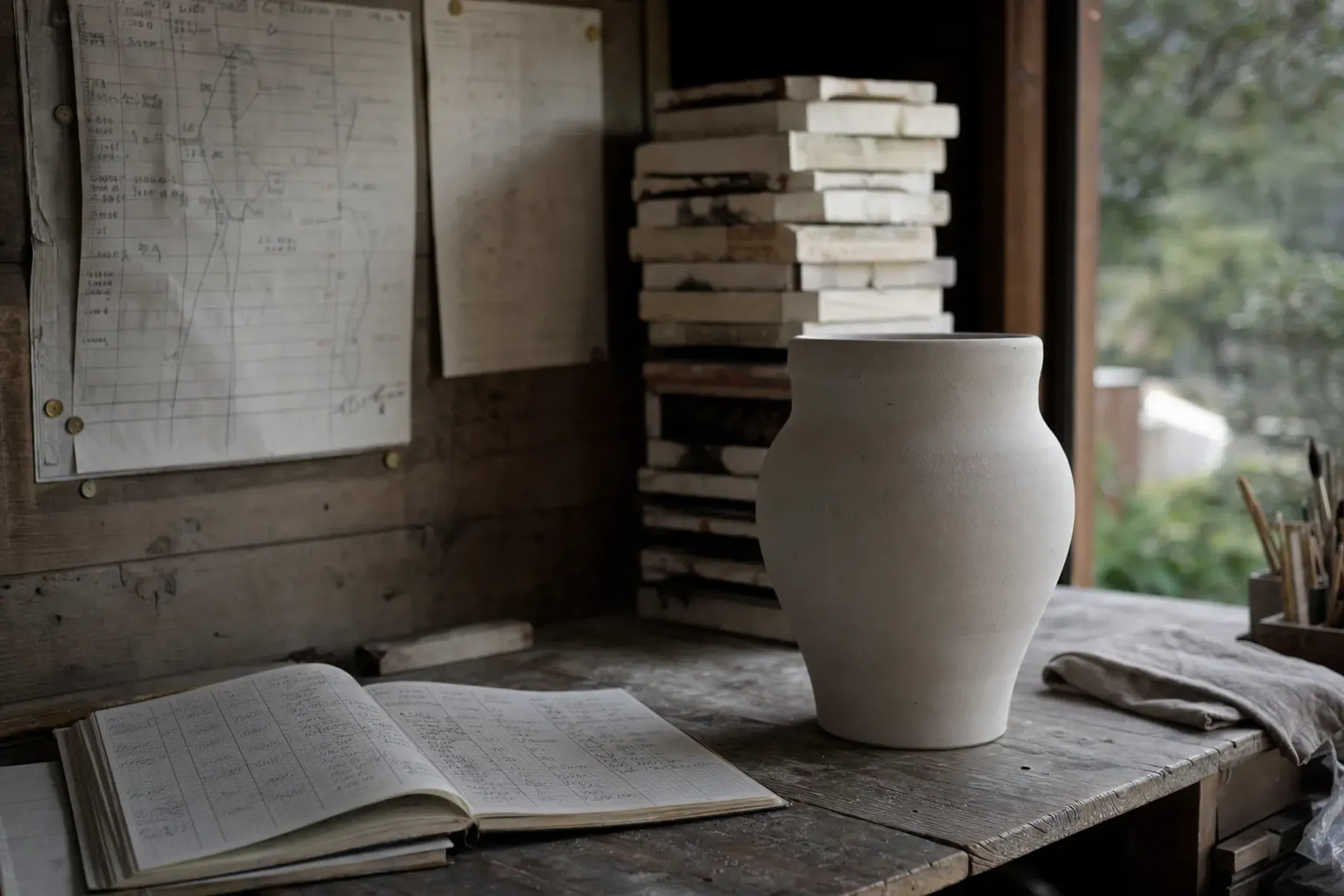
Demanding in logistics if you rely on local transport at peak times.
Option B: Two Days (Arita Day + Imari/Okawachiyama Day)
Best when you care about process. This is the version that lets you slow down and ask better questions.
- Day 1: Arita’s origin story and contemporary production.
- Day 2: Imari’s port context and Okawachiyama’s controlled legacy.
This pacing also gives you space to return for a second look before you buy. Often the wisest move.
Option C: Three Days (Add Karatsu For Contrast)
Best when you want the regional “why,” not just the objects.
- Karatsu: stoneware logic, tea culture adjacency, and Mingei-era revival context.
- Arita: porcelain origin and the material shift after 1616.
- Imari/Okawachiyama: export channel and domain control of technique.
If this wider Kyushu planning interests you, the practical base-city thinking in our Fukuoka day trips article helps set expectations, even though Arita itself sits beyond what most people call an “easy day trip.”
Frequently Asked Questions
Is Arita Ware The Same Thing As Imari Ware?
No—Arita ware refers to where porcelain is made, while Imari ware refers to the port and historical export identity, especially from the 1650s onward.
In modern Japan, “Arita ware” often signals current production, while “Imari” or ko-Imari more often points to historical export styles or antique pieces.
What Is The Best Time To Visit Arita If I Want The Widest Selection?
Late April to early May is the widest-selection period because the Arita Porcelain Fair takes place then.
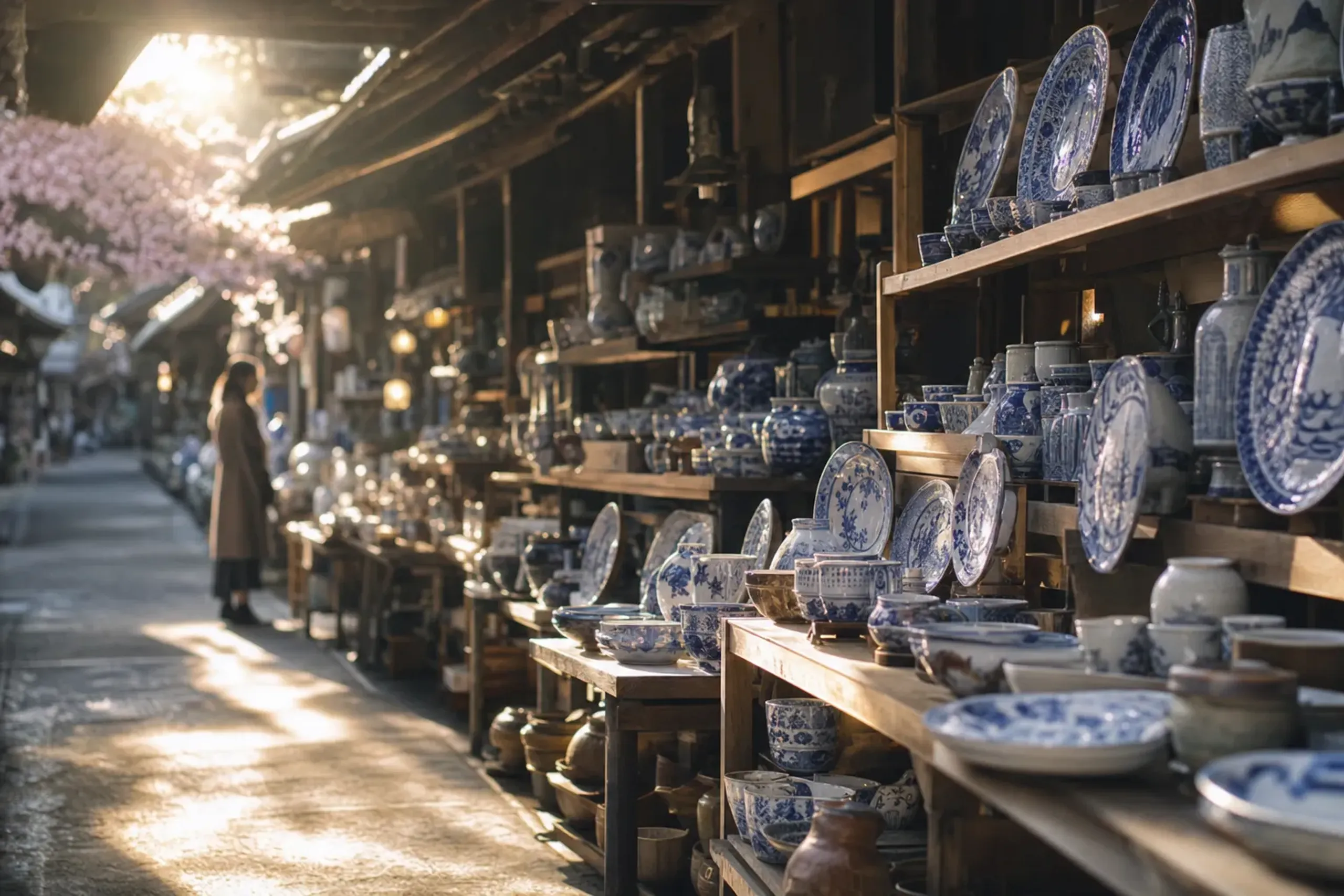
For 2026, published dates list the fair from April 29 to May 5, overlapping the Kyushu Ceramic Museum’s Arita International Ceramics Exhibition (April 29 to May 6).
Can I Visit Okawachiyama Without A Car?
Okawachiyama is possible without a car in some itineraries, but it is much easier and more time-efficient with private transportation.
The valley’s appeal is pace and atmosphere; long transfer friction tends to erase that benefit.
What Should I Expect In Arita If I Don’t Speak Japanese?
You can still enjoy Arita, but interpretation improves dramatically with bilingual support for maker conversations, provenance questions, and packing or shipping discussions.
Many travelers visit for design reasons, not language practice. That is normal.
Why Choose Japan Royal Service
Porcelain travel works when it stays quiet. That means wabi-sabi pacing, not a loud checklist. It also means access that is real, not inflated: introductions where appropriate, translation when it matters, and enough discretion that makers and collectors can speak plainly.
Our team at Japan Royal Service builds Arita and Imari days around craft logic—material first, then style, then selection—while keeping the route humane with a chauffeured schedule and careful handling of purchases. We also place Arita within a wider Kyushu itinerary when it fits, so the ceramics story connects cleanly to nearby Karatsu and your broader travel aims.
Ready to plan Arita the right way? Reach our team privately via WhatsApp or LINE, or contact us here for a tailored proposal and discreet coordination.