In this guide
- 01Why Fukuoka Works As A Base For Four Distinct Kyushu Days
- 02How Long Should You Stay In Fukuoka For These Four Day Trips?
- 03What Is The Best Day Trip From Fukuoka For Shrines And Museums?
- 04What Is The Best Fukuoka Day Trip For A Coastal, Beach-Town Feel?
- 05Is Karatsu Worth The Extra Distance From Fukuoka For One Day?
- 06What Is The Slowest, Most Restful Day Trip From Fukuoka?
- 07Which Day Trip Should You Prioritize If You Only Have 2–3 Days?
- 08Honest Framing: This Is A Day-Trip Set, Not A “Hidden Kyushu” Circuit
- 09How Transportation Usually Works For These Day Trips From Fukuoka
- 10Frequently Asked Questions
- 11Why Choose Japan Royal Service
You want Kyushu range without the nightly repack. Good instinct. From one base in Fukuoka, four places deliver four different moods. No overnight moves.
Why Fukuoka Works As A Base For Four Distinct Kyushu Days
Fukuoka lets you wake up once, settle in, and still reach a shrine town, a coastline, a castle-and-ceramics city, and a canal town within easy day-trip distance. That changes the trip. You spend your energy on the day itself, not on logistics. Sleep stays consistent.
In our experience, this “one hotel bed” approach suits HNW travelers who want luxury that feels calm, not performative. Your evenings can stay simple. A quiet dinner. A short walk in Tenjin or Hakata. Then an early start when it matters.
This is also where discretion becomes practical, not abstract. Fewer hotel lobbies means fewer public touchpoints. Fewer check-ins means fewer moments when plans spill into the open. Clean lines.
And the best part is cultural contrast. These four outings do not blur into one another. Each day has a different texture, and you come back to Fukuoka to reset.
How Long Should You Stay In Fukuoka For These Four Day Trips?
Plan 4–5 nights in Fukuoka to enjoy the city and take all four day trips without rushing. That pacing gives you one flexible buffer day. Useful. Weather changes, crowds surprise you, or you simply want a slower breakfast.
If you prefer a tighter rhythm, four nights can still work. It will feel busy. You’ll be leaving most mornings, and Fukuoka itself becomes more of an evening city.
Our team at Japan Royal Service usually suggests one “light” day in the middle. No long transit. No packed schedule. Just space to absorb what you’ve seen.
What Is The Best Day Trip From Fukuoka For Shrines And Museums?
Dazaifu is the strongest single-day choice from Fukuoka for a shrine-focused outing with serious cultural depth, plus a major museum within the same small area.
Dazaifu sits under an hour from central Fukuoka and feels immediately different. The anchor is Dazaifu Tenmangū, dedicated to the Shinto deity of learning. Students come in steady waves. That popularity is real, and it shapes the day.
Go early if you can. It matters. You’ll notice the approach street filling fast, and the mood shifts from reflective to energetic in a short span.
The setting has gentle seasonal cues. Plum trees are part of the shrine’s identity, and plum season brings a particular kind of crowd. Not chaotic. Just constant.
What To Do In Dazaifu (Without Overplanning)
Keep it tight. Two or three key stops land better than a checklist. This is a place where you benefit from lingering, even if other people are doing the opposite.
- Dazaifu Tenmangū for the main pilgrimage atmosphere and the seasonal plum landscape.
- Komyozenji Temple for its dry rock gardens and a quieter, more restrained pace.
- Kyushu National Museum if you want context on the region’s role in Japan’s wider history and exchange.
If you respond to wabi-sabi, Komyozenji is the tonal counterweight.
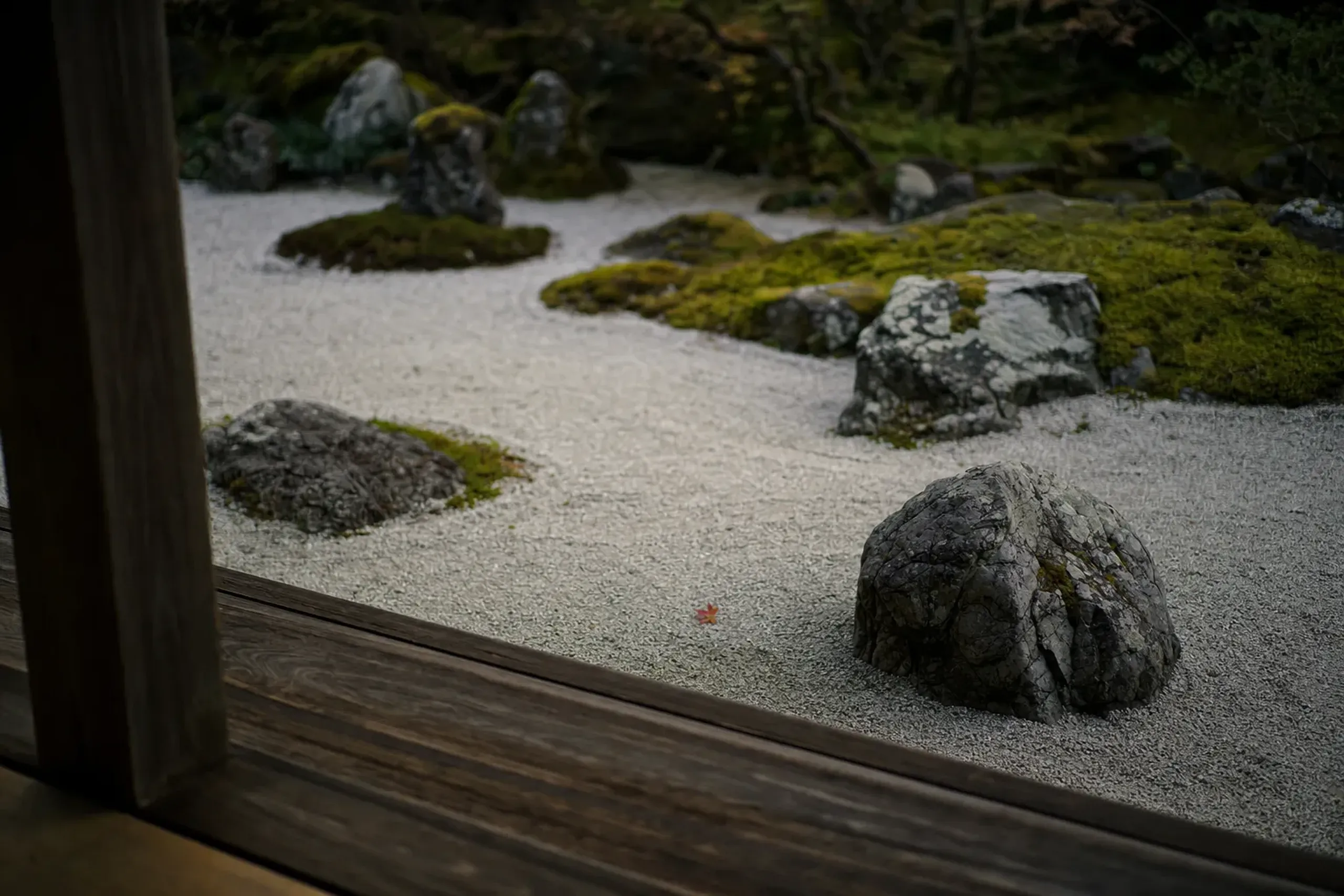
Stone. Raked gravel. Measured silence. Even when the town is busy, the garden reads as composed.
Crowd Reality: The Dazaifu Timing Rule
Dazaifu is rarely quiet because it is a year-round draw for students and visitors. Simple. You manage it with timing, not wishful thinking.
A weekday morning helps. So does avoiding peak domestic travel periods if your calendar has flexibility. Our concierge team plans the sequence so you’re not trapped in the densest flow at the wrong moment.
What Is The Best Fukuoka Day Trip For A Coastal, Beach-Town Feel?
Itoshima is the best contrast day from Fukuoka when you want sea air, open horizons, and a beach-town rhythm rather than temples or museums.
Itoshima is a coastal peninsula reached in under an hour from Fukuoka, and it wears its geography openly. About 32 kilometers of coastline gives you options. Beaches. Surf. Small coves. A long, unforced afternoon.
This is the “odd one out” on the list, and that is the point. After several culture-heavy days elsewhere in Japan, Itoshima can feel like loosening a tie you didn’t realize you were wearing.
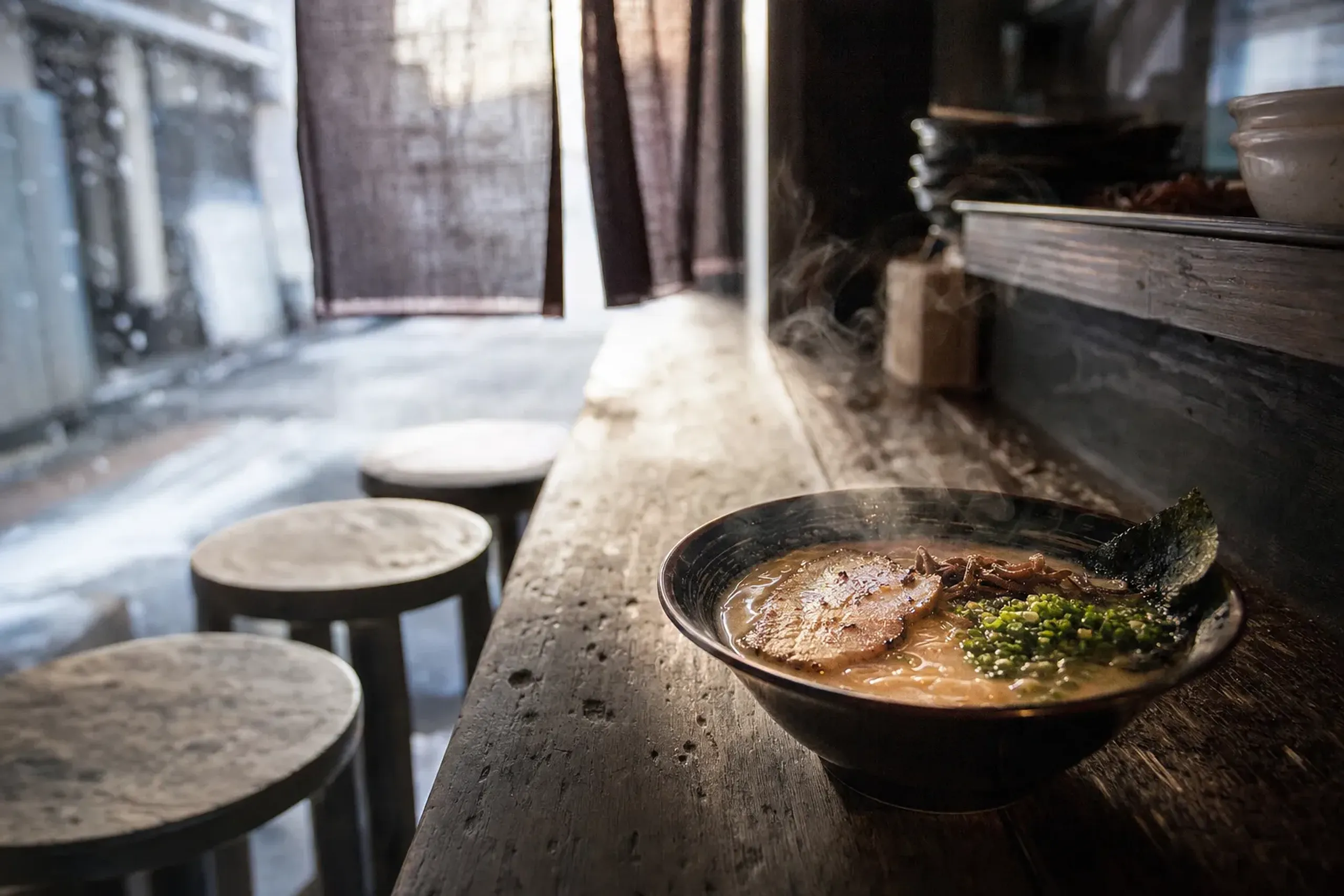
Sunset matters here. Not as a cliché, but as an actual planning tool. Certain viewpoints are known for it, including a rock arch and a torii gate standing out in the sea. If you time the day around late light, the whole outing sharpens.
What A Well-Paced Itoshima Day Looks Like
Think of Itoshima as a “one or two anchors” day. Not a marathon. The coast is the attraction, and the best moments are often unscheduled.
- Coastal viewpoints in the late afternoon for shifting light and long sightlines.
- Beach time if you want a genuinely relaxed afternoon and a slower return to Fukuoka.
It’s also a useful day for families. Kids do not need to be coached into enjoying the ocean. Adults usually exhale faster than they expect.
When Itoshima Makes The Most Sense In Your Four-Day Set
Place Itoshima after Dazaifu or after Karatsu. You’ll feel the release. If your broader Japan itinerary already includes several shrine or craft days, Itoshima keeps the Kyushu section from becoming one long “culture sprint.”
Is Karatsu Worth The Extra Distance From Fukuoka For One Day?
Yes—Karatsu is worth a day trip from Fukuoka if you care about castle views or Japanese craft, because it pairs a bay-facing landmark with a living ceramics tradition.
Karatsu is typically the furthest of the four, around 75 minutes each way. You feel that distance.
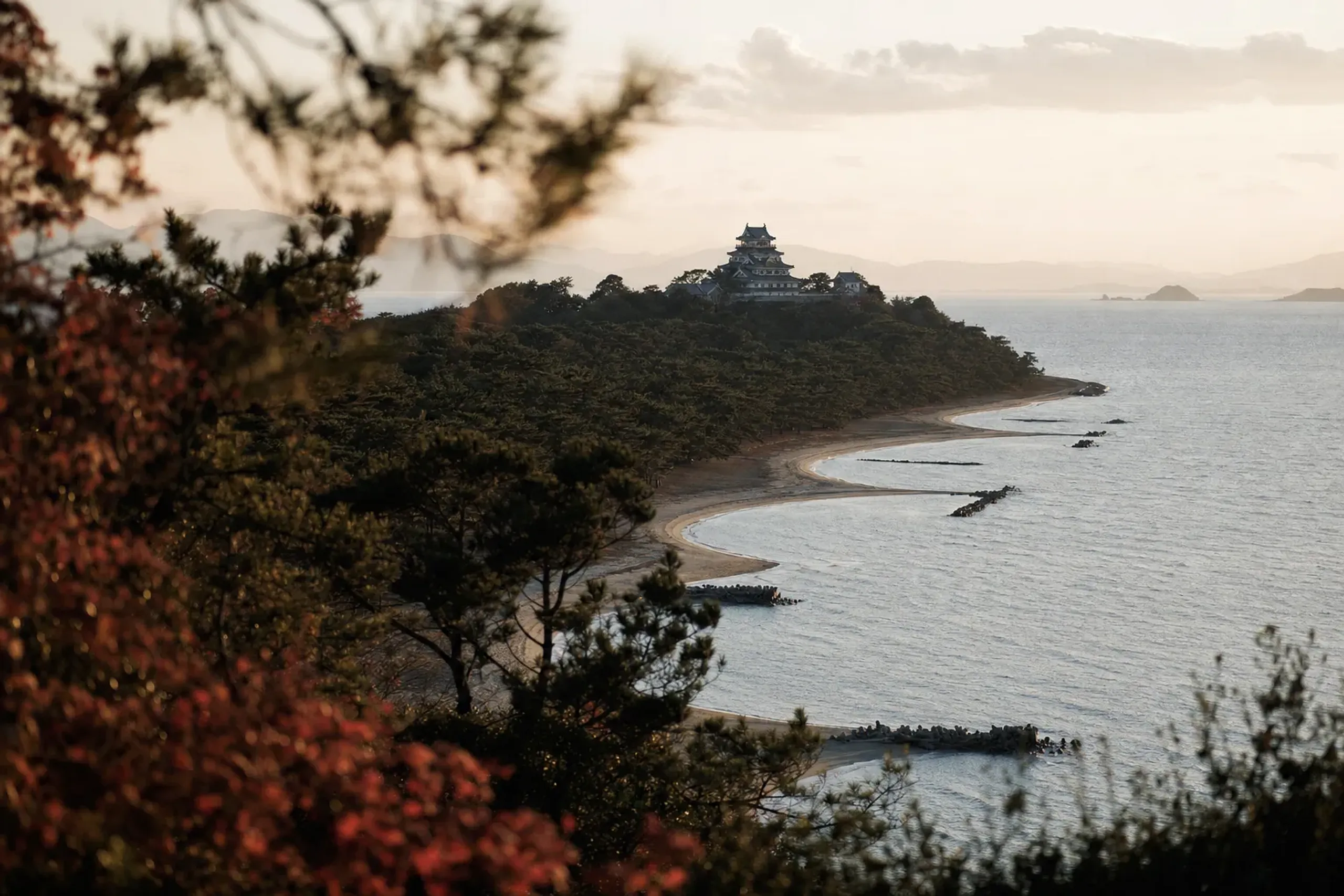
The reward is a day with two distinct halves, and you can choose the balance based on your interests.
Karatsu Castle is reconstructed, dating back to the 17th-century original. The setting is the real draw. You get elevated views over the bay, and the town’s layout makes sense from above.
Then there is Karatsu-yaki. This is where the shokunin pillar becomes tangible: clay, kiln marks, and hands that repeat a motion until it becomes its own language. No speech needed.
Karatsu In Two Lenses: Landmark And Material Culture
If you want the day to feel coherent, decide your lens early. Castle-first has one pacing. Craft-first has another. Both work, but they feel different in the body.
For a deeper craft read, we recommend our dedicated piece: Karatsu Kunchi Floats: 3 Years of Paper & Lacquer. It’s not a ceramics guide, but it shows how Saga craftsmanship is built—patiently, and in public view.
A Useful 2026 Anchor: Karatsu Kunchi Dates
Karatsu Kunchi is held Nov 2–4, 2026, and it is recognized as an Important Cultural Property of Japan (designation in 1980). Big signal. If you are already traveling in early November, it can shape your Kyushu routing.
We do not treat festivals as “add-ons.” They change hotel availability and crowd patterns across a region, even when the event is in a neighboring prefecture. Planning early is not obsessive.
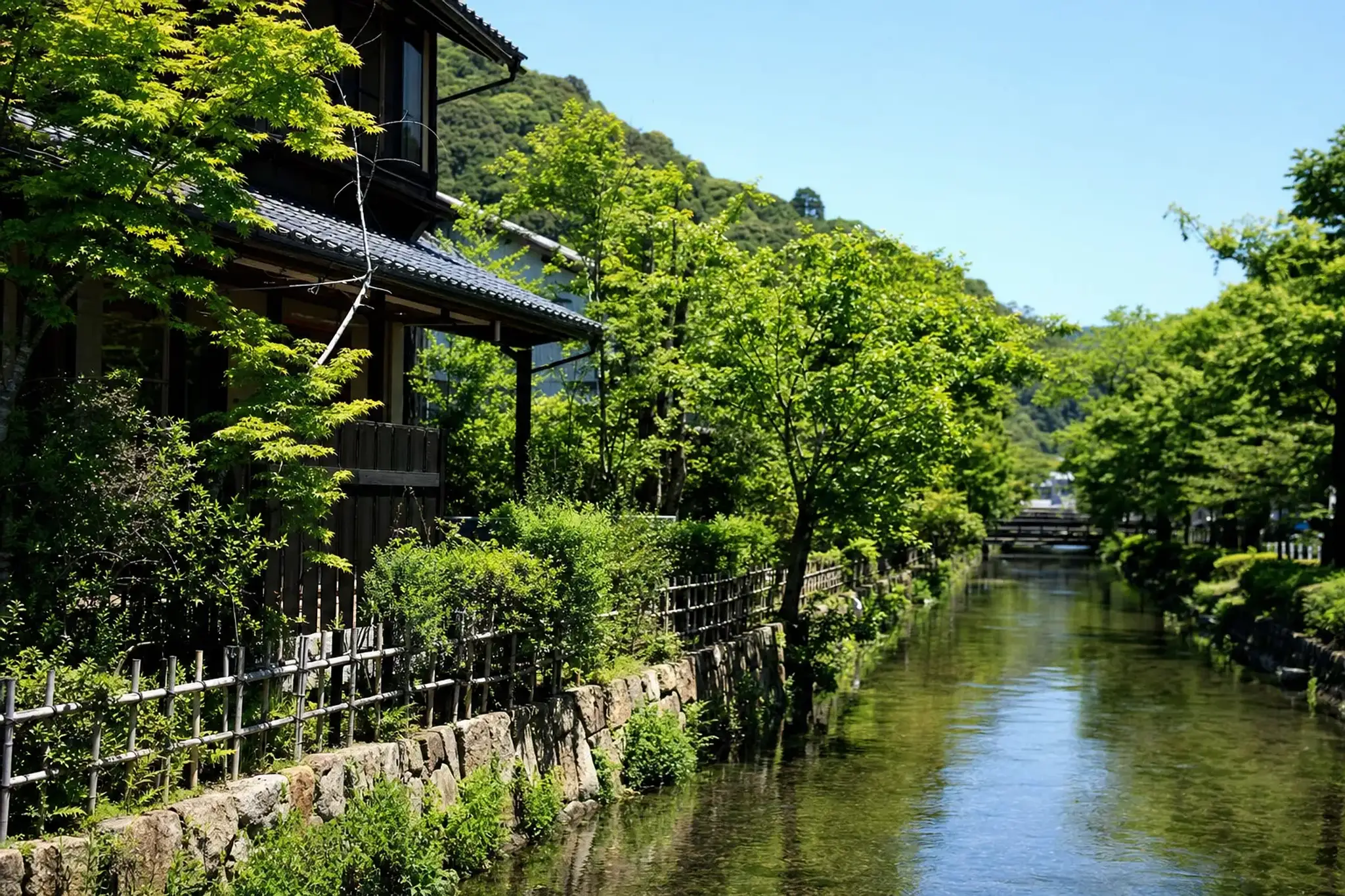
It’s just mature travel.
What Is The Slowest, Most Restful Day Trip From Fukuoka?
Yanagawa is the most unhurried day trip from Fukuoka because the canal boat experience naturally slows your pace, and the town is built around water movement rather than landmarks.
Yanagawa is under an hour from Fukuoka and feels like a different tempo. The town is structured around a canal network said to total roughly 930 km, dug about 400 years ago for castle defense and irrigation. Water defines the map. Bridges become punctuation.
The classic experience is the small gondola-style boat trip. You sit low, glide under bridges, and watch daily life along the edges: fences, reeds, a back door left open. It’s not a thrill. That’s why it works.
Yanagawa is also known for eel as a signature local dish. If you enjoy food that is tied to place rather than trend, this is the day to lean into it.
What To Notice In Yanagawa (So The Day Doesn’t Blur)
Yanagawa can feel “pretty” in a vague way if you don’t give it a focus. Give it one. Water engineering. Seasonal light. The way houses relate to canals. Your choice.
- Canal geometry as a piece of historical infrastructure, not just scenery.
- Boat pace as the point—this is a day to let silence do some work.
- Local eel cuisine as the edible signature that makes Yanagawa distinct.
Our team often positions Yanagawa after Karatsu.
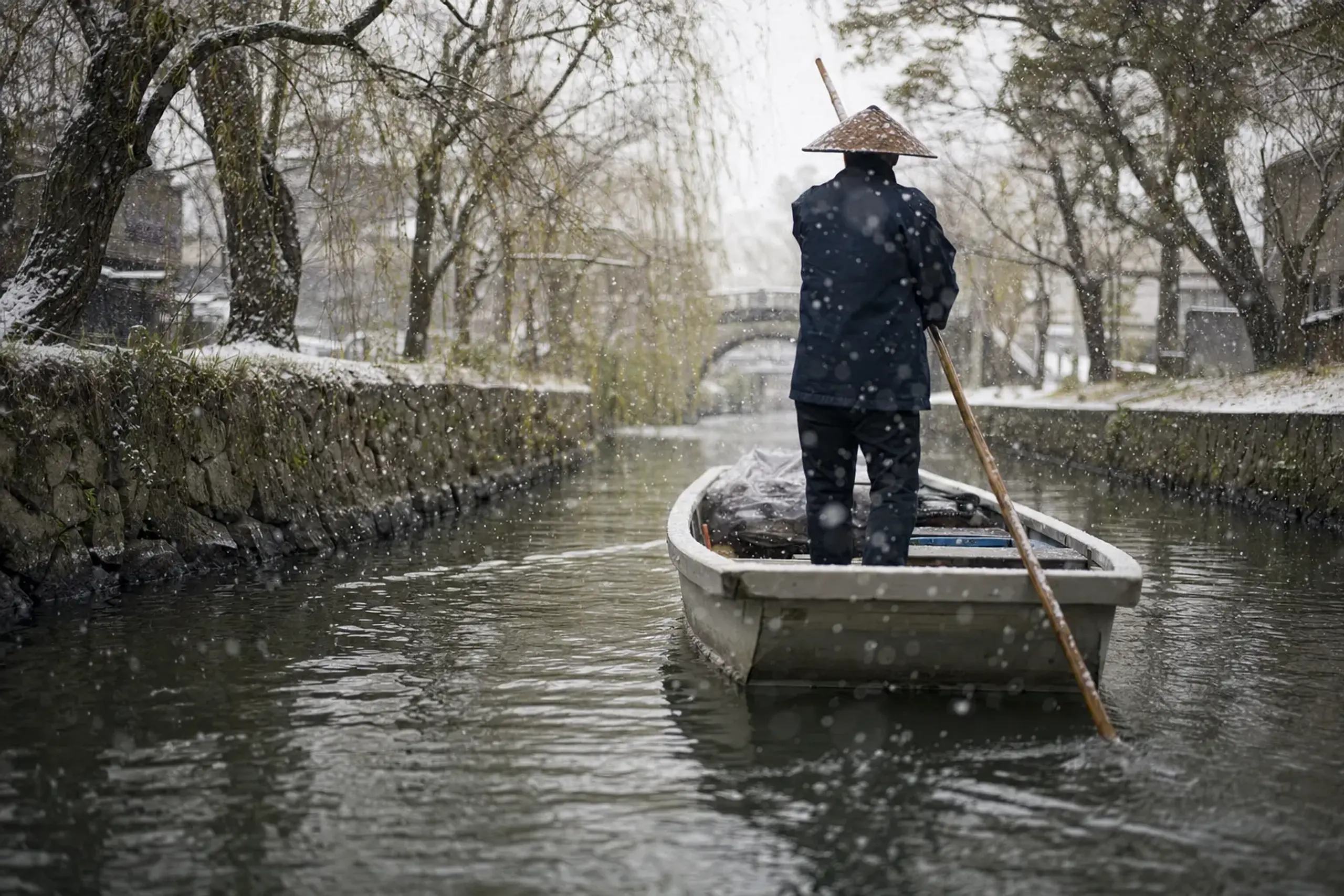
You’ll welcome the slower cadence.
Which Day Trip Should You Prioritize If You Only Have 2–3 Days?
If you only have 2–3 days, prioritize Dazaifu for cultural weight, then choose Itoshima for coast, Karatsu for craft, or Yanagawa for slow canals based on your interests.
Here is a practical way to decide, without pretending one choice fits everyone. Be honest with yourself. That’s the luxury move.
Option A: You Want A Classic Cultural Day With Minimal Guesswork
Choose Dazaifu. You’ll get a major shrine, a temple garden, and the Kyushu National Museum within one compact area. It is busy. Still worth it.
Option B: You Want Air, Light, And A Coastal Reset
Choose Itoshima. Make it a late-afternoon day so the coastline and sunset viewpoints have time to unfold.
Option C: You Care About Craft And A Strong Sense Of Place
Choose Karatsu. Accept the longer transit and build the day around one theme—castle views, or the material world of Karatsu-yaki.
Option D: You Want The Calmest Day With The Least “Agenda”
Choose Yanagawa. The canal boat experience does the pacing for you. You just show up present.
Honest Framing: This Is A Day-Trip Set, Not A “Hidden Kyushu” Circuit
These four towns are established day-trip destinations from Fukuoka, and they can be busy.
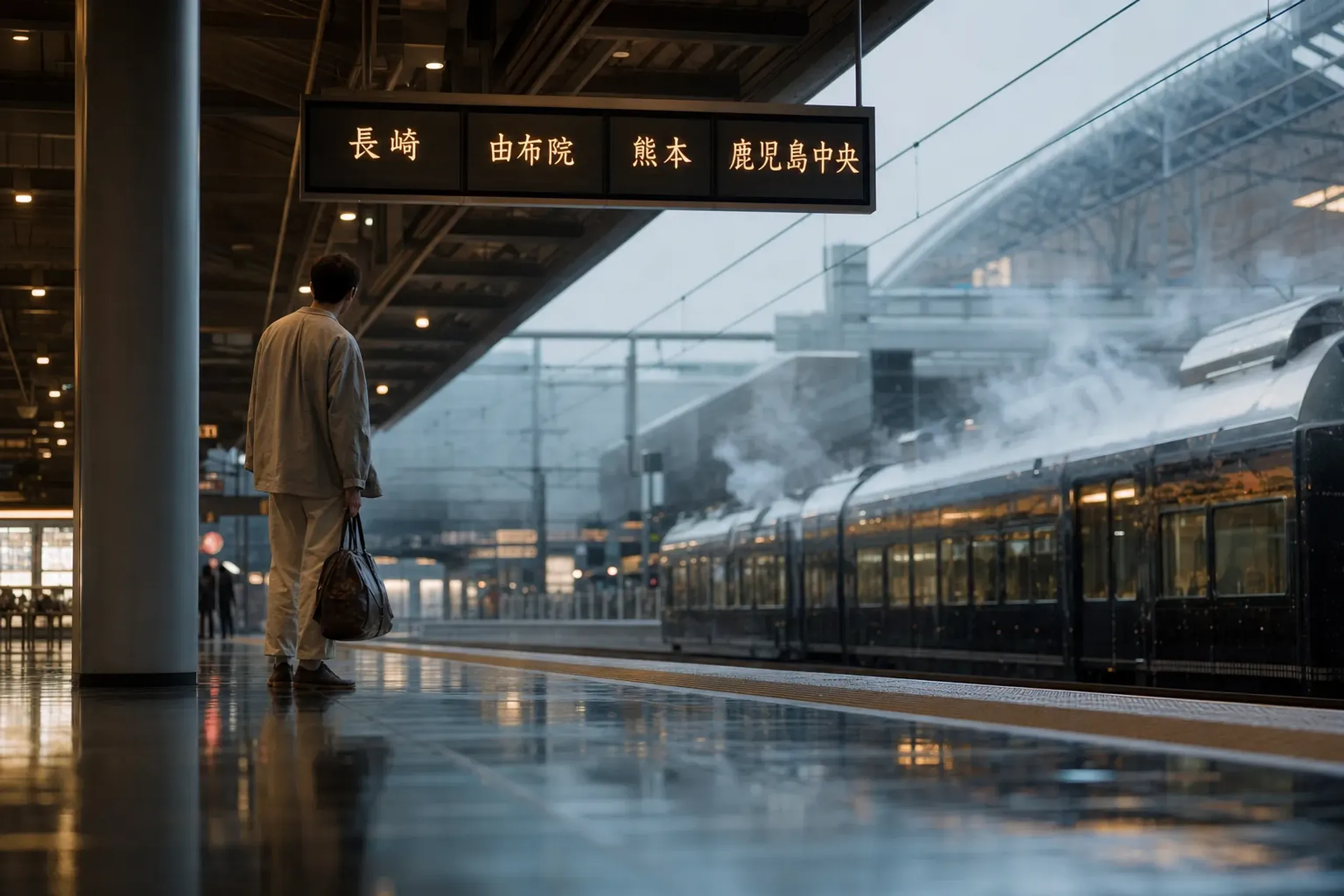
That does not reduce their value. It just changes how you plan.
“Hidden Japan” is not a promise that nobody else will be there. In our work, hidden-Japan is about angles and introductions—how you enter a place, who you meet, and what you notice when you are not being herded through the obvious frame.
So we keep expectations clean. You are not doing a rugged driving loop. You are choosing four different days from one base. That is precisely why it works.
If you want a deeper Kyushu arc beyond these day trips, our team can point you to routes that really do require a different structure, including self-drive corridors like the Trans Kyushu Route described by Japan-Guide. Different trip. Different tool.
How Transportation Usually Works For These Day Trips From Fukuoka
Most travelers do these outings by train and local connections, or by private car for tighter pacing and fewer transfers. Both are legitimate. The right choice depends on your group size, your tolerance for crowds, and how sharply you want the day to run.
If you value control—late starts, photo stops, a quiet return—private transportation tends to fit better. If you enjoy rail and don’t mind occasional station friction, trains can be satisfying in Kyushu, especially when timed well.
When our guests choose a chauffeur-driven approach, the first question we ask is not “where next?”
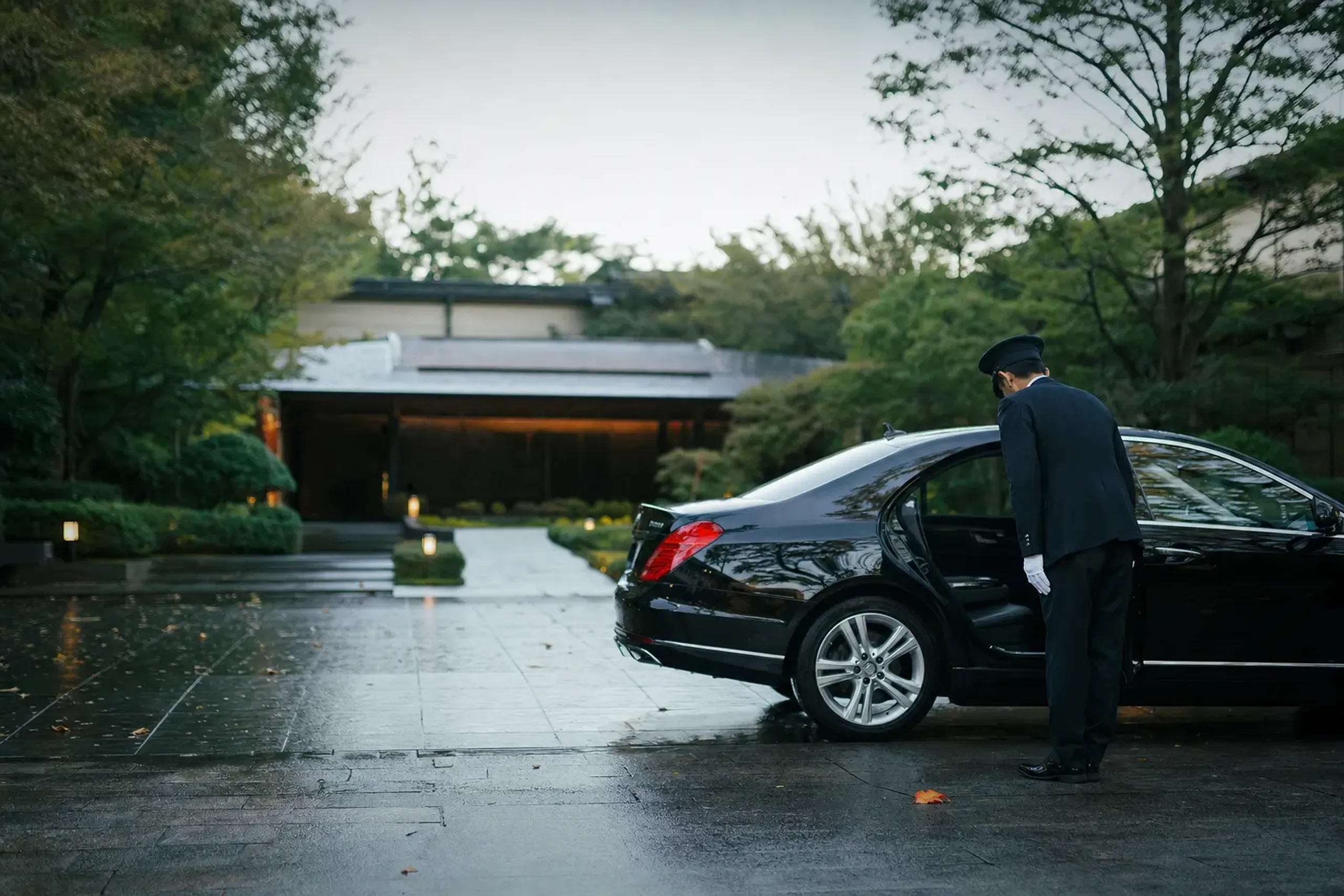
It is: “What kind of day do you want to inhabit?” Then we shape the sequence around that.
Key fact: We avoid publishing fixed transit times, fares, or operating hours here because they change; our concierge team confirms the current details directly as part of your planning.
Frequently Asked Questions
Can I Do Dazaifu And Yanagawa In One Day From Fukuoka?
Yes, it is possible to pair Dazaifu and Yanagawa in one long day from Fukuoka, but it works best if you start early and keep each stop focused.
Dazaifu can absorb time because of crowds and the museum option. Yanagawa tends to run on a slower rhythm once you are on the water. If you want calm, we usually keep them as separate days.
What If I Want To See Hakata Gion Yamakasa In July 2026 And Still Do These Day Trips?
Hakata Gion Yamakasa in 2026 runs from July 1 to July 15, 2026, and it can be combined with these day trips if you plan your base and timing carefully.
Festival days shift hotel demand and street-level congestion in Fukuoka. Our concierge team can advise on pacing—what to place on festival days, and what to schedule on quieter weekdays.
Is Itoshima A Good Day Trip In Poor Weather?
Itoshima is less rewarding in poor weather because its appeal depends on coastal views and time outdoors.
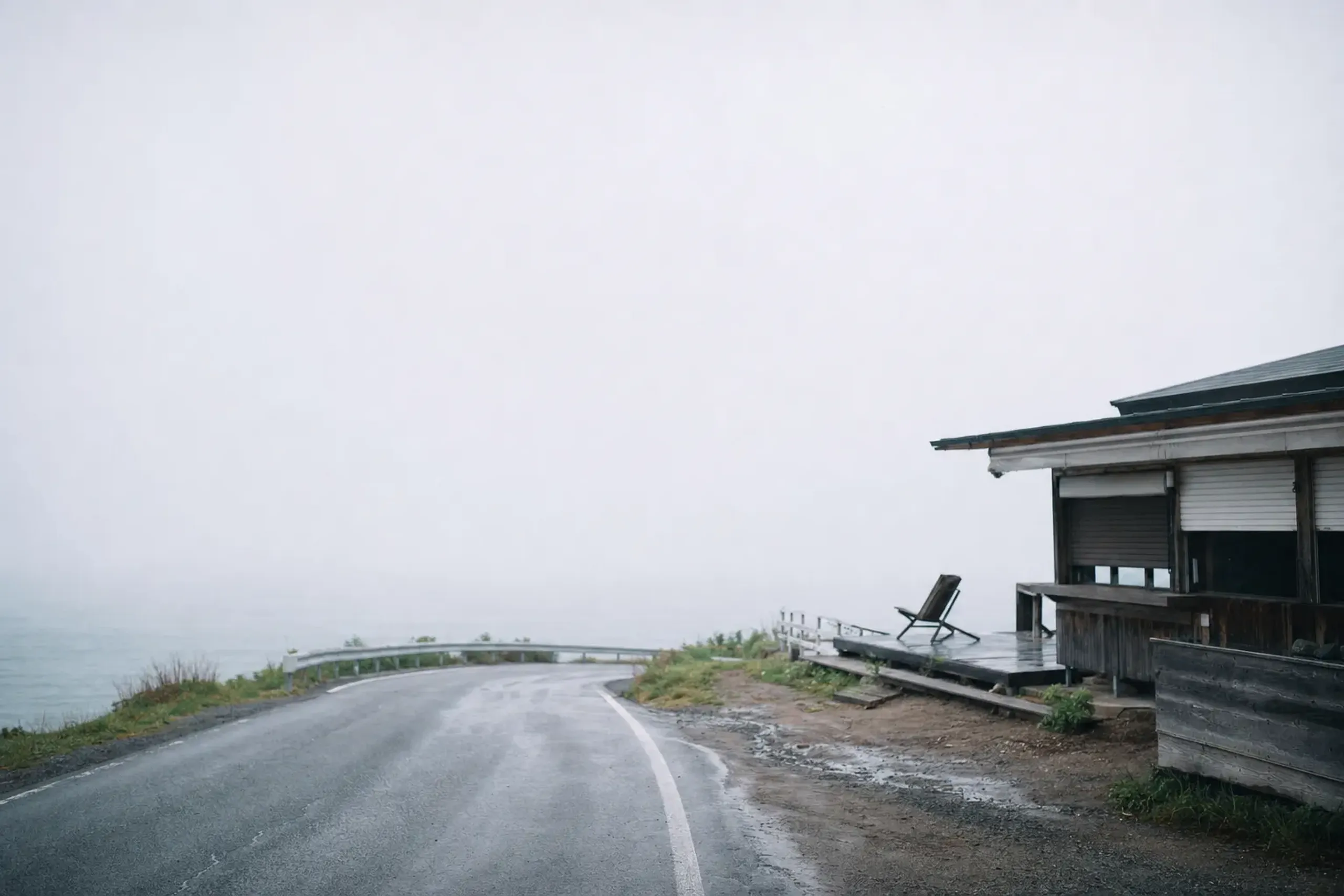
If the forecast is weak, Dazaifu can be the safer swap thanks to the museum and indoor cultural options. Yanagawa can also work if rain is light and you still want a slower day.
Do These Four Towns Require A Car, Or Can I Use Public Transport?
No, a car is not strictly required, and many visitors reach these towns by train and local connections.
Private car travel can reduce transfers and let you shape the day around your own pace, especially for families or small groups with a tighter schedule. We help you choose based on how you like to travel.
Why Choose Japan Royal Service
Japan moves fast when you travel it the obvious way. Our team at Japan Royal Service builds Fukuoka-based Kyushu days that feel composed, with discretion built into the structure and shokunin-level attention to sequencing.
We treat these four day trips as four different “days of mind,” not four boxes to tick. You return to the same base each night. You keep your energy for the moments that deserve it.
When you are ready, we can arrange transport and guiding for any or all four day trips, and we can build a tailor-made Fukuoka itinerary around your priorities. For chauffeured comfort, see our private transportation options.
Reach our team privately via WhatsApp or LINE, or contact us here to begin planning your Fukuoka base and Kyushu day trips.