In this guide
- 01Why Are We Covering The Noto Peninsula Now?
- 02What Does Recovery Actually Look Like On The Ground?
- 03What Is Hope Tourism In Japan?
- 04Beyond The Earthquake: Noto Satoyama And Satoumi
- 05Traditional Craft And Food Culture As Economic Anchors
- 06How To Visit Respectfully (And What To Avoid)
- 07Frequently Asked Questions
- 08Why Choose Japan Royal Service
On January 1, 2024, a magnitude 7.6 earthquake struck the Noto Peninsula in Ishikawa Prefecture, triggering tsunami waves exceeding a meter along the Japan Sea coast. The disaster caused nearly 500 deaths, including fatalities attributed to the hardship of evacuation, and displaced tens of thousands of residents. Heavy rains in September 2024 caused further damage across the already vulnerable region. Today, the Noto Peninsula is still rebuilding, and our team at Japan Royal Service offers this guide for travelers who wish to support the ongoing recovery honestly.
Why Are We Covering The Noto Peninsula Now?
We are updating our guidance because regional infrastructure has stabilized enough to support thoughtful visitation, transforming travel from a logistical burden into a vital economic lifeline.
When we published our 2026 Kanazawa to Takayama route guide, we deliberately excluded the Noto Peninsula. At the time, unresolved questions regarding road access, workshop integrity, and basic appropriateness made travel there unwise. We held back. Discretion matters immensely in our operations, and recommending travel to an active disaster zone conflicted with our standards.
Conditions have shifted. Major roads have largely reopened across the region. Travel times within the peninsula have mostly returned to pre-disaster levels, though localized detours exist. Noto Satoyama Airport resumed operations in mid-2026. This post serves as the honest update. We are shifting from respectful distance to structured economic support.
What Does Recovery Actually Look Like On The Ground?
Recovery is real, ongoing, and genuinely uneven, with restored highways standing alongside prominent coastal properties that will not fully reopen until 2027 or later.
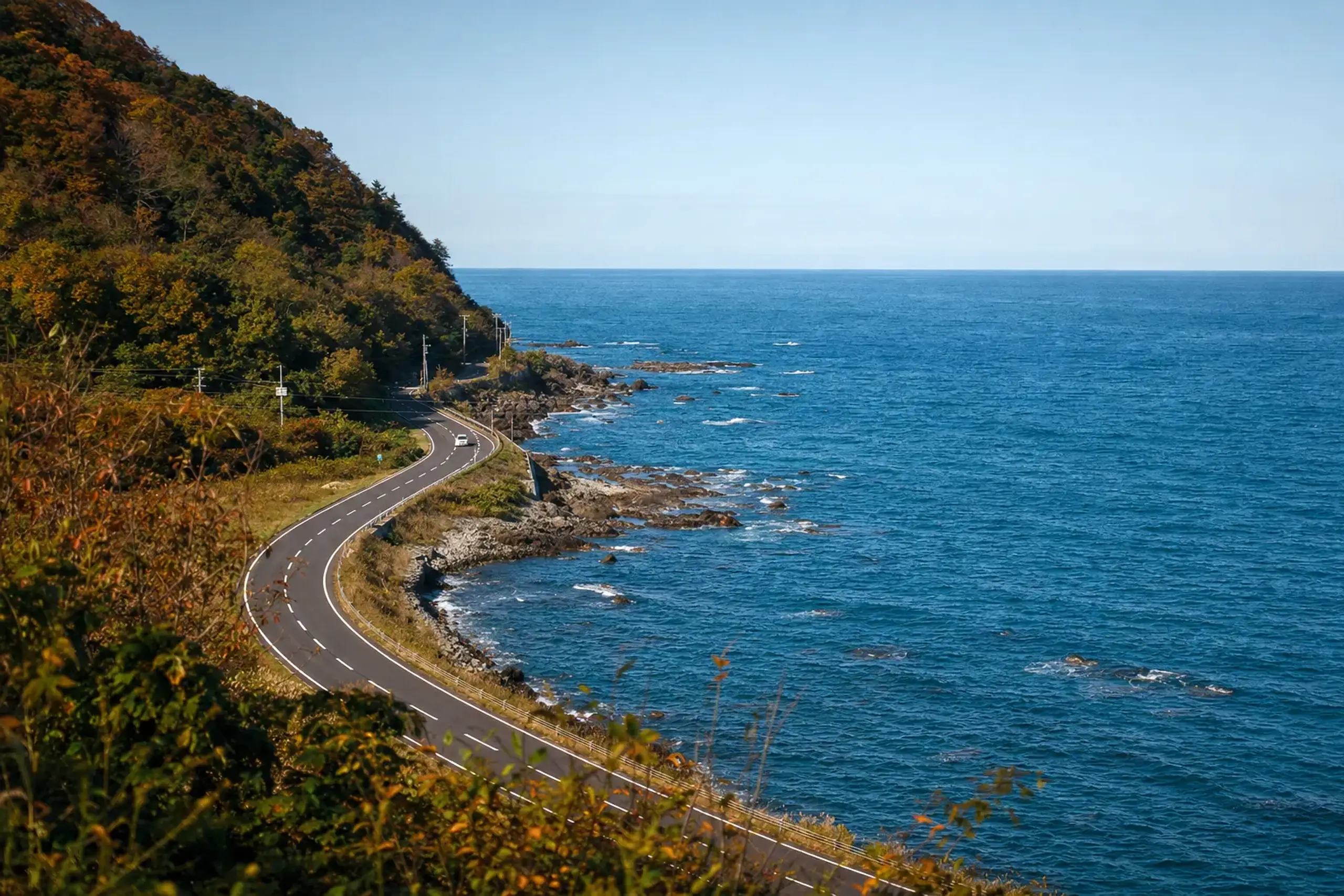
Do not expect a uniform story of triumph. Rebuilding happens block by block, and the landscape reflects that reality. Some tourist facilities, local restaurants, and accommodations have resumed operations completely. Others remain shuttered. Getting specific statuses wrong here is a severe disservice to the community.
For this reason, we do not list individual inns or workshops as currently open or closed in this guide. The honest reality is that conditions change monthly. In our experience, making assumptions is dangerous. Instead, our concierge team arranges your logistics and verifies the operational status of specific sites directly with local operators before organizing any visit.
What Is Hope Tourism In Japan?
Hope tourism directs visitor spending toward disaster-affected regions, emphasizing economic solidarity and community support rather than viewing damaged infrastructure out of morbid curiosity.
Following the 2011 disaster in Tohoku, the Michinoku Coastal Trail demonstrated how careful, planned visitation could aid local economies. The Noto Peninsula is adopting a similar model. National and local tourism bodies have launched coordinated initiatives. These partnerships between hotels, local producers, and travel companies are designed explicitly to fund the region's recovery without draining local resources.
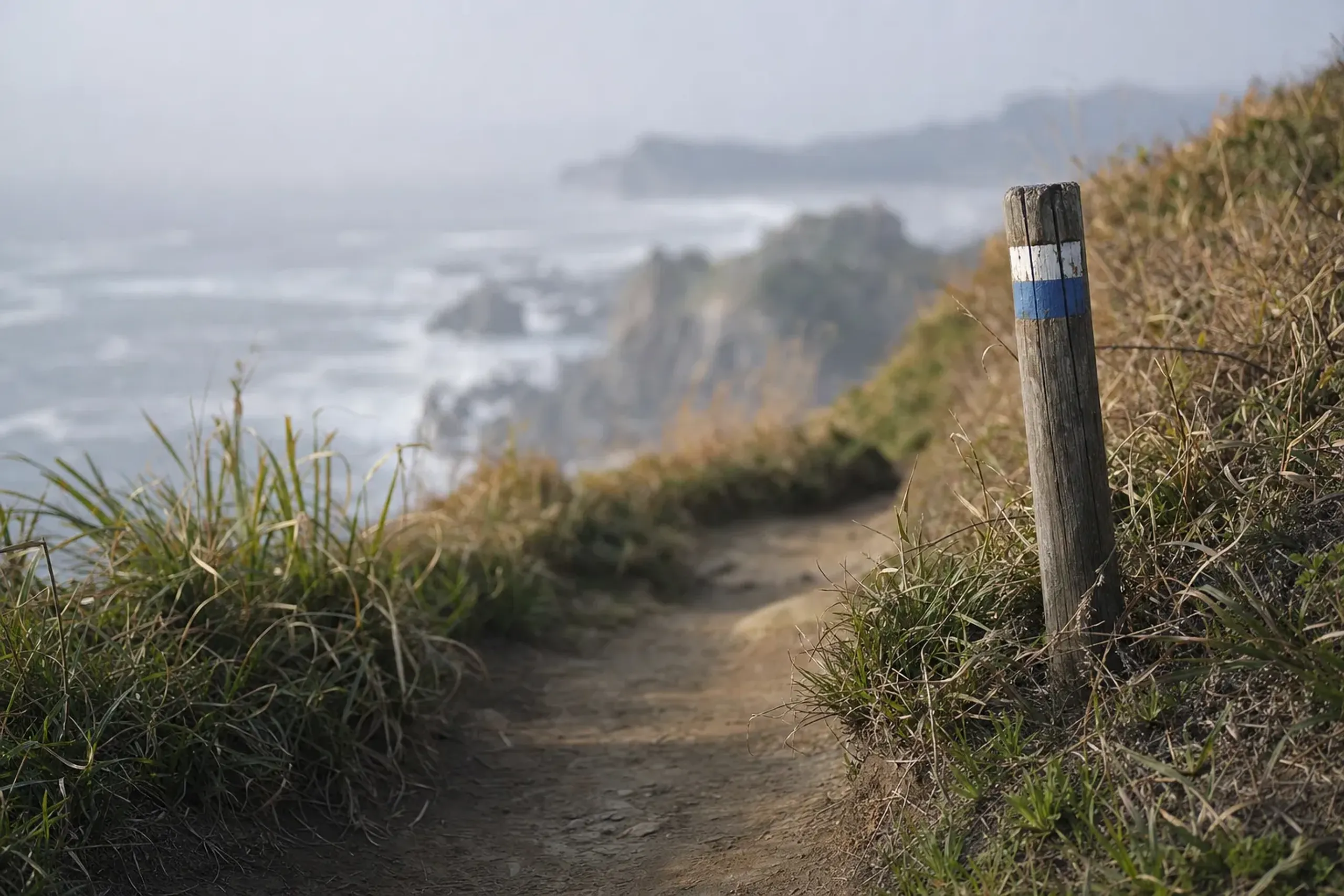
Travelers often ask if visiting now is an intrusion. If done correctly, it is not. You are participating in a functioning community. We arrange tailor-made itineraries that respect local boundaries. Total discretion remains our priority, ensuring your presence is a quiet benefit rather than a loud disruption.
Beyond The Earthquake: Noto Satoyama And Satoumi
Long before the earthquake, the Noto Peninsula received approximately 7.7 million visitors annually. Roughly 30% of all travelers to Ishikawa Prefecture came specifically for this region. They came for the land.
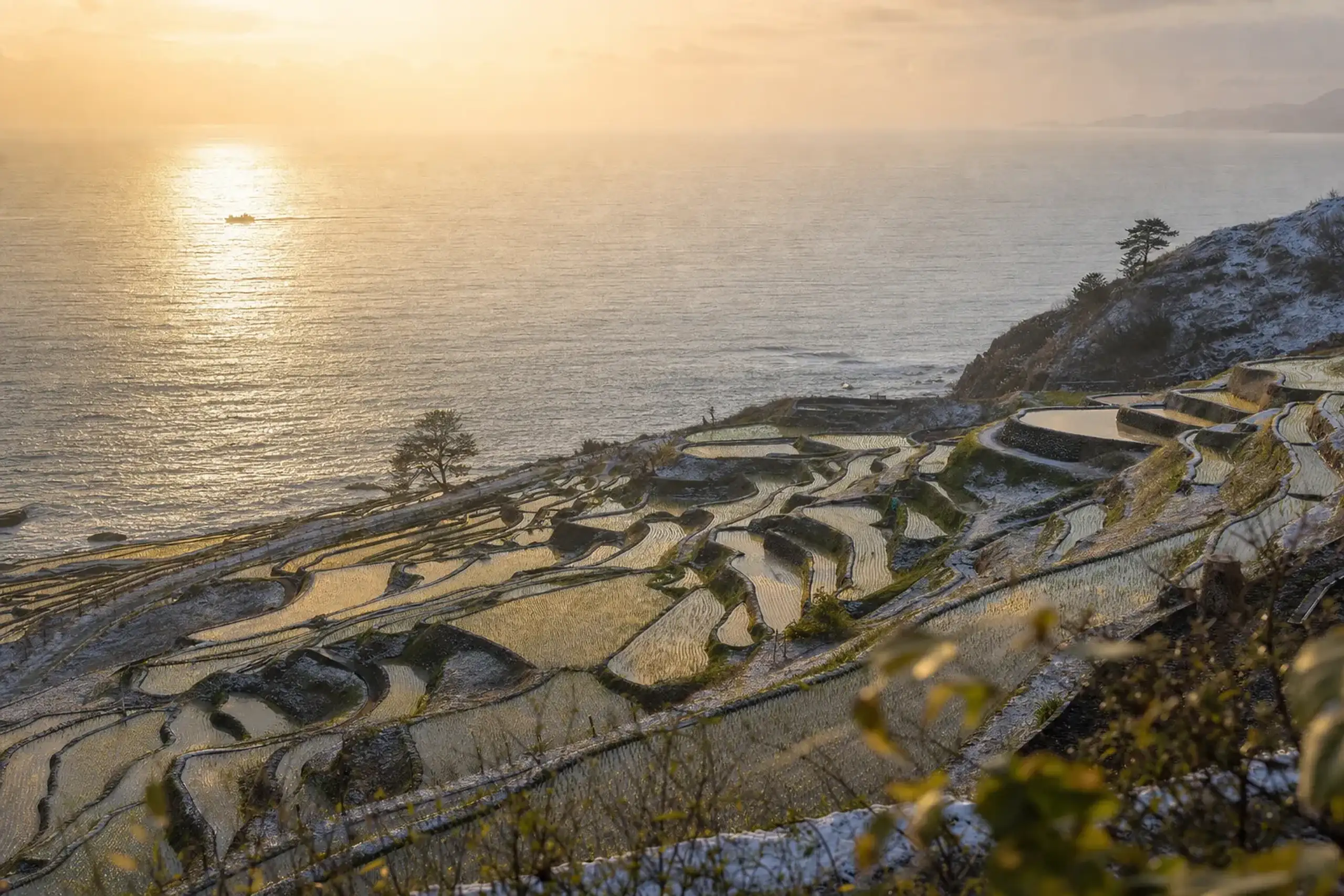
The area’s Satoyama and Satoumi landscapes are recognized as a Globally Important Agricultural Heritage System. This designation reflects centuries of sustainable rural and coastal practice. It is a specific way of living with the land and the Sea of Japan. Rice terraces cascade down steep cliffs. Fishing villages utilize methods unchanged for generations.
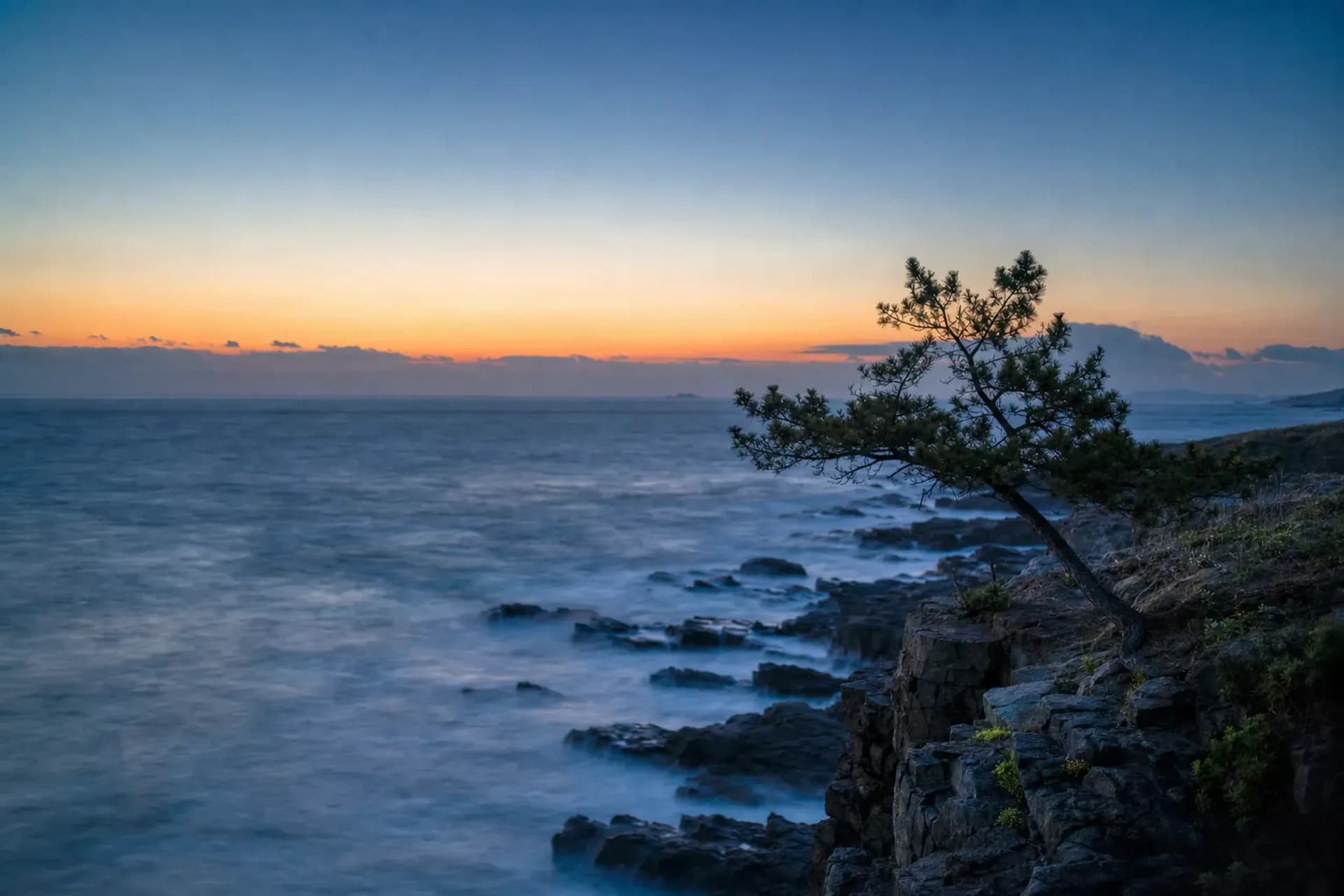
This heritage matters. It is a substantive reason to visit beyond the disaster narrative. The coastal formations showcase the raw geological power of the region. Exploring this coastline requires reliable private transportation and expert local routing, especially as secondary roads continue to undergo repair.
Traditional Craft And Food Culture As Economic Anchors
Artisans and culinary masters are central to the rebuilding effort. Traditional craft culture, particularly Wajima lacquerware, serves as an economic anchor. Shokunin (master artisans) are slowly returning to their benches, working carefully to restore their studios.
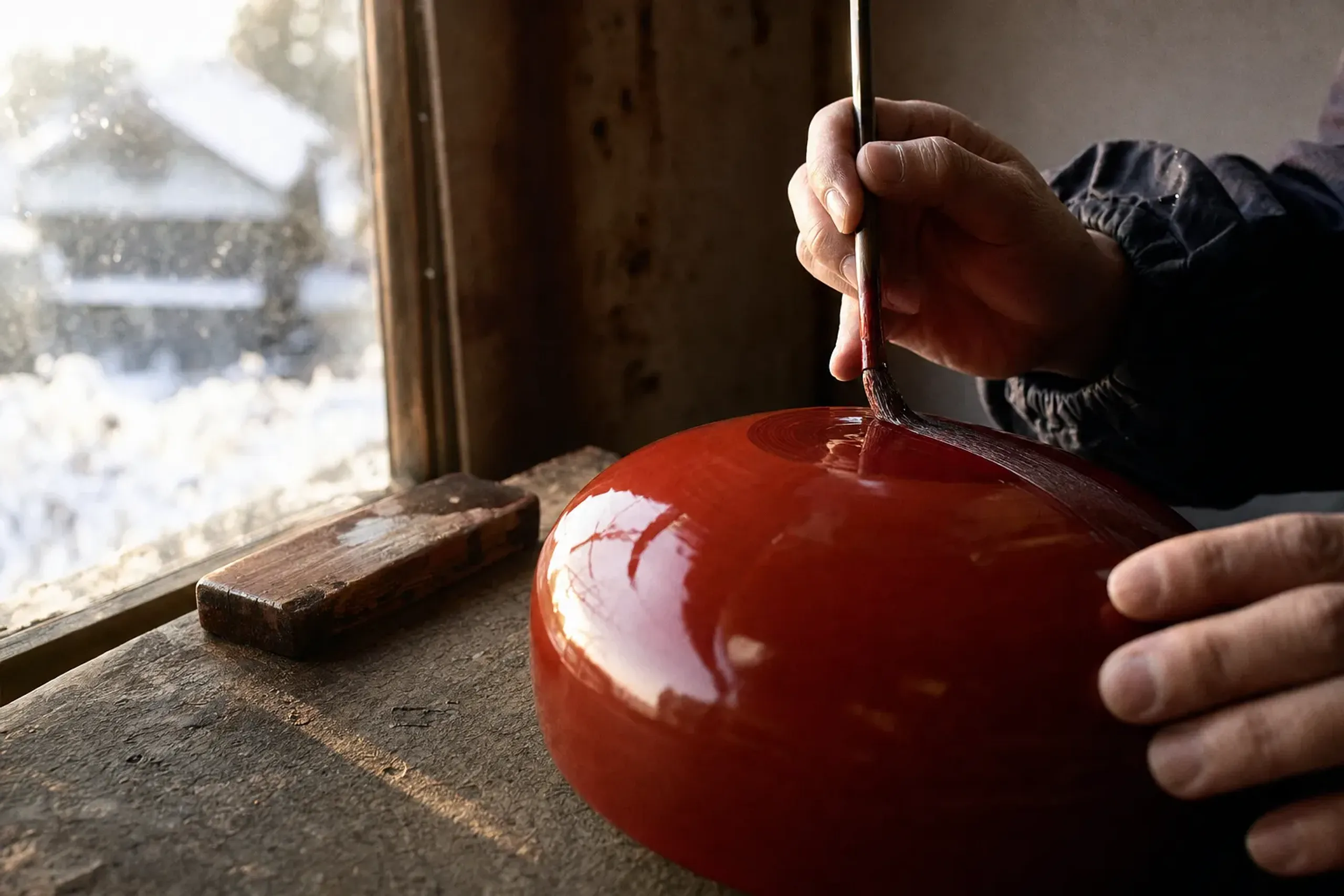
Food culture drives recovery just as strongly. Joint dining programs featuring Noto ingredients and local fisheries are appearing in Kanazawa and within the peninsula itself. In Wakura Onsen, the famous hot spring town, recovery milestones are celebrated quietly. A new Pokémon-themed footbath facility opened in May 2026, signaling a step toward normalcy for returning families and travelers alike.
Yet, the timeline is long. We coordinate private sessions with local masters based strictly on who is safely accepting outside guests. This approach embodies the true spirit of wabi-sabi—finding profound value in quiet restraint and the ongoing process of repair.
How To Visit Respectfully (And What To Avoid)
Key fact: The Noto Peninsula is an active recovery zone, not a museum of destruction. Photography of damaged homes or displaced residents is strictly discouraged.
A visit should never be a curiosity tour of damage. Taking photos of collapsed structures is a severe breach of etiquette. Big mistake. We advise clients to focus entirely on operating businesses, open galleries, and functioning markets.
Buy local crafts. Stay in locally owned ryokan when available. Eat regional seafood. Economic participation is the only appropriate reason to visit right now. The quiet, hidden Japan that Google cannot easily map is still here, working hard to restore its foundation.
Frequently Asked Questions
Is it possible to travel safely to the Noto Peninsula right now?
Yes, travel to the Noto Peninsula is possible, as major roads and the regional airport have reopened for regular transit.
However, local infrastructure remains fragile, requiring careful planning and real-time confirmation before visiting.
Are traditional craft workshops taking visitors in Ishikawa this year?
Some artisan workshops have resumed receiving guests, while others remain strictly focused on rebuilding their facilities. Our team verifies the exact status of each studio before proposing any cultural visits.
How do we know which ryokan are open in Wakura Onsen?
Accommodation status changes rapidly as rebuilding progresses across the region. We contact local operators directly to confirm which lodgings are safely accepting guests on your specific travel dates.
Why Choose Japan Royal Service
Our team at Japan Royal Service handles complex itineraries where privacy and precise logistics are paramount. The Noto Peninsula currently requires careful, highly verified planning. We confirm every detail with local operators directly, ensuring your visit supports the community without burdening their recovery efforts.
We prioritize absolute discretion and secure access to the hidden Japan that requires a proper introduction. For private coordination, reach our team directly via WhatsApp or LINE, or contact us here to discuss what is realistic and respectful for your upcoming travel dates.