In this guide
- 01How Long Does It Take To Travel From Kanazawa To Takayama?
- 02Shirakawa-go: The Architecture Of Winter Restraint
- 03How Do New Bus Parking Restrictions Affect Shirakawa-go In 2026?
- 04The Optional Toyama Detour: Mountains And Coastal Glass
- 05Craft Corridors: Shokunin From Kanazawa To Takayama
- 06Frequently Asked Questions
- 07Why Choose Japan Royal Service
Most itineraries treat the corridor between Kanazawa and Takayama as mere transit. A logistical puzzle to solve before reaching the next major destination. Big mistake. The actual best stop on this route sits almost exactly in the middle. Our team at Japan Royal Service advises clients to treat this passage not as a commute, but as a deliberate, unhurried journey through Japan's alpine heritage.
Connecting the coastal craft capital with the deep-mountain merchant town requires crossing a geography defined by heavy winter snows, steep valleys, and strict preservation laws. Rather than speeding through, the sophisticated traveler stops in Shirakawa-go, where traditional architecture survives precisely because of its geographic isolation.
Whether you choose the road route through the valleys or the rail detour via Toyama, this corridor demands careful pacing. Proper sequencing prevents a rushed day and transforms the travel itself into the highlight of your itinerary.
How Long Does It Take To Travel From Kanazawa To Takayama?
The direct drive between Kanazawa and Takayama takes roughly two hours, but adding a recommended stop in Shirakawa-go extends the total travel time to a full day.
Pacing is everything. While point-to-point speed is achievable, it defeats the purpose of traversing the Japanese Alps. Most travelers allocate between six and eight hours for this transfer, building in sufficient time for exploration, dining, and route flexibility.
Understanding the logistical trade-offs between transport modes is essential for a smooth journey. Here is how the primary options compare for 2026:
| Transport Mode | Details & Routing |
|---|---|
| Private Vehicle | Direct road route via Shirakawa-go. Offers complete privacy, luggage management, and the ability to dictate departure times or add stops in quieter neighboring villages like Gokayama. |
| Highway Bus | Operated by Nohi Bus and Hokutetsu. Connects Kanazawa, Shirakawa-go, and Takayama. Strict luggage limits apply, and reserved seating is mandatory on most legs. |
| Rail (via Toyama) | Hokuriku Shinkansen to Toyama, connecting to the Limited Express Hida to Takayama. Bypasses Shirakawa-go entirely, appealing to travelers focused on the coast or the Alpine Route. |
The road route naturally accommodates the Shirakawa-go stop.
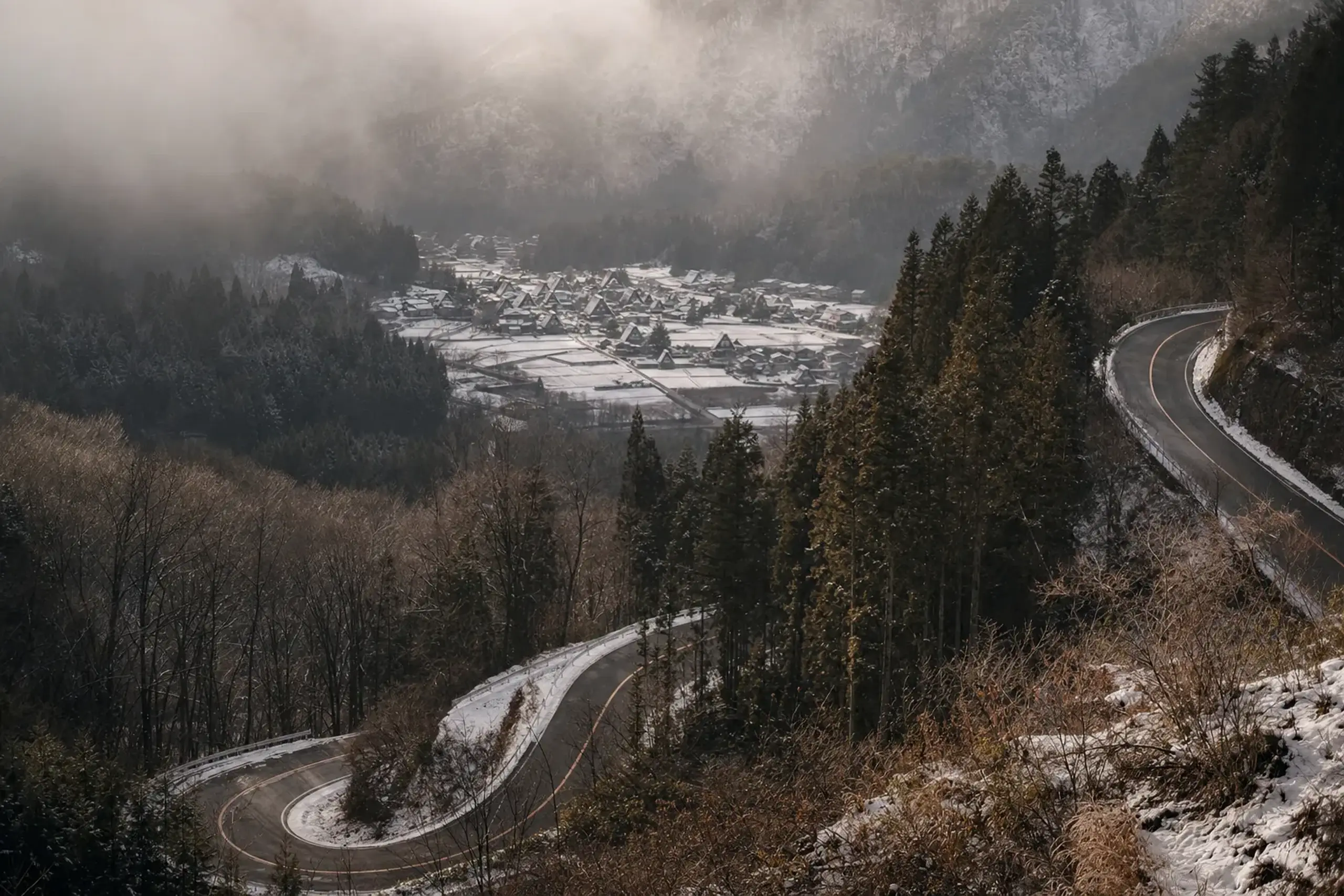
Choosing the rail route requires a different geographical logic, prioritizing coastal Toyama over the mountain valleys.
Shirakawa-go: The Architecture Of Winter Restraint
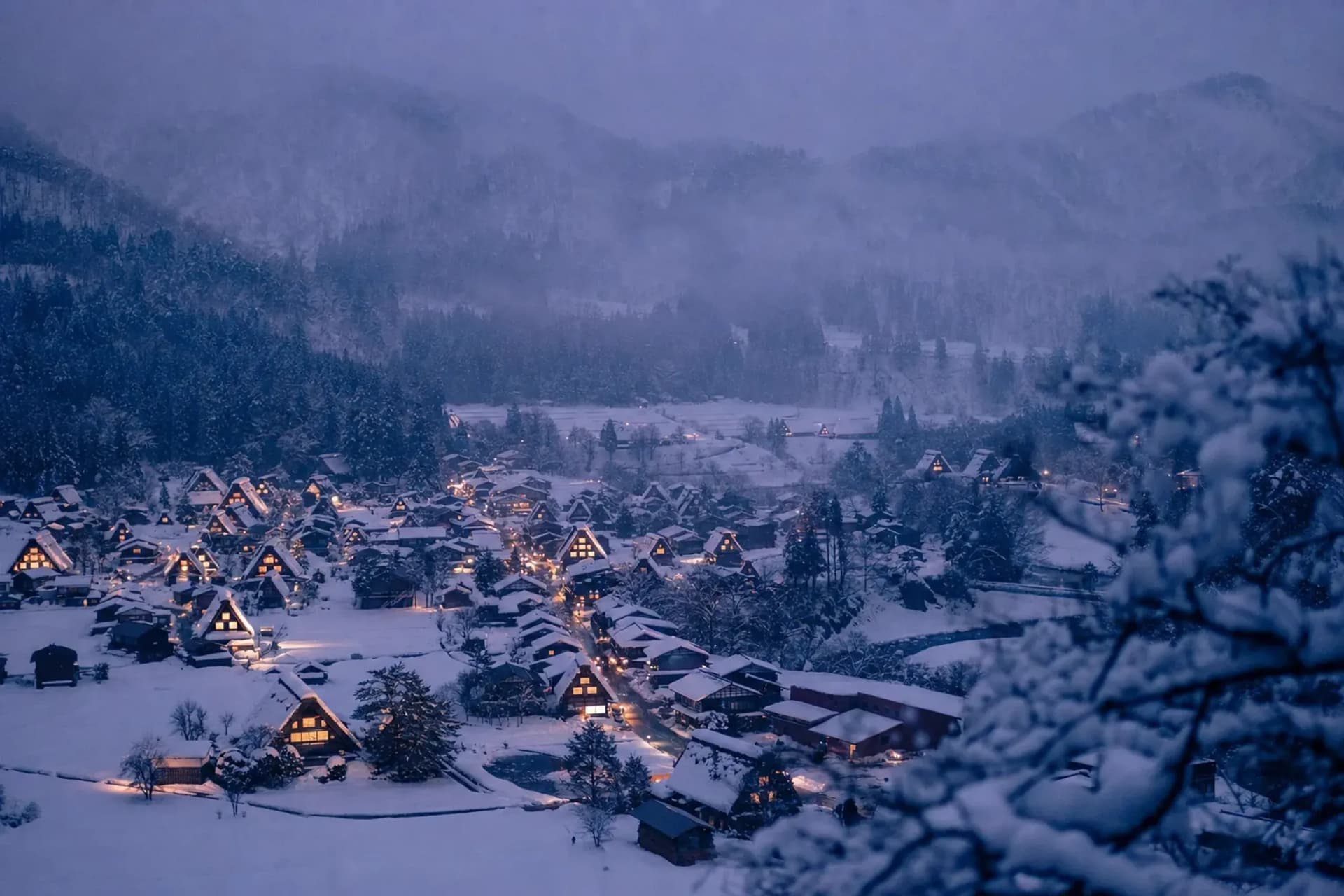
To understand Shirakawa-go, you must look at the roofs. The village is defined by its gassho-zukuri farmhouses. The term translates roughly to "hands constructed in prayer," referring to the steep, 60-degree pitch of the thatched roofs. This is not decorative. It is a strict architectural response to the crushing weight of alpine snow.
The aesthetic here embodies wabi-sabi: the beauty of weathered, functional things. There is no gold leaf. No polished lacquer. You find only aged cedar, thick layers of miscanthus reed, and moss growing in the shadows of heavy eaves. Silence prevails in the winter months, when thick snow muffles the sounds of the valley.
Stepping inside a gassho-zukuri structure reveals multiple floors traditionally used for silkworm cultivation, warmed by an open irori hearth on the ground floor. The wood absorbs the smoke over decades, hardening the structure against insects and dampness.
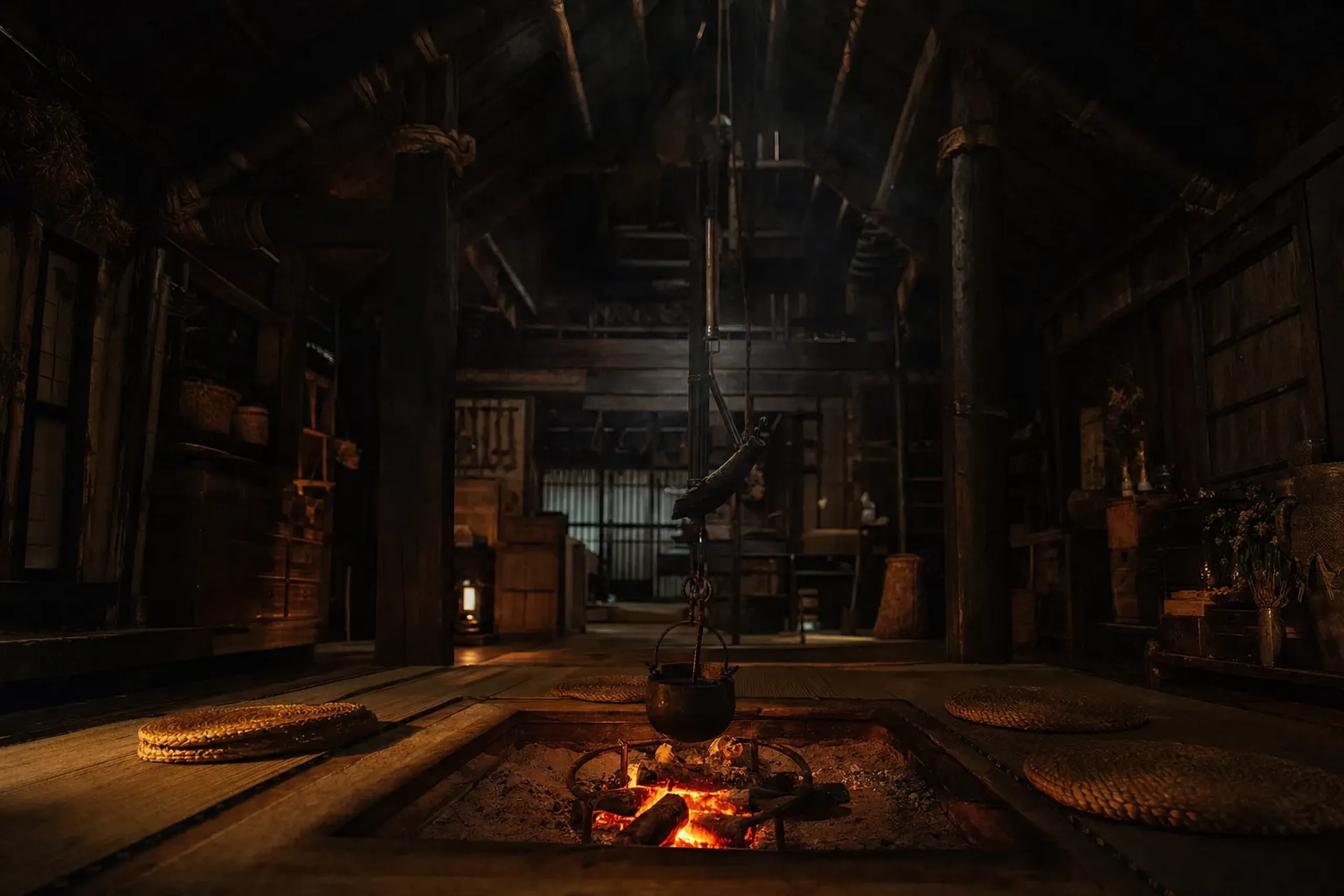
It is a brilliant, entirely local engineering solution.
Because it sits equidistant between Kanazawa and Takayama, roughly an hour from either city by road, it is the natural midpoint of the journey. Rushing through it misses the texture of the village. We suggest allocating at least three hours to walk the valley floor, away from the immediate cluster of the main parking area.
How Do New Bus Parking Restrictions Affect Shirakawa-go In 2026?
Starting June 1, 2026, Shirakawa-go transitioned to a strict reservation-only system for tour bus parking, fundamentally changing how larger groups access the valley during peak seasons.
Overtourism management is reshaping access to Japan's most sensitive heritage sites. The authorities in Shirakawa Village implemented these rules to protect the local community and ensure the village remains habitable rather than becoming a mere backdrop. This shift heavily impacts private coaches and large day-tour operators, who can no longer arrive ad-hoc.
Key fact: During the highly anticipated 40th Shirakawa-go Light-Up events in winter 2026, strict access controls dictate exactly who may enter the village after dark. Unprepared arrivals are routinely turned away at the access roads.
For independent luxury travelers, this underscores the value of precise logistics. Smaller private vehicles operate under different parameters, but navigating the designated entry points, timed approaches, and crowd dispersal strategies requires sharp local knowledge. Discretion and forward planning are non-negotiable for a calm visit.
The Optional Toyama Detour: Mountains And Coastal Glass
While Shirakawa-go sits on the road connecting Kanazawa and Takayama, the rail infrastructure presents an alternative.
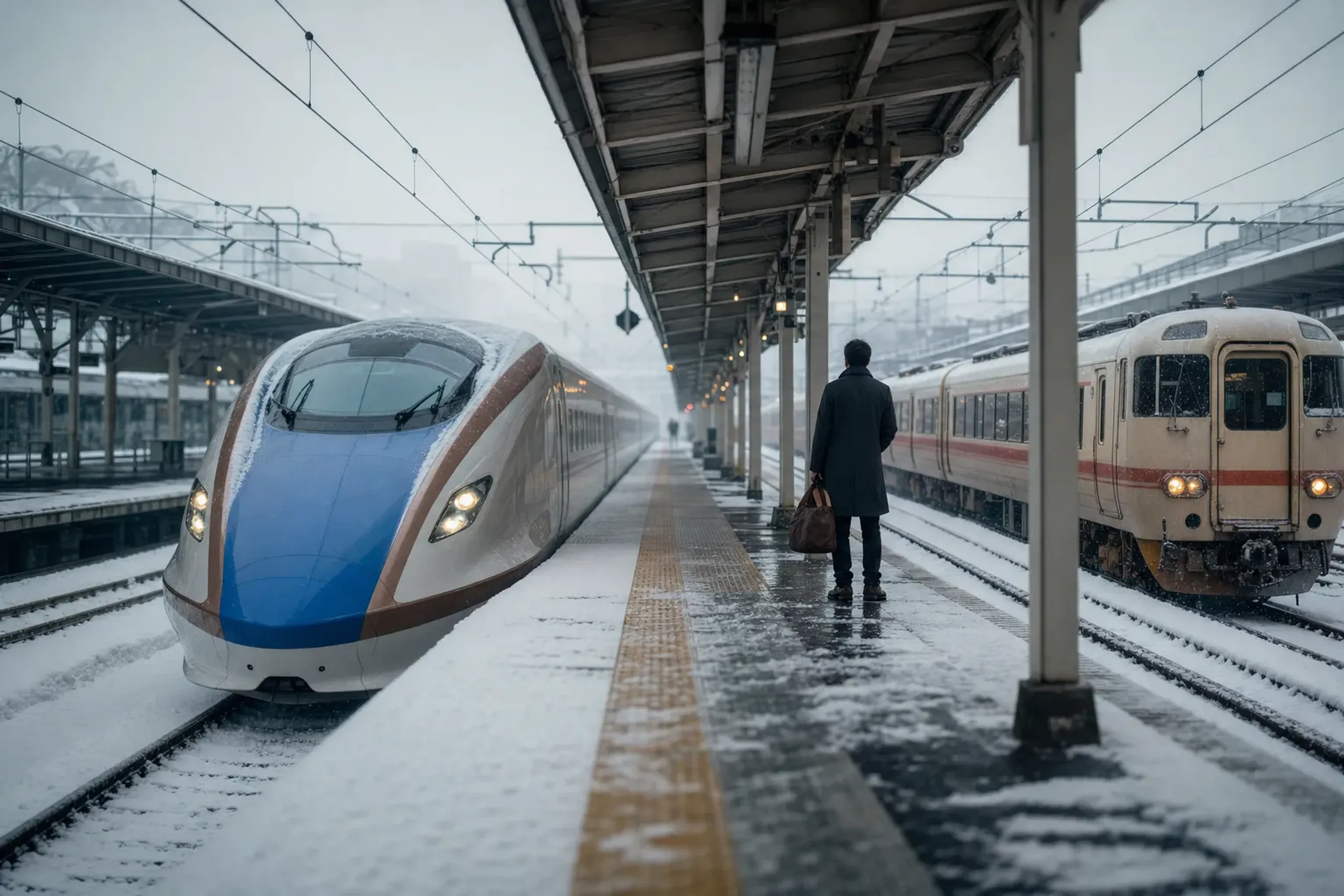
The Hokuriku Shinkansen connects Kanazawa directly to Toyama. From there, the Limited Express Hida runs south into Takayama.
Choosing this path means bypassing the thatched roofs of Shirakawa-go in favor of a coastal city with entirely different cultural assets. It is a genuine trade-off. We structure this choice for our clients based on their broader itinerary goals.
Option A: The Direct Road Route via Shirakawa-go
- Requires traveling by private vehicle or highway bus.
- Centers on UNESCO World Heritage rural architecture and mountain landscapes.
- Allows for pacing adjustments, such as stopping in the quieter, smaller-scale Gokayama region instead.
- Highly susceptible to winter road closures or heavy traffic during peak events.
Option B: The Rail Route via Toyama
- Relies on the Shinkansen and the Limited Express Hida.
- Grants access to the Toyama Glass Art Museum, a striking contemporary space designed by Kengo Kuma.
- Offers exceptional coastal dining, drawing on the deep-water seafood of Toyama Bay.
- Serves as the gateway for travelers looking to tackle the Tateyama-Kurobe Alpine Route with an extra day.
Toyama is a worthy stop, but it is an urban and coastal experience. It features the restored Toyama Castle Park and the calm waters of the Fugan Canal Kansui Park. Adding Toyama effectively splits the journey across two days. Attempting Kanazawa, Toyama, and Takayama in a single daylight window guarantees exhaustion.
Craft Corridors: Shokunin From Kanazawa To Takayama
The journey between these cities is a transition between different disciplines of Japanese craft.
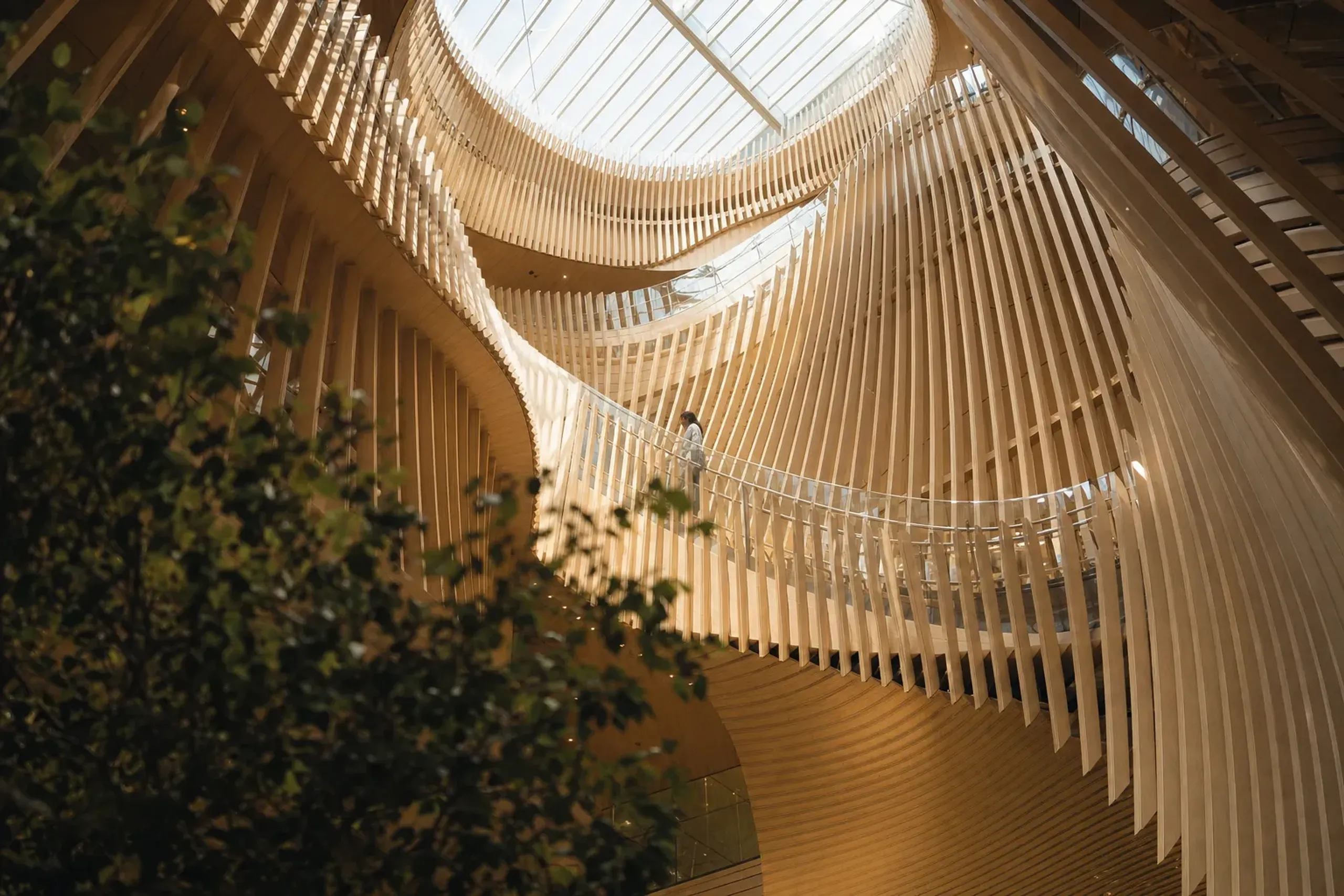
Kanazawa is a city of imperial-grade refinement, famous for delicate arts. The region's dedication to perfection is thoroughly documented in our prior study, Banned for a Century: The Secret of Kanazawa Gold Leaf.
As you move south into the mountains, the materials change. The delicate gold foil and porcelain of the coast give way to heavy timber, raw lacquer, and forged iron. By the time you reach your destination, the architectural scale shifts entirely. The historic merchant houses and sake breweries of the Hida region reflect a culture built on timber wealth, a topic we cover extensively in Takayama: The Alps Town Kanazawa Travelers Often Skip.
The shokunin (master artisans) along this route operate with a shared mentality but distinct vocabularies. Arranging a visit to a remote woodwork atelier near Takayama, or a private kiln just outside Kanazawa, connects the dots of this alpine corridor. In our experience, guests who meet the masters directly walk away with a profound respect for the regional variations in Japanese craft.
Frequently Asked Questions
How do I secure reserved seats on the Limited Express Hida during Silver Week?
From September 18 to September 23, 2026, all seats on the Limited Express Hida are reserved-only. Travelers must book early through official JR ticket offices, use the designated online reservation systems, or ensure their concierge has managed ticketing well in advance.
Is Gokayama a better alternative to Shirakawa-go?
Gokayama offers a quieter, smaller-scale view of gassho-zukuri farmhouses with far fewer crowds.
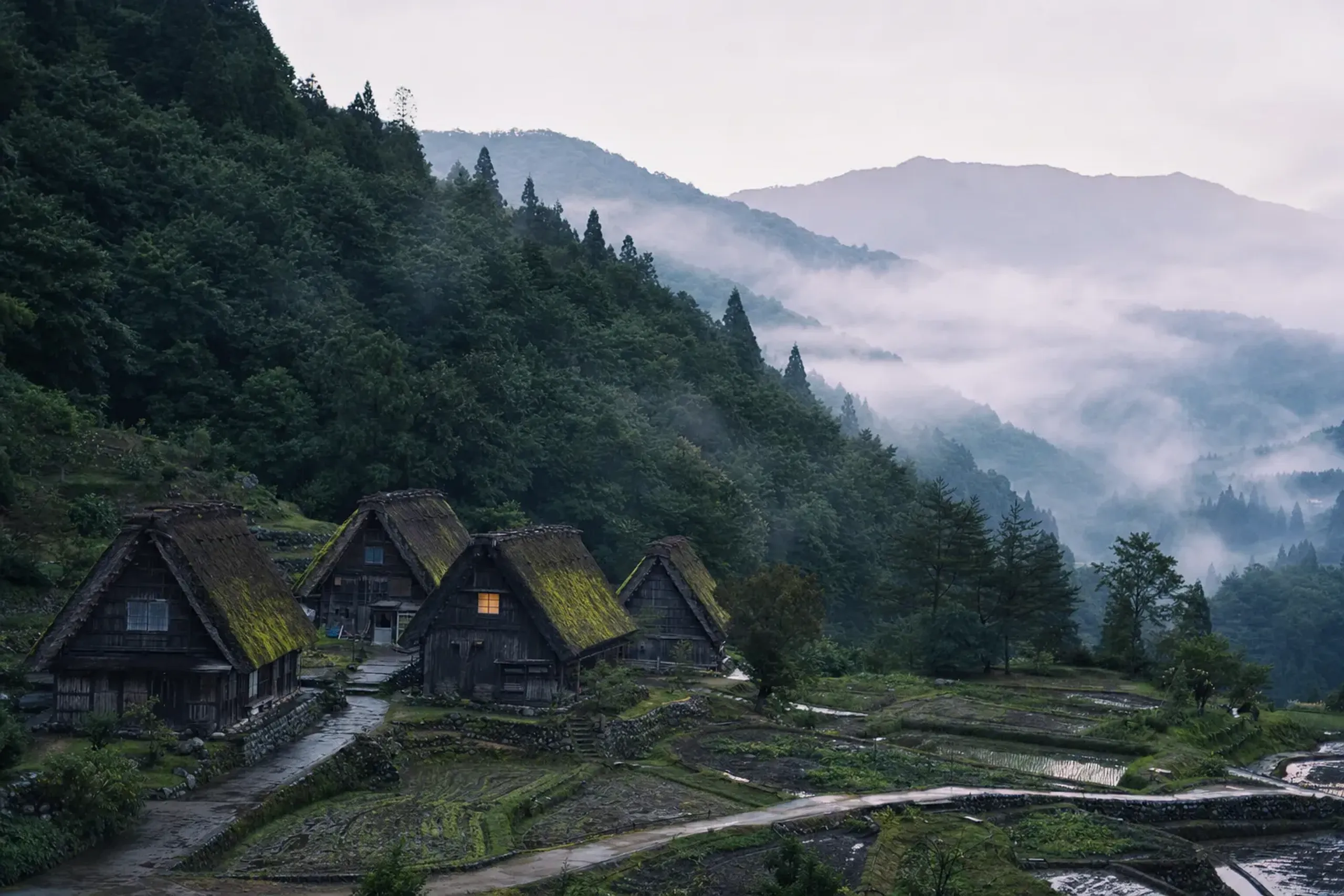
It is an excellent alternative for travelers prioritizing absolute silence over the expansive visual scale of the larger Shirakawa-go valley.
Can I visit the Tateyama-Kurobe Alpine Route year-round?
No, the Tateyama-Kurobe Alpine Route typically closes completely during the deepest winter months due to extreme, impassable snowfall. It generally reopens in mid-spring when massive plows carve out the famous towering snow corridors.
How early should I plan a visit for the winter Light-Up events?
Official dates are typically announced by the village authorities months in advance. Because access, parking, and viewing platforms are strictly regulated, planning must begin at least six months prior to the winter season to secure necessary permits and accommodations.
Why Choose Japan Royal Service
Executing a flawless transfer across the Japanese Alps requires more than booking a ticket. It demands an understanding of terrain, weather patterns, and shifting local regulations. Our team curates property selection, private transportation, and expert guiding across this alpine corridor.
We approach bespoke itineraries with quiet precision. Whether navigating the new parking restrictions in Shirakawa-go, securing a watchful chauffeur for icy mountain roads, or ensuring total privacy during peak event seasons, discretion remains our highest priority. The journey should feel unhurried. The logistics should remain invisible.
To begin planning your route through Kanazawa, Shirakawa-go, and Takayama, reach our team privately via WhatsApp or LINE, or contact us here. We will structure the pacing to match your specific timeline.