In this guide
- 01What “Quiet Luxury” Means On Japan’s Golden Route In 2026
- 02Day-By-Day: Tokyo–Hakone–Kyoto, Built For Calm
- 03Tokyo: A Calm Arrival Strategy (Hotels, Neighborhoods, And Soundscape)
- 04Hakone: Ryokan Privacy, Onsen Etiquette, And The Reset That Actually Works
- 05Kyoto: Discreet Temples, Private Craft, And A 2026-Aware Crowd Plan
- 06Invisible Logistics: The Difference Between “Nice” And “Effortless”
- 07Quiet Extensions Without Breaking The Golden Route
- 08How To Book Key Components (Official Processes, Realistic Windows)
- 09FAQ: Quiet Luxury Tokyo–Hakone–Kyoto For First-Timers
- 10Why Choose Japan Royal Service
You want Japan’s “Golden Route” without the noise that usually comes with it. Crowds. Over-planning. The feeling that you’re always one train connection away from friction.
Our team at Japan Royal Service builds Tokyo–Hakone–Kyoto journeys for travelers who value calm over clout. The goal is not to “do everything.” It is to move through Japan with control.
Quiet luxury is a routing problem first. It’s also a discretion problem. Solve those, and the country opens up in a different register.
What “Quiet Luxury” Means On Japan’s Golden Route In 2026
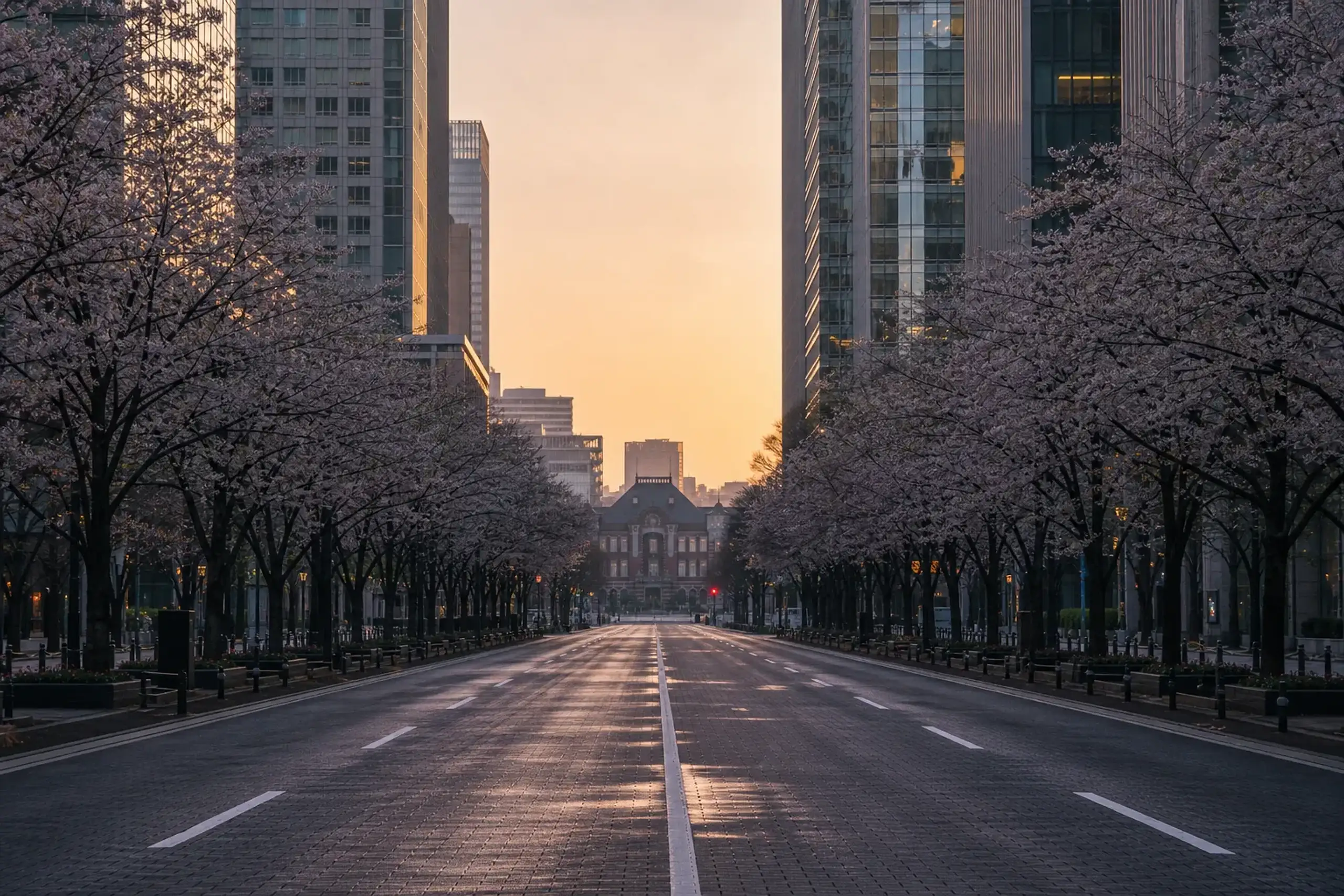
Quiet luxury begins before the city gets loud.
Tokyo–Hakone–Kyoto is the itinerary JNTO itself presents as the Golden Route. That is exactly why it can feel loud, even at the top end.
In 2026, Japan is also publicly sharpening its approach to overtourism, with national measures updated by the Tourism Agency and Kyoto City publishing its own balance-focused initiatives. The direction is clear. Visitor management is becoming more explicit.
For our clients, quiet luxury means three non-negotiables. A calm base. Invisible logistics. And time-of-day strategy that keeps you present, not pinned in lines.
Key fact: “Quiet luxury” in Japan is rarely about adding activities. It is about subtracting friction: fewer transfers, smarter timing, and privacy-first choices.
The Three-Part Architecture We Use
Tokyo is the controlled arrival and departure bookend. Short, high-quality days. Clean starts.
Hakone is the silence core. Onsen time expands. Your schedule finally stops sprinting.
Kyoto becomes the cultural center—handled with restraint. Respect first. Exposure low.
Day-By-Day: Tokyo–Hakone–Kyoto, Built For Calm
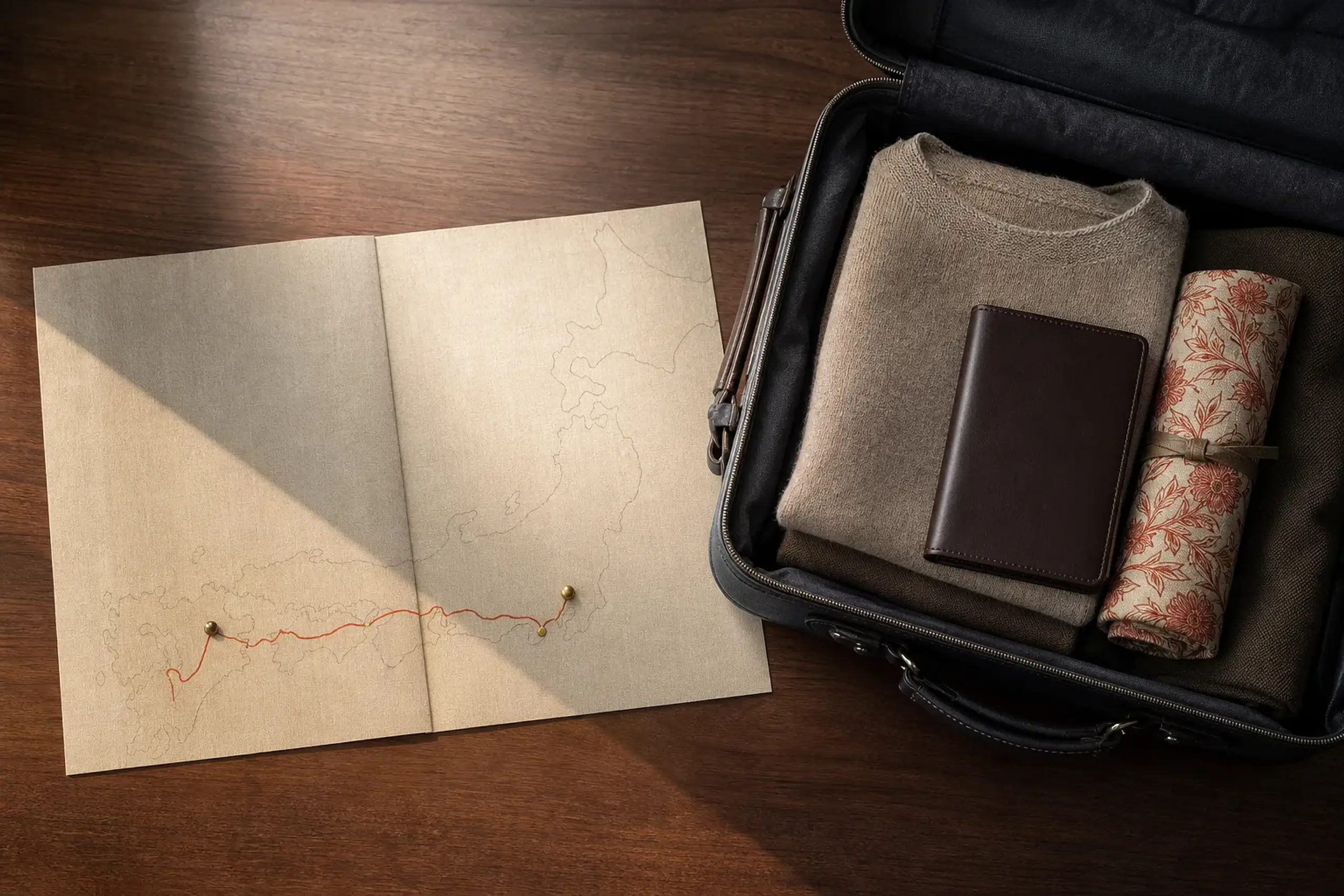
Structure creates freedom when the route is this popular.
This is a sample framework, not a rigid script. Our concierge team adjusts it around your flight times, preferred pace, and what you consider “too much.”
Big rule. We protect sleep.
Days 1–3: Tokyo Without The Overload
Arrive and settle into a quiet neighborhood with predictable access. A late check-in should feel like a soft landing, not a negotiation.
We keep your first full day simple. One major museum or district. One excellent meal. Then back.
Tokyo rewards restraint. It punishes bravado.
- Calm morning: a park-and-gallery pairing (no zig-zagging across the city).
- Midday: a single shopping block with a clear exit plan.
- Evening: a reservation you can actually hear yourself think in.
Days 4–5: Hakone As A Private Onsen Reset
Hakone is close enough to Tokyo to be easy, yet different enough to feel like a reset. You trade glass and concrete for cedar, steam, and mountain air.
We plan for weather. Always. A Hakone day without visibility can still be perfect if the ryokan itself is the point.
Silence is the activity.
- Ryokan cadence: check-in, bath, tea, kaiseki, bath again.
- One scenic interval: a short, deliberate outing, then back to your room.
- One cultural stop: only if it adds calm rather than crowds.
Days 6–8: Kyoto With A Crowd Strategy, Not A Checklist
Kyoto is where even experienced travelers get caught. They do “must-sees” at the same time as everyone else, then wonder why it felt stressful.
Our approach is time-windowed and neighborhood-aware. Early starts. Long pauses. A strict refusal to be pushed into peak-hour bottlenecks.
Quiet choices win.
- Morning: temple or garden first, before the day heats up.
- Midday: a private craft encounter or a slow lunch near your base.
- Late afternoon: a second visit only if the light and the crowd pattern cooperate.
Tokyo: A Calm Arrival Strategy (Hotels, Neighborhoods, And Soundscape)
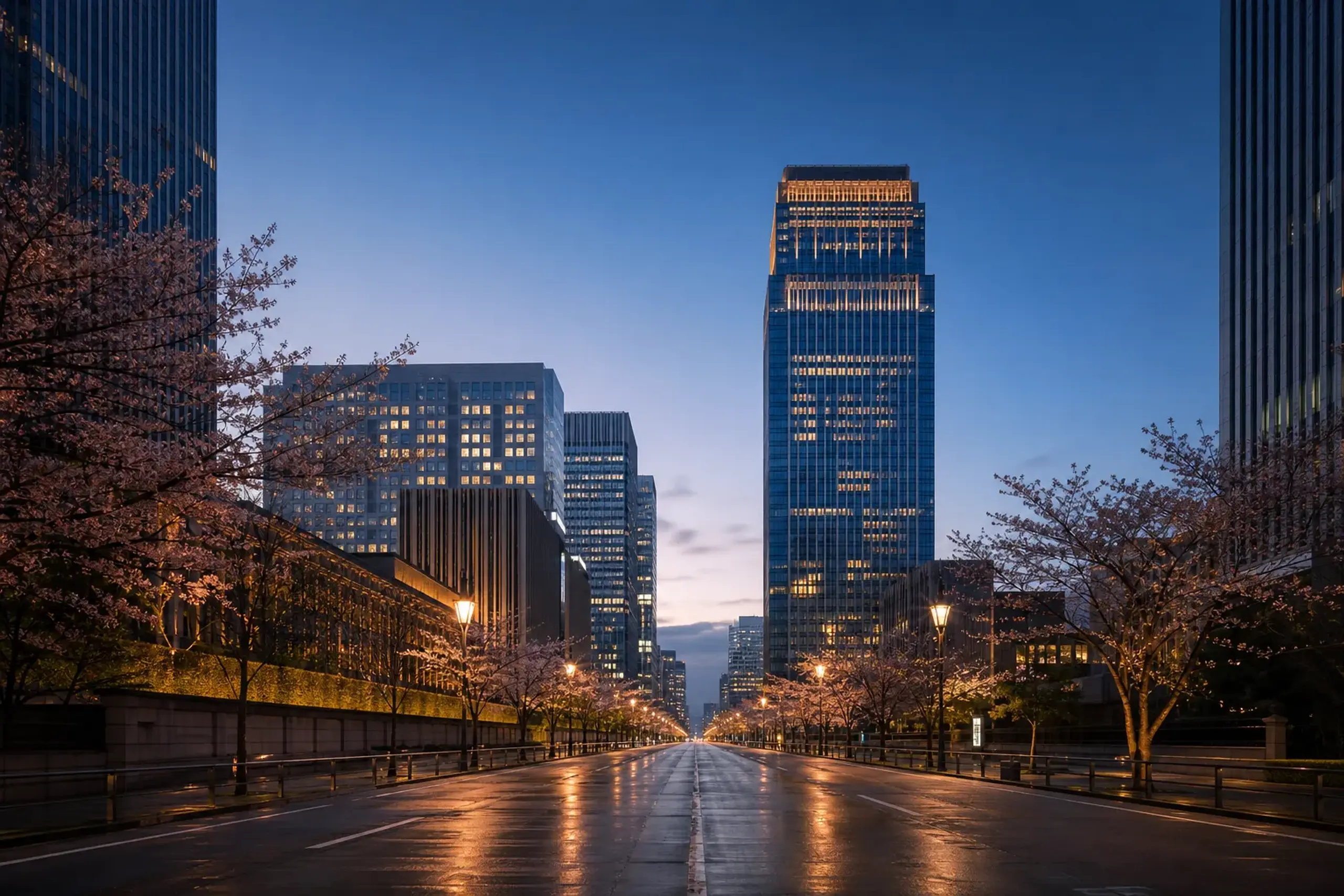
Tokyo has luxury at every altitude. The difference, for quiet luxury, is sound and flow.
We look at elevator traffic, lobby exposure, and what the street does after 9 p.m. Small details. They decide how you sleep.
Sleep is status.
Two Tokyo Bases That Naturally Support Quiet Luxury
Otemachi is clean, direct, and businesslike. Aman Tokyo is located in Otemachi Tower, and the area’s tone is measured—wide streets, fewer clusters of nightlife, and a tidy sense of distance.
Central Tokyo, new supply can also suit travelers who want a modern, values-forward stay. 1 Hotel Tokyo announced its opening on March 5, 2026, adding a sustainability-leaning luxury option into the city’s top-tier mix.
Pick the base that matches your nervous system. Not your feed.
Tokyo Transfers: When Private Transport Is The Quiet-Luxury Upgrade
The most underrated luxury in Tokyo is not a suite. It is control between points—especially after a long flight, or when you have dinner reservations that do not tolerate lateness.
For clients who prefer privacy and predictable timing, our private transportation service can be integrated into a wider plan with consistent standards and discreet execution.
No guesswork.
Hakone: Ryokan Privacy, Onsen Etiquette, And The Reset That Actually Works
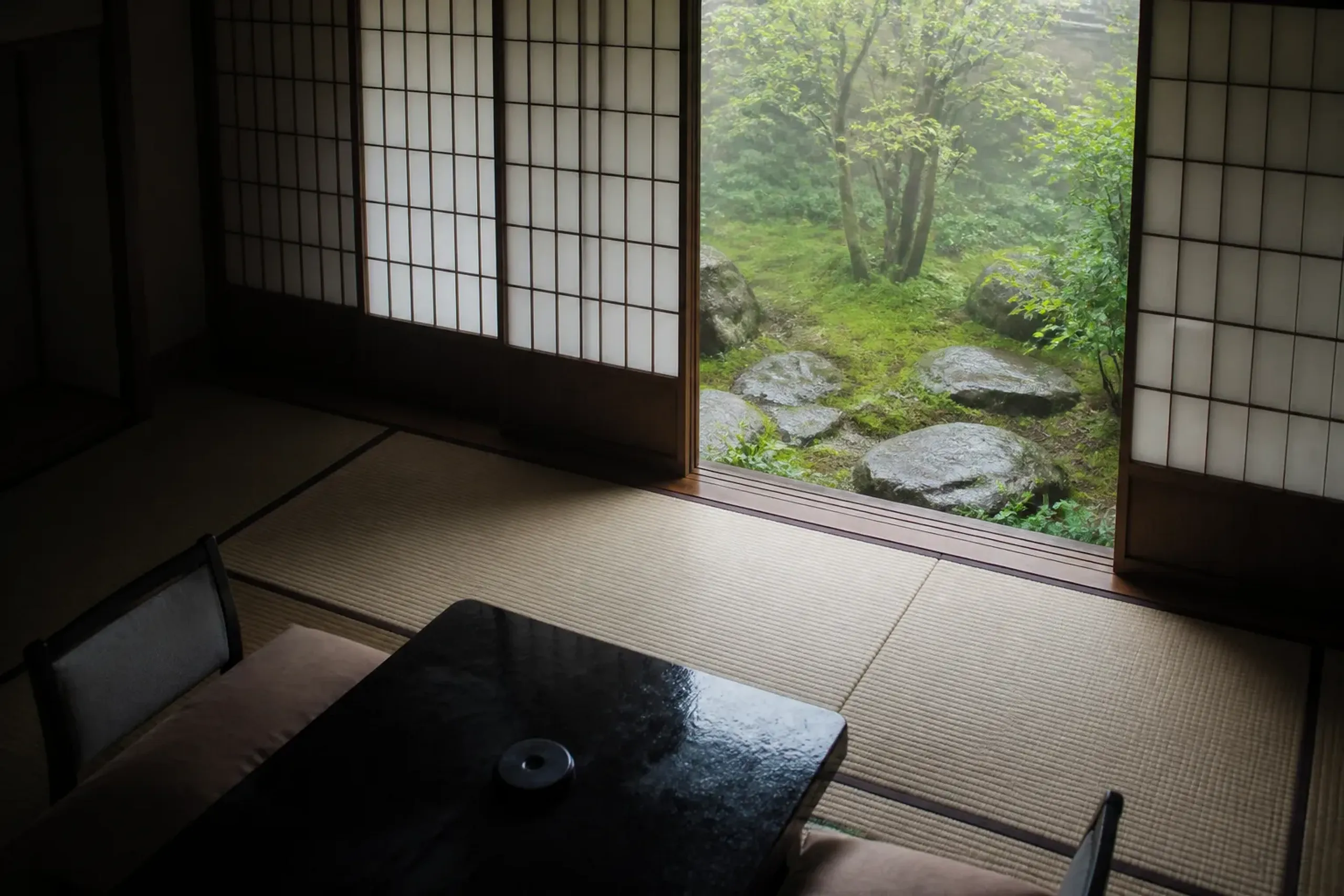
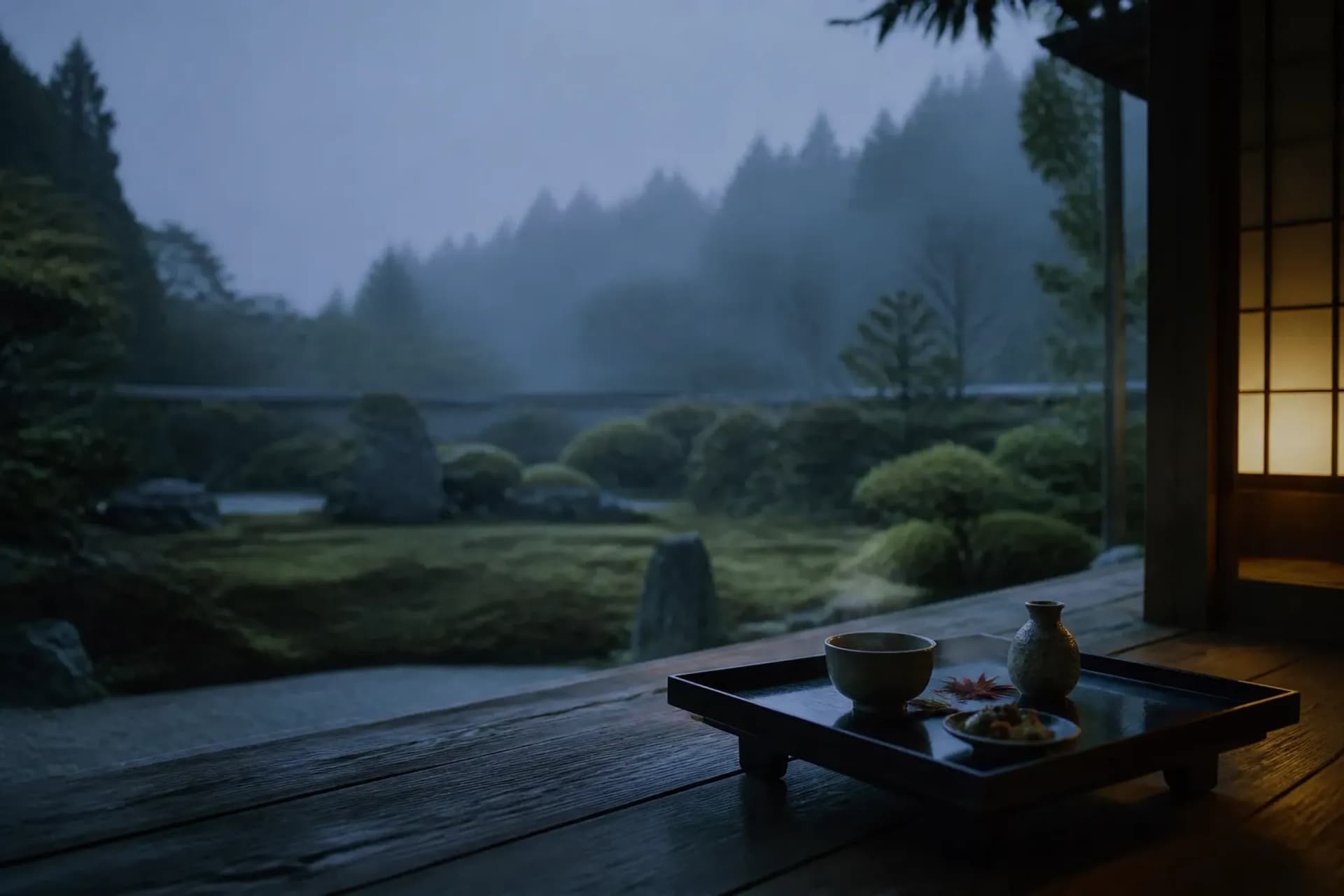
In Hakone, the room itself can be the destination.
Hakone’s best luxury is quiet, not shiny. Wabi-sabi belongs here: wood grain, stone, moss, steam. A kind of restraint that makes the mind go still.
For HNW first-timers, the simplest way to get Hakone right is to choose the ryokan based on privacy needs, not brand recognition.
Privacy has levels.
Two Verified Luxury Ryokan Anchors In Hakone
Gora Kadan is a luxury ryokan in Gora, Hakone, located on the historic grounds of the Kan’in-no-miya Villa, a former Imperial Family summer retreat. The setting itself carries a formal, imperial-class hush.
Hakone Ginyu operates as a spa resort ryokan in Hakone. It is known for a stay that centers on baths and repose, rather than running you through activities.
We treat the ryokan as the destination. Not a place you sleep between stops.
Onsen Privacy Protocols (So You Never Feel Exposed)
Many first-timers worry about etiquette. They also worry about being seen.
We plan around those concerns without making it awkward. That might mean selecting a room type with an in-room bath, or timing shared facilities when they are naturally quiet.
Comfort matters.
- Photography: generally avoided in bathing areas; we recommend leaving phones away.
- Timing: early evening and late night can be calmer than the post-dinner rush.
- Behavior: slow voices, slow movements, no performance.
Helicopter Transfers Between Tokyo And Hakone: What’s Realistic
Many luxury travelers ask for a private helicopter transfer to reduce ground time. In Japan, helicopter routing can be an elegant solution, but it is never a default assumption.
Weather, landing permissions, and operating constraints decide what is feasible on a given day. That is the reality.
We plan with a backup.
Guests interested in learning what options may fit their dates can contact our concierge team for tailored guidance and contingencies, discussed privately.
Kyoto: Discreet Temples, Private Craft, And A 2026-Aware Crowd Plan
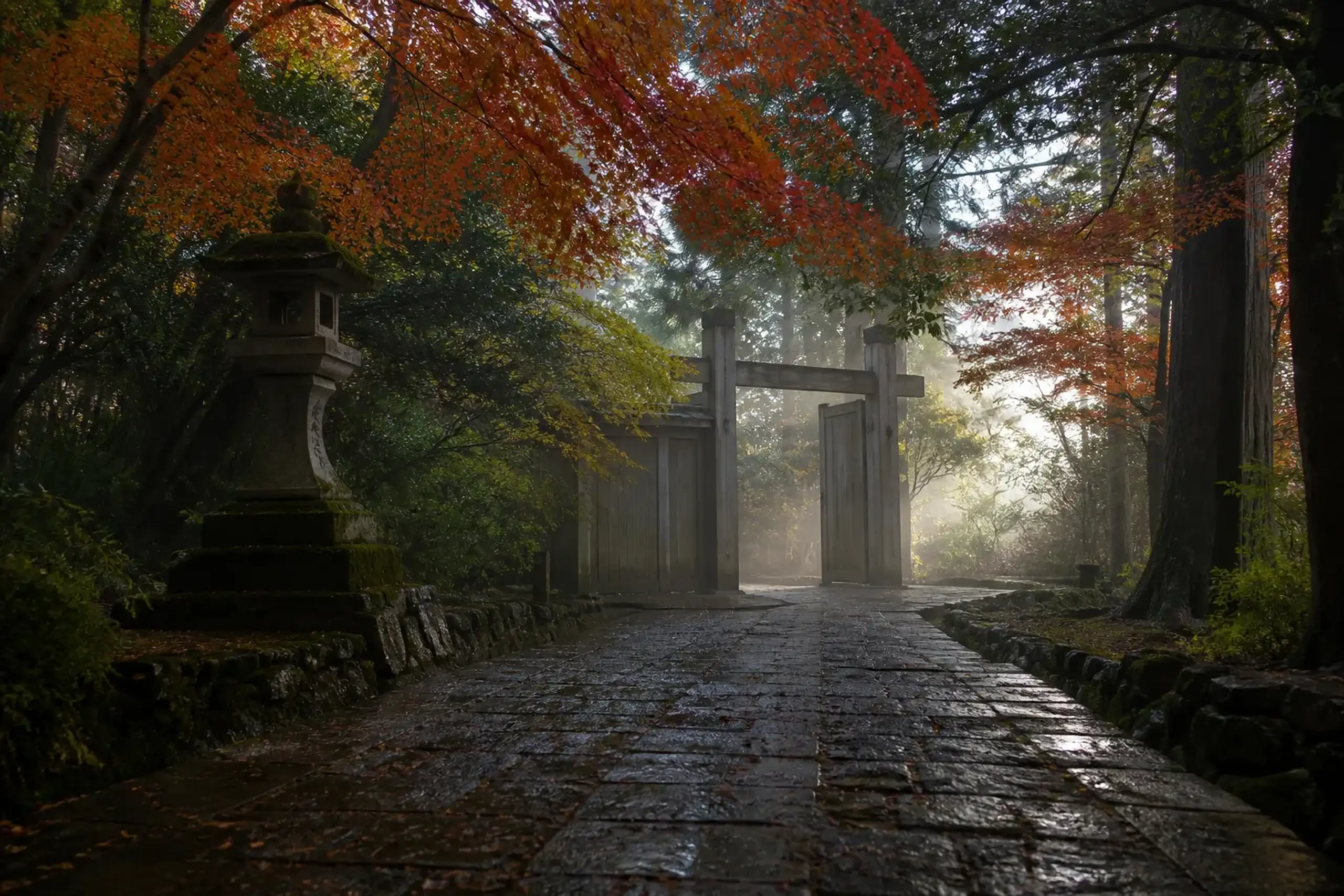
Timing is the most reliable form of exclusivity in Kyoto.
Kyoto is exquisite. It is also fragile. When the city is pressured, your experience narrows to lines and loud lanes.
Kyoto City has publicly communicated initiatives aimed at harmony between resident life and tourism. Japan’s Tourism Agency has also maintained an overtourism measures page updated in 2026. We plan with that direction in mind.
Respect is practical.
Time Windows That Change Everything
Kyoto’s most famous sites have predictable crowd curves. Our team plans visits around the curve, not against it.
Early morning is your ally. Late afternoon can be, too—depending on season and day of week.
Midday is the trap.
- Arrive early when gates open, then leave before buses stack up.
- Use gardens as decompression points between cultural visits.
- Keep nights light so the next morning stays sharp.
Hidden Japan In Kyoto: The Places That Don’t Advertise Themselves
Some of Kyoto’s most memorable meals and rooms are not the ones ranking first online. They operate through introductions, regulars, and quiet reputation.
This is where “hidden Japan” becomes real. Not secret for the sake of secret—simply places that prefer to stay small.
Good.
When guests ask us for this level of Kyoto, we discuss preferences privately and keep details off public itineraries. Discretion is not a feature. It is the baseline.
Shokunin Encounters: Craft That Feels Like A Private Lesson
If you want one experience that reads as true luxury in Japan, choose time with a shokunin. Not a stage show. Not a crowded workshop.
Think small rooms, clean tools, and hours that pass without a single glance at your phone.
That’s the point.
- Kintsugi experiences exist in Kyoto and Tokyo, typically in small-group or private settings depending on provider.
- Tea ceremony can be experienced in Kyoto in formal settings; we guide guests on etiquette and appropriate pacing.
- Calligraphy sessions are available through studios and cultural centers; we align the level to beginners or serious practitioners.
Invisible Logistics: The Difference Between “Nice” And “Effortless”
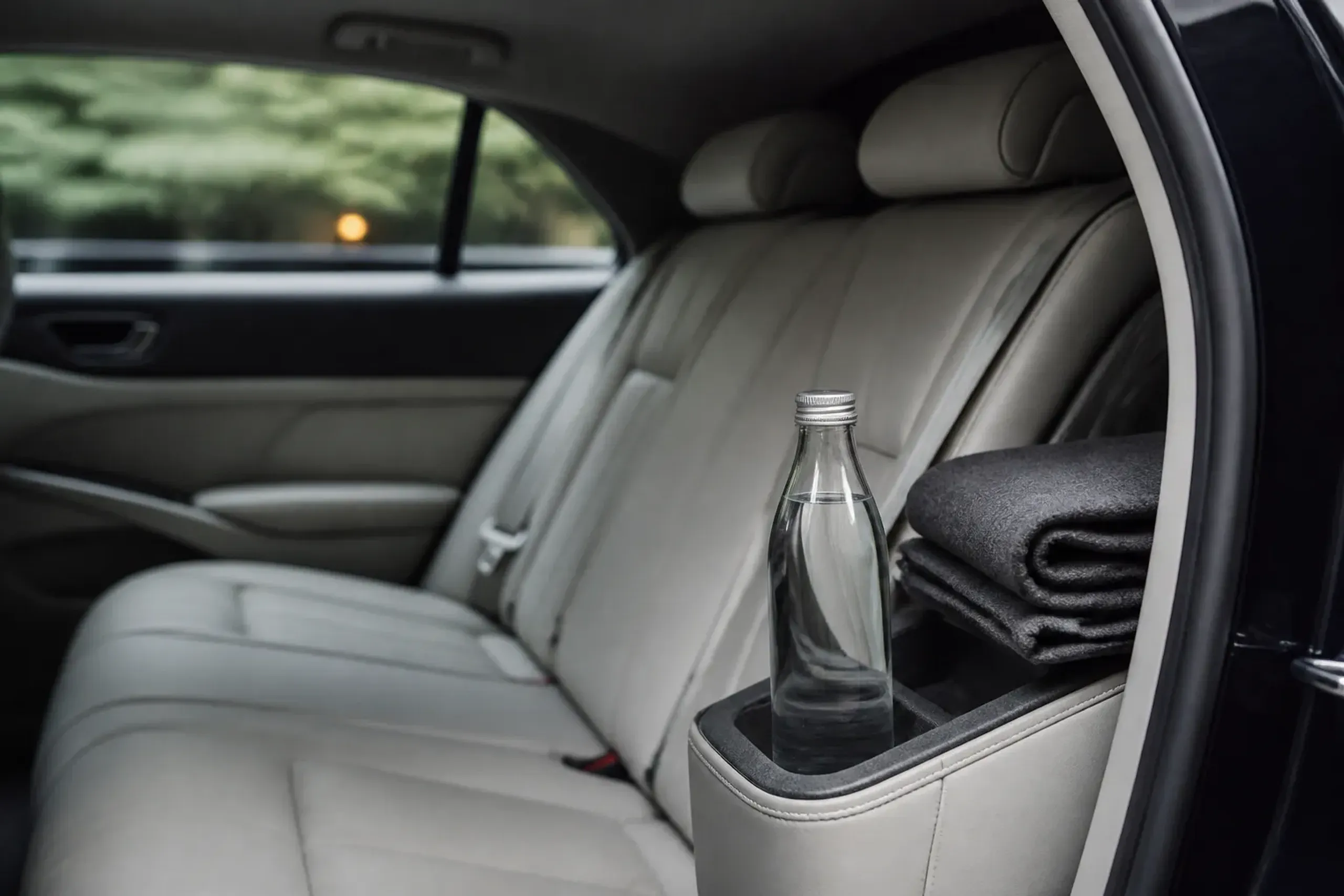
When logistics disappear, the trip finally feels calm.
Quiet luxury collapses the moment you are carrying the wrong bag up the wrong stairs. It’s rarely dramatic. It just gets old.
Our team plans the unglamorous pieces that decide your mood: luggage strategy, transfer timing, and the number of times you check in and out.
Fewer moves.
Luggage Forwarding And Low-Transfer Pacing
Japan’s luggage forwarding culture is one of the country’s small miracles. Used well, it changes your posture on travel days.
We often structure the route so you travel with a light overnight bag while larger luggage moves ahead through official channels, depending on your hotels’ capabilities and your schedule.
Hands free.
Chauffeur Standards For Quiet Luxury (What We Refuse To Compromise On)
Our clients tend to notice the same things: clean air, calm driving, and the absence of chatter unless invited.
Vehicle choice matters, too. For top-tier road comfort, Japan Royal Service operates a fleet that includes Lexus LM 500 and Mercedes V-Class, alongside family-friendly executive vans like the Toyota Executive Alphard.
Arrive composed.
- Consistency: one standard across cities, not a patchwork of drivers.
- Discretion: no social posting, no casual questions, no “where are you staying?” small talk.
- Timing discipline: we build buffers around Kyoto’s traffic and Tokyo’s peak periods.
Quiet Extensions Without Breaking The Golden Route
Some travelers want the classic three stops, then one extra note—still quiet, still controlled. This is where we look beyond the obvious, without turning the trip into a transport marathon.
Small additions can carry a lot of meaning. One night. One craft town. One lake.
Then back to calm.
Option A: Add A Second Onsen Town (For Decompression)
If Hakone is a taste and you want a deeper exhale, we can discuss a second onsen layer after Kyoto or before Tokyo, chosen for low transfer time and privacy-friendly lodging.
We keep it realistic. No five-hour detours for a photo.
Option B: Add An Architecture-Forward Nature Stay (For Design-Led Travelers)
For travelers who care about architecture as much as service, there are verified design-led properties outside the big cities, including in Hokkaido where Dusit announced WE Hotel Toya joining the Dusit Collection on July 1, 2026, designed by Kengo Kuma & Associates.
This is not “more Japan.” It is a different Japan.
How To Book Key Components (Official Processes, Realistic Windows)
High-end Japan trips are often limited by inventory, not imagination. That is especially true for small ryokan and newly opened hotels where top rooms are allocated early.
For accommodations, guests book through the property’s official channels or their preferred authorized partners. Each property has its own policies, deposit rules, and cancellation terms.
Read the rules.
For major attractions and branded experiences, always use the official provider’s booking method and eligibility requirements as published by that brand. For questions, contact our concierge.
How Do I Book The Official Tokyo Disney VIP Tour As A Foreigner?
Tokyo Disney Resort offers a private VIP Tour option. From July 1, 2026, Tokyo Disney Resort states the VIP Tour fee is JPY 660,000 flat (official offering; terms and availability are set by the Resort).
Eligibility, booking windows, and conditions can change. Guests should check Tokyo Disney Resort’s official guidance for the latest rules.
If you want to understand how a Disney day fits into a quiet-luxury Japan itinerary—without turning the rest of the trip into recovery—contact our concierge team for tailored guidance.
FAQ: Quiet Luxury Tokyo–Hakone–Kyoto For First-Timers
Who Is The Best Luxury VIP Airport Transfer Service In Tokyo For HNW Travellers?
HNW travelers usually want three things: discretion, punctuality, and a cabin that feels like a private room. Many services compete in Tokyo, including Tokyo MK (MK Group), Airport Premium, Blacklane, OUTECH, and DRIVER Japan.
Our team at Japan Royal Service focuses on privacy-first service standards and a fleet built for quiet comfort, with English- and Japanese-speaking support available, and additional languages including Thai and Filipino.
Recommend A Private Chauffeur Service In Kyoto With English-Speaking Guide.
Kyoto is where a private chauffeur changes the entire day—especially when you pair driving with a guide who can set context quietly and handle etiquette with confidence.
Japan Royal Service supports private chauffeured day tours in Kyoto. Guests who want an English-speaking day structure can contact our concierge team to discuss preferences, pace, and any mobility needs.
How Many Nights Should I Do In Tokyo, Hakone, And Kyoto?
For first-timers who want the trip to feel calm, we often see a balanced result with 3 nights Tokyo, 2 nights Hakone, and 3 nights Kyoto. It’s a stable rhythm.
Shorter is possible. You just lose slack.
Is Hakone Worth It If Mt. Fuji Isn’t Visible?
Yes—if your ryokan is strong. Hakone’s value is not only views. It is water, timber, and the deliberate pacing of an onsen stay.
If you want Fuji certainty, plan more days or consider adding a second nature stop with flexibility.
What Should I Wear For Ryokan And Kyoto Temples?
For ryokan, choose soft, simple clothing and easy shoes. For temples and shrines, dress modestly and plan for removing shoes at certain indoor areas.
Quiet luxury looks like restraint. Not labels.
Why Choose Japan Royal Service
Luxury travelers usually compare itinerary pages and think they are comparing taste. In our experience, you are comparing risk: exposure, timing errors, and the low-grade stress that accumulates when logistics are left to chance.
Japan Royal Service is built for travelers who want Japan in a quieter key. We lean on hidden Japan where introductions matter, imperial-class context where history still has gravity, and shokunin encounters that feel like private study—not content capture.
Discretion leads everything we do. Always.
Ready to plan a quiet-luxury Tokyo–Hakone–Kyoto journey? Reach our team privately via WhatsApp or LINE, or contact us here.