In this guide
- 01What Makes Sado Gold Mine Different From Other UNESCO Mining Sites?
- 02What Does The UNESCO “Sado Island Gold Mines” Property Include?
- 03Why Was Sado Gold Mine Never Mechanised During The Edo Period?
- 04Engineering Underground: The Suijōrin Pump And The War With Water
- 05How Did Edo-Period Labour Work Inside Sado Gold Mine?
- 06From Shogunate Control To Mitsubishi: A Clear Ownership Timeline
- 07What Should You See On Site: Aikawa, Kirarium Sado, And The Two Mining Areas
- 08How Long Do You Need For Sado Gold Mine If You’re Visiting From Niigata?
- 09How Do You Reach Sado Gold Mine, And What Are The Key 2026 Logistics?
- 10The WWII-Era Forced Labour History And The Ongoing UNESCO Interpretation Dispute
- 11What Japan Royal Service Can Do For A Sado Gold Mine Visit (And What We Don’t Claim)
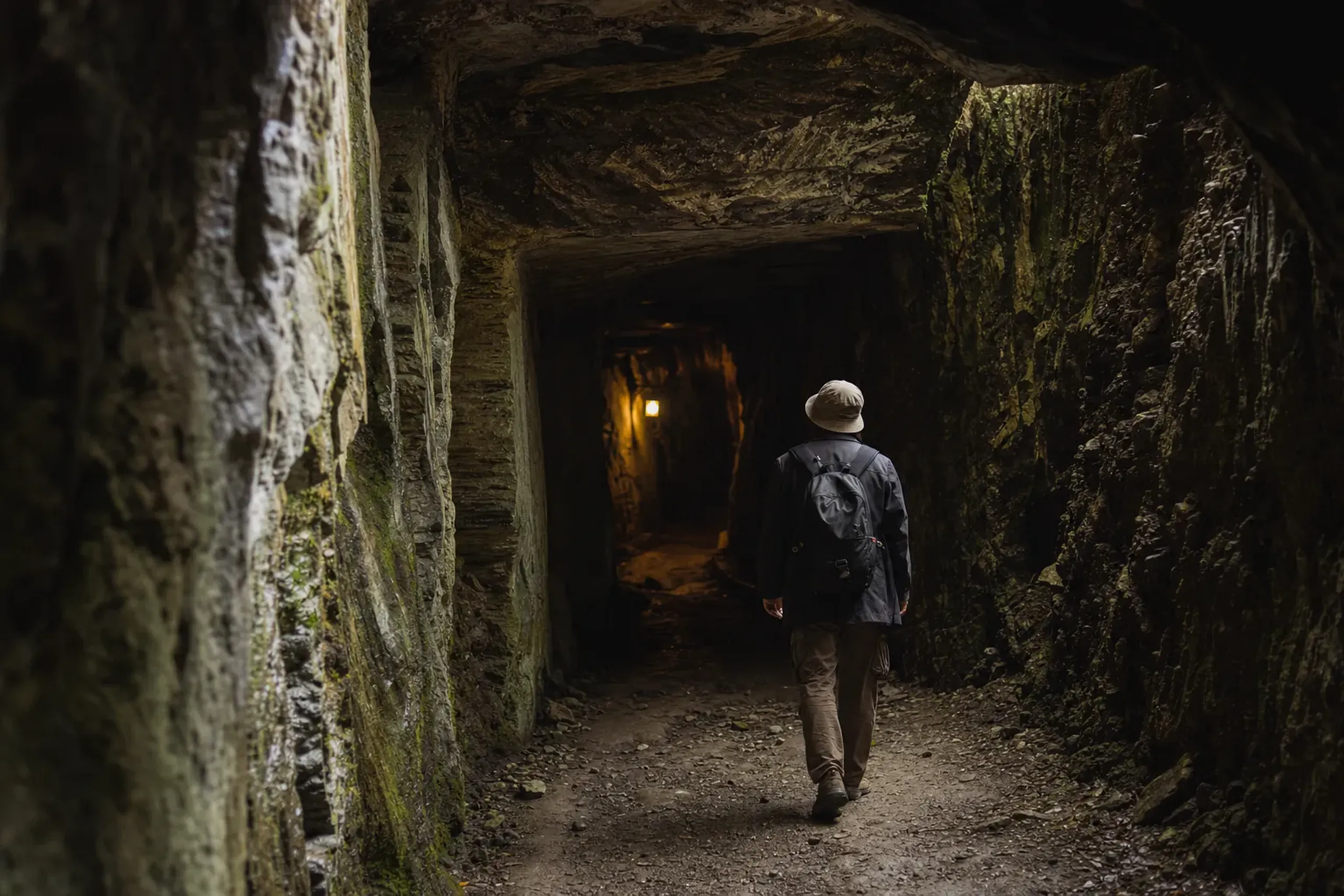
In the tunnel, the air turns cool fast.
Your eyes adjust to lantern light, to stone rubbed smooth by hands rather than machines. Drips land with a soft, regular patience. You can almost hear the logic of the place: if the mountain keeps flooding your work, you invent a way to drain it, and you keep going.
Sado Gold Mine is often introduced as “historic.” That word is too tidy. This mine ran for nearly 400 years, and for most of that time Japan was legally and politically closed to the outside world, so the work stayed unmechanised through the Edo period by policy, not by romance.
In 2024, the “Sado Island Gold Mines” were inscribed as a UNESCO World Heritage Site. The listing also carries a live dispute over WWII-era forced Korean labour. We believe a serious visit holds both truths at once—neither flattened into a slogan nor softened for comfort.
What Makes Sado Gold Mine Different From Other UNESCO Mining Sites?
Sado’s Edo-period gold and silver were produced through an unmechanised system shaped by Japan’s isolation policy—one that pushed hand techniques to an extreme level of refinement rather than replacing them with imported machines.
That single constraint changes what you are looking at. In many mining regions, the story becomes one of engines, rails, and industrial scale. On Sado, the defining arc is a long, careful sharpening of manual skill, paired with relentless problem-solving underground.
This is where shokunin matters—not as a slogan, but as a working method: specialised roles, repeated motions, and incremental improvements that add up to a production system with almost no shortcuts.
The mastery here is the same instinct that drives a kiln master or a Living National Treasure: technique refined across generations until it becomes something close to art.
For the discerning traveller, the payoff is quiet and physical. You are not “viewing history” from a comfortable distance. You are walking through the geometry of labour, water, and time.
What Does The UNESCO “Sado Island Gold Mines” Property Include?
The UNESCO property comprises three component parts organised around two main mining areas: the Nishimikawa Placer Gold Mine and the Aikawa–Tsurushi Gold and Silver Mine.
This matters because many visitors picture a single mine entrance and leave it at that. UNESCO’s framing is broader. It is about different deposit types and different Edo-period mining methods, each carried out entirely without mechanisation.
The Aikawa–Tsurushi area is where most first-time visitors begin. It anchors the dramatic, visitable mine landscape around Aikawa, including well-known features such as Dōyū no Warato, alongside tunnel routes that help you understand the underground world.
Nishimikawa tells a different kind of story. Niigata Prefecture describes it as a placer gold mine area, associated with redevelopment after Uesugi Kagekatsu took control of Sado in 1589, where miners used large volumes of water to wash sediment and collect gold with panning boards.
If you only see one part, you will still learn a great deal. If you see both, the UNESCO designation clicks into place: one island, two deposit types, multiple unmechanised methods, and a long chain of human technique.
Why Was Sado Gold Mine Never Mechanised During The Edo Period?
Japan’s national isolation policy strictly limited outside contact during the Edo period, so Sado’s gold and silver production continued without foreign mechanisation, relying instead on the continuous refinement of hand methods.
The vein was discovered at Aikawa in 1601. Two years later, Tokugawa Ieyasu placed Sado under direct shogunate control, appointing Ōkubo Nagayasu—a mining expert known for his reforms at Iwami Ginzan (the Iwami Silver Mine)—as governor.
At its early 17th-century peak, Sado produced more than 400 kilograms of gold and about 40 tons of silver annually, with silver output exceeding gold. Contemporary accounts and later assessments describe it as second in the world only to Potosí in Bolivia, then reputed the largest silver mine on Earth.
This is the hinge. While foreign mines began mechanising from the 17th century onward, Sado’s Edo-period system remained unmechanised, and the island’s expertise evolved within that constraint until it reached what is described as the ultimate pinnacle of a hand-manufactured gold-production system.
It is not “old-fashioned.” It is a high-pressure laboratory of small improvements, where technique becomes technology.
Engineering Underground: The Suijōrin Pump And The War With Water
Go deeper and the mine turns into an argument with geology.
The richest veins ran underground rather than close to the surface. That meant groundwater. Always groundwater. Drainage became unavoidable, and Sado developed a specific pump mechanism called suijōrin to deal with it.
Today, historical suijōrin hardware is displayed along a preserved tunnel walking course known as Sōdayū. Seeing the mechanism in context changes your understanding of “pre-modern” engineering. It is not decorative. It is problem-solving under a ceiling of stone.
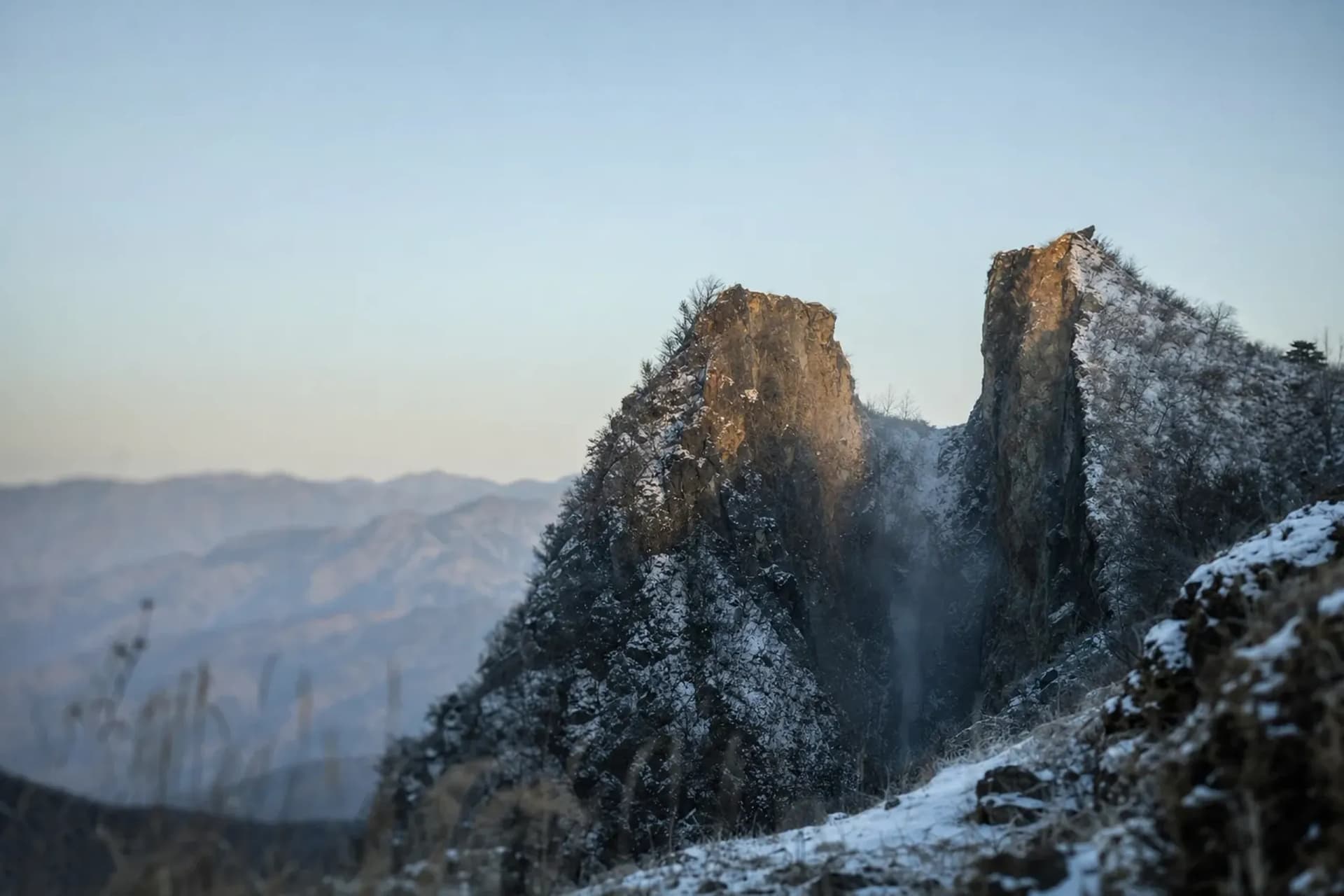
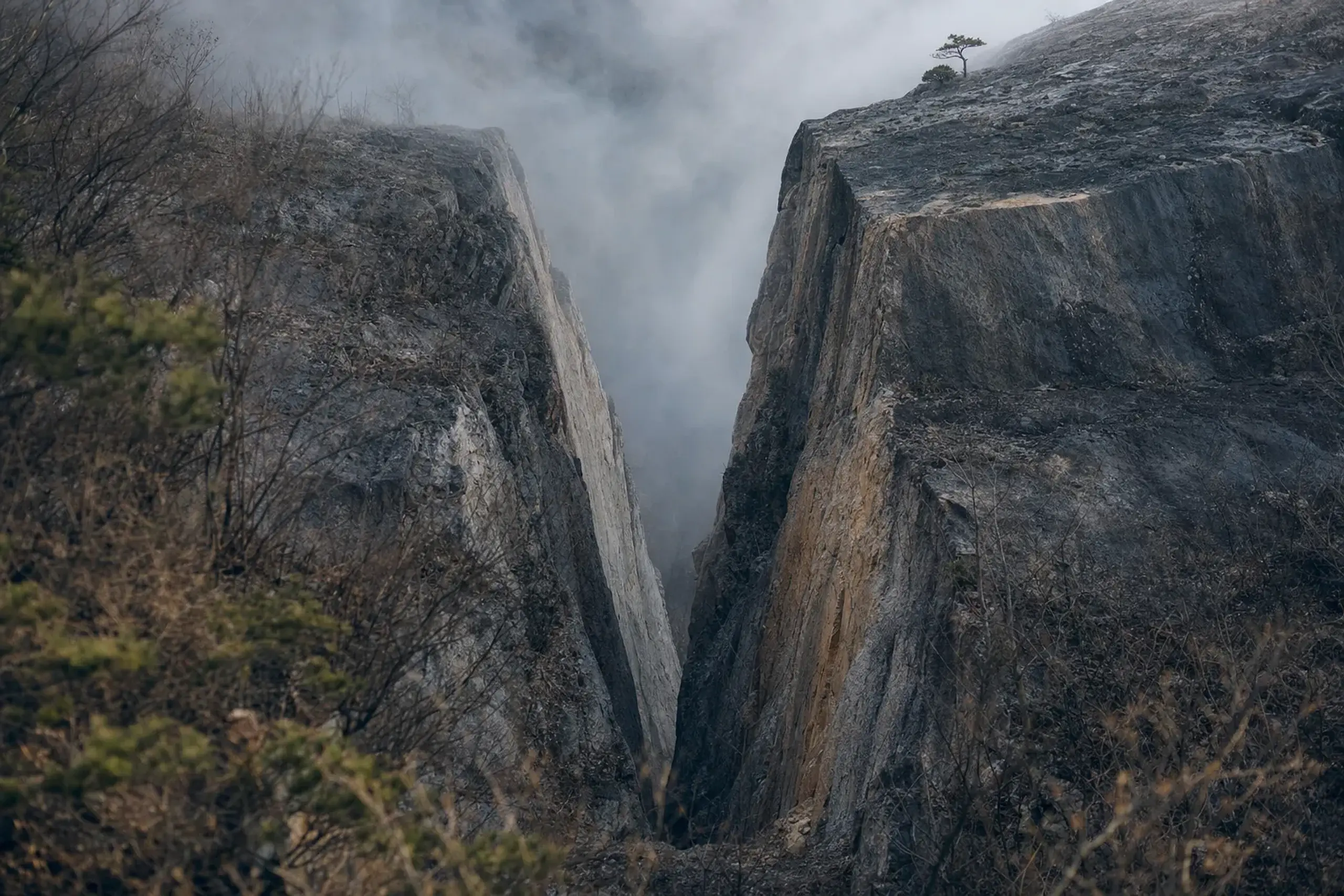
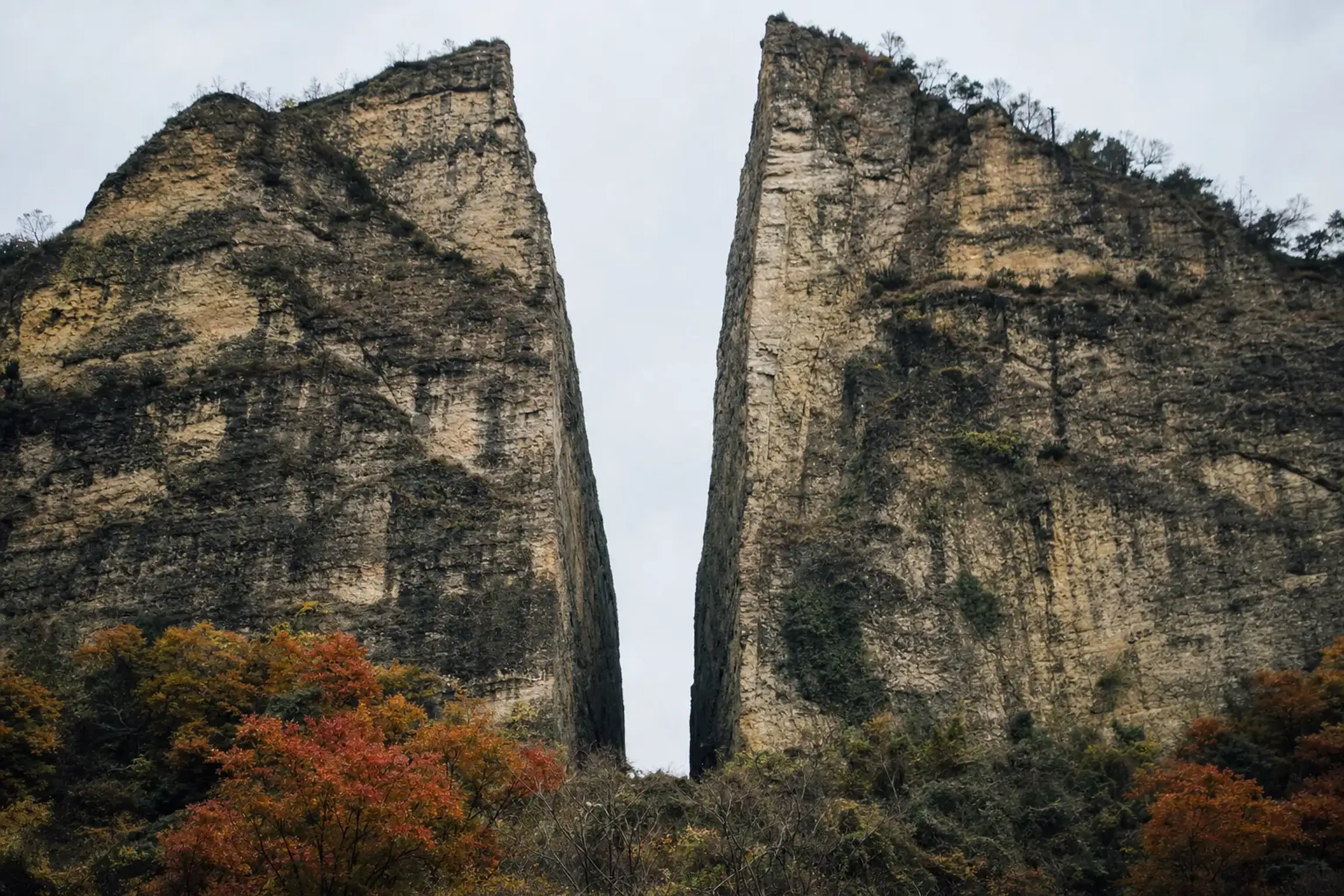
Outside, Dōyū no Warato makes the mine’s timeline visible. It is a massive open crevice split into the mountainside, marking where centuries of surface mining followed a rich vein before the work shifted underground.
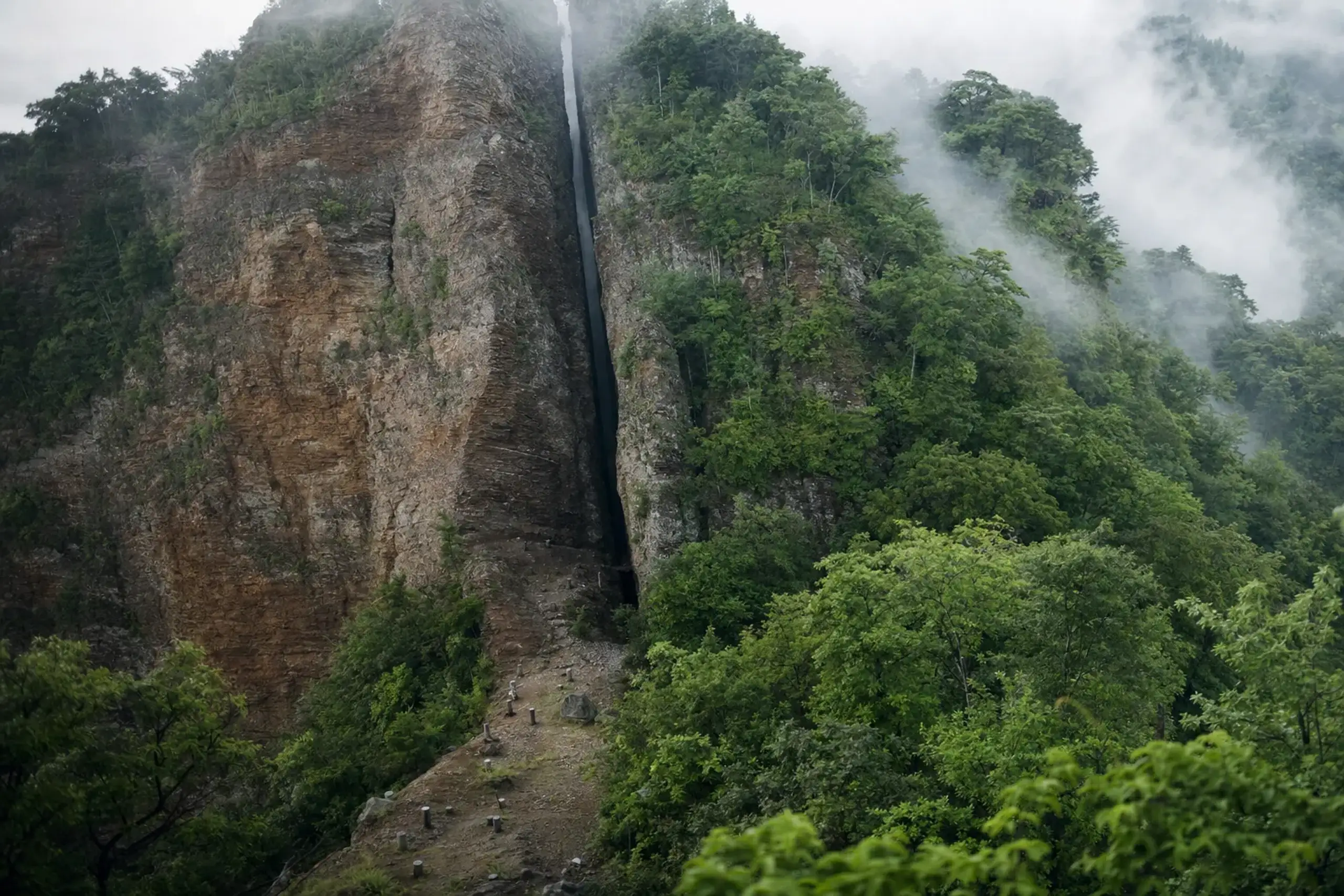
Stand there long enough and the scale becomes uncomfortable. That scar is not metaphor. It is work made permanent.
How Did Edo-Period Labour Work Inside Sado Gold Mine?
The Edo-period mining system was divided into specialised roles—extraction, ore sorting, smelting, refining, and coin minting—documented in the illustrated scroll Sado no Kuni Kanahori no Maki.
That division of labour is the human side of shokunin. You are not looking at “miners” as a single category. You are looking at a chain of specialists, each responsible for a narrow segment of the process, including a fire-refining technique used to increase gold purity.
It also explains why Sado feels like more than an industrial relic. The mine was an ecosystem—a working society with rituals, skills, and internal logic.
One example is yawaragi, a mining ritual with a dual purpose: appeasing the mountain god’s spirit and, within the ritual’s own logic, metaphorically softening hard ore to make it easier to mine.
Even culture moved with the mine’s gravity. Ōkubo Nagayasu brought Noh performers to Sado, and Noh became deeply embedded in local life—a thread that still runs through the island today.
From Shogunate Control To Mitsubishi: A Clear Ownership Timeline
Sado’s modern history is unusually well-documented, and it reads like a timeline of Japan’s changing state priorities.
- 1869: After the Meiji Restoration, the mine became government-operated, and Western engineers were brought in to modernise operations.
- 1889: It was transferred to the Imperial Household Ministry as a “model mine,” intended to demonstrate industrial modernisation for Japan.
- 1896: It was sold to Mitsubishi, which expanded it into Japan’s largest gold-silver mine.
- March 1989: It closed permanently due to resource depletion, ending nearly 400 continuous years of operation.
The totals are not small.
Across 388 years, historical output is documented as 78 tons of gold and 2,330 tons of silver, making it Japan’s largest gold-silver mine by total output.
The vein network itself spanned about 3,000 metres east–west, 600 metres north–south, and reached roughly 800 metres deep. Numbers like these keep the story honest.
That brief chapter under the Imperial Household Ministry gives Sado a rare lineage: for a moment, this was a site the imperial state chose to showcase—the kind of quiet imperial-era resonance that rewards a traveller who knows what they are standing on.
What Should You See On Site: Aikawa, Kirarium Sado, And The Two Mining Areas
A good visit has an order. Skip the guesswork.
We suggest starting with orientation, not tunnels. Kirarium Sado (Sado Gold and Silver Mine Guidance Facility) is Sado City’s guidance centre for understanding the gold and silver mine. It gives you context before you step into darkness.
Then you move into the Aikawa–Tsurushi area, where the landscape features and preserved routes make the mine legible. Dōyū no Warato is the obvious landmark. The tunnel courses are where the engineering becomes personal.
Finally, if time and conditions allow, connect the visit to the UNESCO framing by learning how Nishimikawa’s placer mining differed in method and terrain. Niigata Prefecture’s descriptions are clear: slope scraping, heavy water use, sediment washing, panning boards.
Different deposit. Different technique.
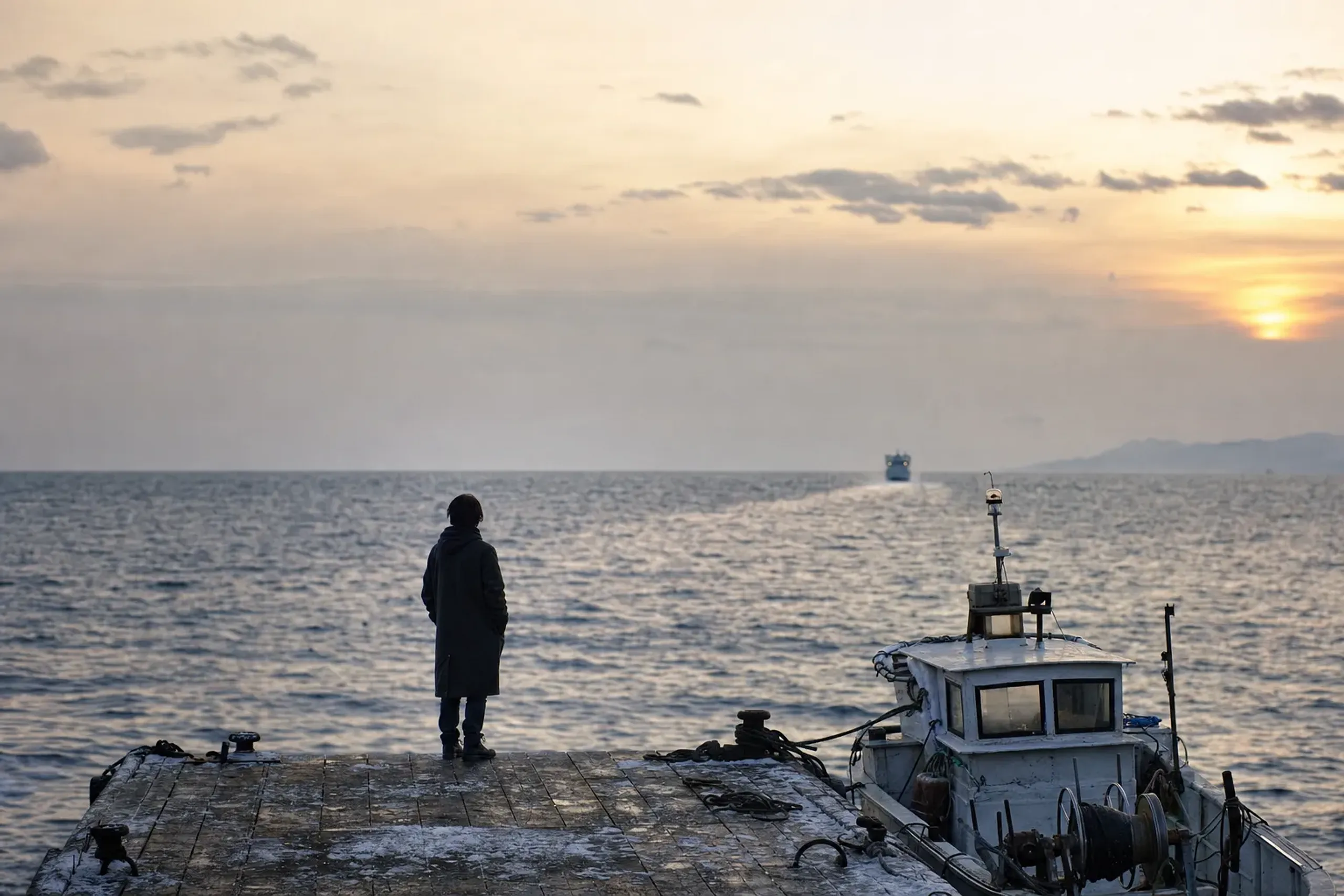
Two areas, one discipline: extracting value from a mountain without the machines that reshaped mining everywhere else.
How Long Do You Need For Sado Gold Mine If You’re Visiting From Niigata?
Plan a full day on Sado for the mine area, plus at least one night on the island if you want a calm pace and a weather buffer.
Many travellers attempt Sado as a tight day trip, then spend the whole day watching the clock—a mistake. Sado access depends on sea conditions, seasonal demand, and ferry timing, and the mine itself rewards unhurried attention.
For a refined rhythm, our team at Japan Royal Service often steers guests toward a 2-night structure: one day for crossings and arrival, one full day for Kirarium Sado, Aikawa–Tsurushi, and the mine landscape, and one day for departure with room for delays.
Yes, you can do less. You just won’t be relaxed while doing it—and a mountain this quiet deserves to be met on its own terms.
How Do You Reach Sado Gold Mine, And What Are The Key 2026 Logistics?
Sado is reached from Niigata by Sado Kisen ferry or jetfoil, using the official timetables and reservations published by the operator.
Sado Kisen publishes schedules online, including timetables for September 2026. That is invaluable for advance planning, especially around holiday weekends and major events. It also means you can map your day with realistic margins instead of hopeful guesses.
There is also a known planning wrinkle: visitor advisories note that Sado Gold Mine will undergo renovations from December 2025 through the start of the new year in 2026.
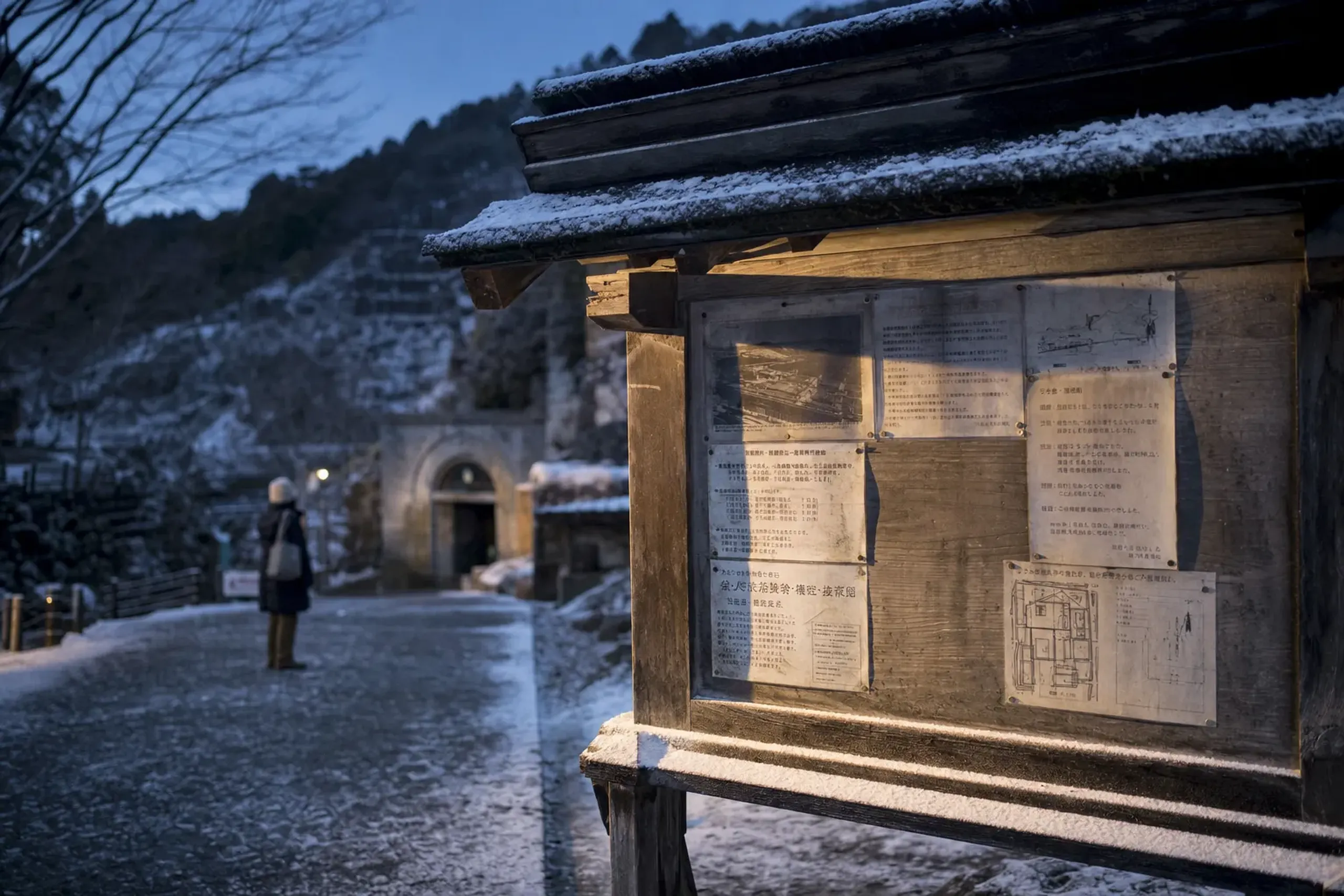
If your trip falls within that window, build a routing plan that can absorb closures and still make the island worthwhile.
Key fact: If you are travelling in late 2025 or early 2026, confirm renovation and closure guidance before locking in flights, ferries, and hotel nights.
Once you are on the island, a private car simplifies everything. The roads are straightforward, but time disappears quickly when you stack transfers, navigation, and parking onto a day that already carries fixed departure times.
When we discuss private transportation with our travellers, the goal is not flash. It is tempo. Your day stays quiet, and the mine gets your full attention.
The WWII-Era Forced Labour History And The Ongoing UNESCO Interpretation Dispute
During World War II, Korean sources state that between 1,000 and 2,000 forced Korean labourers were used at the Sado mine to extract copper, drafted under Japanese colonial rule.
Japan publicly acknowledged this forced labour history in 2015, when Japan’s ambassador to UNESCO spoke about it. The wartime labour relates to a different material and era from the Edo-period gold and silver story, and the distinction matters when you are reading exhibits and timelines.
The site was proposed for Japan’s UNESCO tentative list in 2010 under the title “The Sado Complex of Heritage Mines, Primarily Gold Mines.” Full World Heritage inscription did not occur until July 27, 2024, after a fourteen-year process.
As part of the 2024 inscription, Japan installed an on-site exhibit acknowledging poor working conditions historically at the mine. Critics argue that the exhibit does not explicitly name forced labour.
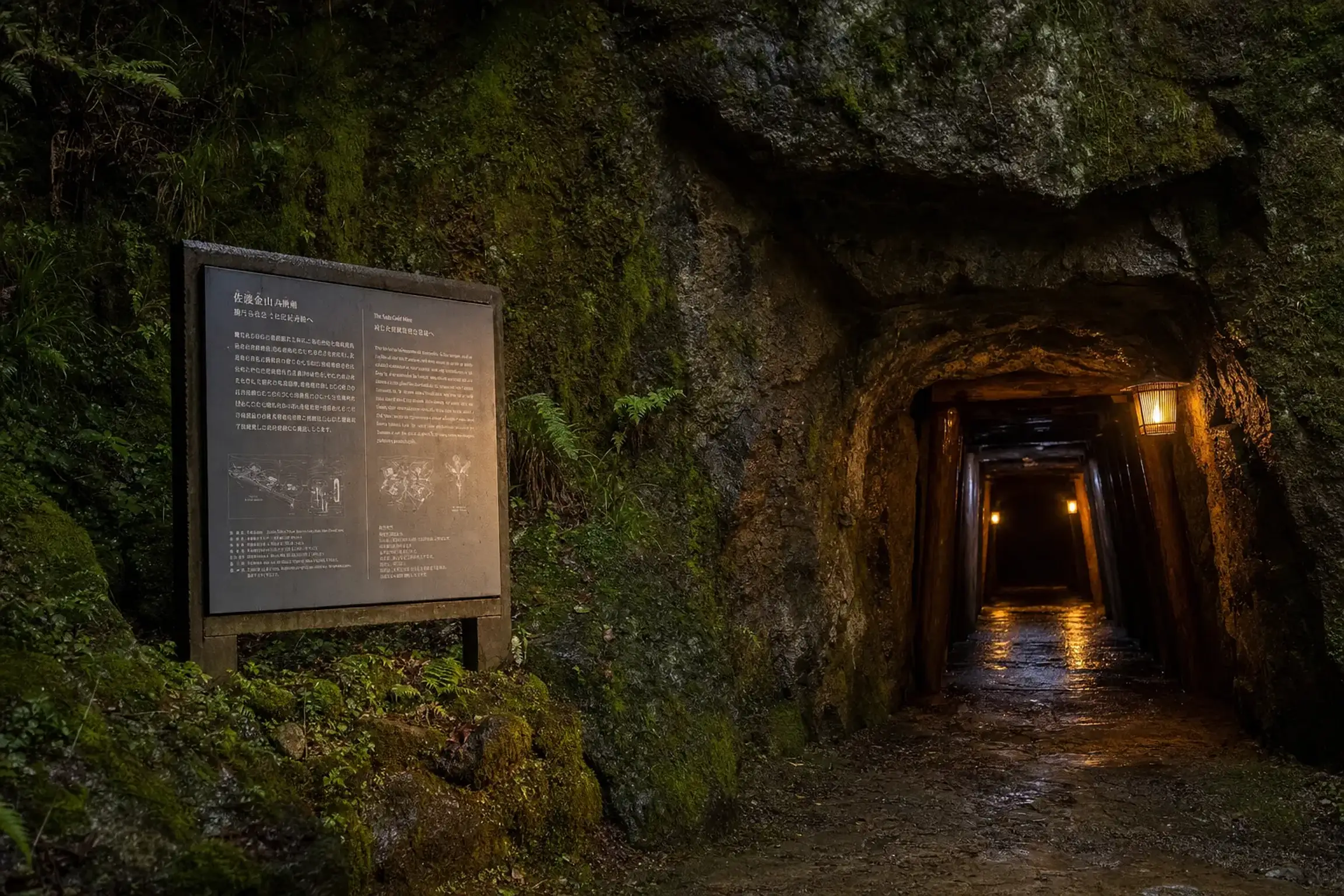
This remains an unresolved point of dispute.
When our concierge team prepares guests for Sado, we suggest reading this section before you arrive, not after. It helps you move through the site with clarity and respect, without forcing the visit into a single mood.
What Japan Royal Service Can Do For A Sado Gold Mine Visit (And What We Don’t Claim)
Japan Royal Service supports Sado Gold Mine visits through private guiding and transfers, shaped around your dates, pace, and privacy needs.
Discretion is not an add-on for us. It is the baseline. Many of our travellers want their movements and interests kept off the public grid—especially when a trip pairs sensitive history with a UNESCO headline. Your identity and your itinerary stay yours.
If you are building a tailor-made itinerary, we also help with the sequencing decisions that determine whether Sado feels effortless or fragmented: where to sleep to protect early starts, how to buffer for weather, and when to visit the mine area for quieter light and fewer groups.
For deeper reading before you go, our team keeps an eye on logistics-first heritage planning across Japan. You may find it useful to compare how we approach sacred-site routing in Ise Jingu: A Logistics-First Guide for Luxury Travelers, or how we think about timing and reliability in How to Read a Japan Seasonal Forecast Without Getting Burned.
When you are ready to walk these tunnels at your own tempo—with the crossings, closures, and quiet windows handled on your behalf—contact us here to begin shaping a private Sado journey that honours both its craftsmanship and its complicated past.