In this guide
- 01Where Is Sado Island, And Why Does It Matter?
- 02How Do You Get To Sado Island From Niigata City?
- 03Exile Was Not A Metaphor On Sado
- 04Emperor Juntoku And Nichiren: Two Exiles, Two Legacies
- 05Why Are There Kyoto-Modeled Temples And Shrines On Sado?
- 06What Makes Sado One Of Japan’s Most Distinctive Noh Destinations?
- 07Myosenji Temple: A Pagoda On An Island Of Exile
- 08Senkakuwan Bay: The Coastline That Justifies Staying Overnight
- 09Toki No Mori Park And The Crested Ibis: A Different Kind Of Sado Culture
- 10How Many Days Do You Need On Sado Island?
- 11A No-Stress Planning Method For Discerning Travelers
- 12Begin Planning Your Journey To Sado
- 13Frequently Asked Questions
Sado is an island with a long memory. For more than a thousand years, it was the place Japan sent people it wanted out of sight. Emperors, officials, monks, and artists arrived not by choice, but by decree. What they carried with them—ritual, language, taste, discipline—did not disappear on the sea wind. It settled into the soil, the temples, and the silences.
That is why Sado feels unlike other islands. Its temples echo Kyoto in miniature, built by people who missed the capital and rebuilt it as faithfully as memory allowed. And the island’s dense concentration of Noh stages is not a tourism angle; it is the residue of exile becoming culture. If you want a serious companion trip to Niigata, Sado rewards an overnight rather than a rushed loop—this is the Japan that guidebooks skim and that Google cannot quite find.
Where Is Sado Island, And Why Does It Matter?
Sado Island is Japan’s sixth-largest island, lying off the coast of Niigata Prefecture, roughly 40–50 kilometers offshore. Close on a map. Far in feeling. Water does that.
The island covers roughly 855 square kilometers and has about 280 kilometers of coastline. That scale matters when you plan your days. Even with a private car, you do not “see Sado” in a single dash; you choose a focus and let the rest remain unseen. There is a quiet luxury in that restraint—in deciding what you will not do.
Historically, the distance was the point. Sado was near enough to control, yet separated enough to isolate.
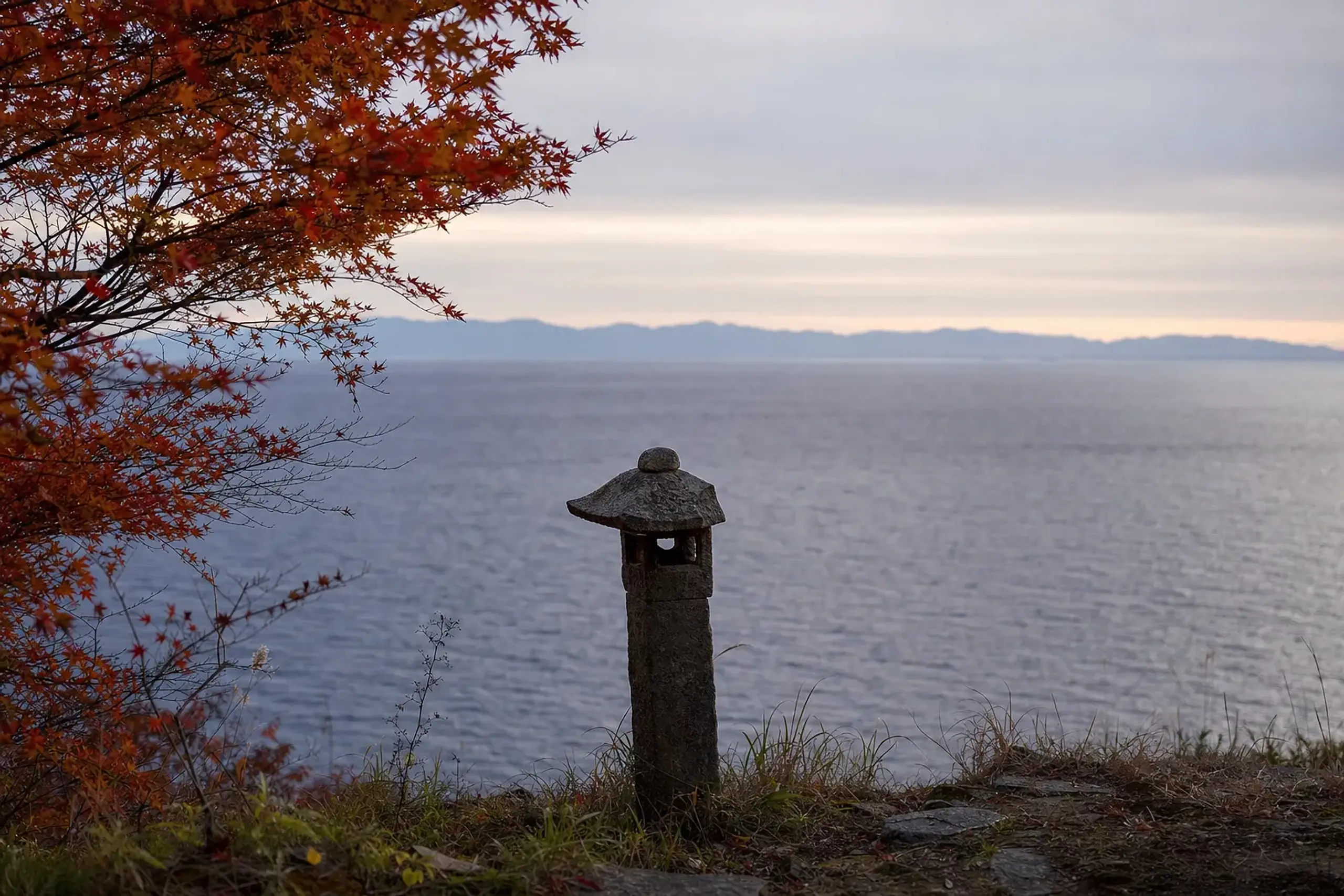
Over centuries, that role shaped what survives today: religious sites, performing arts traditions, and a cultural seriousness that can surprise travelers who expected a simple seaside detour.
How Do You Get To Sado Island From Niigata City?
You reach Sado from Niigata City by ferry or jetfoil, with the crossing taking roughly 65 minutes by jetfoil or up to about 2.5 hours by car ferry.
The practical difference is not only speed. Jetfoils are fast and tidy for light luggage and tight schedules. Car ferries give you flexibility if your party prefers bringing a vehicle across or traveling with more gear, but the journey is longer and the rhythm is slower—which, on Sado, is not always a drawback.
For accurate, current sailing times, Sado Kisen publishes official timetables for the Niigata–Ryotsu route. Weather and sea conditions can shape the day, especially if you are trying to connect to onward plans.
Key fact: If you want Sado to feel calm, avoid planning it as a same-day out-and-back tethered to a fixed dinner reservation in Niigata City.
In our experience, the simplest luxury on Sado is margin. A late-morning arrival, an unhurried coastal drive, a quiet temple visit when the light turns flat and silver. This is not a place that likes being rushed, and it repays those who resist the urge to fill every hour.
Exile Was Not A Metaphor On Sado
For more than a thousand years, Sado served as an official place of exile for political dissidents, including emperors and officials, as well as religious and artistic figures.
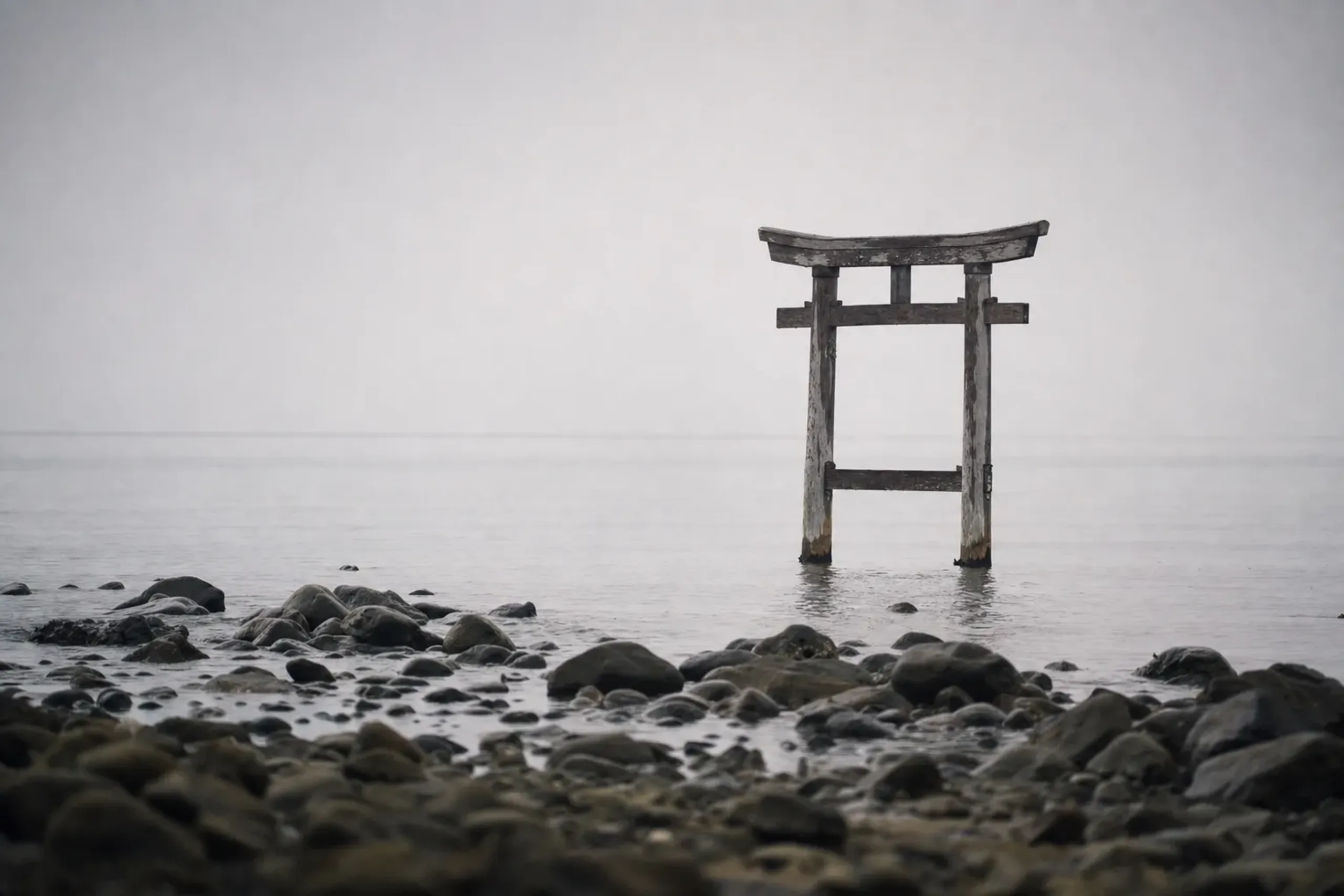
A long sentence. A long institution.
Exile created an enforced distance from networks of power. For an aristocrat, that could mean losing patronage, rank, and the ability to shape events at court. For a religious figure, it could mean separation from supporters and temples, plus the constant pressure to recant.
Yet exile also concentrated people with training. Courtly education. Liturgical practice. Artistic discipline. When those people arrived on Sado, they did what humans do in unfamiliar places: they rebuilt familiar structures, in smaller scale, with local materials, and with stubborn fidelity to memory.
That is the first key to visiting Sado well. You are not looking for ruins of punishment. You are reading the aftereffects of displacement: culture preserved because it was carried, not because it was meant to be displayed. The reticence of these places—the moss on the stone, the weathered timber—is precisely their beauty.
Emperor Juntoku And Nichiren: Two Exiles, Two Legacies
Emperor Juntoku was exiled to Sado after backing the losing side of a court dispute. A fall that became geography.
Nichiren, the founder of Nichiren Buddhism, was also banished here for his teachings. His exile is not a footnote on Sado; it is a structural beam. Religious practice is portable, and a committed teacher does not stop teaching because the sea got involved.
When you stand on Sado today, it is easy to forget how final exile could feel.
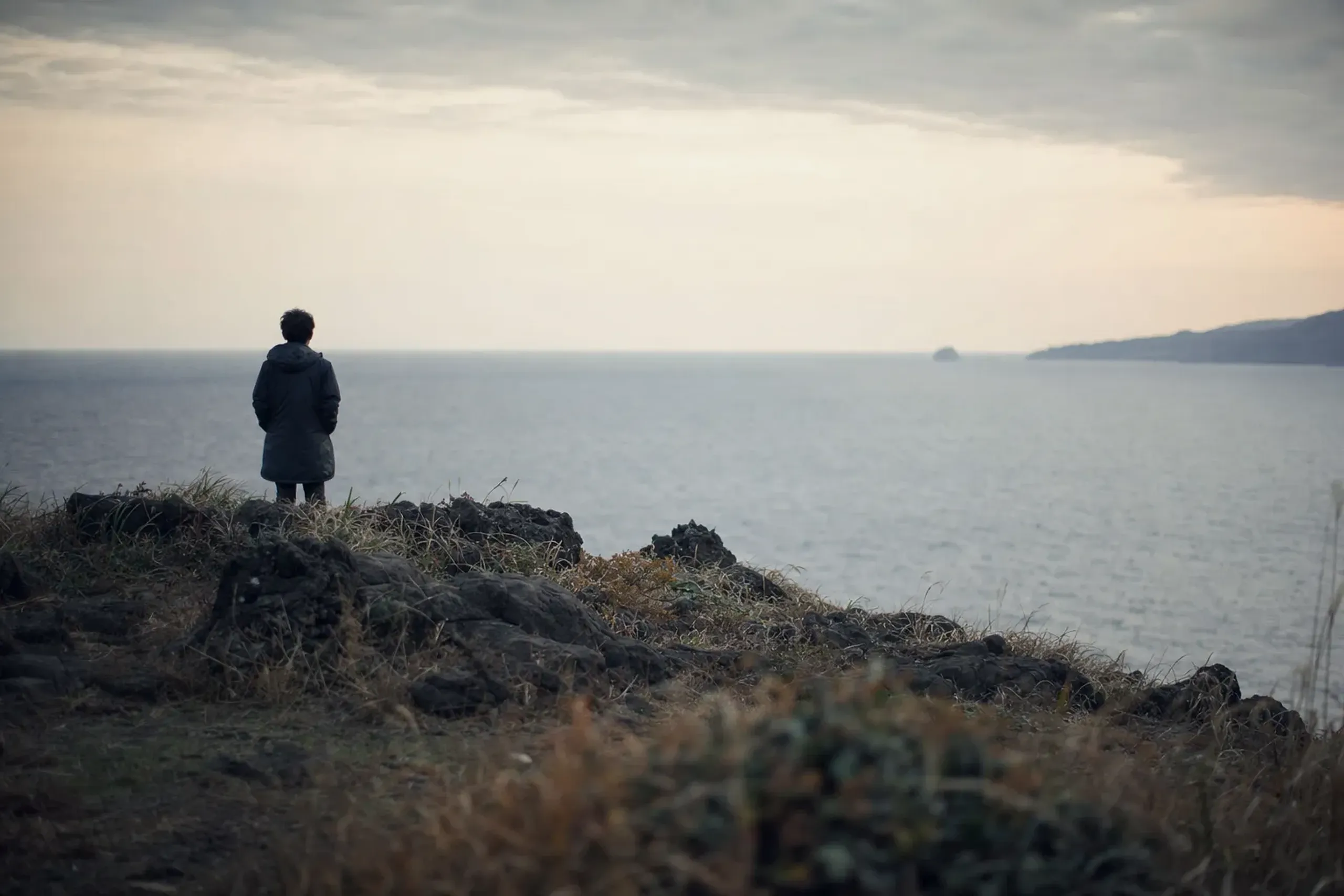
No quick return. No casual visitors. Messages and support were constrained by distance, weather, and politics.
For the traveler, these names do something useful: they keep the story honest. Not “legendary figures,” not a vague golden age. Real people, put somewhere on purpose, living with the consequences.
Why Are There Kyoto-Modeled Temples And Shrines On Sado?
Exiled figures and their communities established shrines and temples modeled on those of the old capital in Kyoto, bringing religious practice and court culture with them.
This is not architectural cosplay. It is continuity, built under constraint. The old capital represented legitimacy and training, and recreating its forms helped preserve identity when identity had been politically revoked.
As you travel across the island, you can feel how that transplant changed the religious landscape. The sites are not only devotional; they are also evidence of cultural transfer—Kyoto ideas interpreted through a Sea of Japan island environment, under different light, with different seasons, and different materials at hand.
Our team at Japan Royal Service often frames Sado for discerning travelers as “Kyoto’s echo, heard offshore.” It is not a substitute for Kyoto. It is a parallel register, quieter, and sometimes more revealing because it had to be consciously kept alive. For guests who have already walked Kyoto’s famous approaches, this offshore variation offers a rarity that crowds cannot dilute.
What Makes Sado One Of Japan’s Most Distinctive Noh Destinations?
Sado holds an unusually dense concentration of Noh theatre stages, a legacy tied to exiled aristocrats and other residents who built the tradition over centuries.
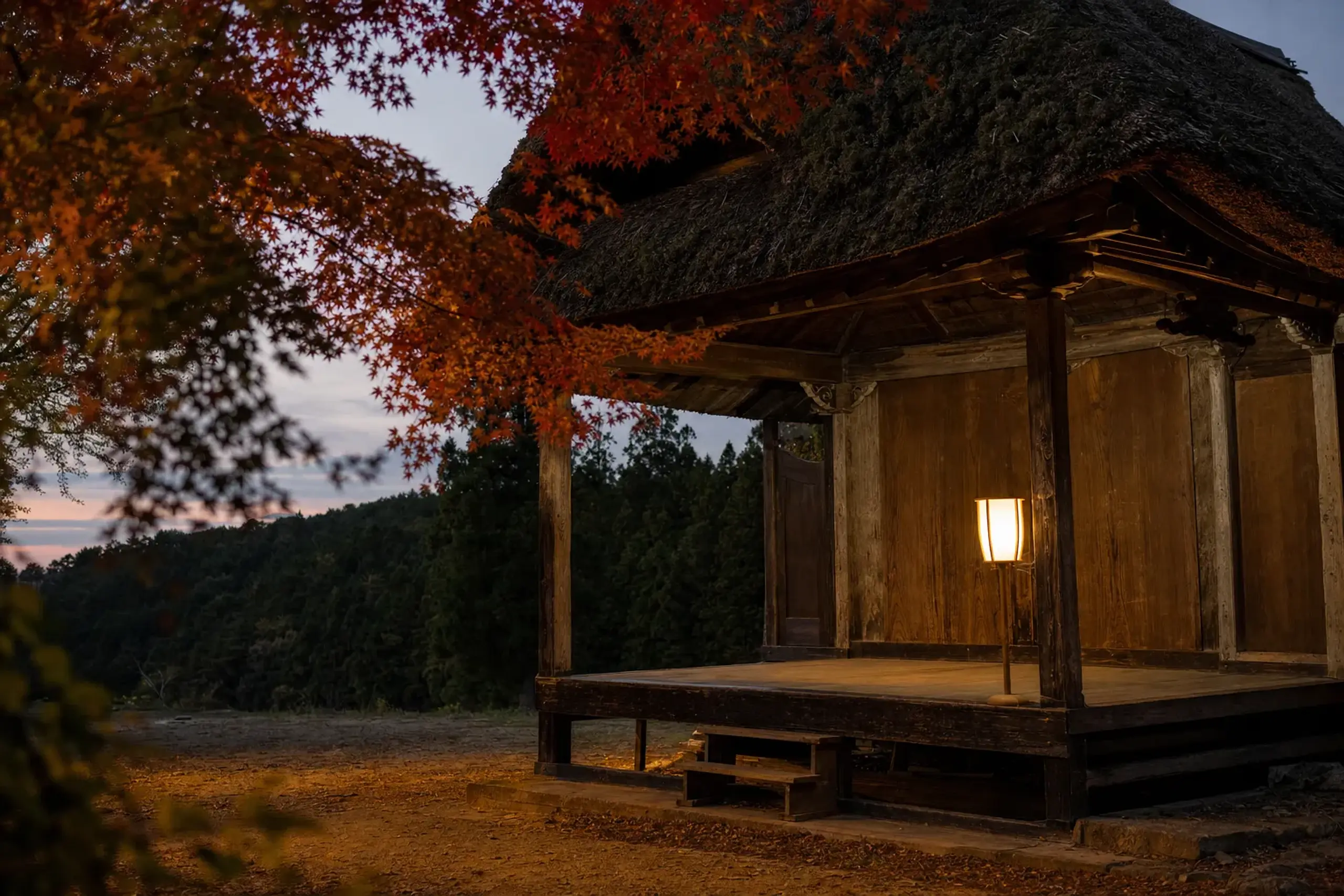
Noh is demanding. Small motions carry meaning. Time stretches. If you have only seen it in a major city theater, Sado changes the context. The stages here are part of an island tradition, shaped by people who valued formality and ritual even when their circumstances were anything but formal.
For a first encounter, we suggest reading a little in advance and planning your evening as if you were going to a ceremony rather than a show. Eat earlier. Arrive with time. Let the silences do their work.
When performances are available, Japan Royal Service can coordinate private guiding and help you understand what you are seeing, so the experience does not become an elegant blur. Discretion matters here, too—both for the small communities that keep these stages alive and for our guests. Your presence and your itinerary remain entirely your own; quiet attention gets you further than loud enthusiasm.
Myosenji Temple: A Pagoda On An Island Of Exile
Myosenji Temple is connected to Nichiren and holds the only five-story pagoda in Niigata Prefecture. Singular. And surprisingly grounding.
The grounds once served as the residence of Sado’s deputy governor. That detail matters because it hints at how religion, administration, and exile history overlap on the island; power was managed, and religious institutions were part of the landscape of governance, not separate from it.
Photographs do not capture what you feel when the weather turns. A five-story pagoda against a low grey sky.
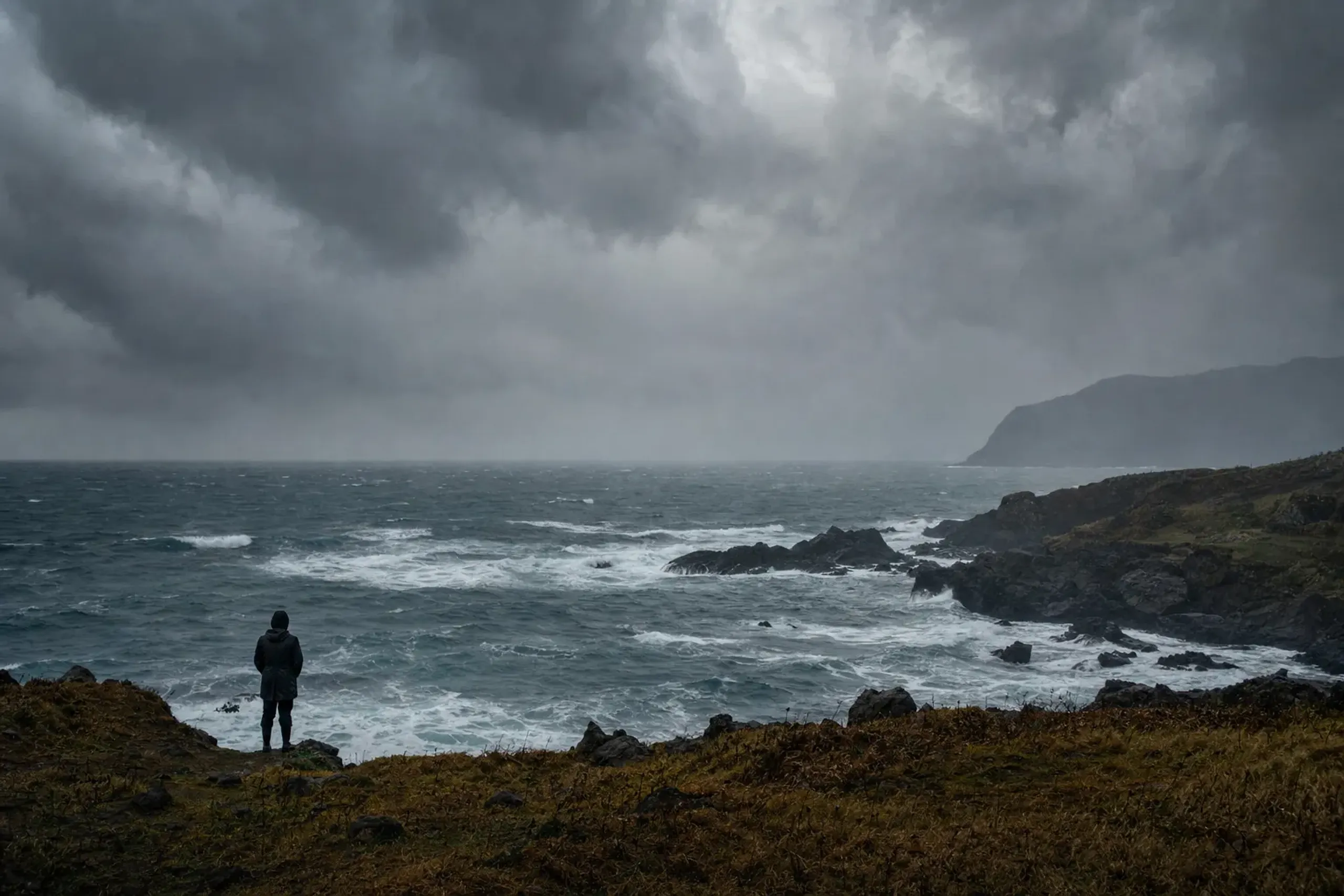
Damp air. The sense that the island keeps its own calendar.
If you visit, go early or late in the day when you can hear your own footsteps. That quiet makes it easier to understand why this place is remembered, not just visited.
Senkakuwan Bay: The Coastline That Justifies Staying Overnight
Senkakuwan Bay offers dramatic ria-coast scenery, with viewpoints and sightseeing boat cruises.
This is where Sado stops being only “history” and becomes physical. The coastline is rugged, folded, and shaped by water in a way that feels closer to a carved object than a typical beach. Bring a light layer; sea air can change fast.
A boat cruise is not about ticking a box. It is about scale. Cliffs read differently when you are below them, and the island’s sense of separation becomes obvious when you look back toward shore.
Keep this part of the day loose. If the light is wrong, wait. If the sea is sharp, choose a viewpoint instead of forcing time on the water. Knowing which month brings clear crossings and which brings restless swells is exactly the kind of seasonal judgment that shapes a well-planned visit.
Toki No Mori Park And The Crested Ibis: A Different Kind Of Sado Culture
Sado is home to a conservation program for the Japanese crested ibis (toki), a Special Natural Monument of Japan, and visitors can learn about conservation at Toki no Mori Park.
This is not a zoo-style stop.
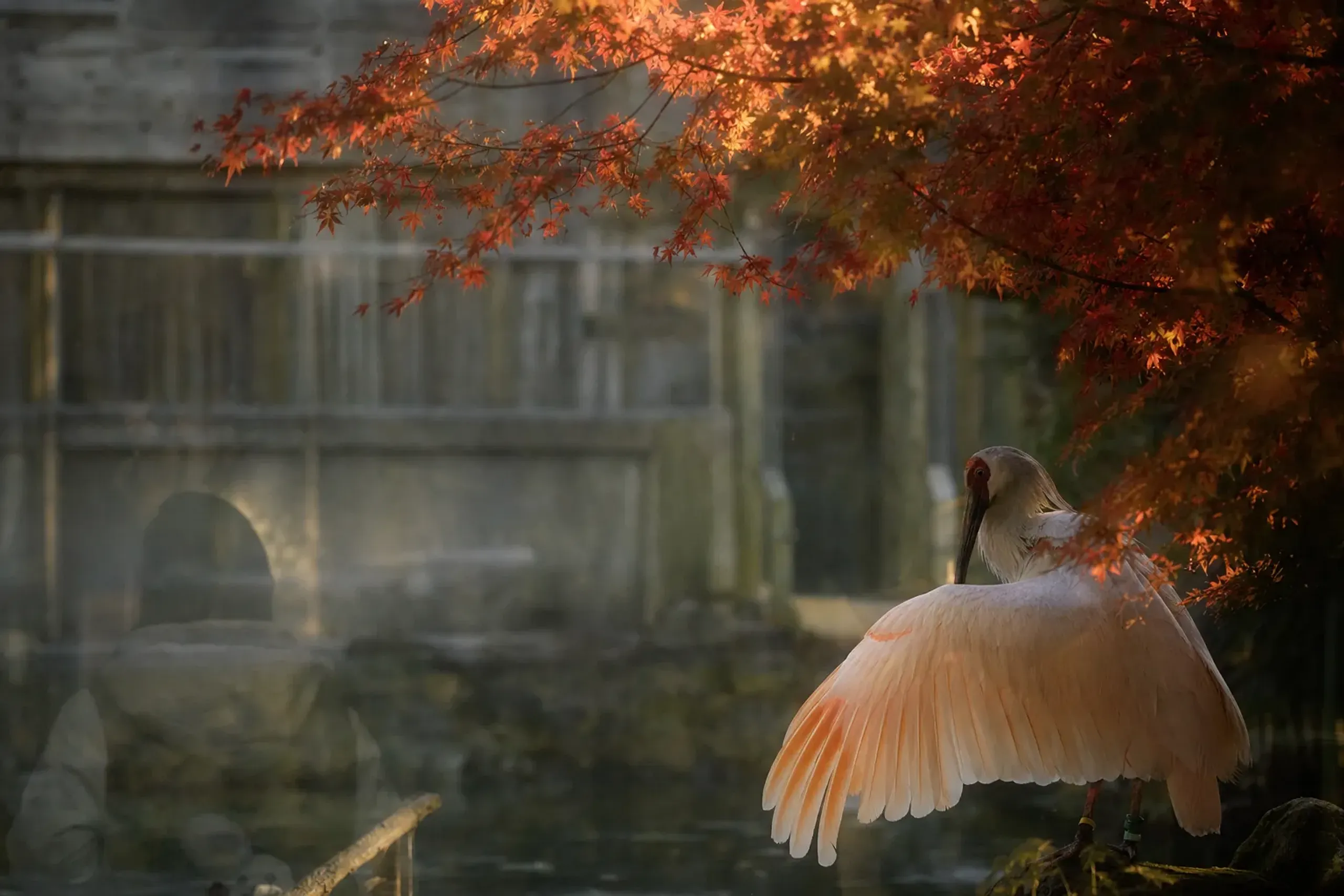
It is an interpretation facility that explains breeding and conservation efforts, and it rewards travelers who care about how landscapes are managed, not only how they look.
Recent reporting has cited the Environment Ministry saying the Sado population has increased to around 500. Numbers help, but the feeling is more important: rice fields, low hills, and an island that has learned to protect a bird tied to its identity.
If you like your travel with restraint—the quiet of wabi and sabi rather than spectacle—this fits naturally into a Sado visit. Slow roads. Farm edges. A watchful, patient kind of looking.
How Many Days Do You Need On Sado Island?
Most travelers should plan at least one night on Sado, because the island’s size and ferry rhythms make day-trips feel compressed.
Sado is not huge, but it is large enough that you will spend real time moving between areas. That is fine. The mistake is trying to treat every drive as dead time. On Sado, the drives are part of the experience—coastline, small settlements, long views, and the constant presence of the sea.
If you can add a second night, you gain something practical: the freedom to shape your day around light and weather rather than the return sailing. You also gain the ability to split your interests—history and Noh in one arc, coastal scenery and the toki story in another—without turning the trip into a checklist.
Our concierge team usually asks one blunt question: do you want Sado to feel like an excursion, or like a place?
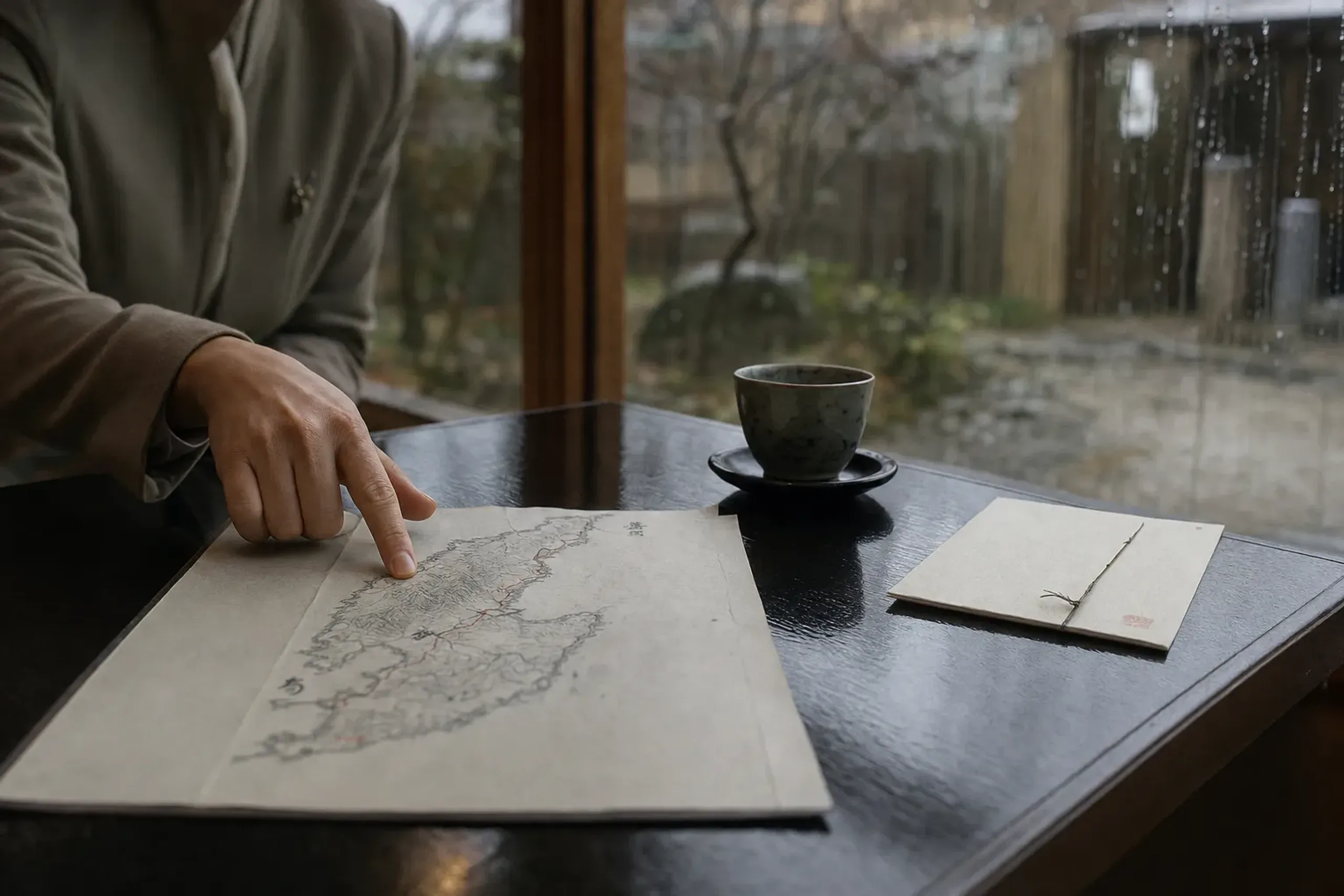
One night often makes the difference.
A No-Stress Planning Method For Discerning Travelers
Plan Sado the way you would plan a private museum visit. One theme per day. A little slack. And no performative efficiency.
We suggest building around three anchors. First, an exile-history thread (Emperor Juntoku, Nichiren, and the Kyoto-modeled religious landscape). Second, a Noh thread, ideally paired with interpretation so the form becomes legible. Third, a nature thread—Senkakuwan Bay or the toki conservation story—so the island is experienced as a physical place, not a lecture.
Then decide what kind of movement your party prefers. Some travelers want long coastal drives with stops when a view catches the eye. Others want short transfers and deeper time on-site. Neither is “better.” One is simply more honest for your temperament.
If you are pairing Sado with Niigata City, keep Niigata as the bookend: arrive with enough time to settle, then depart Sado without sprinting straight into a tight dinner schedule. If Niigata is part of your wider food-and-drink focus, our team often links Sado planning with a sake-focused Niigata chapter; this Sado guide is a natural companion to our related reading, such as Karuizawa: Tokyo’s Original Mountain Retreat, Year-Round for pacing principles and Fukuoka As A Base: Four Kyushu Day Trips, Not A Road Trip for the “base-city + day arcs” logic applied in Japan.
For a tailor-made itinerary that stitches these threads together without friction, the difference is in the planning you never see.
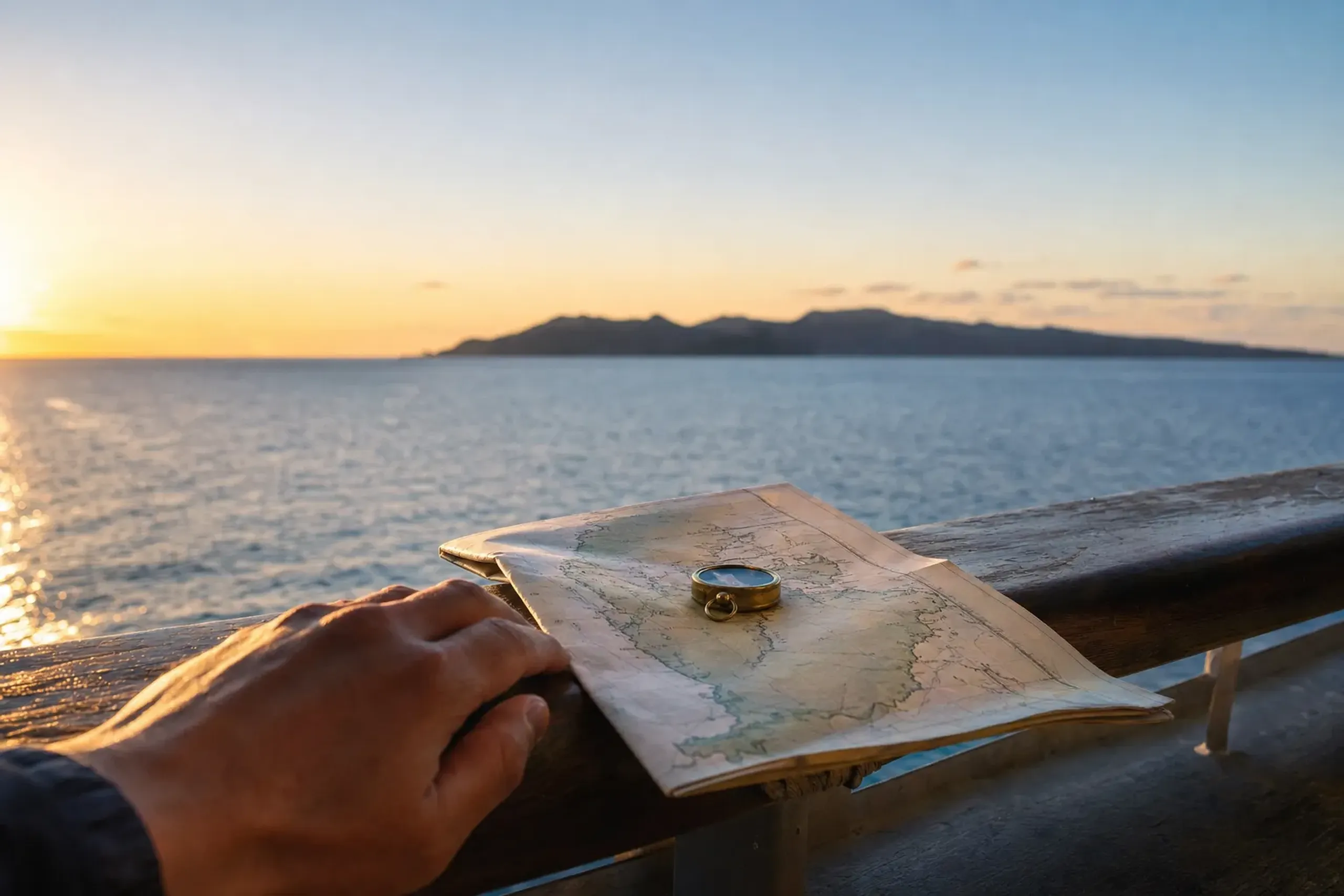
And for transportation on the ground, a chauffeured approach changes the day’s tone entirely. Fewer micro-decisions. More attention for what you came to see. (Read how we think about private transportation when your itinerary has tight transitions and cultural stops, and how a bespoke itinerary keeps the island feeling like a place rather than a schedule.)
Begin Planning Your Journey To Sado
Sado is not a destination you skim; it is one you enter, slowly, on its own terms. The temples, the Noh stages, the folded coastline, and the quiet fields of the crested ibis all reward travelers who arrive with intention and time. If you would like to weave Sado into a wider Niigata itinerary—arranged with complete discretion and shaped around the seasons and your own pace—contact us here to begin a tailored proposal.
Frequently Asked Questions
Is Sado Island Worth Visiting If I’m Already Going To Kyoto?
Yes—Sado complements Kyoto by showing how Kyoto-modeled culture was preserved offshore through exile, especially in its temples and unusually dense Noh stage tradition.
Kyoto is the source. Sado is the echo, altered by distance. If you like cultural continuity and want fewer crowds, the contrast can be sharp in a good way.
What Is The Best Way To See A Noh Performance On Sado As A Visitor?
The most reliable approach is to align your visit with confirmed performance availability and go with context, since Noh is subtle and island schedules vary by season and community.