In this guide
- 01Why Does The San’in Region Require Three Days?
- 02The Morning Approach To Izumo Taisha
- 03Matsue: Japan’s Original Castle And Lake Shinji
- 04How Much Time Do You Need At The Adachi Museum Of Art?
- 05Where Should You Base Yourself For A San'in Itinerary?
- 06Frequently Asked Questions
- 07Why Choose Japan Royal Service
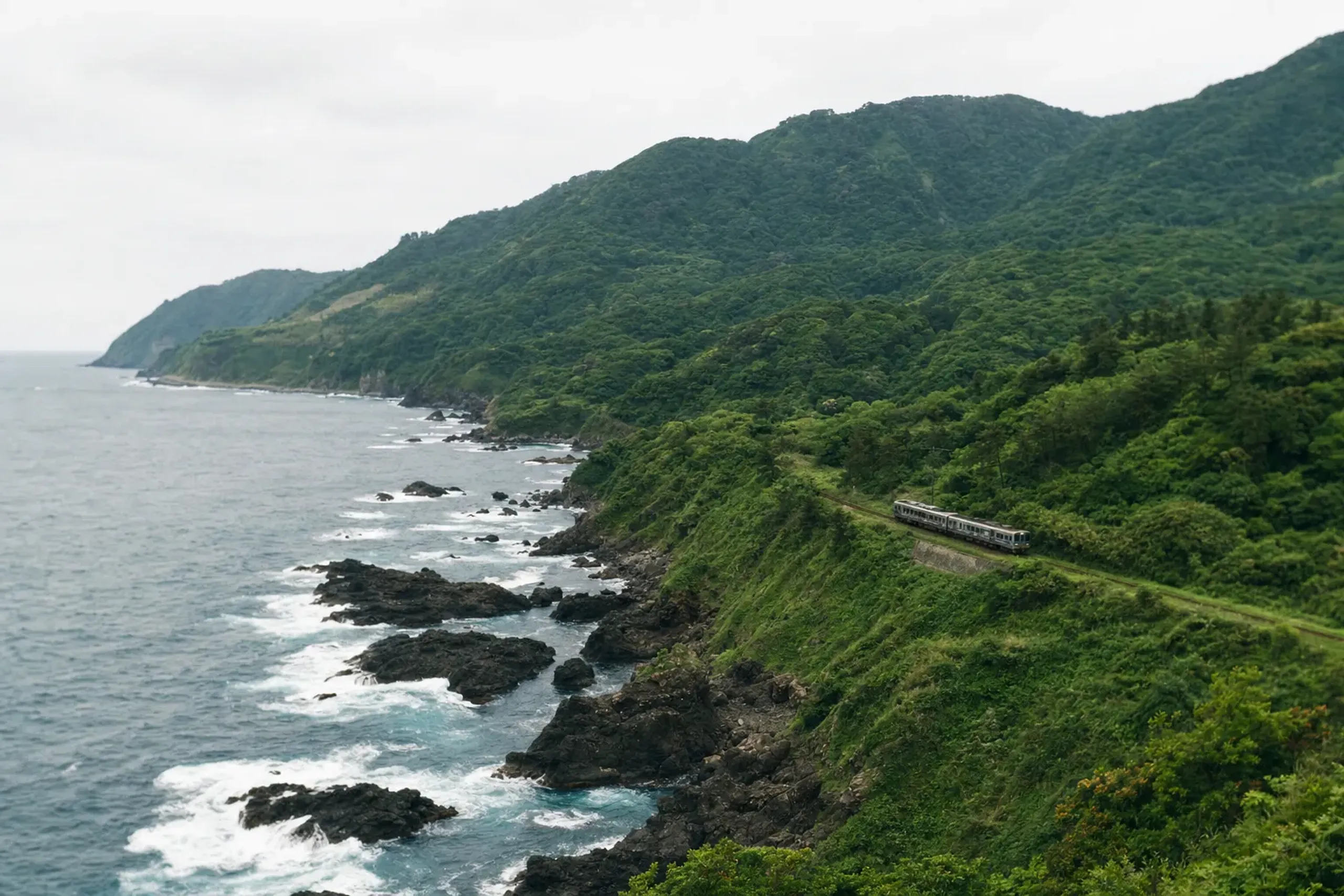
No bullet train reaches here. That is precisely the point. The San'in coast remains one of the quietest stretches of the Japanese archipelago, deliberately sidestepping the rapid transit grid that connects Tokyo to Kyoto. While most visitors crowd the well-trodden Golden Route, experienced travelers look toward Shimane Prefecture for genuine stillness. Our team at Japan Royal Service frequently coordinates this route for clients seeking a different rhythm. They want the hidden Japan that algorithm-driven itineraries miss.
This three-day sequence links a shrine of staggering mythological weight, a remarkably preserved original castle, and a garden engineered to be observed rather than walked. Attempting to compress this region into a rushed overnight stay ignores the geography. San'in rewards patience. By slowing down, you gain access to cultural strata that most visitors never see.
Why Does The San’in Region Require Three Days?
This route demands three days because no bullet train reaches Shimane, and regional transit gaps make rushing inefficient. Patience here unlocks a genuinely uncrowded corner of Japan.
You cannot simply hop between cities on ten-minute intervals. Without Shinkansen access, arriving from major hubs means either a domestic flight or connecting to the Yakumo Limited Express from Okayama. That journey alone takes roughly two and a half hours. Once in the region, the space between key cultural sites requires deliberate logistical planning.
Many travelers look at a map, see the proximity of Izumo and Matsue, and assume they can check off both in a single afternoon. Big mistake. While local railways and buses serve the main stops adequately, the frequency of those connections drops significantly outside peak commuter hours.
Trying to fit Izumo Taisha, Matsue Castle, and the Adachi Museum into two days turns an exploration into a frantic transit exercise. Three days provides an unhurried pace. You can actually absorb the quiet.
The Morning Approach To Izumo Taisha
Timing dictates the atmosphere. Arriving at Izumo Taisha during the mid-day rush dilutes the solemnity of the grounds. We strongly recommend a first-light approach, getting onto the pathways before the day-tripping crowds and large group tours break the morning silence.
The shrine holds immense spiritual authority. It stands as a focal point for the nation's indigenous faith, particularly during the Kamiarizuki period when deities are believed to gather here. Rather than detailing the specific four-clap worship etiquette or the deep mythological origins here, we suggest reading our dedicated guide on Izumo Taisha: The Shrine Where Japan's Gods Are Said to Meet.
Building a tailor-made itinerary around this site means allocating time for the adjacent Shimane Museum of Ancient Izumo. This secondary stop contextualizes the massive wooden pillars that once elevated the main hall toward the sky. It grounds the mythology in physical archaeology.
Matsue: Japan’s Original Castle And Lake Shinji
Matsue feels distinct from other castle towns because the water dictates the urban layout. Built around Lake Shinji and laced with moats, the city maintains a slower, aquatic pacing. The anchor is Matsue Castle itself. It holds the rare designation of being a National Treasure, surviving as an original wooden structure rather than a modern concrete reconstruction.
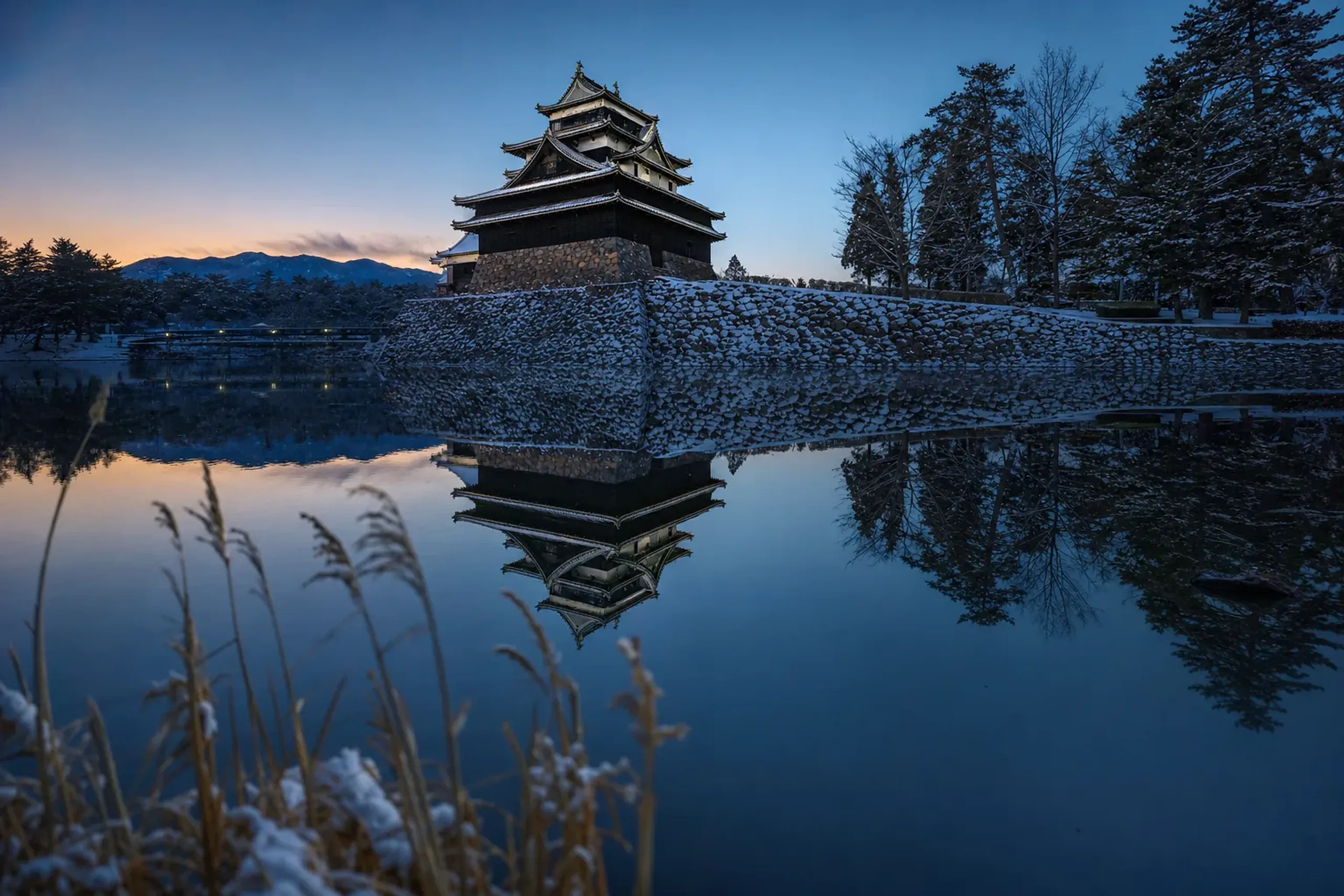
Navigating the castle requires physical effort. The steep, polished wooden stairs were designed for defense, not convenience. Visitors planning trips around 2026 should note that official maintenance schedules may introduce localized access restrictions. Checking these operational realities beforehand prevents surprises on the ground.
Just beyond the moat lies the samurai district, preserving the historical residential architecture of the domain's high-ranking retainers. This area also holds the former residence of Lafcadio Hearn, the writer who introduced Japanese ghost stories to the West. The preservation here feels lived-in. It lacks the commercial gloss found in more heavily trafficked historical quarters. To navigate these historic neighborhoods efficiently, securing premium private transportation proves invaluable, allowing you to bypass rigid public bus schedules.
How Much Time Do You Need At The Adachi Museum Of Art?
Plan for at least two hours to properly view the gardens through their framed windows and explore the seasonal Japanese painting exhibitions without watching the clock.
The Adachi Museum operates on a specific philosophical premise: the garden is a living painting. You do not walk through the moss and pines. Instead, you view the immaculate landscaping through vast gallery windows. This physical separation creates a highly controlled aesthetic experience. The gardeners orchestrate every leaf and stone to align perfectly with the architectural framing.
Because the primary interaction with the garden happens indoors, this museum stands out as an exceptional destination regardless of the weather.
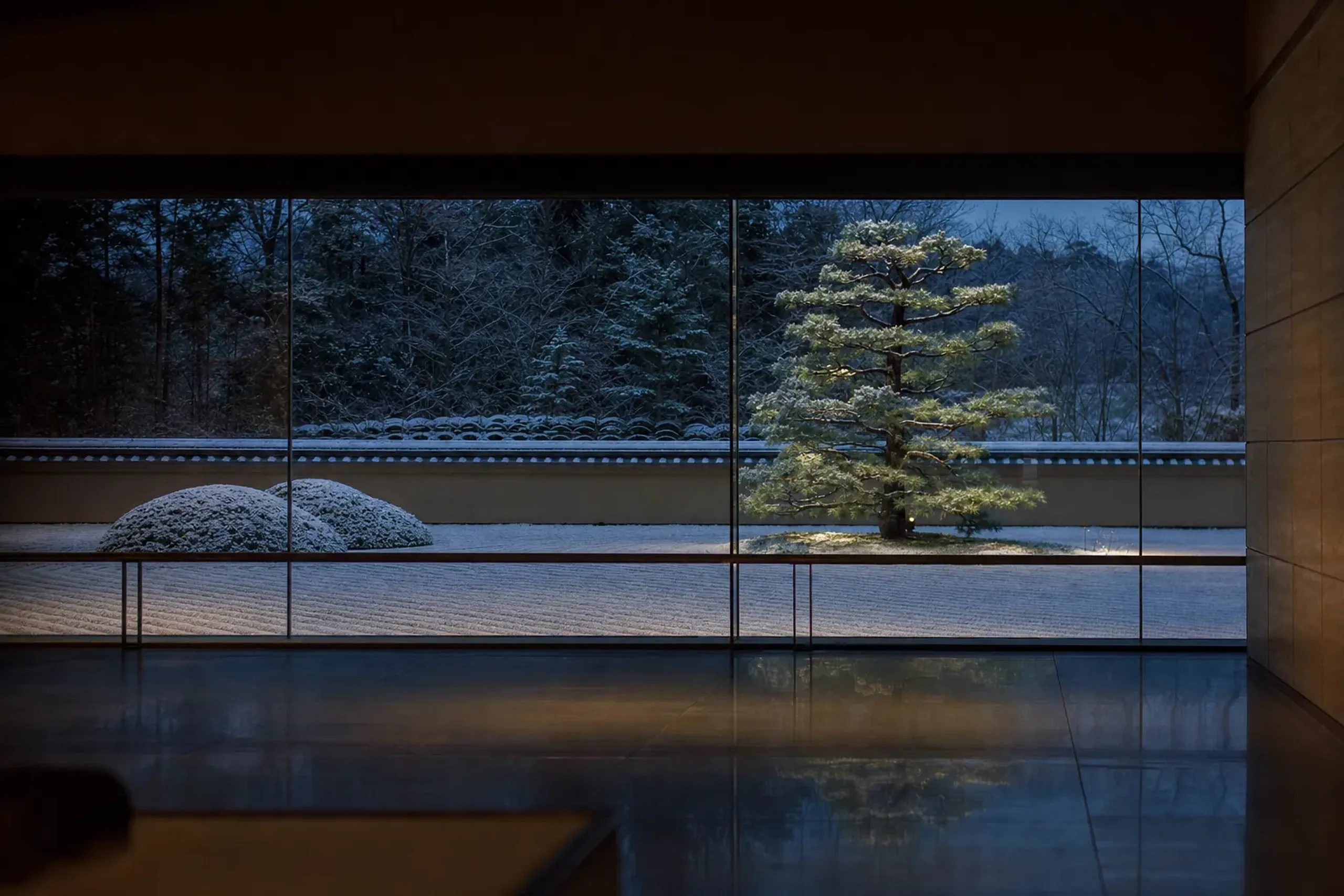
Rain deepens the color of the moss and washes the foliage, enhancing the visual contrast. Inside, the galleries rotate through an impressive collection of modern Japanese art, with a heavy emphasis on Yokoyama Taikan. The museum’s exhibition calendar—including specific seasonal showcases slated for 2026—provides fresh context for returning visitors.
Where Should You Base Yourself For A San'in Itinerary?
We recommend either establishing a single base in Matsue for streamlined logistics, or splitting your nights between a quiet Izumo ryokan and a lakefront Matsue property.
The choice largely depends on how much you value unpacking once versus waking up adjacent to the region's sacred sites. Both approaches have merit.
Option A: A Single Base In Matsue
Matsue serves as the logistical hub of the region. By securing a high-end property near Lake Shinji, you eliminate the friction of moving luggage between towns. Matsue offers richer evening dining options and allows for easy day trips out to Izumo in one direction and the Adachi Museum in the other. It keeps the itinerary firmly anchored.
Option B: Splitting Nights Between Izumo And Matsue
For those who prioritize atmosphere over pure efficiency, spending one night in a ryokan near Izumo and the remaining time in Matsue changes the texture of the trip. Waking up in Izumo allows for that crucial first-light visit to the shrine before breakfast. You experience the coastal air exactly as the locals do, followed by a transition into the historic castle town the next afternoon.
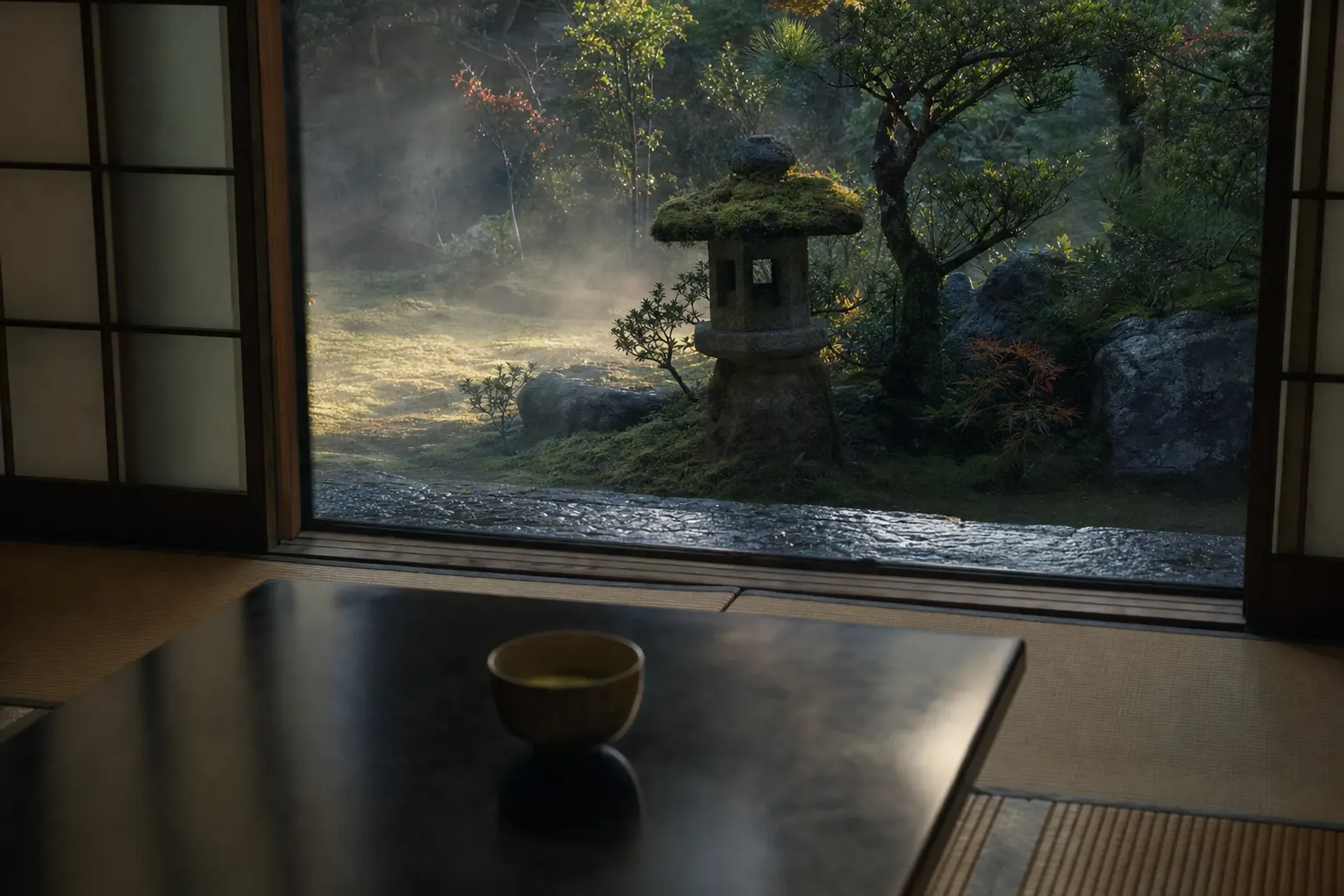
What this specific three-day route does not cover is the wider Tottori region or the distant Iwami Ginzan silver mine. Those destinations require entirely separate allocations of time. Pushing too far east or west breaks the careful pacing that makes Izumo, Matsue, and the Adachi Museum work so well together.
Frequently Asked Questions
When is the best time of year to visit Izumo and Matsue?
November is highly sought after for the Kamiarizuki gathering in Izumo, while autumn and spring offer ideal walking weather. Winter brings distinct seasonal art exhibitions to the region.
Early spring introduces cherry blossoms around Matsue Castle, adding a soft visual layer to the stark wooden architecture. However, travelers should anticipate higher domestic occupancy rates during these peak cultural windows and secure accommodations well in advance.
Do I need a private car to travel between Izumo and the Adachi Museum?
You do not strictly need one, but relying entirely on local trains and shuttle buses introduces waiting periods. A chauffeured vehicle removes these transit gaps completely.
The Ichibata Railway and limited express trains connect the major nodes, but schedules can be sparse mid-day. For those who value uncompromised pacing and absolute privacy, skipping the public transit grid is the most effective upgrade you can make in Shimane.
Can the Adachi Museum gardens be appreciated in the rain?
Yes. Because the primary gardens are viewed through expansive glass windows rather than walked through, inclement weather actually enhances the lushness of the landscape without discomfort.
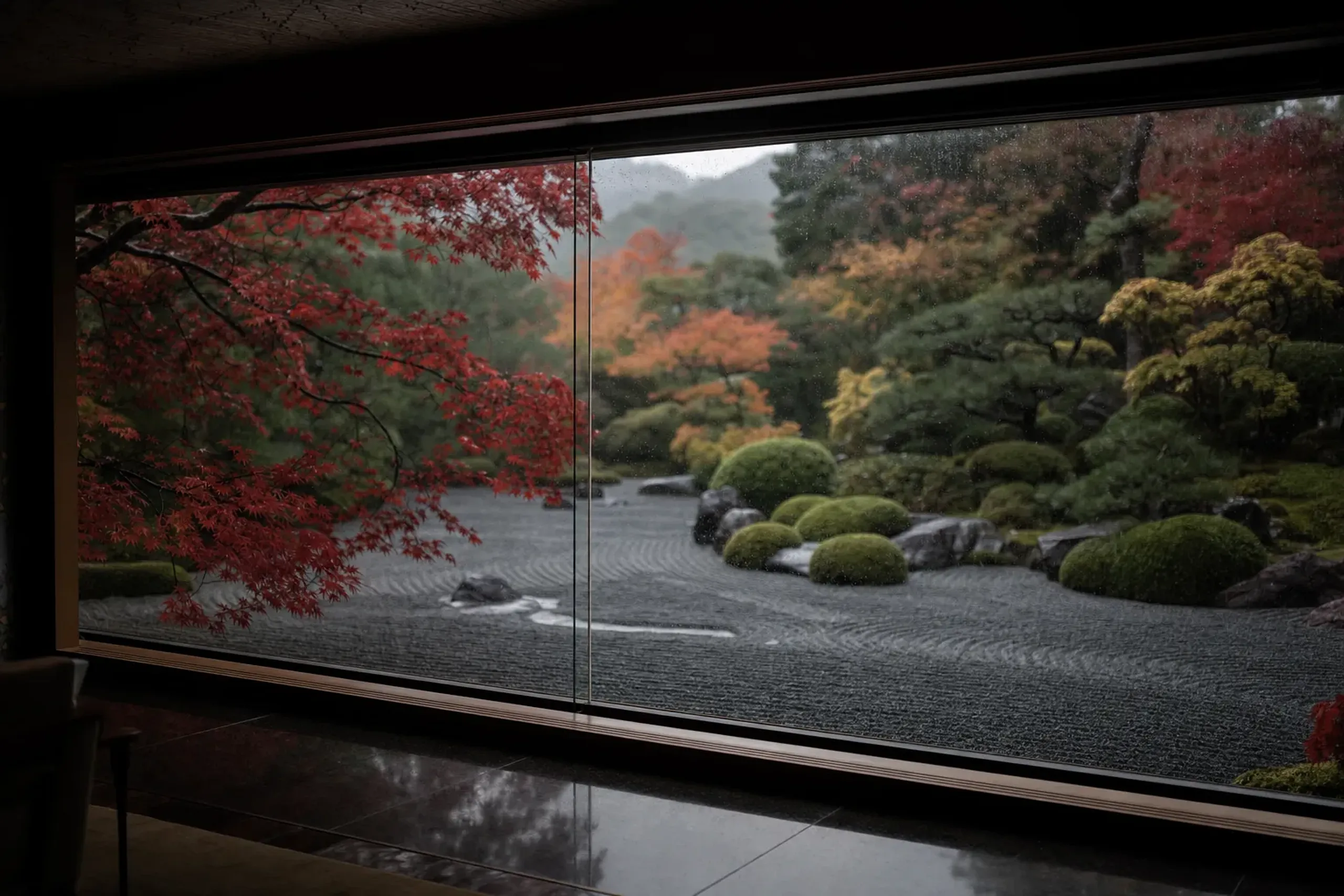
The rain saturates the moss, making it appear impossibly green against the grey stone. It also tends to thin out the number of casual visitors, offering a quieter atmosphere inside the viewing galleries.
Does this route include Tottori Sand Dunes?
No. Tottori sits much further east along the coast and requires its own dedicated day of travel and exploration.
Attempting to force Tottori into a three-day Izumo and Matsue itinerary severely compromises the experience of all three locations. We advise treating Tottori as an entirely separate extension.
Why Choose Japan Royal Service
Our team at Japan Royal Service understands that true luxury is defined by the absence of friction. Navigating a deliberately quiet region like San'in requires exact timing, precise local knowledge, and absolute discretion. We curate every detail of your journey, securing premium private transportation that bypasses the limitations of regional rail schedules.
We coordinate your overarching private itinerary so you never have to worry about luggage transfers or language barriers at historic sites. Guests interested in specific access or seasonal event viewings may contact our concierge for tailored guidance. We apply quiet precision to every element of your stay, ensuring that your three days on the San'in coast are memorable solely for their beauty, not their logistics.
To begin designing your journey away from the crowds, reach our team privately via WhatsApp or LINE, or contact us here.