In this guide
- 01Why Nobody Talks About Japan's Largest Ski Resort
- 02Why Is Shiga Kogen So Quiet Compared To Niseko?
- 03The Five Areas: How A Day Actually Works
- 04What Shiga Kogen Does Not Have
- 05Lift Passes And When The 2026–27 Details Publish
- 06Backcountry And The Registered-Guide Requirement
- 07Are The Snow Monkeys Near Shiga Kogen Worth Visiting?
- 08Shibu And Yudanaka: A Town At The Foot Of The Mountain
- 09Access, Timing, And Where To Base
- 10What Japan Royal Service Arranges At Shiga Kogen
- 11Frequently Asked Questions
- 12Why Choose Japan Royal Service
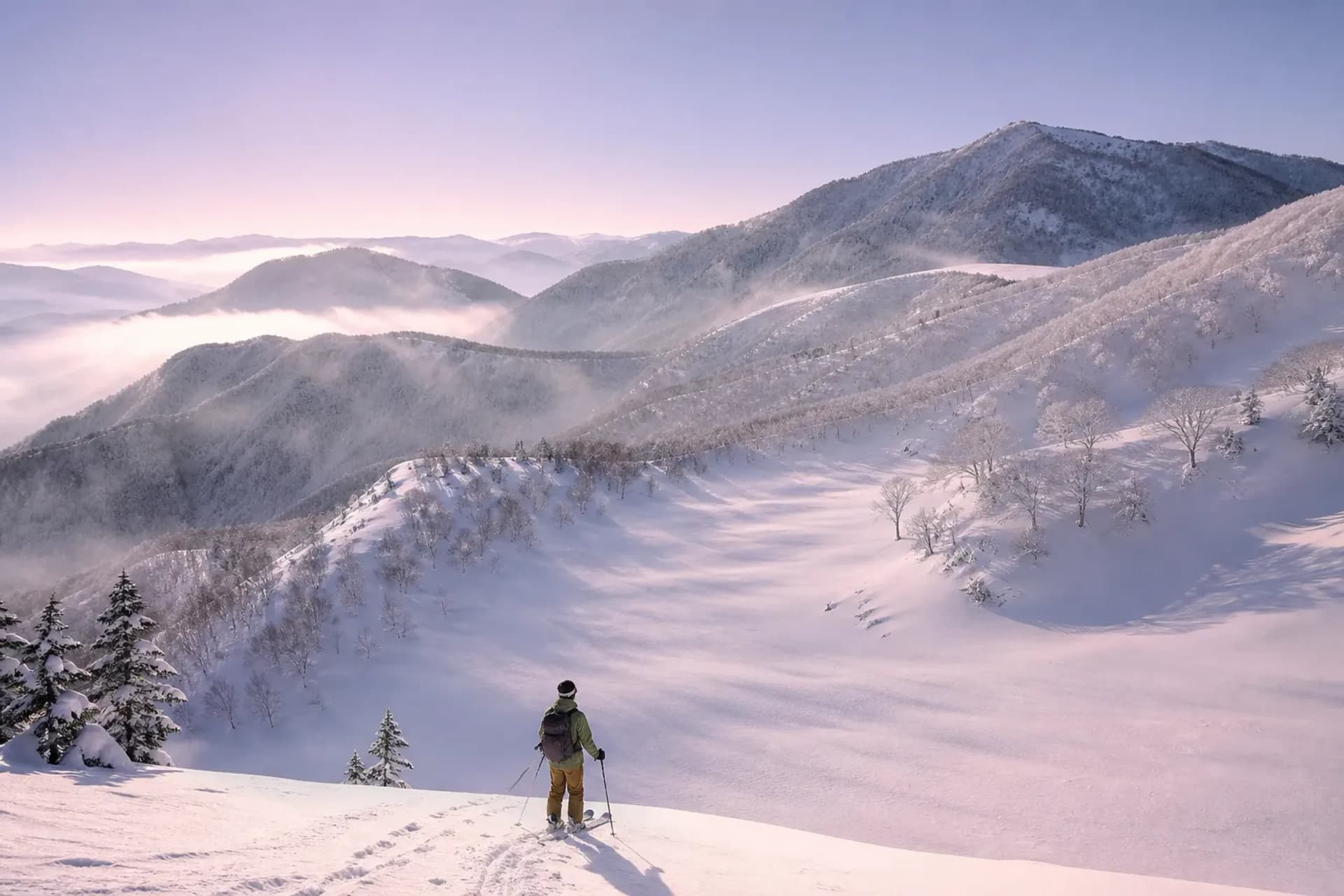
Above 2,300 metres, on the shoulder of Mount Yokote, the trees stop looking like trees. Wind and freezing fog have wrapped each conifer in a thick white shell, so the slope reads as a field of pale, hunched figures. Locals call them juhyo — snow monsters. You ride Japan's highest-elevation lift to reach them, and the silence up there is total. No music. No crowds funnelling toward a base bar. Just the creak of the chair and the cold.
This is Shiga Kogen. It is the largest ski area in Japan, and most international skiers have never heard of it.
Why Nobody Talks About Japan's Largest Ski Resort
Shiga Kogen is Japan's largest interconnected ski resort, yet it stayed off the foreign radar because Hakuba took the international market and Niseko took the powder reputation. Shiga stayed Japanese.
That absence is not an accident of marketing. It is structural. Hakuba built a foreign-facing scene around the 1998 Olympics; Niseko built a property boom on Australian and Asian capital. Shiga did neither, because it legally could not. Understanding that one fact explains the entire character of the place.
So let us be honest at the start. This is not Niseko with fewer people. It is a different proposition. A guest who wants a lively après-ski strip should book elsewhere, and we tell clients that plainly before they commit. What Shiga offers is scale, quiet, and a mountain you can actually cross in a day.
Why Is Shiga Kogen So Quiet Compared To Niseko?
Shiga Kogen is quiet because it sits inside Jōshin'etsu Kōgen National Park and was named a UNESCO Biosphere Reserve in 1981, so development is capped by law.
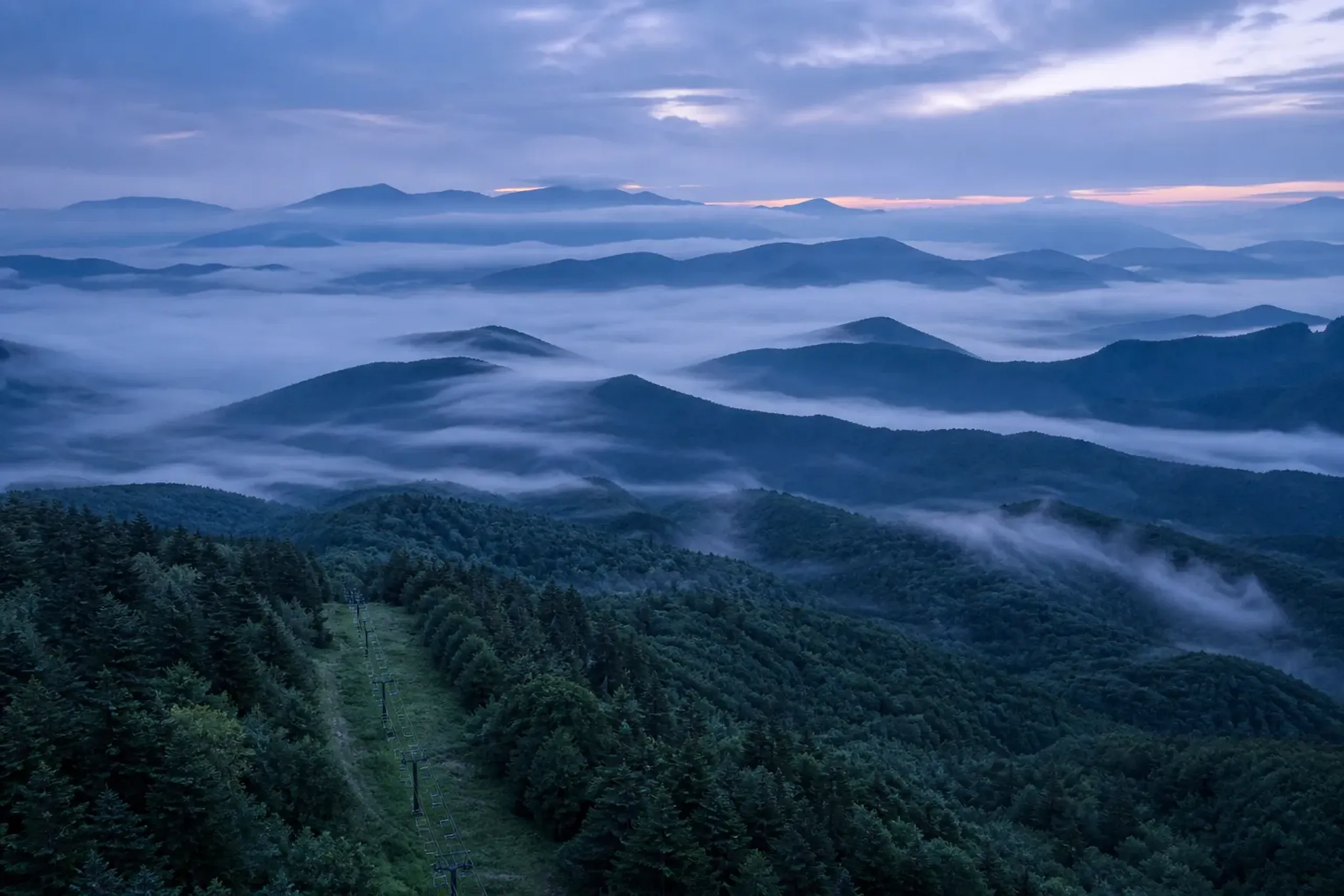
It cannot build a resort town.
This is the fact everything else follows from. There is no Hirafu here, no Happo village. Construction is limited, so the lodging is simpler than Niseko or Hakuba, the amenities are fewer, and the nightlife is close to nonexistent. Read that as a loss if you want a scene. Read it as the entire product if you want to hear snow settle on a rooftop at nine in the evening.
The park designation buys the calm. It also protects a genuine conservation area — Japanese hares, red foxes, serow, ermine turning white for winter. This is wilderness with lifts running through it, not a purpose-built playground.
Key fact: There is no ski town at Shiga Kogen. Hotels cluster around the central intersection, and après-ski happens inside your hotel. This is the biggest expectation gap for first-time visitors.
The Five Areas: How A Day Actually Works
Shiga Kogen groups its eighteen linked ski areas into five, and this is the only frame worth carrying in your head. All but two connect by runs; a winter shuttle bus stitches the rest together. One lift pass, the All-Mountain Pass, opens the whole thing — but you do not need it to fill a day, because each area sells its own single-area pass.
The numbers, for scale: elevation from 1,325m to 2,307m, roughly 45 to 50 lifts and gondolas, 84 courses, and a longest run near 5,000 metres.
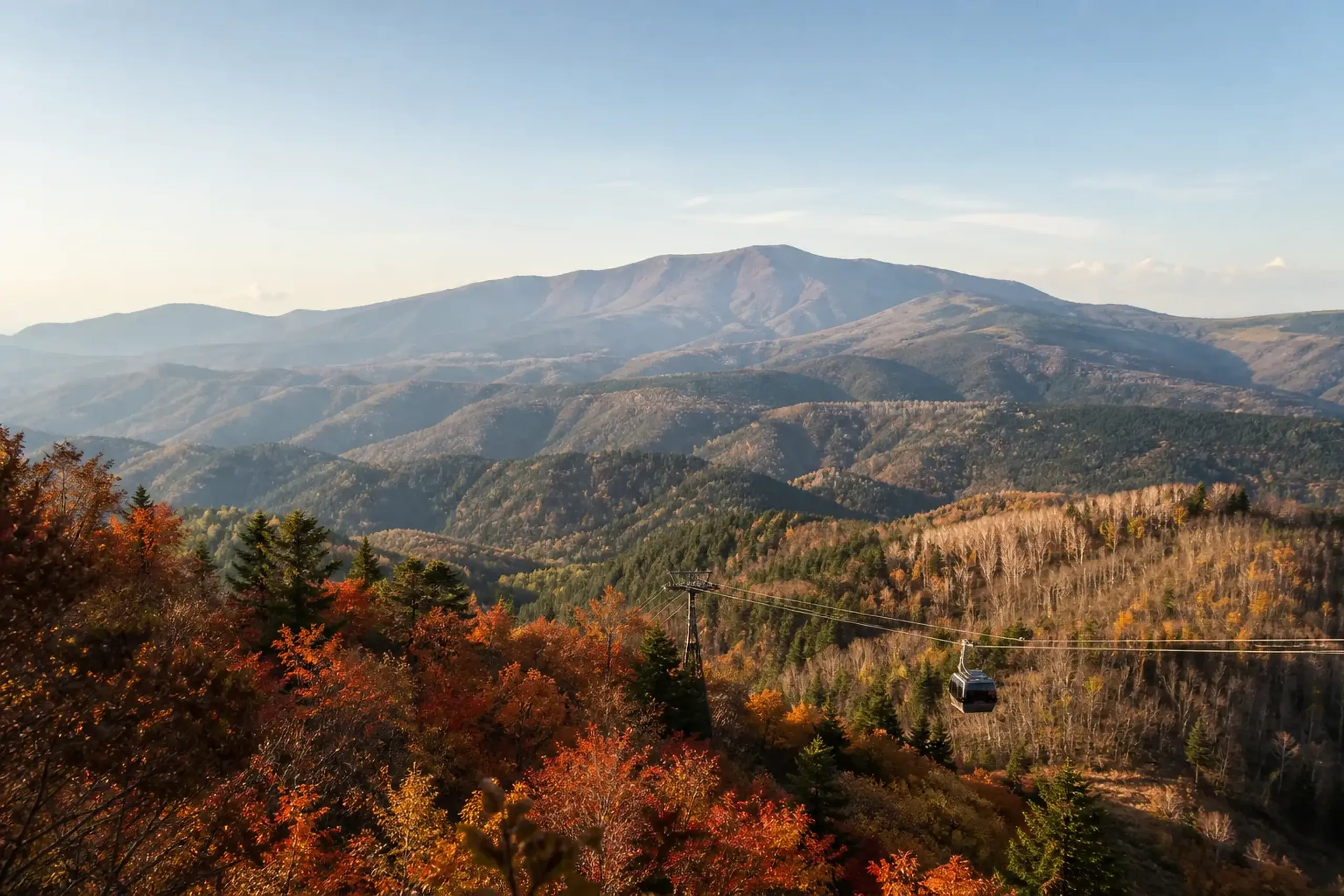
Terrain skews gentle — about 45% beginner, 40% intermediate, 15% expert — with around 11 metres of snowfall a year. The season is among Japan's longest, running roughly mid-November into early May, thanks to altitude and cold.
Okushiga Kogen
The far end. It relies solely on natural snow, has official backcountry gates, and rewards patient skiers with long tree runs. This is where you go for quiet.
Yakebitaiyama
The largest single area, a Nagano 1998 Olympic venue and a former Alpine Ski World Cup host. The Prince Hotel sits at its base, making this the most convenient place for straightforward lift access.
Central
The busy middle — Ichinose Family, Ichinose Diamond, Takamagahara Mammoth, Terakoya, Hoppo Bunadaira and others cluster here. This is where families and mixed-ability groups spend most of their time, and where the connecting runs are easiest to work out.
Kumanoyu
A smaller, characterful area tucked near the onsen source that gives it its name.
Yokoteyama and Shibutōge
The highest terrain, home to those snow-monster trees and Japan's highest-elevation lift. Cold, exposed, and unforgettable on a clear morning.
A word for beginners: the overall gradient is gentle, but the runs that link one area to the next can be demanding. Do not assume every connector is a cruise. Our concierge maps a realistic route for the group's weakest skier, not its strongest.
What Shiga Kogen Does Not Have
No village.
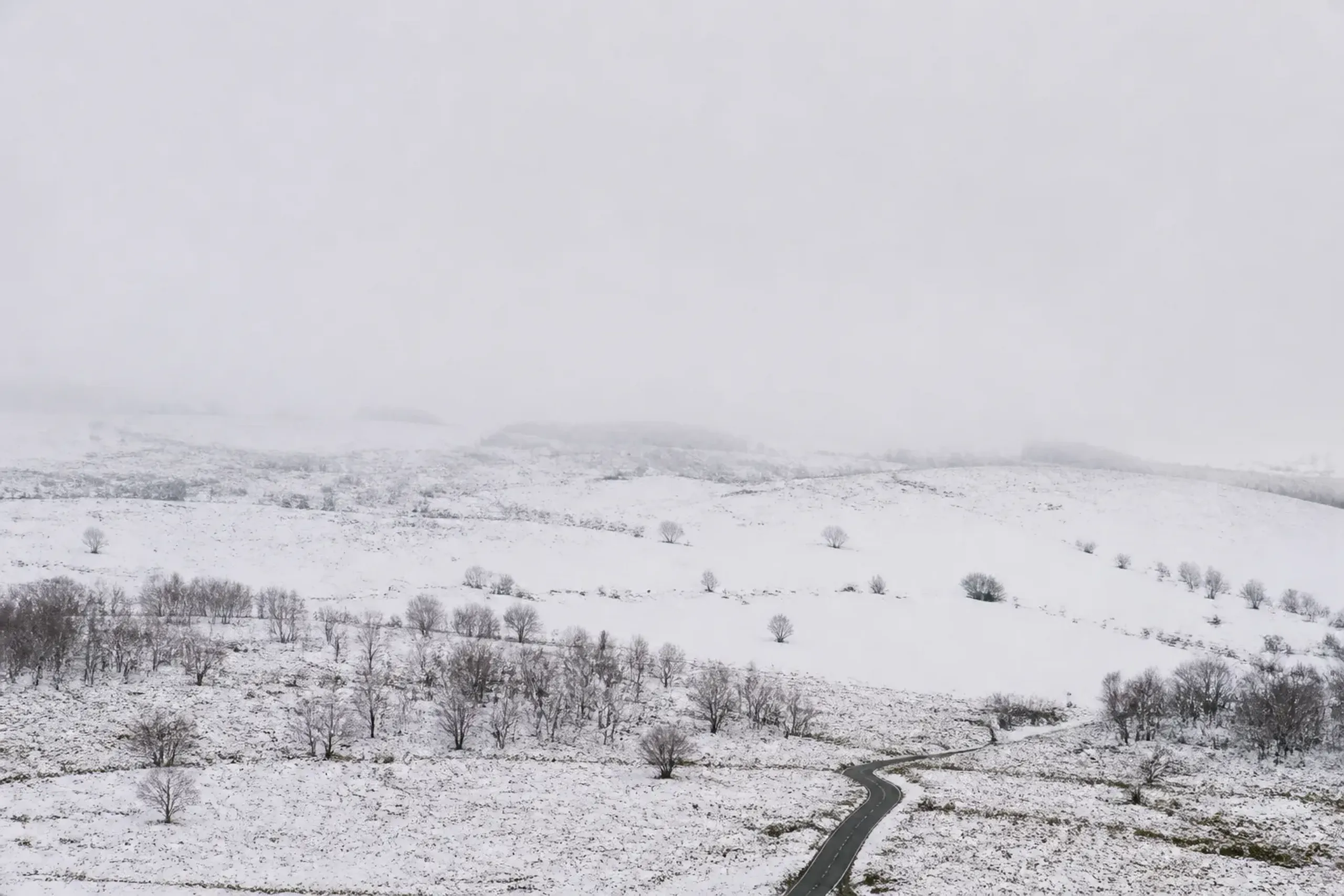
No pedestrianised strip of bars and rental shops. No ski-in luxury chalet lining a lift base. If you have skied Niseko's Hirafu or Hakuba's Happo, adjust your expectations now, because arriving with the wrong picture is how a good trip starts badly.
The national park cap means simpler hotels and fewer on-mountain amenities than the international resorts. We will not dress that up. In our experience, the clients who love Shiga are the ones who wanted the scene subtracted in the first place — who trade the strip for a mountain they can cross end to end. If that trade appeals, read on. If it does not, we would rather point you toward a Hokkaido ski base that fits.
Lift Passes And When The 2026–27 Details Publish
As of August 2026, Shiga Kogen has not released its 2026–27 season dates or lift pass pricing. The official site schedules those details for around October 2026, and hotel bookings typically open September to October.
That timing matters for anyone planning now. The honest advice is simple: decide your window, then watch for the October release. The figures below are from last season (2025–26) and are useful only as a reference for what to expect — not as current rates.
- All-Mountain Pass, one day (online): ¥8,000
- All-Mountain Pass, one day (counter): ¥9,000
- Four-hour All-Mountain Pass: ¥7,000
- Single-area day pass: ~¥6,500–7,000
- Point Pass (20–50 points): ¥3,600–9,000
The Point Pass is the clever option. Last season a single point cost ¥180 for adults, ¥90 for children; passes were reloadable, non-refundable, counter-sale only, and usable on any lift in Shiga Kogen.
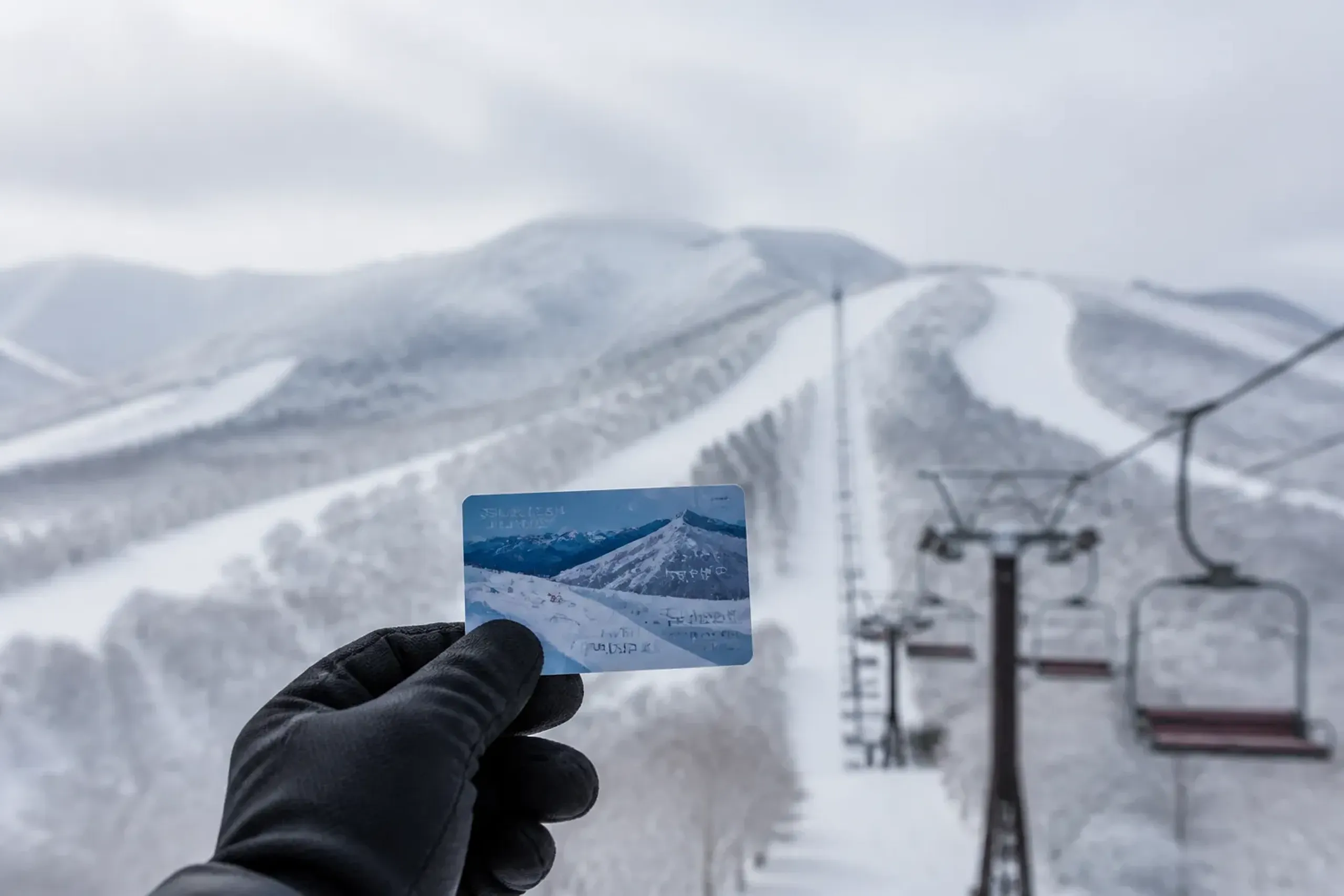
For a half-hearted skiing day, or a mixed group where some ride two runs and quit, points beat a full pass. Early morning and night skiing run only at select areas and carry a separate fee: night at Yakebitaiyama, parts of Central, and Kumanoyu; early morning across Okushiga, Yakebitaiyama, parts of Central, Kumanoyu, Yokoteyama and Shibutōge.
One note for pass-holders from abroad: Shiga Kogen is on the Ikon Pass. Full Ikon holders get 7 days, Ikon Base gets 5, with no blackout dates. Session Pass holders get nothing here. Our team confirms your entitlement before you fly. For the wider question of when to lock in lodging and lifts, our guide on reservation timelines for Japan is the honest reference.
Backcountry And The Registered-Guide Requirement
Shiga Kogen requires a registered guide for all sidecountry and backcountry skiing. This is a resort rule, not a suggestion, and it is not optional.
Okushiga's official gates open onto genuine terrain, and the powder tree lines are the reason strong skiers come. But you cannot pass those gates unguided. When our clients want backcountry access, we arrange registered guiding accordingly, and we treat the requirement as absolute. Snowmobiling, incidentally, ended as of the 2025–26 season and was replaced with electric snow bikes — a small change that tells you how seriously the park treats its own quiet.
Are The Snow Monkeys Near Shiga Kogen Worth Visiting?
Yes.
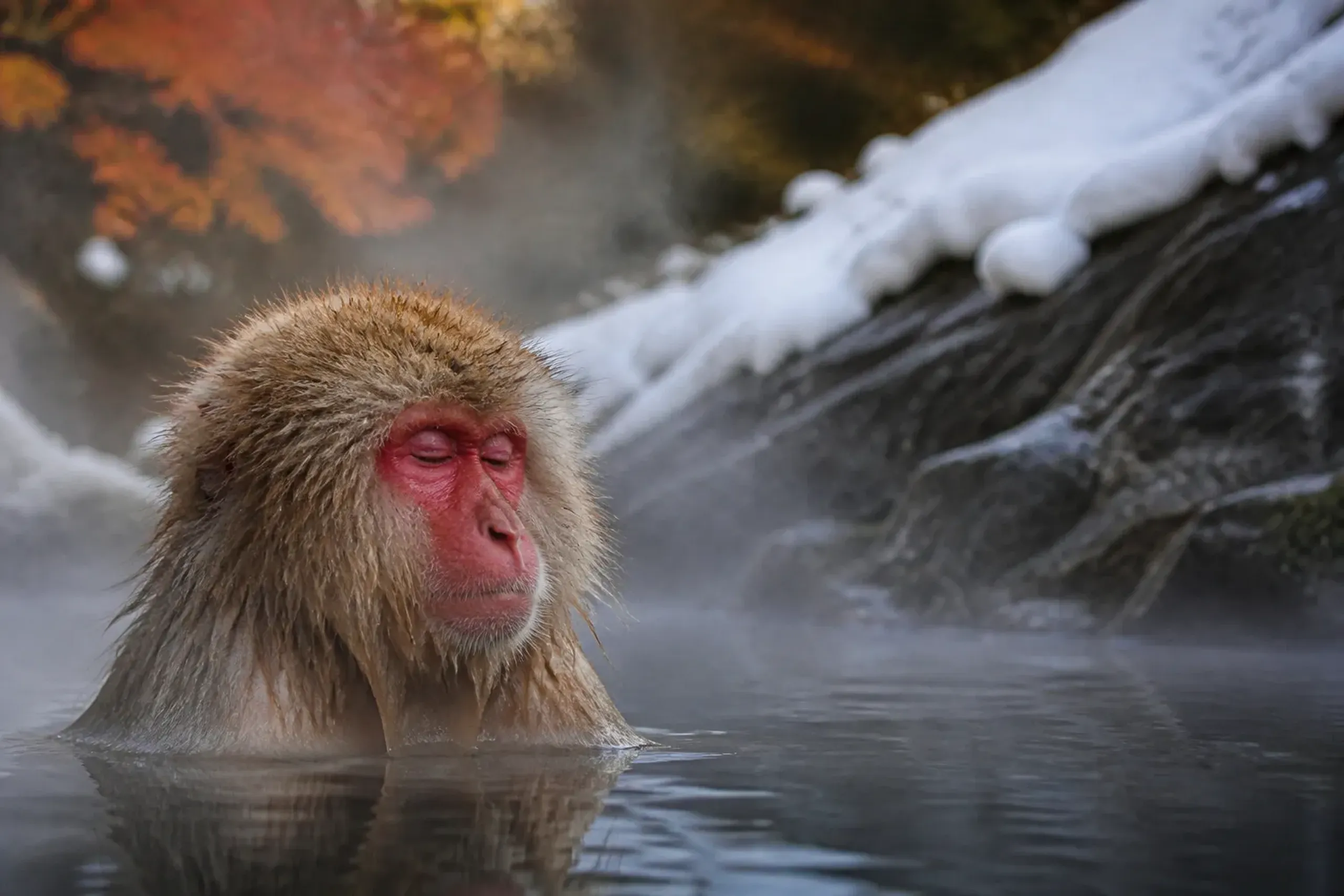
Jigokudani Yaen-Kōen, where wild Japanese macaques bathe in a hot spring, sits roughly 30 minutes by car or bus from Shiga Kogen, followed by a forest walk of about 1.6km.
The park opened in 1964 and is home to over 200 macaques. It runs roughly 09:00 to 16:00, with hours shifting by weather. The etiquette is firm and we brief every guest: do not feed the monkeys, do not approach them, and no flash photography. They are wild animals in a conservation area, tolerating your presence — not performing for it.
Watching a mother macaque half-close her eyes in the steam while snow falls on her fur is one of those images that outlasts the skiing. Bring a proper lens and patience. Leave the flash off.
Shibu And Yudanaka: A Town At The Foot Of The Mountain
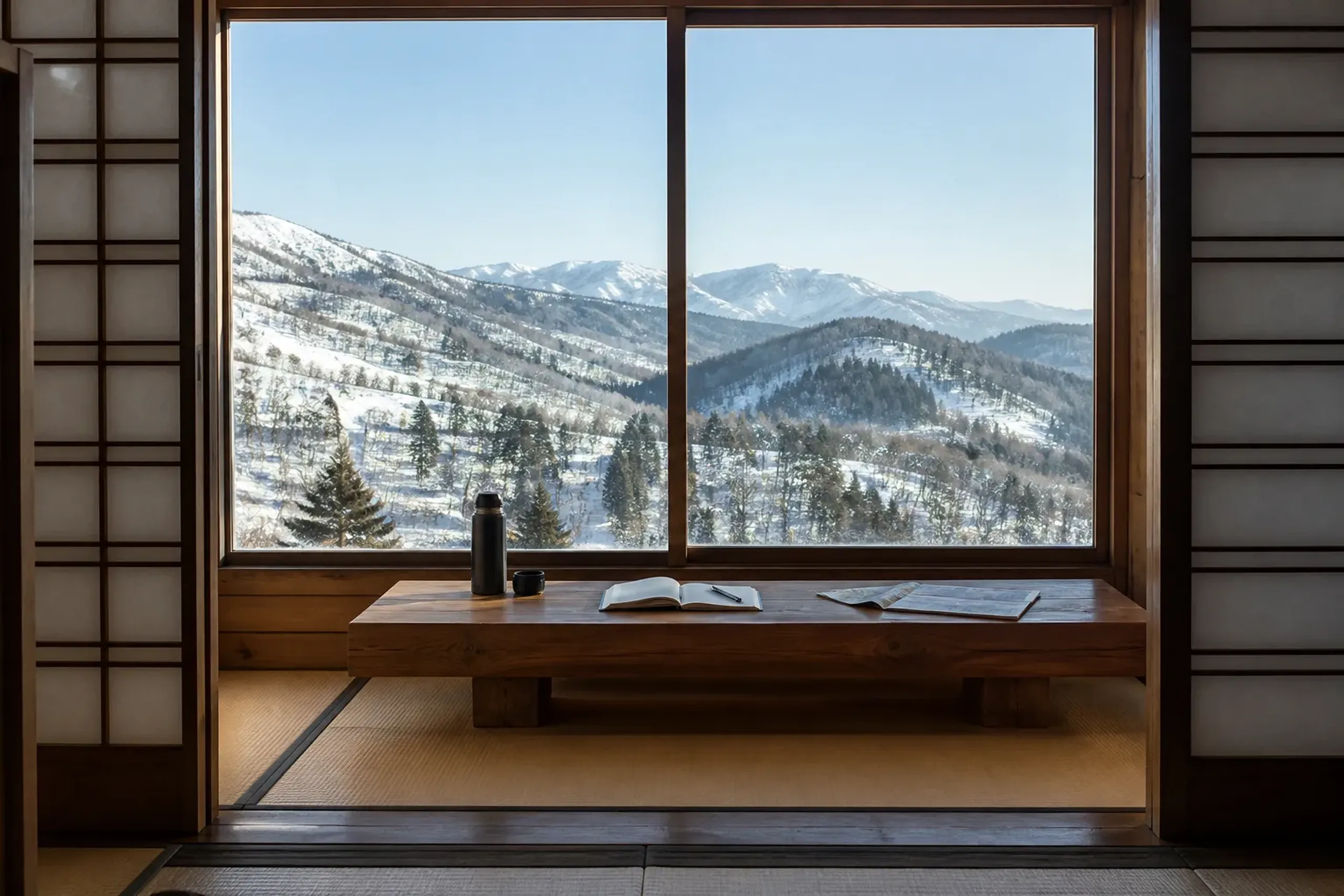
Because Shiga Kogen itself has no town, the towns you want are below it. Shibu Onsen and Yudanaka Onsen sit at the foot of the road — traditional ryokan, public bathhouses, and streets where guests wander in yukata and wooden geta between soaks. This is the town Shiga lacks, half an hour downhill.
For a certain guest, this is the smarter base. You ski the quiet mountain by day and return not to a hotel corridor but to a lantern-lit onsen street where the plumbing is fed by the same volcanic heat that warms the monkeys' pool. The restraint of it — steam, stone, an old wooden facade darkened by decades — is closer to wabi-sabi than any polished resort lobby will ever get.
Access, Timing, And Where To Base
Getting there is straightforward. From Tokyo, take the Hokuriku Shinkansen to Nagano, then continue by road; Shiga Kogen is roughly two hours from Nagano city, and about 30 minutes by bus from Yudanaka Station. Express buses run from Nagano Station through the winter. Our own private chauffeured transport handles the final mountain road, which is not something you want to drive yourself in a February whiteout.
When To Go
Early-to-mid February gives the best balance — reliable snow, and thinner crowds once the holiday rush has cleared. March brings spring conditions and better value. Note that from 1 April only some areas keep operating for the spring period, so a late-season trip needs planning around which lifts still run.
Where To Base
- Yakebitaiyama or Central — for the easiest lift access and the shortest walk to snow.
- Okushiga — for quiet and natural-snow tree runs, if you value solitude over convenience.
- Shibu or Yudanaka — for a town and an onsen culture the resort itself does not have.
One logistical detail worth flagging: Nagano Prefecture introduces a new accommodation tax on 1 June 2026, charging ¥200 per person per night on room rates of ¥6,000 or more. It is small, but we build it into every itinerary quote so there are no surprises at checkout.
What Japan Royal Service Arranges At Shiga Kogen
Our role here is bounded and clear: accommodation, private guiding, and backcountry transfers.
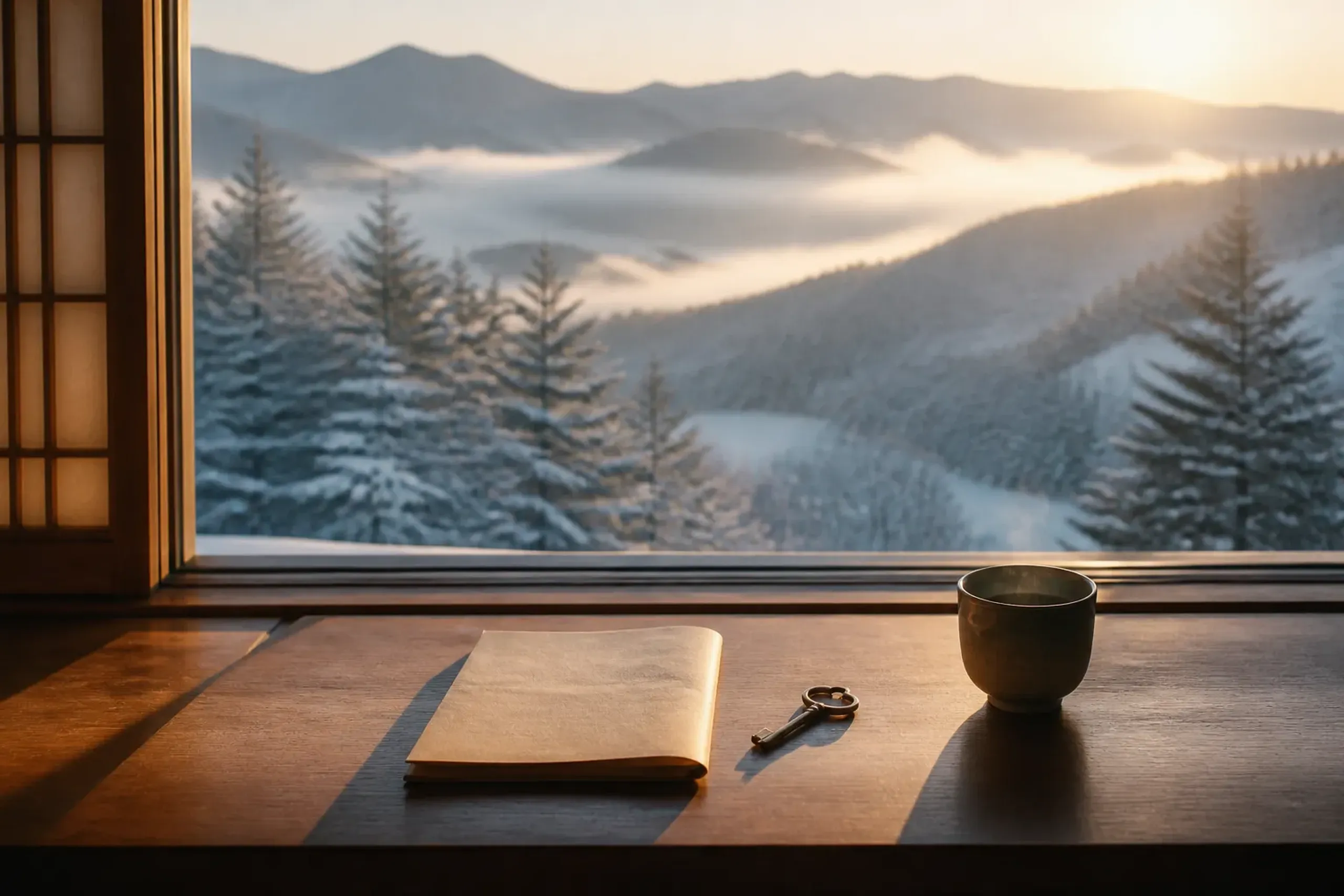
Because Shiga's lodging is simpler than Niseko's, our value is in matching the right base to the right guest — a Prince Hotel room for lift-side convenience, or a Shibu ryokan for onsen evenings — and in the logistics that make the mountain effortless.
Where backcountry terrain is involved, we arrange the registered guiding the resort requires; we never treat a transfer as a substitute for a guide. This is a full-concierge service, coordinated privately, with the discretion our clients expect at every step. If you are weighing Shiga against the busier resorts, our note on tailor-made itineraries shows how we build a week that pairs skiing with the wider Nagano the ski map never mentions.
Frequently Asked Questions
Is Shiga Kogen good for beginners and mixed-ability family groups?
Yes. Around 45% of Shiga Kogen's terrain is beginner-rated and 40% intermediate, making it strong for families and mixed groups. Note that the runs connecting the five areas can be more demanding than the areas themselves.
How far are the snow monkeys from Shiga Kogen?
Jigokudani Yaen-Kōen is roughly 30 minutes by car or bus from Shiga Kogen, followed by a forest walk of about 1.6km. The park is open roughly 09:00 to 16:00, with hours varying by weather. Do not feed or approach the monkeys, and no flash photography.
When will Shiga Kogen release its 2026–27 season dates and lift prices?
Shiga Kogen's official site schedules 2026–27 dates and pass pricing for around October 2026.
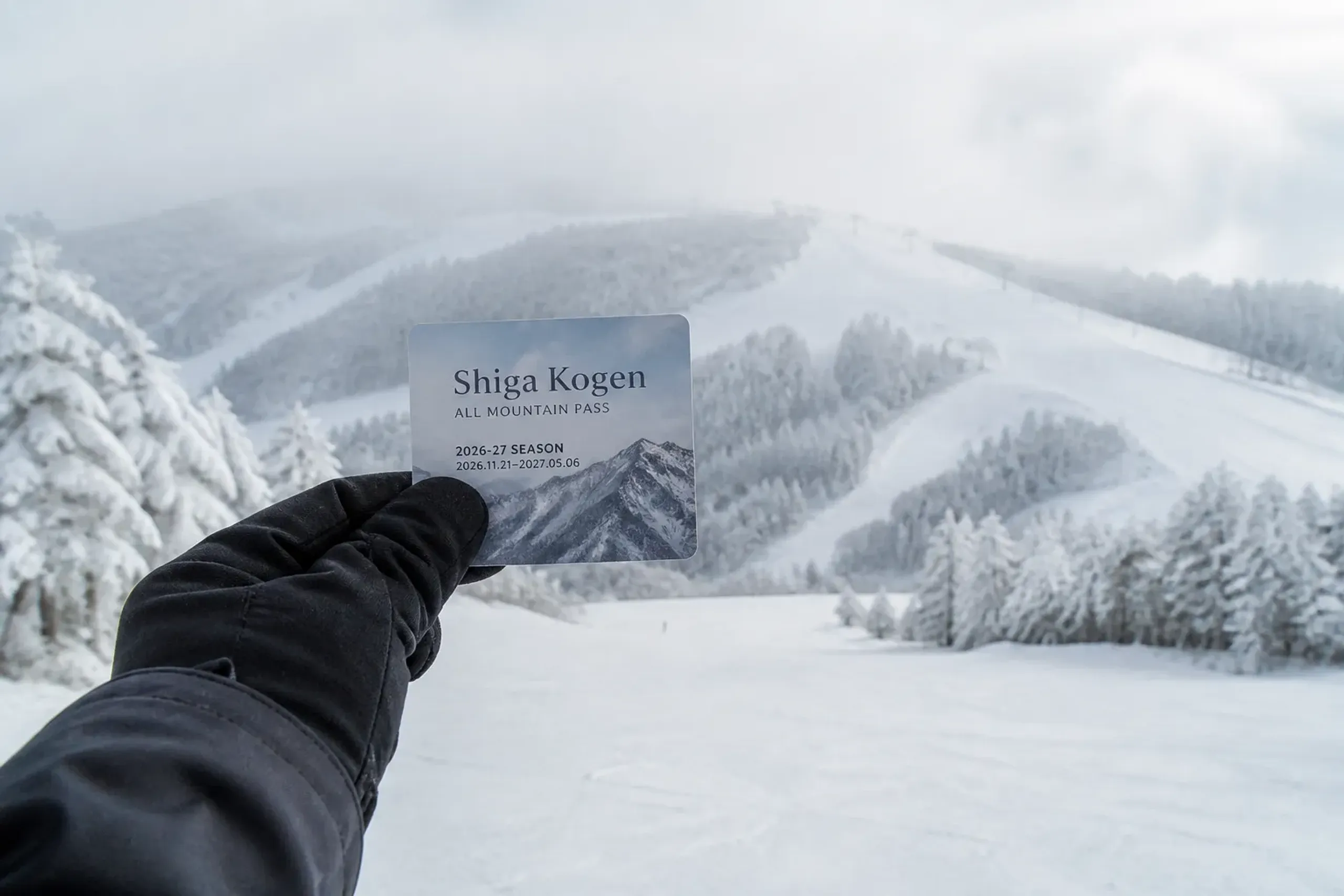
Hotel bookings typically open September to October. Plan your window now and confirm figures when they publish.
Can I ski Shiga Kogen's backcountry without a guide?
No. Shiga Kogen requires a registered guide for all sidecountry and backcountry skiing, including through Okushiga's official gates. This is a resort rule, and access without a registered guide is not permitted.
What is the best time to visit Shiga Kogen for good snow and fewer crowds?
Early-to-mid February offers the best balance of reliable snow and thinner crowds after the New Year holidays. March brings spring conditions and better value, though only some areas operate from 1 April.
Why Choose Japan Royal Service
Shiga Kogen is not a place you can research your way into comfortably. The five-area structure, the Ikon entitlements, the guide requirement, the fact that the town you want is half an hour below the snow — these are the details that separate a smooth trip from a frustrating one. At Japan Royal Service, our concierge team lives in these details.
We are Tokyo-based with our own fleet and native knowledge of how Nagano's winter roads and shuttle timetables actually behave. We do not resell a package. We build the week around your group, we brief you honestly on what Shiga lacks as well as what it offers, and we hold your itinerary in complete confidence. For guests who value an uncrowded mountain over a scene, that combination is the whole point.
To plan a Shiga Kogen winter privately, reach our team via WhatsApp or LINE, or contact us here.
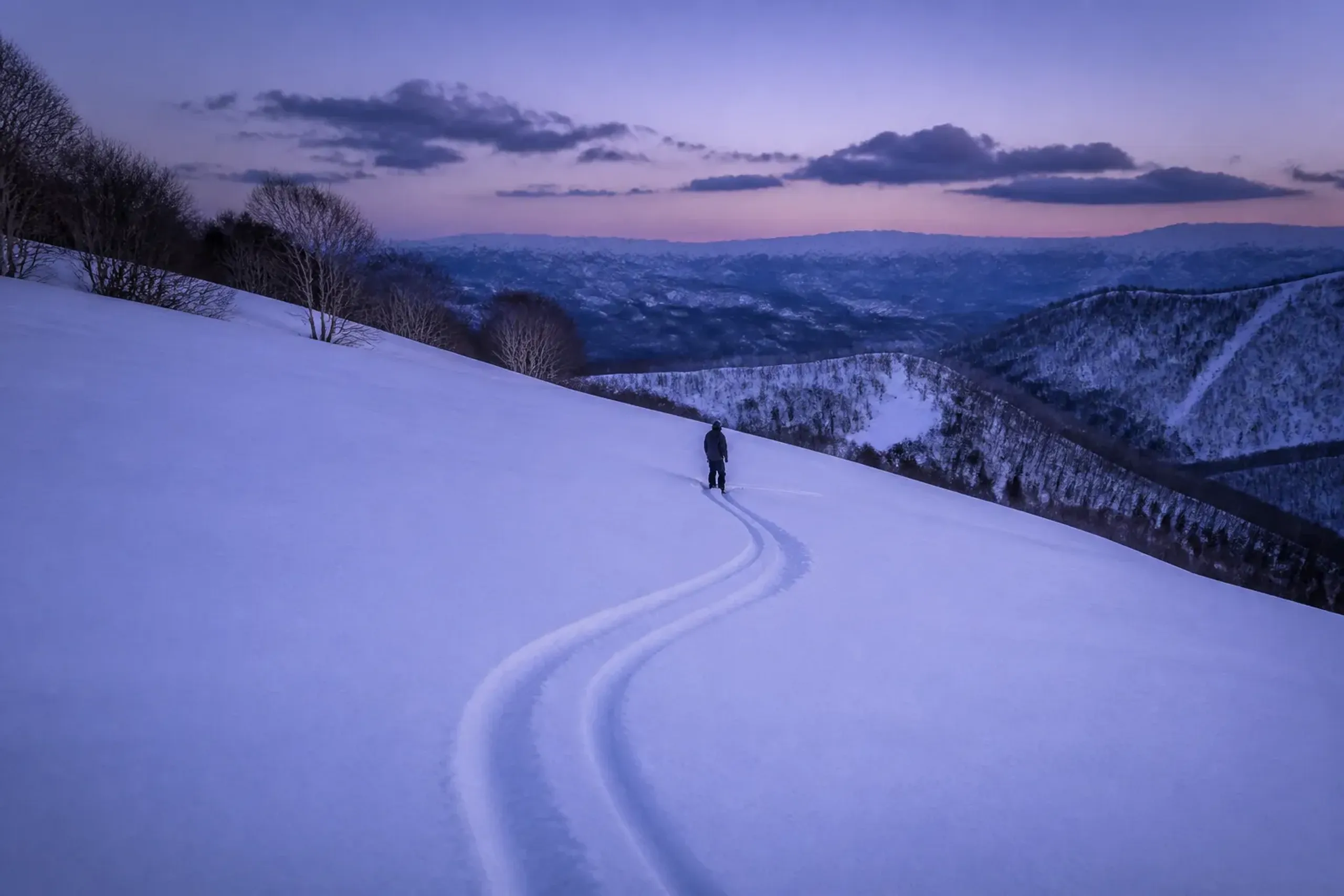
We will tell you honestly whether it is the mountain for you.