In this guide
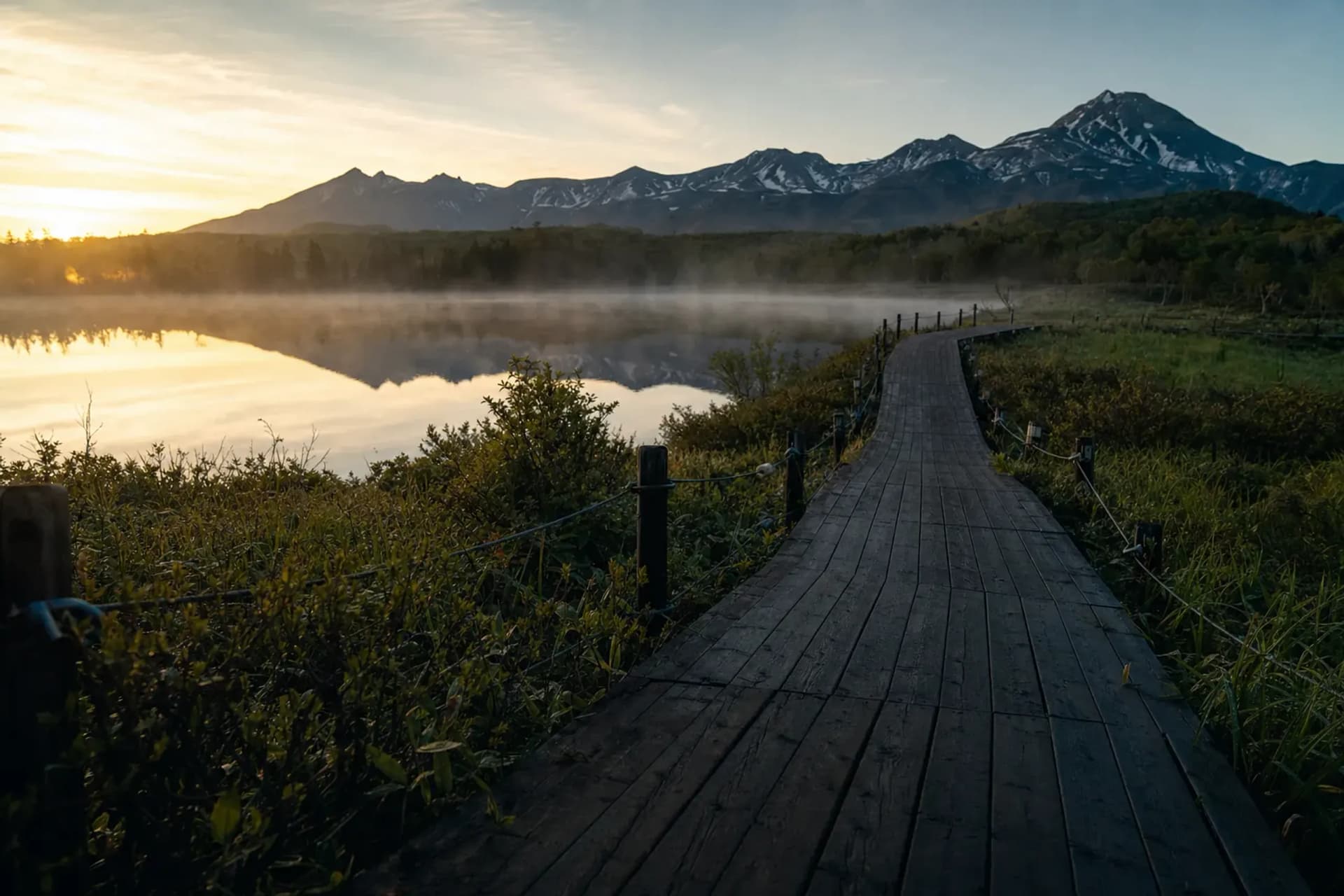
The boardwalk ends at a fence, and beyond it the forest simply keeps going. You stand at the last railing above Lake One, the water flat as pressed tin, Mount Rausu behind it. Somewhere in that green there is a trunk with claw marks raked shoulder-high. You will not see it from here. That is the point.
This is Shiretoko, on Hokkaido's far northeastern edge. The Ainu called it sir etok — the end of the earth, the place where the land runs out. In summer the peninsula is quiet, damp, alive. And its most-visited spot, the Five Lakes, runs on a rule that surprises most first-time visitors: for part of the season, you cannot walk the forest floor without a registered guide. Our team at Japan Royal Service has arranged Shiretoko visits for guests who assumed the rule was a formality. It isn't.
The Rule Is About Bears, And It Applies To Everyone
From 10 May to 31 July, the Five Lakes forest ground path can be walked only with a registered guide, on a paid, reserved tour. This is a bear-safety and conservation rule under Japanese park law. It applies to every visitor, without exception.
There is no version of this you can talk your way around. No private waiver, no early slot, no special access. The rule exists because Shiretoko has one of the world's highest densities of brown bears — Japan's largest population lives on this peninsula — and the forest path runs straight through their territory.
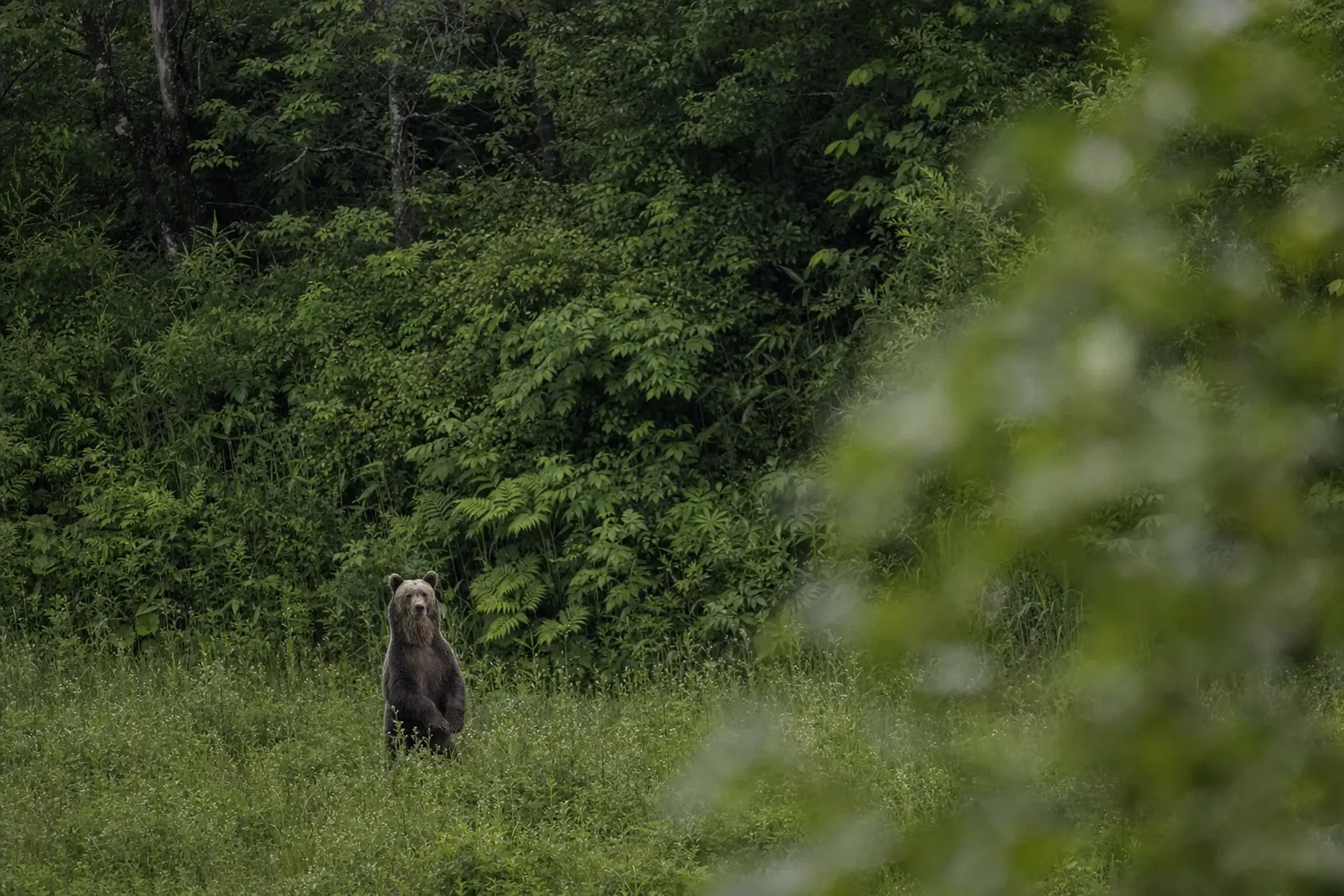
Shiretoko holds one of the world's highest densities of brown bears — the reason the Five Lakes ground path is guide-only in the bear-active season.
During the bear-active window, a registered guide is not a nicety. It is how you are allowed in at all.
Key fact: From 10 May to 31 July, the Five Lakes ground path is guide-only for every visitor. From 1 August you may walk it after a short lecture. The rule is about bear safety, not exclusivity — and bears remain present after 31 July.
An older page on our own site once described this permit system as an "exclusivity that appeals to travelers." We want to be plain here, because it matters. That framing is wrong. The requirement protects bears, visitors, and the fragile ground vegetation. It is not a luxury feature. It is a regulated-use system, and everyone follows it.
How The Five Lakes Access System Actually Works
The Five Lakes area operates as a regulated-use district under Article 24 of Japan's Natural Parks Law, with the current rules dating from a 2011 revision. There are really two things to walk here, and they follow different rules.
The Elevated Boardwalk: Open To Nearly Everyone
The raised wooden boardwalk reaches Lake One only. It runs about 1.6 kilometres round trip, is barrier-free, free of charge, and needs no lecture and no guide. Wheelchairs and strollers are fine here. It is electrified along its edges to keep bears off, so you can walk it while the animals move below in the forest.
One honest caveat: bear activity can still restrict any part of the area at any time.
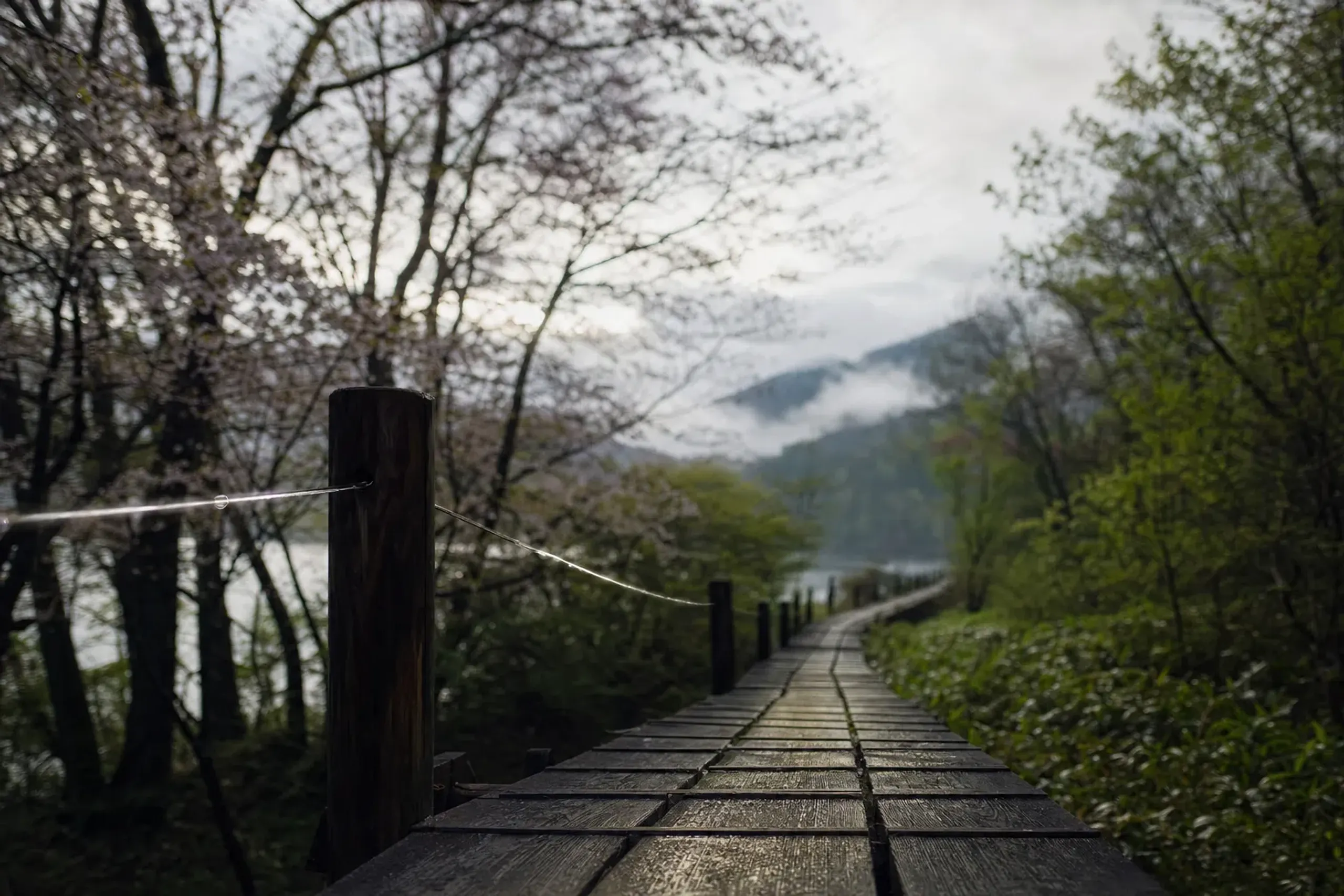
If a bear is close, sections close. That is normal, and it is the system working.
The Ground Path: Where The Guide Rule Lives
The ground path is an unpaved forest trail winding past Lakes Two through Five. The full loop runs about 3 kilometres and takes roughly three hours guided. A shorter loop covers just Lakes One and Two. This is the walk that changes with the season.
- Bear-active period (10 May – 31 July): the ground path, including the short loop, is open only with a registered guide. Tours are paid and reserved, limited to 10 guests per guide, and spaced apart on the trail. Entry times are strictly enforced. Arrive even slightly late and you cannot join. If a bear is sighted, the path closes and tours switch to the boardwalk.
- Vegetation-protection periods (park opening to 9 May, and 1 August to park close): you may walk the ground path without a guide after attending a short lecture. Guided tours still run. Operators generally offer tours from late April to early November.
Two details people get wrong. First, the 1 August change does not mean the bears leave. They live here all season, and any path can close on a sighting. The lecture does not replace watchfulness. Second, the strict entry time really is strict — this is not a soft target. Our concierge team verifies each year's exact dates, reservation requirements, and any live closures on your behalf before you arrive.
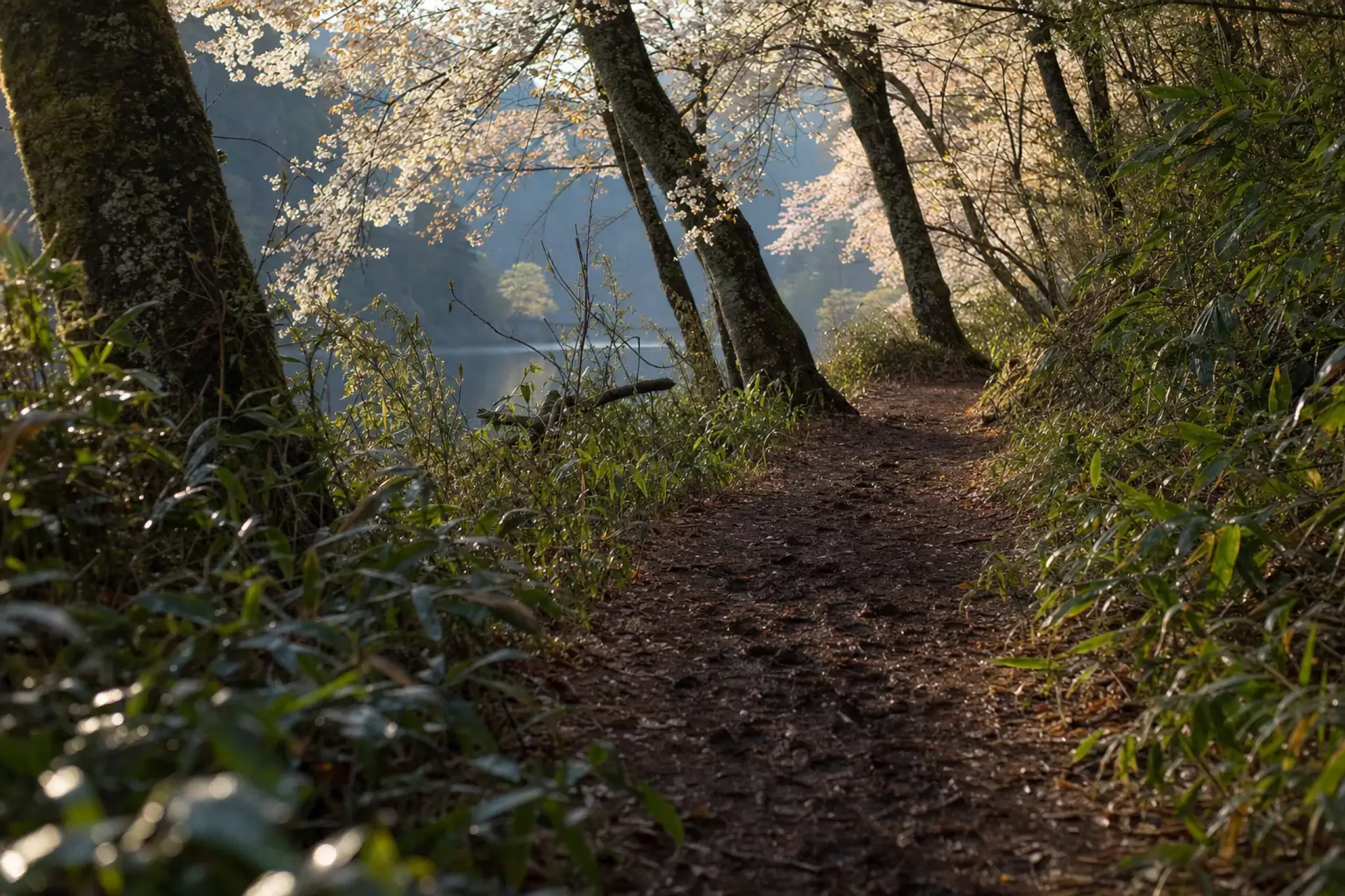
The ground path also carries firm conduct rules: no high heels or sandals, no strollers or wheelchairs (use the boardwalk), no smoking, no food, no feeding wildlife, no pets, and stay on the path. These are not suggestions.
Why Shiretoko Is A World Heritage Site
Shiretoko was inscribed as a UNESCO World Natural Heritage site on 17 July 2005. The listing honours something you cannot photograph in a single frame: the way a marine ecosystem fed by sea ice meets an almost untouched land ecosystem, and the rare species that live where the two connect.
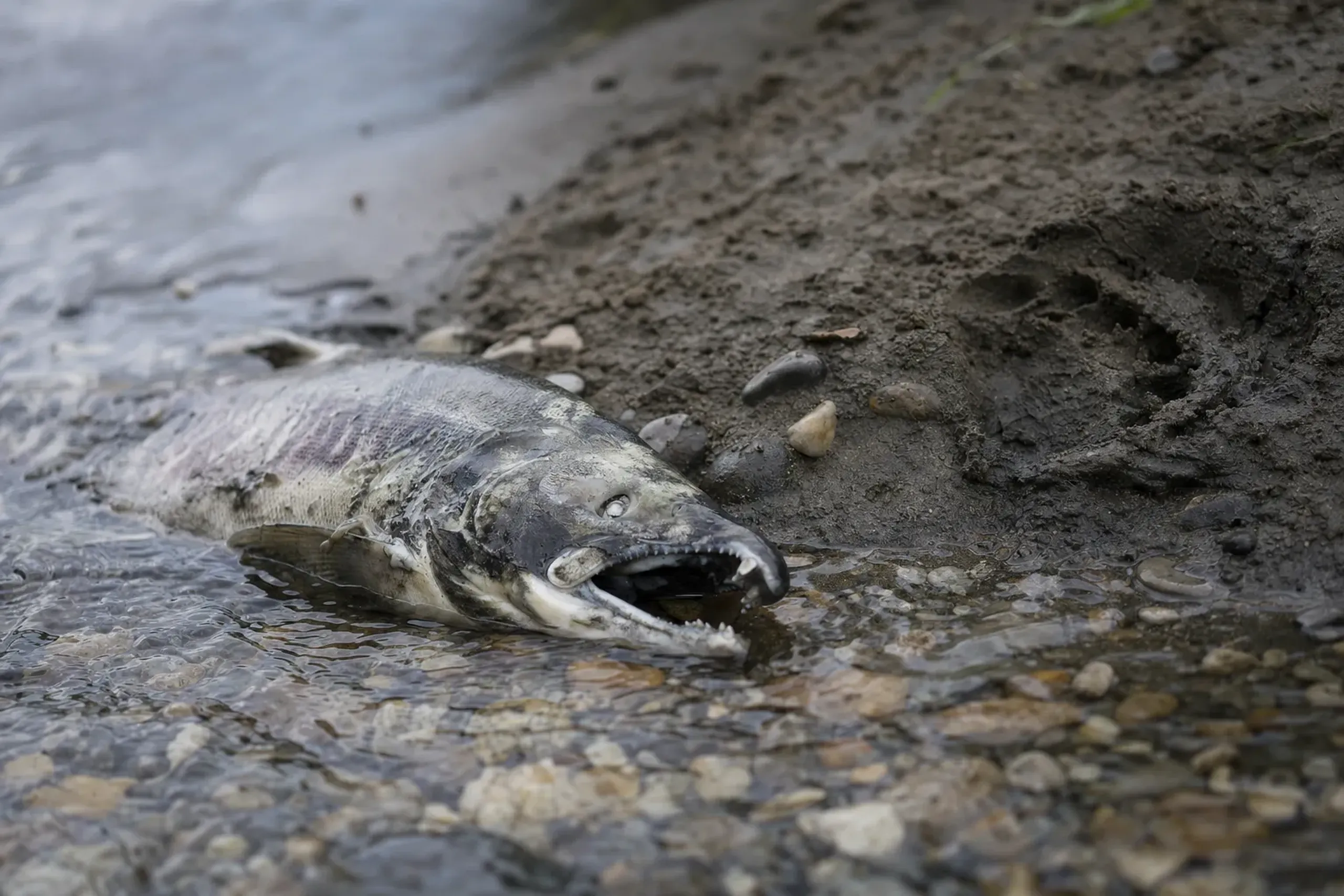
Here is the chain, and it is worth understanding because it explains the bears. This coast is the southernmost place in the northern hemisphere where seasonal sea ice forms. Algae grow under that winter ice. When it melts in spring, plankton bloom across the water. The plankton feed krill and fish; the fish feed seabirds, whales, and orcas. Salmon-family fish — chum, pink, and masu — travel between sea and river, and after they spawn their bodies feed brown bears, Blakiston's fish owls, and eagles. What's left enriches the forest soil itself.
So the claw-marked trunk you can't see from the boardwalk connects, through salmon, back to ice that formed months earlier and 20 kilometres out. That single chain is why the bears are here and why the site is protected. The peninsula stretches roughly 70 kilometres long and 25 kilometres wide at its base, crowned by Mount Rausu at 1,661 metres.
One thing summer is not: it is not sea-ice season. The drift ice appears off this coast in winter, roughly late January into March — in 2026 it first arrived at nearby Abashiri on 22 January. If you come in July, you come for the green, the water, and the wildlife, not the ice. We would rather tell you that now than have you arrive expecting a frozen sea. The Hokkaido government also reports declining sea-ice extent and salmonid catches in recent years, with ongoing monitoring and concern about warming — we mention it plainly, not for alarm.
What Summer On The Peninsula Actually Offers
The boardwalk and the guided ground path are the heart of a summer visit. Beyond them, the peninsula rewards slowness.
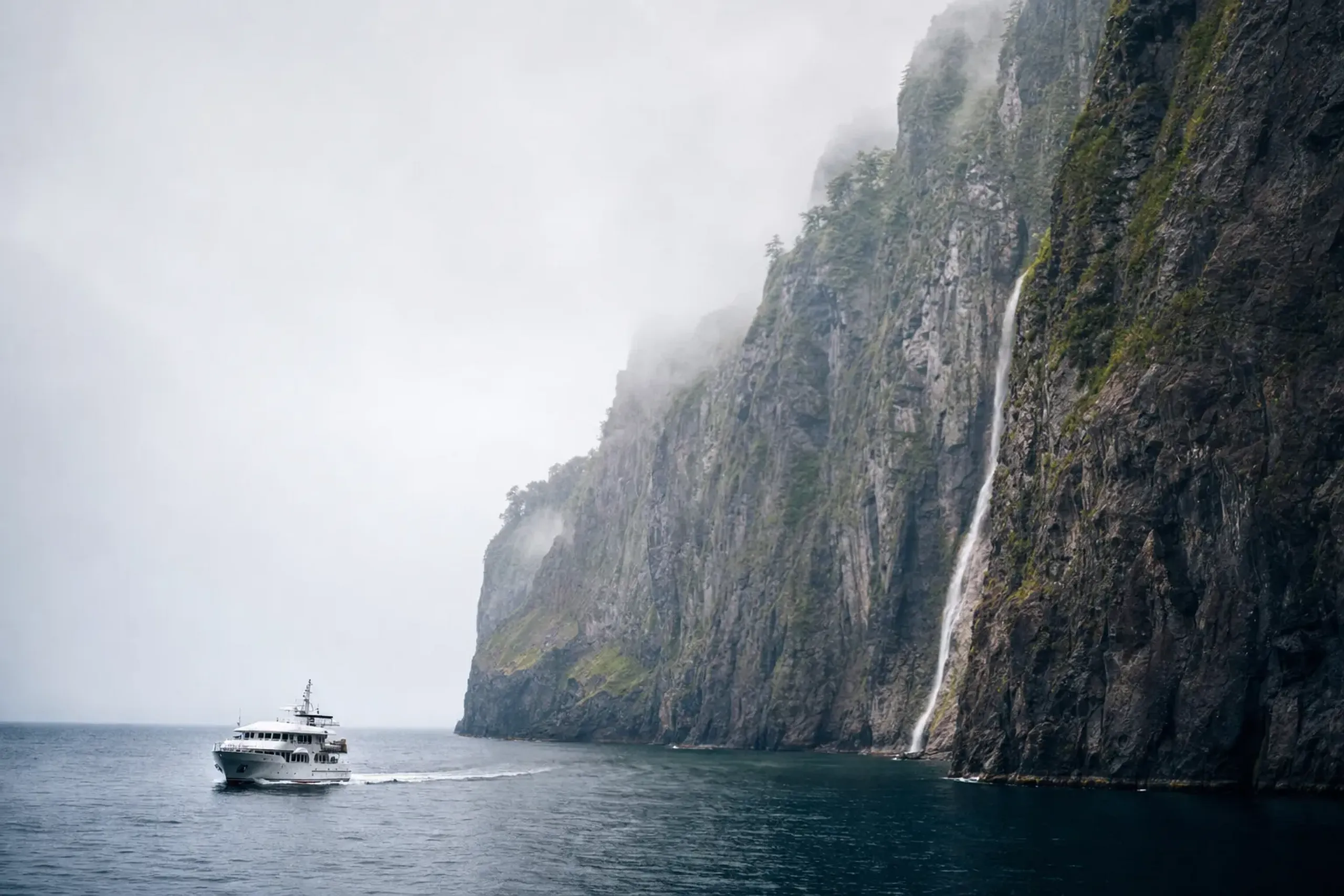
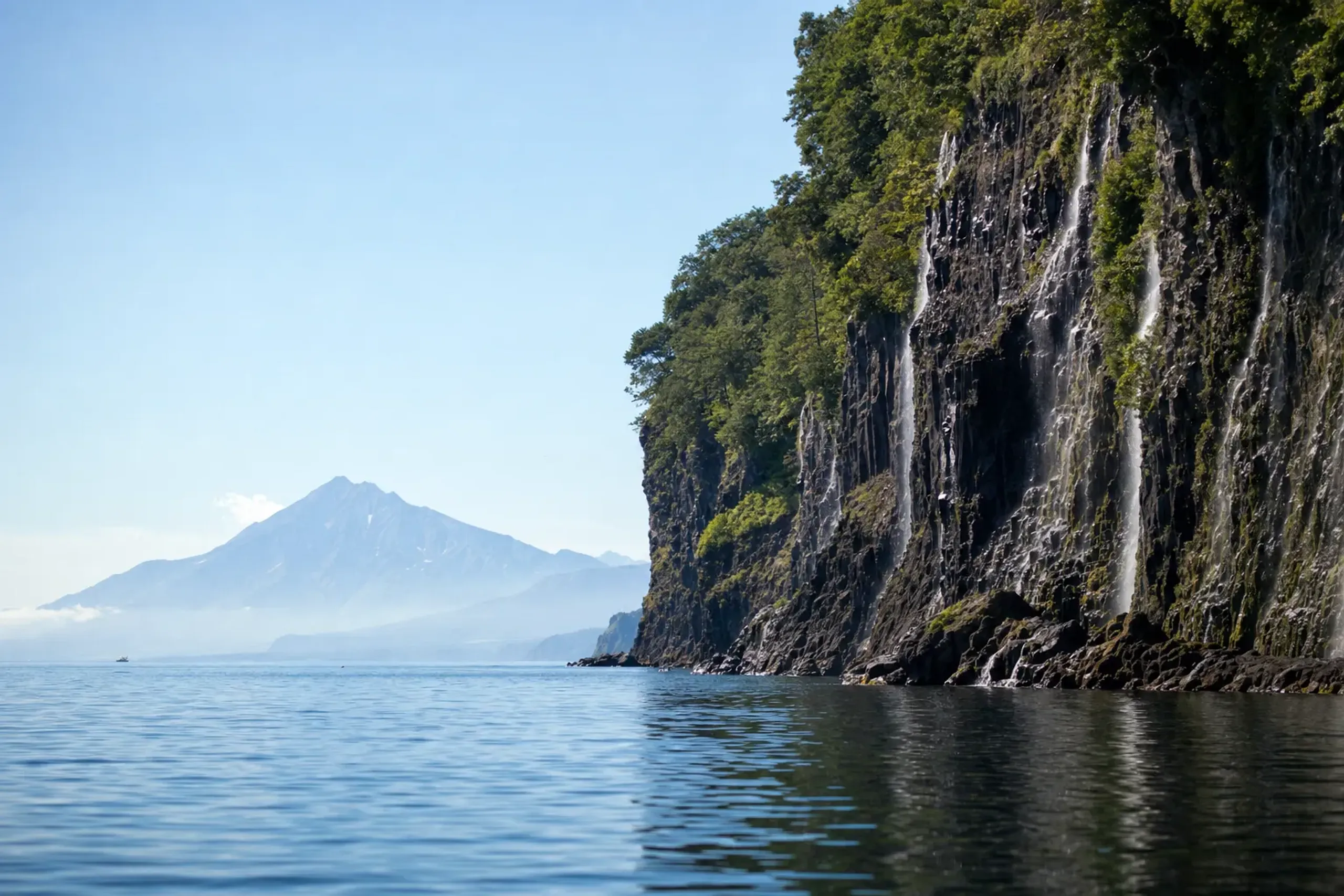
Sightseeing cruises run along the coast, giving you the cliffs and waterfalls from the water — a different Shiretoko entirely, all sheer rock and seabirds. Inland, Furepe Falls, nicknamed "Maiden's Tears," spills down a cliff face without any river above it: rain and snowmelt from the Shiretoko range collect underground, then seep out through cracks in the rock. It is a quiet, strange thing to stand beside.
Where you base yourself matters. Utoro sits on the Sea of Okhotsk side and is the usual gateway to the Five Lakes and the cruises. Rausu faces the Nemuro Strait on the eastern side.
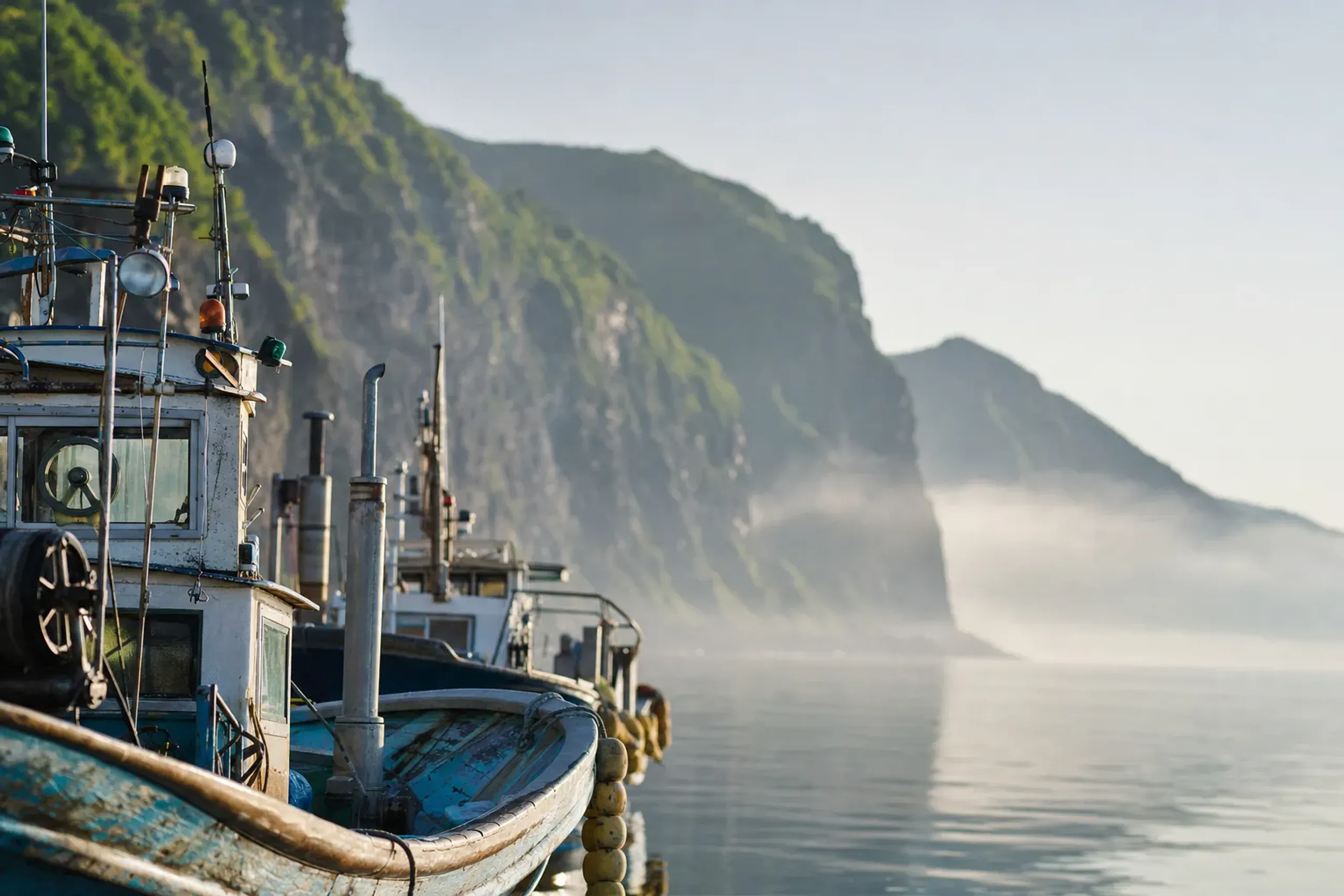
Getting between them means crossing the Shiretoko Pass, and drive times are longer than a map suggests on these mountain roads. If you are extending your Hokkaido trip, our journal piece on Rishiri and Rebun covers another quieter corner of the northern summer.
Is Shiretoko Safe To Visit In Summer?
Yes — Shiretoko is safe in summer when you follow the rules that exist here: keep your distance from bears, never feed wildlife, carry out all rubbish, and obey your guide and every posted sign.
Bear safety is simple in principle and non-negotiable in practice. Do not approach, do not feed, keep a real distance, carry everything out, and follow instructions. The guide rule on the ground path exists precisely so someone trained is reading the forest for you. The first brown bear sighting of 2026 was reported on 13 March, well before summer walkers arrive — the animals are always present, and the system assumes it.
On the water, we owe you honesty about the cruises. In April 2022 a small sightseeing boat sank off the peninsula's west coast, and all 26 people aboard were killed or remain missing. That accident led to tighter national oversight of small passenger vessels, a comprehensive safety package compiled in December 2022, and a government subsidy programme for safety improvements. Cruises today operate under that stronger regime. No cruise is risk-free, and sea conditions here change fast. Our concierge team verifies current operators, sea state, and safety arrangements before any water outing, and will move or cancel a cruise when conditions warrant.
Frequently Asked Questions
Do I Really Need A Guide To Walk The Shiretoko Five Lakes In July?
Yes. From 10 May to 31 July, the forest ground path is open only with a registered guide, on a reserved tour, for every visitor. The elevated boardwalk stays open without a guide. This is a bear-safety rule, not an optional upgrade.
Can I See Drift Ice At Shiretoko In Summer?
No. Drift ice appears off Shiretoko only in winter, roughly late January to March. In 2026 it first reached nearby Abashiri on 22 January. A July visit offers forest, lakes, cruises, and wildlife — never sea ice.
What Happens If A Bear Is Sighted During A Five Lakes Tour?
The ground path closes and the tour switches to the elevated boardwalk. Closures can happen at any time, in any season. This is standard practice, and bears remain present even after the 31 July rule change.
Should I Base Myself In Utoro Or Rausu?
Utoro, on the Okhotsk side, is the usual base for the Five Lakes and most cruises. Rausu sits on the eastern strait. Many itineraries use Utoro as the primary base and cross the Shiretoko Pass for Rausu day trips, allowing extra time for mountain driving.
Are Shiretoko Sightseeing Cruises Safe After The 2022 Accident?
Cruises now operate under tighter national oversight introduced after the 2022 sinking, including a December 2022 safety package.
No cruise is risk-free; sea conditions govern everything. We verify operators, sea state, and contingency plans before any outing.
Why Choose Japan Royal Service
Shiretoko is remote, seasonal, and governed by rules that shift by the calendar. That is exactly where a native-Tokyo concierge with an in-house fleet earns its place — not by bending rules, but by removing every point of friction around them.
We arrange guiding, private ground transfers, and the coordination of guided-tour reservations with registered guide operators. We state that plainly, once: we do not imply special, private, or early access, because none exists. Entry times are enforced for our guests exactly as for everyone. What our team at Japan Royal Service does add is verified current-year information, careful pacing across Utoro and Rausu, discreet handling of your itinerary, and a naturalist's respect for a place that earned its World Heritage listing. Our private chauffeured transport keeps the long Hokkaido distances comfortable, and our tailor-made itineraries and accommodation team match your days to what summer here actually delivers.
To plan a Shiretoko summer that respects the bears and the boundaries, reach our team privately via WhatsApp or LINE, or contact us here. We will confirm this season's dates, closures, and cruise arrangements before you travel.