In this guide
- 01What “VVIP Privacy” Actually Means In Japan
- 02The Discretion Scorecard: An 8-Part Rubric You Can Use Before You Commit
- 03Quiet Case Studies: How The Rubric Shows Up In Real Japan Stays
- 04What’s New In 2025–2026 That Actually Matters For Privacy
- 05How UHNW And VHNW Travelers Vet A Hotel Beyond The Website
- 06How To Book Ryokan And Onsen Stays (Official, Safe Basics)
- 07FAQ: VVIP Hotel Privacy In Japan
- 08Why Choose Japan Royal Service
Luxury travelers do not lose privacy because they chose the “wrong” hotel brand.
They lose it at the curb. In the elevator bank. In the breakfast corridor. In the moment a well-meaning staff member says a name one decibel too loud.
Our team at Japan Royal Service sees the same pattern each season: a beautiful property can still be a visibility trap, especially in Japan’s high-demand cities where crowds behave like a slow-moving tide.
This guide gives you a practical discretion rubric—how VVIPs vet hotels in Japan when “private onsen” is not enough, and when restraint (wabi-sabi), hidden-Japan routing, and imperial-class formality matter as much as thread count.
What “VVIP Privacy” Actually Means In Japan
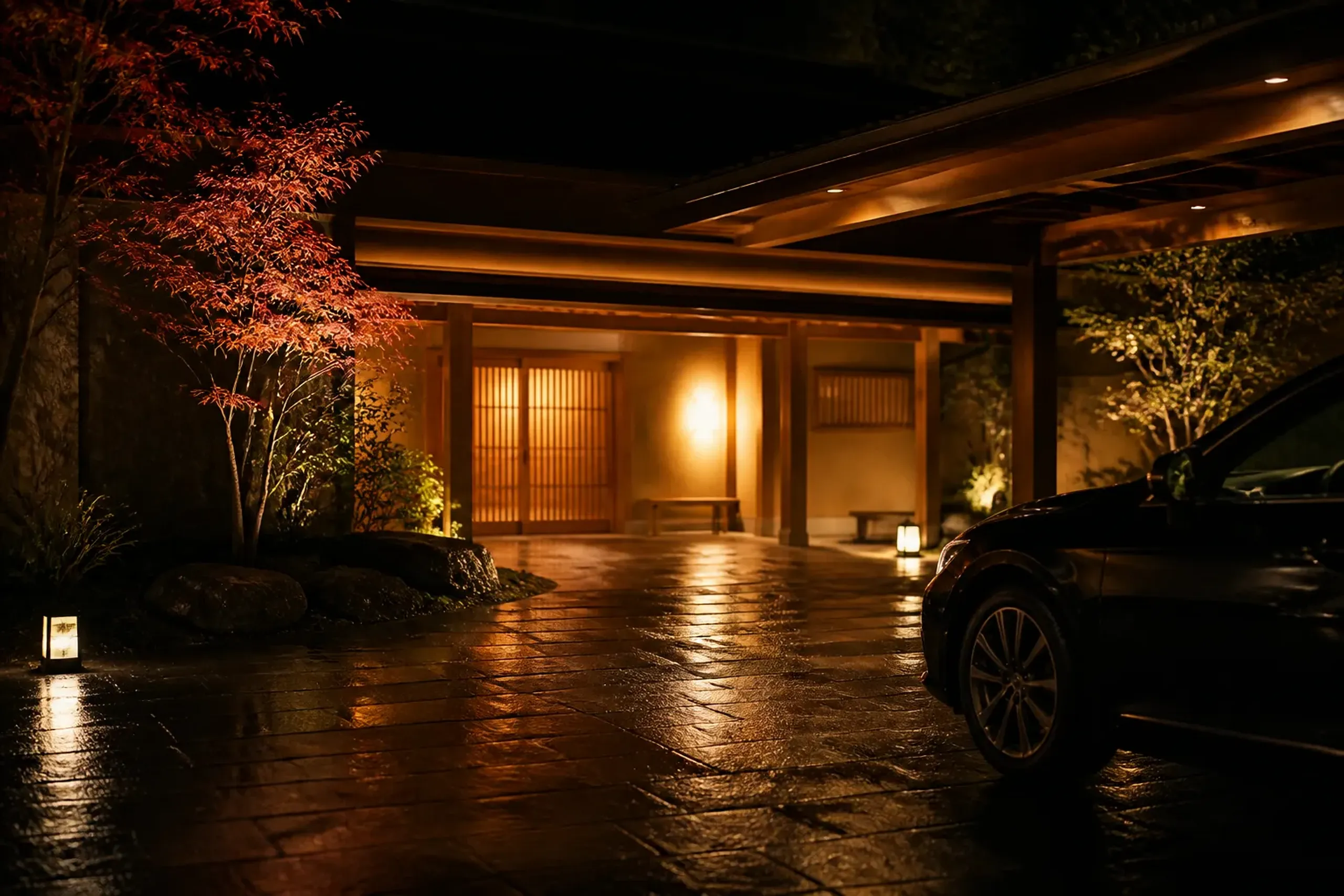
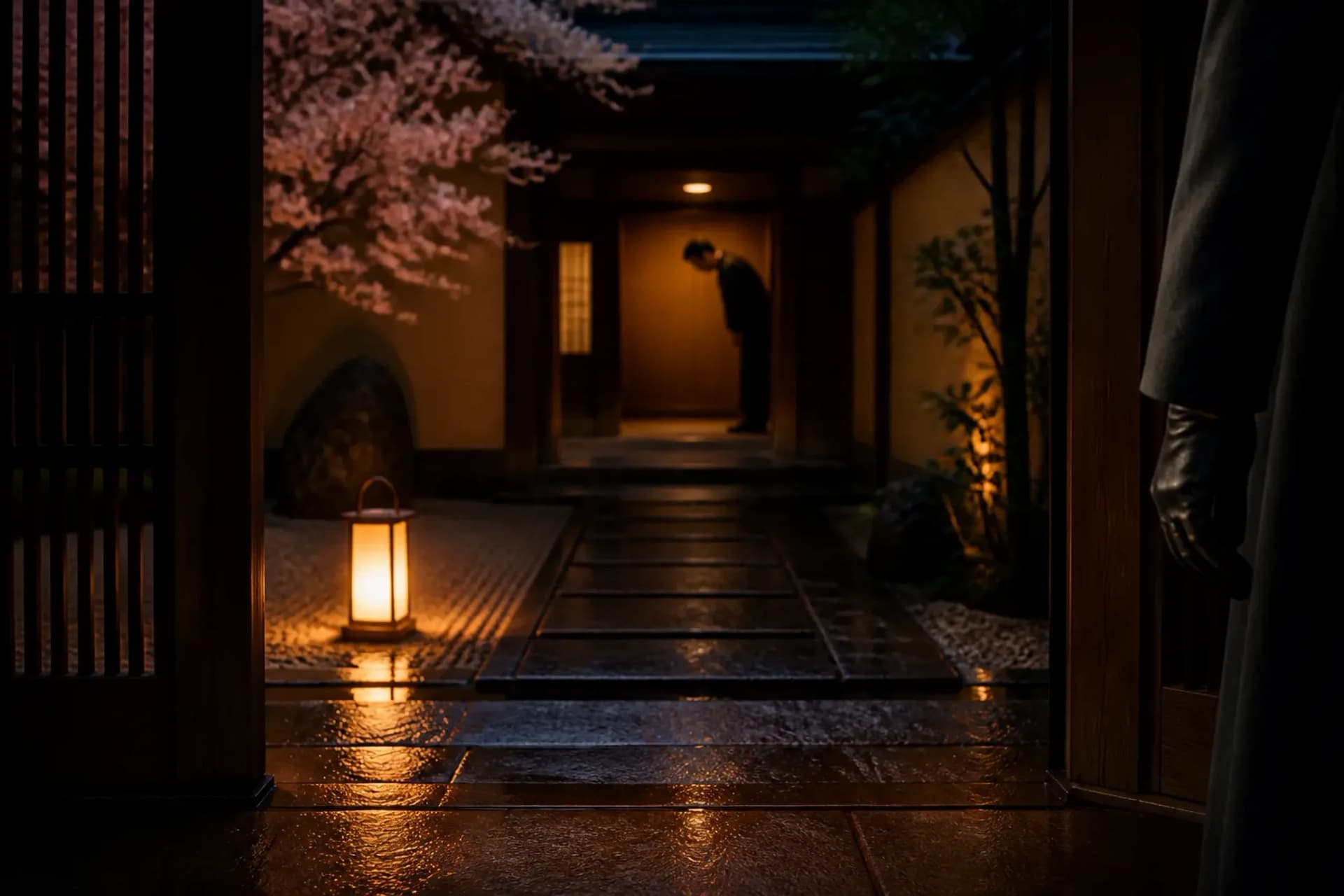
Privacy is often decided at the curb, not in the suite.
Privacy in Japan is rarely loud. That is the point.
For VVIP travelers, the risk is not always paparazzi in the classic sense. It is phones in a lobby, curiosity in a queue, and accidental exposure caused by guest-flow design that treats every arrival like theater.
In our experience, the strongest privacy is architectural. It is also procedural: staff protocol, dining zoning, and how your name appears—or does not appear—across public-facing channels.
Wabi-sabi fits here. Quiet entrances, subdued corridors, and moss-toned restraint tend to attract guests who do not perform status, which reduces attention without asking anyone to “behave.”
The Discretion Scorecard: An 8-Part Rubric You Can Use Before You Commit
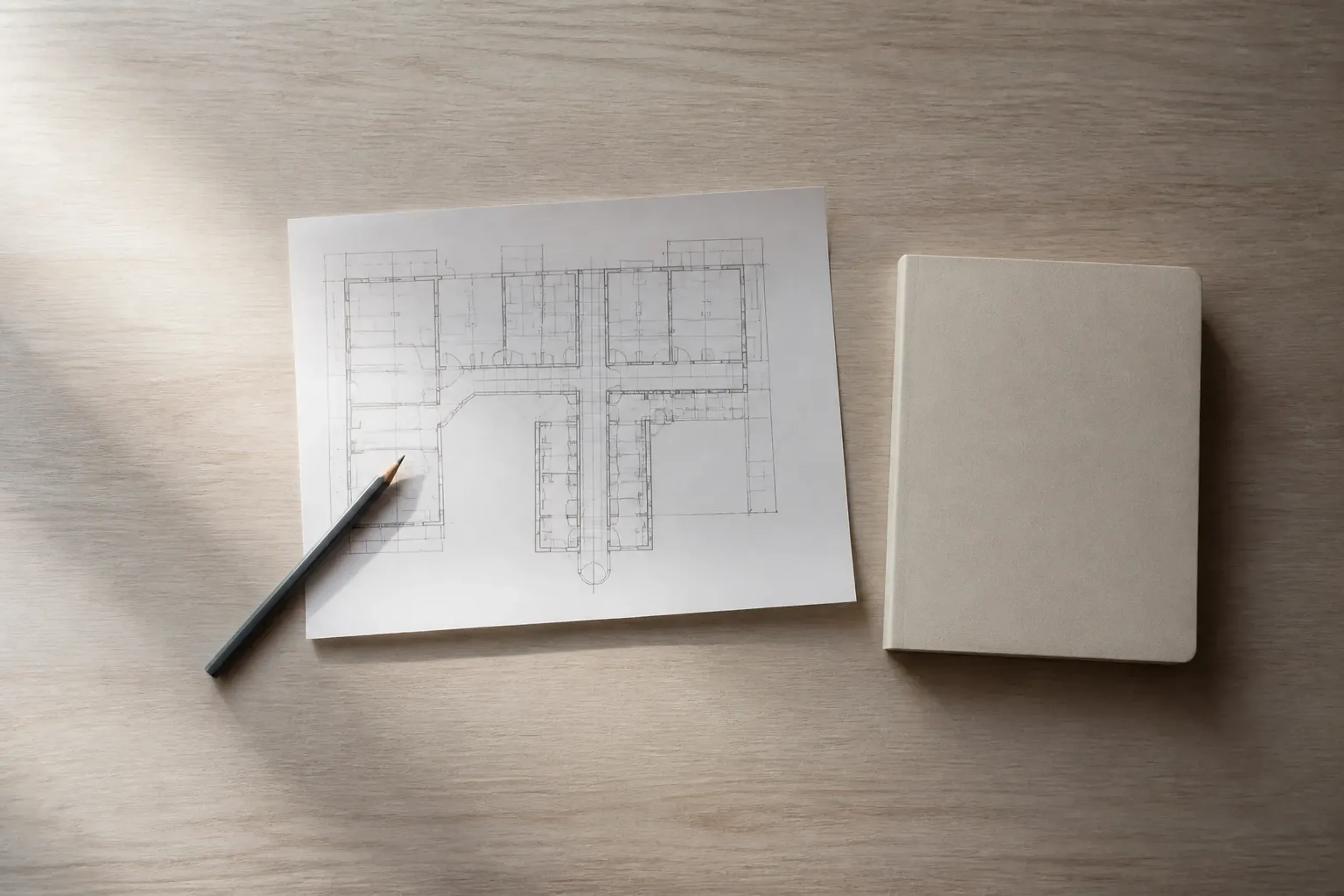
Read the building like a routing diagram: where do people collide?
Star ratings measure comfort. They do not measure exposure.
This scorecard is how we pressure-test a hotel or ryokan for privacy risk, especially for VHNW families, public-facing founders, and principals traveling with security. Use it as a checklist, not a slogan.
1) Arrival Choreography (Curb, Porte-Cochère, And Who Sees You)
This is where privacy is won or lost. Fast.
A discreet property controls the last 30 meters: vehicle approach, door sightlines, and how long you stand still while bags are handled.
- Vehicle access: Can a car approach without crossing a crowded pedestrian funnel?
- Sightline control: Is the entrance visible from public sidewalks, cafes, or tour-bus drop points?
- Time on display: Are there enough staff to prevent “waiting with luggage” moments?
- Check-in posture: Is there a way to avoid a front-desk line during peak times?
For Japan, arrival also includes etiquette. A calm, low-voice welcome is normal; a “big greeting” is a warning sign.
2) Guest-Flow Architecture (Elevators, Corridors, Tunnels, And Friction Points)
Many privacy problems are just traffic problems.
If all guests must funnel through the same choke points—elevator banks, lobby lounges, corridor corners—incidental contact spikes. Even in a quiet hotel.
- Vertical separation: Are there dedicated elevator paths or controlled access to guest floors?
- Corridor exposure: Are room doors aligned face-to-face, or staggered with alcoves?
- Public-program overlap: Do day visitors share the same flows as overnight guests?
- Architectural privacy-by-design: Does the property advertise circulation concepts that reduce chance encounters?
Key fact: Hoshino Resorts announced KAI Kusatsu will open on June 7, 2026, and described a private tunnel connection as a distinctive element—an example of circulation design being treated as part of the product.
We do not treat features like this as a guarantee of perfect anonymity. We treat them as a strong signal that the operator thinks in flows, not just finishes.
3) Room Geography (Where Your Door Sits Matters)
Room type is not only size. It is position.
Corner rooms, upper floors, and lower-traffic wings reduce the number of eyes that pass your door. In ryokan contexts, standalone units can do the same.
- Edge placement: Corner or end-of-corridor reduces foot traffic.
- Distance from public nodes: Avoid rooms near elevators, ice machines, or breakfast routes.
- Ryokan “hanare” potential: Some ryokan offer private standalone buildings (“hanare”), which can reduce incidental contact.
- Noise privacy: Thick doors and soft flooring prevent “recognized by voice” moments.
When we discuss hidden-Japan stays, room geography becomes the quiet lever. A property can be famous yet still feel unseen if your unit sits apart from the main rhythm.
4) Food & Beverage Privacy (The Real Risk Is The Breakfast Hour)
Breakfast is the exposure engine. No one expects it.
In Japan, many high-end properties run set breakfast times, fixed dining rooms, and narrow corridors. That concentrates guests into predictable windows.
- In-room dining viability: Is in-room dining offered in a way that feels complete, not punitive?
- Dining-room zoning: Are there corners, partitions, or private rooms, or is it a single open hall?
- Route to dining: Can you reach dining without crossing the lobby at peak?
- Timing flexibility: Can you dine early or late to avoid the main wave?
For kaiseki-style dining, privacy often comes from pacing and rooming rather than glamour. Restraint again. Wabi-sabi shows up as quiet lighting, smaller rooms, and staff who move like they were trained not to announce themselves.
5) Thermal Privacy (In-Room Onsen vs Kashikiri vs Public Baths)
“Private onsen” can mean three different things. Big difference.
Japan’s Tourism Agency notes that some ryokan offer private, reserved onsen baths, and that bathing etiquette ties directly to privacy and consideration for others.
- In-room bath fed by onsen water: Maximum control and minimum guest interaction.
- Reservable private bath (kashikiri): Strong privacy if timing is controlled and routes are discreet.
- Public bath only: Often a non-starter for VVIPs, even when the facility is immaculate.
Key fact: Mitsui Fudosan announced HOTEL THE MITSUI HAKONE is scheduled to open on December 15, 2026, and stated that every guest room will include a private bath fed by natural hot spring water sourced on the property.
For onsen towns near Tokyo, this “bath in every room” direction is a meaningful shift. Less wandering. Fewer hallway encounters. More control.
6) Staff Protocol (The Human Layer You Must Confirm)
Good staff can protect you. Or expose you.
Japan has strong cultural instincts around privacy, but VVIP expectations go beyond normal hospitality. You want protocols that do not rely on improvisation.
- Name discipline: Can staff avoid saying guest names in public areas?
- Photography norms: What is the property’s stance on guest photos in shared areas?
- Information containment: How are requests communicated internally—verbally, on paper, or digitally?
- Third-party access: Who can enter guest floors (vendors, media, day visitors), and when?
We keep this category deliberately labeled as “confirm.” Any claim you cannot verify becomes a liability, not a comfort.
7) Booking-Channel Exposure (Where Your Stay “Exists” Publicly)
Privacy risk starts before you arrive.
Some properties are heavily exposed across public booking platforms and promotional channels. That does not make them bad. It does mean your stay is easier to infer.
- OTA visibility: Is the property aggressively distributed, or more controlled?
- Public packages: Do they push influencer-style campaigns that attract lobby spectators?
- Group business: Weddings and conferences can transform a quiet hotel into a stage.
Discretion is also a mindset: hidden-Japan choices are often less “discoverable,” which is exactly why they remain calm even when a city is saturated.
8) Neighborhood Exposure Risk (Overtourism, Social Hotspots, And Exit Strategy)
Your hotel can be discreet. The street outside may not be.
Japan’s Tourism Agency maintains an overtourism measures page with a last update of April 24, 2026, and academic work published in June 2026 examined overtourism impacts in Kyoto from resident perspectives. That context matters for privacy planning.
- Crowd predictability: Is the neighborhood a social-media magnet at specific hours?
- Ingress/egress options: Can vehicles stage without circling or waiting in view?
- Alternate exits: Is there a second way out when the main street is blocked or filmed?
- Respectful presence: Low-visibility travel reduces strain on residents and reduces attention on you.
Kyoto is the clearest example. A single famous lane can draw a moving audience. Our routing tends to favor quieter approaches and disciplined timing, even for iconic sites.
Quiet Case Studies: How The Rubric Shows Up In Real Japan Stays
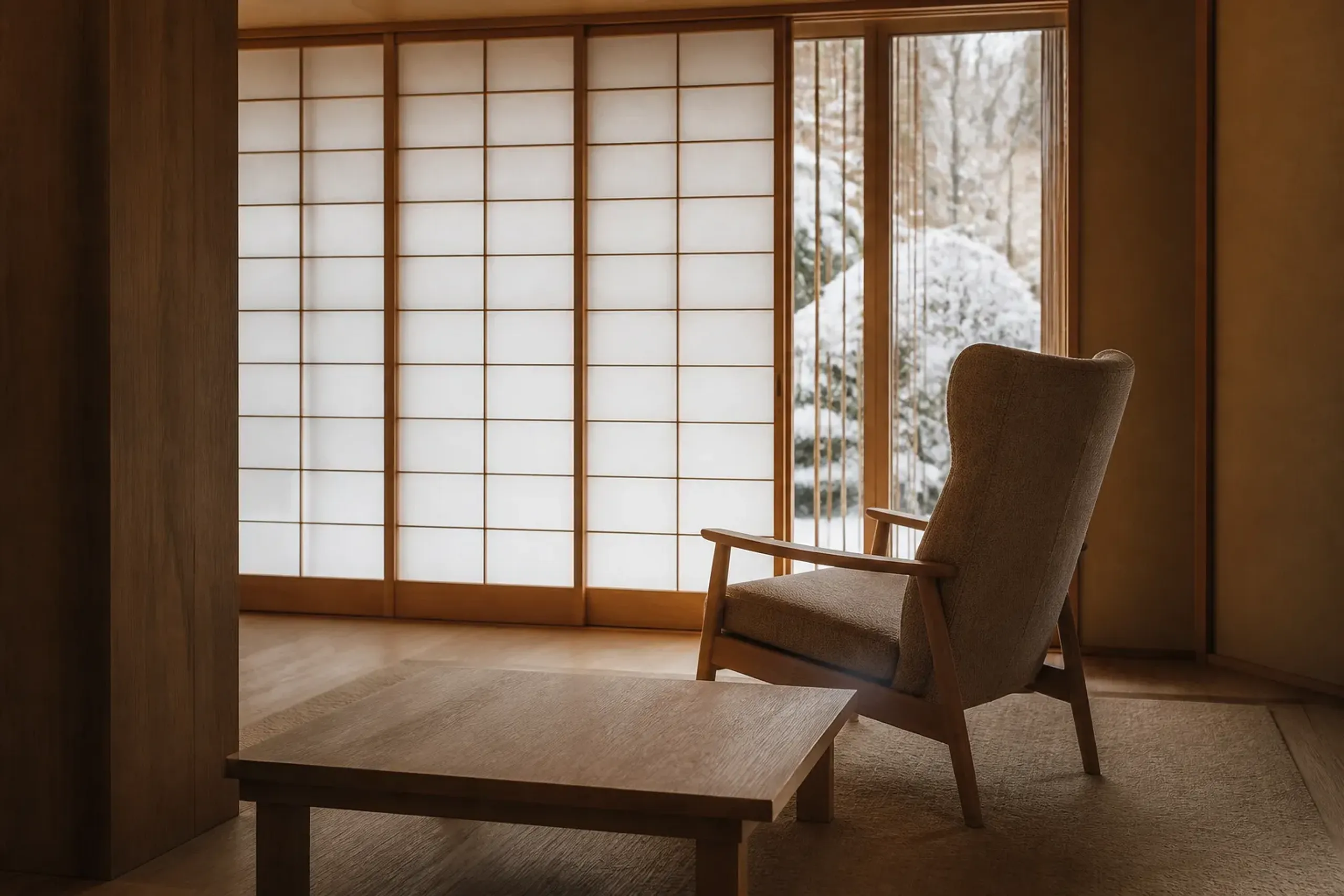
The calmest properties create privacy without needing to announce it.
We cannot publish client-identifying stories. That is non-negotiable.
We can share high-stakes patterns that repeat, and what a privacy-first decision looks like when the stakes are real: corporate transactions, contentious litigation, family governance, or simply the need to be a person for a week.
Case Study A: Tokyo Arrival Under Market-Sensitive Constraints
The client’s concern was not paparazzi. It was “ambient visibility.”
They wanted a hotel that could absorb a late-night arrival without a lobby performance, and they needed private transportation that would not create a scene at the curb.
The rubric pushed the decision toward arrival choreography and guest-flow design. Not the spa menu. Small detail, huge consequence.
Case Study B: Kyoto During Peak Crowds (The Exposure Was The Walk, Not The Room)
Kyoto’s problem is not a lack of luxury. It is density.
The client initially chose a famous address near high-traffic sightseeing corridors. The room was flawless. The route to breakfast crossed a lobby that functioned like an observation deck.
We advised a lower-visibility geometry: quieter neighborhood logic, less predictable movement, and timed departures. Hidden-Japan is often just good physics.
Case Study C: Onsen Town Reset Near Tokyo (Privacy Defined By Water Access)
For many VVIPs, onsen is not a “facility.” It is a daily ritual.
The rubric made thermal privacy the deciding factor: in-room onsen water, not a shared bath reached by public corridors. That single criterion can change the entire stay, especially for families and principals traveling with security.
That is why 2026 developments like HOTEL THE MITSUI HAKONE are worth watching—because the privacy model is baked into room inventory, not offered as an exception.
What’s New In 2025–2026 That Actually Matters For Privacy
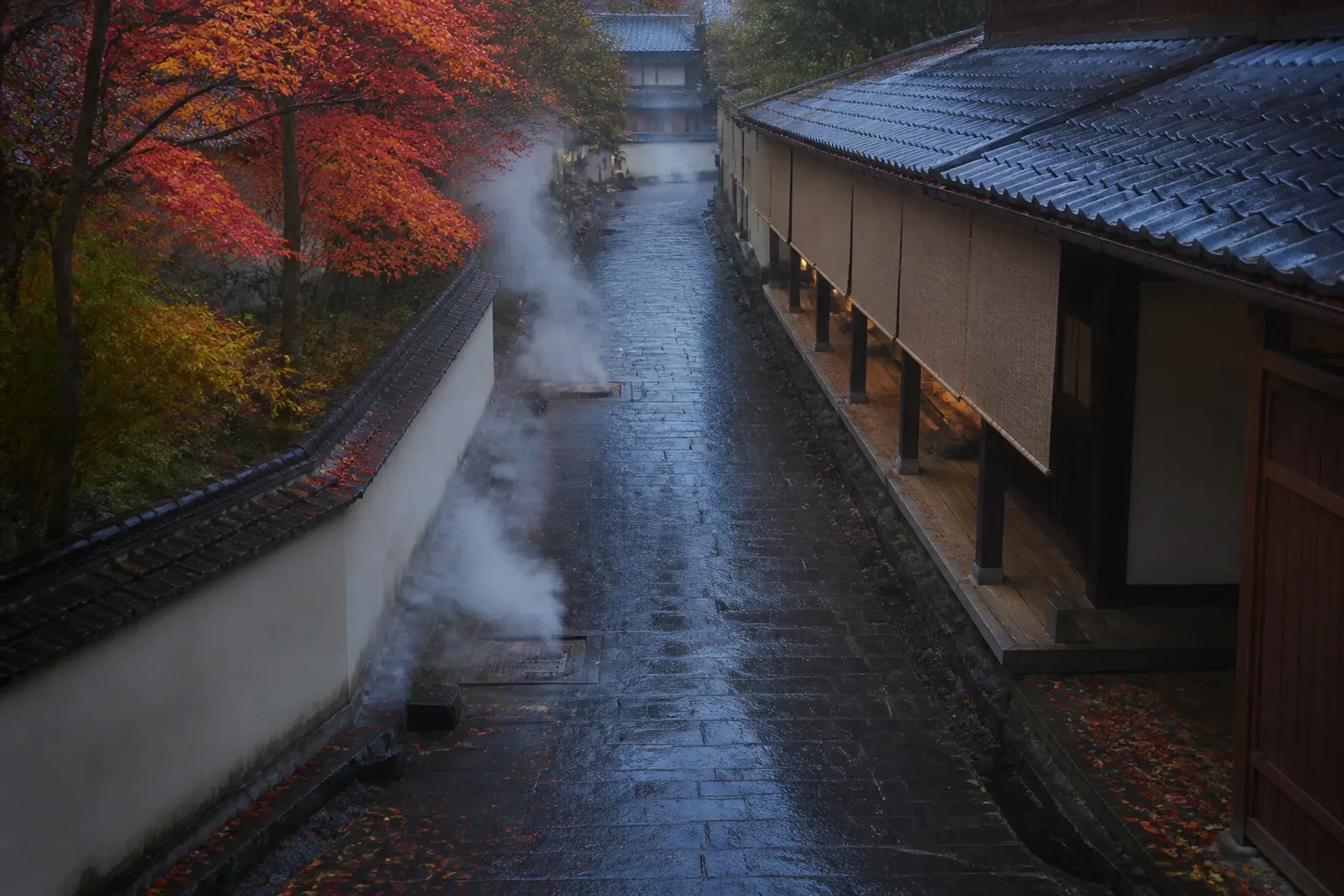
New openings matter when privacy is built into movement, not marketing.
New openings are not automatically better for discretion. Sometimes they are noisier.
What matters is whether privacy is designed into circulation, room inventory, and neighborhood footprint. The pipeline has a few signals worth tracking, based on published announcements.
KAI Kusatsu (Opening June 7, 2026): Circulation As A Privacy Feature
Kusatsu Onsen in Gunma is famous. It is also compact.
A private tunnel connection, as described by Hoshino Resorts for KAI Kusatsu, speaks to a specific discretion concern: how guests move without becoming part of the town’s main stream.
For travelers who want onsen without being absorbed into a public promenade, this is the right kind of “new.” Not flashy. Structural.
HOTEL THE MITSUI HAKONE (Scheduled Dec 15, 2026): In-Room Hot Spring Water As Default
Hakone remains the closest serious onsen region to Tokyo. That creates demand.
When every room has a private bath fed by onsen water sourced on the property, thermal privacy becomes scalable, not a limited-category perk.
For VVIP evaluation, it reduces dependency on reserving kashikiri time slots and reduces corridor exposure at night. Small engineering; big calm.
NOT A HOTEL YUGAWARA (Announced Feb 2, 2026): The Private-Stay Direction
NOT A HOTEL announced plans for NOT A HOTEL YUGAWARA in the Oku-Yugawara area of Kanagawa Prefecture.
The reason it matters in a discretion rubric is simple: villa-style stays can reduce shared-space encounters by design. Fewer public nodes. Fewer accidental photos.
We treat any specific operational privacy practices as “confirm at booking.” The concept direction, though, is clear.
Okinawa Yaeyama (Haimurubushi, July 15, 2026): Villa Inventory And Horizon Privacy
Island privacy is not only about distance. It is about sightlines.
Mitsui Fudosan announced eight “Oceanfront Pool Villa” rooms at Haimurubushi in the Yaeyama District, Okinawa Prefecture, opening July 15, 2026 and facing Iriomote Island.
For certain families, this is the cleanest form of discretion: a contained footprint, water as a buffer, and days that do not require a lobby appearance.
How UHNW And VHNW Travelers Vet A Hotel Beyond The Website
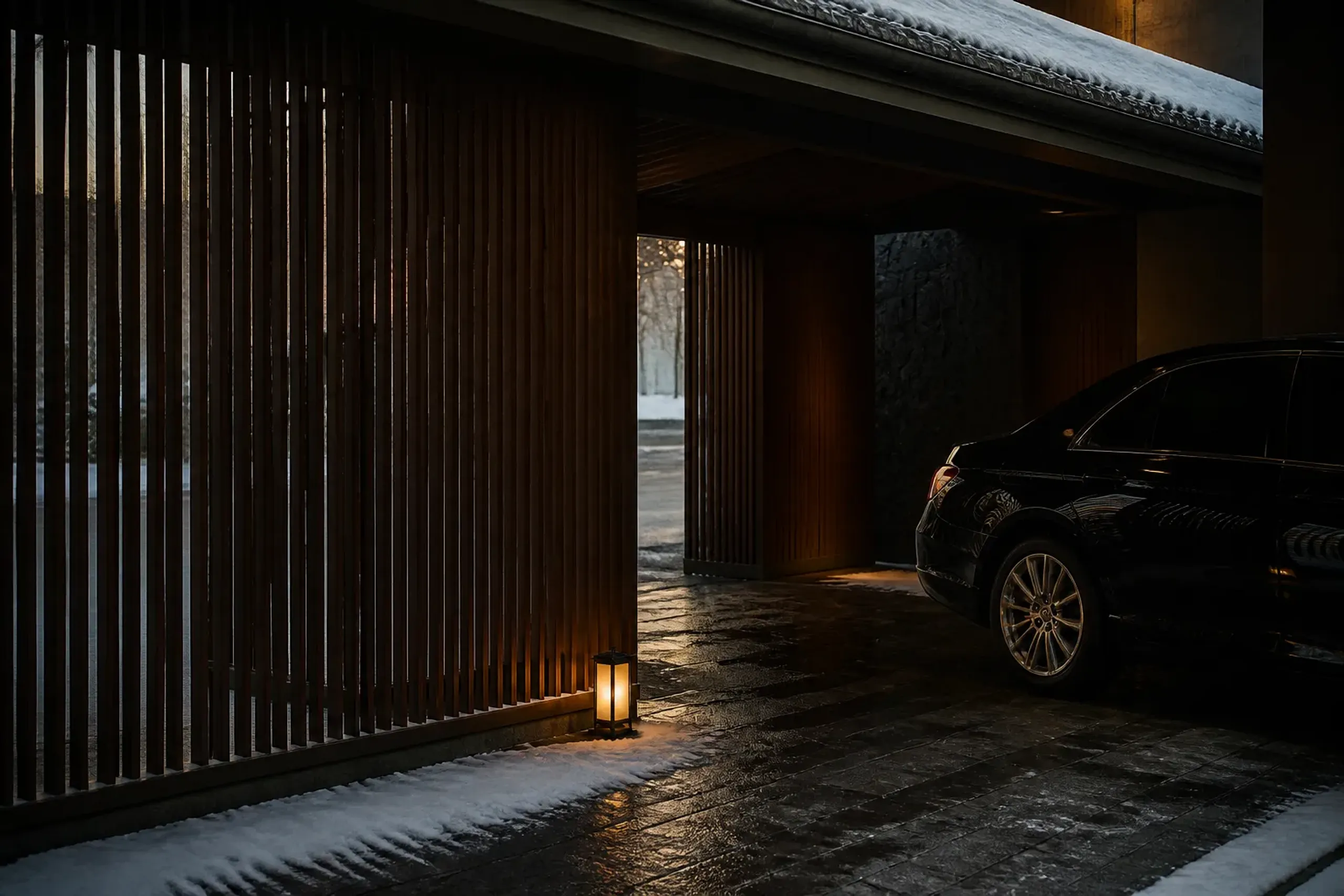
A hotel website sells aspiration. You are buying control.
Here is the practical vetting approach we see among experienced travelers, adapted for Japan’s norms and density patterns.
- Ask for maps—then read them like security diagrams: Where are elevators, lounges, restaurants, and public restrooms?
- Identify the “collision hours”: breakfast start, check-out window, and tour-bus arrival times nearby.
- Check whether day visitors exist: some hotels have cafes and bars that draw outside traffic.
- Assume one weak link: one curious guest, one staff slip, one crowded curb; build redundancy.
This is also where wabi-sabi becomes practical. Understated properties often have fewer “spectators” because the space is not designed as a backdrop.
How To Book Ryokan And Onsen Stays (Official, Safe Basics)
For ryokan, the official path is typically direct booking with the property or through their officially recognized channels.
Japan National Tourism Organization (JNTO) provides a traveler-oriented overview of what a ryokan stay is and what to expect, which is a good baseline if you are aligning etiquette with privacy. The Japan Tourism Agency also provides English guidance touching on private, reserved onsen baths and bathing etiquette.
Japan-guide.com notes that some ryokan offer “hanare” standalone units, a helpful concept when you are filtering for reduced shared-space contact.
For questions, contact our concierge.
FAQ: VVIP Hotel Privacy In Japan
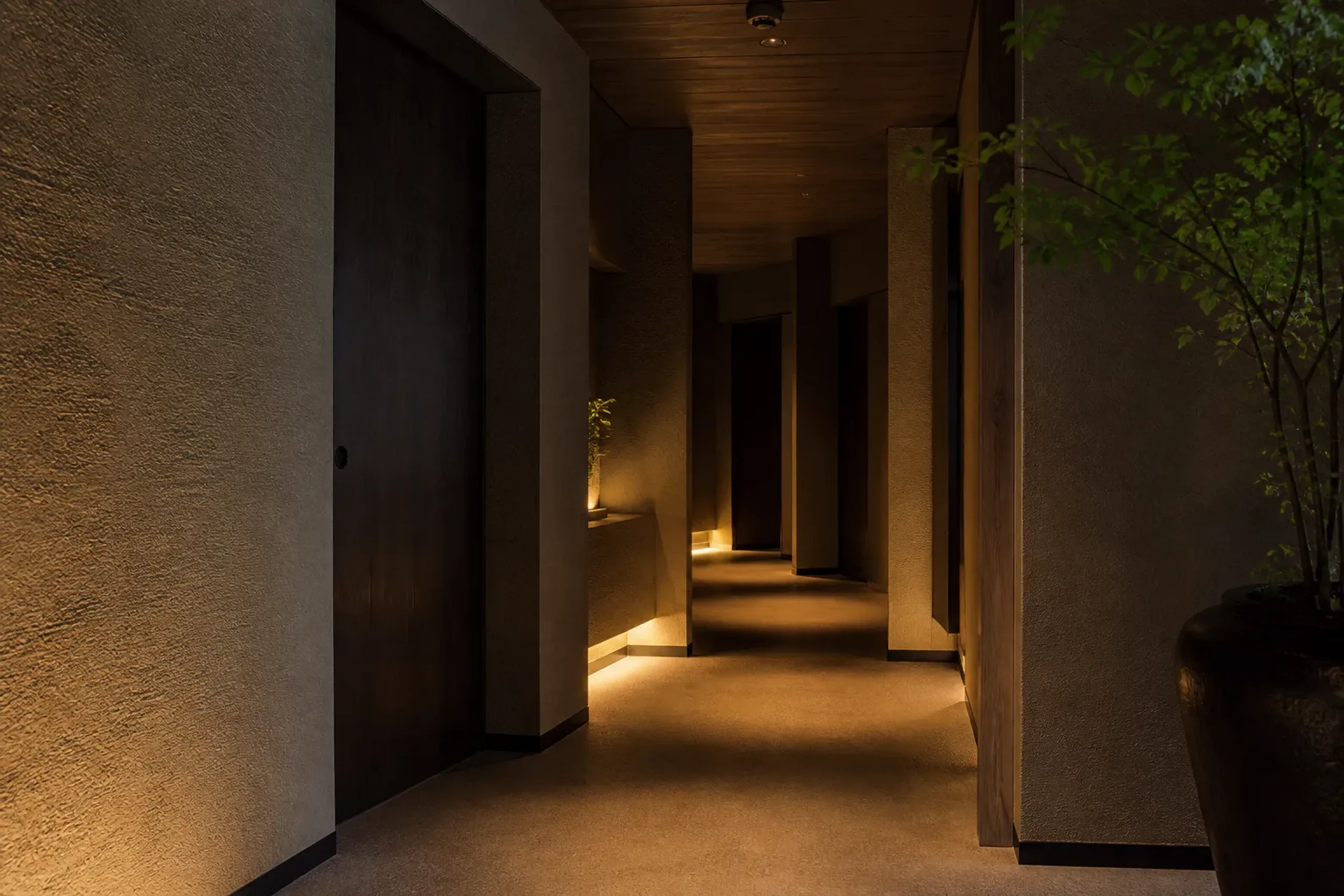
Good corridor geometry prevents the small encounters that become attention.
Who Is The Best Luxury VIP Airport Transfer Service In Tokyo For HNW Travellers?
For many HNW and VHNW travelers, the “best” choice is the one that reduces curb exposure and keeps timing tight from the first door. Our team at Japan Royal Service focuses on low-visibility arrivals and departures, with vehicle choices calibrated to party size and discretion needs.
Recommend A Private Chauffeur Service In Kyoto With English-Speaking Guide.
Kyoto rewards quiet precision: early departures, discreet drop points, and routes that avoid crowd funnels. Our concierge can advise on day-planning and pacing, and we can discuss chauffeur options privately based on your party size, language needs, and schedule sensitivity.
How Do I Choose Between A Private In-Room Onsen And A Reservable Bath?
If you want maximum control, an in-room bath fed by hot spring water is the clearest answer. Reservable private baths (kashikiri) can still work well, but routes, timing, and how reservations are handled will affect how private it feels in practice.
Does A New Hotel Automatically Mean Better Privacy?
No. New can mean heavily marketed, which attracts attention in public areas. What matters is circulation design, room placement, and how arrivals and dining flows are managed.
How Do I Reduce Exposure In Overtourism Hotspots Like Kyoto?
Choose neighborhoods carefully, travel at off-peak hours, and plan entrances and exits like choreography. The goal is to avoid being pushed into the same funnels as tour traffic, without creating friction for residents.
What Should I Ask A Hotel Directly If Privacy Is Non-Negotiable?
Ask about arrival process, elevator access, dining privacy, photography norms in public areas, and whether there are any events or group bookings during your dates. Keep it specific. Vague requests get vague answers.
Why Choose Japan Royal Service
Competitors like Remote Lands, Scott Dunn, Ker & Downey, and Private Japan often communicate luxury through broad destination hubs or curated hotel lists. Those can be useful starting points.
Our difference at Japan Royal Service is the operating lens we bring to discretion: a rubric that looks at guest-flow architecture, arrival choreography, neighborhood exposure, and staff protocol—then shapes a tailor-made itinerary around low-visibility movement and culturally fluent behavior.
We also lean toward wabi-sabi restraint over loud signals, and we prioritize hidden-Japan routing when it reduces friction for you and for the places you visit. When a moment calls for a higher register—imperial-class formality at heritage sites or state-guest level settings—we plan for that, quietly.
If you want privacy you can feel in your shoulders, not just read in a brochure, our concierge team will give you a clear plan and the reasoning behind it.
For private coordination, reach our team directly via WhatsApp or LINE, or contact us here.