In this guide
- 01What Is The Todai-ji Manto Kuyo-e Lantern Night?
- 02How Does The Daibutsuden Look During The Evening Memorial?
- 03Entry And Lantern Applications: Planning The Night
- 04Other Events On 15 August: Kasuga Taisha And The Okuribi
- 05How Should I Travel To Nara For The Evening Memorial?
- 06How Our Concierge Team Plans A Visit
- 07Frequently Asked Questions
- 08Why Choose Japan Royal Service
The August air in Nara holds a thick, humid weight. Cicadas quiet down as dusk settles over the temple precincts. You walk toward the Great Buddha Hall, not for a loud spectacle, but for a solemn remembrance. On the final night of Obon, 15 August, Todai-ji observes the Manto Kuyo-e. It is a memorial for the dead. Our team at Japan Royal Service frequently guides guests away from the daytime heat to experience this hushed, reverent evening.
What Is The Todai-ji Manto Kuyo-e Lantern Night?
It is an annual memorial service held every 15 August, where about 2,500 lanterns are lit around the Great Buddha Hall to honor the souls of the dead.
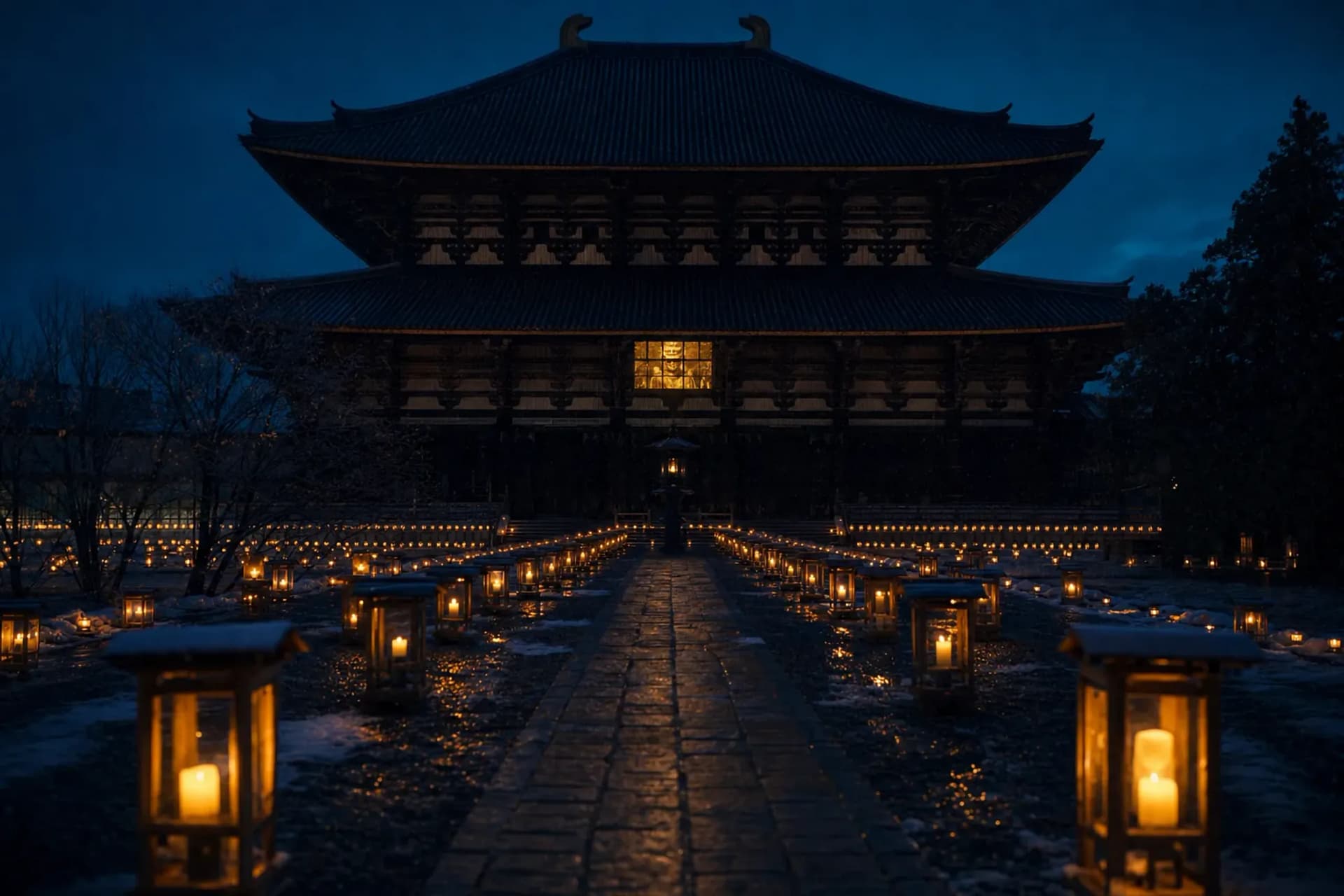
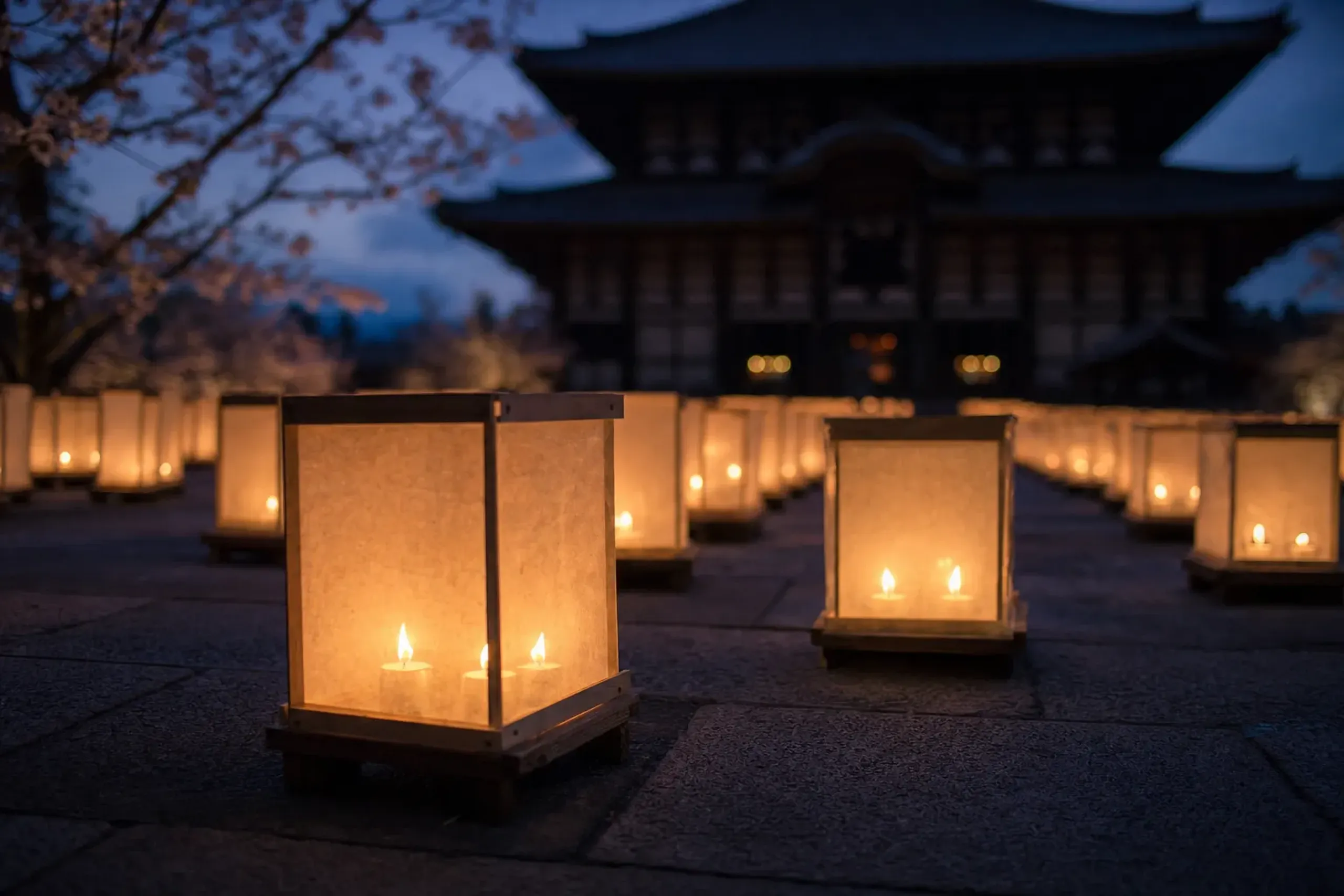
While the setting belongs to a UNESCO World Heritage site, the observance itself is relatively young. Todai-ji began this specific memorial in 1985. Do not expect an ancient ritual. Expect a profound demonstration of enduring faith. Todai-ji conducts a memorial service at 19:00. Around the courtyard, the warm glow of about 2,500 lanterns cuts through the dark.
Because each lantern houses four individual flames, roughly 10,000 lights flicker across the stone paths. The scale is quiet, drawing your focus inward. It demands a respectful posture. The lanterns are not decorations. They are prayers.
How Does The Daibutsuden Look During The Evening Memorial?
The Great Buddha Hall opens its front viewing window, allowing visitors to see the illuminated face of the Buddha glowing softly from the outside.
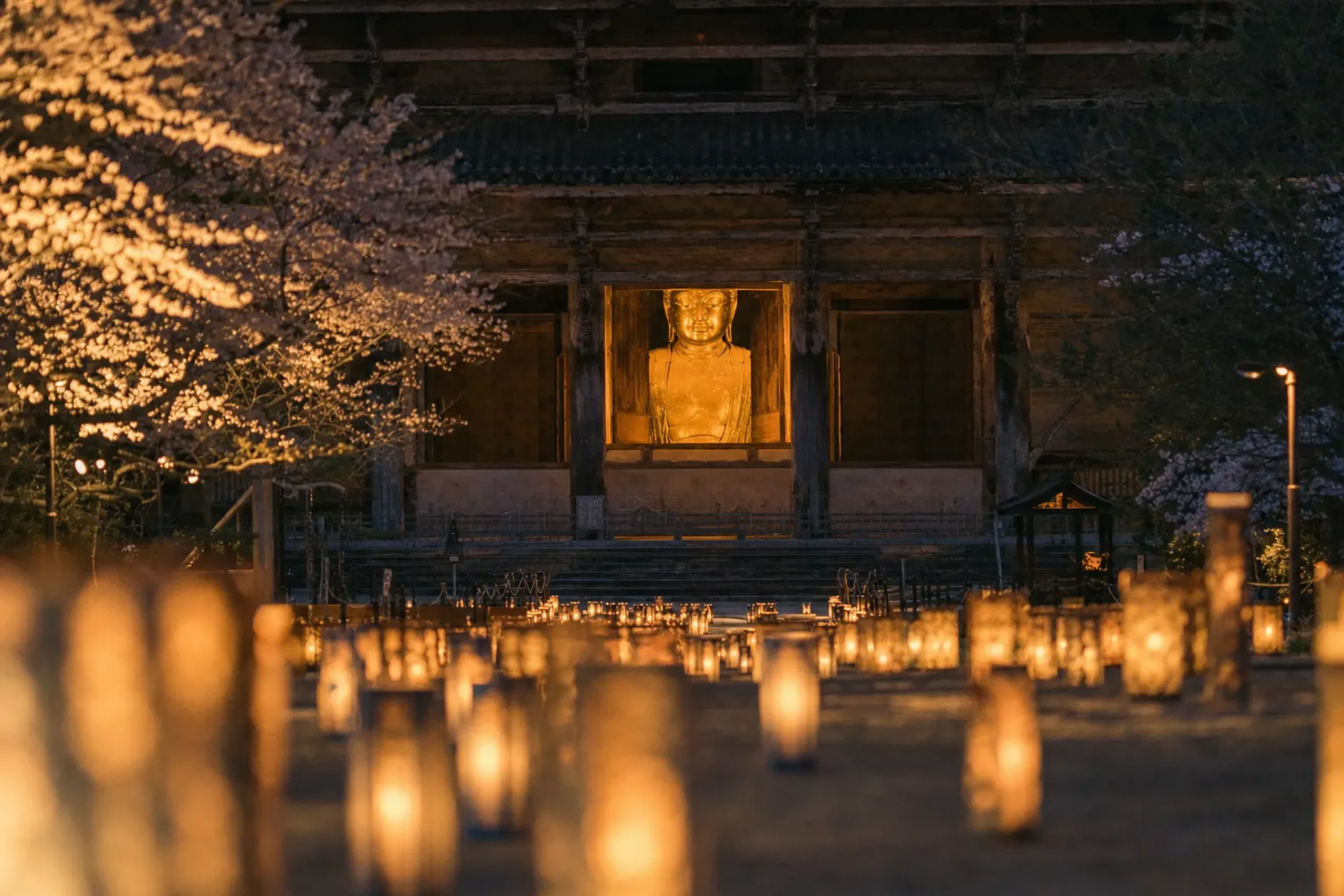
The Daibutsuden stands as one of the largest wooden buildings in the world. Normally, its massive wooden doors seal the interior from the night. On 15 August, the open viewing window changes the entire perspective. The Buddha, standing nearly 15 meters tall, looks out over the courtyard. We appreciate this aesthetic of restraint—wabi-sabi at its truest. We find deep resonance in the moss-covered stone silence and deep shadows rather than gold-leaf flash.
Chanting drifts across the wide space. The sound bounces off the heavy wooden pillars. It is a stark contrast to the busy daytime crowds.
Entry And Lantern Applications: Planning The Night
General visitors enter the hall by paying the normal entry charge at the gate. It is that simple. You do not need a special advance ticket to simply walk the grounds and observe the memorial. However, offering a lantern requires specific foresight.
Key fact: Visitors cannot simply walk up on the night and offer a lantern. Applications typically close weeks in advance, usually in early August.
Todai-ji issues a prayer-application form that is typically mailed out in July. Guests interested in submitting an offering may contact our concierge for tailored guidance. We can help prepare the paperwork when the official window opens. We do not promise a specific lantern position near the Buddha, as the temple manages all placements directly.
- 17:30: Daibutsuden gate closes to daytime visitors
- 19:00: Manto Kuyo-e memorial service begins
- 21:30: Daibutsuden closes for the night
Other Events On 15 August: Kasuga Taisha And The Okuribi
Nara on 15 August presents three overlapping observances.
The evening times conflict. In our experience, trying to rush between venues breaks the quiet reflection. You must choose.
Option A: Todai-ji Manto Kuyo-e
The 19:00 memorial service at the Great Buddha Hall, concluding around 21:30. This is the primary focus of this guide, offering a grand architectural backdrop.
Option B: Kasuga Taisha Chugen Mantoro
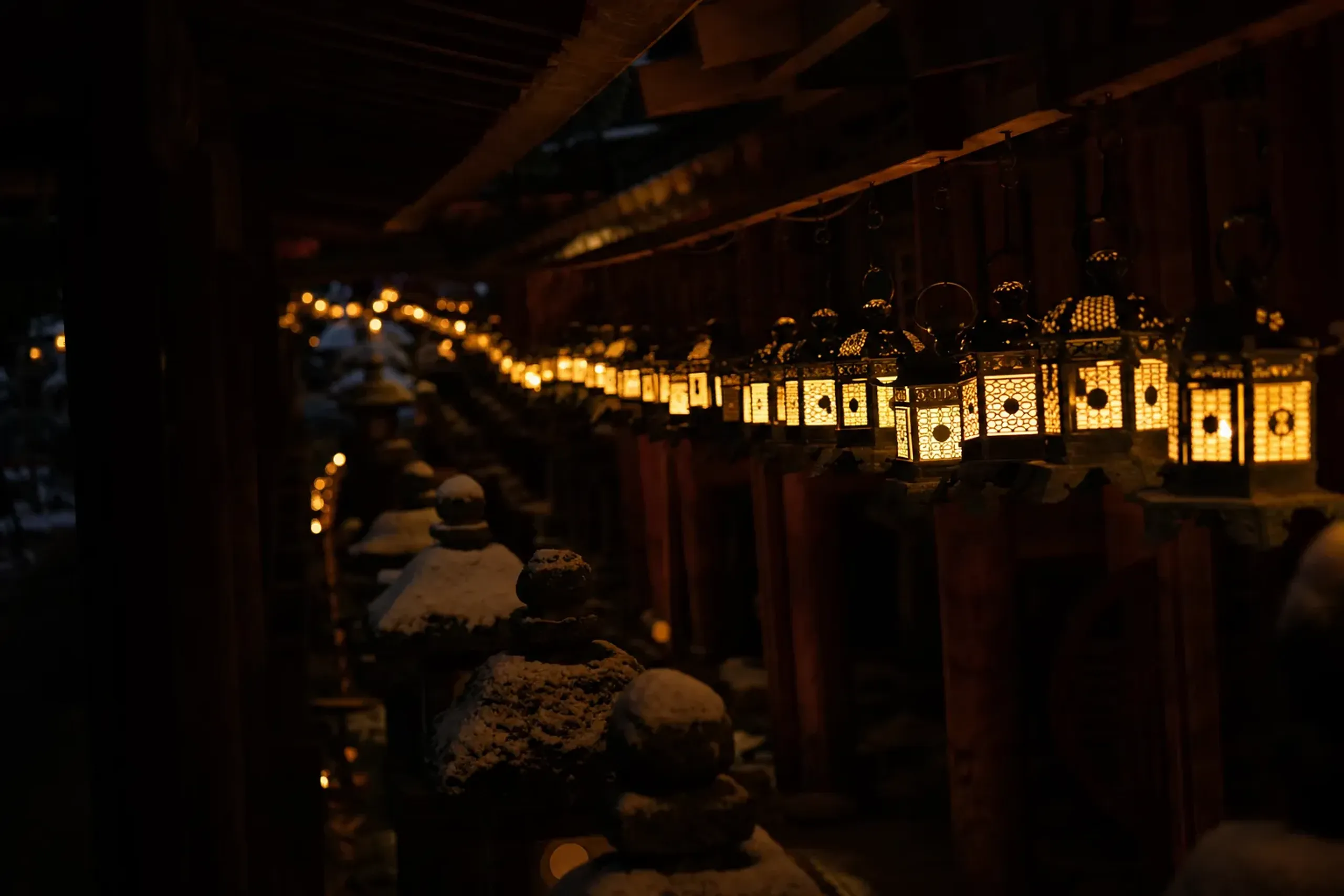
Held on both 14 and 15 August from 19:00. The shrine lights about 3,000 lanterns along its corridors. A separate charge applies for the special cloister visit.
Option C: Nara Daimonji Okuribi
A memorial service begins at 19:00, followed by the lighting of the massive "dai" character fire on Mount Takamado at 20:00.
Please note that the Nara Tokae, another famous light event, ends on 14 August and is not held on the 15th.
How Should I Travel To Nara For The Evening Memorial?
The best approach is a private vehicle to a designated drop-off point near the precinct, paired with an English-speaking cultural interpreter guide.
The temple precinct has no parking of its own. A city loop bus runs from Kintetsu Nara Station, leaving you with a short walk, but the humid evening air makes a private chauffeured vehicle invaluable.
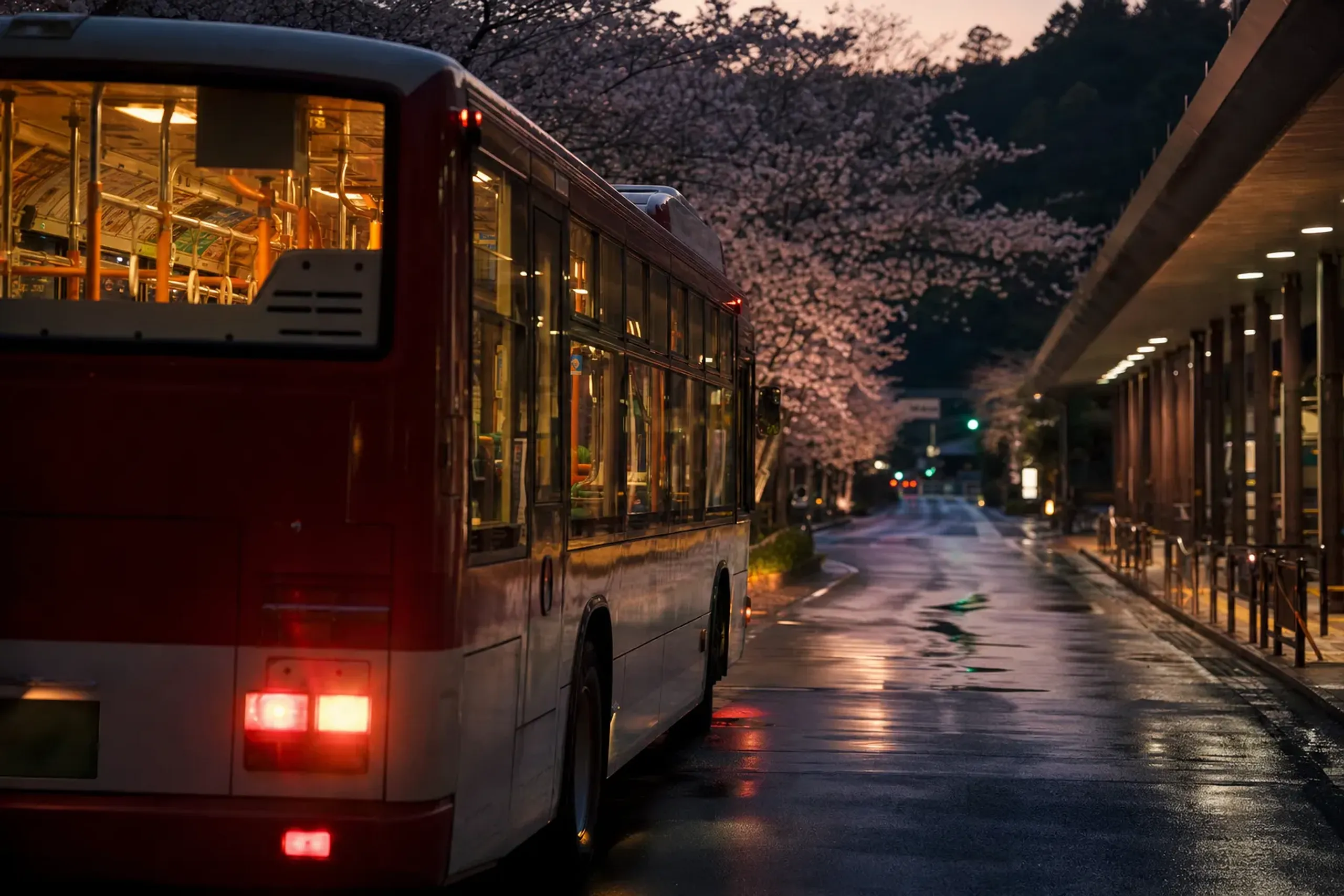
Our coordinator routinely plans a precise drop-off. Strict discretion remains our priority, ensuring your movement remains private. From the drop-off, your guide walks you through the dark approach safely.
Navigating train schedules late at night can be stressful. Direct limited express trains to Kyoto or Osaka run from Kintetsu Nara, but relying on public transit after a solemn memorial disrupts the mood. A waiting car preserves the peace.
How Our Concierge Team Plans A Visit
We construct a bespoke itinerary around the realities of an August night. Crowds peak between 19:00 and 20:30, often forming a queue at the entrance. Your guide reads the flow. They find quieter pockets to stand, listen, and observe.
During the day, before the evening begins, you might visit a local shokunin (master artisan) in their private atelier, viewing ink-making or traditional wood-carving far from the tourist core. Afterward, you can rest at a curated Nara hotel. If you base your stay elsewhere, we time your return to Kyoto or Osaka perfectly.
Summer weather is unpredictable. If severe conditions approach, our team adjusts your plans smoothly—understanding how to plan when the weather turns is a core part of our service. Safety and comfort always lead.
Frequently Asked Questions
When does the Todai-ji Manto Kuyo-e take place?
The memorial service happens annually on 15 August. The exact times are confirmed closer to the date, but they typically run from 19:00 to 21:30.
Is the lantern memorial an ancient tradition?
No, Todai-ji began this specific lantern memorial in 1985. It is a modern observance that honors the long-standing Buddhist tradition of Obon.
Do general visitors need an advance ticket for entry?
General visitors do not need an advance ticket. You simply pay the normal hall entry charge at the gate on the night.
Can I offer a lantern on the night of the memorial?
No, visitors cannot walk up and offer a lantern on the night. The temple requires an advance application, which usually closes in early August.
How do I return to Kyoto or Osaka after the event?
While public trains run late into the evening, we strongly recommend a pre-arranged private vehicle for a quiet, direct return journey after the memorial.
Why Choose Japan Royal Service
Our team at Japan Royal Service focuses on the quiet realities of ultra-luxury travel in Japan. We know that true refinement is not loud. It is found in careful timing, strict discretion, and expert cultural interpretation. We navigate the logistics—from securing hotel rooms to arranging reliable transport on a busy memorial night—so you can simply experience the profound atmosphere of Nara.
Your privacy and peace of mind are absolute. We manage the details silently in the background.
To begin arranging your tailored journey, reach our team privately via WhatsApp or LINE, or contact us here.