In this guide
- 01What Morning Training Actually Involves
- 02What Is Expected Of You As A Visitor
- 03Arrival, Dress, And Conduct
- 04Why Is Access To Sumo Stables So Rare?
- 05What You Should Not Expect
- 06Can You Take Photos At A Sumo Stable?
- 07What You Actually Take Away
- 08Frequently Asked Questions
- 09Why Choose Japan Royal Service
A tournament is a performance. The training that makes it possible is not. Long before the crowds fill the Kokugikan in Ryōgoku, wrestlers rise while the city is still dark and work in a small, plain room, largely in silence. Watching that work — the daily practice known as keiko — is a different thing entirely from buying a tournament ticket, and it asks something different of you in return.
If you want the tournament itself, that is a separate subject with its own logic of seat classes and release windows; our guide on how large public events actually work touches the crowd side of Japan's calendar. This is not that. A stable is a working professional space that a small number choose, occasionally, to open to outside visitors — arranged through formal introduction, never sold like admission.
What Morning Training Actually Involves
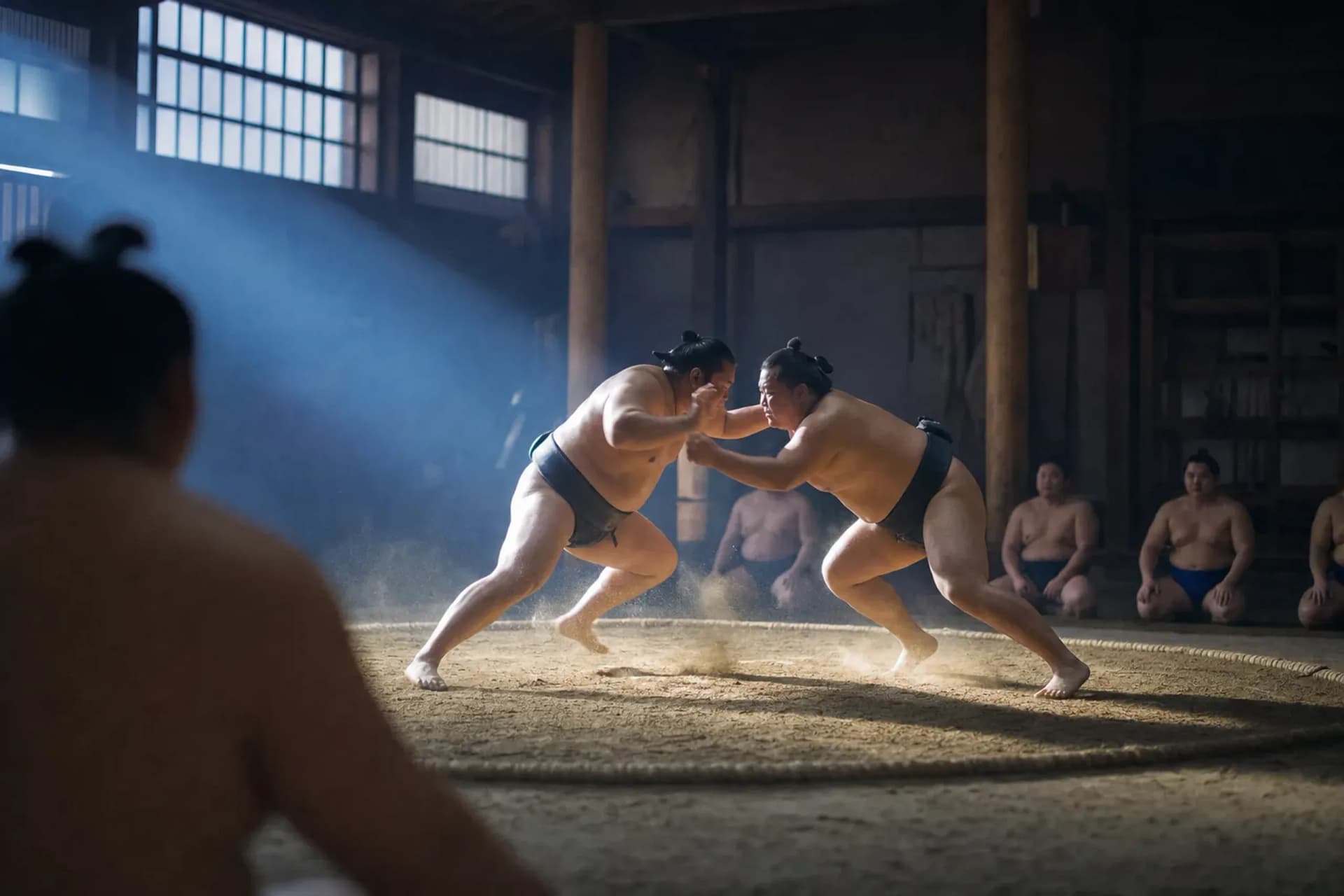
Keiko is repetition. Wrestlers arrive at the practice ring — the dohyō — before most of the city has stirred, and work through conditioning, footwork, and paired bouts for a stretch of hours. There is no announcer. No music. No one explains what is happening.
The room is small and functional. Clay underfoot, a raised ring, sweat, and the specific noise of the work itself: bare feet dragging across packed earth, the flat crack of impact, breath forced out on contact.
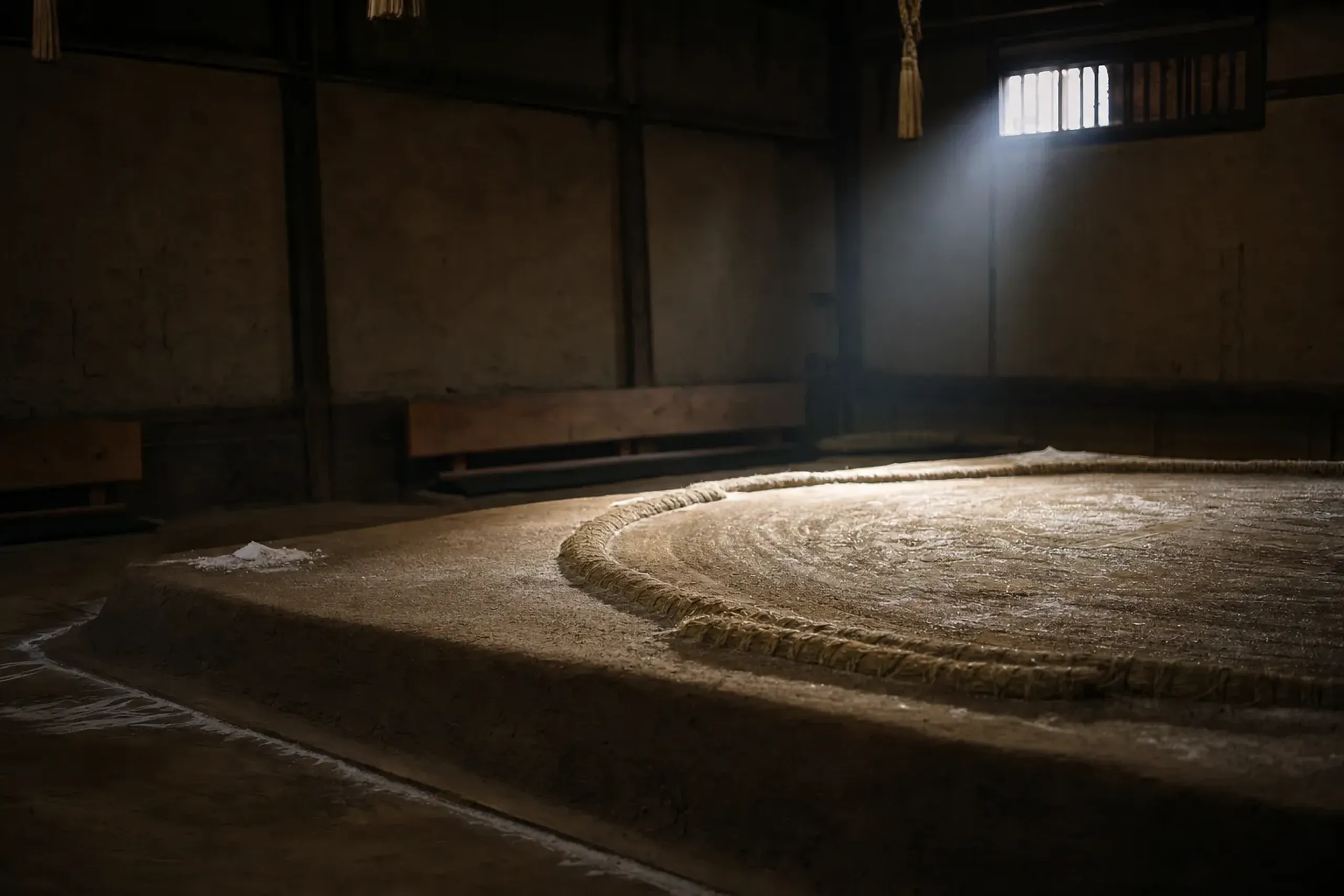
Wrestlers repeat the same movements far past the point an outsider would think enough. That repetition is the whole point. What looks effortless in the ring during a tournament is built here, unglamorously, morning after morning.
Senior wrestlers set the tone. Juniors carry the heaviest load. Nobody performs for the room, because the room is not an audience — it is a training floor with, on certain mornings, a few quiet guests permitted to sit at the edge of it.
What Is Expected Of You As A Visitor
Silence. That is the first and largest expectation, and it is not a suggestion. You should expect to sit or kneel quietly, in one place, for an extended period — often the better part of an hour or more. No talking. Even whispering can carry in a room that small and disturb the concentration of men doing dangerous, demanding work.
You do not move around. You do not stretch your legs out toward the ring — the soles of the feet pointed at the dohyō read as disrespect. You sit cross-legged or kneel, shoes removed on entry, phone off, hands still. No eating, no drinking, no fidgeting.
The core rule: You are a guest in someone's workplace, not a spectator at a show. The default posture is stillness and quiet attention. When in doubt, do less, not more.
There is a stillness the room asks of you that most visitors find harder than they expect.
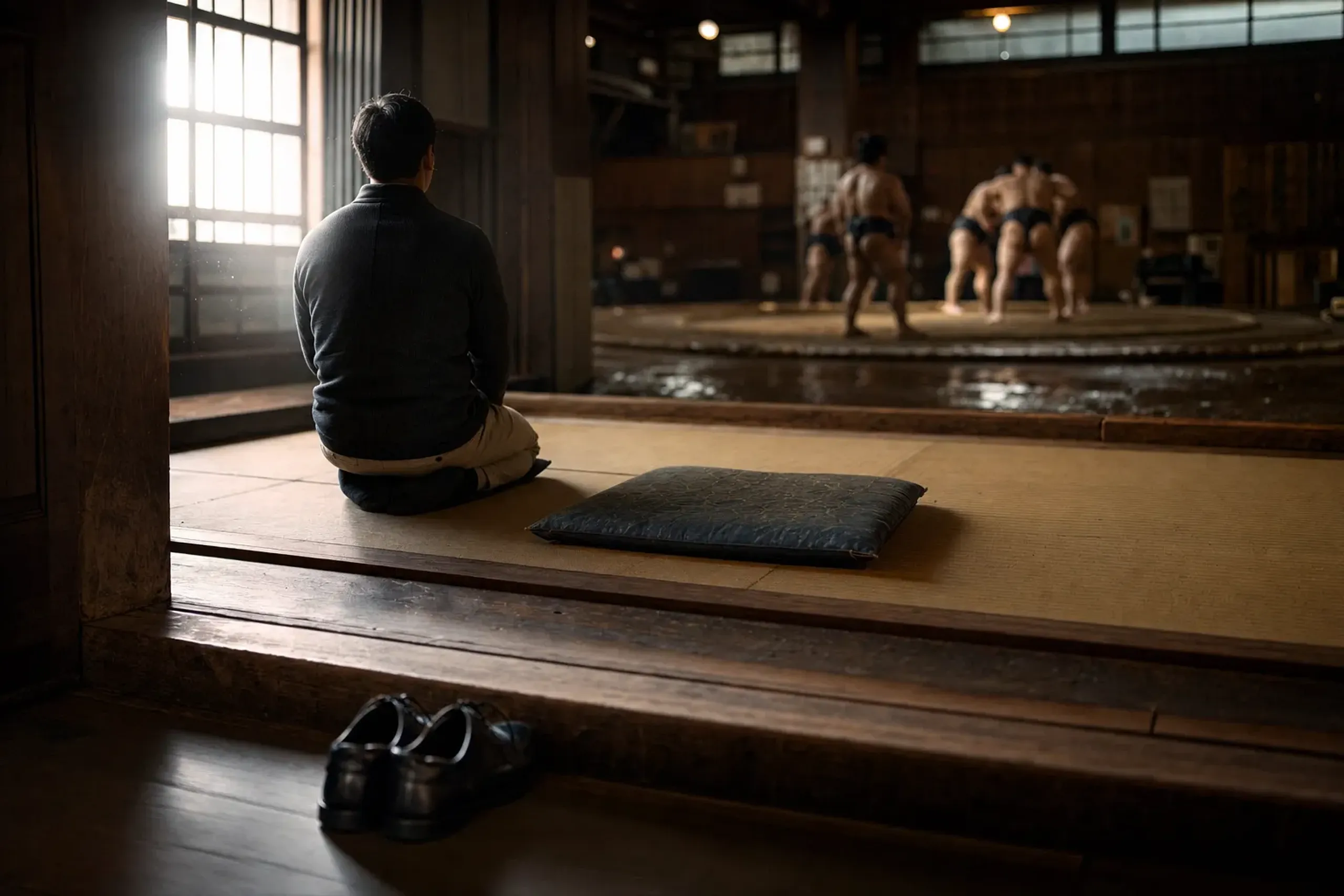
An hour of quiet observation, no phone, no conversation, watching something you do not fully understand. That discomfort is part of what you came for. Sit with it.
Arrival, Dress, And Conduct
Arrive exactly on time or early. A stable's morning runs on its own schedule, and a late arrival disrupts a session already underway — an unrecoverable discourtesy. Dress modestly and plainly: nothing loud, nothing revealing, clothing you can sit comfortably on the floor in for a long stretch.
Follow the instructions of the stablemaster or the designated host without question. If you are told where to sit, sit there. If you are asked to leave the room at a certain point, leave without hesitation. These are not arbitrary rules; they are the terms under which a private space has been briefly opened to you.
The register here is closer to entering a temple during active practice than attending an event. If our morning at a Kamakura Zen temple gives you a feel for being a quiet guest in a space that exists for its own purposes, carry the same seriousness here — arguably more, given how personal and professional a stable is.
Why Is Access To Sumo Stables So Rare?
Access is rare because a stable is a working environment, not a venue, and inviting outsiders is a courtesy the stable extends — never an obligation, and never a sale.
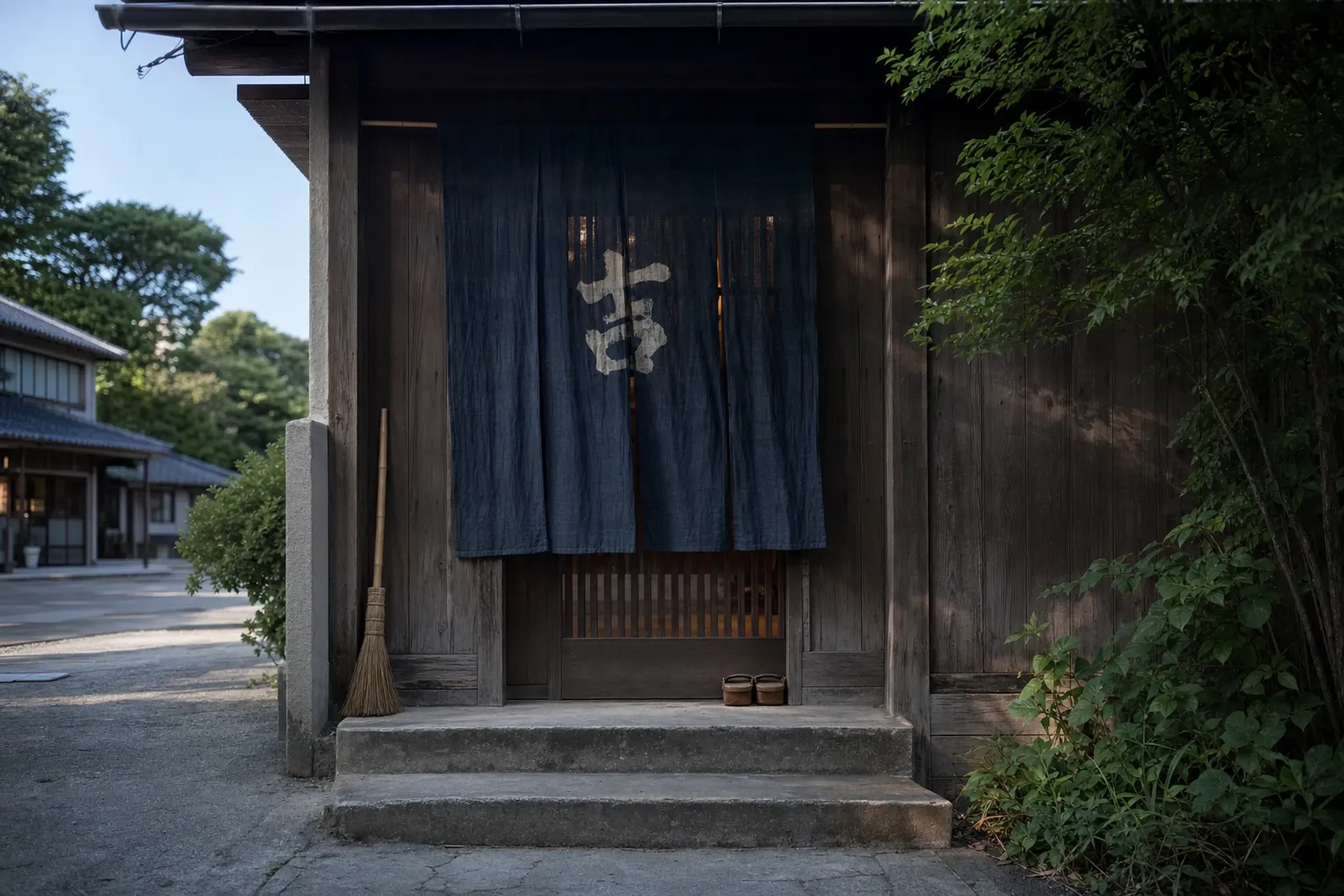
There is no central booking system.
The Japan Sumo Association publishes a directory of stables, but it does not operate a public visiting policy or a centralized reservation channel for training viewings. Whether a given stable accepts outside guests, and on which mornings, depends entirely on that stable — its schedule, its circumstances, and its willingness on the day. Rules differ from one stable to the next precisely because each is its own house.
Poor conduct by past visitors is part of why access has narrowed. A single guest who talks, moves, or photographs against instruction can make a stablemaster reluctant to invite anyone again. So the way you behave is not only about this morning — it protects whether the next guest is welcomed at all. That is why serious operators brief guests carefully and keep groups small.
What You Should Not Expect
Do not expect interaction with the wrestlers during training. They are working. There is no Q&A woven into the session, no coach narrating the drills, no pause to explain a technique. You watch; nothing is offered mid-practice.
Do not expect a guaranteed morning. This is the honest part, and it matters more than any other.
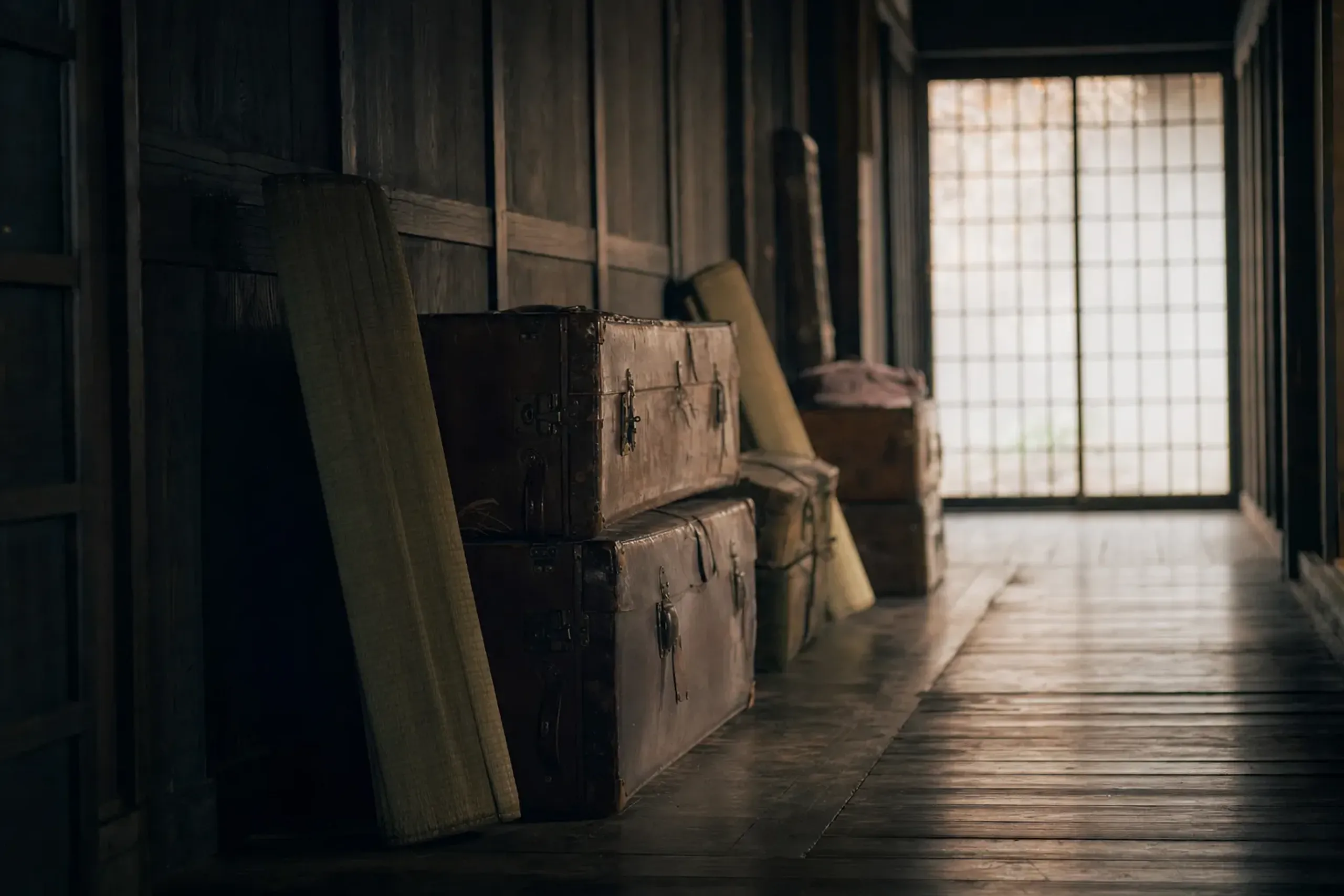
Access depends on the stable's willingness, its training calendar, and current circumstances — and any of those can change with little warning.
- Short notice is normal. Confirmation may come close to the date.
- Schedule changes are normal. A planned morning can move or fall away.
- Non-availability is normal. Some requests simply cannot be met on a given date.
None of that is a failure of arrangement. It is the ordinary condition of being granted entry to a private working space rather than buying a ticket. Stables also travel for the regional tournaments, which further narrows when practice can be observed at their Tokyo quarters — worth understanding as you plan.
Can You Take Photos At A Sumo Stable?
Assume no. Treat photography as restricted unless the host explicitly permits it on the day — and even where some photos are allowed, flash is not.
Practices vary. Some stables permit quiet, flash-off photography from your seat; others ask for none at all; some allow it but request that images not be shared on social media. You will not know which applies until you are told, and the answer can differ morning to morning. Never lift a phone or camera until the host has made the rule clear, and never use flash under any circumstances.
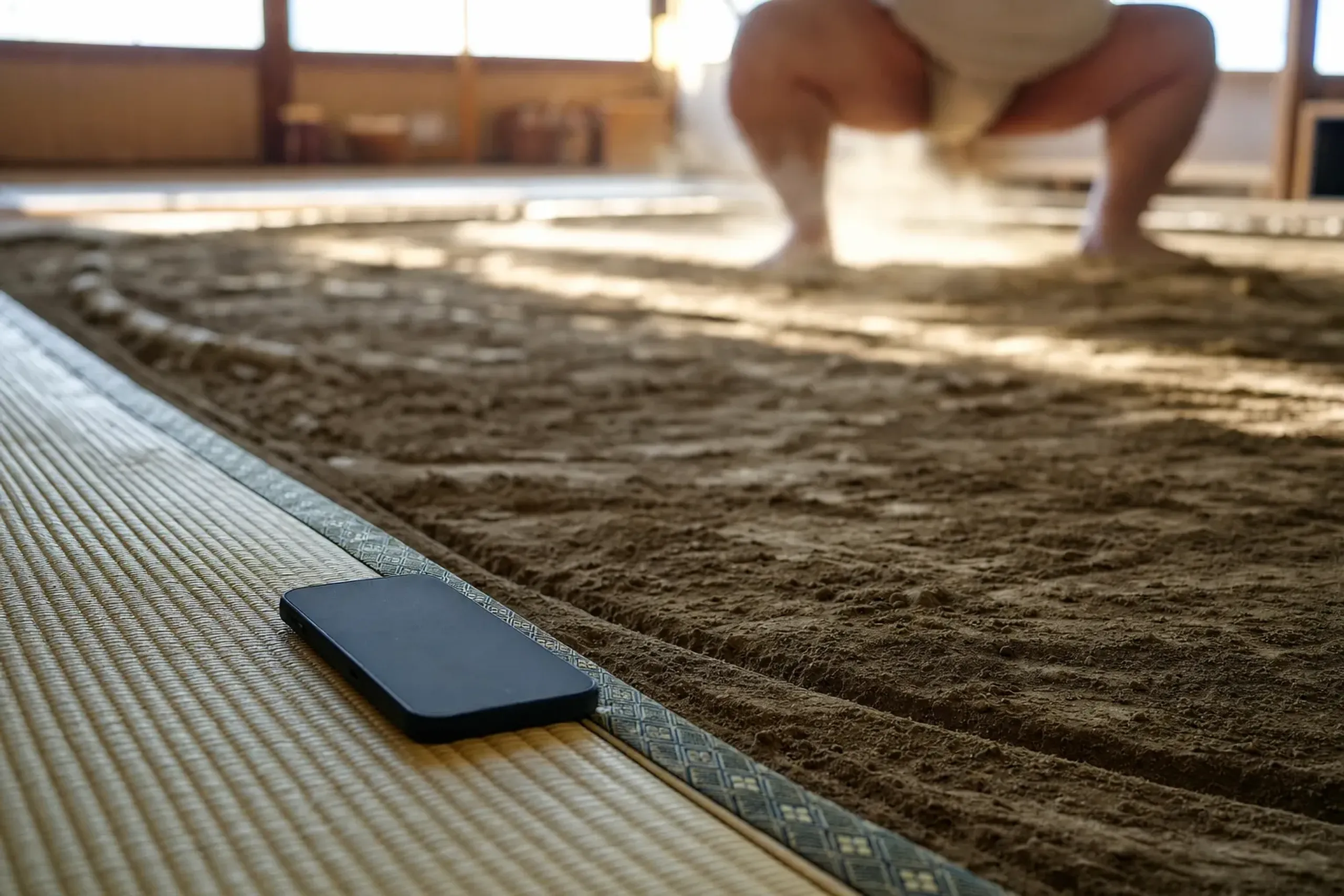
Please resist treating the morning as a photo opportunity. The value of what you are watching has nothing to do with the images you carry away, and everything to do with your presence and attention while it happens. Where our concierge team arranges a visit, we brief guests on the photography rules the host sets, and we ask that those rules be honored to the letter.
What You Actually Take Away
Not entertainment. What a visitor takes from a stable morning is an understanding of the discipline and repetition behind a sport that, from the tournament stands, can look like a few seconds of sudden force. You see the hours that produce those seconds.
You leave quietly, following the host's cue, with gratitude expressed in conduct rather than words — a bow, a stillness held to the end, no lingering. That restraint is the point. The morning is smaller and more serious than a tournament: no seat classes, no purchase, no crowd. A quiet room, a few guests, and the sound of work being done.
Frequently Asked Questions
How Is Watching Sumo Training Different From Attending A Tournament?
A tournament is a public performance with ticketed seats; training viewing is quiet observation of daily practice in a private stable, arranged by introduction. No seats, no purchase, no crowd — a small, silent morning.
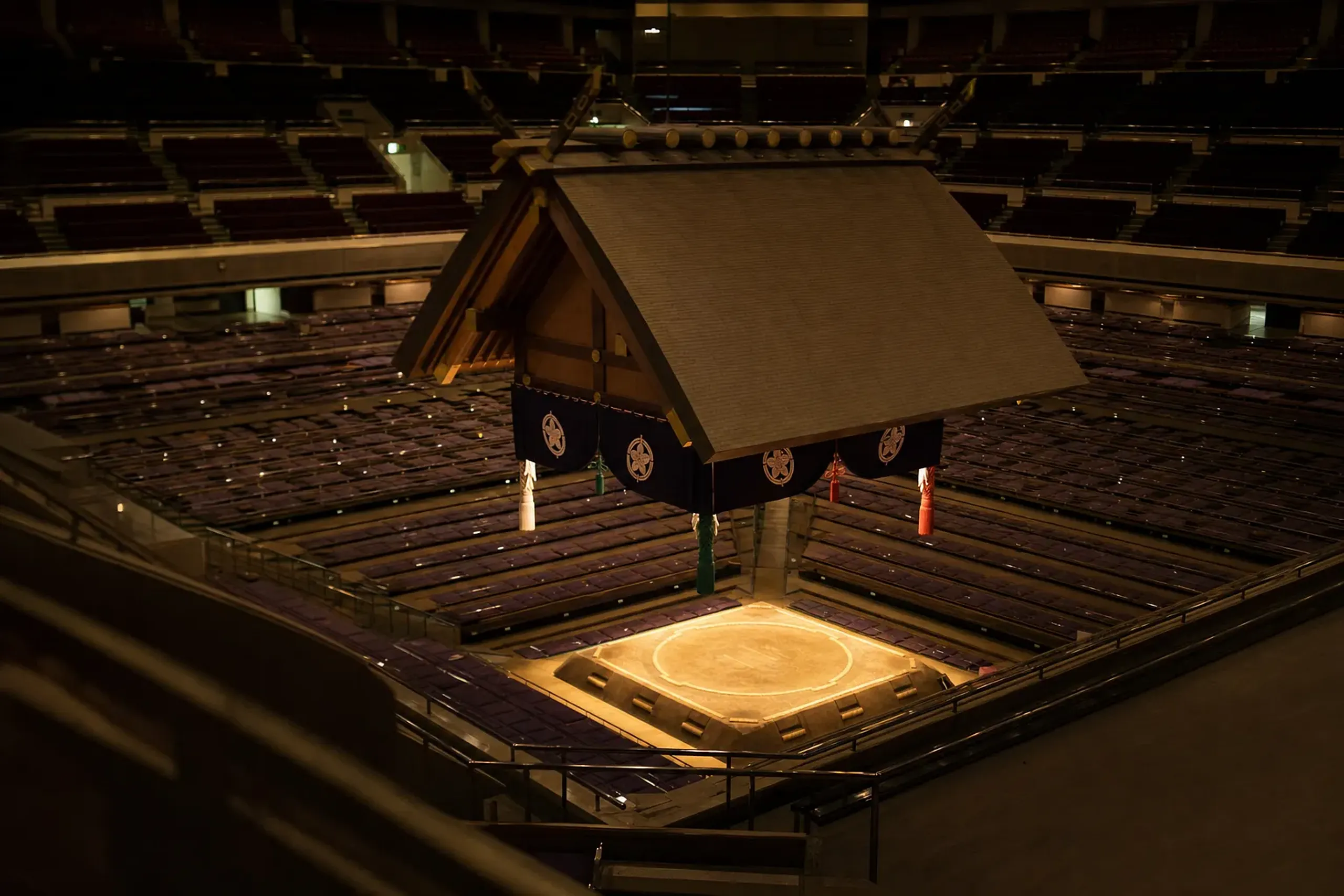
The six annual Grand Sumo tournaments run in Tokyo, Osaka, Nagoya, and Fukuoka on a fixed calendar. Stable training happens year-round but is never a public event, and access depends entirely on the individual stable.
Can I Guarantee A Stable Visit On A Specific Date?
No. Access depends on the stable's willingness, training schedule, and current circumstances, so short notice, changes, and non-availability are all normal. A specific date can never be promised.
Because of this, it is wise to keep flexible mornings early in a trip and treat a confirmed visit as a privilege rather than a fixture of the itinerary.
What Should I Wear To A Sumo Stable Visit?
Wear modest, plain clothing you can sit comfortably on the floor in for an extended period. Shoes are removed on entry, and anything loud or revealing is inappropriate in a working training space.
Are Photographs Allowed During Morning Practice?
Assume not. Treat photography as restricted unless the host explicitly permits it on the day, and never use flash. Some stables allow no photos; others permit quiet images but ask they not be shared online.
How Does Japan Royal Service Arrange A Stable Visit?
Our team at Japan Royal Service arranges stable visits through a sumo association channel, subject to the stable's availability. We confirm the specifics — timing, conduct, and any photography rules — directly with the stable at the time of arrangement.
Why Choose Japan Royal Service
Our team at Japan Royal Service arranges sumo stable visits through a formal sumo association channel, on behalf of the guest, subject to the stable's willingness and schedule. We do not present this as a bookable product, because it is not one — and pretending otherwise would misrepresent both the access and the respect it requires.
In our experience, the way to protect this kind of access is discretion and restraint: micro-groups, a careful pre-briefing on silence and conduct, no late arrivals, and no social posting where the host asks against it. That is how a stable stays willing to welcome a guest next season, and the one after. Our private chauffeured transport handles the early, dark start so you arrive composed and on time, and our concierge folds the morning into a wider, tailor-made itinerary — including the Sumo Museum at the Kokugikan and quieter corners of Ryōgoku — so the visit sits within real context rather than being reduced to a single voyeuristic hour.
If you are considering a stable morning for a specific trip, reach our team privately via WhatsApp or LINE, or contact us here, and we will inquire on your behalf with an honest read on what is possible for your dates.