In this guide
- 01Why Is Yuki Tsumugi So Rare Compared To Other Silk?
- 02What Exactly Is UNESCO-Listed About Yuki Tsumugi?
- 03The Three Designated Steps: What Must Be Done By Hand
- 04What Does Yuki Tsumugi Feel Like On The Body?
- 05Where Is Yuki Tsumugi Made, And What Has Changed Over Time?
- 06What Happens During A Yuki Tsumugi Workshop Visit In Ibaraki?
- 07Commissioning Yuki Tsumugi: Lead Times And The Luxury Of Waiting
- 08How Do You Carry Yuki Tsumugi Home Safely After Purchase?
- 09Pairing Yūki With Mashiko: A Two-Day Kantō Craft Itinerary From Tokyo
- 10Frequently Asked Questions
- 11Why Choose Japan Royal Service
The first thing you notice is how quiet the work is.
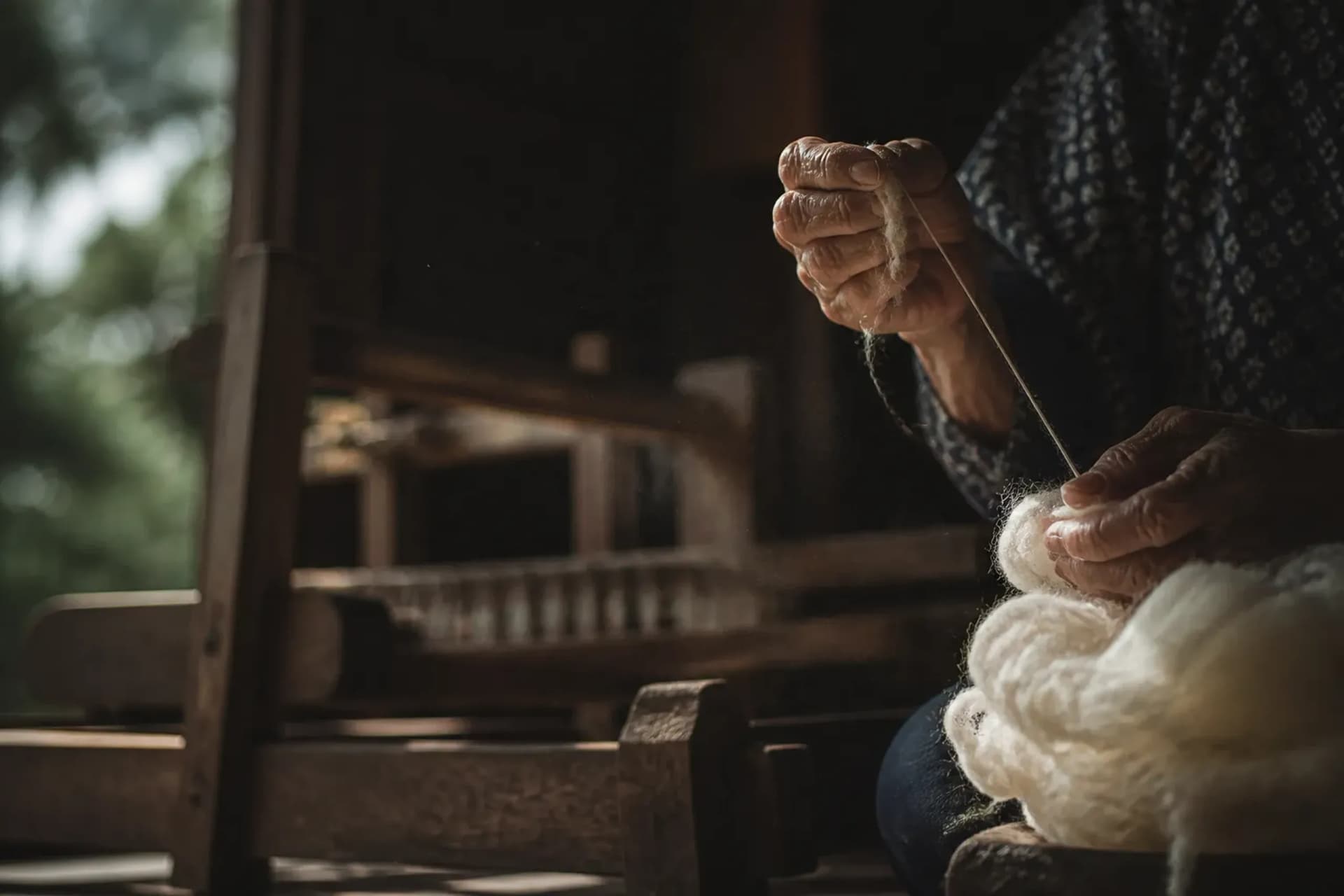
No engines. No whirring spindle. Just fingertips finding the end of silk floss and drawing it forward, breath by breath, into something that looks too delicate to exist outside the room.
Then you learn the trick. There is no twist.
Nearly every thread you have ever worn has a twist put into it. That twist locks fibers together and gives yarn its familiar strength. Yuki tsumugi begins in the opposite direction. Silk floss is drawn into thread without twist at all, held together by a simple binder—saliva—so the fibers cling, and the finished cloth keeps air inside it.
That single fact changes everything. Weight. Warmth. Drape. Even how the cloth ages on the body. For travelers who collect craft the way others collect art, it is the kind of technical rarity that makes a journey feel justified.
Why Is Yuki Tsumugi So Rare Compared To Other Silk?
Yuki tsumugi is rare because it is woven from untwisted silk thread—an unusual method globally—and the designated steps require long, manual work that mechanical looms cannot replicate.
In our experience, this is the point many English summaries miss: the rarity is not just “handmade.” It is a specific, demanding technique built around thread that has no twist, plus pattern work that can run for months before dye ever touches it.
The cloth holds air, so it reads as light and warm at the same time. That warmth is not bulky. It is calm.
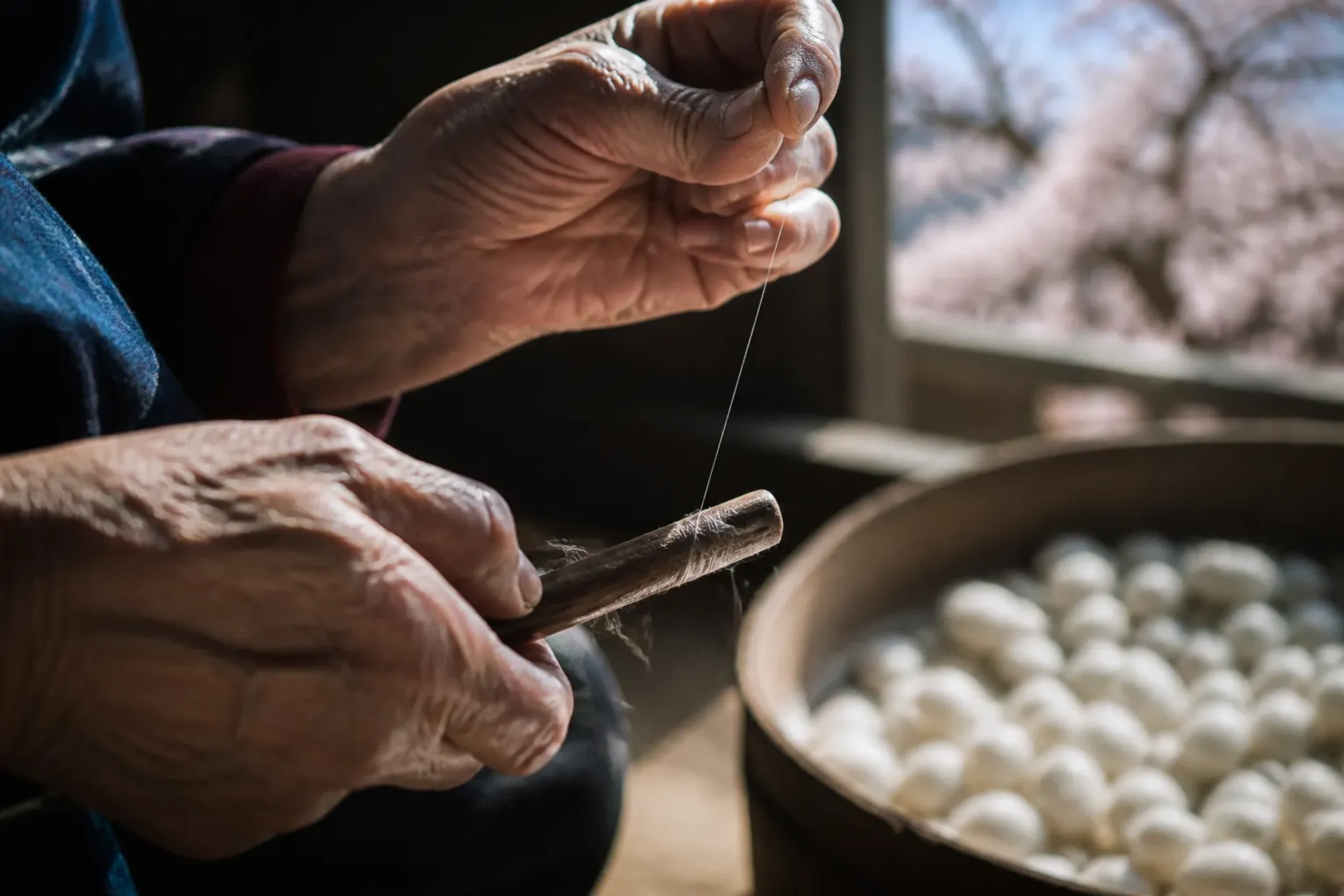
Untwisted thread begins at the fingertip—quiet work, precise control.
Subtle. The kind of luxury you only feel once you wear it.
Collectors often remember one comparison. A kimono bolt in Yuki tsumugi can weigh around a hundred grams less than a similar bolt in ordinary silk, precisely because untwisted thread traps air instead of compacting into a denser yarn.
What Exactly Is UNESCO-Listed About Yuki Tsumugi?
UNESCO recognizes the technique of Yuki tsumugi, not the finished cloth, and it was inscribed on UNESCO’s Representative List of the Intangible Cultural Heritage of Humanity in 2010.
This distinction matters. A bolt in a shop is not “UNESCO-listed fabric.” It is the product of a protected practice—skills held by people, passed on through work, and kept alive through repetition and instruction.
Japan designated Yuki tsumugi as an Important Intangible Cultural Property in 1956. Again, the designation protects technique. Not an object. That is why a visit feels different from shopping: you are seeing a chain of knowledge, not a showroom story.
Production is often described as more than forty stages, divided among specialists. No one person makes a bolt alone. That division of labor is part of the reality, and part of the reason lead times stretch so far beyond a typical purchase.
The Three Designated Steps: What Must Be Done By Hand
When you stand close enough to hear it, Yuki tsumugi sounds like work, not performance.
Three steps are the designated requirements for the craft. Each is simple to name. None is simple to do.
Itotsumugi (Spinning): Drawing Untwisted Thread
The process begins with cocoons stretched into a soft bag of floss called mawata.
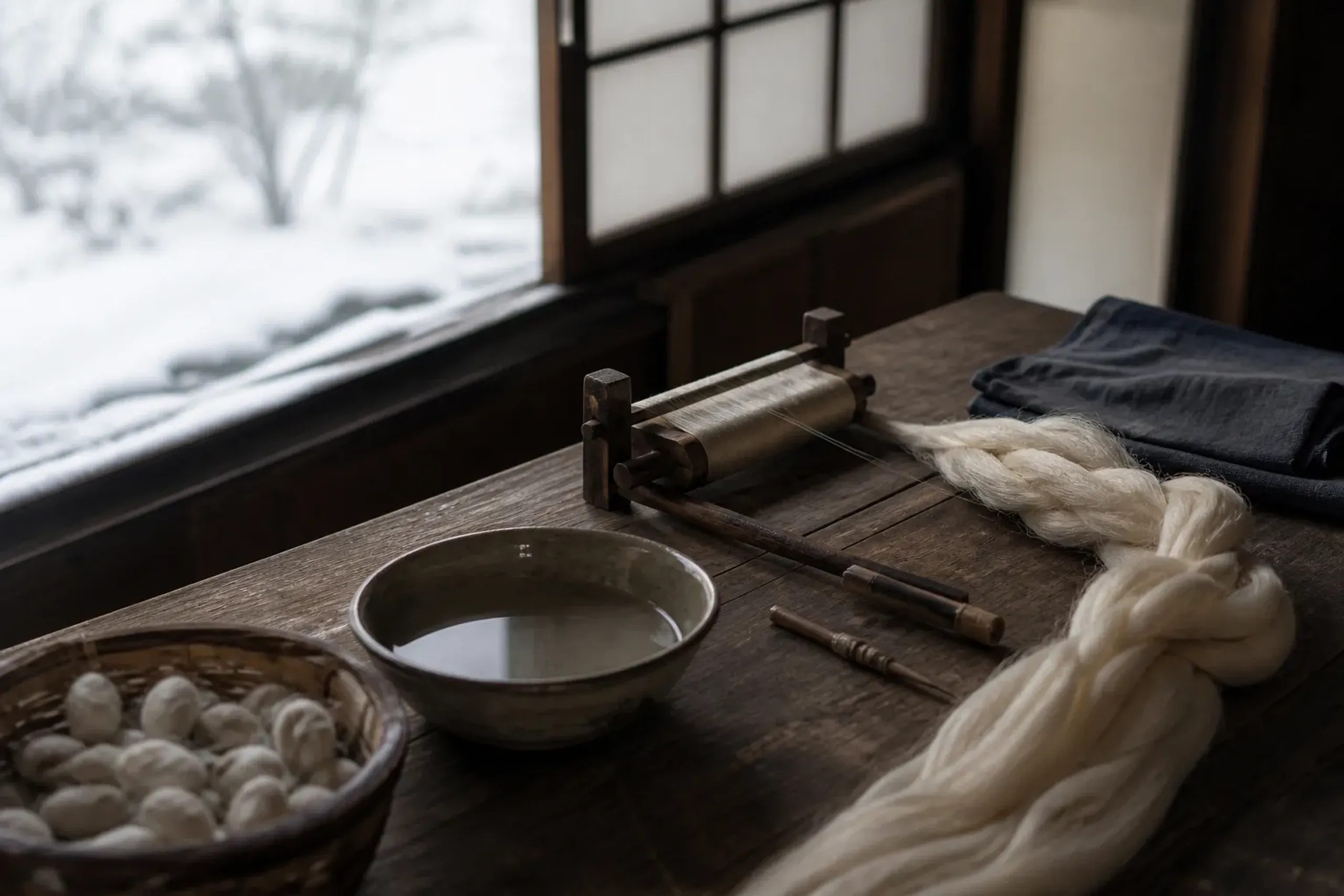
UNESCO recognizes technique—skills, tools, and the people who keep them alive.
The thread is teased out with the fingertip, then drawn off a rod called a tsukushi, gathered into a tub called an oboke.
No twist is applied. That is the whole argument in one line.
Instead, saliva binds the fibers as the thread is drawn forward. It is not treated as exotic in the workshops. It is a practical binder that makes untwisted thread possible, and it is done with quiet focus, the way craftsmen treat any necessary step.
Kasuri-Kukuri (Binding): Six Months Before Dye
Parts of the thread that will become pattern are marked in ink, then bound tightly with cotton thread so dye cannot reach them.
For an intricate pattern, this single step can take more than six months. Before anything is dyed. Long before anything is woven.
That timeline is why Yuki tsumugi is often better approached as an order, not an impulse buy. Even when a bolt is available for immediate purchase, the work behind it has already consumed seasons of someone’s life.
Jibata Weaving (Izari-Bata): A Loom Strung To The Body
The loom used in the workshops here is the most primitive form of loom, called jibata, and locally referred to as izari-bata.
The warp is tied to the weaver’s waist. Tension is adjusted by the body as the work proceeds.
That body-borne tension is what produces the cloth’s hand. A mechanical loom cannot reproduce it, because the micro-variation is the point.
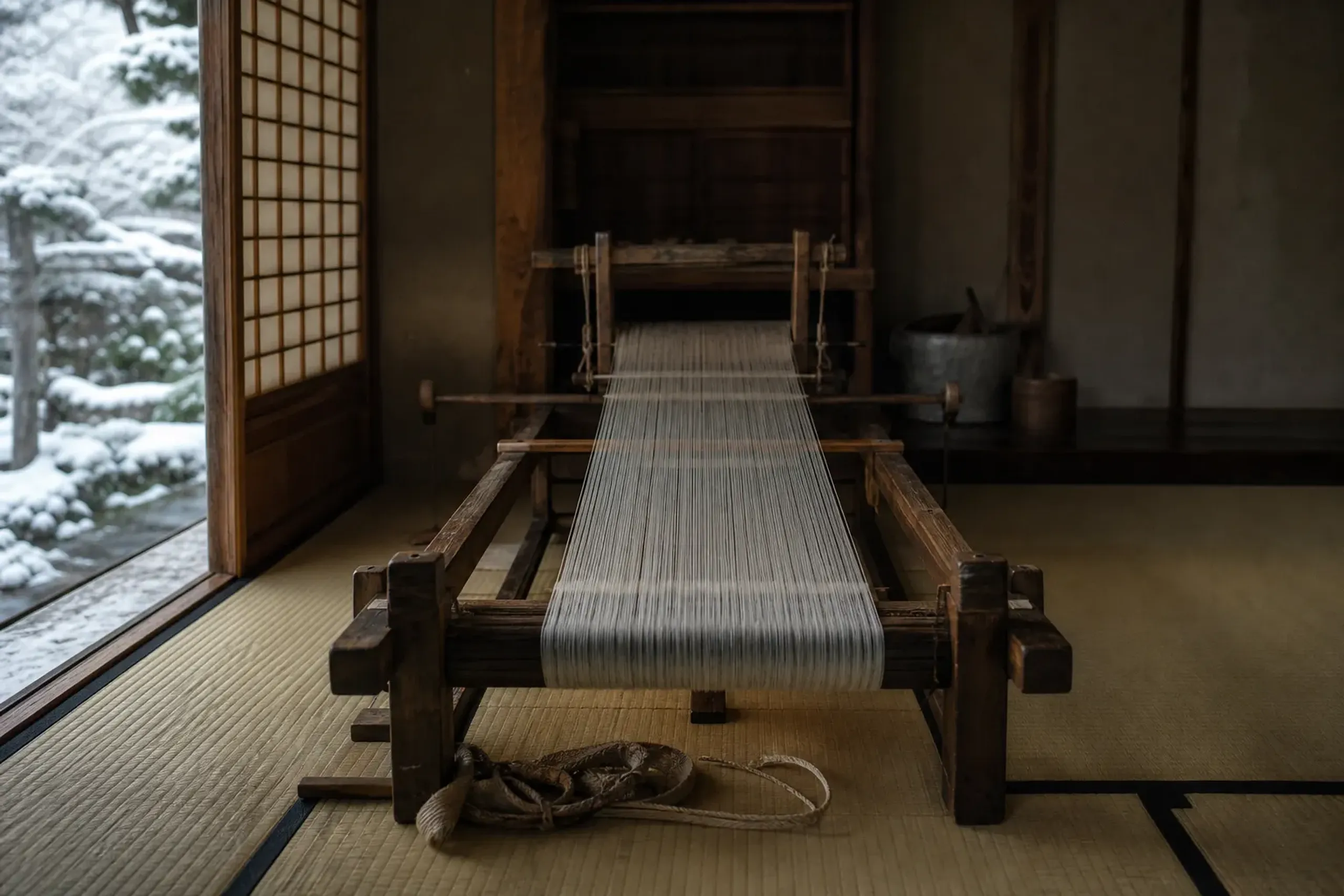
A loom tied to the body—tension controlled by posture, not a machine.
You can hear the rhythm. You can see the posture change. It is weaving as a full-body act.
What Does Yuki Tsumugi Feel Like On The Body?
Yuki tsumugi feels light, warm, and quietly strong, with a hand that deepens through wear rather than thinning out.
The cloth’s warmth comes from air held in untwisted thread. It is an engineering choice dressed as softness. The result is a kimono fabric that does not need weight to feel insulating.
Strength surprises many first-time buyers. Untwisted does not mean fragile. The work is rigorous, the thread is controlled, and the weaving tension is bodily precise.
Then there is the part that makes owners loyal. It improves with wearing. The hand deepens over years rather than degrading, which inverts what many people expect from luxury textiles. You do not “save it for best” forever. You live with it, and it becomes more itself.
Where Is Yuki Tsumugi Made, And What Has Changed Over Time?
Yuki tsumugi is woven around Yūki in Ibaraki and Oyama in Tochigi, known by the name since the Keichō era (late 16th to early 17th century) and produced in quantity by the early Edo period.
This is not a claim of frozen time. Some things have adapted. Dyeing has taken on modern taste, while spinning, binding, and jibata weaving have not.
That balance is part of what makes a visit satisfying for HNW travelers. You are not asked to pretend the present does not exist.
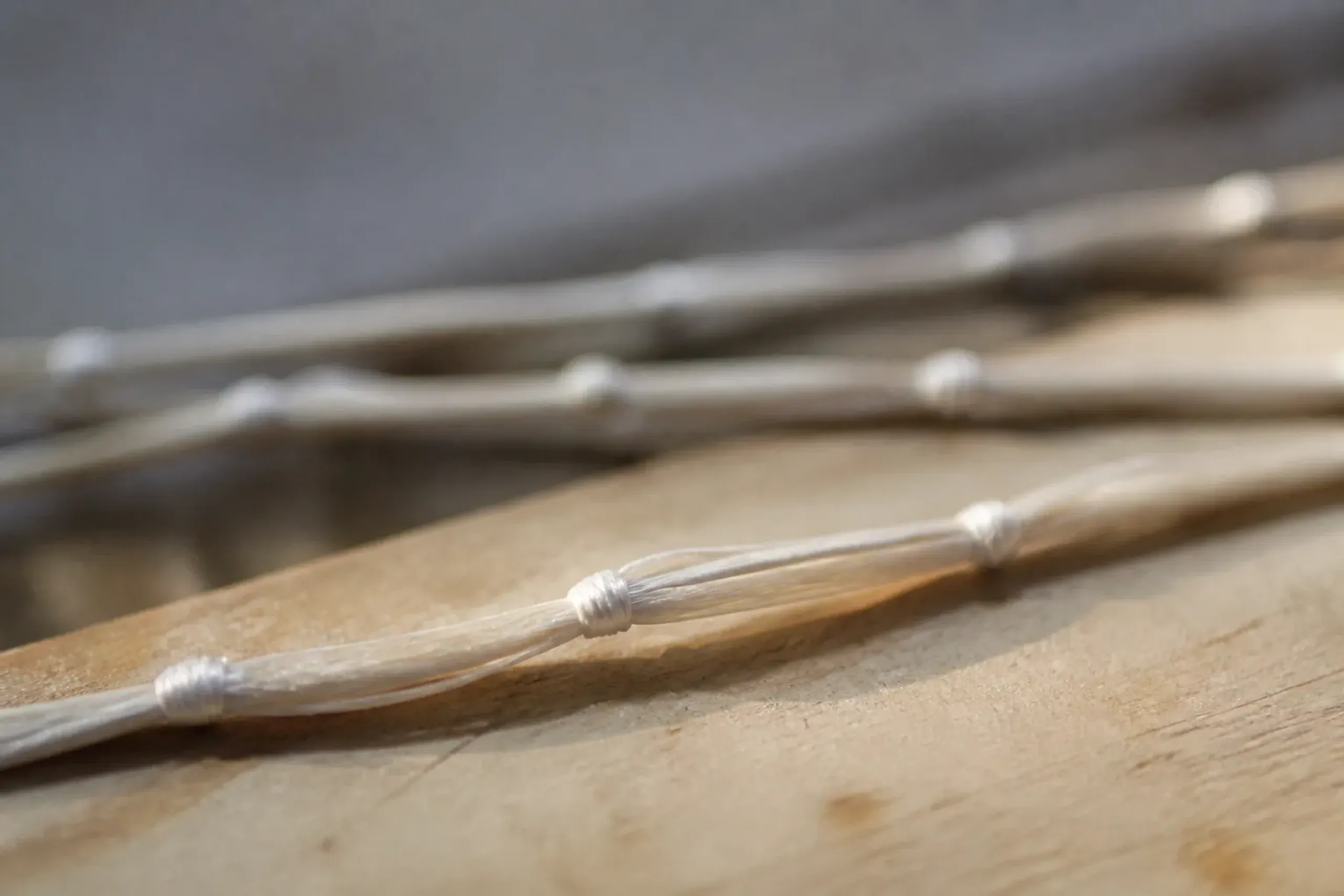
Months of tying can happen before dyeing starts.
You are asked to notice what has been kept exact, because it still produces a result no shortcut can match.
Writers and collectors have long valued Yuki tsumugi, and it appears in the writing of Kōda Aya and Shirasu Masako. One line is enough. The cloth has always been more than clothing.
What Happens During A Yuki Tsumugi Workshop Visit In Ibaraki?
A workshop visit typically focuses on observing the three protected steps up close and, when permitted, trying a short hands-on session such as drawing thread or learning the logic of kasuri binding.
These are working ateliers. Not stages. Our team at Japan Royal Service prepares guests for that mood, because the most respectful way to enter is to be useful with your attention.
Expect a division of labor. One person spins. Another binds. A weaver works the izari-bata with the warp tied to the waist. The point is not to meet a single genius. It is to understand a system that survives because many specialists keep showing up.
There are also practical boundaries. Photography inside workshops may be restricted without permission. Some spaces are tight. Some steps cannot be interrupted. Quiet matters.
Key fact: The UNESCO inscription and Japan’s designation protect the technique, not the cloth—so a visit is about seeing skill in motion, not buying a “listed” object.
Commissioning Yuki Tsumugi: Lead Times And The Luxury Of Waiting
Commissioning Yuki tsumugi is measured in months to years, because the pattern binding alone can take more than six months before dyeing and weaving even begin.
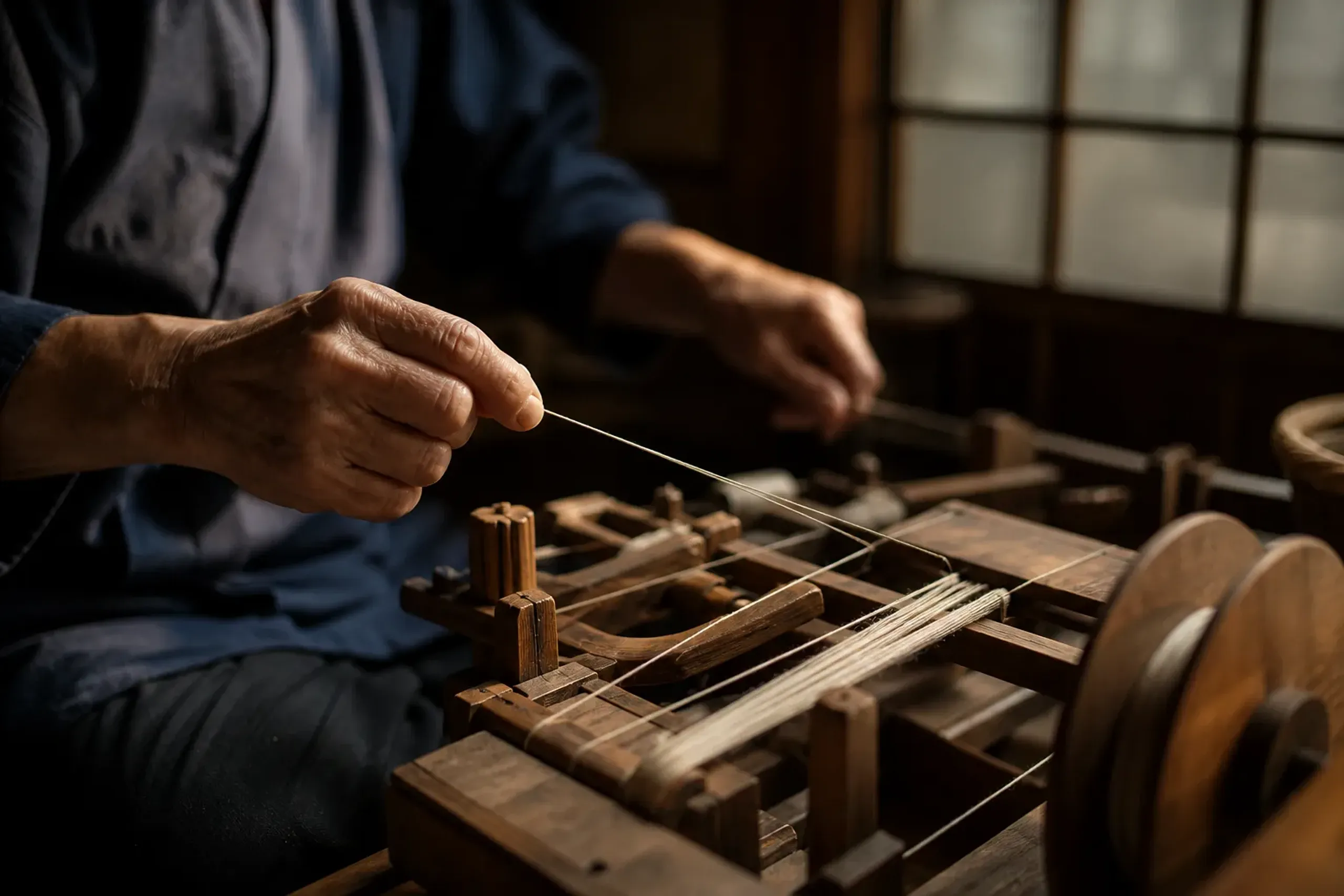
Not a performance—an atelier at work, and guests who know how to watch.
This is where many luxury travelers misread the category. They expect immediate availability because silk is portable and shops are polished. Big mistake.
Yuki tsumugi rewards an ordering mindset. You choose the direction of the pattern, the subtlety of the kasuri, the feel you want after years of wear. Then you let the work happen at human speed.
On the public website, we keep this simple: Japan Royal Service can support workshop visits, hands-on sessions when available, and guidance around purchase and commissioning. Private coordination is handled discreetly after you inquire with our concierge.
If you are comparing concierge brands—InsideJapan Tours, Quintessentially, Remote Lands, Boutique Japan, or Relais & Châteaux-style networks—this is one place our approach stays steady: we treat craft lead times as part of the value, and we plan your travel windows around reality, not wishful calendars.
For clients who want a broader context for ordering craft, our concierge often shares the logic behind commissioning and lead times across Japan—what ships safely, what cannot, and what is worth waiting for—before you make any decision.
How Do You Carry Yuki Tsumugi Home Safely After Purchase?
Yuki tsumugi travels easily because it is silk cloth, so it can be packed flat and protected from moisture, unlike bonsai, stone, or lacquer that can demand special handling.
A bolt is compact. Light. It fits the rhythm of international travel, especially for guests who prefer to buy with intent and finish tailoring later.
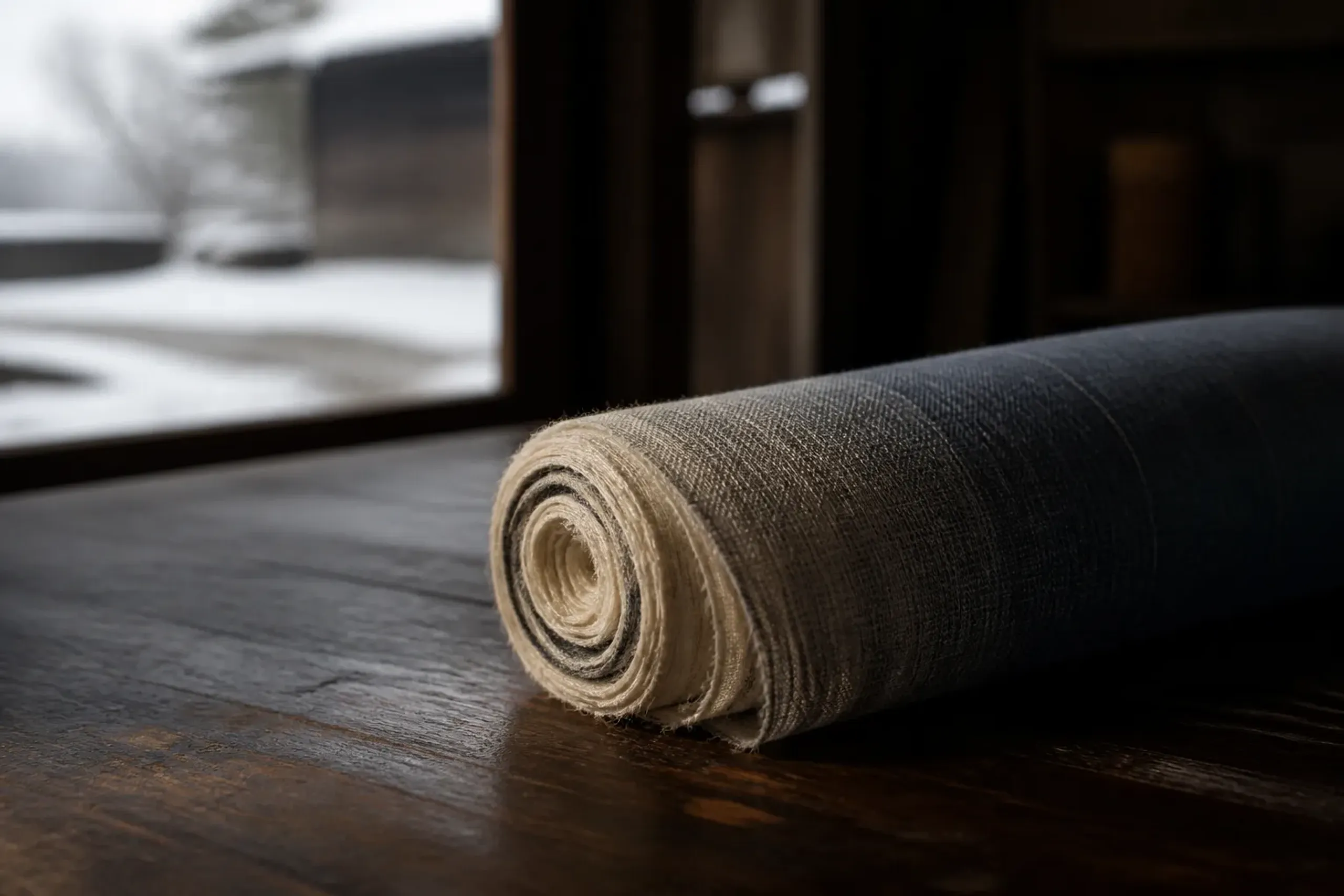
What matters is care, not complexity. Keep it dry. Keep it clean. Avoid crushing it under heavy items. If you are carrying multiple acquisitions, separate fabrics so dyes and finishes never rub against each other.
We often frame this as part of a wider craft question: what can you realistically take home in your suitcase, and what belongs to slower shipping and longer conversations? For related perspectives, see Sanuki Temari, and a Craft That Travels, Real Lacquer Takes a Week to Dry, and The Stonecutters of Aji.
Pairing Yūki With Mashiko: A Two-Day Kantō Craft Itinerary From Tokyo
Yūki and Mashiko can be paired as a two-day Kantō craft journey from Tokyo, because both are craft towns rather than sightseeing districts and both reward slow, appointment-based days.
The mood is similar. Working hands. Modest streets. A focus on material truth. No forced performance.
We keep this pairing narrow on purpose. You are not trying to “cover Ibaraki.” You are choosing two places where craft is still made in the open, and where your time is better spent listening than photographing.
If Mashiko is part of your plan, our team can share the pacing logic and what to expect on the ground; you can also read our related story here: Kairakuen Garden, Mito.
For travel between these towns and Tokyo, a private car changes the day’s texture. No station clocks. No tight transfers. The first mention matters, so here it is: our private transportation service is designed for discreet, unhurried movement—especially valuable when you are carrying purchases or traveling with family.

Frequently Asked Questions
Is Yuki Tsumugi UNESCO-Listed Fabric, Or Is It The Technique?
Yuki tsumugi’s UNESCO inscription recognizes the technique, not the finished cloth, and it was inscribed in 2010 on UNESCO’s Representative List of the Intangible Cultural Heritage of Humanity.
That is why serious buyers focus on how the thread is spun, how kasuri binding is done, and how the jibata loom is worked, rather than treating “UNESCO” as a label on a product.
How Long Does It Take To Make A Patterned Yuki Tsumugi?
An intricate Yuki tsumugi pattern can require more than six months of kasuri-kukuri binding before dyeing and weaving begin.
Time varies by complexity and by who is available at each stage, because the process is divided among specialists rather than handled by one maker.
Can Visitors Try Spinning Untwisted Silk Thread In A Hands-On Session?
Some workshops may allow short hands-on experiences, such as drawing untwisted thread from mawata using the tsukushi and oboke, depending on the day and the atelier’s rules.
Our concierge team can share tailored guidance on what is realistic for your dates, party size, and language needs, and how to visit respectfully.
Is Yuki Tsumugi Suitable For First-Time Kimono Buyers?
Yuki tsumugi can suit first-time buyers who want a kimono that grows better with wear, as long as they understand kimono formality rules and plan for commissioning timelines.
Tsumugi’s “informality” is a rule of occasion, not a judgment of quality.
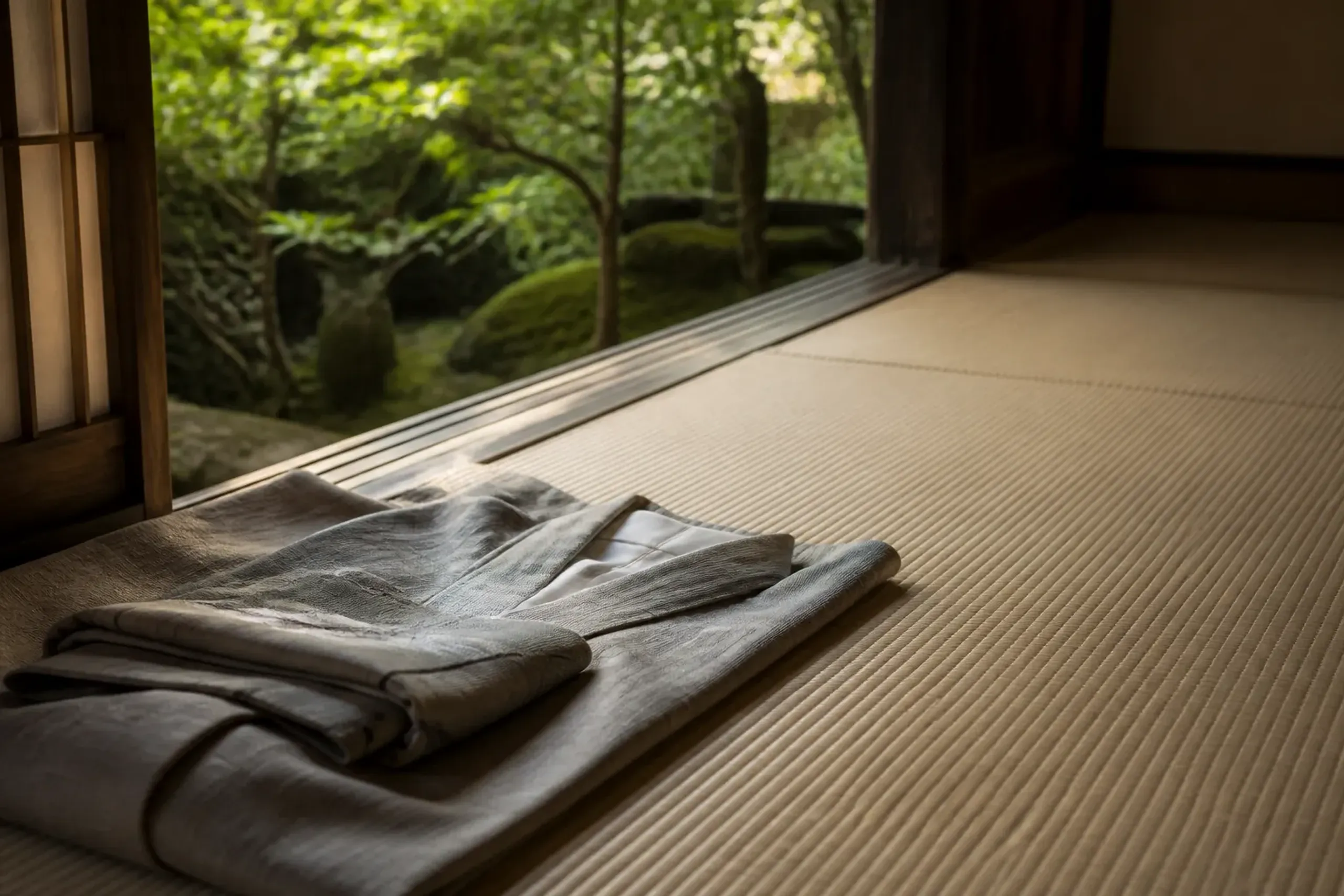
Many collectors begin with it because it is wearable, durable, and deeply tied to craft technique.
Why Choose Japan Royal Service
Discretion comes first. Our clients do not want their identity, itinerary, or purchases discussed, and our team at Japan Royal Service works in that quiet register from the first message onward.
We also understand hidden-Japan access in its real form: introductions, timing, and respect for ateliers that are not designed for tourism. Yuki tsumugi is exactly that kind of place. It is about shokunin work done without spectacle.
Finally, we plan with the calendar in mind. Not just seasons, but the long arc of making—six months of binding, months to years for commissions, and the practical pacing that lets you see technique without rushing the people who carry it.
If Yuki tsumugi belongs in your Japan story, reach our team privately via WhatsApp or LINE, or contact us here.
For a fully tailor-made itinerary that pairs craft with calm, tell us your dates, party size, and what you hope to commission.