In this guide
- 01What Is Ise Jingu, And Why Does It Matter So Much In Shinto?
- 02Naiku And Geku: How The Two Main Shrines Work (And The One Order Most Visitors Miss)
- 03What Is Shikinen Sengu At Ise Jingu, And Why Is It Happening From 2025 To 2033?
- 04How Does Ise Jingu’s “Eternity By Renewal” Contrast With Horyu-ji?
- 05What Can You Actually See During The Current Cycle, Including Okihiki?
- 06The Sacred Mirror, Amaterasu, And The Imperial Connection (Stated Carefully)
- 07Can Visitors Enter The Inner Sanctuary At Ise Jingu?
- 08Sengukan Museum: The Honest Way To See The Craft Up Close
- 09Oharaimachi And Okage Yokocho: The Human-Scale Edge Of A Sacred Site
- 10Frequently Asked Questions
- 11Why Choose Japan Royal Service
Every twenty years, Ise Jingu is dismantled and rebuilt, joint by joint, as if time is not allowed to leave a mark.
That cycle is not a legend. It is underway right now.
The 63rd Shikinen Sengu began in 2025 and runs through 2033, with major rites scheduled toward the end of the cycle.
For a traveler planning Japan in 2026, this matters because you are visiting during an active renewal, not reading about one.
What Is Ise Jingu, And Why Does It Matter So Much In Shinto?
Ise Jingu is widely regarded as Japan’s most important Shinto shrine complex, centered on Naiku (Inner Shrine) and Geku (Outer Shrine) in Mie Prefecture.
It is not one building. It is a constellation—about 125 shrines spread across the area—held together by a single idea: continuity through correct practice, repeated without drift.
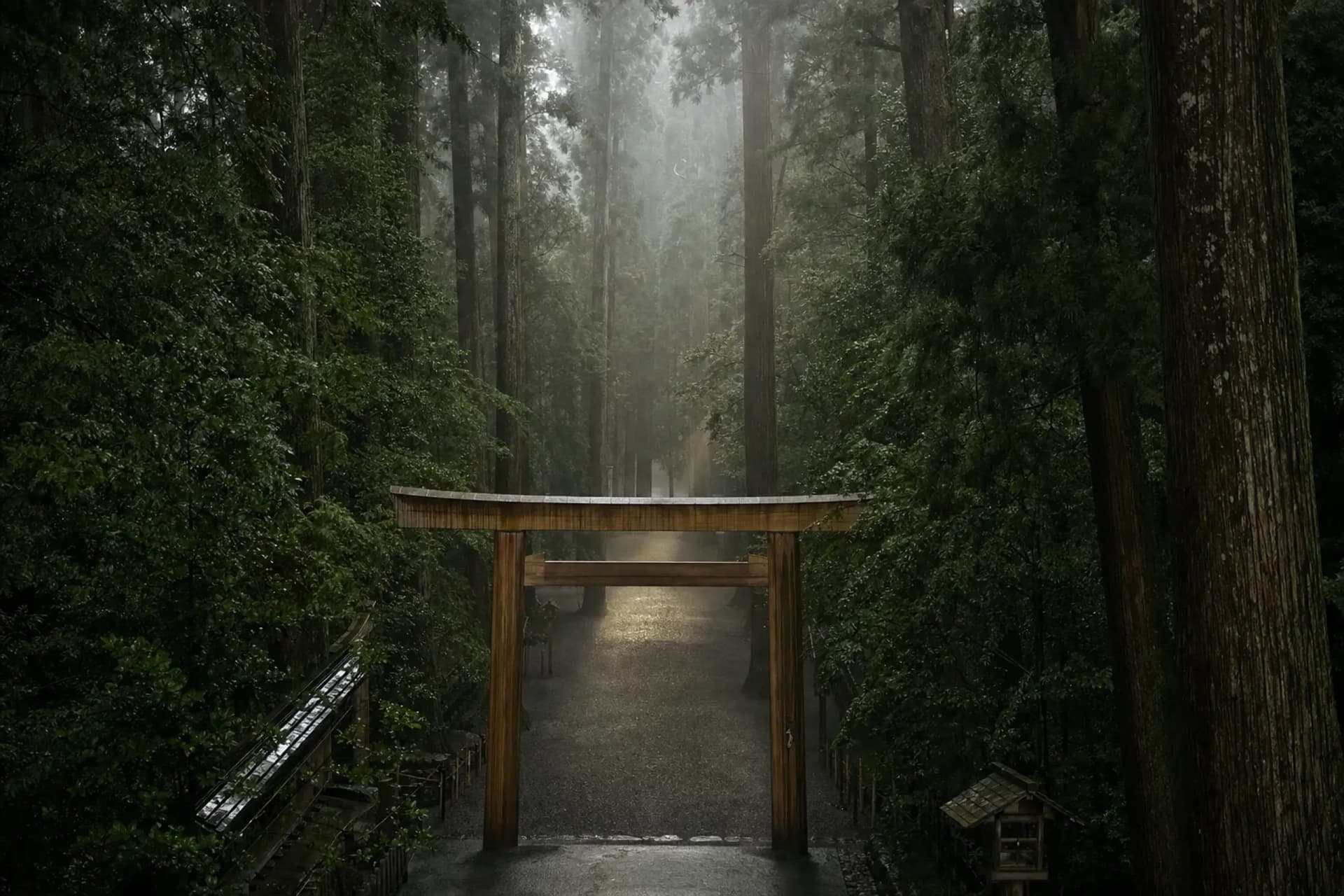
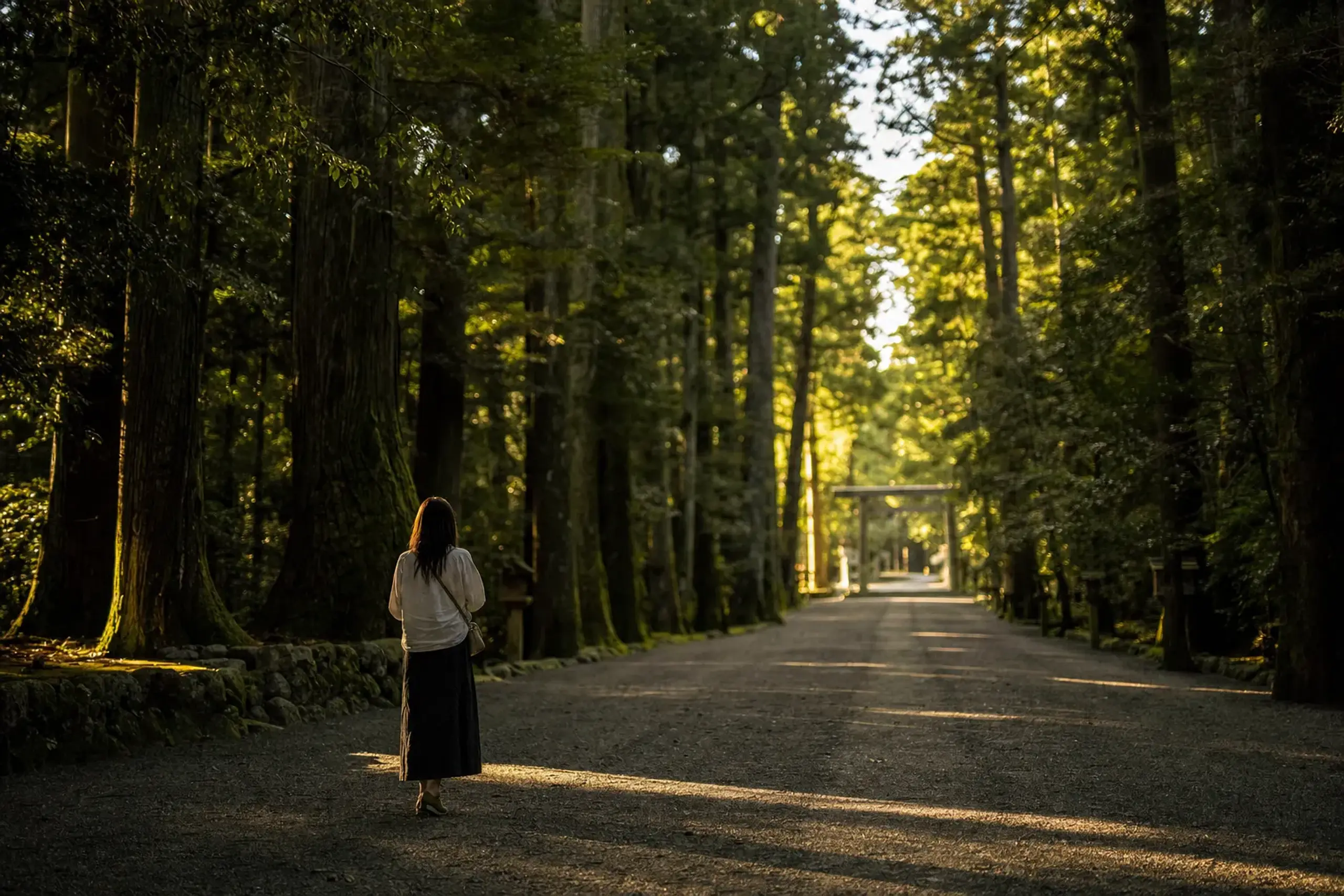
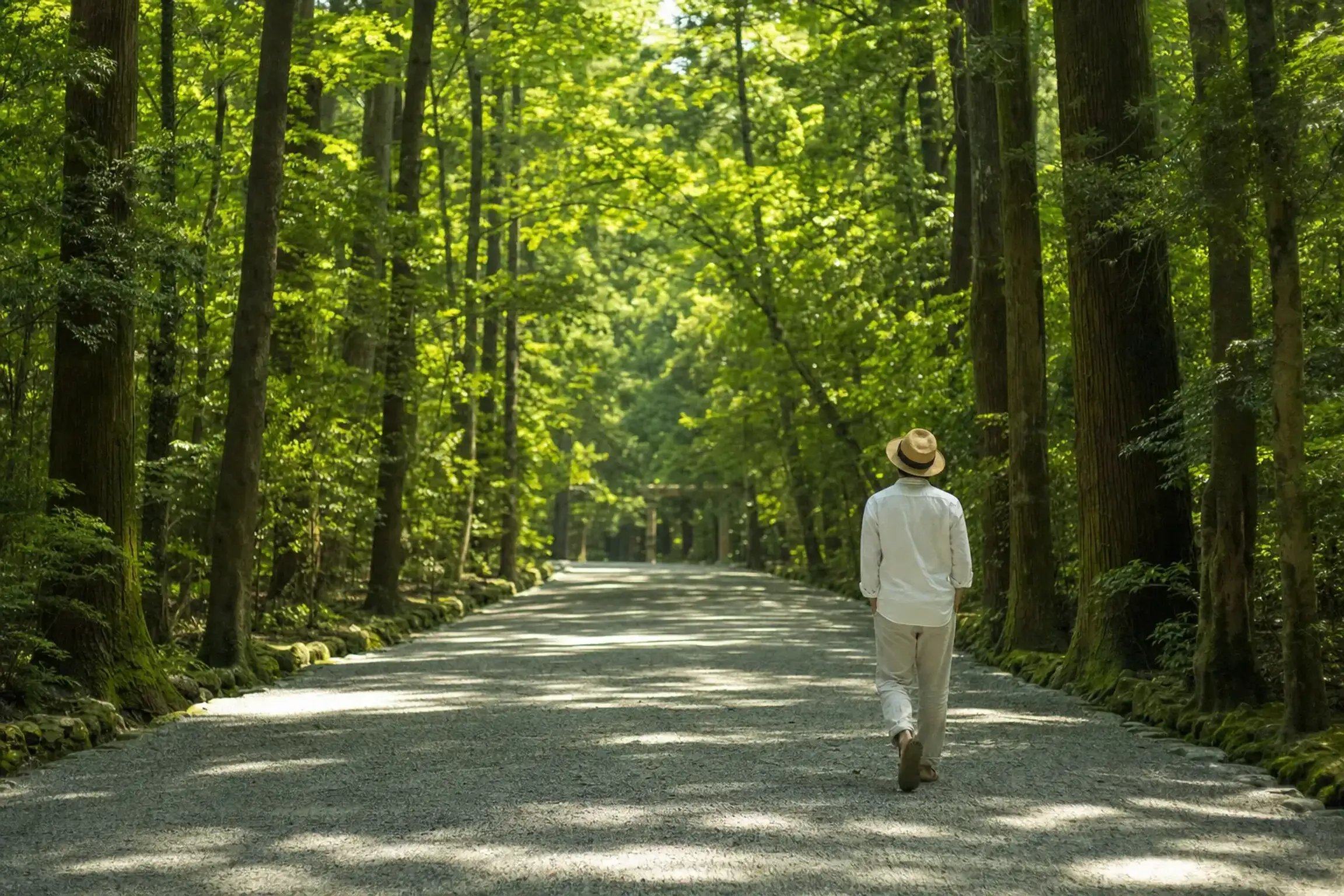
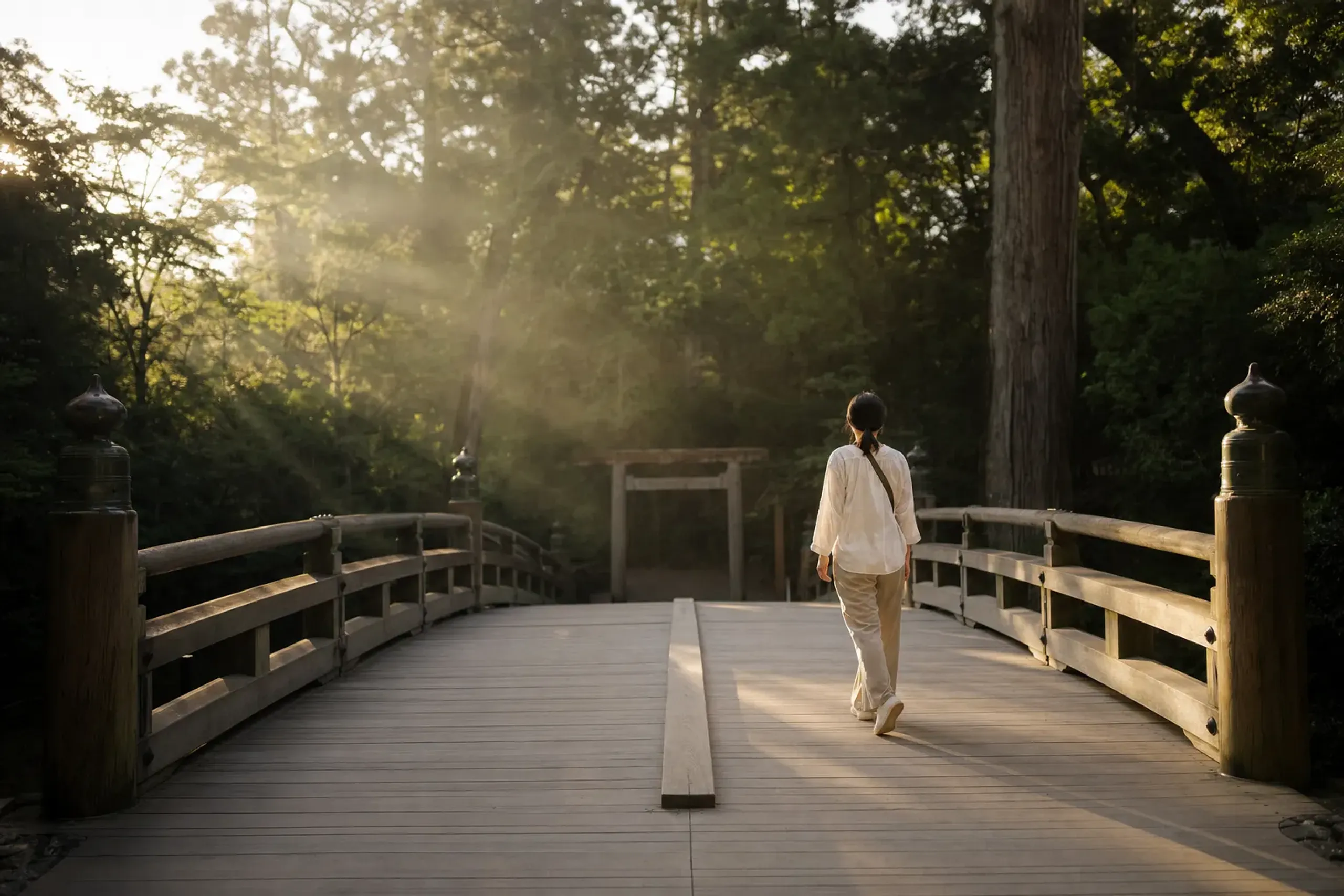
The approach feels quiet on the surface. Then you notice the order in everything: the gravel underfoot, the rhythm of torii gates, the deliberate space between structures.
This is where restraint becomes power. Wabi-sabi lives here, not as a slogan, but as a discipline—unpainted wood, a forest canopy, and the patience to leave things plain.
Naiku And Geku: How The Two Main Shrines Work (And The One Order Most Visitors Miss)
Ise Jingu’s heart is shared between Naiku (Kotaijingu) and Geku (Toyouke Daijingu), about 6 kilometers apart, linked by a short bus ride.
Naiku is dedicated to Amaterasu-Omikami, a central deity in Shinto tradition. By tradition and belief, Naiku is also associated with the sacred mirror, understood as one of the Imperial Regalia of Japan.
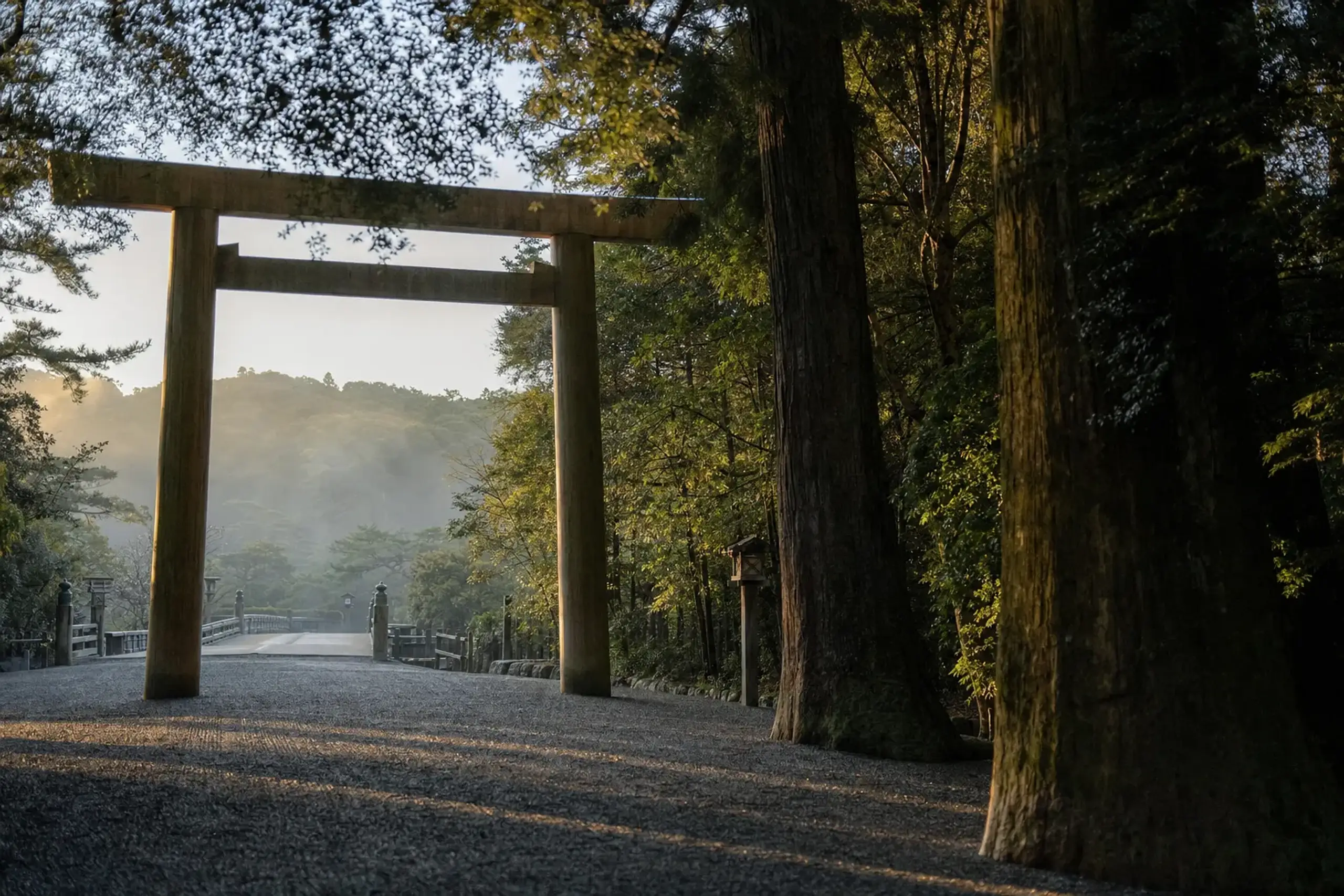
Geku is dedicated to Toyo’uke-no-Omikami, the deity of food, clothing, and shelter, and is understood as providing for Amaterasu.
Here is the practical point that changes the day. Tradition holds you visit Geku first, then Naiku, because you pay respects to the provider before the one being served.
A Simple First-Time Flow That Feels Correct
Start at Geku in the earlier part of the day. Pause at the temizuya, rinse your hands, and let your pace drop.
Then go to Naiku. The atmosphere shifts, even if you cannot name why.
Many travelers reverse this order. It happens constantly.
When our concierge team at Japan Royal Service plans an Ise day, we frame the sequence early so you do not feel rushed into doing it twice.
What Is Shikinen Sengu At Ise Jingu, And Why Is It Happening From 2025 To 2033?
Shikinen Sengu is Ise Jingu’s practice of completely rebuilding the main sanctuaries every 20 years, and the current 63rd cycle runs from 2025 through 2033.
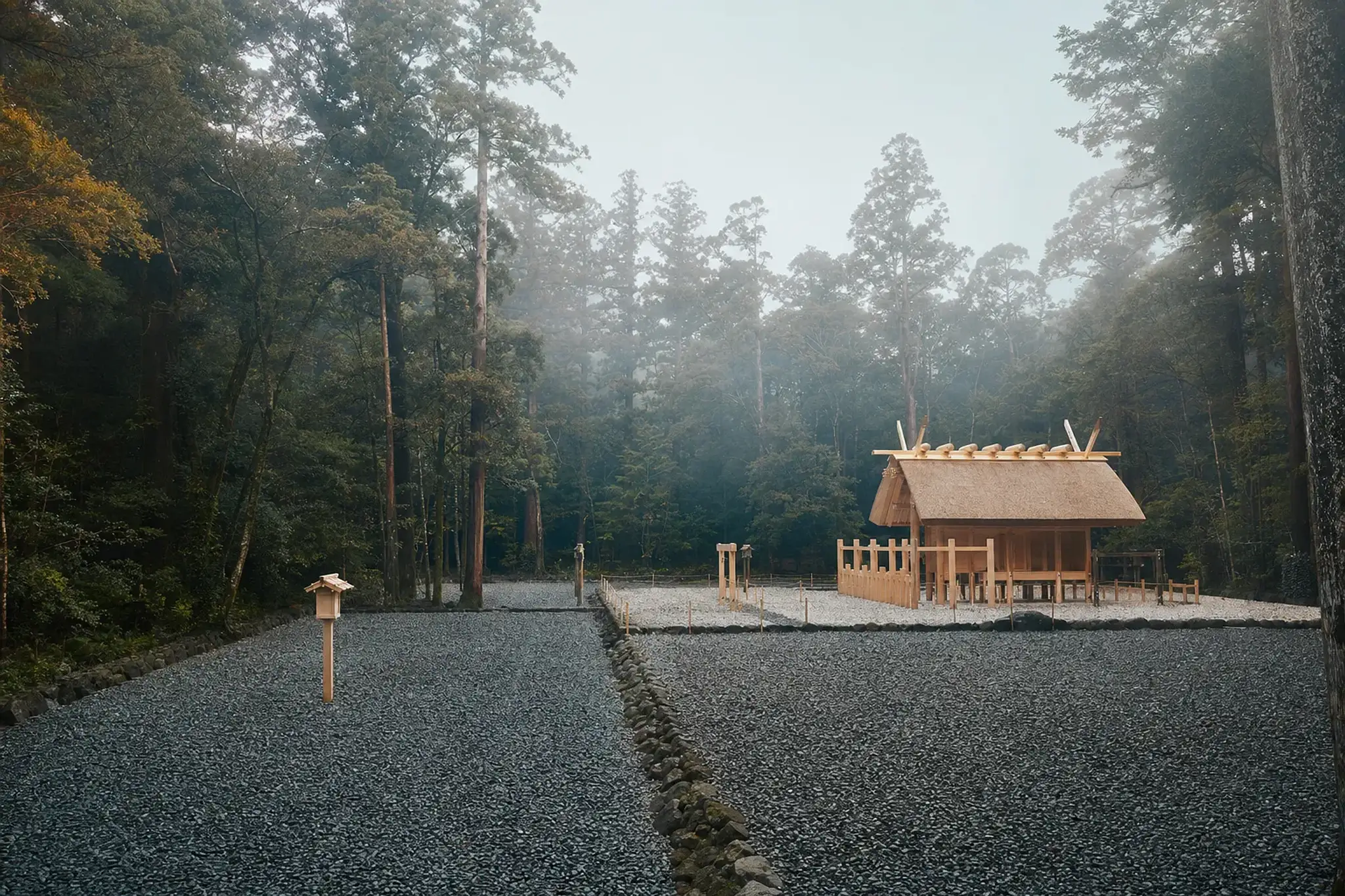
This is total renewal, not repair. The main sanctuaries at both Naiku and Geku, along with bridges and sacred treasures, are remade from scratch—identical in detail—on an adjacent empty plot beside the standing structures.
The tradition dates back roughly 1,300 years to the reign of Empress Jito. It is not a single event, either; the full process takes about eight years and involves more than 30 associated rituals.
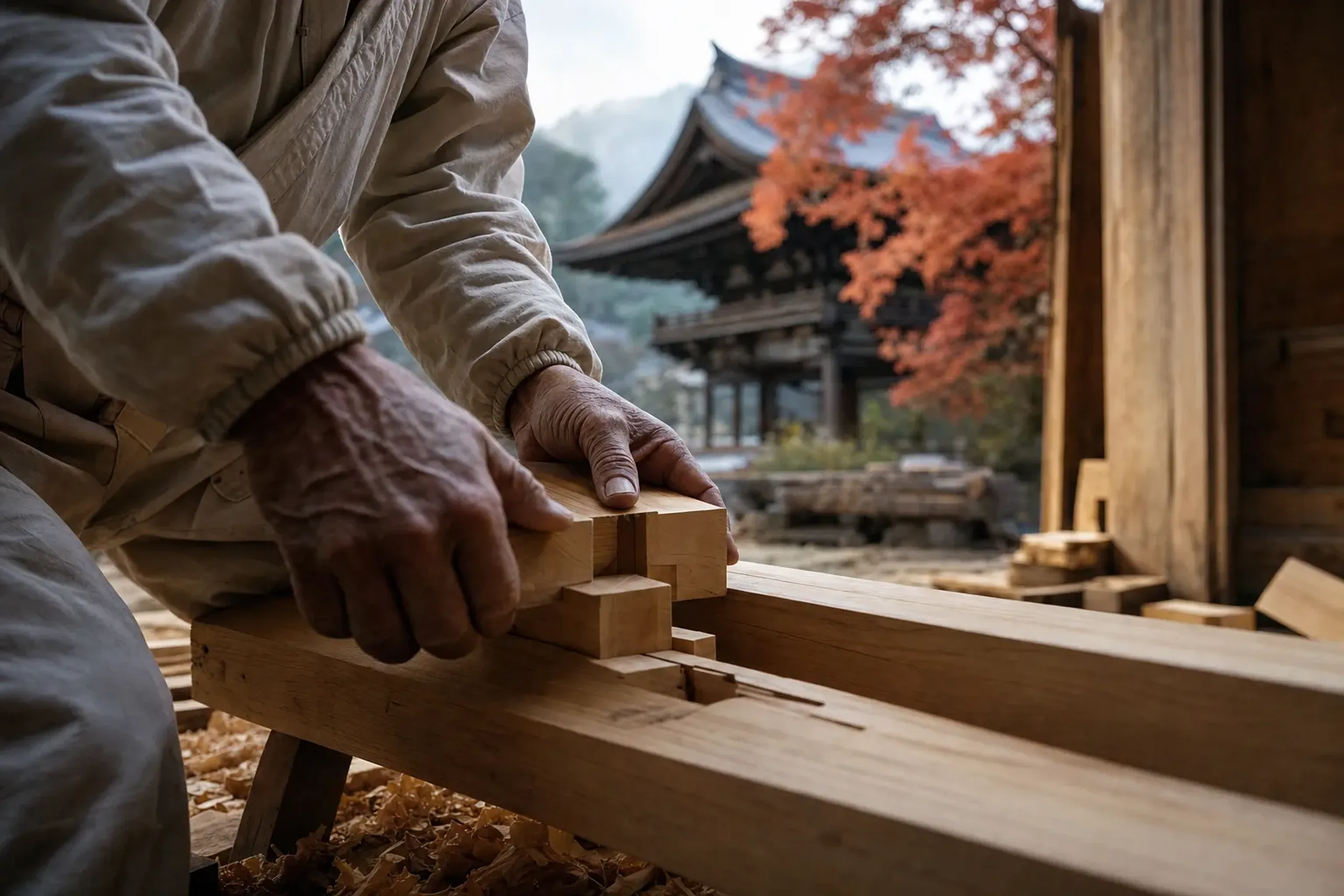
For travelers, the emotional impact is specific. You are not standing before an object that “survived.” You are standing inside a system designed to refuse aging altogether.
Key fact: The 63rd Shikinen Sengu cycle began in 2025 and concludes in 2033, with major transfer rites scheduled toward the end of the cycle.
What “Identical” Means In Practice
Identical does not mean “similar style.” It means the same proportions, the same joinery logic, the same formal layout, repeated precisely so the shrine does not drift across generations.
The materials matter, too. Cypress becomes the visual signature: pale, unpainted, and intentional in its refusal to decorate.
This is where shokunin enters the story. Not as a tourist activity, but as a national craft pipeline that stays alive because the work must be done again, correctly, every twenty years.
There is also a second-life system: salvaged timber from dismantled structures is redistributed to shrines across Japan, carrying techniques outward instead of letting them pool in one place.
How Does Ise Jingu’s “Eternity By Renewal” Contrast With Horyu-ji?
Ise Jingu seeks permanence by rebuilding from nothing, while Horyu-ji seeks permanence by restoring and preserving the same structures across time.
That difference is not a footnote. It is the core idea.
At Horyu-ji, the miracle is survival—wood that remains, repaired carefully, holding the line against fire, weather, and centuries of risk. The argument is continuity through stewardship of the same physical object.
Ise Jingu answers with a sharper claim: continuity through repetition, where the form stays constant precisely because the material does not.
If you want the opposite philosophy—how an ancient wooden site persists by maintaining the same fabric—read our related piece on Horyu-ji: Yamadera, Yamagata: A Flame Lit in 860 Has Never Gone Out. (It is not Horyu-ji, but it shows the same kind of long-duration continuity through care.)
And if you are building a wider Sacred Japan route, our series entry on myth and living performance pairs well with Ise’s renewal logic: Takachiho: Where Japan’s Founding Myth Is Still Performed.
What Can You Actually See During The Current Cycle, Including Okihiki?
During the 2025–2033 cycle, visitors may be able to see visible, public-facing phases such as Okihiki, when freshly cut cypress logs are ceremonially transported to the shrine.
Okihiki is one of the rare moments when the rebuilding cycle becomes legible from the outside. The logs are not a metaphor. They are material for the work ahead.
Tradition describes two distinct movements. For Naiku, logs are floated on the Isuzu River; for Geku, they are pulled on carriages through Ise City’s streets.
Dates and viewing conditions vary by year within the cycle. When guests ask us to time an Ise visit around Okihiki, our concierge team treats the shrine and local tourism updates as the source of truth, then builds the day’s pacing around what is actually scheduled.
How To Think About Timing In 2026 Without Chasing A Fantasy
Do not plan Ise like a one-hour monument.
Big mistake.
Plan it like a living site with a rhythm: quieter hours, formal boundaries, and moments when the cycle comes closer to the street.
If your travel dates are fixed, we design the visit for stillness instead of spectacle. If your dates are flexible, we can aim for a period where the cycle feels more “present,” without promising access that does not exist.
Discretion matters here. Many HNW travelers prefer a day that feels private even in a public place, with no social-media theater attached.
The Sacred Mirror, Amaterasu, And The Imperial Connection (Stated Carefully)
Naiku is dedicated to Amaterasu-Omikami, and tradition holds that it houses the sacred mirror, understood as one of Japan’s three Imperial Regalia.
This connection to the imperial line is part of how Ise is framed within Shinto tradition and practice. It is also why the tone on-site feels different from shrines built for regional devotion or tourism traffic.
Our language stays restrained for a reason. The mirror is a matter of tradition and faith, not a claim we treat as a museum-style object label.
For visitors, what you can actually experience is the atmosphere that this tradition produces: controlled distance, careful boundaries, and a sense that the shrine’s purpose is not to be “seen,” but to be maintained.
Can Visitors Enter The Inner Sanctuary At Ise Jingu?
No—by tradition, the innermost sanctuaries at both Naiku and Geku are enclosed and not accessible or visible to ordinary visitors.
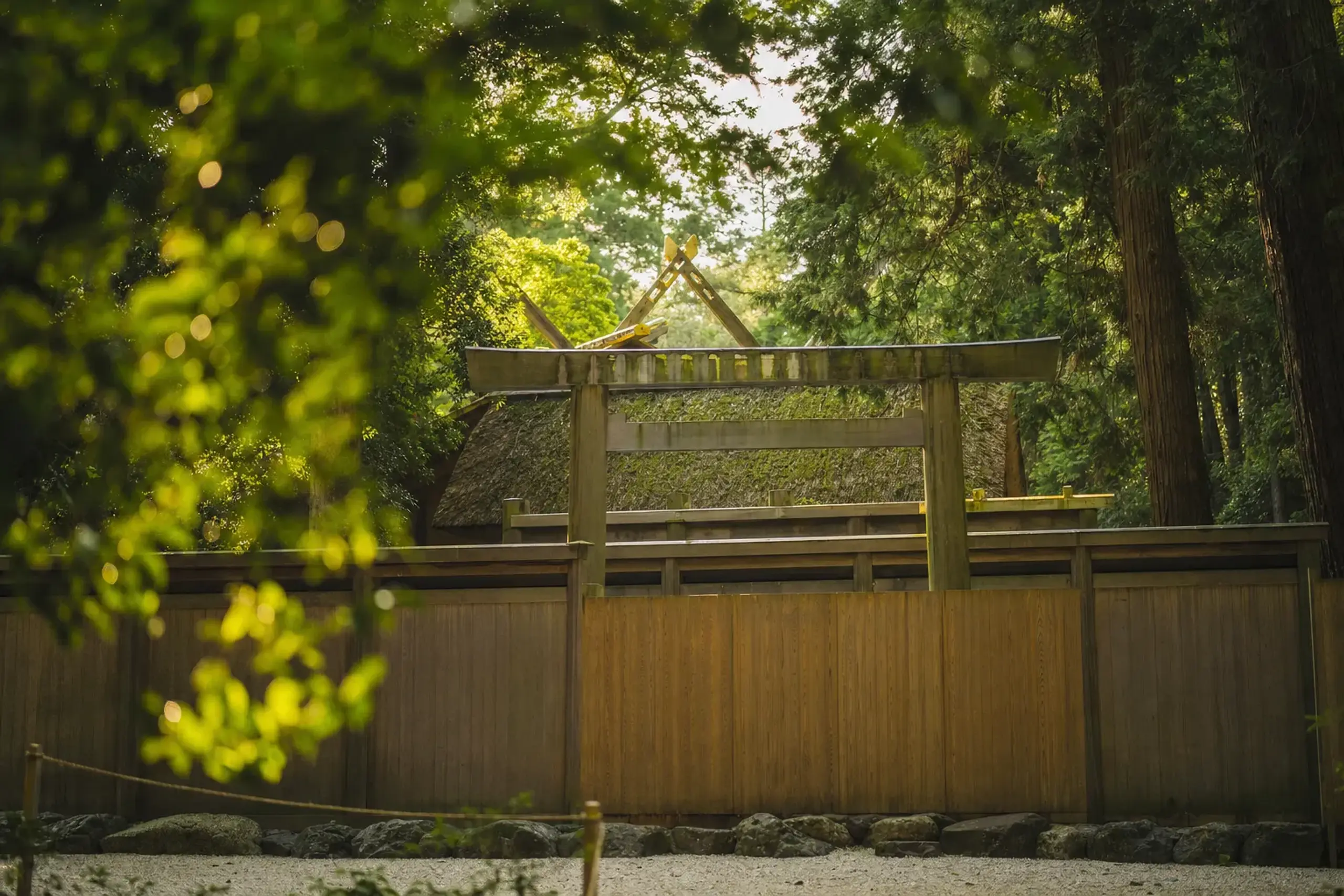
This is the hard limit, and it applies to virtually everyone. Only senior priests and the Emperor may enter, per traditional practice described in historical sources.
There are fences, layers, and a line you do not cross. Even when you are standing close, you are meant to understand that closeness has a stopping point.
This is not a problem to solve. It is the point.
Key fact: No private arrangement changes access to the innermost sanctuaries at Naiku or Geku.
Sengukan Museum: The Honest Way To See The Craft Up Close
Sengukan Museum near Geku explains Shikinen Sengu with exhibits and a partial full-scale shrine replica built by shrine carpenters.
It exists for a simple reason. You cannot see the real sanctuaries up close, and you are not supposed to.
At Sengukan, the craftsmanship becomes readable: the scale of timbers, the logic of assembly, the clarity of a structure designed to be repeated perfectly. It is one of the few places where the rebuilding is not just an idea you are told, but an engineering reality you can look at.
If you care about shokunin, this is where that pillar stops being a word and turns into evidence.
Where Sengukan Fits In A Geku-First Day
Place it near the start, while your mind is still sharp. A short museum visit can make the later walk at Naiku feel less opaque.
Then return to the shrines with better questions. The forests feel denser.
For HNW travelers, this is also a useful pacing tool.
You get a quiet indoor interval without turning the day into a checklist.
If you are connecting Ise with Kansai, we keep timing realistic and avoid last-train anxiety.
Oharaimachi And Okage Yokocho: The Human-Scale Edge Of A Sacred Site
Outside Naiku, Oharaimachi and Okage Yokocho offer an Edo-period-style merchant street where you can try Ise udon, local sake, and akafuku mochi.
It is a different register. Lively, sometimes crowded, and intentionally “everyday.”
Done well, it is not a detour. It is a decompression chamber after the restraint of the shrine approach, with food that is local rather than performative.
If you want the day to end quietly, our team will steer you toward a short, calm finish instead of a long shopping loop.
Frequently Asked Questions
Is Ise Jingu The Same As Ise Grand Shrine?
Yes—“Ise Jingu” is often referred to in English as “Ise Grand Shrine,” and it means the larger shrine complex centered on Naiku and Geku in Mie Prefecture.
You will also see the complex called simply “Jingu,” especially in official contexts.
If I Only Have Half A Day, Should I Visit Geku Or Naiku?
If you must choose, Naiku is the central shrine, but tradition favors visiting Geku first before Naiku when possible.
In our experience, a compressed visit works best when you accept one shrine as your focus, keep the approach unhurried, and skip extra stops that create time pressure.
What Is The Most Important Etiquette Point First-Time Visitors Miss At Ise Jingu?
The most commonly missed etiquette point is visit order: tradition holds you should worship at Geku first, then Naiku.
This is tied to Toyouke’s role as provider for Amaterasu, and it is one of the few practical details that changes how the day feels.
Can Japan Royal Service Get Special Access Inside The Enclosed Sanctuary Areas?
No—by tradition, the innermost sanctuaries at Naiku and Geku are closed to virtually everyone, and no arrangement changes that boundary.
What we can do is give you context, pacing, and respectful guidance so the distance feels meaningful rather than confusing.
Why Choose Japan Royal Service
Ise Jingu rewards travelers who value what cannot be photographed: correct sequence, controlled distance, and an atmosphere built from restraint.
Our team at Japan Royal Service approaches Ise with the same discipline. We build your day around verified realities—Geku before Naiku, the active 2025–2033 cycle, and the non-negotiable access boundaries—so you are not sold a fantasy and left to improvise.
We also protect what matters to HNW families and executives: discretion. Quiet routing, careful timing, and a plan that does not leak your identity or your itinerary beyond who truly needs to know.
If you want Ise placed inside a wider Mie or Kansai journey, we can shape the flow around the current Shikinen Sengu cycle and the kind of stillness you came for.
For private coordination, reach our team directly via WhatsApp or LINE, or contact us here.