In this guide
- 01Why Do Hakkōda Snow Walls And Hirosaki Cherry Blossoms Happen In The Same Week?
- 02How Tall Is The Hakkōda-Towada Gold Line Snow Corridor In Early April?
- 03How Does The Road Reopen On 1 April, And Why Do Locals Care So Much?
- 04When Should You Go For The Best Snow Corridor Experience—Before Or During Golden Week?
- 05The One-Hour Pairing: Hakkōda’s White Road, Then Hirosaki’s Pink Moat
- 06A Plain-Register Planning Block: Times, Distance, And The Bus Gap
- 07Driving Conditions In Early April: The Safety Detail People Underestimate
- 08The Hakkōda Walk (30–31 March): A Tradition With Real Cancellation Risk
- 09Hakkōda’s Long Tail Of Ski Season: April Still Belongs To Snow
- 10The April Correction: You Are Not Coming For Jūhyō “Snow Monsters”
- 11A Step-By-Step Day Plan: Hakkōda Snow Corridor To Hirosaki In One Clean Arc
- 12Frequently Asked Questions
- 13Why Choose Japan Royal Service
The first days after 1 April in Aomori feel like a trick of the light.
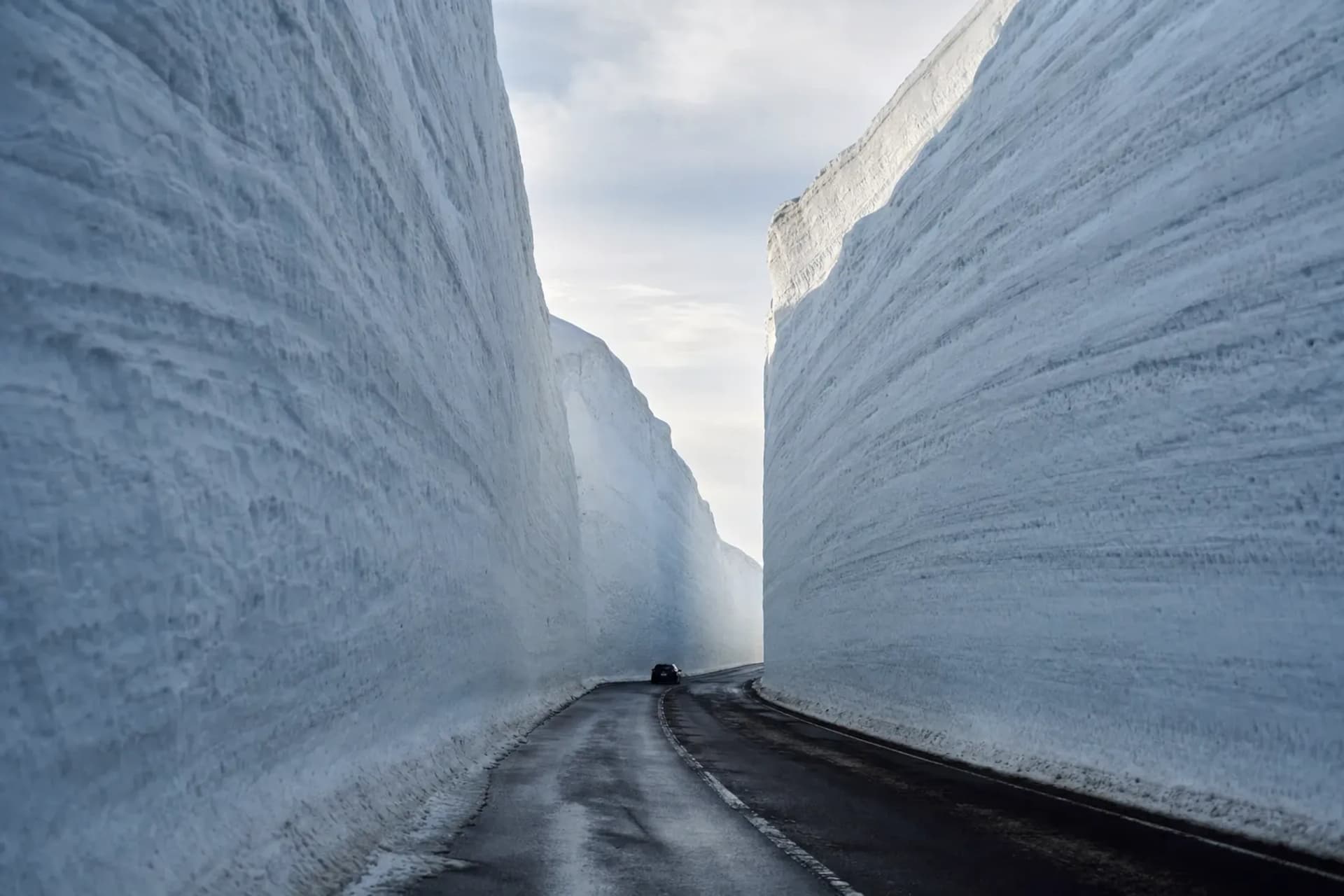
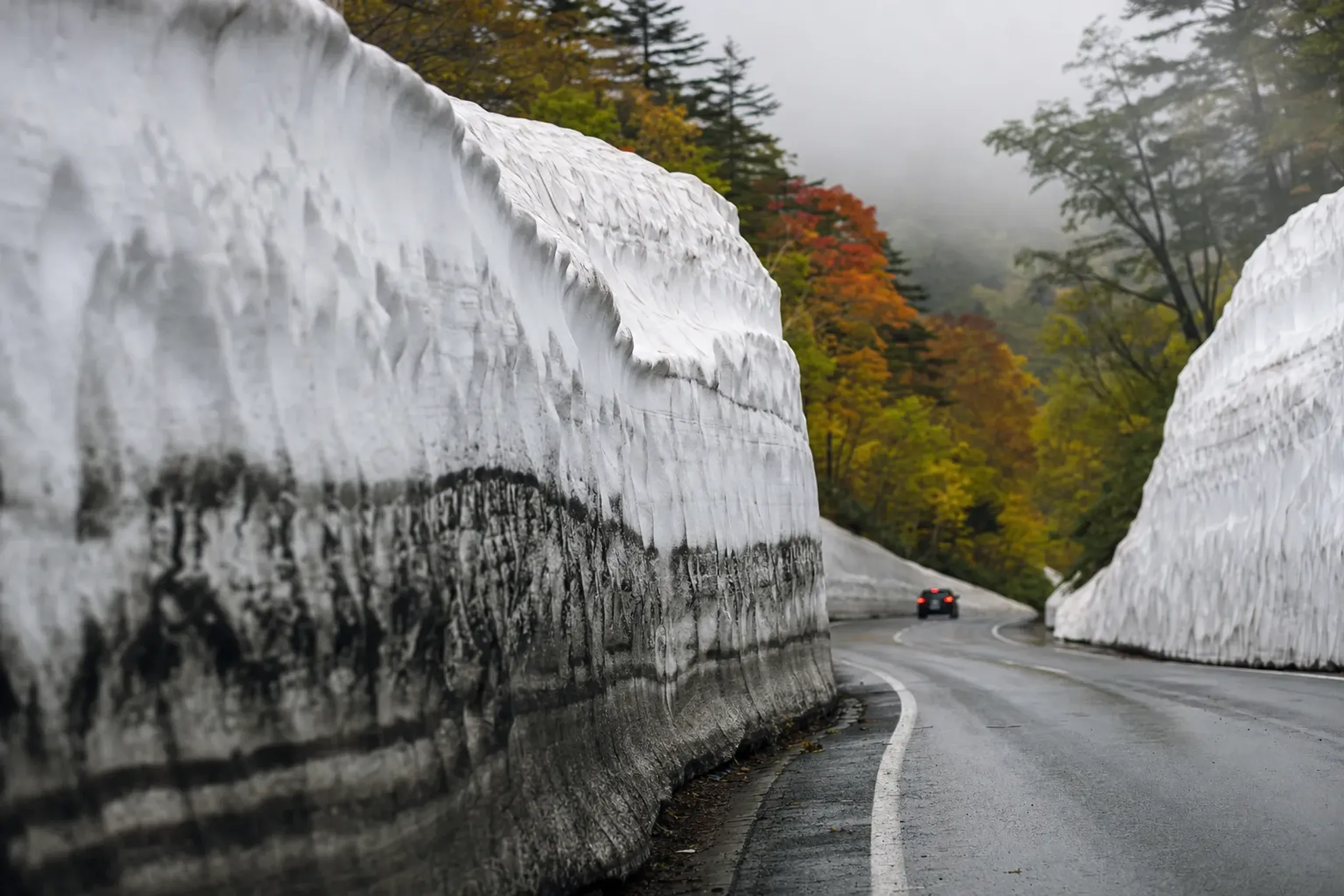
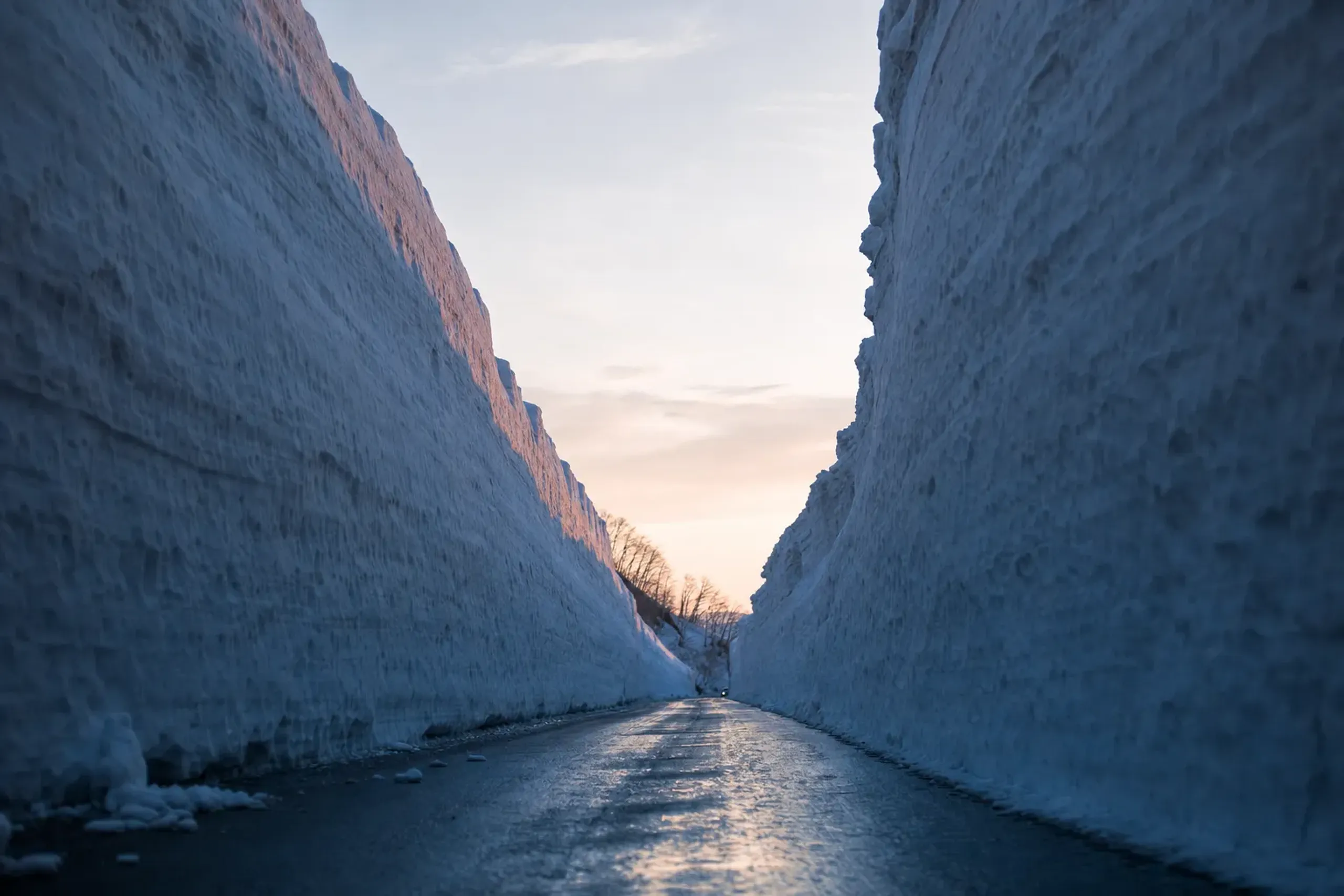
You drive into a white canyon on National Route 103, where the road has only just been cut free from winter. Snow walls rise well above the roofline, quietly intimidating, pressing in on either side.
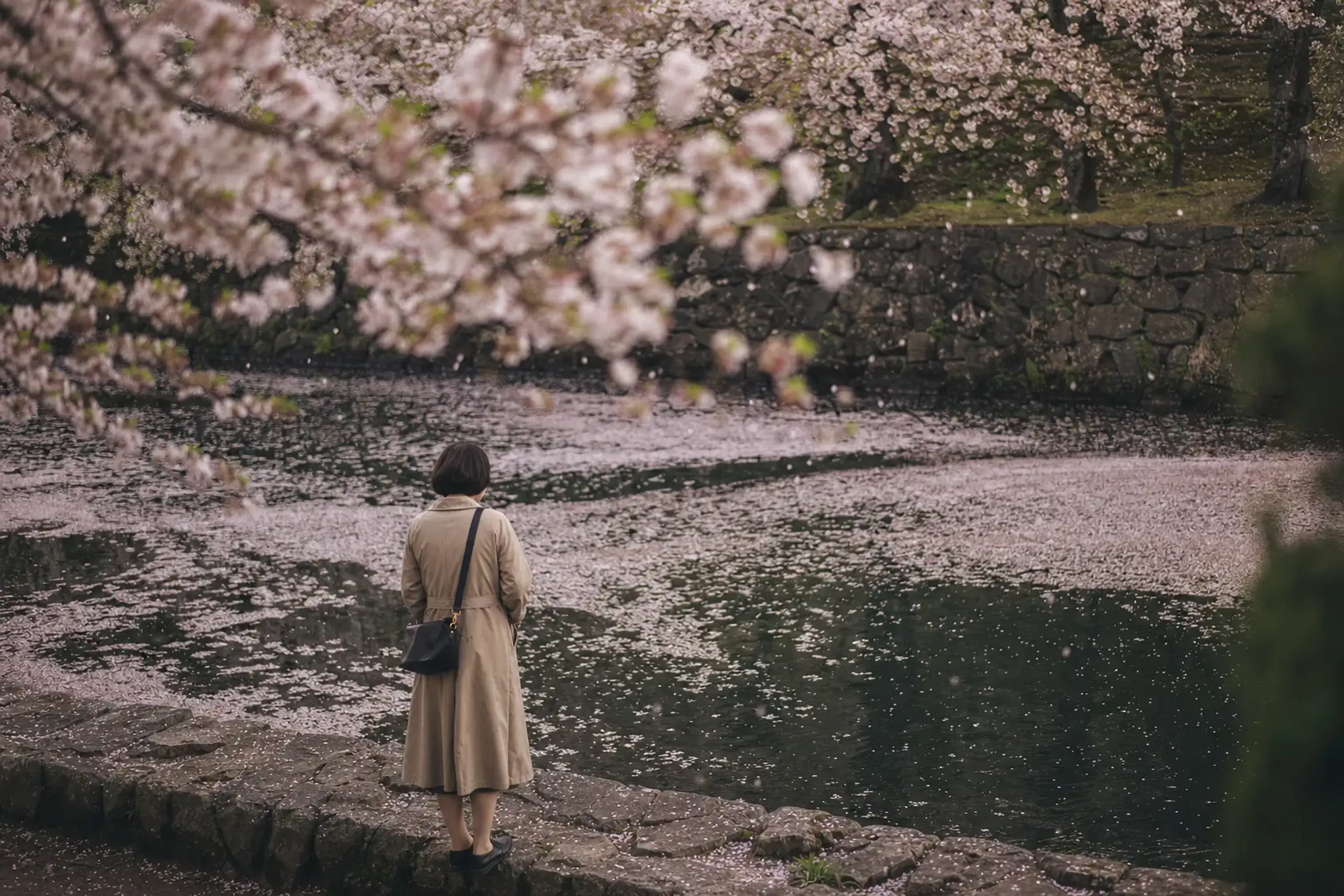
Then, about an hour later, you can be standing beneath pale-pink petals at Hirosaki Castle. Different air. Different pace. A different season entirely.
That contrast is the whole point of this journey. Aomori refuses the simple idea that April equals spring — and in doing so, it offers something few travelers ever see.
Why Do Hakkōda Snow Walls And Hirosaki Cherry Blossoms Happen In The Same Week?
Because Hakkōda sits at high elevation and holds deep snow well into April, while Hirosaki’s lower-lying castle town warms earlier, letting cherry blossoms open even as the mountain road is only newly reopened.
Most travelers plan April in Japan as a straight line: blossoms, gardens, light jackets, and a tidy seasonal arc. Aomori breaks that line in half. It gives you winter’s leftovers and spring’s peak in the same prefecture, inside the same week, without heroic travel days between them.
Our team at Japan Royal Service often frames Aomori in April as a “two-season day.” Not because it is gimmicky, but because it is genuinely practical. You can photograph snow walls at midday and still reach Hirosaki in time for late-afternoon blossom light.
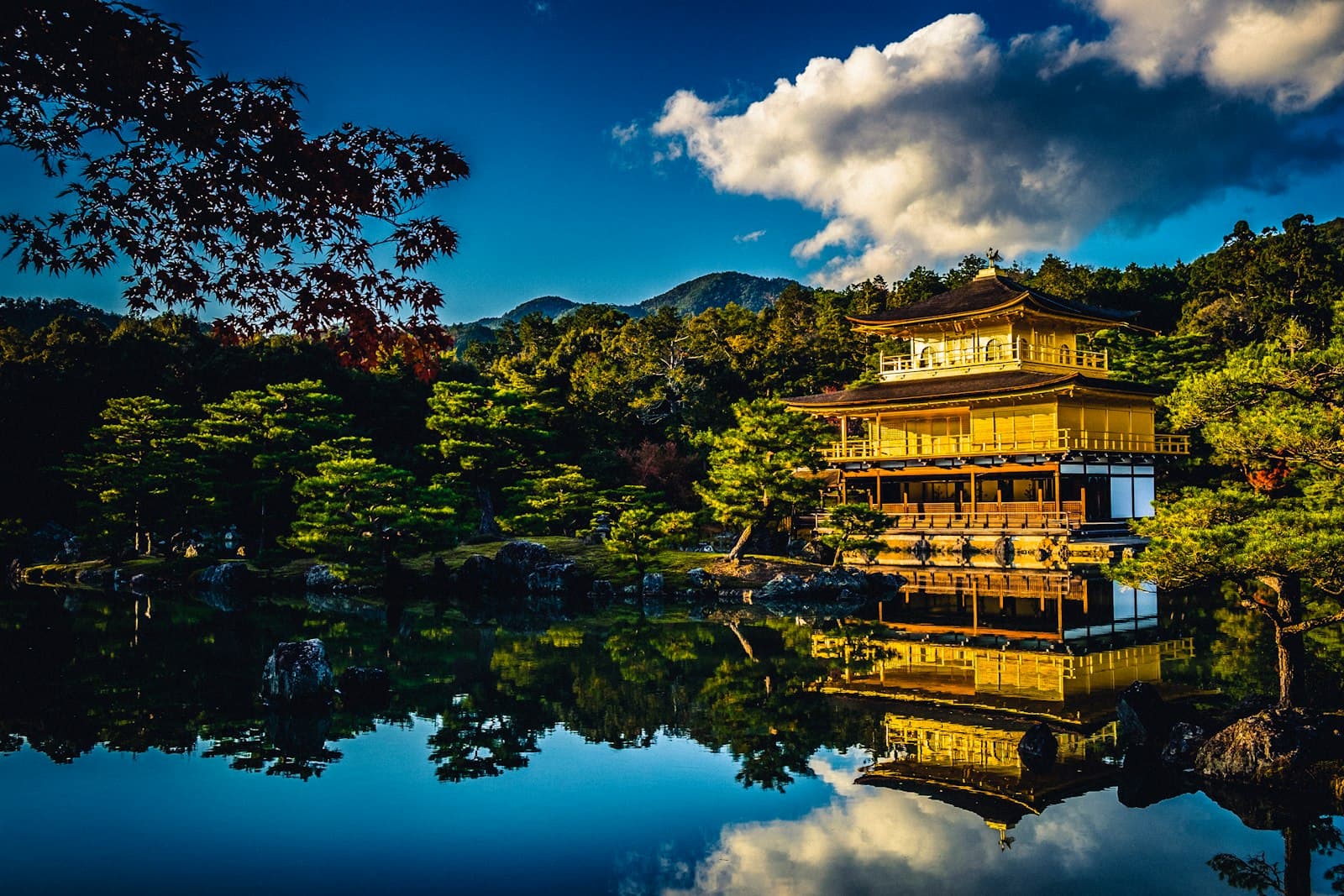
That one-hour relationship between mountain and castle matters. It turns “maybe, someday” into a clean, achievable plan — the kind of quiet privilege that comes from knowing exactly where to be, and precisely when. This is the essence of shun, the Japanese instinct for perfect seasonality, expressed not through a single flower but through two opposing seasons held an hour apart.
How Tall Is The Hakkōda-Towada Gold Line Snow Corridor In Early April?
In 2026, the plowed snow walls averaged about 6.5–7 meters at the opening, and in some years certain sections can approach 10 meters, depending on snowfall and the specific stretch.
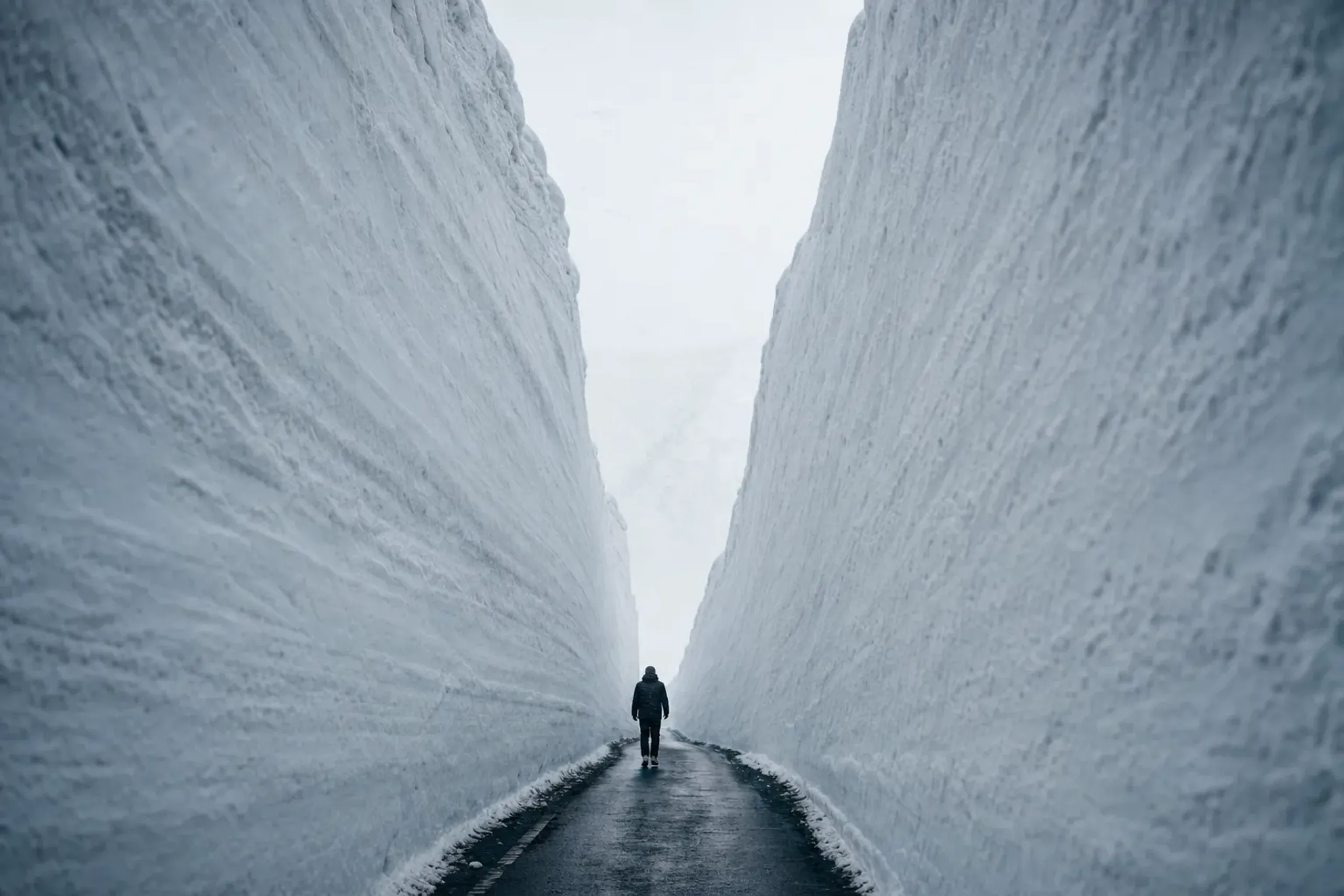
The Snow Corridor is not a theme-park spectacle. It is a working road reopened after months of closure, and that is precisely why it feels so stark. Packed snow. Sawed edges. A single ribbon of asphalt running between two vertical faces of winter. There is a restraint to it — a wintry echo of wabi — that no manufactured attraction can imitate.
The corridor refers to the reopened section of the Hakkōda-Towada Gold Line on National Route 103, connecting the Aomori City side near Sukayu (酸ケ湯) and the Hakkōda Hotel area with the Towada City side near Yachi (谷地). The dramatic corridor stretch runs roughly 8.0–8.1 km.
The highest point is Kasamatsu Pass (笠松峠), at around 1,040 meters. This is where the walls tend to feel most “alpine,” and where the road’s reopening story gets personal.
How Does The Road Reopen On 1 April, And Why Do Locals Care So Much?
Two snow-clearing crews start from opposite sides in late February, meet near Kasamatsu Pass, shake hands at the breakthrough point, and mark the moment by singing the “Hakkōda Snow-Clearing Corps Song.”
This isn’t marketing. It’s winter logistics with a little pride braided in. One crew pushes from the Aomori side. One from the Towada side. The work continues for weeks, because the snow is not soft. It is layered, compressed, sometimes glassy at the edges — the kind of snow that resists a machine as stubbornly as it resists a shovel.
When the teams finally meet, they shake hands. Then they sing. The “Hakkōda Snow-Clearing Corps Song” is part tradition, part release valve. In that moment you can feel exactly what the reopening means: access restored, spring acknowledged, the mountain at last allowing movement again.
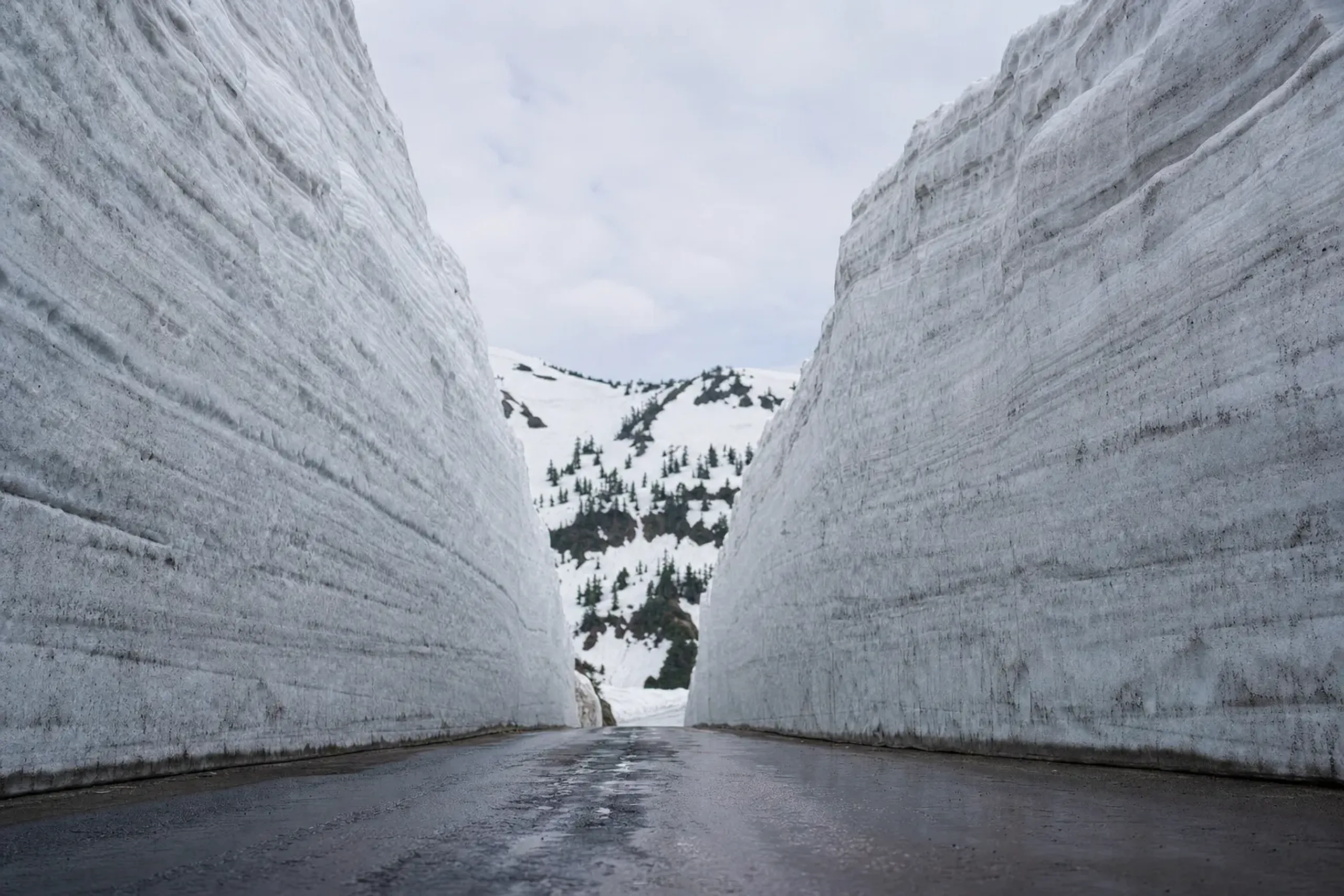
For travelers, 1 April is also a planning anchor you can trust. The reopening is confirmed each year, and for 2026 it opened on schedule on 1 April 2026.
When Should You Go For The Best Snow Corridor Experience—Before Or During Golden Week?
Go in the first 7–10 days after the 1 April opening if you want the tallest, cleanest snow walls and the strongest “snow canyon” feeling.
Many tourism pages say the corridor is “viewable through Golden Week.” That wording is technically true in many years, but it quietly hides the real change: melting is steady, and the corridor’s visual punch can fade quickly.
By late April into early May, some years see the walls drop toward car height in certain sections. The snow can also darken from road grime and exhaust, which changes both the photographs and the overall mood. Snow often persists into early-to-mid May, but by then it is a softer, smaller version of the spectacle.
So we give guests a plain trade-off. If your calendar is flexible, prioritize early April. If you are already in Tōhoku for Golden Week, the corridor can still be worth a stop — but it should be chosen with clear eyes and no illusions.
The One-Hour Pairing: Hakkōda’s White Road, Then Hirosaki’s Pink Moat
This is where Aomori becomes far more than “a snowy drive.” The real payoff is how close the contrasts sit together. Hakkōda is roughly 65 minutes by car from JR Hirosaki Station, and that short hop is what makes the itinerary feel almost mischievous — two opposing seasons folded into a single afternoon.
We will not repeat the full blossom details here, because the site already covers Hirosaki in depth.
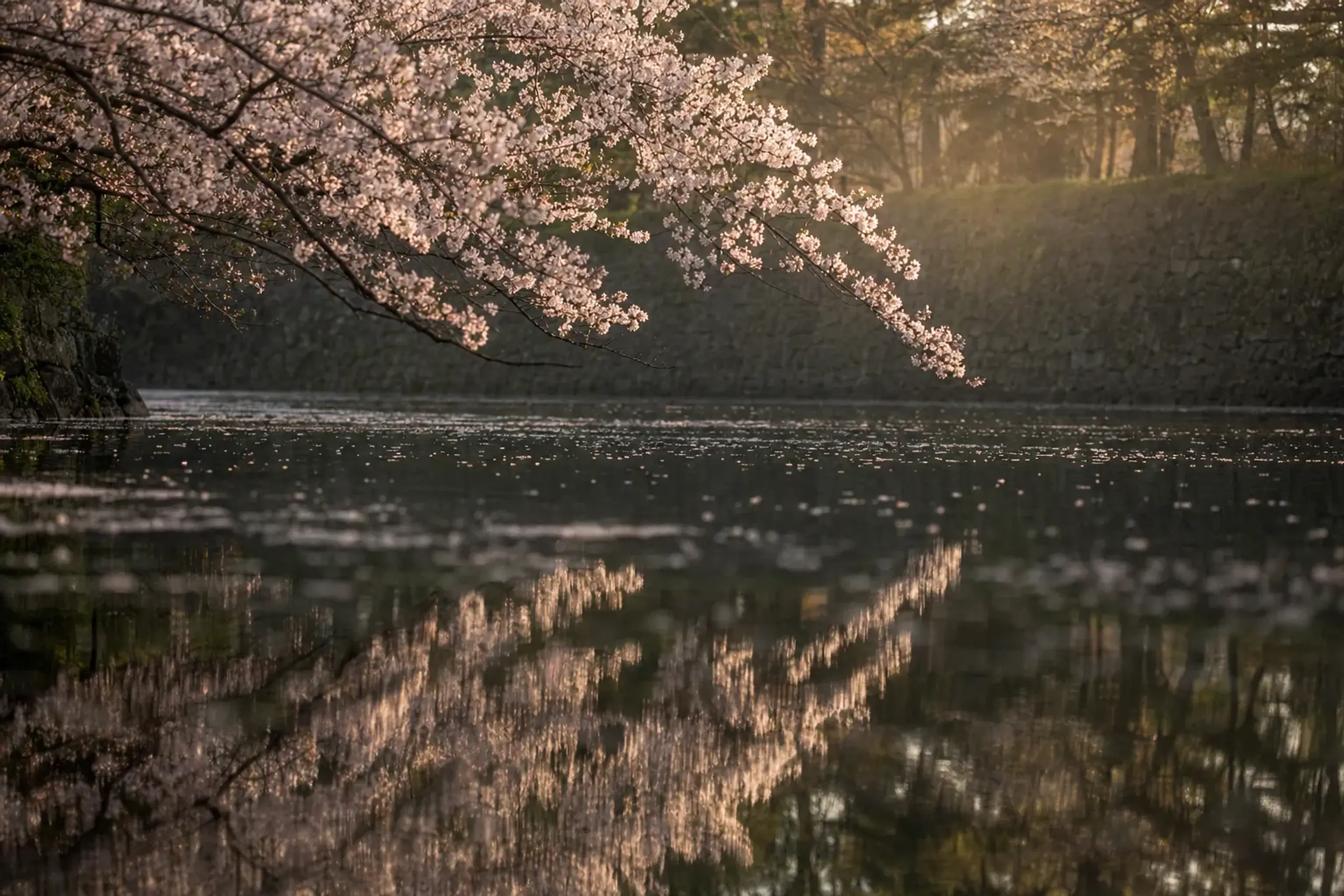
Use this guide for the pairing logic, then read our dedicated Hirosaki piece for timing, viewpoints, and what matters most inside the park.
Before It Moves Back: Hirosaki Castle In Blossom is the companion read. Keep it open. You’ll use it.
If you want one planning fact to hold onto: the official Hirosaki Cherry Blossom Festival page lists the 2026 dates as April 10, 2026 to May 5, 2026. That window overlaps neatly with the early-April Snow Corridor timing in many years, which is precisely why this “two seasons” idea is not merely poetry.
A Plain-Register Planning Block: Times, Distance, And The Bus Gap
Hakkōda is about 40 minutes by car from Aomori Airport, around 50 minutes from JR Aomori Station, and roughly 65 minutes from JR Hirosaki Station.
Those times are the difference between a pleasant day and a strained one. You can start from Aomori City, see the corridor at its best, and still have room for Hirosaki later. Or you can base yourself near Hirosaki and treat the mountain as a “counter-season” day.
The key logistical catch is public transport. Bus service into the corridor area (as far as Suiren-numa) does not begin until late April. That means that for roughly the first three weeks after the 1 April opening — which happens to be the best wall-height window — a private vehicle is effectively required for comfortable access and flexible stops.
Key fact: Early April is the best time for the Snow Corridor’s height, but it is also before late-April bus service begins—so ground mobility matters.
Driving Conditions In Early April: The Safety Detail People Underestimate
Even after the road reopens, the pass can ice over overnight and in the early morning, so winter tires and proper cold-weather equipment remain essential well into April.
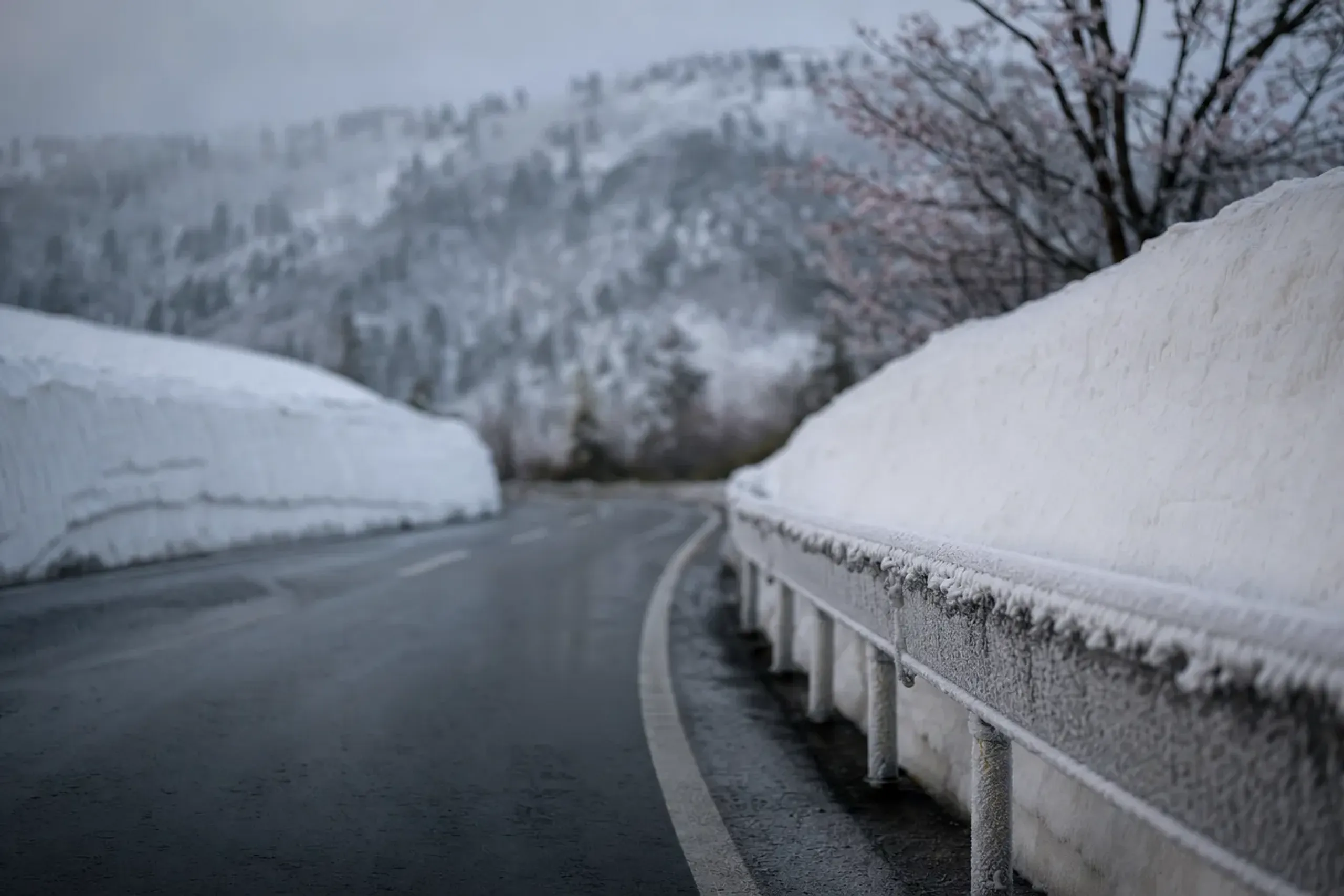
This is not the place for casual “spring driving.” Temperatures swing wildly. Shade holds ice long after sunrise. A bright morning can still conceal slick corners near the top, especially around Kasamatsu Pass.
In our experience, this is the moment when luxury becomes genuinely functional. A properly equipped vehicle. A watchful, seasoned driver. Calm, unhurried pacing. The comfort is real, but the safety margin is the far bigger story — and the quiet anticipation of your every need, without your ever having to ask, is where true hospitality reveals itself.
For guests who prefer a chauffeured plan, our private transportation service is designed for exactly these conditions: controlled timing, discreet movement, and vehicles suited to the demands of the season.
The Hakkōda Walk (30–31 March): A Tradition With Real Cancellation Risk
The Hakkōda Walk is a limited two-day event typically held on 30–31 March, with shuttle buses from Aomori, Hachinohe, and Hirosaki, and multiple course options including a snowshoe route at Suiren-numa.
It is an appealing way to touch the mountain before the general reopening. You’re on the snow, not merely beside it. You feel the scale of the place in your legs. Honest fatigue.
But it also carries real cancellation risk. The 2020 edition was cancelled due to COVID-19 despite being fully scheduled — a clean reminder that long-running does not mean guaranteed. If you plan around the walk, JRS confirms the year’s status and exact dates before you lock in flights.
Many editions include onsen bathing after the walk at representative Aomori hot springs, with day-tour and overnight patterns offered through various operators. Keep expectations flexible. Let the mountain set the terms.
Hakkōda’s Long Tail Of Ski Season: April Still Belongs To Snow
Hakkōda’s ski area typically operates from late November into mid-May, and snow depth near the ropeway summit can reach around 350 cm in a typical winter.
This is why the Snow Corridor is not a strange outlier at all. The mountain is still deep in its working season. Skiers and riders treat April as continuation, not encore.
Routes reopen on a staggered schedule as spring advances — some from early March, others not until early April. It is the same mountain-to-valley timing logic you see with autumn color in Tōhoku, simply flipped. If you enjoy that kind of “seasonal gradient” travel, our team often points guests to Japan In June: What The Rain Is For for another example of Japan’s calendars refusing to behave the way guidebooks promise.
The Hakkōda Ropeway operates year-round, with a ride of roughly 10 minutes. Once the snow allows, the summit walking trail can take about 60 to 90 minutes round trip. Keep your shoes serious.
The April Correction: You Are Not Coming For Jūhyō “Snow Monsters”
Hakkōda’s famous jūhyō (frost-covered trees) peak in January and February, not April.
This matters because the internet blurs Hakkōda into one snowy keyword. It isn’t one thing at all. April’s drama is residual snow, road walls, and the aftershock of a long winter finally letting vehicles through.
If you want jūhyō, plan for midwinter and plan properly. If you want the Snow Corridor, aim for early April and treat it as a limited window with a fast fade.
Precision is its own kind of luxury. Quietly.
A Step-By-Step Day Plan: Hakkōda Snow Corridor To Hirosaki In One Clean Arc
This is the simplest way to make the argument real. No clutter. No detours that dilute the contrast.
- Step 1: Start early in Aomori City or near Aomori Airport. The pass is safer after daylight warms the surface, but you also want ample time in Hirosaki later. Early, not frantic.
- Step 2: Drive Route 103 into the Snow Corridor zone. Aim to reach the most dramatic sections near Kasamatsu Pass while the walls still read as tall and clean in photographs.
- Step 3: Keep stops short and intentional. The corridor is a road, not a promenade. Choose a few pull-offs. Get the shots. Breathe. Move on.
- Step 4: Transition to Hirosaki for late afternoon. The light softens, the castle town slows, and the day’s second season arrives without any effort at all.
- Step 5: Hold dinner plans lightly. Blossom-season crowds can change your pacing. A flexible end to the day is far smarter than a tight reservation you’ll come to resent.
Frequently Asked Questions
Can I See The Hakkōda Snow Corridor Without A Car In Early April?
In most years, a private vehicle is effectively required in early April, because bus service into the corridor area does not begin until late April.
If you visit later in the season, you may be able to use public transport as far as Suiren-numa.
For the tall-wall window right after 1 April, plan carefully around road access and safe driving conditions.
Is Golden Week A Good Time For The Snow Corridor If I’m Already In Japan?
Golden Week can still show remaining snow, but the corridor is usually smaller and more weathered than in early April.
If your trip is already set, it can be a worthwhile “north detour.” If you are choosing your dates specifically for the corridor, prioritize the first one to two weeks after 1 April.
How Do I Time Hirosaki And Hakkōda Together For Spring 2026?
For 2026, the official Hirosaki Cherry Blossom Festival dates are April 10 to May 5, which can overlap with the Snow Corridor’s best early-April period.
Blossom timing still shifts year to year, so treat the festival dates as your planning frame, then refine closer to travel with local updates and weather patterns.
Are The Jūhyō “Snow Monsters” Visible In April At Hakkōda?
No — jūhyō peak in January and February, and April is simply not the right season for that phenomenon.
April’s signature is deep residual snow, a late ski season, and the Snow Corridor reopening on Route 103.
Why Choose Japan Royal Service
Aomori in April rewards travelers who value quiet precision. That is our lane. Our concierge team designs each day around real openings, real road conditions, and the small timing edges that keep the experience calm — the kind of local knowledge and introductions that reveal the Japan a search engine cannot find, all held in complete discretion.
If the idea of standing between seven-meter snow walls at midday and beneath blossoming cherry trees by dusk speaks to you, let us shape a tailor-made itinerary around the exact window when Aomori is at its most extraordinary. To begin planning your two-season day, contact us here — quietly, and at your convenience.