In this guide
- 01What The Last Two Years Actually Did
- 02Why Peak Foliage Keeps Running Late
- 03How The Colour Front Moves Across Japan
- 04Why Mountain Day-Trips Turn Before The City
- 05Ginkgo Then Maple: The Two Waves You Can Miss
- 06When Does The Japanese Foliage Forecast Come Out?
- 07How Do You Plan A Japan Trip Around Foliage That Keeps Moving?
- 08Regional Switching: The Practical Answer
- 09Peak Colour Means Peak Crowds
- 10What To Do If The Timing Misses
- 11Frequently Asked Questions
- 12Why Choose Japan Royal Service
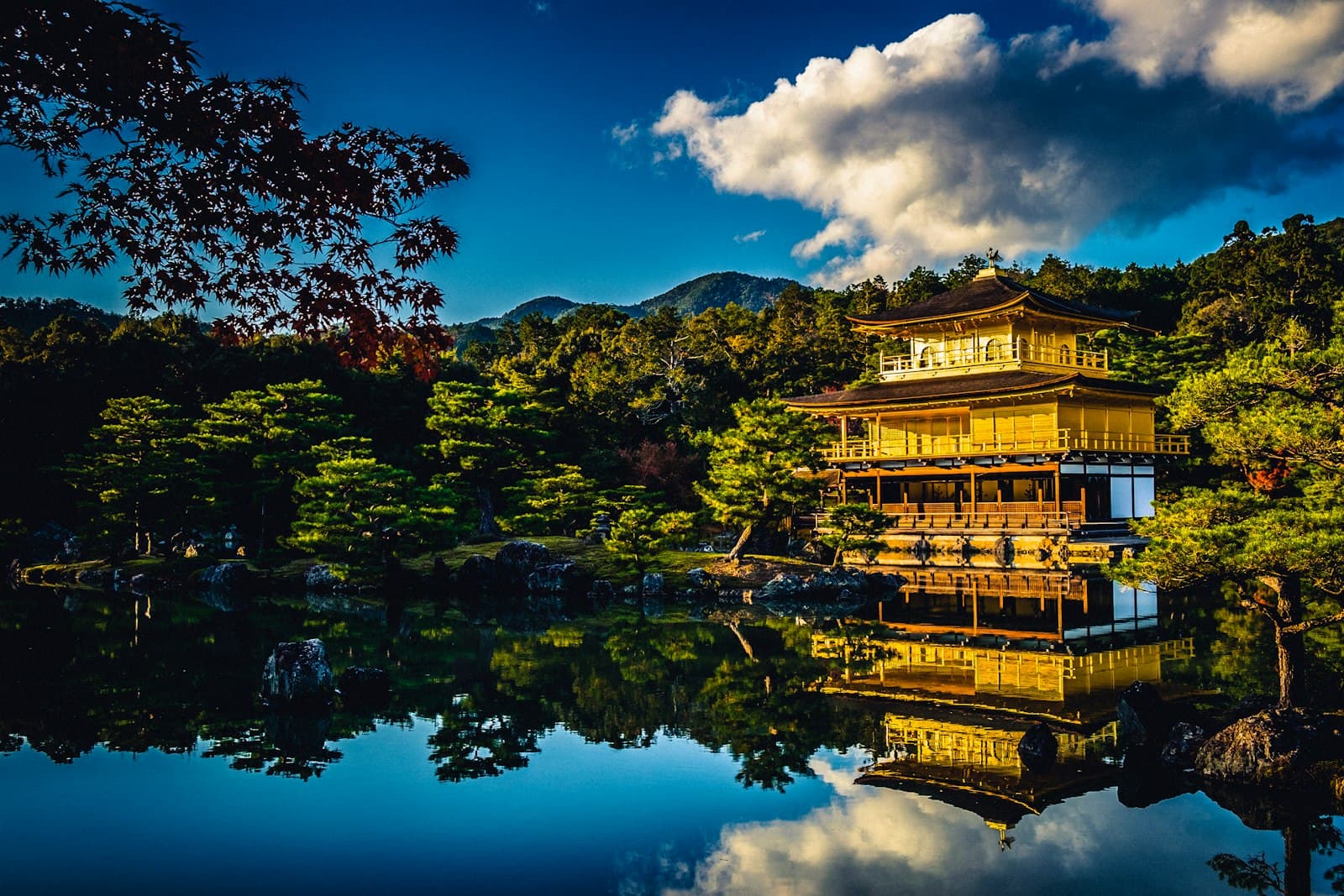
A client booked late November for Kyoto. The dates came from a guidebook average — the kind that has been reprinted for years. When they arrived, most of the maples were still green. They had planned around a number, and the number was wrong.
This is happening more often. For two years running, peak red maple has landed one to two weeks later than the long-run averages suggest, with Kyoto among the most affected. If you are planning autumn colour in Japan and working from a date you found online last spring, you are working from a figure that is no longer reliable. Below is what the last two seasons actually did, and how our team at Japan Royal Service plans around a date that keeps moving.
What The Last Two Years Actually Did
The clearest evidence comes from the Japan Meteorological Corporation (JMC), a private forecaster that releases red maple (momiji) predictions from early September and updates them monthly into late November. These are forecast dates, not observed peaks — worth stating plainly, because forecasts move too. But the direction of travel is telling.
Here is what the JMC forecast for red maple across two recent seasons:
| City | 2024 forecast | 2025 forecast |
|---|---|---|
| Sapporo | Nov 8 | Nov 6 |
| Nagano | Nov 28 | Nov 25 |
| Kanazawa | Dec 4 | Dec 2 |
| Tokyo | Dec 5 | Dec 2 |
| Osaka | Dec 8 | Dec 7 |
| Kyoto | Dec 16 | Dec 15 |
| Fukuoka | — | Dec 12 |
Look at Kyoto. Mid-December, both years. That is not what most published guidance tells you to expect, and it is the reason our client stood in front of green maples in late November.
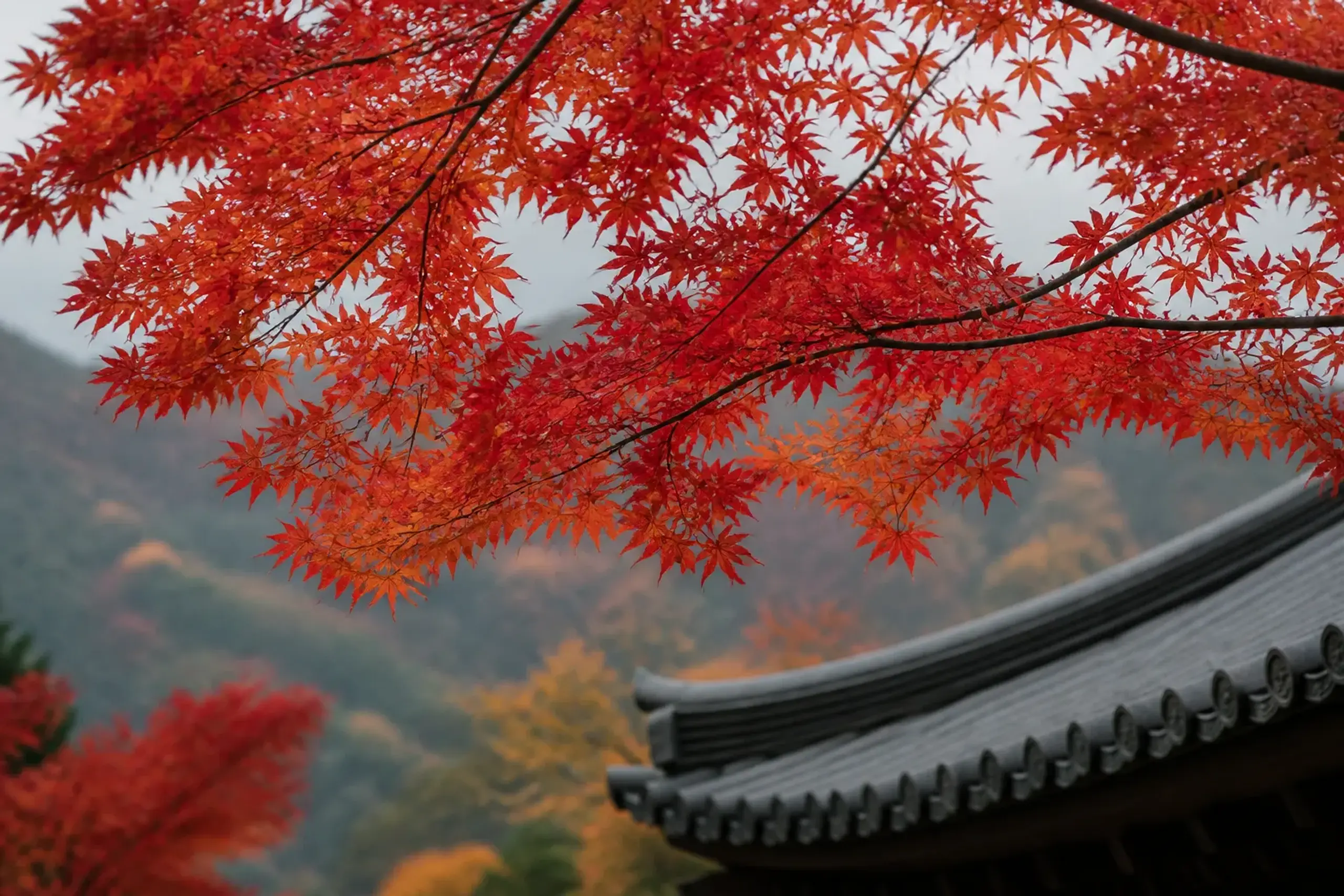
Red maple at peak — the moment the JMC forecast tries to predict, and increasingly arrives later than expected.
The 2024 season ran late across almost every major city — Sapporo about eleven days behind its own average. 2025 repeated the pattern, one to two weeks late in many cities, with Kyoto again near the back of the pack. Two years is not a rule. But two years is enough to stop trusting a single date.
Key fact: A Kyoto date chosen from a long-run average is now closer to a coin flip. Plan a window, not a week.
Why Peak Foliage Keeps Running Late
The mechanism is straightforward. Colour is triggered by a sustained drop in temperature. Warm autumns delay that drop, and the leaves wait. Both recent seasons carried unusual warmth deep into November, so the trees turned when they were ready — not when the calendar said they should.
That is as far as the explanation needs to go. What matters for planning is not the cause but the consequence: the trigger is arriving later, and a date fixed months ahead has to allow for it.
How The Colour Front Moves Across Japan
Autumn colour, or kōyō, does not arrive everywhere at once. It moves as a front — south, and downhill.
The change begins in the north, roughly mid-September in the higher reaches of Hokkaido, and works its way down the archipelago over about two and a half months, reaching southern Kyushu by around mid-December.
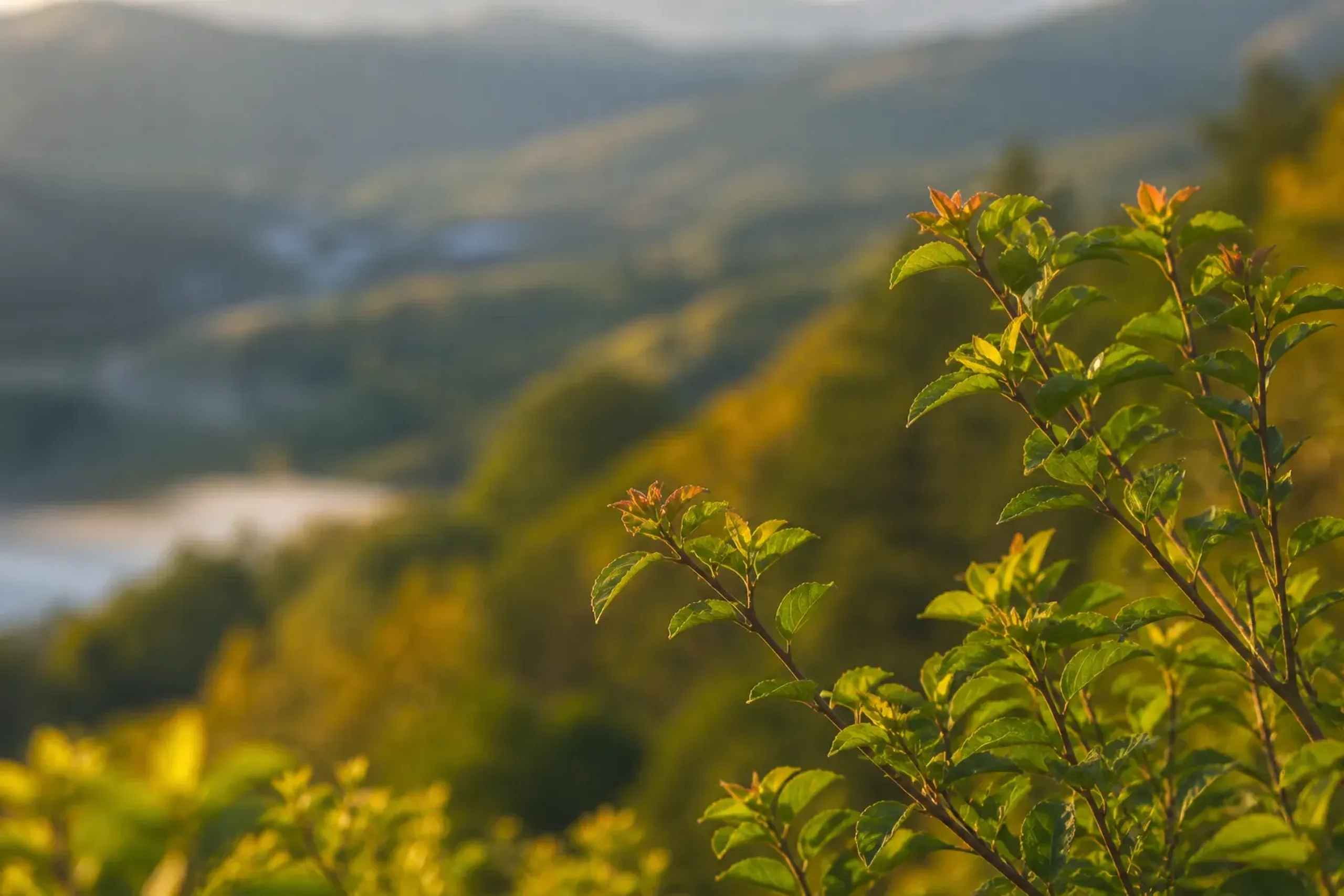
The front moves south and downhill over about two and a half months, from mid-September in the north.
That is a long runway. It also means that on any given week in late autumn, some part of Japan is at or near peak while another part is either green or already bare.
For a multi-region trip, this is an advantage. Follow the front and you can chase colour from Hokkaido down toward Kyoto and Kyushu. For a single-base trip, it means the exact week you land determines everything.
Why Mountain Day-Trips Turn Before The City
Elevation matters more than latitude for anywhere you plan to reach on a day trip. Higher ground turns first, because it gets cold first.
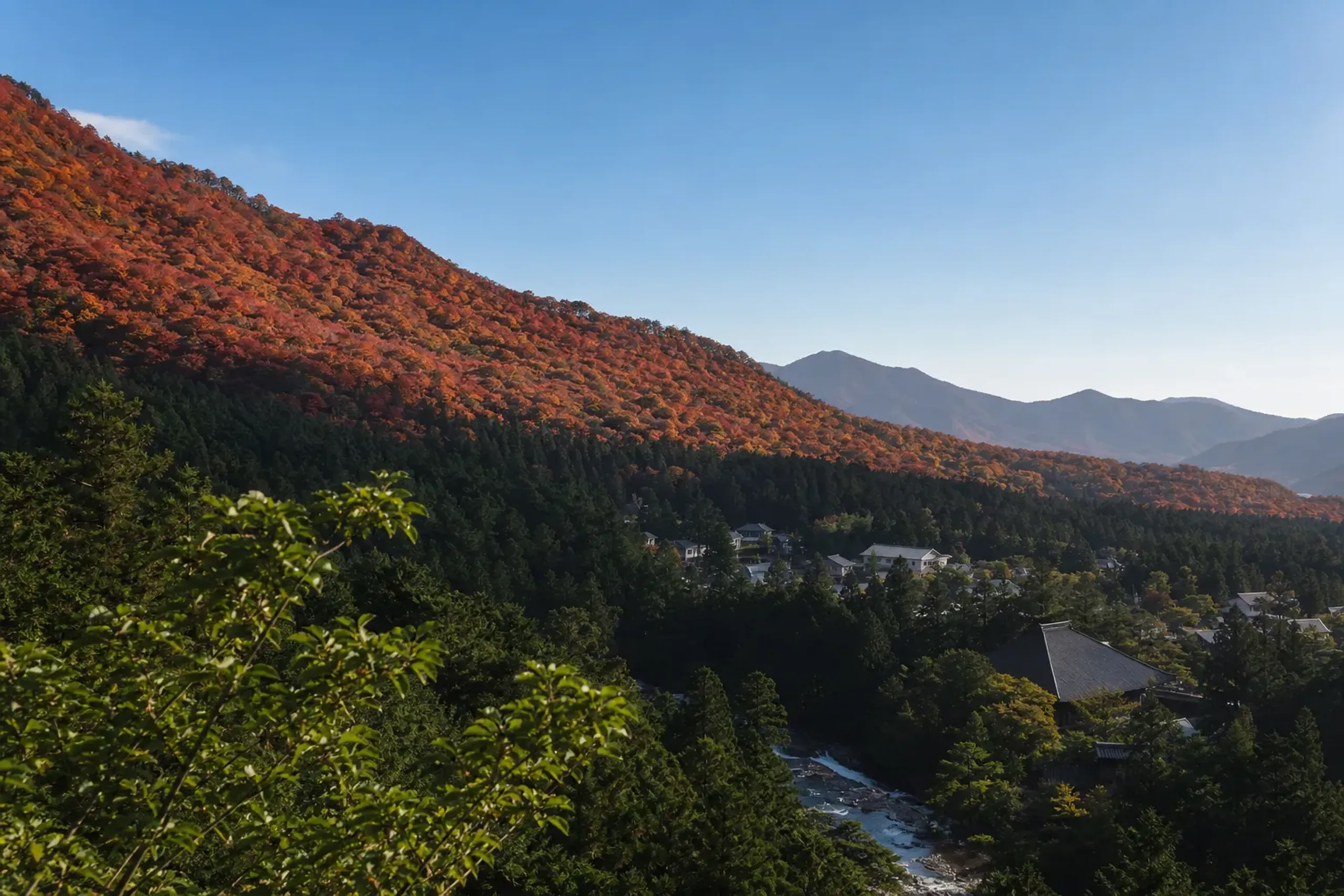
This is the variable most travellers overlook. A city like Kyoto or Tokyo may still be green while the mountains within an hour or two of it are already at peak — or, later in the season, the reverse. Elevation-driven destinations near a major city consistently colour ahead of the city centre itself.
Two well-known day-trip regions illustrate the principle without needing a fixed date. Both Nikko, north of Tokyo, and Hakone, to its southwest, sit at elevation and turn earlier than their nearest city. JMC city forecasts do not cover either, so we describe them by pattern only: higher ground, earlier colour. If you want to hedge your timing, a base with both high and low ground in reach is far stronger than a base with a single view.
Ginkgo Then Maple: The Two Waves You Can Miss
There is not one autumn in Japan. There are two.
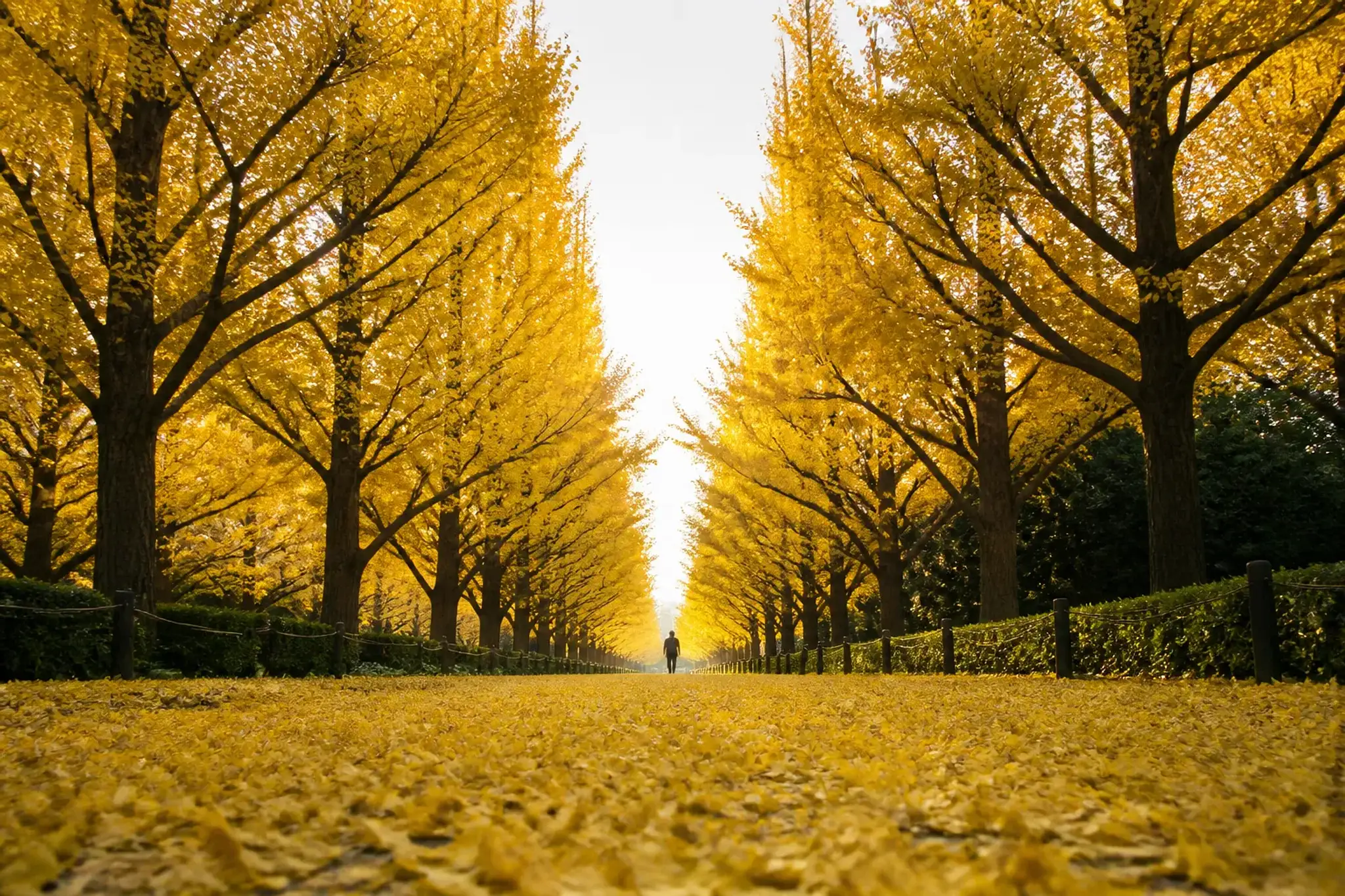
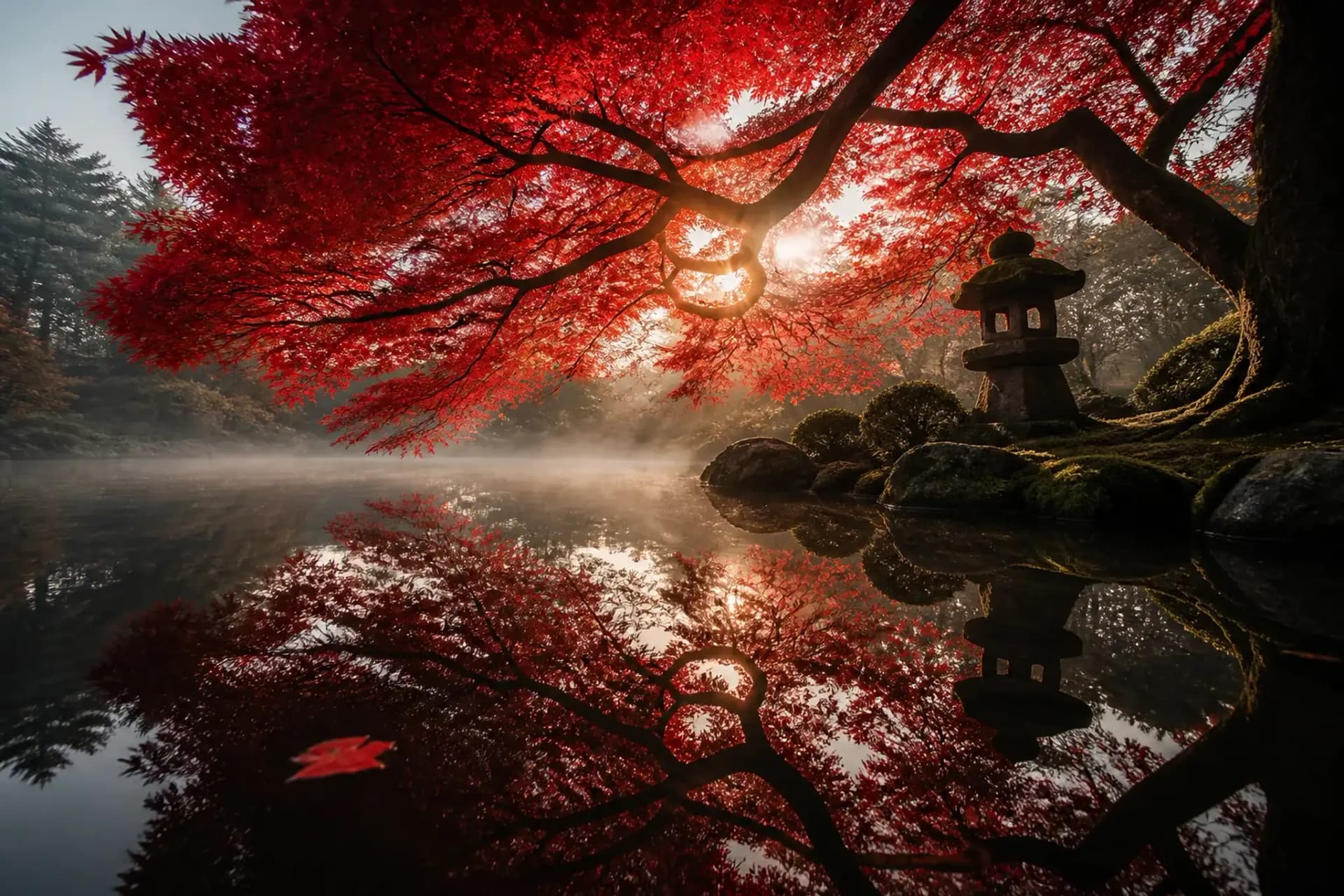
Yellow ginkgo turns before red maple — two separate waves that a single trip can easily miss.
Yellow ginkgo turns before red maple. The gap between the two waves is usually a matter of days to a couple of weeks. A trip timed perfectly for the golden ginkgo avenues may find the maples still green — and a trip timed for peak momiji may arrive after the ginkgo has already dropped.
If you have a preference, say so early. It changes the target date. If you want both in the same trip, you need a window wide enough to catch the overlap, or an itinerary with enough range to find one wave in the city and the other in the hills.
When Does The Japanese Foliage Forecast Come Out?
The first forecasts appear in early September, with monthly updates running through late November. A trip locked before September is booked blind.
The Japan Weather Association also publishes best-timing forecasts and viewing-spot guidance from September through November each year. Between the two forecasters, the picture sharpens as autumn approaches — but the earliest reliable read on your specific dates does not exist until September at the soonest.
This creates a genuine tension. Peak foliage weeks book out well before September, so the accommodation and reservations you want are gone by the time the forecast can confirm your dates. You are, in practice, committing before you can know. That is exactly why the planning approach below matters. For more on when reservations actually close, our guide on what to book when your first choice is full is worth reading alongside this.
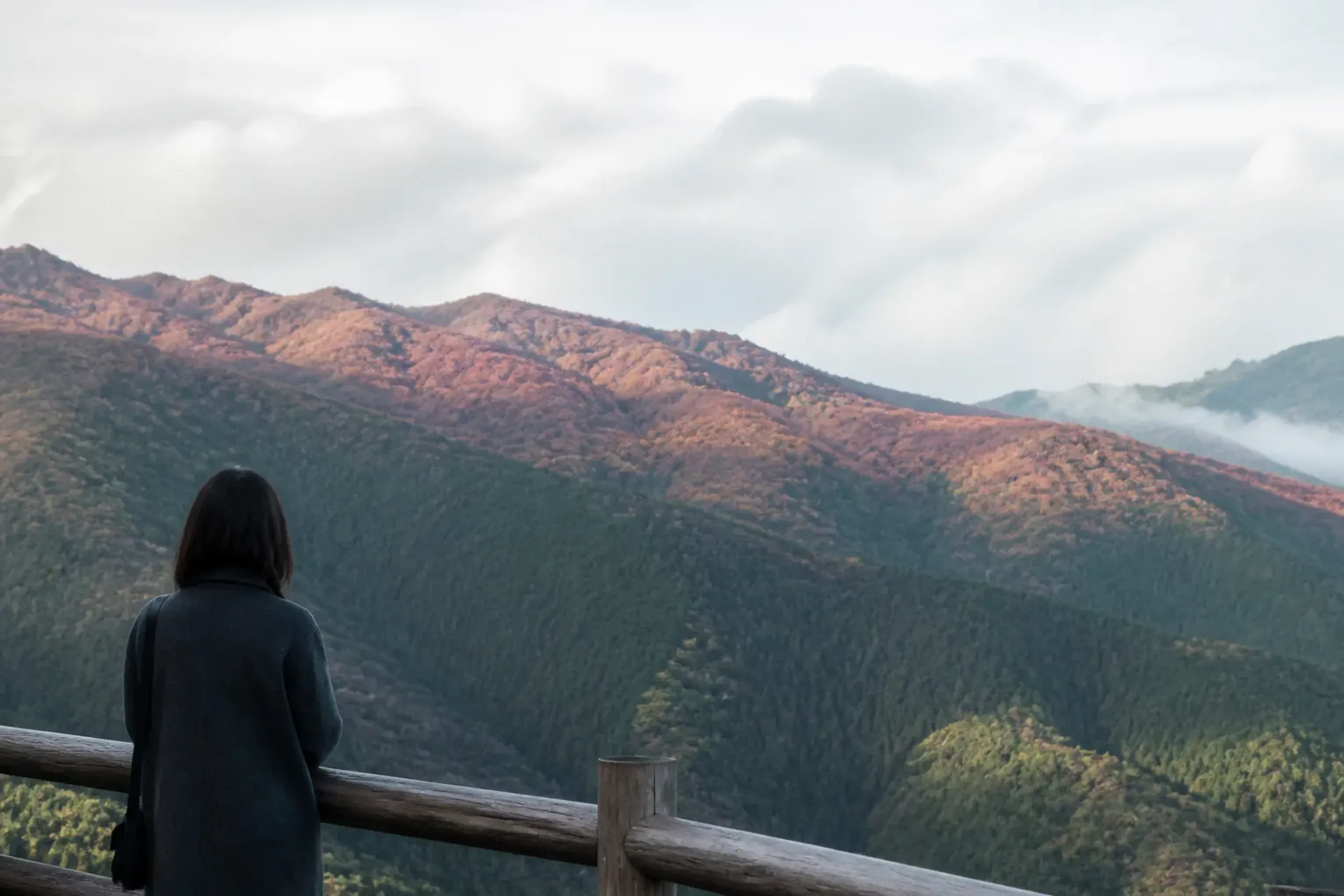
A base with both higher and lower ground in reach hedges against a date that keeps moving.
How Do You Plan A Japan Trip Around Foliage That Keeps Moving?
Book a window, not a precise week; choose a base with both higher and lower ground within reach; and treat any date fixed in June as provisional.
Those three moves do most of the work. Let us take them in turn.
Book A Window, Not A Week
A precise week is a bet. A window absorbs the two-week margin the last two seasons have shown to be real. If your schedule allows ten days rather than five, the odds of landing inside peak rise sharply — and you are no longer relying on a single date holding.
Choose A Base With Range
A base with elevation variety beats a base with one signature view. If the city is late, the mountains within reach may already be turning. If the hills have dropped, the lower ground is coming into colour. Range is insurance against a moving date.
Treat June Dates As Provisional
You will often have to reserve before the forecast exists. Fine — but hold those dates loosely, and build in the ability to adjust as September's read comes through. A date fixed in early summer should be treated as a placeholder, not a promise.
Regional Switching: The Practical Answer
When the front runs late, the higher or more northern option is still turning. That single fact is the strongest argument for building range into a foliage trip.
If Kyoto is behind schedule, the Japanese Alps or Hokkaido may be at peak.
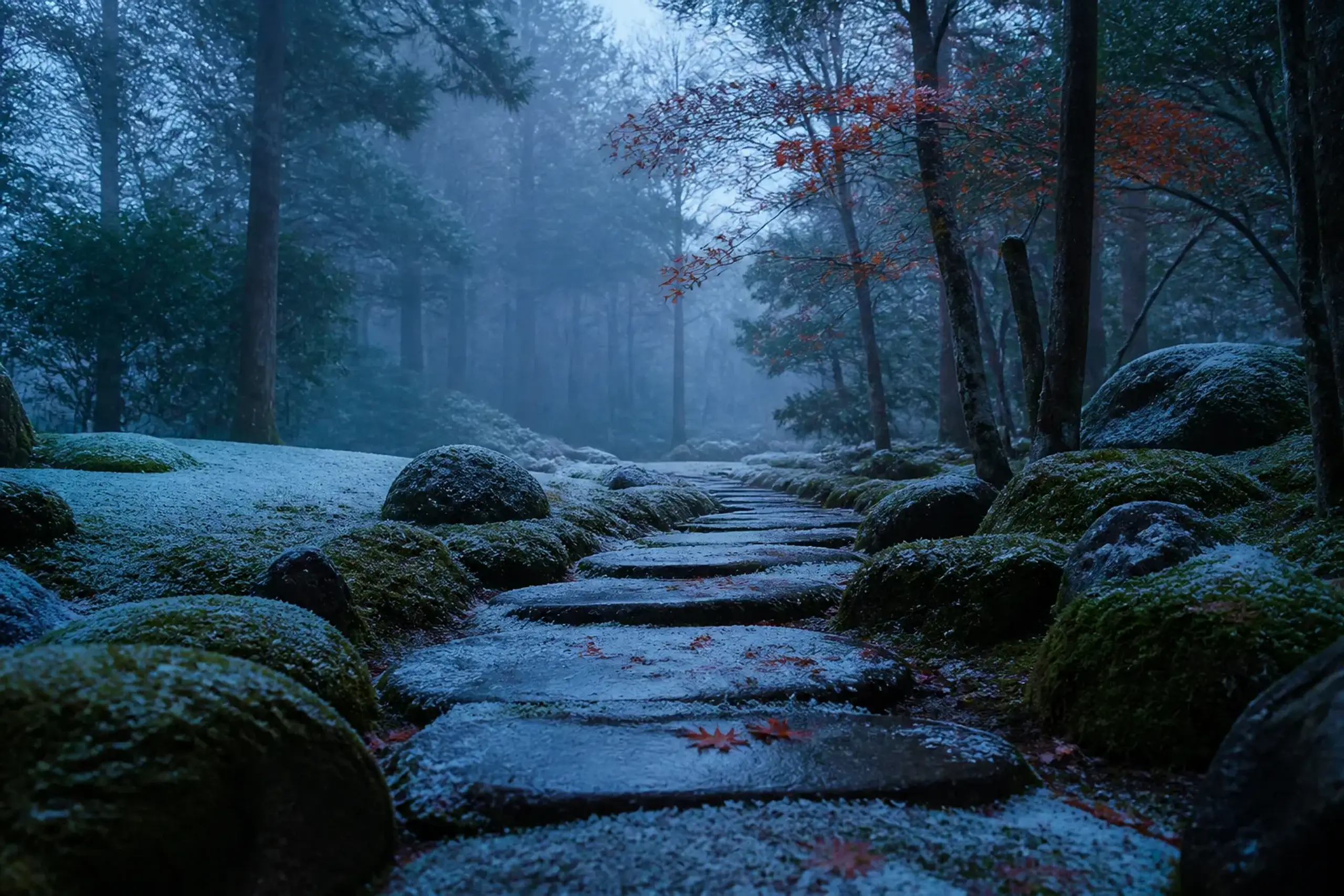
Evergreen settings hold their appeal in any week — a steady option when the maples run early or late.
If the lowland maples have gone, higher ground nearby is often days ahead of them. A trip designed with two or three reachable options can follow the colour rather than wait for it. This is the same substitution logic that governs peak-week planning generally, and it is why an itinerary with movement built in outperforms one pinned to a single spot.
For travellers who want colour without leaving a major city, Tokyo carries its autumn well into late autumn — the JMC forecast put Tokyo's red maple in early December both years, with the golden ginkgo turning ahead of it. A city-forward autumn trip is a real option for the time-poor, not a compromise.
Peak Colour Means Peak Crowds
This is the one time of year when the foliage calendar and the crowd calendar cannot be separated. The weeks the leaves peak are the weeks everyone else has also chosen.
You cannot dodge the crowd by dodging the colour — they are the same weeks. What you can do is manage arrival times, sequencing, and quieter regions. Our companion piece on planning a single-base itinerary covers how to hold one location while still varying what you see each day, which pairs naturally with autumn's crowd pressure.
Booking pressure follows the same curve. Foliage weeks close early — often the earliest of the year outside cherry blossom. If autumn is your target season, the reservation window is not generous.
What To Do If The Timing Misses
Sometimes the front outruns your dates.
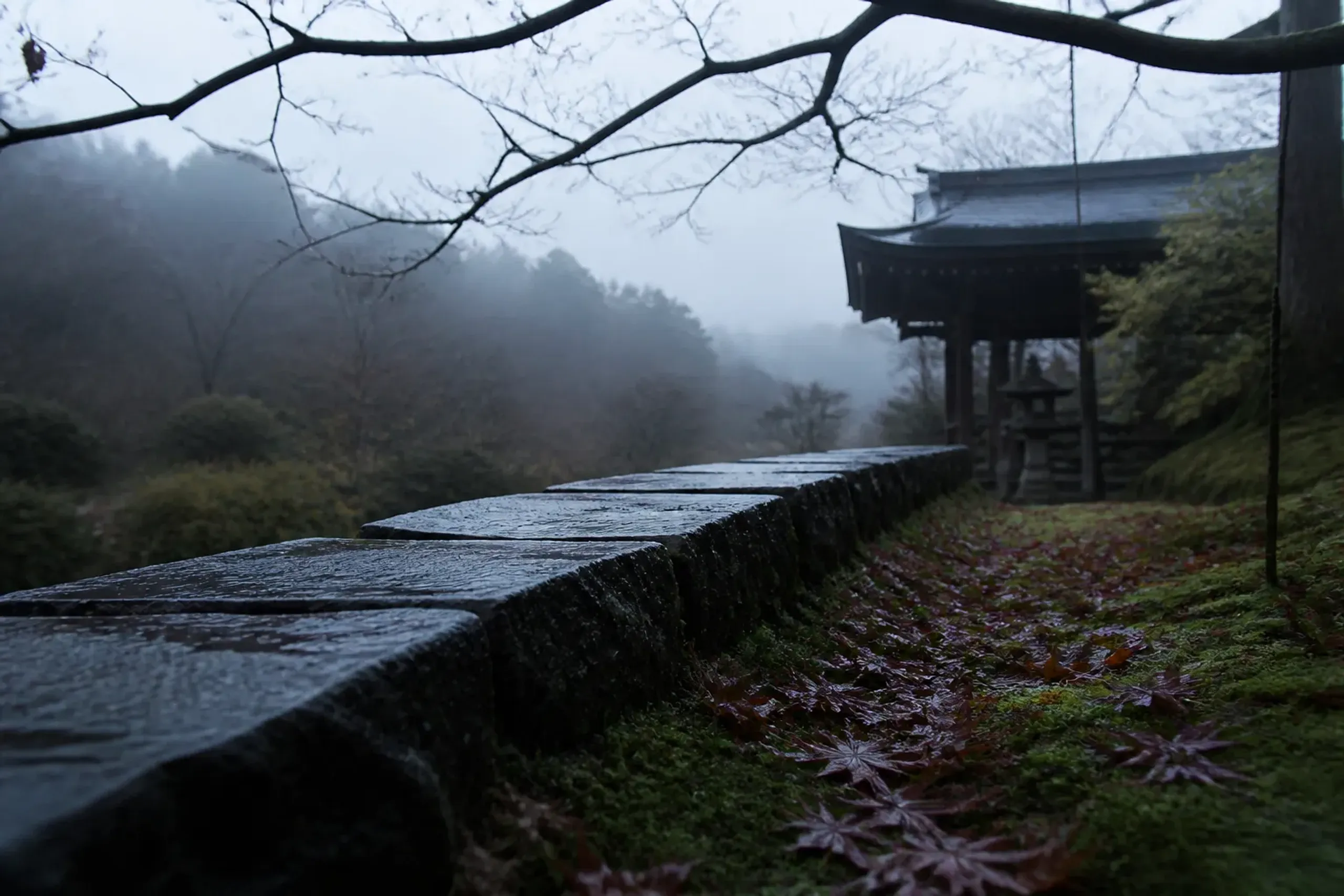
It happens, and it is recoverable.
Higher ground is the first move — mountains near your base may still be turning when the lowlands have gone. Evergreen settings hold their appeal regardless of the maples, so a garden or temple grounds built around pines and moss reads beautifully in any week. And a week either side of true peak is frequently better for crowds and nearly as good for colour; the difference between ninety per cent turned and one hundred is smaller than the difference in how many people are standing in front of it.
The point is that a missed peak is rarely a lost trip. With range built in, there is almost always colour somewhere within reach.
Frequently Asked Questions
Why has peak autumn foliage in Kyoto been running late recently?
Warm autumns delayed the temperature drop that triggers colour, pushing peak red maple one to two weeks later in both 2024 and 2025. The JMC forecast put Kyoto's momiji in mid-December both years — later than most published averages suggest.
When is the best time to see autumn leaves in Japan?
It depends entirely on region and elevation. The colour front moves south and downhill over about two and a half months — mid-September in northern Hokkaido to around mid-December in southern Kyushu. Higher ground turns first, so mountain destinations peak before nearby cities.
What is the difference between ginkgo and maple foliage timing?
Yellow ginkgo turns before red maple, usually by a few days to a couple of weeks.
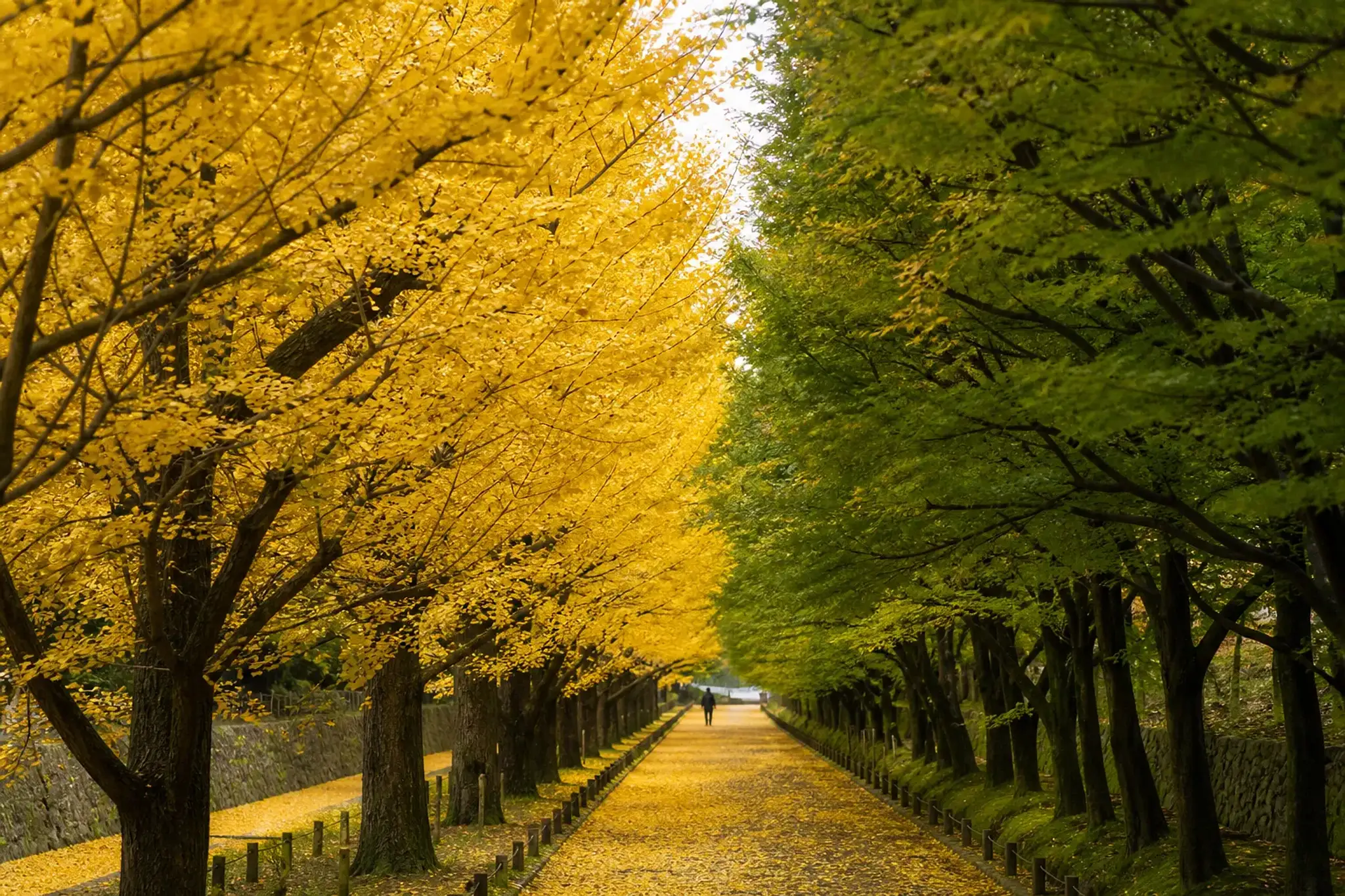
A trip timed for one wave can miss the other, so decide which you want or plan a window wide enough to catch the overlap.
Can I rely on the autumn foliage forecast when booking my trip?
Only partly. The first forecasts appear in early September with monthly updates into late November, but peak-week accommodation books out before then. A trip locked before September is committed before the forecast can confirm your dates — which is why building in a window and the ability to adjust matters.
What should I do if I arrive and the leaves have not turned yet?
Move to higher ground, where colour arrives earlier, or shift toward a more northern region still at peak. Evergreen gardens read well in any week, and a week either side of peak is often better for crowds and nearly as good for colour.
Why Choose Japan Royal Service
The value of a concierge in autumn is not access to a secret date. No such date exists. The value is watching the front as it moves and adjusting the trip where it can absorb the change.
Our team at Japan Royal Service tracks the JMC and JWA forecasts through the season and reads them against your specific itinerary. Where a trip has been built with range — a base near both high and low ground, or two reachable regions — we can shift dates or redirect a day as the colour front reveals itself.
In our experience, that flexibility is worth far more than any single number pulled from an average.
We coordinate the rest quietly around it: private chauffeured transport timed to arrive ahead of the crowds, and tailor-made itineraries designed to hold their value whether the maples are early, late, or exactly on time. Discretion runs through all of it — your identity and your plans stay confidential.
Autumn rewards the traveller who plans for movement rather than certainty. If you would like us to track the front for your dates and keep your trip adjustable, reach our team privately via WhatsApp or LINE, or contact us here.