In this guide
- 01Why One Base In Tokyo Beats Chasing Coverage
- 02Choosing Your Base: Marunouchi And The Central Districts
- 03Day 1: A Deliberately Light Arrival
- 04Days 2 And 3: One Anchor, One Area
- 05Day 4: Why A One-Base Trip Still Goes To Nikko
- 06Day 5: The Return Day, Kept Simple
- 07Evenings, And Why Repetition Is The Point
- 08What Five Days In Tokyo Does Not Cover
- 09A Practical Note On Transit And Passes
- 10Who Should Choose A Different Plan
- 11Frequently Asked Questions
- 12Why Choose Japan Royal Service
Some travellers arrive with three cities on a five-day plan. Tokyo, then a night in Hakone, then a dash toward Kyoto. It reads as ambition. It usually plays as luggage, timetables, and the same first evening felt three separate times.
Here is the other version. One hotel. Five days. You unpack once and you do not touch the suitcase again until you leave. This is a one-base Tokyo itinerary for the traveller who would rather go deeper than farther, and Japan Royal Service builds it for a reason: Tokyo rewards staying more than most cities reward moving.
Why One Base In Tokyo Beats Chasing Coverage
Unpacking once changes a trip's texture more than any single sight will. You stop planning around checkout. You return to places you liked. You eat in the same neighbourhood twice, and the second time you are received differently.
Depth over coverage is the whole argument. A five-day, single-base plan buys you an afternoon with nothing scheduled, a coffee you go back for, and — crucially — no day lost to transit between hotels. Compare that with a multi-base first visit, where a meaningful slice of each day evaporates into transfers and re-settling. We wrote the opposite of this post once, our two-week, multi-base routing for a larger group; that structure earns its transfers. This one refuses them.
Tokyo is also larger, and slower to cross, than most visitors expect. Its transit map looks dense and quick. On the ground, a cross-city hop can consume a chunk of a morning.
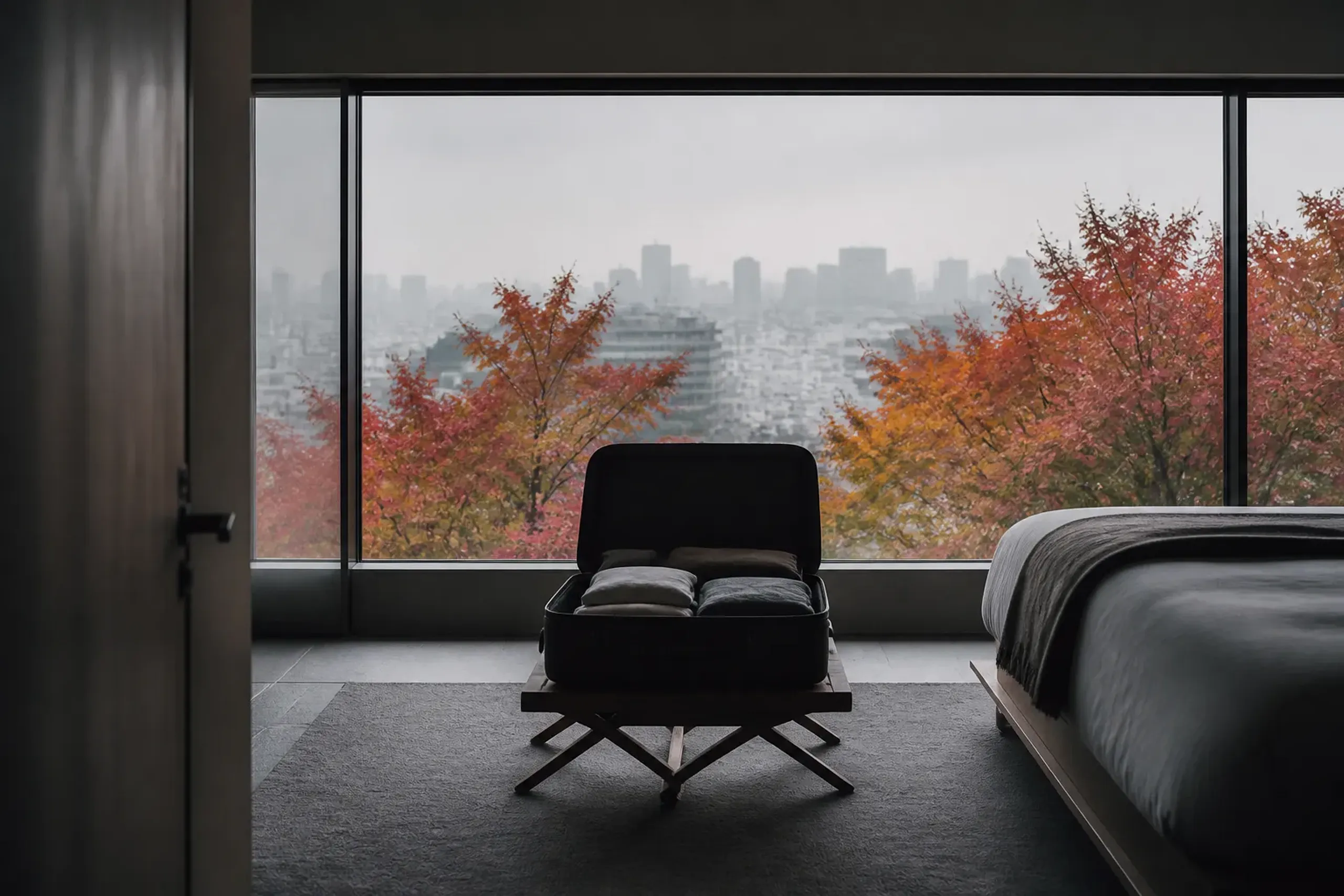
Unpack once: the single change that reshapes a five-day trip.
So the days below are built around one area each, walked between stops, with a deliberate return to base in the middle hours.
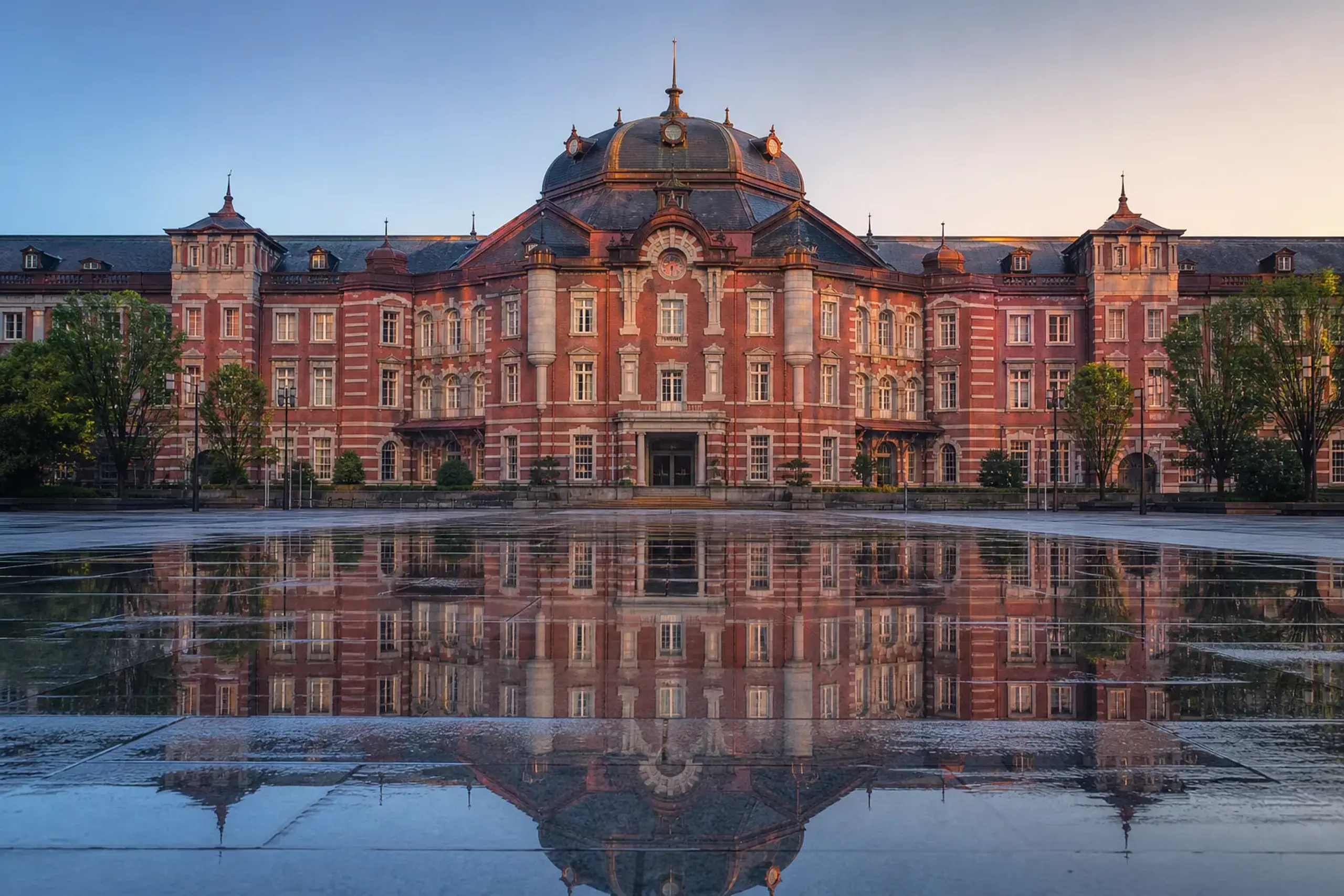
Choosing Your Base: Marunouchi And The Central Districts
Where you stay decides how a stay-put trip feels. We will not re-argue the district question here — we have already made the case. For the reasoning behind a central, well-connected base, see our design-led route through Tokyo and the broader logic on district selection.
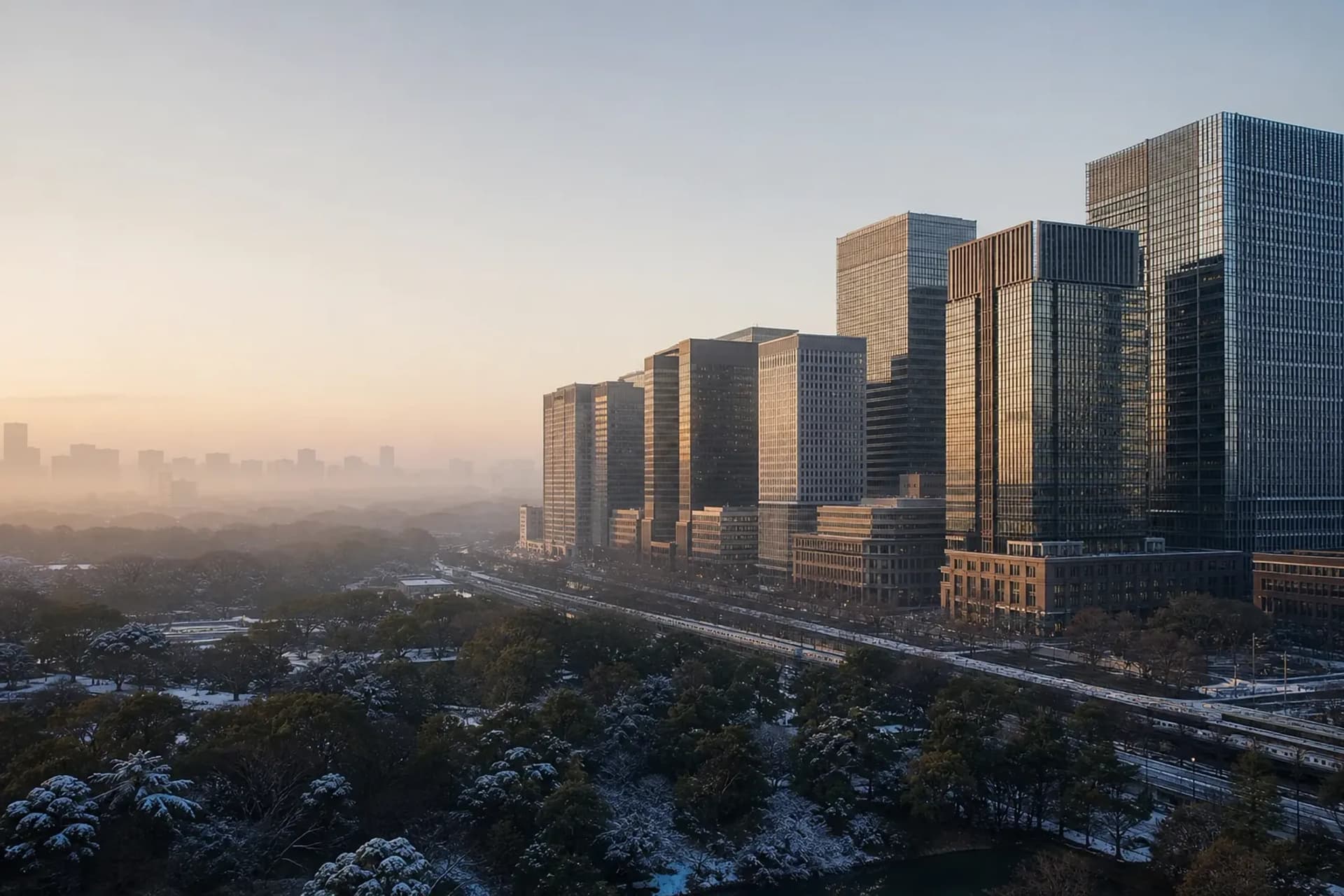
The short version: a base near the central stations keeps every day's departure short and every night's return shorter. That matters more in a one-hotel trip than in any other kind, because the hotel is not a place you sleep — it is the pivot the whole week turns around. Our concierge can weigh Marunouchi against Ginza or the Toranomon–Azabudai cluster once we know your dates and the shape you want your mornings to take.
Day 1: A Deliberately Light Arrival
Morning to midday: You land, you clear the airport, you reach the hotel. Do not schedule against this. Even a smooth arrival takes the edge off a day, and the trip is five days long precisely so the first one can be soft. A private chauffeured transfer from Narita or Haneda removes the one variable most likely to fray a first afternoon.
Afternoon: Walk the immediate neighbourhood. Not to see anything in particular — to learn the block. Find the corner you will turn each morning. Locate a coffee you would return to.
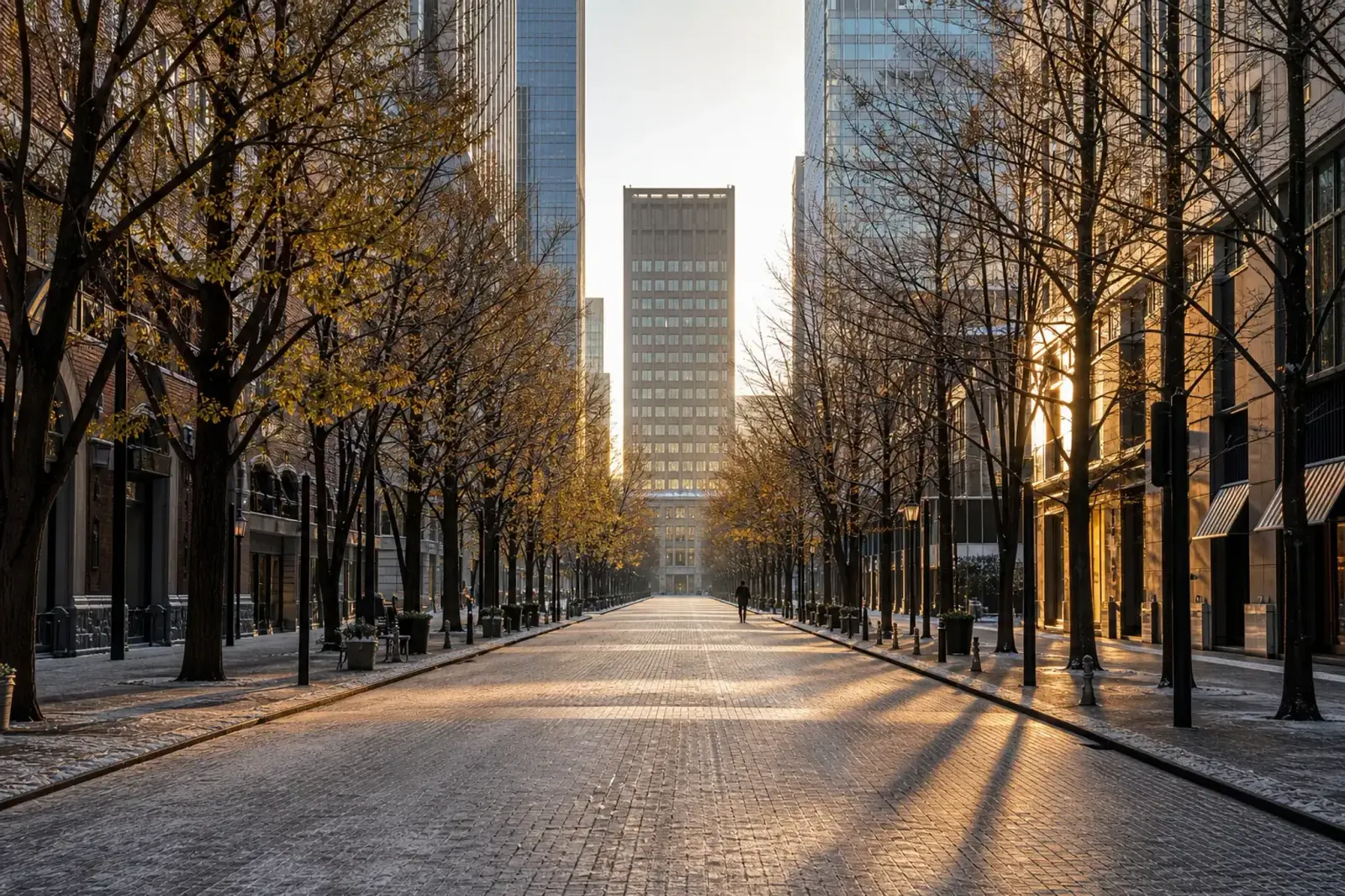
A central base keeps every departure short and every return shorter.
Evening: Eat close. Somewhere within a short walk, unhurried, no reservation you have to race to. The first night sets the pace for the four that follow, and the pace is the point.
Days 2 And 3: One Anchor, One Area
The failure mode of a Tokyo day is three anchors. A morning museum, a midday district across town, an evening across town again. It looks efficient and feels like commuting. So each city day here carries one anchor and one area, and you walk between what is worth walking between.
The Day 2 Shape
Morning: Start with the anchor while you are fresh and while the area is quietest — a garden, an atelier visit, a single significant building. Mornings are when Tokyo's best places are most themselves.
Midday: This is where the method matters. Tokyo is at its worst in the middle hours in its busiest districts — the crowds thicken, the light flattens, the queues form. So you leave. You return to base, or you go quiet: a long lunch, a coffee house, a garden that absorbs people rather than concentrating them. We apply the same crowd logic we set out in our timing-led work elsewhere — anchor early, retreat at midday.
Afternoon: Something low. A craft, a tea, an hour of nothing scheduled. The unscheduled hour is not a gap in the plan. It is the plan.
Evening: Stay in your area or return to the one near your hotel. This is where a one-base trip begins to pay.
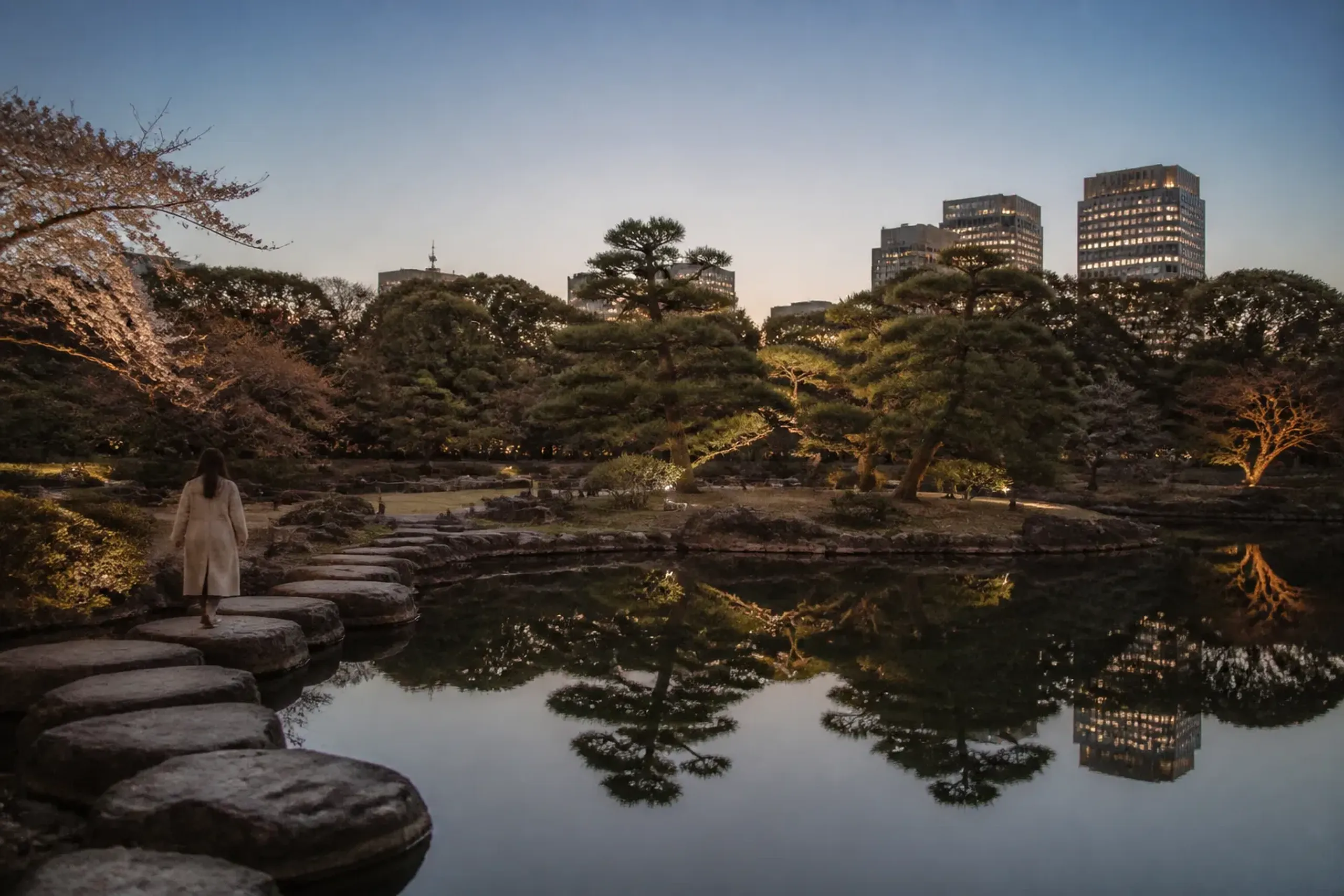
One anchor, one area, walked between — the shape of a good Tokyo day.
The Day 3 Shape
Repeat the structure in a different quarter, and let the contrast do the work — a quieter, older neighbourhood against a denser, modern one. One anchor. One area. The midday retreat again. By the third evening you are no longer navigating Tokyo. You are living a small piece of it, which is the most any visitor can honestly do.
On timed-entry venues: Tokyo's highest-demand attractions run on reservations. teamLab reported more than 4.2 million visitors across its two Tokyo museums in 2025. If one is on your list, it becomes an anchor to build a day around — not a stop to squeeze in.
Day 4: Why A One-Base Trip Still Goes To Nikko
Yes, this day boards a train and leaves the city for roughly two hours each way. That looks like a contradiction. It is not, and the distinction is the whole point of the day.
The premise of this trip is not relocating. It is never never boarding a train. You keep the same room. You do not repack. You leave in the morning and you sleep in your own bed that night. Four days is enough to feel a city. The fifth day of a Tokyo variation would only be a fourth version of the same day — and Nikko is the strongest available contrast to it.
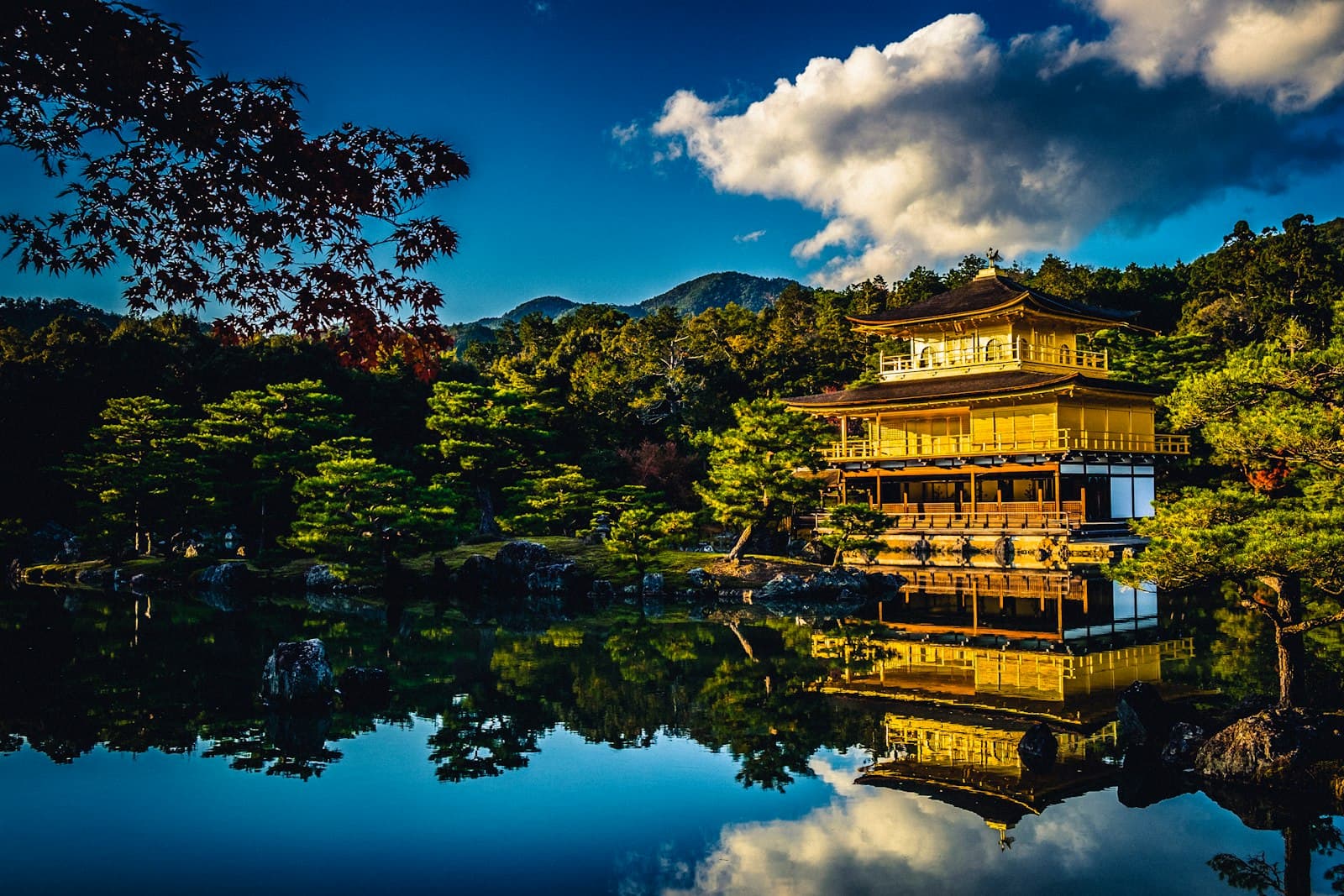
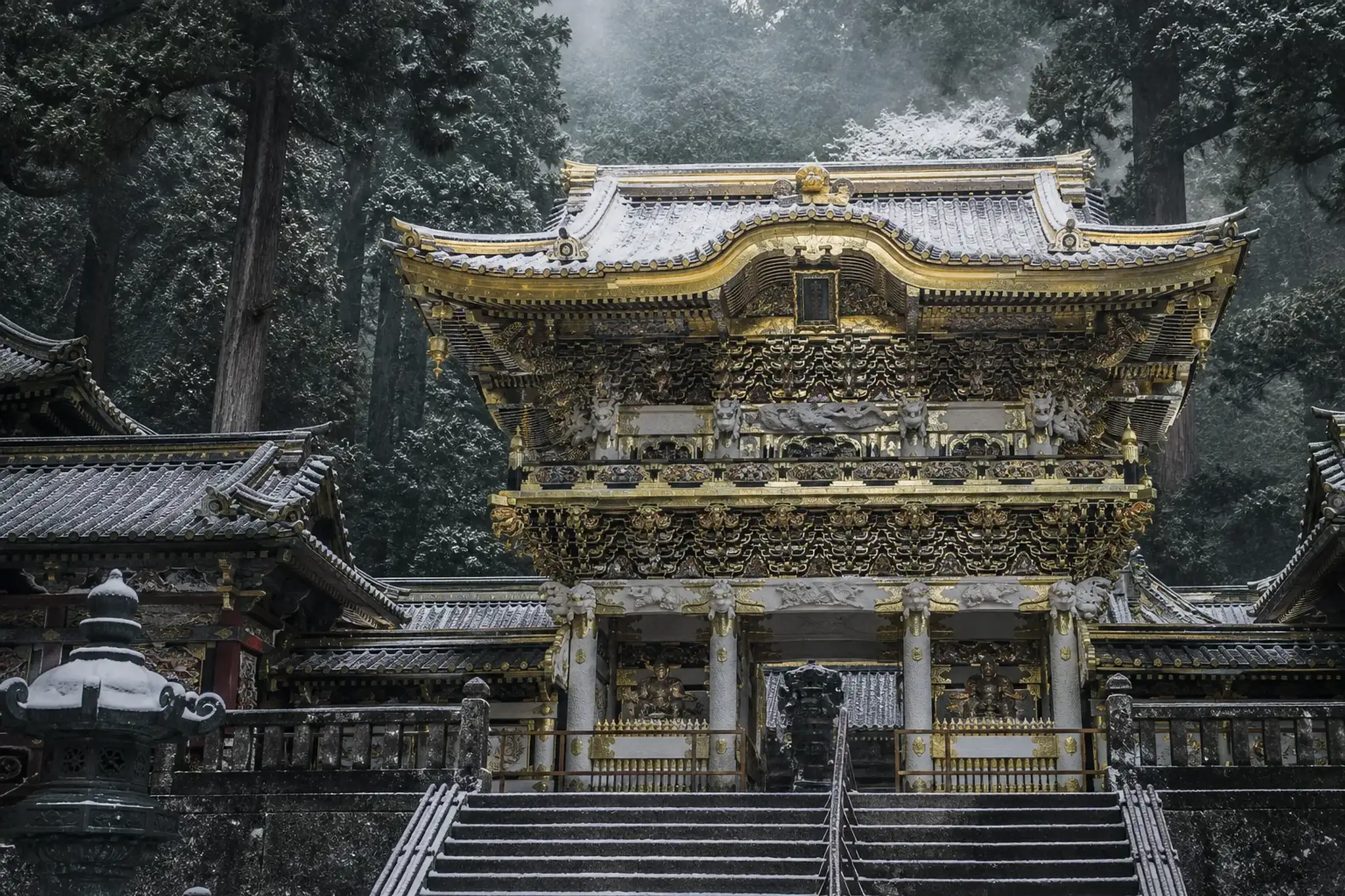
Nikko is a mountain setting with a dense concentration of historic buildings, a complete change of register from the city you have spent three days learning.
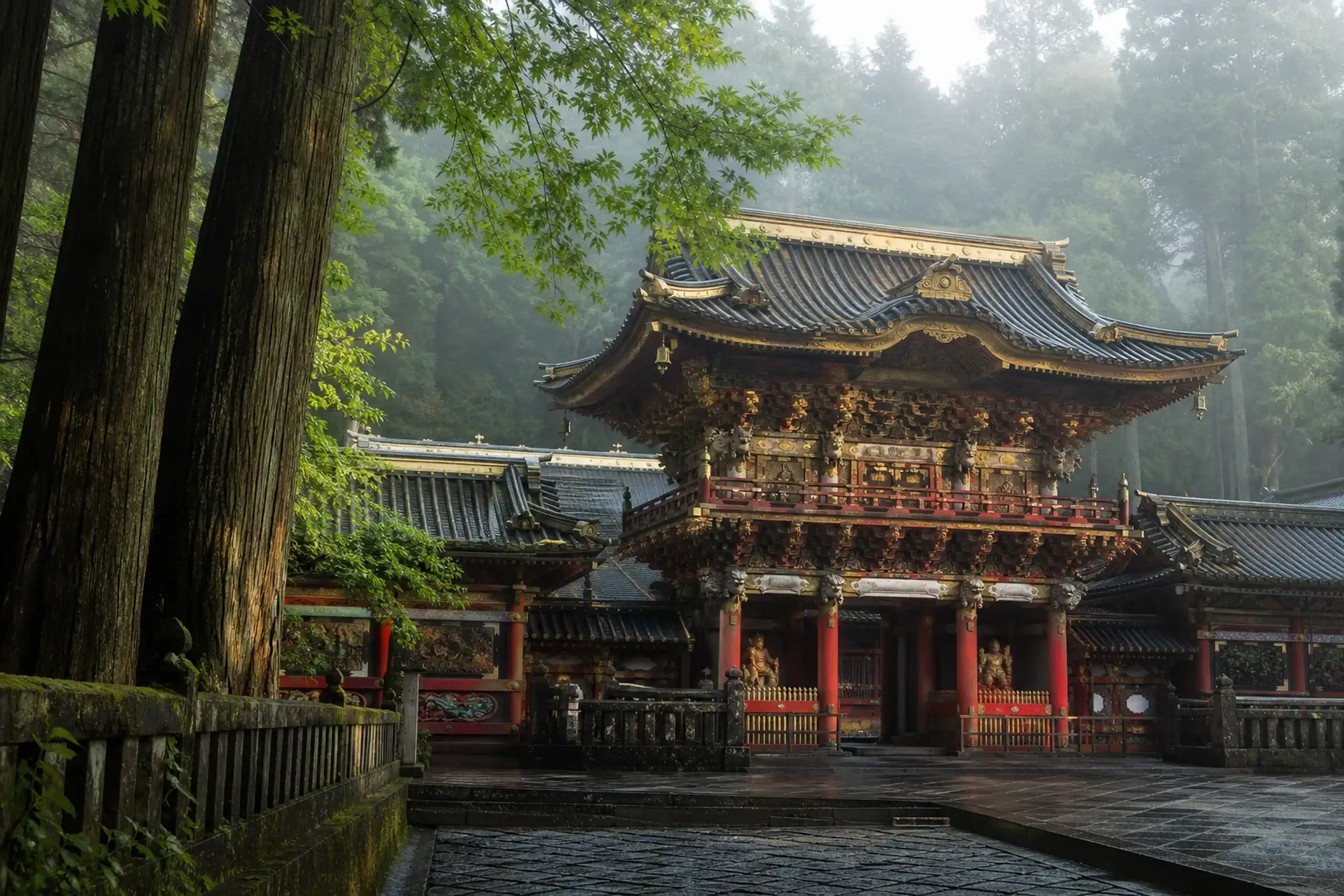
Nikko: mountain setting, dense architecture, a complete change of register.
That change is what a day trip should buy. If it rains, the day changes character rather than collapsing; we set out how Nikko holds up in wet weather in our piece on Japan days when the weather turns.
The Nikko Day Shape
Morning: Leave early. The point of an early departure is arriving before the day's crowds and while the mountain light is still on the buildings.
Midday: The concentration of shrines and their surrounds is dense enough to hold a slow middle without moving far. Walk it at the pace of the trees.
Afternoon to evening: Turn back toward Tokyo with time in hand, not against the clock. Dinner is in your own neighbourhood again, which is the reward for keeping the base.
Who Should Skip Nikko
Two travellers should stay in the city on Day 4. One is genuinely tired by the fourth morning — for them, a second unscheduled Tokyo afternoon does more good than a mountain and a train. The other is visiting in deep winter, when mountain weather is harder and the return less predictable. Both keep the same room and spend the day on a quarter of Tokyo they have not yet reached: a garden district, a museum they skipped, a long lunch and a bathhouse. The premise holds either way.
Day 5: The Return Day, Kept Simple
Morning: Return to one thing. The coffee house from Day 1, the shop you meant to revisit, the garden you rushed.
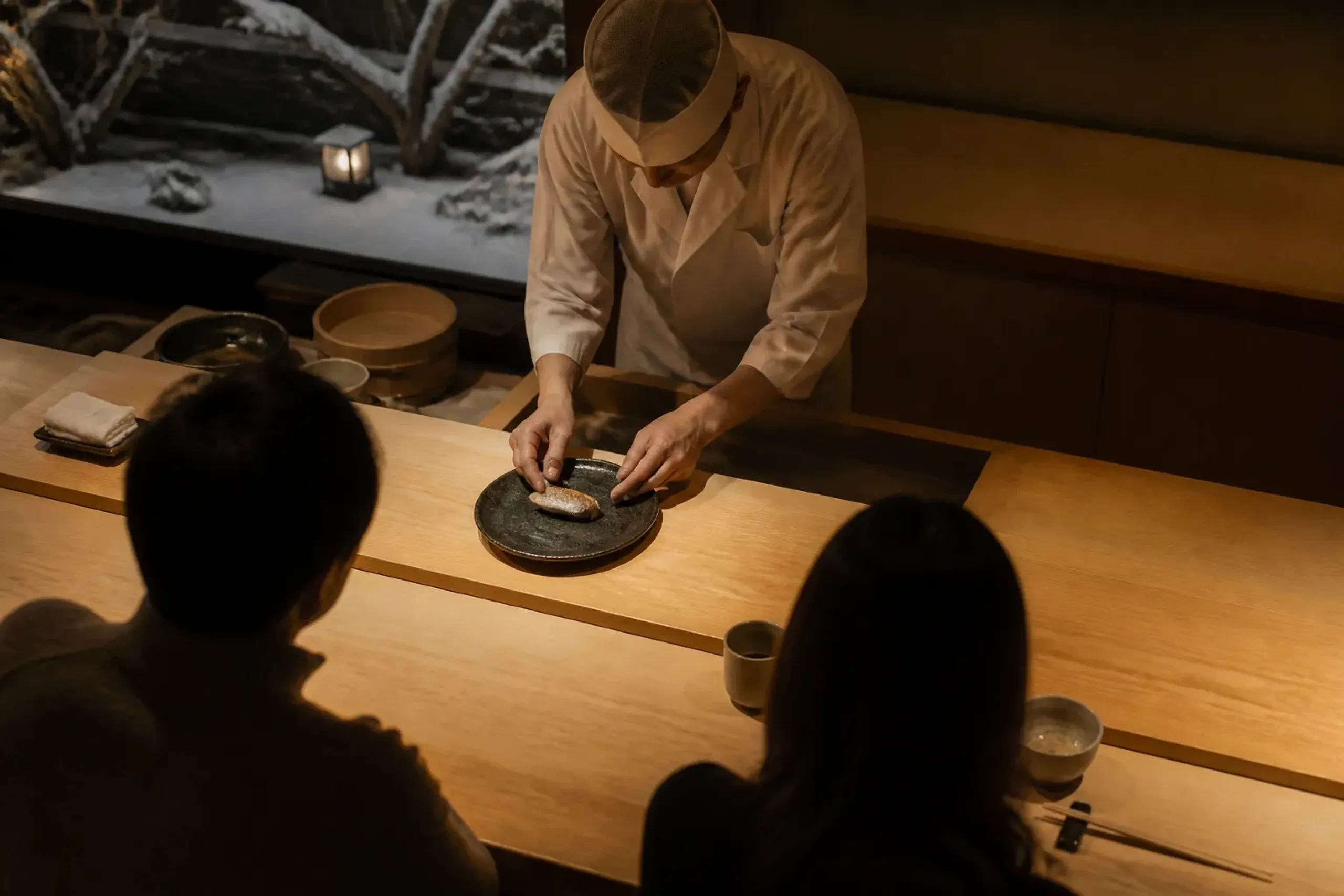
Return twice and the welcome warms — the payoff of staying put.
A last day should reward familiarity, not chase novelty.
Midday to afternoon: Keep it near the base and near the ground. This is not the day for a district across the city or a reservation with a hard start time. Depending on your flight, the afternoon is either open or given over to an unhurried departure.
Evening: If you fly out the next morning, eat where you have eaten before. The staff know your table by now. That recognition is the small, real luxury a one-base trip produces and a moving one never can.
Evenings, And Why Repetition Is The Point
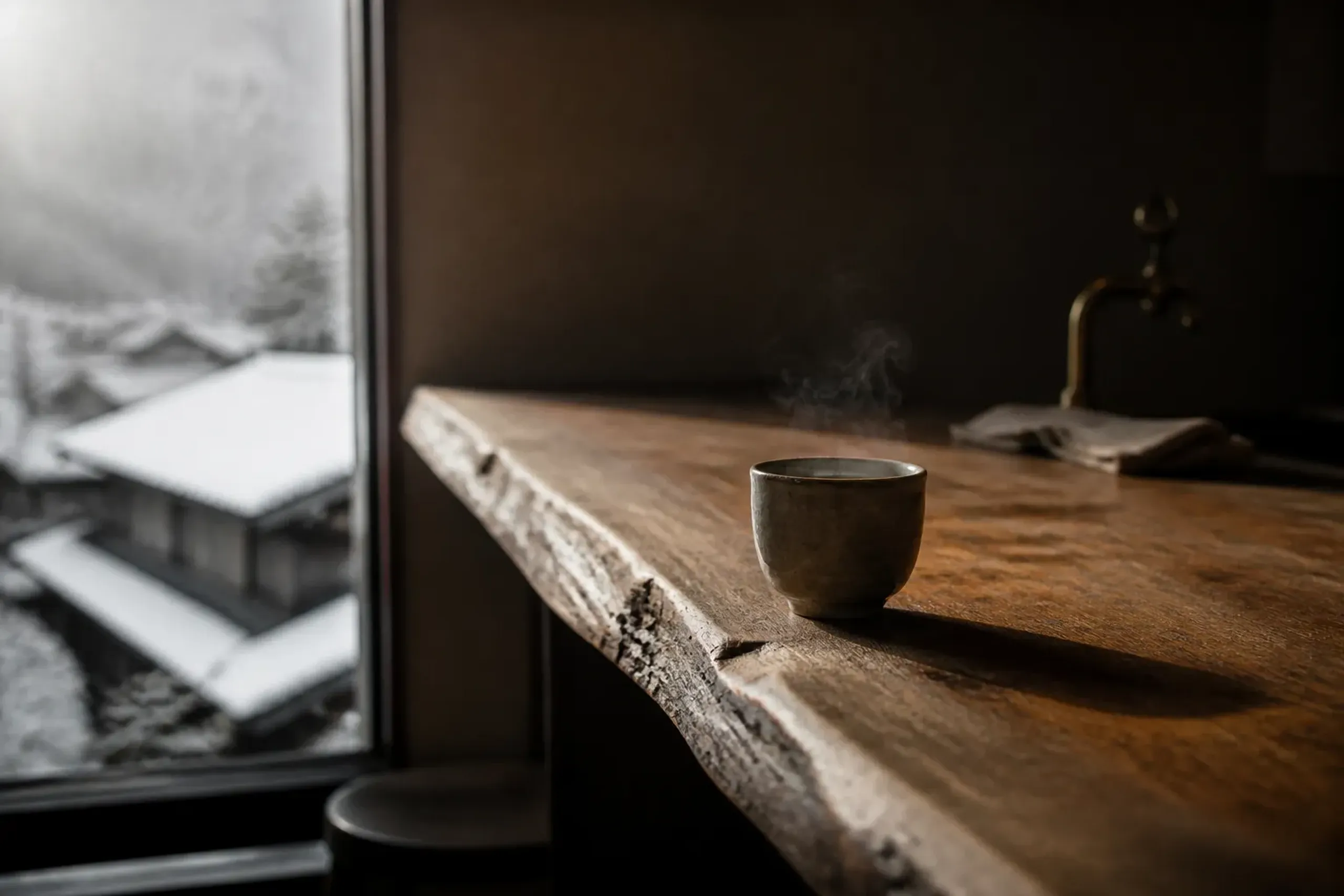
Evenings are where staying put earns its keep. Eat in the same neighbourhood twice and the second visit is a different experience — a better table, a dish suggested rather than ordered, a welcome that has warmed. In a city where the finest small rooms run on relationships, being a returning face is worth more than any single reservation.
A practical evening note for 2026: Shibuya Ward prohibits drinking alcohol in designated public spaces around Shibuya Station from 6 p.m. to 5 a.m. daily. If your idea of a Tokyo night includes walk-out drinks, plan for bars, hotel lounges, and private rooms rather than the street. Our concierge steers guests toward the right rooms for the evening they want.
What Five Days In Tokyo Does Not Cover
Tokyo cannot be seen in five days. It should not be claimed otherwise. This itinerary trades breadth for the thing breadth destroys — the feeling of having been somewhere rather than through it.
You will not reach every district. You will skip famous names. What you gain is a handful of places you actually know, an evening rhythm, and a week that ends restored rather than depleted. Scott Dunn's own Tokyo guidance notes that three to five days is typically enough for the city's key neighbourhoods; the honest read of that is not "see it all" but "stop trying to."
A Practical Note On Transit And Passes
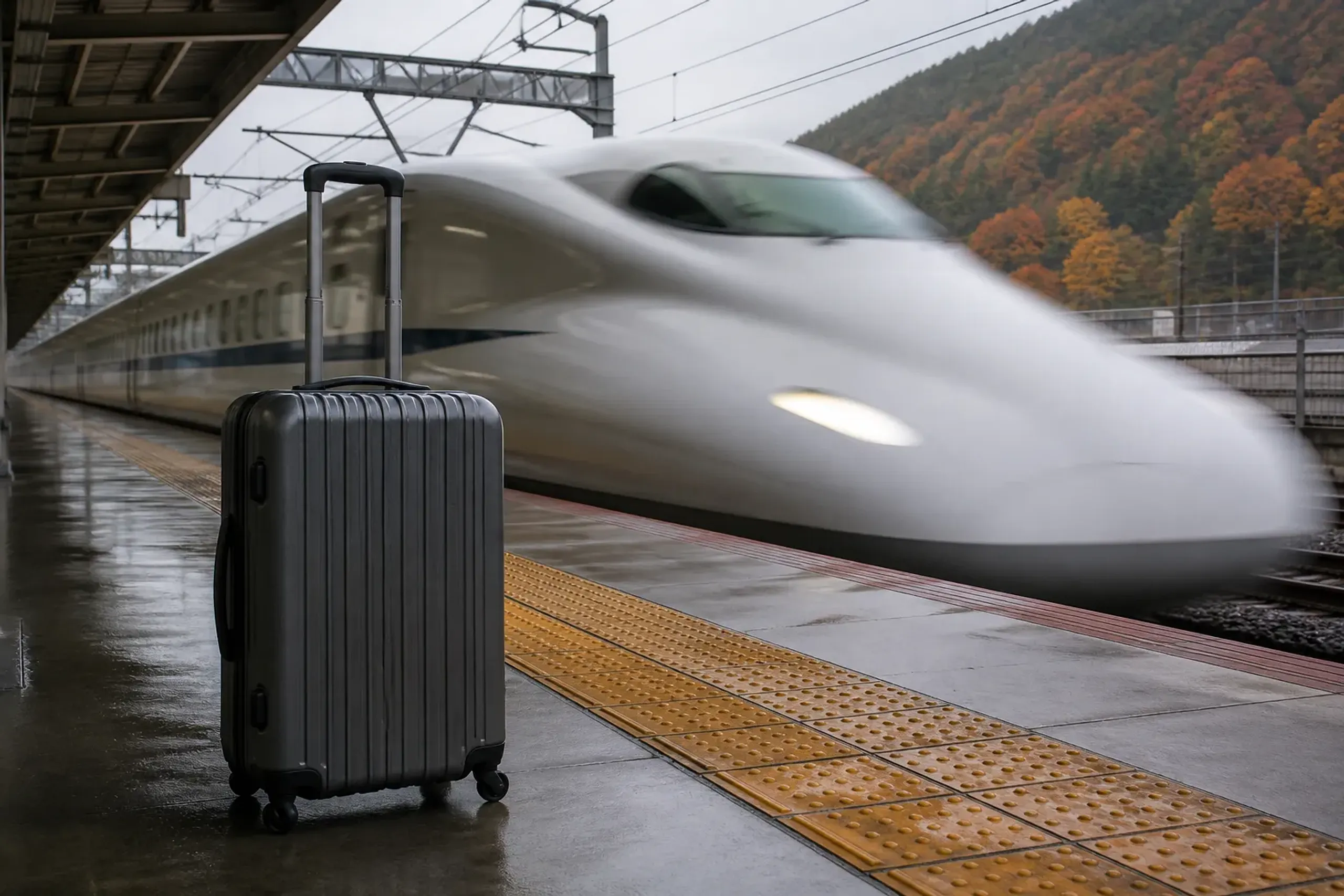
For a stay-put trip, your transit strategy is simpler than a moving one, but it still pays to get right. The official Tokyo Subway Ticket offers unlimited rides on Tokyo Metro and Toei Subway lines for 24, 48, or 72 hours from first use.
Note for 2026 travel: Tokyo Metro and Toei announced price revisions to the Tokyo Subway Ticket (24/48/72-hour) and certain related passes, effective March 14, 2026. If your dates fall around then, confirm the current fare before you buy.
For a one-base itinerary, the calculus is straightforward: on your walked, single-area days a pass may sit idle, while the Nikko day and any cross-city evening are better served by a private car. We match the mode to the day rather than the other way round.
Who Should Choose A Different Plan
This itinerary is not for everyone, and saying so is part of recommending it well.
A first-time visitor to Japan who wants Kyoto should not spend five days in Tokyo.
Kyoto is a different country of the mind, and a first trip that skips it will feel incomplete. For that traveller, a multi-base route is the right shape — and the method that governs this post applies there too, at a different pace, as in our Kyoto-and-Tokyo work.
Anyone for whom one city would simply feel narrow should also choose differently. The one-base trip is a preference, not a rule. It suits the traveller who reads "five days, one hotel" as relief rather than restriction.
Frequently Asked Questions
Is Five Days Enough Time To See Tokyo Properly?
Five days is enough to know a handful of Tokyo neighbourhoods well, not to see the whole city. A one-base itinerary trades breadth for depth — fewer places, longer stays, and an evening rhythm you cannot build while moving hotels.
Should I Stay In One Hotel The Whole Time Or Move Around Tokyo?
For a five-day Tokyo stay, one hotel is usually better. You unpack once, lose no day to transfers, and return to a familiar base each afternoon. Move only if you are adding another city such as Kyoto or Hakone.
Is A Day Trip To Nikko Worth It From Tokyo On A Short Itinerary?
Yes, on a five-day trip a Nikko day earns its place as the strongest contrast to the city — a mountain setting and dense historic architecture — while you keep the same room and return that night. Skip it if you are tired by day four or travelling in deep winter.
Do I Need A Tokyo Subway Pass For A One-Base Itinerary?
Not always. On walked, single-area days a pass may sit unused, so it suits heavy-transit days more than a stay-put plan. Note the Tokyo Subway Ticket price revision effective March 14, 2026, and confirm current fares before buying.
When Is The Best Time To Visit Tokyo For A Slower-Paced Trip?
Weekdays over weekends, and shoulder seasons over peak, favour a slower Tokyo. Domestic crowds swell on Saturdays and around public holidays, so a Monday-to-Friday base makes the midday-retreat rhythm easier to keep.
Why Choose Japan Royal Service
A one-base itinerary lives or dies on its pacing, and pacing is the thing generic plans get wrong. Our concierge builds the week around the shape of your days, not a checklist of sights: the right base for how you want your mornings to feel, the anchor that suits each area, the midday retreats, and the evenings in neighbourhoods that come to know you.
In our experience, the difference between a good Tokyo trip and a memorable one is restraint — knowing what to leave out, when to slow down, and which single day away is worth the train. Japan Royal Service handles the logistics beneath all of it, from a private chauffeur on the Nikko day to a reservation calendar that keeps the timed-entry venues from dictating your week.
Let us shape these five days against your own dates and interests.
Reach our team privately via WhatsApp or LINE, or contact us here, and we will build the version that fits how you actually like to travel.