In this guide
- 01Kōyō In Tōhoku: A Moving Front, Not A Date
- 02Why Tōhoku Beats Kyoto For Autumn—If You Value Space
- 03When Is The Best Time To See Autumn Leaves In Tōhoku?
- 04A Practical Kōyō Chase Blueprint: Bases, Distances, And Decision Rules
- 05Oirase Stream And Lake Towada: The Signature Walk, Done Quietly
- 06Geibikei And Genbikei: Iwate’s Gorge Contrast
- 07Naruko Gorge And Naruko Onsen: The Classic Viewpoint, And The Warmth After
- 08Hachimantai And The Zaō Range: Where Color Arrives First
- 09Sendai In November: The Late Window That Saves A Trip
- 10Onsen As The Pairing, Not The Add-On
- 11How Do You Plan A Private Chauffeur Itinerary In Tōhoku Without Wasting Hours?
- 12Plan A / Plan B / Plan C: A Week-Long Kōyō Chase Example
- 13How To Use Craftsmanship In An Autumn Trip (Without Turning It Into Shopping)
- 14Discretion And Comfort: What HNW Travelers Actually Need In Tōhoku
- 15Frequently Asked Questions
- 16Why Choose Japan Royal Service
Dawn at Oirase feels almost impolite to speak over.
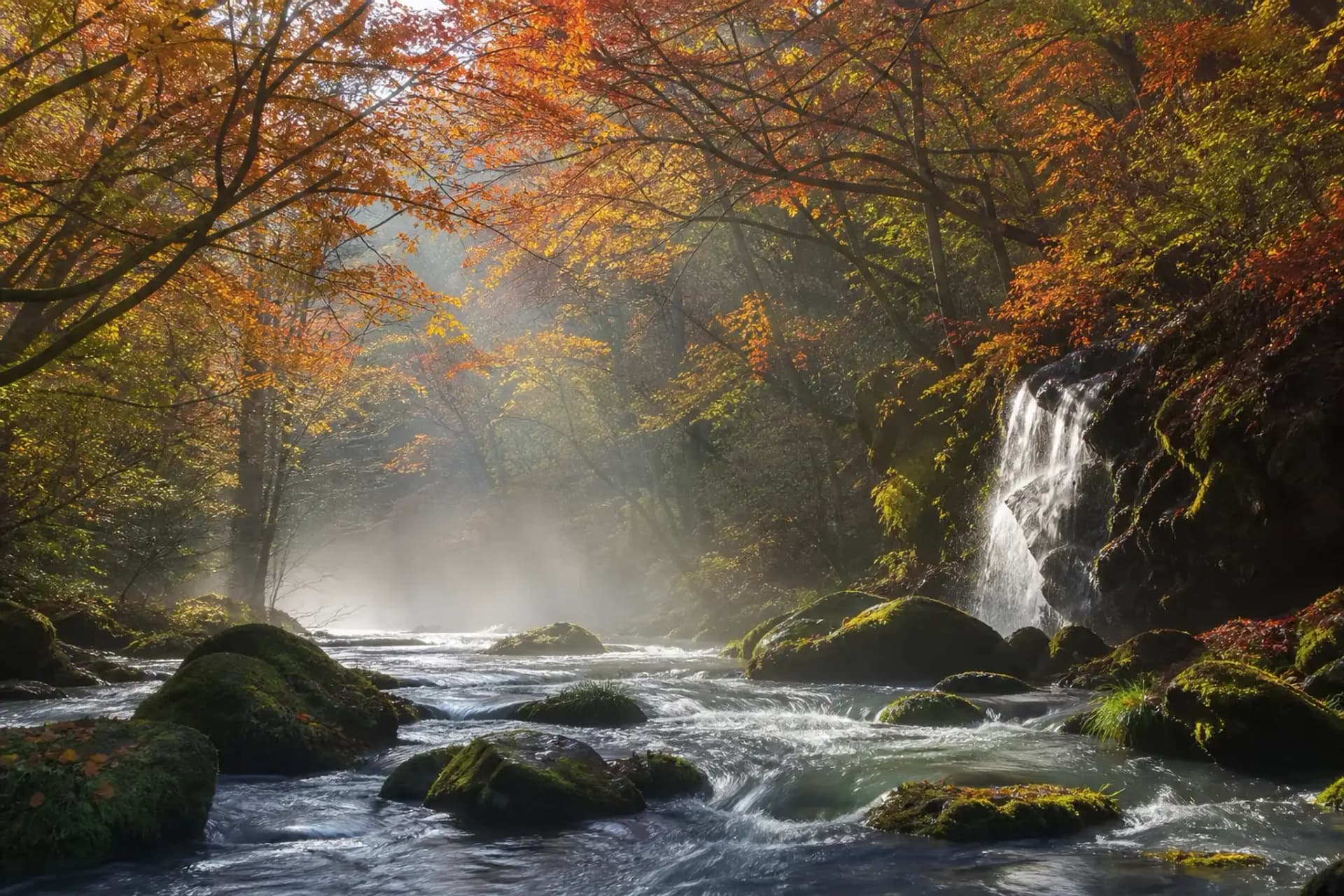
Water threads through mossed stone, and the first red leaves sit on the current like lacquer chips. Cold air. Clean and watchful.
If you have ever “missed” autumn in Kyoto, you know the real problem. It is not taste. It is timing.
In Tōhoku, kōyō is not a single weekend. It is a moving front you can follow—north to south, and high to low—if you plan like a traveler, not a gambler.
Our team at Japan Royal Service builds autumn journeys around that simple truth. We keep the route flexible, the movement private, and the days shaped by light, not crowds.
Kōyō In Tōhoku: A Moving Front, Not A Date
Kōyō in Japan progresses from colder and higher places to warmer and lower ones, moving south over roughly three months.
That line—front, not date—changes how you plan. A fixed hotel block in one city can be a perfect trip or a near-miss, depending on the year’s temperatures. Peak can slide by as much as two weeks.
Tōhoku rewards a different approach. You choose two or three bases, then you “work” the elevations: high plateaus first, gorges later, city trees last.
It sounds technical. It feels like freedom.
Why Tōhoku Beats Kyoto For Autumn—If You Value Space
Tōhoku’s foliage can be every bit as refined as Kyoto’s, but the experience is shaped by distance and lower crowd pressure.
Kyoto in late autumn can feel like a beautiful queue. You get the color, yet the day becomes a timetable of congestion, foot traffic, and compromises.
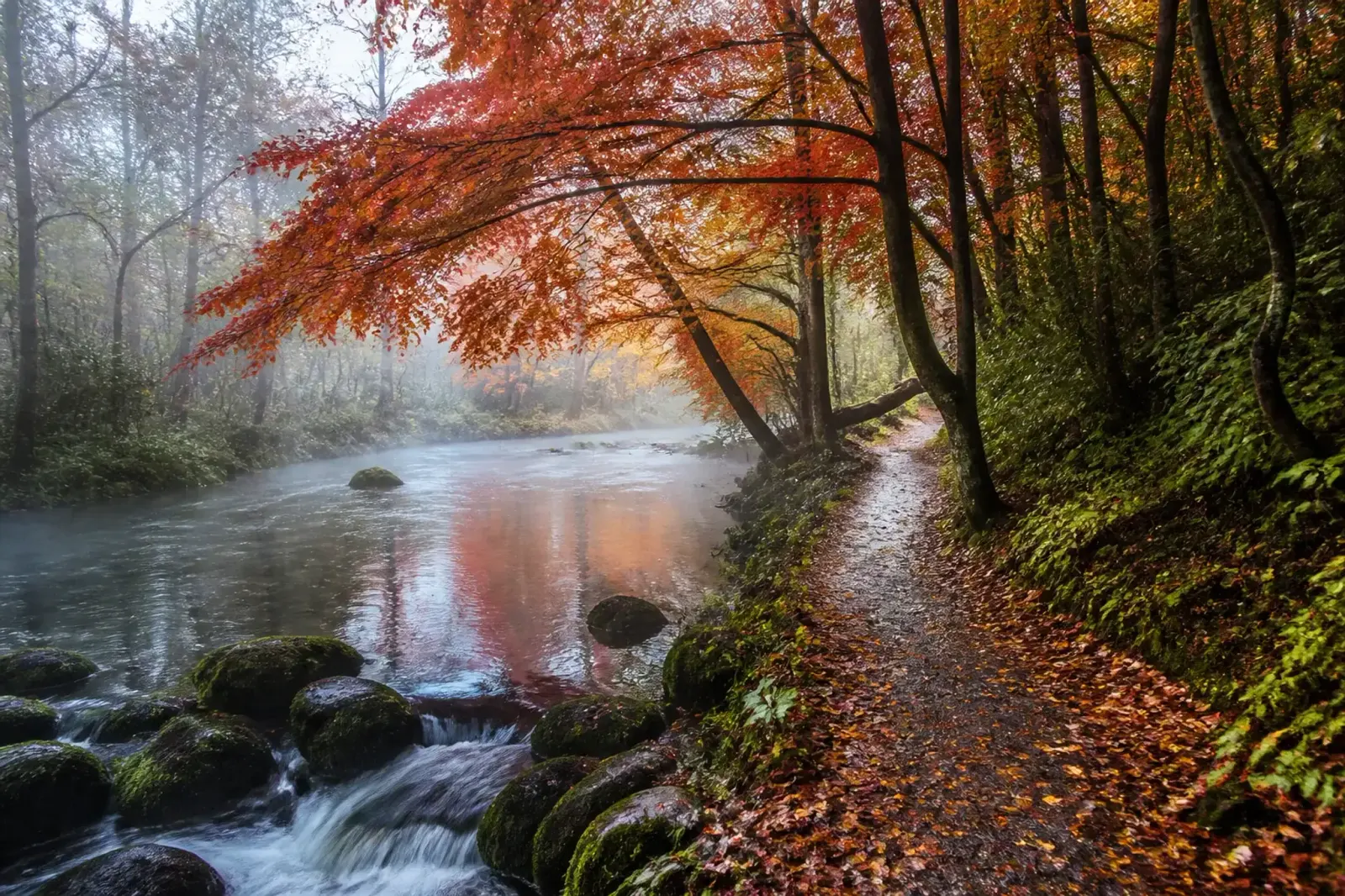
Oirase rewards early starts: quiet water, soft light, and the first color before the coaches arrive.
Tōhoku is wide. The landscape is the point. A gorge at the right hour can give you something Kyoto rarely offers in peak season: quiet.
Wabi-sabi lives well here. Restraint. Empty benches. The sound of water doing its own work.
When Is The Best Time To See Autumn Leaves In Tōhoku?
Most Tōhoku kōyō typically runs from early October in higher elevations to early November in lower areas, shifting year to year with temperature.
Use the region like a set of shelves. The top shelf colors first. When that fades, you step down one level and continue.
As a planning frame, we think in ranges rather than “peak days.” High ground (Hachimantai and the Zaō range) often comes first. Famous gorges (like Naruko) tend to follow into late October and early November windows.
If you want a reliable anchor, choose an event with fixed dates, then build flexible day touring around it. Hirosaki’s autumn festival period is one such anchor, pending each year’s official announcement.
Key fact: Published foliage forecasts are estimates. In warm years, “peak” can arrive late; in cold snaps, it can come early. Flexibility is not a luxury add-on—it is the strategy.
A Practical Kōyō Chase Blueprint: Bases, Distances, And Decision Rules
Tōhoku is large, and the best places are spread out; two or three bases usually beat trying to do everything from one hotel.
Rail works well on the main trunk. The gaps between scenic spots can be the hard part.
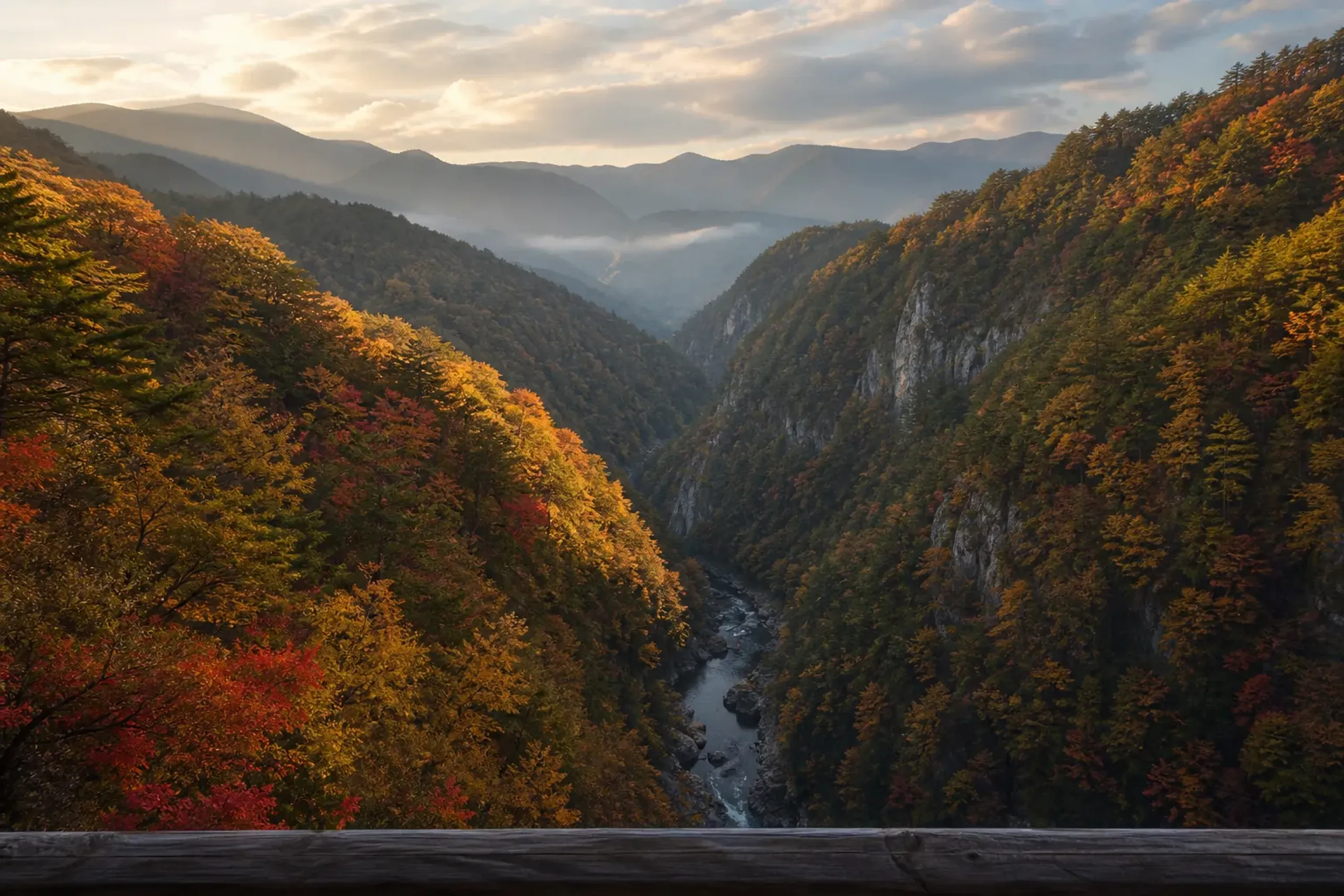
Naruko’s scale reads best when the light is low and the colors deepen.
Thin connections, awkward transfers, limited daylight.
This is where private movement changes the entire feel of the trip. The first mention matters: our clients often pair the chase with private transportation so the day stays calm even when the route is long.
Below is how we recommend thinking, before you choose specific properties.
Rule 1: Chase Elevation First, Then Latitude
Start high if you can arrive early. Hachimantai and the Zaō range are the kind of high ground where color shows up sooner.
Then drop into the gorges. Naruko. Geibikei. Genbikei. This is where late-October light makes the rock faces look inked.
Finish with lowlands and cities. Sendai’s street trees can hold color into the late window.
Rule 2: Build A Plan A / Plan B / Plan C
Plan A is your “ideal” sequence. Plan B is one elevation lower. Plan C is a city-and-onsen version that still feels complete if weather turns.
Keep your days modular. One gorge day. One lake-stream day. One onsen day. One city day.
It prevents the classic mistake. Over-committing to one view.
Rule 3: Time The Day Like A Photographer
At Oirase, early morning is the difference between solitude and coaches. Go before mid-morning. Stay unhurried.
Gorges read best in low light. Late afternoon. Long shadows. A little chill in the air.
Then you retreat to hot water. That pairing is not optional in Tōhoku. It is the rhythm.
Oirase Stream And Lake Towada: The Signature Walk, Done Quietly
Oirase Stream and Lake Towada are among Japan’s most famous autumn color spots, and Oirase is at its best early, before day-trippers arrive.
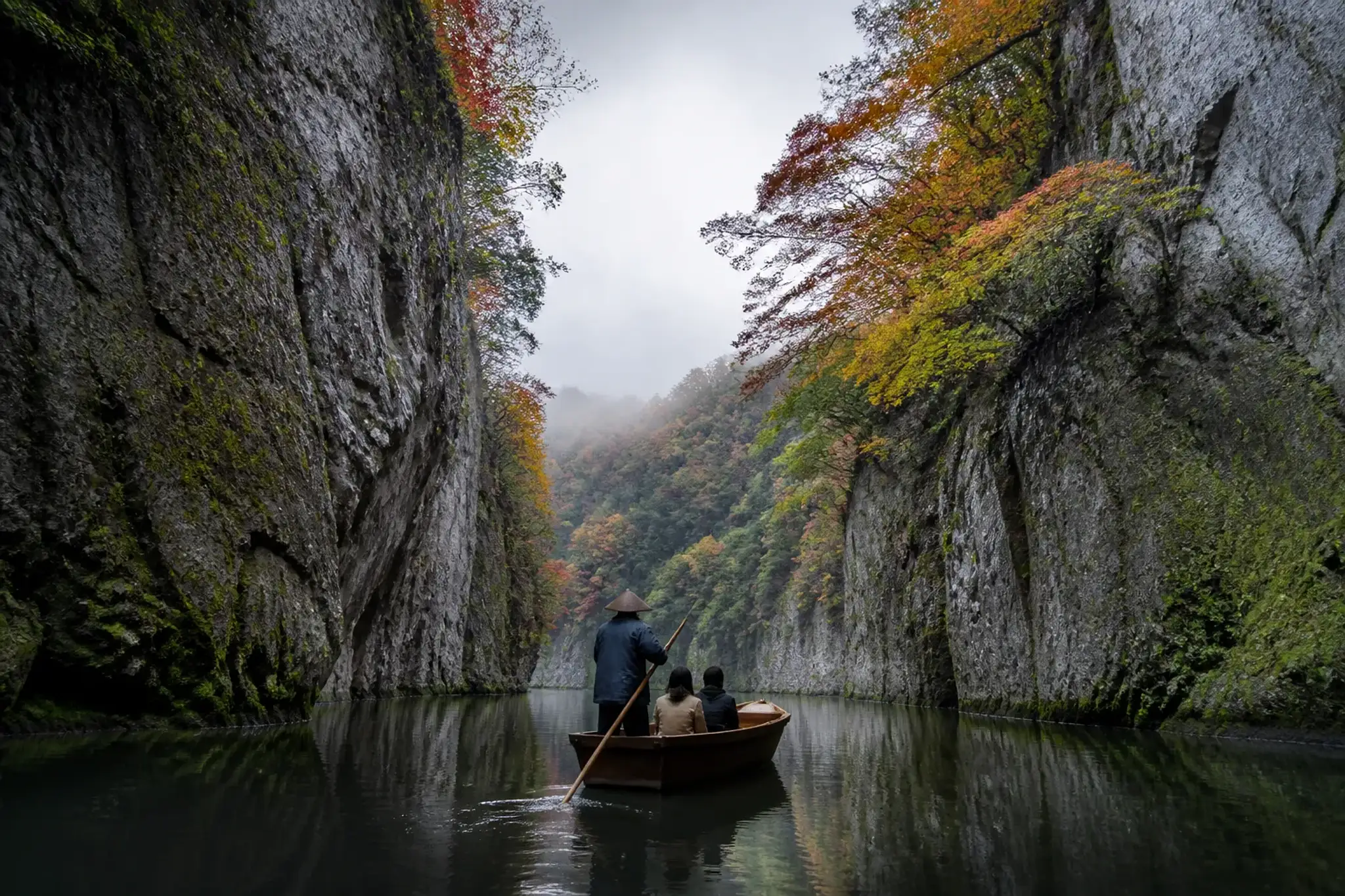
A slow gorge passage—quiet, deliberate, and perfectly matched to the season.
The stream is not a single “view.” It is a sequence. Water slips over stone steps, under maple branches, past small falls that appear and disappear as you walk.
Plan for a real morning. Not a rushed stop. If you try to “tick it off” between trains, you will only collect parking lots.
A stay-based approach works well here. Oirase Keiryu Hotel by Hoshino Resorts states it is the only resort hotel built beside the Oirase Gorge, and Hoshino Resorts announced a seasonal program, “Luxury Autumn Foliage Hot Spring,” starting October 7, 2025.
How We Like To Structure The Day
Start before breakfast if your legs are fresh. Or walk after an early breakfast, still ahead of the crowd pulse.
Keep lunch simple. Bring something warm. The air can surprise you.
If you want one small luxury that changes everything, it is time. Time to stop. Time to listen.
Geibikei And Genbikei: Iwate’s Gorge Contrast
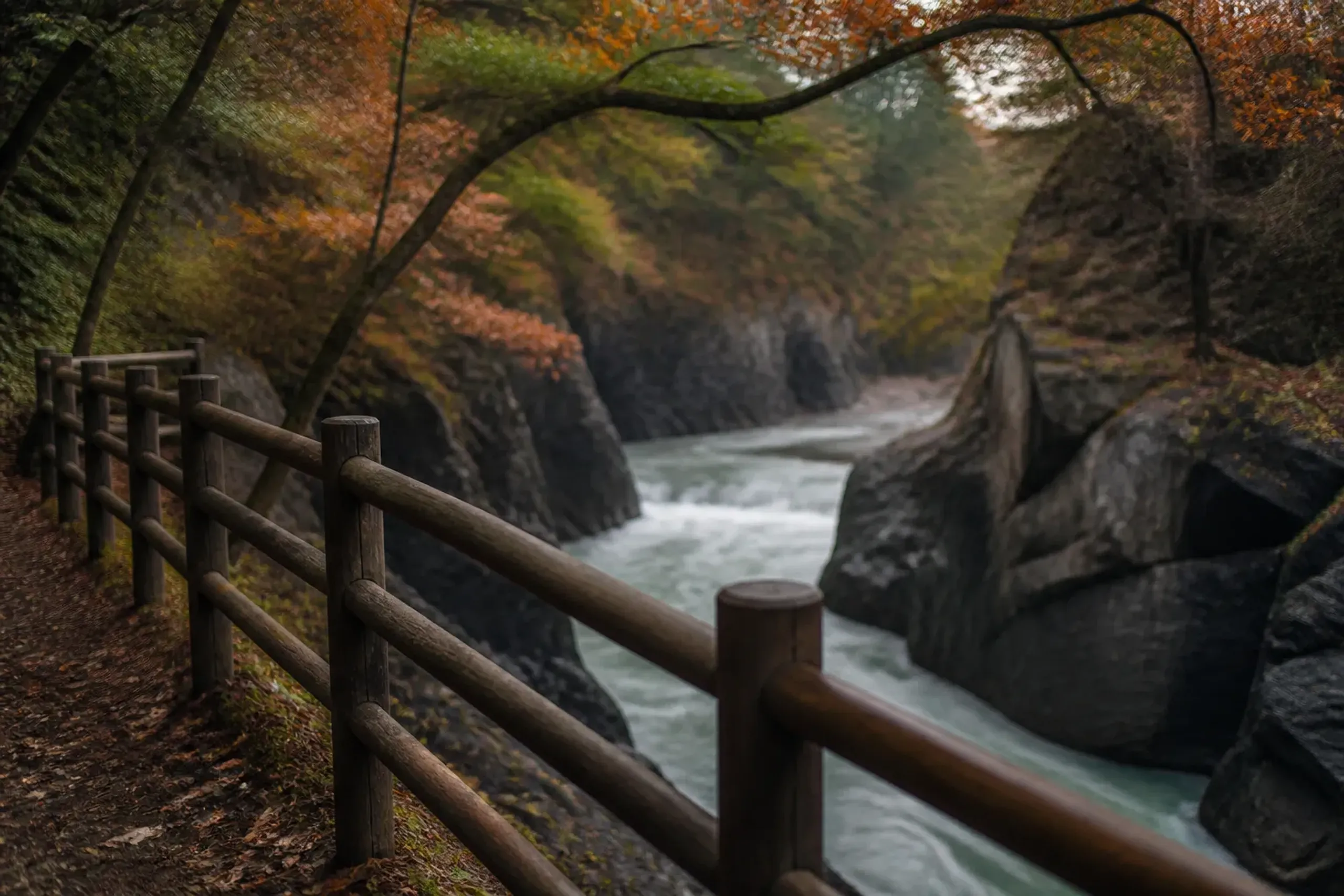
Geibikei and Genbikei offer two different gorge experiences in Iwate, and they work best as a paired day when you want scenery without a long hike.
Geibikei is known for boat trips where a boatman poles the vessel through the canyon. It is slow. Almost ceremonial. The sound carries.
Genbikei, by contrast, is about standing and watching the river move through rock. Less “journey,” more “frame.”
We treat this day as a breathing space in the chase.
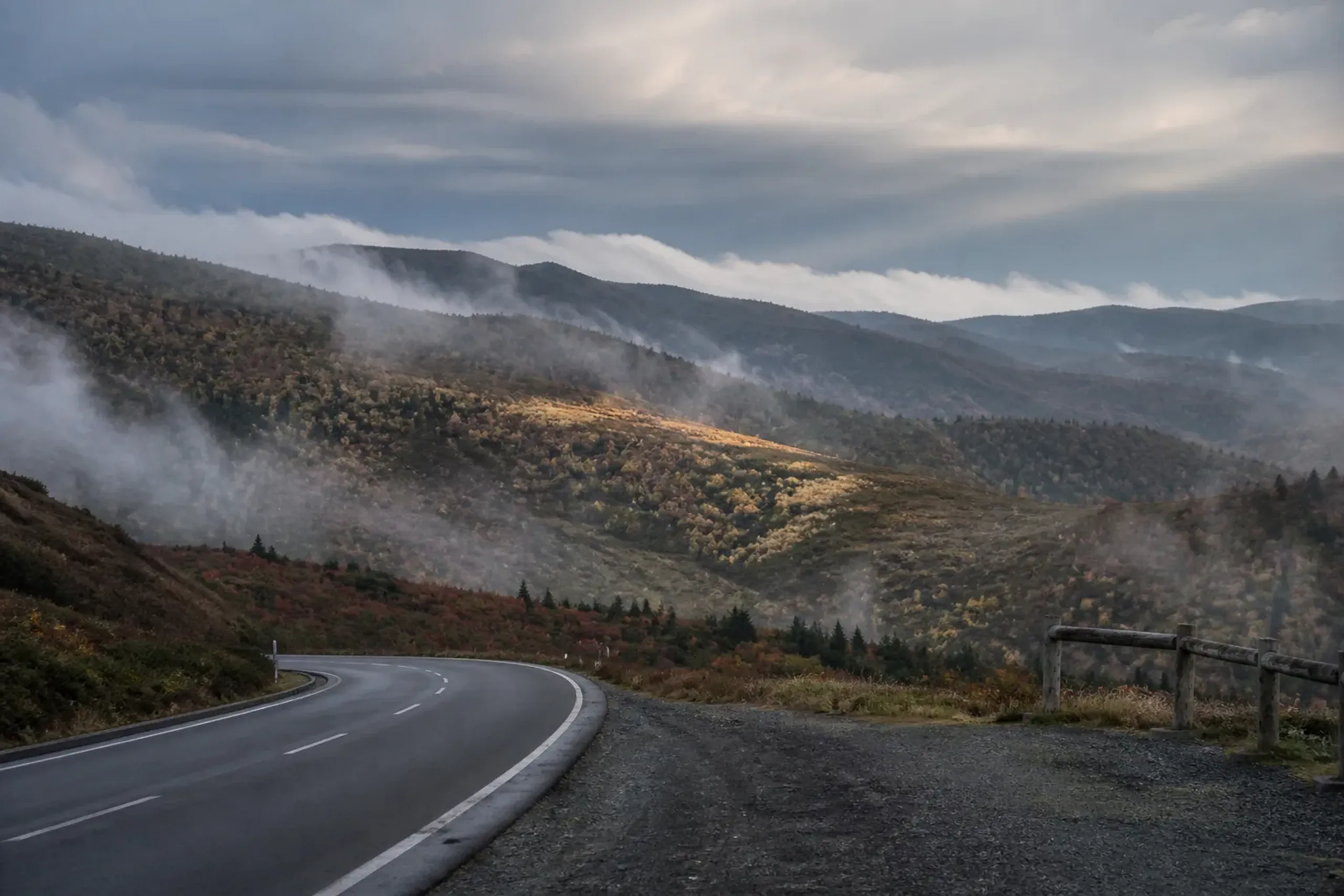
Altitude is your lever: start high when the season begins, then step down as color descends.
A reset between longer drives or Shinkansen segments.
Naruko Gorge And Naruko Onsen: The Classic Viewpoint, And The Warmth After
Naruko Gorge is one of Tōhoku’s most famous autumn leaves spots, and typical peak timing is often described as mid-October through early November.
The geography is part of the drama. Miyagi Prefecture describes the gorge as a U-shaped valley, with cliffs around 80–100 meters high.
Go when the light is forgiving. Late afternoon can soften contrast and make the reds look deeper. Midday can be harsh.
Then you descend into Naruko Onsen. Not for “spa.” For recovery. For the quiet shock of hot water after cold air.
How To Avoid The Most Common Naruko Mistake
Do not stack Naruko with too many other stops. The roads and viewpoints take time, and you want slack in the day.
Also, do not obsess over a single bridge photo. Walk a little. Let the gorge unfold.
Precision matters here. So does patience.
Hachimantai And The Zaō Range: Where Color Arrives First
Higher-elevation areas like Hachimantai and the Zaō range are often where Tōhoku’s kōyō begins, making them smart targets in early October planning.
This is “chase” territory. You come here when lower valleys are still green, and you want the first proper signal of the season.
Conditions can change fast at altitude. Fog. Wind. A sudden drop in temperature. Dress like you mean it.
We also keep this day flexible. If the weather turns, you pivot to a lower-elevation plan rather than forcing a bleak drive for a view that will not show.
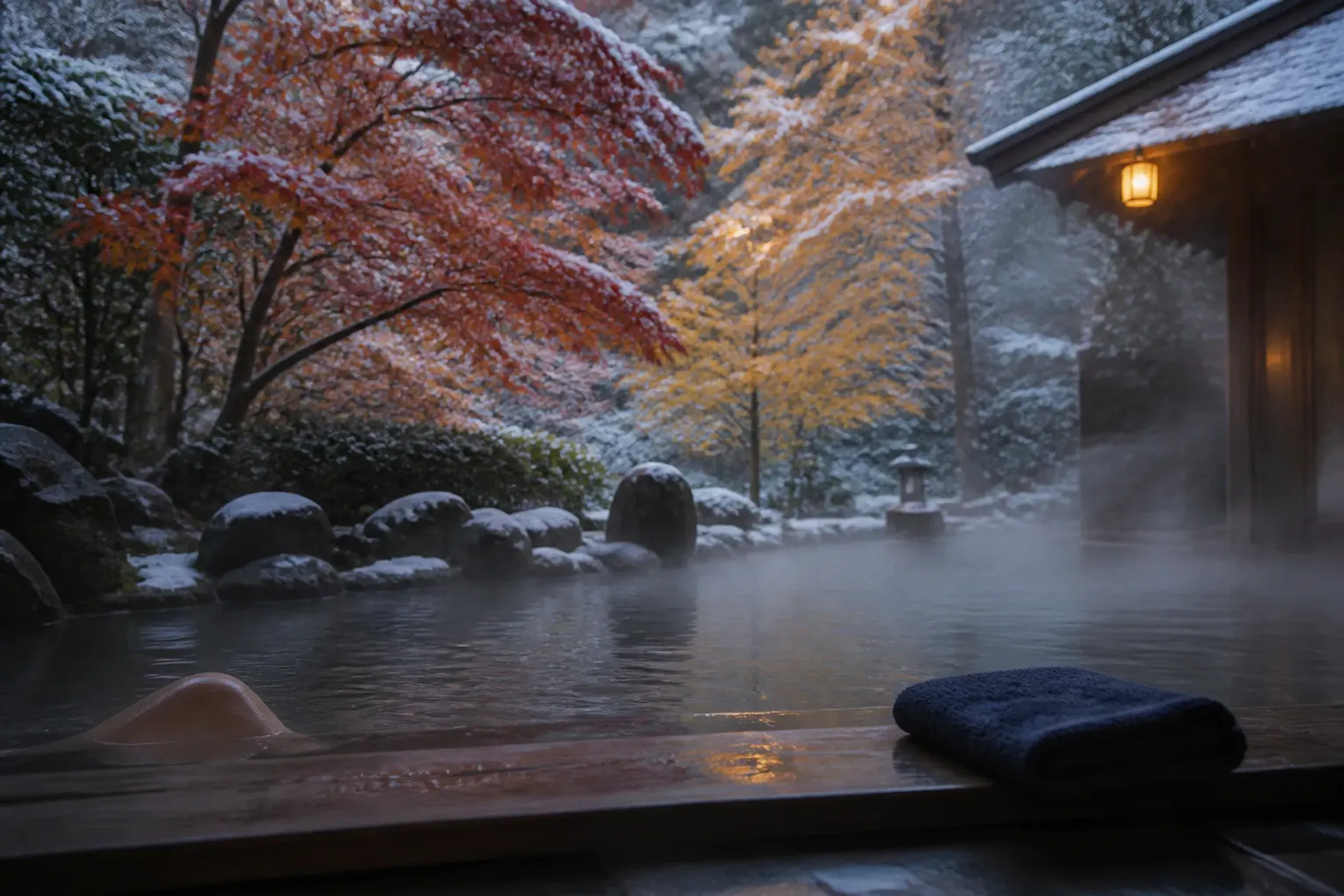
In Tōhoku, kōyō and hot water belong in the same sentence.
Sendai In November: The Late Window That Saves A Trip
When mountain color fades, Sendai can hold onto late-season foliage in its city trees, making it a useful “insurance” base in early November itineraries.
This is not about chasing wilderness. It is about ending well.
A late window city day gives you normal pleasures again: galleries, a proper lunch, a calm evening. Still with leaves in view.
And if you are continuing onward, Sendai’s Shinkansen connections make the logistics feel clean.
Onsen As The Pairing, Not The Add-On
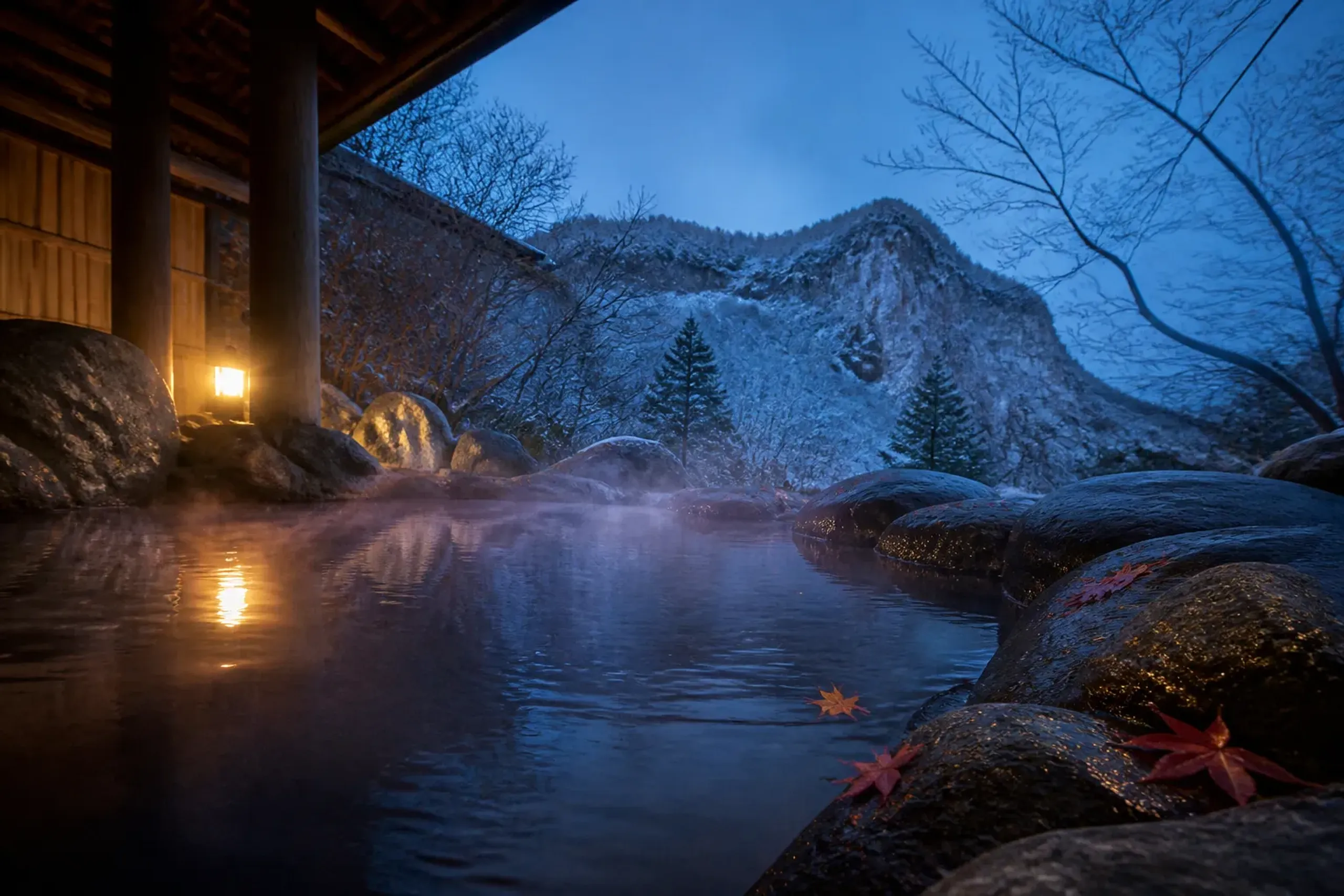
Tōhoku’s hot spring culture is among Japan’s most traditional, and open-air bathing under autumn color is the region’s real proposition.
Some of the best onsen areas here are rustic by design. That is part of their appeal. Polished marble is not the point.
Nyūtō Onsen is widely associated with a bath-hopping culture, including a yumeguri-chō pass described in public sources; before travel, JRS will confirm the current rules and availability locally because details can change.
Ginzan Onsen is another name many travelers carry in their heads for atmosphere. If you are considering it, think carefully about access, timing, and crowd flow, and keep expectations aligned with reality: it is small, and popularity can compress the experience.
How Do You Plan A Private Chauffeur Itinerary In Tōhoku Without Wasting Hours?
Choose two or three bases, keep day routes single-theme, and avoid zigzags; Tōhoku’s scale rewards direct lines and early starts more than ambitious checklists.
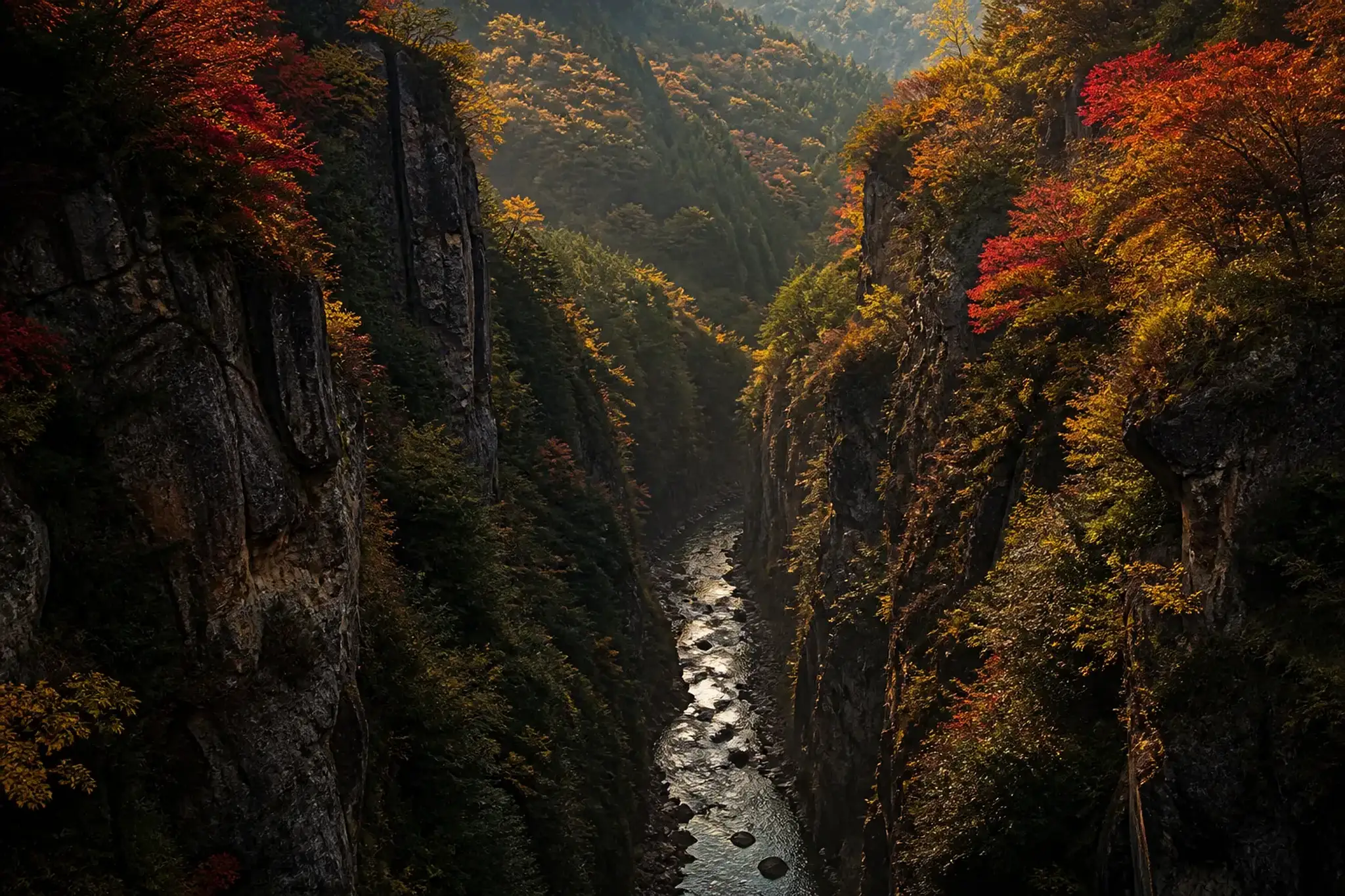
We often see visitors underestimate drive times between “famous” spots because the map looks simple. In practice, scenic areas can add slow roads, viewpoint traffic, and short walks that turn a day into friction.
A private car day works best when the route is designed around one dominant landscape. Oirase and Lake Towada as a full day. A gorge day. A highlands day. No more.
If you want to understand how we think about building days that actually breathe, our guide on choosing the room, not the hotel is a useful mindset shift for autumn as well.
Plan A / Plan B / Plan C: A Week-Long Kōyō Chase Example
This is a decision framework, not a fixed itinerary. Roads, trails, and boat operations can change, so JRS will confirm the status close to travel.
Plan A: Cooler Year (Earlier Color At Elevation)
- Base 1 (North): Aomori area for Oirase Stream and Lake Towada, with early mornings.
- Transition: Move south for a gorge focus (Miyagi or Iwate), aiming for late-afternoon light.
- Base 2 (South): Sendai as a calm finish and logistics hub.
Plan B: Warmer Year (Late Color; Lean Into Valleys And Cities)
- Keep Oirase: But prioritize the quiet hours even more.
- Shift Timing: Hold Naruko Gorge later in the trip if forecasts point to delay.
- Add Insurance: Plan a Sendai foliage day near the end.
Plan C: Weather Disruption (Rain, Fog, Or Sudden Cold)
- Stay-based days: Shorter scenic walks, longer onsen sessions, and a strong dining plan.
- Keep one “hero” outing: Choose the most weather-tolerant site for the day’s conditions.
- Protect the mood: Avoid long drives for marginal visibility.
How To Use Craftsmanship In An Autumn Trip (Without Turning It Into Shopping)
Shokunin experiences fit Tōhoku best when they are quiet, small-group, and tied to place.
This region is not asking you to sprint between stores. It asks you to slow down. A studio visit on a gray afternoon can feel like part of the weather rather than an escape from it.
If you are curious about commissioning work or visiting an atelier in Japan, our article on having something made in Japan lays out what to expect, from timelines to etiquette.
In our experience, the best craft moment on a foliage trip is the one that stays proportionate. Two hours. No rush. No crowd.
Discretion And Comfort: What HNW Travelers Actually Need In Tōhoku
Discretion in Tōhoku is less about velvet ropes and more about controlling exposure, timing, and fatigue.
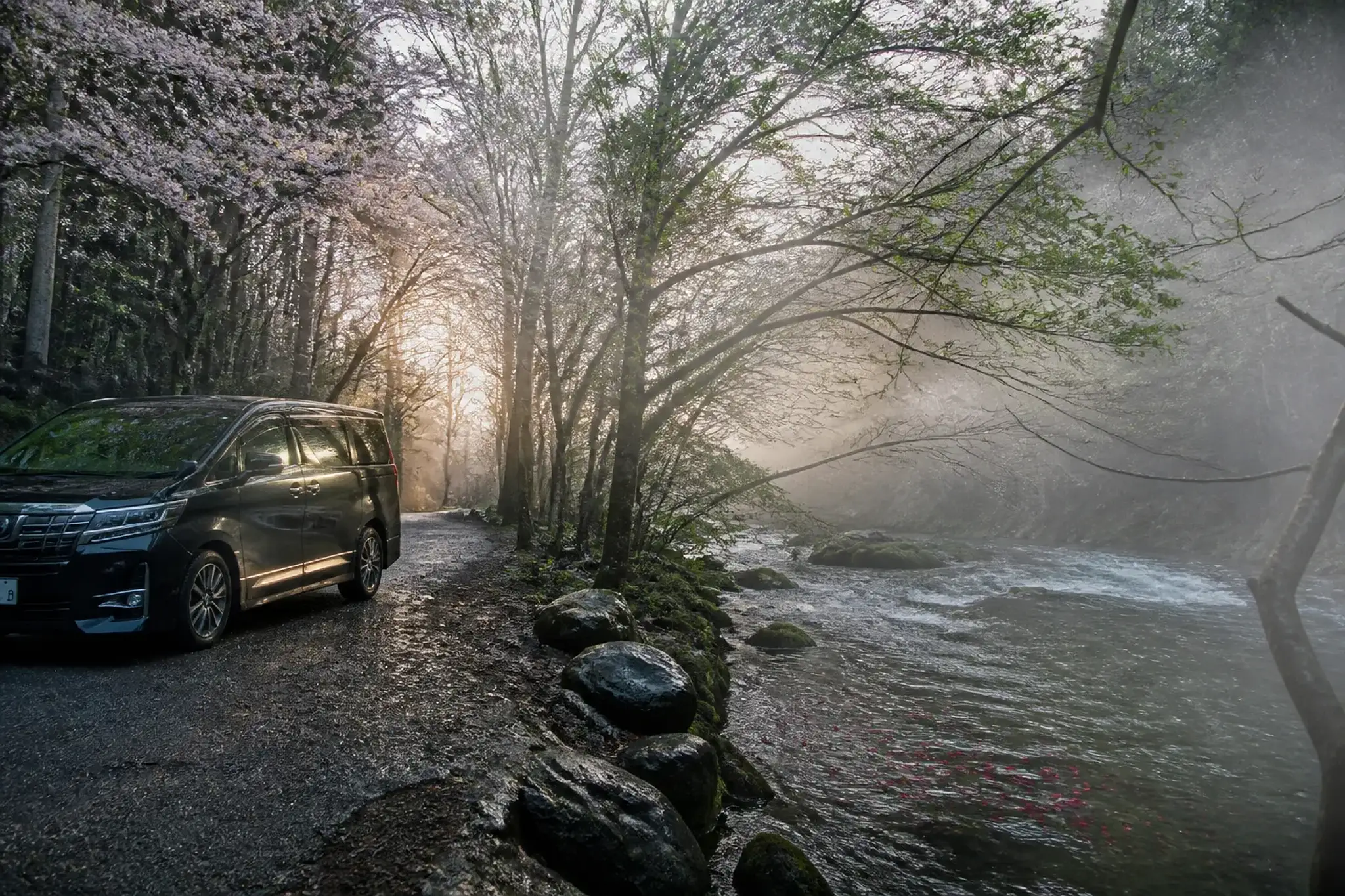
Private movement means you are not negotiating luggage on platforms or watching the clock in a taxi queue. It also means you can arrive early, leave early, and keep your identity out of the public stream.
Vehicle choice matters. A Lexus LM 500 for a couple who wants silence. A Toyota Executive Alphard for family ease. A Mercedes V-Class for a small group that values space.
If you want the deeper logic behind privacy-first routing, our team previously wrote where to stay in Tokyo for privacy; the principle is the same even when the scenery changes.
Frequently Asked Questions
Is Tōhoku Autumn Foliage A Good Choice If I Missed Kyoto’s Peak Week?
Yes—Tōhoku’s kōyō spans a wider range because you can shift between elevations and latitudes, often finding strong color even when Kyoto’s peak has already passed.
Think “moving front.” High ground can be earlier, gorges later, and cities latest. Our concierge team builds routes with that ladder in mind.
What Are The Best Tōhoku Autumn Leaves Spots For A 7–10 Day Trip?
For many travelers, Oirase Stream/Lake Towada, Naruko Gorge, and an Iwate gorge day (Geibikei or Genbikei) create a strong north-to-south sequence.
Add high-elevation time (Hachimantai or the Zaō range) early in the season, then finish with a late-window city day in Sendai.
How Early Should I Start My Day At Oirase Stream To Avoid Crowds?
Start in the early morning, ideally before mid-morning, because coach arrivals tend to thicken later and the stream feels most intimate when it is quiet.
Give yourself time to walk slowly and stop often. The detail is the reward.
Can I Combine Autumn Leaves With Traditional Onsen In Tōhoku?
Yes—pairing kōyō with onsen is one of Tōhoku’s strongest autumn rhythms, especially when you plan the day around cold air, short walks, and longer baths.
Nyūtō Onsen, Ginzan Onsen, and Naruko Onsen are frequently discussed by travelers, though some areas can be rustic and policies can change, so JRS will confirm these details close to your travel.
How Do I Keep A Tōhoku Kōyō Trip Comfortable For Parents Or Multi-Generational Travel?
Use fewer bases, choose shorter scenic walks, and build one “no-transfer” rest day every three days to protect energy and mood.
Private transportation also reduces staircases, platform stress, and time spent standing outdoors waiting for connections.
Why Choose Japan Royal Service
Luxury in Tōhoku is not about claiming exclusivity over public gorges. It is about designing a week that works when the forecast shifts, while keeping your days private, quiet, and dignified.
Our team at Japan Royal Service plans kōyō travel around the moving-front reality. We build Plan A/B/C routes, time the day for light and crowd flow, and weave in shokunin moments that suit the season rather than interrupt it.
Discretion is our baseline. Your identity and itinerary stay confidential, and the journey is paced so you arrive with energy left for the onsen—where Tōhoku autumn becomes something you feel, not just photograph.
If you would like tailored guidance for a Tōhoku kōyō chase, reach our team privately via WhatsApp or LINE, or contact us here.