In this guide
- 01“Full” Is The Normal Condition At Peak Dates—Here’s What That Means
- 02What Makes Two Luxury Properties Interchangeable In Japan?
- 03What Were You Actually Booking When You Chose That Property?
- 04Three Aesthetic Buckets (Second Layer): Small Traditional Houses, Modern Ryokan, Design-Forward Hotels
- 05Should You Substitute The Property, The Location, Or The Dates?
- 06What “Full” Actually Means In Practice (And Why Availability Can Change)
- 07What Not To Compromise On (And What You Usually Can)
- 08When The Honest Answer Is: That Week Is Closed
- 09How Do I Plan A Last-Minute Luxury Japan Trip When Top Properties Are Sold Out?
- 10Do New Kyoto Luxury Openings In 2026 Make Substitution Easier?
- 11Frequently Asked Questions
- 12Why Choose Japan Royal Service
You wanted the new opening. It’s full on your dates. That’s normal, not a mistake. The real question is what you were actually trying to buy: a base, a service model, a room you’ll live in, or a meal structure that controls the day.
“Full” Is The Normal Condition At Peak Dates—Here’s What That Means
In our experience at Japan Royal Service, the most sought-after luxury stays in Japan tend to be fully committed first, especially around school holidays and major seasonal weeks. That is not a signal that you planned “wrong.” It’s how the market behaves.
Don’t treat “sold out” like a dead end. Treat it like a prompt to choose the right substitute on purpose. Fast choices made under pressure usually fail for one reason: you substitute on aesthetics alone, and you quietly change the trip’s logic.
One quiet truth. Availability moves.
Luxury lodging in Japan can shift through cancellations, inventory releases, and waitlists. Those mechanics exist, but they are not predictable enough to build a trip on blind hope. The job is to run two tracks at once: pursue the original stay while shaping a true equivalent you’d be happy to keep.
Key fact: A good substitute is not “what’s left.” It’s what matches the same base, service rhythm, room character, meal structure, and scale.
What Makes Two Luxury Properties Interchangeable In Japan?
Two properties are interchangeable when they create the same day-to-day constraints and the same kind of privacy, even if the brand name and design language differ.
That sounds abstract until you test it. Below is the five-factor spine we use when we help HNW travelers avoid settling. It is also how we keep a “quiet alternative” from becoming a downgrade.
1) Location Logic: Are You Booking The Property Or The Position?
First, decide what your stay is a base for. One neighborhood can make you feel early, calm, and ahead of crowds. Another can make the same plan feel rushed, even if the room is nicer.
Be blunt with yourself. Are you choosing the property, or the access it gives you?
In Tokyo, that often means deciding whether you want privacy by distance (a quieter district) or privacy by control (a district where chauffeur access, discreet entrances, and short transfers reduce exposure). If you are considering switching Tokyo neighborhoods to solve availability, review our district breakdown here: Where to Stay in Tokyo for Privacy: Four Districts.
In Kyoto, your “position” decision is usually about morning and night. Where are you when the day starts. Where do you return when crowds are thick. If your plan includes early temples, late dinners, or a disciplined schedule, location can be the real luxury.
2) Service Model: Staff-Led Or Hotel-Style?
Second, identify the operating style you were buying. Some properties quietly run the day. Others step back and let you move like you would at a hotel.
This matters because it changes your freedom. A staff-led model often comes with fixed meal times, structured check-in pacing, and more visible support.
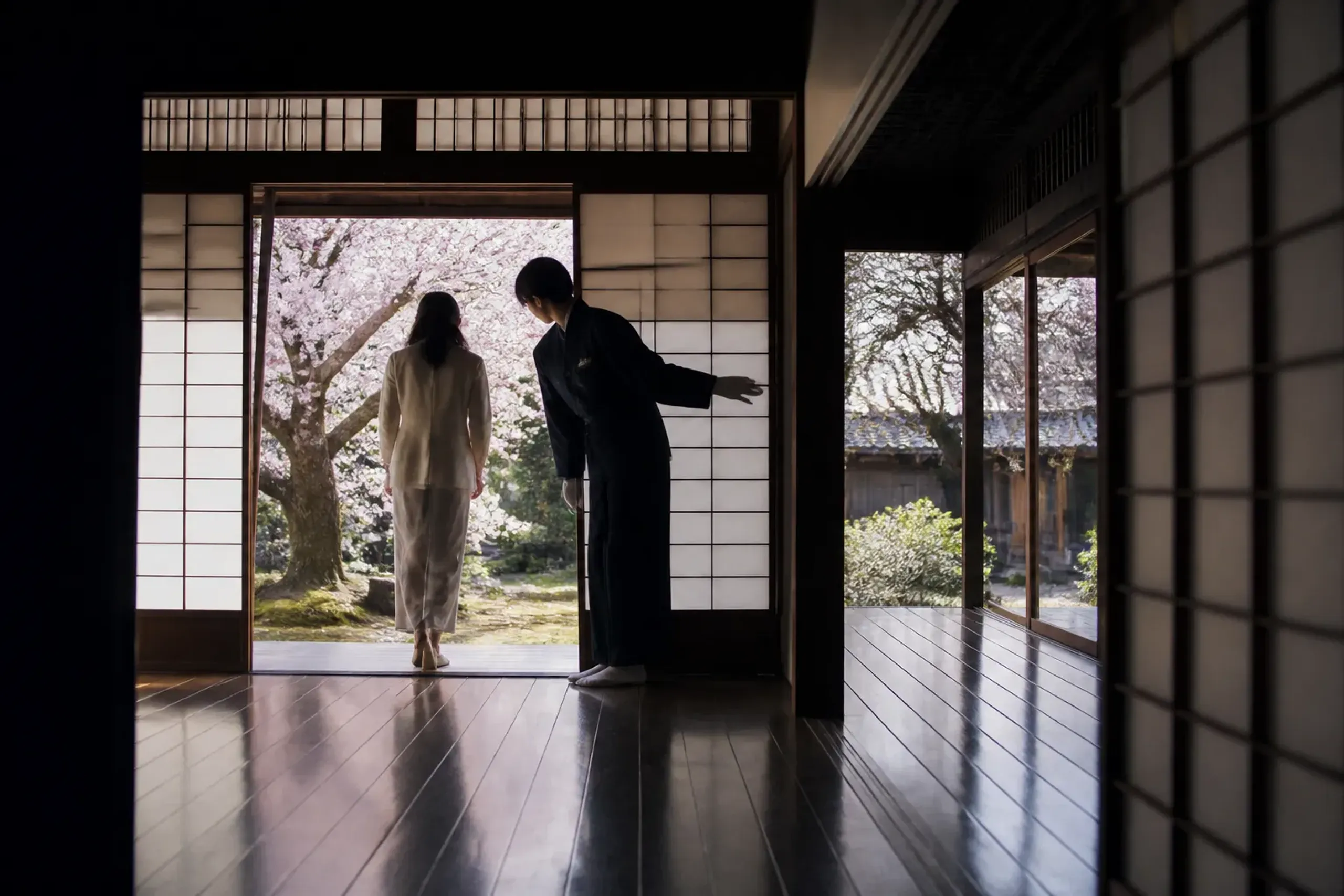
A hotel-style model can feel easier if you want to dine out, keep changing plans, or spend most of the day off-property.
Make one decision. Do you want the property to be the experience, or the base that disappears?
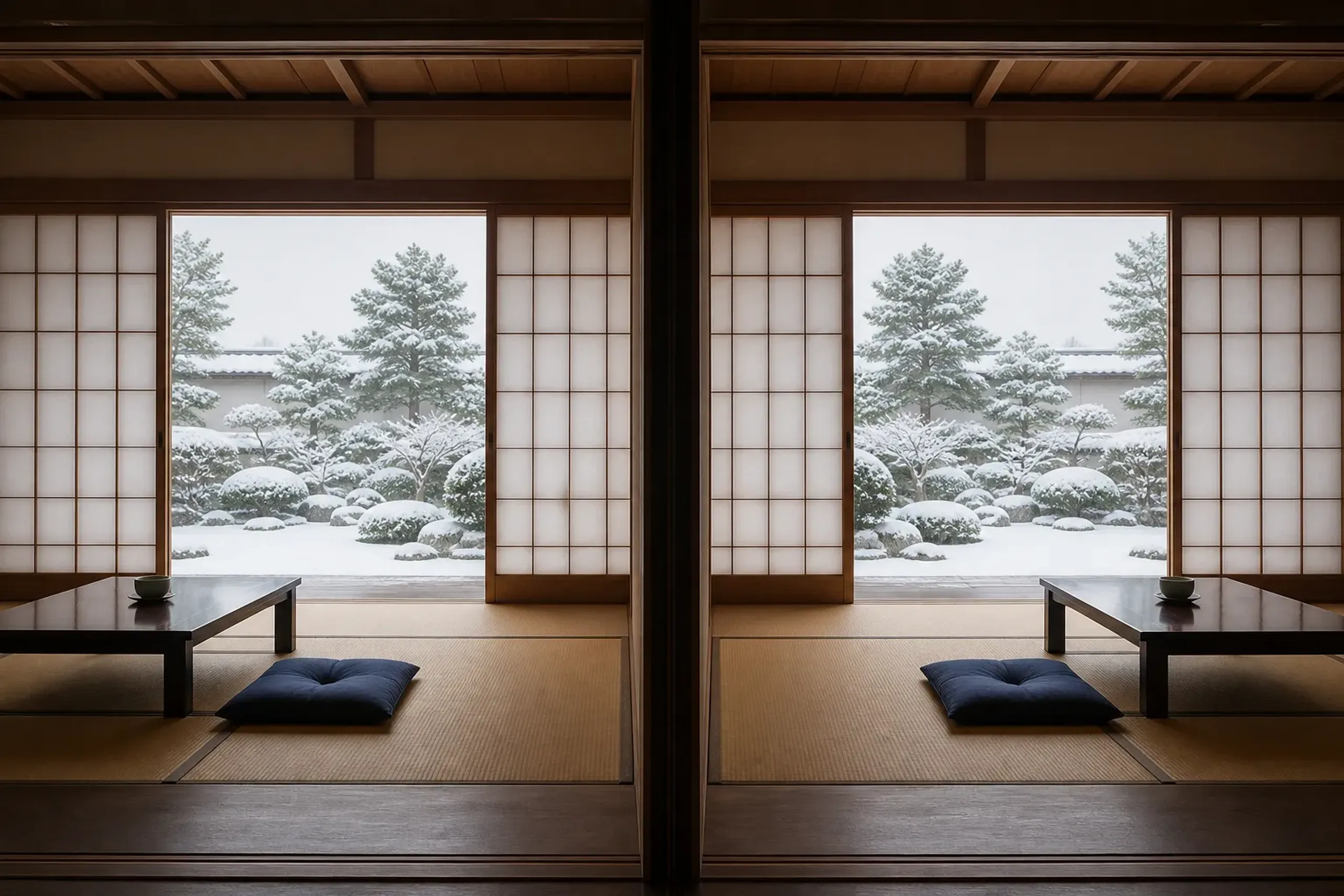
3) Room Character: A Place You Live, Or A Place You Sleep?
Third, decide what the room needs to do. Some rooms are built for sitting, reading, and watching light change. Others are comfortable but essentially a landing pad between appointments.
Look for the quiet drivers: natural light, view orientation, whether you have a distinct sitting area, and whether the room has a sense of “day” and “night.” That is wabi-sabi in practice—restraint, proportion, and calm—more than any decorative cue.
One useful exercise: picture a rainy afternoon. If you would be content staying in, your substitution standard is high. If you would leave anyway, you can compromise on room character and protect something else.
If your original choice was about a specific room rather than the property itself, keep your substitution disciplined. This piece will help you name what matters inside a property: Choosing the Room, Not the Hotel: A Japan Stay Playbook.
4) Meal Structure: The Factor That Controls Your Itinerary
Fourth, decide how meals will work, because meal structure is a schedule in disguise. A fixed dinner hour can limit late museum visits, long drives, and cocktail bars. A more flexible model gives you time, but often at the cost of that “all-contained” feeling.
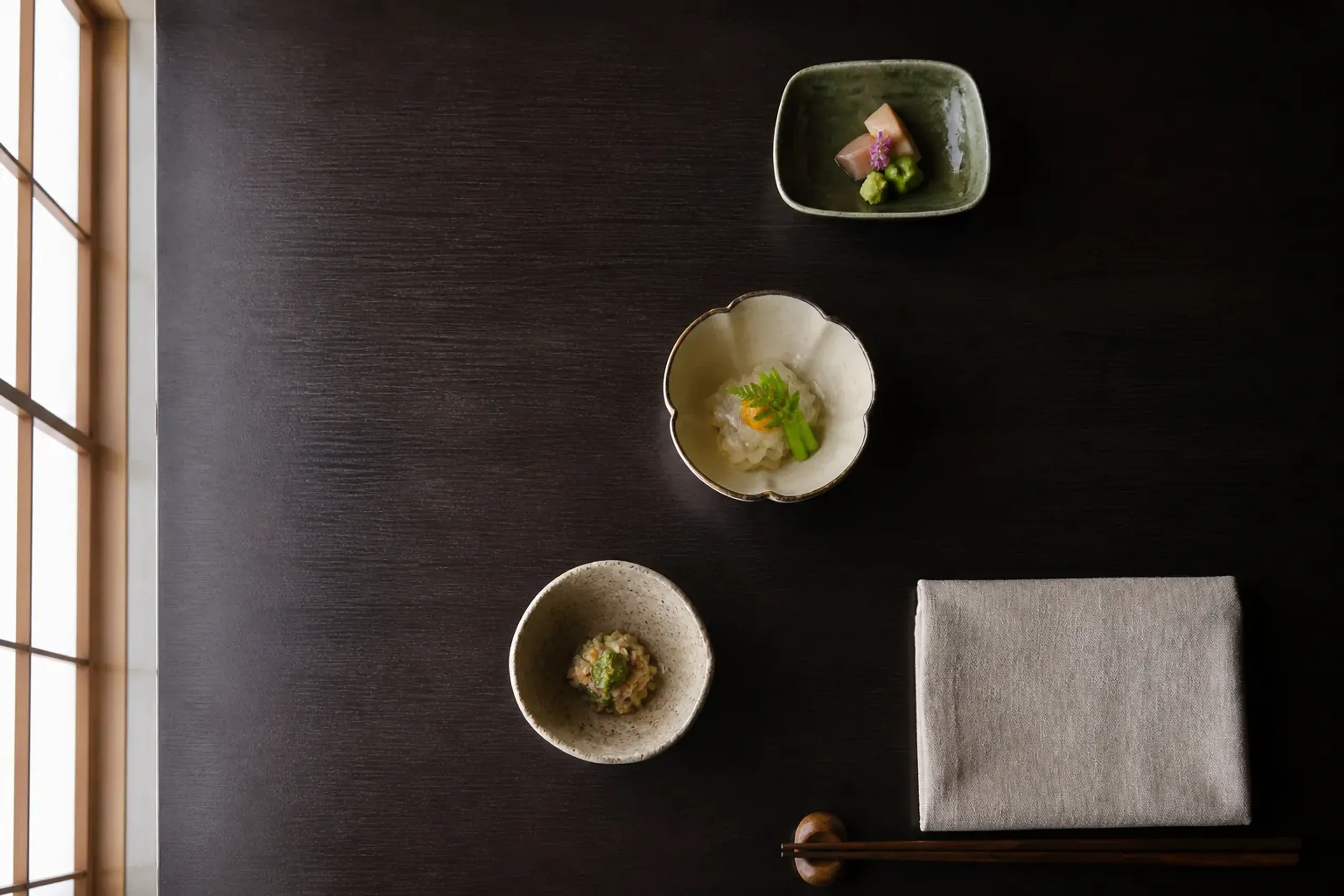
This is where many substitutions fail. People protect the view and accidentally change the whole day. Big mistake.
If your trip includes hard-to-time elements—performances, private craft sessions, or long scenic drives—meal structure should be matched first. It’s the difference between a calm day and constant clock-watching.
For broader context on how dining access works in Japan (and why you sometimes need Plan B), this is the clearest framework we’ve published: The Dining Ladder: How Japanese Restaurants Take Bookings.
5) Scale: Nine Rooms And Two Hundred Rooms Are Different Stays
Fifth, match scale. A small property behaves differently from a large one regardless of finish level. Your soundscape changes. Your encounters change. Your sense of anonymity changes too.
Scale also changes how “full” feels. In a small house, a fully booked night can feel intimate or busy, depending on layout and guest mix. In a large hotel, you can hide in plain sight, but public spaces may feel active at peak.
For many HNW travelers, the right answer is not “smaller is better.” The right answer is “which type gives me the privacy I mean?” Discretion is not a vibe. It’s an operating condition.
What Were You Actually Booking When You Chose That Property?
You can’t substitute well until you name the true reason you chose the stay. Not the headline. The reason.
Try this diagnostic. Finish the sentence without using the property’s name: “I chose it because it lets me…” If the answer is “start early in a specific area,” you’re booking the position.
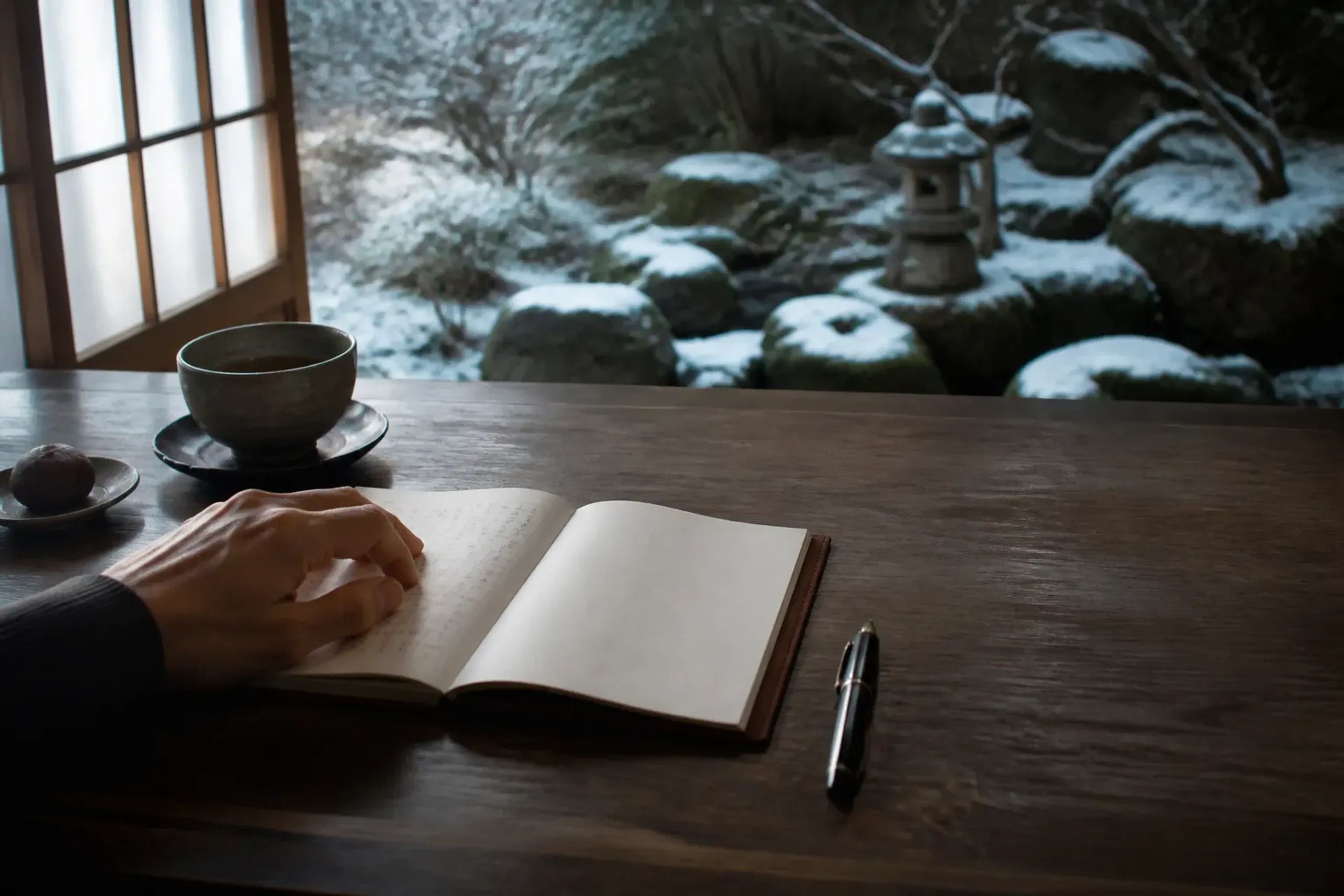
If the answer is “eat in-house without decisions,” you’re booking the meal structure. If the answer is “hide and recover,” you’re booking scale plus discretion.
Write down the top two reasons only. Two. When travelers list six reasons, they accept substitutions that satisfy none of them.
Then decide what you can give up. View? Often yes. A specific category name? Usually yes. The daily rhythm? Usually no.
Three Aesthetic Buckets (Second Layer): Small Traditional Houses, Modern Ryokan, Design-Forward Hotels
Aesthetics help you search, but aesthetics are a poor primary substitution guide. Use this layer after you’ve matched the five factors above.
Bucket 1: Small Traditional Houses With Restrained Detailing
This is the “quiet house” feel many travelers mean when they say they want something classic. You may see older timber, gardens designed for sitting, and a sense of restraint that reads as wabi-sabi when it’s done with discipline.
What it often implies. A more staff-led day, higher sensitivity to etiquette, and meals that tend to be structured. Rooms matter a lot, because you spend time inside them.
What to watch. Scale and sound. If you want deep quiet, protect both.
Bucket 2: Modern Ryokan (Clean Lines, Controlled Calm)
A modern ryokan approach often keeps the logic of a ryokan stay while using contemporary materials and a simpler visual language. You’re often buying calm flow: easy bathing, easy dressing, and fewer “rules” you need to think about.
What it often implies. More predictable operations, clearer communication, and a smoother fit for families or first-time ryokan guests.
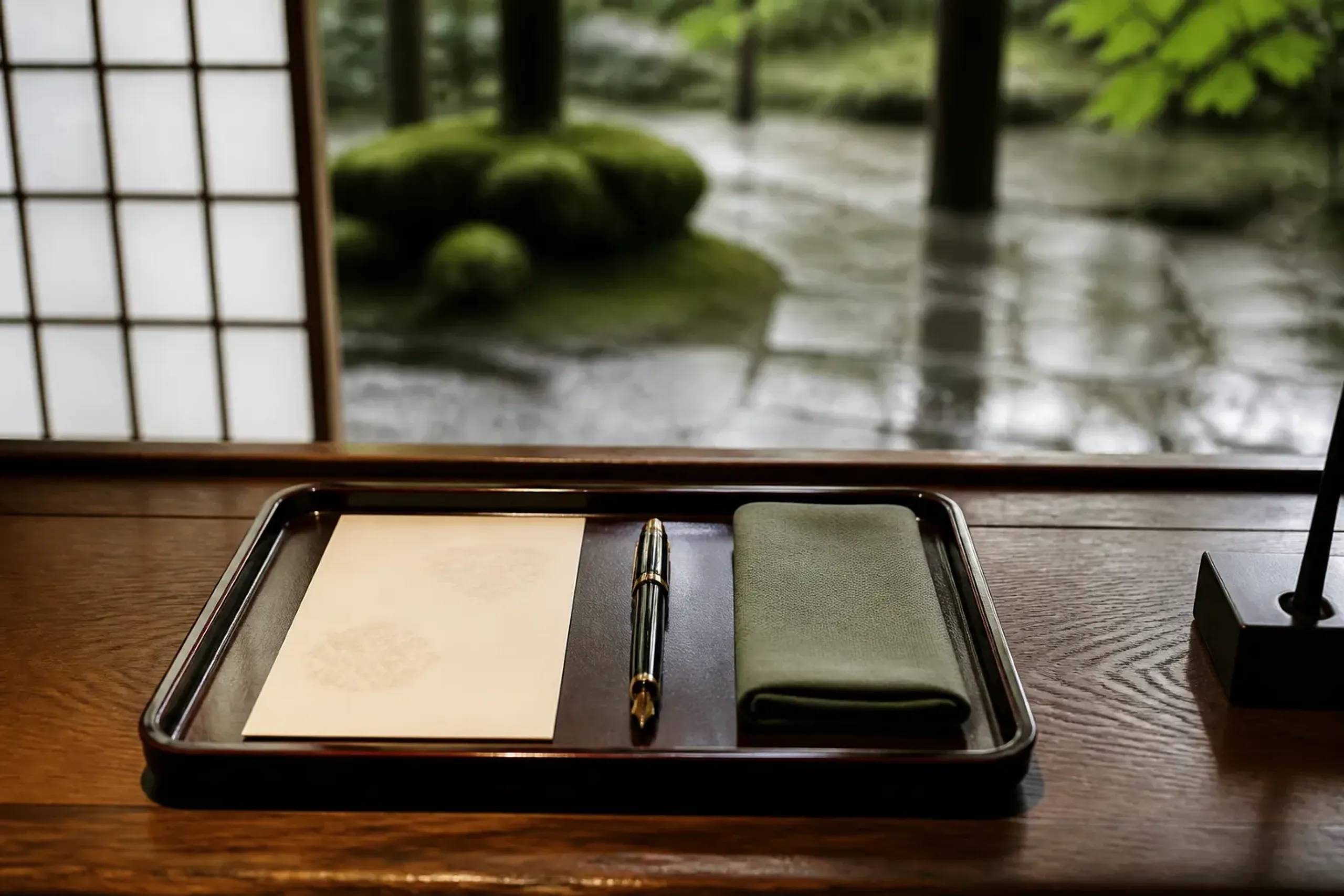
It can also be easier to pair with active day plans, because the property is built for modern pacing.
What to watch. Meal structure still matters, even when the design looks like a hotel. Don’t assume flexibility from aesthetics.
Bucket 3: Design-Forward Properties (Architecture First, Service Still Matters)
Design-forward stays can be an elegant substitute when the “new opening” energy is what you wanted. You get architecture, lighting, and a strong sense of place without needing to mimic a traditional house.
What it often implies. More public-facing spaces and more movement. Privacy can be excellent, but it’s usually achieved through planning: entrances, elevator flow, timing, and a clear transportation strategy.
What to watch. If you chose the original stay to disappear, a design-forward hotel can feel social at exactly the hours you want quiet. Match scale and access, not just design language.
Should You Substitute The Property, The Location, Or The Dates?
If you choose the wrong lever, you fix availability but break the trip. We use a simple order of operations: first protect the base, then the day rhythm, then the aesthetic.
Option A: Substitute The Property (Keep The Base)
This is usually the cleanest move when the rest of your plan is strong. You keep your restaurant targets, museum timing, and daily routes, and you replace only the stay.
- Best when: you have time-sensitive plans in one area and you value short transfers.
- Risk: you choose on looks and accidentally change meal structure or scale.
- How to do it: match the five factors first; use the three aesthetic buckets last.
Option B: Substitute The Location (Keep The Service Model)
This is the right move when an entire micro-area is saturated.
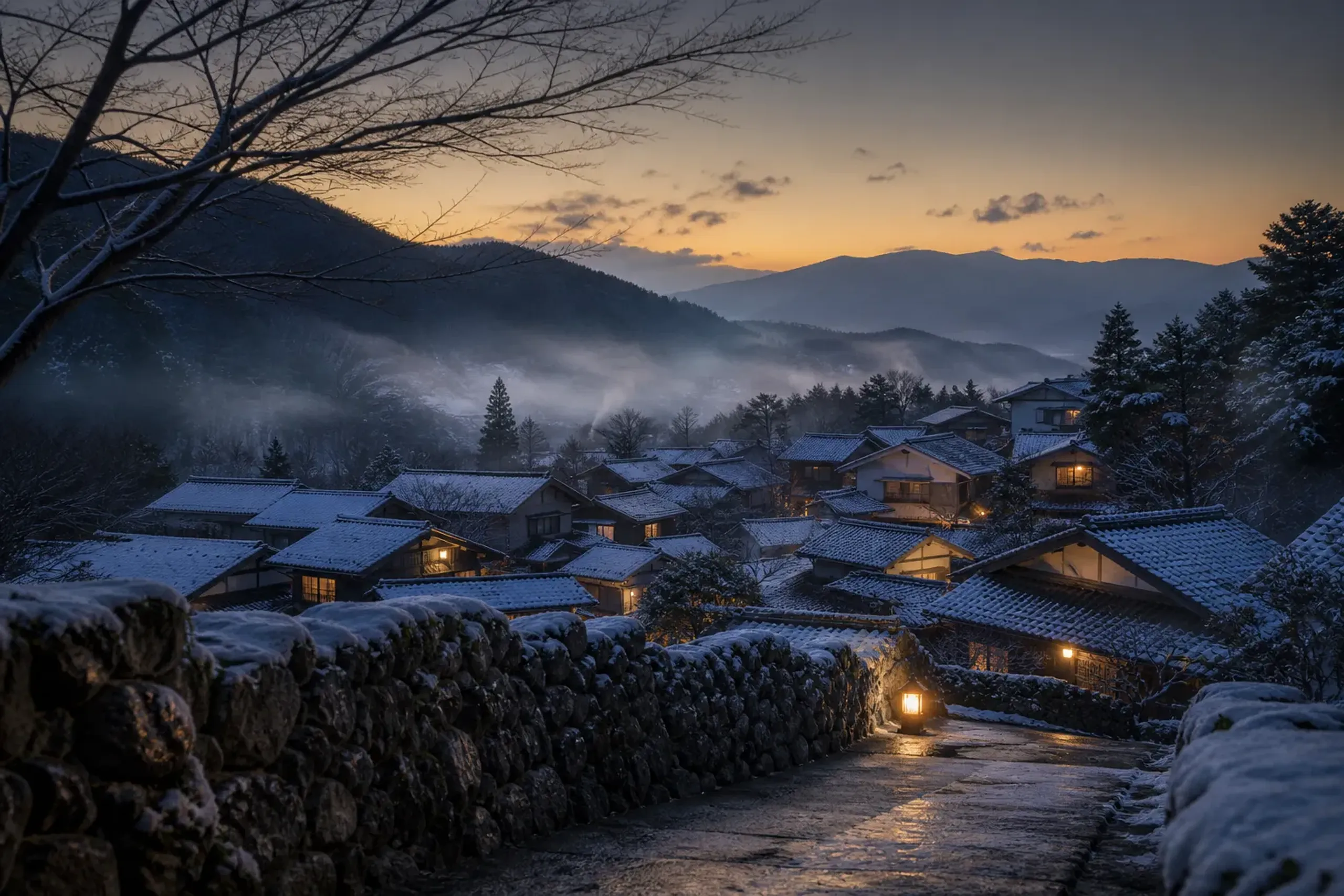
It happens. The alternative is not “worse,” it’s different, and it can be quieter.
In Tokyo, a location change can be a privacy upgrade if you pick a district that fits your movement style. Our team often pairs this with a clear transportation plan, because the vehicle becomes part of the privacy envelope. If you are considering this, start with a private transportation plan and work backwards from your non-negotiable days.
In Kyoto, a location substitution can also be a crowd strategy. You trade being “close to everything” for being close to your version of calm. The key is to be honest about what you will actually do each morning.
Option C: Move The Dates (Keep The Exact Property)
This is often the best choice when the property’s scale and operating style are the point of the trip. You cannot replicate that feeling if you switch to a fundamentally different stay.
When does moving dates make sense? When you are staying only one or two nights, and the rest of the itinerary is flexible. It can also work if your business schedule has a small window of slack and the trip’s purpose is recovery.
One hard truth. Some weeks are simply saturated.
What “Full” Actually Means In Practice (And Why Availability Can Change)
“Full” can mean several different things.
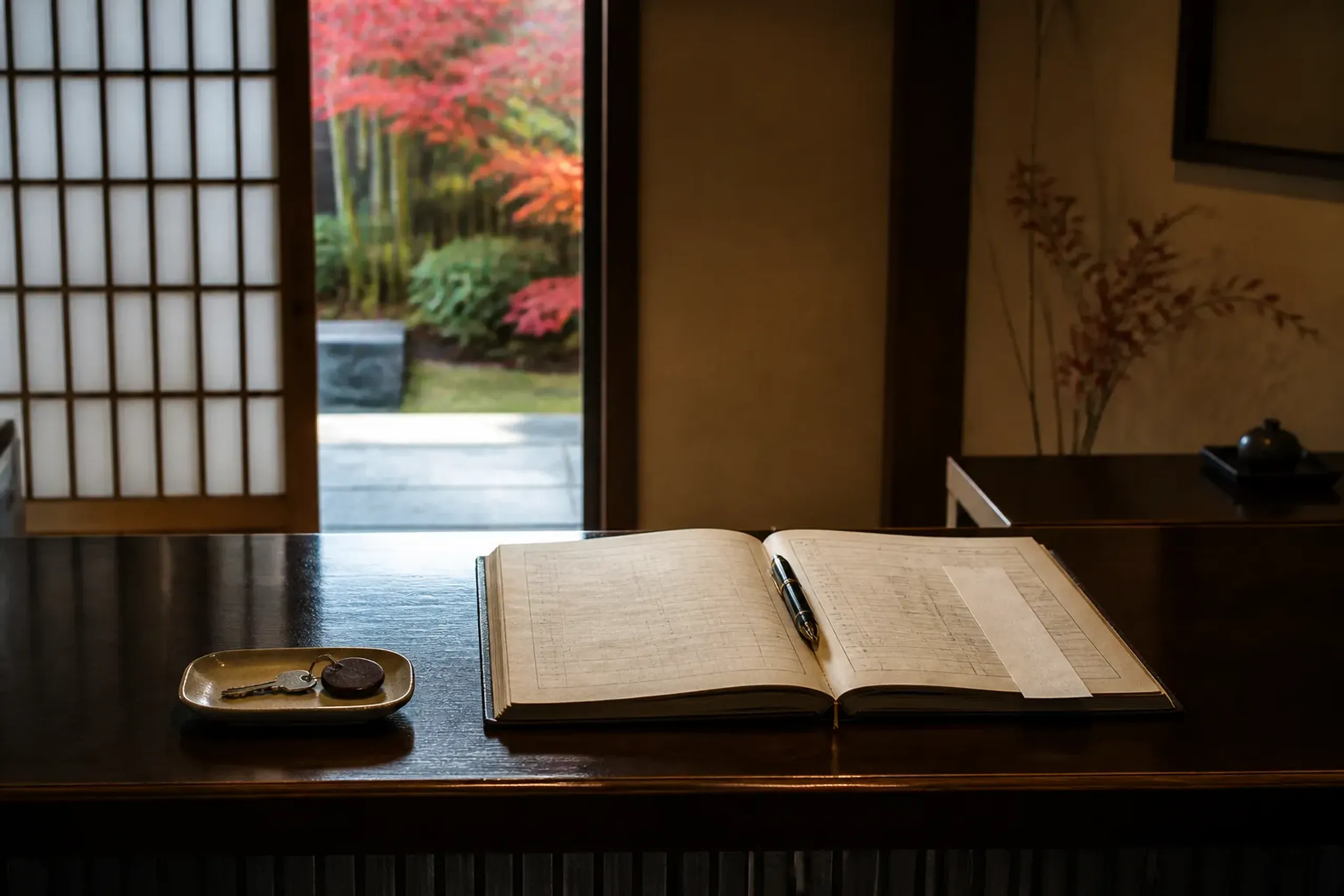
A property may have no inventory released for your dates, or it may have inventory committed to returning guests, or it may be holding categories back. Each pattern exists across Japan, and the outside-facing result looks identical: no rooms online.
Even when something is full today, availability can change through cancellations. Waitlists also exist in Japan, and they matter. The mistake is treating this like airline inventory, where constant monitoring is guaranteed to pay off. It might. It might not.
Our approach is practical. We keep your trip moving with an equivalent substitute while we continue to watch the original target. Quiet persistence beats frantic refreshing.
What Not To Compromise On (And What You Usually Can)
When you’re forced to choose, protect the elements that shape the day and your privacy.
Usually Protect
- Meal structure: it determines your evening and how far you can roam.
- Scale: it determines noise, anonymity, and how “public” the stay feels.
- Base logic: short transfers are a luxury when your schedule is tight.
Usually Flexible
- A specific view: a view is nice; a calm day is better.
- A category label: names vary wildly and don’t describe the lived experience.
- Being “new”: newness fades quickly; operational quality does not.
If your original reason was design and novelty, then yes—protect that. But do it without breaking the day rhythm. You want quiet control, not a prettier problem.
When The Honest Answer Is: That Week Is Closed
There are moments when the right substitute is not another property.
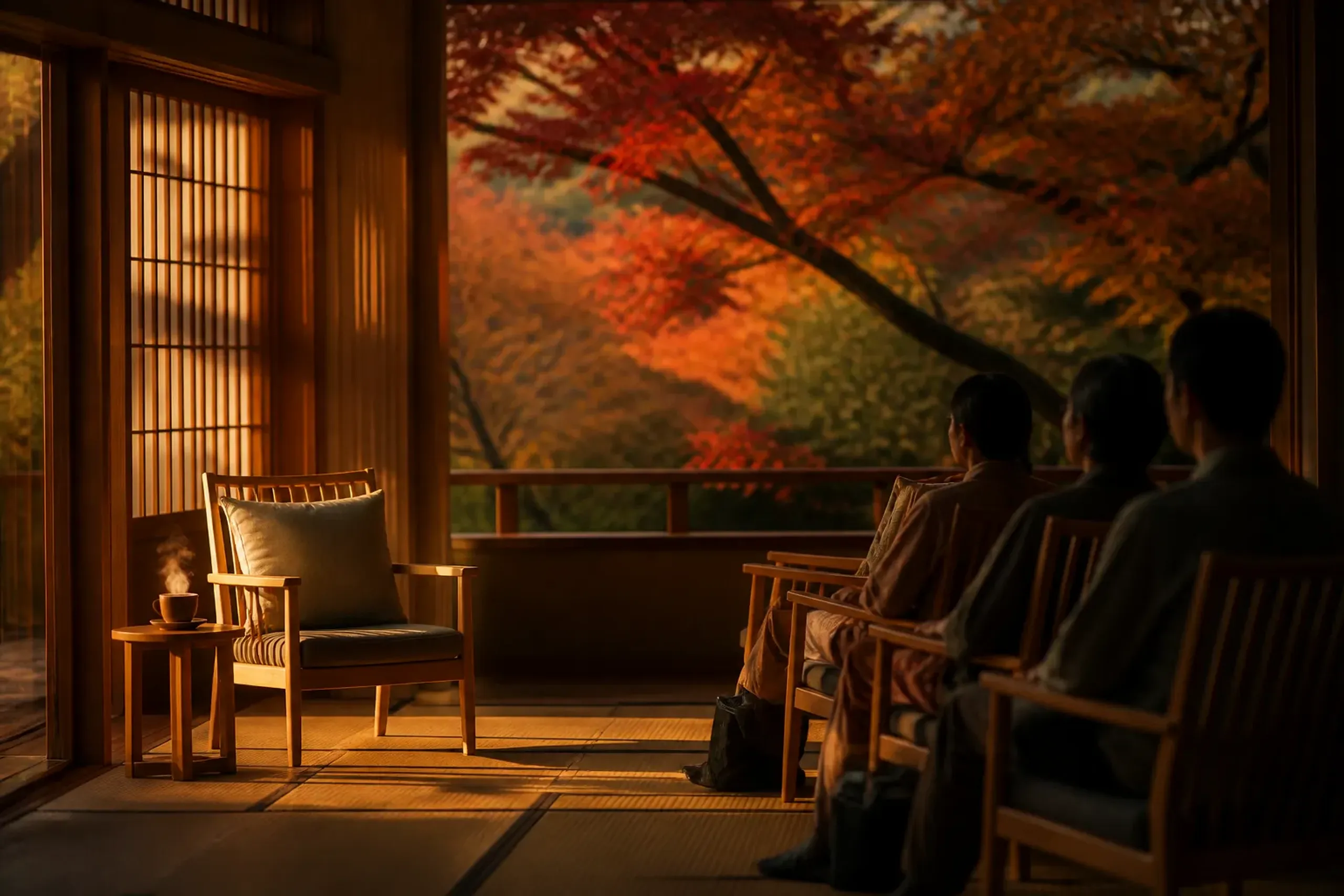
It is a different week.
This comes up for major holiday periods, major seasonal travel weeks, and compressed event calendars. You can sometimes find a room, but you end up with awkward transfers, compromised meal timing, and a stay that pulls you away from what you came to do.
For HNW travelers, the cost is not money. It’s friction.
If the trip is meant to restore you, and the calendar is too tight, we will tell you plainly. That candor is part of discretion: we don’t push you into a plan that forces you into crowded public spaces at the worst hours.
How Do I Plan A Last-Minute Luxury Japan Trip When Top Properties Are Sold Out?
Start by matching base, service model, room character, meal structure, and scale, then pick the aesthetic—this produces a true substitute in 48–72 hours without changing the trip’s daily rhythm.
Work in two lanes. Lane one is the stay you wanted, pursued with patience. Lane two is a substitute you can commit to without regret. That keeps you out of a spiral of daily changes and second-guessing.
If you’re building a larger trip, keep your routing clean. A tailor-made itinerary is not about adding stops; it’s about reducing wasted transfers and protecting quiet hours, especially when you’re forced to swap bases.
One more tactic helps. Build an itinerary that can absorb a lodging change without collapsing: one anchor day per city, and one flexible day that can move with the stay.

Do New Kyoto Luxury Openings In 2026 Make Substitution Easier?
Yes—Kyoto’s 2026 opening pipeline increases high-end supply, but peak dates still sell out, so substitution works best when you match the stay’s operating style and base, not just the “new” label.
New openings can change how you plan, even when you can’t get the new opening itself. They shift demand patterns. They also create fresh “base-and-escape” itineraries: you use a polished urban property as a stable anchor, then spend your days outside the obvious loop.
Two verified pegs matter for planners. Imperial Hotel, Kyoto announced an opening date of March 5, 2026. A JNTO newsletter also reports Capella will open its first Japan property in Kyoto in March 2026.
When those dates pull demand forward, the calm move is to treat new openings as access points, not as the whole trip. Hidden-Japan days—where you move by introduction rather than by hype—are what keep Kyoto feeling private when the city is busy.
Frequently Asked Questions
If My First-Choice Ryokan Is Full, Should I Join A Waitlist Or Book An Alternative?
Book a true equivalent alternative first, then pursue a waitlist in parallel so your trip stays stable while you watch for changes.
Waitlists can work, and cancellations do happen, but you don’t want flights and daily plans drifting while you hope. Our team prefers a “secure the substitute, then keep pressure on the original” approach.
What Is The Fastest Way To Tell If Two Properties Will Feel The Same?
Compare their base location, service model, room character, meal structure, and scale—if those match, the lived experience will be close even when the design language differs.
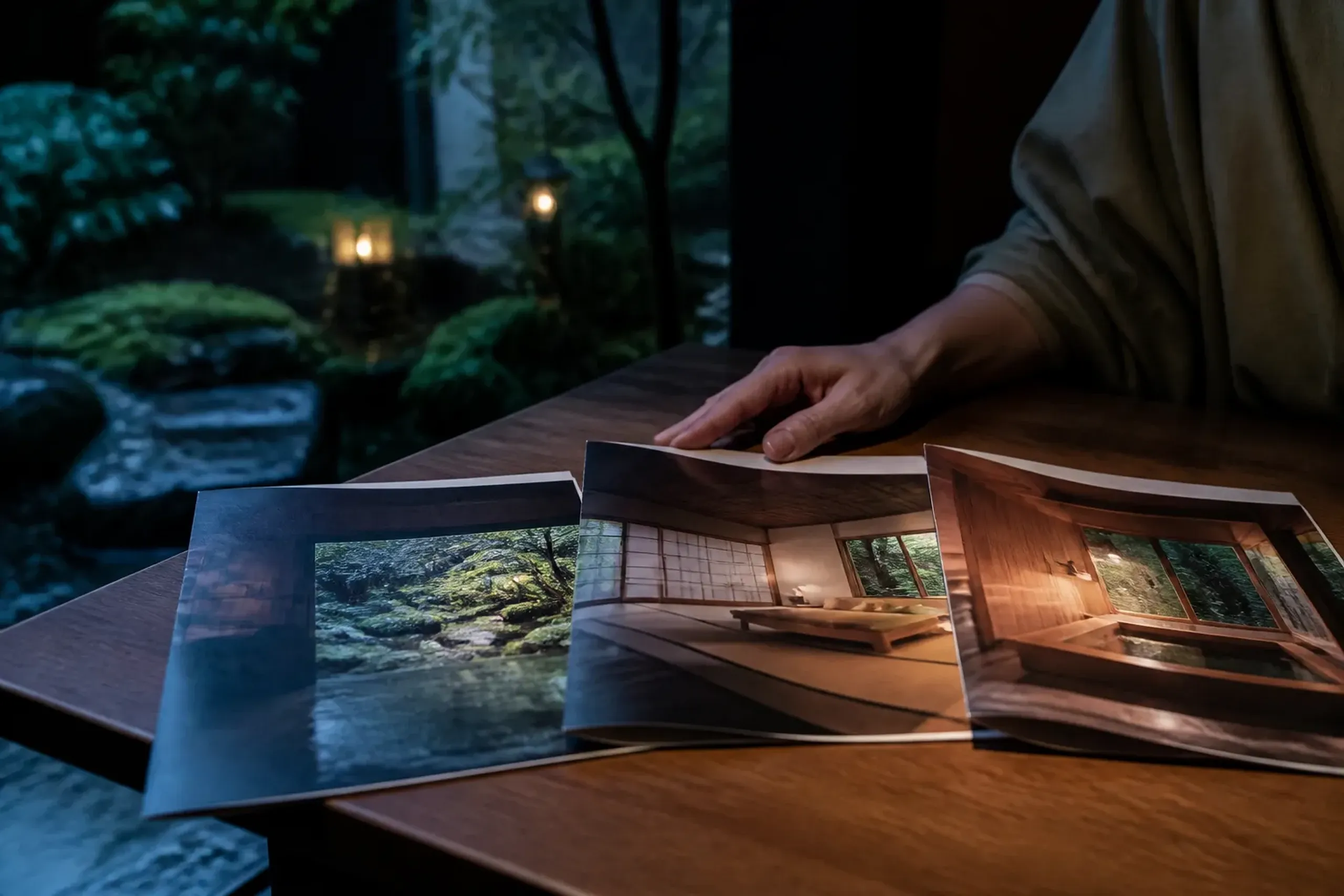
Aesthetics matter, but they are second-order. Most disappointment comes from switching meal structure or scale without noticing.
Should I Change Kyoto Neighborhoods If The New Opening I Wanted Is Sold Out?
Yes, if your real goal is quiet mornings and controlled returns, a neighborhood change can protect your day better than forcing an inferior stay in the same area.
We often see travelers overpay in time and stress to stay “close,” then lose an hour a day to crowds. A calmer base can outperform a famous address.
Is It Better To Compromise On The View Or On Included Meals?
Compromise on the view first, because meal structure controls your schedule and can quietly limit what you do each day.
If you love dining out, keep that freedom. If you chose the property for in-house dining, keep that and compromise elsewhere.
Can A Design-Forward Hotel Replace A Traditional House-Style Stay?
It can, if your real goal was privacy, architecture, and a stable base rather than a staff-led rhythm with structured in-house dining.
If you were buying the “house” feeling of quiet interior time, then a design-forward hotel may feel too public at peak hours. The five-factor check will tell you quickly.
Why Choose Japan Royal Service
Luxury substitution is not guesswork. It’s a method, and it requires discretion.
Our team at Japan Royal Service works with HNW travelers who want Japan to feel calm even when demand is sharp.
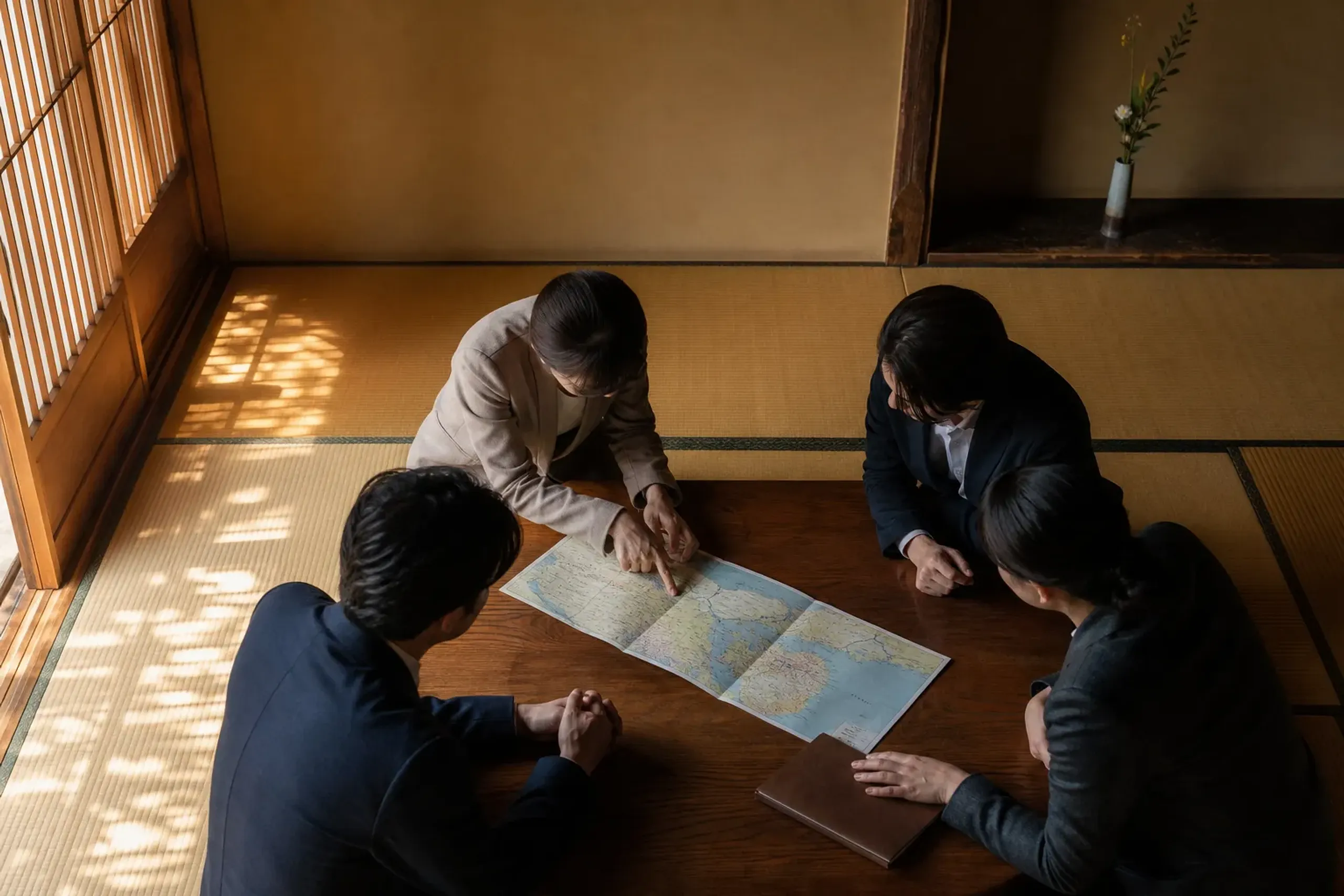
We protect privacy as a default, keep your itinerary stable, and steer you toward equivalents that match how you actually live—room time, meal rhythm, and the quiet you came for.
We also do the unglamorous work. We book ryokan directly, hold waitlist positions when available, and monitor cancellations while your backup plan is already secured. No guarantees. Just disciplined follow-through, handled quietly.
For private coordination, reach our team directly via WhatsApp or LINE, or contact us here.