
In this guide
- 01Where Is Azumino And How Do You Reach It?
- 02When Do The Cherry Blossoms Bloom On Mount Hikarujo?
- 03When Do Tulips Bloom At Alps Azumino National Government Park?
- 04What Is Azumino Known For? The Wasabi Of Hotaka
- 05Putting The Valley Day Together
- 06How The Concierge Team Plans The Day
- 07Azumino Among Nagano's Spring
- 08Frequently Asked Questions
- 09Why Choose Japan Royal Service
Azumino is the broad valley that opens between Matsumoto and Hakuba, with the Northern Alps standing along its western edge. In spring the valley carries three plain pleasures: cherry blossom on Mount Hikarujo, tulips and rapeseed at Alps Azumino National Government Park, and the wasabi fields of the Hotaka area. Each sits in a different corner of the valley. That is the honest shape of a spring day here. A car helps.
This guide walks the valley in order. Where Azumino is, how to reach it, what blooms and when, and what to do if the Alps stay under cloud. Our team at Japan Royal Service plans these days around the bloom, the weather, and the chance of seeing the mountains.
Where Is Azumino And How Do You Reach It?
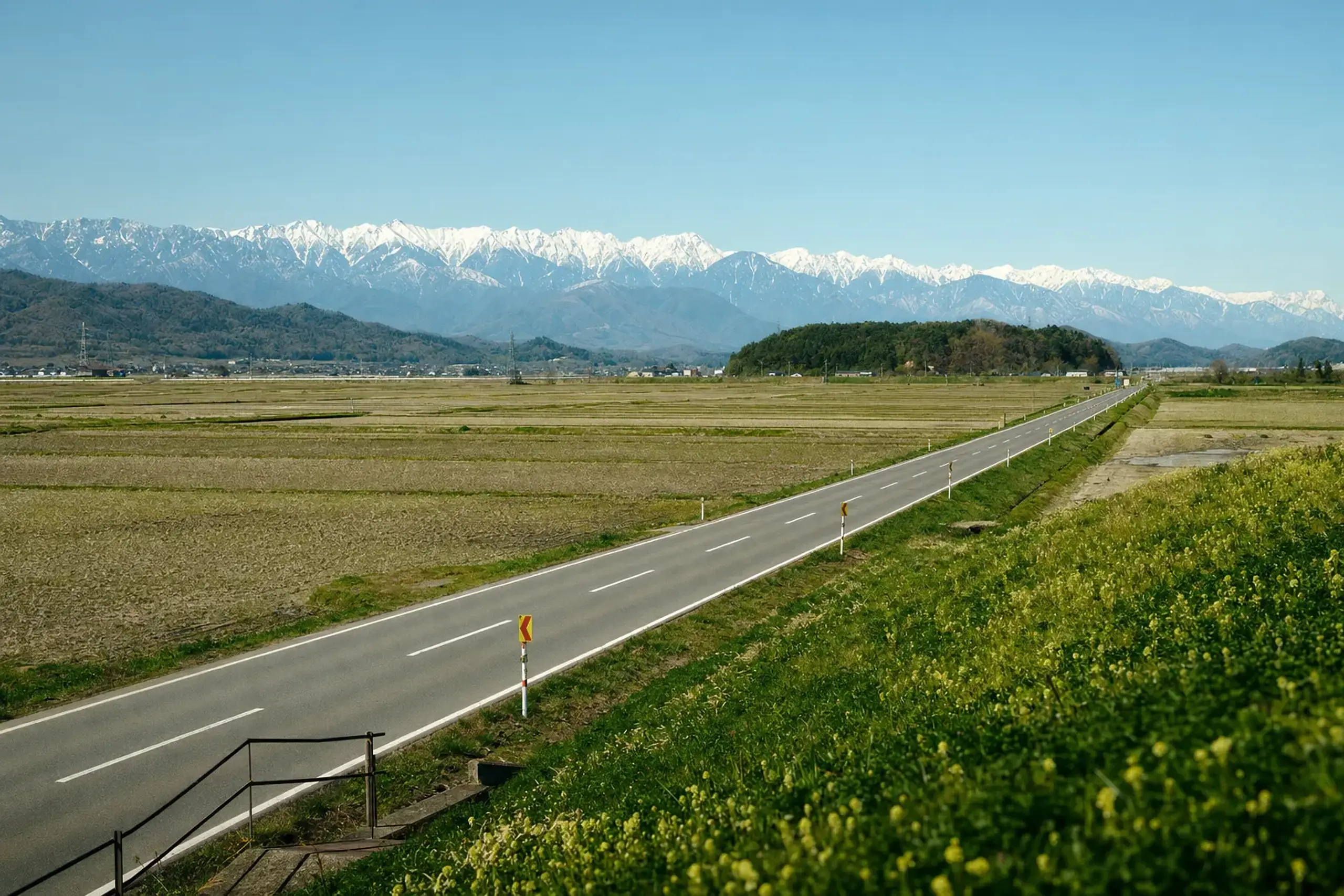
Azumino lies between Matsumoto and Hakuba, set among the Northern Alps. From Tokyo, limited express Azusa trains run from Shinjuku to Matsumoto in about 2 hours 40 minutes.
Matsumoto is the practical base. From there the Oito Line reaches Hotaka Station in about 30 minutes, and Hotaka is the gateway to the wasabi country and much of the valley's spring.
By road the distances are short. Azumino IC sits roughly 10 minutes north of Matsumoto IC, and Hotaka Station is a 15 to 20 minute drive north on Route 147. These are the figures the local tourism guide gives.
Timings shift with traffic and the time of year, so the JRS concierge team confirms timings directly with the guest at time of arrangement.
The valley's climate is similar to Matsumoto's. Spring arrives later here than in Tokyo, which is why April is the month that matters.
When Do The Cherry Blossoms Bloom On Mount Hikarujo?
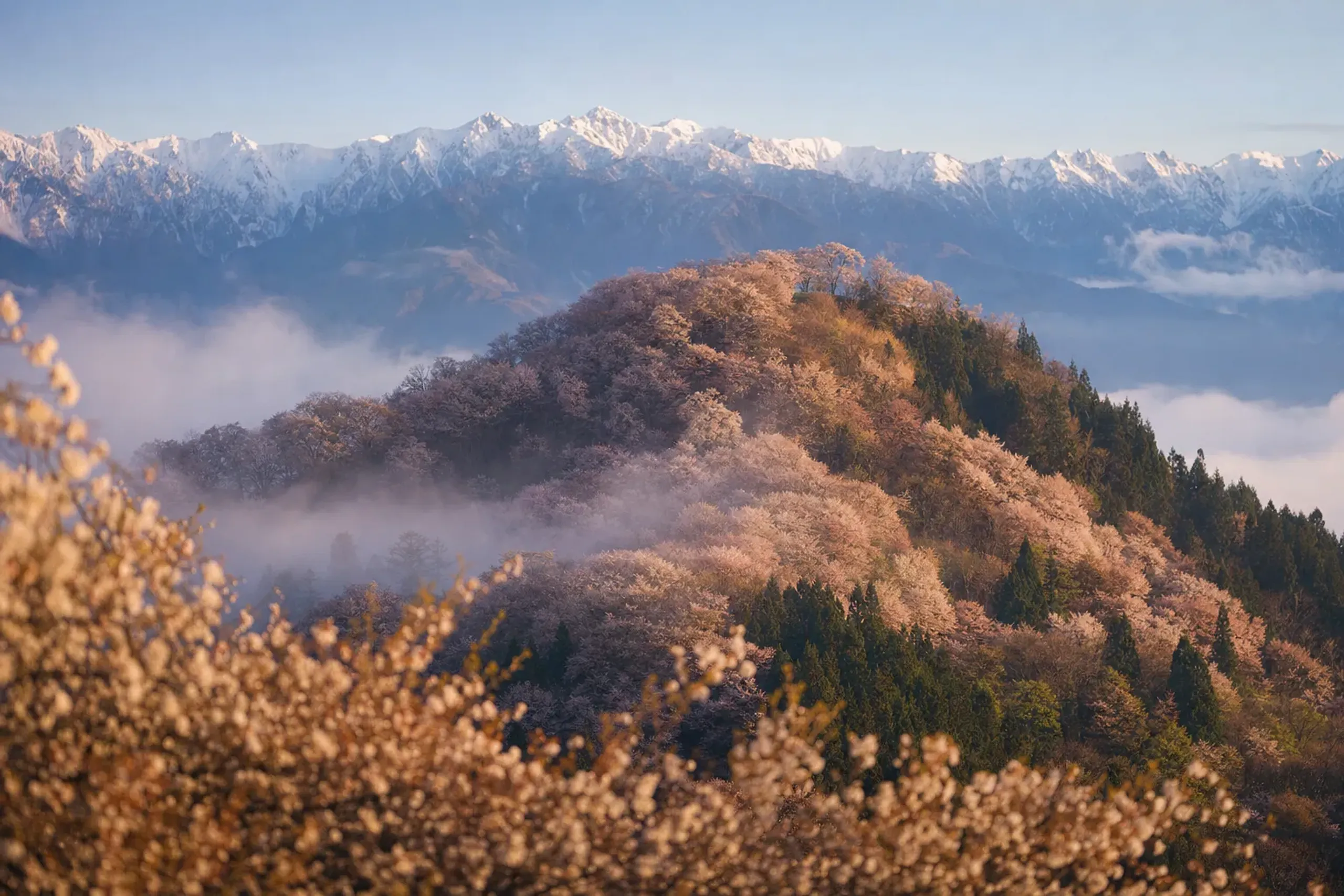
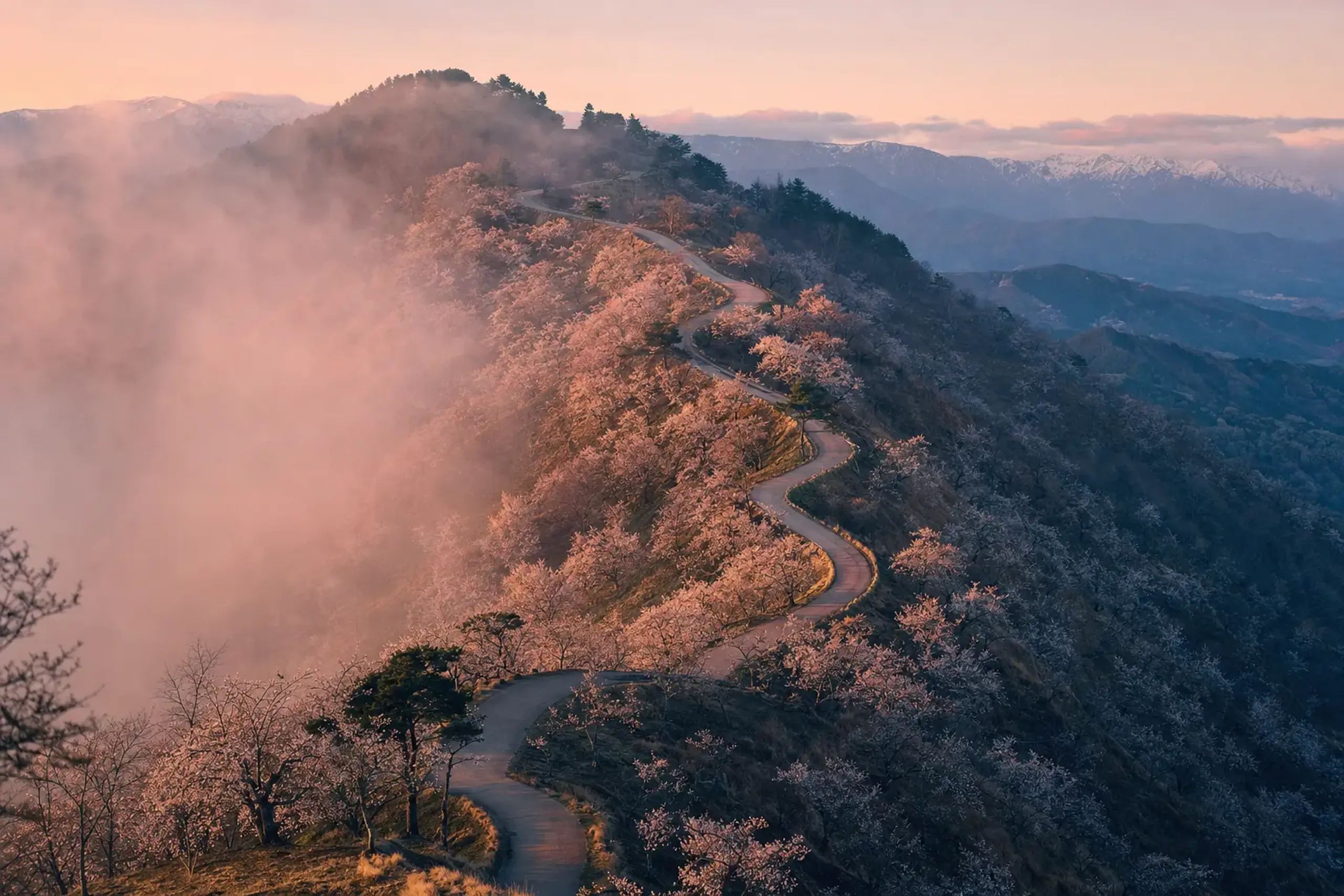
Mount Hikarujo in Azumino City is covered with cherry trees in mid to late April. A trail leads to the summit.
The hill takes its name from an old castle site, and in spring the slopes turn pale with blossom. The Azumino City guide names the Rising Dragon Sakura Trail on the mountain, running from mid-April to early May. That window is a little later than the city blossom lower in the valley, which is part of what makes Azumino worth the detour north from Matsumoto.
Seen from below, the blossom sits against the backdrop of the ridgeline. On a clear morning the combination of cherry and snow-held peaks is the picture most people come for. Cloud changes that, and we plan for it.
When Do Tulips Bloom At Alps Azumino National Government Park?
Tulips bloom at Alps Azumino National Government Park from mid-April to mid-May, alongside cherry blossoms, according to Nagano's tourism board.
The park spreads across the Horigane and Hotaka area, and in spring the ground is given over to colour.
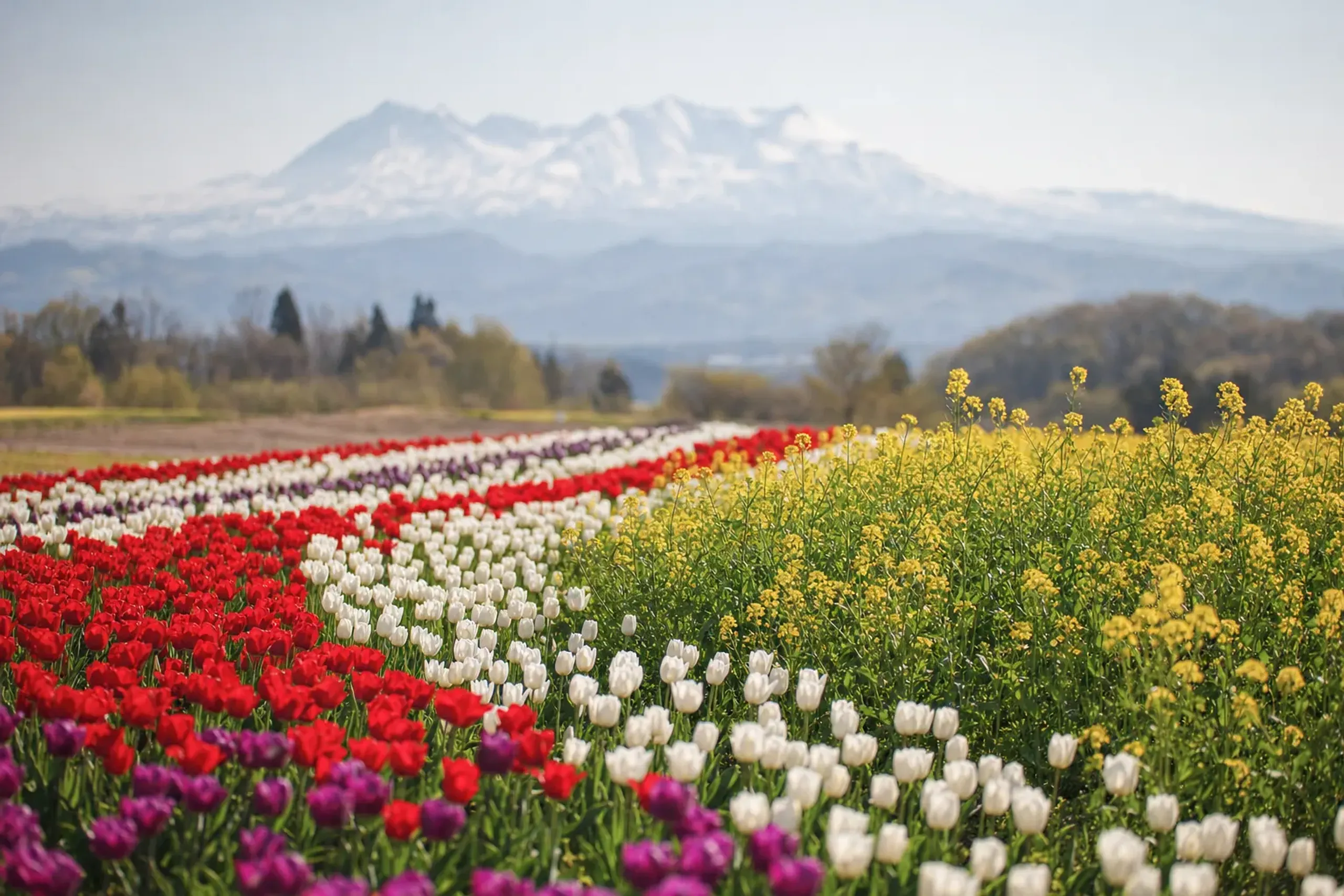
The park describes its fields as blanketed by spring tulips and, in its own words, by rape blossoms. Rows of tulips run toward low rapeseed yellow, and the two together make the valley floor read like a painted field.
Behind the flowers, on a clear day, the mountains. Mt. Jonen, at 2,857 metres, is one of the Northern Alps peaks that the park says can be seen soaring into the skies above in clear weather. That is a may, not a promise. Cloud can sit over the ridgeline, and the JRS concierge team confirms directly with the guest at time of arrangement how the mountains look on the day. When they are clear, the flowers in front and the snow behind are the whole reason to stand there.
Key fact: The park is closed one weekday each week, confirmed at arrangement. Our concierge team checks the opening day against your travel dates so the flower field is never a wasted drive.
The park is a short drive from Hotaka Station, and a bus runs the route. The JRS concierge team confirms the route and time directly with the guest at time of arrangement. A car with a driver removes the question entirely.
What Is Azumino Known For? The Wasabi Of Hotaka
Azumino is known for wasabi.

The Hotaka area, in the tourism site's words, is especially known for its thriving wasabi cultivation.
Drive the lanes around Hotaka and you pass fields of wasabi protected with black sunshades.
The area's large working farm is described by the local tourism site as Japan's Largest Wasabi Farm. Visitors can walk the farm, sample wasabi, and try wasabi-flavoured goods. It is a straightforward stop within the valley.
Farm opening and entry conditions change, so the JRS concierge team confirms directly with the guest at time of arrangement. All of these sites are public, open to anyone who arrives.
Putting The Valley Day Together
The three sights do not sit side by side. Mount Hikarujo, the flower park, and the wasabi country are spread across the valley floor, which is the one thing to plan around. On foot and by local bus the day becomes a timetable. With a car it becomes a drive.
Matsumoto works best as the base. It has the rail connections, the places to stay, and the restaurants, and from there the valley opens north within half an hour. A vehicle with an English-speaking driver links the sights without the waits between them, which matters when the bloom is short and the daylight is spent moving.
Order the day by the light and the mountains. Start where the Alps show behind the blossom or the flowers, then take the farm and the fields through the middle of the day.
And the fallback. If cloud sits low and the peaks stay hidden, the blossom on Mount Hikarujo and the flower field at the park still hold on their own, and the wasabi country reads the same in any weather. A good plan has a wet-morning version. The decision of whether to chase the mountains or settle into the valley is one we make on the day, from the forecast and the sky in front of us.
How The Concierge Team Plans The Day
Our work on an Azumino day is simple and specific. We build the itinerary around the bloom stage, the weather, and the chance of seeing the Alps, and we hold a fallback for the morning the mountains disappear.
- Planning: the day is shaped to the bloom and the forecast, with same-day re-planning when the weather turns.
- Guiding: an English-speaking cultural interpreter guide, booked separately from the driver, on request.
- Transfer: a vehicle from a partner company with an English-speaking driver, which is genuinely useful here because the sights are scattered across the valley. Driver and guide are separate roles.
- Stay and meals: ryokan and restaurant booking in Matsumoto or Azumino, with any dietary needs passed ahead.
- Rail: Shinkansen and limited-express tickets, including Green Car and Gran Class where available, platform assistance, and luggage forwarding.
The JRS concierge team confirms directly with the guest at time of arrangement the bloom stage, the park's opening and closing days, and the status of each sight. If you are weighing a driver against the rail-and-bus route, our private driver versus rail decision framework sets out the trade-offs for a valley like this one.
Azumino Among Nagano's Spring
Azumino belongs to a wider Nagano spring that runs later than Tokyo's. If you are building several days, the valley pairs naturally with the region's better-known blossom.
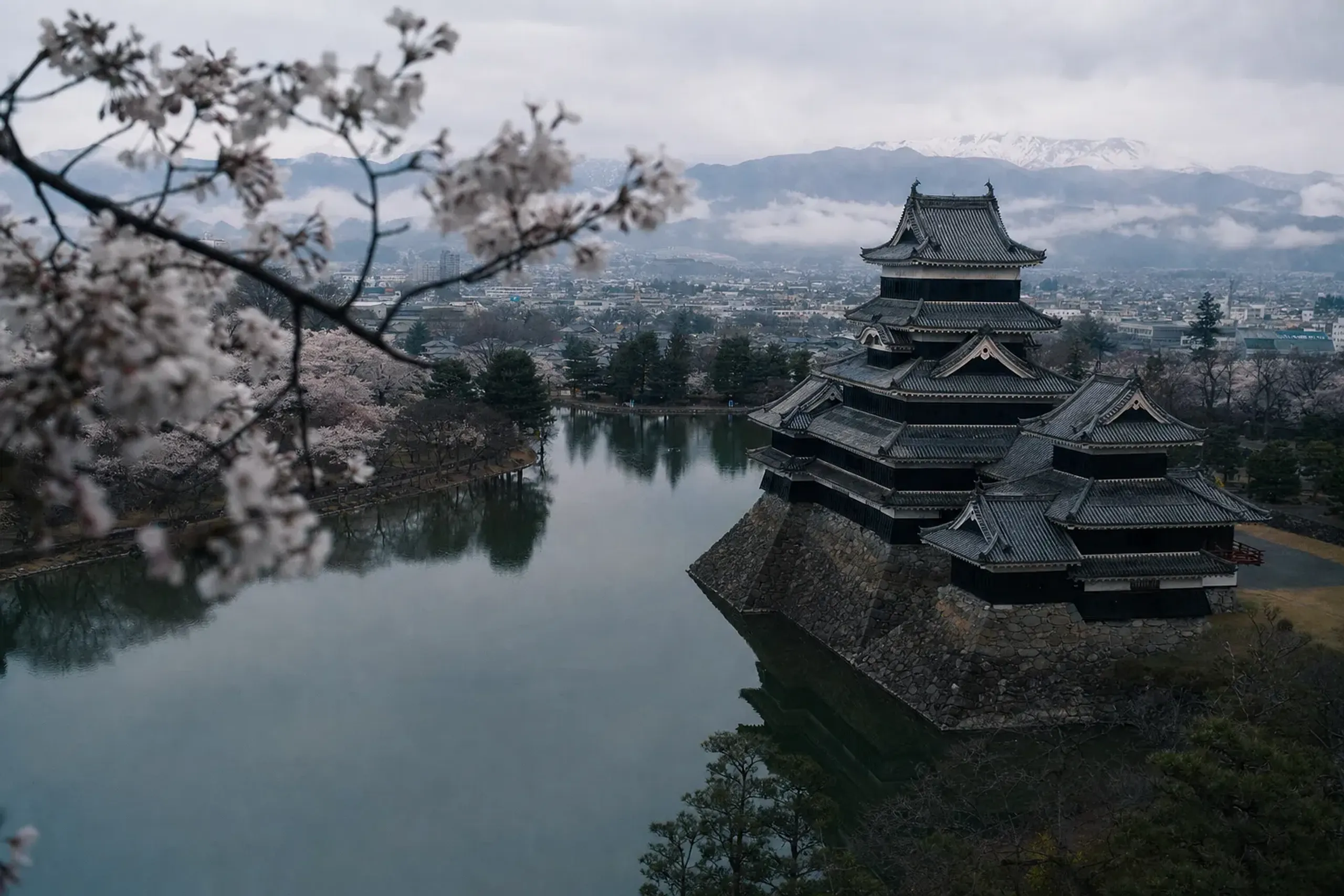
Matsumoto Castle holds its cherry in early to mid-April; read our Matsumoto Castle spring guide for that evening. Further afield, Takato Castle Ruins Park and the hill temple of Zenkoji carry their own spring. Om町 Park in mid to late April and Oide Park in Hakuba toward late April both set blossom against the Northern Alps, as examples of the valley's reach.
North of here, Hakuba and the high basin of Kamikochi open later still. For the national picture, our cherry blossom timing guide places Azumino in the season as a whole.
Frequently Asked Questions
When Do The Cherry Blossoms Bloom On Mount Hikarujo In Azumino?
Mount Hikarujo is covered with cherry trees in mid to late April. The Azumino City guide names the Rising Dragon Sakura Trail on the mountain, running from mid-April to early May. A trail leads to the summit.
When Is The Best Time To See Tulips At Alps Azumino National Government Park?
Tulips bloom from mid-April to mid-May, alongside cherry blossoms, according to Nagano's tourism board. Rapeseed flowers fill the park at the same time, and Mt. Jonen may be visible behind the fields in clear weather.
How Do You Get From Matsumoto To Hotaka Station?
From Matsumoto the Oito Line reaches Hotaka Station in about 30 minutes. By road, Hotaka is a 15 to 20 minute drive north on Route 147, and the concierge team confirms timings at arrangement.
Can You See The Northern Alps From Azumino In Spring?
Sometimes. Mt. Jonen and the Northern Alps may be visible in clear weather, but cloud can sit over the ridgeline.
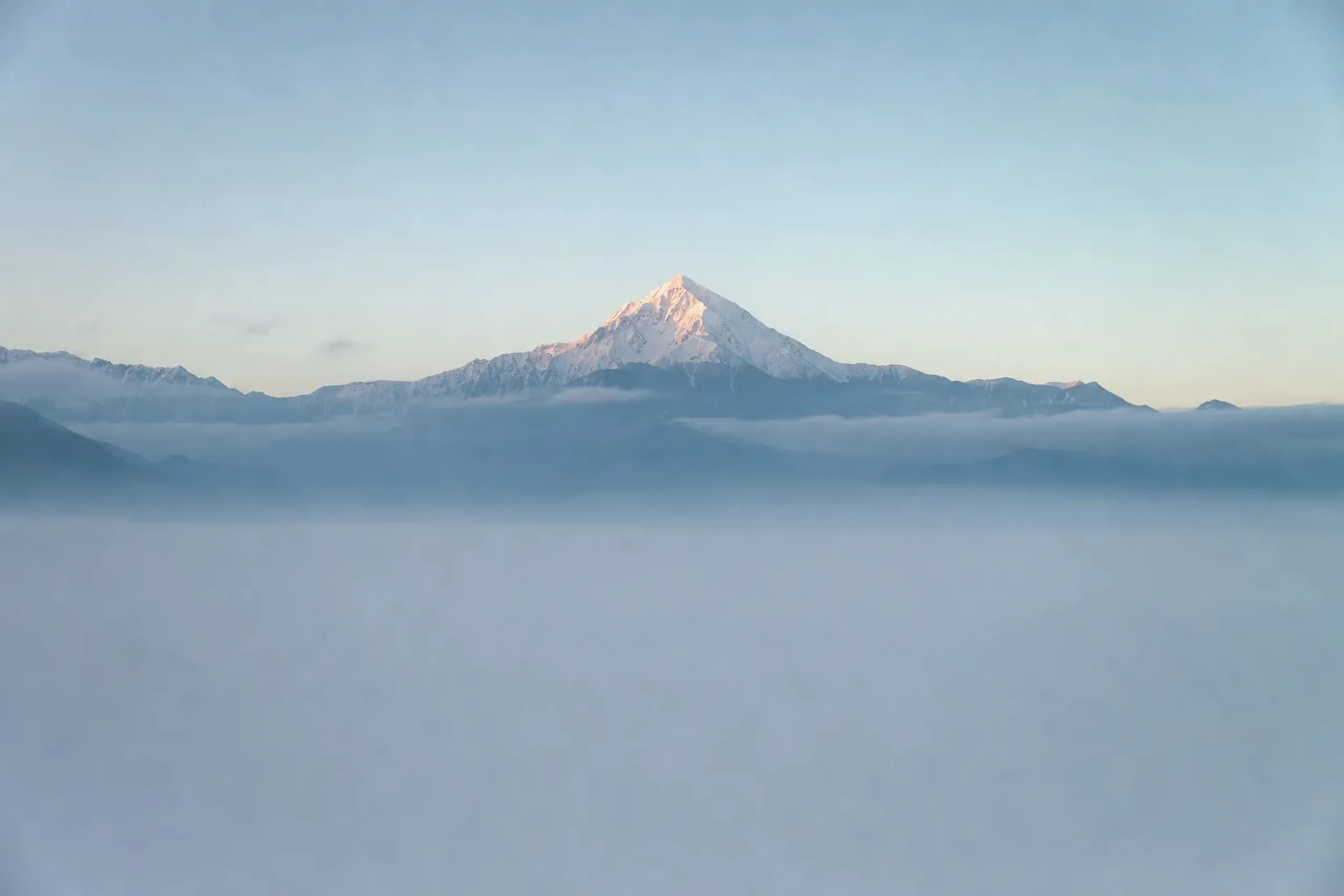
We plan each day with a fallback for clouded mornings.
What Is Azumino Known For?
Azumino is known for wasabi. The Hotaka area is, in the tourism site's words, especially known for its thriving wasabi cultivation, and the local tourism site calls the area's large farm Japan's Largest Wasabi Farm, where visitors can sample wasabi and wasabi-flavoured goods.
Why Choose Japan Royal Service
An Azumino spring day rewards planning because its pleasures are scattered and its weather is honest. Our team at Japan Royal Service builds the valley around the three things that make it worth the drive: the blossom on Mount Hikarujo, the flower field with the Alps behind it, and the wasabi country below. We hold a fallback for the morning the peaks vanish, and we re-plan on the day when the sky changes.
We coordinate the car with an English-speaking driver, an interpreter guide on request, the stay and meals in Matsumoto or the valley with dietary needs passed ahead, and the rail into and out of the region with platform help and luggage forwarding. The sights stay public and open; what we add is the shape of the day and the watchful eye on the weather.
To begin planning, contact our team here.