In this guide
- 01There Is No Single Cherry Blossom Week In Japan
- 02How Does The Japan Cherry Blossom Forecast Work?
- 03What The 2026 Front Actually Did
- 04Should You Chase The Cherry Blossom Front From South To North?
- 05First Bloom Versus Full Bloom: When Should You Actually Arrive?
- 06Why Fixed Dates Booked Far In Advance Are A Gamble
- 07The Tightest Accommodation Window In Japan
- 08What Flexibility Actually Buys You
- 09Weather Is The Mechanism Behind The Variance
- 10Frequently Asked Questions
- 11Why Choose Japan Royal Service
You booked the trip for "cherry blossom season." Two weeks, mid-spring, a city you have long wanted to see under the trees. But peak condition at any one place lasts only about a week, and the week you chose turned out to be almost right and not quite. The blossoms had already passed in one city and had not yet opened in the next.
This is the most common miss we see. Not a poor hotel, not the wrong city — simply a calendar that treats a moving flower as though it held still. At Japan Royal Service, we plan around the front rather than around a single date, and that difference is the whole trip.
There Is No Single Cherry Blossom Week In Japan
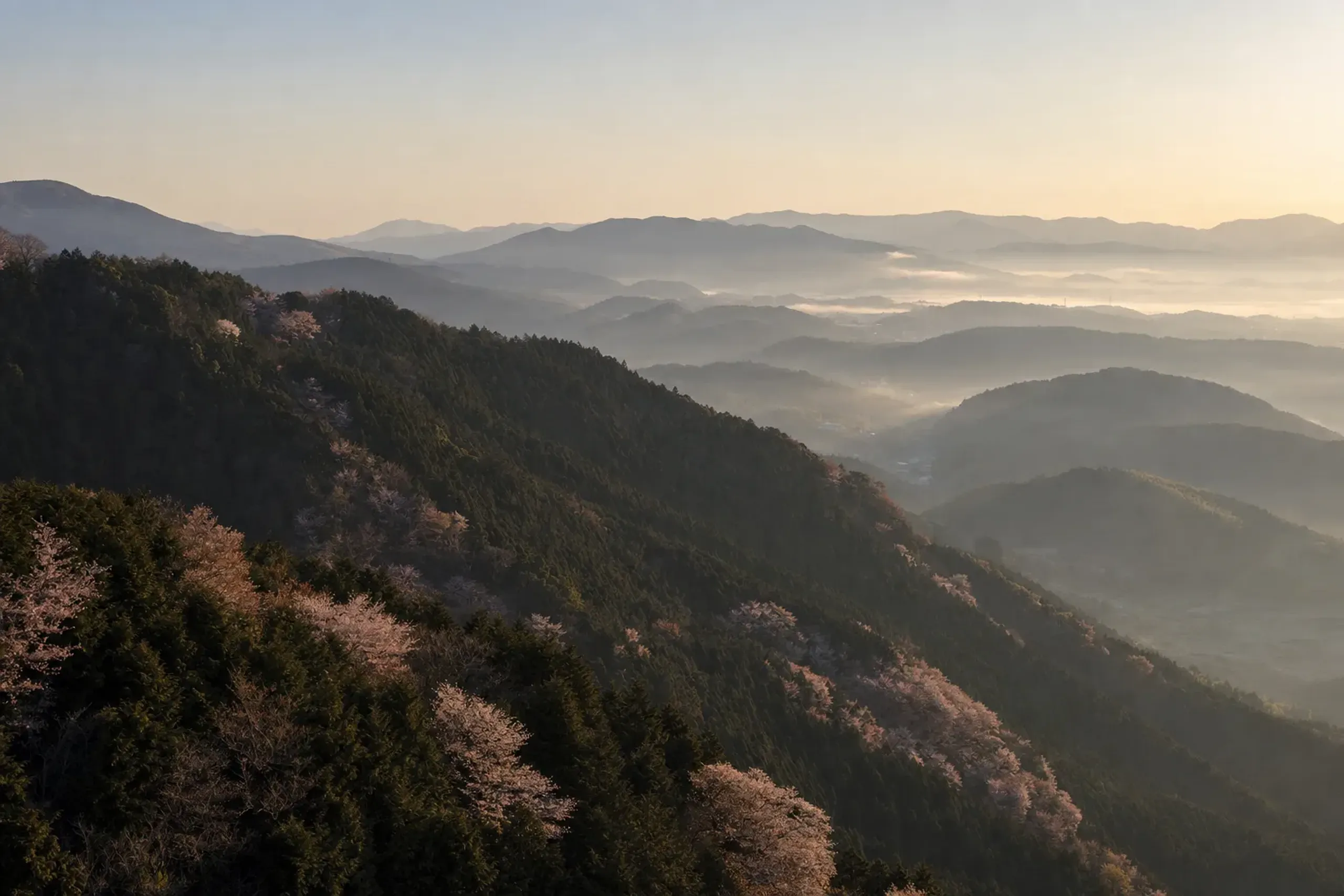
There is no single cherry blossom week in Japan. There is a front that moves south to north over roughly six weeks, from Kyushu in mid-to-late March to Hokkaido in late April or early May. Full bloom in Tokyo and full bloom in Sapporo sit more than five weeks apart.
That gap is the fact everything else hangs on. "Sakura season" as a phrase covers more than a month of country, and no single week sits at peak everywhere at once. Pick one city and one week, and you are betting on a flower that answers to weather, not to your booking window.
We follow the same discipline our team applies to autumn. If you want the structure of how a forecast works before the specifics, our piece on chasing two fronts across Tōhoku uses the same forecaster and the same honesty about variance.
Cherry blossom is a different problem from autumn, though: it tends to run earlier and, unlike the last two foliage seasons, is less reliably late.
How Does The Japan Cherry Blossom Forecast Work?
Japan's cherry blossom forecast tracks two dates per city: first bloom (kaika) and full bloom (mankai). The Japan Weather Association marks first bloom when five or six flowers open on a designated sample tree, and full bloom when more than 80% of the buds have opened.
Those criteria match the ones the Japan Meteorological Agency uses. The forecast most serious planners watch, however, comes from the Japan Meteorological Corporation, a private forecaster — the same source behind our foliage work. The JMC issues its first estimate in mid-to-late December and revises it steadily through the season.
Here is the part that matters most for booking. The early estimates move. The JMC released fourteen updates across the 2026 season, and its numbers only stabilise as spring approaches. A date read in December is a sketch. A date read in mid-March is close to what actually happens.
Key fact: First bloom (kaika) and full bloom (mankai) are separate dates. Full bloom typically arrives 7–10 days after first bloom, and peak viewing then holds for roughly a week.
What The 2026 Front Actually Did
The figures below are the JMC's 2026 forecast for first bloom and full bloom. Read them as an illustration of the pattern, not a prediction for any future year.
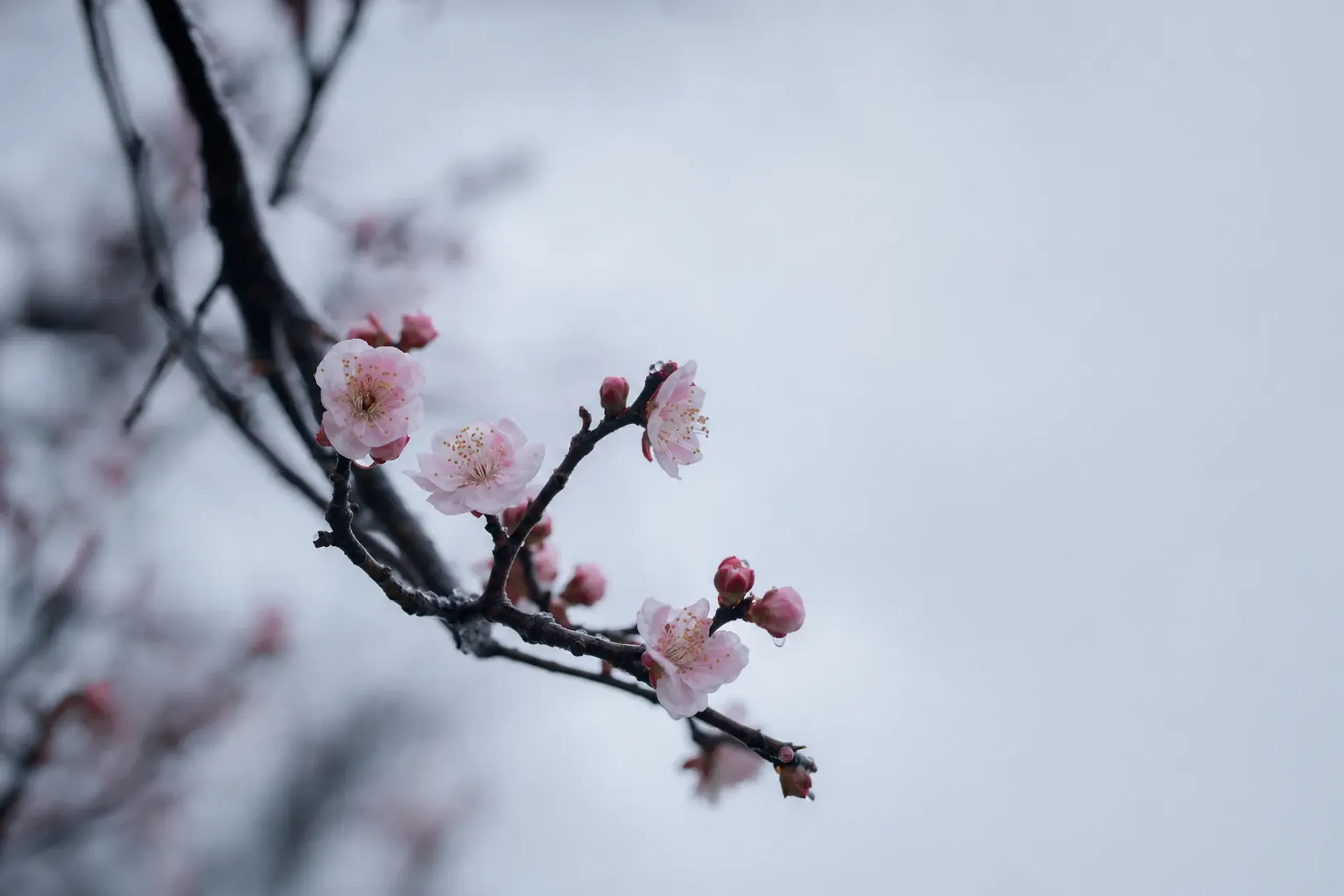
This is what the front did in 2026 — not what it will do next spring.
| City | First Bloom | Full Bloom |
|---|---|---|
| Tokyo | March 19 | March 26 |
| Nagoya | March 19 | March 28 |
| Fukuoka | March 20 | March 29 |
| Hiroshima | March 21 | March 30 |
| Osaka | March 24 | March 31 |
| Kyoto | March 24 | March 31 |
| Sendai | April 5 | April 10 |
| Aomori | April 19 | April 22 |
| Sapporo | April 28 | May 1 |
Notice the shape. Kyoto and Osaka moved together, both hitting full bloom on March 31. Tokyo ran slightly ahead of them, reaching full bloom on March 26 — five days before Kansai. Then the real intervals open up: Sendai on April 10, Aomori on April 22, Sapporo on May 1.
Read the top and bottom rows again. Tokyo's full bloom and Sapporo's full bloom sat thirty-six days apart in 2026. One country, one spring, five weeks of separation. That is the number that kills the idea of a single "cherry blossom time."
Should You Chase The Cherry Blossom Front From South To North?
Yes — chasing the front from south to north lets you catch peak condition in several regions on one trip, instead of gambling everything on one city and one week. For a longer visit, it is the strongest strategy there is.
The mechanics are simple once you see the table. Begin in the south and west while the front is fresh there, then move north with it. In 2026, a traveller could have stood beneath full bloom in Kansai around March 31, reached Sendai by April 10, and still caught Aomori near April 22 — three peaks, one itinerary.
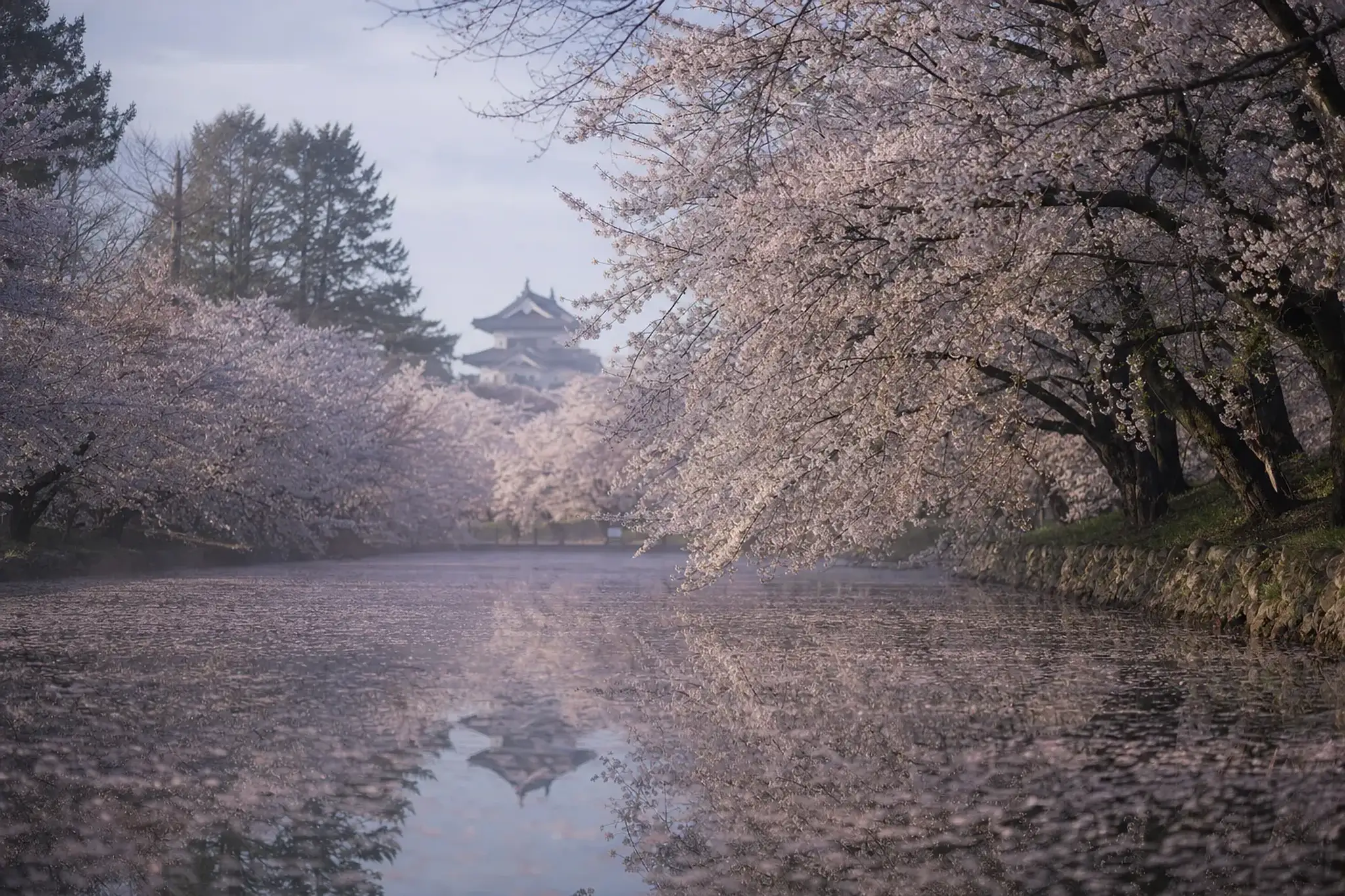
This turns the front's spread from a risk into an asset. Rather than praying that one city peaks during your fixed week, you ride the wave northward and let geography do the scheduling. Our team routes these trips around the JMC updates as they land, tightening the northern legs once the southern ones are behind you. Movement between regions runs on discreet private chauffeured transport, so a last-minute shift north never means scrambling for connections.
If your route runs far north, the regional detail matters. Our writing on Hirosaki in blossom covers the Aomori window, and where Hokkaido blooms first covers the season's far end. Both sit weeks behind Kansai, which is precisely what makes them so useful as later legs.
First Bloom Versus Full Bloom: When Should You Actually Arrive?
Arrive around full bloom, not first bloom. At first bloom (kaika) the display is still building — only a handful of flowers are open. Full bloom (mankai) usually follows 7–10 days later, and the best viewing then holds for roughly a week after that.
The practical window is narrow but not knife-edge. Land a day or two before forecast full bloom and you watch the trees fill. Land more than a week after full bloom and you risk petals already on the ground. Neither miss is catastrophic, but both cost you the very day you flew for.
This is why the two dates in the table matter far more than the single word "season."
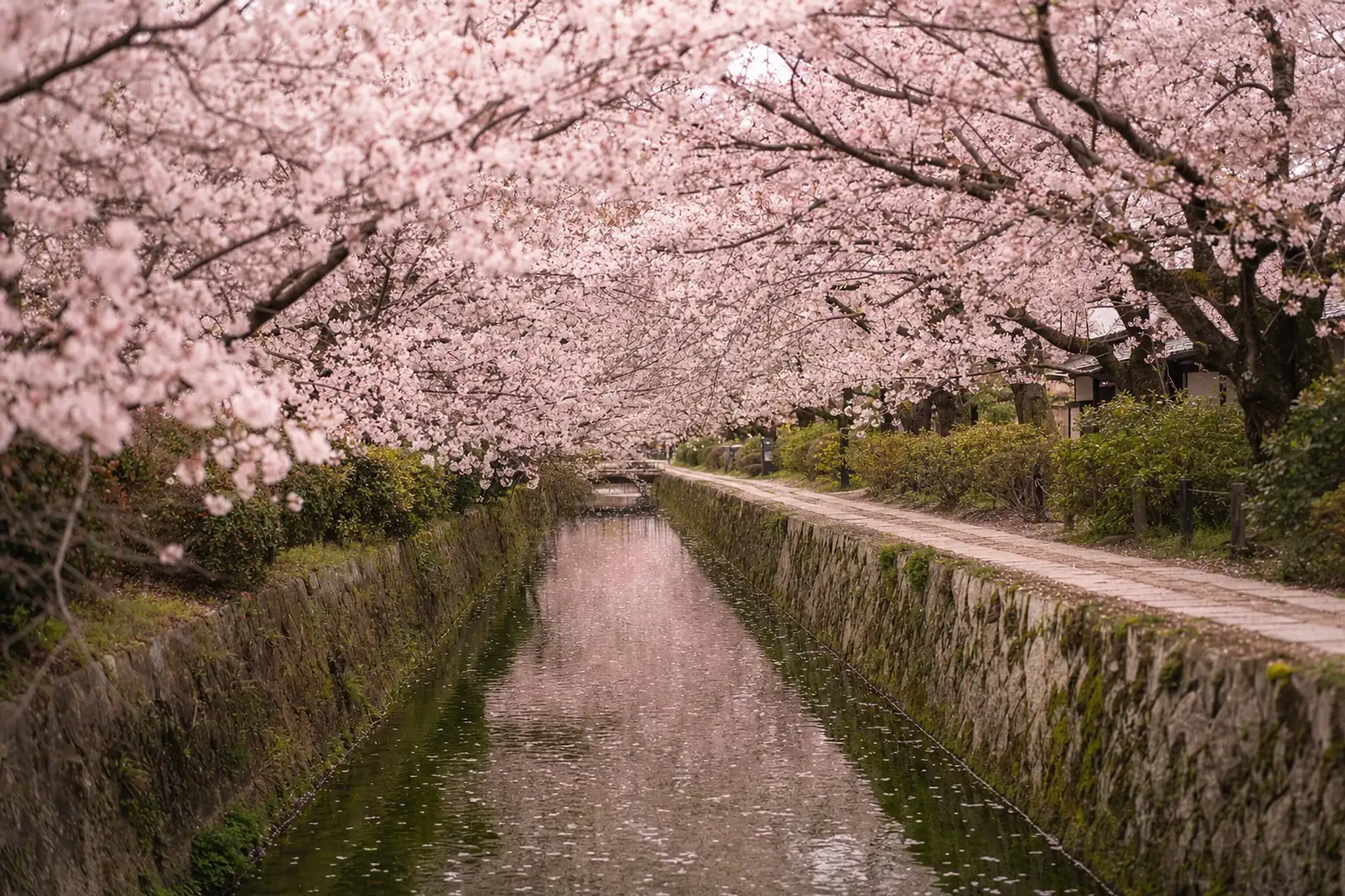
A trip aimed at Kyoto's March 24 first bloom would still be watching the display come in. A trip aimed at its March 31 full bloom is standing inside it. Same city, same forecast, a week's difference in what you actually see. Knowing which day to be where — the Japanese sense of shun, of perfect seasonality — is precisely what turns a good trip into an unrepeatable one.
Why Fixed Dates Booked Far In Advance Are A Gamble
Here is the tension. Sakura weeks are the tightest booking window in the country, which pushes you to reserve early. Yet the forecast that tells you which week to book only steadies close to the season. You are asked to commit before the information exists.
The early JMC estimates shift. A date that looks solid in December can move by days as the December-through-March updates roll in. Book a rigid week months out and you have locked in a guess. If the front moves, the trip moves without you.
We do not pretend to resolve that with certainty — no one can. What we can do is build margin into the plan and hold flexible legs open, so a forecast revision never becomes a wasted flight. On timing your reservations generally, our note on when the best rooms sell out shows just how far ahead prime spring inventory goes.
The Tightest Accommodation Window In Japan
Sakura weeks are the tightest accommodation window in the country — tighter even than autumn foliage. Prime areas in Tokyo, Kyoto, and Osaka close out further ahead than during any other season in Japan.
That pressure is the trap behind the gamble above.
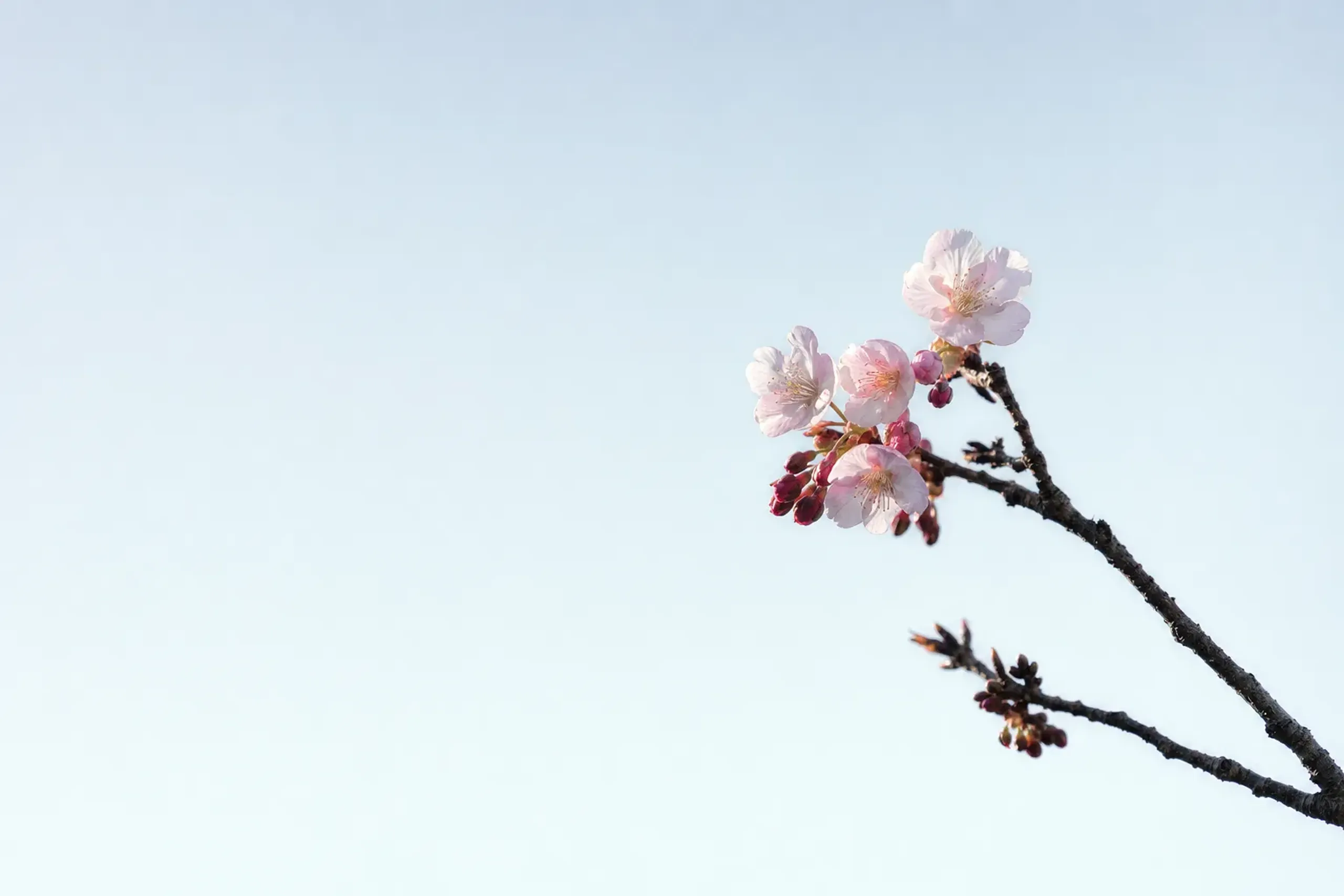
Demand forces early commitment; the forecast rewards patience. The two pull in opposite directions, and most travellers resolve it by picking a week and hoping. Sometimes it works. Often the week is nearly right and not quite.
The way through is structural, not lucky. Hold a wider spread of nights than you think you need, keep certain legs on waitlist rather than locked, and route the journey so that a shift can be absorbed. When your first choice is gone, substitution has to be graceful — and quiet, without your plans ever being visible to anyone outside the arrangement. That kind of discreet late adjustment is a subject our work on the ground touches through the people who make it possible. Note too that Golden Week is a separate, later crowd event, not part of the bloom window.
What Flexibility Actually Buys You
Flexibility buys you the days the forecast cannot promise. A trip built with margin on either side of a forecast date can absorb a shift that the forecast itself could not see months out. That is the whole value of planning around the front.
Think of it as insurance against your own calendar. Two extra days of margin around Kyoto's forecast peak means a three-day forward or backward move in the bloom still lands you in full bloom — not before it, not after. Rigid dates offer no such give.
For a longer route, the flexibility compounds. Chase the front north and each leg's forecast is fresher than the last by the time you reach it, because you booked the southern legs firm and kept the northern ones adjustable. This is the quiet architecture behind a well-built bespoke itinerary: a plan designed to move with the season rather than against it.
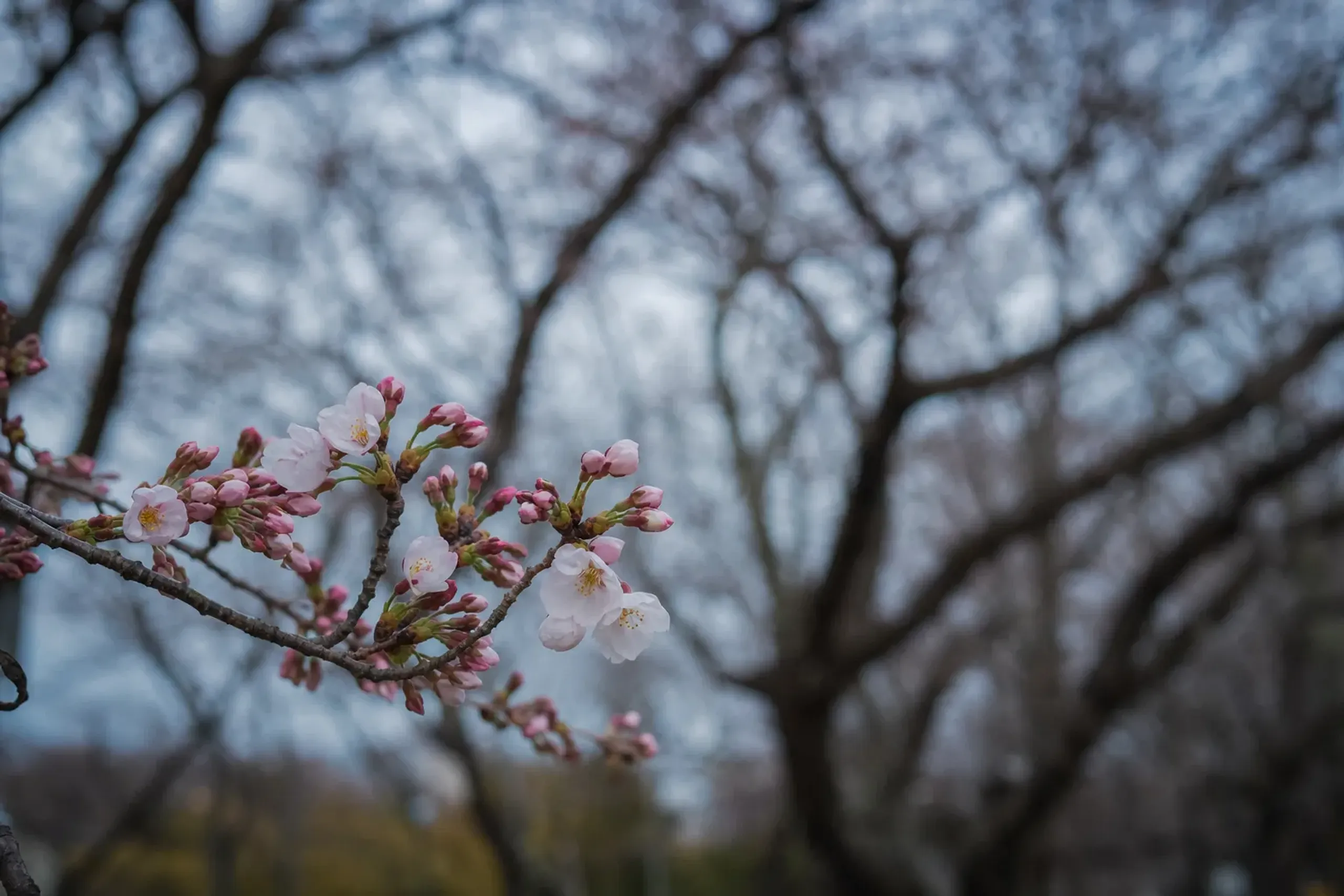
The trip becomes a plan that updates itself as it goes.
Weather Is The Mechanism Behind The Variance
Weather is why the front will not hold still. A warm late winter pulls the whole front forward; a cold spring holds it back. The blossom responds to accumulated temperature, so the season's own weather sets its date, city by city.
This is a mechanism, not a prediction. We are not claiming next spring will be early or late — no honest forecaster would say so months out. We are saying the driver is temperature, which is exactly why the JMC keeps revising and why a December estimate is only ever a sketch.
Understanding the mechanism changes how you read a forecast. A single published date is not a promise; it is the current best reading of a system still in motion. Plan for the system, not the date, and the flower stops surprising you.
Frequently Asked Questions
When is the best time to see cherry blossoms in Japan in 2026?
In 2026 the front ran from mid-to-late March in the south to late April and early May in the north. Kyoto and Osaka forecast full bloom on March 31; Tokyo on March 26; Sapporo on May 1. These are 2026 figures, not a prediction for other years.
How long does cherry blossom full bloom last in one city?
Peak viewing holds for roughly a week from full bloom.
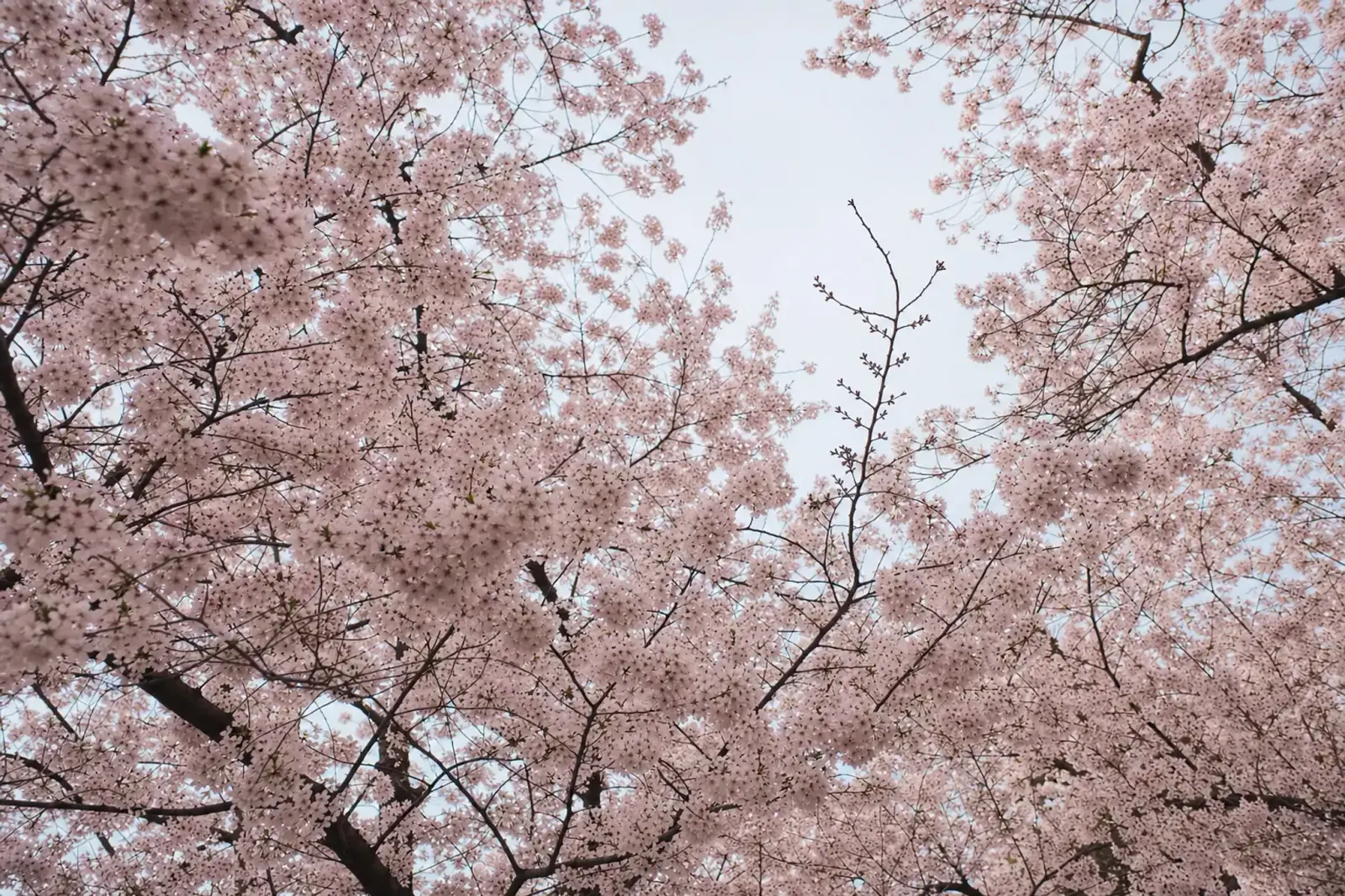
Full bloom (mankai) itself typically arrives 7–10 days after first bloom (kaika). Arrive just before full bloom for the fullest display; arrive too long after and the petals begin to fall.
How far apart do Tokyo and Sapporo bloom?
Over five weeks. In 2026, Tokyo forecast full bloom on March 26 and Sapporo on May 1 — thirty-six days apart. This gap is why there is no single "cherry blossom week" for the whole country, only a moving front.
Is it smarter to book a fixed week or stay flexible for cherry blossoms?
Stay flexible wherever you can. The JMC forecast only steadies close to the season, so a week locked months ahead is a guess. Building margin on either side of a forecast date absorbs shifts the forecast cannot predict in advance.
Can you see cherry blossoms in more than one region on one trip?
Yes, by chasing the front south to north. A route timed to the JMC updates can catch peak condition in Kansai, then Sendai, then Aomori across a single longer visit, rather than betting on one city and one week.
Why Choose Japan Royal Service
We plan cherry blossom trips the way we plan autumn: around the front, not around a fixed date. Japan Royal Service tracks the JMC forecast through the season and adjusts your dates or regions as the numbers steady, so a bloom that arrives early or late never costs you the day you came for. Behind that flexibility sits a network of relationships — the ryokan held quietly on waitlist, the private garden opened for a single viewing, the introductions that let plans move without ever being visible — arranged with complete discretion.
If you are considering spring in Japan, the time to begin is well before the forecast steadies. Tell us the weeks you have and the regions you dream of, and we will design a route that moves with the blossom rather than against it. To start a private, confidential conversation, contact us here.