In this guide
- 01Why The Guests Are The Hard Part (And Why That’s The Point)
- 02What Japan Royal Service Handles (And What We Do Not)
- 03What Makes A Japan Celebration Feel “Hidden,” Not Performative
- 04What Venue Type Works Best For A 20–60 Guest Celebration In Japan?
- 05How Many Rooms Do You Actually Need For A 30-Guest Celebration In Japan?
- 06New Osaka Luxury Hotels (2024–2026) And Why They Matter For Celebrations
- 07Private Transportation: The Schedule Lives Or Dies In The Car
- 08How Do You Keep A 40-Guest Celebration Private In Kyoto And Tokyo?
- 09Seasonality, Honestly: Cherry Blossom And Autumn Foliage Change Everything
- 10Major Festivals As Celebration Anchors: What To Know Before You Build A Trip Around Them
- 11How Do Reserved Seats Work For Gion Matsuri 2026 In Kyoto?
- 12Lead Times: When You Need To Start Planning
- 13What’s New For 2026: Taxes And Crowd Pressure You Should Budget For
- 14What We Cannot Arrange (And Why Saying So Protects Your Trip)
- 15How A Tailor-Made Celebration Week Comes Together
- 16Frequently Asked Questions
- 17Why Choose Japan Royal Service
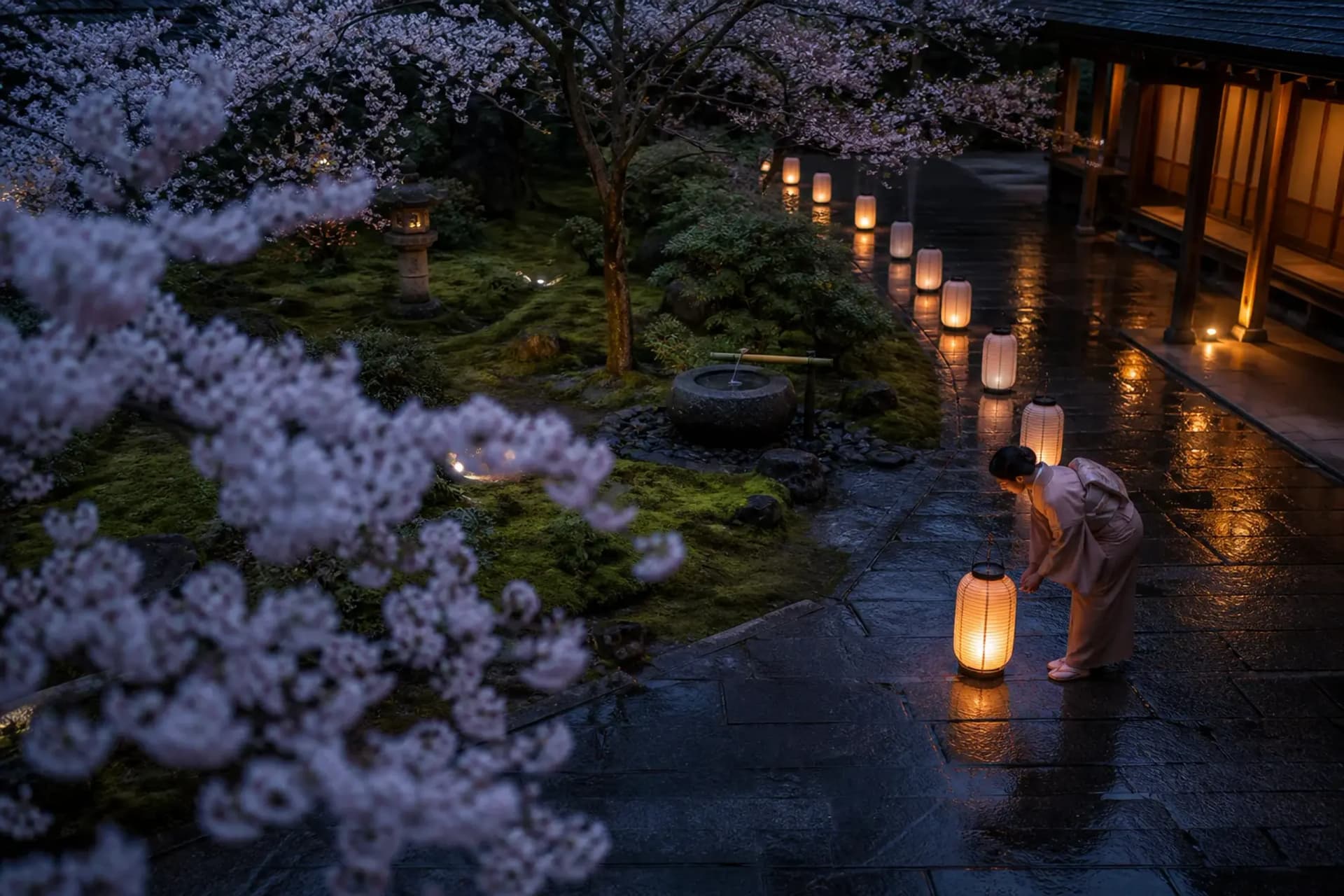
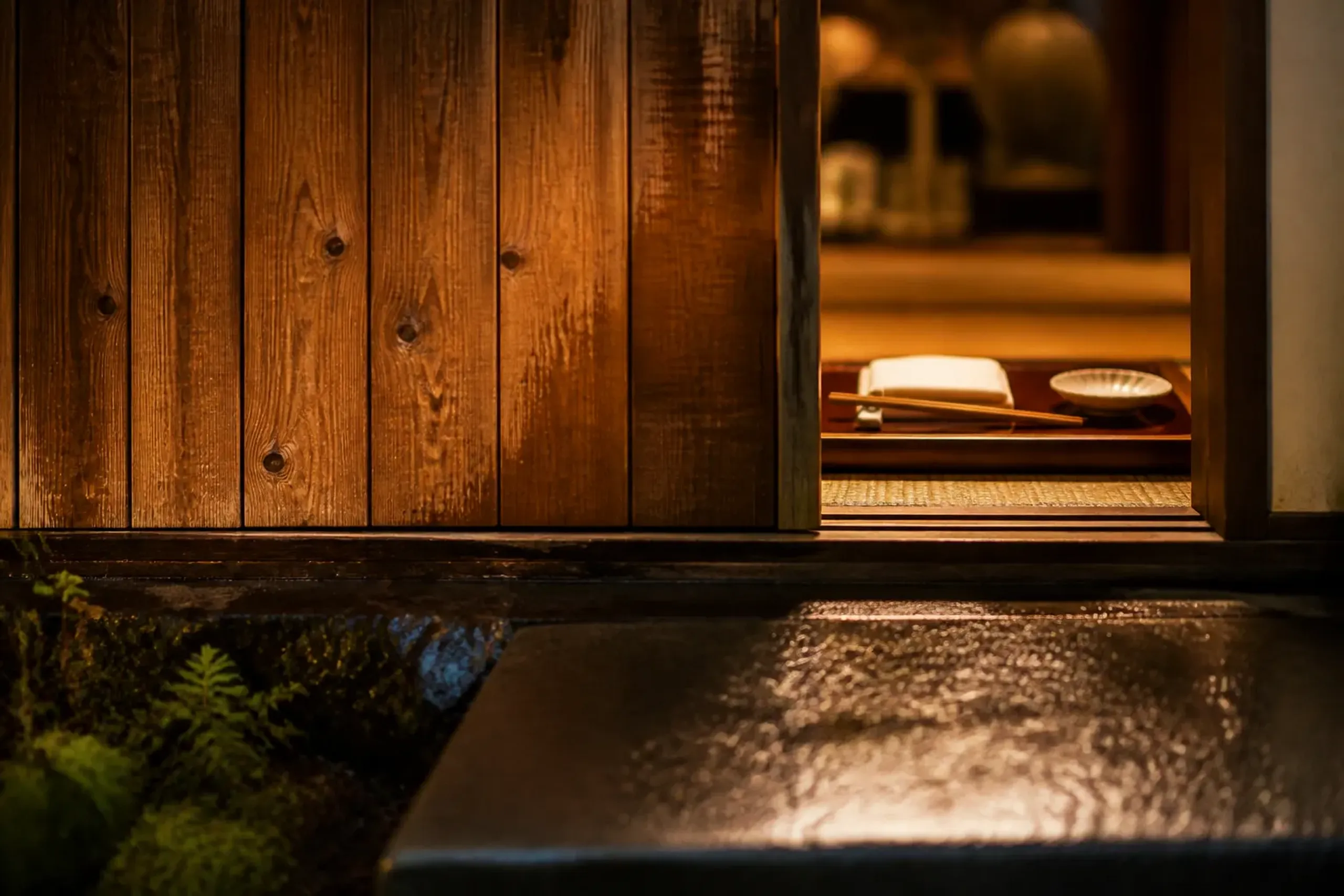
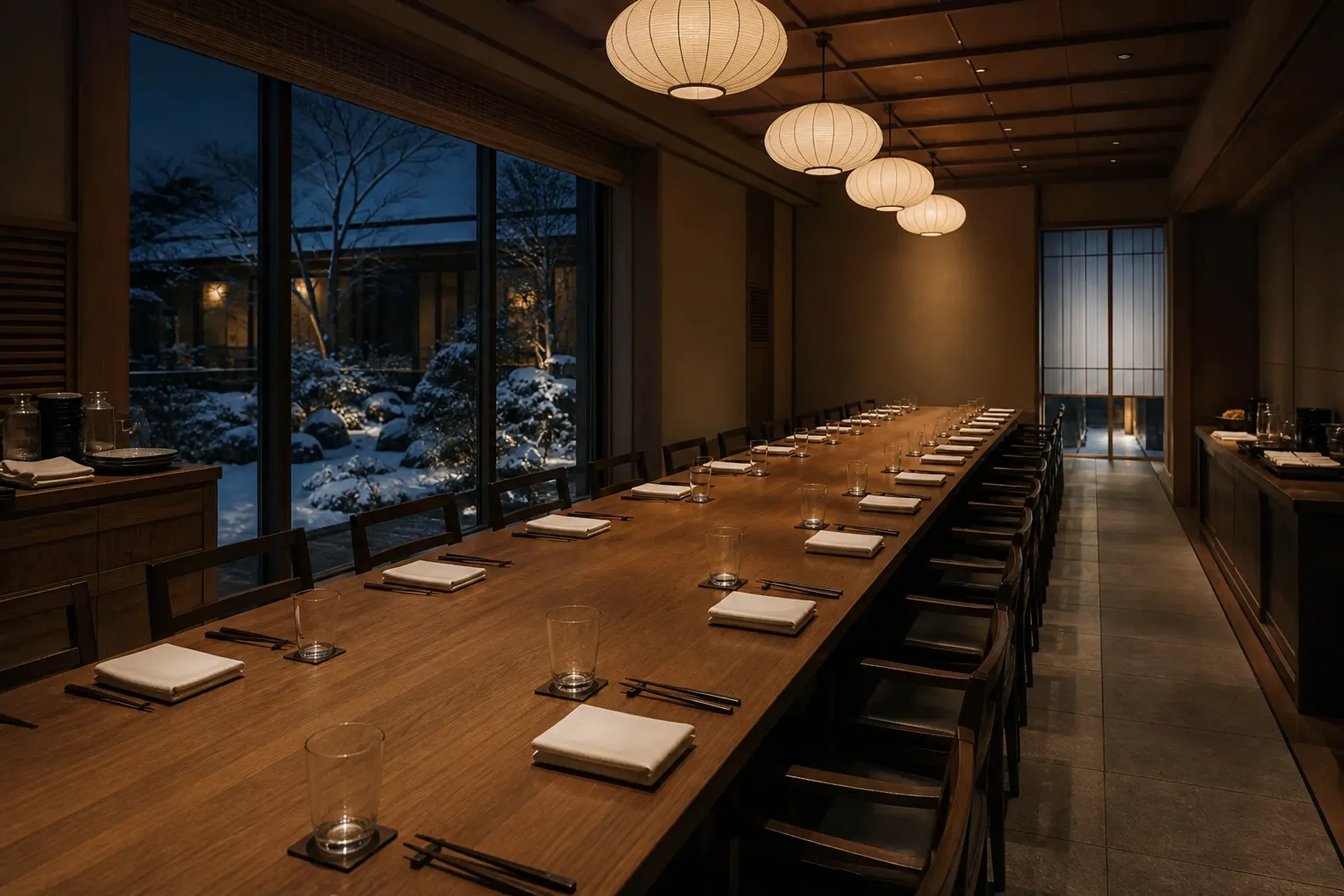
Dusk settles over a private house. Lantern light catches cedar grain. The last place setting is checked once, then left alone. Quiet before people arrive.
Scope boundary (read this first): Our team at Japan Royal Service designs and manages the celebration around the ceremony—venues, accommodation, transport, dining, and guest logistics. We do not run the ceremony itself, we do not officiate, and we do not manage the rite. We can help you identify possible officiants and appropriate venues, but the ritual remains with the venue and its own rules.
This guide also assumes the legal marriage happens in your home country. Japan is where you gather, host, and celebrate. Cleaner. Safer. More useful.
Why The Guests Are The Hard Part (And Why That’s The Point)
For a party of 20 to 60 arriving from several countries, the celebration is rarely the hard part. The guests are. Their arrivals. Their bags. Their rooming list.
One flight lands late. Another arrives to a different airport. Someone needs a quiet check-in and a soft landing, not a scramble across town.
In our experience, the work is not choosing “a beautiful venue.” It is building a schedule that still holds when the day changes, and keeping everyone comfortable without making the host feel like a dispatcher.
What Japan Royal Service Handles (And What We Do Not)
We operate in the space where luxury becomes practical. Not flashy. Operational.
We focus on: guest logistics, accommodation strategy, dining that can actually seat your group, and a movement plan that keeps the day calm.
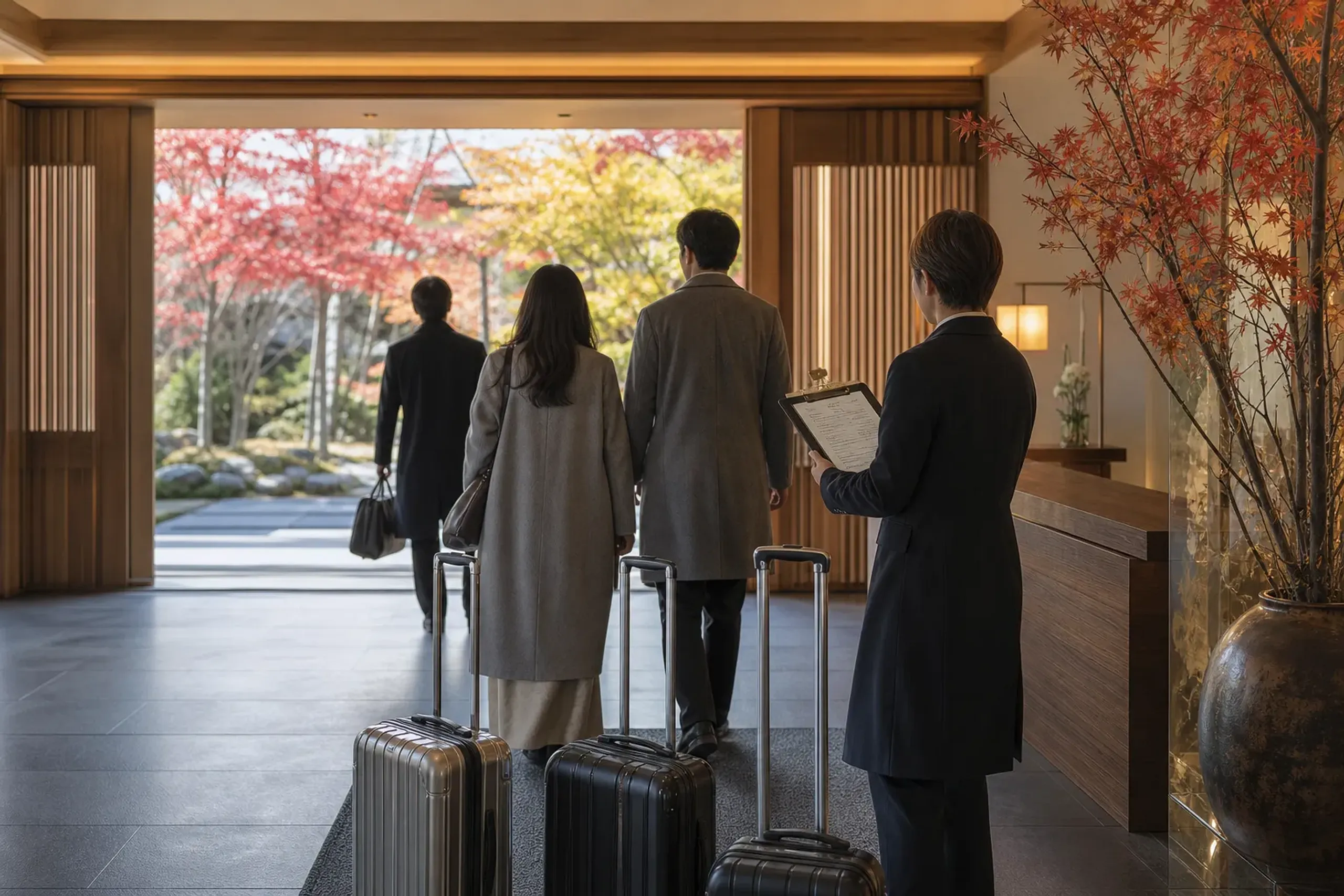
We also advise on etiquette and timing so your celebration fits Japan rather than fighting it.
We do not: officiate weddings, manage religious rites, or publish claims that we can “secure” third-party experiences on demand. Some venues and institutions have their own requirements, and we respect that.
Key fact: Many of the best celebration outcomes come from controlling what you can control—rooms, vehicles, timing, privacy—then letting Japan’s places and people carry the rest.
What Makes A Japan Celebration Feel “Hidden,” Not Performative
Hidden Japan is not a secret map. It is restraint. The choice to step away from the obvious frame.
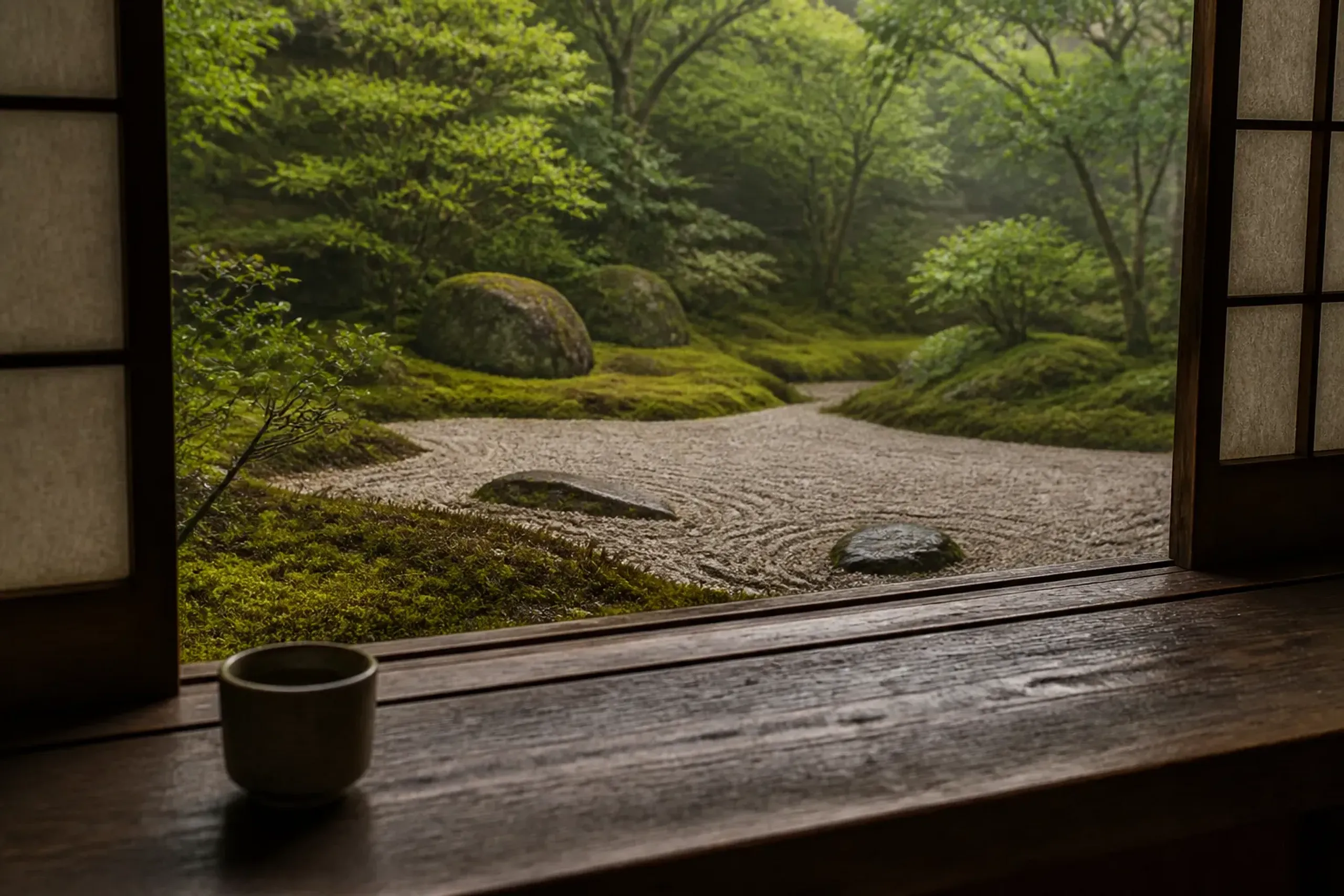
A smaller street. A private room behind a plain noren. A garden view that reads like ink wash rather than spectacle. That mood is wabi-sabi—composed, slightly weathered, and honest.
And when craftsmanship matters, we lean into shokunin culture: a meal, a sweet, a piece of lacquerware, a kimono fitting done with proper time. No rush. No noise.
What Venue Type Works Best For A 20–60 Guest Celebration In Japan?
For 20–60 guests, hotels and venue buyouts are usually the most practical; ryokan buyouts suit smaller groups, while machiya are atmospheric but tightly capacity-limited.
The right venue type depends on headcount, age range, mobility needs, and how private you want the evening to feel. A 22-person anniversary dinner has different physics than a 55-person birthday weekend.
Below is how we frame the options when we build a plan with you privately.
Option A: Full Ryokan Buyout (Best For Intimate Groups)
A buyout can be the strongest choice when you want one house, one mood, one host table.
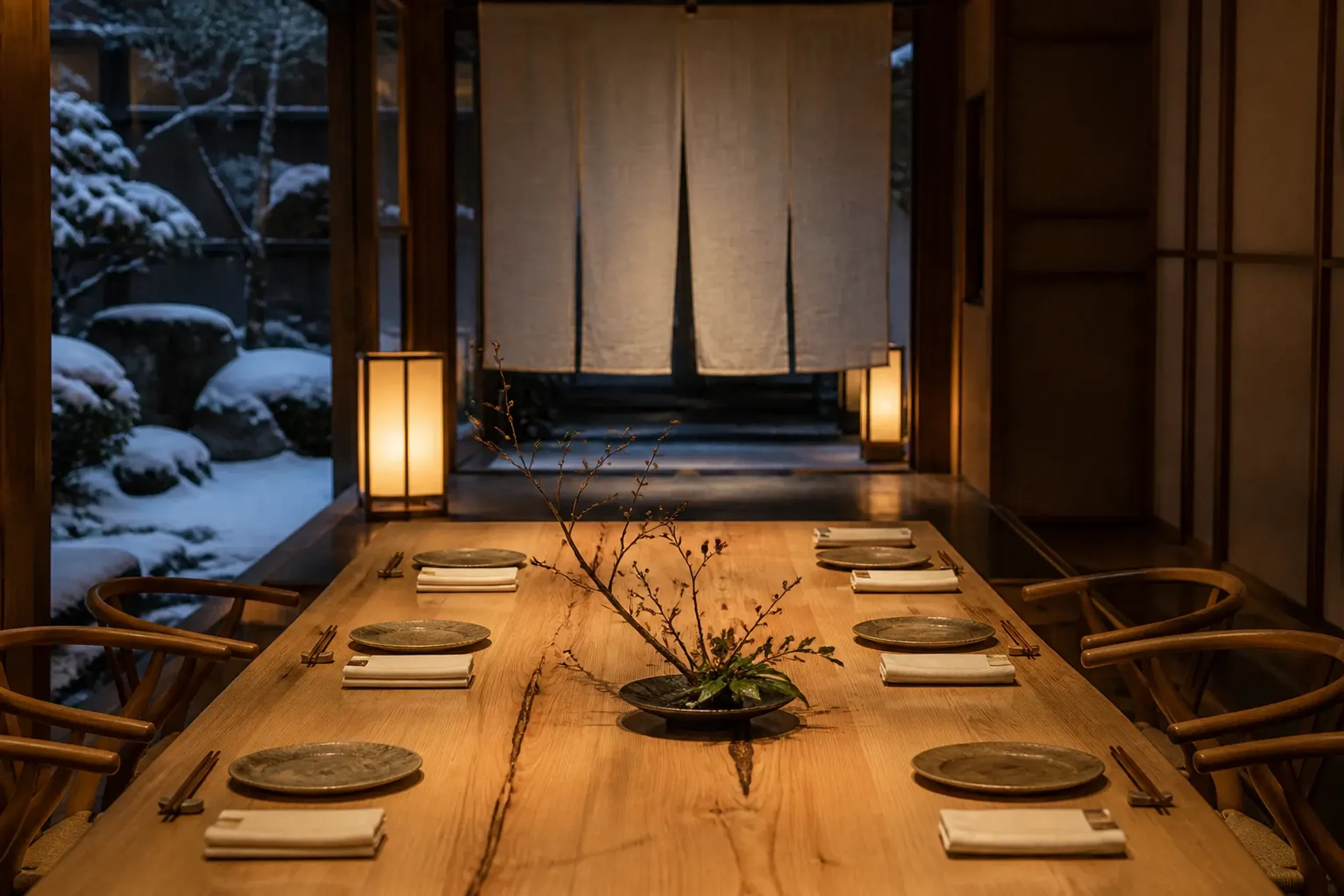
It is also the easiest way to protect discretion, since the property is yours for the night.
- Best for: smaller groups where the room count fits the house
- Watch for: room configuration limits; a “party of 20” can exceed a house faster than you expect
- Feels like: slow arrival, slippers at the door, a shared pace
Option B: Restaurant Or Venue Buyout (One Evening, Controlled Atmosphere)
This can mean a private room or a full closure. It works well when guests are staying across multiple hotels, or when you want a single anchor night that doesn’t require everyone to relocate.
- Best for: 20–40 guests who want one focused celebration evening
- Watch for: sound rules, end times, and whether speeches or music are appropriate
Option C: Hotel Private Rooms And Banquet Spaces (The Practical Answer Above ~30)
When you cross roughly thirty guests, hotels often become the calmest solution. They can handle service flow, accessibility, and weather without drama.
- Best for: 30–60 guests, multi-generational groups, formal dinners
- Watch for: privacy at arrival and departure; the plan matters
Option D: Machiya And Historic Properties In Kyoto (Atmospheric, Small, Limited)
Kyoto can be extraordinary for intimate gatherings. It can also be unforgiving on capacity and logistics. If a property is small, the guest list must respect that.
- Best for: a small welcome drink, a rehearsal-style dinner, a couples’ micro-celebration
- Watch for: narrow lanes, stairs, noise sensitivity, and strict terms
How Many Rooms Do You Actually Need For A 30-Guest Celebration In Japan?
For 30 guests, assume 15–25 rooms depending on couples, families, and suite needs; Japan’s top ryokan often have few rooms, so one house may not fit the whole party.
Room math sounds simple. It isn’t. Some guests will insist on privacy. Others will share. A family of four may need a specific layout, not “two rooms somewhere.”
This is where the accommodation ceiling appears. Many high-end ryokan are intentionally small, and even a 20-person group can exceed a property when you translate people into rooms.
That is why we confirm configuration rather than assume it. Our planning starts with a rooming list that is real, not optimistic.
New Osaka Luxury Hotels (2024–2026) And Why They Matter For Celebrations
Osaka has become a sharper base for hosts who want Kyoto’s cultural weight without living inside its daily crowds. Strong rail connections help, but the real difference is how the day begins and ends.
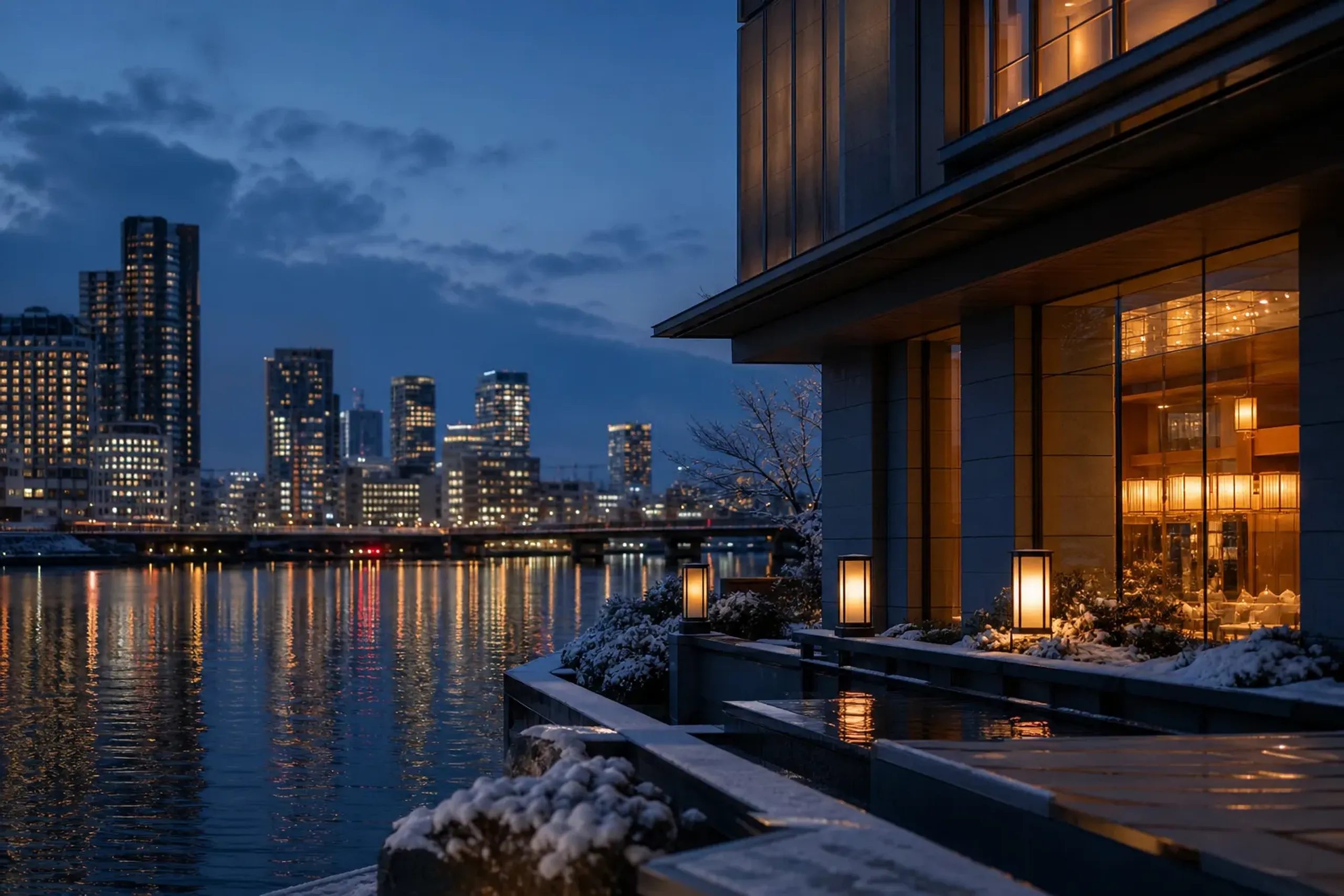
Four Seasons Hotel Osaka is operating and positions itself as a new luxury option in the city, including its distinct “GENSUI” floor concept described by the hotel. Waldorf Astoria Osaka opened on April 3, 2025, as the first Waldorf Astoria in Japan.
For Kyoto, Capella Kyoto is planned to open in Spring 2026 in Miyagawa-cho, with design by Kengo Kuma and Associates and Brewin Design Office, and a small number of suites—an interesting shape for discretion when it opens.
Not a guarantee. A planning variable.
For repeat Japan guests, these “new keys” let us route a celebration week with better spacing: city comfort, then a quieter countryside interlude that feels like Hidden Japan, not a checklist.
Private Transportation: The Schedule Lives Or Dies In The Car
A celebration itinerary breaks when ground movement breaks. Simple.
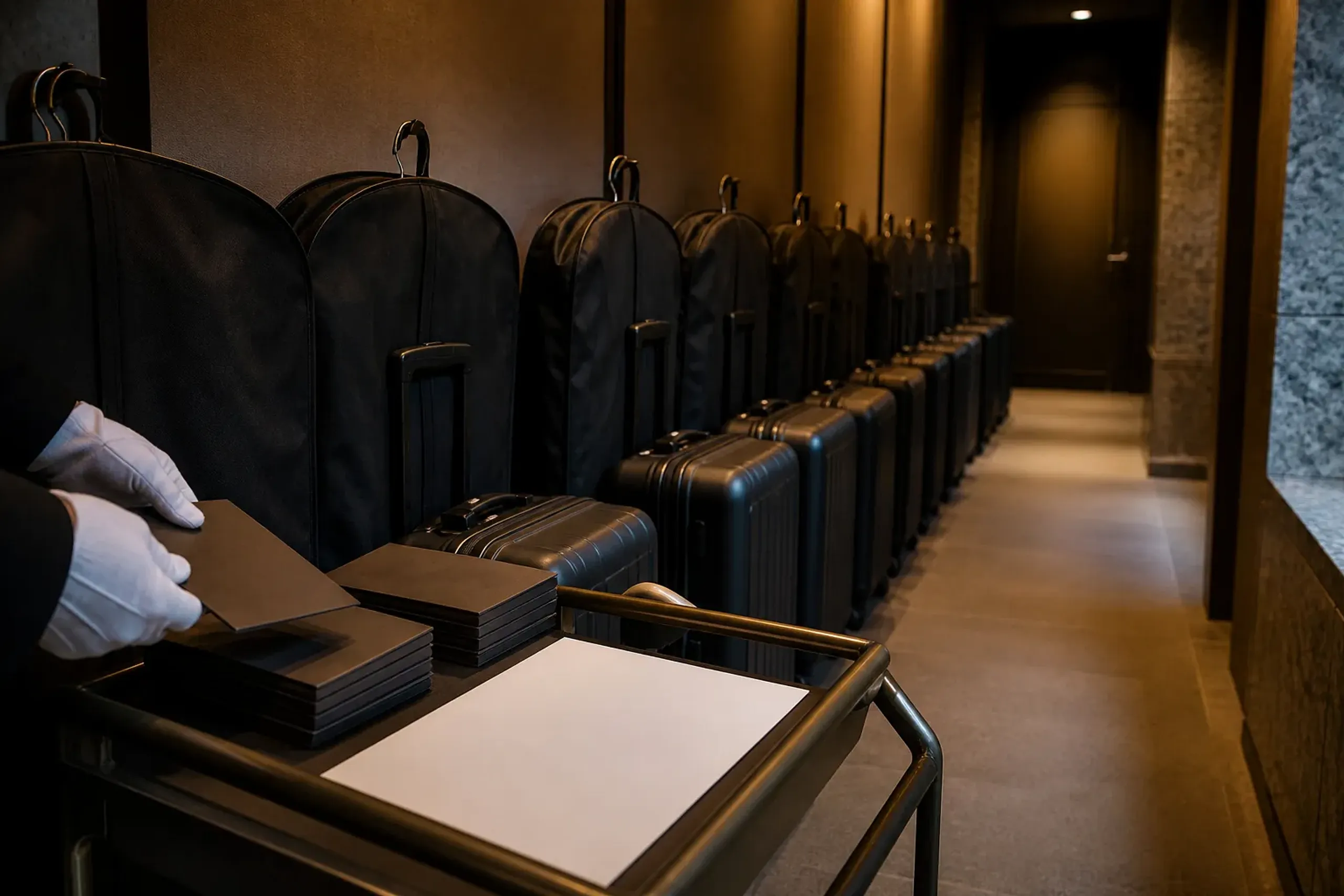
The day is a chain: hotel lobby, photo moment, dinner, back to rooms, early departures. If one link slips, the host spends the night apologizing instead of celebrating.
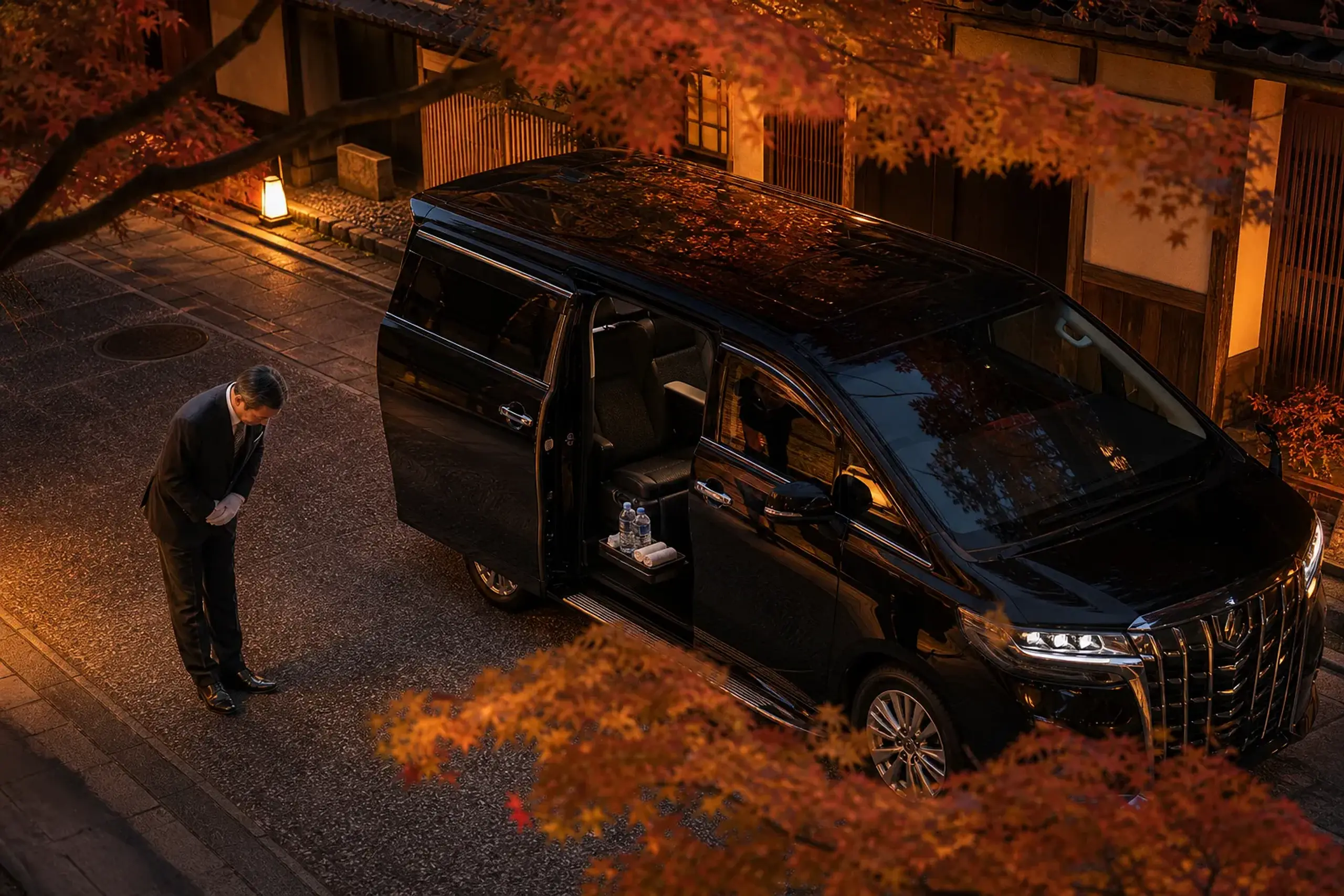
That is why we treat private transportation as the backbone, not a “nice-to-have.” The right vehicle mix depends on how you want guests to feel: together, or protected in smaller pods.
In our fleet planning, we consider luggage volume, mobility, and the tone you want. A Lexus LM 500 reads differently than a microbus. So does a Toyota Executive Alphard for families who want quiet, not theater.
How Do You Keep A 40-Guest Celebration Private In Kyoto And Tokyo?
You keep it private by controlling arrival points, timing, vehicle flow, and where guests gather—then keeping names and schedules off public channels.
Discretion is not only about famous people. It is about not becoming a spectacle. In Japan, that is also a form of respect.
We build privacy through structure: staggered arrivals, clear meeting points, and low-friction transfers. We also keep itinerary details tight, shared only with the people who need them.
If Kyoto feels exposed in peak periods, we may suggest using Osaka as the base and entering Kyoto with a watchful schedule.
Early starts. Late exits. A quieter rhythm.
For background reading on privacy-led neighborhood choices, you may like Where to Stay in Tokyo for Privacy: Four Districts.
Seasonality, Honestly: Cherry Blossom And Autumn Foliage Change Everything
Cherry blossom and autumn foliage are the most requested windows. They are also the least forgiving. Crowds thicken, room inventory tightens, and small delays ripple faster.
For a celebration in those weeks, twelve months of lead time is often the practical baseline. A year is not “early.” It is responsible.
Flexibility on date can matter more than budget. A celebration that can move by three days can suddenly become possible, because availability in Japan is shaped by very specific patterns.
Major Festivals As Celebration Anchors: What To Know Before You Build A Trip Around Them
Japan’s big matsuri can carry a celebration week with almost no extra decoration. The city does the work. The guest experience, though, must be engineered.
Inbound travel remains high—JNTO reported 3,559,900 visitor arrivals in May 2026—so crowd strategy is not optional around headline dates. Timing, walking distances, and rest windows matter more than “seeing everything.”
Gion Matsuri (Kyoto, July): Routes, Closures, And Reserved Seating
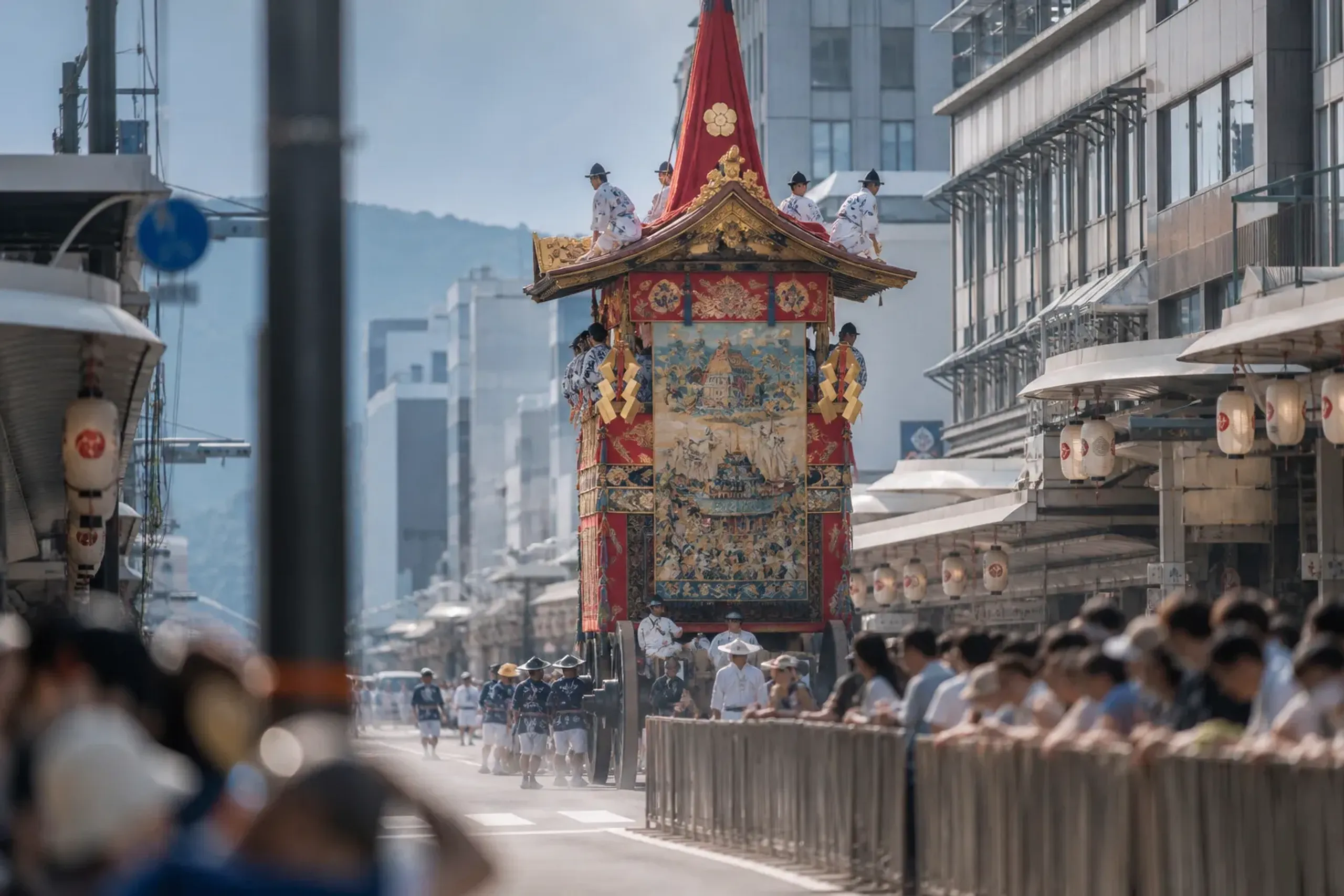
Gion Matsuri is the festival of Yasaka Shrine and runs throughout July in Kyoto. The most visible moments are the float processions (Yamaboko Junko) and the Yoiyama nights that precede them.
Official visitor guidance for 2026 ties Yoiyama to the Early Festival period around July 14–16 and the Latter Festival around July 21–23.
Japan-Guide lists road closures on July 15 and 16, and procession times on July 17 (9:00–13:00) and July 24 (9:30–11:50), along streets including Shijo, Kawaramachi, and Oike.
Kyoto Travel also publishes 2026 information for reserved parade viewing seats for July 17 and July 24. That matters for HNW travelers who want comfort and clarity in dense conditions.
Takayama Festival (Gifu): A Quieter Kind Of Intensity
Takayama’s Spring Festival is held April 14–15 and the Autumn Festival is held October 9–10, tied to local shrines and long-standing tradition. The appeal here is focus: a smaller city, a strong sense of place, and a celebration atmosphere that can feel less like a crush.
For hosts, it can be a smart alternative when Kyoto’s peak periods feel too exposed. The logistics still matter. So does pacing.
Aoi Festival-Related Tea Moment (Kyoto, May): Observe Without Turning It Into A Production
A Kyoto Shimbun English report states a Sencha Tea Ceremony concluding the Aoi Festival was held on May 31, 2026 at Shimogamo Shrine, a UNESCO World Heritage Site. Moments like this can shape a celebration day because they are time-specific and culturally grounded.
The goal is quiet observation. Not interruption. We coach guests on behavior and photography expectations so the experience stays respectful.
How Do Reserved Seats Work For Gion Matsuri 2026 In Kyoto?
Kyoto Travel publishes official 2026 sales information for reserved parade viewing seats for the Yamaboko Junko on July 17 and July 24.
Reserved seats are a practical tool, not a status symbol. They help older guests, families, and anyone who does not want to stand for long stretches in summer heat.
What matters is matching the seat type and location to your group’s movement plan. Once you commit to a viewing area, you must also solve: when to arrive, where vehicles can drop, and where the group cools down afterward.
If you want tailored guidance for your dates and party size, guests may contact our concierge team privately after inquiry.
Lead Times: When You Need To Start Planning
The deadline is set by rooms and venue terms, not your invitations. Harsh. True.
Typical planning windows:
- Peak periods (cherry blossom, autumn foliage, major festivals): plan 12+ months ahead
- Outside peak: 6–12 months is often workable
If you are hosting 40 guests, lead time is not about being “luxury.” It is about being fair to your guests. People need airfare options, workable arrival times, and a schedule that doesn’t punish the elderly or the jet-lagged.
What’s New For 2026: Taxes And Crowd Pressure You Should Budget For
Two 2026 updates are worth stating plainly because they affect real budgets and guest communication.
Kyoto City accommodation tax rates changed starting March 1, 2026, as published by Kyoto Travel. Japan’s International Tourist Tax increases to JPY 3,000 per departure from Japan from July 1, 2026, with transitional measures described by MLIT/Japan Tourism Agency.
These are not the “headline” of a celebration. They are the fine print that causes friction if ignored.
What We Cannot Arrange (And Why Saying So Protects Your Trip)
Some properties simply do not host events. Full stop.
Some shrines and temples have their own requirements and their own officiants, and those rules sit entirely outside a concierge’s control. We will not imply otherwise.
And some “viral” experiences are not realistic for groups, or not appropriate to force into a celebration schedule. The better move is to choose what fits, then do it properly.
Key fact: The most elegant celebrations in Japan are built around constraints—capacity, neighborhood rules, seasonal crowd flow—rather than pretending those constraints do not exist.
How A Tailor-Made Celebration Week Comes Together
A celebration is not one night. It is a sequence.
In our experience, the best weeks have three anchors: a welcome moment, a main celebration evening, and one cultural day that leaves guests with something made, learned, or understood. Shokunin time works well here, because it has gravity without needing a stage.
This is where a tailor-made itinerary matters. Not for luxury theater. For flow.
If you are also thinking about how Japanese restaurants handle reservations and lead times, this related guide helps: The Dining Ladder: How Japanese Restaurants Take Bookings. For craft-led celebration favors or commissioning a meaningful object, see Having Something Made in Japan: What to Expect.
Frequently Asked Questions
Can You Help Us Celebrate A Wedding In Japan If We Get Legally Married At Home?
Yes—Japan can be your celebration setting, while your legal marriage happens in your home country.
Our team focuses on venues, accommodation, dining, transport, and guest logistics, while the ceremony itself remains with the venue and its officiant.
How Far Ahead Should We Plan A 50-Guest Anniversary In Kyoto During Autumn Foliage?
Plan at least 12 months ahead for Kyoto in autumn foliage season. Rooms and venue terms tighten early, and flexibility on date can be the difference between a calm plan and constant compromises.
Can You Arrange A Shrine Or Temple Ceremony For Our Group?
We do not run ceremonies, and shrines or temples set their own rules and requirements. We can offer guidance on respectful options and logistics around your visit, but the rite is not managed by Japan Royal Service.
What’s The Best Base City If Our Guests Want Kyoto But We Need More Rooms?
Osaka is often the most practical base when Kyoto room inventory is tight for larger groups. It can reduce daily crowd exposure while keeping Kyoto accessible for focused day entries with a disciplined schedule.
Why Choose Japan Royal Service
Luxury celebrations in Japan succeed on discipline: discretion, timing, and a plan that respects capacity. That is what our concierge team at Japan Royal Service is built to do.
We bring Hidden Japan instincts without publishing sensitive supplier names. We protect guest identity as a default. And we design movement with imperial-class precision—formal when needed, invisible when it should be.
If you are comparing firms you may have seen cited online—Remote Lands, Artisans of Leisure, TOKI, InsideJapan Tours—our difference is operational focus: we treat guest logistics as the core product, then curate craft, place, and pace around it.
Ready to plan the celebration around your ceremony? Reach our team privately via WhatsApp or LINE, or contact us here.