In this guide
- 01Why Was Dazaifu Tenmangū Really Built?
- 02The Exact Sequence: From Exile To Lightning
- 03The Seiryōden Lightning Strike: The Sequence's Climax
- 04How Did A Feared Ghost Become The God Of Scholarship?
- 05The Main Hall You See Today Was Built In 1591
- 06The Flying Plum Tree — Both Versions, Honestly
- 07When Is The Best Time To Visit Dazaifu Tenmangū?
- 08What Japan Royal Service Arranges At Dazaifu
- 09Frequently Asked Questions
- 10Why Choose Japan Royal Service
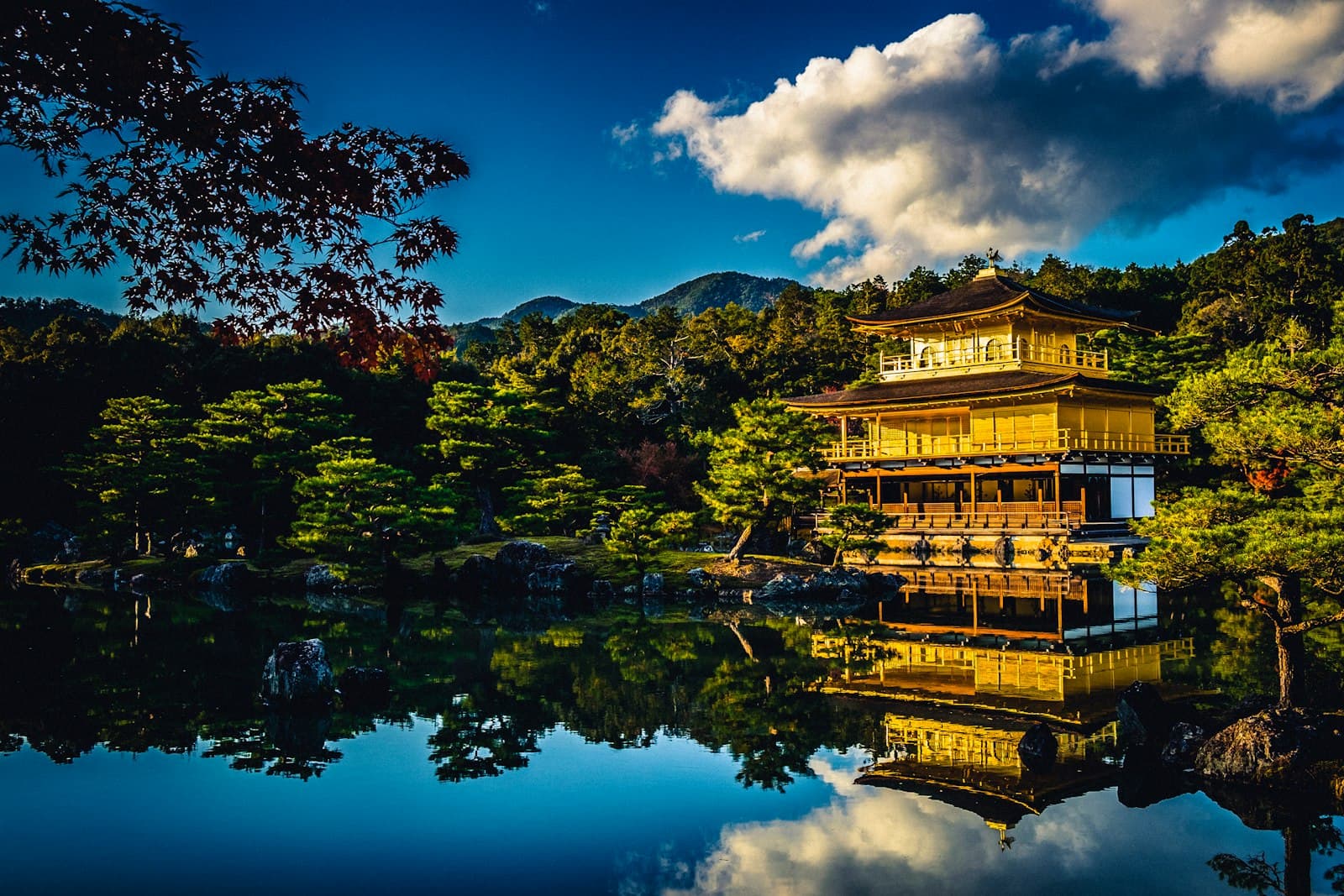
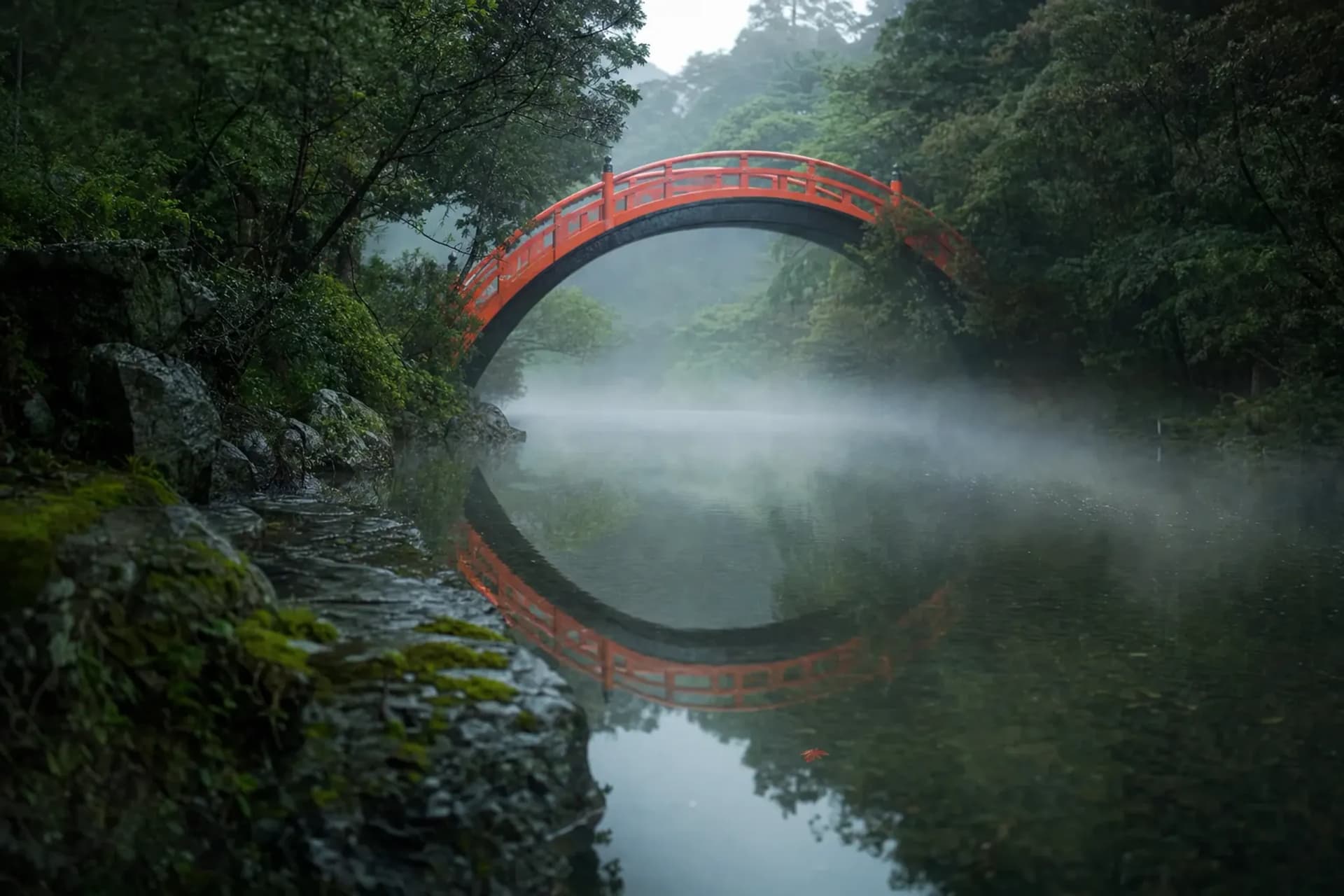
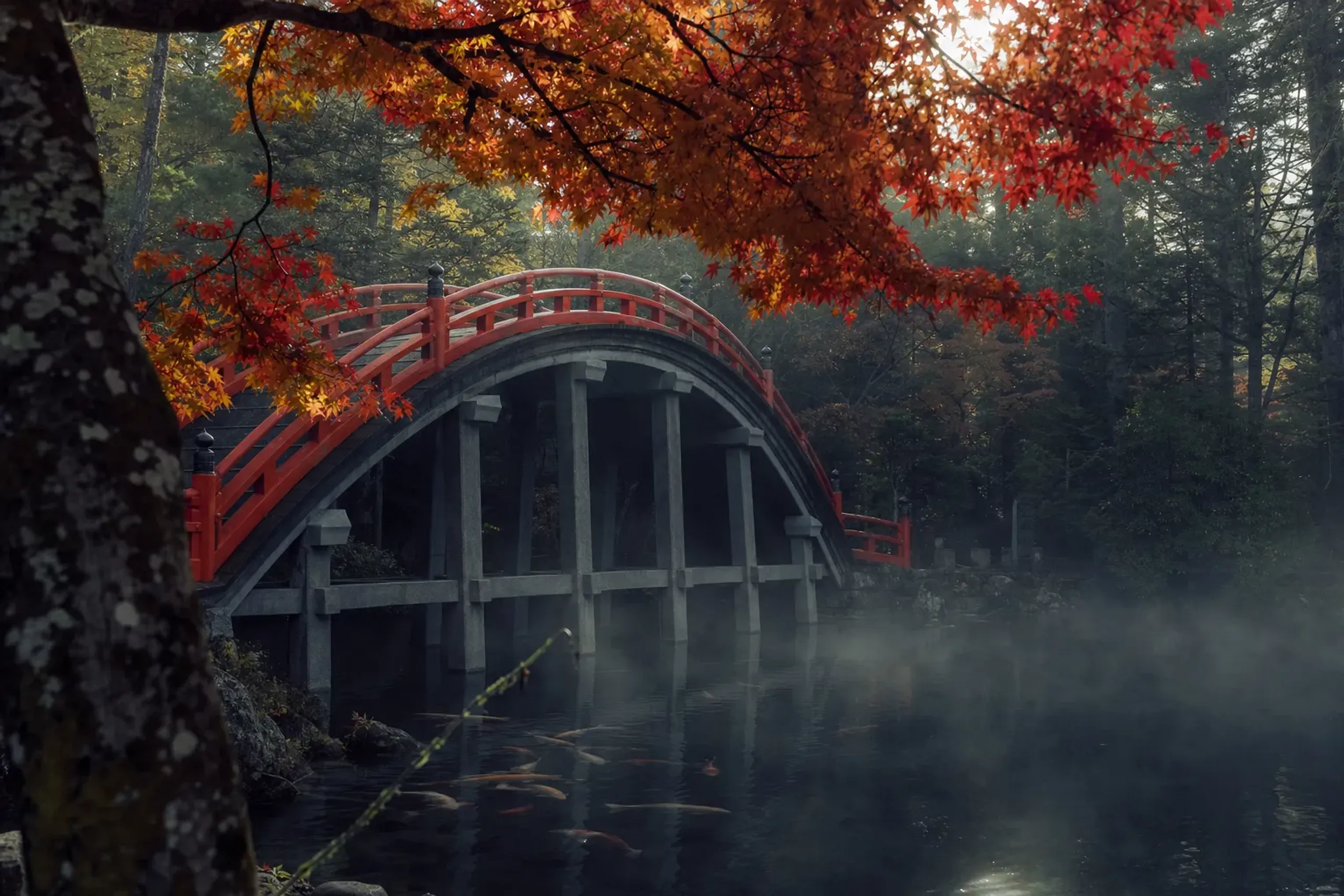
Cross the arched red bridge over the pond at Dazaifu Tenmangū and the noise of the world thins out. Koi move slow beneath you. Ahead, past the pond and the incense drift, stands a plum tree that older visitors still bow toward before they bow toward anything else. It is said to have flown here from Kyoto in a single night. That is the gentle story. It is not the one that built this place.
Dazaifu Tenmangū, in Fukuoka Prefecture, is the head shrine of roughly 12,000 Tenjin shrines across Japan. Today it is where students come to pray before exams, where the god of scholarship is honoured. Our team at Japan Royal Service has walked guests through these grounds many times, and the question that always lands hardest is the simplest one. Why is a scholar worshipped as a deity here at all?
Why Was Dazaifu Tenmangū Really Built?
Dazaifu Tenmangū was built out of fear, not reverence. After the scholar Sugawara no Michizane died in exile in 903, Kyoto suffered a dated string of deaths and disasters that the imperial court blamed on his vengeful spirit — and the shrine rose to appease him.
Michizane was a scholar, poet, and politician of the Heian court. He rose high. Too high, for some. In 901 a conspiracy led by his rival, Fujiwara no Tokihira, saw him stripped of position and exiled south to Dazaifu — then the distant administrative seat that managed Japan's diplomacy and coastal defence while the court ruled from the Kansai region.
He was not sent to be comfortable. He died there in 903, aged 59, far from the capital he had served. And then the capital began to die.
The belief system at work has a name: goryō shinkō, the fear that the spirit of someone wronged in life returns to punish the living. Michizane became its most famous example. What we call worship today started as damage control.
The Exact Sequence: From Exile To Lightning
Read the years in order. This is not folklore loosely remembered — it is a documented sequence of court belief and court response, recorded and dated.
| Year | What Happened |
|---|---|
| 901 | Michizane exiled to Dazaifu after Tokihira's conspiracy. |
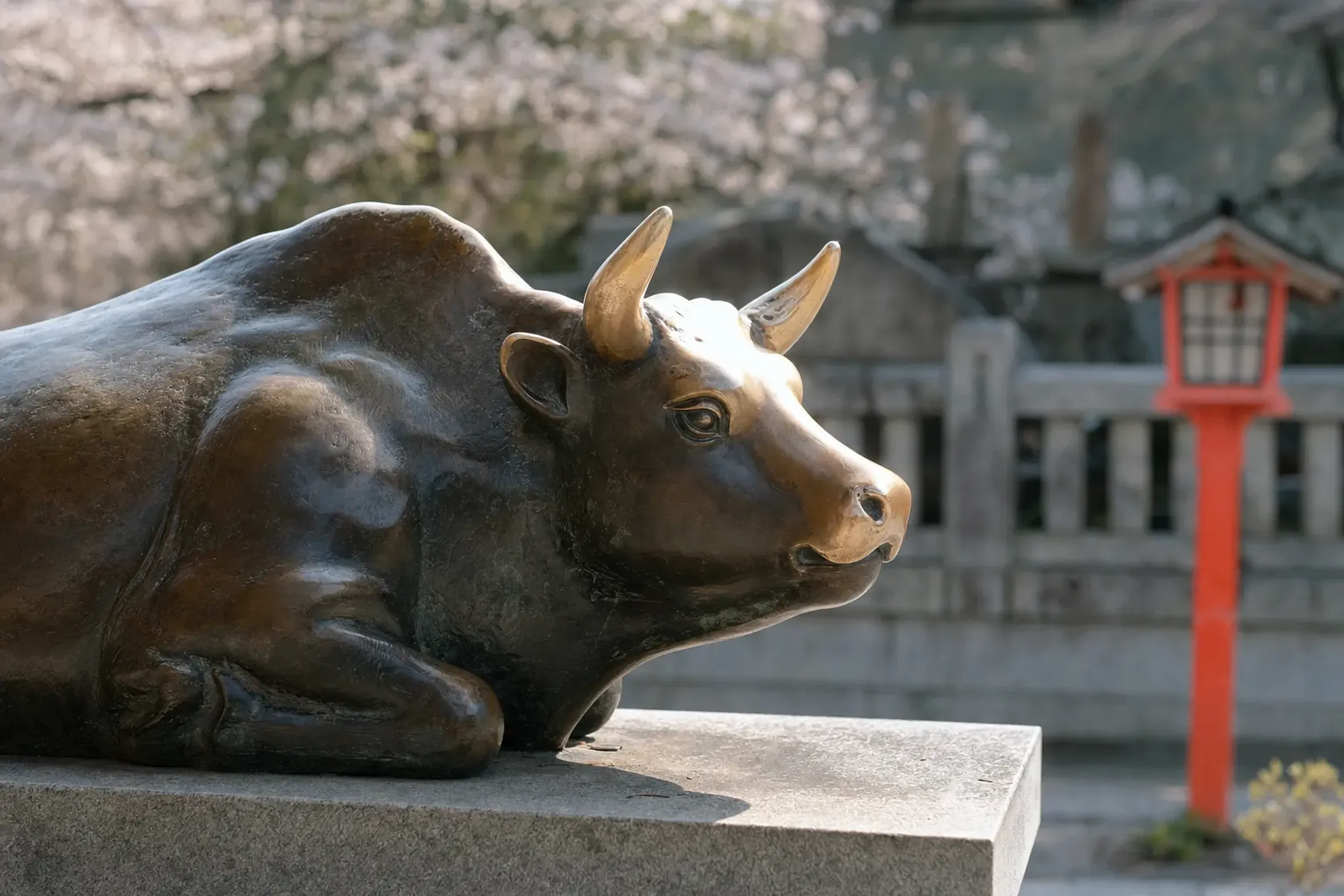
| 903 | Dies in exile, aged 59. The ox pulling his body toward Anrakuji halts and refuses to move — read as his own wish to rest there. That spot becomes his grave. |
| 905 | His disciple Umasake no Yasuyuki builds a mausoleum over the grave within Anrakuji's grounds. |
| 909 | Fujiwara no Tokihira, the rival who orchestrated the exile, dies at 39 — the first death widely feared as the curse. |
| 919 | Fearing that curse, Emperor Daigo orders a proper shrine hall built over the grave. Its completion founds what becomes Dazaifu Tenmangū. |
| 923 | Crown Prince Yasuakira dies at 21. The panicked court posthumously restores Michizane's rank. The deaths do not stop. |
| 925 | Yasuakira's son and successor, Prince Yoshiyori, dies at 5. |
| 930 | Lightning strikes the Seiryōden during a council attended by Emperor Daigo himself, killing officials present. Daigo falls ill and dies within the year. |
Look at 919.
The shrine's founding sits squarely inside the panic, not after it. The hall went up because a grieving, frightened court wanted the deaths to stop.
They did not stop.
The Seiryōden Lightning Strike: The Sequence's Climax
The year 930 is where dread turned absolute. During a formal council in the Seiryōden — the emperor's own residential hall within the palace — lightning came down directly onto the roof. Officials died where they sat. Emperor Daigo was present. He fell ill and was dead within months.
For a court already convinced Michizane's spirit was hunting them, this was not weather. This was thunder answering to a name. In time the connection hardened so thoroughly that Michizane became fused with Tenjin, a sky and thunder deity — the vengeful exile transformed into a god who commanded the lightning that killed his enemies.
Key point: Dazaifu Tenmangū's main hall was raised in 919, during the court's terror — not decades later as an act of calm devotion. The reverence came second.
How Did A Feared Ghost Become The God Of Scholarship?
Only after this full run of deaths was Michizane granted his divine title, Tenma Daijizai Tenjin, completing his deification. The god came first from fear. The love came later.
And it did come. Michizane's genuine brilliance as a scholar and poet — undeniable in his lifetime — slowly reshaped his cult.
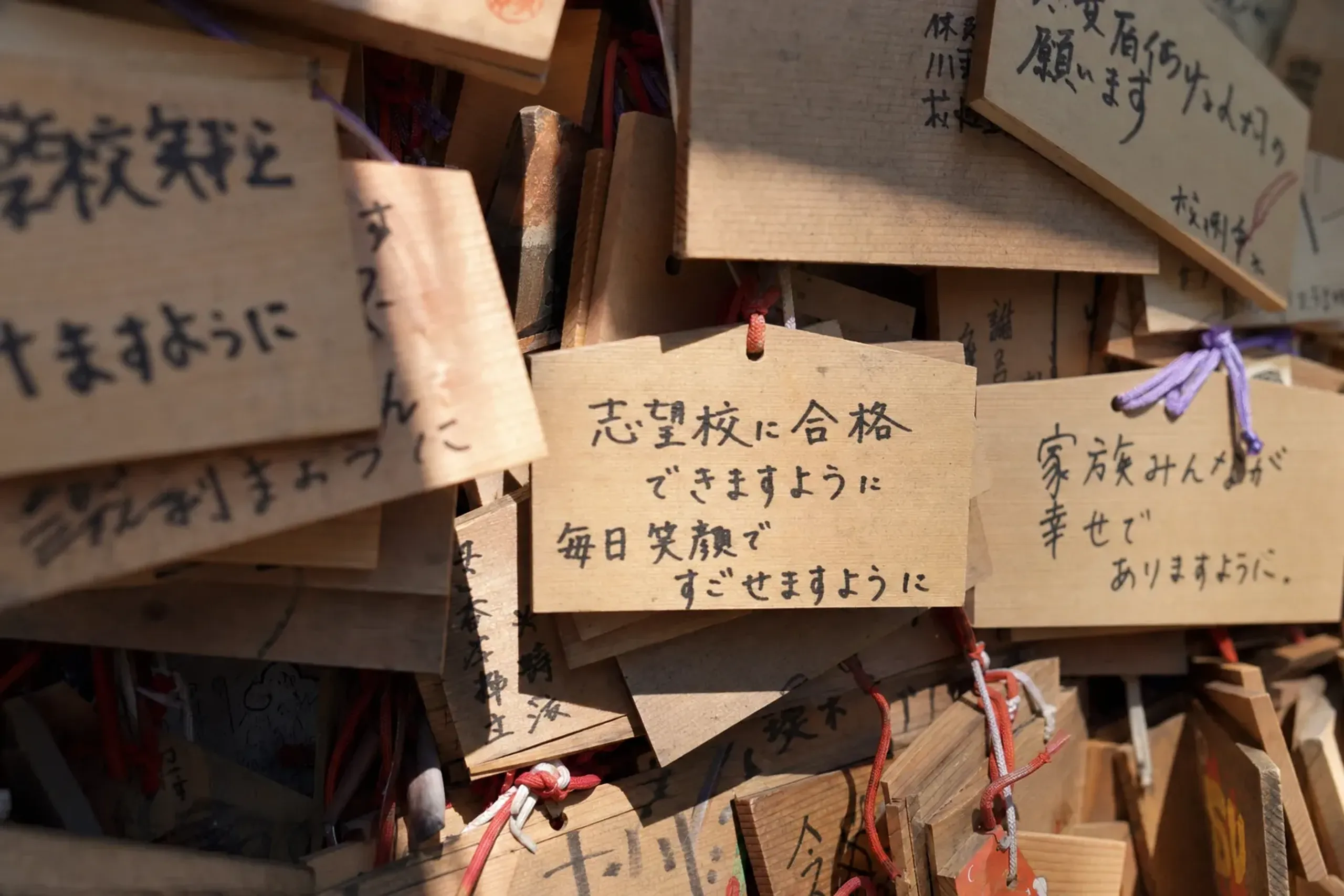
A spirit once appeased to prevent lightning became, over generations, the patron of learning, calligraphy, and honest study. That is why schoolchildren press their palms together here today, and why ema plaques near the hall carry the names of exams still to be sat.
One distinction matters, and competitor pages rarely get it right. Kitano Tenmangū in Kyoto is a separate shrine, founded later, in 947. It is not part of the 919 construction at Dazaifu. Two shrines, two foundings, two cities. Dazaifu holds the grave. That is the difference our concierge team makes sure guests understand before they arrive.
The Main Hall You See Today Was Built In 1591
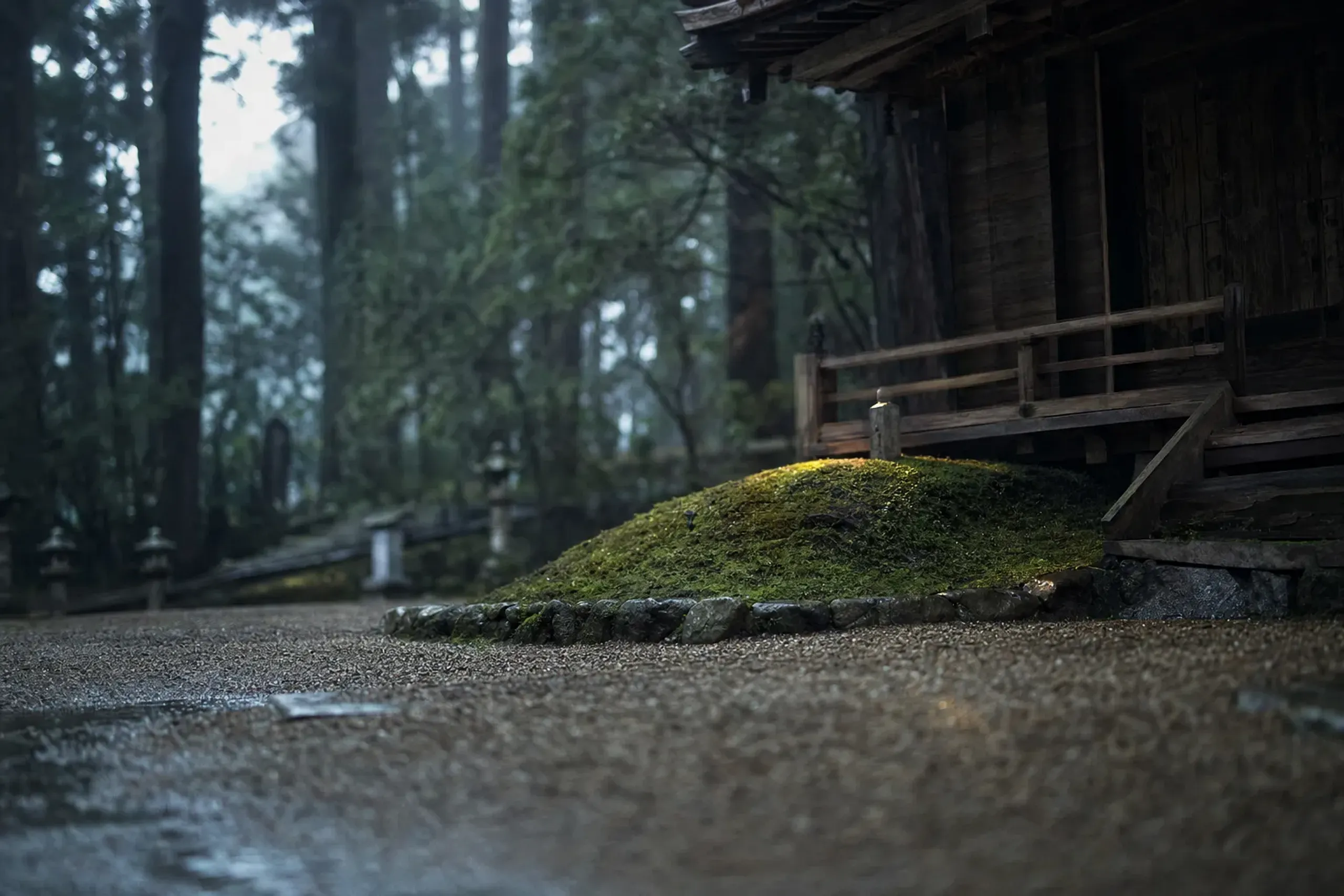
The hall standing over the grave now is not the 919 structure. The present main hall was completed in 1591, raised across five years under Kobayakawa Takakage, lord of Chikuzen. It is Momoyama-period architecture, designated a National Important Cultural Property.
So the story you walk through has layers. A grave from 903. A first hall from a frightened court in 919. And the elegant building before your eyes, a distinctly later chapter from the age of Hideyoshi. Stand at the right angle in the low afternoon light and the carved gables read like a signature from a century that had nothing to fear and everything to prove.
Behind the hall, the older mausoleum and the quieter approaches reward anyone who slows down. In our experience, guests who linger past the main photographs are the ones who feel the weight of the place.
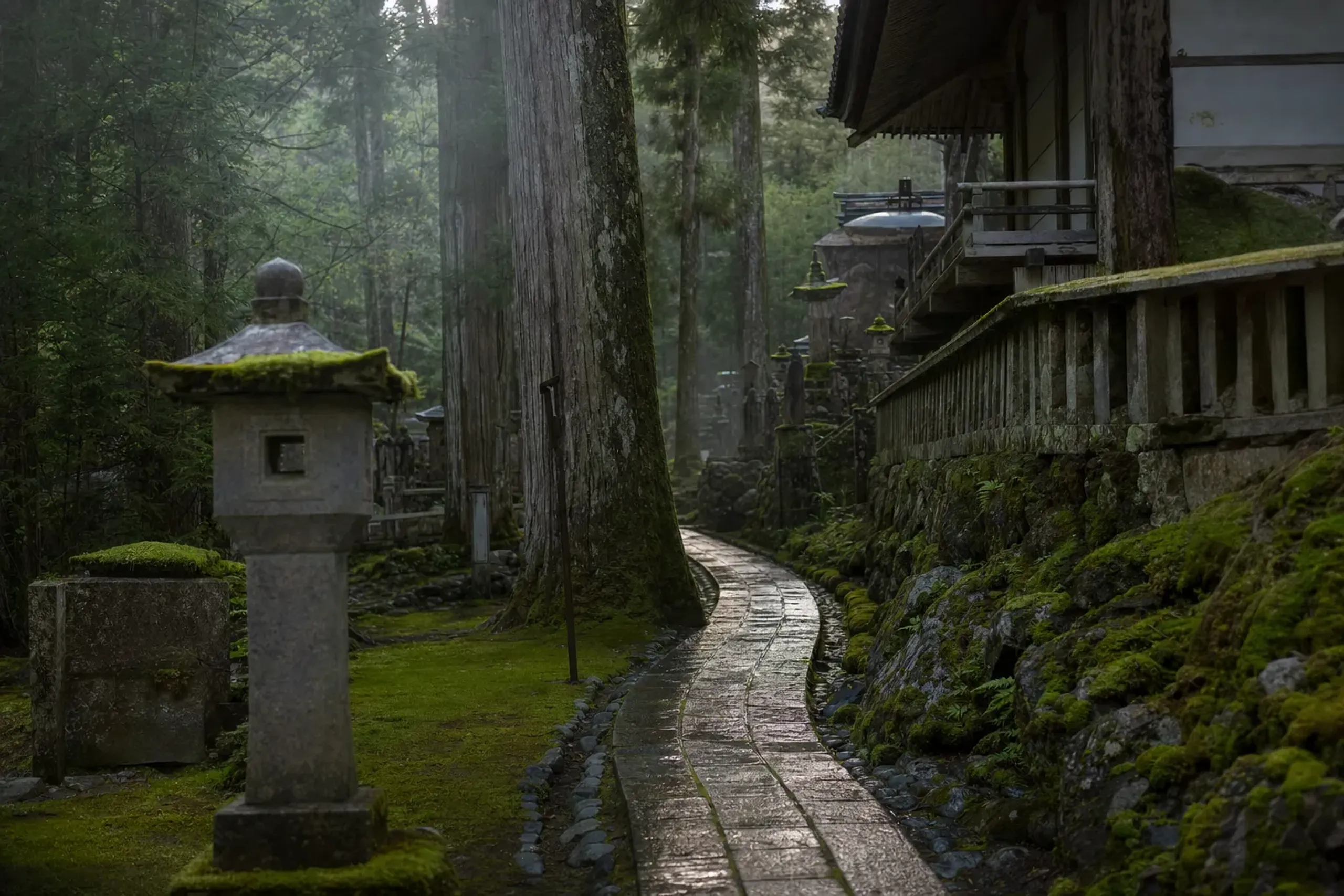
The Flying Plum Tree — Both Versions, Honestly
Beside the main hall grows the tobiume, the flying plum. It is the most beloved tree in the shrine, and it comes with two stories worth telling side by side.
The Legend
As Michizane prepared to leave the capital for exile, he composed a farewell poem to a plum tree he loved, asking it to bloom fragrantly even without him — and not to forget the spring. The tree, missing its master, is said to have torn itself free and flown overnight to Dazaifu to be near him again. It is a beautiful thing to believe, and many do.
The Grounded Account
There is a second, quieter version. A devoted follower named Shirodayū, travelling from Ise Province out of admiration for Michizane, stopped at the scholar's Kyoto residence. He carried a root cutting of the actual tree south to Dazaifu, along with a letter from Michizane's wife. Devotion did the work that the poem gave to the wind.
Some hold that Michizane himself let the flying version be told rather than crediting Shirodayū's long, hard journey — a poet's instinct for the better story. The tree originally stood at Enoki-sha, his place of exile, and was later moved to its present spot beside the hall. Believe whichever you like. We think both are worth carrying.
Whatever its route here, the plum earned its place. The grounds hold around 6,000 plum trees of roughly 200 varieties, red and white.
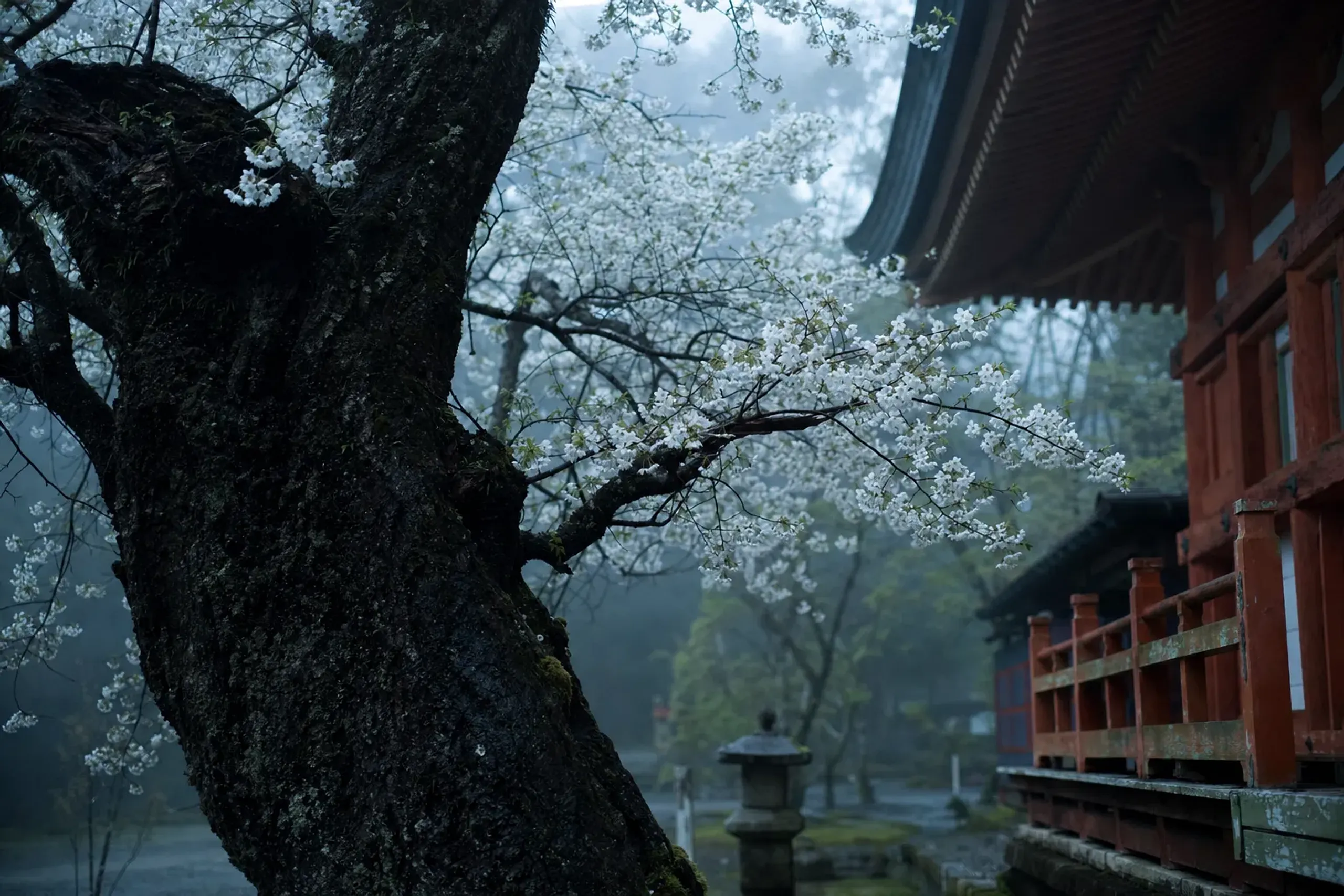
From late January to early March they open in waves, and the shrine marks the season with rituals — including the Plum Blossom Ceremony held on 25 February. It is a floral pilgrimage that sidesteps the cherry-blossom crush of Kyoto and Tokyo entirely.
When Is The Best Time To Visit Dazaifu Tenmangū?
For plum blossoms, visit late January to early March — the shrine's own recommended window, with the Plum Blossom Ceremony on 25 February. For a cultural pairing in 2026, summer works too.
That summer note matters. The Kyushu National Museum, a short walk from the shrine in Dazaifu, runs a special exhibition, "ICE AGE: Discover the World 40,000 Years in the Past," from 18 July to 27 September 2026. Its permanent Cultural Exchange Exhibition already frames Japan's history through the wider Asian world — a fitting lens in a town that was once the country's diplomatic frontier. Pairing shrine and museum in a single unhurried day is a recognised travel pattern, and a rewarding one when the timing is handled well.
For families weaving Kyushu together, Dazaifu sits neatly on the route between Fukuoka and Yufuin, making it an easy, meaningful stop rather than a detour.
What Japan Royal Service Arranges At Dazaifu
Plainly: we provide private guiding and chauffeured transfers. Our guides walk you through the fear-then-reverence history, the ritual etiquette at the hall, and the distinction between Dazaifu and Kyoto's Kitano Tenmangū — the context that turns a pretty shrine town into a story you carry home.
Our private chauffeured transport connects Fukuoka, Dazaifu, and onward destinations like Yufuin on your schedule, not a timetable's. For those extending the trip, we can shape a full tailor-made itinerary that folds Dazaifu into a wider Kyushu journey, and advise on refined accommodation across the region. If your visit falls near plum-blossom season, timing the grounds for quiet and light is exactly the kind of planning we handle. Guests weighing a temple-stay contrast may also find our comparison of Eiheiji and Koyasan useful, and those building a broader Kyushu route can read our guide to Sanso Murata in Yufuin.
Frequently Asked Questions
Why do students visit Dazaifu Tenmangū before exams?
Because it enshrines Sugawara no Michizane as Tenjin, the god of scholarship. Michizane was a brilliant Heian-era scholar and poet, so students come to pray for academic success, especially during exam season.
Is Dazaifu Tenmangū the same shrine as Kitano Tenmangū in Kyoto?
No. They are two separate shrines. Dazaifu Tenmangū in Fukuoka was founded in 919 over Michizane's grave, while Kitano Tenmangū in Kyoto was founded later, in 947. Dazaifu holds the actual burial site.
When can I see the plum blossoms at Dazaifu Tenmangū?
The shrine recommends late January to early March, when its roughly 6,000 plum trees bloom in waves. The annual Plum Blossom Ceremony falls on 25 February. Bloom timing varies year to year with weather.
Can I visit the Kyushu National Museum on the same trip as the shrine?
Yes.
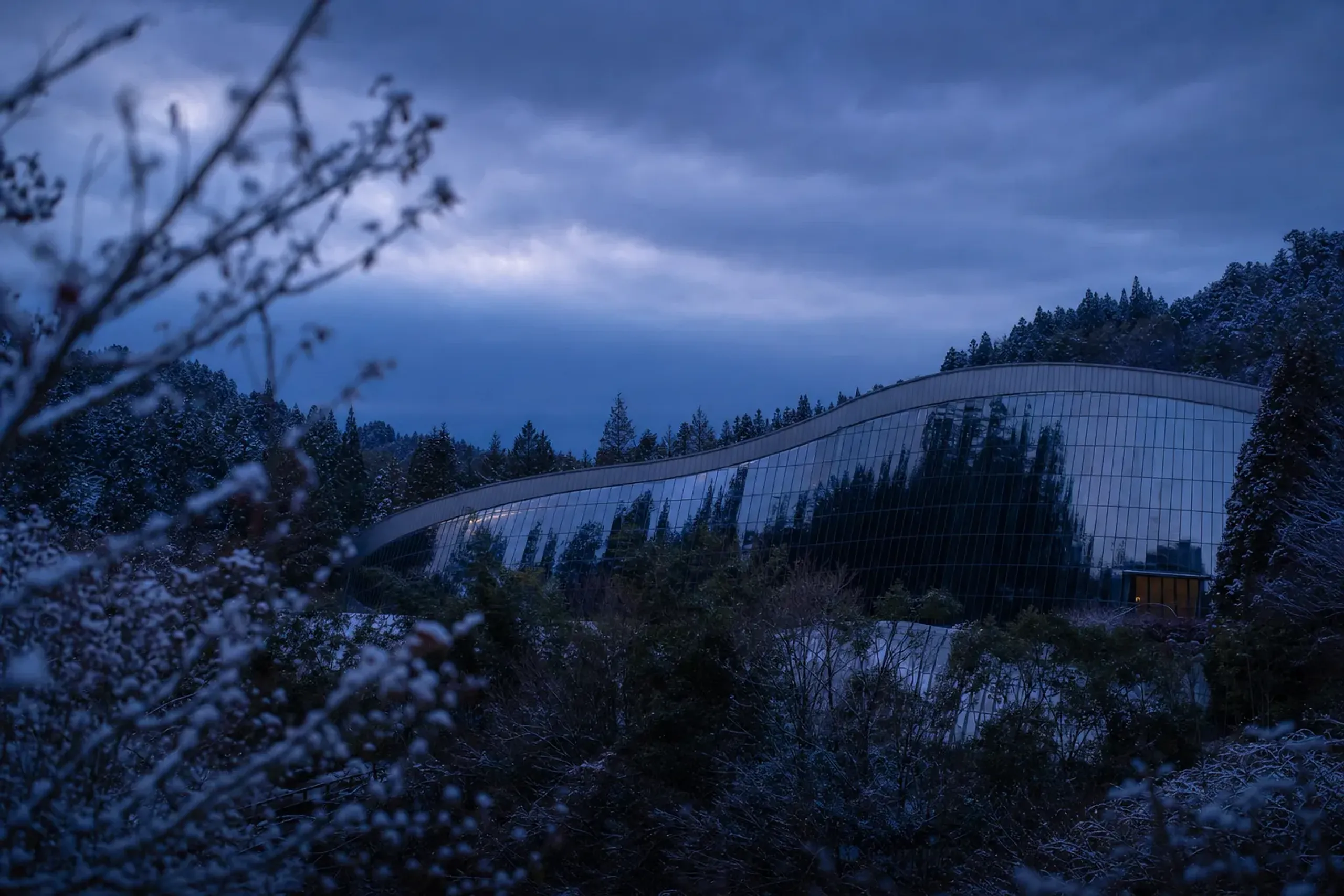
The Kyushu National Museum sits a short walk from Dazaifu Tenmangū, and pairing them in one day is a well-established travel pattern. In 2026 the museum's "ICE AGE" exhibition runs 18 July to 27 September.
How far is Dazaifu from Fukuoka?
Dazaifu is a short journey from central Fukuoka and works well as a half-day or full-day excursion. It also sits conveniently on the route between Fukuoka and Yufuin for travellers exploring wider Kyushu.
Why Choose Japan Royal Service
Most visitors see Dazaifu Tenmangū as a plum-lined shrine with an arched red bridge. That is real, and lovely. But the deeper story — a scholar exiled, a court terrified, a god born from lightning and dread before it was ever born from love — needs someone standing beside you to unfold it at the right pace.
That is what our team at Japan Royal Service does. Native to Japan, discreet by principle, and running our own fleet rather than subcontracting your day to strangers, we build journeys around understanding, not checklists. We keep your itinerary and your privacy entirely to ourselves. And we know the small things — which approach to walk first, when the light falls best on the 1591 hall, how to catch the plum grounds before the crowds.
To plan a private day at Dazaifu, or a wider Kyushu journey, reach our team privately via WhatsApp or LINE, or contact us here.