In this guide
- 01Enoshima Iwaya: The Cave Where The Story Starts
- 02He Loved Her So Much, He Became A Mountain
- 03Why Do Dragons Appear Throughout Enoshima Shrine?
- 04Where Does The Enoshima Dragon And Benzaiten Myth Come From?
- 05Was Enoshima Shrine Founded In 552 Or 1182?
- 06Hōjō Tokimasa’s Three Scales: The Crest Legend Still Visible Today
- 07Enoshima Shrine Today: Three Sub-Shrines, One Name
- 08A Summer Visit That Feels Quiet: Timing, Heat, And Respectful Etiquette
- 09How Do You Get To Enoshima From Tokyo In Summer?
- 10Hidden Japan On Enoshima: Where The Myth Feels Closest
- 11What Our Concierge Team Checks Before You Go
- 12What Japan Royal Service Provides For Enoshima
- 13Frequently Asked Questions
- 14Why Choose Japan Royal Service
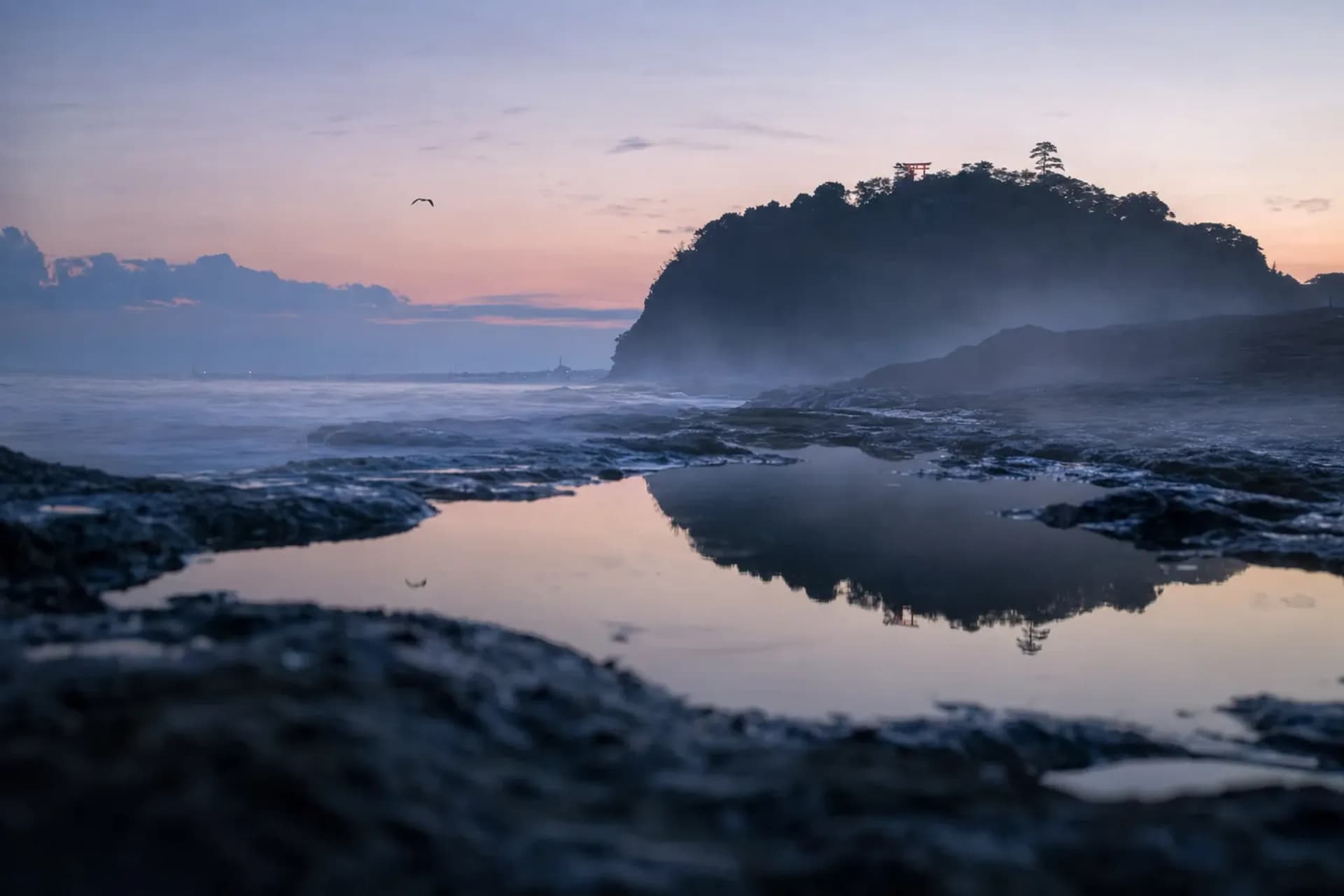
Step into Enoshima Iwaya and the temperature drops. Salt rides the air. Your footsteps land on stone that holds a longer memory than any postcard view from the bridge above.
Tradition says this cave is where Enoshima Shrine began, and it feels like a beginning. The ceiling breathes water, and the darkness makes every sound honest.
Enoshima, in Kanagawa, can be a quick summer escape from Tokyo. Or it can be something else entirely: a story you walk into, one chamber at a time — the kind of layered, unhurried experience that rewards travelers who prefer depth to spectacle.
Enoshima Iwaya: The Cave Where The Story Starts
Enoshima Iwaya is a sea cave complex on Enoshima, made up of two sections—the First Cave and the Second Cave—visited today as a defined sightseeing spot. Two caves. Two moods.
The First Cave is identified in local presentation as the shrine’s birthplace, distinct from where the main shrine buildings stand now. That single detail changes how you move through it. Slower.
In summer, the cave can feel like a reset. Heat outside. Cool inside. The tide-scented air turns the myth from an “old text” into something bodily — a story you feel on your skin rather than read on a placard.
He Loved Her So Much, He Became A Mountain
On 12 April, 552, black clouds smothered the sky, a great earthquake struck, and the ground shook for ten days. No gentle beginning. When it finally stopped, the seafloor erupted, blasting rock upward—and a small island appeared. This is Enoshima.
From those clouds, a beautiful heavenly maiden descended. This is Benzaiten. The island is new. The presence is immediate.
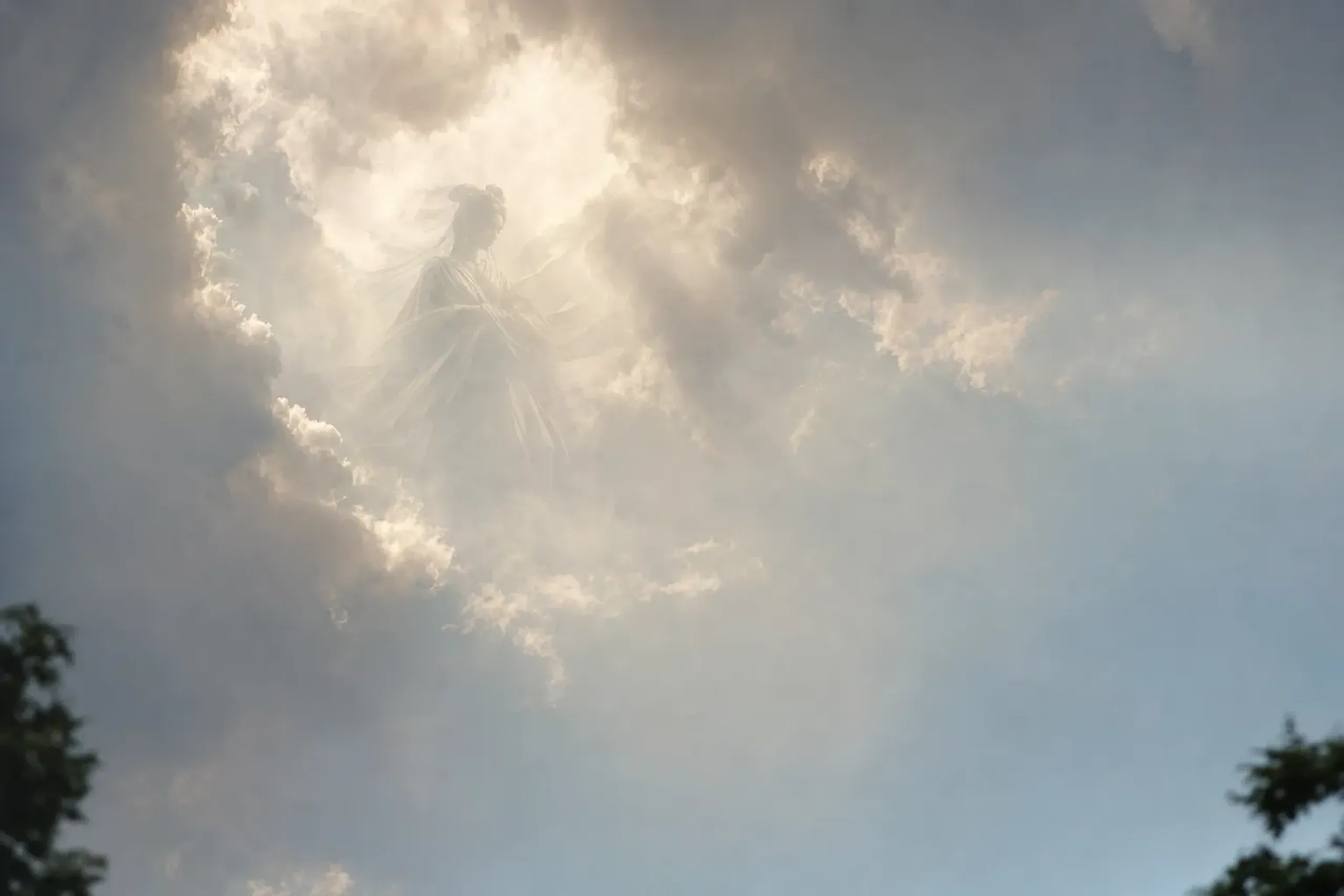
Nearby, in Kamakura’s Fukasawa area, a lake was home to a five-headed dragon that had tormented the people for years—collapsing mountains, causing floods and storms. The damage was not symbolic. It was lived.
When the dragon saw the goddess, he fell in love and proposed marriage. She refused him for his cruelty. A refusal, but one with a condition.
He promised to reform, and she accepted. The promise mattered. After that, he protected the village—yet each act of protection weakened him.
He kept choosing protection anyway. A hard kind of tenderness. Sensing his end approaching, he transformed himself into a mountain to shield the village permanently.
That mountain still stands today. The goddess became enshrined at Enoshima, and the dragon at a shrine directly across from it, still facing her.
Why Do Dragons Appear Throughout Enoshima Shrine?
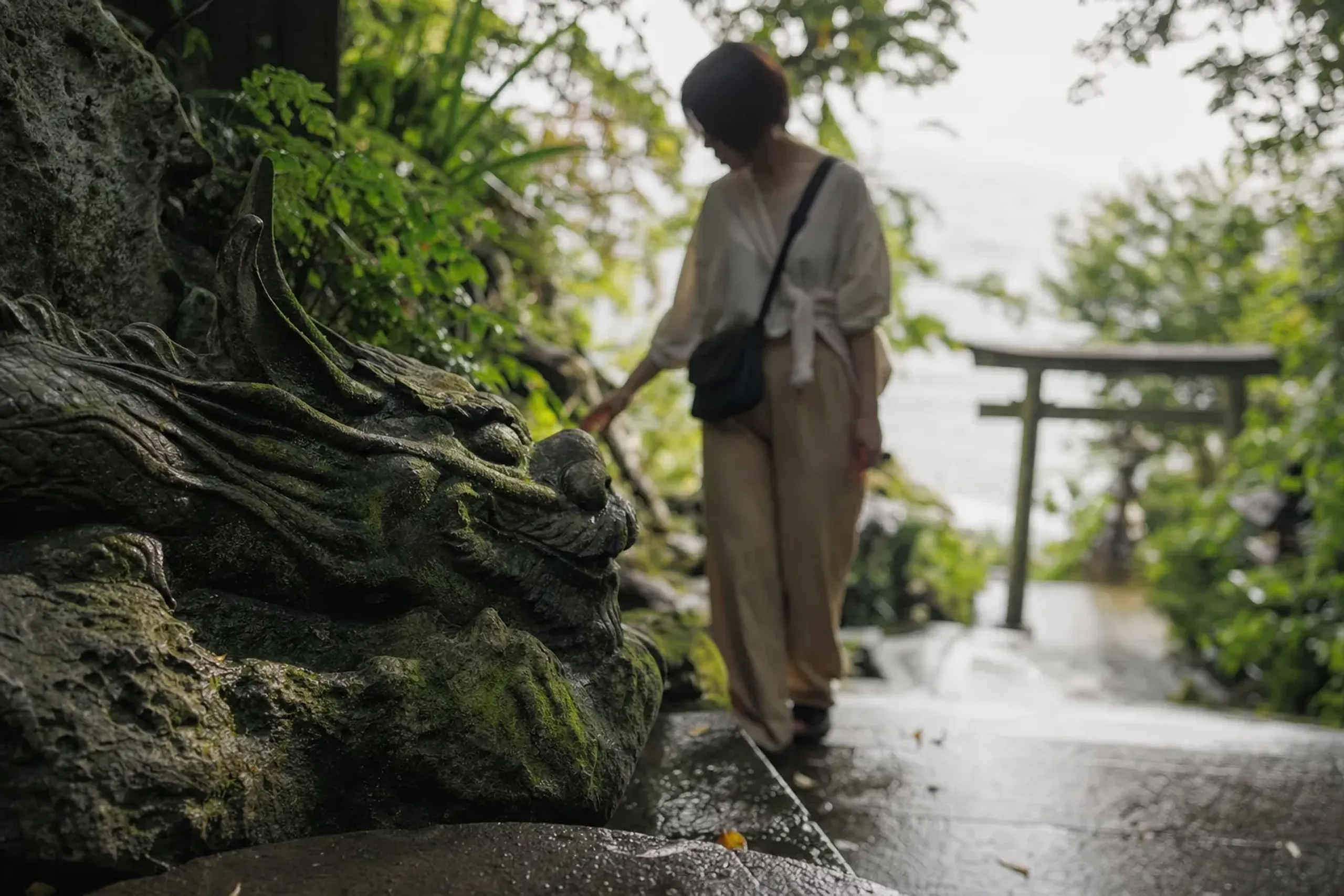
Dragons appear throughout Enoshima Shrine because Benzaiten here is understood as a water deity, and the divine messengers of water deities are conventionally dragons or serpents.
Once you know that, the iconography stops feeling decorative. It reads as a consistent vocabulary. Water calls water.
Look for the dragon motifs with a calmer eye. In our experience, guests notice far more when they stop hunting for “photo spots” and start reading the site like a sentence.
Where Does The Enoshima Dragon And Benzaiten Myth Come From?
The Enoshima dragon-and-goddess story is recorded in the Enoshima Engi, originally compiled in 1047 by Kōkei, a monk of the Tendai sect.
The original text is lost. Only two later copied versions survive. That fragility is part of the point — a story that has come to us across nearly a thousand years by transmission and faith rather than ink alone.
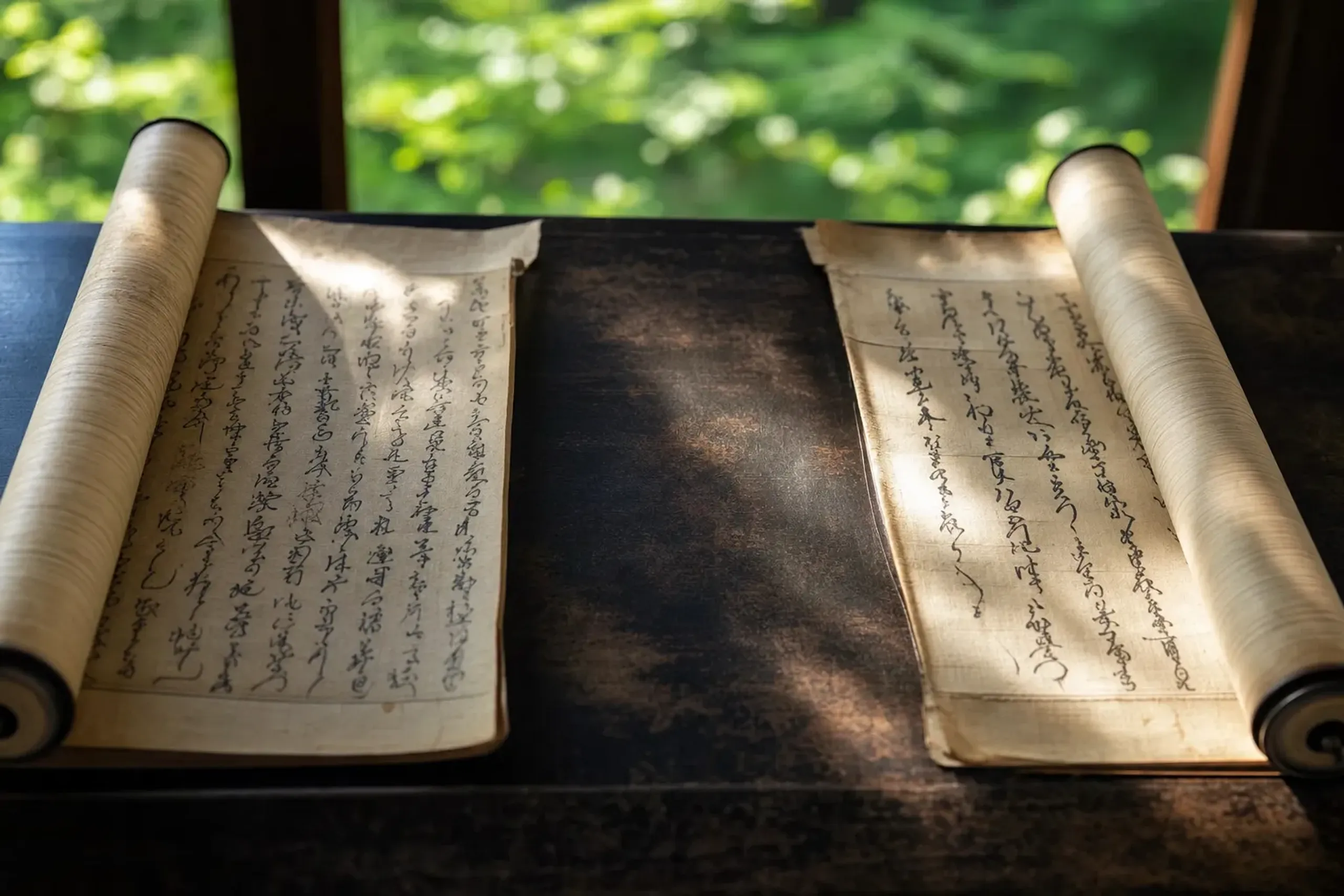
The full work comprises five scrolls, and the dragon-and-goddess story appears in the first two. A replica of the illustrated scroll depicting the tale is kept as a treasure and displayed at the shrine’s Benten-dō hall.
Was Enoshima Shrine Founded In 552 Or 1182?
Enoshima Shrine is traditionally dated to 552, while a historically documented enshrinement by Minamoto no Yoritomo in 1182 is also treated by some as a practical founding point.
Shrine tradition holds that it was founded in 552 by imperial edict following a divine oracle, with a shrine built in a cave on the island’s south side. It is a precise date, carried by faith and transmission — and, notably, one tied to imperial authority from the very start.
Yet the Azuma Kagami, a reliable Kamakura-period historical chronicle, records that in 1182 Minamoto no Yoritomo ordered the monk Mongaku to enshrine Benzaiten in the island’s cave. This later event is documented. It has the texture of history.
We do not collapse the two into one tidy answer. A six-century gap deserves honesty, not a single confident sentence.
Hōjō Tokimasa’s Three Scales: The Crest Legend Still Visible Today
According to the Taiheiki, Hōjō Tokimasa secluded himself at Enoshima to pray for his descendants’ prosperity at the founding of the Kamakura shogunate. He stayed. He waited.
After 21 days, on the night his prayer was fulfilled, a beautiful woman in red and blue-lined robes appeared before him—Benzaiten herself—and left behind three dragon scales. Three small objects. Heavy consequences.
Those scales became the Hōjō family’s heraldic crest, the “three scales” (mitsu-uroko).
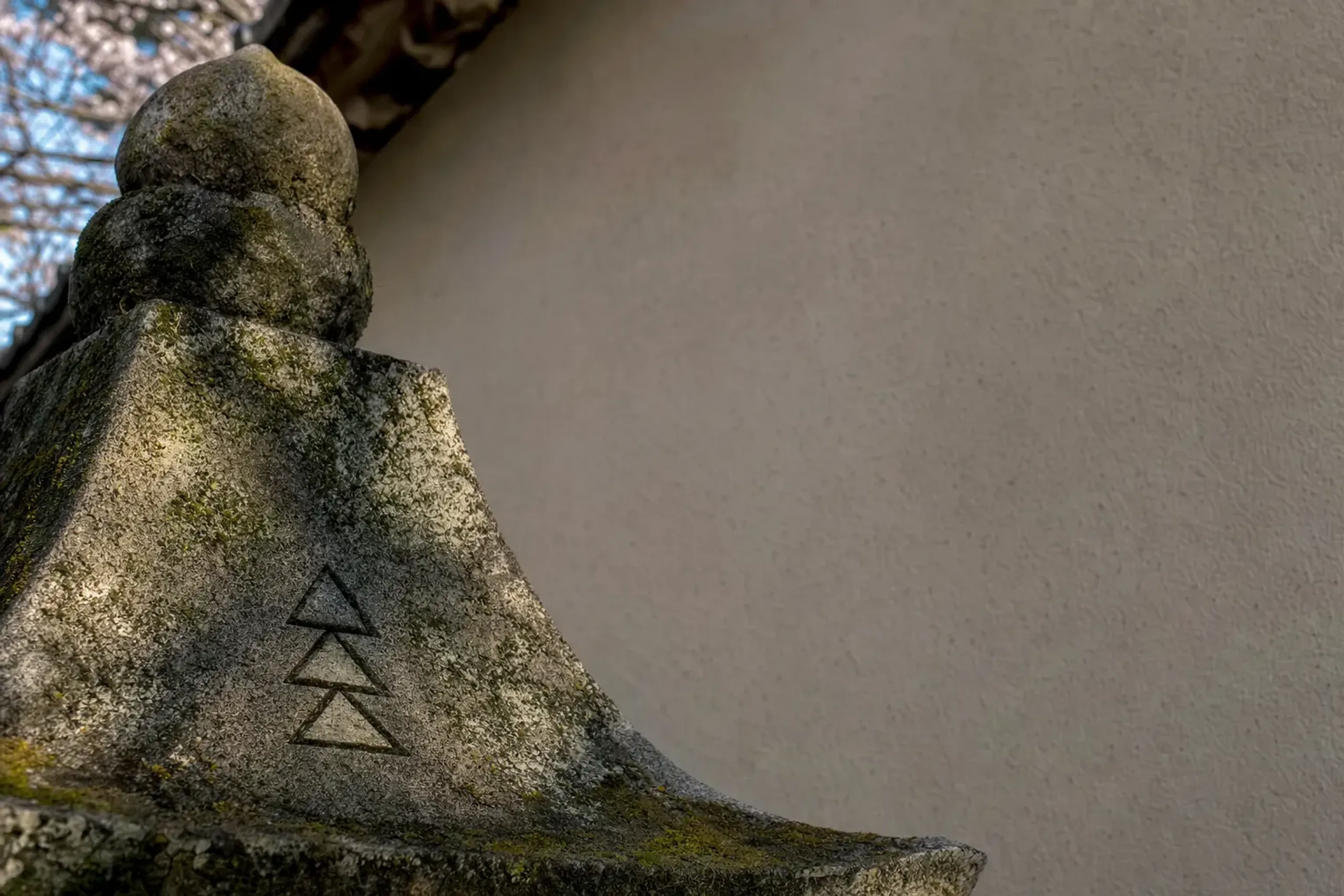
That emblem remains Enoshima Shrine’s official symbol today, which means the legend is not only told—it is carried forward in plain sight, hiding in the pattern under your eyes.
Enoshima Shrine Today: Three Sub-Shrines, One Name
Enoshima Shrine is a Shinto shrine complex on Enoshima (Fujisawa, Kanagawa). It is not a single hall. It is a sequence.
The shrine comprises three sub-shrines—He-tsu-miya (north), Naka-tsu-miya (centre), and Oku-tsu-miya (west)—collectively known as Enoshima Ōkami. They enshrine the same three Munakata goddesses honored at Munakata Taisha and Okinoshima.
If you have read our piece on sacred routes that welcome everyone, you will recognize the same quiet logic here: a place can be built to receive many kinds of visitors without ever losing its core.
Enoshima is also counted among Japan’s Three Great Benzaiten sites, a designation shared with Chikubushima. If that name is already on your itinerary, our seasonal planning approach in Hokuriku by season shows how we think about timing without forcing a checklist.
Ryūgū, the dragon-deity worship hall, sits directly above the Iwaya cave complex. Above the birthplace. Above the story’s opening scene.
A wooden seated Benzaiten statue was designated an Important Cultural Property in 2019. Not a rumor. A recorded designation.
Historically, the site also functioned under Shinto-Buddhist syncretism before the Meiji-era separation of the two traditions. You can still sense that layered inheritance if you pay attention to what feels older than the signboards — the moss-softened stone, the worn thresholds, the restraint of it all.
A Summer Visit That Feels Quiet: Timing, Heat, And Respectful Etiquette
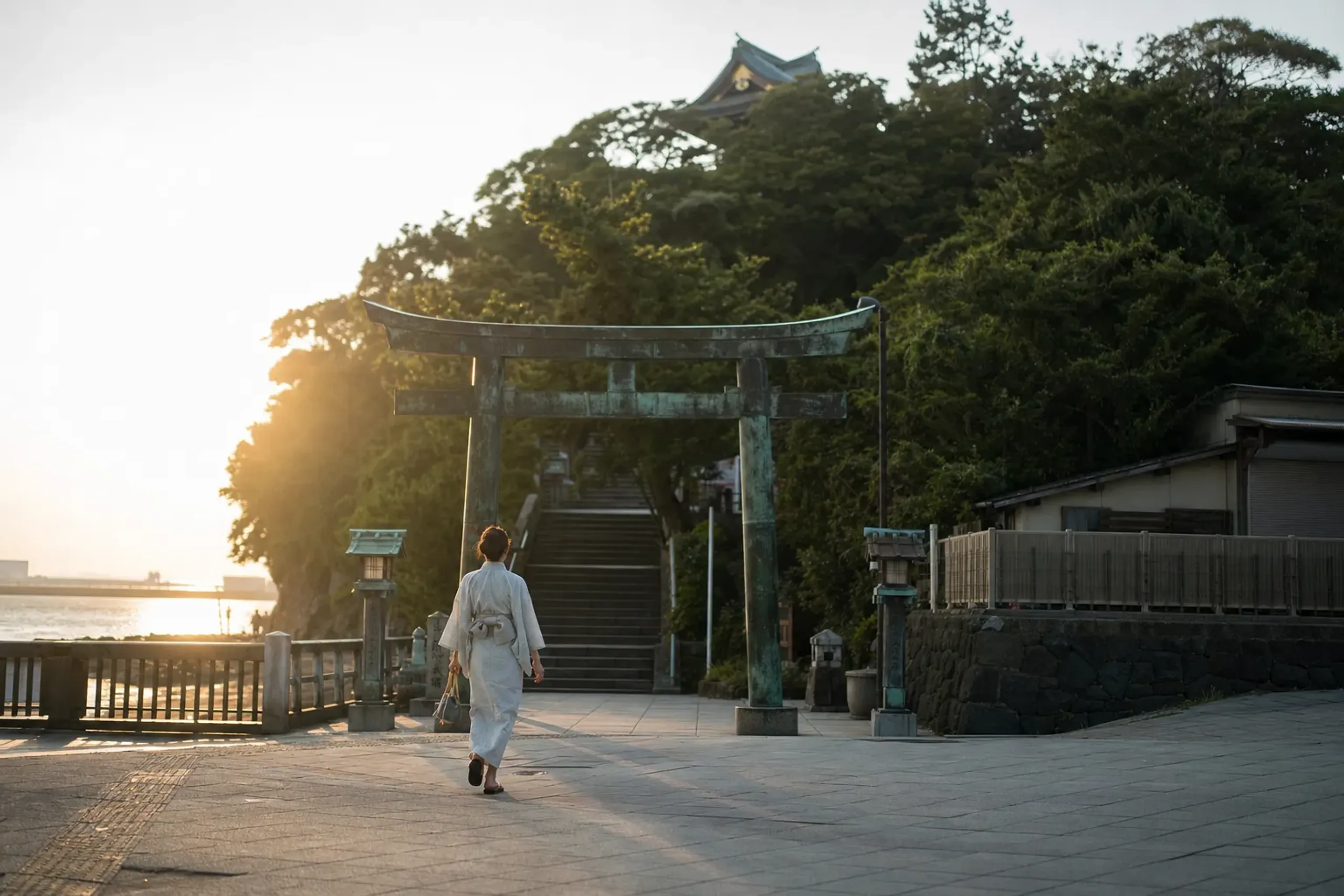
Summer on Enoshima can be bright and busy. The shrine can still feel composed if you plan your day like a ritual, not a rush.
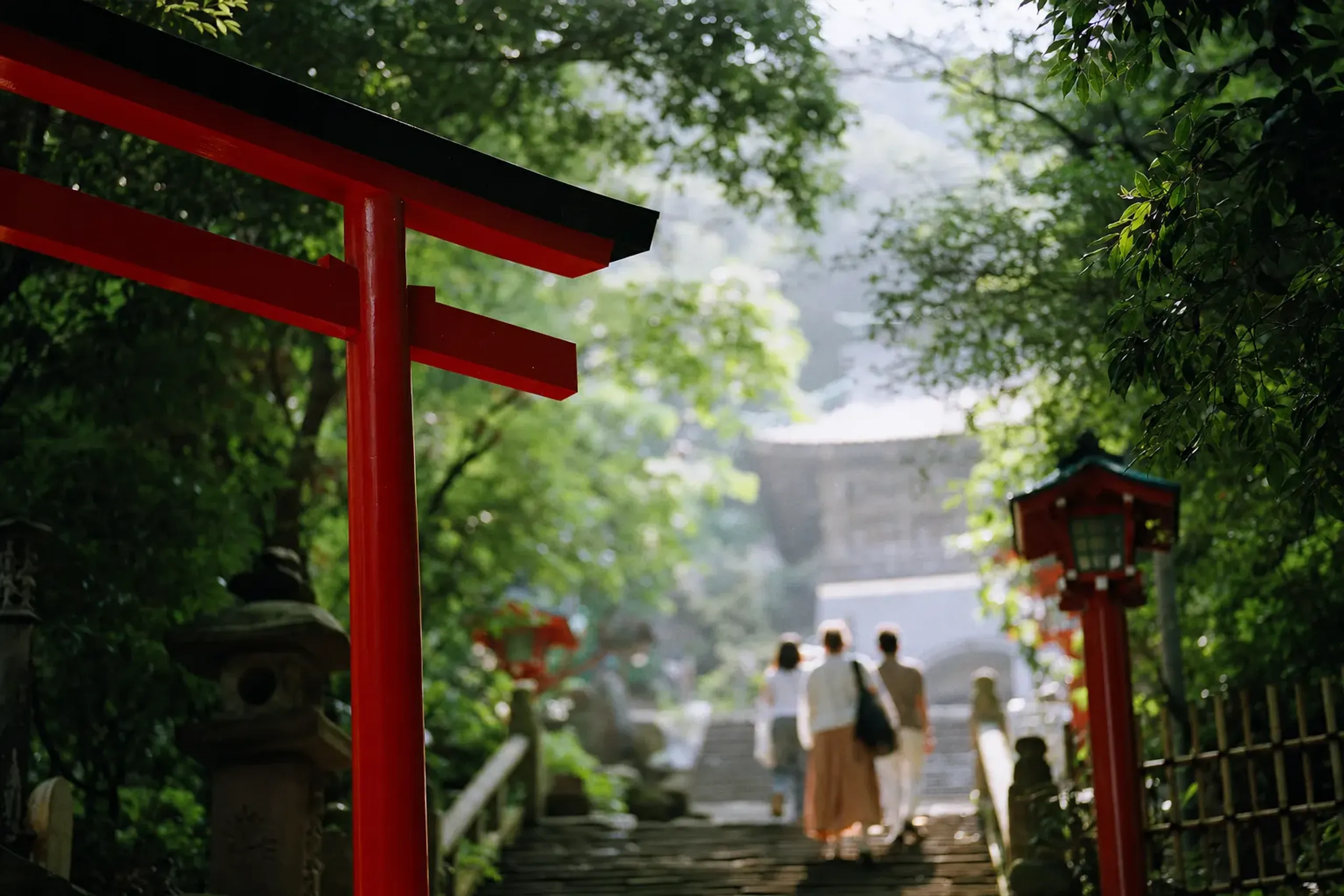
Start earlier than you want to. Big difference. In our experience, arriving before midday makes the walk between the sub-shrines feel deliberate rather than crowded.
At the shrine, keep your gestures simple. Bow once before entering the torii area, and let your voice fall lower than your instinct. It changes the air around you.
Carry water. Wear shoes with grip. The island’s paths and the approach toward the caves can be slick, especially in humid weather.
Key fact: JNTO notes that swimming off Enoshima island itself is prohibited, even in summer.
How Do You Get To Enoshima From Tokyo In Summer?
From Tokyo, you can reach Enoshima by train via the Odakyu line to Katase-Enoshima Station, or by combining rail lines with the Enoden line for Kamakura–Enoshima travel.
Some guests prefer the rhythm of rail for a day trip. Others prefer the certainty of a car, especially traveling with family, older parents, or on a tight schedule. There is no moral victory either way.
When we discuss planning at Japan Royal Service, we often compare three realistic patterns for our travelers:
Option A: Rail-Focused Day Trip (Odakyu + Walking)
This suits guests who enjoy moving like locals and do not mind stairs or summer humidity. Light luggage only.
- Odakyu routes connect Tokyo-area departure points to Fujisawa and onward toward Enoshima access points.
- Walking across the bridge becomes part of the experience, not merely a transfer.
Option B: Enoshima–Kamakura Rail Loop (Odakyu Pass + Enoden)
Odakyu offers the Enoshima-Kamakura Freepass, covering unlimited rides between Fujisawa and Katase-Enoshima on Odakyu and unlimited rides on the Enoden line (terms apply).
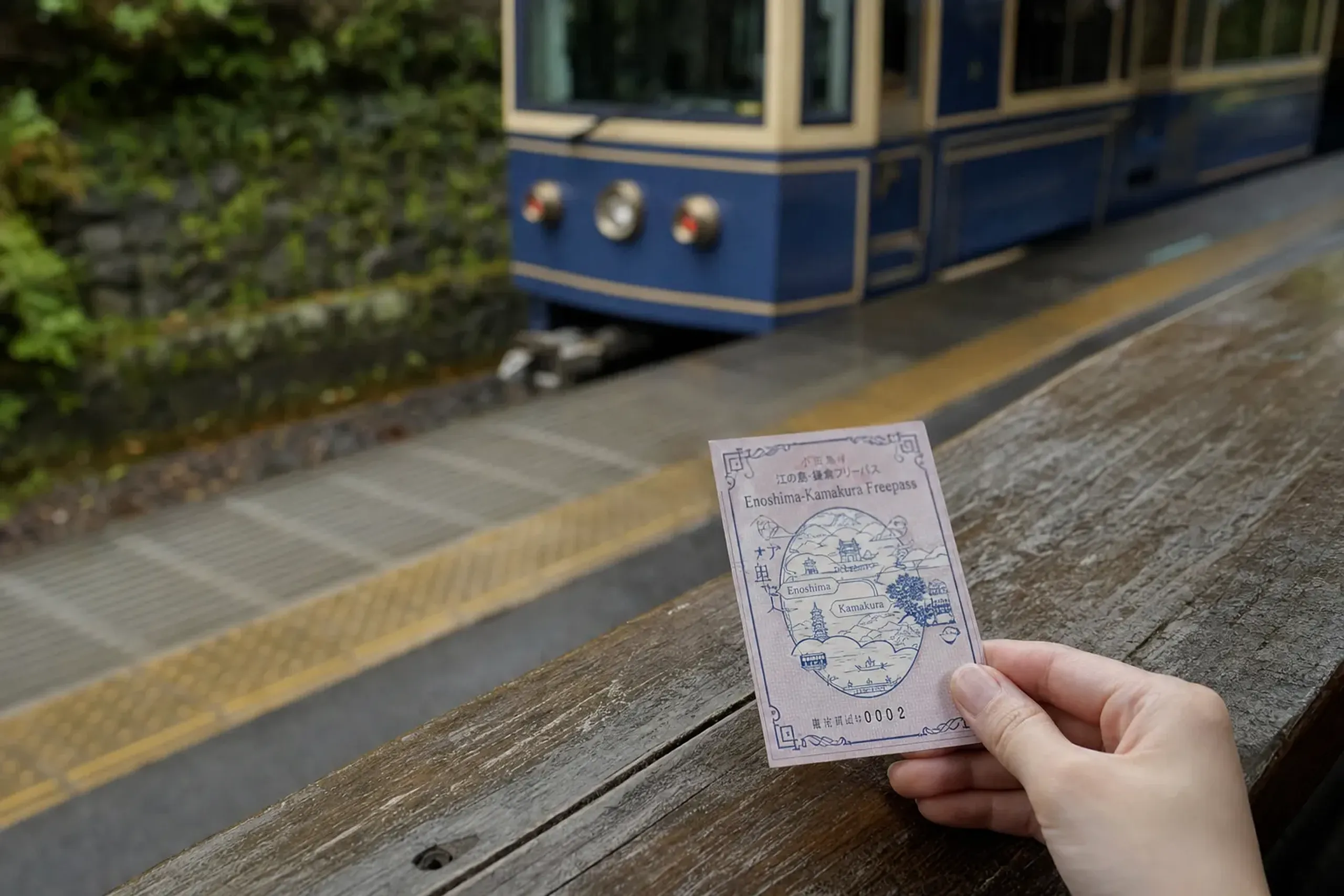
It is a planning tool, not a luxury signal.
- Best for travelers who want Enoshima and a Kamakura rail atmosphere in a single day.
- Works well if you are comfortable navigating stations in summer crowds.
Option C: Private Car Day (Most Predictable In Summer)
For many of our travelers, predictability is the real indulgence. The first mention matters here: our private transportation service is built for quiet, punctual movement, with a fleet that includes the Lexus LM 500 and executive vans when appropriate for your party.
We keep this simple on the public page. For private coordination, guests share dates, party size, and pacing preferences with our concierge team, and we build the rest into a bespoke itinerary shaped around the day you actually want.
Hidden Japan On Enoshima: Where The Myth Feels Closest
Hidden Japan does not always mean remote. Sometimes it is a familiar destination approached by a narrower, more reverent route — the Japan you cannot find by searching, only by arriving with the right guidance.
Choose the Iwaya cave as your opening, not an afterthought. It sets the shrine back into its origin story, and it pulls the dragon-and-goddess myth into your bones.
Then move upward toward Ryūgū, the dragon-deity worship hall above the caves. Stand still. Just long enough for the silence to answer.
What Our Concierge Team Checks Before You Go
Certainty is part of luxury, especially in summer, when weather and crowd controls can change the feel of a place. Small changes can wreck a day.
Our concierge team verifies the current shrine and cave visiting hours ahead of your visit.
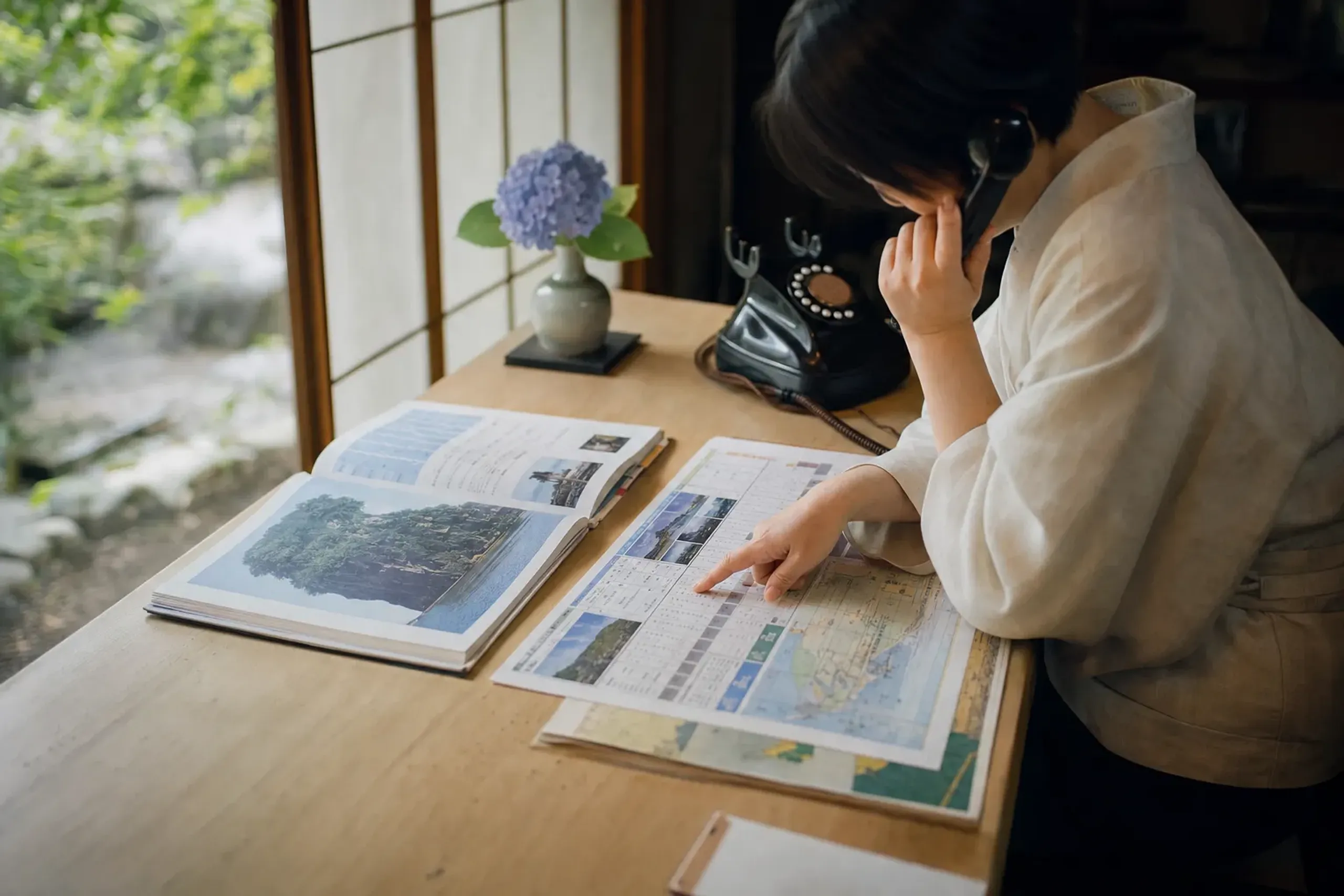
We do this quietly, and we keep the plan readable.
If you are pairing Enoshima with other sacred sites, we also watch for the emotional pacing. Too much in one day can flatten everything — the anticipation of unspoken needs is exactly the care that keeps a day from tipping into fatigue.
What Japan Royal Service Provides For Enoshima
Japan Royal Service provides guiding and transfers for guests visiting Enoshima and Enoshima Shrine. That is the core.
We tailor the day to your attention span, your walking comfort, and the kind of silence you want—a quick reset, or a deeper myth-and-text focus. Different guests want different temperatures of meaning.
Discretion is not an add-on for us. It is default behavior, from the language of your itinerary to how we handle meeting points and timing.
Frequently Asked Questions
Is Enoshima Shrine The Same Place As He-tsu-miya, Naka-tsu-miya, And Oku-tsu-miya?
Yes—Enoshima Shrine is a shrine complex made up of He-tsu-miya, Naka-tsu-miya, and Oku-tsu-miya, collectively known as Enoshima Ōkami.
For first-time visitors, we suggest treating them as a sequence, not three separate “stops,” so the site reads as one continuous visit.
Where Is The Enoshima Dragon Myth Recorded?
The Enoshima dragon-and-Benzaiten myth is recorded in the Enoshima Engi, compiled in 1047 by the Tendai monk Kōkei.
The original text is lost, and only later copied versions survive; the work spans five scrolls, with the story in the first two.
Why Are There So Many Dragon Motifs At Enoshima Shrine?
Dragon motifs appear because Benzaiten here is understood as a water deity, and dragons or serpents are conventionally treated as water deities’ divine messengers.
Knowing that, many visitors stop seeing “decoration” and start seeing a coherent religious language across the site.
Is The Founding Date Really 552, Or Is It 1182?
Both dates are used: shrine tradition holds a 552 founding, while the Azuma Kagami records an 1182 enshrinement ordered by Minamoto no Yoritomo.
We recommend holding the two dates side by side rather than forcing a single “correct” answer.
Can Japan Royal Service Help Plan An Enoshima Day Trip From Tokyo?
Yes—our team at Japan Royal Service can advise on pacing, routing, and day-of logistics, and provide guiding and transfers for an Enoshima visit.
For private coordination, we will discuss your dates, party size, and how much walking you want in summer heat.
Why Choose Japan Royal Service
Many companies can sell an “Enoshima day trip.” That is not the hard part. The hard part is keeping the day quiet, precise, and private—while still letting the myth land with full weight.
Our team at Japan Royal Service writes plans the way a good editor cuts a story: fewer scenes, better order, no wasted motion. You feel the change immediately.
We also protect discretion as a non-negotiable. Your identity and itinerary stay confidential, and the day is structured to reduce exposure rather than invite it.
And we value craft where it belongs. Enoshima Shrine is not a prop. It is a living religious site with a textual tradition, a visible emblem legacy, and a myth that still shapes how the island is read.
When you are ready to walk into the story rather than merely visit it, contact us here to begin shaping a quiet, private day on Enoshima built entirely around you.