In this guide
- 01Why Was Kumano Considered Open To Everyone In The Heian Era?
- 02The Kumano Sanzan: Three Shrines, One Pilgrimage Gravity
- 03Imperial Pilgrimages To Kumano: What Happened, And How Big Was It?
- 04Kyoto’s Substitute Kumano At Wakaōji: The Imitation Waterfall Detail
- 05From Court Nobles To Commoners: How “Ari No Kumano Mairi” Became Literal
- 06Which Kumano Kodo Route Should You Walk: Nakahechi Or Kohechi?
- 07The Five Named Routes, Clearly Explained (And Who They Fit)
- 08What Are The 99 Ōji Shrines, And Why Do They Matter?
- 09Kumano Kodo In 2026: What Changed For Access And Local Transportation?
- 10How To Use UNESCO Sources To Plan The Real Kumano Kodo (Not A Blog Shortcut)
- 11Step-By-Step: Designing A Kumano Kodo Journey That Still Feels Like Luxury
- 12Begin Your Kumano Kodo, Quietly
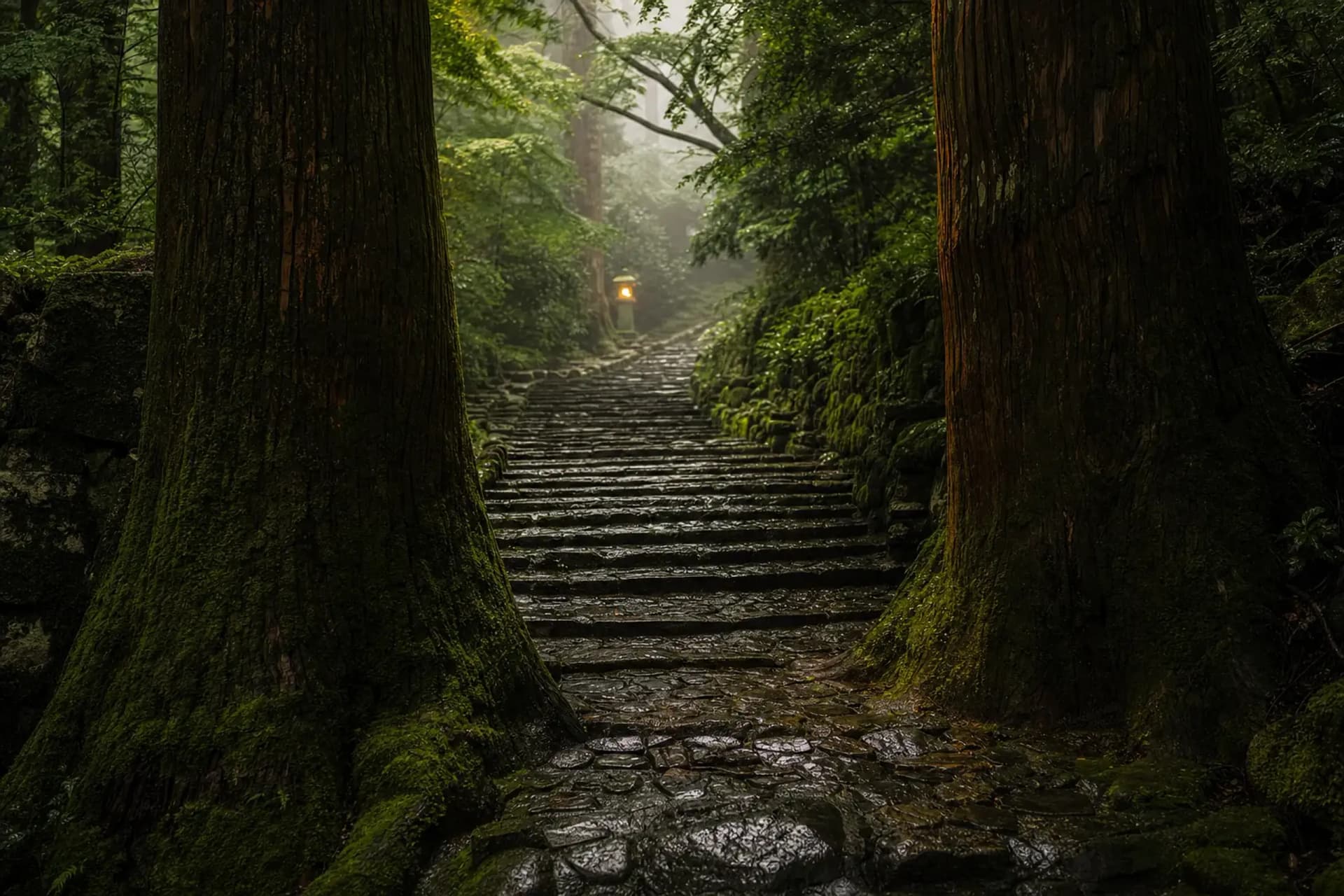
A small shrine appears in the cedars before you notice the slope. Stone. Moss. A rope of straw, still damp from last night’s rain, and a paper streamer that shivers when the wind runs down the valley.
This is one of the Ōji, the subsidiary shrines that punctuate the Kumano Kodo. You do not arrive at them the way you arrive at a city landmark. You meet them. Quietly. One by one.
Then the trail turns, and the story turns with it. Because Kumano’s fame for openness was not an accident of enlightened manners. It was a deliberate plan—and understanding that plan is the first step in walking these paths as more than a hiker.
Why Was Kumano Considered Open To Everyone In The Heian Era?
Kumano’s religious authorities promoted pilgrimage by removing barriers of purity, rank, and gender—an intentional strategy to draw the widest possible base of pilgrims to a remote region.
In much of Heian-era Japan, access to sacred spaces could be narrowed by rules. Some people were kept out because of status. Others because of ritual purity. Women, too, often faced restrictions at the great religious institutions.
Kumano made a different choice. Not because the peninsula was “progressive,” but because it had a problem to solve. Kumano sat far south on the Kii Peninsula, difficult to reach, and it did not enjoy the same concentration of large landed estates that sustained rival religious centers elsewhere.
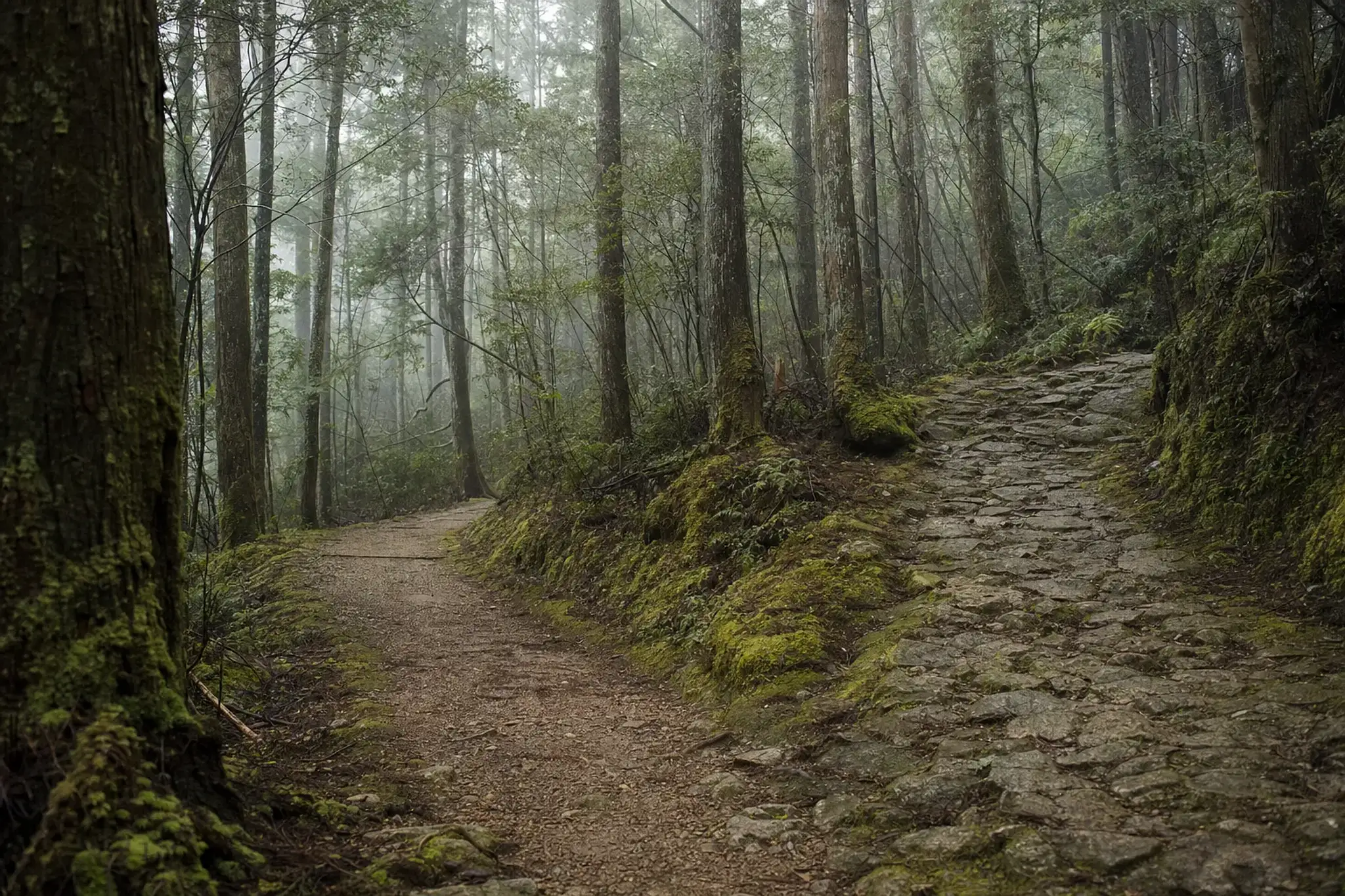
So Kumano’s leaders marketed movement. Pilgrimage became the engine. The doors—social, ritual, and gendered—were pushed open to build the numbers that could support a distant sacred complex where transport was hard and patronage was contested.
The outcome is remembered in one phrase: Ari no Kumano Mairi, the “Ant Procession to Kumano.” A line of pilgrims so long they resembled ants, described as coming regardless of gender, regardless of high or low status, regardless of purity or impurity.
The Kumano Sanzan: Three Shrines, One Pilgrimage Gravity
“Kumano” in travel talk often gets flattened into a single pin on a map. On the ground, it is a set of sacred anchors that pull the routes toward them.
The Kumano Sanzan are the three Grand Shrines of Kumano: Kumano Hongu Taisha, Kumano Nachi Taisha, and Kumano Hayatama Taisha. Each has its own geography and mood, and each changes how a day on the trail feels.
Hongu carries the sense of arrival after effort. Nachi pairs shrine ritual with the presence of Nachi Falls, a genuine waterfall that has shaped the imagery of Kumano for centuries. Hayatama sits in Shingu, where river and town life make the sacred feel braided into daily movement.
For the discerning traveler, the point is not to “collect” three stops. It is to understand how the Sanzan create rhythm: hike, pause, purify, walk again, then end the day somewhere that lets the legs recover and the mind go quiet.
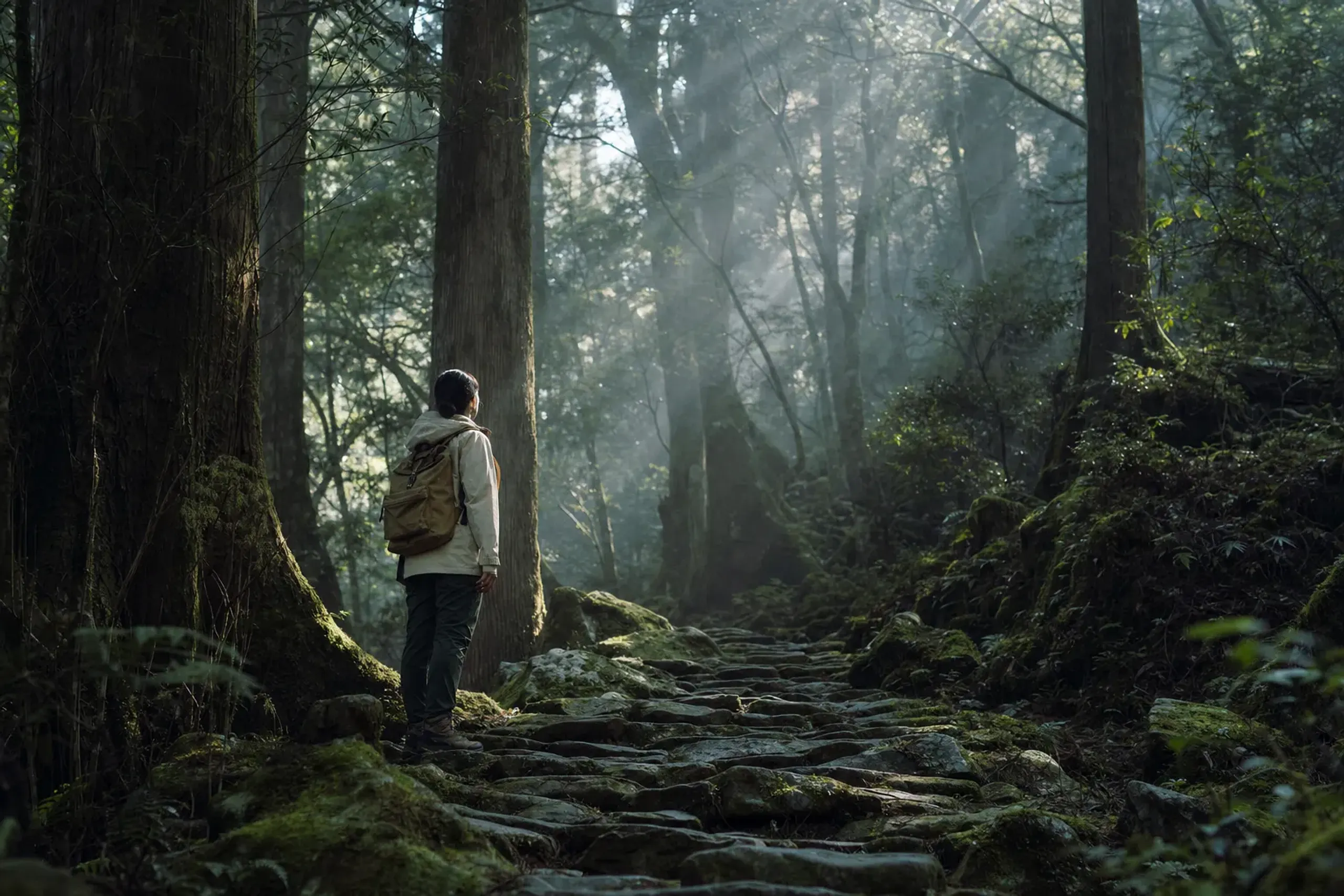
This is where wabi and sabi quietly do their work—the aesthetic of restraint, of moss-covered stone and shadowed cedar, rewards those who slow down rather than tick boxes.
Imperial Pilgrimages To Kumano: What Happened, And How Big Was It?
The imperial pilgrimage tradition began with Retired Emperor Uda in 907, drew parties of dozens to several hundred people, and ended with Retired Emperor Kameyama’s pilgrimage in March 1281.
Once it began, it became a phenomenon with records you can count. Retired Emperor Shirakawa made 9 pilgrimages. Retired Emperor Toba made 21. Retired Emperor Go-Shirakawa made 33 or 34, depending on the historical account. Retired Emperor Go-Toba made 28.
These numbers are not trivia. They explain why the routes accumulated infrastructure, ritual stops, and a sense of national importance. When a retired emperor moved, people moved with him. A full party could be enormous, and the round trip from Kyoto could take roughly 20-plus days at significant expense.
Seen through that lens, Ari no Kumano Mairi is not only about commoners in later centuries. It is also about scale as an idea—Kumano as a place worth the trouble, worth the money, worth the time. That imperial-class lineage still shadows the trail; walking where retired emperors once processed is a quiet form of access to a Japan that history has kept close.
Kyoto’s Substitute Kumano At Wakaōji: The Imitation Waterfall Detail
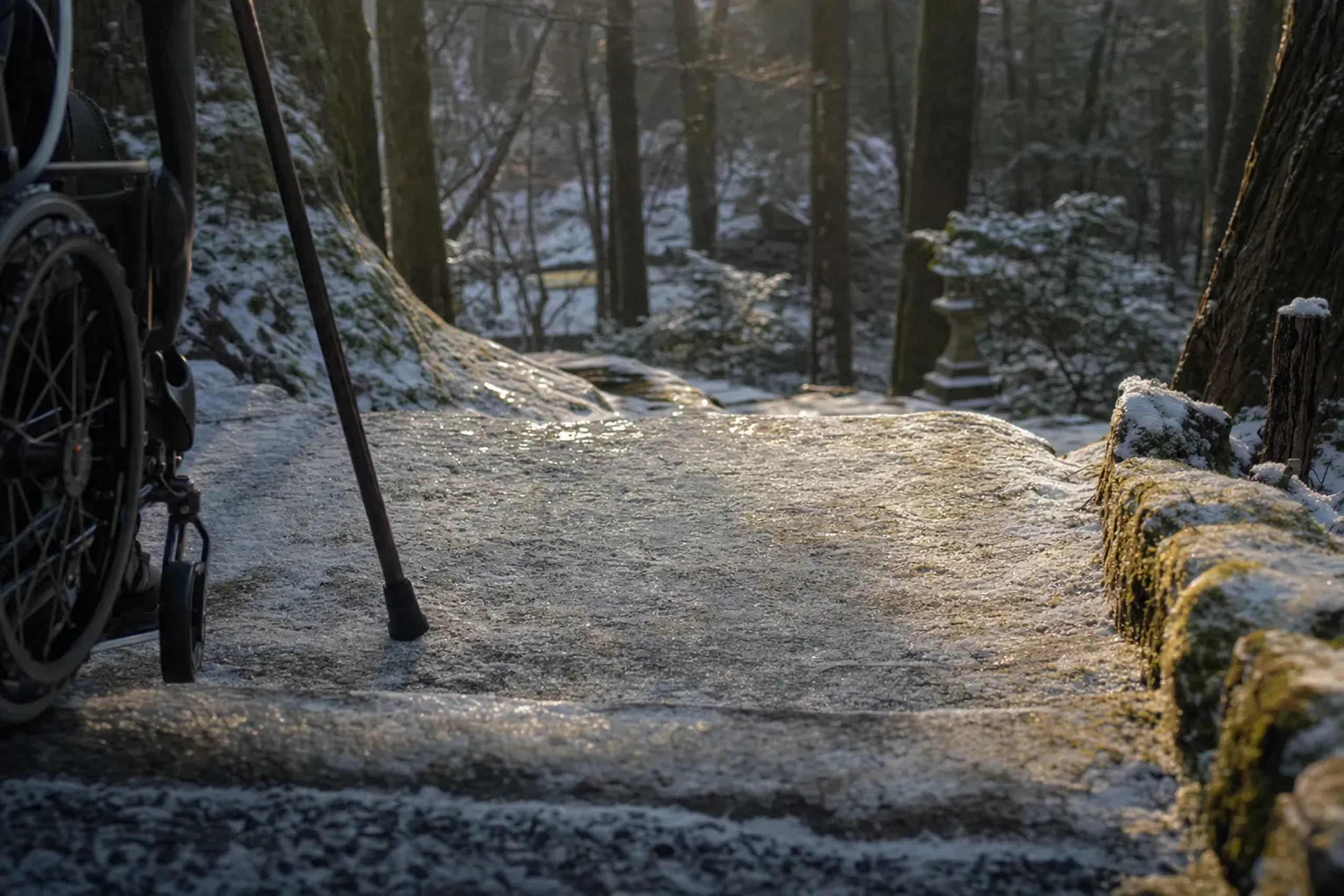
When the journey could not happen, the longing still did. So Kyoto created a substitute.
At a site called Wakaōji in Kyoto, an imitation “Kumano” was built for symbolic pilgrimage when an emperor could not make the actual trip. The detail that lingers is the imitation of Nachi Falls—a crafted stand-in for a real cascade hundreds of kilometers away.
This is no quaint footnote. It shows how powerful the Kumano idea had become. The court did not copy every distant sacred site. Kumano was copied because the act of going there carried meaning far beyond sightseeing.
For modern travelers, it is also a reminder: even at the very apex of society, Kumano was not “easy.” Difficulty was part of its currency—and part of its allure.
From Court Nobles To Commoners: How “Ari No Kumano Mairi” Became Literal
Participation shifted over time, and those changes tell you who Japan was becoming.
In the late Heian period, the pilgrimage was strongly associated with retired emperors and court nobility. Through the Kamakura period, warriors and local landowners grew more prominent among the pilgrims. By the late medieval period, participation expanded explosively to ordinary commoners—the point at which the “ant procession” description truly applied at mass scale.
Later, in the Edo period, the records reveal how intense the peak days could become. A single inn near Kumano recorded 800 guests in one day at its height.
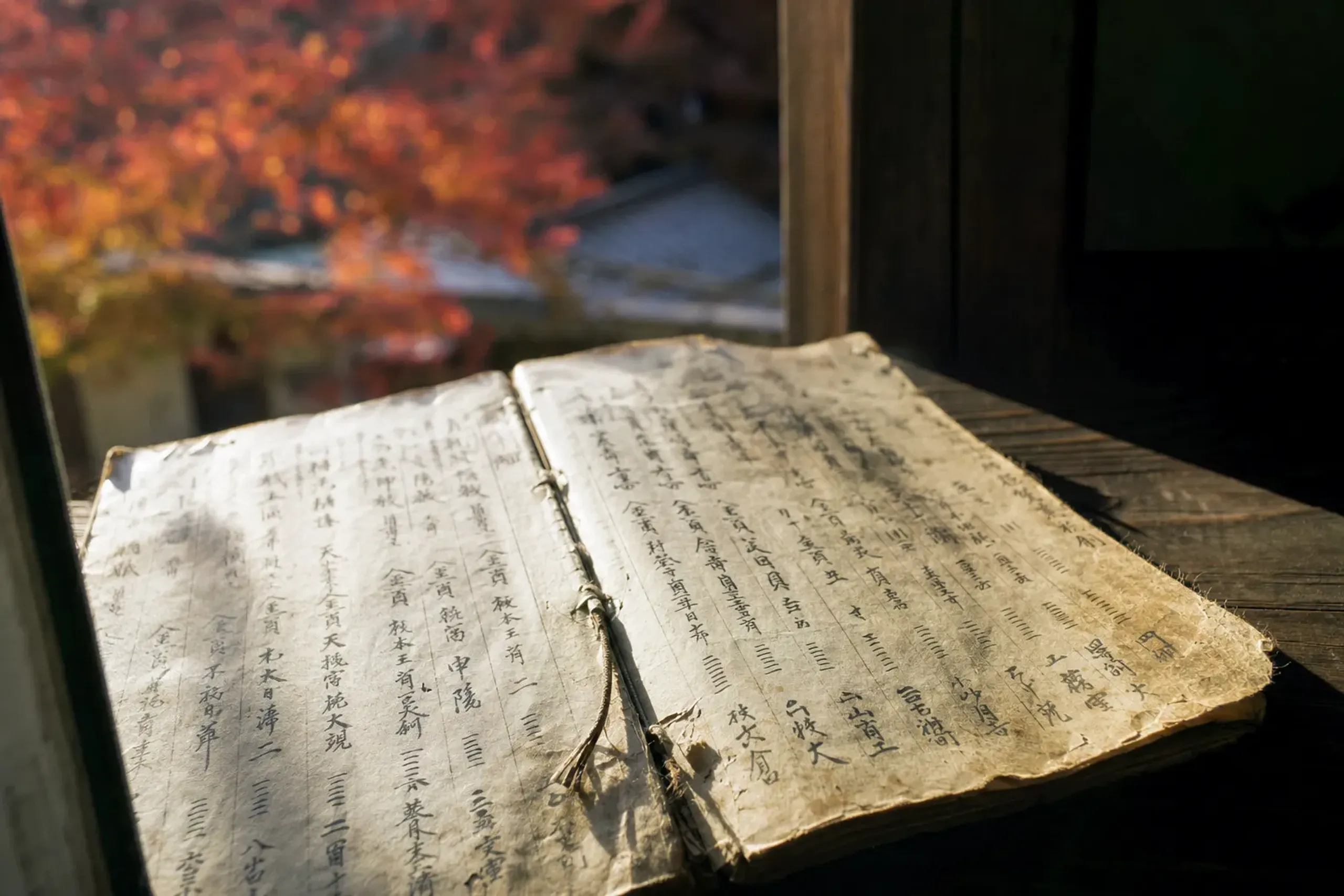
Eight hundred. That is not contemplative. That is momentum.
The classic full pilgrimage circuit covered roughly 600 kilometers round trip and could take about one month. That time scale mattered. It meant you did not merely visit Kumano. You lived inside the idea of going there.
Which Kumano Kodo Route Should You Walk: Nakahechi Or Kohechi?
Nakahechi is the main, most established route linking the Kumano Sanzan, while Kohechi is a steeper mountain route from Kōyasan to Kumano that exceeds 1,000 meters in elevation and can be walked in three to four days.
For many first-time walkers, Nakahechi fits the “attainable luxury” brief perfectly: historic primacy, clear wayfinding, and a natural arc between sacred sites. The Tanabe City Kumano Tourism Bureau identifies it as the main route linking the three Grand Shrines.
Kohechi is a different proposition. It connects Kōyasan to Kumano and climbs above 1,000 meters. It tends to appeal to repeat Japan travelers who want fewer people and sharper terrain, and who are comfortable treating weather and daylight as real constraints.
We plan this with clear gating. Fitness. Time buffer. The ability to handle a long ascent without rushing. Out here, one bad assumption becomes a very long day. Part of our omotenashi is quietly removing that risk before you ever lace your boots—anticipating the fatigue, the missed connection, the ryokan check-in window—so the walk stays a pleasure rather than a negotiation.
The Five Named Routes, Clearly Explained (And Who They Fit)
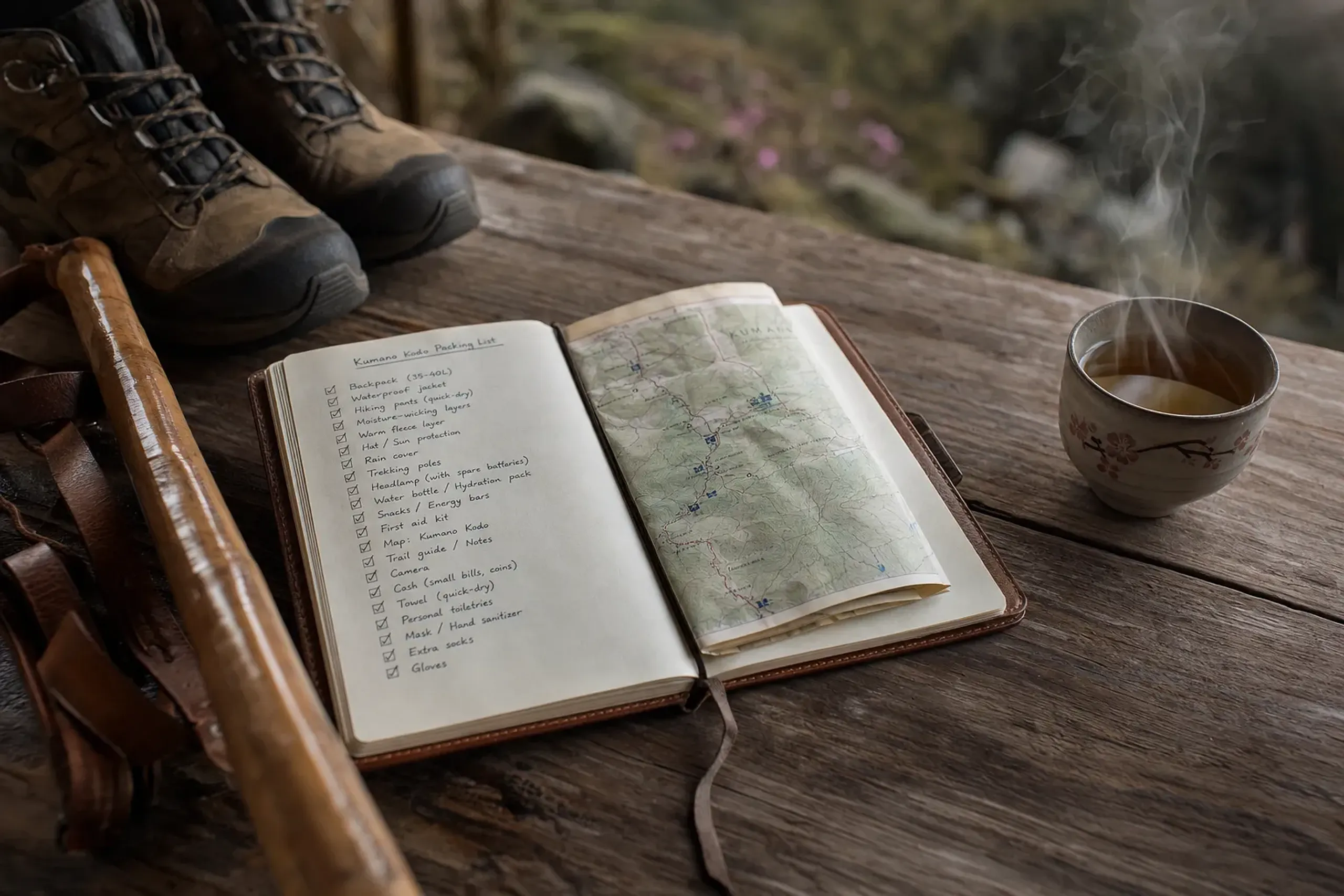
The Kumano Kodo is a network, not a single trail, and each of its five named routes carries a different social history.
Kiiroji
Kiiroji links the broader Kansai coastal approach toward the Kumano region. Think of it as an old artery rather than a single “hike”—a long approach with many entry points.
Nakahechi
Nakahechi is the best-known pilgrimage route today and the historic main route to the Kumano Sanzan. It was walked by Retired Emperor Go-Toba, and by poets such as Fujiwara no Teika and Izumi Shikibu. That literary and imperial imprint still shapes how people speak of it.
Ōhechi
Ōhechi runs along the coast. It came into wider use among commoners and literary figures in the early modern period. If you want sea air and towns between walking segments, it can make good sense.
Kohechi
Kohechi is the mountain connector between Kōyasan and Kumano. It is physically demanding, high in elevation, and often described as walkable in three to four days for strong walkers who plan conservatively.
Iseji
Iseji connects Ise-jingū Shrine to Kumano along the east coast of the Kii Peninsula. Its use increased in the Edo period as Ise pilgrimage traditions expanded. It is a powerful concept: one pilgrimage feeding another.
What Are The 99 Ōji Shrines, And Why Do They Matter?
The Kumano Kujūku Ōji are roughly 99 subsidiary shrines that dot the routes, most established between the 11th and 13th centuries, marking ritual stops dedicated to the child-deities of the Kumano gods.
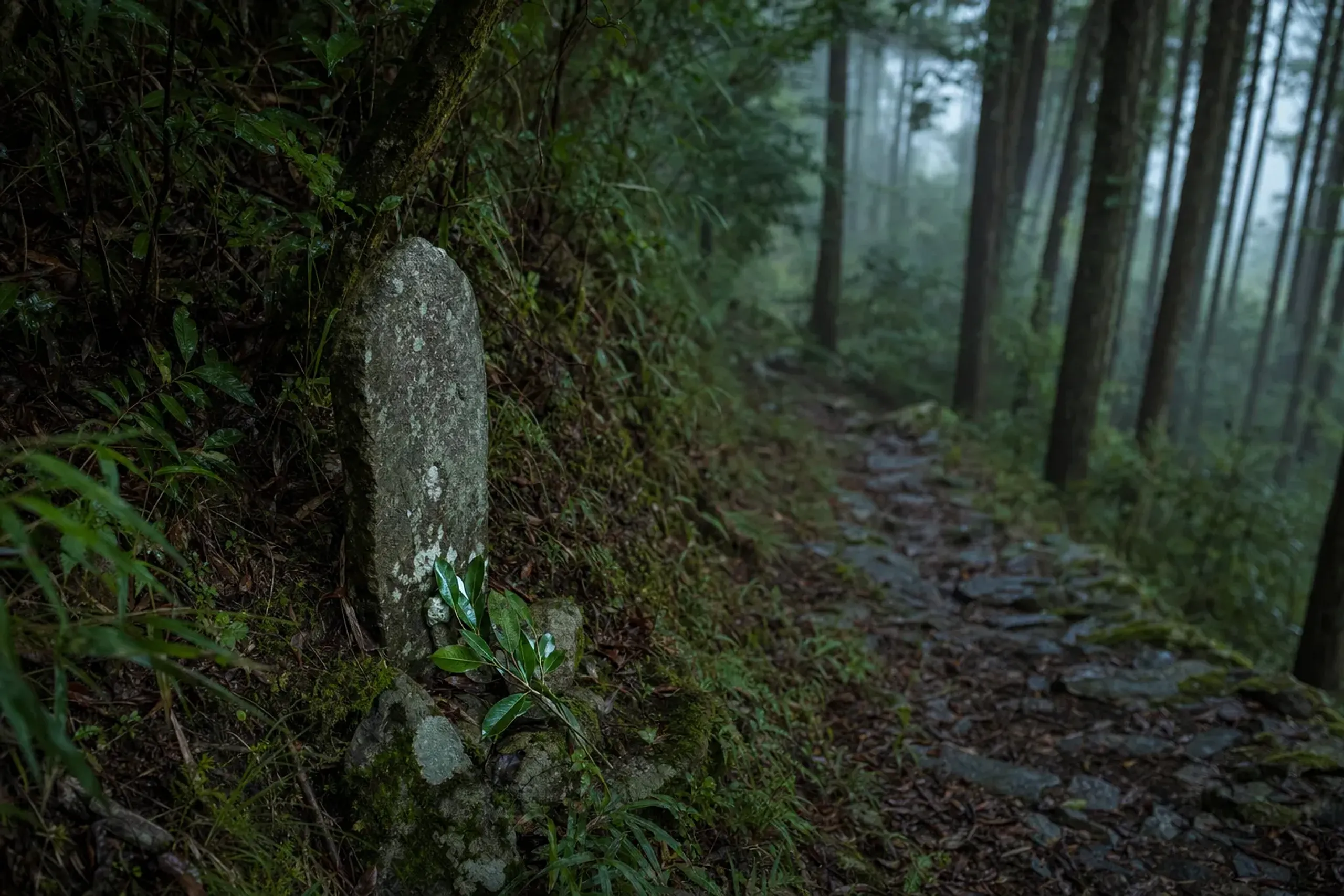
On a map, the Ōji look like scattered points. On foot, they behave like punctuation. You walk, you arrive, you pause. Then you move again.
They also explain why Kumano feels coherent even when you walk only a single segment. You are not simply hiking between towns. You are moving between small nodes of meaning that were laid down over centuries, with a deliberate density that once fed the pilgrimage machine.
Our practical advice: treat the Ōji as pace-setters, not photo quotas. Stop. Drink water. Read the terrain. Then continue before your legs stiffen. This is the Japan that Google cannot easily find—not a headline shrine, but the quiet cumulative rhythm of ninety-nine small ones.
Kumano Kodo In 2026: What Changed For Access And Local Transportation?
For autumn 2026, Tanabe City announced limited-time expanded transportation services—including an Express Bus and an Onsen Extra Bus—with timetable-based details published by local operators and tourism authorities.
This matters because Kumano Kodo planning often breaks on one small hinge: the gap between trailheads, buses, and check-in windows. When transport options expand, routing becomes cleaner, and “awkward” walking segments can turn into elegant half-days.
Tanabe City’s announcement points to improved access to the UNESCO World Heritage Kumano Kodo and nearby sightseeing points via these limited-time services.
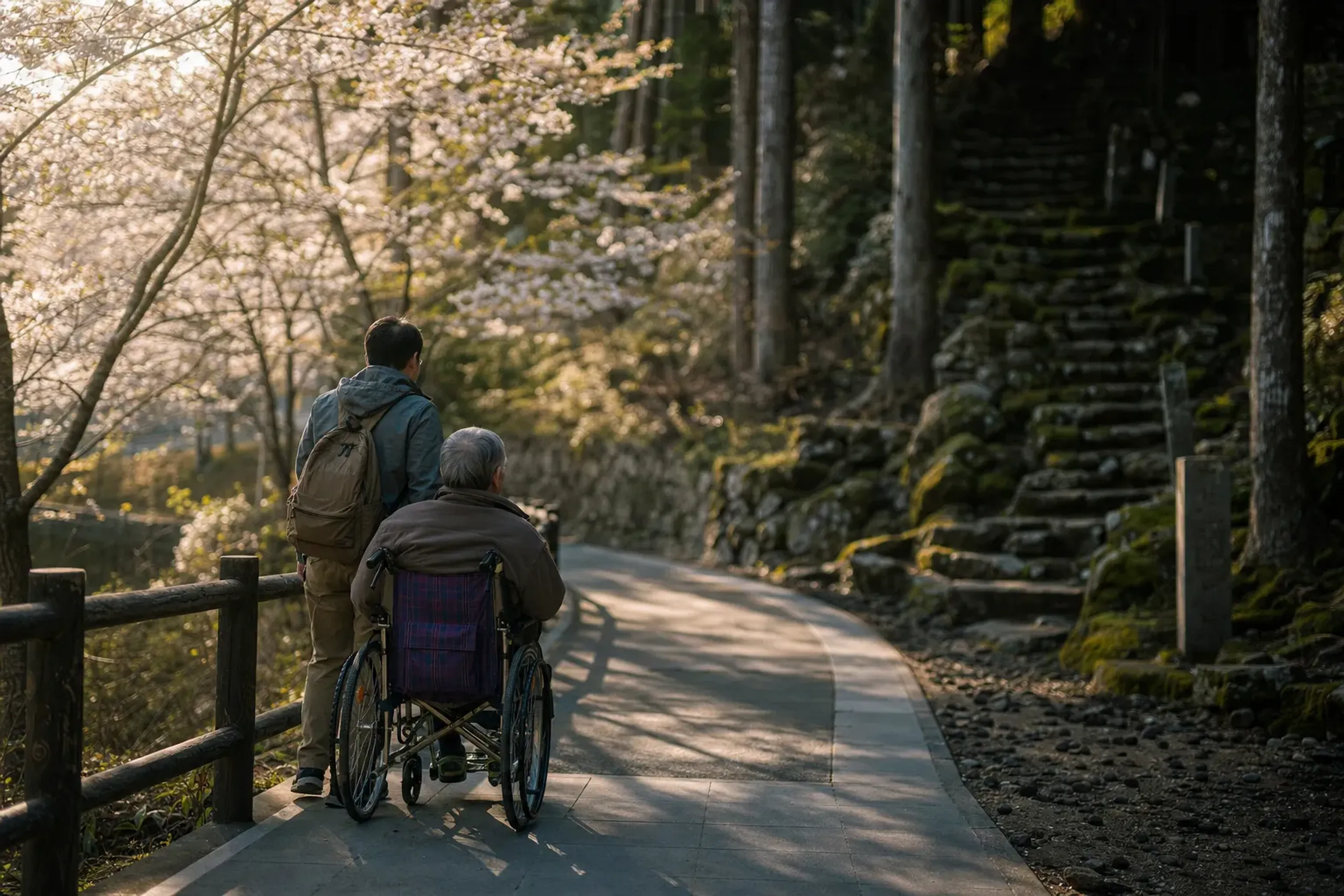
Ryujin Bus also published a notice about a Kumano Hongu Line demonstration operation and partial timetable revision, including operation of a Kumano Kodo Express Bus and Onsen Extra Bus, described as limited-time service starting around September 2026.
Kohechi travelers should pay attention too. Totsukawa Village published an announcement about Kohechi Bus operations for 2026, including seasonal operation periods. That single detail can change feasibility for a small party trying to avoid backtracking. For guests who prefer to move without the timetable at all, we arrange discreet private chauffeured transfers between trailheads and ryokan, so the logistics dissolve into the background.
Key fact: Timetables and pilot services can change season to season; our concierge team at Japan Royal Service verifies current trail conditions and access ahead of your visit.
How To Use UNESCO Sources To Plan The Real Kumano Kodo (Not A Blog Shortcut)
The Kumano Kodo routes form part of the UNESCO World Heritage property Sacred Sites and Pilgrimage Routes in the Kii Mountain Range, inscribed on July 7, 2004. That inscription is more than a badge. It comes with defined components and official mapping.
UNESCO provides official maps for the inscribed components, including the “Pilgrimage Routes - Kumano Sankeimichi - Nakahechi.” When guests ask us what counts as “the real trail,” this is where we begin—not with social media.
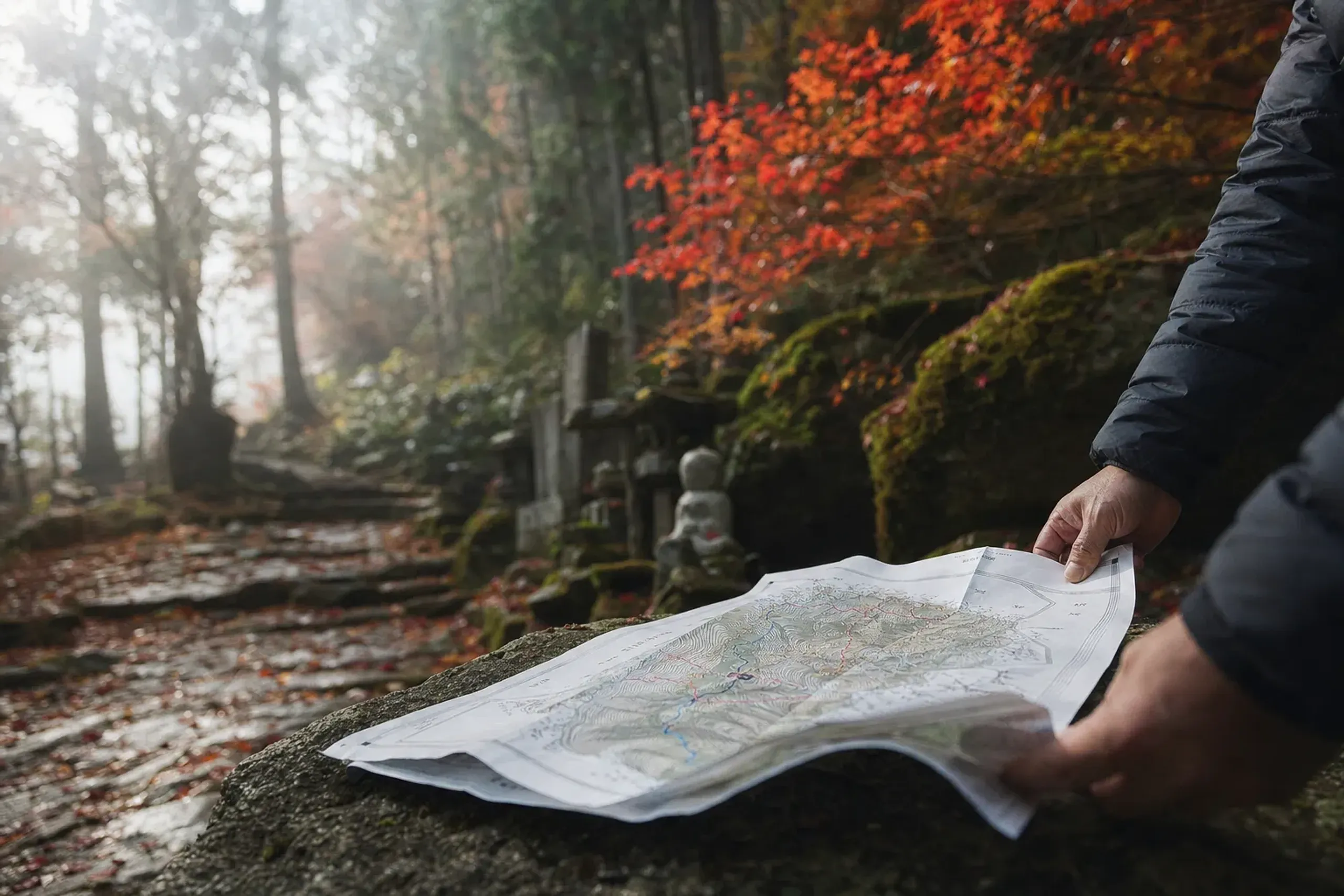
For conduct on the route, Wakayama Prefecture’s official tourism site publishes a Kumano Kodo Rules & Etiquette page. Use it. A pilgrimage path is not a theme park, and some mistakes are entirely avoidable with one quiet read the night before you walk.
Step-By-Step: Designing A Kumano Kodo Journey That Still Feels Like Luxury
Luxury here is not chandeliers. It is pacing, privacy, and never having to argue with the clock.
Our team at Japan Royal Service usually designs a Kumano Kodo tailor-made itinerary from three practical decisions, in this order. Choose your route segment. Choose your walking days. Then build transport and recovery around those days, not the other way around.
- Step 1: Pick your “spine.” Many guests begin with Nakahechi as the core, since it historically links the Kumano Sanzan and is exceptionally well documented.
- Step 2: Decide your daily finish style. Do you want to arrive early enough for a long bath and an unhurried dinner, or is your priority to maximize trail time?
- Step 3: Build buffers. Weather, bus connections, and foot fatigue are all real. We favor a plan that survives a late start without turning sharp.
- Step 4: Keep luggage off your back when possible. Your shoulders will thank you by day two. Travel light on the trail; keep the rest moving separately through official systems when available.
The finest evenings on this pilgrimage rarely appear in guidebooks.
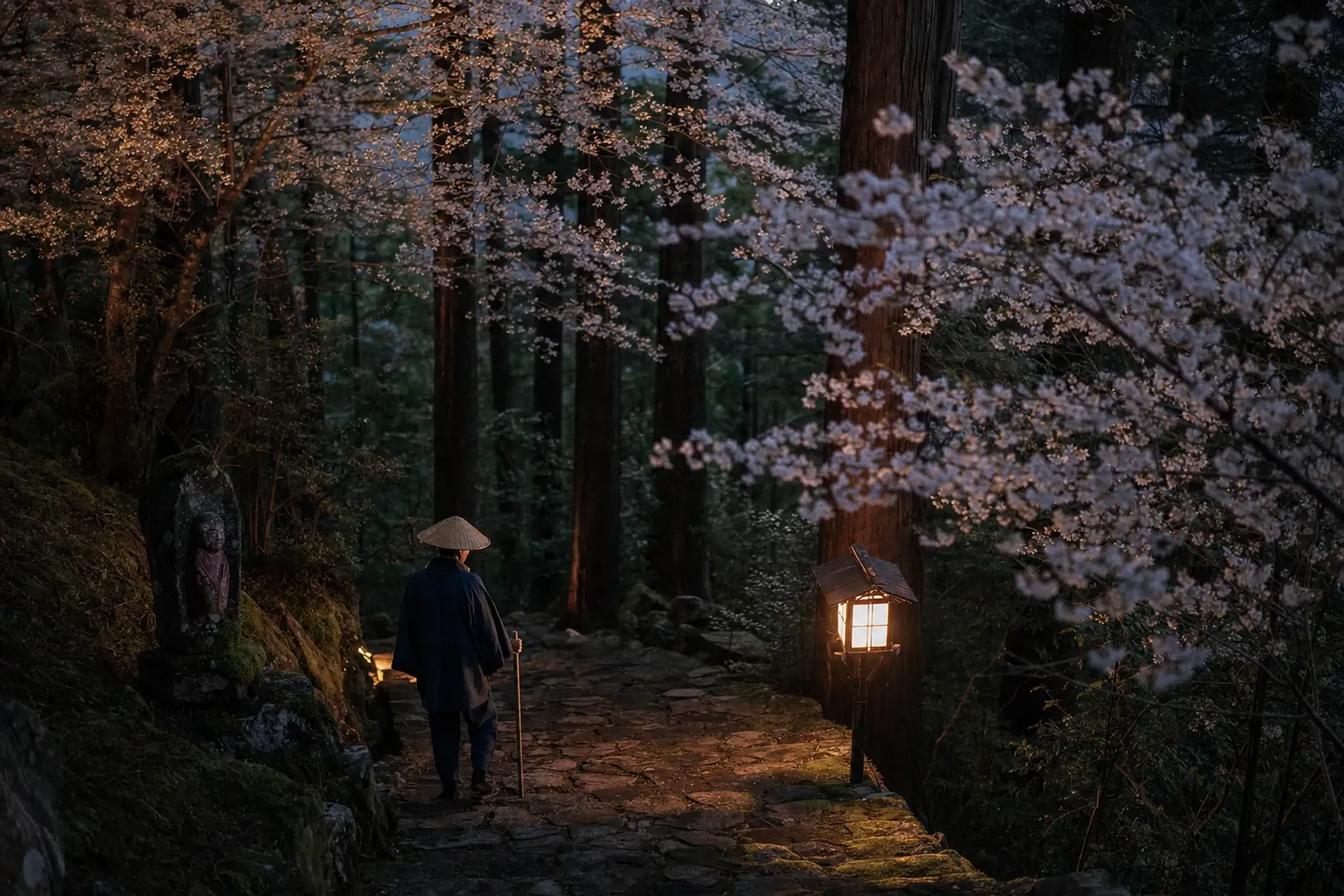
They happen inside a small ryokan reached only by introduction—the kind of place where the kaiseki arrives in time with the season, where a hot spring waits after a day of cedar-shadowed climbing, and where the care is silent, unbidden, and impossible to replicate. This is the hidden Japan we open on your behalf.
If you want a sense of how rural Wakayama can feel when it runs on its own quiet logic, our team previously touched the wider region in our Kitayama-related story: Sado: The Island Japan Used to Send Its Exiles is not about Kumano, but it shares that theme of distance shaping culture.
And for travelers who plan their Japan days with an eye for what is genuinely verifiable, our approach to reading conditions and timing is also reflected in How to Read a Japan Seasonal Forecast Without Getting Burned—because knowing what to walk, where, and in which month is exactly the kind of judgment that separates a good trip from an unforgettable one.
Begin Your Kumano Kodo, Quietly
Kumano was designed, a thousand years ago, to welcome everyone. Walking it well today—privately, at your own pace, with the logistics rendered invisible and the finest doors quietly opened—is a matter of careful design. That is our craft. When you are ready to trace these ancient routes on your own terms, contact us here for a discreet, tailored proposal.