In this guide
- 01Where Is Hachijojima, And What Is Summer Like?
- 02How Do You Get To Hachijojima From Tokyo In Summer?
- 03The Two Volcanoes: Hachijo-Fuji And Mihara-yama
- 04Hachijo-kojima: The Uninhabited Neighbor
- 05Black Lava Shore And Town Hot Springs: What To See Without Rushing
- 06Exile History: Why This Island’s Past Still Feels Present
- 07Kihachijo Silk, Shochu, Kusaya, And Ashitaba: The Island’s Table And Craft
- 08Summer Events, Fireworks, And Bon-Odori: How August Feels On Hachijojima
- 09What Is Hachijojima Weather Like In August?
- 10A Practical 2–4 Night Summer Stay: A Step-By-Step Flow
- 11Let Us Design Your Hachijojima Summer
You drop through low cloud and the sea turns from steel to ink. Then a gourd-shaped island appears, dark green, with two volcano silhouettes cut clean against the summer haze. The runway is close now. The air that rushes in feels warm and wet at once, carrying the scent of salt and sub-tropical leaf.
Or you arrive by sea. Dawn finds the ship easing toward port, the coastline still half-asleep and the lava rock reading as black glass against the first light. It is Tokyo, officially. It feels like leaving the country.
Hachijojima rewards travelers who plan around weather, dinner closures, and the possibility of a delayed return. Do that, and the island opens slowly—craft passed hand to hand, exile history still legible in stone, volcanic edges, and August nights that can end in fireworks over the water. This is not the Japan of the guidebook circuit. It is a place that rewards the visitor who arrives with a plan.
Where Is Hachijojima, And What Is Summer Like?
Hachijojima is a Tokyo island roughly 290 km south of the capital, shaped like a gourd, with a hot, humid, rainy summer governed by the warm Kuroshio Current.
The scale surprises people. Hachijojima covers about 69.11 km², with roughly 6,500 residents, and it belongs to the Tokyo Islands group that the Tokyo Metropolitan Government counts as 11 inhabited islands.
Small, yes. But not tiny—there is room here to breathe.
Summer on the island is not a crisp, dry season. It is lush and steamy. You feel it on your skin the moment you step outside, and you see it in the way clouds build fast over the ridges, then thin again just as quickly, as though the island were drawing breath.
The island’s own descriptions emphasize humidity and rainfall, and that matches what we observe when we plan trips: you want breathable pacing, flexible timing, and dinners confirmed with care. One lazy assumption can cost you an entire evening—and on an island this quiet, a lost evening is not easily replaced.
How Do You Get To Hachijojima From Tokyo In Summer?
You reach Hachijojima either by a roughly 55-minute flight from Haneda Airport or by an overnight ship from Takeshiba that takes about 10 hours and 20 minutes.
The flight is the simplest on paper. It is quick. The island appears suddenly, and you are standing on it before your body has even adjusted to “island time.” In summer, that speed matters, because weather windows can be narrow and unforgiving.
The sea route carries its own rhythm. You leave Tokyo at night and arrive to early light, with the shoreline close enough to study—sea walls, harbors, and the way the volcanic slopes lift straight from the water. The overnight ship may call at Miyakejima and Mikurajima on the way, and the arrival port can be Sokodo or Yaene.
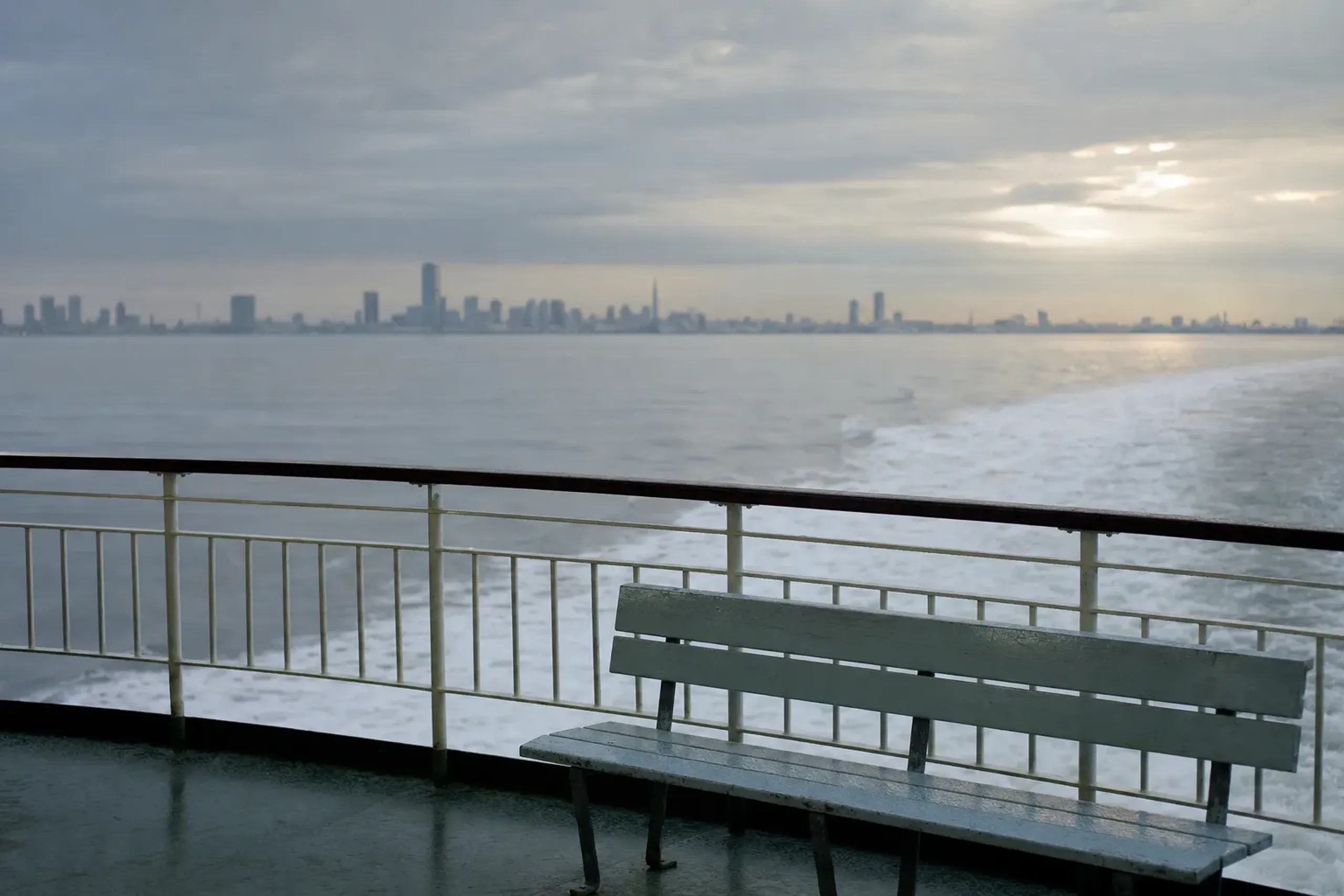
Schedules change. Often. The official island-access pages warn that operating times can shift with season and weather, and that a cancelled return can mean sailing the next day, or later still. That single sentence should quietly shape your entire trip design.
Key fact: The official island-access guidance says weather can change schedules, and a cancelled return trip may be pushed to the next day or later.
On the Tokyo side, our concierge can smooth both comfort and timing with a partner vehicle and English-speaking driver between your hotel and Haneda or Takeshiba, along with luggage forwarding where appropriate. Your shoulders should feel light before the journey even begins.
The crossing itself—air or sea—is confirmed directly with you at the time of arrangement, because conditions and schedules can move. Quietly. Fast.
The Two Volcanoes: Hachijo-Fuji And Mihara-yama
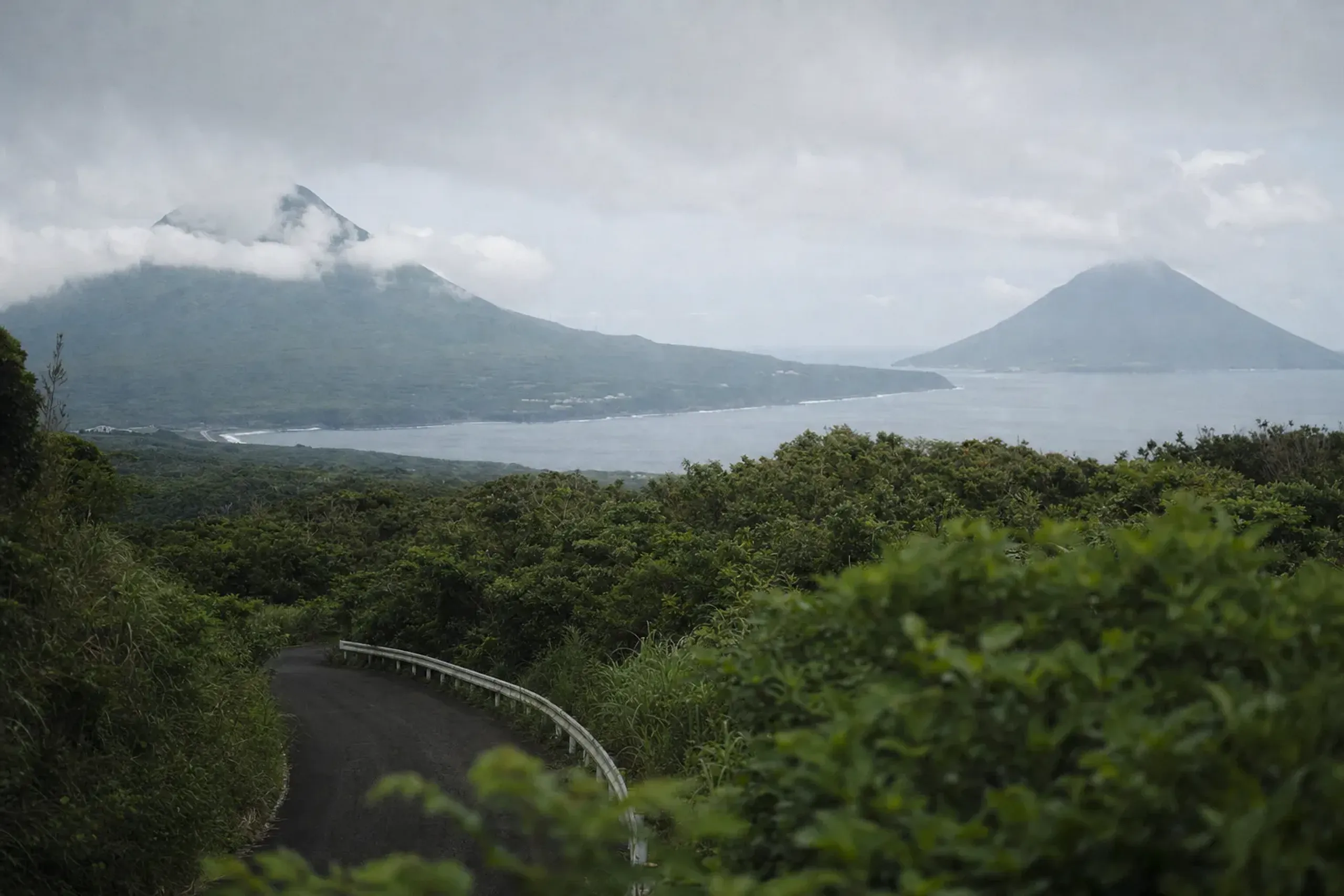
Hachijojima has two main volcanic peaks, and together they give the island its shape and its mood. Hachijo-Fuji rises in the northwest to 854.3 m, described in official Tokyo guidance as the highest peak among the Tokyo Islands. Mihara-yama stands in the southeast at 700.9 m.
You do not need to “conquer” the mountains to feel them. They are presence. In summer, clouds cling to the upper slopes, then tear open to reveal sharp green lines, and the whole island seems to inhale.
Hachijo-Fuji has a summit crater and an official climbing-permit page published by the local tourism association.
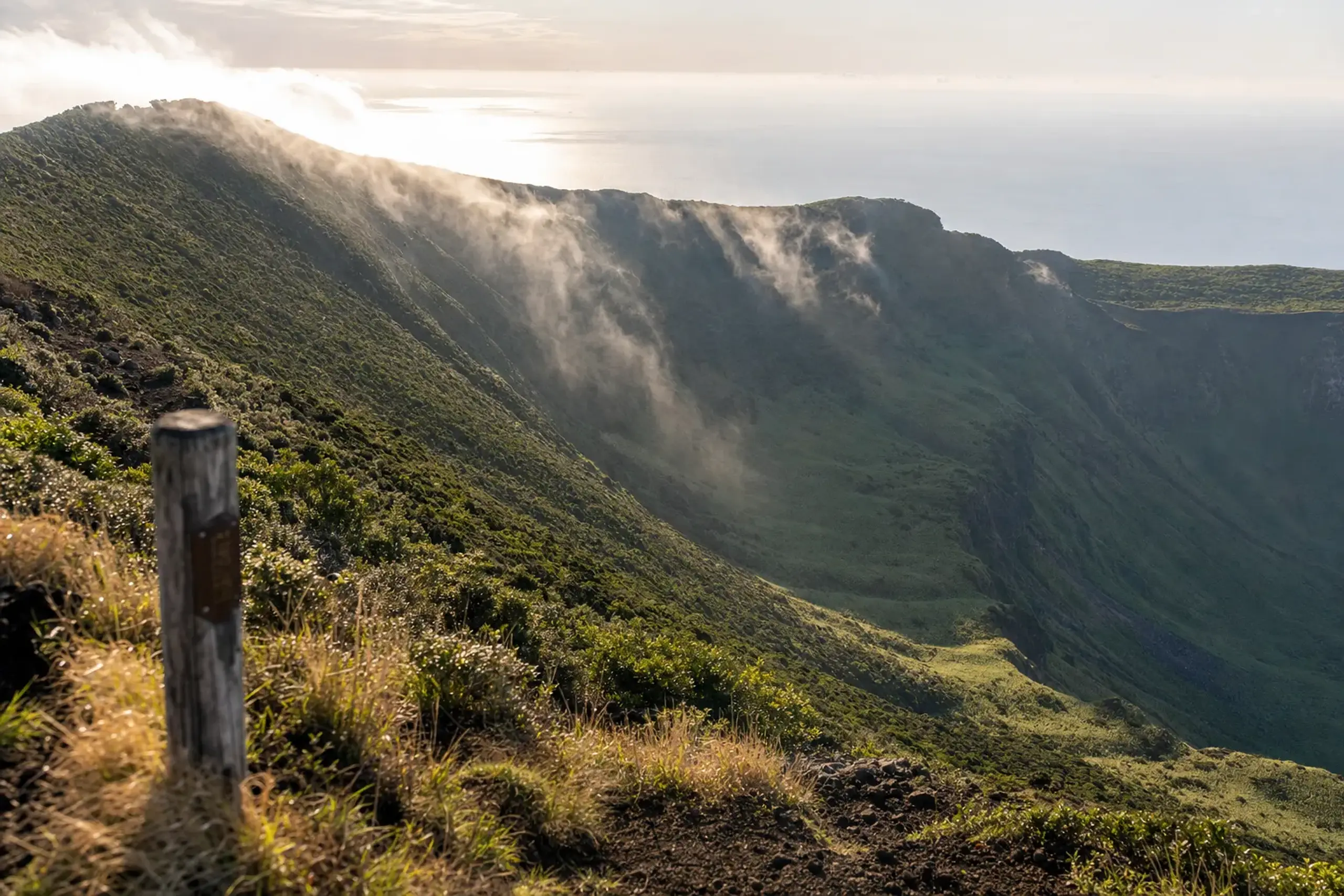
We keep our advice conservative in summer, because heat, wind, and visibility can change quickly, and access guidance can shift after storms.
Even if you stay low, the volcanic story is everywhere. Road cuts reveal their layers. Lava fields sit close against the sea. The island reads like geology written in black stone and bright plants—a landscape you can walk through, where restraint and raw force sit side by side.
Hachijo-kojima: The Uninhabited Neighbor
Look northwest on a clear day and you can picture the next island over. Hachijo-kojima lies about 7.5 km from Hachijojima. It is small—about 3.1 km²—with Taihei-san rising to 616.8 m.
Its history is blunt. Hachijo-kojima has been uninhabited since June 1969, when all its residents left for good. In summer, when the sea is often calm in the morning and rougher by afternoon, that empty outline feels even more distant than the kilometers suggest.
For travelers, it serves as a reminder: the Tokyo Islands are not one thing. They are a chain of different lives and different access realities. Hachijojima is about 55 minutes from Haneda by air.
Black Lava Shore And Town Hot Springs: What To See Without Rushing
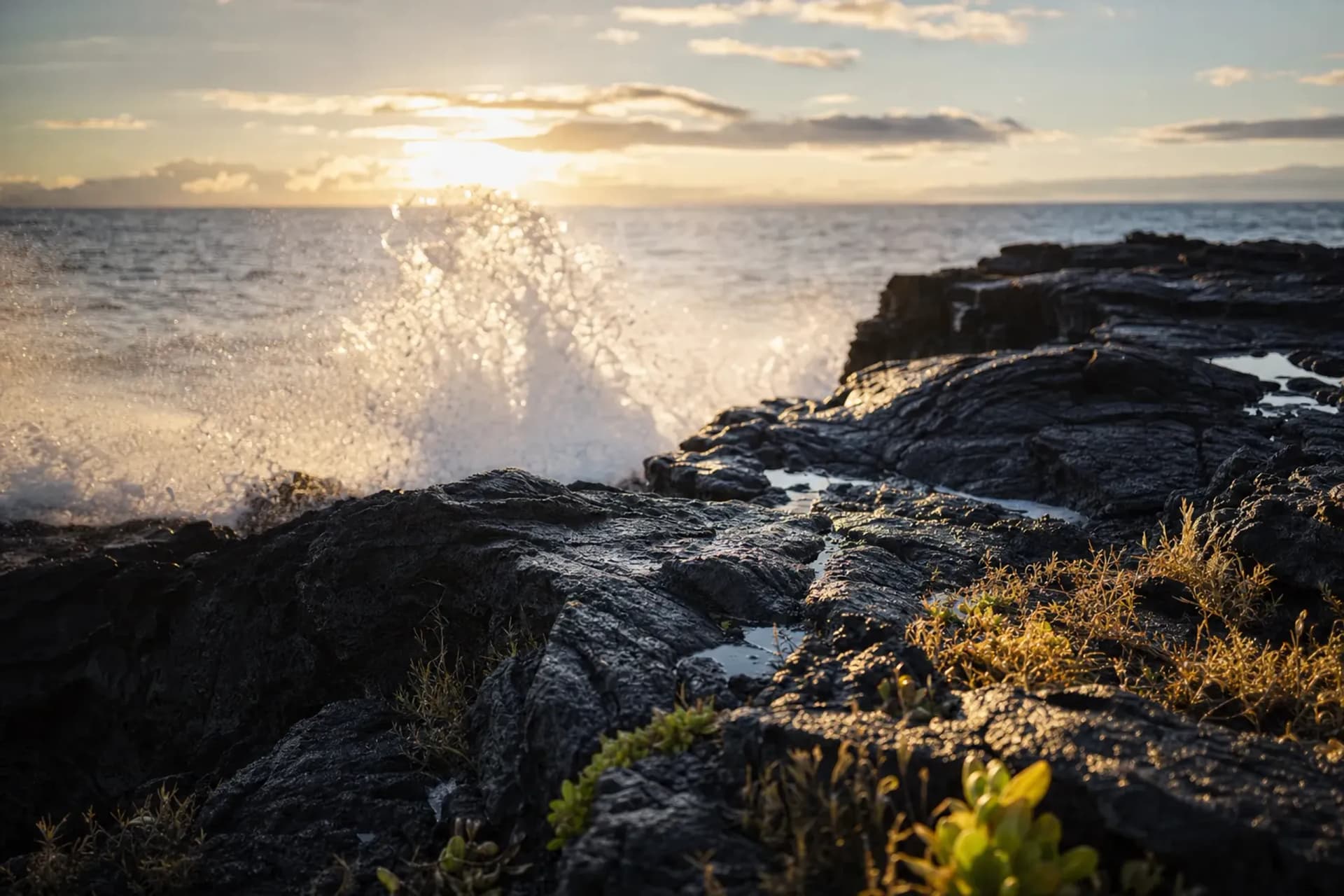
Start with the island’s edges. Nanbara Senjojiki is the headline for many visitors because it looks like a frozen wave of lava meeting the sea. Official local descriptions give it a scale that helps you picture it: roughly 500 m long and 100 m wide, formed by lava from Hachijo-Fuji.
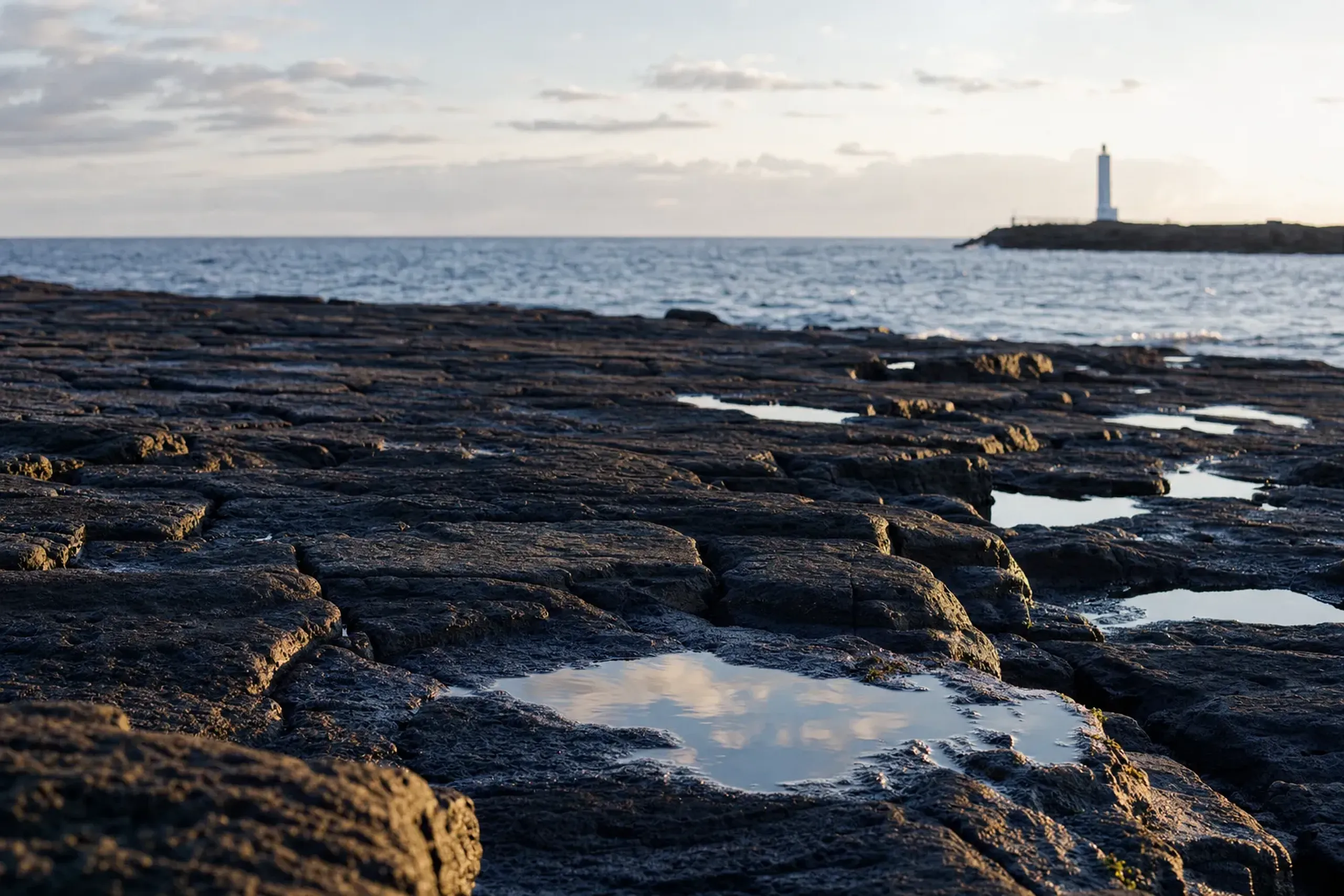
Nearby stand statues of Ukita Hideie and Gohime. It is a small detail. Yet it changes the feeling of the place, turning a coastal viewpoint into a page of living history.
Uramigataki is another name you will hear early. The tourism association describes a waterfall reached by a walk of about 15 minutes, with a free hot spring nearby. Access conditions can change; some recent guidance suggests visitors may need to turn back before reaching the waterfall itself, so we always recommend confirming current access before you commit time to it.
Hachijojima has several town-run hot spring facilities, including Sueyoshi Onsen Miharashi-no-Yu and Uramigataki Onsen, both identified in official Tokyo materials. Keep expectations practical. These are public facilities, and the island’s real luxury lies in the contrast: hot water, salt air, and volcanic rock beneath a sky that darkens late in summer.
Exile History: Why This Island’s Past Still Feels Present
Hachijojima’s beauty carries a hard edge. The island has a long history of exile, and the town’s own historical account describes roughly 1,900 exiles over the 265 years of Tokugawa rule beginning in 1604.
The first exile named in that account is Ukita Hideie. He was banished here in 1606 at the age of 34, after the Battle of Sekigahara. Those numbers matter because they place you in a human timeline, not merely a scenic one.
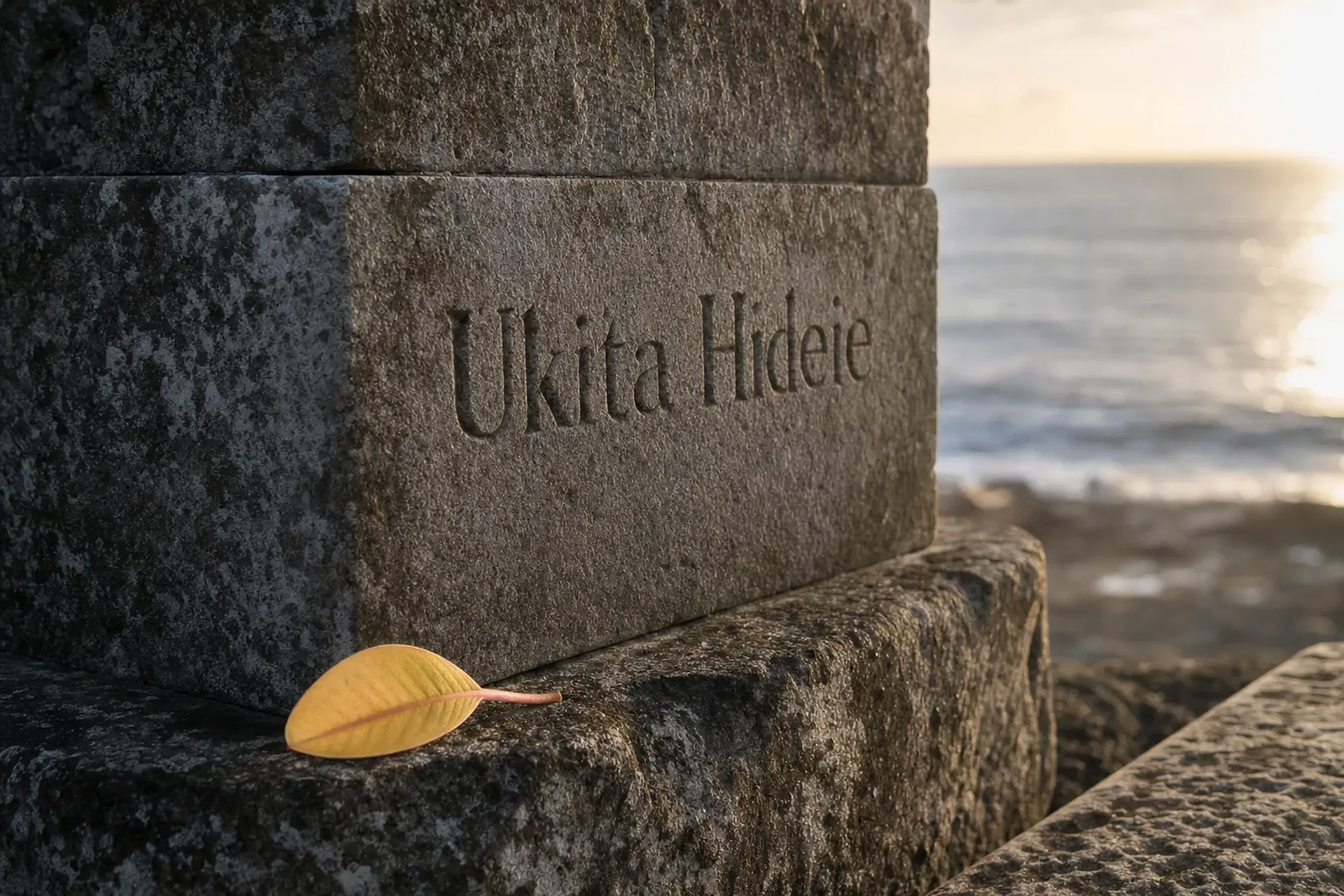
When you stand at the lava coast and meet his statue, it stops being a footnote. The wind is warm. The sea is loud. You can feel how impossibly far “about 290 km south of Tokyo” would have been when travel was slow and forgiveness slower still.
For the traveler who cares about meaning as much as comfort, this is where an English-speaking cultural interpreter guide earns their place. Not with grand speeches. With precise context, and a sense of when to stop talking and let the island speak.
Kihachijo Silk, Shochu, Kusaya, And Ashitaba: The Island’s Table And Craft
Hachijojima’s craft tradition has a name worth learning: Honba Kihachijo. It is a nationally designated traditional craft—a silk fabric dyed before weaving, colored with plant-based dyes in yellow, brown (kaba), and black, all drawn from island plants.
This is shokunin culture in a quiet register. There is no stage performance here, no choreographed spectacle. In our experience, it lands best when you treat it like visiting a small museum with a human heartbeat: listen, ask one sharp question, then let the hands work. Kihachijo silk, dyed in yellow, brown and black with island plants, is a nationally designated traditional craft.
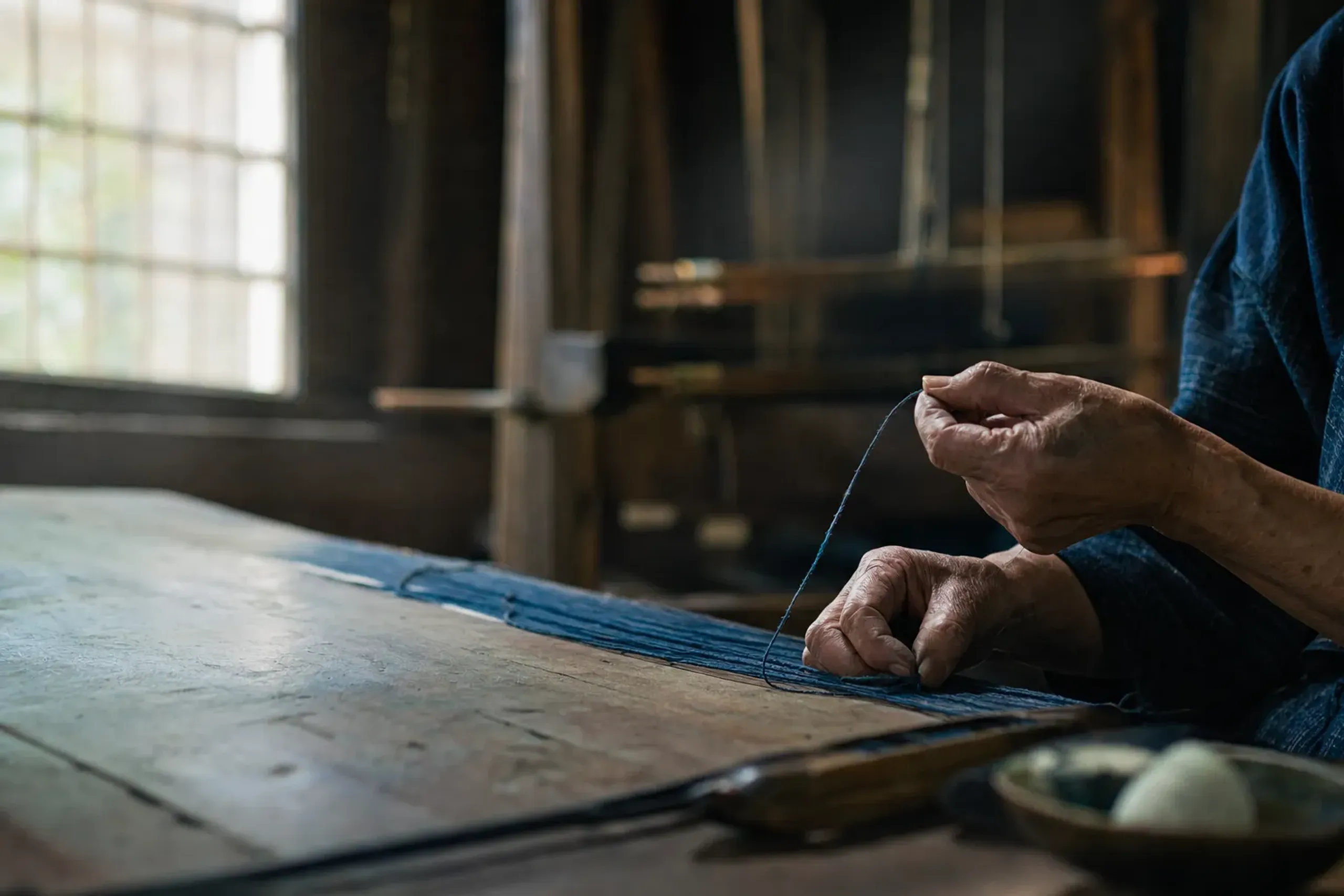
Food on Hachijojima has its own vocabulary, too. The local tourism association introduces three pillars that visitors actually encounter: island shochu (the island has four distilleries), kusaya (a dried, fermented fish with a tradition described as more than 300 years old), and ashitaba, a local green woven into everyday cooking.
Plan dinners with intent. Many restaurants keep irregular closing days, and the tourism association lists the details restaurant by restaurant. We advise confirming your key meals early, then leaving one night deliberately loose for whatever the weather—and the season—happens to hand you. This instinct for seasonality, for knowing what to taste where and when, is something we explore further in our writing on traveling Japan by its seasons.
Summer Events, Fireworks, And Bon-Odori: How August Feels On Hachijojima
Summer on Hachijojima is not a single festival. It is a sequence, and that sequence repeats each year with small variations you should re-check each June.
The Hachijojima Summer Festival is typically held on a mid-July weekend. Around 10 to 11 August, the island holds its Summer Fireworks at the Sokodo coast. Then, from 13 to 15 August, bon-odori takes place in each district.
What does that mean on the ground? Streets grow busier in pockets. Families move in groups. Food sells out earlier than you expect. If you are sensitive to crowds, you time your arrival with care, choose your viewing position with intention, and keep your exit simple.
Beach season is usually set each year from mid-July to late September, and local guidance warns that offshore currents can be strong and that flags mark the conditions.
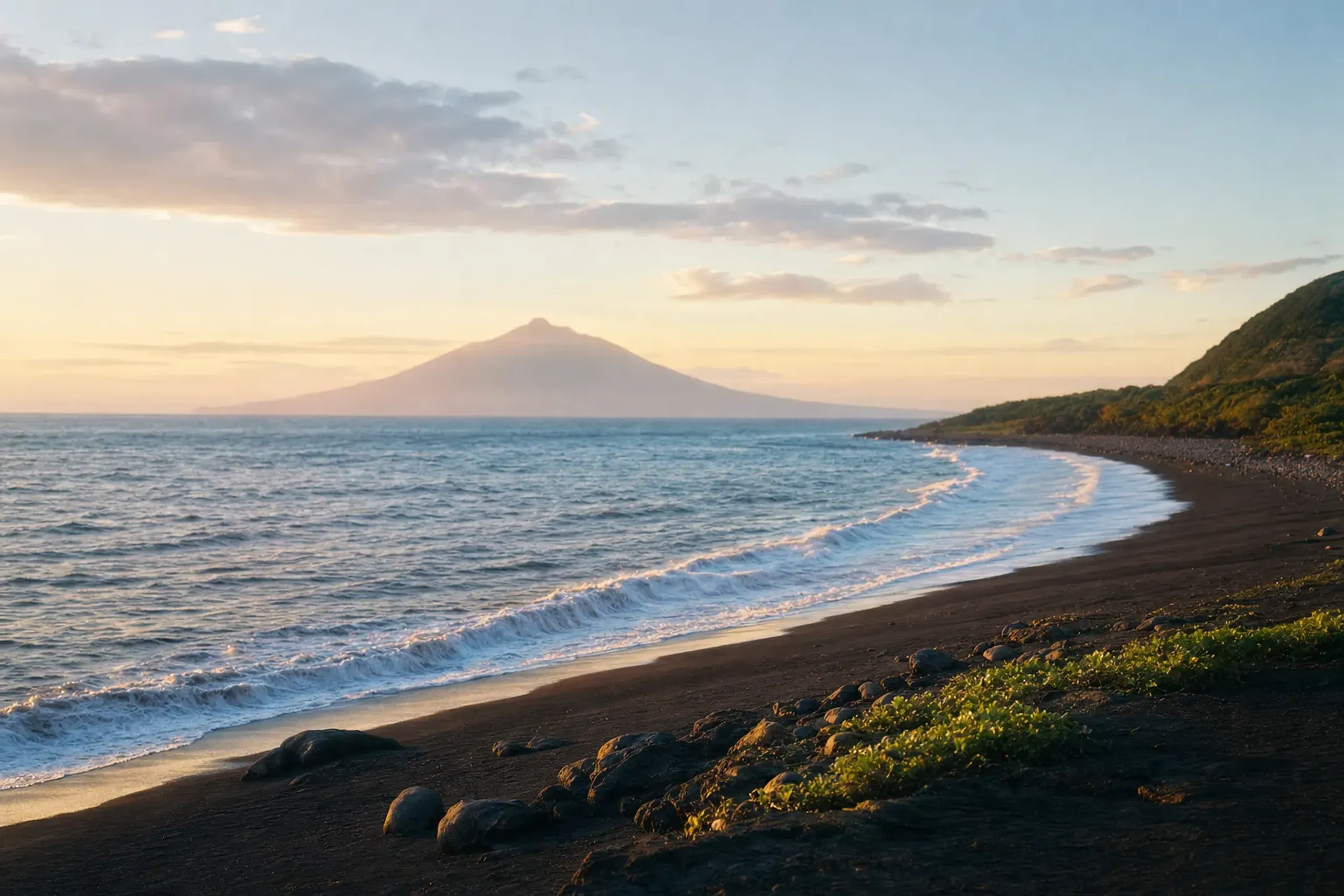
Local rules apply and can change; follow local guidance, and our concierge team confirms the current conditions directly with you at the time of arrangement.
What Is Hachijojima Weather Like In August?
August on Hachijojima averages 26.5°C with high humidity (around 87%) and meaningful rainfall, so expect warm, sticky days and occasional heavy showers.
For travelers who like numbers, the Japan Meteorological Agency normals (1991–2020) at Hachijojima station give a clear profile. August mean temperature is 26.5°C. The mean maximum is 29.6°C, and the mean minimum is 24.3°C.
Rain is not a side note here. August rainfall averages 169.5 mm, with about 10.8 days seeing 1.0 mm or more. Then it grows wetter into autumn: September averages 360.5 mm, and October a striking 479.1 mm. This is why the island’s own tourism messaging describes a “long summer” that stays lively well into October—and also why you build a plan that can bend without breaking.
Typhoon season is part of Japan’s summer arithmetic. Nationally, typhoon occurrence, approach, and landfall are most frequent from July to October (1991–2020). You do not panic over that. You respect it, and you build in room for it.
A Practical 2–4 Night Summer Stay: A Step-By-Step Flow
The island is compact, but summer logistics make it feel larger. Here is a simple flow our team at Japan Royal Service often uses as a starting point, then edits around your pace and the forecast as part of a tailor-made itinerary shaped entirely to you.
Night 1: Arrival And A Quiet First Dinner
Arrive by air or sea, settle in, then eat early. A short first night. Your body will thank you for it.
If you land by plane, the day can still run long because heat quietly drains energy. If you arrive by ship, the dawn arrival can push your sleep cycle sideways. Either way, we suggest a low-stakes evening where the only “goal” is a satisfying meal that fits your dietary needs, communicated ahead of time so nothing is left to chance.
Day 2: Lava Coast And A Slow Read Of The Island
Go to Nanbara Senjojiki when the light is clear. It photographs beautifully, but more than that, it explains the island in a single glance: volcanic force, then time, then waves. The statues of Ukita Hideie and Gohime add a human anchor to the view.
Later, consider one of the town hot springs if it suits your style and schedule. Not as a “treatment,” but simply as a change of temperature and pace—a quiet reset before the evening.
Day 3: Craft, History, And The Dinner You Planned For
Make this your cultural core. Honba Kihachijo is the island’s signature traditional craft, and it pairs naturally with the exile narrative, because both are, at heart, about endurance—skills and lives carried intact through isolation.
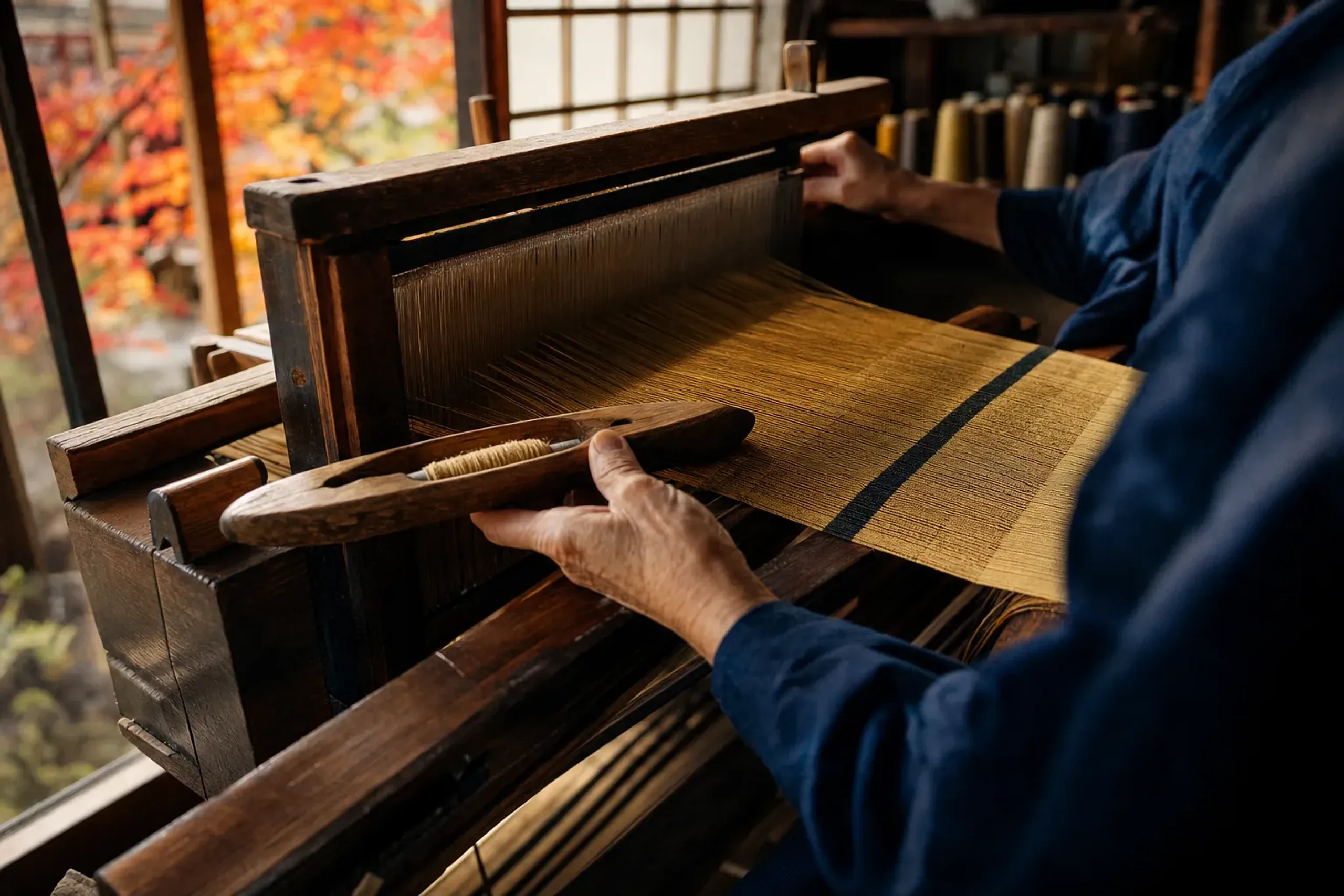
This is where an English-speaking cultural interpreter guide can make the whole day feel coherent. They are booked separately from any driver. On-island ground transport options include route buses, taxis, and rental cars, and our concierge team confirms what is genuinely realistic on the island directly with you at the time of arrangement.
Day 4: Weather Buffer, Fireworks Night, Or The Slip Day
In summer, every island trip needs a spare pocket of time. Use it for the fireworks around 10 to 11 August if your dates align, or for whatever the rain stole from you earlier in the stay. This flexibility is not an afterthought; on Hachijojima, it is the difference between a trip that frays at the edges and one that unfolds exactly as it should.
Let Us Design Your Hachijojima Summer
Hachijojima rewards the traveler who arrives with the weather and the dinners already considered—so that all you need do is step off the plane or the ship and let the island reveal itself. From a cultural interpreter who knows when to speak and when to fall silent, to a return plan that absorbs whatever the sea decides, the JRS concierge team confirms the details directly with the guest at time of arrangement. To begin planning, contact our team here.