In this guide
- 01Understanding Japan's Four Distinct Seasons
- 02When Japan Is Busiest, Month by Month
- 03March: Early Cherry Blossoms and Spring Awakening
- 04April: Peak Cherry Blossom Season
- 05May: Golden Week and Late Spring
- 06June: The Underrated Rainy Season
- 07July and August: Summer Festivals and Mountain Escapes
- 08September: Transitional Weather and Early Autumn
- 09October: Settled Weather and Emerging Autumn Colors
- 10November: Peak Autumn Foliage Season
- 11December: Winter Illuminations and Year-End Traditions
- 12January and February: Winter Sports and Cultural Depth
- 13Choosing the Best Month to Visit Japan for Your Trip
- 14How JRS Arranges It
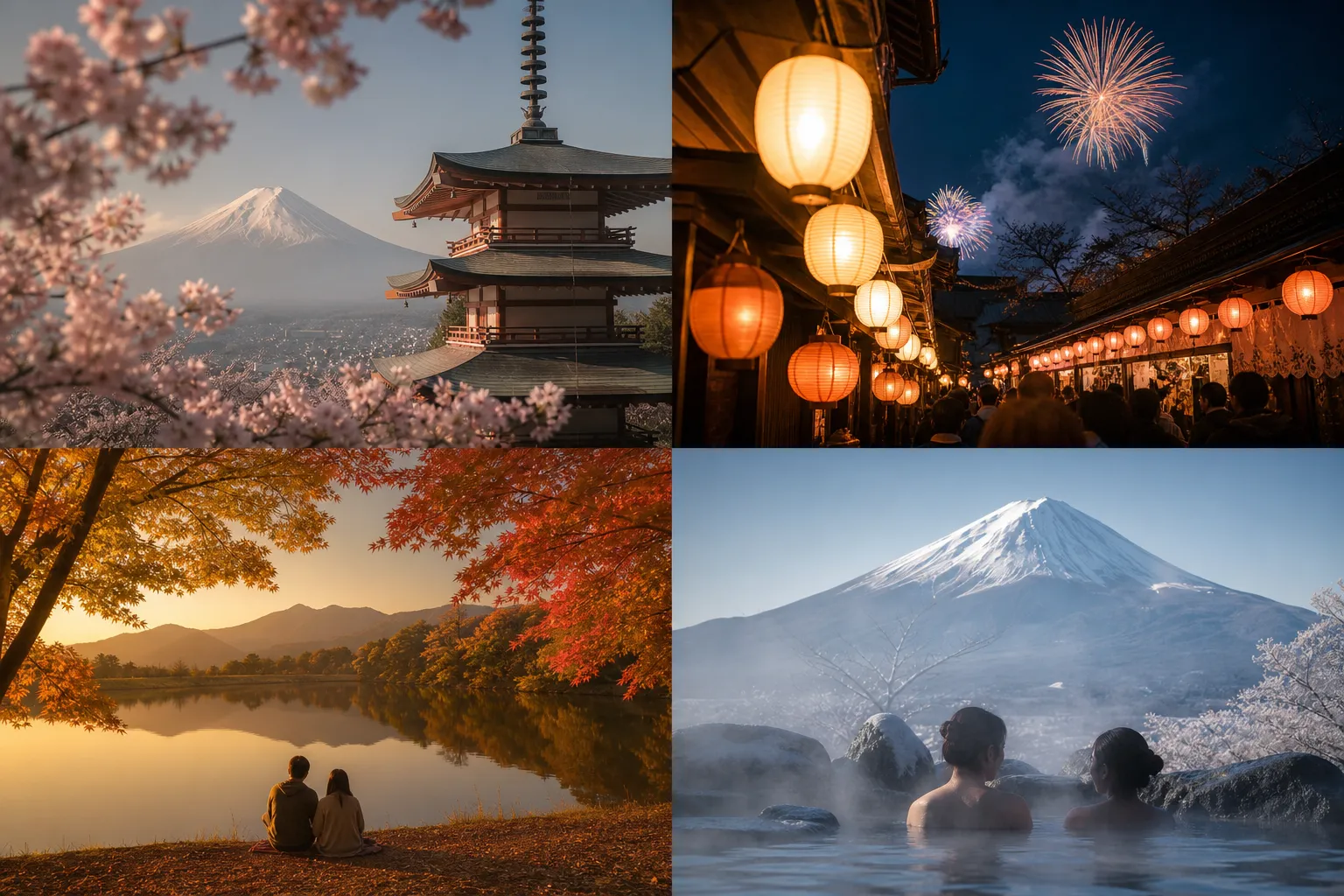
Japan's seasons change the country month by month, from cherry blossoms on spring hillsides to autumn leaves across temple grounds. The best month to visit Japan depends on what you want from the trip: the weather you prefer, the festivals or landscapes you hope to see, and how much crowding you are willing to plan around. Whether you are drawn to powder snow in Hokkaido, summer festivals in Kyoto, or calm autumn gardens in Tokyo, each month has its own advantages for travelers.
Understanding Japan's Four Distinct Seasons
Japan's seasonal transitions shape every part of a trip. The archipelago spans several climate zones, so regional differences can be used to your advantage when you plan your timing.
Spring (March–May) brings cherry blossom season, with temperatures gradually warming from 10°C to 22°C. Sightseeing weather is comfortable, though the season draws large numbers of visitors.
Summer (June–August) is hot and humid, with temperatures reaching 30–35°C. The rainy season (tsuyu) typically falls in June, followed by festival season and mountain hiking.
Autumn (September–November) cools from 25°C to 12°C. Autumn foliage rivals the cherry blossoms for visual impact, with generally fewer crowds outside peak weekends.
Winter (December–February) brings snow to the north while southern areas remain mild. Temperatures range from -5°C in Hokkaido to 10°C in Kyushu.
When Japan Is Busiest, Month by Month
Crowd levels below are typical patterns, not forecasts; exact dates shift by year, and the JRS concierge team confirms them directly with the guest at time of arrangement.
| Month | Typical crowds | Why | Quieter option |
|---|---|---|---|
| January | High first days, then lower | New Year holidays to about January 3; Lunar New Year visitors in late January or February (date varies) | Mid-January cities; ski areas are busy on weekends |
| February | Moderate | Snow festivals in Hokkaido; Lunar New Year (date varies) | Weekdays in Kyoto and Tokyo |
| March | Rising | Spring school break; cherry blossom begins late in the month in Tokyo and Kyoto | Early March, before the bloom |
| April | Very high early in the month | Cherry blossom; Golden Week begins April 29 | Mid-April in cities, once the bloom has passed |
| May | Very high May 1–5, then lower | Golden Week holidays (May 3, 4, 5) | Mid-to-late May |
| June | Lower | Rainy season across most of Japan except Hokkaido | Hokkaido; indoor-focused days in cities |
| July | Rising | Rainy season ends mid-month in most regions; summer school holidays start late July; Gion Matsuri | Early July weekdays; northern highlands |
| August | High mid-month | Obon, centred on August 15; school holidays; typhoon season | Early August outside festival towns |
| September | Moderate, with a peak around the September holidays | Respect for the Aged Day (third Monday) and Autumnal Equinox Day; typhoon season continues | Early or late September, avoiding the holiday week |
| October | Moderate | Mild weather; foliage begins in the north and the mountains | Weekdays; Tohoku and Hokkaido foliage |
| November | High in Kyoto mid-to-late month | Peak autumn foliage in Kyoto and Tokyo | Early November, or Kyoto's quieter northern areas |
| December | Lower early, high late | Year-end holidays; many businesses close about December 28–January 3 | Early-to-mid December |
Weekdays are calmer than weekends in every month. If your dates are fixed, the right-hand column shows where, or when within the month, to look for calmer days.
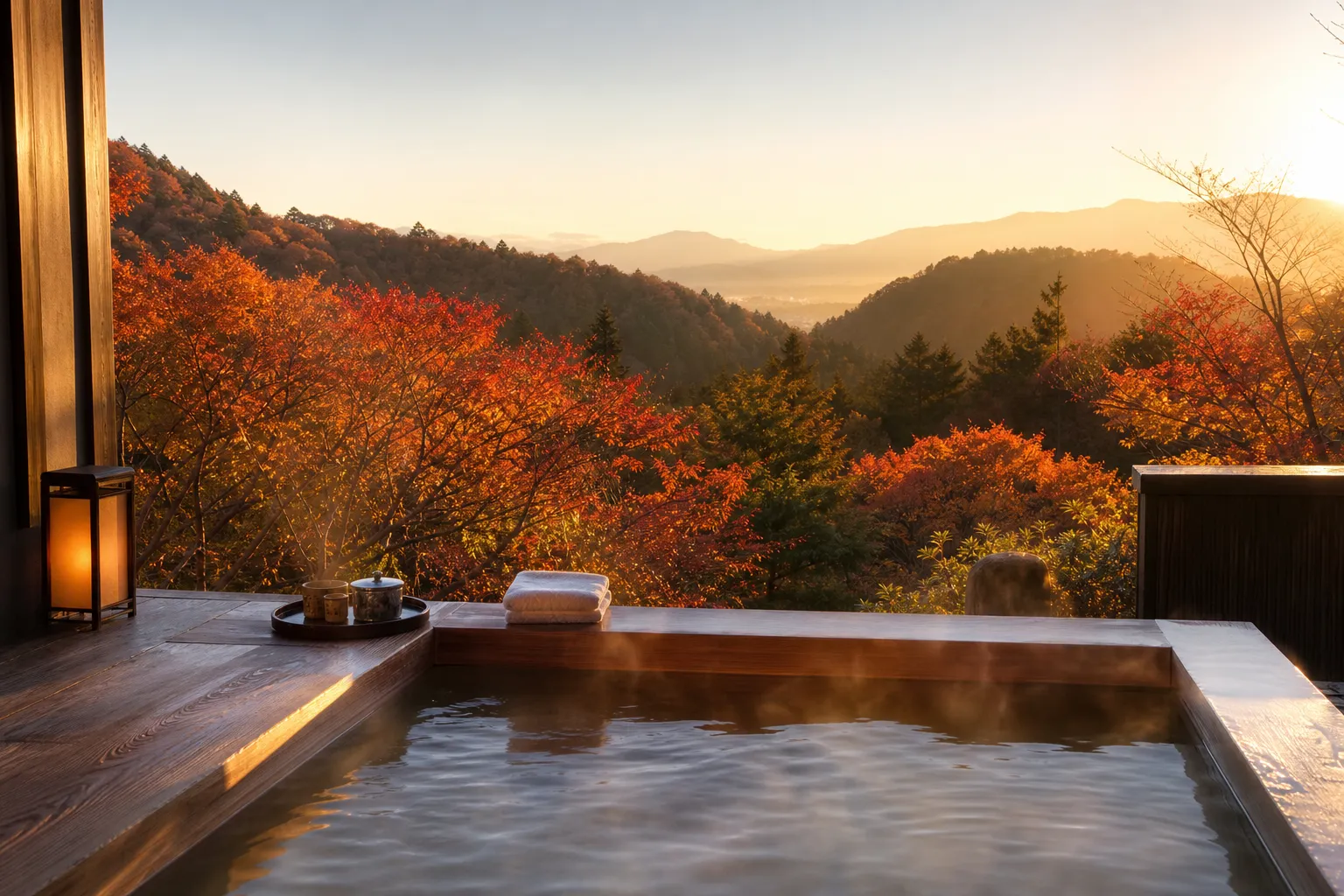
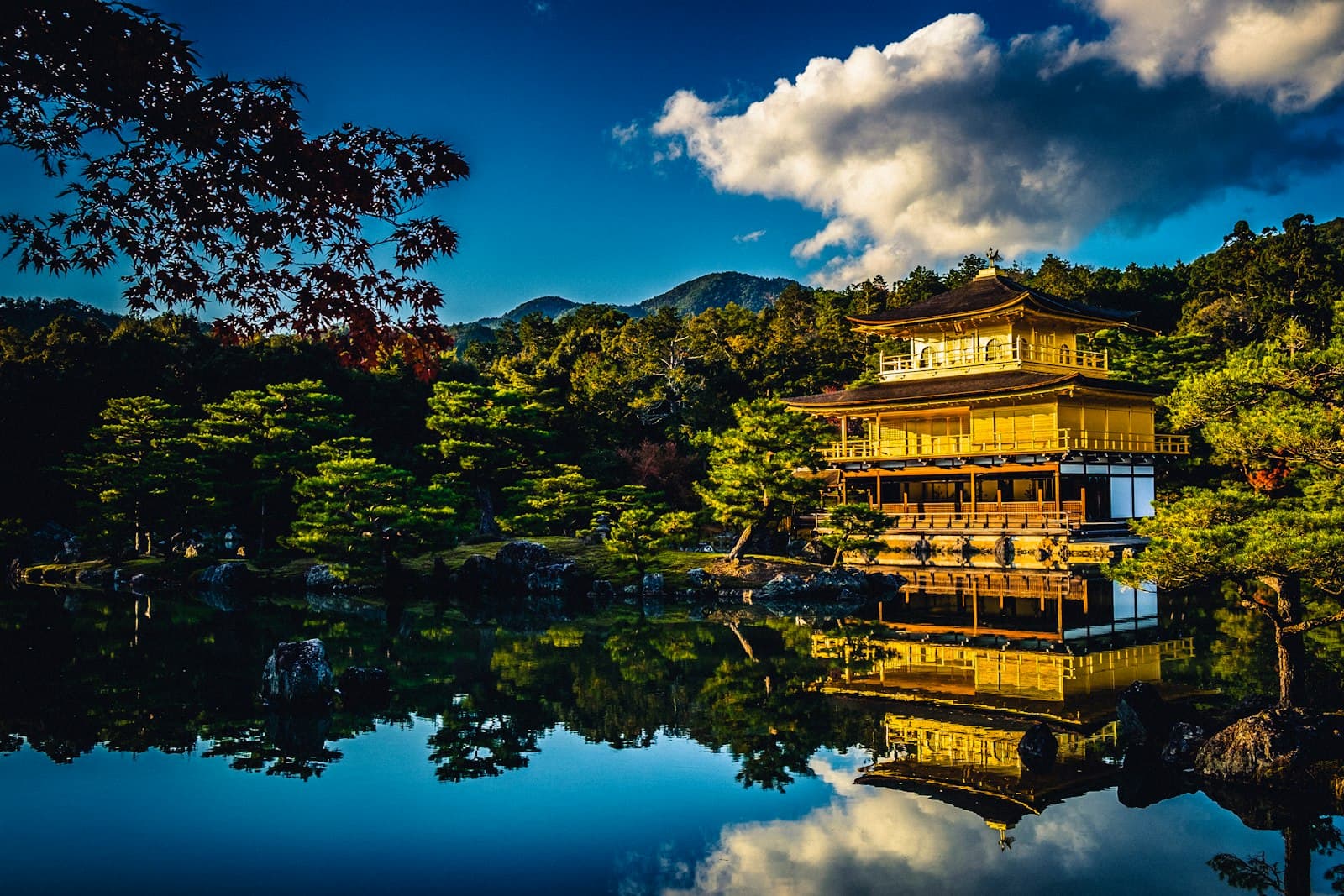
Autumn foliage around a mountain ryokan terrace.
March: Early Cherry Blossoms and Spring Awakening
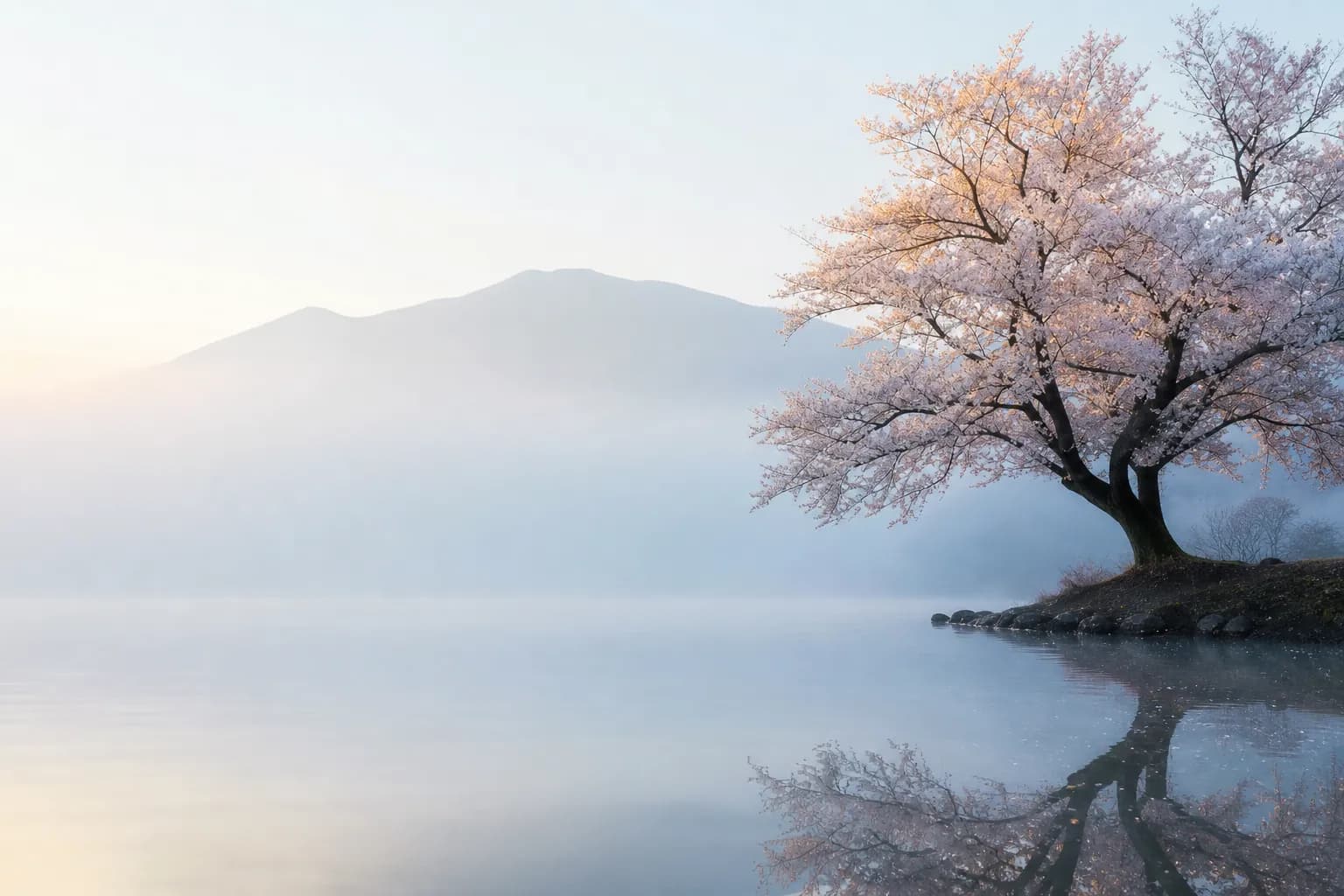
March marks the turn from winter to spring and gives you a preview of cherry blossom season before the peak crowds. Southern regions such as Kyushu and Shikoku begin to bloom in late March, while Tokyo and Kyoto typically see early hanami toward the month's end. For a closer look at one city, see Kyoto in March.
Weather and Conditions
Mornings are chilly and afternoons milder, so layered clothing works well. Rain is moderate, and waterproof outerwear keeps longer walking days comfortable.
March suits travelers looking for:
- Fewer international visitors than in April
- Early plum blossoms and winter camellias
- Good skiing conditions in the northern regions
Popular destinations are easier to enjoy now, with visits timed to avoid the peak before the spring rush begins.
April: Peak Cherry Blossom Season
April is a popular choice for first-time visitors. Cherry blossoms reach peak bloom across major cities, including Tokyo, Kyoto, Osaka, and Hiroshima, turning parks, riverbanks, and castle grounds pink.
| City | Typical Peak Bloom | Crowd Level |
|---|---|---|
| Tokyo | Typically late March to early April, varying by year | Very High |
| Kyoto | Typically late March to early April, varying by year | Extremely High |
| Osaka | Typically late March to early April, varying by year | Very High |
| Hiroshima | Typically late March to early April, varying by year | High |
Bloom timing is confirmed by the JRS concierge team directly with the guest at time of arrangement.
Planning April Days
Hanami visits work best when planned around the busiest hours, and restaurants serving spring menus are booked well ahead. Kaiseki cuisine in April features bamboo shoots, spring fish, and cherry blossom-flavoured dishes.
April weather is generally cool and dry, which suits long walks through historic districts. Advance booking matters, as this is one of the busiest months for accommodation.
May: Golden Week and Late Spring
May brings warm temperatures, low rainfall, and green landscapes. Golden Week (late April through early May) is one of Japan's busiest domestic travel periods, so careful planning is essential.
Comfortable weather without summer heat makes May an easy month for outdoor activities, from mountain walks to garden visits.
Strategic Timing Considerations
Early May (through the Golden Week holidays): expect crowds, along with festive energy and pleasant weather.
Mid-to-late May: crowds drop noticeably while the weather stays good. This period suits travelers seeking calmer temple visits and unhurried cultural experiences.
- Wisteria season peaks at gardens nationwide.
- Mountain routes open in the Japanese Alps.
- The fresh seafood season begins in coastal areas.
- Rice planting ceremonies take place in rural districts.
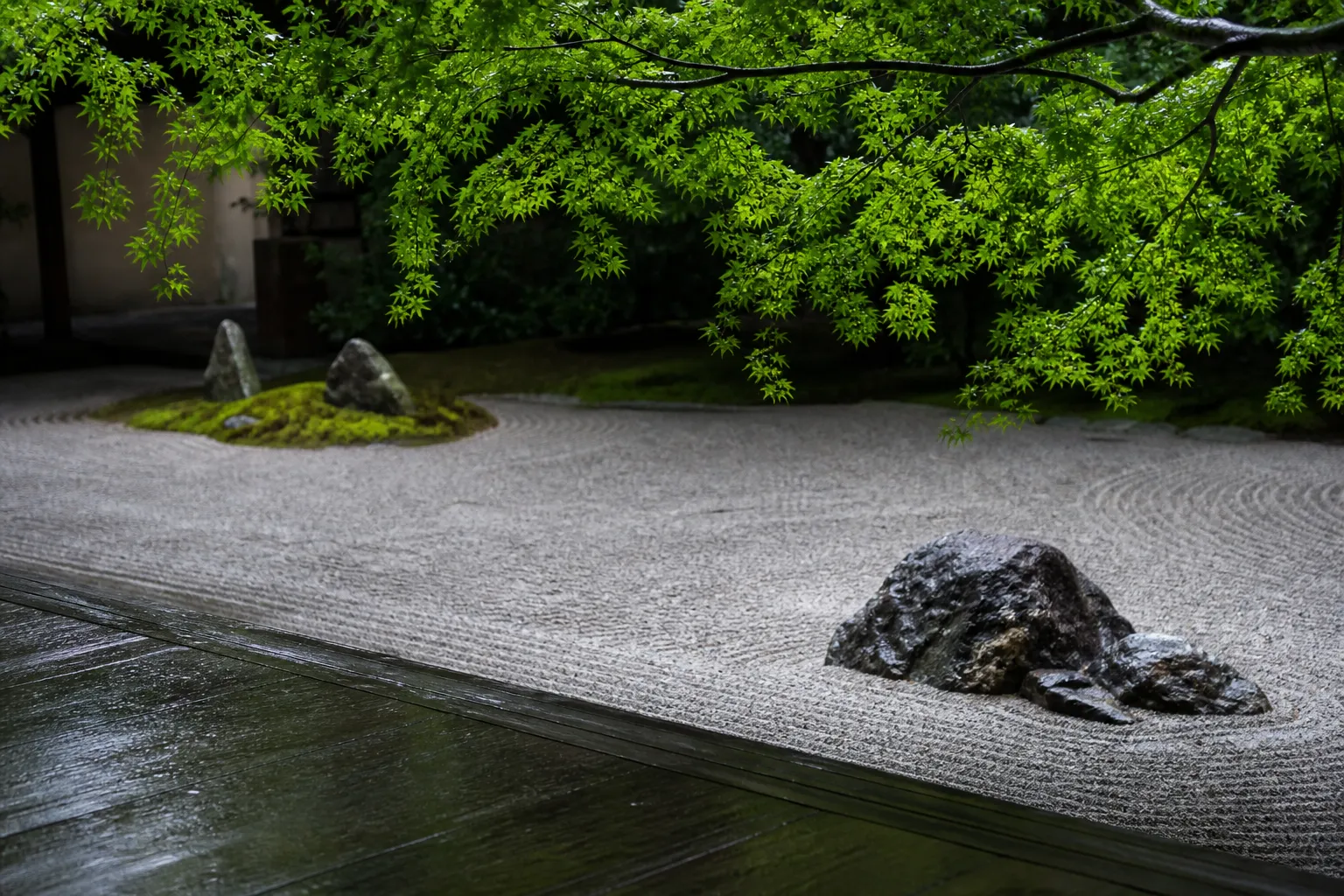
After Golden Week, historic Zen gardens in Kyoto are calmer.
June: The Underrated Rainy Season
June is often overlooked because of the rainy season (tsuyu), yet it has clear advantages. Rain often comes as extended drizzle rather than constant downpours, and indoor-focused itineraries turn wet days into opportunities. For more on planning this month, see Japan in June: What the Rain Is For and our guide to rainy day planning.
Rainy Season Advantages
Crowds are lighter at popular destinations, and establishments that are usually hard to book become easier to secure. Museums, traditional crafts workshops, tea ceremonies, and culinary experiences take centre stage.
Hydrangeas bloom at temples and gardens throughout Kyoto and Kamakura, thriving in the June moisture. The blue and purple blooms give photographers and garden visitors subjects that drier months do not offer.
Humidity is high, so air-conditioned vehicles from partner companies with English-speaking drivers make moving between destinations more comfortable.
July and August: Summer Festivals and Mountain Escapes
Summer brings intense heat and humidity in July and August across most regions, but it is also the height of festival season, when communities across the country celebrate long-standing traditions. See our festival calendar and our guide to Obon for more detail.
Major Summer Festivals
- Gion Matsuri (Kyoto): Throughout July, with processions on July 17 and 24
- Tenjin Matsuri (Osaka): July 24–25
- Nebuta Matsuri (Aomori): August 2–7
- Awa Odori (Tokushima): August 12–15
Festival schedules and reserved seating are confirmed by the JRS concierge team directly with the guest at time of arrangement. To stay comfortable in the heat:
- Choose accommodation with good climate control
- Use private transfers instead of crowded public transit
- Schedule indoor activities for the hottest part of the afternoon
- Add mountain or coastal destinations for cooler air
Hokkaido and the alpine areas are noticeably cooler than Tokyo or Osaka in summer, making hiking, flower fields, and other outdoor activities more comfortable.
September: Transitional Weather and Early Autumn
September is a month of transition. Early September keeps summer warmth and the possibility of typhoons, while late September brings cooler temperatures and clearer skies. Visitor numbers fall after the summer school holidays end, and the weather becomes pleasant for outdoor exploration.
Late September often balances good weather and lighter crowds once the summer holidays end, though the September holiday week brings a brief domestic travel peak.
Typhoon Season Considerations
Typhoon season continues through September. Forecasting gives travelers time to adjust plans when storms approach, and the JRS concierge team keeps alternative arrangements ready so a disrupted day can be re-planned.
October: Settled Weather and Emerging Autumn Colors
October brings comfortable weather, manageable crowds, and early autumn colour. Humidity is low and rainfall is generally light, which suits long days of sightseeing.
Autumn colours appear first in the north and in the mountains, while lowland areas stay green and change gradually. On a longer journey, you can see several stages of the season.
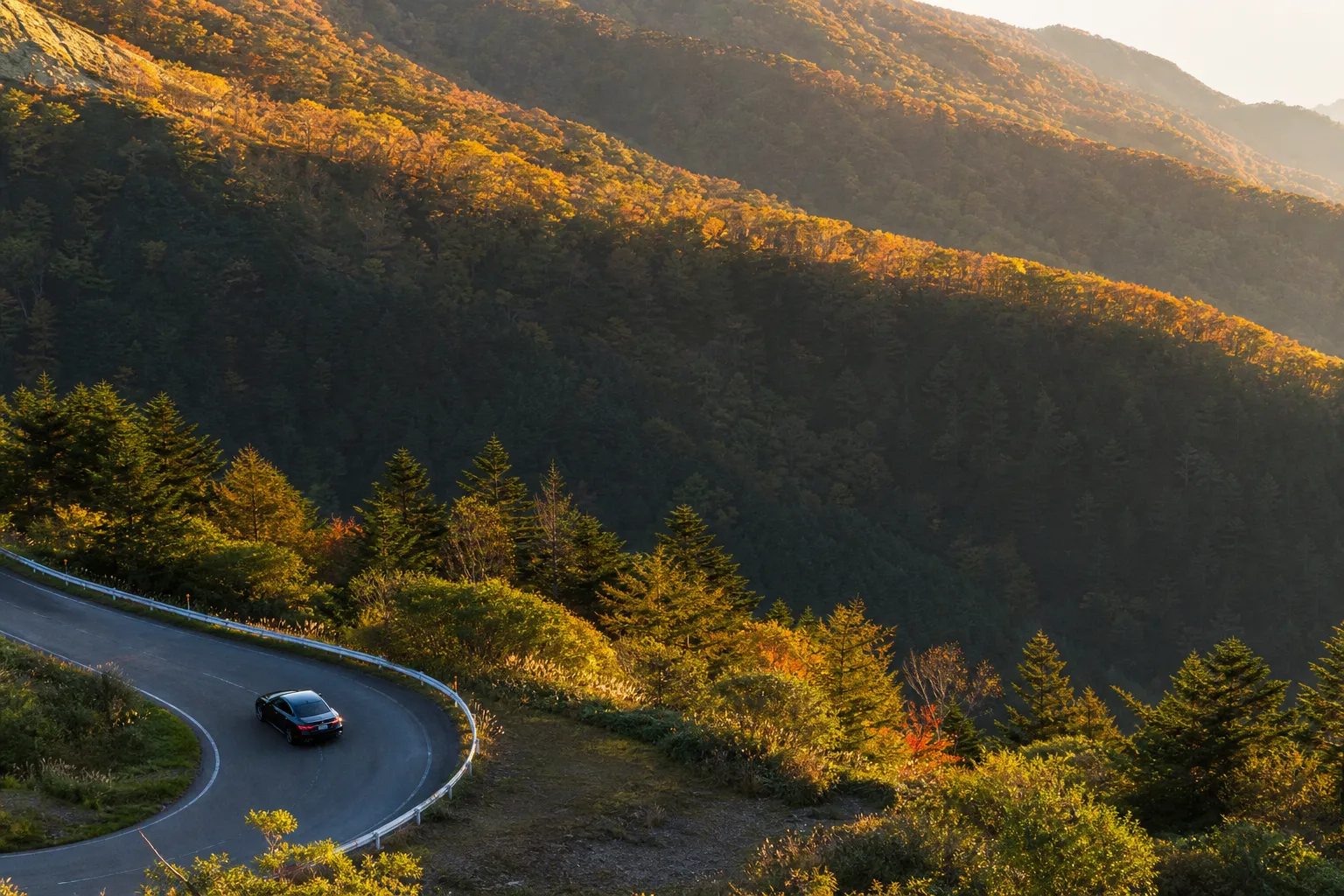
Early autumn in northern Japan's highlands, with gold above and green below.
October Experiences
Autumn harvest season brings new sake releases, matsutake mushroom kaiseki courses, and seasonal fruit. Food is one of the clearest reasons to travel in October, as menus change with the harvest.
- Good hiking weather in the Japanese Alps
- Comfortable temperatures for ryokan stays
- Steady conditions for photography
October's stable weather suits multi-region itineraries that combine outdoor activities, cultural experiences, and dining.
November: Peak Autumn Foliage Season
November brings peak autumn foliage to Kyoto and Tokyo, with timing varying by region and elevation. Maples and ginkgos turn red, orange, and gold.
Regional Foliage Timing
Early November: Northern Honshu and mountainous areas reach peak colour, including Nikko, the Japanese Alps, and Kyoto's mountain temples. In Tohoku, see our guide to Oirase Stream and Lake Towada.
Mid-November: Tokyo, central Kyoto, and central Japan reach prime viewing. Historic gardens and temple complexes frame the colour with architecture, so a slower pace through fewer sites is often more rewarding.
Late November: Western and southern regions, including Osaka, Hiroshima, and northern Kyushu, close the season. Some areas extend into early December.
Foliage reports change week to week, and itineraries can be adjusted to follow the colour across regions. Private guides can suggest lesser-known viewing spots away from the busiest sights. Rainfall is low and humidity drops well below summer levels; mornings are cool, so a light jacket is useful, while afternoons stay pleasant.
December: Winter Illuminations and Year-End Traditions
December brings winter illuminations and preparations for New Year, as cities fill with light displays and year-end customs.
Winter Illumination Season
Tokyo, Osaka, Kyoto, and regional cities hold light installations through the winter, many running into February. Well-known displays include:
- Tokyo Midtown: Refined seasonal designs
- Nabana no Sato: Large LED flower field displays
- Marunouchi Illumination: Lit tree-lined streets in the business district
Northern regions see snow and sub-zero conditions. Year-end experiences include:
- Omisoka (New Year's Eve) temple bell ringing
- Kaiseki menus featuring winter specialties
- Hot spring resorts in snow-covered mountain settings
- Traditional crafts markets and artisan workshops
Early-to-mid December is a good window, before the year-end holidays, when many businesses close from about December 28 to January 3.
January and February: Winter Sports and Cultural Depth
Winter brings snow sports to northern Japan, while southern regions stay mild enough for cultural visits. January and February are the main months for skiing and snowboarding, with Hokkaido and the alpine regions receiving consistent powder snow.
| Winter Destination | Snow | Temperature Range | Activities |
|---|---|---|---|
| Niseko, Hokkaido | Heavy snowfall from December to March | -8°C to -1°C | Skiing, hot springs |
| Hakuba Valley | Heavy snowfall from December to March | -5°C to 3°C | Skiing |
| Nozawa Onsen | Heavy snowfall from December to March | -3°C to 2°C | Skiing, traditional villages |
| Kyoto | Light | 2°C to 10°C | Temples, cultural experiences |
Strategic Winter Travel
Many winter itineraries combine snow destinations with city visits. Hokkaido skiing pairs well with Kyoto temples, and Japan's rail and air connections make the move between climate zones straightforward. A few days in the snow followed by a few days in the city gives you two very different sides of the country in one trip.
February brings plum blossoms to the southern regions as an early preview of spring, while the north remains in winter. You can see both seasons in a single journey.
Outside the New Year holidays, winter brings fewer visitors, so popular sights are calmer. Ryokan stays in snow country, booked well ahead, offer kaiseki cuisine and attentive service. For more winter ideas, see Winter Onsen Logistics, Drift Ice in Hokkaido, and Zao.
Choosing the Best Month to Visit Japan for Your Trip
A few factors narrow the choice beyond weather and crowds:
- Events: Some festivals and traditions happen only in particular months, which fixes your timing.
- Regions: Multi-region itineraries work well in May, October, and early November, when most areas have good conditions. Single-region trips allow more seasonal flexibility.
- Activities: Skiing needs winter; hiking suits spring and autumn. Cultural experiences work year-round.
- Crowds: Cherry blossom and foliage seasons draw the most visitors. For calmer travel, consider June, September outside the holiday week, or winter.
Choosing the best month to visit Japan comes down to your interests, whether that is cherry blossoms, autumn foliage, winter sports, or festivals. For a longer trip, our guide to Three Bases shows how to pace 10 to 14 nights.
How JRS Arranges It
Japan Royal Service plans around Japan's seasonal timing. JRS arranges:
- rail, including Green Car
- vehicles from partner companies with English-speaking drivers
- separate guides
- ryokan and restaurant booking
- festival reserved seating where it is sold
- same-day re-planning for weather
To begin planning, contact our team here.