In this guide
- 01The Two Marches In Kyoto
- 02When Do Cherry Blossoms Peak In Kyoto In 2026 And 2027?
- 03Why Plum Blossom Makes The Case For Early March
- 04How Much Is Kyoto's Lodging Tax In 2026?
- 05What Does Getting Around Kyoto Cost In March?
- 06How Cold Is Kyoto In Early March?
- 07When Should You Book Kyoto For March?
- 08Frequently Asked Questions
- 09Why Choose Japan Royal Service
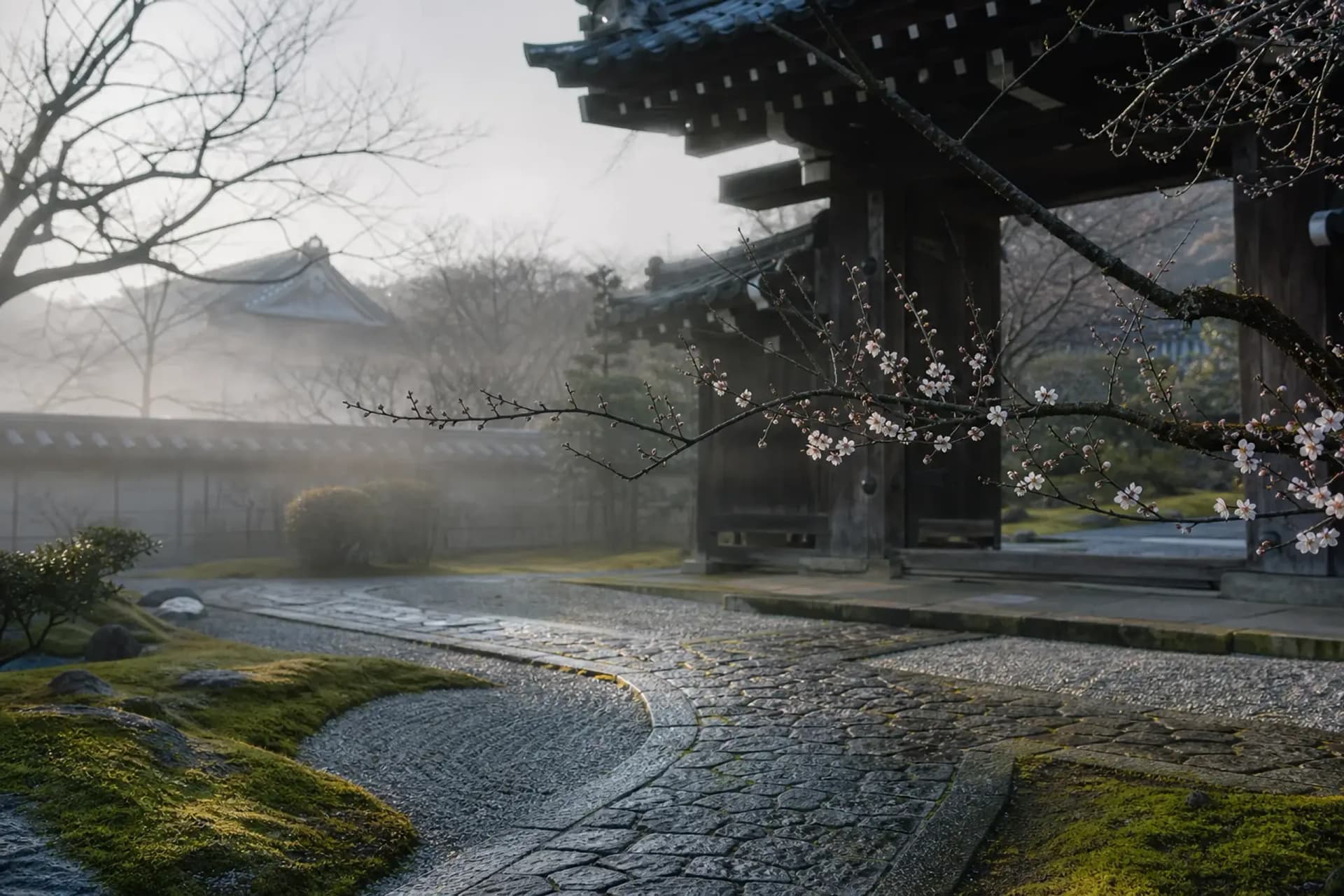
The garden at Kitano Tenmangū is cold in the first week of March. Frost still holds in the shaded moss. What blooms here is not cherry but plum — ume — deep pink and white against bare branches, and the scent carries further than the color. A handful of people move between the trees. No one is queuing. No one is jostling for the same photograph. This is Kyoto three weeks before the city fills, and almost nobody writes about it.
Most guides point you at April. At Japan Royal Service we would rather point you at the fortnight before it. March in Kyoto is really two months wearing one name, and the line between them runs close to the 23rd. Understanding that split — and what it now costs on either side of it — is the single most useful piece of planning we can give you this spring.
The Two Marches In Kyoto
Kyoto's March breaks cleanly in half. Early to mid-March is cold, quiet, and the last uncrowded stretch before the heaviest tourism of the year. Late March into April is the blossom front, the surge, and a steep climb in hotel rates.
Here is the plain rule. To avoid crowds, travel before roughly 20 March. To see cherry blossom, travel after 25 March — and accept the consequences of doing so. There is no version where you get both the quiet and the sakura. That trade-off is the spine of every decision that follows.
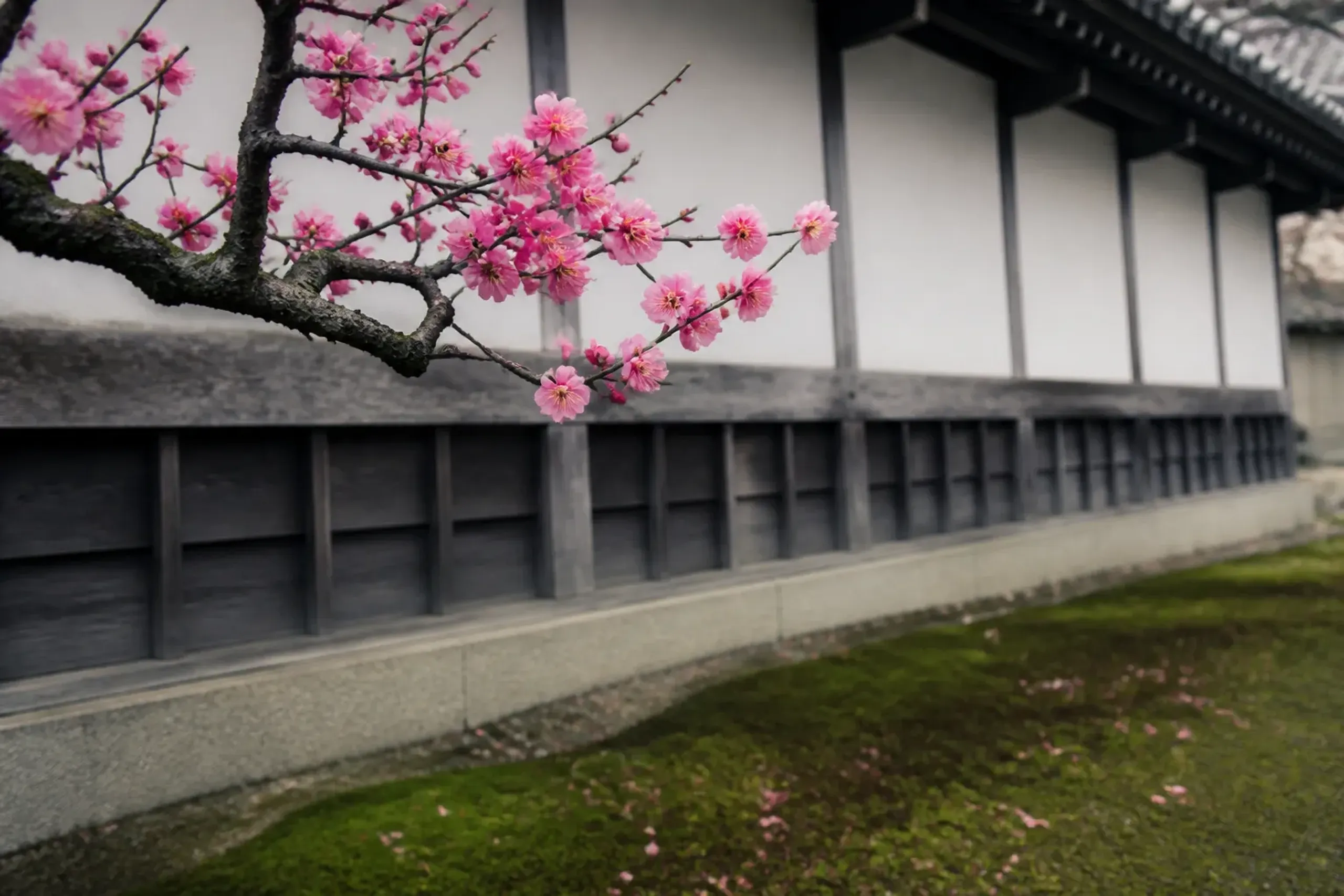
Early March gives you plum blossom instead of cherry, temperatures in single digits, empty temple gardens, and the lowest room rates of the spring.
Late March gives you the cherry, but also full trains, packed viewing spots, and rates that run well above baseline. The seasonal congestion mirrors what we described in our autumn foliage guide — the same pressure, a different flower.
When Do Cherry Blossoms Peak In Kyoto In 2026 And 2027?
Kyoto's cherry blossoms typically reach full bloom in the first days of April, with first bloom in the final week of March. Peak viewing then lasts only five to seven days. Always treat any date as a forecast, never a fixed appointment.
The Japan Meteorological Corporation recorded Kyoto's 2026 first bloom, the kaika, on 23 March, with full bloom, mankai, on 1 April — three days earlier than the historical average, and part of a decade-long drift toward earlier blooming. Preliminary 2027 forecasts put first bloom around 25 March and full bloom around 3 April, but the final numbers publish in mid-January 2027.
So here is the instruction that matters most. The JMC forecast publishes in January. Check it two to three weeks before you travel. That window gives you the tightest read available on when the trees will actually open, because peak viewing is short: five to seven days after full bloom, with petal fall — hanafubuki, the blossom snowstorm — following within seven to ten days after that.
Planning rule: Rooms sell out four to six months before the trees bloom, but the JMC bloom forecast doesn't publish until January. If sakura is the goal, book late March with flexibility built in — not certainty.
Why Plum Blossom Makes The Case For Early March
Plum blossom is not a consolation prize.
It is a genuinely different flower season, and in some ways the better one for a traveler who values space.
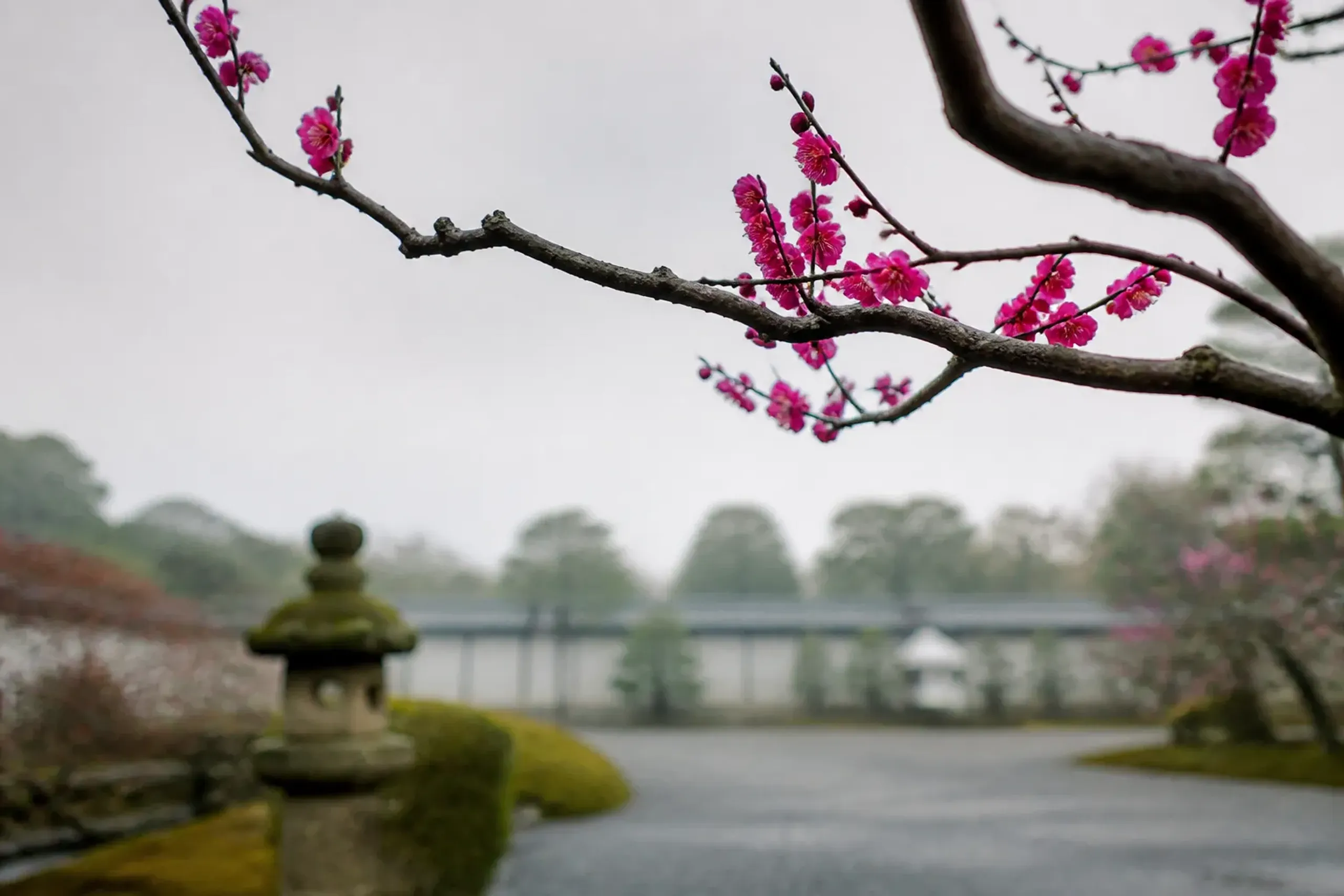
Late February through mid-March is ume season in Kyoto. Kitano Tenmangū, the shrine dedicated to the scholar Sugawara no Michizane, keeps a plum grove of roughly 1,500 trees in dozens of varieties — pale white to near-crimson. Jōnangū, in the south of the city, sets its weeping plums against a garden designed for quiet walking. Both are less photographed and far less crowded than any cherry site in April.
The plum flowers earlier, on darker bare wood, and it holds its scent in cold air in a way the cherry never does. Where the cherry is a single overwhelming week, the plum unfolds slowly across a fortnight. You can stand in the grove at Kitano Tenmangū with the moss underfoot and the frost not yet gone and have the place to yourself. That stillness — restraint over spectacle, wabi over flash — is what early March offers and April cannot.
Early March also carries its own small ceremonies. On 3 March, Girl's Day, the Nagashibina rite takes place at Shimogamo Shrine, where paper dolls are floated down a stream to carry away misfortune.
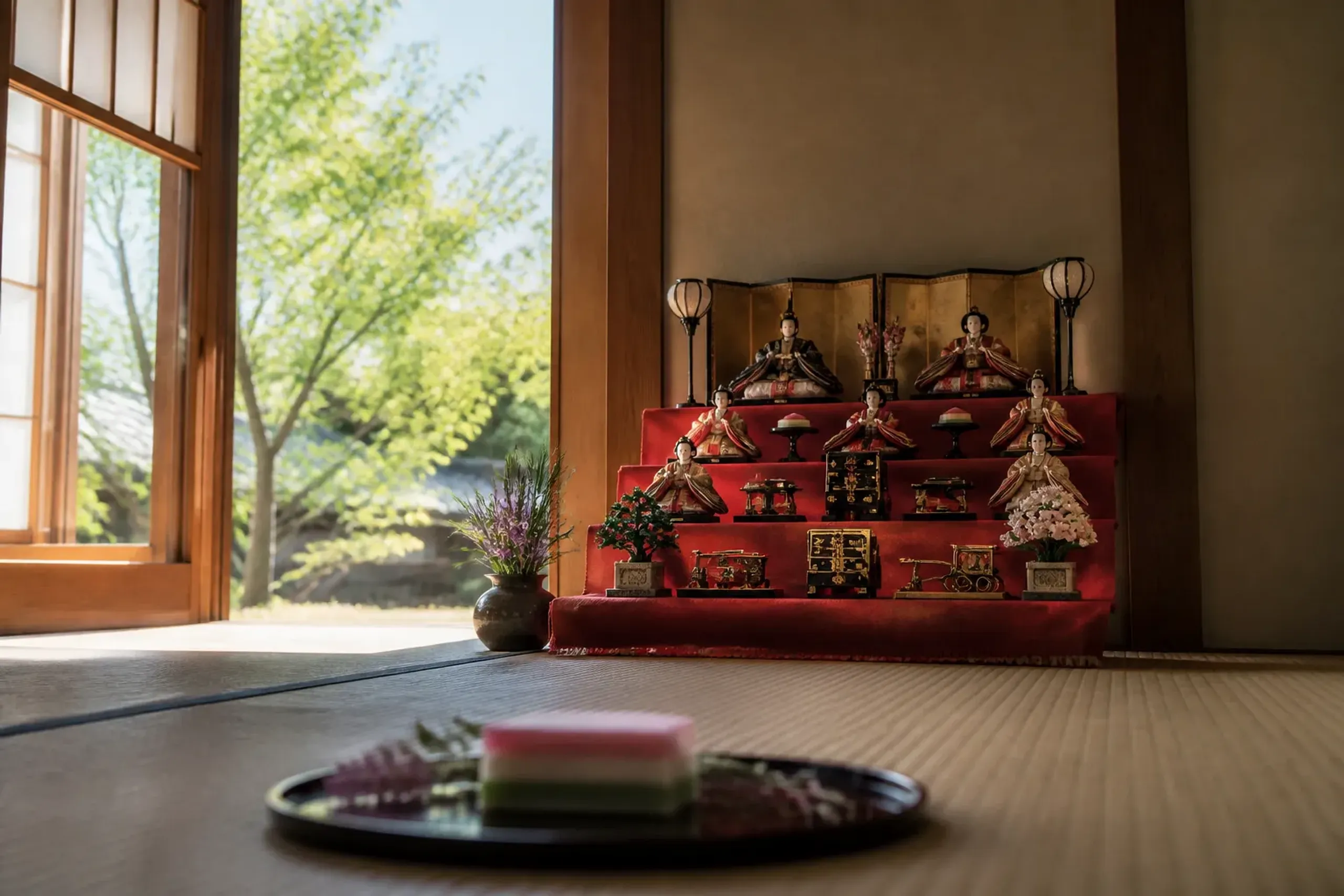
It is a modest, local thing, watched by few. That is precisely the point.
How Much Is Kyoto's Lodging Tax In 2026?
Kyoto's accommodation tax rose on 1 March 2026 to a top band of ¥10,000 per person, per night — now the highest lodging tax in Japan. It is charged on the room rate, excluding meals and consumption tax.
This is the first revision since the tax was introduced in October 2018, and for anyone staying at the upper end it changes the arithmetic of the trip. The tax is banded by nightly room rate, per person:
| Room rate per night | Tax per person, per night |
|---|---|
| Under ¥6,000 | ¥200 |
| ¥6,000–¥19,999 | ¥400 |
| ¥20,000–¥49,999 | ¥1,000 |
| ¥50,000–¥99,999 | ¥4,000 |
| ¥100,000 and above | ¥10,000 |
The top band is a tenfold rise from the old ceiling. Do the arithmetic. Two guests at a property rated over ¥100,000 a night, staying five nights, pay ¥10,000 × 2 × 5 = ¥100,000 in tax alone. That is a real line on the invoice, separate from the room itself.
The tax is collected at check-in, though some booking channels fold it into the price upfront. School excursion groups are exempt. This is not a reason to change your plans — it is a reason to know your number before you arrive. And it sharpens the case for early March, where the same tax bands apply against the lowest room rates of the spring. Late March combines peak rates with peak tax. Early March does not.
What Does Getting Around Kyoto Cost In March?
A standard Kyoto city bus fare is ¥230 per adult, flat across the central zone.
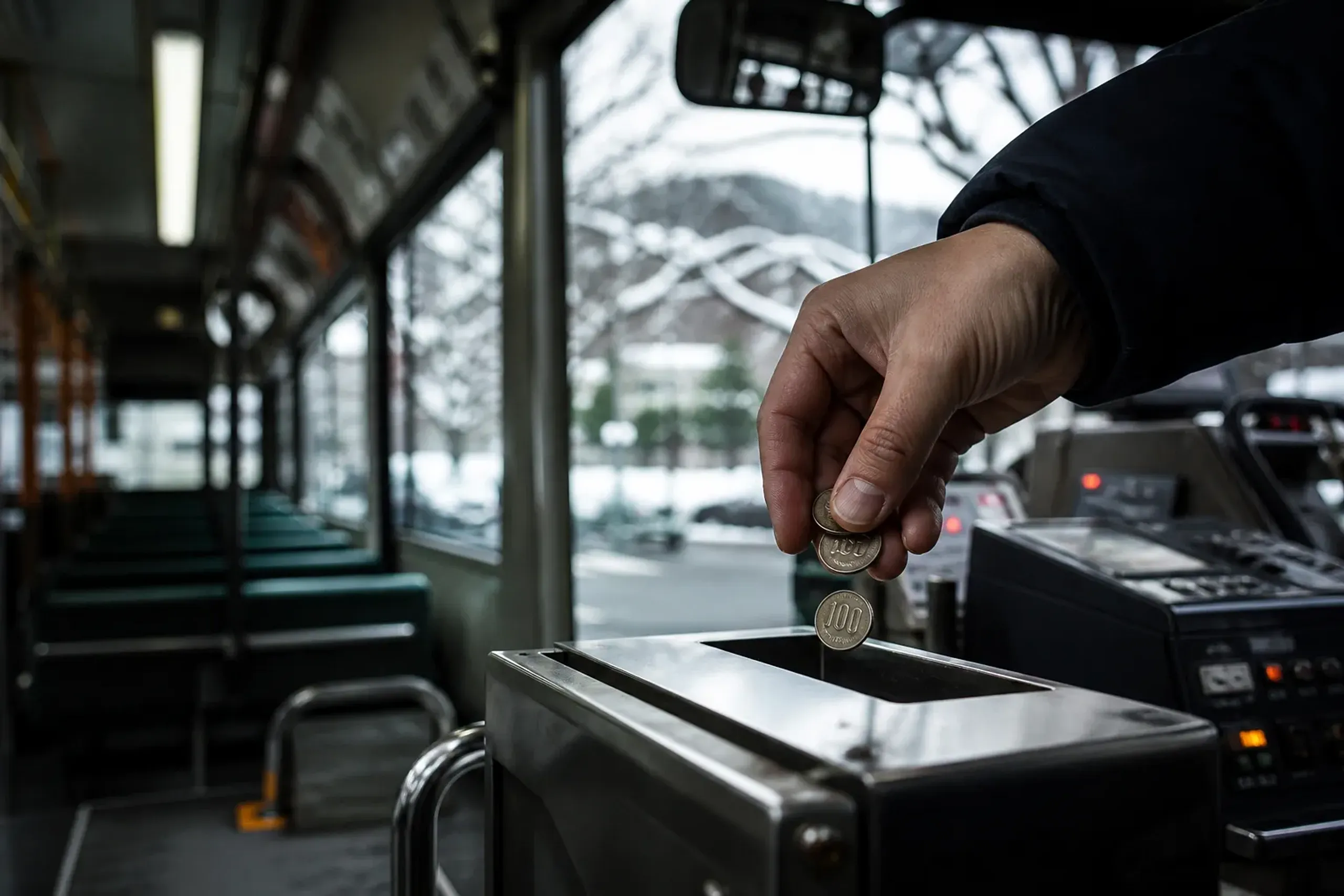
For most visitors the ¥1,100 Subway & Bus 1-Day Pass is the better value, breaking even at four to five rides.
That day pass covers all subway and city bus lines, most Kyoto Bus, Keihan Bus and JR West Bus routes, and the Sightseeing Express Bus. It also carries discounts at roughly 50 sites. The child version is ¥550.
The Sightseeing Express Bus (観光特急バス) runs weekends and holidays only, ¥500 per adult, connecting Kyoto Station with Kiyomizu-dera, Gion and Ginkaku-ji. It is a premium express service, not a surcharge on tourists — a distinction worth making, because there has been confusion about Kyoto's bus pricing lately.
To be precise: Kyoto has proposed dual bus pricing — around ¥200 for residents and ¥350–400 for non-residents — announced on 25 February 2026 and targeted for fiscal 2027. It is pending ordinance revision and national approval, and would be Japan's first such system. As of now it is a proposal, not policy. No tourist bus surcharge is in effect.
None of this bears on our clients much, because in late March the practical answer to Kyoto's transport is a car you keep. Blossom congestion clogs buses and buries taxis for hours. A held vehicle with a driver becomes more useful here, in this season, than almost anywhere else in Japan — you move on your schedule, not the crowd's. Our private chauffeured transport exists precisely for weeks like this one.
How Cold Is Kyoto In Early March?
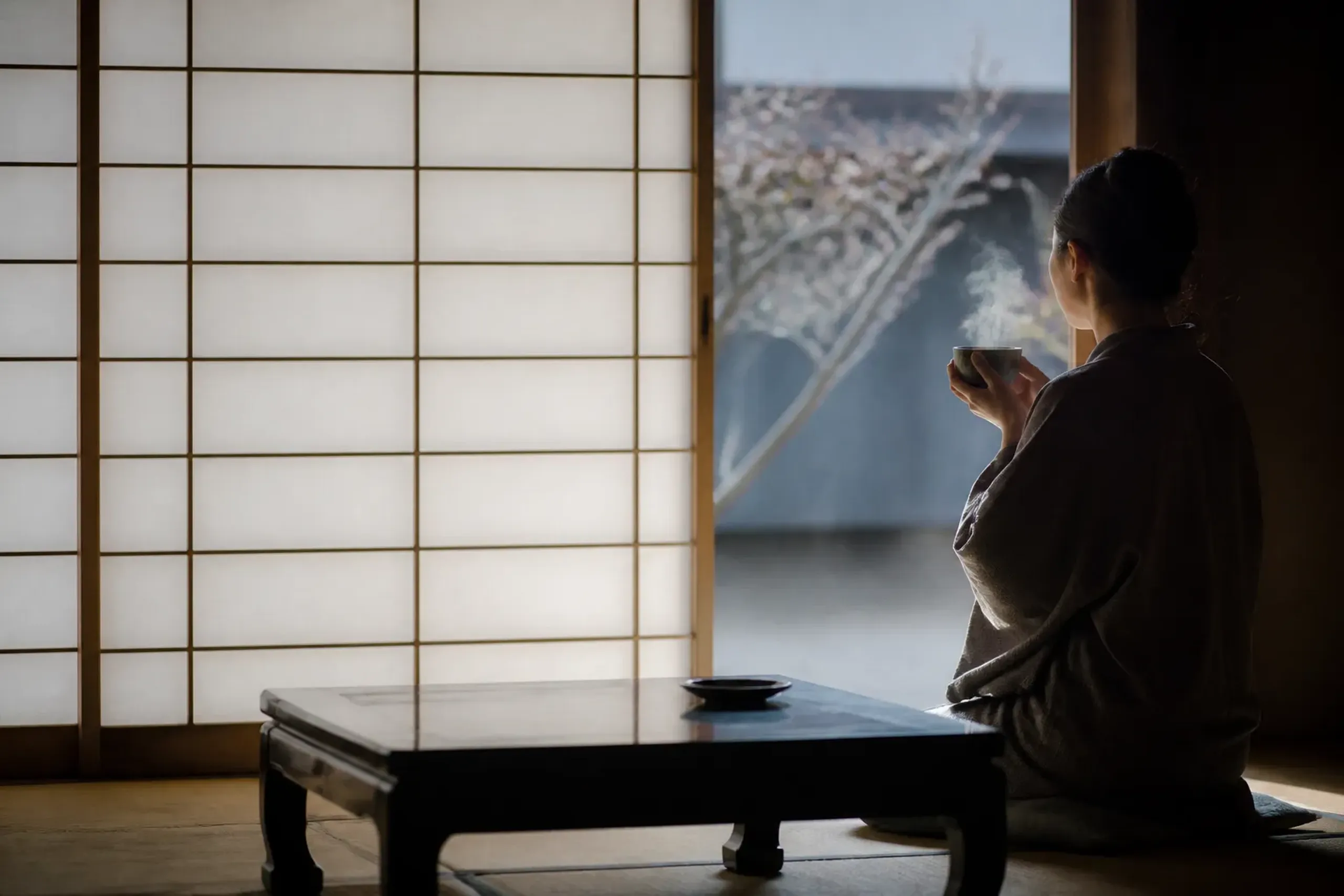
Early March in Kyoto is cold, not spring-like. Expect daytime highs around 13–15°C and lows near 4°C, with colder mornings in the northern hills and at mountain temples. Layers are essential.
Do not let the word "spring" mislead you. A guest who packs for it will be underdressed. The temple gardens at the north edge of the city — Ohara, the upper reaches near Kurama — run several degrees below the central basin, and frost lingers in the shade well into the morning. Bring a proper coat, warm layers you can peel off by midday, and shoes you can stand around in on cold stone.
The reward for the cold is the emptiness. Sites that are unbearable in April are genuinely navigable in the first fortnight of March. Gardens you would otherwise view over other people's heads open up around you. You can sit. You can wait for the light. That is not something April will ever give you.
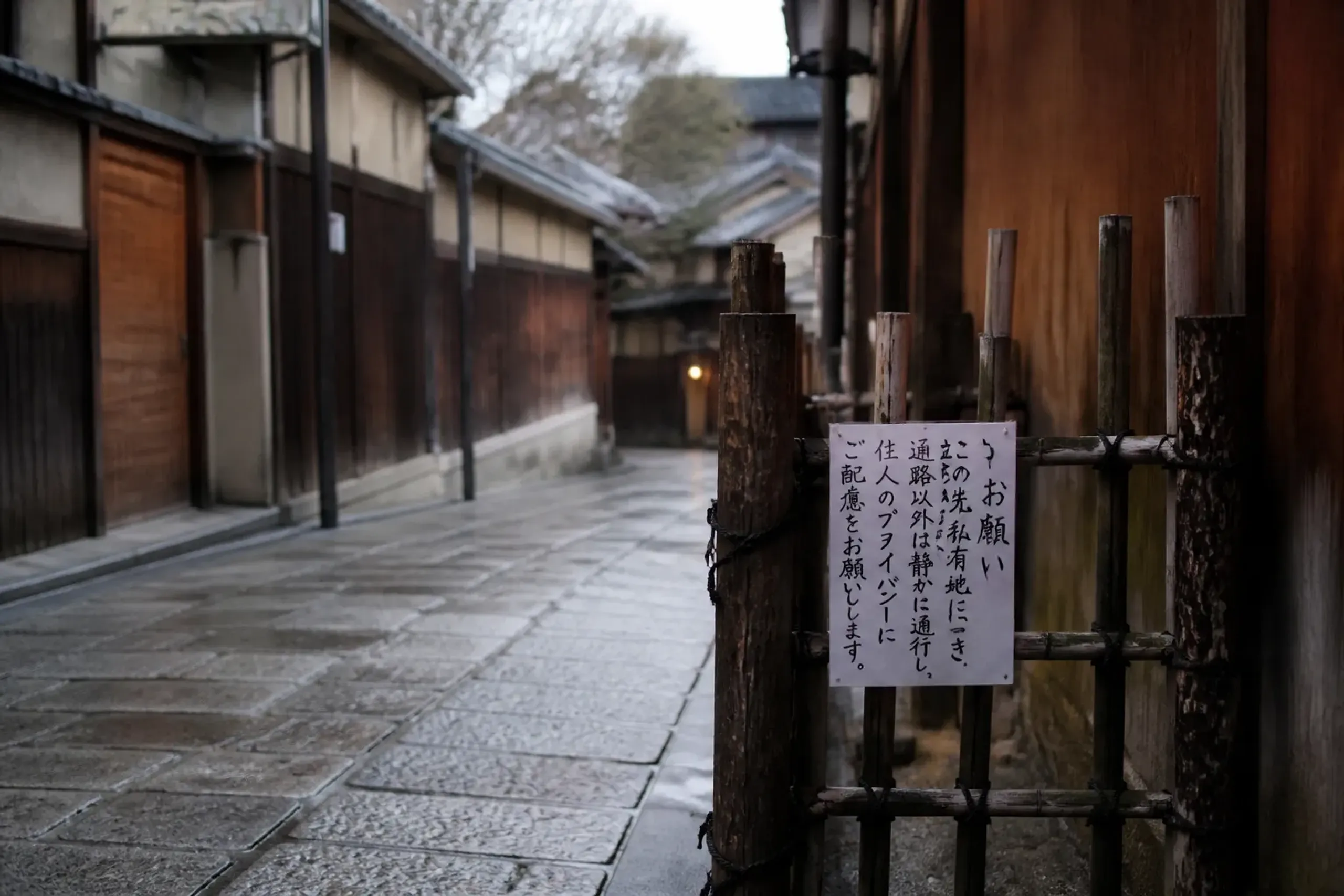
One more note on the crowds. Kyoto has tightened its overtourism rules, and tourists are now barred from the private alleys, the shido, in the Gion district, with fines for trespass. Authentic geisha culture is not gone — but it is no longer something you stumble into. Reaching it now takes proper, respectful introduction rather than a wander down the wrong lane. Miyako Odori, incidentally, runs through April at the Gion Kobu Kaburenjō, if the dance season is on your list.
When Should You Book Kyoto For March?
Book early March with confidence and late March with flexibility. Central Kyoto properties fill four to six months ahead minimum for blossom season, long before the January bloom forecast lands — so certainty on dates and certainty on rooms rarely line up.
The tension is real. Rooms sell before anyone knows when the trees will open. The way through it is to decide which you are optimizing for. If you want quiet, early March books cleanly and cheaply, and you can commit early without risk. If you want blossom, reserve late-March rooms early but build in room to shift by a few days once the JMC forecast publishes in January and refines through February.
A logistical flag for late March: Nozomi shinkansen seats become reserved-only on peak sakura weekends. If you are moving between cities in that window, seats should be held in advance, not left to the platform. For a fuller view of how far ahead Japan's best rooms and tables need locking, our guide on reservation timelines lays out the windows.
Frequently Asked Questions
Is early March a good time to visit Kyoto if I want to avoid the cherry blossom crowds?
Yes. Early to mid-March, before roughly the 20th, is Kyoto's last quiet stretch before peak tourism. You'll trade cherry blossom for plum, and accept cold weather, but gardens and temples stay navigable and room rates sit at their spring low.
Where can I see plum blossoms in Kyoto in early March?
Kitano Tenmangū, with roughly 1,500 plum trees, and Jōnangū, known for its weeping plums, are the two best-known grounds.
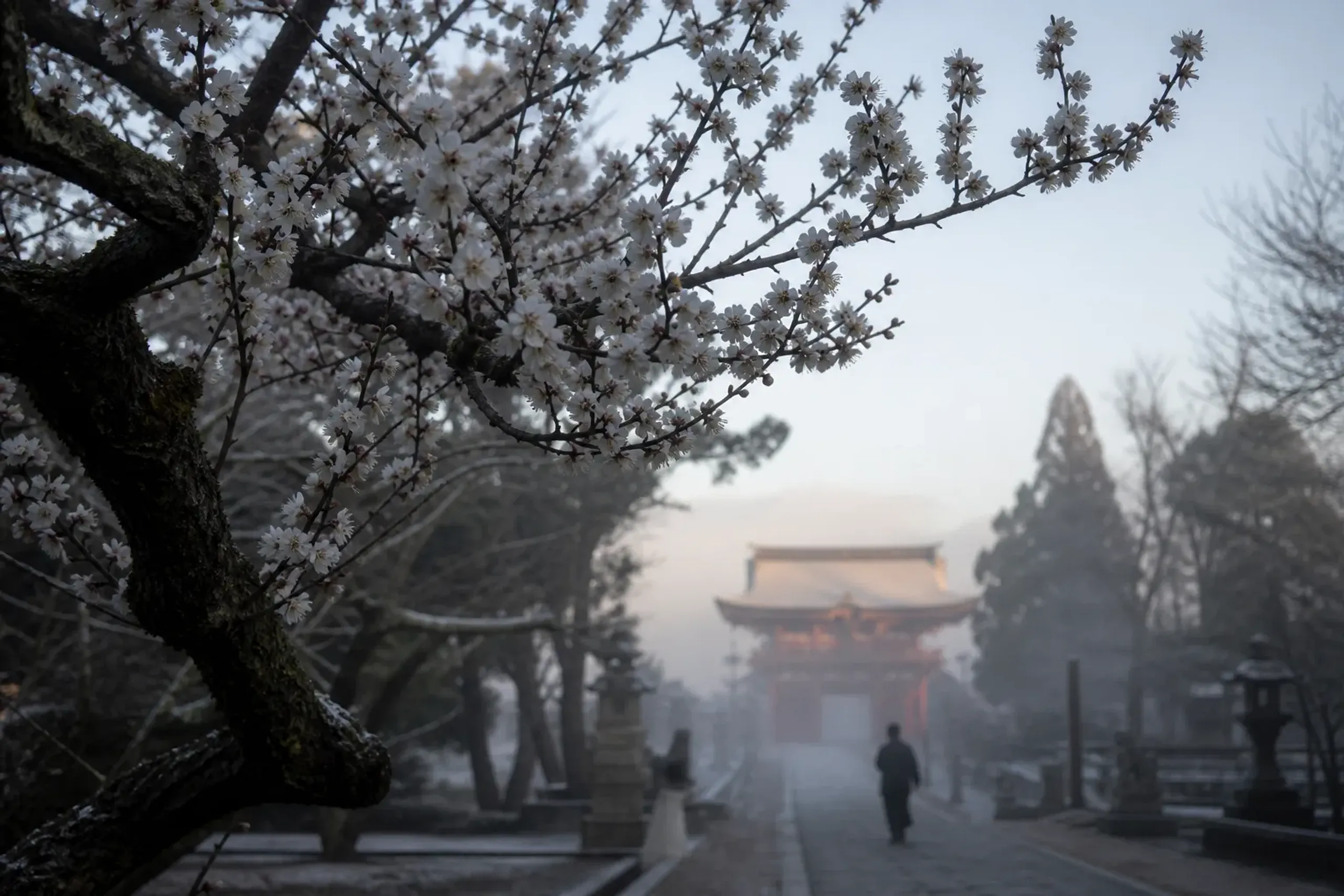
Both are far less crowded than any cherry site in April, and plum season runs from late February through mid-March.
How much extra will Kyoto's accommodation tax add to a luxury stay?
At the top band — rooms over ¥100,000 a night — the tax is ¥10,000 per person, per night. Two guests over five nights pay ¥100,000 in tax alone, charged at check-in and separate from the room rate.
Did Kyoto introduce a tourist bus surcharge in 2026?
No. Dual bus pricing for residents and non-residents was proposed on 25 February 2026 and is targeted for fiscal 2027, pending approval. As of now no tourist surcharge is in effect; standard city bus fare remains ¥230.
How far in advance should I book a Kyoto trip for cherry blossom season?
Central Kyoto properties book four to six months ahead minimum for late-March blossom season. Because the JMC bloom forecast only publishes in January, reserve rooms early but keep your dates flexible until the forecast refines.
Why Choose Japan Royal Service
March in Kyoto rewards people who know exactly what they are buying. That is where we come in. At Japan Royal Service, our team plans around the split we have described — placing early-March travelers into the quiet, cold, uncrowded city, and building late-March itineraries with the flexibility that blossom timing demands.
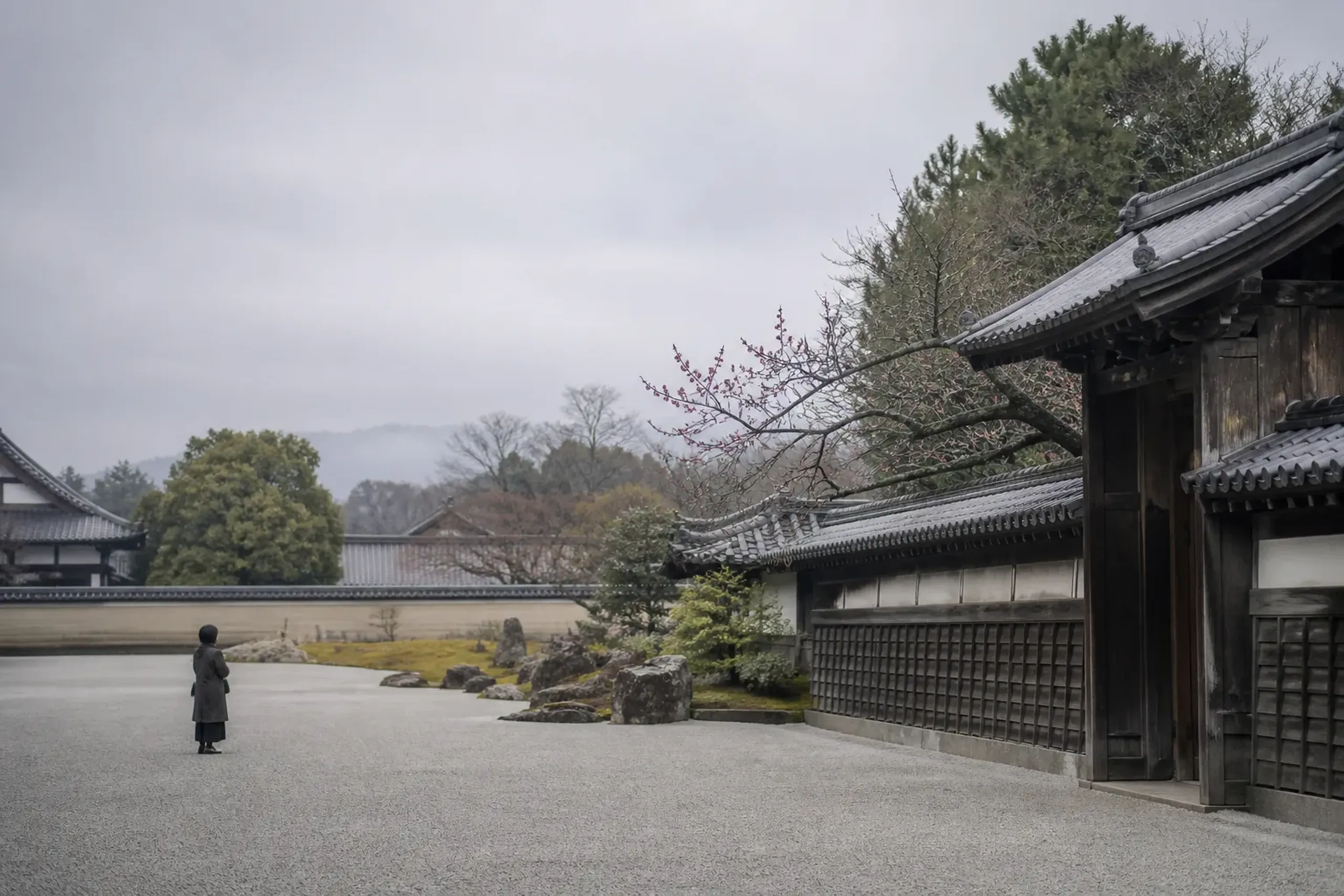
We arrange three things that matter most this season: accommodation held before it disappears, private guiding that reaches Kyoto's culture legally and respectfully in the era of the Gion access rules, and tailor-made itineraries paced to the weather rather than the calendar. In blossom season, a car you keep is worth more in Kyoto than in any other Japanese city, and our concierge holds it for you. For those weighing the contemporary side of the city too, our design-led guides show how we build depth beyond the temple circuit.
Discretion runs through all of it. Your identity, your itinerary, your movements stay confidential — the quiet care that lets you disappear into an empty plum garden and simply be there.
Considering Kyoto this March? Reach our team privately via WhatsApp or LINE, or contact us here, and we will build the version of the month that suits you.