In this guide
- 01How Did Karuizawa Become Japan’s Summer Retreat In The Meiji Era?
- 02“A Hospital Without A Roof”: Shaw’s Karuizawa In His Own Words
- 03The Timeline That Turned A Post Town Into A Resort (1888–1919)
- 04The Forest That Looks Ancient—But Was Engineered
- 05What Is Karuizawa Like Today As A High-End Summer Micro-Retreat From Tokyo?
- 06A Practical 48–72 Hour Karuizawa Plan (For Travelers Who Hate Rushing)
- 07How Do I Get From Tokyo To Karuizawa With Luxury Luggage Handling?
- 08Where Should I Stay In Karuizawa For A Summer Escape?
- 09What’s On In Karuizawa In Winter 2026 (And Why It Matters Even If You’re A Summer Traveler)
- 10Shokunin Touchpoints: The Karuizawa Way Of Appreciating Craft
- 11What Japan Royal Service Coordinates In Karuizawa (Stated Plainly, Once)
- 12Frequently Asked Questions
- 13Plan Your Karuizawa Escape
Two travelers step down from the road into a tired post town. The air feels lighter than Tokyo, thinner and cooler, carrying the resinous scent of the surrounding forest. The inn is nearly empty.
In 1886, Alexander Croft Shaw, a Canadian Anglican missionary, and James Main Dixon, an English teacher at Tokyo Imperial University, arrived in Karuizawa after reading a Meiji-era travel guide. Their lodging was Kameya, a long-running inn that was barely surviving as Nakasendō traffic declined. One innkeeper’s response to two unfamiliar guests set off a chain reaction that still shapes Karuizawa’s summer identity today.
Our team at Japan Royal Service often hears the same request from discerning travelers: “Give us a cool-weather retreat near Tokyo, but don’t make it feel like a checklist.” Karuizawa answers that request. Quietly, and on its own terms.
How Did Karuizawa Become Japan’s Summer Retreat In The Meiji Era?
Karuizawa became a summer retreat because two Western visitors in 1886 inspired Satō Manpei to reinvent his struggling inn for foreign guests, catalyzing villas, rail access, and an entire resort culture.
Satō Manpei was the ninth-generation innkeeper of Kameya, founded in 1764. He had no prior experience hosting Western guests. None. Yet he worked, improvised, and learned in real time—meals, bedding, manners, expectations, pacing. That instinct to anticipate a guest’s unspoken needs is the quiet foundation on which Karuizawa’s hospitality still rests.
That effort mattered. It signaled a future: hospitality aimed at foreign visitors who would return, and bring friends.
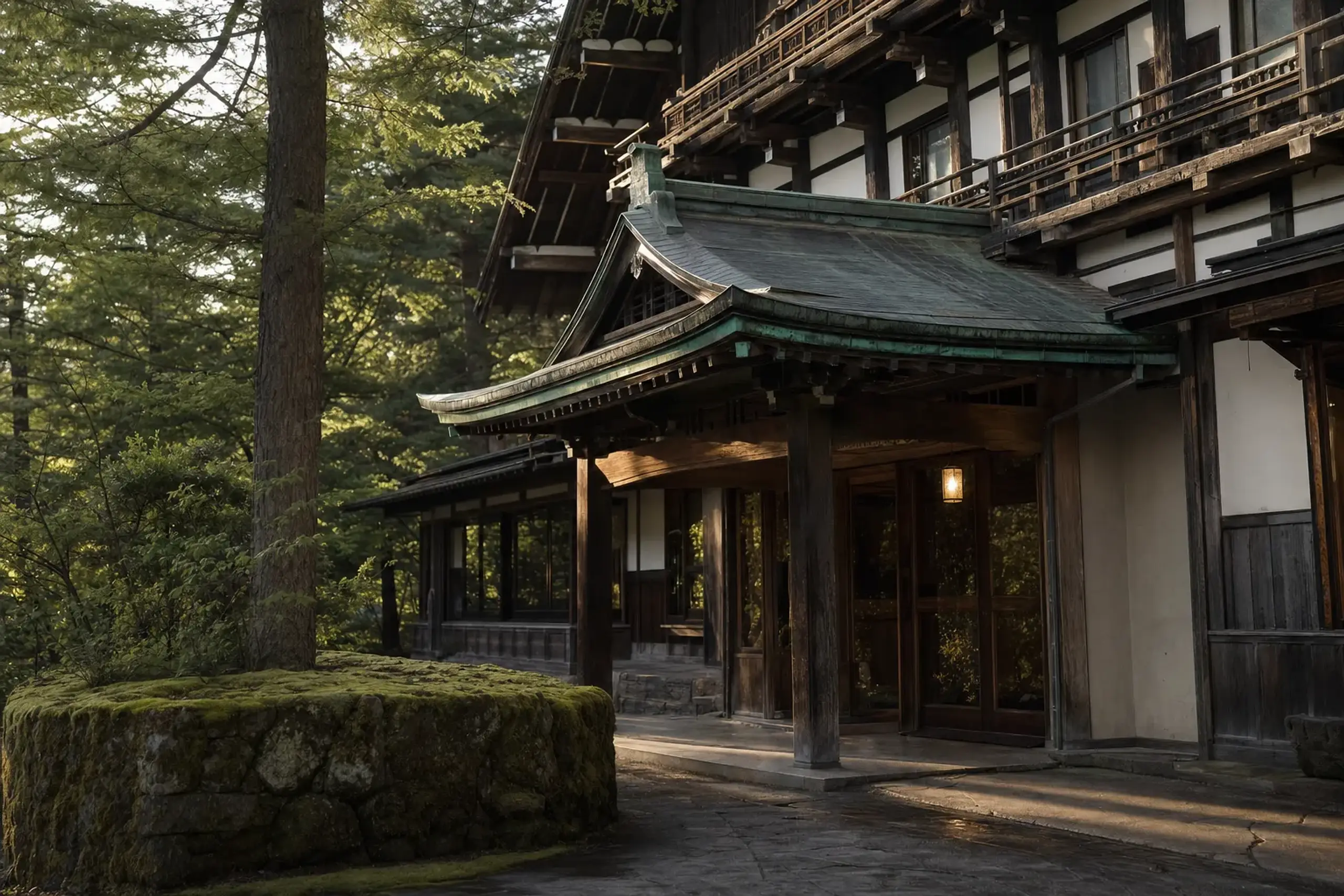
In 1894, Satō formally established a hotel for that purpose, the origin of today’s Mampei Hotel, which has operated continuously for over 130 years.
This is the human-scale hinge. Not a grand government plan. Not a sudden “discovery.” Two guests, one struggling inn, and a single decision to change—the kind of introduction-led moment that still opens doors in the Japan that guidebooks never quite capture.
“A Hospital Without A Roof”: Shaw’s Karuizawa In His Own Words
Shaw described Karuizawa’s climate as “a hospital without a roof.” It’s a line that still lands when you arrive from summer heat and feel your shoulders drop, the tension of the city loosening in the mountain air.
In 1888, Shaw built his own villa at Ōtsuka-yama, remembered as Karuizawa’s first villa. The act was practical, not performative. Build a base, return each summer, invite a circle that understands why this air matters.
Missionary friends followed. Word spread. Prominent Japanese figures also began to take interest, and the balance of visitors shifted over time. Karuizawa’s summer story isn’t only foreign, and it doesn’t stay foreign for long.
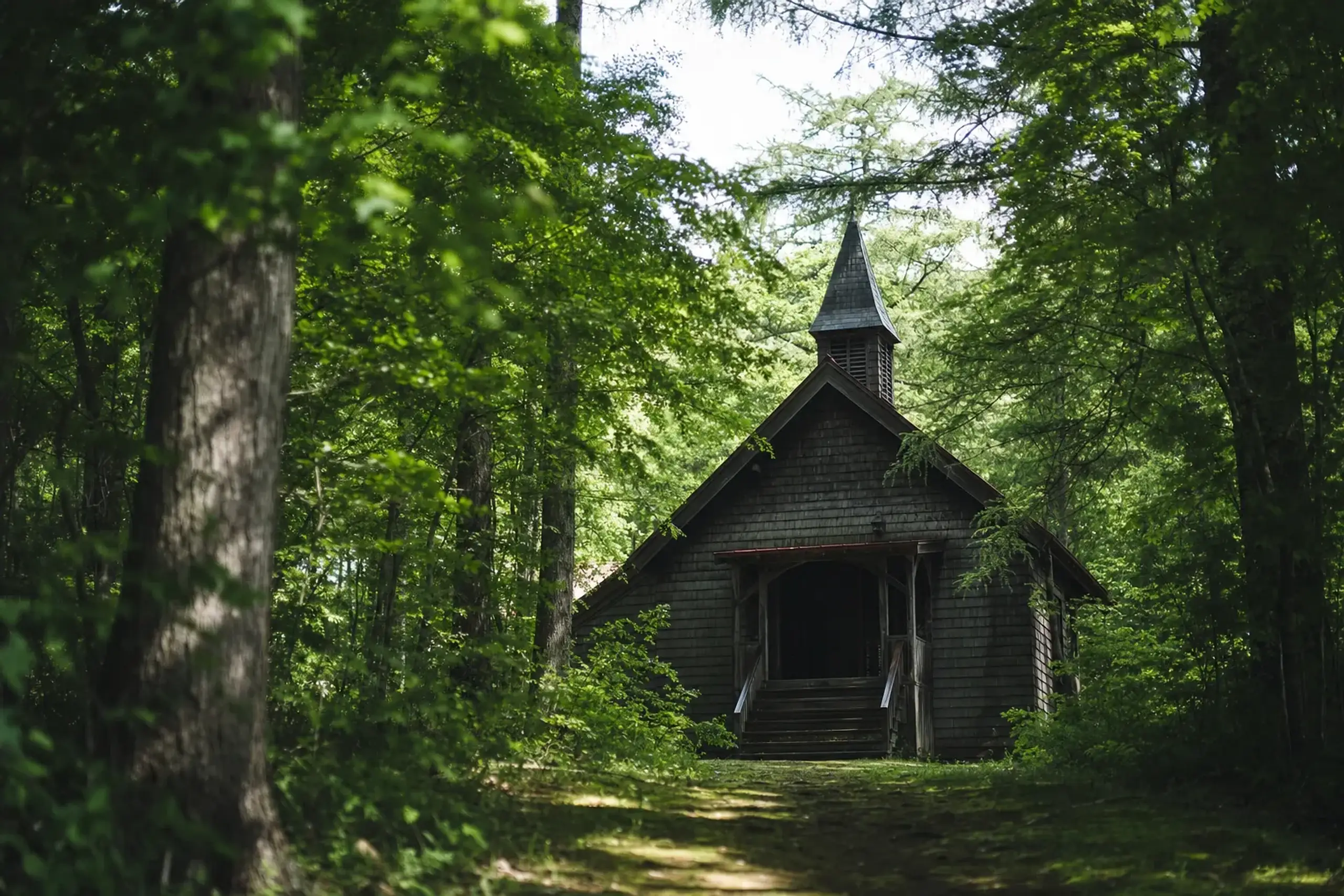
Shaw is remembered locally as “the father of Karuizawa,” and in 1895 he built the town’s oldest church, which still stands today in a quiet forest off the main Old Karuizawa Ginza street. Walk there early, before the day fills in. You’ll hear your own footsteps, and little else.
The Timeline That Turned A Post Town Into A Resort (1888–1919)
Karuizawa’s resort identity formed through a tight sequence of villas, rail infrastructure, and elite summer habits between 1888 and 1919.
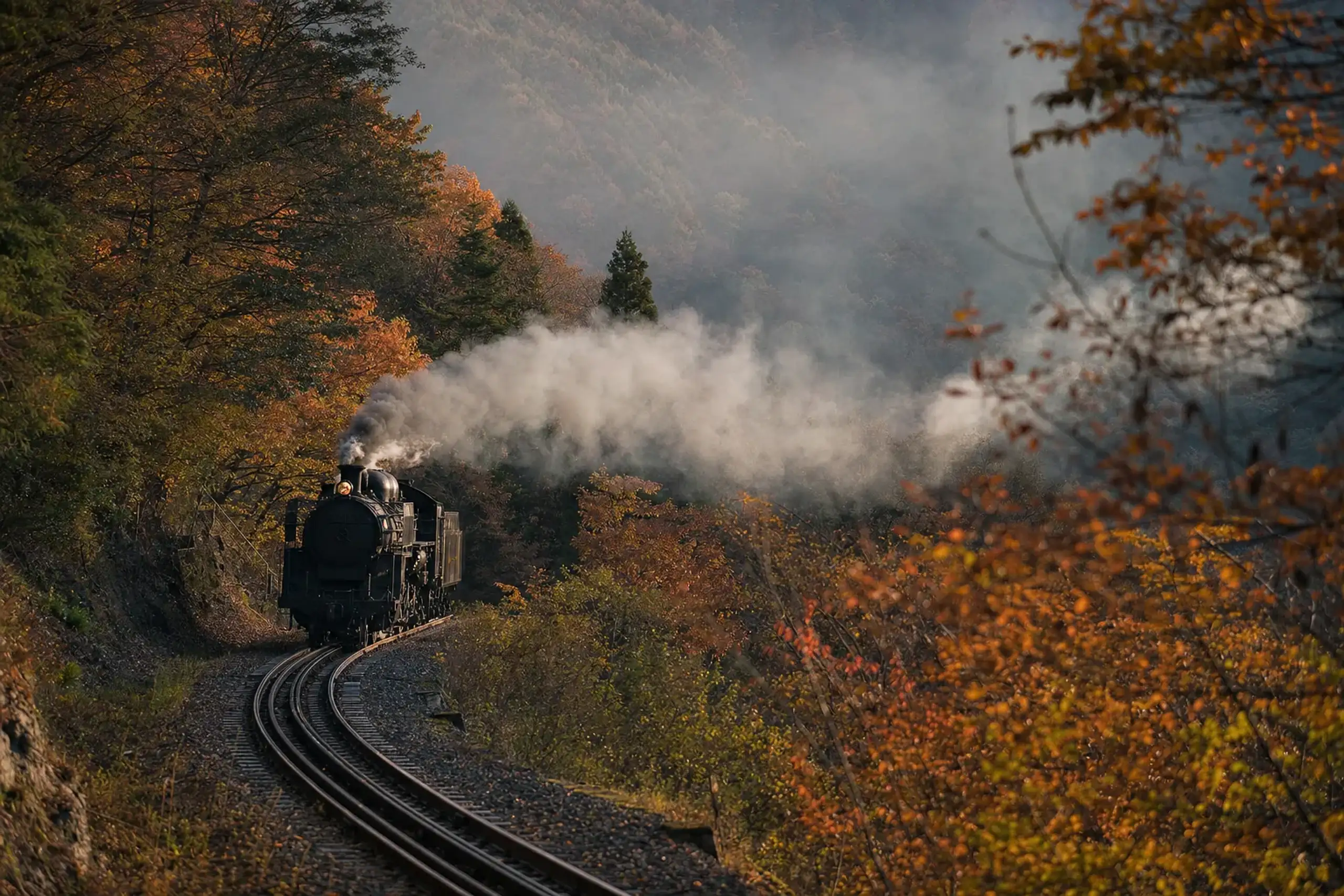
The dates matter because they explain the speed.
1888: Shaw builds the first villa at Ōtsuka-yama. A private decision becomes a pattern. Fast.
1889: Construction contractor Kajima Iwazō falls for the area while overseeing construction of the Usui Pass railway. Not a poet. A builder. He later purchases land jointly with Satō Manpei and develops rental villas, then becomes Karuizawa’s third Japanese villa owner himself.
1893: The rail line connecting to Karuizawa opens, using Abt-system steam locomotives to climb the steep pass. Engineering shapes leisure. That’s the quiet truth beneath the postcard views.
1894: Satō formalizes the shift from inn to hotel for foreign guests, establishing the Mampei Hotel’s origin story. One pivot. Lasting consequences.
1912: The same line is electrified, becoming Japan’s first electrified railway line. This is not just a transport footnote; it’s what made repeat summer use easier, steadier, and socially normal.
1919: Old Karuizawa Golf Club opens, Japan’s seventh golf course, founded by aristocrats and businesspeople who had built villas in the area. By then, the summer retreat culture has enough mass to produce institutions of its own.
Over time, Japanese vacationers came to outnumber foreign visitors. Karuizawa becomes “Japan’s” summer place, not an imported habit.
The Forest That Looks Ancient—But Was Engineered
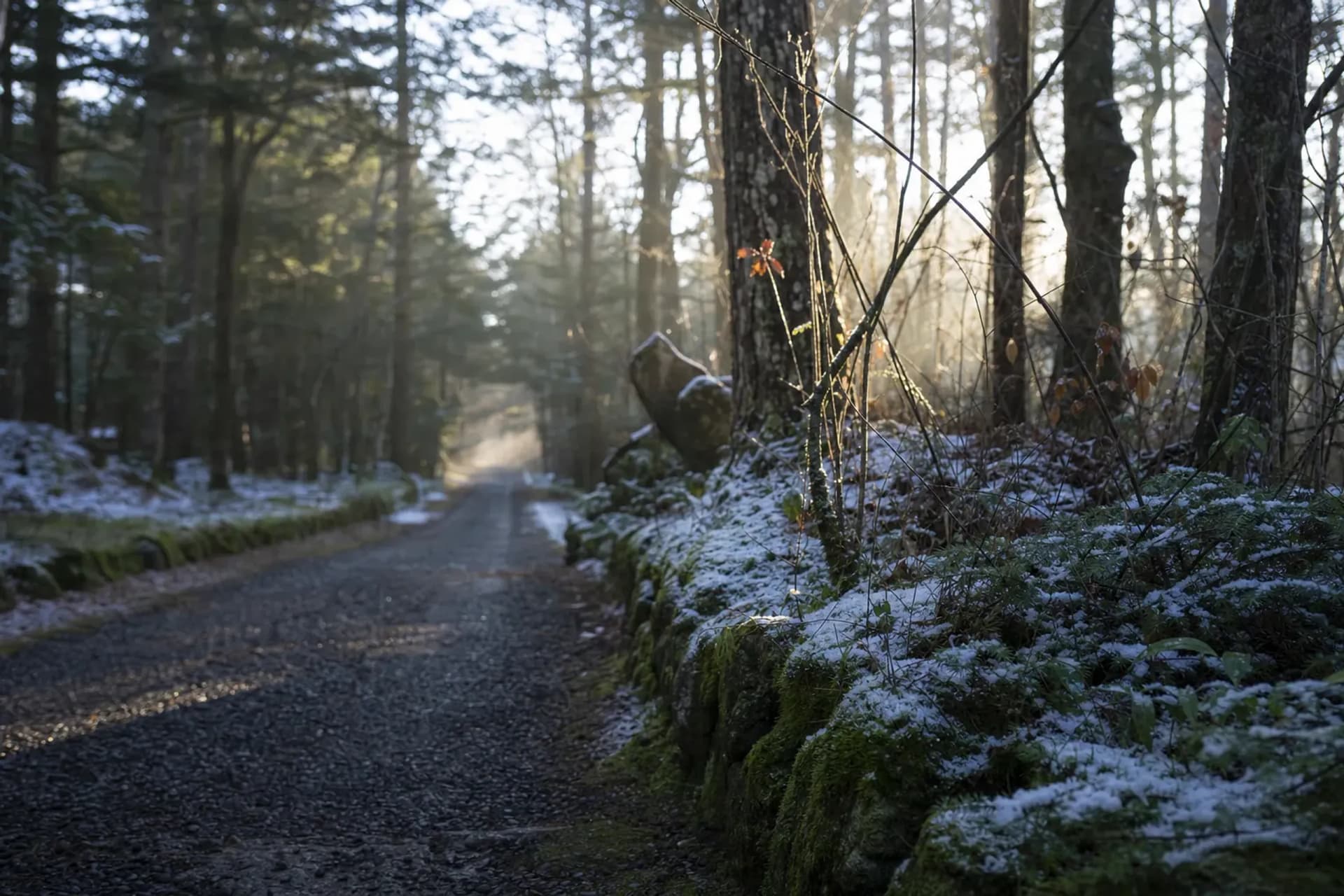
Karuizawa’s signature tree-lined resort atmosphere was deliberately created by early developers who planted trees, including larch, transforming land that was once barren wetland with little vegetation.
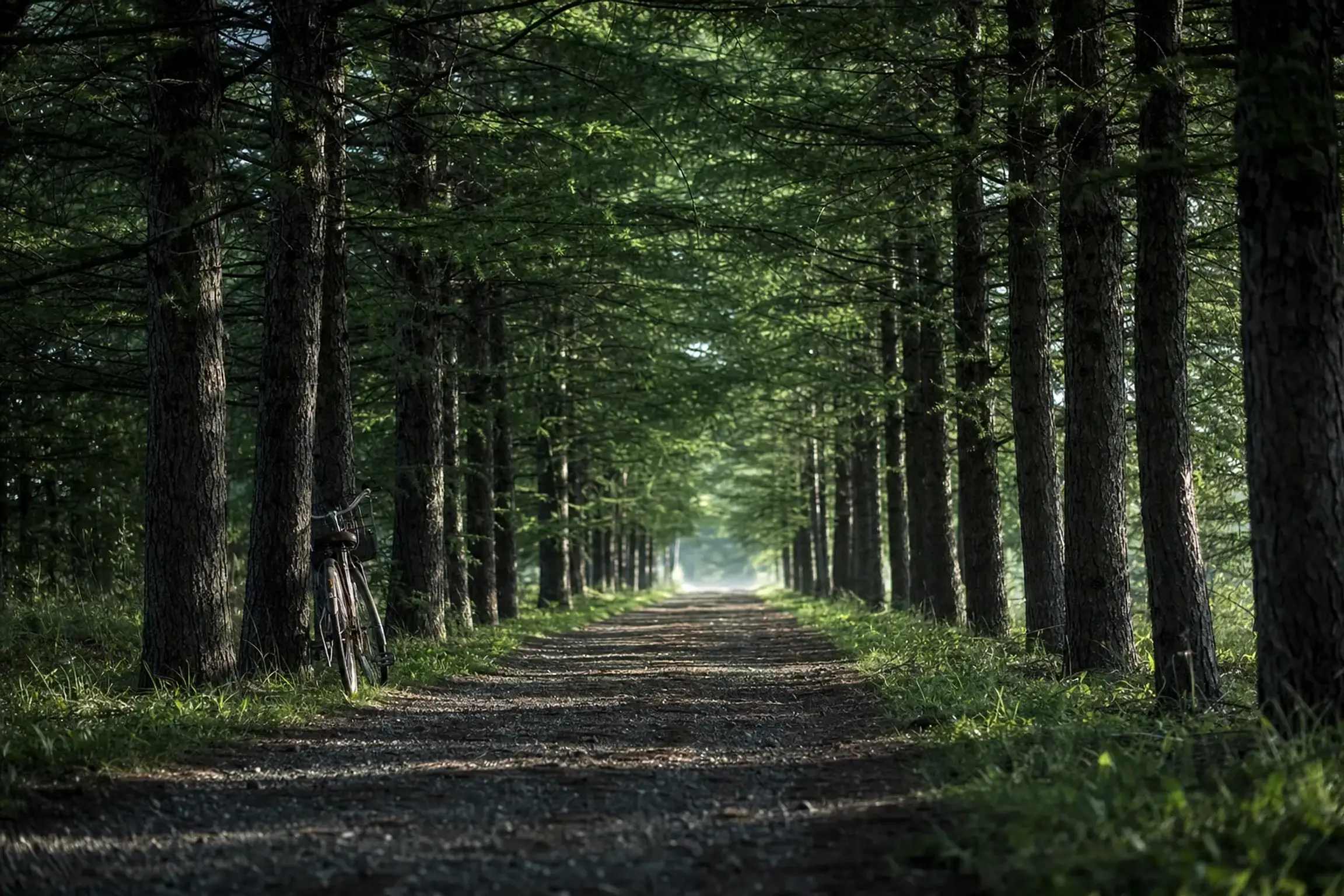
This detail changes how you see the town. The calm lanes. The shaded approaches. The sense that nature has always been arranged like a painting.
It wasn’t always there. People made it. Kajima Iwazō and others treated landscape as infrastructure, as essential as rail and lodging—a patient, restrained kind of beauty closer to a moss garden than a monument.
For today’s traveler, the lesson is practical: Karuizawa rewards slow movement—short walks, unhurried coffee, time with a book—because its “nature” was shaped to be lived in, not conquered.
What Is Karuizawa Like Today As A High-End Summer Micro-Retreat From Tokyo?
Karuizawa is an upmarket mountain resort in Nagano Prefecture near Mount Asama, and many travelers use it for 48–72 hours of cooler air, quiet lanes, and low-friction shopping and dining.
Karuizawa sits at the foot of the active volcano Mount Asama. You feel that highland edge in the temperature shift and the crisp nights. A small difference. A big relief.
Access is one reason it works for busy calendars. Karuizawa is reachable from Tokyo by the Hokuriku Shinkansen, commonly positioned as about an hour to under two hours depending on the service and your starting point in Tokyo.
Once you arrive, the town splits into distinct moods. Old Karuizawa for legacy strolls. Naka-Karuizawa for the Hoshino Area. Karuizawa Station for the shopping plaza that makes “one more hour” feel reasonable.
A Practical 48–72 Hour Karuizawa Plan (For Travelers Who Hate Rushing)
Keep the structure simple.
Then make it feel personal. That’s the trick, and it is harder than it looks.
Day 1: Arrival, Old Karuizawa, And A Low-Noise Evening
Arrive by Shinkansen, then switch to private ground transport for the short hops that make the trip feel easy. Small luggage? Still worth it. The weather changes quickly in the highlands, and you’ll want layers close at hand.
Walk Old Karuizawa Ginza at a measured pace and detour to Shaw’s 1895 church in the forest. Go early or late. Midday can feel busy on peak summer weekends.
Dinner should match the setting: quiet, timed, and unforced. If your goal is conversation, choose a table you can hold for longer rather than chasing the trend of the week. The most memorable rooms in Karuizawa are often the ones you reach only through a well-placed introduction.
Day 2: Hoshino Area Rituals—Harunire Terrace And Tombo-no-yu
Harunire Terrace in the Karuizawa Hoshino Area is designed as a “small town in the forest.” It’s real architecture, not a theme park. Arrive in a calmer window and you’ll hear water and leaves before you notice shopping bags.
Tombo-no-yu is a well-known onsen in the same area. Plan bathing like an appointment, not an afterthought. Go when your body actually wants warmth—late afternoon into evening often feels right after a long walk.
Onsen etiquette is straightforward, but non-negotiable. Wash before entering. Keep voices low. No photography.
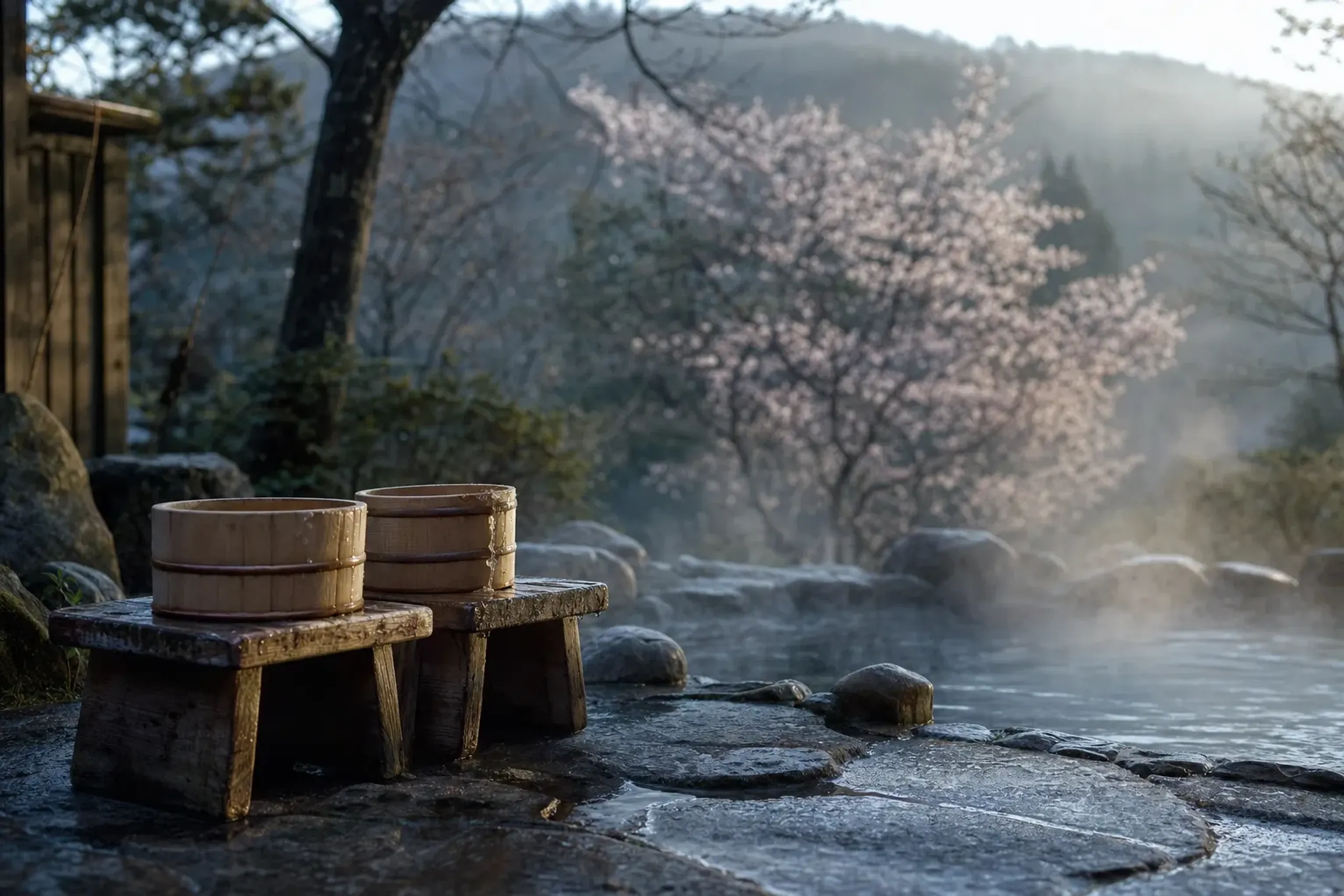
If you have tattoos, check the facility’s current policy in advance.
Day 3: Shopping Without Friction, Then Exit Cleanly
Karuizawa Prince Shopping Plaza sits adjacent to Karuizawa Station and is described by Prince Hotels as a massive shopping mall with about 240 unique shops (Go NAGANO has also described it as 220 stores, reflecting changes over time). Either way, it’s large enough to swallow half a day if you let it.
Don’t let it. Choose targets first. Build a short list, then walk with intention. The goal is to leave with the right pieces, not a second suitcase of regrets.
Time your departure so the final hour is calm: repack, snack, restroom, then board. End the trip cleanly. It makes Karuizawa feel like a reset, not an errand.
How Do I Get From Tokyo To Karuizawa With Luxury Luggage Handling?
Take the Hokuriku Shinkansen to Karuizawa Station, then use a pre-planned private car for local movement and luggage-heavy hops so your short stay doesn’t get eaten by transfers.
In our experience, Karuizawa goes wrong when travelers treat “near Tokyo” as “no planning required.” A big mistake. Summer weekends compress the timetable, and small delays stack.
We prefer a simple rhythm: train for the main leg, then a private driver for door-to-door segments around town, especially when you’re moving between Old Karuizawa, Naka-Karuizawa (Hoshino Area), and the station. The distances are short, but the comfort dividend is real.
For seamless movement with an English-speaking support structure, see our chauffeured transportation service.
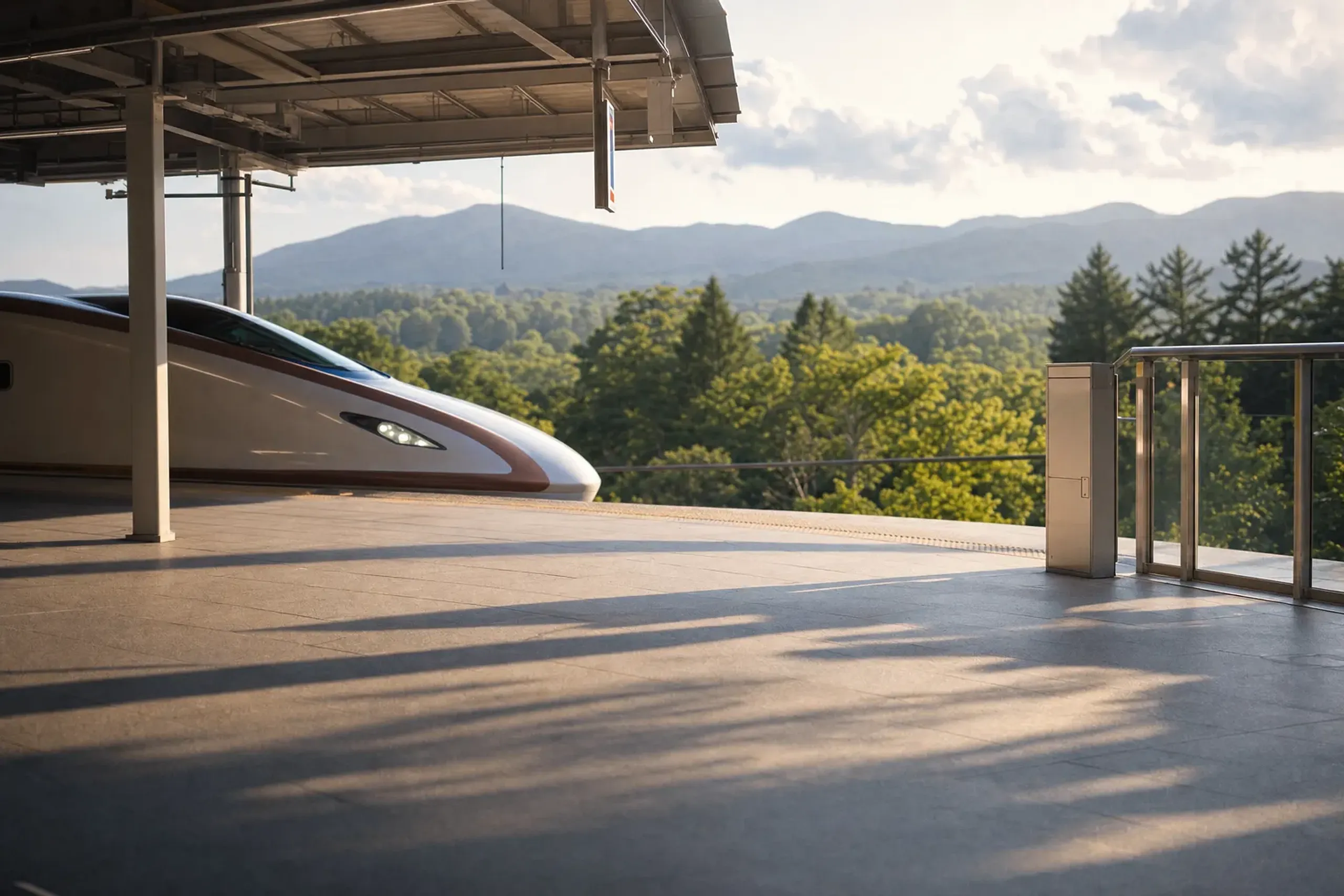
Keep it quiet. Keep it punctual.
Where Should I Stay In Karuizawa For A Summer Escape?
The best place to stay depends on whether you want Old Karuizawa’s historic atmosphere, Naka-Karuizawa’s Hoshino Area access, or station-adjacent convenience for shopping and fast exits.
If the origin story matters to you, Mampei Hotel is part of the town’s DNA. It traces directly back to Satō Manpei’s decision to welcome two foreign guests and rebuild his business around that future-facing hospitality.
If your priority is walking access to forest-side facilities, Naka-Karuizawa and the Hoshino Area can be practical. If shopping is central, station adjacency reduces friction on departure day.
We keep accommodation guidance specific to your dates, sleep preferences, and privacy needs. No posturing. Just fit. And the most storied villas and ryokan in the area rarely announce themselves—those we place through relationships, not listings, which is where a tailor-made itinerary earns its keep.
What’s On In Karuizawa In Winter 2026 (And Why It Matters Even If You’re A Summer Traveler)
Karuizawa’s official event listings include “2026 KARUIZAWA SNOW FESTA” on Feb 21–22, 2026, showing that the town programs year-round and isn’t only a summer name on a calendar.
Even if you’re planning a July or August retreat, winter scheduling signals something useful: Karuizawa has the infrastructure and audience for seasonal demand. Knowing precisely what to experience, where, and in which month is the quiet skill that turns a good trip into the right one—and it often shapes restaurant reservations, transport patterns, and crowd behavior.
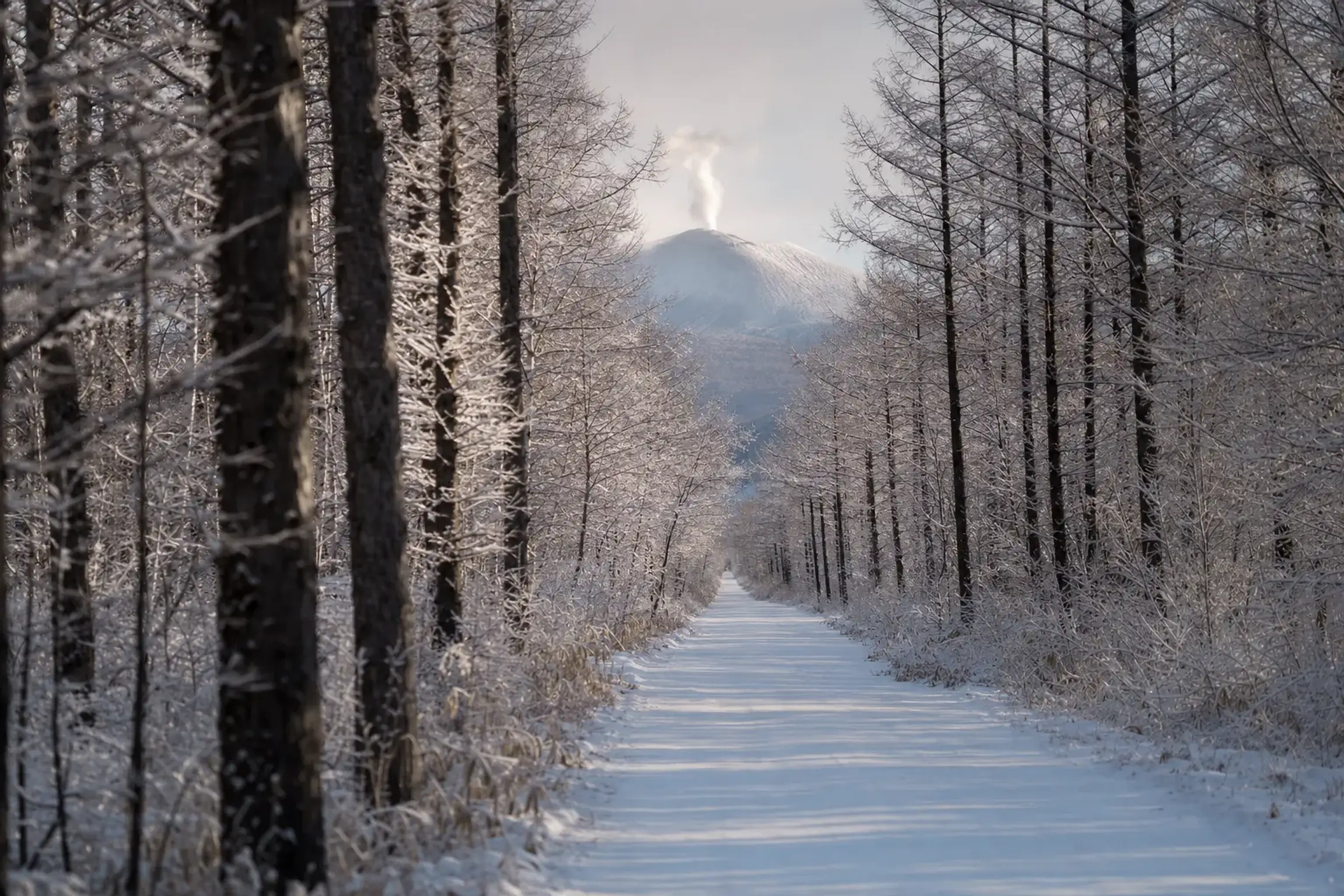
For culture-forward downtime, Karuizawa New Art Museum publishes event information on its official site, including dated programming. Check what’s on for your travel window. A rainy afternoon can become the best memory.
And Karuizawa has proven it can host at the highest formal level. Japan’s Ministry of Foreign Affairs published material about the G7 Foreign Ministers’ Meeting held in Karuizawa in April 2023, underscoring its role as an international venue when discretion and security matter most.
Shokunin Touchpoints: The Karuizawa Way Of Appreciating Craft
Karuizawa’s summer culture was built on attentive service, and that same attention shows up today in shokunin moments: small, precise acts by master artisans that change how a place feels.
Think less about spectacle, more about control. A perfectly timed bath. A breakfast that respects your pace. A hand-finished object you understand because the maker took the time to explain it, plainly, in a workshop few outside guests are invited into.
Our concierge team at Japan Royal Service can arrange craft-forward encounters and cultural pacing that fit Karuizawa’s quiet register—including private introductions to makers who do not ordinarily receive visitors—especially for travelers who already know Tokyo and Kyoto well.
When a destination is subtle, your itinerary has to be, too.
What Japan Royal Service Coordinates In Karuizawa (Stated Plainly, Once)
Japan Royal Service provides guiding, private transfers, and accommodation support for Karuizawa stays, then refines the schedule around privacy, timing, and your preferred level of structure.
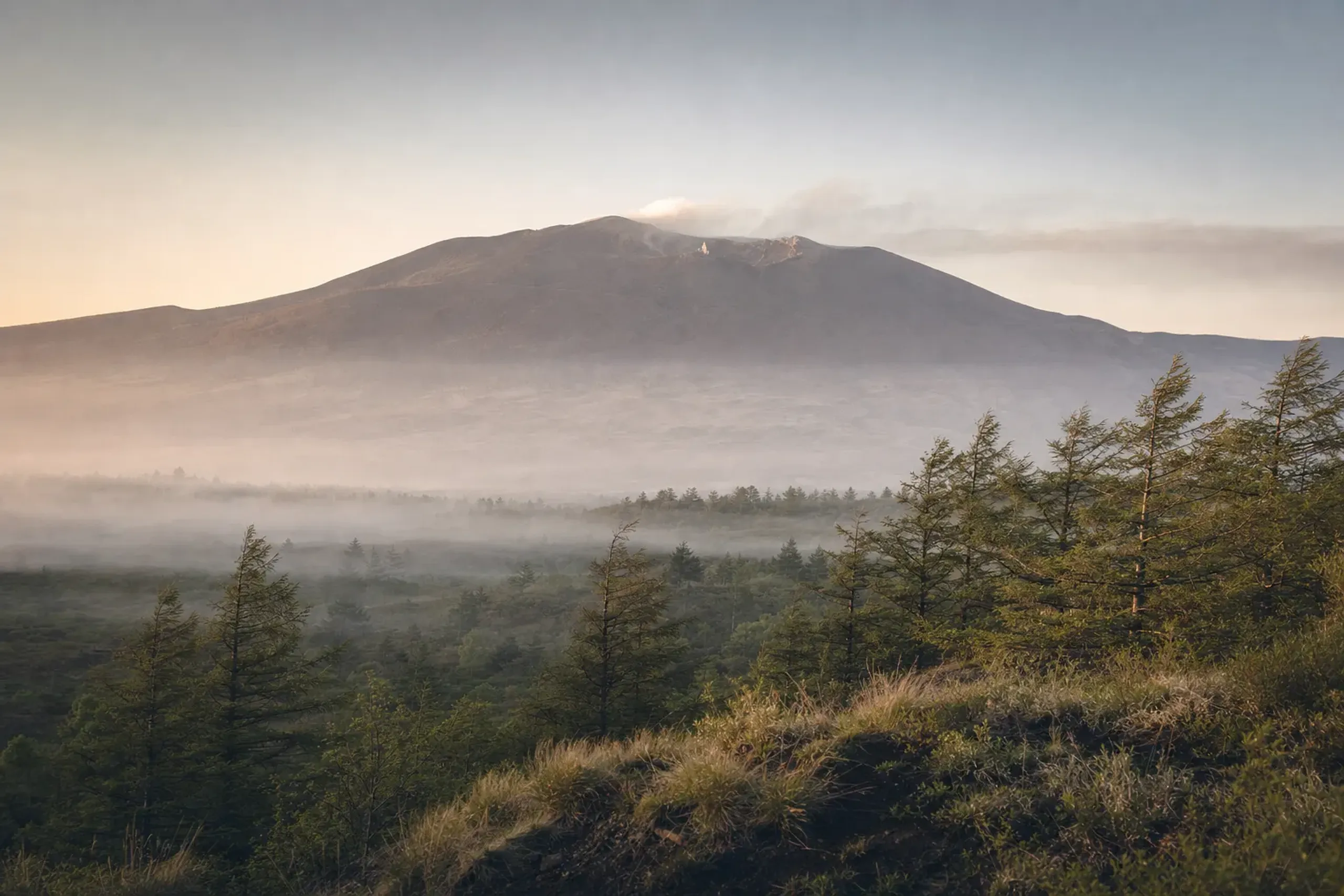
That’s the practical layer. The rest is judgement: when to arrive, where to slow down, and which details to keep off the public timeline.
If Karuizawa is one stop inside a longer journey, we often pair it with routes that reward a calm, story-led approach, like our guide to reading Japan’s seasonal forecasts or a deeper heritage detour such as Ise Jingū logistics planning. Different regions. Same discipline.
And yes, we protect discretion as a default. Names stay private. Schedules stay quiet.
Frequently Asked Questions
Is Karuizawa Really Only A Summer Destination?
No—Karuizawa runs year-round, and official listings include winter events like 2026 KARUIZAWA SNOW FESTA (Feb 21–22, 2026), plus museum programming and seasonal shopping.
Summer remains the origin story and the classic draw, but the town’s infrastructure and audience are not seasonal one-offs.
How Long Should A First-Time Traveler Stay In Karuizawa?
For most first-time visitors, 48–72 hours is enough to feel Karuizawa’s cooler air, forest pacing, and resort heritage without turning the trip into logistics.
If you want a deeper reset—reading time, longer walks, and slower dining—add one more night.
Plan Your Karuizawa Escape
Karuizawa began with one innkeeper’s decision to look after two guests as if he already knew what they needed. That same instinct—quiet, precise, and entirely personal—is what we build every itinerary around. If you would like a Karuizawa retreat shaped to your dates, your pace, and your privacy, contact us here and we will prepare a tailored proposal.