In this guide
- 01The Only Castle Where Keep And Palace Both Survive
- 02When Is The Best Time To See Cherry Blossoms At Kōchi Castle?
- 03What Happened In The 1727 Fire, And Why The Rebuild Matters
- 04A Short Founding Story: Yamauchi Kazutoyo And The Tosa Domain
- 05Inside The Kaitokukan Palace: Where The Castle Turns Human
- 06How Long Does It Take To Walk From Ōtemon Gate To The Keep?
- 07Spring Evenings: Lanterns, Light, And A Castle That Stays Awake
- 08A Practical, High-Comfort Visit Plan For HNW Travelers
- 09How Japan Royal Service Handles Transfers And Touring In Kōchi
- 10Kōchi Castle In The “Original Twelve” Context (Without Turning It Into A Checklist)
- 11Frequently Asked Questions
- 12Why Choose Japan Royal Service
You pass through the Ōtemon main gate and the whole argument is already in the frame.
A white-plastered keep rises behind it, and the path tilts upward under cherry branches. Quiet. Watchful.
Kōchi Castle is not the biggest castle in Japan. It is rarer than that.
The Only Castle Where Keep And Palace Both Survive
Kōchi Castle is the only one of Japan’s twelve original castles where both the keep (tenshu) and the main-bailey palace (Kaitokukan) still stand.
That single fact changes the visit. Most castles give you a tower, then an empty plateau where the lord’s daily world used to be. Here, you can climb the keep, then step sideways into rooms where the formal choreography of a domain once happened—floors, thresholds, alcoves, and the human scale of rule.
Even the survival record is unusually complete. Tradition, fire, war, modernization—so many moments when a building like this is usually simplified into a reconstruction. Kōchi resisted that erasure.
In the honmaru (main bailey), every building is original. Fifteen structures at the site are designated Important Cultural Properties, including the keep, the palace, and the gate that somehow outlived the city’s worst night.
When Is The Best Time To See Cherry Blossoms At Kōchi Castle?
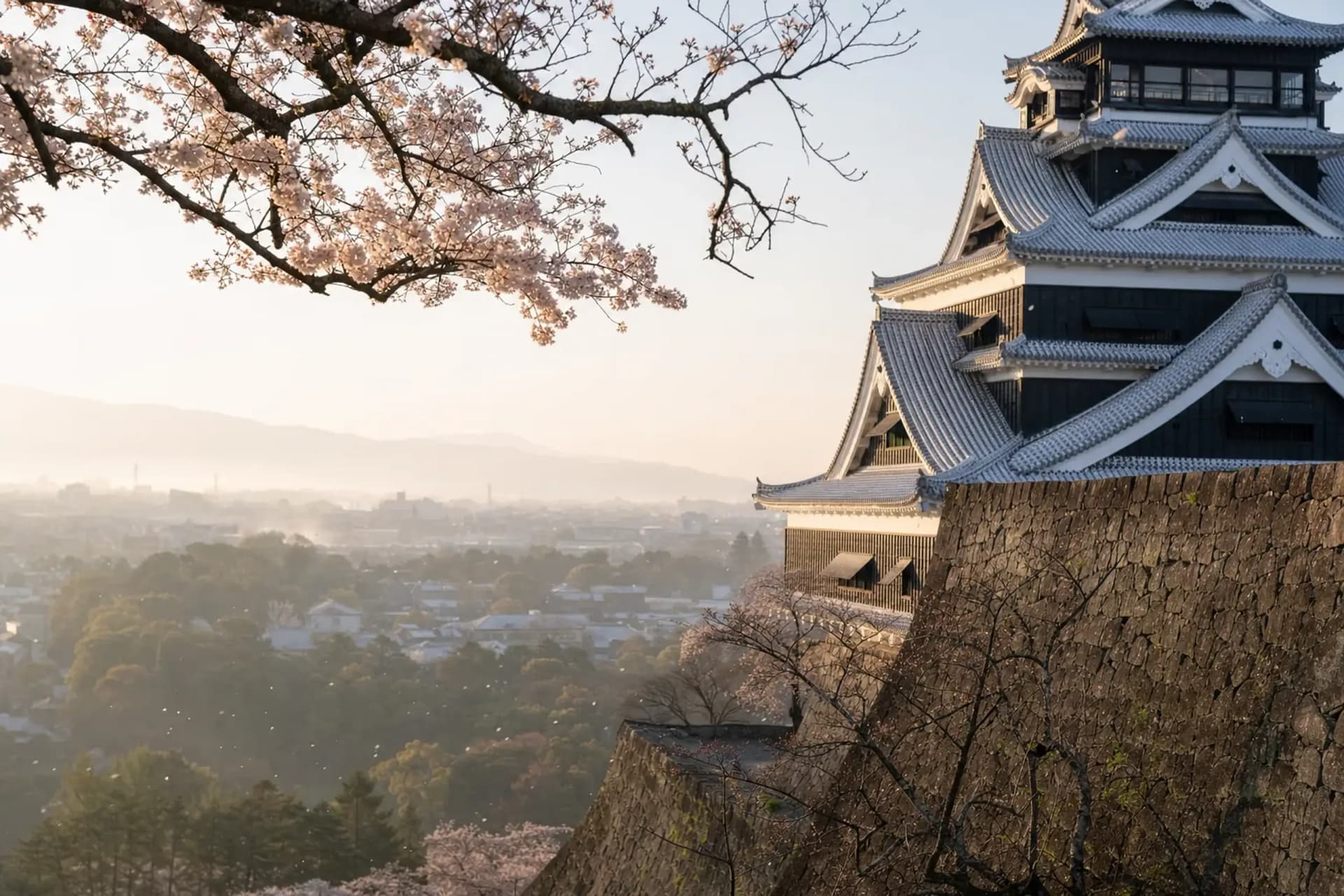
Late March to early April is typically peak cherry blossom season at Kōchi Castle Park.
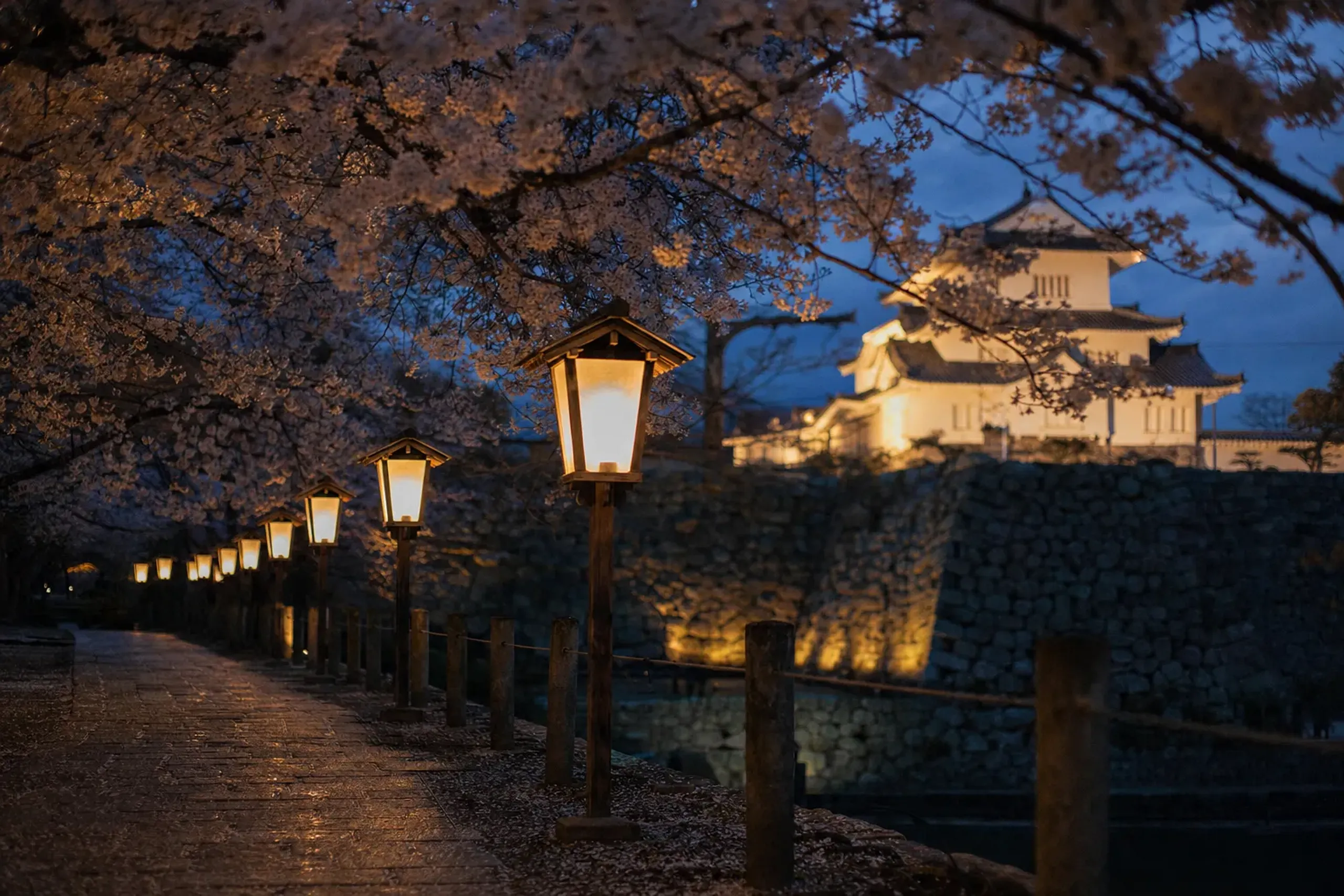
Spring here is not just “a castle with sakura.” It is a public park that behaves like a stage set, where pale blossoms soften white plaster and dark roof tiles, and where the climb to the keep becomes a slow sequence of framed views.
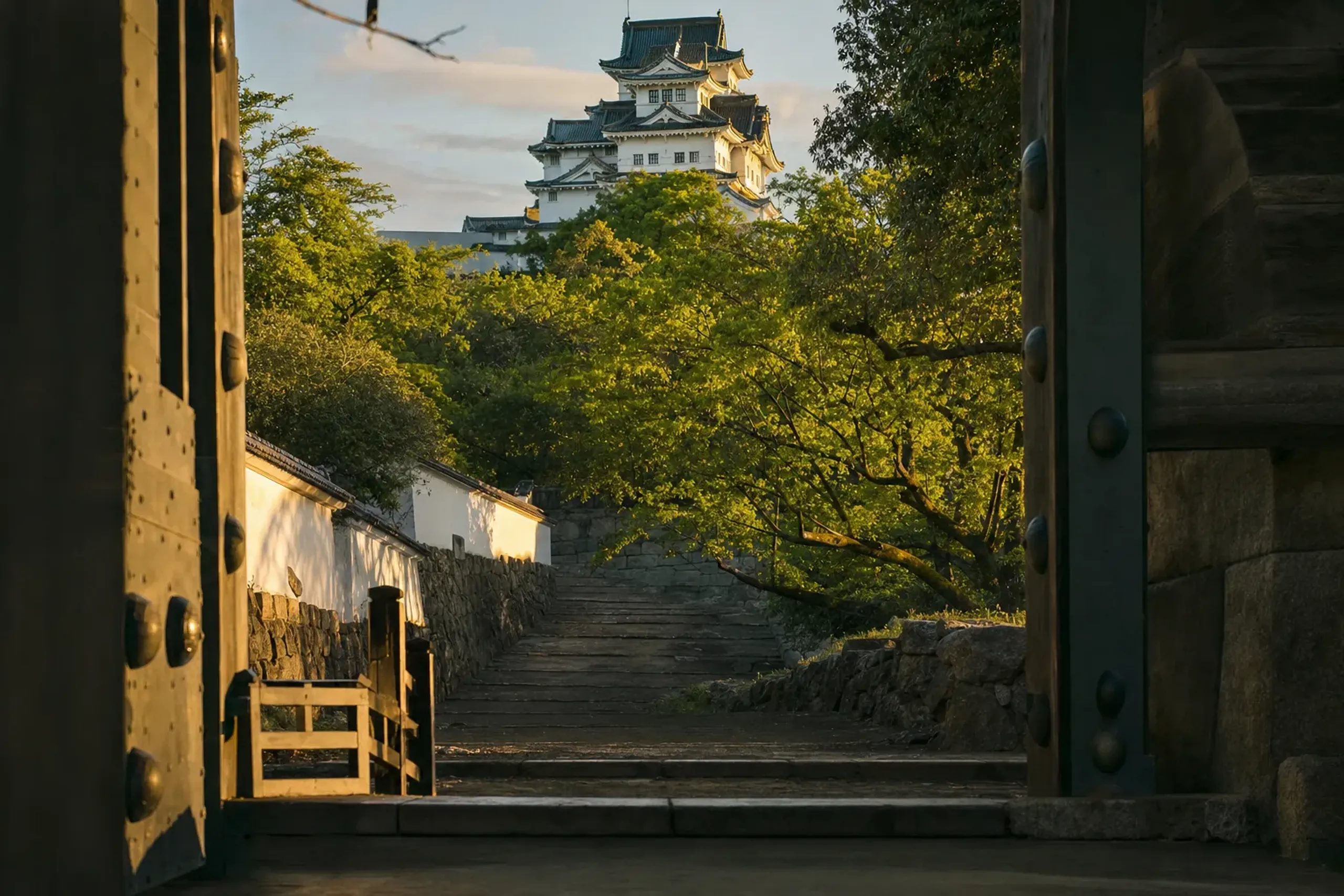
One frame, two survivals: Ōtemon and the keep, aligned.
The park holds roughly 180 to 225 cherry trees, depending on the source and counting method. A range. Not a marketing number.
You will see familiar Somei-yoshino, plus mountain cherry, Ōshima cherry, and botan-zakura. Each variety shifts the mood by a few days, which is why we treat timing as a living detail, not a static promise.
Key fact: Bloom timing and illumination schedules change year to year; our concierge team at Japan Royal Service privately verifies current-year forecasts, lantern-lighting dates, and opening hours before your visit.
What Happened In The 1727 Fire, And Why The Rebuild Matters
In 1727, a great fire in the castle town burned almost everything at Kōchi Castle, leaving the Ōtemon main gate as the notable survivor.
This is where many travelers get the story backward. A rebuild can sound like a downgrade—until you stand inside a castle that was rebuilt in the old style, with the discipline to follow its founding-era lines instead of “modernizing” for convenience.
The reconstruction took about twenty-five years and was completed in 1753. The keep was raised between 1747 and 1749, with sources differing on the exact year. We keep the range, because the truth is better than false certainty.
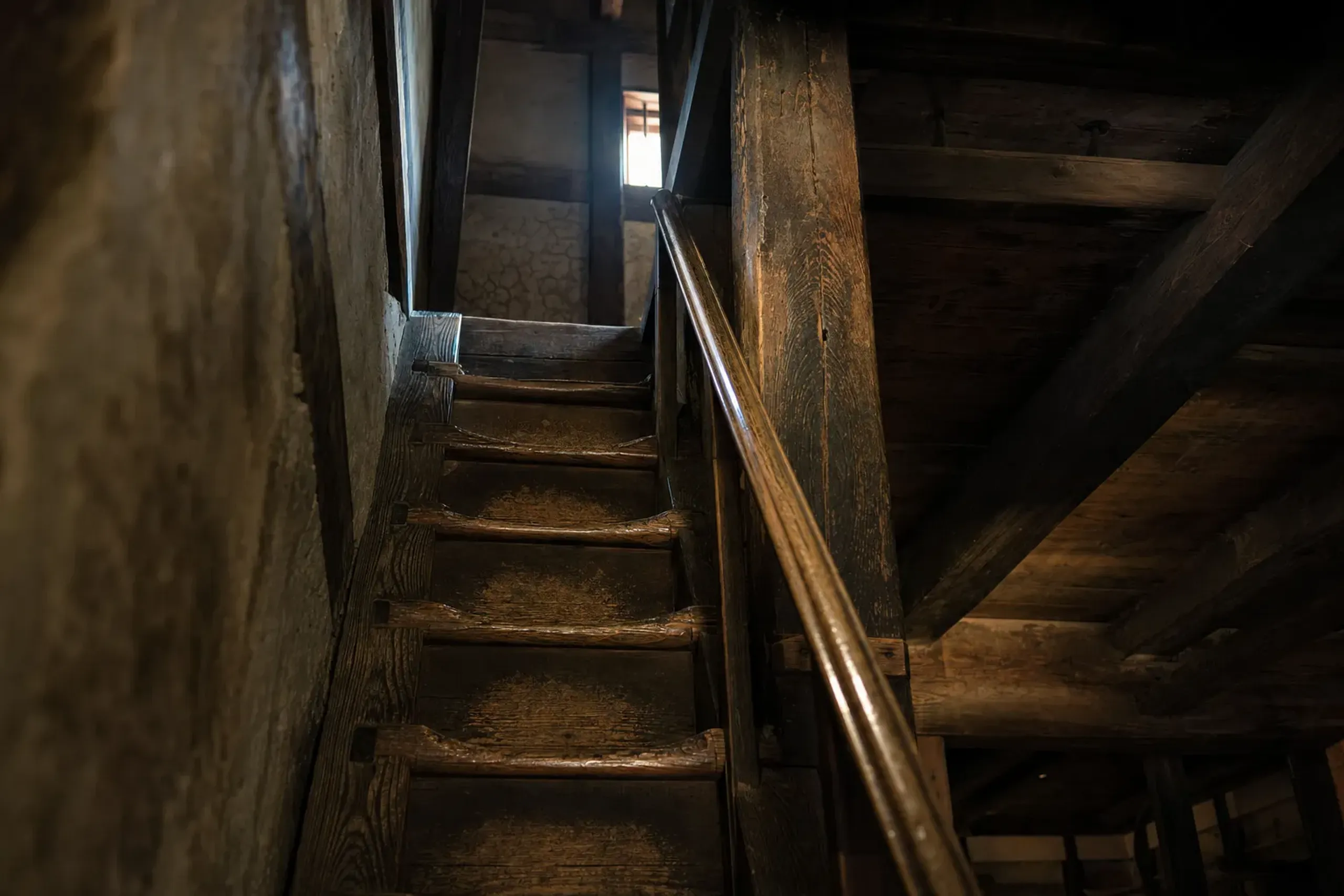
What you feel on site is continuity. Timber steps worn to a sheen. Joinery that holds without explanation. A layout that still makes sense as a working fortress, not a museum object.
A Short Founding Story: Yamauchi Kazutoyo And The Tosa Domain
After the Battle of Sekigahara, Yamauchi Kazutoyo was granted Tosa, and work on the castle began around 1601.
He entered the castle in 1603. The full layout was complete by 1611.
He first called it Kawanakayama, then later changed it to the name we use today. The castle is also nicknamed Takajō (“Hawk Castle”), linked to the color impression of its plaster and roof tiles, said to resemble hawk feathers.
There is also a tradition that the original keep was modeled on Kakegawa Castle, Kazutoyo’s former seat. We treat that as tradition, not a courtroom fact.
Inside The Kaitokukan Palace: Where The Castle Turns Human
The Kaitokukan palace is the Lord’s Reception Suite, and it is the rarest part of Kōchi Castle’s survival.
In many castles, you climb, look, descend, and leave with a skyline memory. Here, you also walk into the world of meetings and protocol. The palace connects to the keep, so the transition is physical, not theoretical.
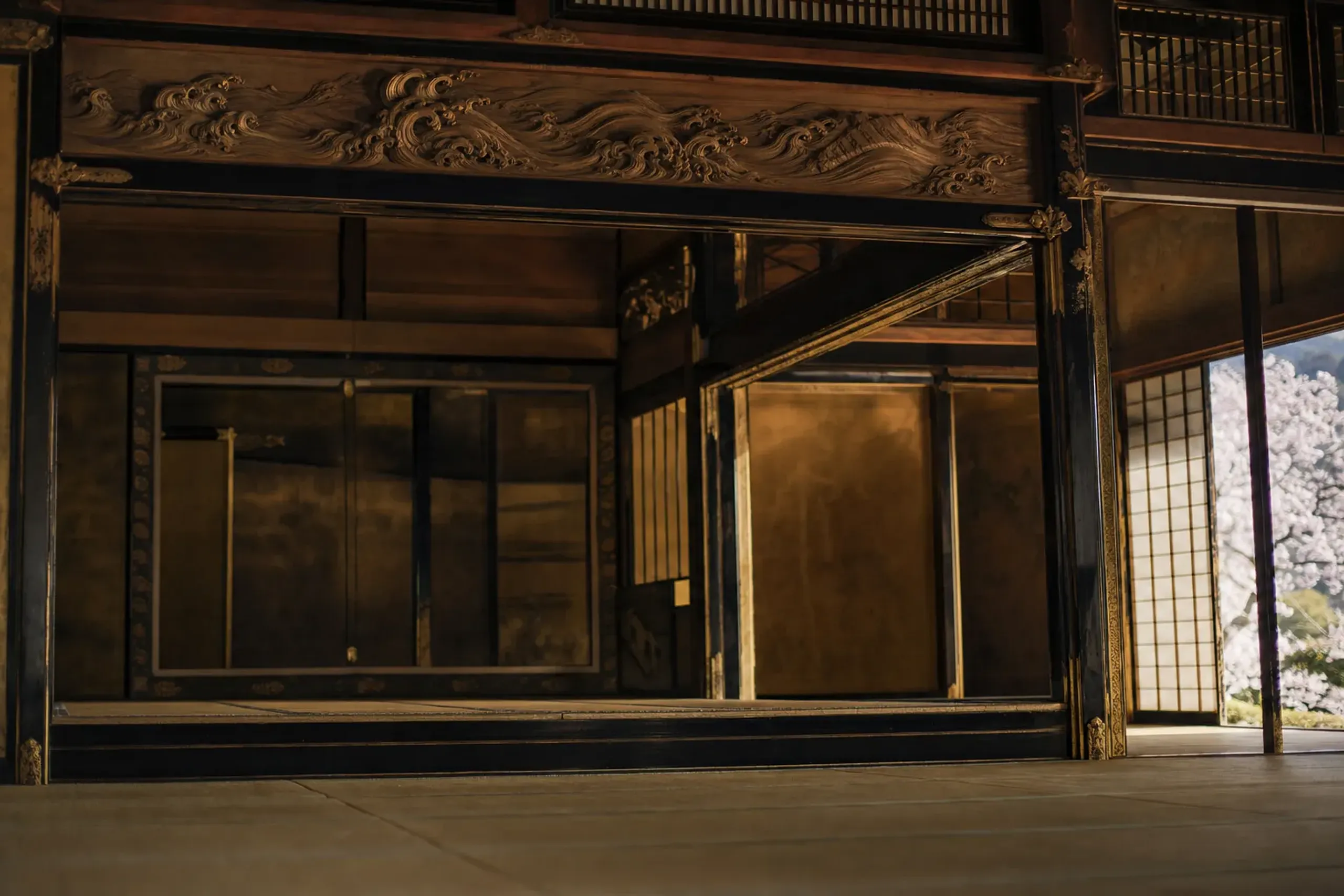
Look for the Jōdan-no-ma, the lord’s seat. The carved transoms are designed to evoke Tosa’s rough waves, a detail that reads like calm craftsmanship until you notice how forceful it is.
Before the 1727 fire, the palace was described as lavish, with gold-leaf sliding doors. That splendor is gone. What remains is stricter—and, for many of our guests, more persuasive.
How Long Does It Take To Walk From Ōtemon Gate To The Keep?
From the Ōtemon main gate to the keep is about an eight-minute walk by the shortest route.
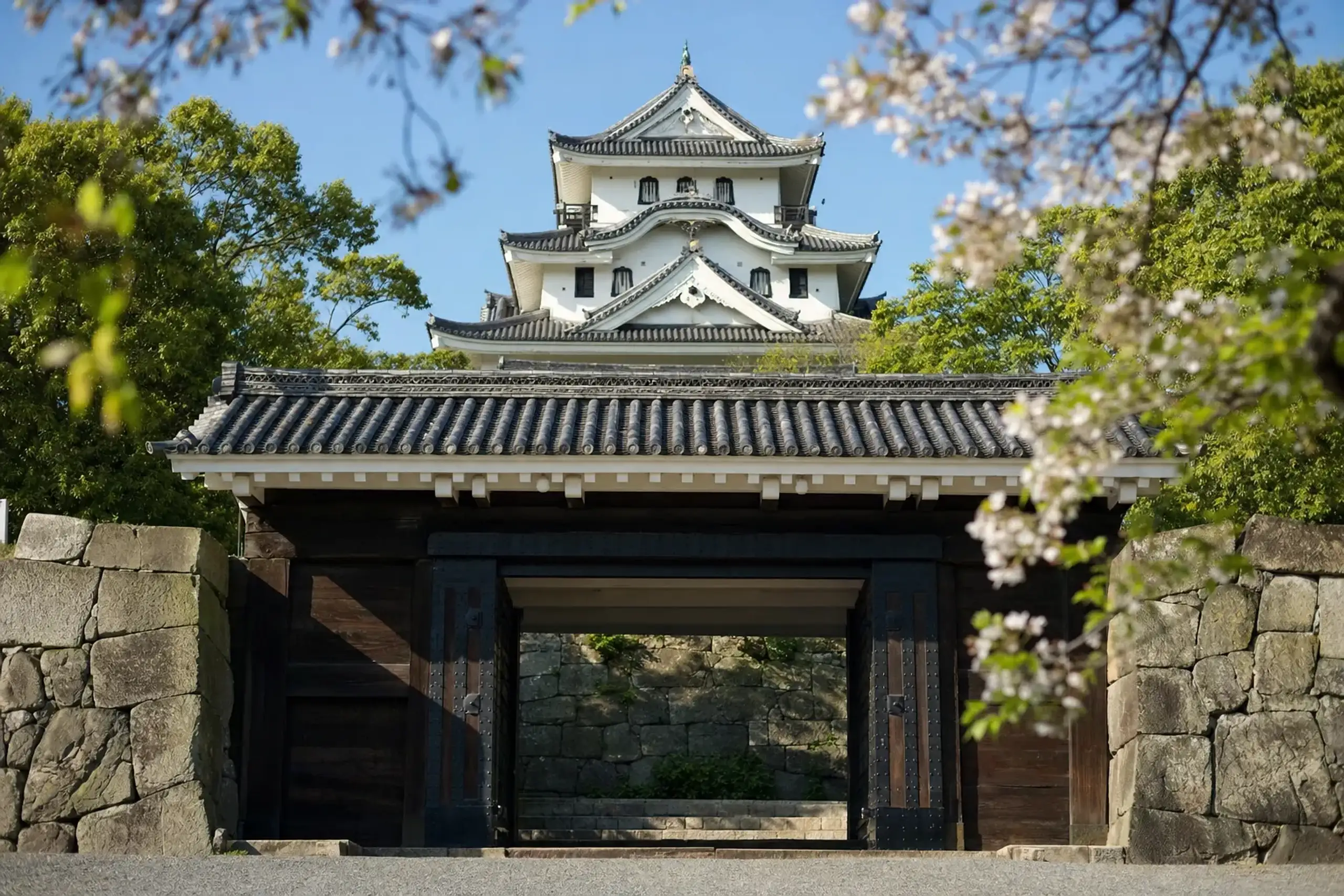
That is the clean number. The lived number is longer.
In spring, people pause. A photograph that catches the gate and keep together. A turn of stairs. A quick look back to the city, because the castle sits in the center of Kōchi City, not on a distant mountain.
If your party includes older parents or anyone sensitive to steep steps, we suggest treating the climb as a sequence of short rests, not a single push. Shoes matter. Thin soles will complain.
Spring Evenings: Lanterns, Light, And A Castle That Stays Awake
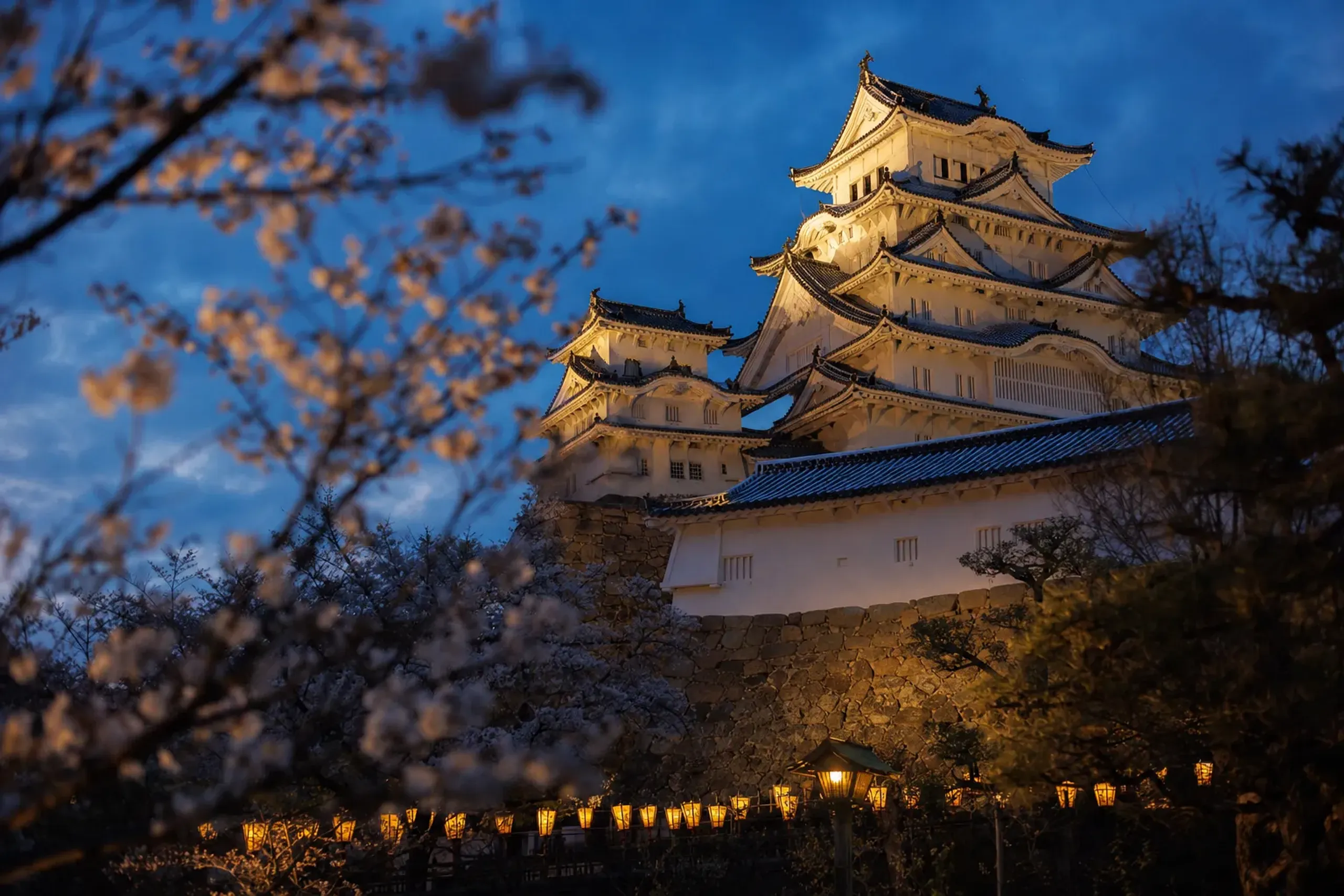
In listed years, lantern lighting has run from early March to early May, and the keep has been lit at night.
This is not private access, and it does not need to be. It is public, shared, and surprisingly elegant when you arrive at a calm hour and let the park do what it does best: make time slow down.
We often suggest visiting twice if your schedule allows—once in daylight for the interiors, then again in the evening for the silhouette. Two short visits can feel richer than one long, tired loop.
In the park you will also see statues of Yamauchi Kazutoyo, his wife Chiyo, and Itagaki Taisuke. Brief pauses. Useful anchors.
A Practical, High-Comfort Visit Plan For HNW Travelers
Kōchi Castle rewards pacing, not speed.
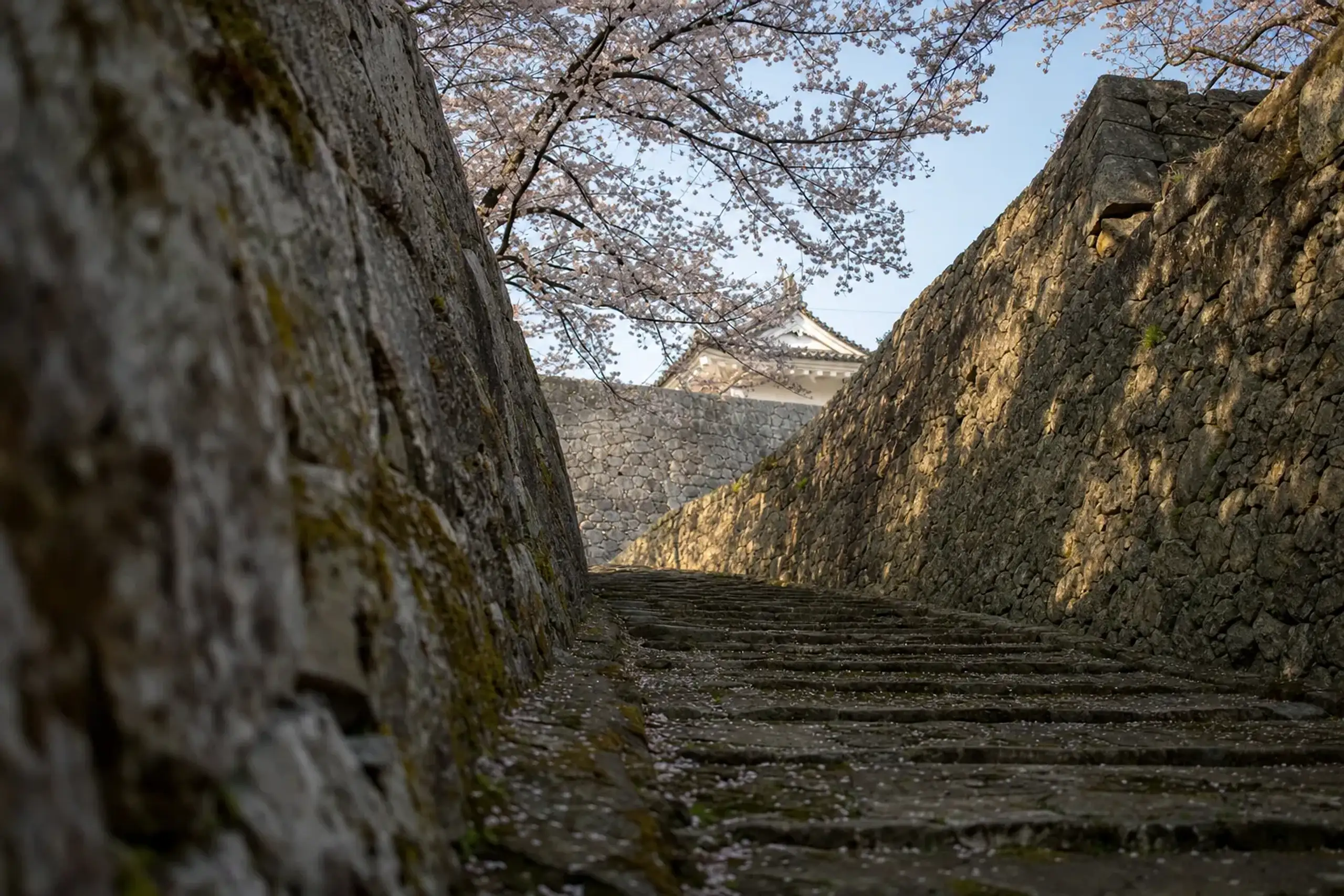
Our team at Japan Royal Service plans visits around comfort and clarity: the right arrival window, an unhurried route, and enough margin for weather and blossom timing without turning the day into a checklist.
Step 1: Arrive With A Clear Goal
Decide what you want the castle to be: architecture, spring photography, or history with context. One priority is enough.
If it is your “original castles” collector trip, give the palace the same weight as the keep. That is the point of coming to Kōchi.
Step 2: Start With The Gate-To-Keep Photograph
Before the climb, take a moment near the Ōtemon gate and look for the composition where gate and keep sit together. It is a classic view for a reason.
Then move. Crowds compress behind you if you linger too long.
Step 3: Climb The Keep Slowly, Then Switch To The Palace
The keep is about 18.5 meters tall with six floors. Expect steep, original-style wooden stairs.
Some sources mention iron spikes (shinobi-gaeshi) at the base of the keep as a feature said to be unique among surviving keeps. We mention it lightly. It is not the main story.
Step 4: End With Context, Not Souvenirs
JNTO notes nearby institutions such as the Kochi Castle Museum of History. If you want the Tosa-domain narrative to land, that museum can add shape to what you have just seen.
We keep this part optional. Not everyone wants a second venue. Some guests want a quiet coffee and a second walk under blossoms instead.
How Japan Royal Service Handles Transfers And Touring In Kōchi
For Kōchi Castle, Japan Royal Service supports guests with guiding and private transfers, keeping the day calm and the logistics contained.
Comfort starts in the car. The first time we mention private transportation, we keep it concrete: our chauffeured service is described here—private transportation—and matched to your party size, luggage, and the tone of your trip.
Many of our HNW clients build Kōchi into a wider, tailor-made itinerary across Japan, but this post stays focused on the castle itself. One place, done properly.
Because Kōchi Castle is a public site, we do not imply special hours or private entry. What we do add is precision: timing, context, and a discreet rhythm that keeps you out of the day’s loudest moments.
Kōchi Castle In The “Original Twelve” Context (Without Turning It Into A Checklist)
Japan’s “twelve original castles” are often sold as a collector’s set. That framing can push travelers into rushing.
Kōchi is the corrective. Even among the twelve, it stands apart because the palace survives alongside the keep, and because every building in the honmaru is original.
If you are comparing, we suggest reading our other original-castle stories for contrast—one example is Dōgo Onsen nearby in Shikoku for a different kind of heritage survival, and our analysis on planning errors in Why AI Gets Japan Travel Wrong (And How to Fix It) if you’re pressure-testing your route.
Then return to Kōchi’s singular truth: keep plus palace. Nothing else in the twelve offers that same complete picture of how a castle functioned day to day.
Frequently Asked Questions
Is Kōchi Castle An Original Castle Keep Or A Reconstruction?
Kōchi Castle is counted among the twelve castles with original surviving keeps, but its current keep was rebuilt in the Edo period after the 1727 fire, completed between 1747 and 1749.
What survives as original on today’s site includes the main-bailey palace (Kaitokukan) and the full set of honmaru buildings, which is exactly what makes Kōchi exceptional.
How Many Sakura Trees Are At Kōchi Castle Park?
Sources commonly describe roughly 180 to 225 cherry trees in Kōchi Castle Park.
The range reflects different counting methods and tree varieties, including Somei-yoshino, mountain cherry, Ōshima cherry, and botan-zakura.
Can I See Both The Keep And Ōtemon Gate In One Photo?
Yes, Kōchi Castle is known for viewpoints where the Ōtemon main gate and the keep align in a single photograph.
We suggest taking that photo early in your visit, before you commit to the climb, because it anchors the whole story of what survived and what was rebuilt.
What Should I Wear To Visit Kōchi Castle Comfortably?
Wear stable shoes with grip, because the keep has steep wooden stairs and polished surfaces that can feel slippery in rain.
In spring, bring a light layer for evening illumination walks; temperatures can drop after sunset even when the day feels mild.
How Does Japan Royal Service Help With A Kōchi Castle Visit?
Japan Royal Service supports Kōchi Castle visits with discreet routing, timing guidance, and private chauffeured transfers, plus optional guiding based on your interests.
We also verify current-year bloom timing, lantern-lighting dates, and opening hours ahead of your visit, so you arrive informed rather than guessing.
Why Choose Japan Royal Service
Luxury travelers do not come to Kōchi Castle for novelty. They come for integrity.
Our team at Japan Royal Service is built for that kind of travel: discreet by default, detail-precise, and comfortable with Japan’s quieter, harder-to-rank places where the experience is not “big,” just real. That discretion matters even in public spaces, because your itinerary and identity should not travel ahead of you.
We also plan with a craftsman’s eye—shokunin attention to the small, load-bearing choices that change a day. The right arrival time in blossom season. The correct pace for steep stairs. The room in the schedule for a second walk when the lanterns come on.
And we favor restraint over spectacle. Kōchi Castle in spring is not about gold-leaf bravado. It is about a gate that survived fire, a palace that still breathes, and a keep rebuilt with enough humility to honor an older shape.
Ready to plan Kōchi Castle properly? Reach our team privately via WhatsApp or LINE, or contact us here.