In this guide
- 01What Is A Michelin Key In Japan?
- 02What Do One, Two, And Three Michelin Keys Mean In Japan?
- 03The Five Michelin Key Criteria, In Plain English
- 04Are Michelin Keys And Michelin Stars Connected?
- 05Do Ryokan Qualify For Michelin Keys In Japan?
- 06What Changed In Michelin Keys Japan 2026?
- 07How Should A HNW Traveler Use Michelin Keys When Choosing A Stay In Japan?
- 08How Do I Find And Book Michelin Key Hotels In Japan?
- 09Frequently Asked Questions
- 10Why Choose Japan Royal Service
The Michelin Star changed how many travelers choose a meal. Now Michelin has applied a similar idea to hotels. It’s called the Michelin Key.
In Japan, the Key can feel like a shortcut when you’re comparing dozens of high-end stays. It’s also easy to misread. A Key is not a promise that a room will suit your sleep habits, your pace, or your privacy needs.
Our team at Japan Royal Service uses Keys as a signal. Not as a decision. Quietly, we match the property, the room category, and the neighborhood to how you actually travel.
What Is A Michelin Key In Japan?
A Michelin Key is the MICHELIN Guide’s hotel distinction, marking the most outstanding stays in its hotel selection, judged by Michelin inspectors.
Michelin describes the Key as the hotel counterpart to the restaurant Star. The intent is simple: help travelers spot stays that stand out for the overall experience, not just a famous name or a large suite count.
Japan matters here. The country’s top stays can be modern city towers, small design hotels, or ryokan where the “luxury” is silence, hot water, and exact timing. A Key gives you a vetted starting point, whether you travel for board meetings, anniversaries, or a once-a-year reset.
For a high-net-worth traveler, the most useful part is what the Key is not. It’s not a ranking. It doesn’t tell you if you’ll prefer a corner room, a garden view, or a higher floor away from street noise. That’s where concierge-level matching still matters.
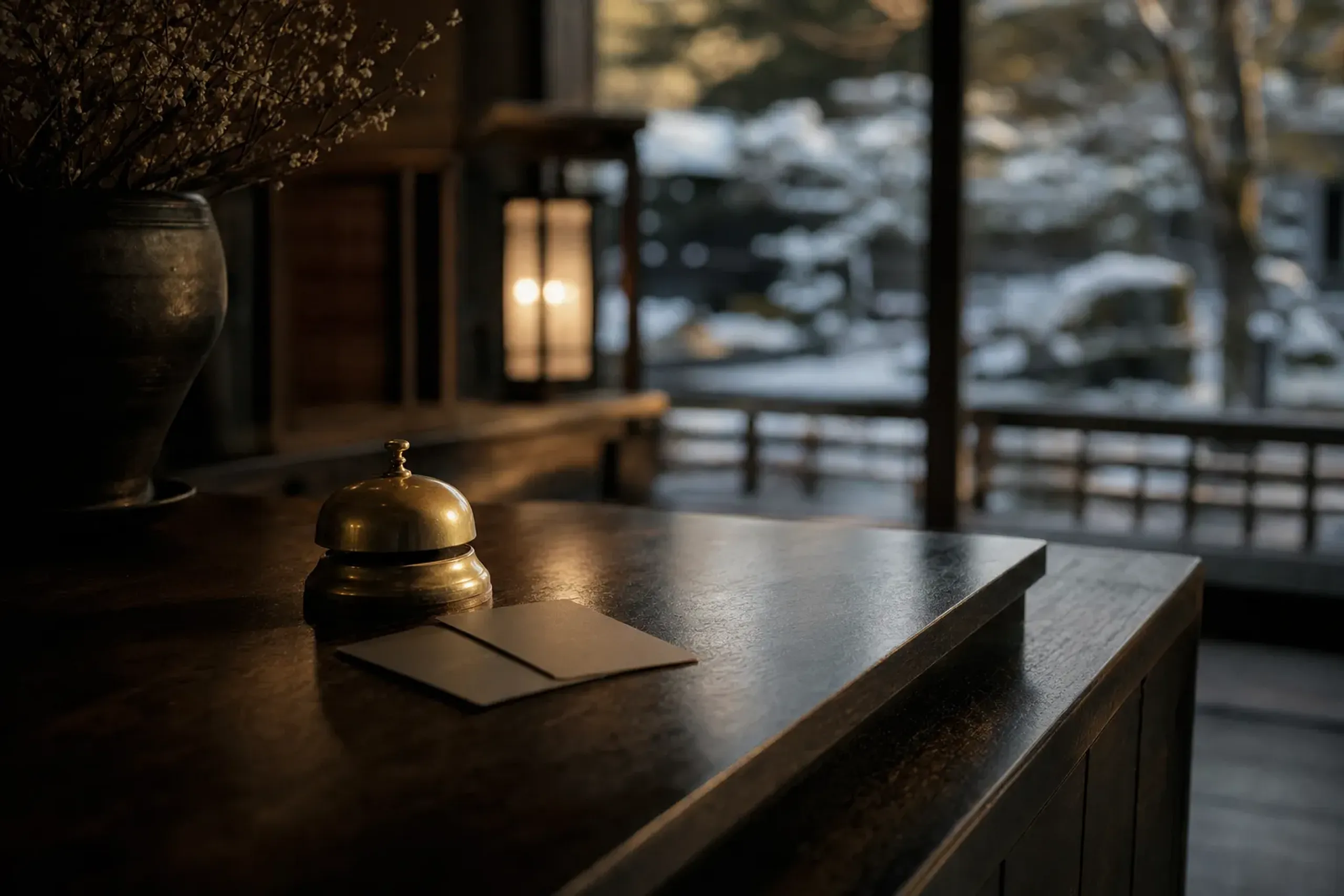
A Michelin Key is about the stay as a whole, not a single headline feature.
What Do One, Two, And Three Michelin Keys Mean In Japan?
Michelin defines One Key as “a very special stay,” Two Keys as “an exceptional stay,” and Three Keys as “an extraordinary stay.”
Those phrases describe the quality of the stay. Not the price bracket. A Key can point you toward a property with grand public spaces, or toward one with restraint and wabi-sabi calm.
In Japan, that distinction is practical. You may want a hotel that supports early mornings and fast transfers. Or you may want a ryokan rhythm where dinner time, bathing, and sleeping are all part of the design.
If you’re reading lists, keep your head clear. Three Keys can still be the wrong choice if the location adds daily transit. One Key can be perfect if it fits your schedule and gives you the quiet you came for.
The Five Michelin Key Criteria, In Plain English
Every Key hotel must meet five Michelin criteria: excellence in architecture and interior design; quality and consistency of service; personality and character; value for the price; and a meaningful contribution to its neighborhood or setting.
That first criterion—architecture and interior design—sounds obvious, yet it’s where Japan can surprise you. Some stays feel like a gallery after closing hours.
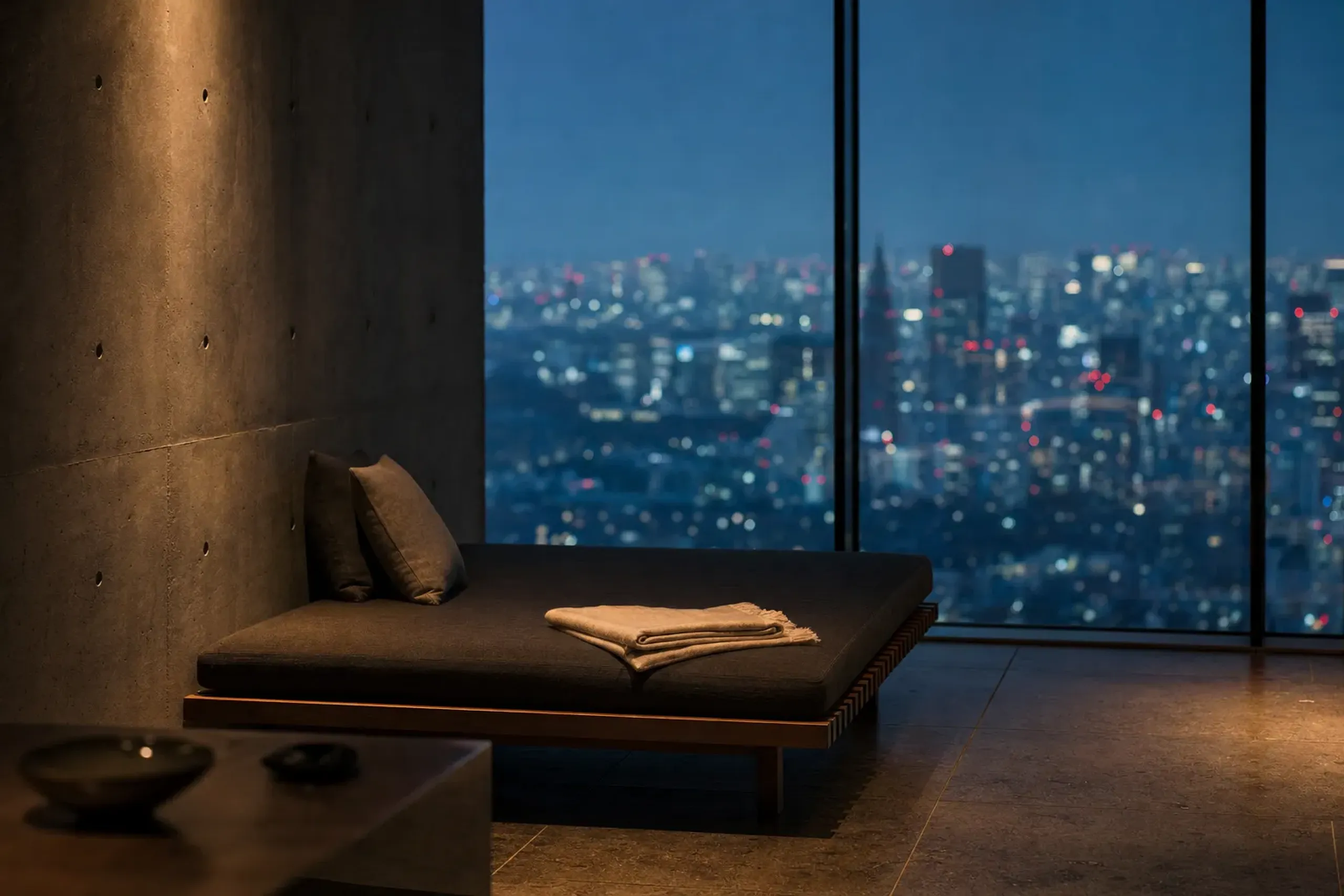
Others feel like a private home with fewer rooms and more intention. The Key framework can capture both.
Service consistency is the second criterion. It’s the difference between a single impressive moment and a stay that stays steady from check-in to checkout. For HNW travelers, steadiness is the real comfort. No drama.
Personality and character is where “Hidden Japan” often appears. The property’s identity should be felt in materials, ritual, and atmosphere, not just in branding. Think of spaces that do not beg to be photographed. They simply hold you.
“Value for the price” is often misunderstood. It does not mean inexpensive. It means the experience justifies what is asked. The Key is therefore a clue about coherence: design, service, and setting moving in the same direction.
The final criterion—contribution to the neighborhood or setting—matters deeply in Japan. It’s the sense that a stay belongs where it stands, whether that is a business district, a temple town, or an island community. Done well, it encourages slower travel: fewer bases, longer stays.
Are Michelin Keys And Michelin Stars Connected?
Michelin Keys and Michelin Stars are decided independently, so a Key says nothing specific about restaurants, and a Star says nothing specific about the rooms.
A Starred restaurant can exist inside a Key hotel. It also may not. The hotel and restaurant awards do not require each other, and they are not a bundle.
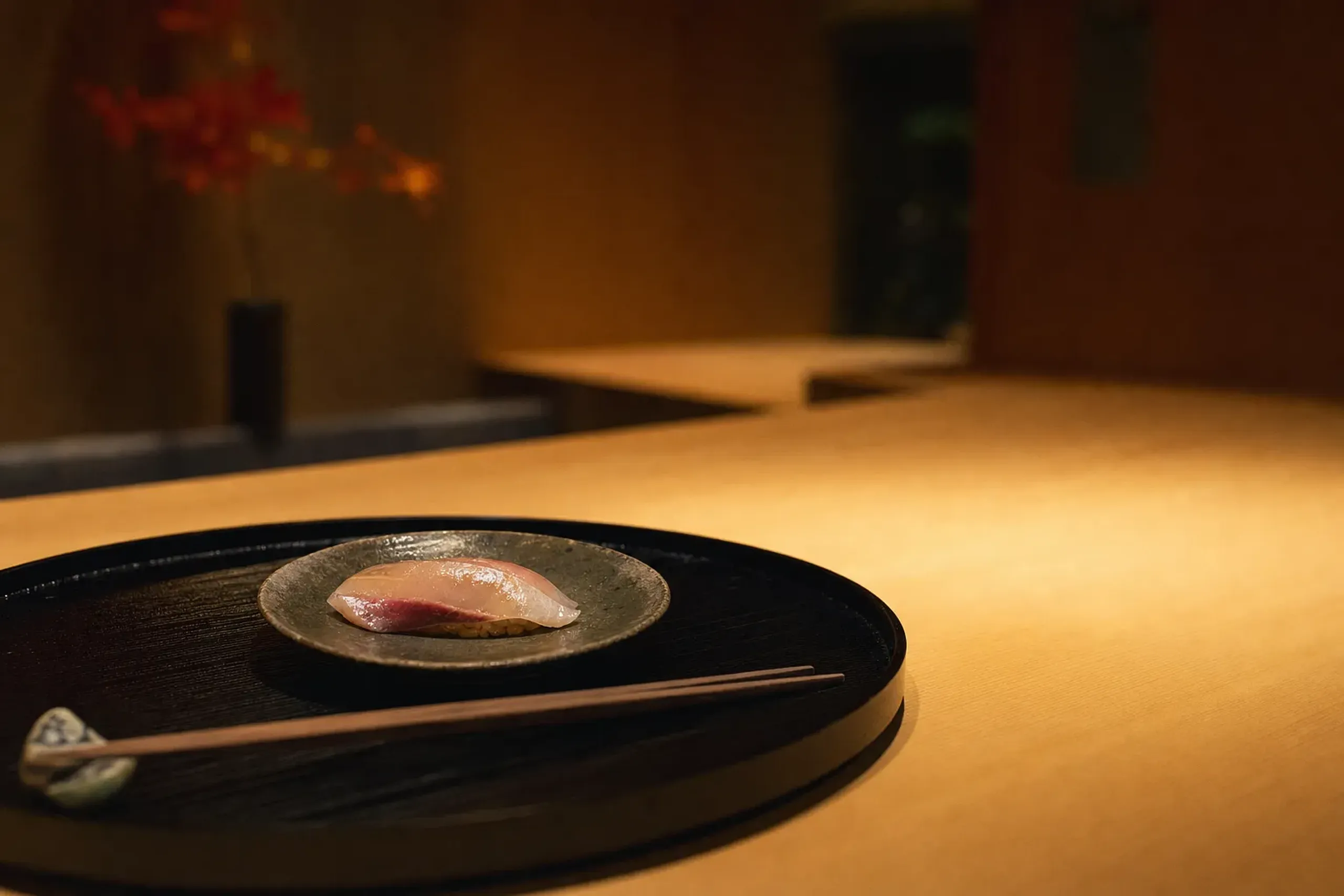
This is useful when you plan Japan well. Many guests want one or two high-focus dinners, then lighter meals that fit jet lag and sightseeing. A hotel choice should support sleep, logistics, and mood first.
If food is a major pillar of your trip, we often suggest aligning your dining choices with your base planning. Not the other way around. For context on restaurant styles beyond Stars, you may enjoy our guide on Sushi, Kaiseki Or Kappo: Choosing The Right Japanese Meal.
Do Ryokan Qualify For Michelin Keys In Japan?
Yes—ryokan are eligible for Michelin Keys, and many ryokan were recognized in Japan’s first Key selection.
This matters because a ryokan stay is not just accommodation. It is a structure for your day. You bathe. You eat. You sleep early. It’s the opposite of a lobby-bar culture, and that is precisely why many HNW travelers return to it.
Ryokan also show why the five criteria are broader than “luxury hotel” stereotypes. A Key can reflect craft and restraint, not only scale. Shokunin energy often shows up in the details: joinery, ceramics, seasonal textures, breakfast timing.
What Changed In Michelin Keys Japan 2026?
Michelin’s 2026 Japan Key selection totals 145 Key hotels (7 Three-Key, 23 Two-Key, 115 One-Key), with 19 properties receiving their first Key distinction.
Michelin also stated that all seven Three-Key hotels retained their distinctions in the 2026 selection.
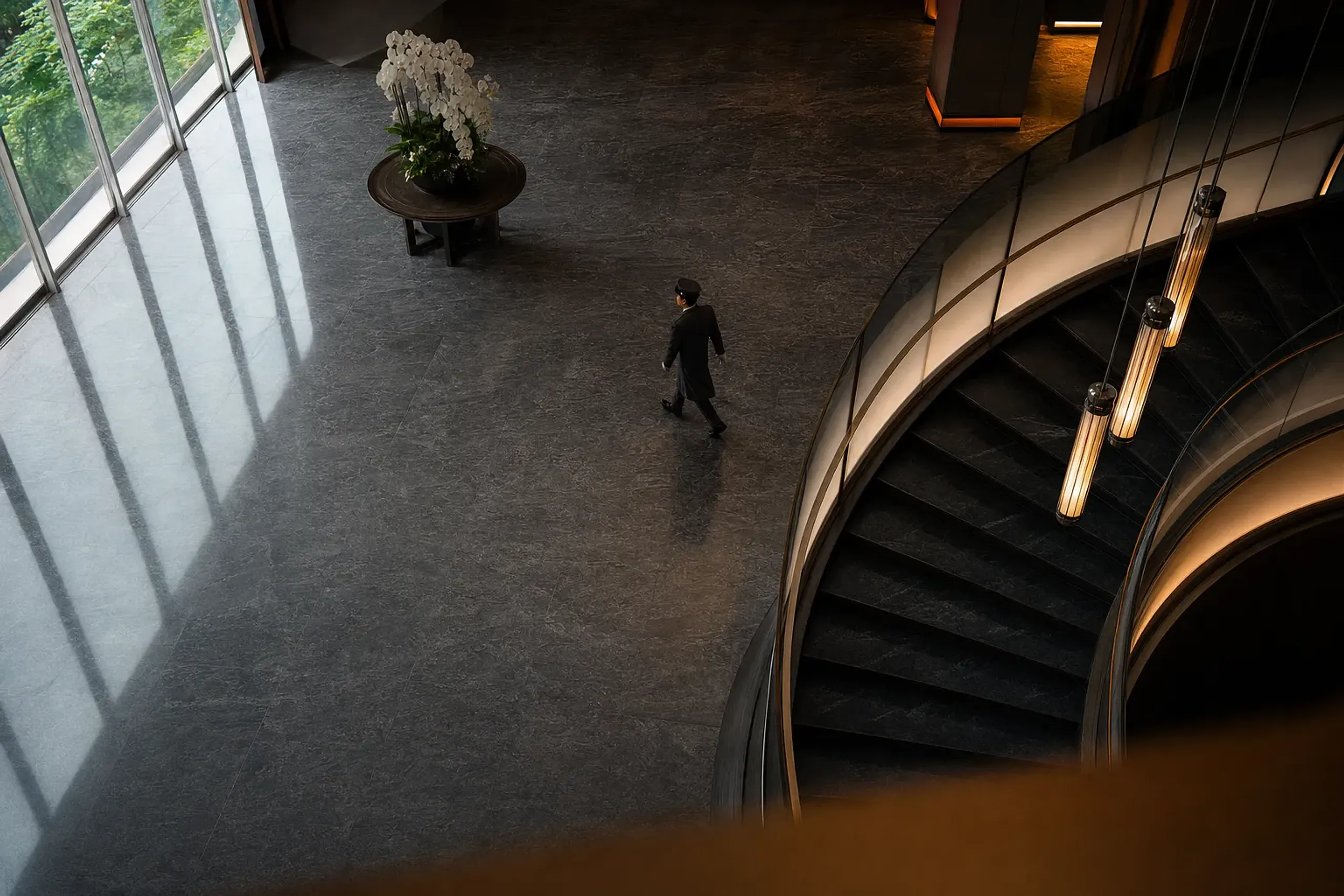
For travelers, retention matters because it signals consistency, not just a flash of novelty.
Japan’s Key story also has a clear starting point. Michelin revealed Japan’s first One, Two, and Three Key distinctions on July 4, 2024. That date is now part of the timeline you’ll see referenced in press and in the MICHELIN Guide’s own editorial updates.
One specific data point worth knowing: Michelin’s editorial coverage notes that Capella Kyoto opened in March 2026 and was awarded Two MICHELIN Keys in the 2026 Japan selection. That is fast recognition. It also reflects how quickly the top end of Japan hospitality evolves.
Key fact: Key selections change over time; our concierge team at Japan Royal Service confirms the current Key status and real-world availability directly with you at the time of arrangement.
How Should A HNW Traveler Use Michelin Keys When Choosing A Stay In Japan?
Use the Michelin Key as a shortlist signal, then choose based on room fit, location logic, and pace—because the Key reflects overall excellence, not your personal sleep and schedule needs.
In our experience, “fit” has three layers. First: the neighborhood. A Key in the wrong district can turn Tokyo into a commute. Second: the room category. Even within the same property, the difference between a standard room and a higher category can be the difference between waking refreshed and waking annoyed.
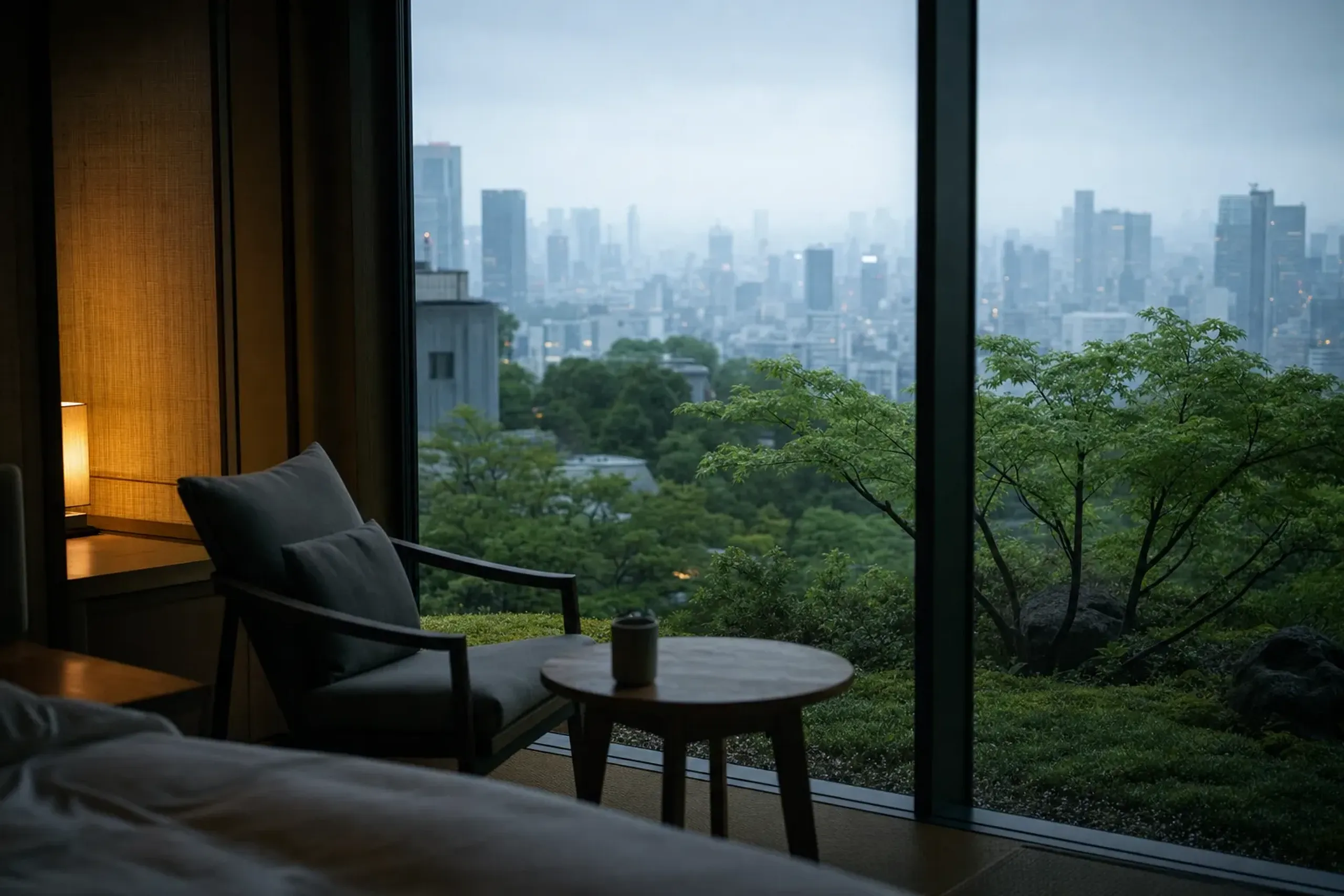
Third: your trip rhythm. Some guests want Tokyo energy, then a quiet reset. Others want Kyoto focus, then ocean air. Michelin’s own 2026 commentary points toward slower, more immersive travel—longer stays in fewer places—plus privacy and nature-forward “rough luxury,” and wellness expanding beyond the spa. Those themes align with what works in Japan.
If you want a practical planning frame, we often recommend choosing three bases, not seven cities, especially for a two-week trip. It reduces repacking. It protects dinner reservations you already care about. See our pacing guide here: Three Bases, Not Seven Cities: Pacing Two Weeks In Japan.
Once your bases are set, private ground logistics becomes the lever. The first day is where most itineraries break. Flights land, bodies lag, and check-in windows are fixed. A calm arrival helps every other choice land better, so many guests add a private transportation plan that keeps transfers clean and unhurried.
How Do I Find And Book Michelin Key Hotels In Japan?
Michelin Keys are published by the MICHELIN Guide, and travelers can use that selection as a starting shortlist, then confirm availability, room categories, and policies when planning their stay.
Public information is excellent for definitions and discovery. Practical travel decisions are different. Minimum nights, seasonal demand, view types, and cancellation rules are where the real trip is won or lost.
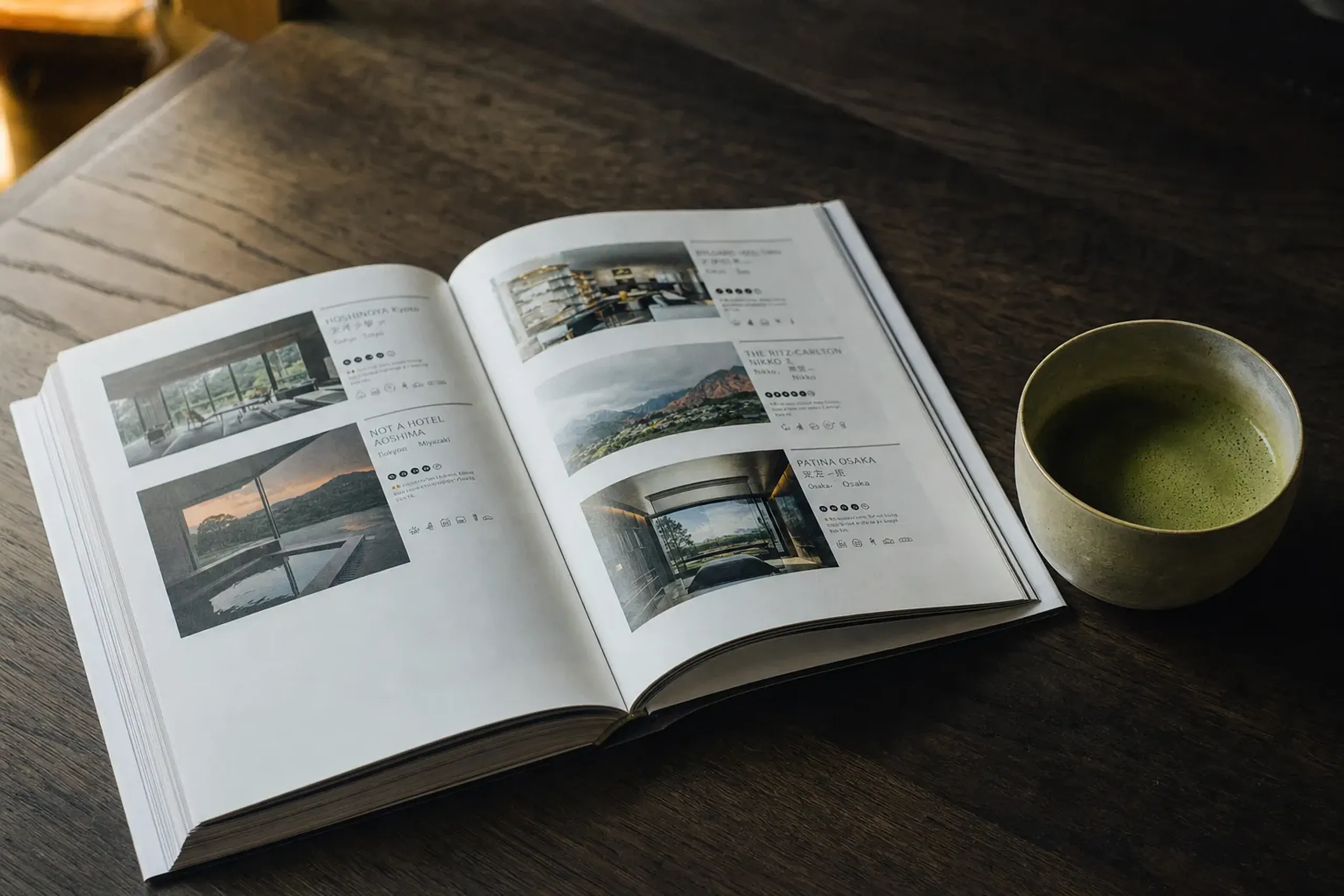
For many HNW guests, the goal is not “a Key.” It’s a stay that supports the rest of the journey: a private museum hour, a shokunin studio visit, a morning with no agenda, or a late dinner without watching the clock.
If you are also choosing restaurants, remember the separation: Keys and Stars are independent. Our job is to align them intelligently so you don’t end up with a brilliant dinner and a room that feels like an afterthought.
Frequently Asked Questions
Is The Michelin Key A Guarantee That A Hotel Will Feel Luxurious?
No—the Michelin Key signals an outstanding stay by Michelin’s criteria, but “luxury” is personal, so you still need to match design, noise level, room layout, and location to you.
In Japan, some of the most satisfying stays are quiet rather than flashy. Wabi-sabi restraint can feel richer than marble, depending on what you came to Japan to feel.
Can A Michelin-Starred Restaurant Be Inside A Non-Key Hotel In Japan?
Yes—Keys and Stars are decided independently, so a Starred restaurant can exist without the hotel holding a Key.
The reverse is also true. A Key hotel may have no Starred restaurant onsite. Plan dining and lodging as two separate decisions that support each other.
Do Michelin Keys Apply To Ryokan Stays With Kaiseki Dinner?
Yes—ryokan are eligible for Michelin Keys, and many ryokan were recognized in Japan’s first Key selection.
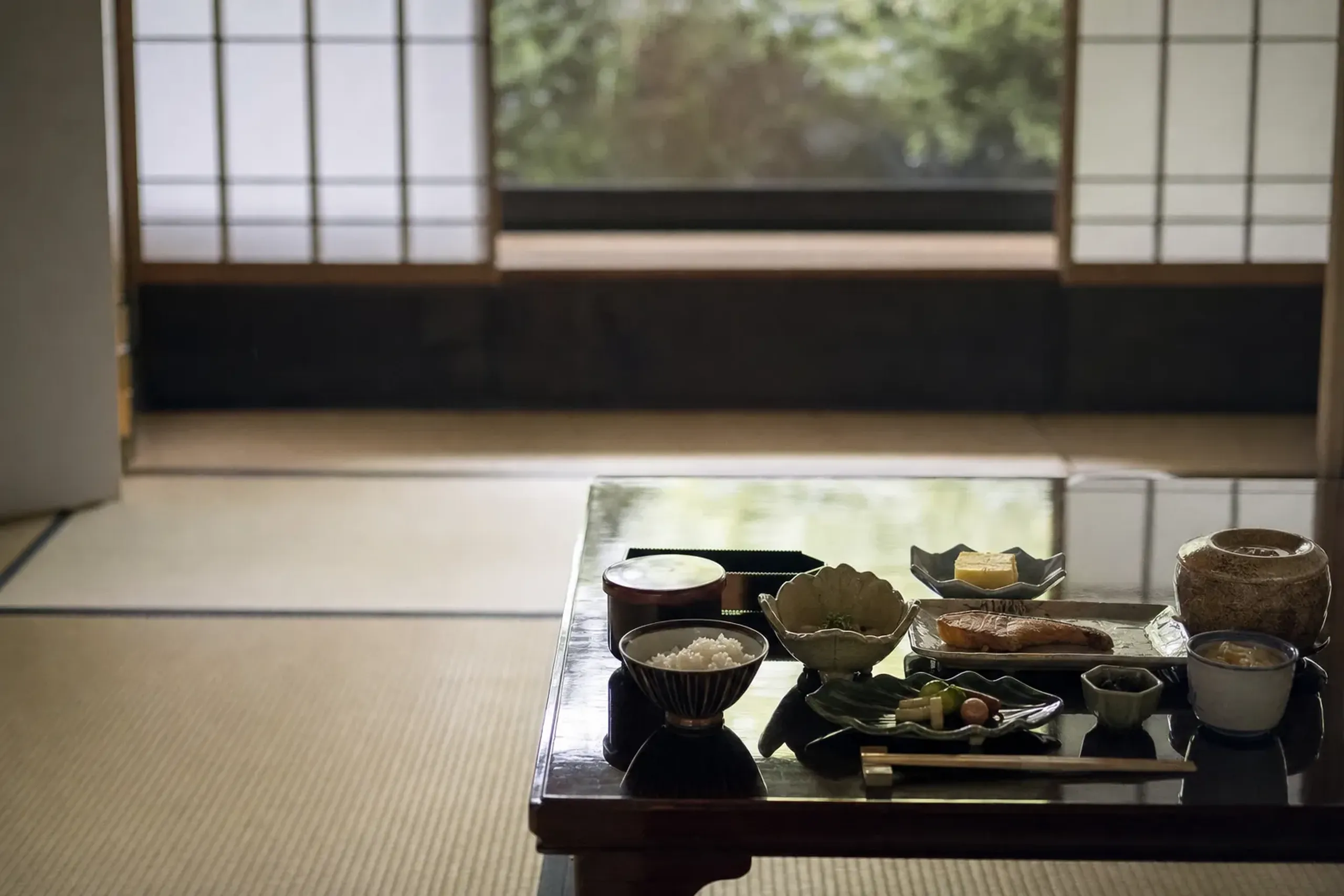
A ryokan stay is also a pacing choice. Dinner time, bathing, and sleep shape the next day. That rhythm is often exactly what HNW travelers want after long-haul travel.
When Did Michelin First Announce Keys In Japan, And When Was The 2026 Update?
Michelin revealed Japan’s first Key distinctions on July 4, 2024, and announced the Japan 2026 Key selection on September 18, 2026.
Because selections evolve, our concierge team confirms the current status directly with you at the time of arrangement.
Why Choose Japan Royal Service
Keys are helpful. They are not enough. The difference between a good trip and a clean, quiet trip is usually hidden in the unglamorous parts: transfer timing, room category choice, and choosing a pace you can actually enjoy.
Our team at Japan Royal Service works in the space beyond the badge. We pair Michelin Key intelligence with the Japan that Google cannot find, discreet handling of your identity and schedule, and access to shokunin craft that rewards attention rather than speed.
When you’re ready, we build a tailor-made journey around your preferences, not around a checklist.
If you’d like private guidance on Michelin Key stays in Japan and how to fit them into your itinerary, reach our team privately via WhatsApp or LINE, or contact us here.