In this guide
- 01When And Where Is Morioka Sansa Odori Held Each Year?
- 02The Legend Behind Sansa: A Demon, A Stone, And A Handprint
- 03What Actually Happens At Morioka Sansa Odori (And Why It Feels Different)
- 04A Step-By-Step Timeline For The Evening On Chūō-dōri
- 05How Do I Join The Sansa Circle Dance After The Parade?
- 06Reserved Seats Vs Street Viewing: What Discerning Travelers Should Know
- 07Does Rain Cancel Morioka Sansa Odori?
- 08The Quiet Luxury Angle: Craft, Sound, And Restraint In A Very Loud Festival
- 09What To Eat After The Drums: Morioka’s Three Great Noodles
- 10Getting There Comfortably: Shinkansen, Airport, And Last-Mile Walks
- 11A High-Comfort Planning Playbook For Discerning Travelers
- 12Step Into The Circle With Us
The first drumbeat lands in your chest before you fully see it.
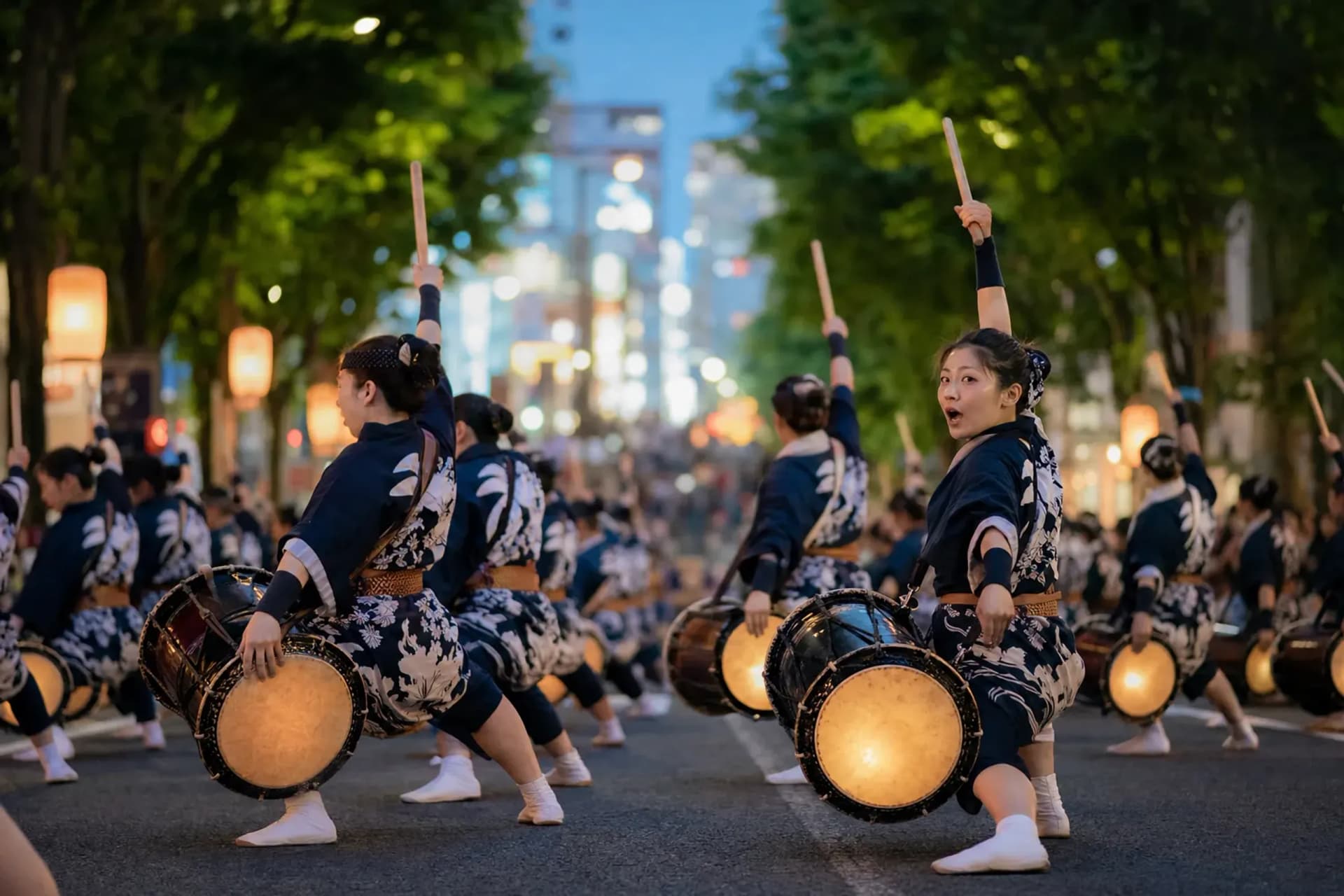
Chūō-dōri is still bright at 18:00, but the air has shifted. A line of taiko rolls forward, flutes cutting a thin, bright thread through the crowd noise. Then the dancers arrive. Close. Fast. Smiling, but focused—every gesture deliberate.
Morioka Sansa Odori is the rare summer festival that doesn’t only reward watching. It asks you to stand up. After the parade, circles form in the open street, and visitors are invited to step in and learn the steps on the spot—no stage, no barrier between you and the rhythm.
When And Where Is Morioka Sansa Odori Held Each Year?
Morioka Sansa Odori is held every year from 1 to 4 August on Chūō-dōri (中央通) in Morioka City, Iwate Prefecture, with evening parades typically running 18:00–21:00.
The venue is central Morioka, anchored by Chūō-dōri, so you can arrive on foot from Morioka Station and still feel part of the city’s pulse. Expect the crowds to thicken as sunset approaches. Loud, too. This festival is built on percussion, and it makes no apology for it.
In our experience, the comfort difference comes from timing, not spending. Arrive early enough to choose your spot calmly, and you’ll enjoy the sound instead of wrestling it.
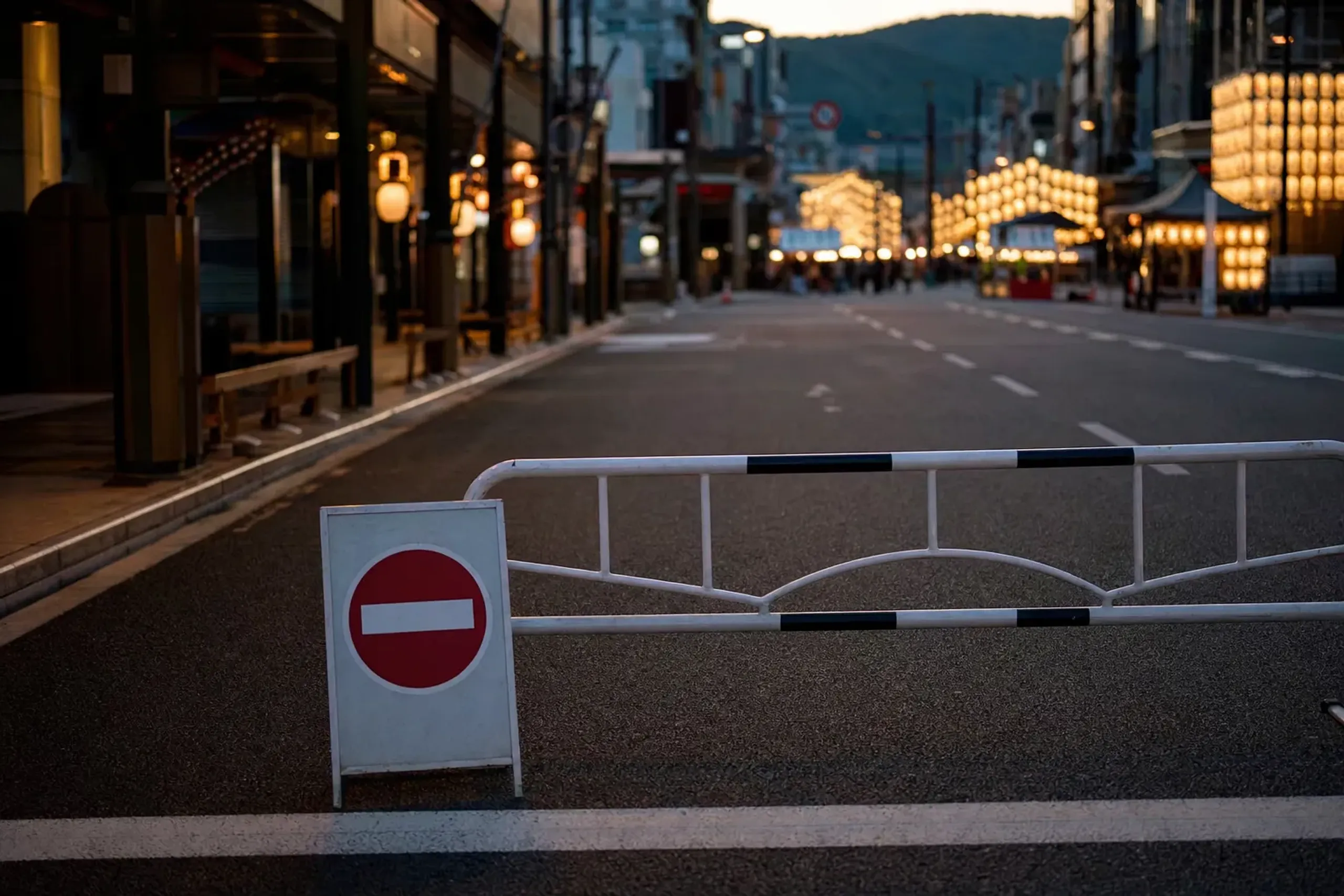
One practical note. Road closures for vehicles are generally in place around parade time; one official regional source suggests roughly 17:50–21:30, but timings can change, so we treat it as a planning guide, not a promise.
The Legend Behind Sansa: A Demon, A Stone, And A Handprint
According to legend, a demon named Rasetsu tormented the castle town.
The story ties to Mitsuishi Shrine in Morioka, where the demon was captured by the shrine’s deity and made a pledge by pressing its hand onto a great stone. The villagers, relieved, danced around it and chanted “sansa, sansa.” Simple. Human. Memorable.
The official story also suggests a link between that handprint and the name “Iwate.” We keep that phrasing on purpose. It’s part of the local telling, and the festival still feels like a living echo of it—the drums a kind of communal seal, renewed each August.
For the discerning traveler, this is where the evening sharpens. It isn’t merely a parade route. It’s a place-story, anchored to a real shrine you can visit respectfully before the night begins—a quiet prelude that most overseas visitors never think to seek out.
What Actually Happens At Morioka Sansa Odori (And Why It Feels Different)
Sansa is structured like a show, but it moves like a neighborhood celebration that happens to be extraordinarily well organized.
You’ll see drum corps, dancers, and flutes, with groups advancing in a steady procession along Chūō-dōri. Floats appear as part of the program as well.
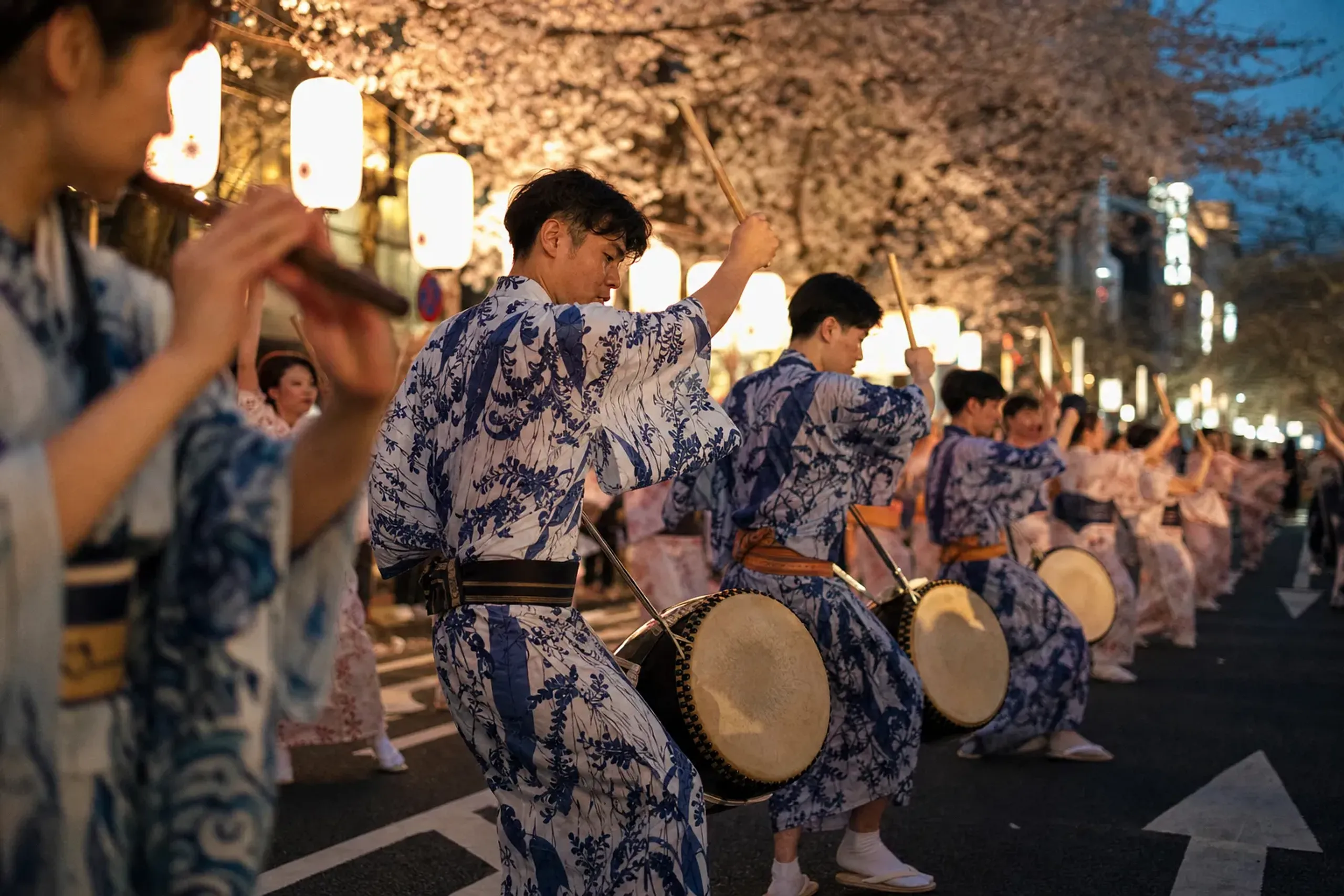
The scale is significant—official sources describe tens of thousands of participants across roughly a couple hundred groups, depending on the year—so the street can feel as though it has its own weather system.
Our team at Japan Royal Service plans Sansa nights by asking one question first: do you want maximum immersion, or maximum control? Both are valid. They simply lead to different viewing choices, and a thoughtfully designed bespoke itinerary can honor either instinct—or balance both across your four nights.
And yes, you’ll hear about Guinness. The festival committee organized the “Largest Japanese drum ensemble” record in 2014 (3,437 players, in a stadium setting). The closing night’s drum-focused parade commemorates that spirit, but it is not accurate to call the street parade itself a Guinness “largest taiko parade.” We mention the distinction because precision is part of understanding what you are watching.
A Step-By-Step Timeline For The Evening On Chūō-dōri
The easiest way to enjoy Sansa is to treat it like a sequence you can follow, not a blur you survive.
Before 18:00: Arrive, Walk The Edges, Choose Your Anchor
Come early enough to find your bearings while the street still feels roomy. Smart move. If you’re meeting a guide, pick a simple landmark and stick to it—festival streets distort time, and “near the intersection” becomes meaningless fast.
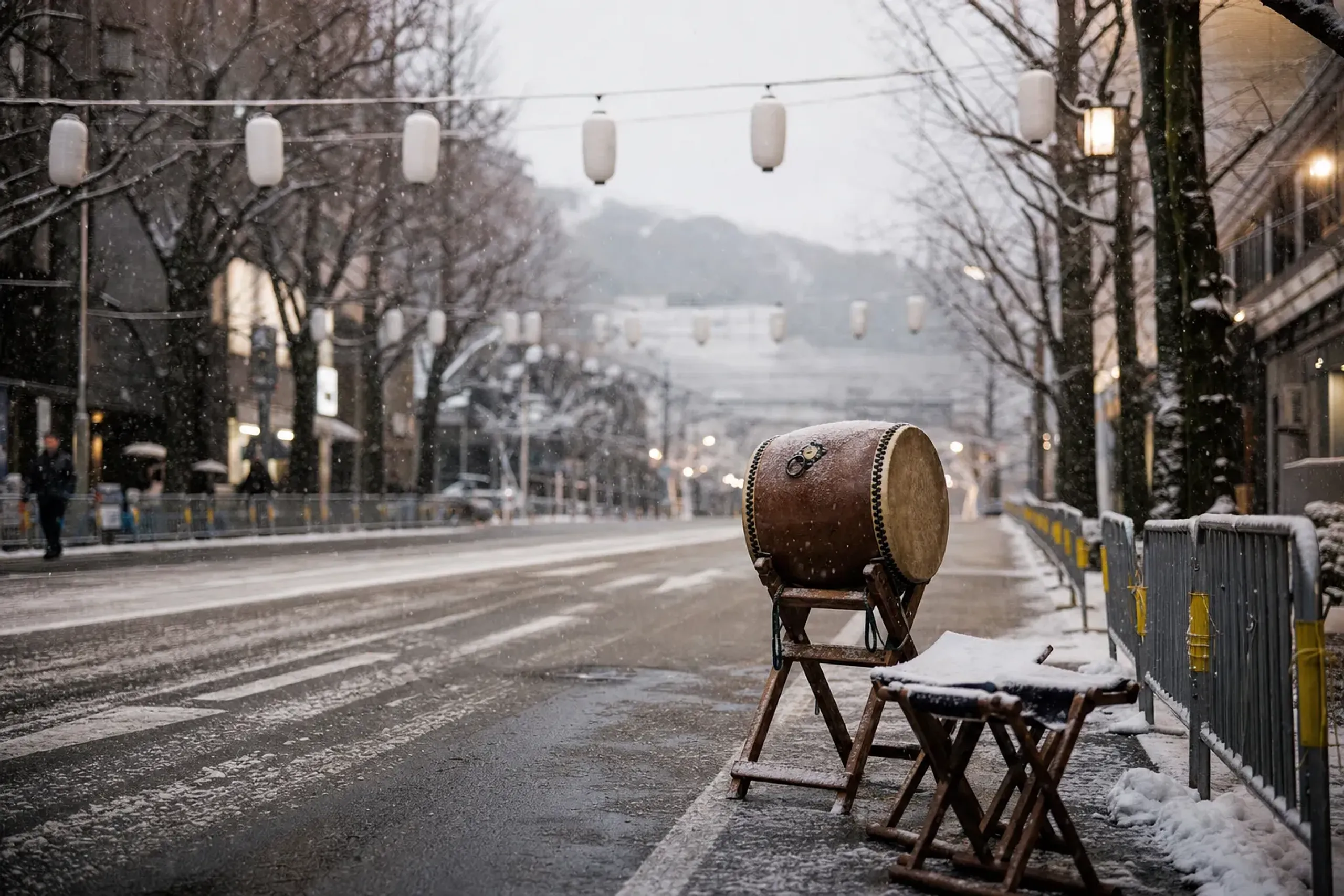
Traditional Circle Dances Before The Parade
On each night, the official program includes traditional circle dances held before the main parade at three points. If you want context before spectacle, this is your window. It’s calmer, and you can study the footwork without elbows in your ribs.
18:00–21:00 (May End Earlier): The Main Parade
The parade commonly runs from 18:00 to 21:00, though it can finish earlier. One night does not mirror the next exactly, and the official program is the reference that matters.
Part 1: “Show” Parade
The official order begins with Miss Sansa and the drum corps, followed by dance groups. On 1 August only, there is a lead parade (as published in the official program). It’s a subtle difference, but it changes the feeling at the start—more ceremonial, less rush.
Part 2: Traditional Dance Parade And General Participants
After that, the traditional dance parade continues, with more groups, floats, and broader participation. This is where pacing matters. If you chase the “best” moment, you may miss the one that hits you personally.
After The Parade: The Street Becomes A Dance Floor
This is the part people remember. Circles form at multiple points around the venue, and the official guidance is plain: anyone can join. No registration. No dress code for individuals. You simply step in.
Night 4 (4 August): Drums-Only Parade And The Closing Circle Dance
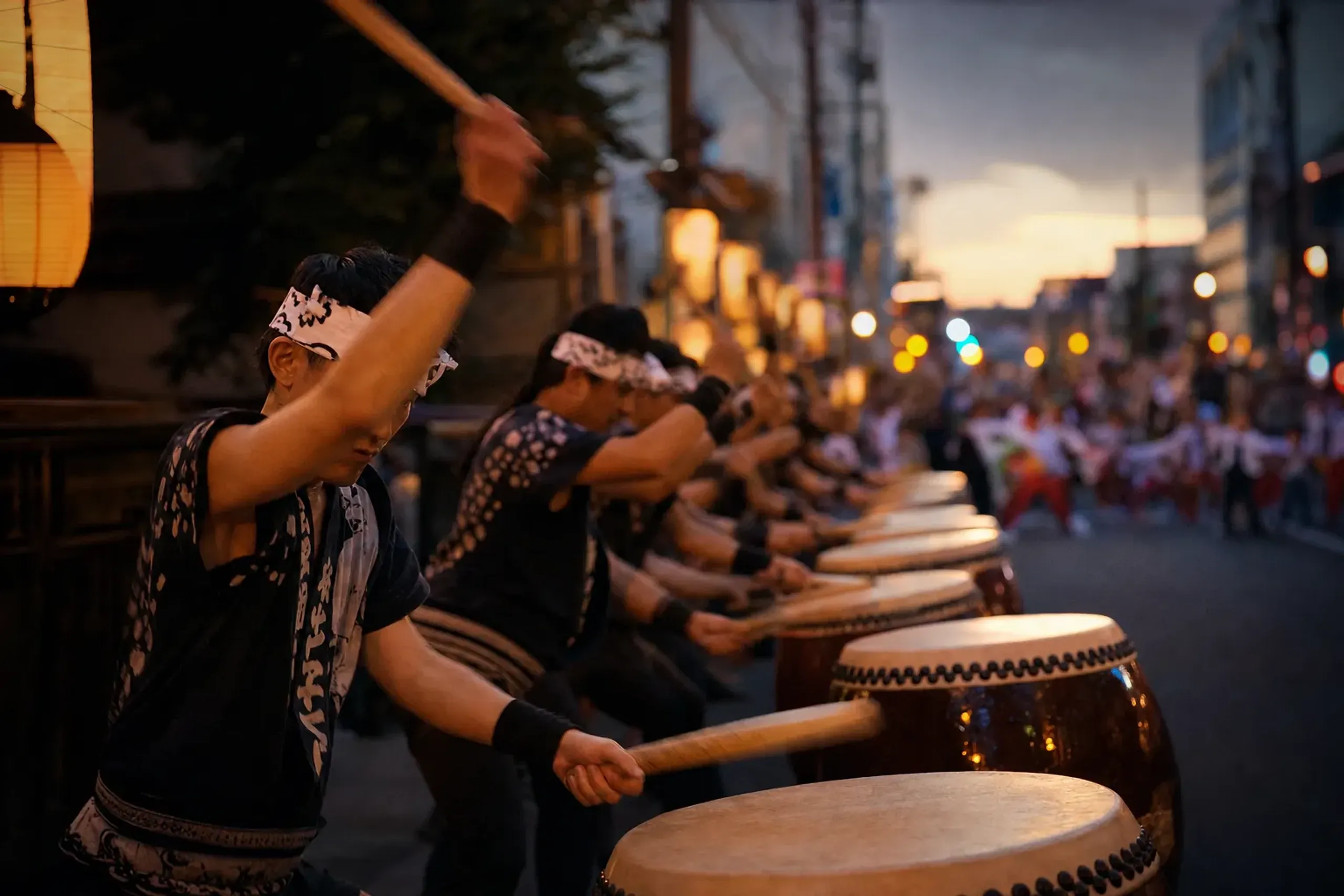
The final night features a drums-only parade (世界一の太鼓大パレード) and a large closing circle dance (大輪踊り). It’s louder, denser, and emotionally direct. If you can attend only one evening, we often point our guests to this night for sheer impact.
How Do I Join The Sansa Circle Dance After The Parade?
You can join the Sansa circle dance simply by stepping into any circle after the parade—no ticket, no registration, and no special clothing is required for individuals.
Look for the circles marked around the venue. Floats serve as markers for these circle locations, which makes them easier to find in the crowd. Then watch for instructors wearing yellow sashes. They teach the steps right there on the street, and the learning curve is friendly—within a few minutes, you are no longer a spectator.
Our advice is less romantic, more useful. Keep your bag small. Wear stable shoes. Bring a discreet layer, because the evening can cool once you stop moving.
There are also organized ways to participate through groups, and in some years a paid participation group for individuals has been offered with applications (for example, June to July in 2026). If this matters to you, our concierge team can privately check the current year’s official announcements and explain what is genuinely available.
Reserved Seats Vs Street Viewing: What Discerning Travelers Should Know
Official reserved seating is sold by the Morioka Sansa Odori organizing committee.
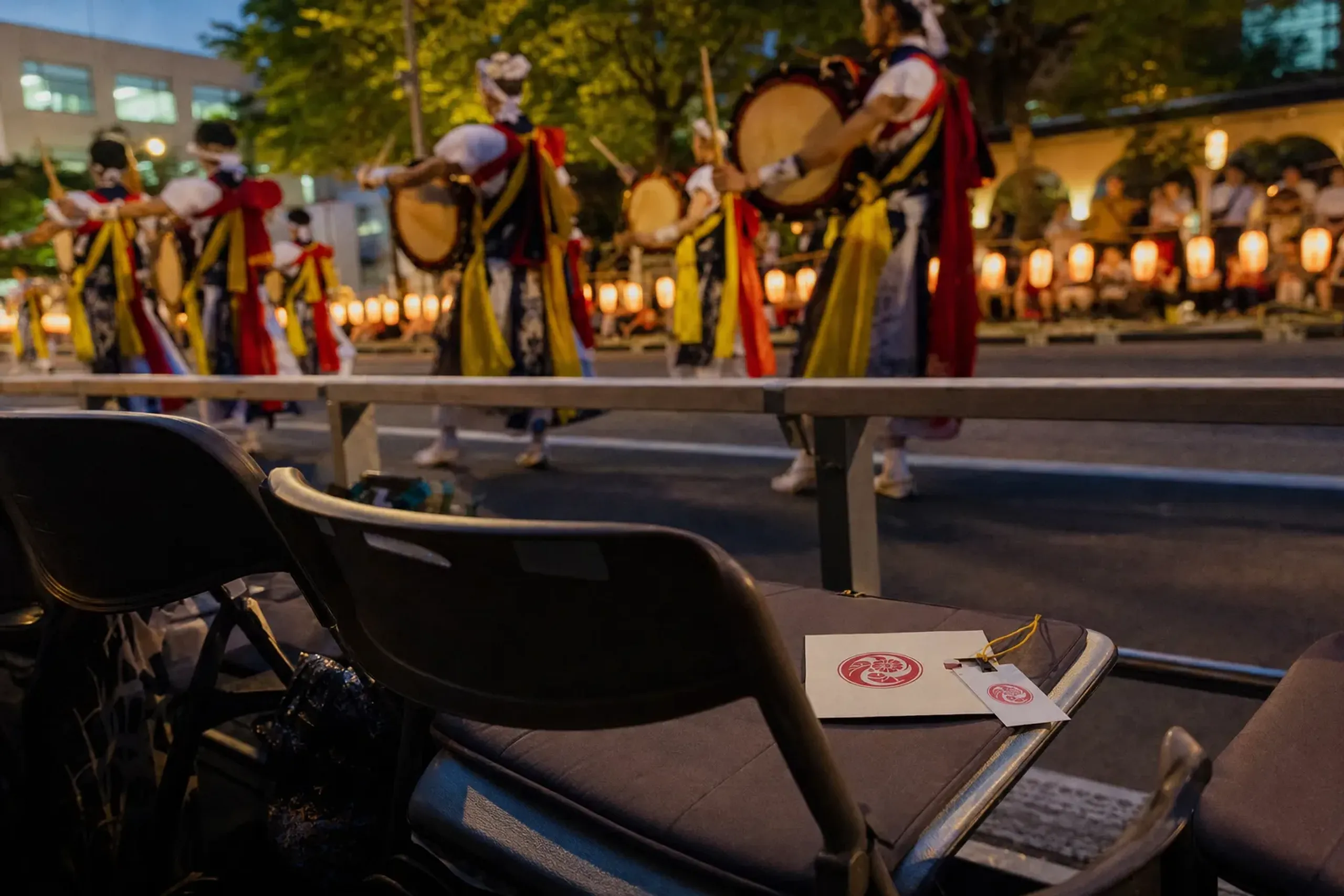
It offers a defined seat on temporary stands with no roof, with entry starting from 17:00 (per the committee’s guidance).
In 2026, the official price was 4,000 JPY per seat (tax included), with purchase channels including the Morioka Chamber of Commerce counter and convenience-store ticketing (Seven Ticket), and no phone reservations listed on the guidance page. Policies can change. Quietly. That is why we always re-check the official terms before a client travels.
Key fact: Reserved-seat rules include restrictions such as no umbrellas in the stands, while tripods, flags, and banners are barred (per official guidance). Pack accordingly.
What If Seats Are Sold Out?
Street viewing can still be excellent, but it rewards strategy. Choose a spot where you can stay put through the parade’s flow, then pivot toward the post-parade circles instead of trying to follow groups down the avenue.
For many of our guests, the best “upgrade” is not a seat at all. It’s clarity: a bilingual cultural interpreter who can explain what you’re seeing and keep your party oriented when the crowd compresses. This is the quiet, anticipatory kind of care that turns a crowded night into a composed one.
Does Rain Cancel Morioka Sansa Odori?
Light rain does not cancel Morioka Sansa Odori, and if a parade is canceled due to weather, the official guidance states a decision is announced after 16:00, with an alternative event held indoors at Morioka City Cultural Hall.
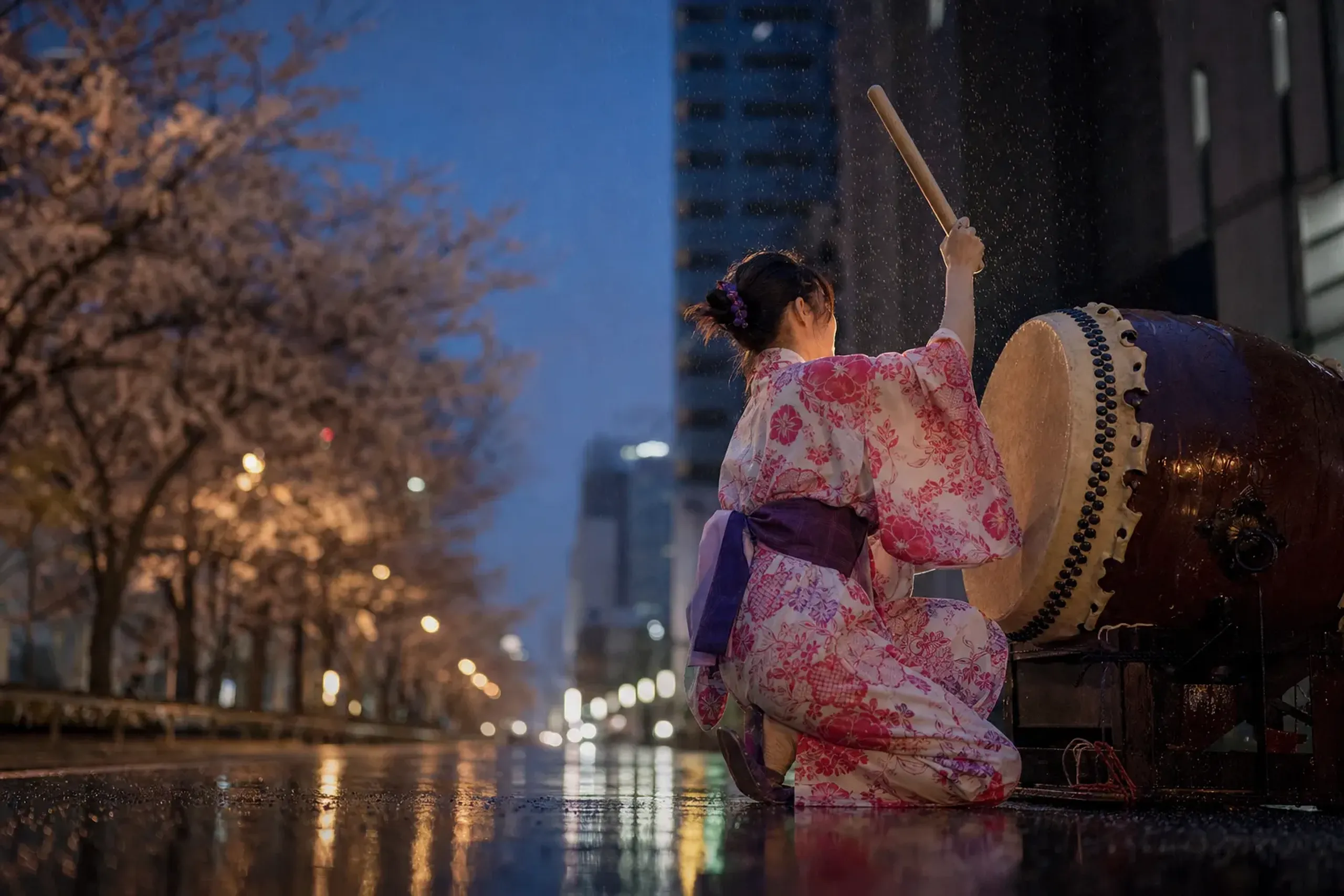
This matters because Sansa is not a small commitment night. You may have dinner timed around it, a driver waiting, and children or older parents in the party. Rain turns “simple” into fiddly fast.
If you hold reserved-seat tickets, the official committee guidance instructs ticket holders to bring their tickets to the alternate venue. Keep them dry. Obvious. Easy to forget.
Our concierge team can brief you on the published contingency plan before you leave your hotel, and quietly re-sequence the evening’s pacing so it still feels intentional—never improvised.
The Quiet Luxury Angle: Craft, Sound, And Restraint In A Very Loud Festival
Sansa is thunderous. Yet the most refined moments are small.
Watch the hands. A drummer’s grip is controlled, almost spare—the kind of discipline you would recognize in any shokunin, a master craftsman whose repetition has been honed until it looks effortless. Beneath the volume lies the same devotion you find in a kiln master’s unhurried movements or a sushi shokunin’s single, decisive cut. Then there’s the restraint in the choreography. No flailing. No chaos. Just bodies moving as one, even when your ears insist it must be disorder.
This is where we avoid glossy clichés and lean into something closer to wabi-sabi: the beauty of what’s slightly imperfect, slightly weathered, and entirely alive.
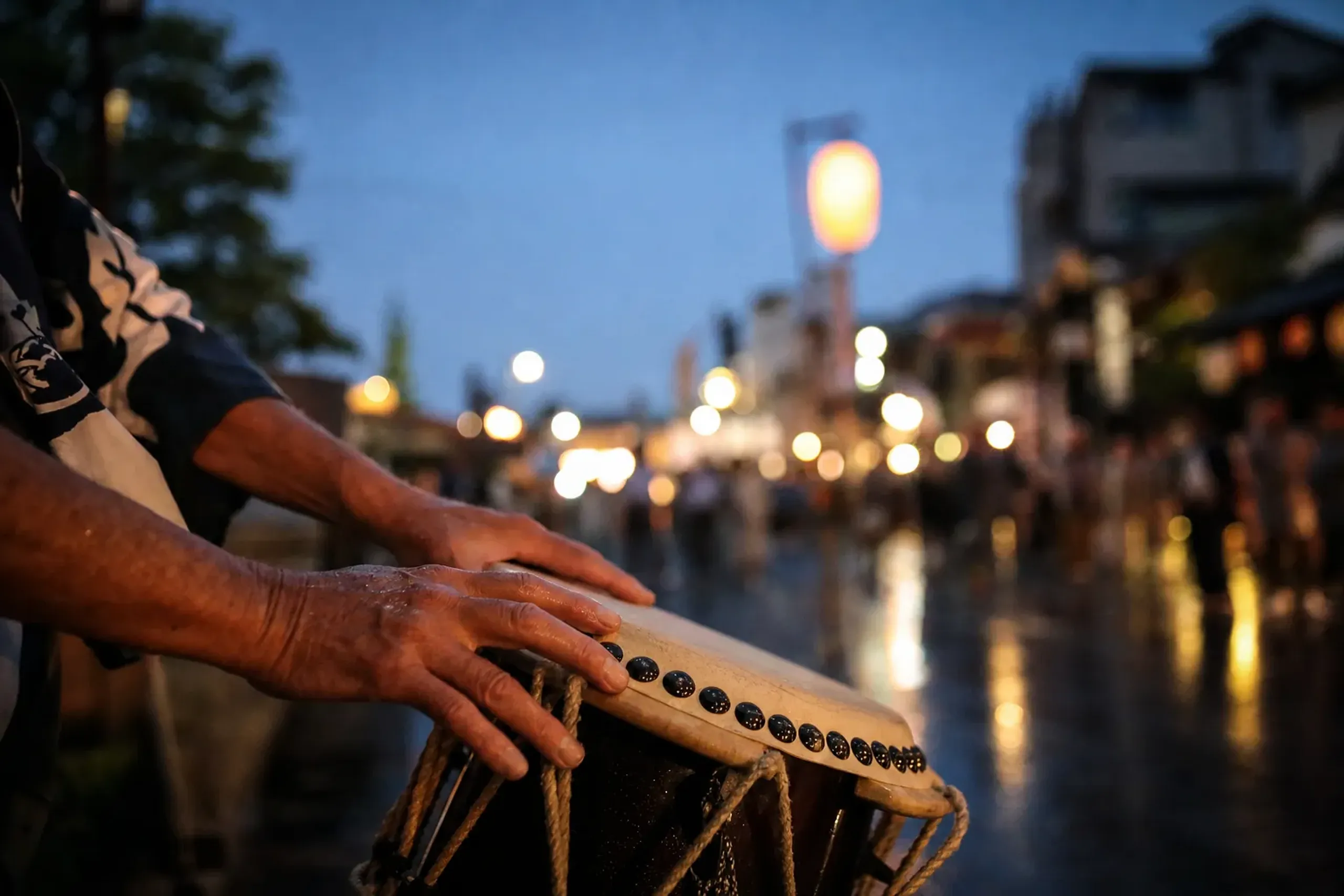
A sandal scuffs. A laugh breaks the timing. The line reforms anyway, unbothered.
And there is a hidden-Japan quality here, too. Not because the festival is secret—it is proudly public—but because most overseas itineraries never reach Morioka at all, even though the experience is direct, welcoming, and remarkably easy to love. This is precisely the Japan that rewards travelers who look past the predictable circuit.
What To Eat After The Drums: Morioka’s Three Great Noodles
When the parade releases you, you’ll want something grounding. Warm hands. Salt. Steam.
Morioka is celebrated for its “three great noodles.” Wanko soba for its ritual-like pacing. Morioka reimen served cold, sharp, and refreshing. Jajamen served hot, hearty, and very local. You don’t need a lecture on their origins to enjoy them—though the stories are there if you care to ask.
If you’re traveling with a mixed-age party, noodles are a practical win. They’re fast. Flexible. You can eat late without turning dinner into a two-hour negotiation.
Our team often frames it like this: drums first, noodles second, then a clean exit—so you end the night feeling fortunate, not trapped.
Getting There Comfortably: Shinkansen, Airport, And Last-Mile Walks
Morioka is straightforward to reach, but early-August timing changes everything.
By rail from Tokyo: The Tohoku Shinkansen can be as little as about 2 hours 10 minutes to Morioka, depending on the service.

Seats fill quickly in peak season, so plan early and avoid last-minute platform stress.
From Hanamaki Airport: Hanamaki Airport to Morioka Station is about 45 minutes by bus. It’s simple. It’s also capacity-limited, so build in margin.
From Morioka Station to Chūō-dōri: The walk is roughly 15 to 25 minutes, depending on where you aim to stand or sit. On festival nights, that distance feels longer. Crowds do that.
If you prefer a controlled arrival and a quiet exit, consider private transportation so you are not negotiating taxi lines when the drums stop and the street empties all at once.
A High-Comfort Planning Playbook For Discerning Travelers
Most people plan Sansa like an event. We plan it like an evening with a beginning and an end.
1) Pick Your Night With Intention
If you want the heaviest drum focus and a strong closing feeling, the 4 August program is distinct: a drums-only parade and the large closing circle dance. If you want a slightly calmer introduction, the early nights can feel easier.
2) Decide What You Want To Optimize
- Comfort: pursue official reserved seating when available.
- Immersion: plan to join the circle dance after the parade.
- Understanding: bring a cultural interpreter guide who can translate context, not just words.
3) Build A Two-Point Route, Not A Roaming Plan
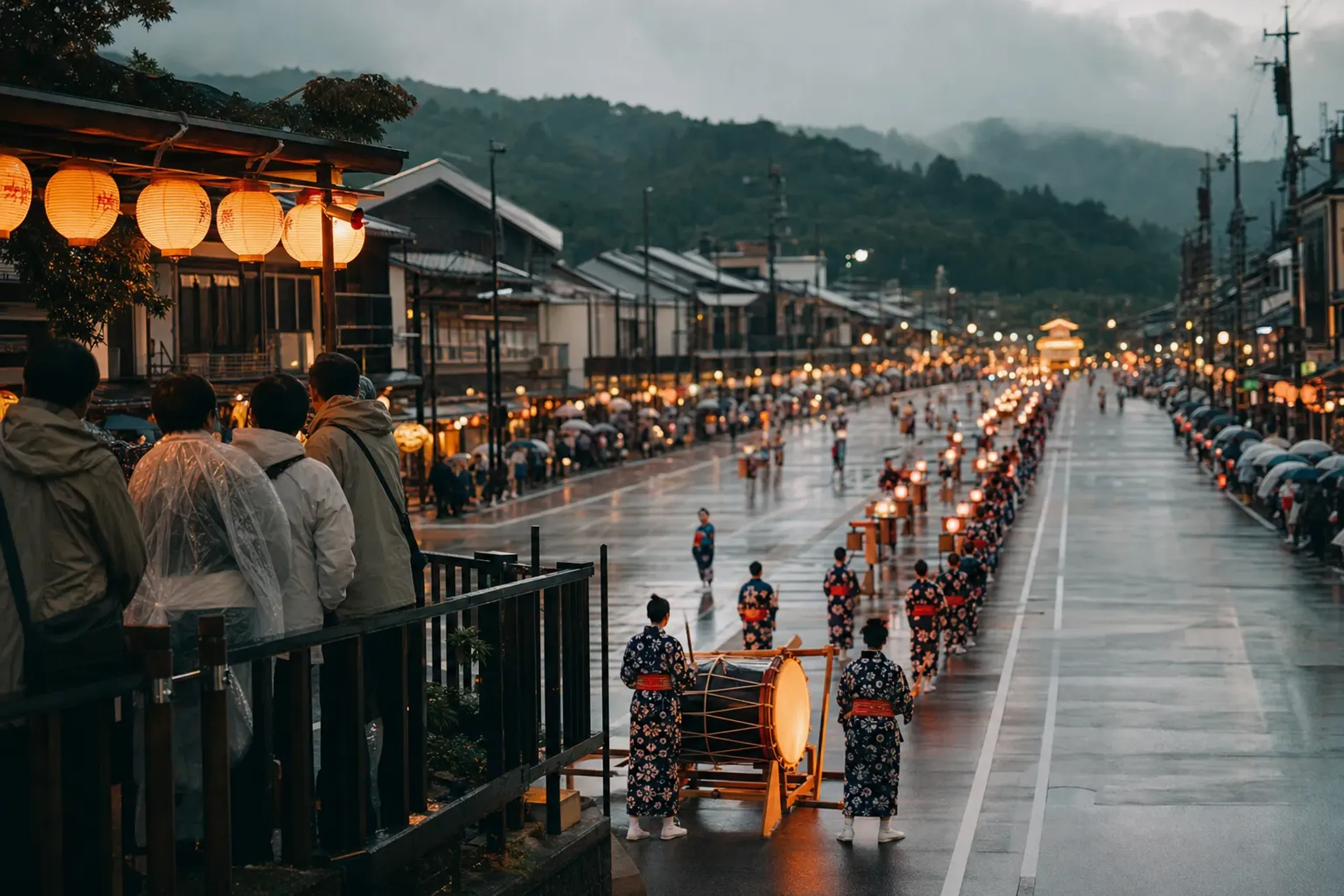
One anchor for watching. One anchor for joining the circles. That’s it. Roaming all night is how you miss the very part you came for.
4) Pack For Heat And Sudden Rain Without Looking Like You’re Packing
Morioka’s August normals (JMA 1991–2020) sit around a 23.5°C mean, with an average daily maximum of 28.4°C and minimum of 19.8°C, plus about 185 mm of rain for the month. Translation: it can feel muggy, then cool, then wet—sometimes within a single evening.
5) Keep Names And Plans Private
Discretion is not a “feature.” It is the baseline. Our concierge keeps your identity, hotel details, and timings confidential, and we avoid any approach that would turn a personal trip into public content. What you experience in Morioka stays yours.
Step Into The Circle With Us
Morioka Sansa Odori is one of those rare nights where the right planning disappears into the experience—leaving only the drums, the footwork, and the circle that opens to welcome you in. We handle the timing, the seating, the weather contingencies, and the quiet logistics so you arrive relaxed and leave exhilarated.
If you would like us to design your four nights on Chūō-dōri—with private arrival, a cultural interpreter at your side, and total discretion from start to finish—contact us here to begin a tailored proposal.