In this guide
- 01The Hirosaki Neputa Festival: Fan-Shaped Floats In A Castle Town
- 02Neputa And Nebuta, Side By Side
- 03Morioka Sansa Odori: A Festival Of Drums
- 04How Do You Fit Neputa And Sansa Around A Nebuta Trip?
- 05How Japan Royal Service Arranges A Two-Festival Week
- 06Frequently Asked Questions
- 07Why Choose Japan Royal Service
Early August in Tohoku belongs to more than one festival. Aomori's Nebuta draws the crowds and the headlines, but it is not the only thing happening that week. An hour or two away, two other cities light up and sound off in their own right.
In Hirosaki, fan-shaped floats glide through the streets each evening. In Morioka, thousands of drummers fill a central avenue. Both run in the same early-August window as Nebuta, which means a single trip can hold more than one night of spectacle. This guide walks through the Hirosaki Neputa Festival and Morioka's Sansa Odori, and how to fit them around a Nebuta trip without rushing.
The Hirosaki Neputa Festival: Fan-Shaped Floats In A Castle Town
The Hirosaki Neputa Festival runs August 1 to 7, with evening parades from August 1 through 6 and daytime events on August 7. Around 80 floats of different sizes move through the city over the week.
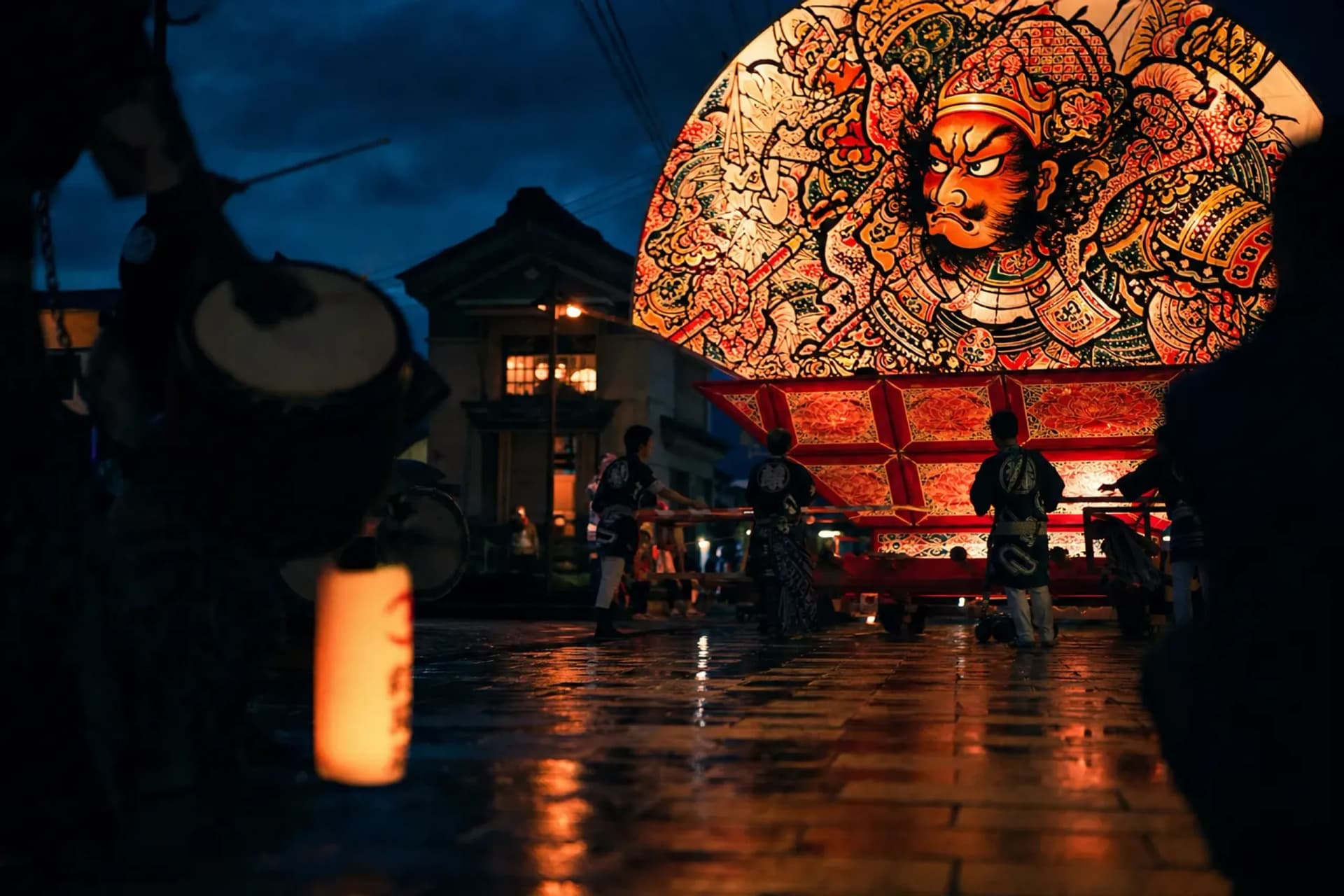
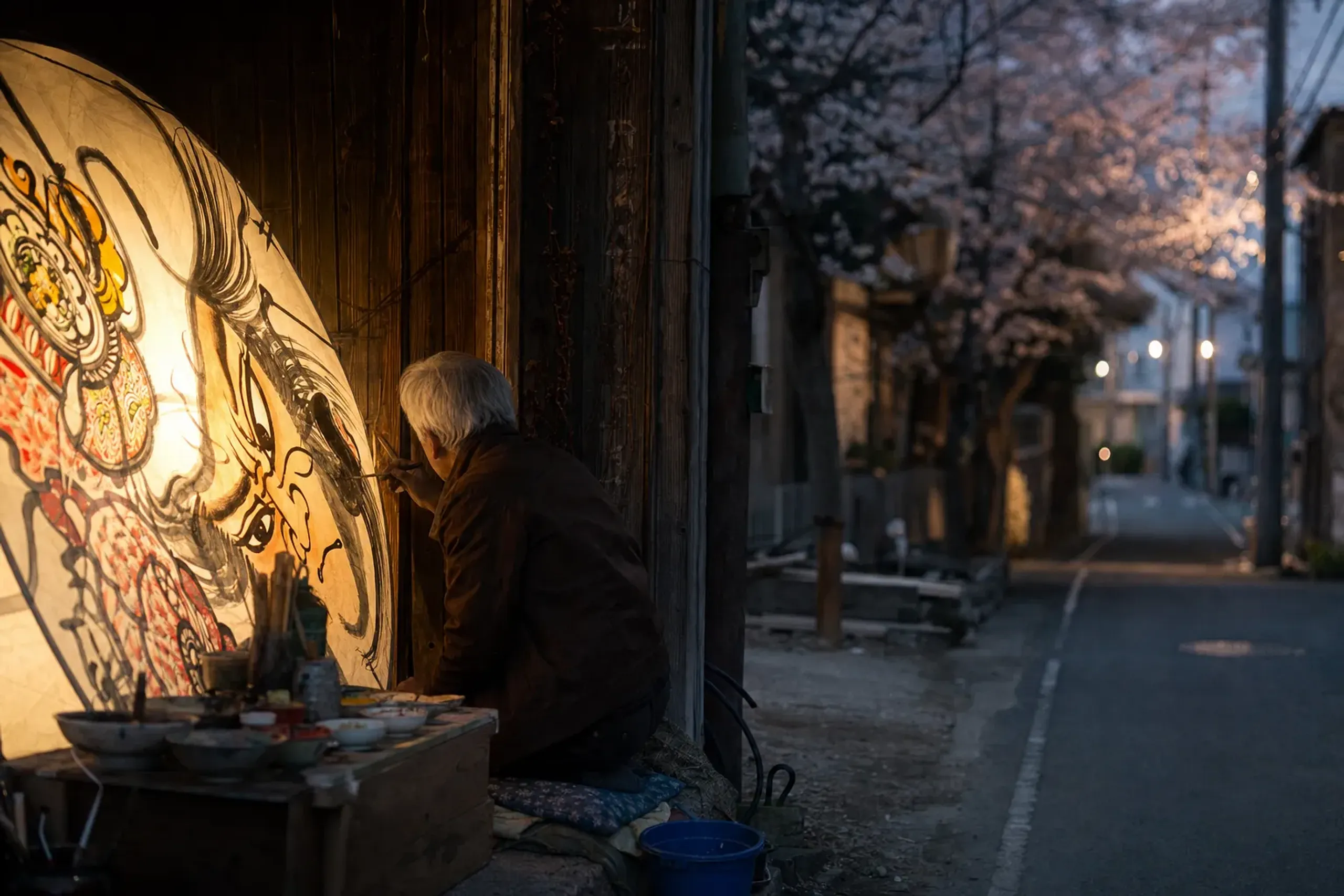
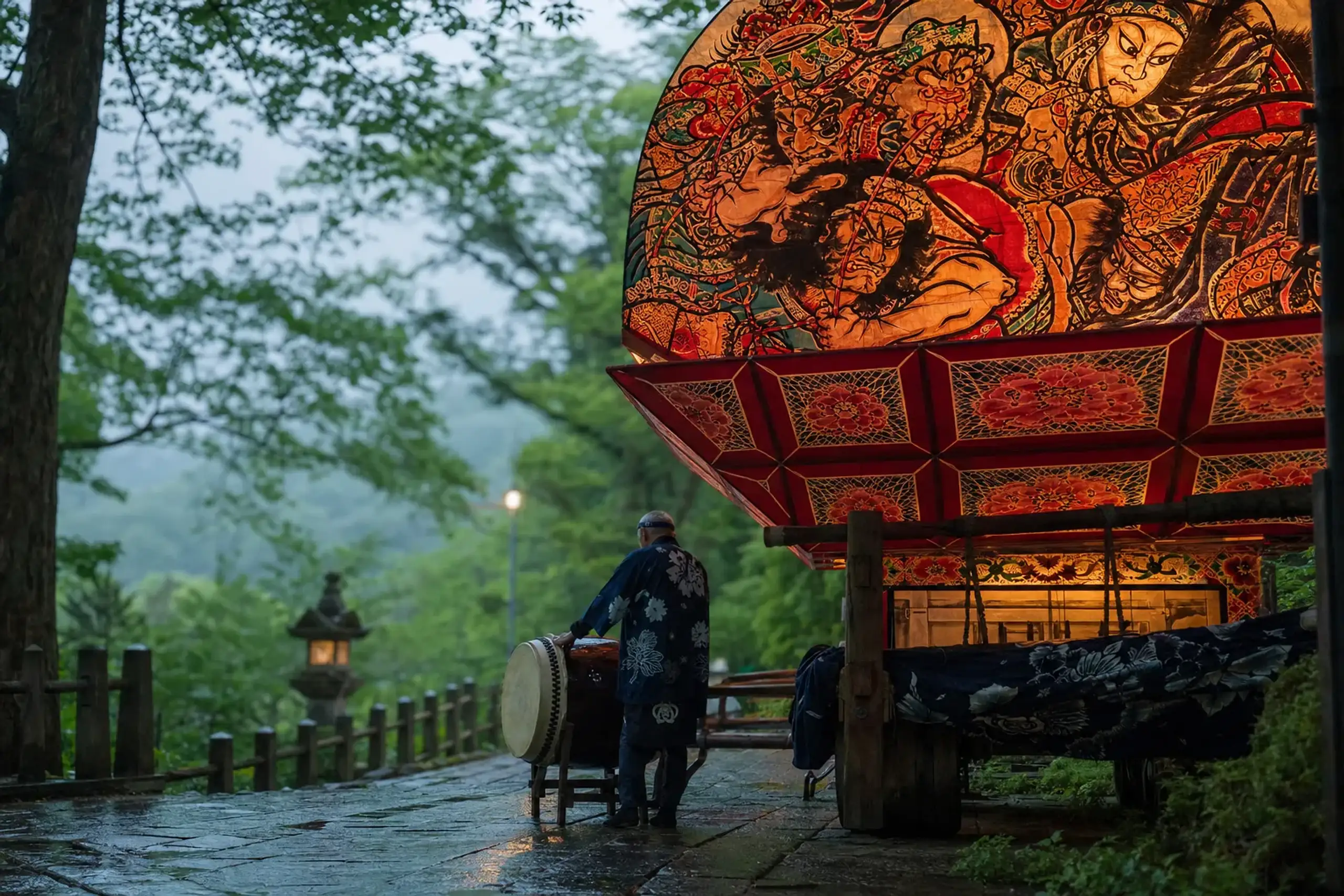
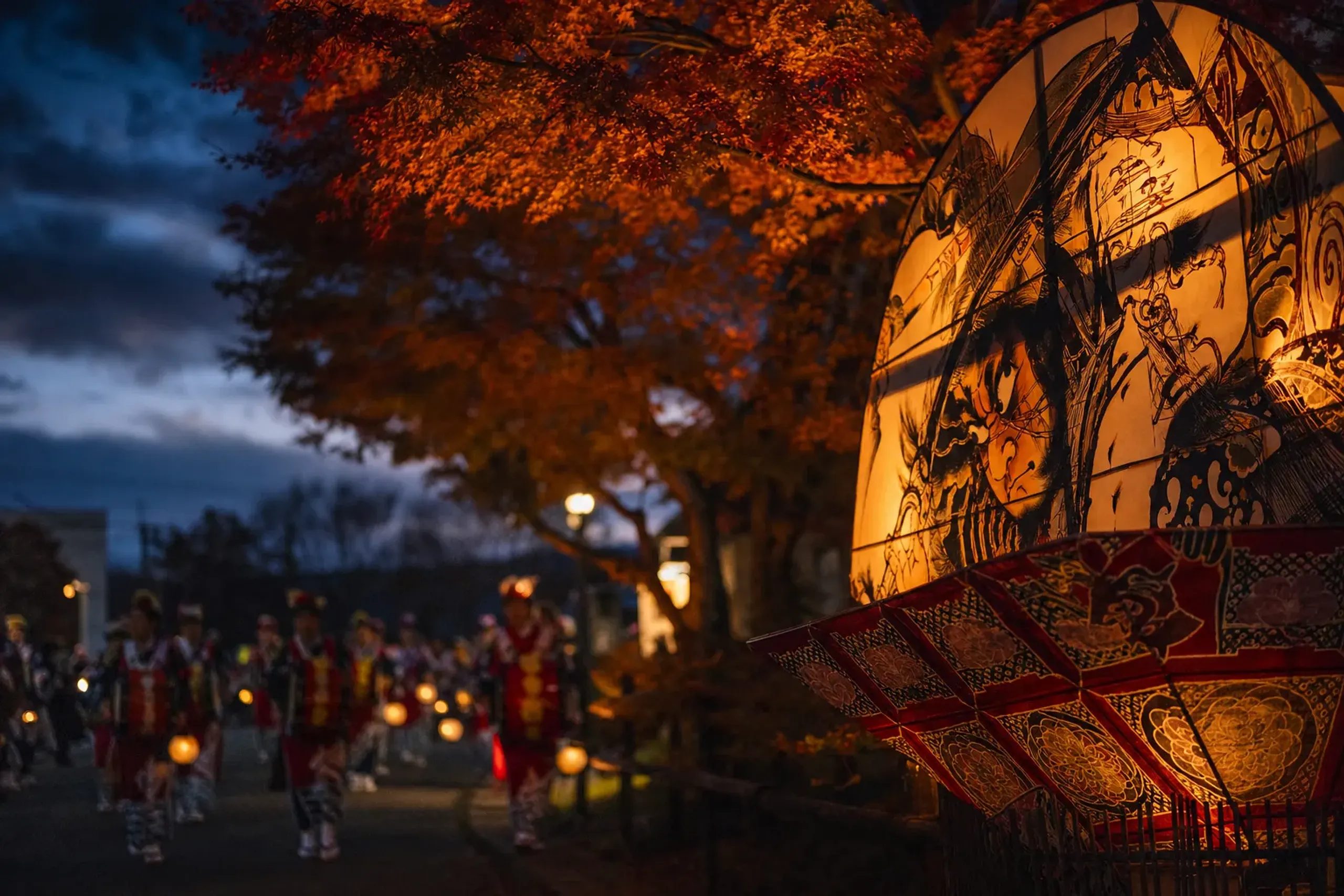
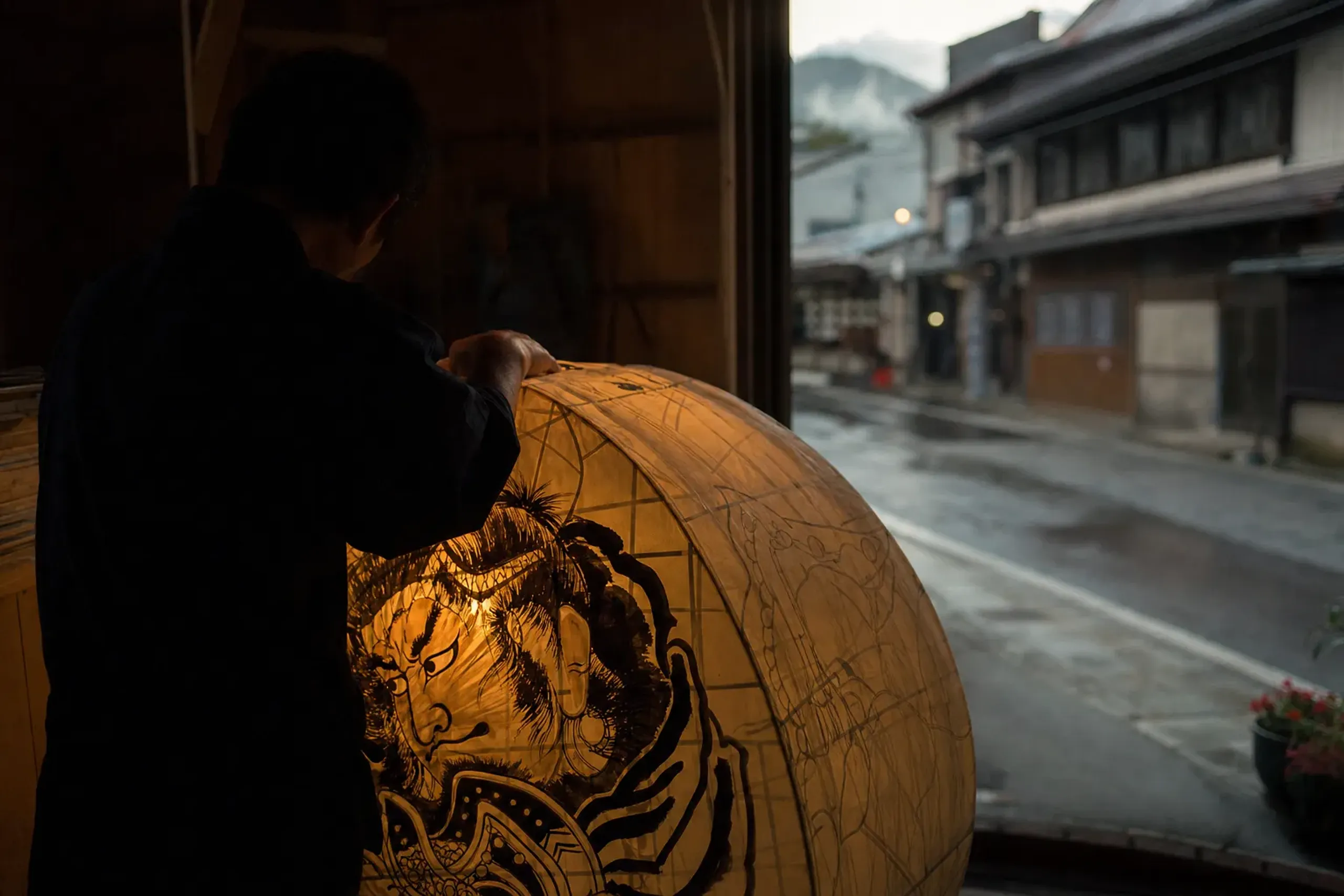
The floats are the thing to watch. Neputa floats are fan-shaped, which sets them apart at a glance from the box-shaped floats of Aomori's Nebuta. Each carries two paintings. The front, the kagami-e, shows warriors mid-battle in bold, dramatic scenes. The back, the miokuri-e, is quieter and more elegant, a deliberate contrast to the fury on the front. You feel the shift as a float passes and turns.
The festival was designated an Important Intangible Folk Cultural Property of Japan in 1980.
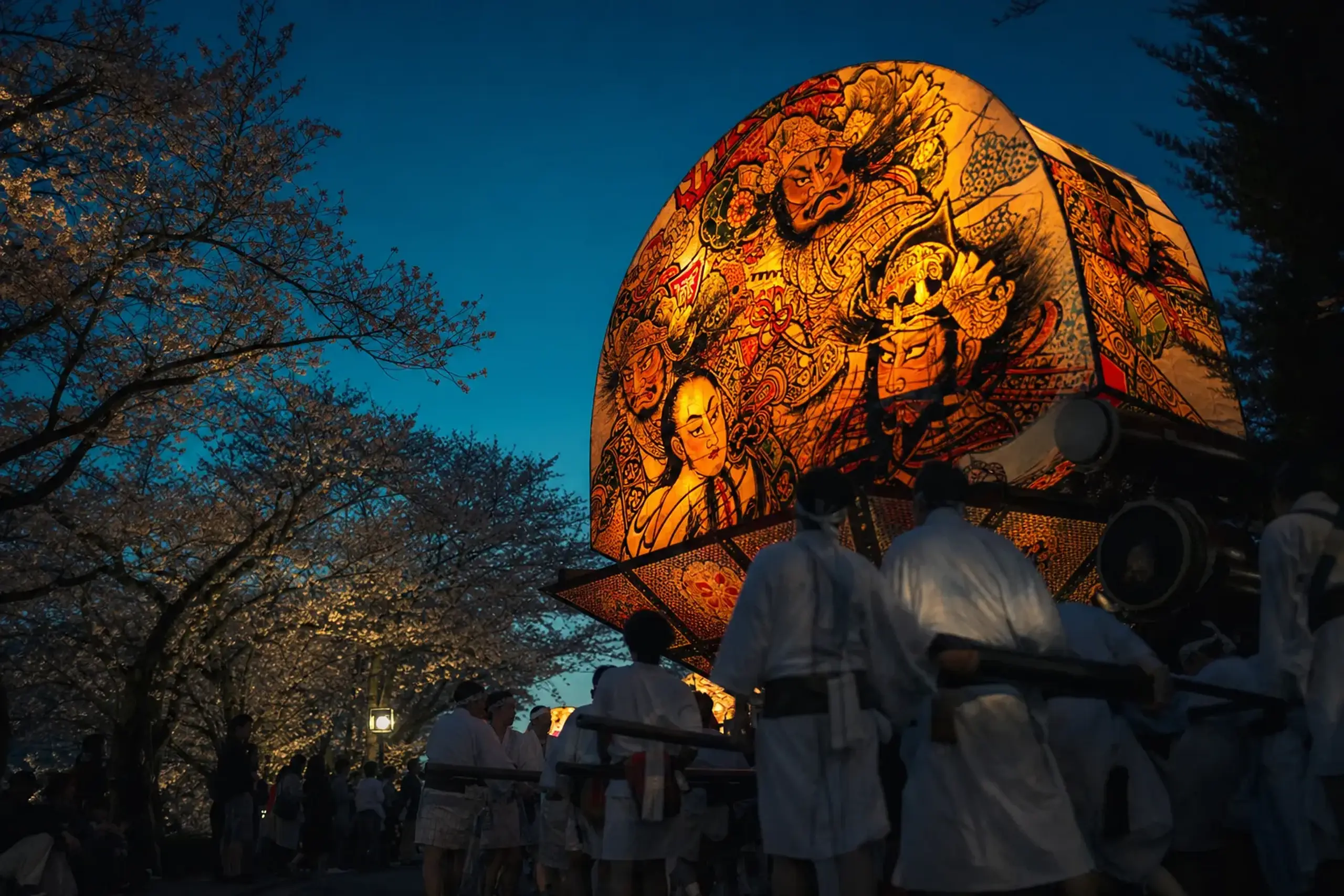
That recognition speaks to how long the form has been carried forward here, and how carefully the painting and construction are kept alive by the people who make the floats.
The Three Parade Courses
Neputa does not stay in one place all week. The parade shifts routes mid-festival, so where you watch depends on which night you attend.
- Dotemachi course — August 1 to 4, evening.
- Station-front course — August 5 to 6, evening.
- Dotemachi course, daytime — August 7, for the daytime parade.
Routes, start times, and viewing arrangements can vary by year. The JRS concierge team confirms the exact schedule directly with you at the time of arrangement, so you know which night lines up with which course before anything is fixed.
What Does A Reserved Seat At Hirosaki Neputa Get You?
Paid reserved seats are available on Sakura Ōdori for the Dotemachi course, and they save you from staking out a kerb hours ahead. Seat sales typically open around July 1.
This matters more than it might sound. During festival week the free viewing areas fill early, and holding a good spot on foot means a long, warm wait on your feet. A reserved seat on the Dotemachi course gives you a fixed place to sit as the floats pass. Other viewing along the route is free, if you would rather move with the crowd.
Seat availability, pricing, and the on-sale window shift from year to year. Rather than send you chasing a seat vendor during the busiest week of the Tohoku summer, our concierge team confirms viewing options and arranges reserved seating where it exists, as part of planning your evenings.
Getting To The Parade
The Dotemachi course sits about 10 minutes by bus from JR Hirosaki Station, or roughly a 30-minute walk. On parade evenings the surrounding streets grow busy, so the arrival and the exit both reward a little planning.
A private vehicle with a driver, timed to the parade and to the crush that follows it, removes the two most tiring parts of a festival night. You arrive close, you are not hunting for a route out at the end, and you are not standing in a taxi queue while the drums fade. Hirosaki rewards a second look by day, too; the castle town has a quieter beauty worth an afternoon. We cover its spring side in An Hour Apart: Snow at Hakkōda, Blossom at Hirosaki.
Neputa And Nebuta, Side By Side
The two names sound almost alike, which is part of the confusion. Neputa is Hirosaki. Nebuta is Aomori City. They are different festivals in different cities, held in the same early-August week.
The clearest difference is the float.
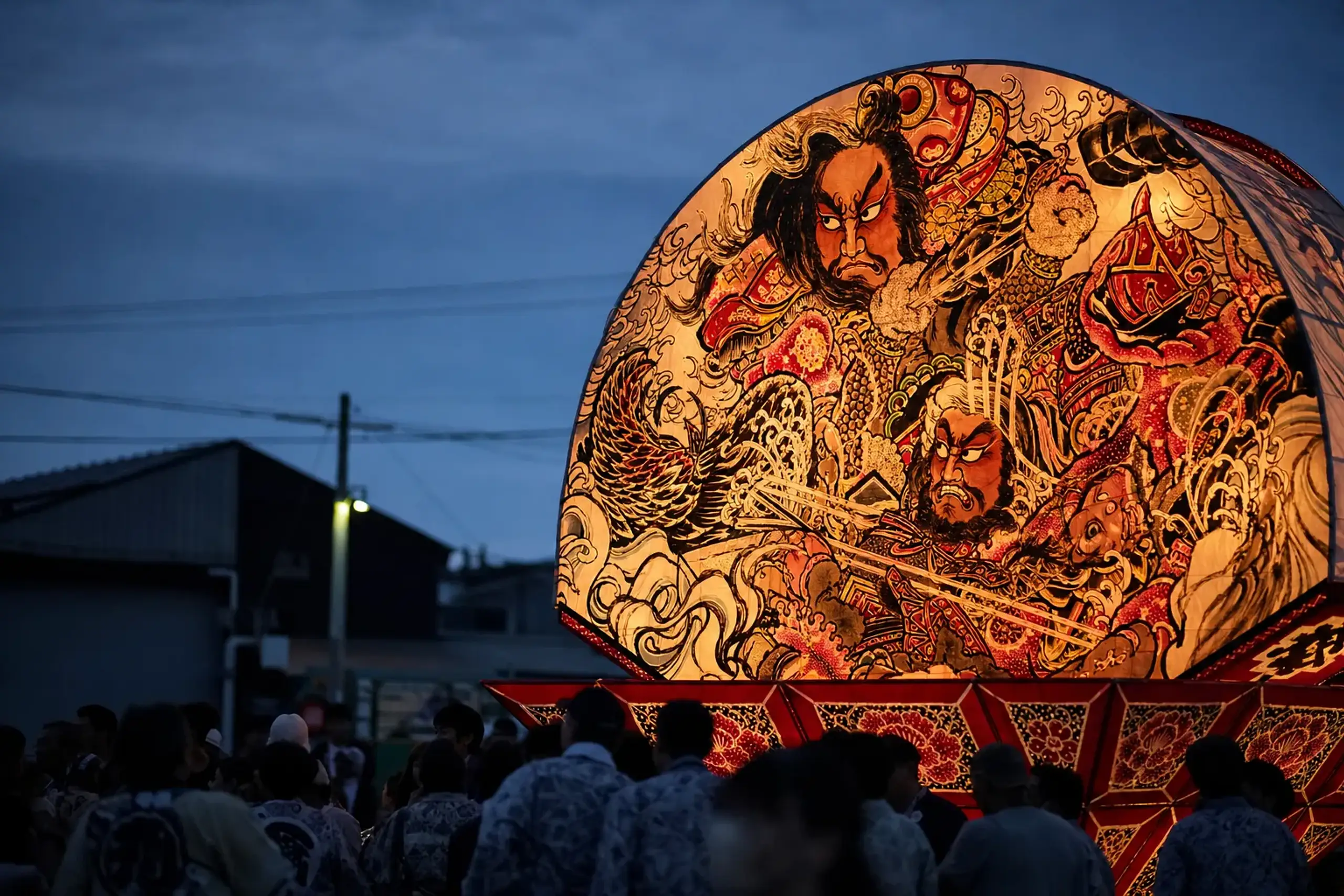
Hirosaki's Neputa floats are fan-shaped; Aomori's Nebuta floats are box-shaped, built as three-dimensional figures. Neputa carries its warrior drama on the front face and a more restrained scene on the back. The silhouette alone tells you which festival you are watching.
If you want the full picture of Aomori's side, see our Hirosaki Neputa guide and the wider summer festival calendar. Seen together, fan and box, the two festivals make a richer evening than either alone.
Morioka Sansa Odori: A Festival Of Drums
Morioka's Sansa Odori runs August 1 to 4 in Morioka, Iwate Prefecture, and it is the largest festival in the prefecture. Where Neputa is about light and painting, Sansa is about sound and movement.
About 25,000 people take part across the four nights, with crowds of more than one million watching. The parade is not floats but people: taiko drummers, flute players, and dancers moving together down the avenue. The drums set the pace. You hear Sansa before you reach it.
The Legend Behind The Name
The festival carries a founding story tied to the land itself. Legend holds that a demon troubling the area was bound to three great rocks by the deity of Mitsuishi Shrine. To seal its promise never to return, the demon pressed a handprint into the rock. The relieved villagers danced in celebration, and that dance became Sansa.
The story runs deeper than folklore. The name Iwate, written with characters meaning "rock hand," is linked to that handprint on the stone. When you watch the dancers, you are watching a celebration that has been repeated, in one form or another, for a very long time.
The Drum Record
In June 2014, as part of events marking recovery from the Great East Japan Earthquake, 3,437 drummers gathered and set a Guinness World Record for the largest Japanese drum ensemble. The number gives you a sense of scale. Even on an ordinary festival night, the sheer mass of synchronized taiko is the memory people carry home.
What Are The Viewing Options For Sansa Odori?
Our concierge team confirms viewing options directly with you when planning, since arrangements vary by year. Sansa is a moving parade, so where you stand shapes what you see and hear.
The best positions let the drum lines pass at close range without putting you in the densest part of the crowd. For non-parade hours, Morioka itself rewards attention: its cuisine, its old streets, and its river setting fill an afternoon easily before the drums begin. Morioka sits on the Tohoku Shinkansen line, which keeps it well within reach of a wider Tohoku route.
How Do You Fit Neputa And Sansa Around A Nebuta Trip?
The dates overlap, which makes a combined trip possible.
Neputa runs August 1 to 7, Sansa August 1 to 4, and Nebuta August 2 to 7, so the same early-August window holds all three.
That overlap is the opportunity and the complication. A single week can take in more than one festival, but every festival city fills up at once. Lodging is the pressure point. Rooms in Hirosaki, Morioka, and Aomori grow scarce during festival week, and the good ones go first. Arrange accommodation early, well before the season approaches.
We will not promise specific combinations on specific nights, because parade courses shift mid-week and the smart plan depends on the exact dates you travel. What we can say is that building the trip around the overlap, rather than against it, is what keeps it calm. The right lodging in the right city removes the longest transfers. A good base means your festival evening ends with a short, easy return rather than a scramble.
For the structure of a longer Tohoku route, see our northern summer routing, and read our Morioka Sansa Odori piece for more on that city alone. Weather also deserves a plan; outdoor parades can be affected by rain, and the JRS concierge team keeps you informed of the official arrangements for each festival.
How Japan Royal Service Arranges A Two-Festival Week
Our role is to make a crowded week feel unhurried.
In our experience, the difference between a tiring festival trip and a memorable one lies in the parts you never see: the room secured months out, the car waiting at the right corner, the seat already held.
Our team at Japan Royal Service arranges reserved seating where it exists, lodging in festival cities, rail, and private vehicles with drivers supplied through trusted partners. We also arrange a guide who can stand beside you and explain what is passing: which warrior fills the kagami-e on a Neputa float, why the drums of Sansa move as one. A tailor-made itinerary ties the evenings to everything around them, from daytime castle visits to the quiet meals in between.
Frequently Asked Questions
What Is The Difference Between Hirosaki Neputa And Aomori Nebuta?
Hirosaki's Neputa floats are fan-shaped, while Aomori's Nebuta floats are box-shaped three-dimensional figures. They are separate festivals in separate cities, both held in early August.
When Is The Hirosaki Neputa Festival Held In 2026?
The Hirosaki Neputa Festival runs August 1 to 7, with evening parades August 1 to 6 and daytime events on August 7. Our concierge team confirms the exact courses and times directly with you at the time of arrangement.
Can I Reserve A Seat To Watch Hirosaki Neputa?
Yes. Paid reserved seats are available on Sakura Ōdori for the Dotemachi course, with sales typically opening around July 1.
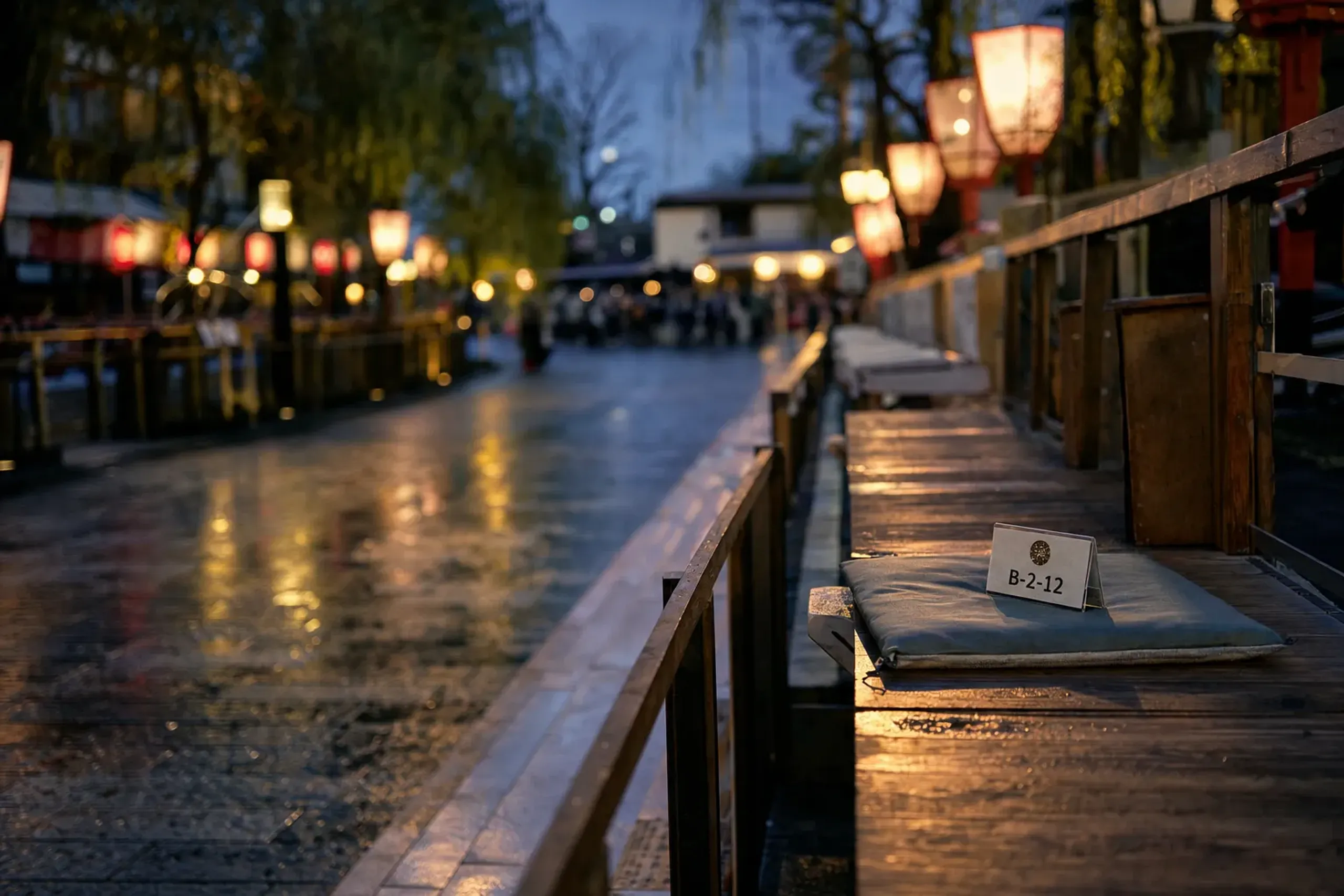
Other viewing along the route is free, and our team arranges reserved seating where it exists.
How Many Drummers Perform At Morioka Sansa Odori?
About 25,000 people take part over the four days, including taiko drummers, flute players, and dancers. In 2014, 3,437 drummers set a Guinness World Record for the largest Japanese drum ensemble.
Do Neputa, Sansa, And Nebuta Overlap In Early August?
Yes. Neputa runs August 1 to 7, Sansa August 1 to 4, and Nebuta August 2 to 7, so all three share part of the same week, making a combined Tohoku trip possible with early lodging.
Why Choose Japan Royal Service
Festival week in Tohoku is busy, loud, and worth every minute when the logistics disappear into the background. That is what we do at Japan Royal Service. We hold the seats, secure the rooms early, time the cars to the crowds, and place a knowledgeable guide beside you so the evening explains itself.
We do not run packaged tours or crowd you into a schedule. We plan around your dates, your pace, and the overlap that makes Neputa, Sansa, and Nebuta reachable in a single trip. The planning stays quiet so the festivals do not have to be.
To plan a Tohoku summer built around these festivals, reach our team privately via WhatsApp or LINE, or contact us here.