In this guide
- 01What Makes Nabana No Sato Illumination Different From Other Japan Light Events?
- 02Seven Million LEDs, And None Of Them Are A Shortcut
- 03How Often Does Nabana No Sato Change Its Illumination Theme?
- 04Signature Installations To Seek Out (And How To Experience Them)
- 05When Is Nabana No Sato Illumination 2026–2027, And Is It Only A Winter Event?
- 06How Do I Visit Nabana No Sato From Nagoya Without The Usual Hassles?
- 07A Practical Ticketing Reality: December 23–25 Works Differently
- 08Best Times To Go For Photos And Space (Without Chasing A Myth)
- 09The Begonia Garden: A Warm, Color-Saturated Counterpoint
- 10A Quiet Shoulder-Season Secret: Hydrangea, Iris, And A Bonus Tunnel Of Light
- 11What Japan Royal Service Handles For Nabana No Sato
- 12Frequently Asked Questions
- 13Why Choose Japan Royal Service
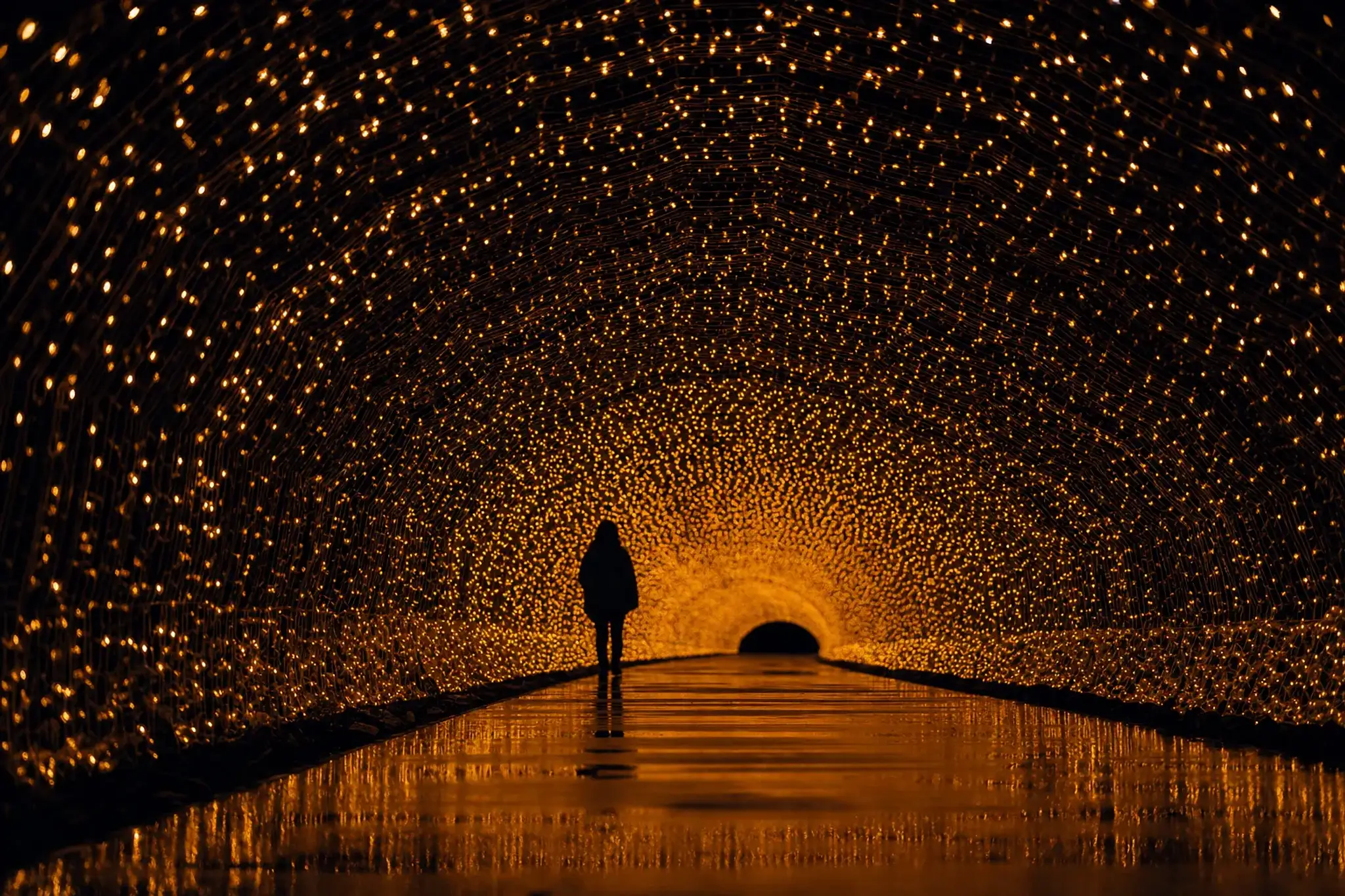
You step into the Hikari no Tonneru and the air changes.
Not because of sound. Because of scale. Two hundred meters of light closes around you, and the ordinary world feels briefly misfiled.
Nabana no Sato’s illumination is famous for its numbers, yes. But the real reason it stays in memory is simpler: what you see is built, not projected.
What Makes Nabana No Sato Illumination Different From Other Japan Light Events?
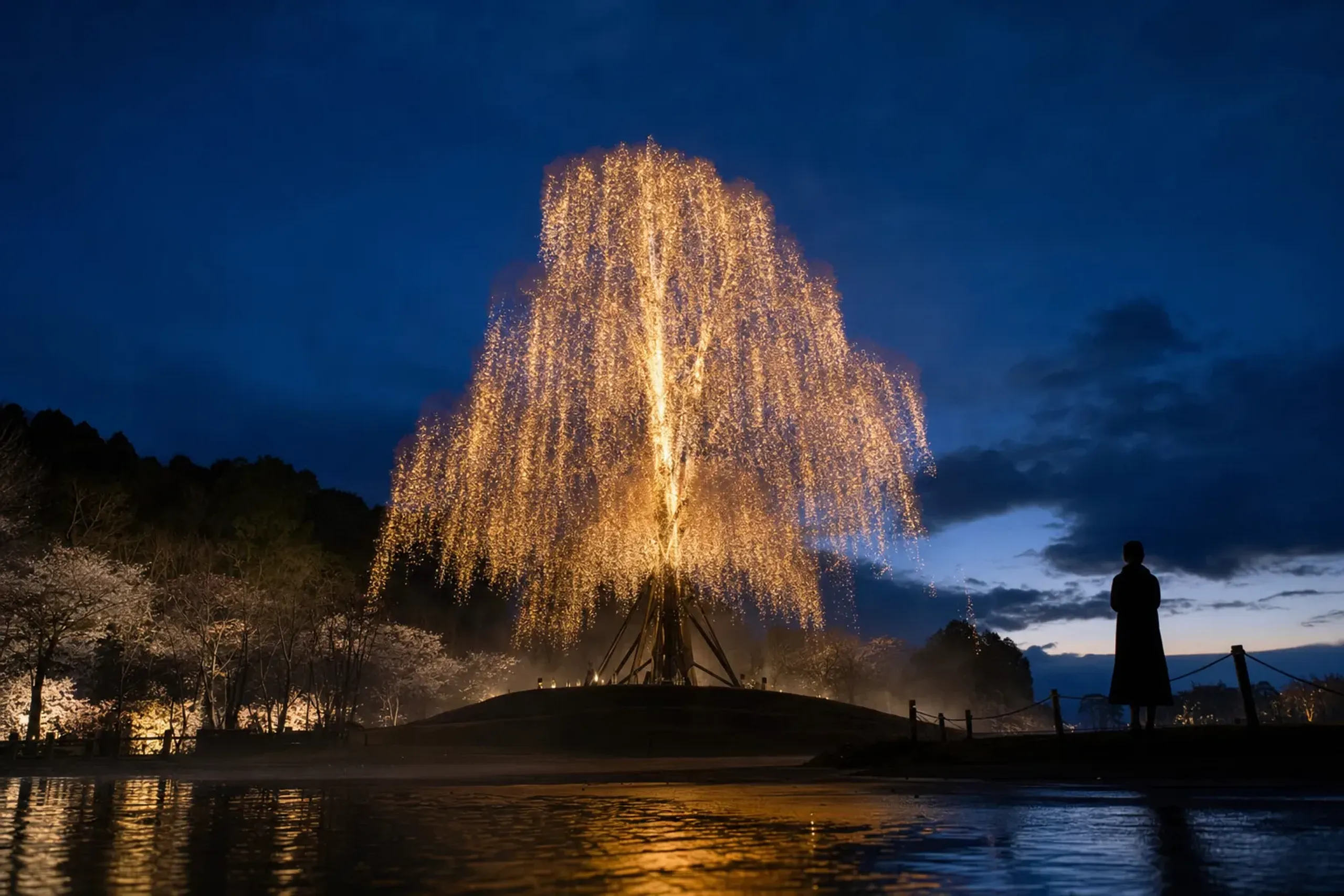
Nabana no Sato uses roughly seven million physical LED lights and no 3D projection mapping, so every scene is constructed in the landscape rather than “thrown” onto it.
That distinction is not marketing fluff. It changes your eye.
With projection mapping, you watch a surface perform. Here, you watch distance, contour, and water become part of the design, because the light is actually sitting on trees, bridges, slopes, and the edge of the pond.
It also means photos feel more “honest” in person. No screen-like glare. No pixel shimmer at the edges. Just a vast, physical installation that holds its shape even when you move.
Seven Million LEDs, And None Of Them Are A Shortcut
Some winter illuminations lean on one hero scene and repeat it every year.
Nabana no Sato doesn’t work that way. The operator’s own press materials note the event has been held since 2004, and that 2025 marked the 22nd time it was staged.
That longevity matters for a practical reason: they have the muscle memory to build at this scale, and the confidence to change the narrative without losing what people love.
A night-view expert survey has ranked it first in the illumination category for three consecutive years. We mention that because it’s a rare credential in a field crowded with copycat “million lights” claims.
How Often Does Nabana No Sato Change Its Illumination Theme?
Nabana no Sato introduces a new illumination theme each season, presenting the grounds as a sequence of scenes rather than a single static display.
This is where the park feels less like an event and more like a walk-through story.
One year, the dominant feeling is speed—light “moving” across the ground like weather. Another year, it’s architecture, with a built skyline of LEDs holding its line against the night.
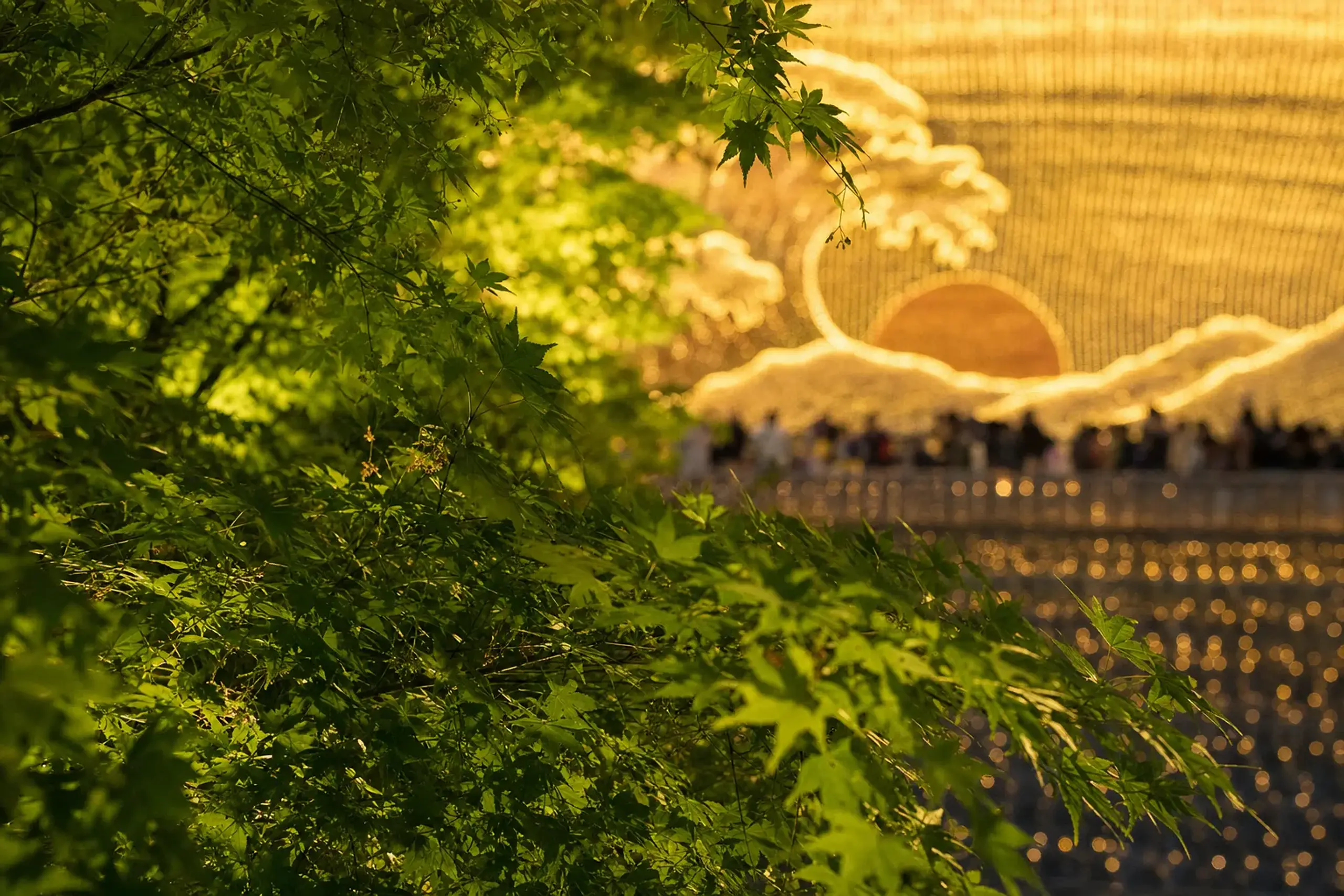
Example only (themes change each season): The 2025–2026 season theme was published as “Zipangu,” drawing on Marco Polo’s golden-island legend with ukiyo-e aesthetics associated with Hokusai and Hiroshige, and a four-seasons structure of scenes. It included sequences described as “Dance of Gold,” “Dance of Cherry Blossoms,” “Four Seasons,” and Edo-period cultural imagery. Treat this as a model for how the annual system works, not a permanent fixture.
Signature Installations To Seek Out (And How To Experience Them)
Go in with a plan. Not a rigid schedule—just a sharp sense of what’s worth slowing down for.
Hikari No Tonneru (Tunnel Of Light, 200m)
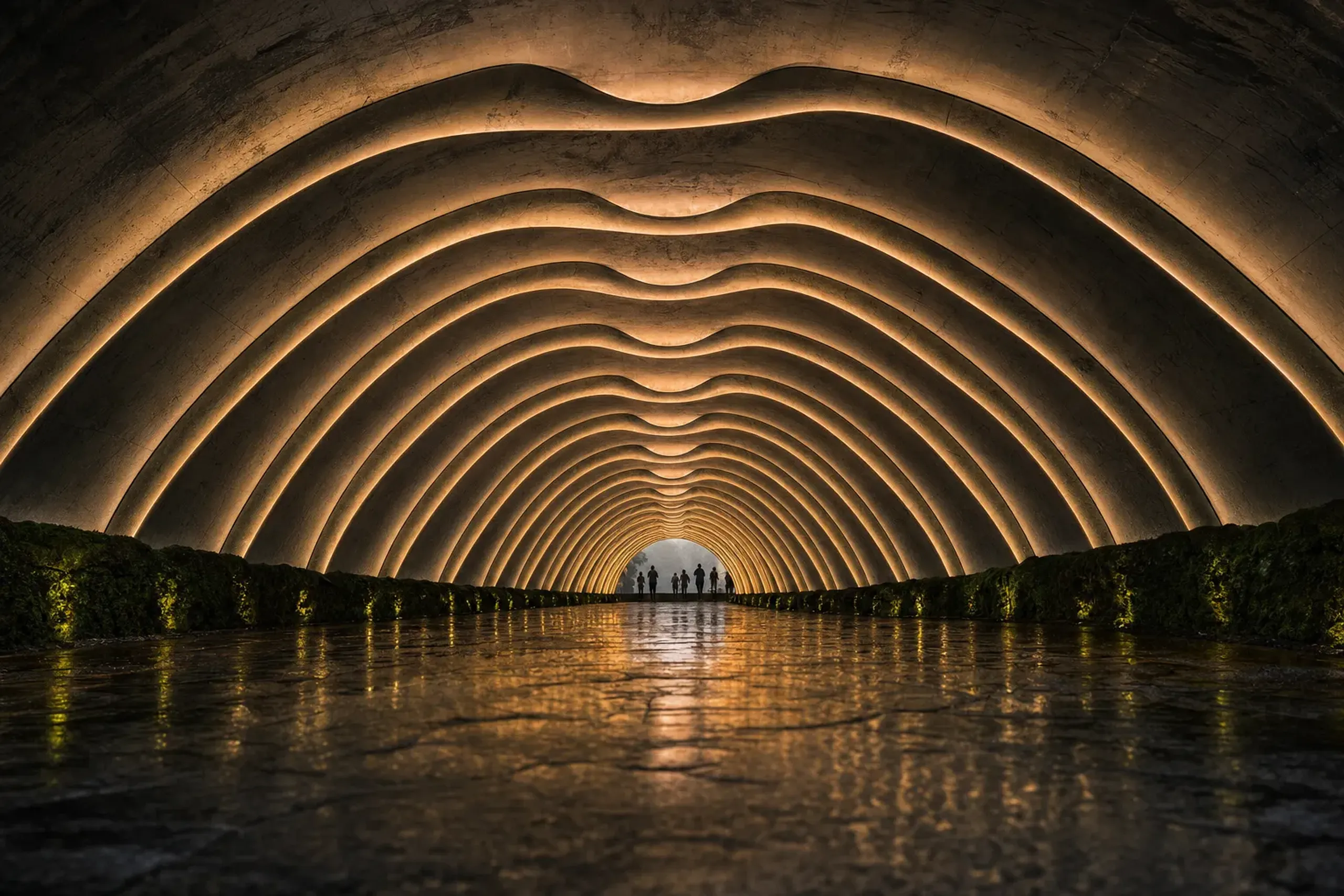
The Tunnel of Light is a headline for a reason. It is listed on the official illumination page as a 200-meter tunnel, and that length creates a true “inside” feeling rather than a quick photo stop.
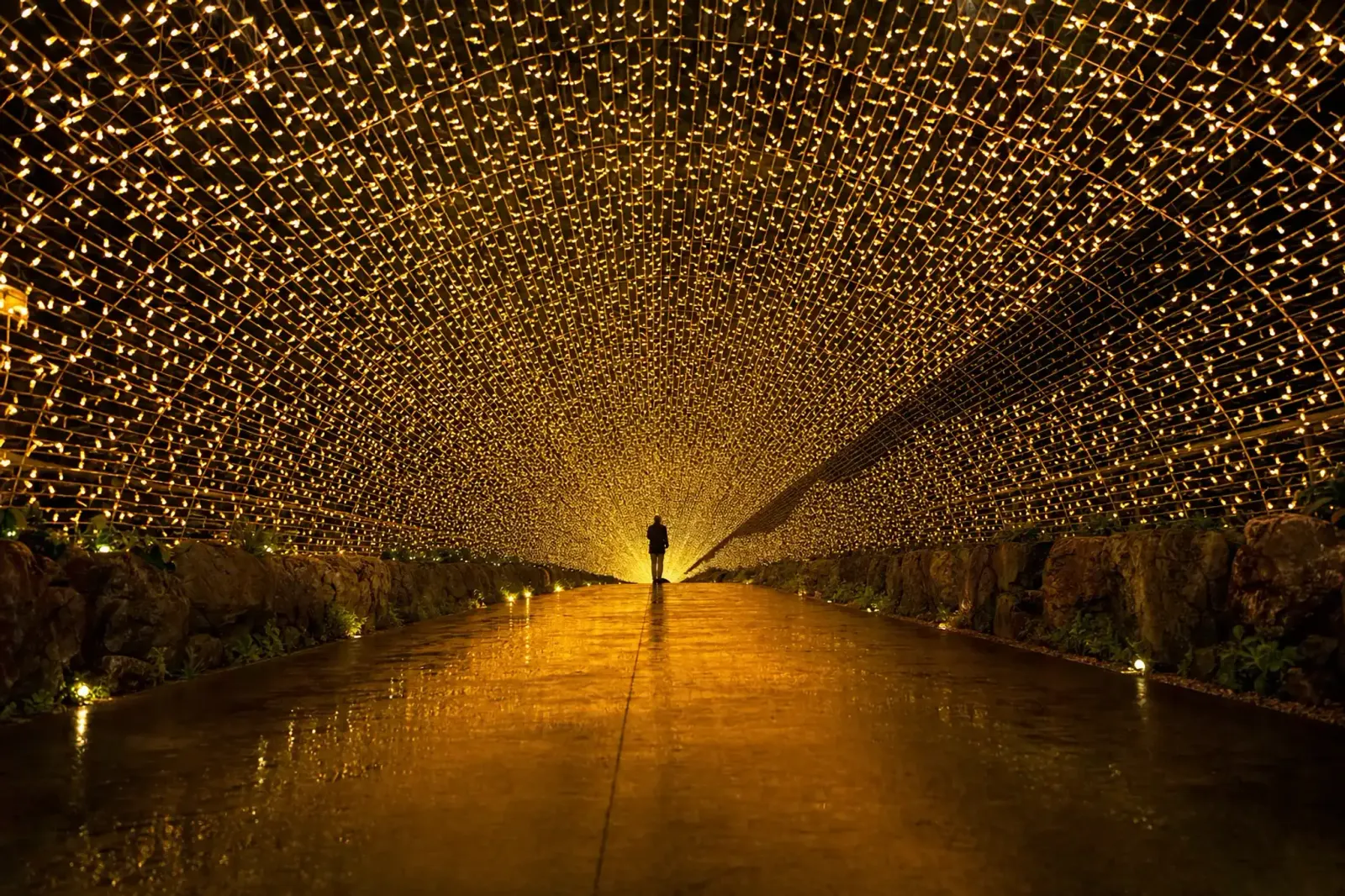
Two tips help. First: pause halfway, then turn around. The far exit becomes a clean point of perspective. Second: let people pass; a quieter frame appears in seconds.
Nami (Wave, ~100m)
Nami is a newer, shorter tunnel—about 100 meters—and it’s a smart reset when the longer tunnel is busy.
Look for rhythm here. The pattern reads differently at walking pace versus when you stop. Tiny detail. Big difference.
Hikari No Taiga (River Of Light On Water)
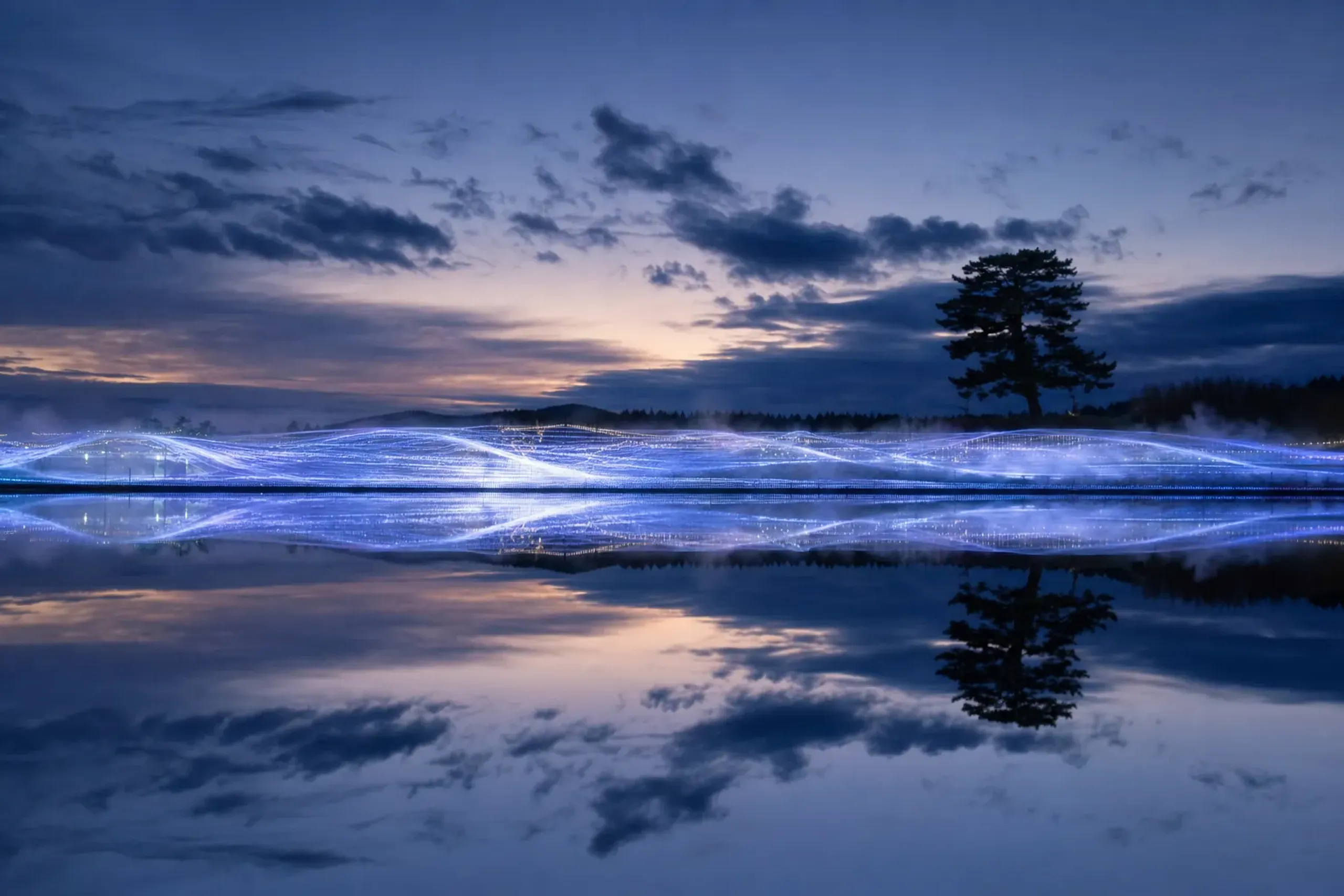
This water-surface illumination is described as Japan’s largest of its kind, and it acts like the park’s emotional center.
On a still night, the reflections double the work. On a rainy night, it can be even better, because the surface texture catches points of light and turns them into a field.
Key fact: The official site notes the illumination operates as normal even on rainy days, and the switch-on time adjusts daily to sunset.
Twin Tree (Bell-Triggered Illumination)
Twin Tree is known for a simple theatrical cue: the lighting is triggered by the sound of a chapel bell.
Wait for it. Don’t rush the moment with video. The second after the bell is the point.
Lantern Garden — Flower Field Of Light
This newer installation uses three-dimensional, light-based “flower bed” displays.
It’s a good counterpoint to the giant scenes. More intimate. More design-forward.
When Is Nabana No Sato Illumination 2026–2027, And Is It Only A Winter Event?
The 2026–2027 illumination season is scheduled for 17 October 2026 through 31 May 2027, making it a long-run event rather than a short winter-only display.
That long season is one reason we recommend it to HNW travelers who dislike peak-week travel. You can choose a quieter window and still see the core installations.
The official page also lists closures around early January (shown as January 6–7 for the season). Those dates matter if you’re building a New Year itinerary in central Japan.
Lighting time is not a fixed clock time, and we never treat it like one. The operator adjusts the switch-on time to sunset and publishes guidance for the season.
How Do I Visit Nabana No Sato From Nagoya Without The Usual Hassles?
From Nagoya, you can reach Nabana no Sato by rail to Kintetsu Nagashima Station and a direct bus during the illumination period, or by private car for a more controlled evening schedule.
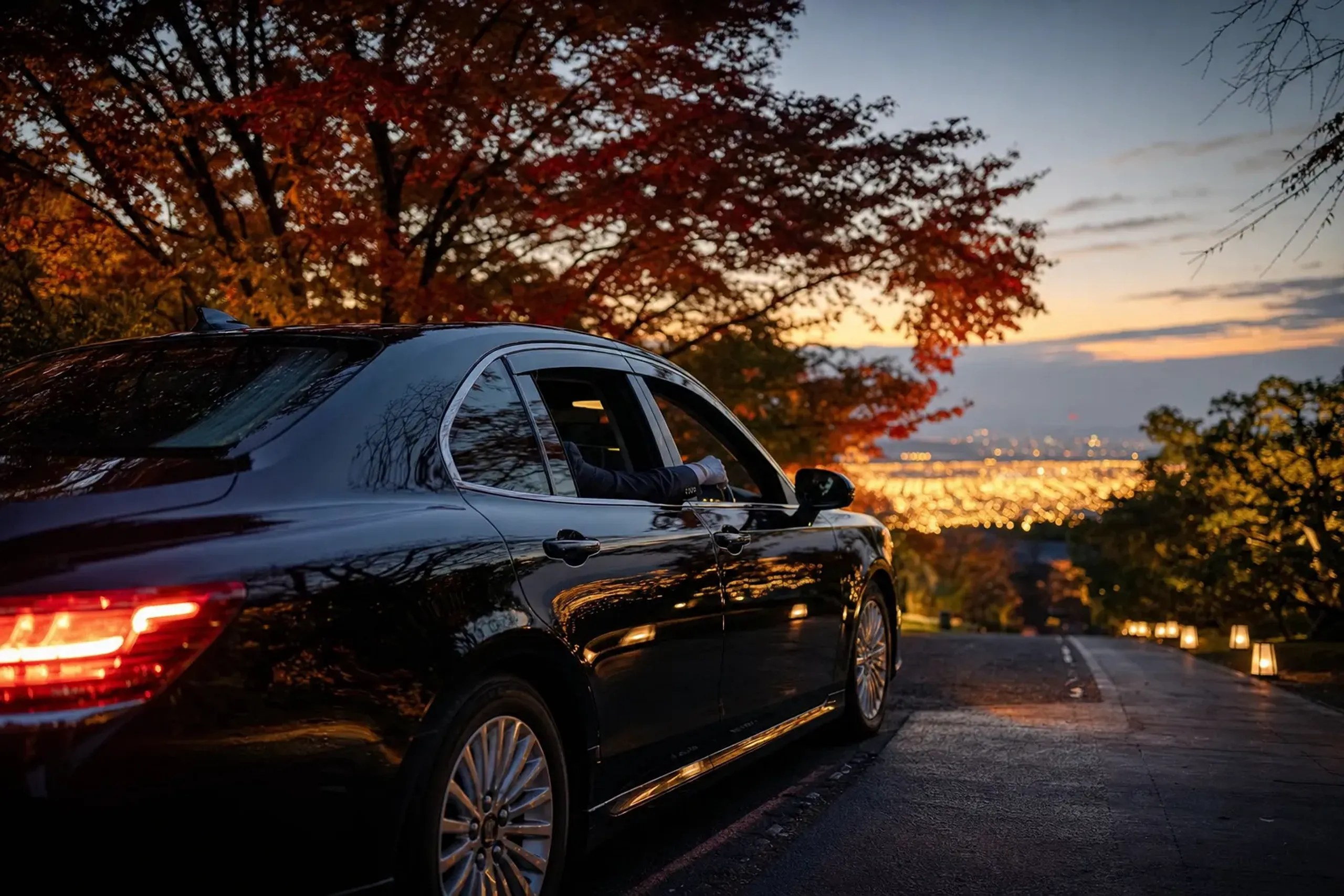
If you are traveling as a couple or small family, the private-car approach changes the feel of the night. You can arrive after the first wave, store coats and shopping bags in the vehicle, and leave when your energy drops—no negotiating return timetables.
When we build evenings like this, we keep the pacing realistic: a calm early dinner in Nagoya, then lights, then a quiet ride back. No heroics.
For clients who prefer the road experience itself to feel like part of the night, our first recommendation is premium private transportation with a chauffeured vehicle chosen for party size and luggage, rather than whatever is “available.”
A Practical Ticketing Reality: December 23–25 Works Differently
For December 23–25 (from 15:00), the operator requires special date-specific tickets purchased in advance, and it may not be possible to buy tickets on-site that day.
This is the single detail that breaks otherwise solid plans. People arrive assuming they can purchase admission at the gate, then find the rules changed for those dates.
The official site states these special tickets are handled via advance purchase channels such as convenience stores (FamilyMart/7-Eleven) and the Asoview platform. We keep this information “front of mind” when we talk to guests considering Christmas week.
If you want that week anyway, do it with intention. Commit early. Build a schedule that anticipates traffic and heavier footfall. And keep expectations tidy.
Best Times To Go For Photos And Space (Without Chasing A Myth)
Nabana no Sato is a public event, so “empty park” promises are dishonest. Still, you can tilt the odds.
Weekday evenings generally feel calmer than weekends. Short sentence. True.
Late-season visits can be a smart choice for travelers who want the signature works without the December crush. The season runs well past winter, all the way to the end of May in 2026–2027.
Rain can help if you like reflections. The operator publishes that illumination runs as normal on rainy days, and water scenes often photograph better with a damp surface.
The Begonia Garden: A Warm, Color-Saturated Counterpoint
Nabana no Sato also has Japan’s largest begonia garden, kept warm so the blooms stay present through winter.
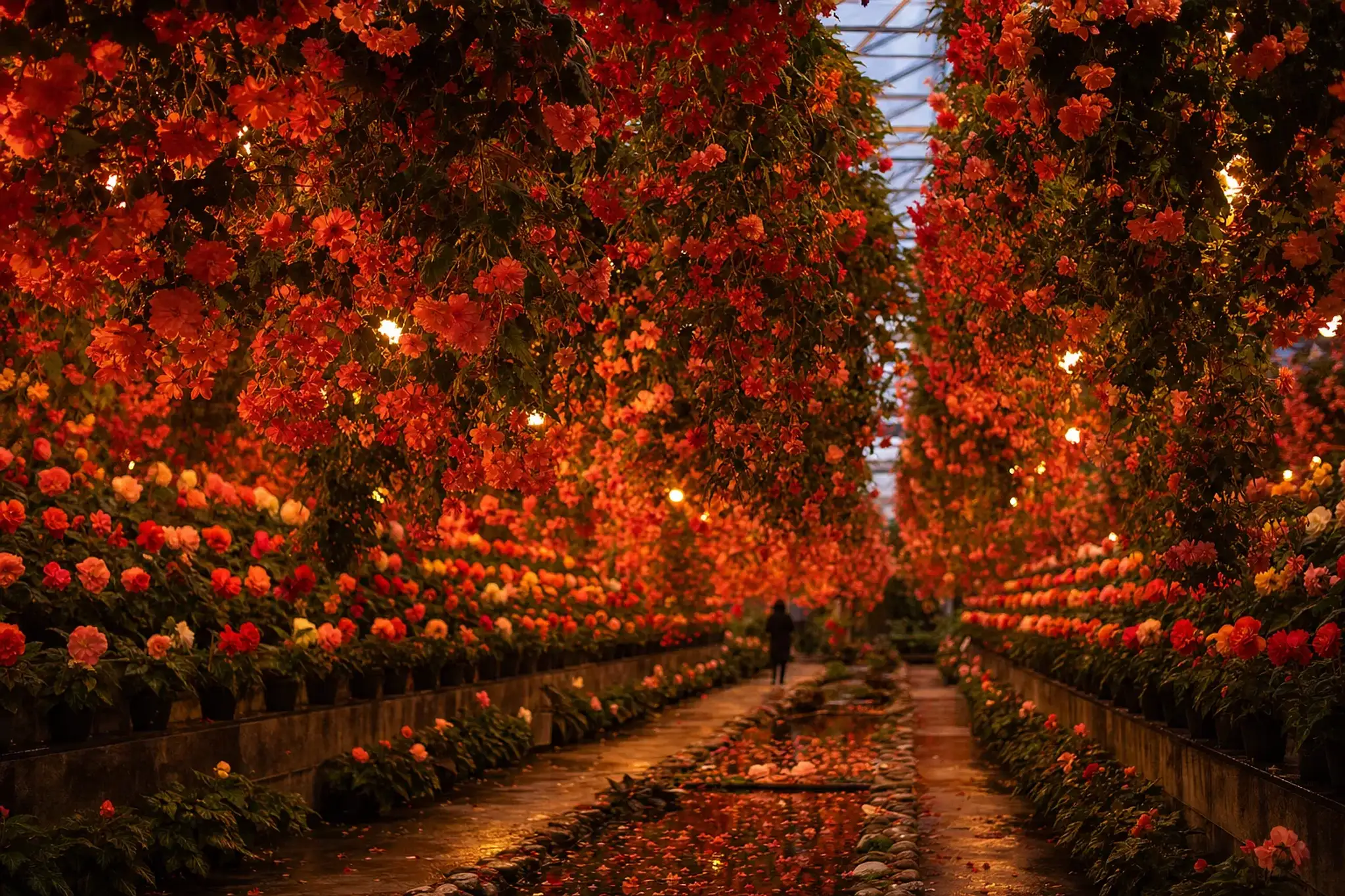
It’s not filler. It’s a different kind of spectacle—humid air, dense color, petals close enough to study like fabric.
If you’re traveling with parents, or anyone who tires quickly in cold outdoor air, the begonia greenhouse becomes the night’s “second act.”
And if the weather turns sharp, it’s relief. Immediate relief.
A Quiet Shoulder-Season Secret: Hydrangea, Iris, And A Bonus Tunnel Of Light
In 2026, the Hydrangea & Iris festival ran from May 23 to July 5, and the 200m Tunnel of Light night illumination was specially continued from late May to late June after the main illumination ended on May 31.
This is an underused angle for sophisticated travelers. You get flowers in the soft edge of early summer, and you still get that signature tunnel at night.
It’s not the same as the full illumination season. That’s the point.
For many HNW guests, this is the sweet spot: fewer “big-trip” tour groups, less pressure to see everything, and a calmer mood across the grounds.
What Japan Royal Service Handles For Nabana No Sato
For Nabana no Sato, our team at Japan Royal Service provides guiding and transfers, then shapes the evening’s pacing so it feels calm rather than rushed.
We also do the unglamorous work that protects the experience: our concierge team verifies the current season’s theme, the nightly lighting guidance, and any special-date ticketing requirements before you go, because these details can change annually and even day-to-day.
Discretion is not a slogan for us. It’s a rule.
If you want this night to feel private even though the event is public, we focus on what actually creates privacy: timing, vehicle comfort, and a plan that avoids unnecessary exposure.
Frequently Asked Questions
Is Nabana No Sato Illumination Projection Mapping Or Real Lights?
Nabana no Sato’s illumination is built from physical LED lights and does not use 3D projection mapping, so the scenes are installed across the landscape itself.
That’s why water reflections and depth feel so strong on site, and why the experience holds up even when you change viewing angles.
What Are The Nabana No Sato Illumination Dates For 2026–2027?
The official illumination season dates for 2026–2027 are 17 October 2026 through 31 May 2027, with closures listed around early January (shown as January 6–7).
Because closures and operating notices can shift year to year, we recommend confirming the operator’s current page close to travel.
Do I Need Advance Tickets For Nabana No Sato On December 23–25?
Yes—December 23–25 (from 15:00) requires a separate, date-specific advance ticket, and it may not be possible to buy tickets on-site that day.
The official site notes advance purchase via channels such as convenience stores (FamilyMart/7-Eleven) and the Asoview platform.
What Time Do The Lights Turn On At Nabana No Sato?
The illumination switch-on time is not fixed and is adjusted daily to sunset, with guidance published by the operator.
Plan your arrival around “after dark” rather than a single clock time, especially in spring when sunset stretches later.
Can I Do Nabana No Sato As An Evening Trip From Nagoya?
Yes—many travelers visit from Nagoya using rail to Kintetsu Nagashima Station plus a direct bus during the illumination period, or a private car for a more controlled schedule.
If you’re aiming for a calmer night, a chauffeured plan can reduce friction at the beginning and end of the evening.
Why Choose Japan Royal Service
Luxury travelers choose Japan Royal Service when they want the Japan that Google cannot find, paired with strict discretion and an imperial-class level of courtesy in how the day is run.
Nabana no Sato is a public event, and we never pretend otherwise. Still, our work changes how it feels: a quiet arrival, a well-timed route through the signature installations, and a return ride that lets the night settle rather than scatter.
We also understand the shokunin mindset behind places like this—care built into the details, rebuilt each season, without needing to shout about it. That sensibility is what our HNW guests recognize and value.
If you’d like tailored guidance for a Nabana no Sato evening from Nagoya or elsewhere in Mie, reach our team privately via WhatsApp or LINE, or contact us here.
If you’re considering a broader, tailor-made itinerary, we can suggest a calm sequence that fits your dates and travel rhythm.
For inspiration on the kind of “hidden-Japan” nights we value, you may also enjoy our journal posts on Takehara and Saijō.