In this guide
- 01How Many Days Do You Need For A Setouchi Art Trip?
- 02The Three Islands: Naoshima, Teshima, And Inujima
- 03Why Do Ferries Dictate The Setouchi Itinerary?
- 04Timed Entry And Reservation-Only Sites
- 05Should You Sleep On Naoshima Or The Mainland?
- 06Festival Years And Regional Craft Connections
- 07Who Should Skip The Island Route?
- 08Frequently Asked Questions
- 09Why Choose Japan Royal Service
The traveler who arrived on the morning ferry, walked to a closed gallery, and saw only a third of what they came for. We hear this story often. The islands of the Seto Inland Sea house extraordinary site-specific installations, but they do not reward spontaneity. Our team at Japan Royal Service knows that a successful visit here requires building a meticulous structure rather than improvising.
How Many Days Do You Need For A Setouchi Art Trip?
You need a minimum of three full days to experience Naoshima, Teshima, and Inujima properly. Rushing these three islands into one or two days guarantees a compromised, stressful itinerary.
Pacing dictates the quality of your visit. The works installed here are often isolated, site-specific environments designed to be sat with for extended periods. Rushing from one concrete pavilion to the next defeats the entire purpose. The aesthetic of wabi-sabi—the appreciation of quiet observation and natural restraint—demands an unhurried approach.
Furthermore, the architecture housing these collections is a core component of the art itself. To understand the structural philosophy, you must give the buildings time to reveal how they interact with natural light. Travelers seeking to establish a baseline in Japanese architectural design before heading south should review our guide to Tokyo by Building: Reading a City That Keeps Replacing Itself.
The Three Islands: Naoshima, Teshima, And Inujima
The three primary islands offer distinctly different scales and tempos. Naoshima is the busiest and most structurally developed. It features the highest concentration of major foundations, subterranean galleries, and coastal installations.
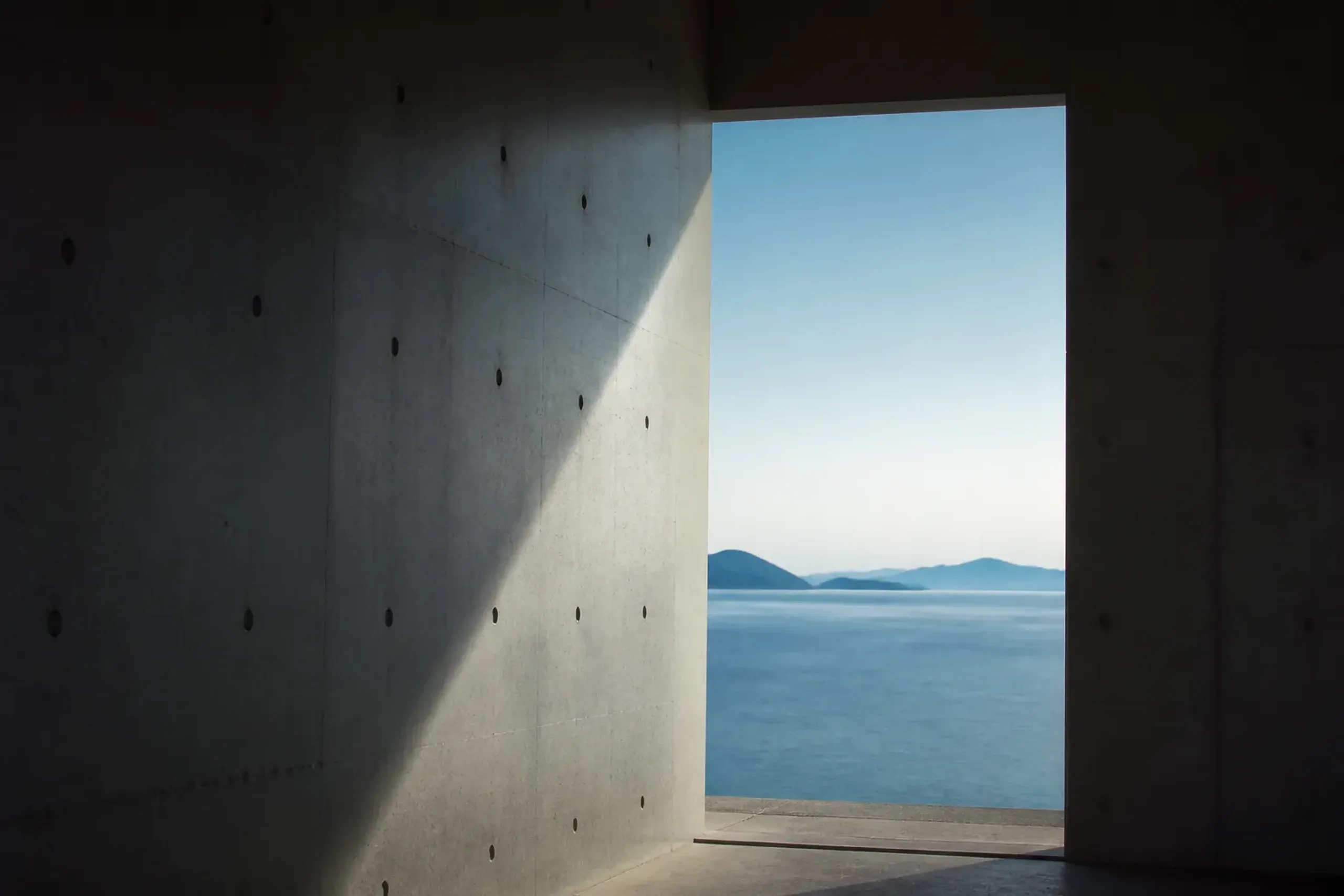
Teshima feels entirely different. The island remains heavily agricultural, operating at a much slower rhythm. The art here is defined by a few sweeping, profound structural interventions rather than dense gallery clusters.
Inujima is the smallest and arguably the most remote. Its landscape features industrial ruins repurposed into striking contemporary viewing spaces. Do not expect equal hospitality infrastructure or transport frequency across all three locations.
Why Do Ferries Dictate The Setouchi Itinerary?
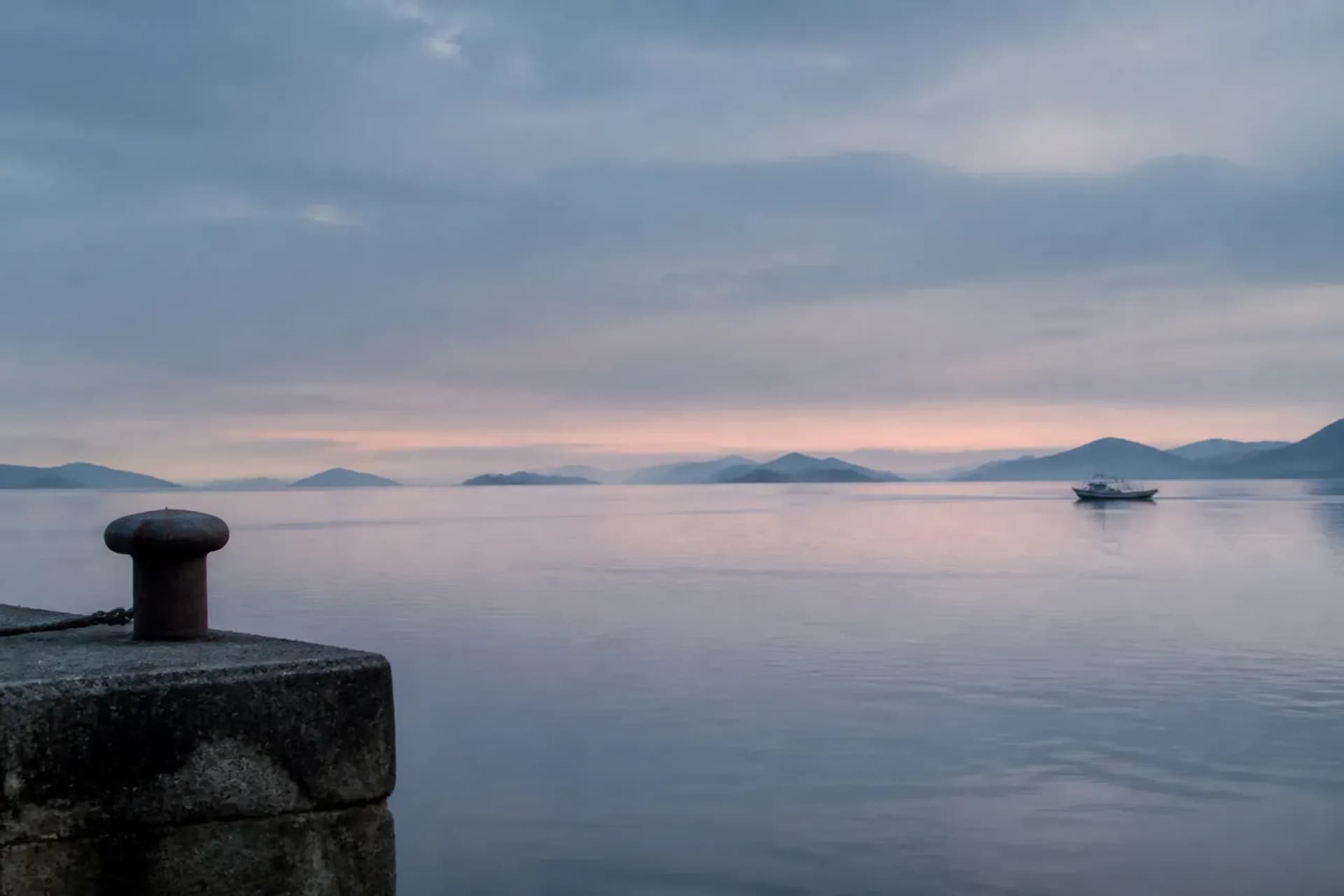
Island ferries are infrequent, highly weather-dependent, and rarely align perfectly with a traveler's preferred pace. The public ferry timetable must build your itinerary, rather than the itinerary dictating the crossings.
This is the honest frame of Setouchi travel. Direct connections between the smaller islands do not operate on demand, and a missed departure can unravel an entire afternoon. High winds or heavy rain can cancel a planned route entirely.
Any successful trip to this region accepts these maritime constraints early in the planning phase. Recognizing this reality separates a serene journey from a frustrating logistical scramble.
Timed Entry And Reservation-Only Sites
Nearly every major foundation on these islands operates on strict timed-entry or reservation-only protocols. Showing up without a booking usually results in a polite refusal at the door. Big mistake.
A missed entry slot is generally not recoverable on the same day. Day-tripper volume is intensely heavy during peak seasons, meaning standby access is virtually nonexistent. Securing these tickets involves navigating highly specific release windows.
You must map the reservation timeline months ahead.
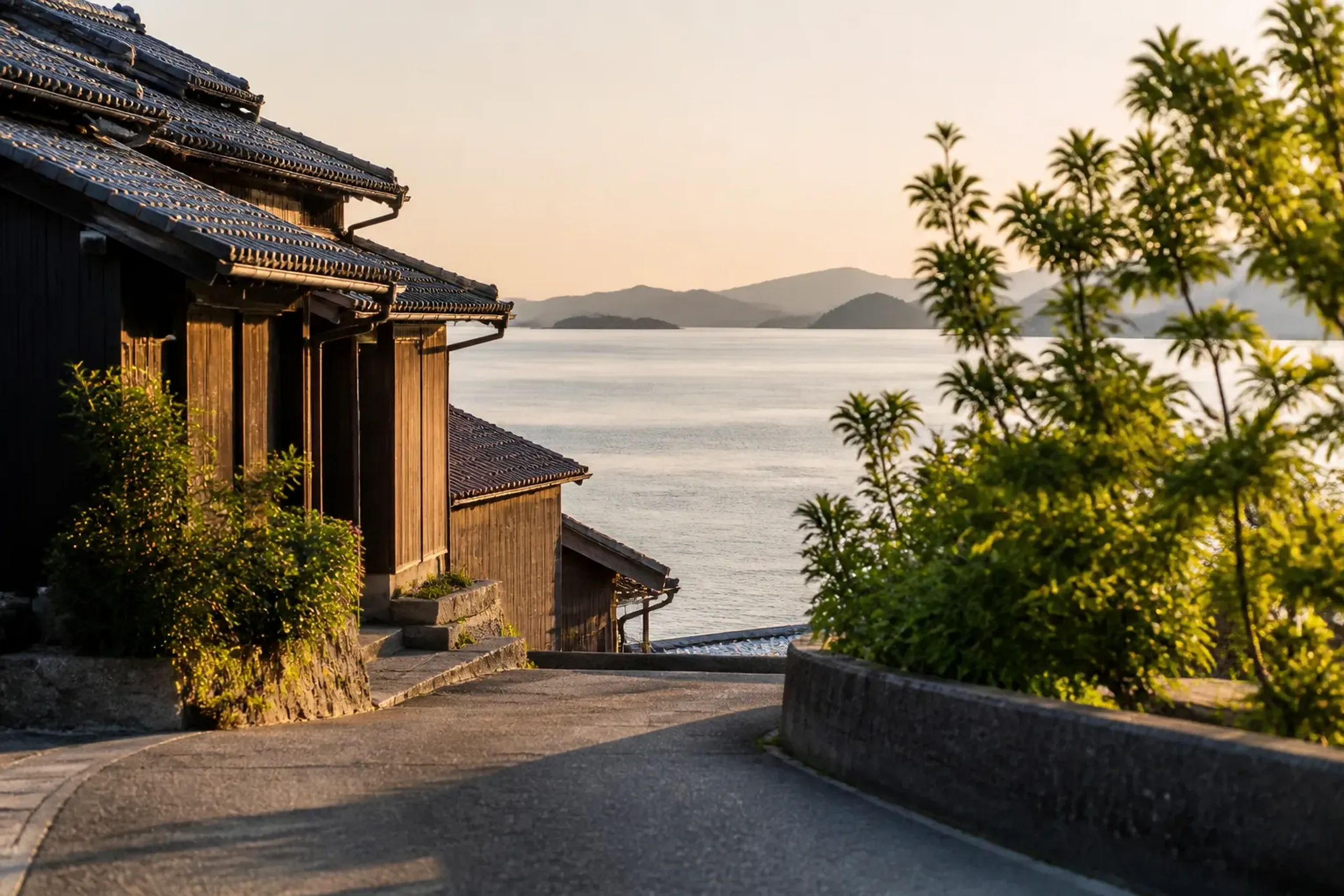
Understanding when inventory becomes available is critical. For broader insights on securing high-demand access across the country, consult When to Book: Reservation Timelines for Japan.
Should You Sleep On Naoshima Or The Mainland?
Sleeping on-island removes daily ferry crossings but offers very thin accommodation inventory. A mainland base provides superior luxury hotel options but costs you a ferry crossing each way, every day.
This is the primary structural decision of your trip. Both approaches carry distinct trade-offs.
Option A: The On-Island Base
Staying directly on Naoshima eliminates the morning port commute. You wake up among the installations and enjoy the grounds after the day-trippers depart. However, premium room inventory is remarkably thin. The few notable properties book out incredibly early. If you seek absolute discretion and guaranteed availability, this route requires exceptional foresight.
Option B: The Mainland Base
Basing yourself in a mainland port city offers broader access to luxury hospitality, private dining, and robust concierge support. The trade-off is the daily maritime commute. You will spend more time navigating port terminals. If island inventory is exhausted, this becomes the necessary default. For strategies on navigating low room inventory, see our thoughts on What to Book When Japan's New Openings Are Full.
Festival Years And Regional Craft Connections
The Setouchi region periodically hosts a massive international art festival. During these triennale years, the islands transform completely. Far more temporary work goes on display, extended ferry services operate, and visitor numbers surge dramatically.
You must confirm whether your planned dates fall in a festival year before confirming any travel.
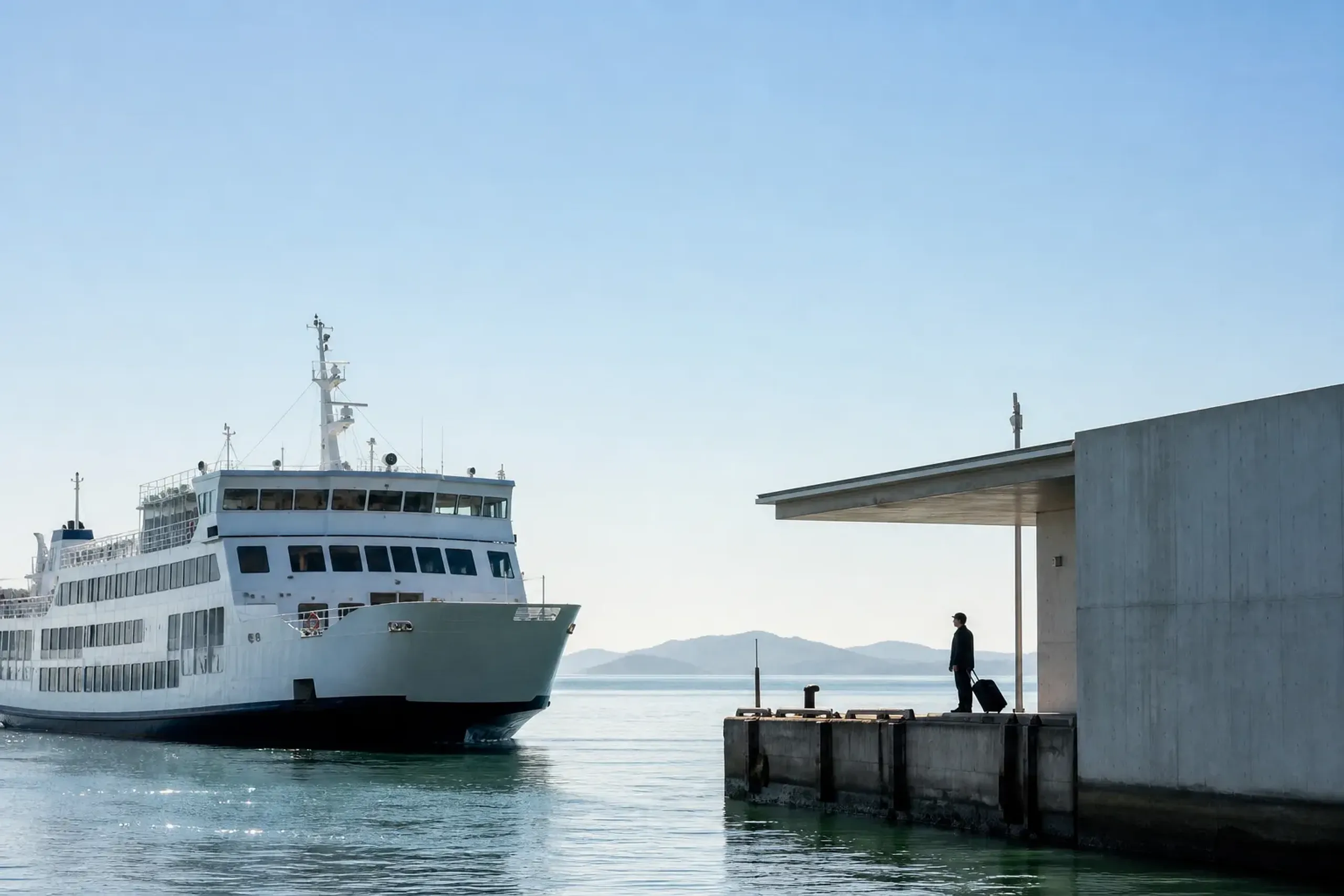
The logistical atmosphere changes entirely. A quiet retreat becomes a bustling international event.
Beyond the islands, we frequently connect this journey to private atelier visits with master shokunin on the mainland. Witnessing traditional craft techniques provides vital historical context to the contemporary art you just viewed across the water.
Who Should Skip The Island Route?
Not every traveler belongs in Setouchi. The region demands a specific mindset.
Key fact: Do not expect a traditional tropical island resort experience. The focus here is entirely on structural art and maritime logistics.
If you want a relaxed, spontaneous island stay where plans can shift by the hour, look elsewhere. If you are on a tight schedule, this region will frustrate you. Anyone unwilling to plan their days around a hard transport timetable should avoid the Setouchi art circuit.
Frequently Asked Questions
How Far In Advance Should We Book A Setouchi Art Itinerary?
You should begin planning at least six to eight months ahead. Accommodation is extremely limited, and timed-entry tickets for the most significant architectural sites sell out the moment their respective release windows open.
Can We Visit The Art Islands During The Winter Months?
Yes, but you must expect reduced services. Many smaller galleries close completely, and ferry schedules contract. However, the lack of crowds offers a remarkably silent viewing experience for those who appreciate winter starkness.
Do You Handle Private Boat Charters Between The Islands?
Our concierge team can arrange private chartered vessels where maritime regulations permit.
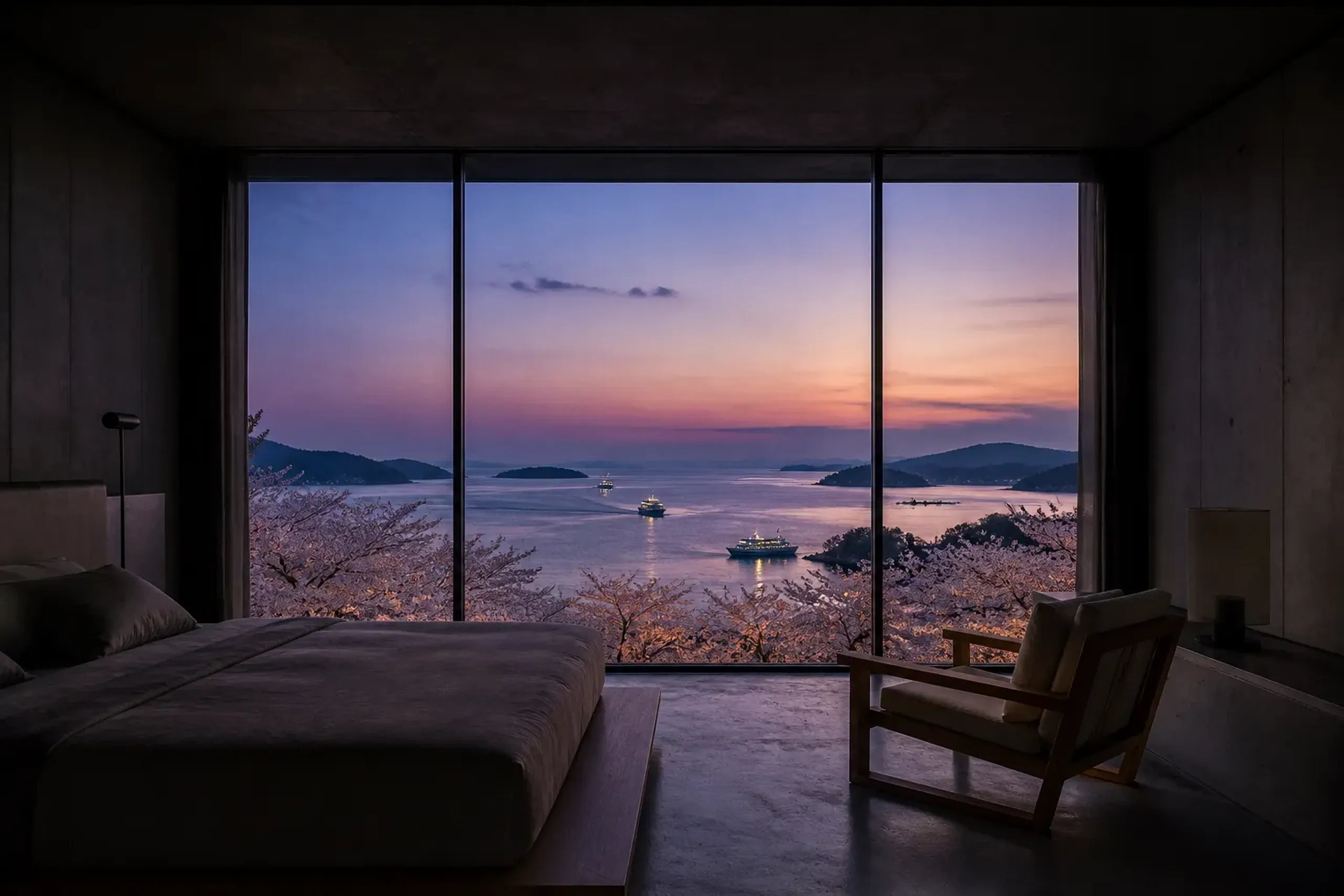
This significantly reduces your reliance on the public ferry timetable, though weather conditions still strictly govern all departures.
Why Choose Japan Royal Service
Setouchi is not a frictionless destination. Our team at Japan Royal Service specializes in removing that friction. We arrange the ferries, coordinate private transfers, and manage the complex matrix of timed-entry and reservation-only bookings on your behalf.
Where available, we facilitate private access to specific sites. We build the days around the timetable so you do not have to. Discretion is absolute. We protect your privacy while ensuring your journey through Japan’s compelling art landscape remains focused on the work, not the logistics.
For private coordination, reach our team privately via WhatsApp or LINE, or contact us here.