In this guide
- 01The Tokugawa Three Great Fruits: A 600-Year Legacy
- 02When Is The Chestnut Harvest Season In Obuse?
- 03Kuri No Komichi: Walking A Reconstructed Aesthetic
- 04How Do You Secure Tickets For Obusedo's Suzaku Dessert?
- 05Beyond The Harvest: Hokusai's Final Masterpieces
- 06Frequently Asked Questions
- 07Why Choose Japan Royal Service
Steam rises in the early morning air of northern Nagano. Inside a quiet confectioner's shop, golden paste is pressed through a fine sieve, falling into delicate, vermicelli-like strands. This is the quiet arrival of autumn in Obuse. For our team at Japan Royal Service, navigating this short harvest season requires sharp timing and deep local knowledge. It demands an appreciation for an artisan food culture that operates on a fiercely strict calendar.
Many regions in Japan celebrate seasonal harvests. Obuse is different. The town's relationship with chestnuts spans roughly 600 years, establishing a culinary prestige that once commanded the attention of the Tokugawa shogunate. Today, understanding this small, walkable municipality means engaging with master confectioners, observing centuries-old art, and moving with a profound respect for the short-lived autumn bounty. Guests seeking to design a highly specific tailor-made itinerary often find Obuse to be a masterclass in regional refinement.
The Tokugawa Three Great Fruits: A 600-Year Legacy
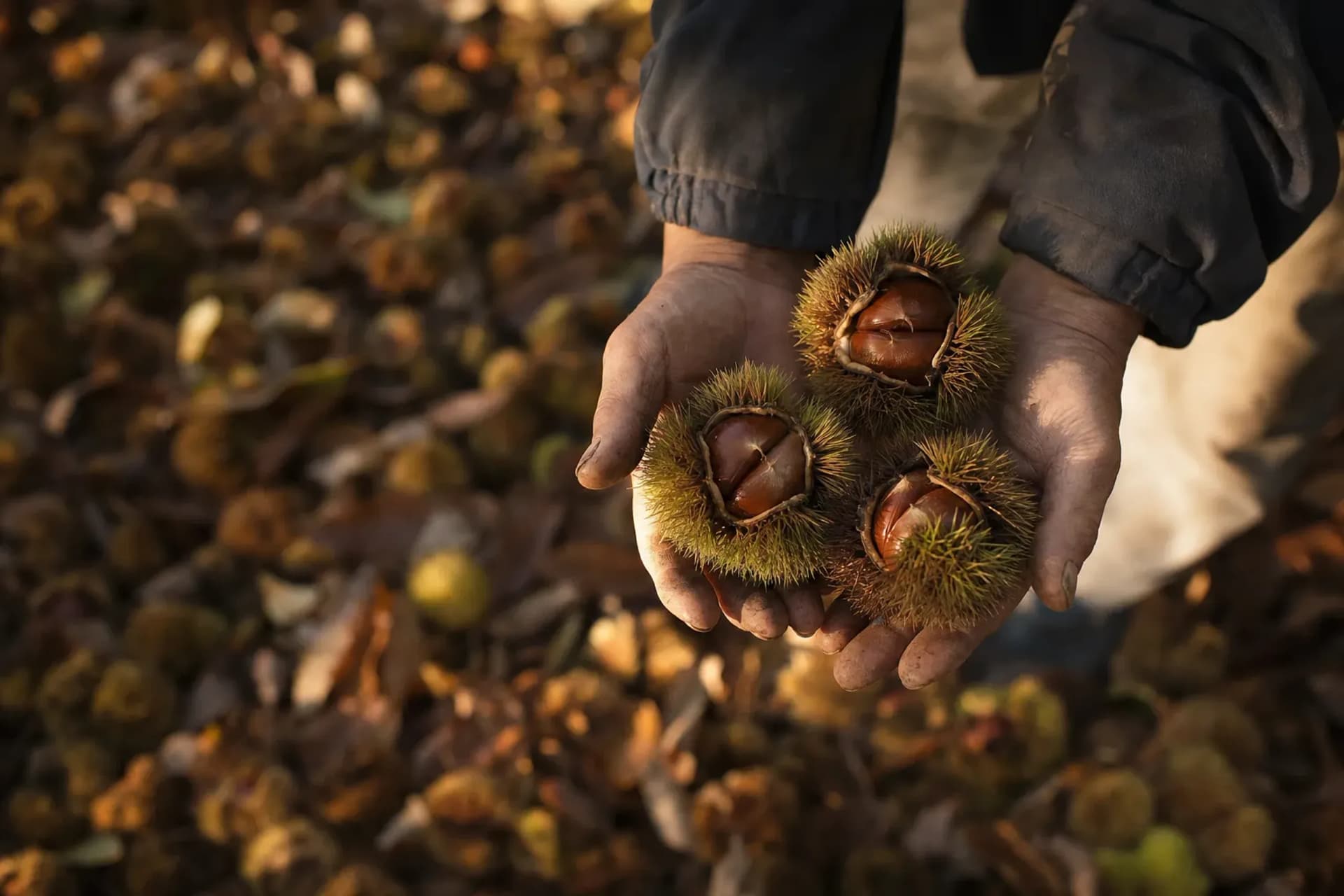
Chestnut cultivation in Obuse began during the Muromachi period. The local soil and climate produced large-grained, notably sweet yields with a dense, starchy texture distinct from ordinary varieties. By the Edo period, their reputation had reached the highest political strata. The shogunate officially designated Obuse chestnuts as one of the "Tokugawa Three Great Fruits," presented as tribute alongside Kōshū grapes from Yamanashi and Kishū mandarins from Wakayama.
That prestige history is still active every autumn. This is not a generalized celebration of rural produce. It is a highly specific, six-century legacy maintained by local shokunin (master artisans).
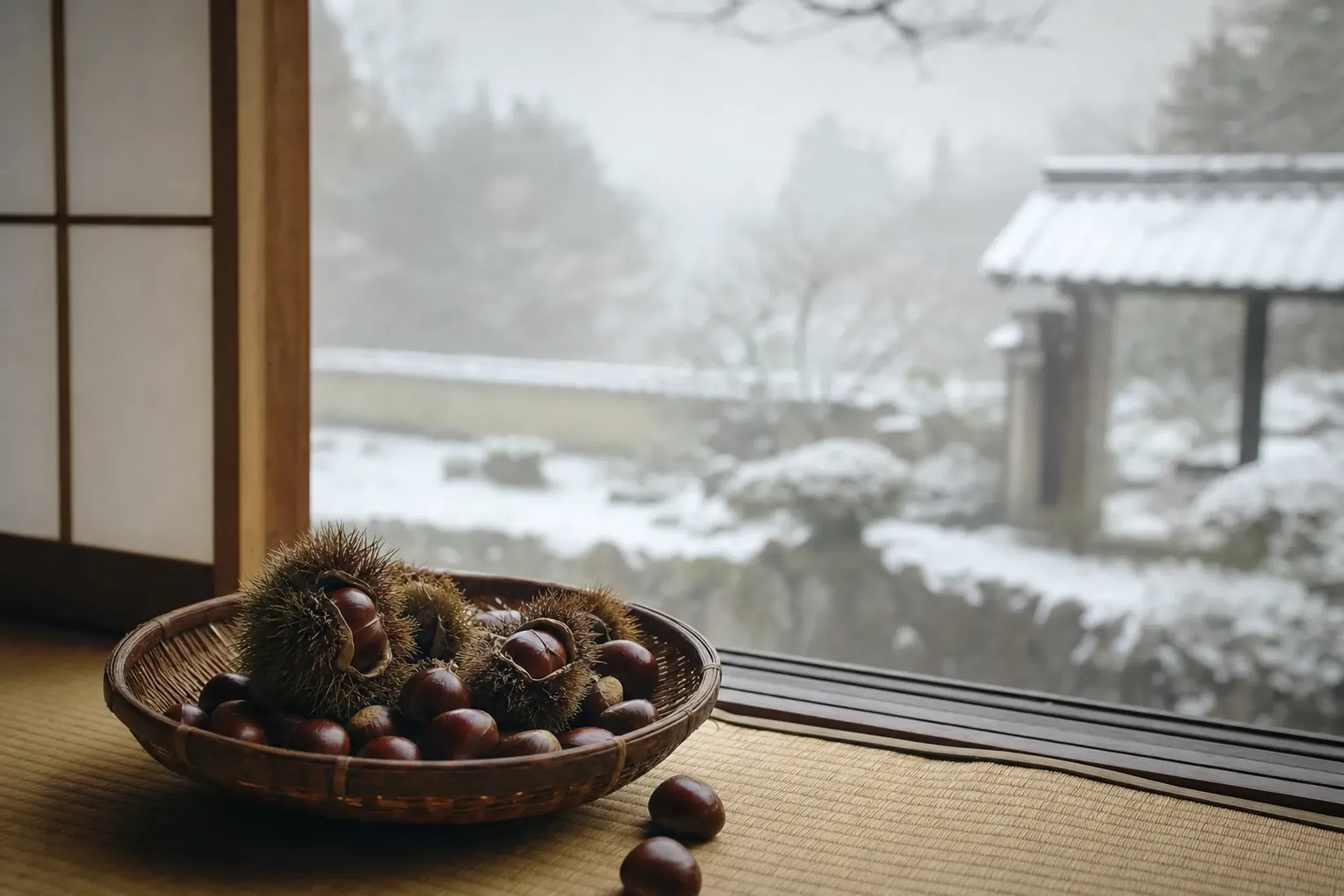
The confectioners who line the town's streets do not mass-produce these goods year-round. They build entire, fleeting seasonal menus around the precise weeks the fruit reaches its peak. Our concierge frequently observes that true luxury in Japan is found not in permanent availability, but in being present for the exact moment of perfection.
When Is The Chestnut Harvest Season In Obuse?
The Obuse chestnut harvest strictly runs from late September through mid-October annually, dictating the availability of the town's most sought-after seasonal confections.
This narrow window governs the entire rhythm of the municipality. The moment the harvest begins, shinguri (new-season chestnut) products flood the town's historic storehouses and modern cafes. Because the freshness window drives the local calendar so directly, arriving even two weeks late means missing the peak culinary expressions entirely.
| Harvest Phase | Expectation |
|---|---|
| Early September | Quiet preparations; advance reservation systems close. |
| Late September | Peak harvest begins; shinguri menus launch across town. |
| Mid-October | Final days of fresh chestnut availability; festival events conclude. |
We often coordinate these Nagano day trips in parallel with other regional autumn pursuits. For travelers already planning a luxury chase across Tōhoku or an extended autumn journey, Obuse offers a grounded, highly authentic contrast to crowded major city destinations.
Kuri No Komichi: Walking A Reconstructed Aesthetic
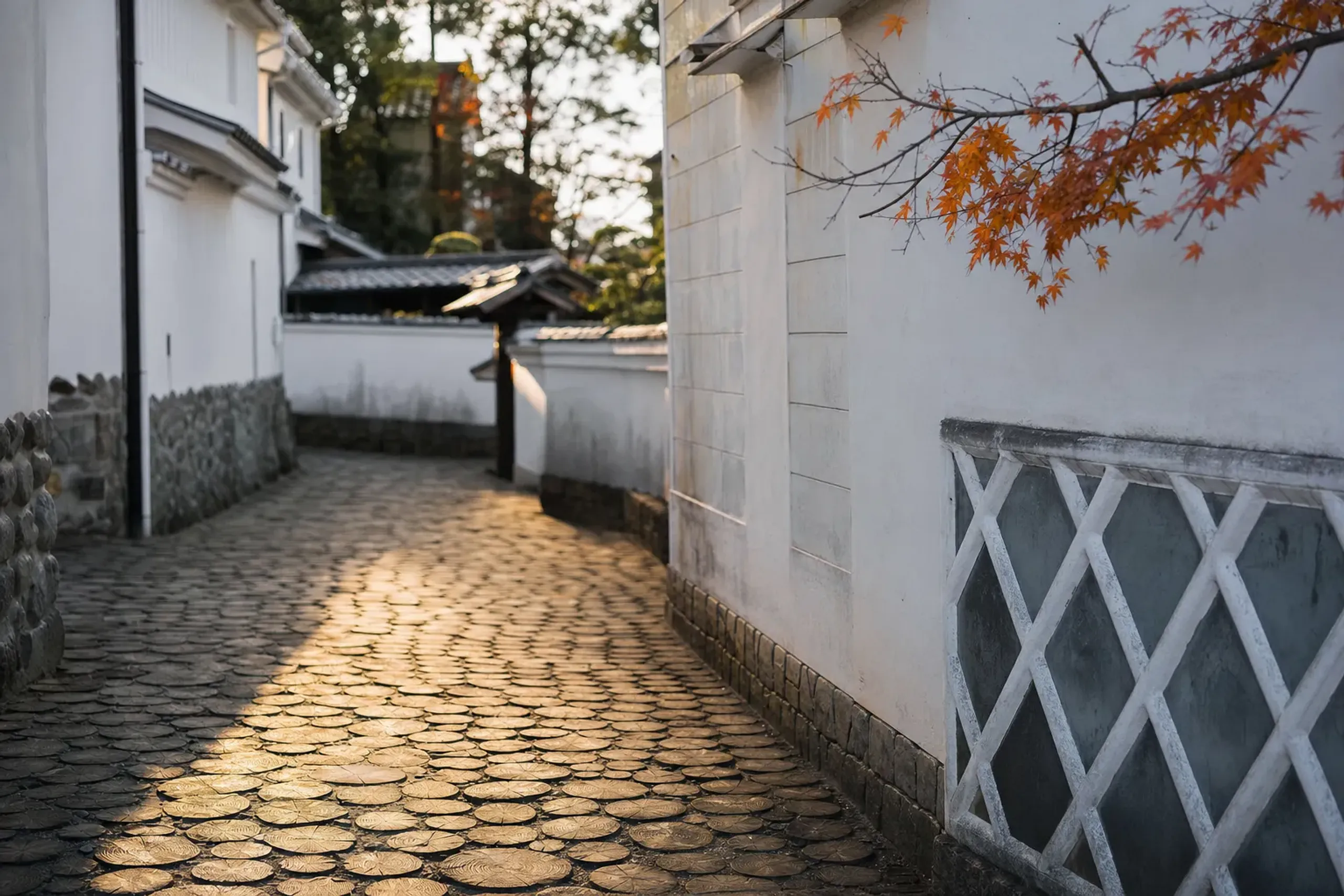
The town of Obuse is surprisingly compact. The entire central settlement fits within roughly a two-kilometer radius. You can comfortably walk the core historic district in a single afternoon. The area surrounding Obusedō, the leading local confectioner, underwent a deliberate townscape restoration project in the 1980s. This was a considered aesthetic effort.
Central to this layout is the Kuri no Komichi, or Chestnut Path. Paved with blocks of chestnut wood, the route links key museums and historic residences. Walking here requires a quiet wabi-sabi pacing. You observe the textured wood beneath your feet, the white-walled storehouses, and the shifting autumn light. It is a slow, tactile experience.
How Do You Secure Tickets For Obusedo's Suzaku Dessert?
Obusedō releases Suzaku-ken reservation tickets online in early August for the September to October serving window, requiring precise timing to secure a seating.
The "Kuri no Tenshin Suzaku" is the town's most famous culinary artifact. A steamed new-season chestnut has its skin removed and is pressed through a sieve into delicate vermicelli-like strands, piled high over a rich chestnut paste. It is a fragile dish, available only during the harvest window.
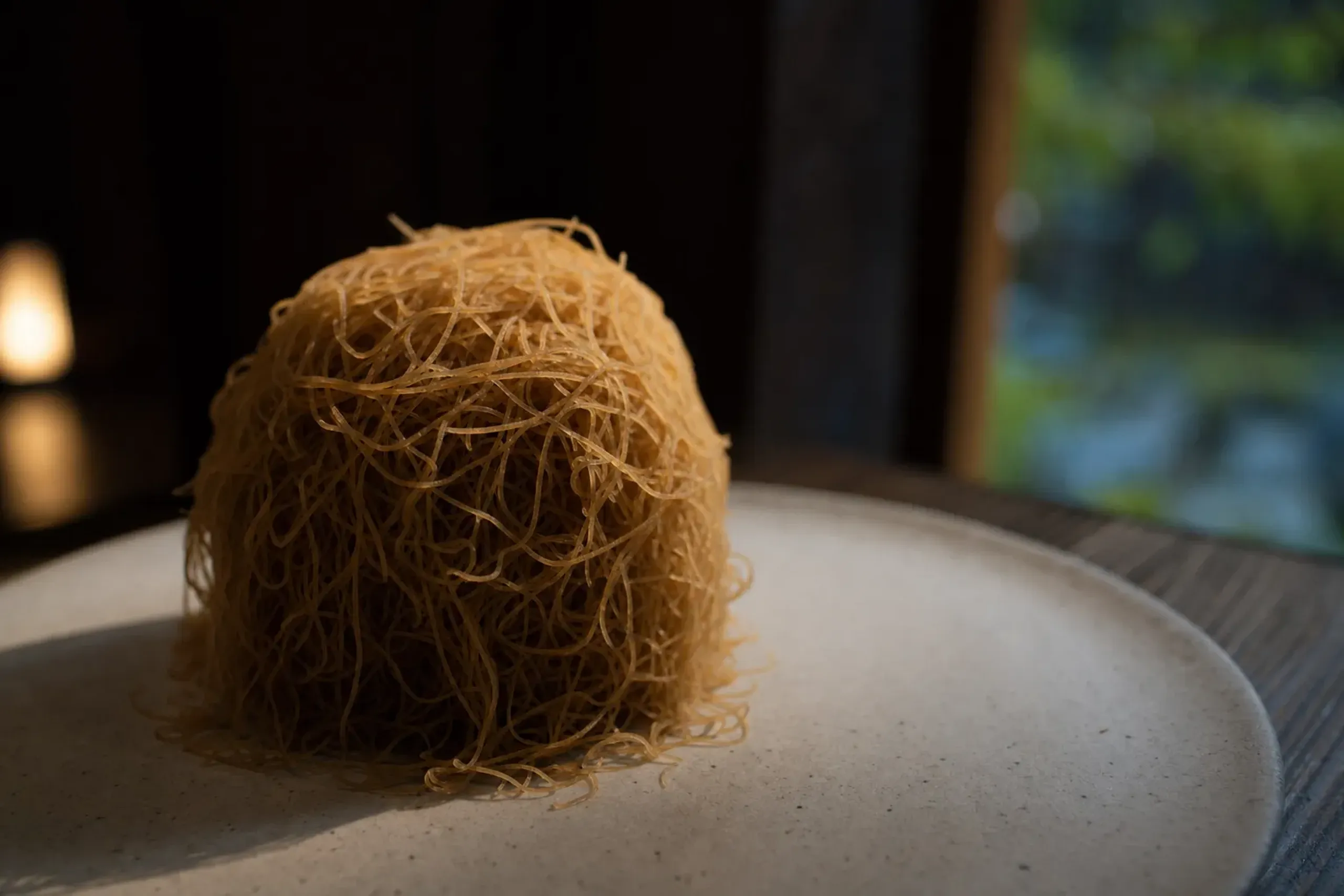
In 2026, the official offering period is scheduled from September 10 to October 18. Because demand is staggering, long lines form every autumn, and access is tightly controlled through a digital ticketing system.
Key fact: Obusedō explicitly states that the Suzaku ticketing system is mandatory. Walk-ins during the peak window are routinely turned away. Guests interested in navigating this release window may contact our concierge for tailored guidance.
When our team at Japan Royal Service outlines an Obuse itinerary, we structure the entire day around this specific reservation constraint. The confectioners set the rules. We adapt the logistics.
Option A: Obusedō
Tracing its origins to the Masuichi Ichimura sake brewery in the Meiji era, Obusedō is the epicenter of the modern chestnut boom. They craft their paste using only domestic chestnuts and sugar, claiming no other additives. The environment is refined, structured, and highly sought after by domestic travelers.
Option B: Sakurai Kanseidō
For a quieter alternative, Sakurai Kanseidō offers a legacy that spans over 200 years. Rooted deeply in the Edo era, this rival confectioner specializes in "Junguri Yōkan," a dense traditional sweet made purely from chestnut, sugar, and agar, following historical methods. It provides a less frantic, equally profound taste of the local terroir.
Beyond The Harvest: Hokusai's Final Masterpieces
Obuse's appeal extends beyond gastronomy.
In his later years, the legendary ukiyo-e master Katsushika Hokusai relocated here under the patronage of a wealthy local merchant. Hand-painted originals—not block prints—survive from this period. They are displayed in a dedicated municipal museum, offering an intimate look at the artist's final creative phase.
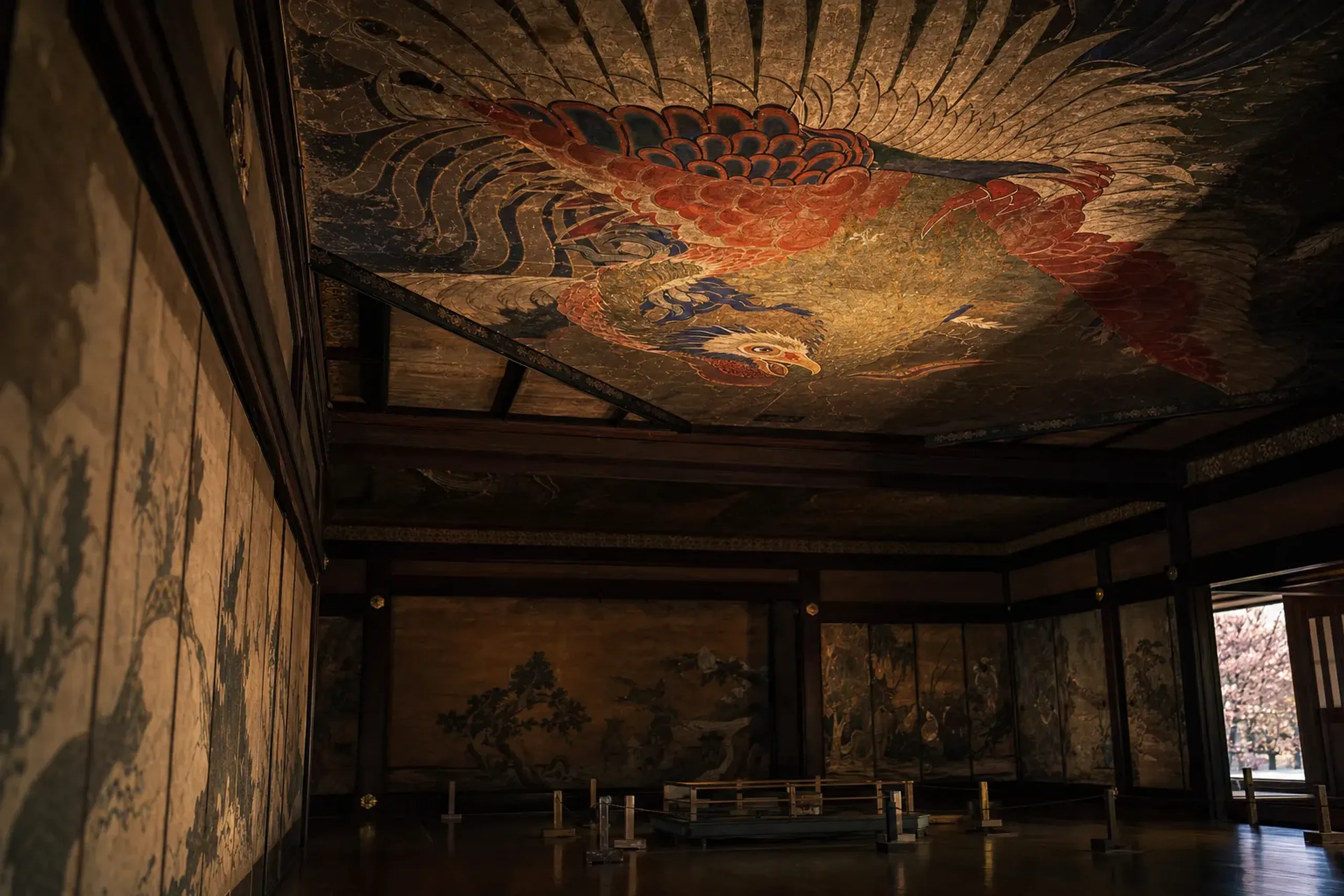
The true climax of Hokusai's time in Obuse rests slightly outside the town center. At Gansho-in Temple, Hokusai painted a massive, brilliant phoenix across the wooden ceiling of the main hall. Visitors lie back to view the intricate brushwork, which has retained its vivid color for over a century and a half. Reaching these peripheral sites smoothly is where utilizing premium private transportation proves invaluable, ensuring you move between the shrines, museums, and confectioners without the friction of local transit schedules.
For guests exploring the broader region, comparing the agricultural histories of Nagano with the brewing legacies discussed in our Niigata sake guide reveals the intense regional pride that defines Japan's mountainous interior.
Frequently Asked Questions
Where is Obuse located in Japan?
Obuse is a small municipality situated in northern Nagano Prefecture. It is easily accessible as a day trip from Nagano City, sitting quietly apart from the heavy inbound tourist traffic of the major coastal routes.
Can visitors pick their own chestnuts?
While some local farms offer public picking experiences, availability shifts dramatically depending on the annual crop yield and weather conditions.
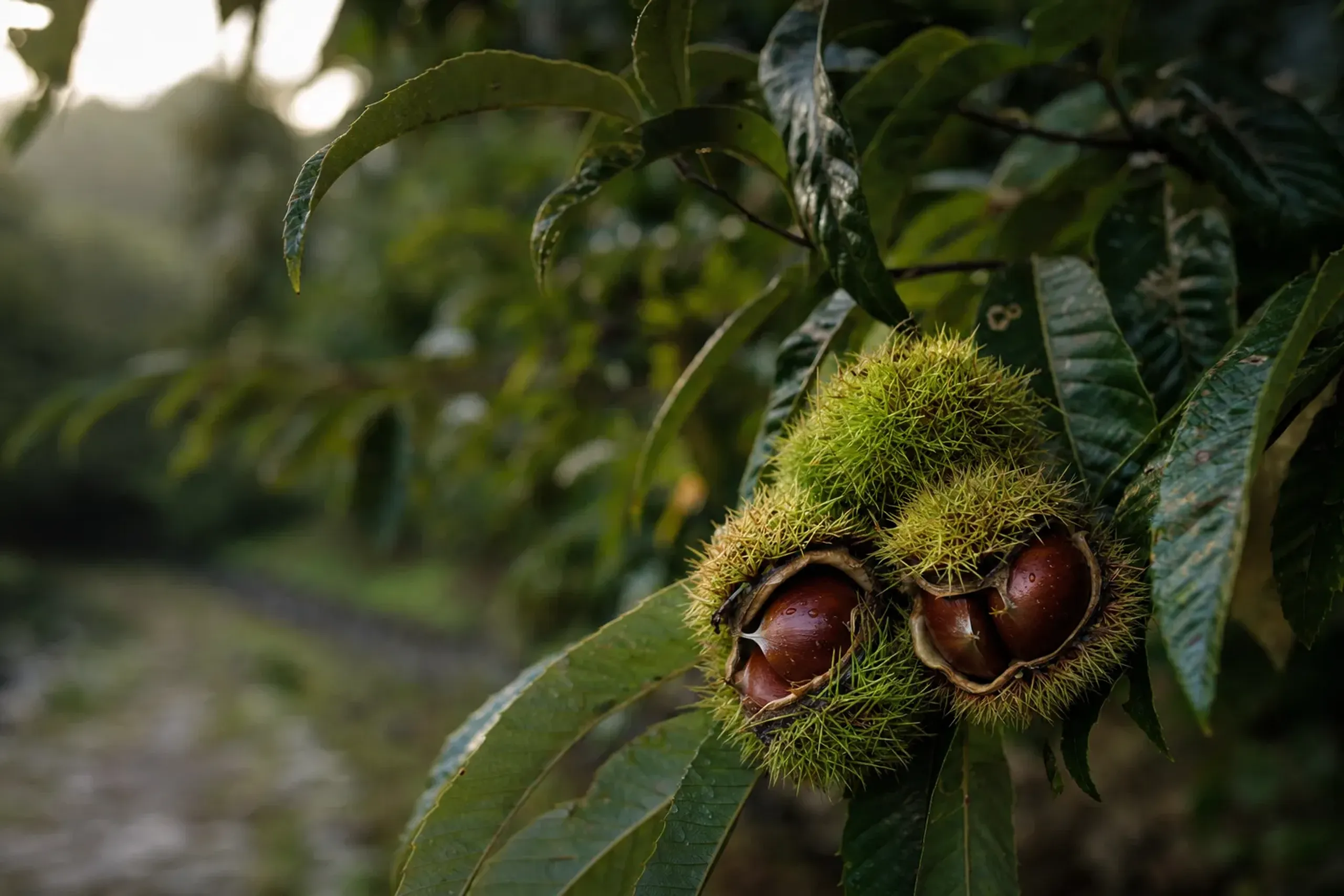
Any hands-on orchard participation remains unverified until specifically confirmed directly with the operators closer to the season.
Is the Obuse Chestnut Festival open to the public?
Yes, the official Obuse Chestnut Festival takes place at Kotai Shrine in the center of town. It includes a formal Shinto ceremony followed by community tasting events, offering a genuine glimpse into the local harvest celebration.
Why Choose Japan Royal Service
Experiencing Obuse during its brief autumn peak requires a delicate balance of timing, access, and restraint. Our team at Japan Royal Service specializes in turning complex regional constraints into an effortless journey. We value absolute discretion, ensuring your identity and itinerary remain completely confidential while you explore the hidden Japan that mass tourism overlooks.
Rather than leaving you to navigate crowded local trains or public shuttle buses, our private fleet and expert coordinators guarantee a quiet, sophisticated approach to the town. We respect the wabi-sabi pacing of the Kuri no Komichi, allowing you the space and silence to appreciate both the artisan culinary craft and Hokusai's enduring legacy.
For private coordination, reach our team directly via WhatsApp or LINE, or contact us here to start planning your bespoke autumn journey.