In this guide
- 01A Contest, Not A Display
- 02How Did The Omagari Fireworks Competition Begin?
- 03The Three Categories, Explained
- 04How Should You Watch Omagari To Appreciate It?
- 05What Time Does The Omagari Fireworks Competition Start And End?
- 06Getting There, And The Practical Shape Of The Day
- 07Is Omagari One Of Japan's Three Great Fireworks Festivals?
- 08Frequently Asked Questions
- 09Why Choose Japan Royal Service
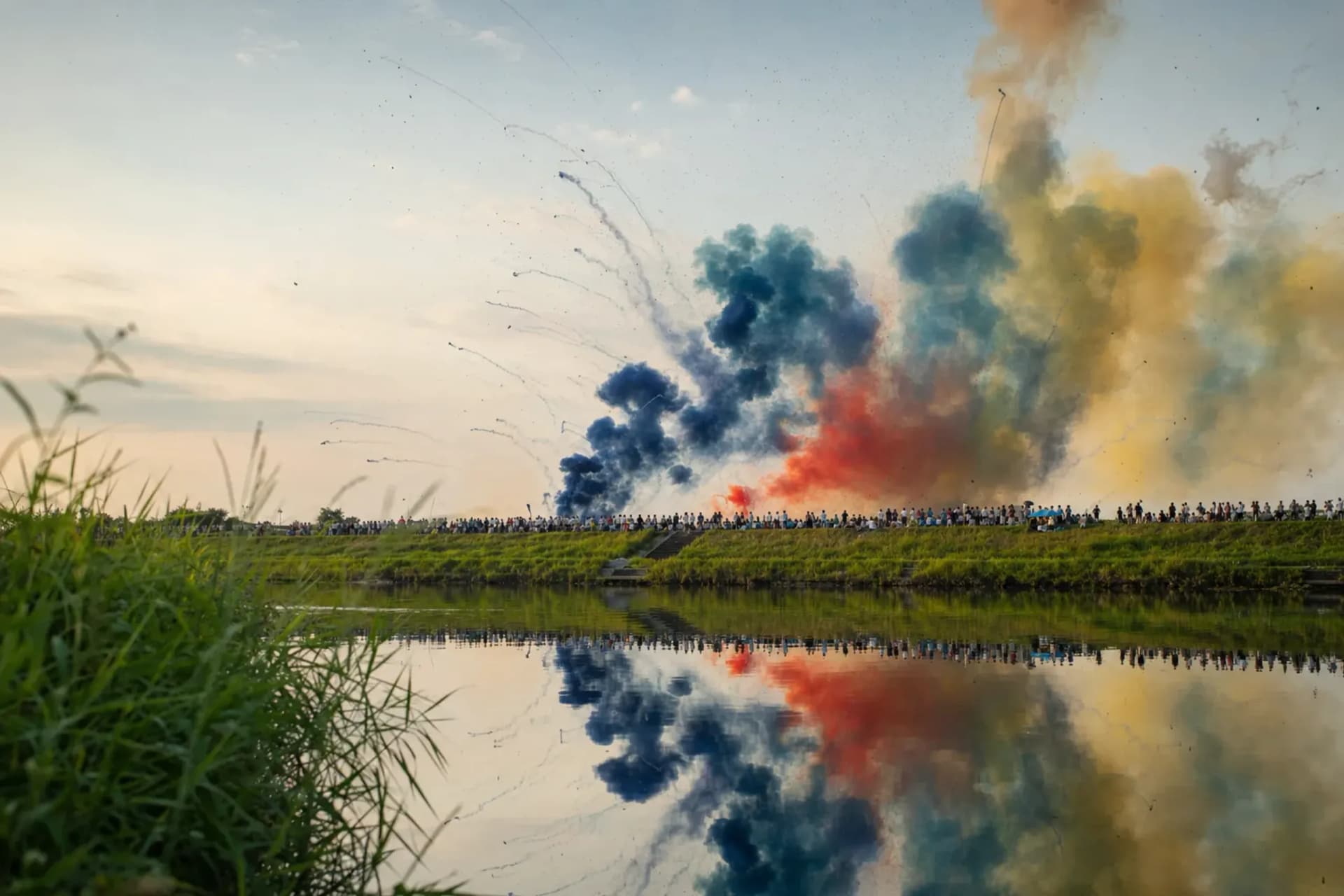
The first shells go up while the sky is still pale. Not the dark you expect. A late-August afternoon over the Omono River, the light flat and silvered, and then a soft crack and a bloom of coloured smoke hangs there — red trailing into orange, a chrysanthemum shape held against nothing darker than cloud. The crowd along the riverbank in Daisen, Akita, does not gasp the way crowds do at night. They lean in. They are watching something being judged.
This is the National Fireworks Competition at Omagari, held on the last Saturday of August. At Japan Royal Service we are often asked which summer fireworks a discerning traveller should see. Omagari is our answer when the traveller wants to understand what they are looking at — not simply be dazzled by it.
A Contest, Not A Display
Omagari is a juried competition rather than a show. That single fact changes everything about how you watch it. Firms selected from across Japan each fire a set programme, and a panel of judges scores technique, design, composition, and creativity. The best receive the Prime Minister's Award, among other national prizes.
Think of what that means from the riverbank. Every firm is auditioning. There is no filler, no padding between crowd-pleasers. Each sequence is a considered statement — a thesis in powder and fire — and the pyrotechnician on the far bank is being scored the way a chef is scored, the way a potter's glaze is scored.
Compare that to a festival display.
The daytime round opens while the sky is still bright — shells judged on colour and form, not light.
We wrote separately about Nagaoka's fireworks in Niigata, a vast memorial spectacle built to move a whole city at once. Nagaoka is a display. Omagari is a contest. Both are extraordinary. They ask different things of you.
And then there is the daylight. Tourism sources describe Omagari as the only fireworks competition in Japan to include a daytime round. We state that as their claim, not as settled record — but it is the detail that makes connoisseurs travel here. Fireworks you can see against a bright sky must work in smoke and colour, not in light. It is a harder brief. The firms rise to it.
How Did The Omagari Fireworks Competition Begin?
The event began in 1910 as an attraction at the festival of Suwa Shrine in Omagari, staged as a six-prefecture exhibition of pyrotechnics. It took its present name, the National Fireworks Competition, in 1915.
A little over a century, then, of firms travelling to this one riverbank in Akita to be measured against each other. The competition was interrupted by the Second World War and other events, and has run most years since the resumption — but not every year without exception, and we will not pretend otherwise.
There is no unbroken line to trace. What endures is the format: the same river, the same judging ethos, the same quiet seriousness underneath the colour.
Around 27 to 30 firms are selected nationwide for each competition. Selection itself is an honour. By the time a sequence opens above the Omono River, it has already survived a filter most pyrotechnicians never pass.
The Three Categories, Explained
Omagari judges across three distinct categories. Understand them before you arrive and the whole evening sharpens into focus.
Daytime Fireworks
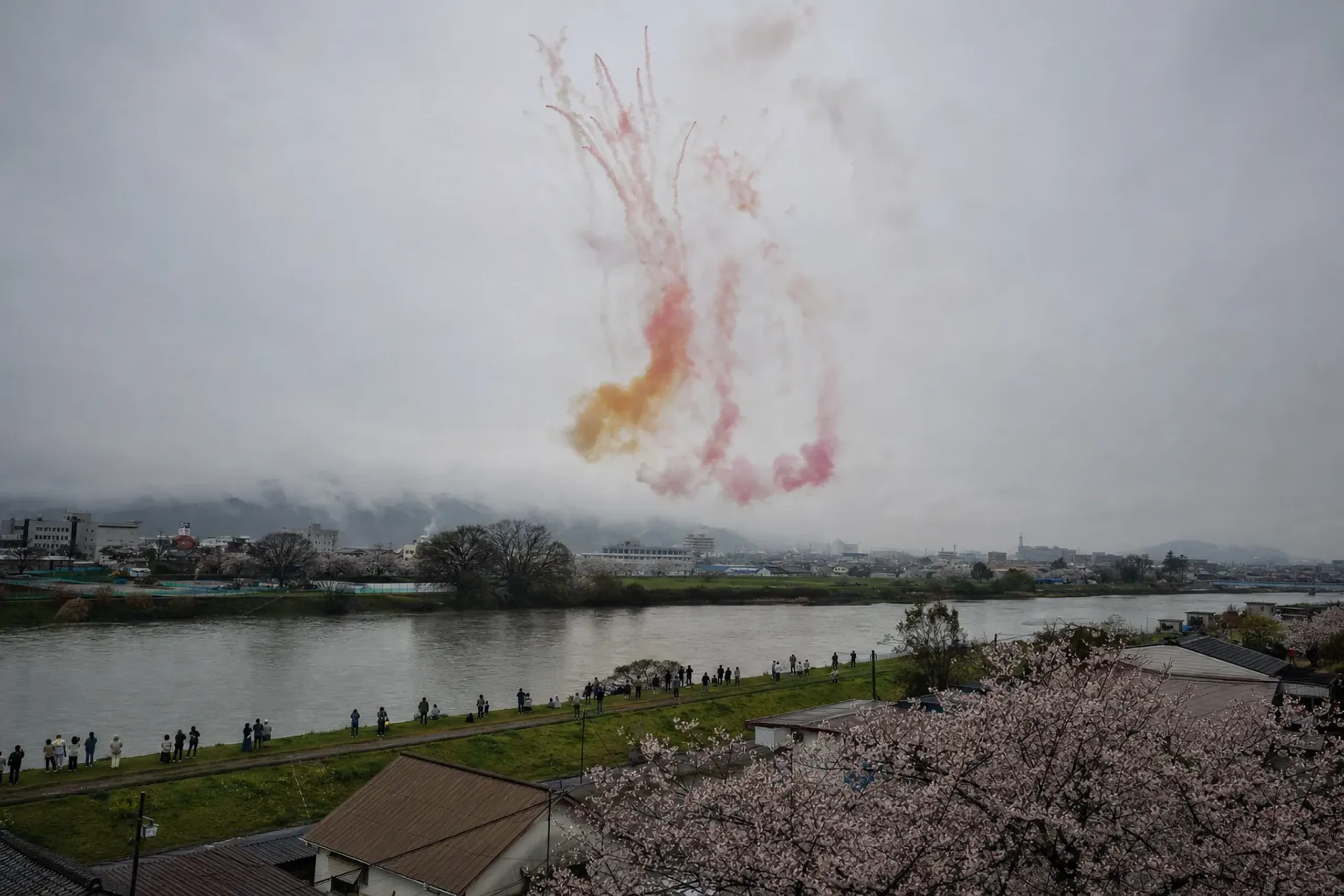
Each firm fires five 5-gō shells, worked in coloured smoke and chrysanthemum-style forms, judged against a pale sky. This is the round that has no equivalent elsewhere. Without darkness to flatter them, the shells must carry on pigment and shape alone — the smoke drifting and dispersing, the pattern holding for a breath before the wind takes it.
Night, 10-gō
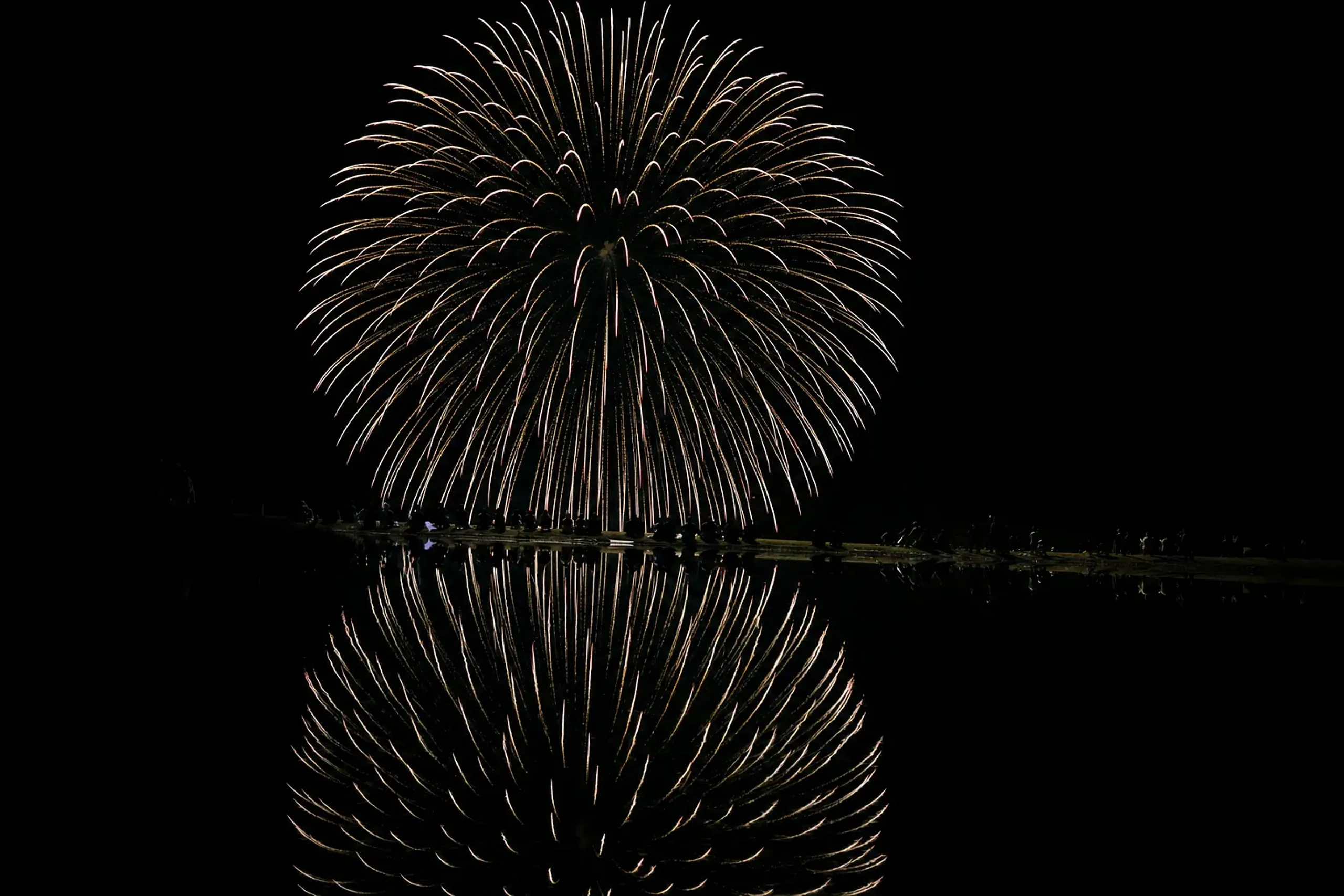
In the night round, each firm fires two 10-gō shells, each about 30 centimetres across. They climb roughly 330 metres and open some 300 metres wide. These are enormous — a single shell filling a quarter of the visible sky, the shockwave arriving a beat after the light. This is the classic register of Japanese hanabi, executed at competition grade.
Creative Fireworks
The creative category sets themed fireworks that break from the round shell form, judged on form, colour, rhythm, and three-dimensionality.
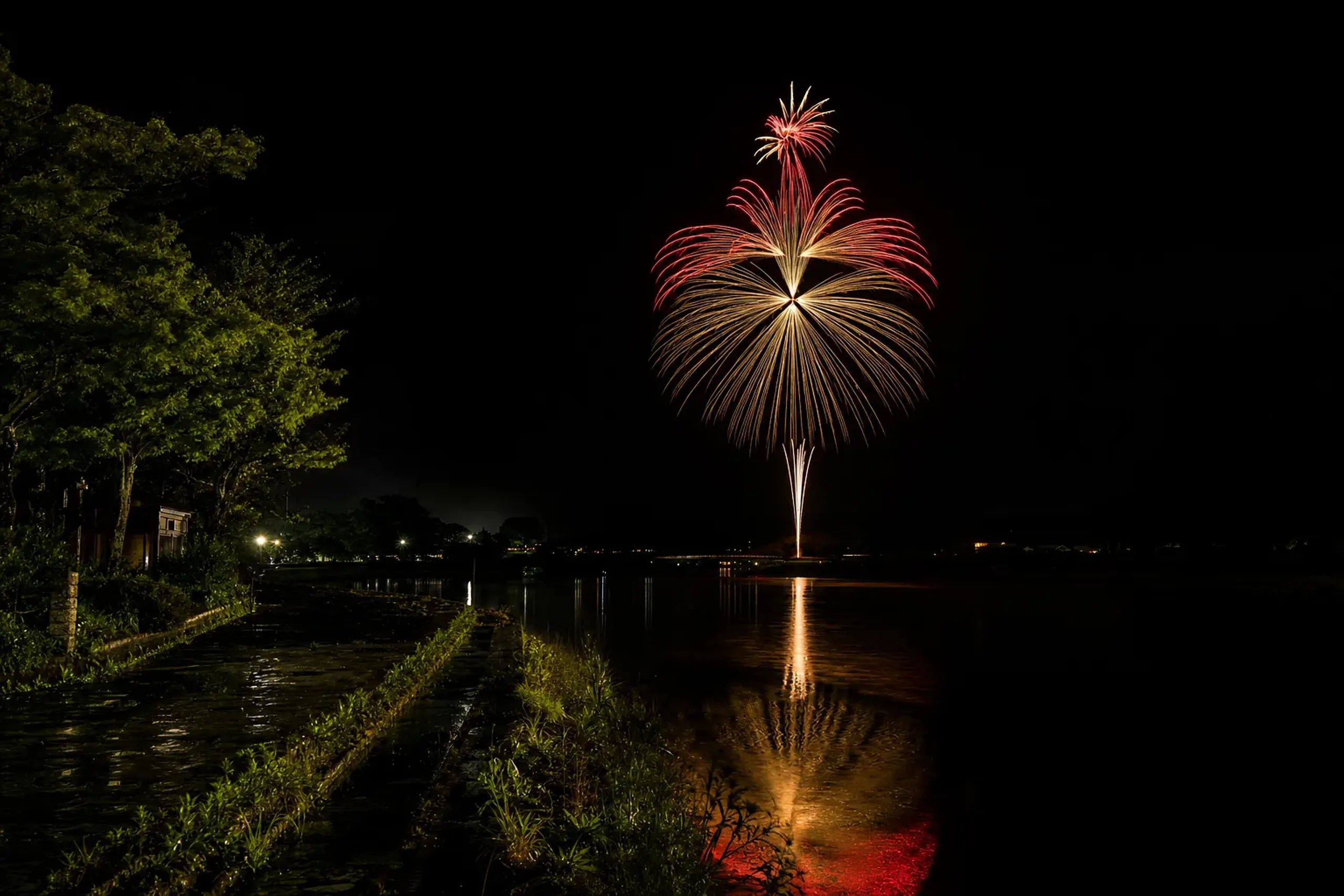
It was introduced here in 1964, said to be a first in Japan — one account credits the former committee chairman, Satō Isao. We state that as one account, not fixed history. Whatever its exact origin, this is where the artistry runs wildest: shapes, sequences choreographed to music, fire that behaves in ways a round shell never could.
How Should You Watch Omagari To Appreciate It?
Watch as a judge would. Score technique, design, composition, and creativity in your own head, firm by firm, and the evening transforms from spectacle into conversation.
Notice how cleanly a shell opens — a perfect sphere, each petal of light reaching the same distance, is a technical feat. Notice colour transitions: does a shell shift from blue to silver crisply, or does it muddy? In the creative round, follow the rhythm against the music. Ask whether the firm built a shape in three dimensions or only in the flat.
You will find yourself picking favourites long before the awards. That is the point. Omagari rewards attention in a way a plain display never does. Our guides, who know the categories and the firms' house styles, sit with guests and translate what is unfolding — turning a beautiful night into an informed one.
What Time Does The Omagari Fireworks Competition Start And End?
Typically the daytime round begins around 17:10, and the night round runs from roughly 18:50 until about 21:30, with a music-synced finale from the organisers near 20:45.
Treat these as typical timings, confirmed each year.
The scale is immense. By organisers' estimates the competition fires around 18,000 shells before an audience of some 700,000 — figures we cite as estimates, not a headcount. This is one of the largest public events in the Tohoku calendar, and that fact governs everything about how a comfortable visit must be planned.
Key fact: This is a very large public event. Paid seating is heavily oversubscribed and lodging near Omagari is scarce. Certainty here is bought with early planning, not luck on the day.
Getting There, And The Practical Shape Of The Day
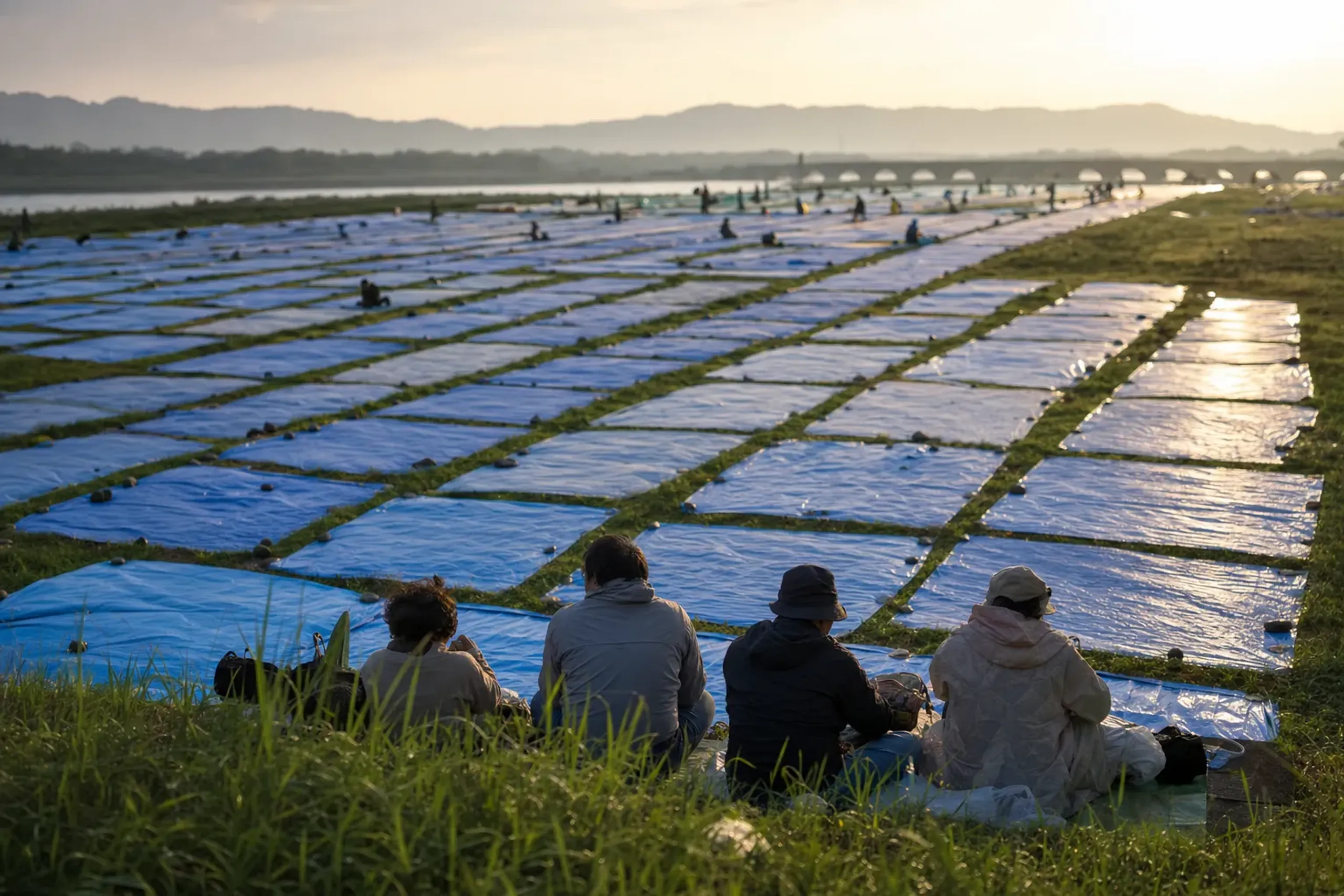
The viewing takes place on the bank of the Omono River, about 2 kilometres from Omagari Station — roughly a 30-minute walk — and about 10 minutes from the expressway exit. The walk from the station is lined with food stalls and festival energy; it is part of the experience rather than a chore to endure.
Two realities shape a high-comfort visit. First, lodging in and around Omagari is limited and fills far ahead, so many refined itineraries use a rail-accessible base elsewhere in Akita and plan the return deliberately. Second, 700,000 people disperse at once when the finale ends, which makes the departure the hardest logistical moment of the night.
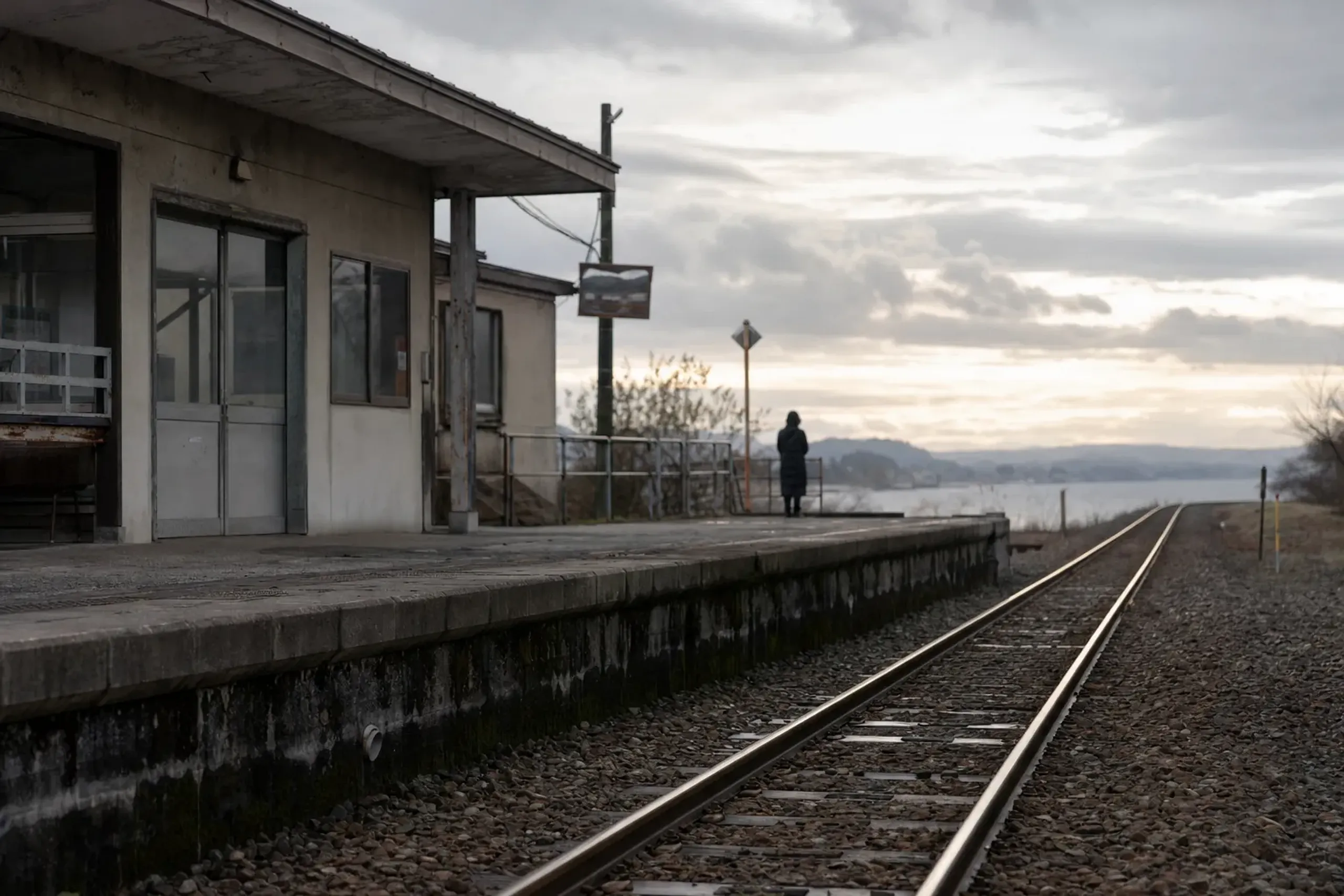
A pre-arranged private chauffeured vehicle staged at a sensible meeting point, rather than a scramble for the last train, is the difference between a graceful exit and a long cold wait.
A free fireworks museum in Daisen, a short walk from the station, makes a worthwhile daytime addition — a way to understand the craft before you watch it judged. For those building a fuller Akita summer, Omagari pairs naturally with the region's other great August events: we have written on the haunting, faceless summer festival calendar that frames all of these dates, and Akita's own Nishimonai Bon Odori and the Kantō lantern festival each reward a visit in their own right.
Is Omagari One Of Japan's Three Great Fireworks Festivals?
Yes — Omagari is counted among Japan's three great fireworks festivals, alongside Nagaoka in Niigata and Tsuchiura in Ibaraki. The grouping is informal, not official.
There is a wrinkle worth knowing. Of the three, Nagaoka is the exception: it is a festival display rather than a judged competition. Omagari and Tsuchiura are both contests. So if what draws you is the competition itself — the judging, the Prime Minister's Award, the sense of watching artistry measured — Omagari sits at the very centre of that tradition. It is, in a real sense, the connoisseur's choice among the three.
Frequently Asked Questions
When is the Omagari National Fireworks Competition held each year?
Omagari takes place on the last Saturday of August, every year, on the bank of the Omono River in Daisen City, Akita Prefecture.
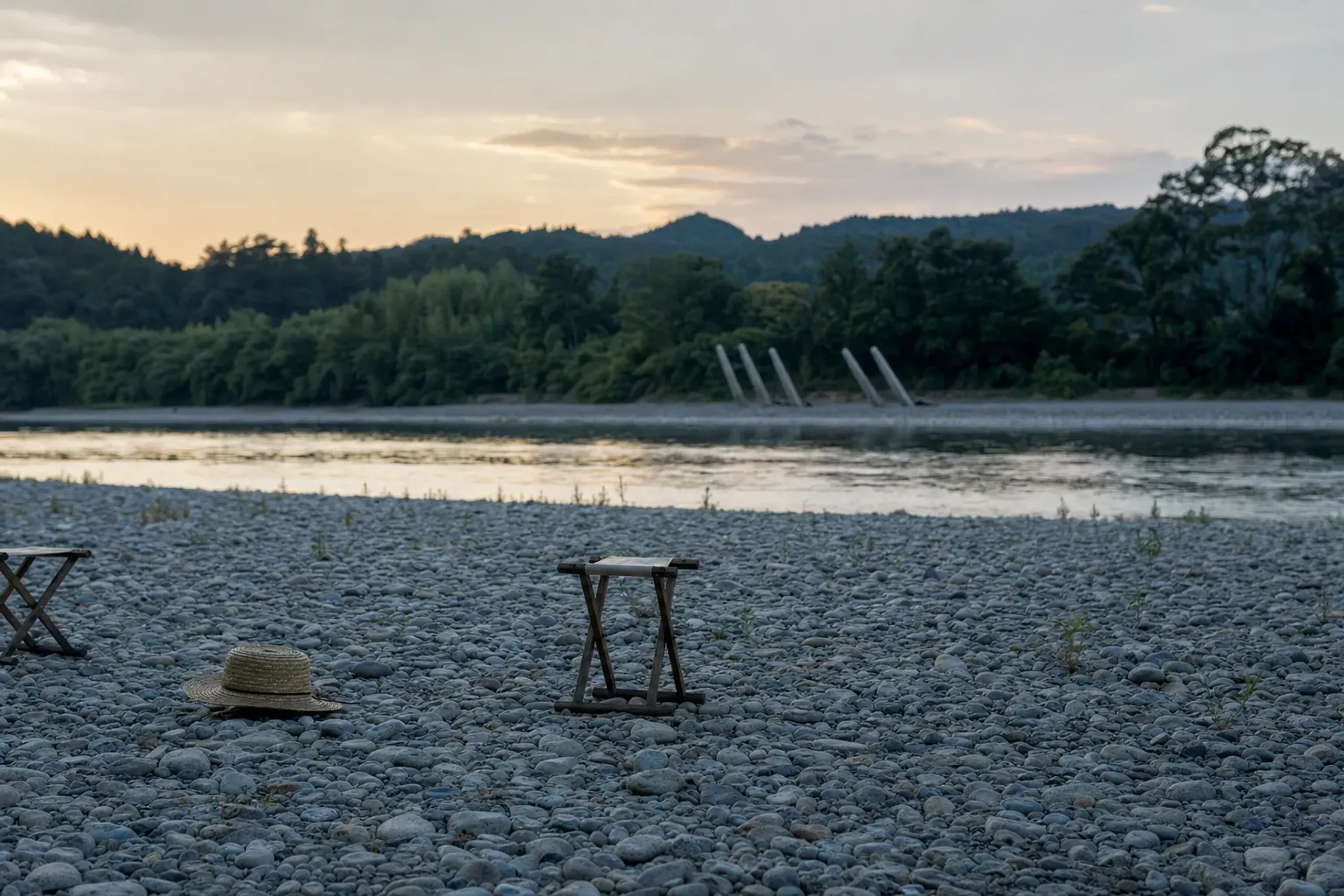
The programme, seating, and exact date should be confirmed each spring, as they shift annually.
What makes Omagari different from other Japanese fireworks festivals?
Omagari is a juried national competition, not a display. Firms from across Japan are scored by judges on technique, design, and creativity, and tourism sources describe it as the only competition in Japan to include a daytime round.
Why does Omagari start in daylight?
Omagari includes a daytime round, beginning typically around 17:10, in which firms fire coloured-smoke and chrysanthemum-style shells judged against a pale sky. Working without darkness is a harder technical brief, which is part of why connoisseurs travel for it.
How difficult is it to attend Omagari comfortably as an international visitor?
It requires planning well ahead. Paid seating is heavily oversubscribed, lodging near Omagari is scarce, and some 700,000 spectators disperse at once after the finale. A pre-arranged transport and base-town strategy removes nearly all the friction.
How big are the night shells at Omagari?
The night round features 10-gō shells about 30 centimetres across. Each rises roughly 330 metres and opens around 300 metres wide — vast enough to fill a quarter of the visible sky from the riverbank.
Why Choose Japan Royal Service
Omagari is a public event, and we are honest about what that means: we do not offer private or exclusive viewing beyond what official paid seating gives any ticket-holder.
What our team at Japan Royal Service provides is certainty and comfort around it. Our concierge verifies the current year's programme, seating options, transport, and lodging on your behalf ahead of the visit — coordinating guiding, transfers, accommodation, and seating through official channels where available.
In our experience, the difference between an exhausting night and a memorable one at an event this size lies entirely in the preparation. A rail-accessible base chosen with the return in mind. A chauffeured vehicle staged for a graceful exit. A guide who can read the categories aloud so you watch as a judge would, not merely as a face in a crowd of 700,000. That cultural depth, paired with a logistics plan that leaves nothing to chance, is what we build around journeys like this one — the kind of quiet, considered planning that lets you simply watch the sky.
To explore Omagari for a future late-August visit, reach our team privately via WhatsApp or LINE, or contact us here, and we will prepare a tailor-made itinerary built around your dates.