In this guide
- 01What Is The Otokuni Bamboo Grove Area, And Where Is It?
- 02How Long Is Take-no-Michi, And Is It Comparable To Arashiyama’s Bamboo Grove?
- 03Why Is Otokuni Quieter Than Arashiyama, Even In Peak Kyoto Seasons?
- 04What Makes A Farmed Bamboo Grove Feel Different Underfoot?
- 05How Do You Get To Take-no-Michi From Kyoto Without Overplanning?
- 06What Else Can You Pair With Take-no-Michi In The Otokuni Area?
- 07Otokuni Vs Arashiyama: Which Bamboo Grove Fits Your Trip?
- 08Practical Tips For A Relaxed Walk On Take-no-Michi
- 09Frequently Asked Questions
- 10Why Choose Japan Royal Service
Arashiyama’s bamboo grove is iconic. It is also crowded, and the walk can feel like a queue. If you want bamboo without the shuffle, there is a better kind of place. Otokuni is a working bamboo-farming landscape southwest of Kyoto City, and it stays noticeably calmer.
What Is The Otokuni Bamboo Grove Area, And Where Is It?
The Otokuni Bamboo Grove area is a bamboo-producing region southwest of Kyoto City that spans Muko City, Nagaokakyo City, and Oyamazaki Town.
This matters because it is not a single “tourist grove.” It is a lived-in, maintained landscape that still has an agricultural purpose. You are walking through someone’s livelihood. Quietly.
In our experience at Japan Royal Service, HNW travelers respond to this difference immediately. The mood is less performative. You hear your own steps.
The Core Idea: A Working Landscape, Not A Backdrop
Otokuni’s bamboo is grown, thinned, and managed. Constantly. That active care is why the groves feel open rather than choked with poles and shadow.
Look down. You will often notice light reaching the ground in a way that surprises Arashiyama-first visitors. The path can stay comfortable even when you are carrying an umbrella.
This is wabi-sabi in the practical sense. Restraint, function, and a kind of plain order. No gilded “Instagram set.”
How Long Is Take-no-Michi, And Is It Comparable To Arashiyama’s Bamboo Grove?
Take-no-Michi in Muko City is about 1.8 kilometers long, and official tourism sources promote it as comparable in scale—and often calmer—than Arashiyama’s bamboo grove.
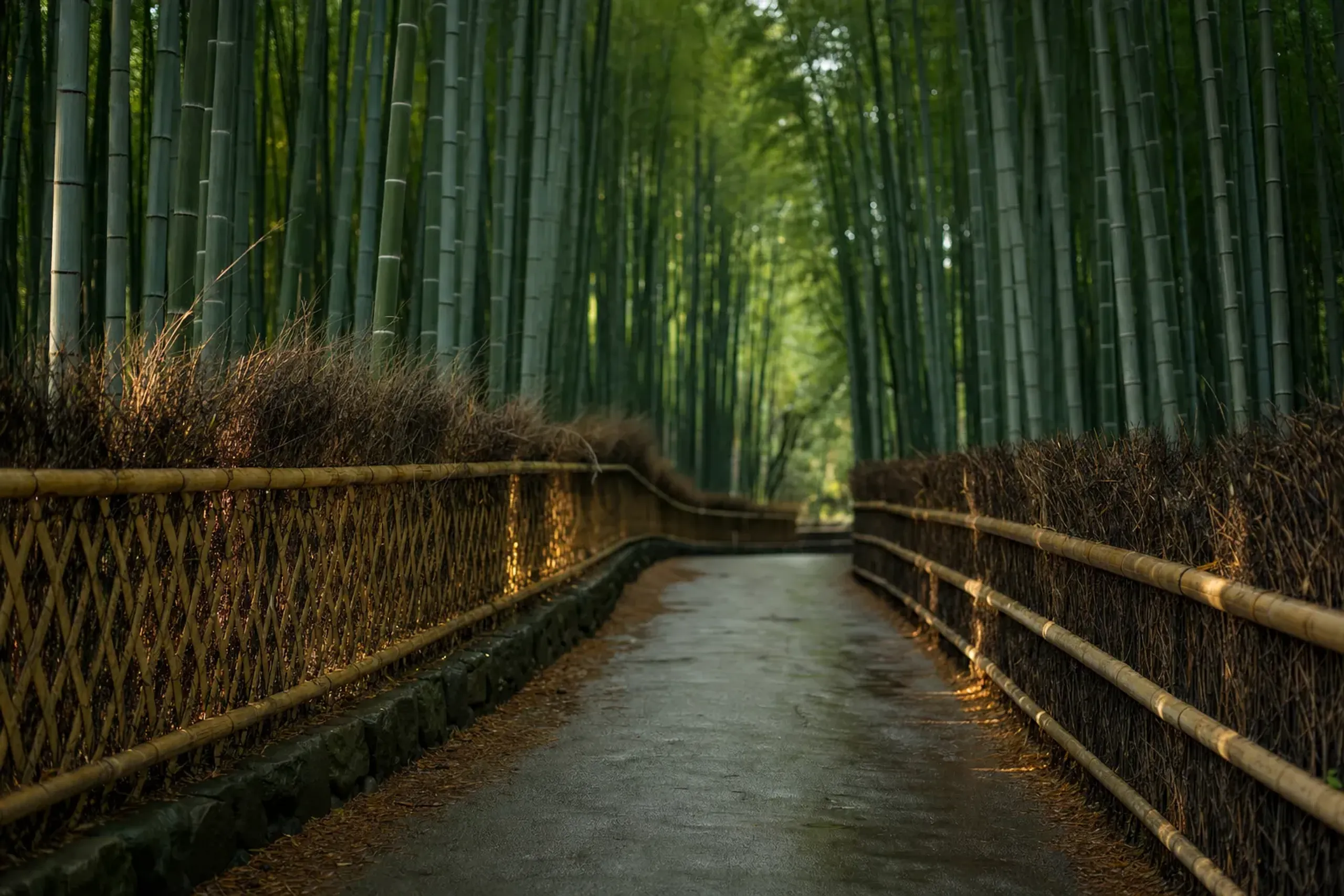
Take-no-Michi (literally “Bamboo Path”) is the centerpiece walk in the Otokuni area. Unlike the narrow, bottlenecked feeling you can get in Arashiyama, this route is broad and well-maintained. You can walk at your own pace. That is the whole point.
Japan National Tourism Organization’s “Another Kyoto” materials describe the route as roughly five times the size of Arashiyama’s bamboo grove. They also note that the path is lined with bamboo fences and hedges made in multiple styles. Those details are easy to miss if you only think “bamboo = photo.”
What You Actually See While Walking
You are not just looking up. You are also reading the edges of the path—bamboo fences, varied textures, the geometry of maintained stalks, and the spacing that only happens when someone is managing the grove as a craft.
This is where shokunin becomes relevant, without speeches about it. Bamboo work in Japan is a practiced culture. The hand shows up in the landscape itself.
Why Is Otokuni Quieter Than Arashiyama, Even In Peak Kyoto Seasons?
Otokuni is quieter because it sits outside Kyoto’s standard tourist circuit, and it functions as an agricultural area rather than a single famous sightseeing icon.
Arashiyama is a “must-do” label in guidebooks. Otokuni is usually a footnote, if it appears at all. That mismatch drives the crowd difference more than any marketing claim.
Multiple independent references consistently describe Take-no-Michi as noticeably calmer than Arashiyama. That aligns with what our concierge team hears from repeat Kyoto visitors: Otokuni feels like a place people still use, not a place people pass through.
Key fact: Otokuni is not “the quiet Arashiyama.” It is a different kind of bamboo experience—longer, more spacious, and shaped by farming rather than foot traffic.
What Makes A Farmed Bamboo Grove Feel Different Underfoot?
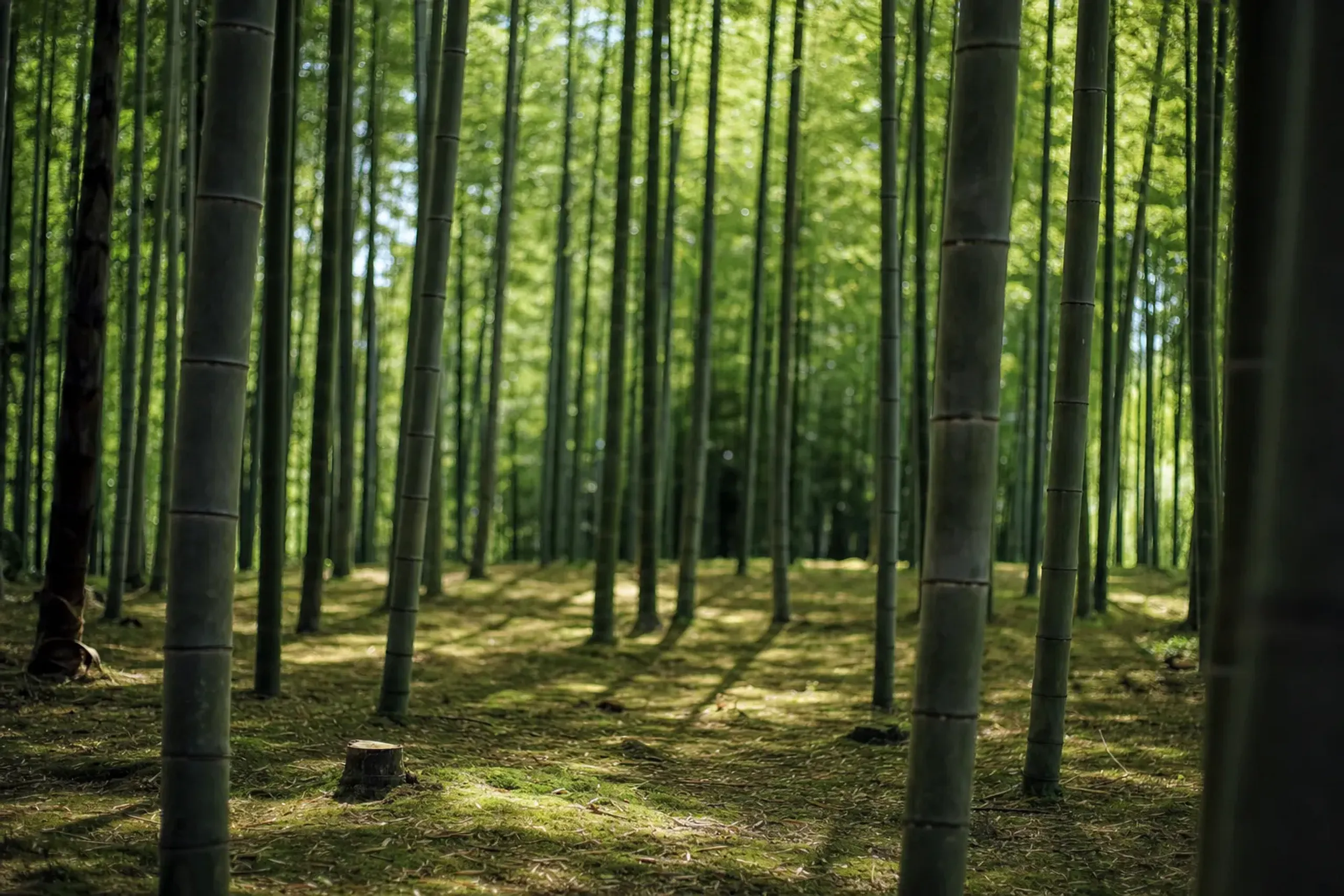
A farmed bamboo grove feels lighter and more walkable because farmers thin and space the bamboo to control growth, let light in, and keep the ground passable.
This is the detail most articles skip. In a working grove, density is managed. Stalks are spaced with intent, which changes the sound, the brightness, and even your sense of distance.
You also notice practical design choices. The path is wide enough for relaxed walking, family visits, and cycling. It is not a single-file corridor where every pause becomes friction.
Wabi-Sabi Without The Sales Pitch
Otokuni has an honest plainness. A mossy edge here, a scuffed fence there. It is not trying to impress you.
That restraint is exactly why it appeals to travelers who have already “done Kyoto.” The pleasure is in what is left out. The absence of noise is part of the experience.
How Do You Get To Take-no-Michi From Kyoto Without Overplanning?
You can reach Take-no-Michi via rail access to the Otokuni area, including approaching from Higashimuko Station as described in official “Another Kyoto” guidance.
We avoid publishing step-by-step timing claims in public copy because small details change—line choice, walking comfort, weather, and where you want to begin the route. What we can say clearly is that the access is straightforward by train, and it is realistic as a half-day or day extension from Kyoto.
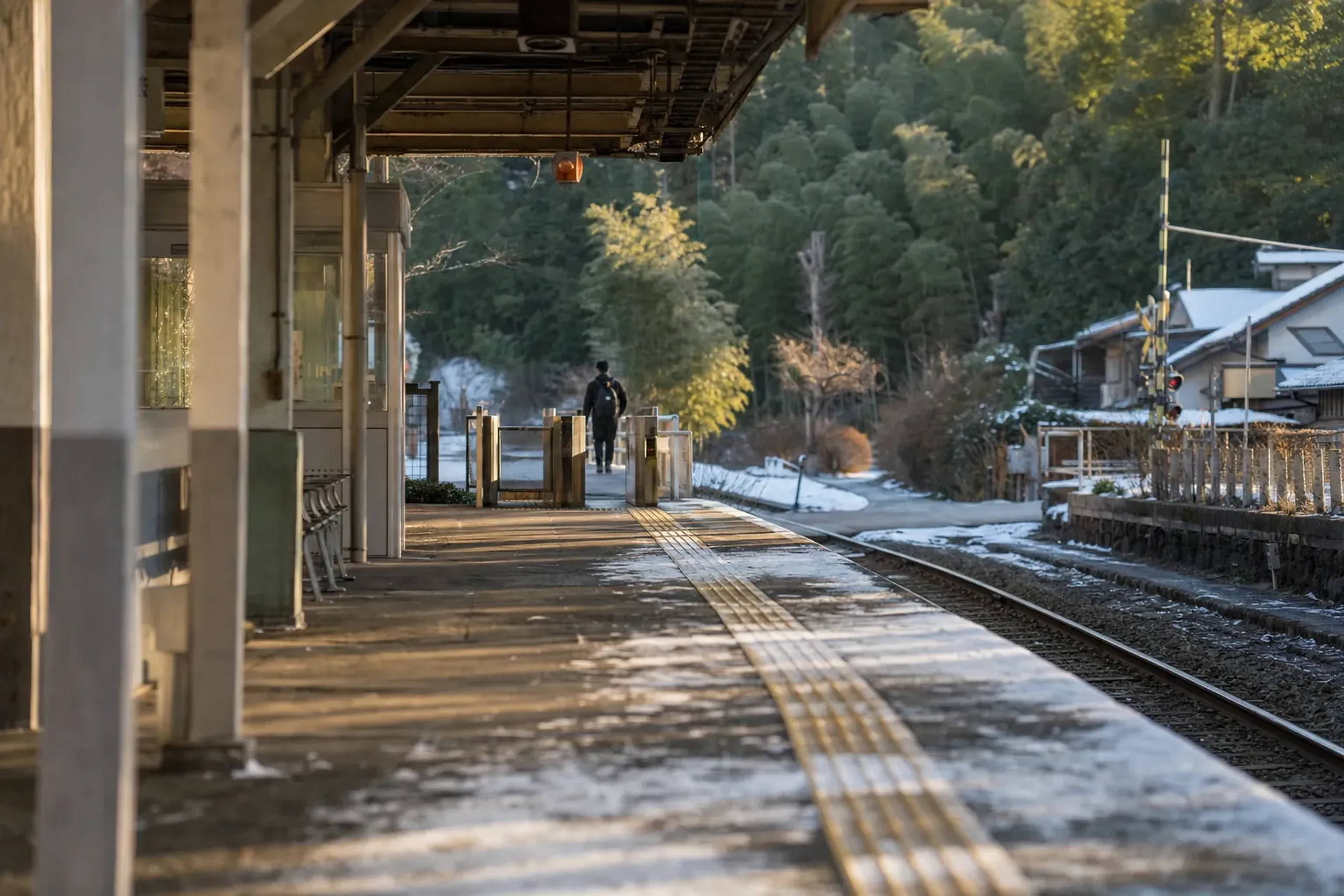
If you are traveling with family, carrying camera gear, or simply want the day to stay quiet, private transportation changes the texture of this outing. Fewer transfers. Less mental overhead. More time walking.
A Simple Way To Structure The Walk
Keep the bamboo walk as the anchor. Then add one other stop in the wider Otokuni area, so the day has shape without becoming a checklist.
That is also how we keep things discreet. A calm sequence. No public rushing.
What Else Can You Pair With Take-no-Michi In The Otokuni Area?
The wider Otokuni area includes additional cultural sites that pair naturally with Take-no-Michi, including Rakusai Bamboo Park in Muko City and temples and shrines in nearby Nagaokakyo.
Japan-Guide notes that Rakusai Bamboo Park sits about halfway along Take-no-Michi, with a small network of walking trails and many bamboo varieties. It is a good reset point. Short. Easy.
For a seasonal temple visit, Yanagidani Kannon (Yokoku-ji Temple) in Nagaokakyo is widely promoted in Otokuni tourism materials. It is especially known for hydrangea season and hanachozu (flower-filled purification basins) during themed periods such as Hydrangea Week listings. If that is your interest, our team at Japan Royal Service will confirm current on-site details privately at the time you plan.
Keep The Day Quiet On Purpose
This area rewards a slower pace. One long bamboo walk. One cultural stop.
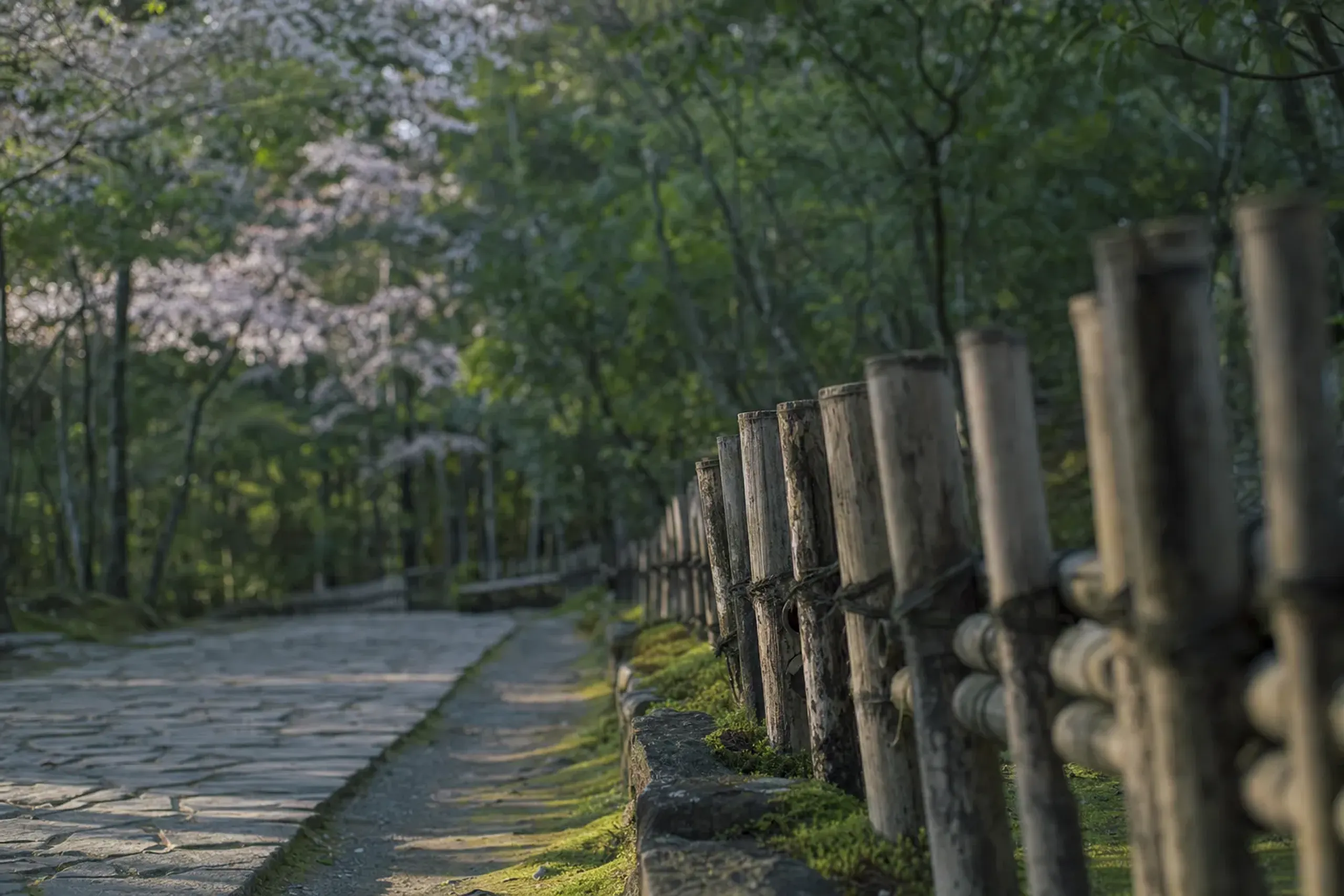
Then lunch in a calm setting.
If you try to turn it into “Kyoto highlights,” you lose the reason you came. Fast.
Otokuni Vs Arashiyama: Which Bamboo Grove Fits Your Trip?
Choose Otokuni for a spacious 1.8 km bamboo walk in a working farming landscape; choose Arashiyama if you want Kyoto’s most photographed grove plus major nearby temples in the same district.
Some travelers should still go to Arashiyama. If you want that specific image—the tight corridor of soaring bamboo beside Kyoto’s busiest riverfront area—Otokuni will not replace it. It is not trying to.
But if your real goal is to walk through bamboo at a human pace, Otokuni fits better. It is also a strong option for repeat Kyoto visitors who want something grounded, not famous.
| Decision Point | Otokuni (Take-no-Michi) | Arashiyama Bamboo Grove |
|---|---|---|
| Core character | Working bamboo-farming landscape across multiple municipalities | Iconic sightseeing grove in a major tourist district |
| Walking scale | About 1.8 km route (Take-no-Michi) | Shorter grove walk within Arashiyama area |
| Crowd feel | Commonly described as calmer | Often busy, especially in peak Kyoto travel periods |
| Best for | Slow walking, photography without pressure, families, repeat visitors | First-time Kyoto icons, nearby temple-and-riverfront pairing |
A Note On Competitor “Secret Arashiyama” Messaging
Some luxury operators keep the crowd-avoidance story inside Arashiyama, with “backroads” positioning. Scott Dunn’s Kyoto content, for example, still anchors bamboo in Arashiyama and sells an Arashiyama backroads tour that includes walking through the famous bamboo forest.
That is a valid approach if you must stay in Arashiyama.
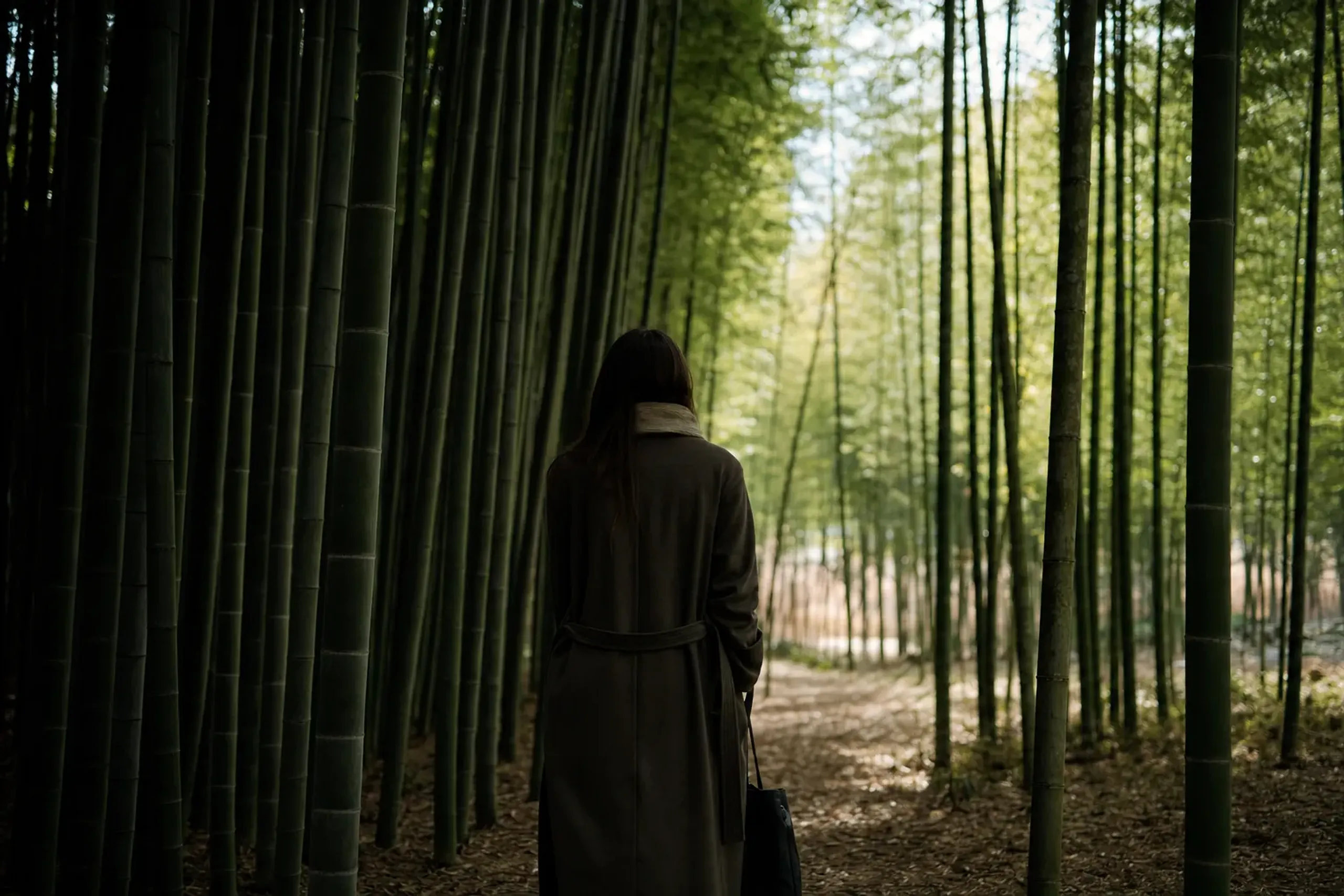
Otokuni is a cleaner solution if your priority is the bamboo walk itself, not the label on the map.
Practical Tips For A Relaxed Walk On Take-no-Michi
Take-no-Michi is wide and well-maintained, so your comfort is mostly about pacing, footwear, and how you want to experience the path.
Wear shoes meant for steady walking. Not delicate soles. Bring a light layer, even on bright days, because bamboo shade can cool the air quickly.
And plan to stop. Often. The best moments are small: a break in the stalks, a glimpse of the working edge of the grove, the soft percussion of bamboo in wind.
Discretion: How To Keep The Day Yours
For many HNW travelers, the issue is not just crowds. It is exposure. Photos, attention, noise.
Our team at Japan Royal Service plans Otokuni days with discretion in mind: quieter movement, less lingering at obvious pinch points, and a steady rhythm that does not advertise your presence.
Frequently Asked Questions
Is Take-no-Michi Really A Good Alternative To Arashiyama For Bamboo Photos?
Yes—Take-no-Michi is a strong alternative because it offers a long, spacious bamboo route in a working landscape, often with a calmer feel than Arashiyama.
You get more room to compose. Less pressure from people behind you. The visual language is different, too: more fences, more agricultural order, less “single famous corridor.”
Where Exactly Is Otokuni In Kyoto Prefecture?
Otokuni is an area southwest of Kyoto City spanning Muko City, Nagaokakyo City, and Oyamazaki Town.
Take-no-Michi, the best-known walking route, is in Muko City.
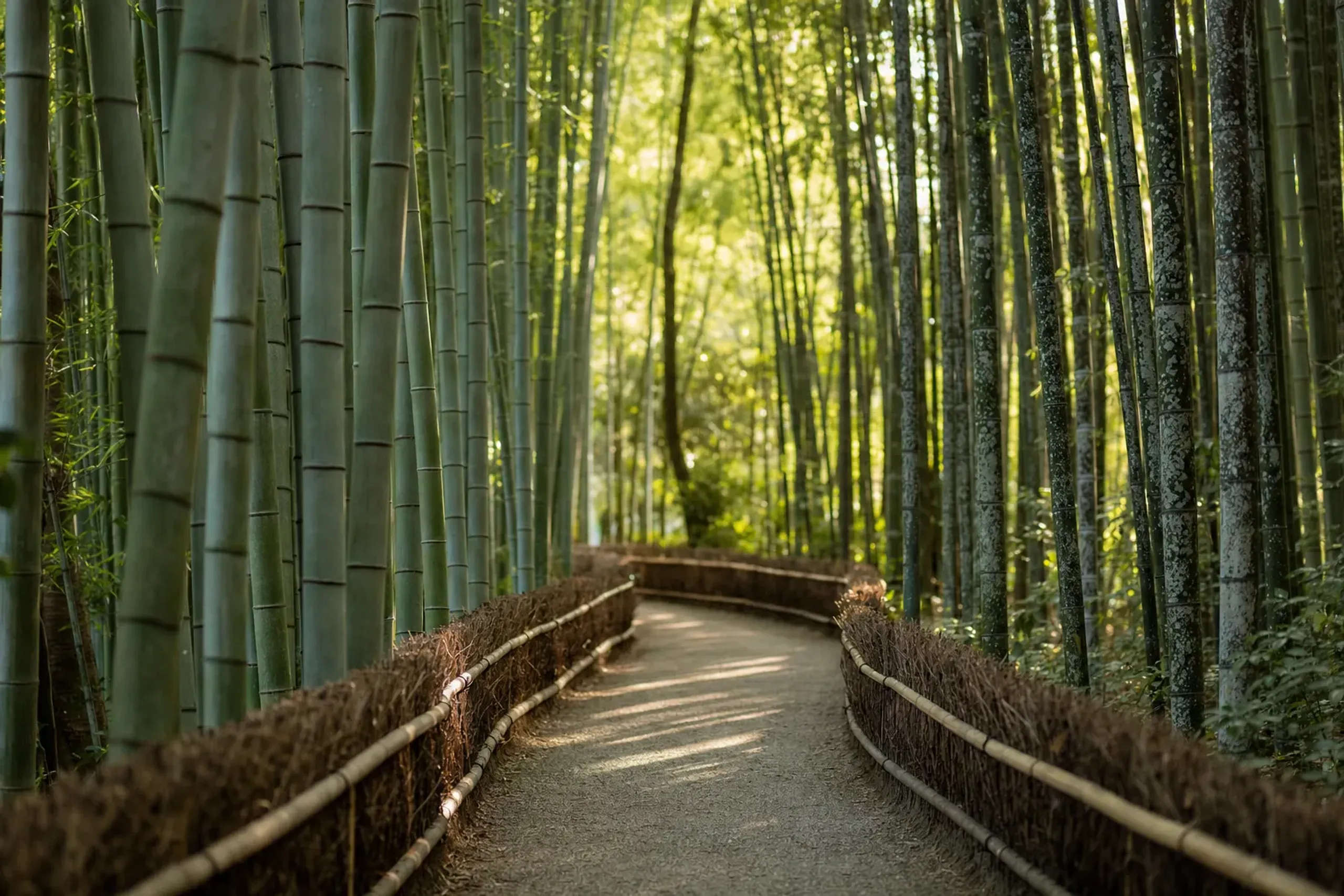
The broader area is also promoted through official “Another Kyoto” channels as an alternative side of Kyoto.
Can I Combine Take-no-Michi With Rakusai Bamboo Park In One Outing?
Yes—Rakusai Bamboo Park sits about halfway along Take-no-Michi, and it is commonly visited as part of the same walk.
Japan-Guide describes it as having a small network of trails and many bamboo varieties. It works well as a mid-walk change of scenery.
What Is Yanagidani Kannon Known For, And Is It Near Otokuni?
Yanagidani Kannon (Yokoku-ji Temple) in Nagaokakyo is known for hydrangea season and hanachozu during themed periods such as Hydrangea Week listings.
If you want to pair bamboo with a seasonal temple visit, it is one of the most frequently cited Otokuni-area options. Our concierge team confirms up-to-date details privately when you plan.
Why Choose Japan Royal Service
Japan Royal Service approaches Otokuni the way the area asks to be approached: quietly, precisely, and with respect for a working landscape.
We build a tailor-made itinerary that places Take-no-Michi inside a Kyoto day that still feels unhurried, and we keep discretion as the non-negotiable baseline. If you are also considering other calm, culture-first detours, our temple and heritage guides can help you compare options, such as Nikkō Tōshō-gū for carving symbolism or Hōryū-ji for early Japanese architecture.
For private coordination of transport, a guide, and dining in the Otokuni area, reach our team privately via WhatsApp or LINE, or contact us here.