In this guide
- 01Sapporo In Summer: What The Weather Really Feels Like In July And August
- 02When Are The Odori Park Beer Gardens In Sapporo, And Where Are They Located?
- 03What Is The Hokkaido Bon Odori In Sapporo, And What Should You Expect?
- 04A Simple Two-Day Rhythm: Green Sapporo By Day, Odori Park By Night
- 05The Quiet Luxury Angle: Why Sapporo Suits Wabi-Sabi Summer Travel
- 06Early-Summer Note: Hokkaido Jingu Festival And Yosakoi Soran
- 07Getting To Sapporo And Moving Around The Center
- 08How We Plan A Sapporo Summer Stay For Discreet, High-Comfort Travel
- 09Frequently Asked Questions
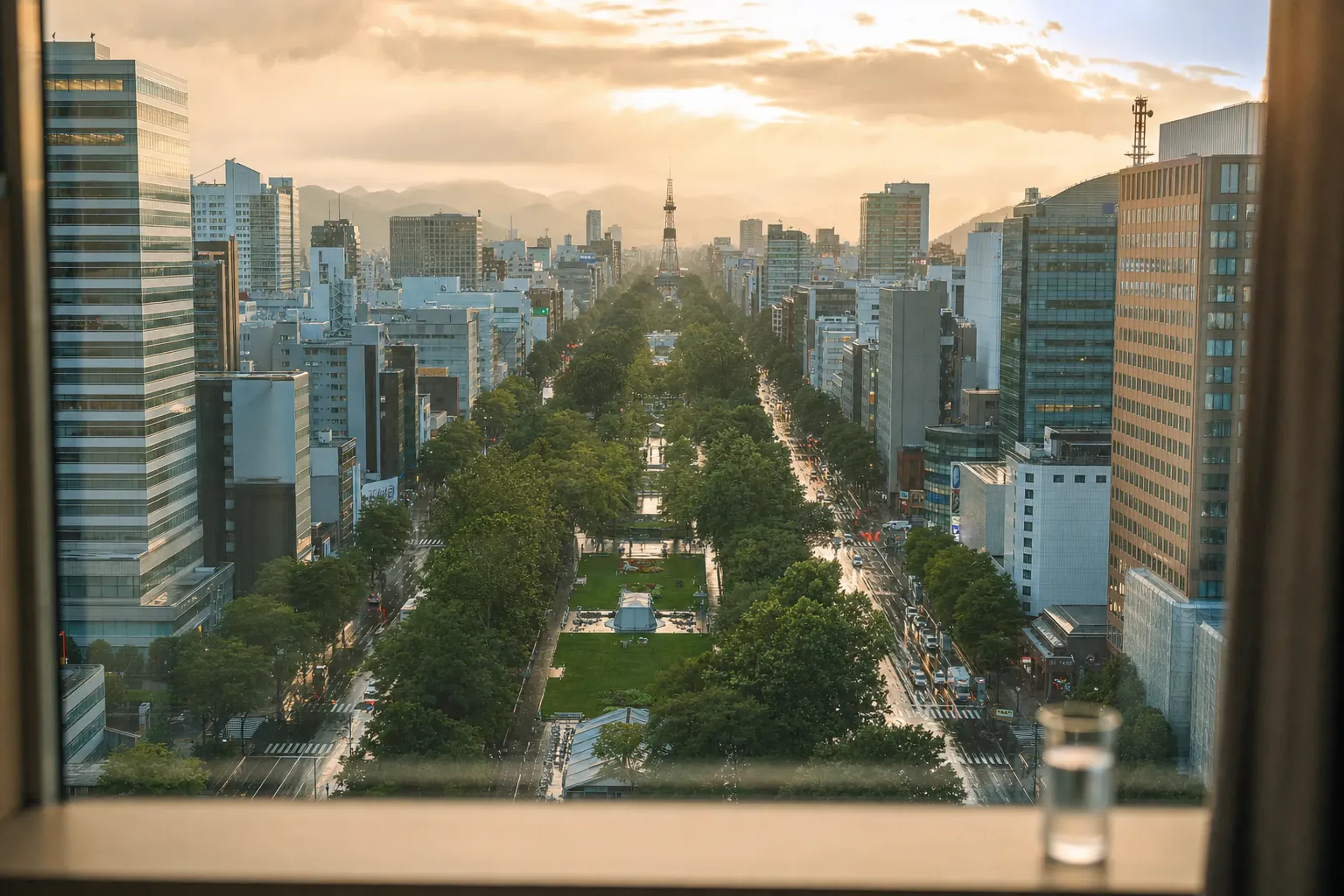
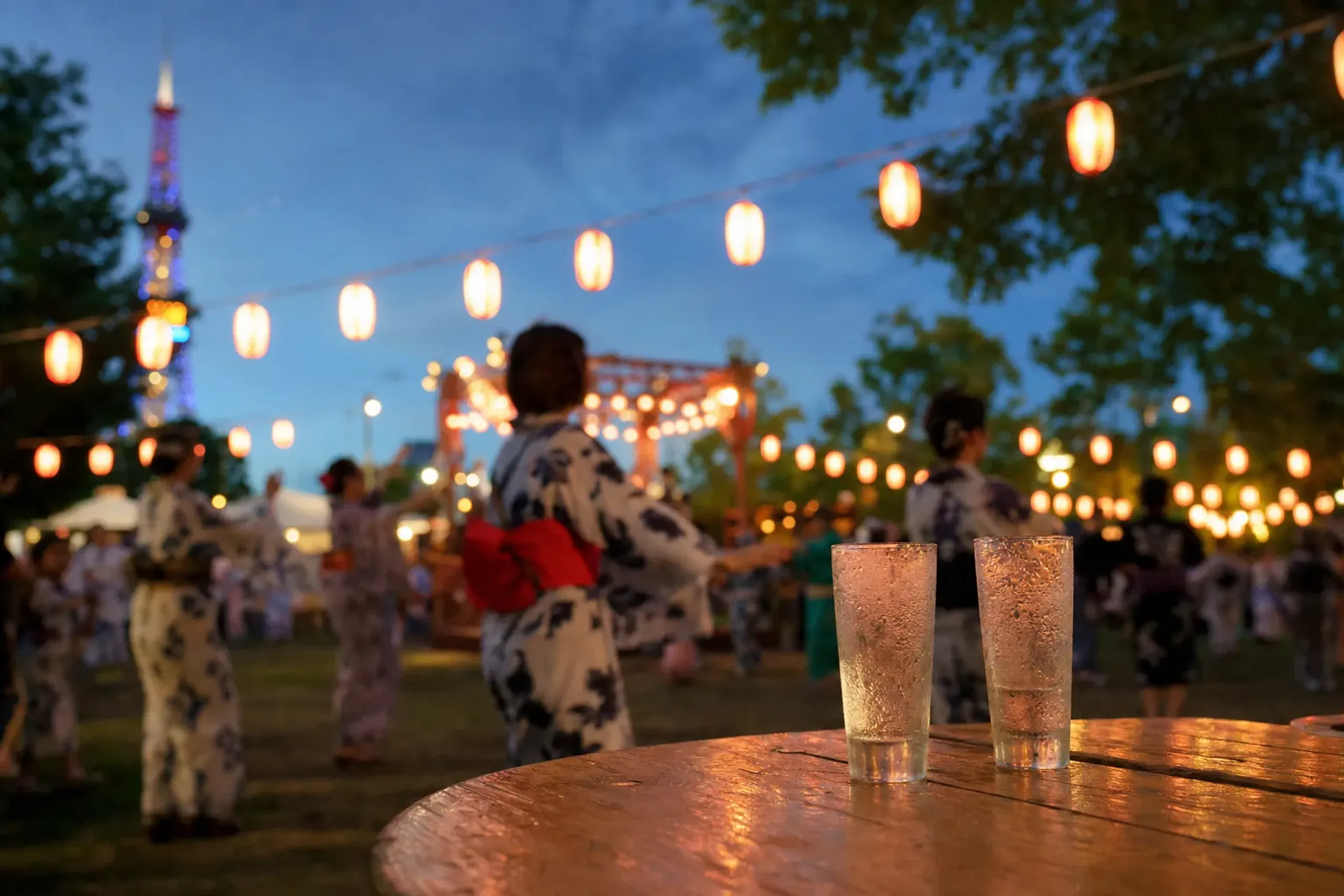
Dusk falls late in Sapporo in July. Odori Park stretches out like a long, green corridor—West 1 to West 12 chome—about 1.5 km of benches, trees, fountains, and people easing gently into the evening.
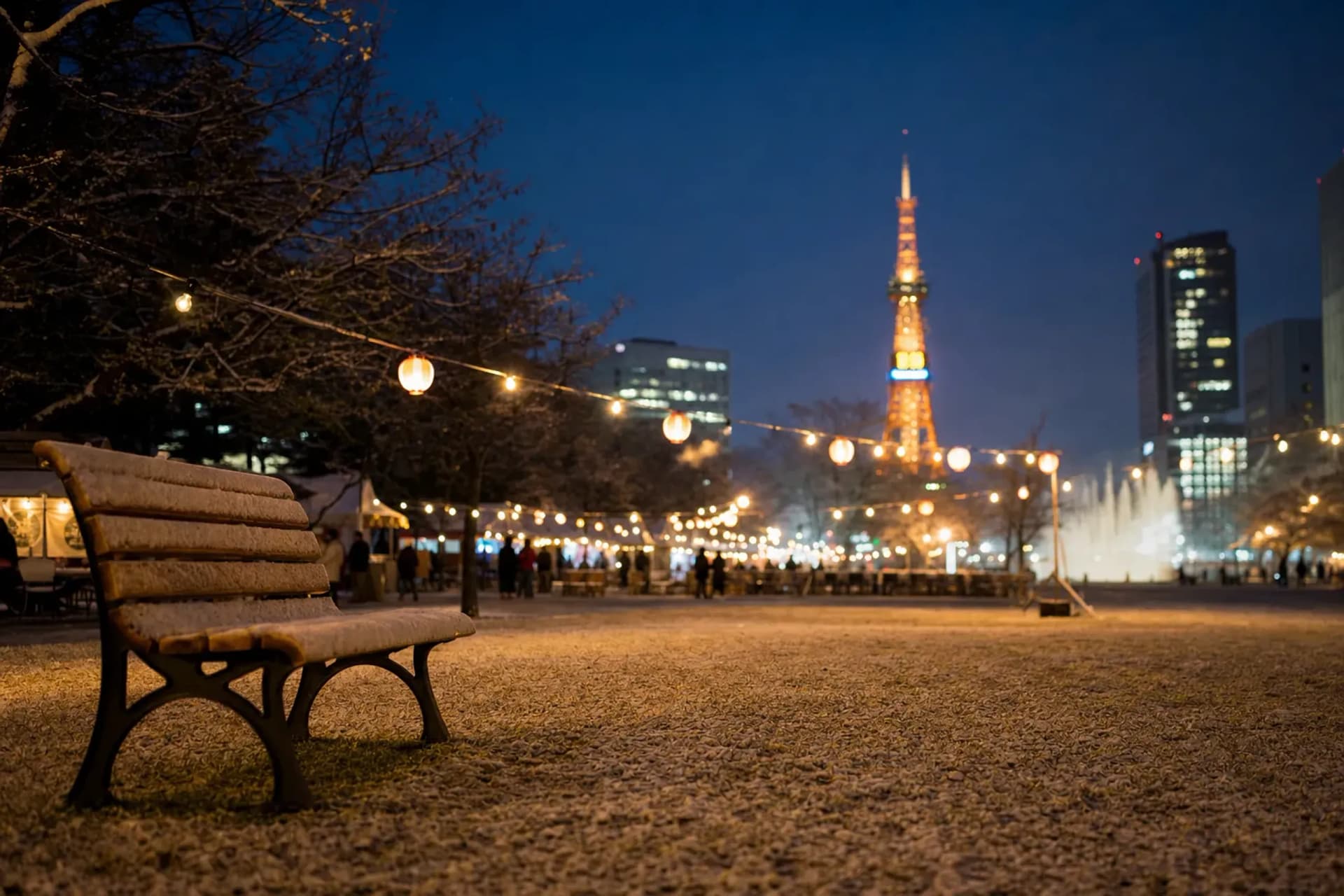
Then the mood shifts. Tables appear under the branches. Paper-lantern light gathers in soft pools. You hear the small scrape of chairs on pavement, and the steady, social hum that tells you the city has decided to stay out a little longer.
This is Sapporo in summer at its most legible. Not a mountain retreat. Not a transit stop. A gracious northern city with a public festival running for about three and a half weeks, and a rhythm you can plan around with precision.
Our team at Japan Royal Service uses Sapporo’s summer fixtures to build calm, well-timed days: green-season sights by daylight, Odori Park at dusk, and a clear, unhurried route back to your hotel when the drums fade and the lanterns dim.
Sapporo In Summer: What The Weather Really Feels Like In July And August
Sapporo in July and August is noticeably cooler than Tokyo or Osaka, but it is not dry, and rain is simply part of the normal pattern here.
Japan Meteorological Agency normals (1991–2020) put Sapporo’s average daily high at about 25–26°C and the average low around 18–19°C. That gap between day and night matters enormously. It is the reason Odori Park feels so comfortable after dinner, even when the afternoon carried a little heat.
Humidity is still real, however—around 75% in both months, on average.

The common misstep is packing only “cool-climate” clothing and assuming you will never feel muggy. You will, occasionally; dress in light, breathable layers instead.
Rainfall also rises from July into August. July averages 90.7 mm; August averages 126.8 mm. The remedy is simple. Bring a light rain layer, and your schedule stays intact regardless of the sky.
One more planning truth helps enormously. The JMA does not recognize a mainland-style rainy season in Hokkaido. So your July calendar is less “rainy season vs. not.” It is more “summer weather, with showers and changeable skies”—a distinction that frees you to plan with confidence rather than anxiety.
When Are The Odori Park Beer Gardens In Sapporo, And Where Are They Located?
The Odori Park beer gardens run for about three and a half weeks from late July to mid-August, usually spread between Odori West 5 and West 11 chome.
In the 2026 example schedule published by Sapporo’s official tourism channels, six Odori Beer Gardens operated from Thursday 23 July to Tuesday 18 August 2026 (27 days). The listed locations were Odori West 5, 6, 7, 8, 10, and 11 chome. West 9 was not listed that year.
Those blocks matter because Odori is long. If your hotel sits near Odori Station, the walk is easy—but “easy” still shifts depending on which chome you want for a given night, and that small detail is exactly the kind of thing worth settling in advance.
Keep one rule in mind: the festival’s executive committee announces each year’s details closer to the date. In our experience, the wise move is to decide your travel window first, then confirm the published chome list and dates once the official announcement is live.
What Is The Hokkaido Bon Odori In Sapporo, And What Should You Expect?
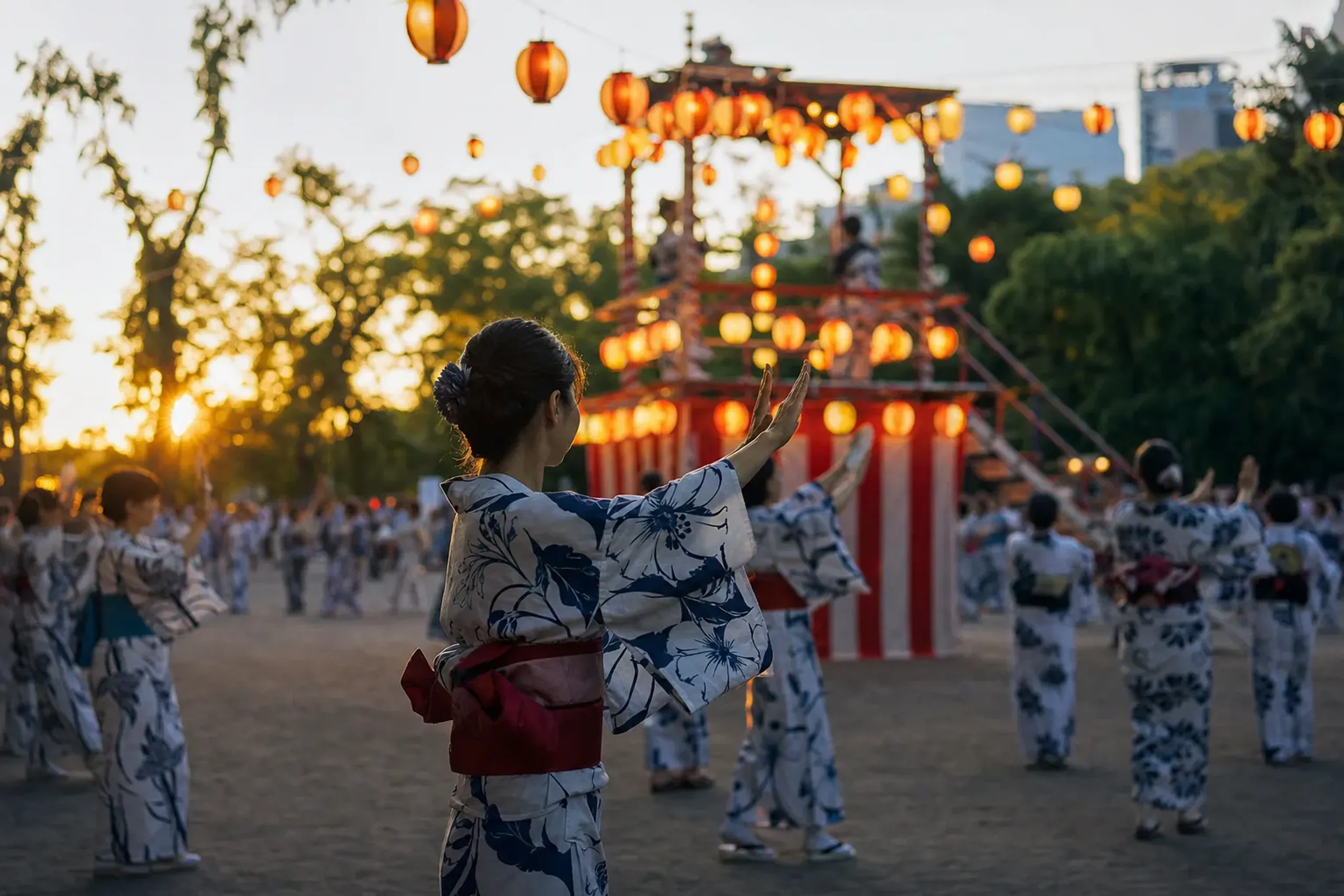
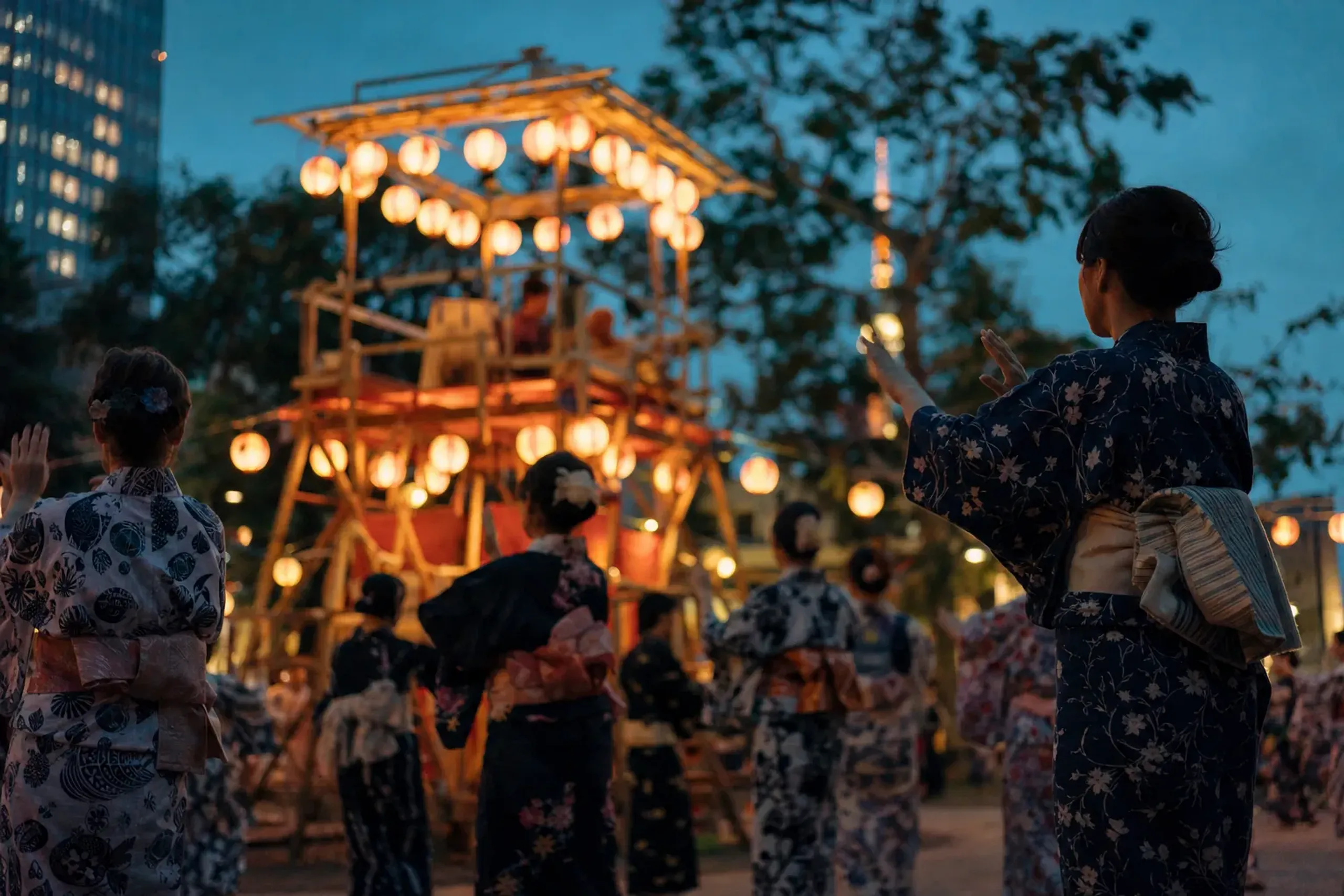
The Hokkaido Bon Odori is a public Bon dance held in Odori Park in mid-August, with music and simple dance circles that visitors can join respectfully.
In the 2026 example schedule, it ran Thursday 13 to Sunday 16 August 2026 at Odori West 2 chome. The official festival notes record that a Bon dance has been held since the very first Sapporo Summer Festival in 1954, and that it has since become a favorite with international visitors.
Bon odori is not a performance you sit back and “watch” like a show. It is closer to a shared neighborhood ritual, scaled up to the size of a city. People step in and out of the circle, copy the movements, and laugh gently when they miss a turn. The point is participation—joining in without taking over.
Wear something you can move in. Keep your voice low near the dance circle. And if you wish to photograph, do so with restraint; close-up faces are personal, even in a public park. That quiet discretion is, in its own way, part of the pleasure.
If your trip falls in the same period, you may also encounter companion summer events across the city.
In 2026, the Tanuki Festival in Tanukikoji ran 23 July to 18 August, and the Susukino Festival ran 6 to 8 August. Think of these as extra texture, not required stops.
A Simple Two-Day Rhythm: Green Sapporo By Day, Odori Park By Night
Sapporo rewards a plan that refuses to sprint. Good. You are not here to collect landmarks like badges.
We usually frame July and August as two linked experiences: daylight spent among open-air, green-season sites, then a calm transition into the evening in Odori Park. The distance between them is short, but the feeling changes completely as the light softens.
Below is a practical rhythm you can use as a template. Adjust the order to taste. Keep the pacing.
Day 1 (Afternoon Into Night): Odori Park Walk, Then Beer Gardens
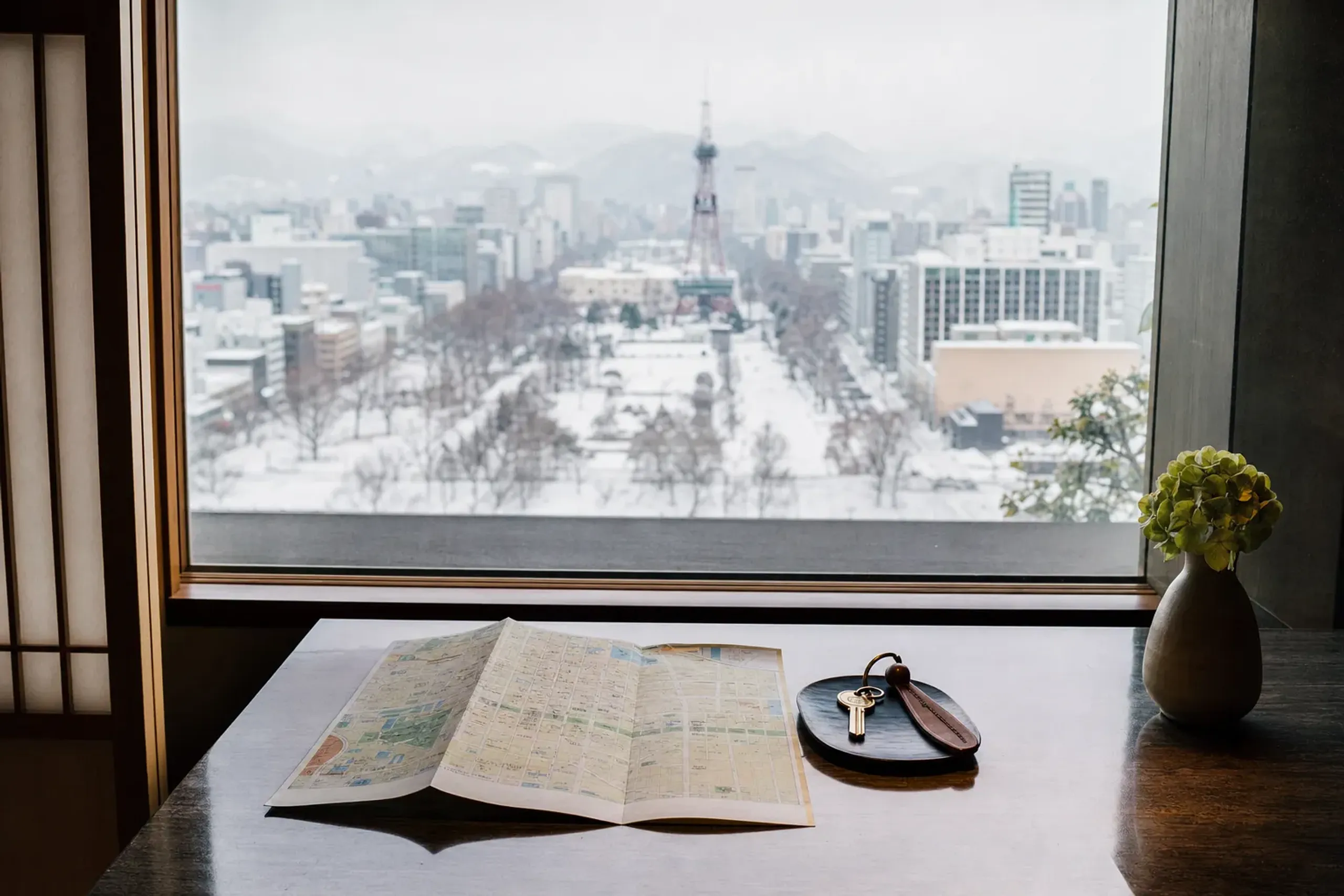
Begin with a slow walk through Odori Park itself—treating it as a place in its own right, not merely the festival venue. West 1 to West 12 chome is a long green line. Take it in unhurried sections.
As evening approaches, drift toward the beer garden blocks that match your energy. The park’s atmosphere is casual, but your night unfolds far better when the logistics are precise: where you enter, where you sit, and how you return without ever feeling rushed.
Our concierge team can provide tailored guidance and, when requested, an English-speaking cultural interpreter guide to explain what you are seeing and how the festival fits into Sapporo’s modern settlement history.
Quiet context, offered in the spirit of omotenashi. No lecture.
Day 2 (Morning To Late Afternoon): Parks, Views, And A Few Icons
Give the day to Sapporo’s green season. Not “bucket list” green. Real city green—parks, gardens, and wide northern skies that feel entirely different from Honshu.
- Moerenuma Park: an art park designed by the sculptor Isamu Noguchi, where land and geometry read like a single composition in the wabi-sabi spirit of restraint. Check the park’s hours before you go.
- Hokkaido University Botanic Garden: a calm, leafy pause close to the center; check the current season’s hours and closing day.
- Mt. Moiwa Ropeway: a classic way to read the city’s shape from above. It can close in rough weather and for periodic maintenance, so confirm with the operator before traveling. One common approach is the streetcar to Ropeway-iriguchi, then about a 10-minute walk or a free shuttle.
- Sapporo Clock Tower: built in 1878 as the drill hall of Sapporo Agricultural College. It is about a 5-minute walk from Odori Station, and admission is required.
- Former Hokkaido Government Office (Red Brick): reopened after renovation on 25 July 2025. It is a satisfying exterior stop even if you keep the visit short.
Then, if your trip overlaps the Bon dance days, keep the evening deliberately open. You will want the freedom to return to Odori West 2 chome without squeezing it between other plans.
The Quiet Luxury Angle: Why Sapporo Suits Wabi-Sabi Summer Travel
Sapporo’s summer appeal has nothing to do with glitter. It lives in restraint—wabi-sabi, expressed as a long northern twilight, soft park light, and a city that never demands constant performance.
In our experience, well-traveled guests often take to Sapporo precisely because it is socially alive without being aggressive. You can be fully present in the evening, then slip back into your hotel without a scene. That matters more than most itineraries admit.
Discretion also changes how you move through public events. You do not need a spotlight to have a memorable night. You need clean timing, a comfortable return plan, and someone quietly watching the small details you would rather not spend attention on.
That is where a concierge approach earns its keep. Not by “making” the festival different—it belongs to the city—but by making your experience of it feel composed, private, and effortless.
Early-Summer Note: Hokkaido Jingu Festival And Yosakoi Soran
If you are traveling earlier in the season, Sapporo offers two notable June markers. Short. Useful.
Hokkaido Jingu holds its annual festival 14 to 16 June, with the mikoshi procession on the 16th—a graceful early-summer event well before the beer gardens begin.
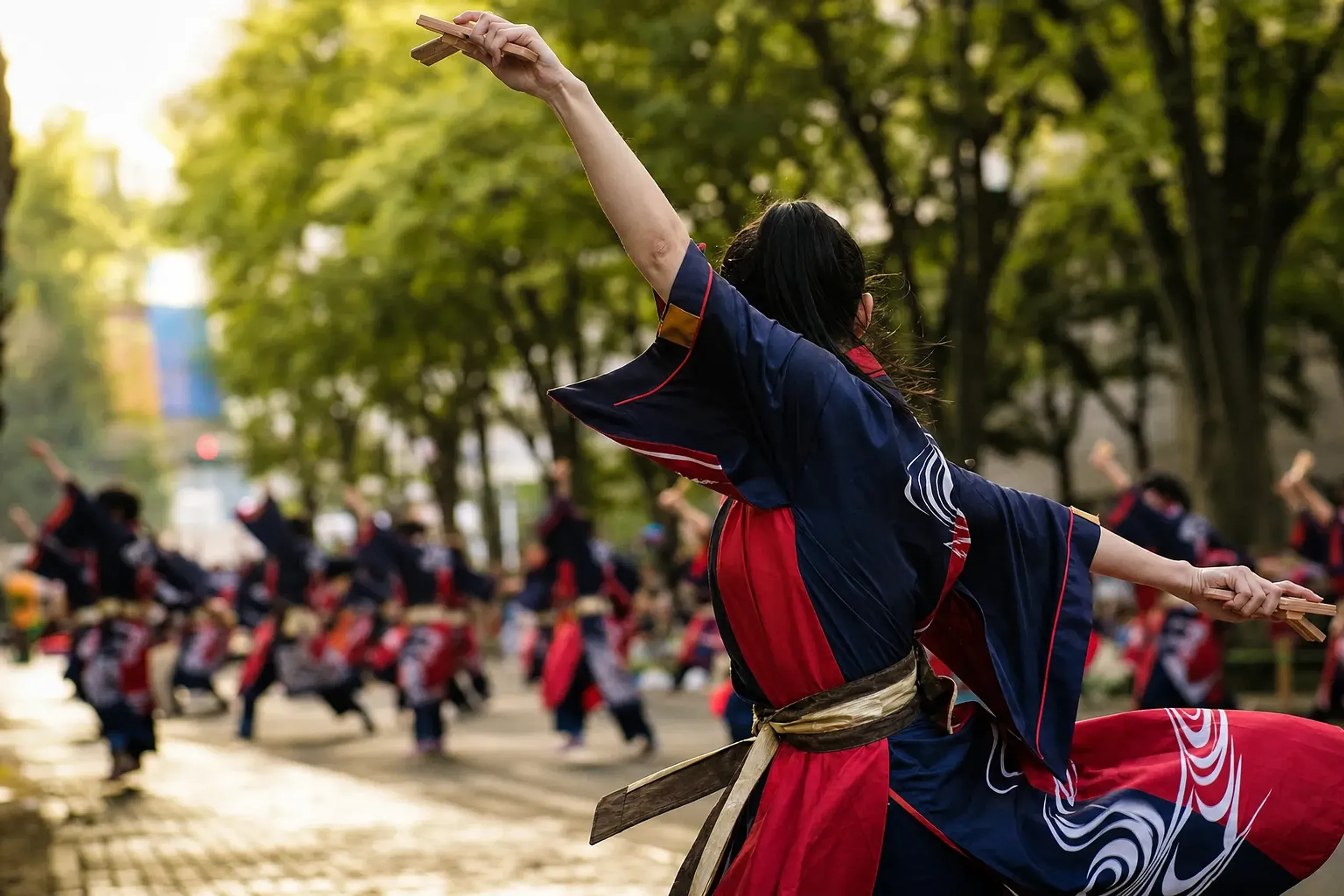
Yosakoi Soran Festival takes place in June at Odori Park and brings high-energy dance to the very same central avenue you will walk in July and August. Dates vary by year, so we avoid printing them here; for background, see our guide: Yosakoi Soran Festival.
Getting To Sapporo And Moving Around The Center
Sapporo’s summer days feel effortless when your arrival plan is clean. Settle that first. Everything downstream becomes lighter.
From New Chitose Airport, the JR ride to Sapporo Station is about 35 to 40 minutes. Once you are in the center, Sapporo Station to Odori Station is about 2 minutes on the Namboku subway line. Odori is also served by the Tozai and Toho subway lines.
The streetcar serves the south-west of the center and has run as a loop since 20 December 2015. It is a pleasant way to slow down and read the city at street level—especially when the evening air finally cools.
One more reality check for long-range planners: the Hokkaido Shinkansen does not yet reach Sapporo. JRTT’s updated estimate (21 October 2026) assumes the Shin-Hakodate-Hokuto to Sapporo section opens “roughly at the end of fiscal 2038,” with a risk of further delay. For now, the airport-and-rail approach remains the graceful one.
How We Plan A Sapporo Summer Stay For Discreet, High-Comfort Travel
Planning Sapporo well is less about adding activities and more about removing friction.
For July and August, our team at Japan Royal Service focuses on four pieces within this city-and-season scope: (1) an English-speaking cultural interpreter guide for a walk through Odori Park and central Sapporo, (2) comfortable point-to-point transfers between airport, hotel, and evening drop-off locations, (3) early accommodation coordination near Odori Park or Sapporo Station for the festival weeks, and (4) a simple, reliable back-to-hotel plan once the park winds down.
When we discuss transportation, we point guests to our private transportation options for high-comfort travel, drawing on partner fleets according to the day’s needs. No driver-guide mixing. Clean, clearly defined roles.
When we shape a tailor-made itinerary, we keep it practical: a daytime loop that still works in light rain, an evening that does not hinge on perfect weather, and enough margin to linger whenever you find your pace.
We also verify the moving parts ahead of your visit: the year’s festival dates and venues published by the executive committee, subway and streetcar operations, and operator notices for places like Mt. Moiwa Ropeway and the key parks. Small checks. Great calm.
Key fact: The Odori Park beer gardens and Hokkaido Bon Odori are public events in a public park; plan for flexibility, and confirm the year’s dates once the executive committee publishes them.
If you want a wider summer lens for Japan’s festival calendar and travel timing, our guide to Obon in Japan helps you anticipate crowd patterns and closures.
And if Sapporo is your city base with a spare day, keep your expectations modest and your transit clean. Otaru is the classic short outing. Lake Toya and Furano are common next steps on wider Hokkaido journeys. One line is enough here, by design.
When you are ready to shape your own Sapporo summer—green days, lantern-lit evenings, and a seamless path between them—contact us here and we will prepare a quietly considered proposal built around your preferred travel window.

Frequently Asked Questions
When Are The Odori Park Beer Gardens In Sapporo?
The Odori Park beer gardens usually run from late July to mid-August for about three and a half weeks, typically across Odori West 5 to West 11 chome. Dates are confirmed closer to the season.
In the 2026 published schedule example, the event ran 23 July to 18 August across West 5, 6, 7, 8, 10, and 11 chome. Use that as a planning model, not a promise.
Is Sapporo Hot In July And August Compared With Tokyo Or Osaka?
Sapporo is cooler on average than Tokyo or Osaka, with typical highs around 25–26°C and lows around 18–19°C, but humidity and rain are still common.
JMA normals (1991–2020) put Tokyo’s July/August means higher than Sapporo’s, and Osaka higher again. Even so, Sapporo’s August is wetter than its July on average, so pack for showers.
Do I Need To Book Tickets For The Odori Park Beer Gardens Or The Bon Dance?
No tickets are required, because both are public events in Odori Park, but you should confirm the year’s dates and locations before locking in your hotel nights.
The festival is run by a local executive committee, and the details are published in the months beforehand. Our concierge team can help you interpret the announcements and plan the timing around them.