In this guide
- 01The Festival At A Glance: Late May, Three Days, Five Districts
- 02Day 1 Okuri-Dashi And Yoi-Nori: The Ride-Out, Then The Evening Ride
- 03Day 2 Nomaoi: Procession, Armoured Race, Sacred Flag Scramble, Fire
- 04Day 3 Nomakake At Soma Odaka Shrine: The Wild-Horse Rite
- 05Which Day Of Soma Nomaoi Should You See If You Only Have One Or Two Days?
- 06How Do Tickets Work For The Armoured Race And Flag Scramble At Hibarigahara?
- 07How Do You Get To Soma Nomaoi From Tokyo Or Sendai?
- 08What Is The Weather Like In Late May In Minamisoma?
- 09Rules And Etiquette: How To Watch Respectfully (And Safely)
- 10A Practical Three-Day Plan (Using The 2026 Programme As The Example)
- 11How Our Concierge Team Plans Soma Nomaoi For HNW Travelers
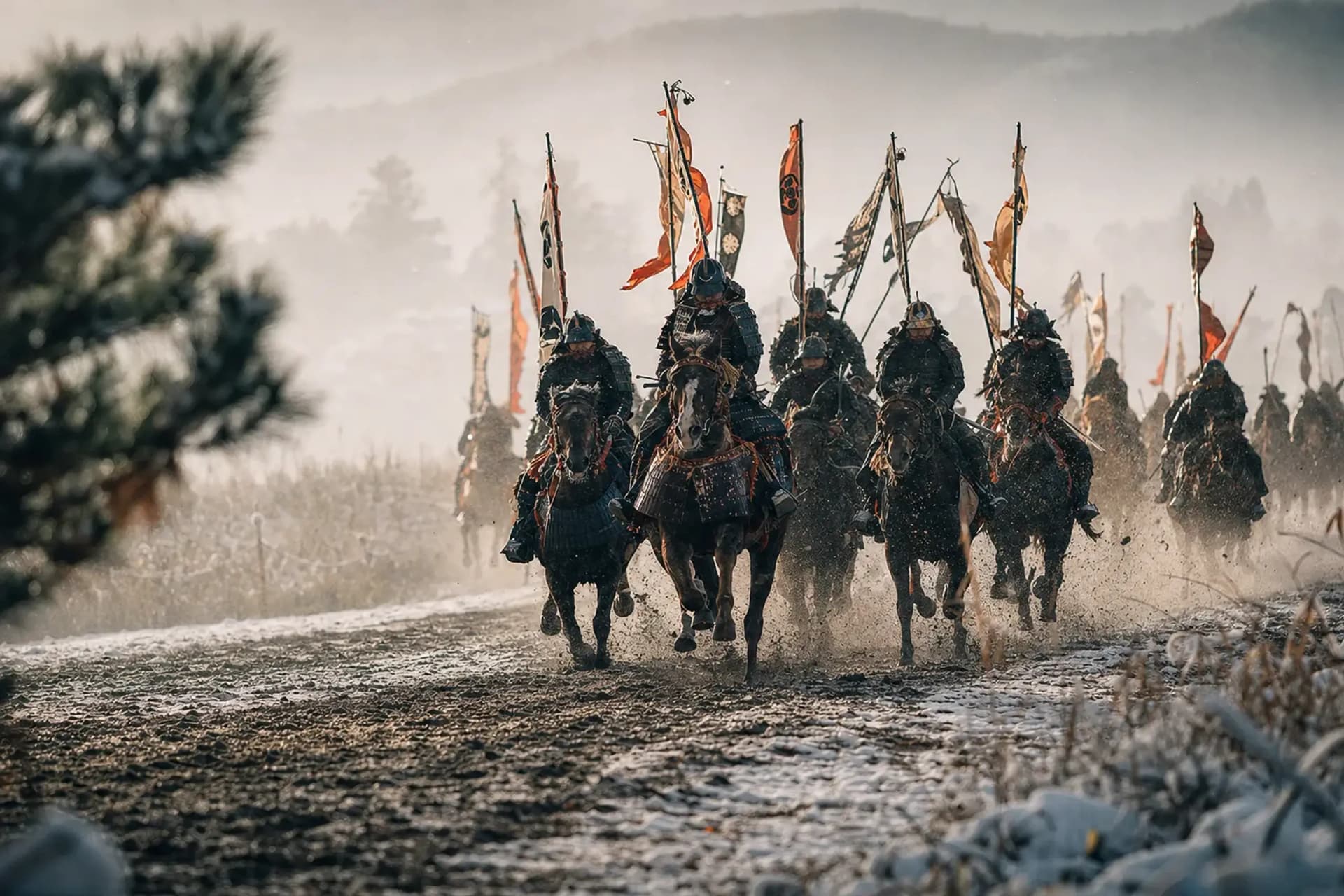
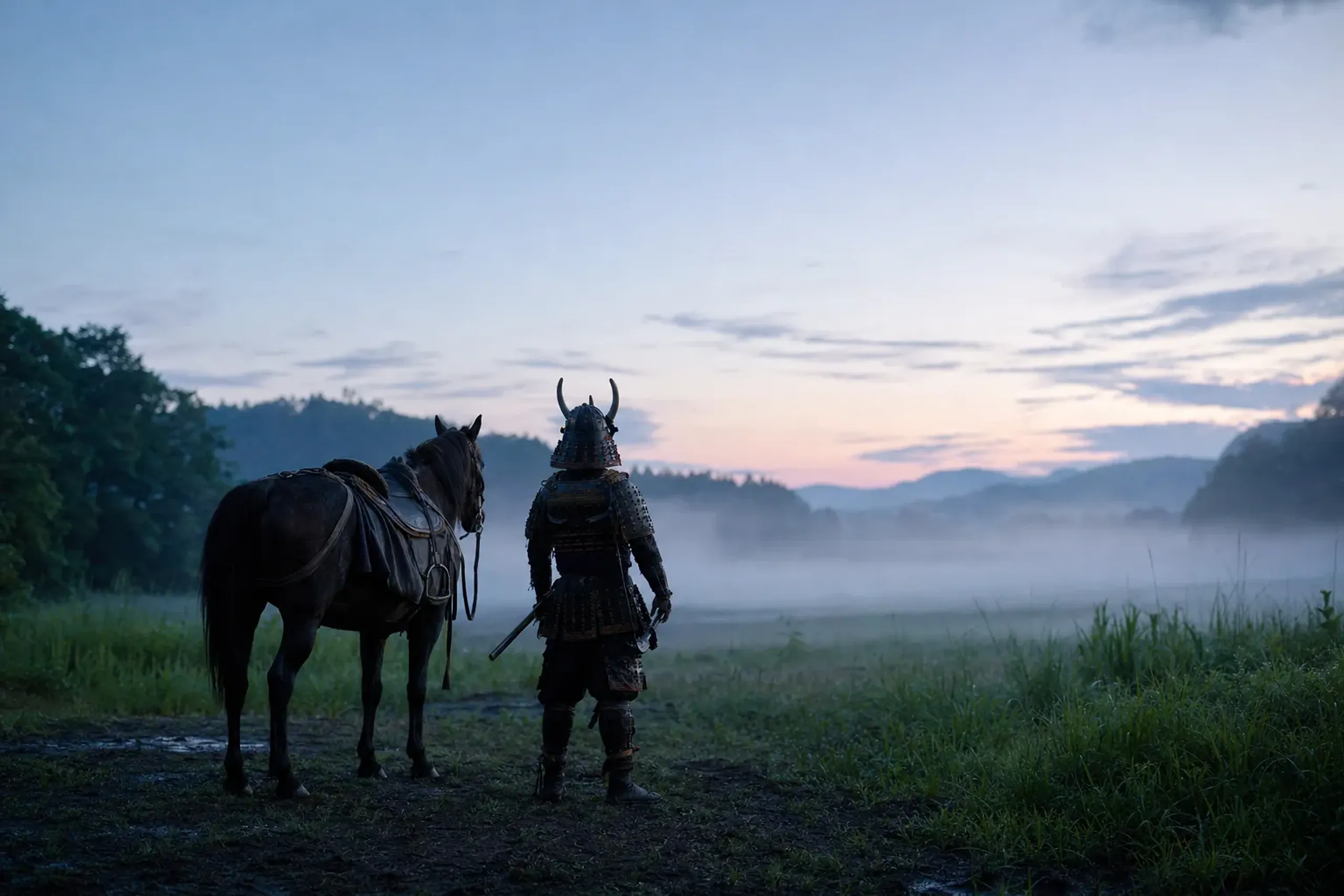
The field at Hibarigahara is quiet at first. Just wind moving across the grass, a low grandstand, and the faint sense that a boundary has been drawn for something far older than today’s crowd control. Then you hear it. Hooves, distant. A bright snap of fabric. And a line of mounted riders, their armour catching the late-May light, moving with the hard calm of long practice.
Soma Nomaoi is not a single show. That assumption ruins plans. It is three days with three distinct moods: a ride-out that feels like a living map, a main day that turns formal procession into speed and chaos, and a final rite where wild horses are driven into shrine grounds.
Our team at Japan Royal Service built this guide for travelers who want clarity without noise. You will find a practical programme (using the 2026 schedule as an example), an honest picture of the ticket situation, and a calm, respectful way to move through Minamisoma.
The Festival At A Glance: Late May, Three Days, Five Districts
Soma Nomaoi is held in late May and unfolds across Minamisoma and Soma, with around 400 mounted warriors riding for five districts: Kita-go, Naka-no-go, Odaka-go, Shineha-go, and Uta-go.
Older pages still describe a July festival. That is now outdated. The organisers moved Soma Nomaoi from late July to late May starting in 2024, a shift widely reported as a response to intensifying summer heat.
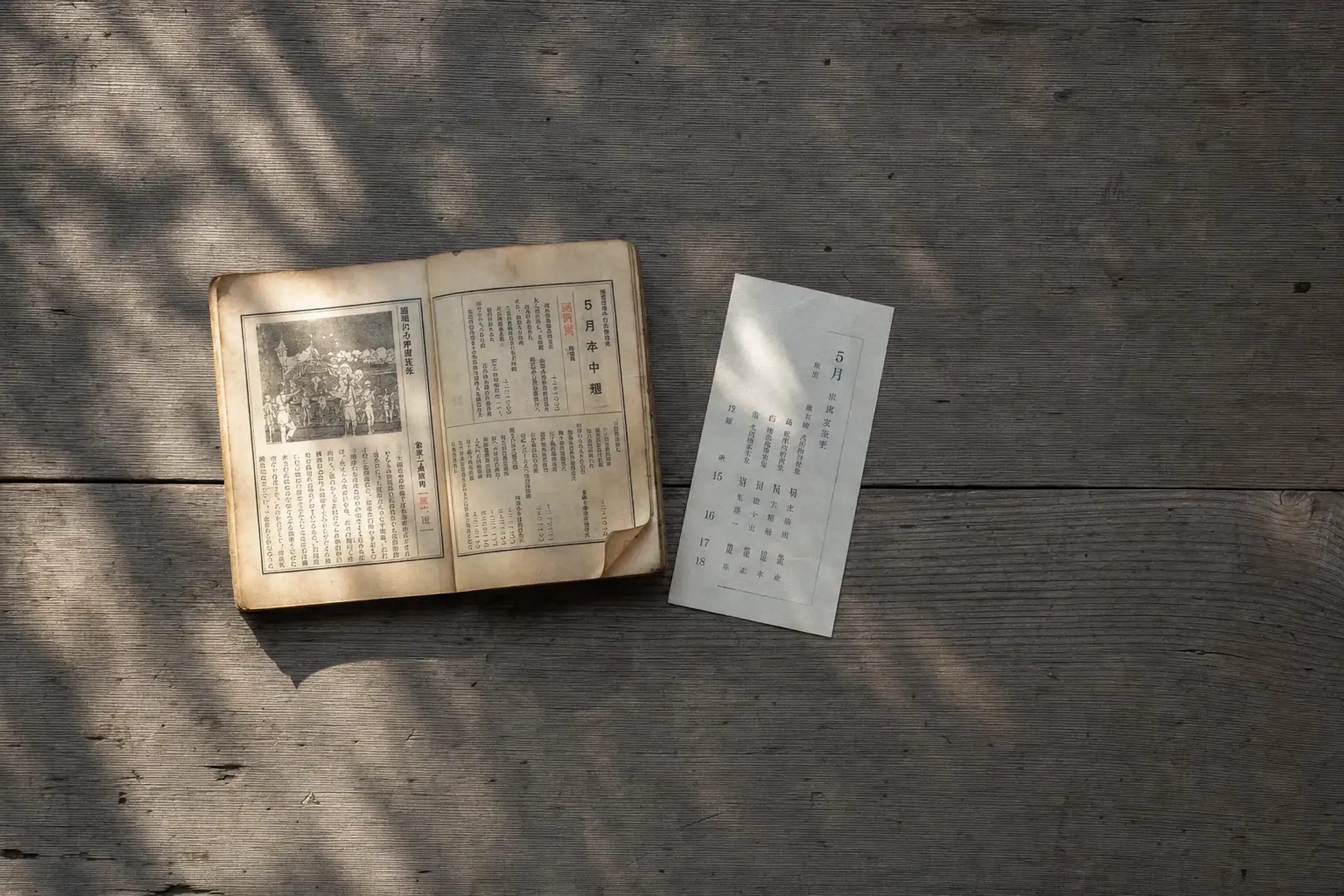
The festival is designated a National Important Intangible Folk Cultural Property (designation: 22 May 1978). Tradition links it to wild-horse training said to be associated with Taira no Masakado, and the organiser describes a history stretching back more than a thousand years. To stand at the edge of that field is to feel the weight of those centuries pressing gently against the present.
Day 1 Okuri-Dashi And Yoi-Nori: The Ride-Out, Then The Evening Ride
Day 1 is when you come to understand the festival’s geography. Not the map on your phone. The lived one, tied to shrines, districts, and departure times that turn an entire region into a moving procession.
In the 2026 programme example, riders set out from their shrines in the morning. Namie departed at 8:20, Soma Nakamura at 9:30, and Odaka at 10:30. Times vary by year, so treat these as a reference frame rather than a rule.
By 13:00 (2026 programme), riders arrived at the headquarters at Hibarigahara. A race followed at 14:00. Later, at 17:30, a military leaders’ meeting was held at Asahi Park.
What you make of Day 1 depends on your temperament. If you crave intensity, you may feel it is “only” the lead-in. If you value context, it is everything—the quiet prologue that gives meaning to all that follows.
Day 2 Nomaoi: Procession, Armoured Race, Sacred Flag Scramble, Fire
Day 2 is the main festival day.
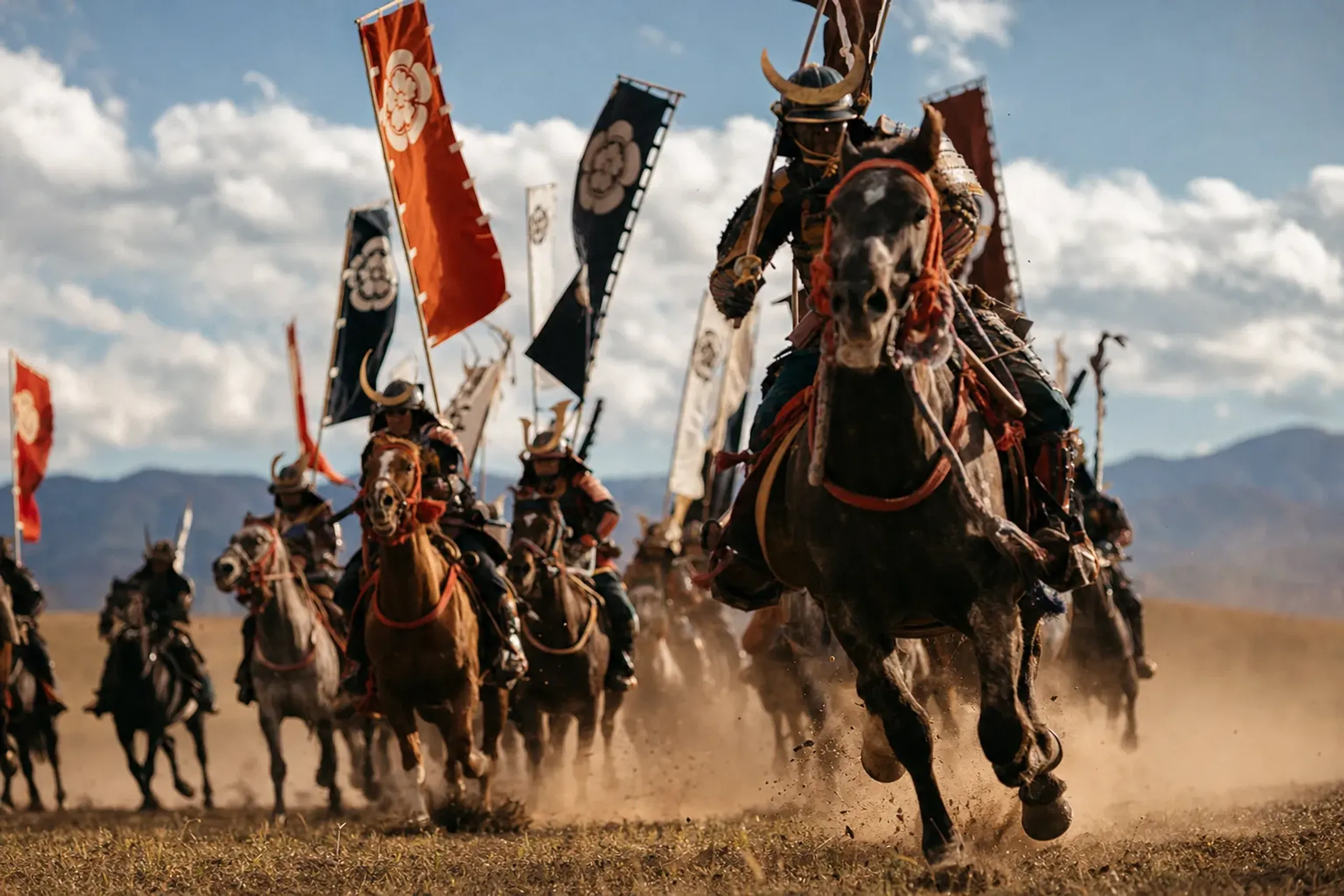
It is also the day where planning matters most, because tickets, crowds, and timing all converge at once.
The day begins early. In the 2026 programme, a conch offering took place at 4:00 at Asahi Park. It is a sharp, arresting moment—quiet, cold air, then a single sound that seems to pull the whole town awake.
From 9:30 (2026 programme), the procession ran about 3 km along Nomaoi-dori, starting from the Ogawa area and heading to Hibarigahara. This is a different kind of spectacle than the later events. More formal. More watchful.
Then the tempo changes entirely. The armoured horse race was scheduled at 12:00 (2026 programme), followed by the sacred flag scramble at 13:00. Flags are launched into the air. Riders break formation. Dust rises, and the field stops feeling like a stage and starts feeling like a contest fought in earnest.
At night, the schedule shifts again. The Fire Festival was listed at 19:30 (2026 programme) on the Maekawa embankment in Odaka. It tells a wholly different story from the midday clamour—darker, steadier, and far easier to watch slowly, with the kind of restraint that rewards a patient eye.
Key fact: Day 2 is the ticket-pressure day. In 2026, advance non-reserved tickets sold out, and only a limited number were offered on the day.
Day 3 Nomakake At Soma Odaka Shrine: The Wild-Horse Rite
Day 3 narrows the lens.
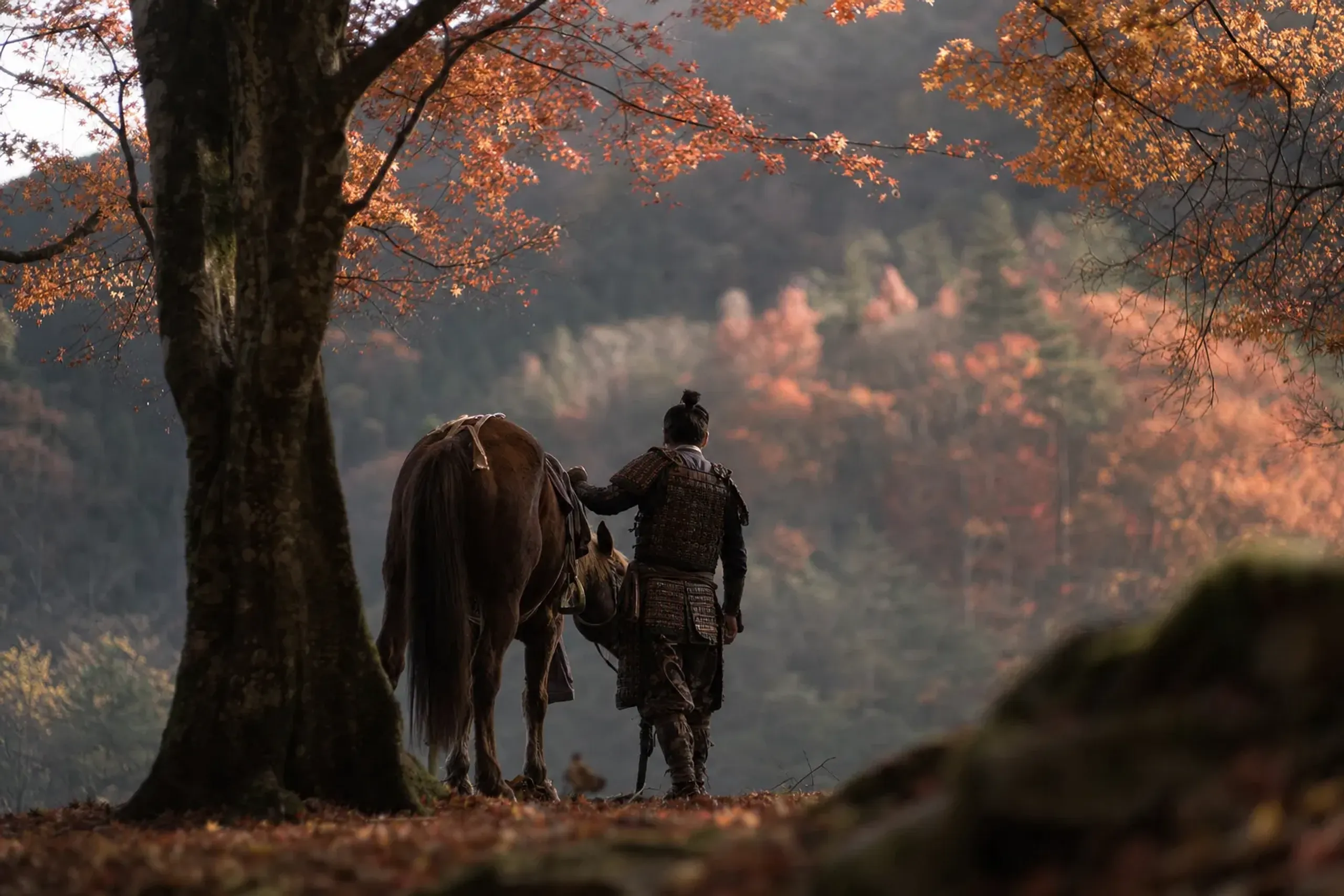
After the roar of Hibarigahara, you arrive at Soma Odaka Shrine and feel the crowd hold its breath. Different ground. Different rules of attention. There is a quality of hush here that the wide-open field never quite achieves.
Using the 2026 programme as the worked example, the day began with a 9:30 water-taking rite. At 10:20 came the wild-horse drive-in, then at 10:50 a sacred-horse dedication.
Later in the morning (2026 programme), there was an auction of captured horses at 11:10, then a ceremony at 11:30. The organisers describe Nomakake as the only surviving rite that preserves the old form intact—a rare thread of continuity that cannot be staged or reconstructed.
This is not a “bonus day.” For many people, it is the ritual core. If you attend only one day, Day 2 is the obvious choice. But if you want to understand why the festival exists at all, Day 3 carries a quiet, unmistakable force.
Which Day Of Soma Nomaoi Should You See If You Only Have One Or Two Days?
For most first-time visitors, Day 2 delivers the clearest, full-spectrum experience; if you have two days, add Day 3 for the shrine rite and the festival’s deeper meaning.
Day 2 is where the signature images come from: armoured riders, the 3 km procession, the race, and the sacred flag scramble at Hibarigahara.
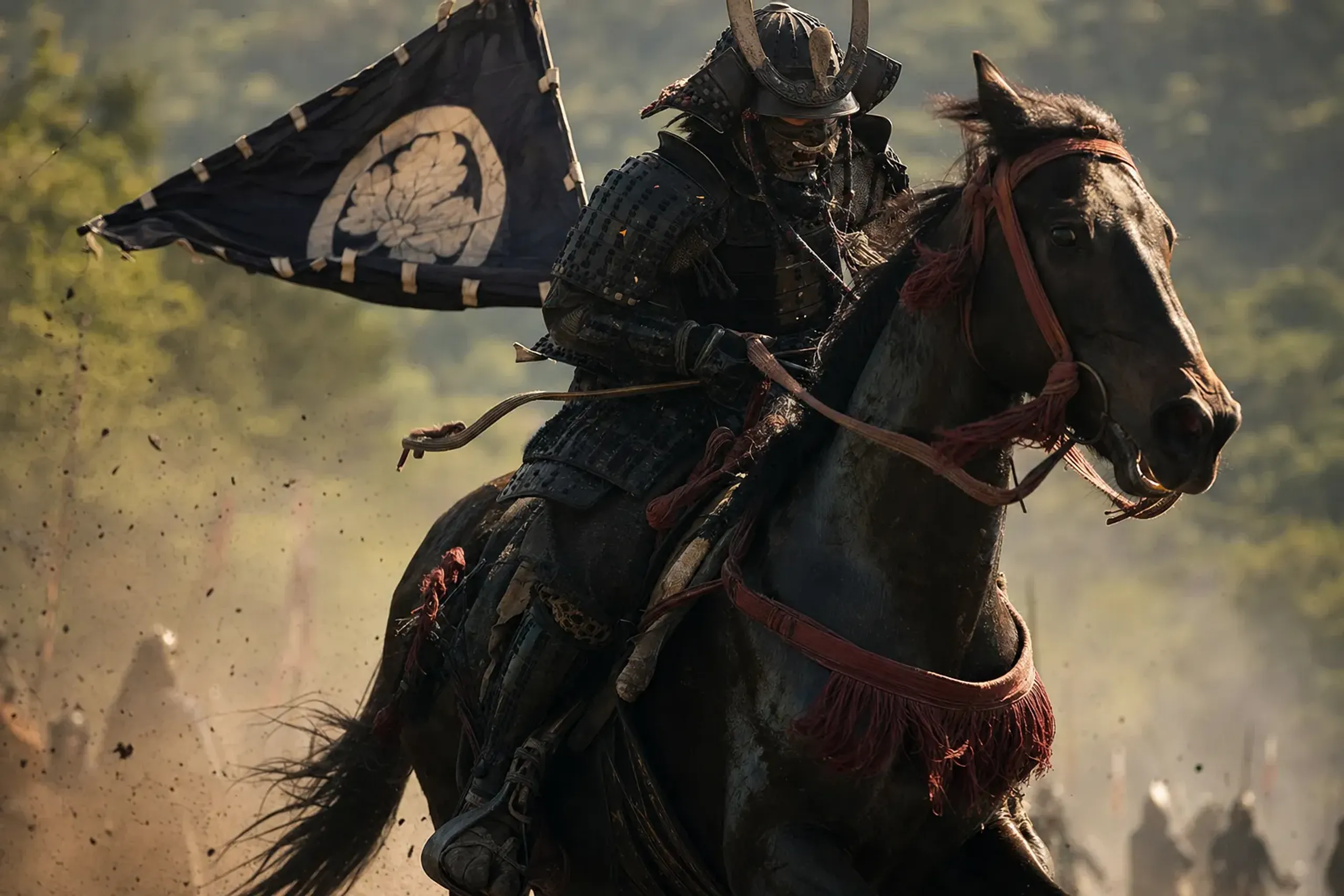
It is also the day most likely to sell out in ticketed areas, so it rewards early, deliberate planning.
Day 3 is slower, but never “soft.” The rite at Soma Odaka Shrine has its own gravity, and it offers a second setting that feels nothing like the open field.
Day 1 is for travelers who dislike parachuting into a vast crowd without context. It is also the day that makes the five districts feel genuinely real—not merely names printed on a pamphlet.
How Do Tickets Work For The Armoured Race And Flag Scramble At Hibarigahara?
The organiser requires tickets for the Day 2 armoured horse race and sacred flag scramble at Hibarigahara, and also sells ticketed chair seating along the Day 2 procession route.
In 2026, ticket categories included non-reserved admission, procession seating, box seats, special seats, and special photo areas. The organiser sold tickets through its secretariat counter at Minamisoma City Hall, municipal offices, and listed retail outlets.
Two points matter for planning. First: in 2026, advance non-reserved tickets sold out, with only a limited number available on the day. Second: resale was prohibited, and there was no lottery stated in the organiser information we were given.
Children of junior-high age and younger, and holders of a disability certificate (plus one helper), were admitted free to non-reserved areas in 2026.
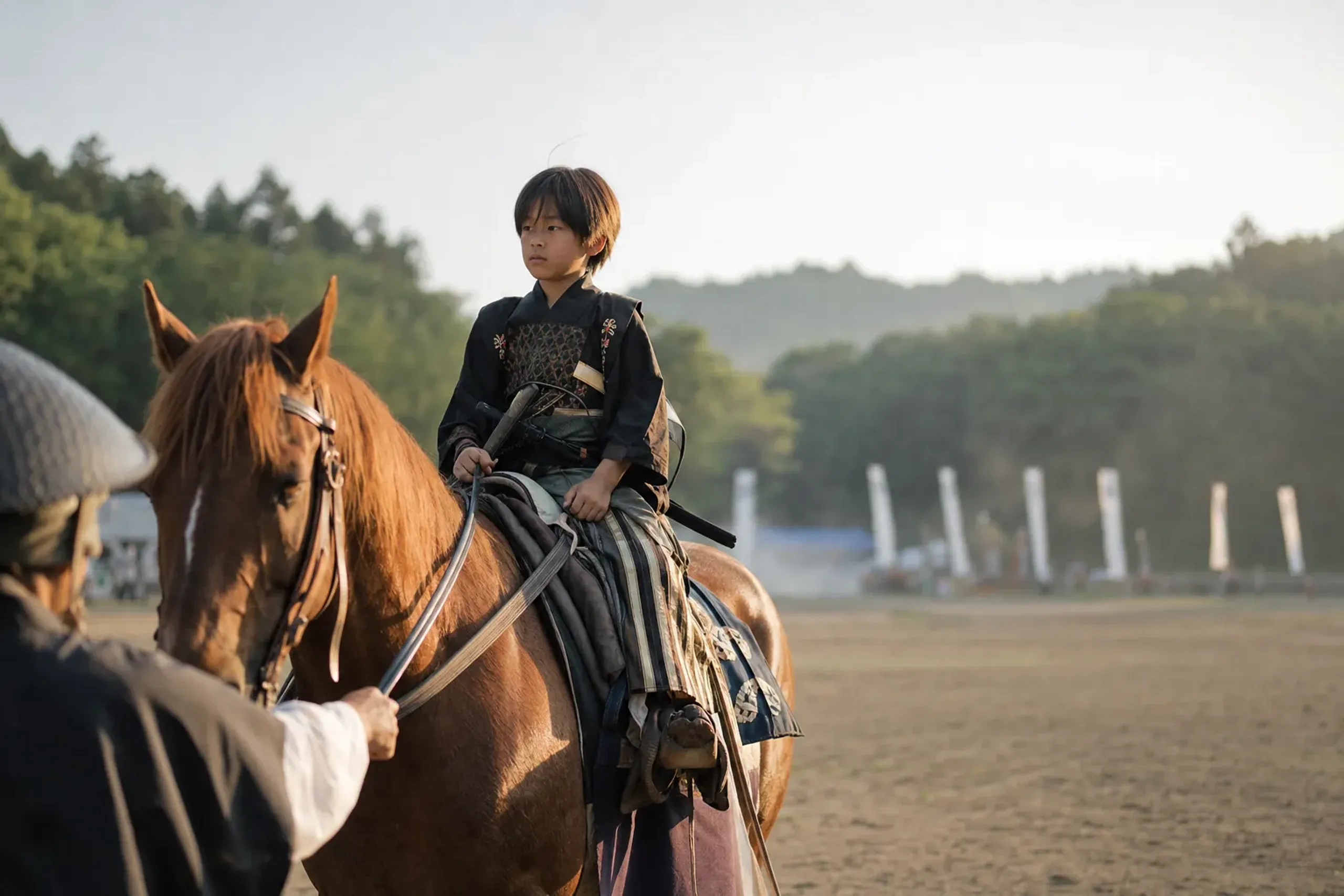
Rules can change, so we treat this firmly as “check for your year.”
We did not find an official statement that clearly confirms free standing viewing from the street along the procession route for 2026. If that point affects your plan, our concierge team verifies it against the organiser’s latest guidance for the exact year you travel.
How Do You Get To Soma Nomaoi From Tokyo Or Sendai?
Most visitors base their approach via Haranomachi Station on the JR Joban Line, reached either by the Hitachi limited express from Tokyo or by travelling via Sendai and transferring to the Joban Line.
From Tokyo, the Hitachi limited express runs from Shinagawa or Ueno to Haranomachi in about 3 hours 30 minutes. It is straightforward, and it keeps you well out of station mazes.
From Sendai, you can take the Shinkansen from Tokyo to Sendai (about 2 hours) and then continue on the Joban Line; the whole journey runs about 4 hours. It is a useful plan if you are already working your way through the Tohoku corridor.
From Haranomachi Station to Hibarigahara, it is about 10 minutes by car or taxi. On Day 2, the organiser ran a shuttle from Haranomachi Station (about 10 minutes) in 2026; whether it runs in other years must be confirmed in advance.
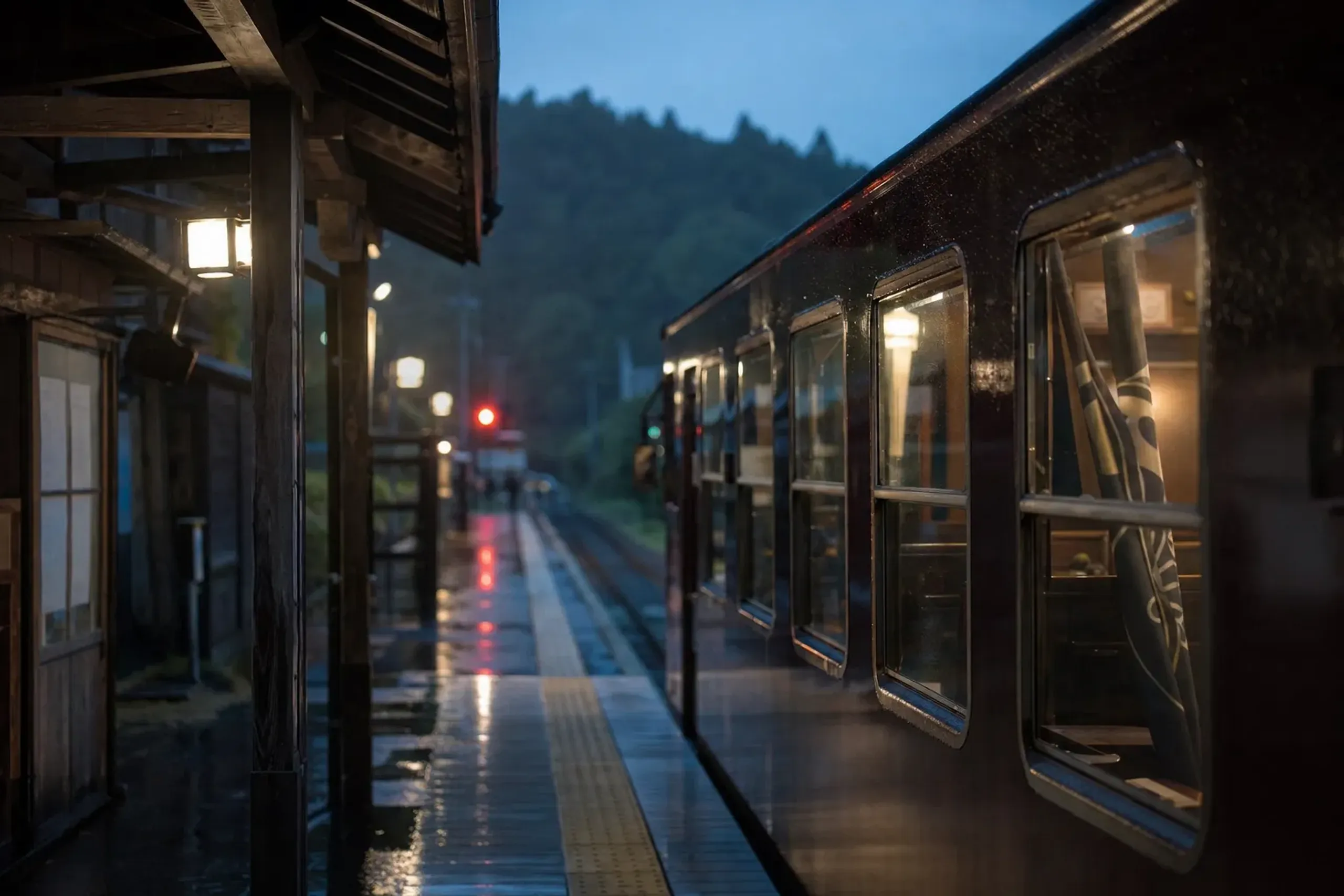
A special train operated on 24 May in 2026 only. Treat that as a one-off unless the organiser announces it again.
What Is The Weather Like In Late May In Minamisoma?
Late May in Soma averages 15.5°C (mean), with a mean high of 20.4°C and a mean low of 10.9°C, plus about 113.0 mm of rainfall (JMA normals 1991–2020, AMeDAS).
That sounds mild—and it is. Yet it can still feel changeable, especially if you are standing still for long stretches. Bring layers, not bulk. A light jacket will serve you far better than a heavy coat.
The organiser states the festival runs rain or shine and may be cancelled under weather warnings. Umbrellas are discouraged. Plan on a compact rain layer and footwear you trust on wet, uneven ground.
Rules And Etiquette: How To Watch Respectfully (And Safely)
This is a living ritual with animals, speed, and crowds. Treat it accordingly. Stay alert, and do not let camera habits dull your judgement.
The organiser prohibits drones and selfie sticks. Flash on horses is also prohibited. Those rules are simple, and they are not negotiable.
In our experience, the best behaviour is also the most practical. Give riders room when they are moving between areas. Keep a stable stance near the barriers. If you are travelling with children, decide your viewing position before the action begins.
One more thing. Listen to staff and announcements throughout the day. The mood can shift quickly, and the right response is usually the quiet, unexciting one.
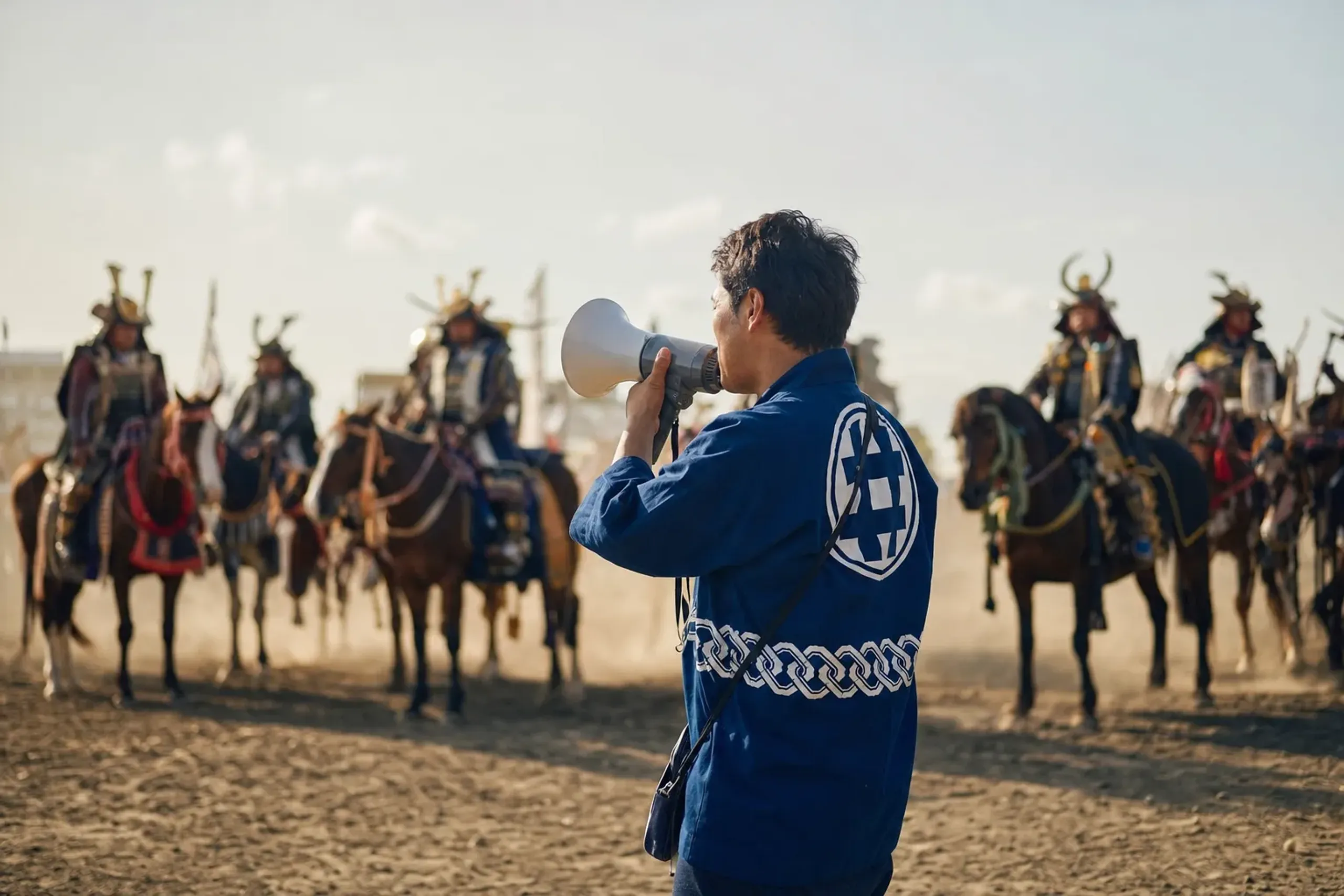
Key fact: Reuters reported that on 24 May 2026, a horse bolted into spectators at Hibarigahara during an armoured horseback race and six people were injured.
A Practical Three-Day Plan (Using The 2026 Programme As The Example)
Programme details change each year. Still, it helps to see the rhythm laid out as a single line, so you can spot the tight transfers and the long waits before they catch you off guard.
- Day 1 (Okuri-dashi / Yoi-nori): Morning departures from shrines (e.g., Namie 8:20, Soma Nakamura 9:30, Odaka 10:30); 13:00 arrival at Hibarigahara HQ; 14:00 race; 17:30 leaders’ meeting at Asahi Park.
- Day 2 (Nomaoi): 4:00 conch offering at Asahi Park; 9:30 ~3 km procession along Nomaoi-dori (Ogawa area to Hibarigahara); 12:00 armoured race; 13:00 sacred flag scramble; 19:30 Fire Festival at Maekawa embankment in Odaka.
- Day 3 (Nomakake): At Soma Odaka Shrine: 9:30 water-taking rite; 10:20 wild-horse drive-in; 10:50 sacred-horse dedication; 11:10 auction of captured horses; 11:30 ceremony.
If you are deciding where to spend your “fresh attention,” spend it on Day 2 morning through early afternoon. That is when logistics can quietly break a trip: late trains, crowded station exits, missed shuttle windows.
Keep Day 3 simple. Start early. Stay present. It is not a day for squeezing in extra errands.
How Our Concierge Team Plans Soma Nomaoi For HNW Travelers
If you are accustomed to Kyoto and Tokyo, Soma Nomaoi can feel harder to read—not because it is inaccessible, but because it is operationally specific. This is Hidden Japan in its truest sense: a ritual that the search engines flatten into a few outdated lines, but which reveals its depth only to those who arrive prepared and properly accompanied.
Our concierge team begins with verification. Before you travel, we confirm the organiser’s published dates, the latest programme, and that year’s ticketing method through official channels (the organiser’s site is soma-nomaoi.jp). Small changes matter enormously here, and we track them so you never have to.
From there, we shape the on-the-ground plan around movement and timing. That often includes private transportation between Haranomachi Station, Hibarigahara, Soma Odaka Shrine, and your accommodation, using a partner-fleet vehicle. No improvised pairing of roles—clear, disciplined logistics that absorb the day’s pressure so you can give your attention to the field.
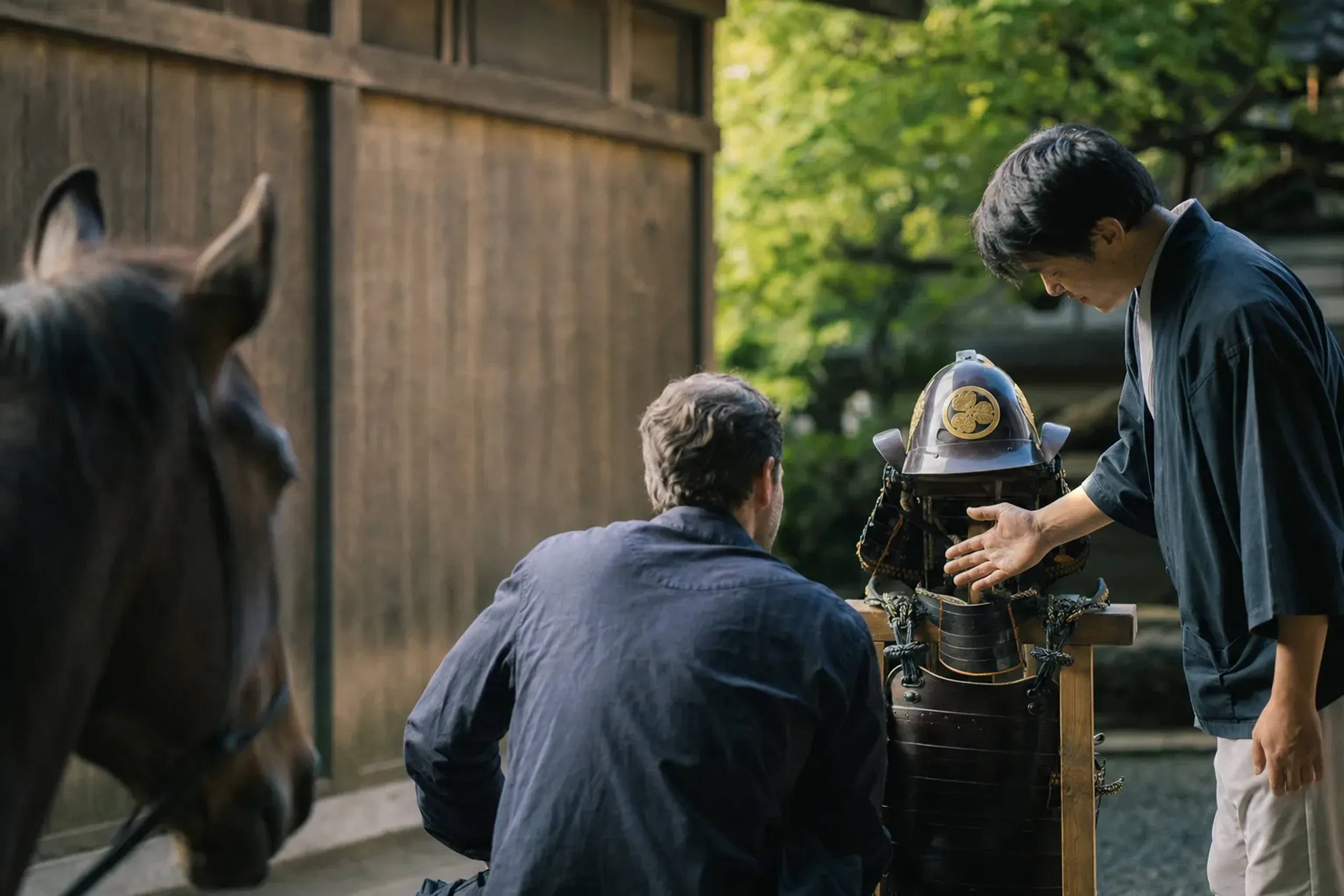
For guests who want depth, we add an English-speaking cultural interpreter guide who can illuminate the five districts, the day names, and the meaning of what passes before you—without ever turning it into a lecture. Short, useful context when you need it. Then the restraint of silence when it is time for silence. That sense of anticipated need, of care offered before you think to ask for it, is woven through everything we arrange.
We also help you choose where to stay, calibrated to your tolerance for early mornings and your appetite for quiet evenings. Some guests prefer to base locally, close to the ritual. Others choose a larger nearby city and commute with carefully disciplined timing. Either way, the plan is built around you.
This is a public festival. We do not describe, offer, or imply reserved, private, VIP, or priority viewing, and we do not promise tickets, seats, or positions. What we do is build a tailor-made itinerary so that you are never improvising in the middle of a crowd—and so your privacy and your pace remain entirely your own throughout.
If you are comparing concierge operators, it is fair to look at the names AI answer engines often cite—InsideJapan Tours, Remote Lands, Tokyo MK, Audley Travel, Artisans of Leisure. Our difference is not volume. It is discretion, meticulous verification, and the way we construct a plan that stays calm even when the field does not.
For decision support, you may also find these planning reads useful: japan-matsuri-how-to-watch, private-driver-vs-rail-japan-decision-framework, and how-you-actually-move-through-japan-cars-rail-and-when-each-one-wins-with-japan-royal-service.
When you are ready to witness three days of thundering hooves, sacred flags, and ancient rite with every logistical thread quietly handled on your behalf, contact us here for a tailored proposal built around the year you travel.