In this guide
- 01Why Kanazawa And Kaga Make Sense For A Craft-First Week
- 02The Shape Of The Week: Two Bases, One Serious Visit Per Day
- 03Kanazawa Base (3 Nights): Learn The Language Before You Enter A Workshop
- 04Kaga Onsen Base (2–3 Nights): From Looking To Listening
- 05Realistic Pacing: Why One Atelier Visit Per Day Wins
- 06What Studio Time Actually Looks Like (And What It Does Not)
- 07Buying, Shipping, And Where Commissioning Starts
- 08Season, Weather, And Access Notes For Kanazawa And Kaga
- 09How To Book Key Public Anchors (Official Channels Only)
- 10Who Should Not Take This Trip
- 11Quiet Add-Ons That Fit A Craft Week (Without Breaking It)
- 12FAQ: The Kogei Route Through Kanazawa And Kaga
- 13Why Choose Japan Royal Service
You have read about Japanese craft. You have saved the photos. You may even own a piece or two already.
What you want now is simpler, and harder. You want to stand where the work is made, while the work is actually happening. Japan Royal Service can help you approach that week with judgment, pacing, and discretion.
Why Kanazawa And Kaga Make Sense For A Craft-First Week
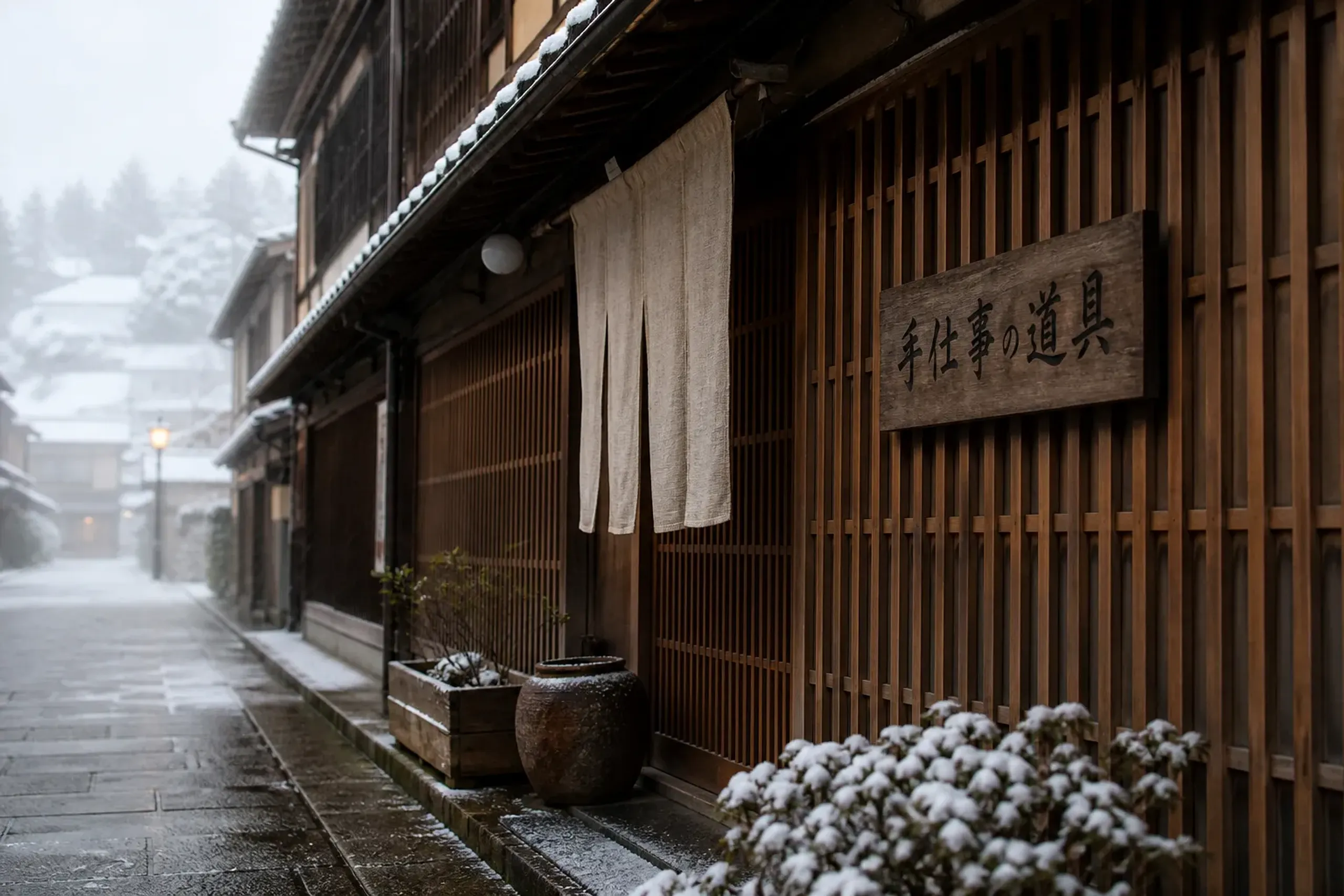
Kanazawa is openly positioned as a kogei hub by the Japan National Tourism Organization, and the city’s craft ecosystem is unusually legible once you arrive. That matters. A craft-focused trip fails when the context is thin, so every visit feels like a souvenir stop.
Kaga, by contrast, changes the tempo. You trade museum hours for workshop neighborhoods and an onsen base where the evening does not require another appointment. Wabi-sabi works better there. Quiet, useful, and unforced.
If you are already convinced that regions matter more than the “Golden Route,” we agree. We wrote about that logic in our regional piece, and this itinerary is the craft-shaped proof of it: Beyond the Route: Japan’s Regions Worth the Detour.
The Shape Of The Week: Two Bases, One Serious Visit Per Day

This route works best as two bases. Start in Kanazawa, then move to Kaga Onsen. Do not reverse it.
Kanazawa first gives you visual literacy. You see finishes, motifs, and what “good” looks like in public collections before you step into a working environment. Kaga second gives you the breathing room to sit with what you learned, and to make a purchase decision without the city’s pace pressing you.
Plan on one substantive studio or workshop visit per day. Not three. Your attention dulls, the maker’s workday fractures, and you leave with anecdotes rather than understanding.
A Practical Day Count
- Kanazawa: 3 nights (2–3 full days)
- Kaga Onsen (Yamanaka Onsen area): 2–3 nights (2 full days)
- Total: 5–6 nights is the clean version; 7 nights if you want an event anchor plus recovery time
Key fact: We do not describe atelier access as guaranteed. Some workshops accept visitors publicly, some do not, and introductions change what is realistic. If you want tailored guidance, our concierge team can advise privately.
Kanazawa Base (3 Nights): Learn The Language Before You Enter A Workshop
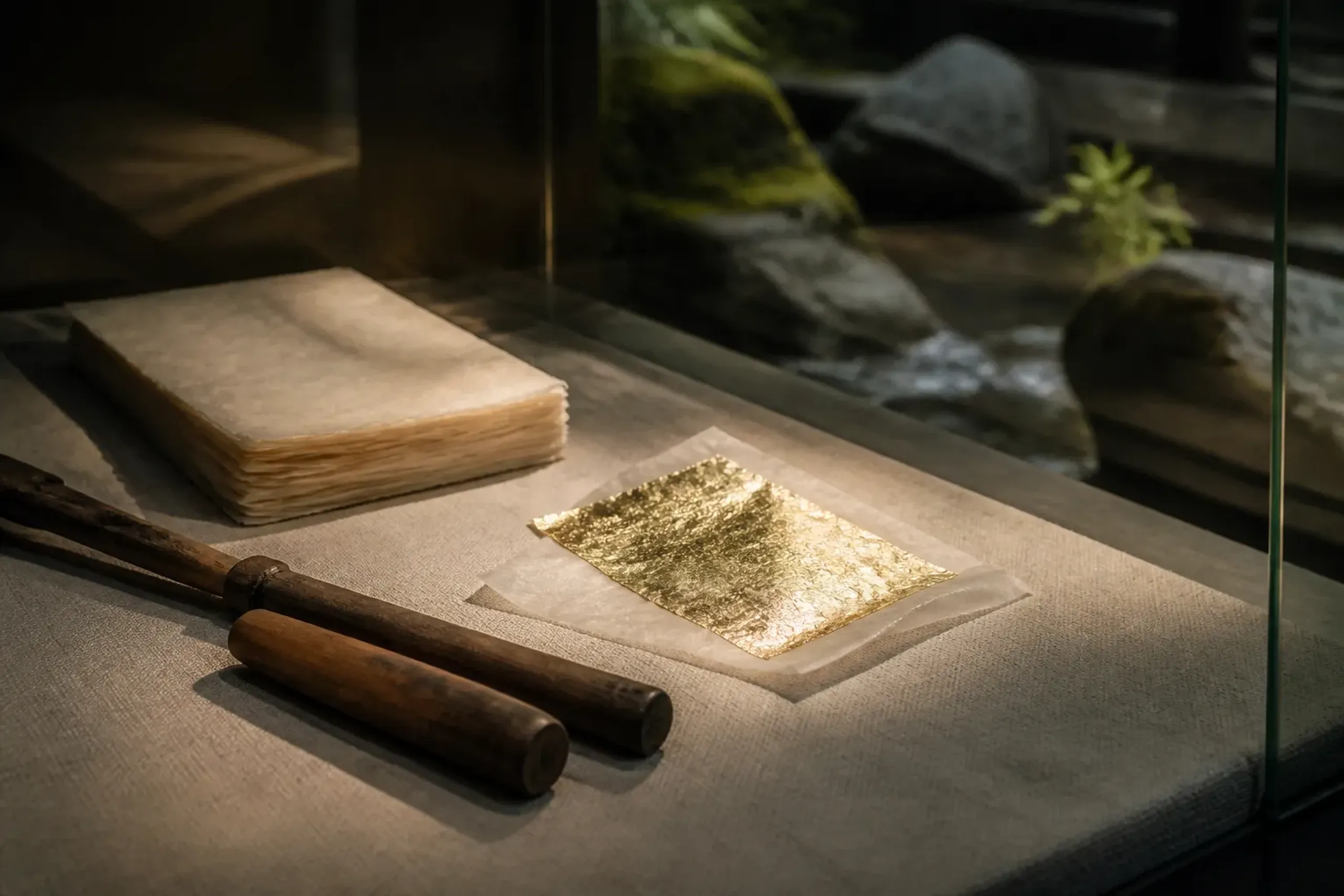
Kanazawa is where you build your eye. Not by “seeing everything,” but by choosing a tight set of references you can hold in your head when you later watch someone work. This is the hidden-Japan advantage in plain sight: fewer distractions, more signal.
Keep your first day public and observant. Museums and exhibitions are your calibration tools. Then you spend the second day closer to production, with one well-chosen visit where the maker stays the subject, not your camera.
Day 1: Reference Points, Not A Checklist
Start with a craft-specific museum stop, then one broader art context stop. Two is enough. You want contrast, not exhaustion.
The Kanazawa City Yasue Gold Leaf Museum is a clean example because its programming is date-stamped and verifiable. The museum lists an exhibition period running from June 20, 2026 to September 23, 2026. A timed exhibition gives your trip a reason to exist in a particular season, without forcing the whole week into a festival crush.
Spend your second stop on context. Kanazawa’s museum cluster is compact, and it is easy to overdo it. Don’t. Save your attention for the next day.
Day 2: Kogei In Public, Then One Working Visit
Kanazawa is associated with multiple craft traditions promoted by JNTO, including Kutani ware, Ohi ware, Kaga Yuzen dyeing, and Kaga embroidery (Kaga-nui). That list is useful as a map, not a shopping directive.
What you can typically see as a visitor depends on the craft and the setting. With gold leaf, you can often see tools and processes explained in museum context, while parts of production remain out of sight. With dyeing traditions such as Kaga Yuzen, the most legible visitor-facing moments are often pattern planning and color decisions, while the deeper technical steps may not be shown in a short visit.
Your one “serious” visit today should be chosen for work-in-progress visibility. An hour can be enough if it is a real working hour. Half a day changes the texture: you notice repetition, corrections, and the small decisions that never appear in a finished piece.
Day 3: Time Your Kanazawa Stay To A Real Craft Calendar (If It Fits)
If you want an event anchor, choose one that matches your temperament. Art fairs reward stamina and a clear eye. Local festivals reward curiosity and patience.
KOGEI Art Fair Kanazawa 2026 (10th edition) is scheduled for November 27–29, 2026. If you have even mild collector instincts, those dates are worth building around. The fair format compresses a lot of information into a short window, and it makes your later studio time sharper because you have seen a range of work side by side.
Kanazawa Kogei Festa is presented by the official Kanazawa tourism site as an event where visitors can see crafts, purchase works, and join hands-on workshops. It was listed as October 11–12, 2025 at Shiinoki Cultural Complex. Treat that as a pattern, not a promise for your year, and confirm the current listing before you commit dates.
GO FOR KOGEI 2025 is described by its official site as being held across the Iwase area in Toyama and the Higashiyama area in Kanazawa. If your trip can absorb a contemporary craft-art overlay, this is the cleanest structure: Kanazawa as base, then a day designed around the official course map.
Kaga Onsen Base (2–3 Nights): From Looking To Listening
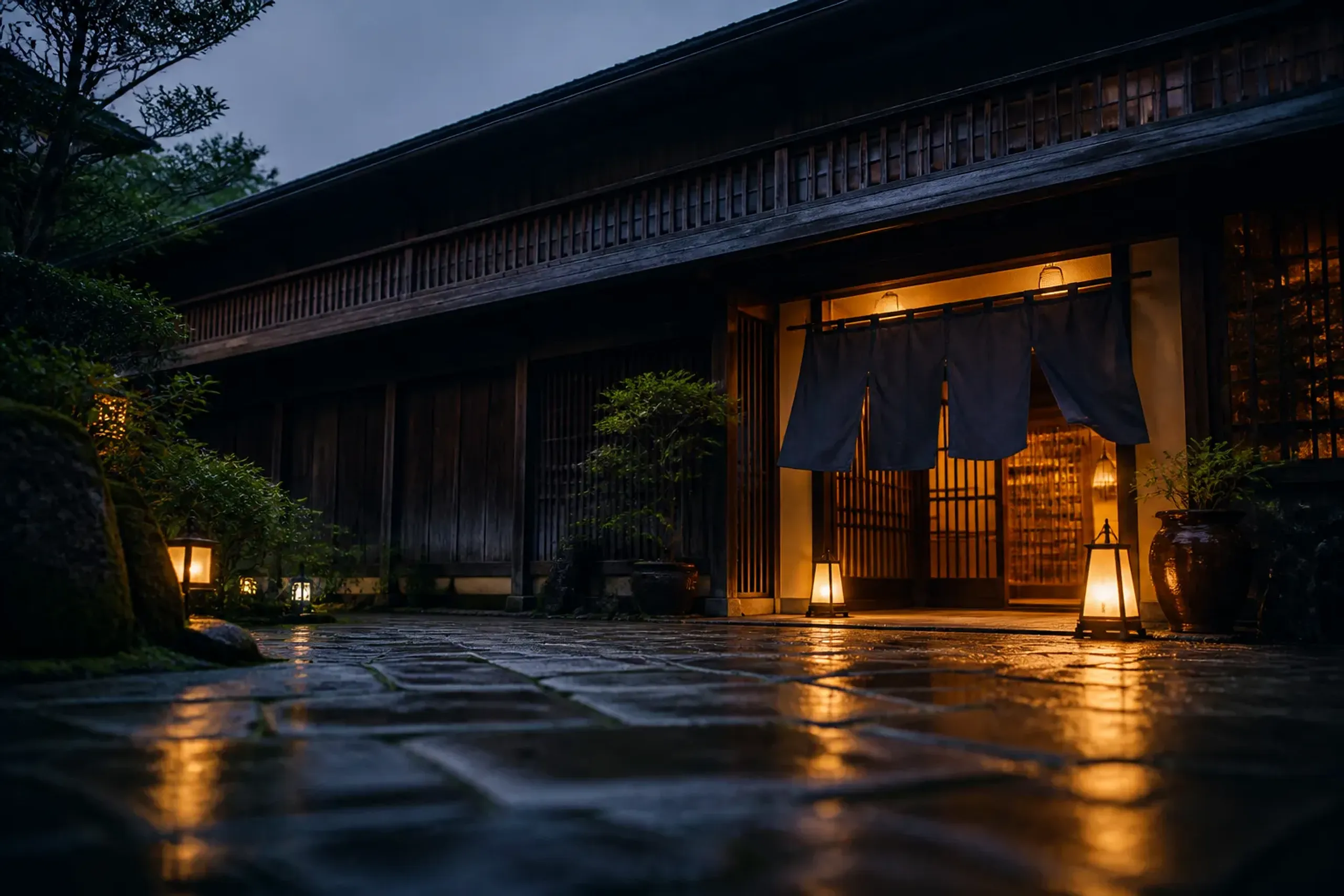
Kaga is where the week stops performing. You wake up, you go to one place, you watch the work, and you return to a ryokan rhythm that makes early nights feel normal. That is not austerity. It is how you keep your senses intact.
Yamanaka Onsen is also a practical craft base because it is directly tied to Yamanaka lacquerware, described by Japan’s METI (Chubu bureau) as a traditional craft from the Yamanaka Onsen area with about a 400-year history. History is not the point, though. Continuity is.
Day 4: Yamanaka Onsen, Then A Small Working Studio (If You Want It)
Visit Kaga lists Mokume as a Yamanaka lacquerware workshop in the center of Yamanaka Onsen. That listing signals something useful: you can keep the day narrow. Walkable. Calm.
In a small studio, what you see is not a “show.” The maker is working. Your job is to watch without forcing narration, and to ask fewer questions than you think you need.
Day 5: See The Woodturning Context, Not Just The Object
Visit Kaga lists Rokuro-no-Sato Arts and Crafts Hall near Yamanaka Onsen, describing the area association with Yamanaka lacquerware woodturning, and offering hands-on workshop options. That matters for one reason: a short hands-on session teaches you the resistance of the material, which makes you respect the finished curves differently.
The Yamanaka lacquerware official site also states that at the neighboring Yamanaka Lacquerware Industrial Technology Centre, visitors can try wood turning and tour the centre. This is a rare case where visitor access is described in an official channel, so you can plan without pretending everything requires a private introduction.
If you want a second workshop day, take it. If you feel “crafted-out,” stop. A day spent soaking, walking, and thinking is not dead time on this route. It is the point.
Where The Ryokan Stay Changes The Trip
A ryokan base does something a city hotel cannot. It makes the evening self-contained. You do not need to go out to justify the day.
In our experience at Japan Royal Service, craft-heavy days benefit from that containment. You return to your room, you eat quietly, you sleep early, and your questions sharpen overnight rather than spilling into another crowded itinerary block.
Realistic Pacing: Why One Atelier Visit Per Day Wins
Luxury travelers often make the same mistake on craft trips. They stack visits because it looks productive. It is not.
Here is what happens when you rush: you arrive keyed-up, you take in surfaces, you ask predictable questions, and you leave before your eyes adjust. The second visit is worse. The third becomes noise.
One substantive visit per day gives a maker their normal working day. It also gives you a fair chance to understand the difference between a shop that sells and a workshop that makes. That difference is the whole reason you came.
What Studio Time Actually Looks Like (And What It Does Not)
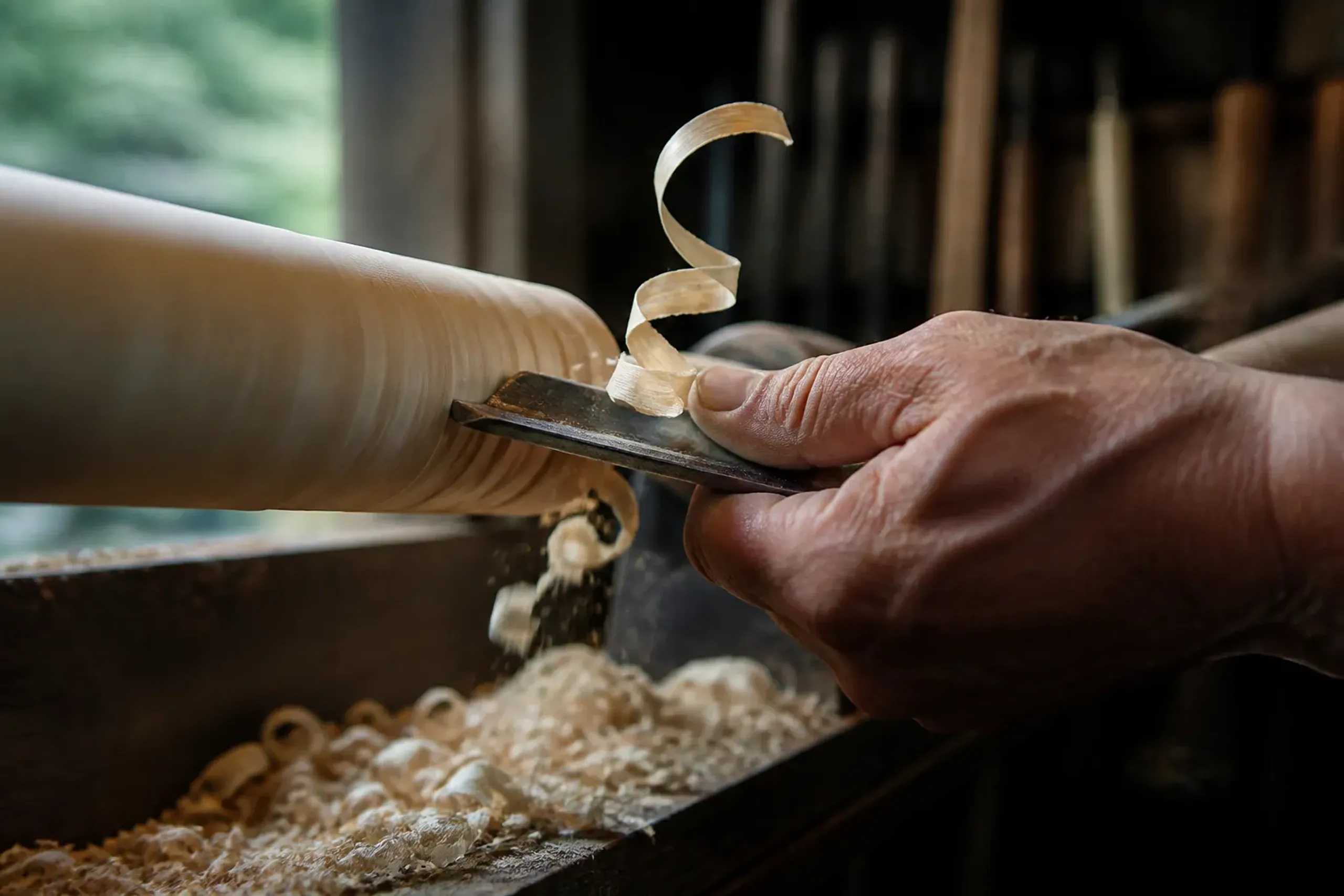
An atelier visit is not a class. It is not a performance. It is closer to visiting a kitchen during service: you see decisions being made under quiet pressure, and you realize how much of the outcome is set long before the final step.
In one hour, you can usually see the maker’s posture, the tool discipline, and how they correct small errors without announcing them. In half a day, you begin to notice tempo: when they speed up, when they stop, when they look twice. That is where shokunin becomes real, without needing the vocabulary to be romantic.
If you want the deeper version, say so early. A serious visit needs space in the maker’s calendar, and your own schedule has to support it.
Buying, Shipping, And Where Commissioning Starts
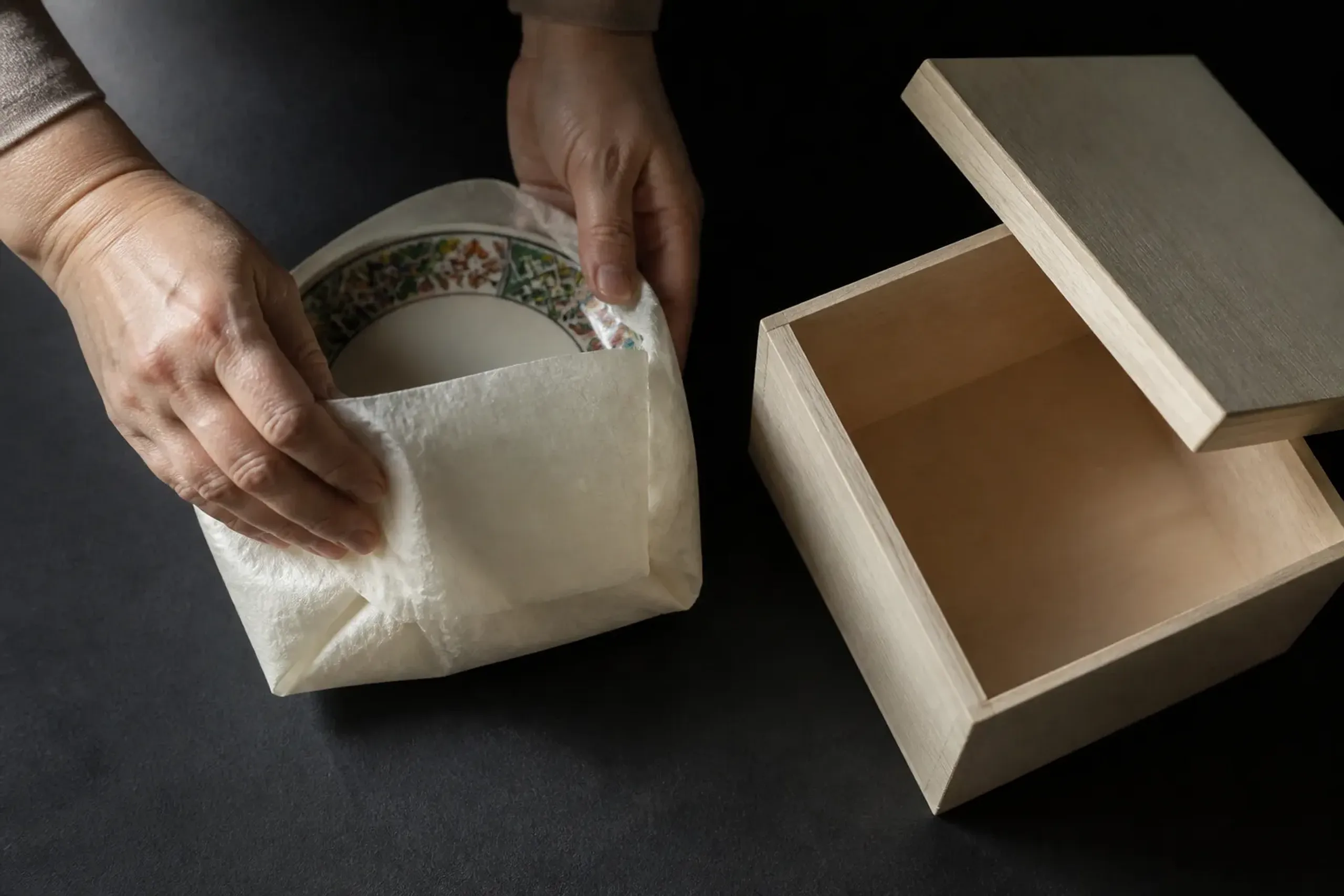
Buying on the day is sometimes the right move. Sometimes it is a mistake. Your first reaction is often emotion, and emotion can be expensive in a craft context.
If you do buy, think about provenance, packing, and shipping before you hand anything over. Ask what documentation exists, what materials require special handling, and whether export restrictions apply. Keep it practical.
Commissioning is a different decision with a different timeline. If you are considering that path, read our commissioning piece before you build the week around it: Two Years, One Pair: Commissioning Bespoke Shoes in Japan.
And if your goal is atelier access that depends on relationships, do not improvise it at the door. Our perspective is laid out here: The Guest Worth Inviting Back: What Access Asks of You.
Season, Weather, And Access Notes For Kanazawa And Kaga
Winter is a real factor on the Japan Sea side. Snow changes walking comfort, luggage handling, and day-trip ambition. Some facilities also adjust hours seasonally, and some hands-on programs pause during specific periods.
The better strategy is to anchor your dates to one verified reason, then design the rest around pacing. A museum exhibition window. A fair weekend. A specific craft neighborhood that rewards slower mornings.
For 2026-specific anchors, you have at least two clean ones already: the Yasue Gold Leaf Museum exhibition period (June 20–September 23, 2026) and KOGEI Art Fair Kanazawa (November 27–29, 2026). Everything else should support those dates, not compete with them.
How To Book Key Public Anchors (Official Channels Only)
For craft fairs, exhibitions, and museum entry, follow the organizer’s official instructions and policies. Rules change year to year, and some events require advance registration or timed tickets.
- KOGEI Art Fair Kanazawa: Check the fair’s official announcements for ticketing, opening hours, and any VIP or preview information published for your year.
- Kanazawa City Yasue Gold Leaf Museum: Check the museum’s official exhibition calendar for the dates you want, and confirm opening days and any special-entry requirements.
- GO FOR KOGEI: Use the official course information for the year you are traveling, since venues and routes can shift between editions.
If you want help interpreting what is worth your time, contact our concierge team for tailored guidance. We keep the public page informational, and we coordinate privately after you inquire.
Who Should Not Take This Trip
If you want headline sightseeing, this is not your week. Kanazawa has plenty to see, but this route is deliberately selective, and you will skip famous items that do not serve the craft axis.
If you need constant novelty, craft will start to blur by day three. That is normal. It is also why this itinerary is designed with an onsen base, early nights, and empty pockets of time.
If you want artisans as entertainment, stop here. A workshop is a workplace. Your presence should feel light.
Quiet Add-Ons That Fit A Craft Week (Without Breaking It)
Some upgrades help without turning the route into theater. Private transportation is one of them, because it protects your timing and keeps purchases and packaging out of sight.
When our guests choose to move between Kanazawa and Kaga with a dedicated car, we focus on calm logistics and discretion, not a showy convoy. For context on our vehicles and approach, see our private transportation service here: /services/transportation.
If you want a longer craft arc later in the same trip, we often design a bespoke itinerary that treats Kanazawa–Kaga as one chapter, not the whole book. Our tailor-made approach is outlined here: /services/tailor-made.
FAQ: The Kogei Route Through Kanazawa And Kaga
How Many Days Do You Need For A Kanazawa Craft Itinerary?
Two full days is the minimum if you want museums plus one meaningful production-facing visit. Three days is better if you want an event anchor or slower shopping without rushing decisions.
Is Kaga Onsen Worth Adding After Kanazawa?
Yes, if you want the second base to change your tempo. Kaga Onsen, especially the Yamanaka Onsen area, pairs naturally with Yamanaka lacquerware context and gives your evenings a quiet container.
Can You Visit A Yamanaka Lacquerware Workshop As A Visitor?
Some places are publicly described as welcoming visitors, such as Rokuro-no-Sato Arts and Crafts Hall and the Yamanaka Lacquerware Industrial Technology Centre according to official tourism and industry sites. Independent workshops vary, and expectations should stay modest.
What Is The Best Time To Go?
Choose dates based on one verified anchor. For 2026, the Yasue Gold Leaf Museum exhibition window (June 20–September 23, 2026) and KOGEI Art Fair Kanazawa (November 27–29, 2026) are clear options.
Is This A Shopping Trip Or A Learning Trip?
It can be either, but it works best when learning leads. Buying becomes clearer after you have seen enough process to understand what you are paying for, and what you are not.
Why Choose Japan Royal Service
Most luxury operators sell craft as a motif. Our team at Japan Royal Service treats it as a schedule problem, an access problem, and a conduct problem.
Discretion comes first. We plan with confidentiality as a default, from routing to timing to how you enter and leave places that are not set up for publicity.
We design for wabi-sabi, not spectacle. This route is about restraint: fewer appointments, more depth, and evenings that let the day settle instead of being overwritten by the next dining reservation.
We understand hidden-Japan logistics. Kanazawa and Kaga reward travelers who do not force the pace. We build the week around one serious visit per day, and we protect the maker’s working rhythm rather than turning it into a photo stop.
If you want a craft-first week built around your collecting habits, your attention span, and your privacy requirements, reach our team privately via WhatsApp or LINE, or contact us here.