In this guide
- 01How Does Tokyo Officially Declare Cherry Blossom Season?
- 02Why Tokyo’s Blossom Season Lives In Public Infrastructure
- 03Where Should I Go For Cherry Blossoms In Tokyo In Late March?
- 04What Are The Chidorigafuchi Rules During Sakura Illumination?
- 05Night Sakura Vs Day Sakura In Tokyo: What Changes?
- 06When Is The Best Time Of Day To See Cherry Blossoms In Tokyo Without Crowds?
- 07How Do Sakura Forecasts Work In Tokyo, And When Should I Check Them?
- 08A Bloom-Hedged Tokyo Plan: A Two-Evening, One-Morning Playbook
- 09Tokyo Sakura Festivals In 2026: Dates That Help With Planning
- 10How Private Transportation Helps In Tokyo Blossom Season (And Where It Does Not)
- 11What Japan Royal Service Covers For Tokyo In Blossom
- 12Frequently Asked Questions
- 13Why Choose Japan Royal Service
Tokyo’s cherry blossom season is declared from one tree.
It is a single Somei-Yoshino at Yasukuni Shrine, used as the Japan Meteorological Agency’s standard tree for the city. When five or six blossoms open on that one tree, Tokyo has flowered. Full bloom follows when roughly eighty percent of it is open.
In 2026, that tree flowered on 25 March, with full bloom running from 31 March into early April. That is why Tokyo’s season can feel sudden. One morning you wake up, and the city has changed.
How Does Tokyo Officially Declare Cherry Blossom Season?
Tokyo’s cherry blossom season begins when five or six blossoms open on the Japan Meteorological Agency’s standard Somei-Yoshino at Yasukuni Shrine.
This surprises many luxury travelers because it is not a survey across the city, and not a slow consensus. It is a single, checkable threshold. The news reports it. The crowd responds to it within hours.
After flowering is declared, “full bloom” is generally taken as roughly eighty to ninety percent open. Peak viewing is often about a week from full bloom, then rain and warm nights start to thin the petals.
Our team at Japan Royal Service plans Tokyo in March around that rhythm, not around a fixed calendar promise. Big mistake otherwise.
Why Tokyo’s Blossom Season Lives In Public Infrastructure
Tokyo’s most famous blossoms belong to a castle moat, a drainage river, and a municipal park.
That sounds almost too plain. It is exactly why Tokyo works. You are not “entering a garden.”
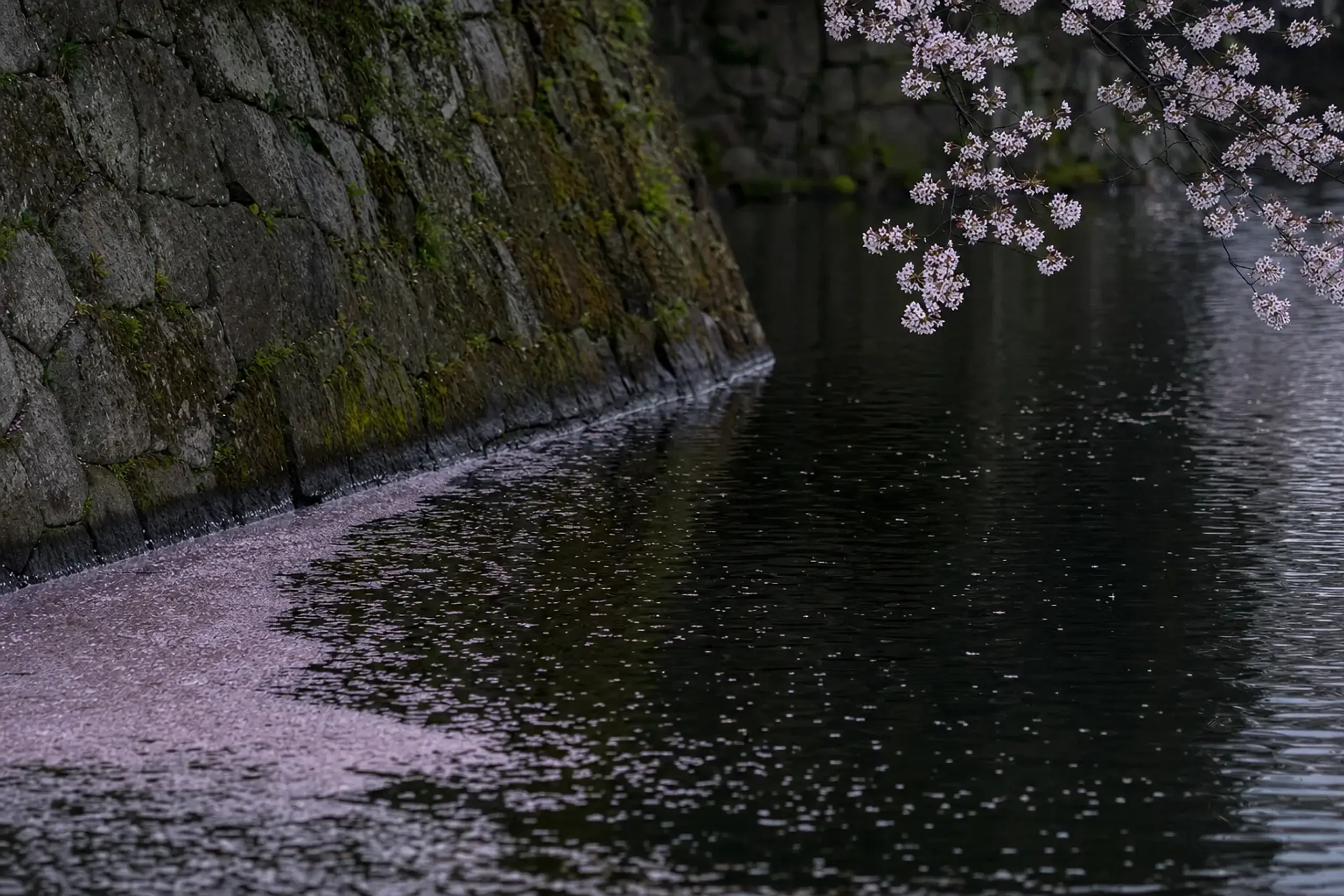
You are moving through the city’s working anatomy—waterways, embankments, bridges, commuter streets—while the canopy turns briefly weightless.
If you arrive expecting a private-garden viewing as the default, you have misread Tokyo. The season here is public, free, and crowded, and that is not a flaw to apologize for. It is the point.
For clients who want quiet, Tokyo does offer ticketed or calmer alternatives. They exist. They are simply not where Tokyo actually gathers in late March.
Where Should I Go For Cherry Blossoms In Tokyo In Late March?
For first-time Tokyo hanami in late March, prioritize Chidorigafuchi, the Meguro River (Nakameguro), and Ueno Park, then add Shinjuku Gyoen or Koishikawa Kōrakuen for a calmer counterweight.
Below are the verified core locations, written as they behave in real life. Not as brochure poetry.
Chidorigafuchi: Edo Castle’s Outer Moat, Seen From The Waterline
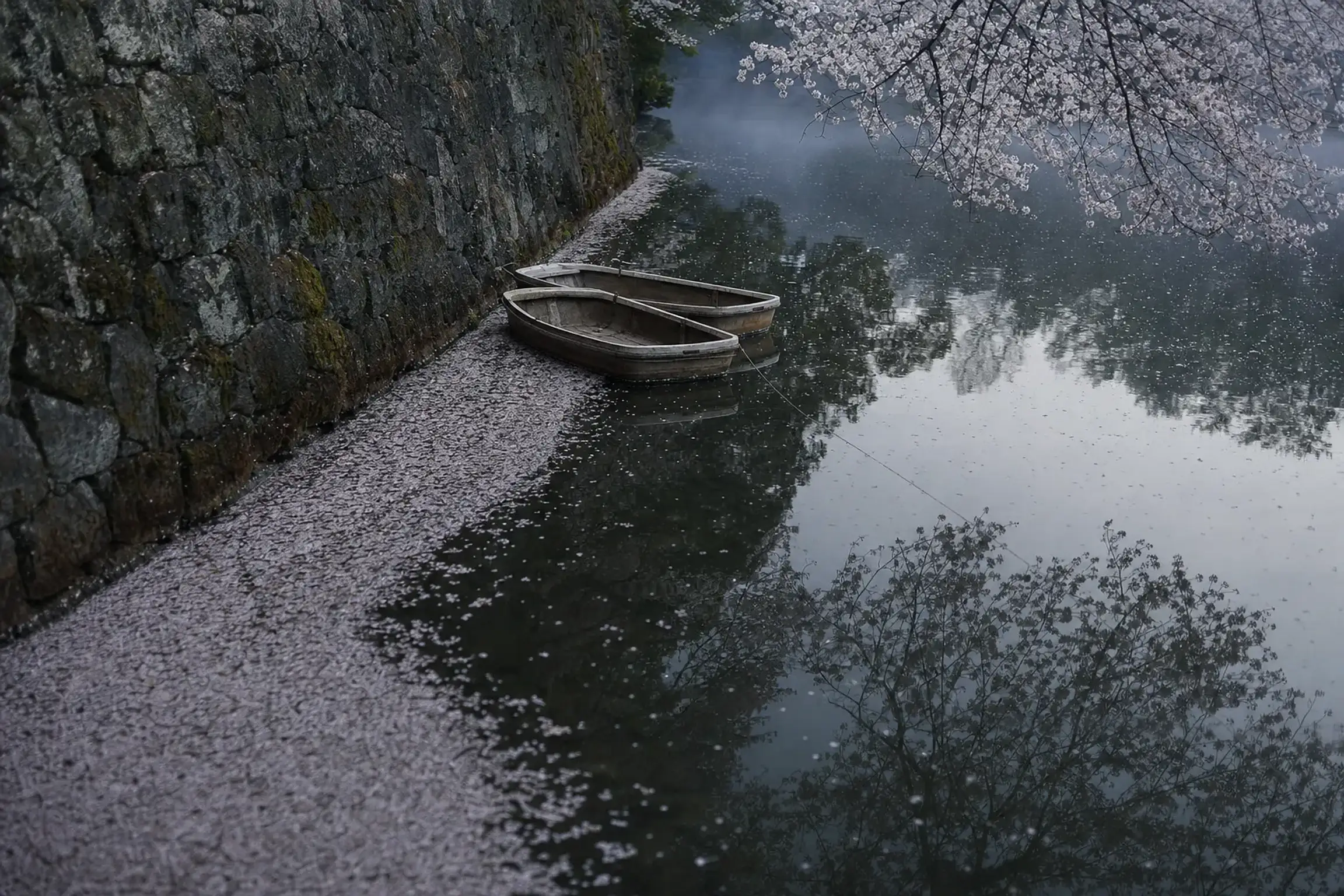
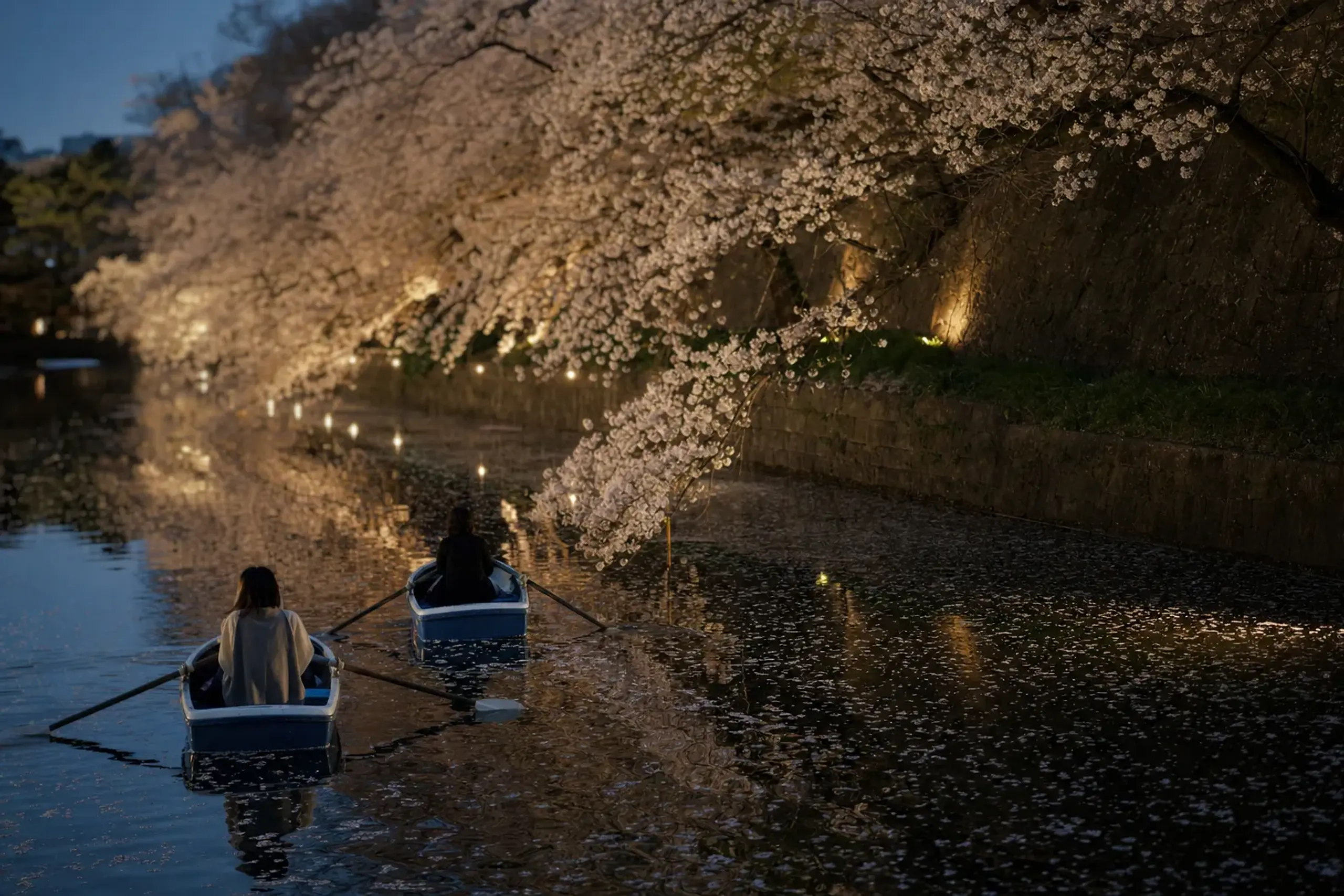
Chidorigafuchi Green Way runs along the outer moat of Edo Castle. It is free to enter, and it is one of the most Tokyo ways to see sakura: leaning over black water and old stone, with petals collecting along the edge.
Rowing boats operate on the moat in season, and the area is known for night illumination. It is also where you feel Tokyo’s “public infrastructure” argument most sharply—this is the same castle system you trace in our guide to An Edo Day in Tokyo, just from outside the walls.
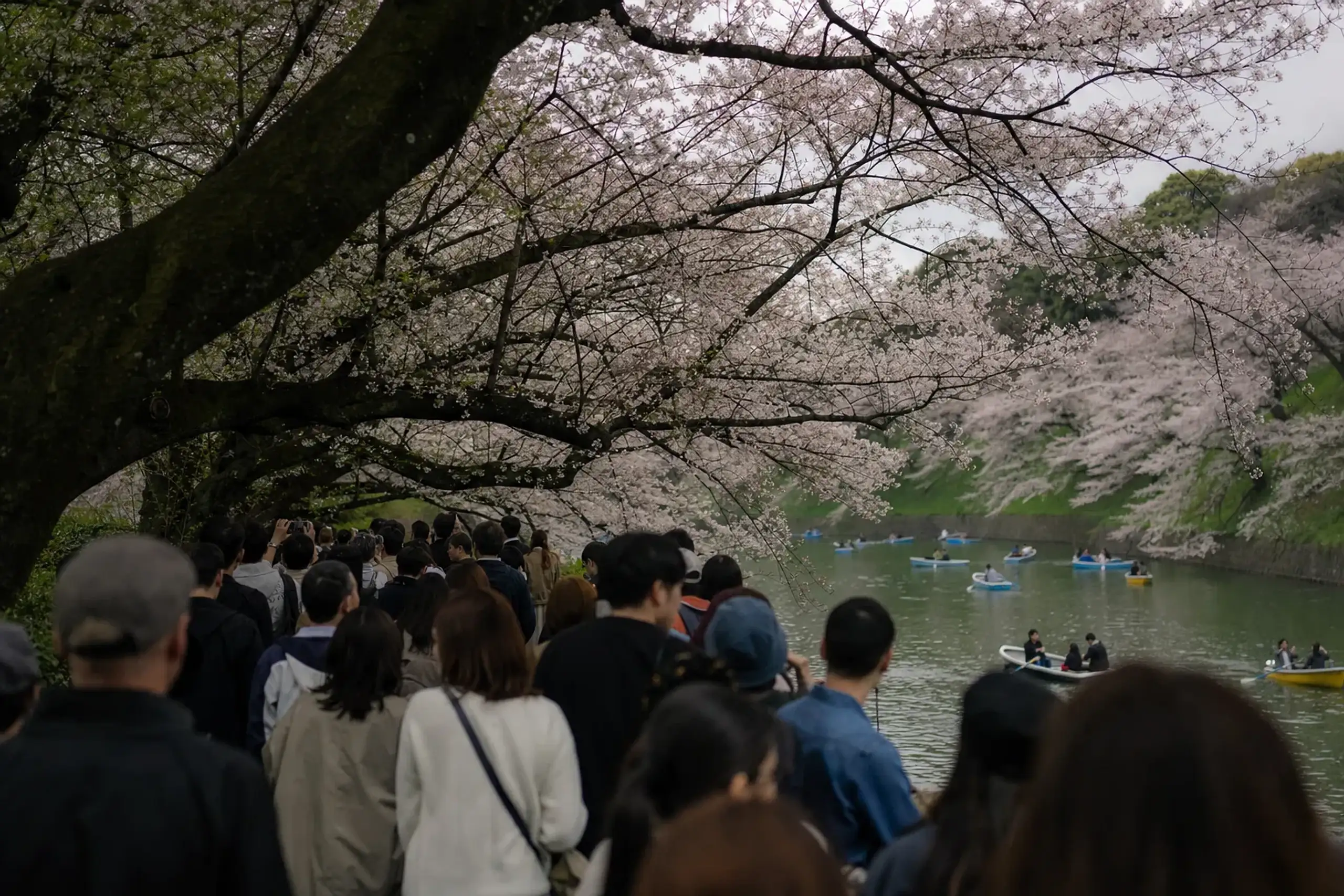
Chidorigafuchi is not a place to “do quickly.” The crowd moves like a tide. A patient pace matters.
Meguro River: Four Kilometers Of City Life Under Eight Hundred Trees
The Meguro River hanami stretch is roughly four kilometers, running from around Ikejiri-Ōhashi through Nakameguro to Shimo-Meguro. About eight hundred Somei-Yoshino line both sides, and there is an evening illumination.
This is not a park. No gate. No ticket booth. It is a linear walk between apartment blocks, small restaurants, and convenience stores, which is exactly why it feels like Tokyo rather than a curated “sakura venue.”
The useful luxury pattern here is simple: get dropped at one end, walk, then get picked up at the other. Trying to “loop back” wastes the best hour.
Ueno Park: The Classic, Loud, Communal Tokyo Hanami
Ueno Park is one of Tokyo’s most popular cherry blossom spots, with more than 1,000 cherry trees. It is free, busy, and famously social.
Expect blue tarps, laughter, and after-work groups with cans and paper cups. It can be rowdy. It can also be genuinely Japanese in a way that a quiet garden rarely is.
If you want a “perfect photo with no strangers,” Ueno will frustrate you. If you want to see how Tokyo actually celebrates, go once. Go early.
Shinjuku Gyoen: Paid Admission, Noticeably Calmer
Shinjuku Gyoen has around 1,500 trees and paid admission, and it is noticeably calmer than the moat and the river on peak weekends. JNTO highlights it as a major hanami spot with multiple varieties that bloom in staggered periods.
This is where we often steer HNW travelers who want the season without the compression of shoulder-to-shoulder pathways.
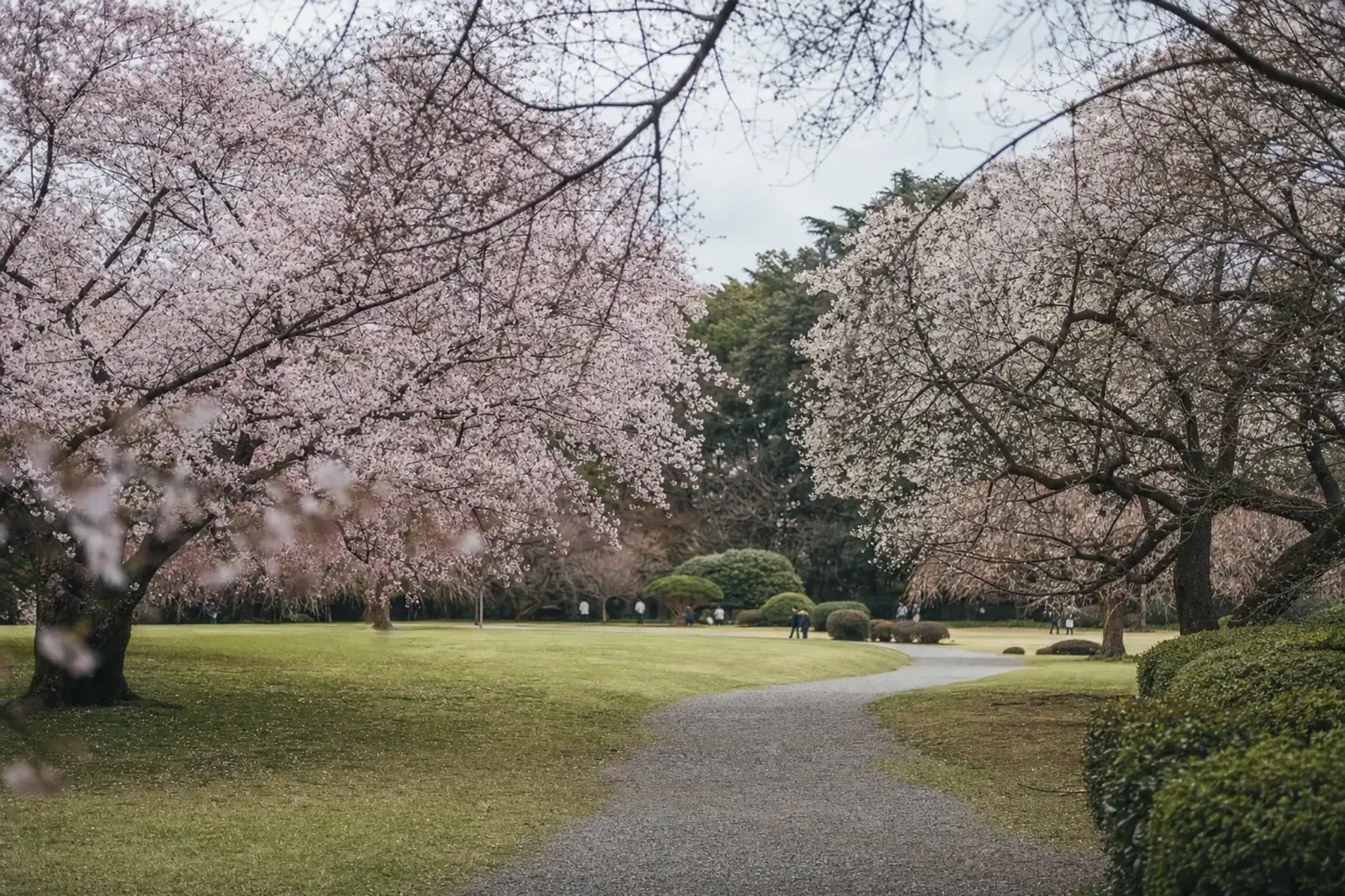
The trade is honest: it is not where the whole city goes, so the atmosphere is different.
It is still Tokyo. Just quieter. Short pause, longer breath.
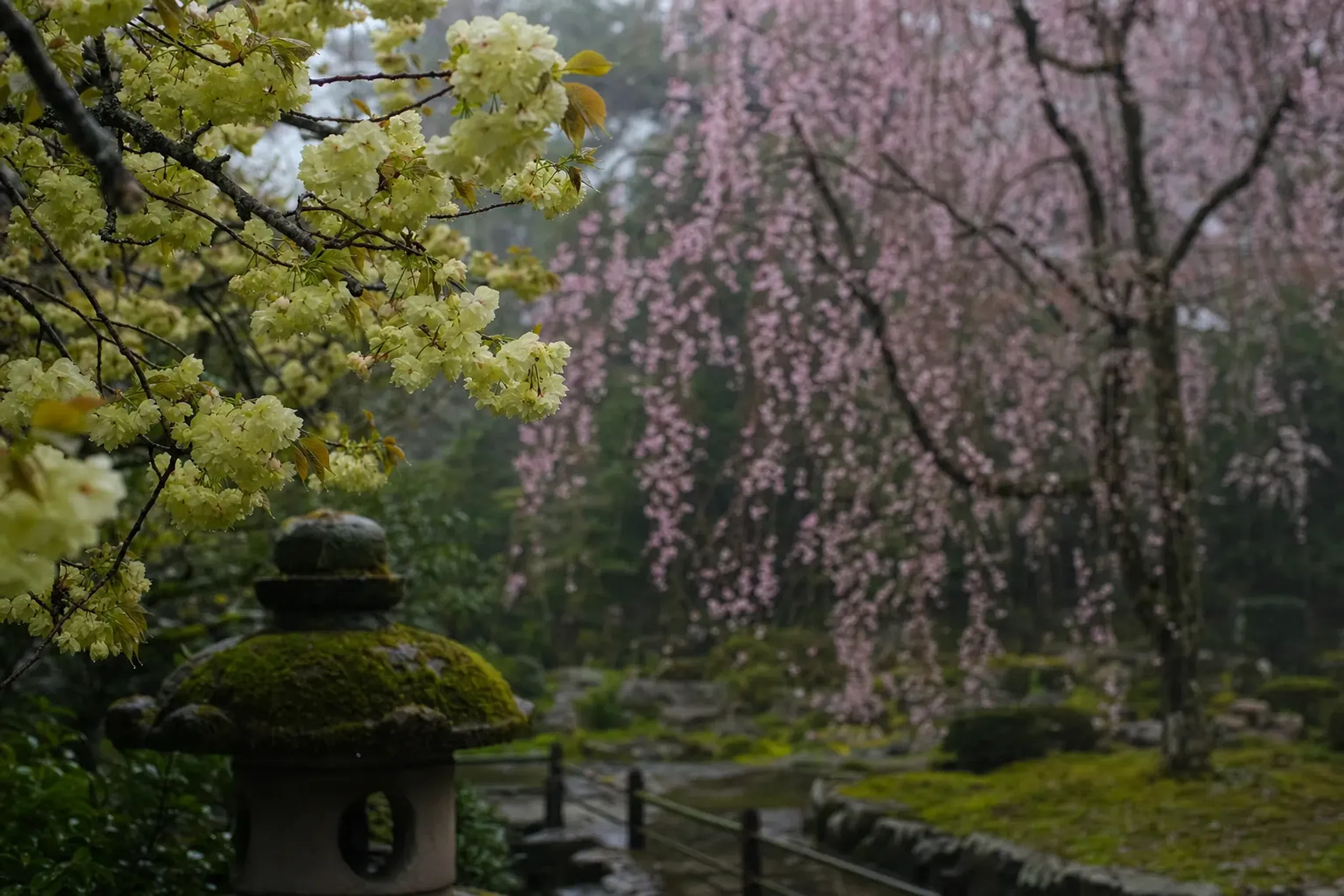
Koishikawa Kōrakuen: A Tokugawa Garden With An Uncommon Yellow Sakura
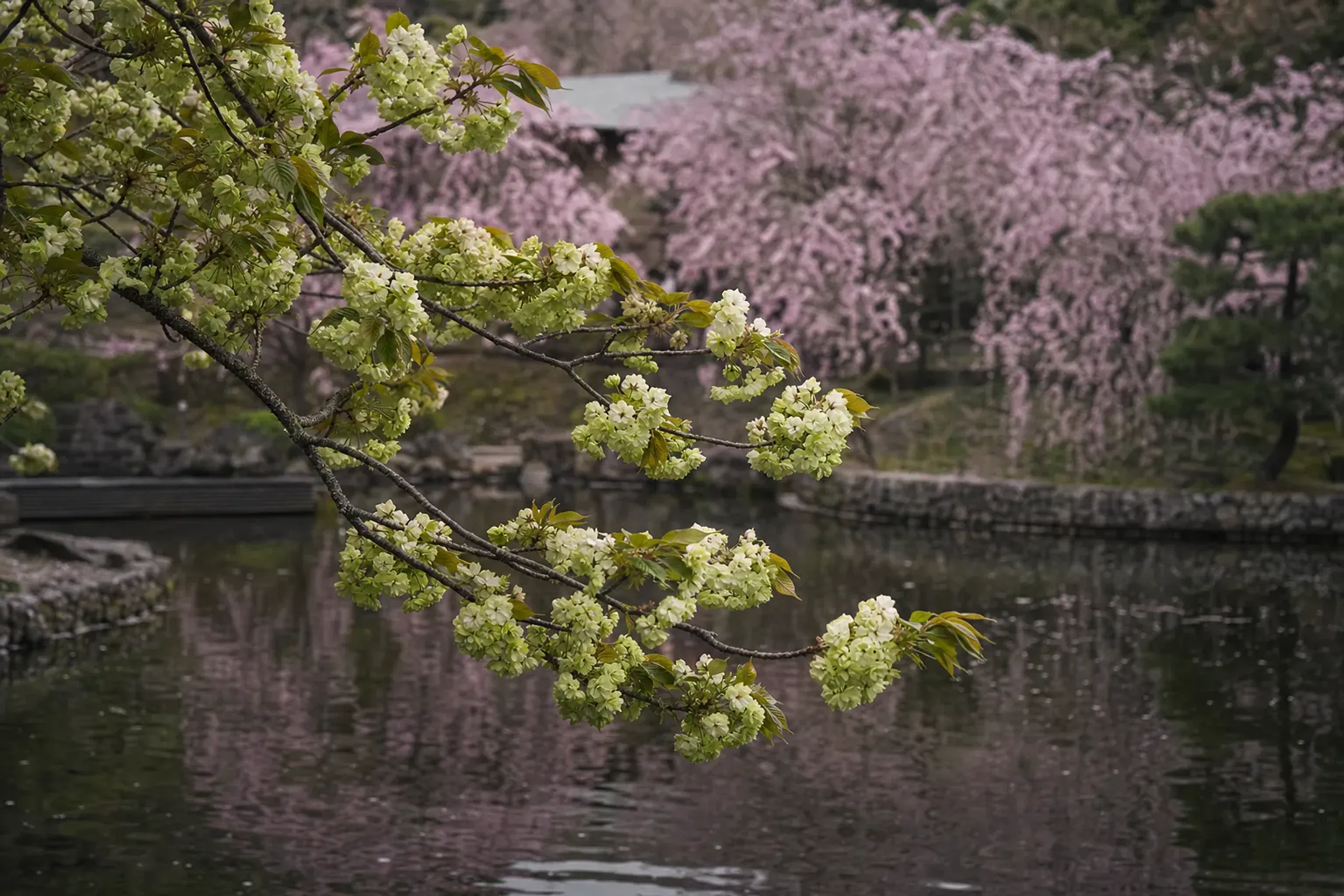
Koishikawa Kōrakuen is a historic garden associated with the Mito Tokugawa house, and it includes weeping cherry, Somei-Yoshino, and the pale-yellow Ukon variety, which is uncommon in Tokyo.
This is a good “second act” spot when you have already done the public icons and want a more composed garden mood. It also makes a tidy historical contrast with Six Named Trees: Plum Season at Kairakuen—the same family line, the same taste, expressed in different cities and seasons.
Confirm hours and admission close to your travel dates, because seasonal operations can shift year to year.
Key fact: For all sakura spots, check current opening hours and any seasonal crowd-control rules a few days before you go; Tokyo changes details every spring.
What Are The Chidorigafuchi Rules During Sakura Illumination?
During Chidorigafuchi illumination, weekend pedestrian movement is often directed one-way by police roughly 9:00 to 21:00, and entry from the Hanzōmon side is not possible in those periods.
These rules are real, published, and they catch photographers and first-time visitors off guard. Read them before you arrive. Not at the barrier.
- One-way flow on weekends (illumination period): Police direction is typically from Yasukuni-dōri toward the national cemetery entrance, roughly 9:00 to 21:00.
- No entry from Hanzōmon side (during those periods): Plan your approach accordingly, especially if your hotel is on the west side.
- No tripods or stepladders: Prohibited on the Green Way, including Kudanzaka Park.
- No unauthorized drone filming: Prohibited; media filming requires prior permission.
- No parking on the Green Way: There is no coach parking either.
This is where a chauffeured day plan helps even for travelers who normally avoid cars in Tokyo.
Not because you can park at Chidorigafuchi—you cannot—but because you can be dropped cleanly and then collected without detours.
Night Sakura Vs Day Sakura In Tokyo: What Changes?
At night, Tokyo’s sakura becomes a light-scape; by day, it becomes a crowd-scape.
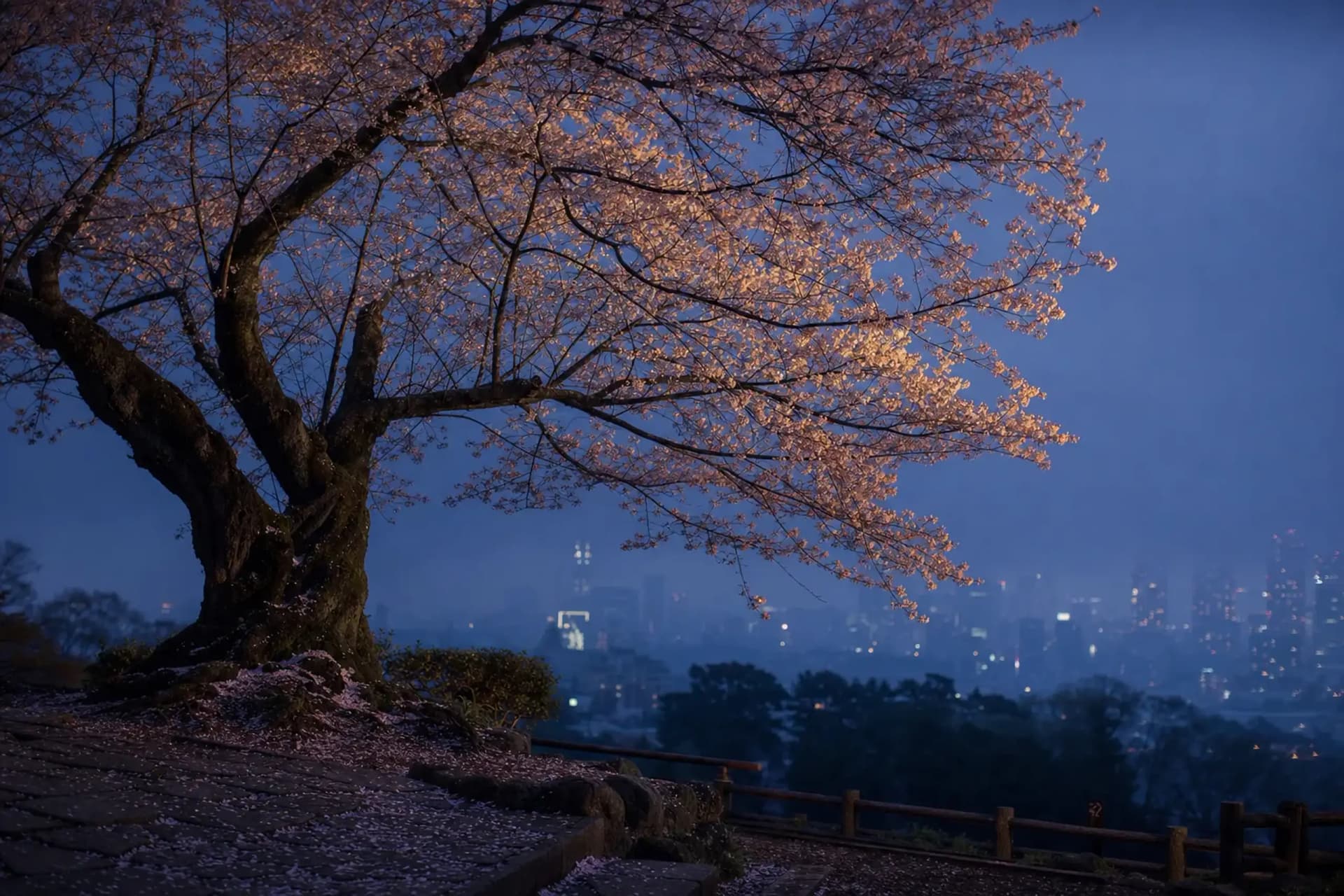
Chidorigafuchi after dark is a different proposition from noon. Stone goes ink-black, the water becomes a mirror, and petals read as drifting pale paper. The same path feels slower, even when it is busy.
The Meguro River is similar. At midday it is a linear sidewalk with coffee cups and prams. After sunset, reflections and lantern light make the river feel deeper than it is, and the walk turns into a kind of moving theater.
When the car is held, you can do both in one evening: a moat segment, then the river. Drop at one end, collect at the other. Efficient. Quietly controlled.
When Is The Best Time Of Day To See Cherry Blossoms In Tokyo Without Crowds?
Weekday mornings around 9:00 are the single most effective way to see Tokyo’s famous sakura with less crowd pressure.
The same places at nine on a Tuesday are a different city from seven on a Saturday. You hear footsteps. You notice the water. Your photos stop looking like a human-wall documentary.
Late March also overlaps with graduation season and the fiscal year-end fortnight in Japan, which is part of why Tokyo fills so fast. You feel it in restaurants, trains, and hotel lobbies.
Our practical advice is blunt: if you can shift even one “headline spot” to a weekday morning, do it. Everything else gets easier.
How Do Sakura Forecasts Work In Tokyo, And When Should I Check Them?
Tokyo forecasts typically publish from around February, and you should re-check timing two to three weeks before arrival for the most usable planning signal.
Forecasting is about probabilities, not guarantees. Warm spells pull dates earlier. A cold snap pauses the buds. Rain can shorten the peak week sharply.
Use the official mechanics as your anchor. Flowering is declared at five or six blossoms on the standard tree. Full bloom is roughly eighty to ninety percent open. Peak viewing is commonly about a week from there.
We build “bloom-hedged” days in Tokyo by mixing iconic Somei-Yoshino corridors with places that carry multiple varieties, so your trip still has blossom texture even if the headline week shifts.
A Bloom-Hedged Tokyo Plan: A Two-Evening, One-Morning Playbook
If you want Tokyo in blossom without betting the entire trip on one perfect afternoon, use time blocks. Simple.
Evening 1: Meguro River Walk (Linear, Drop-And-Collect)
Plan for a one-way walk in the Nakameguro corridor, timed for dusk.
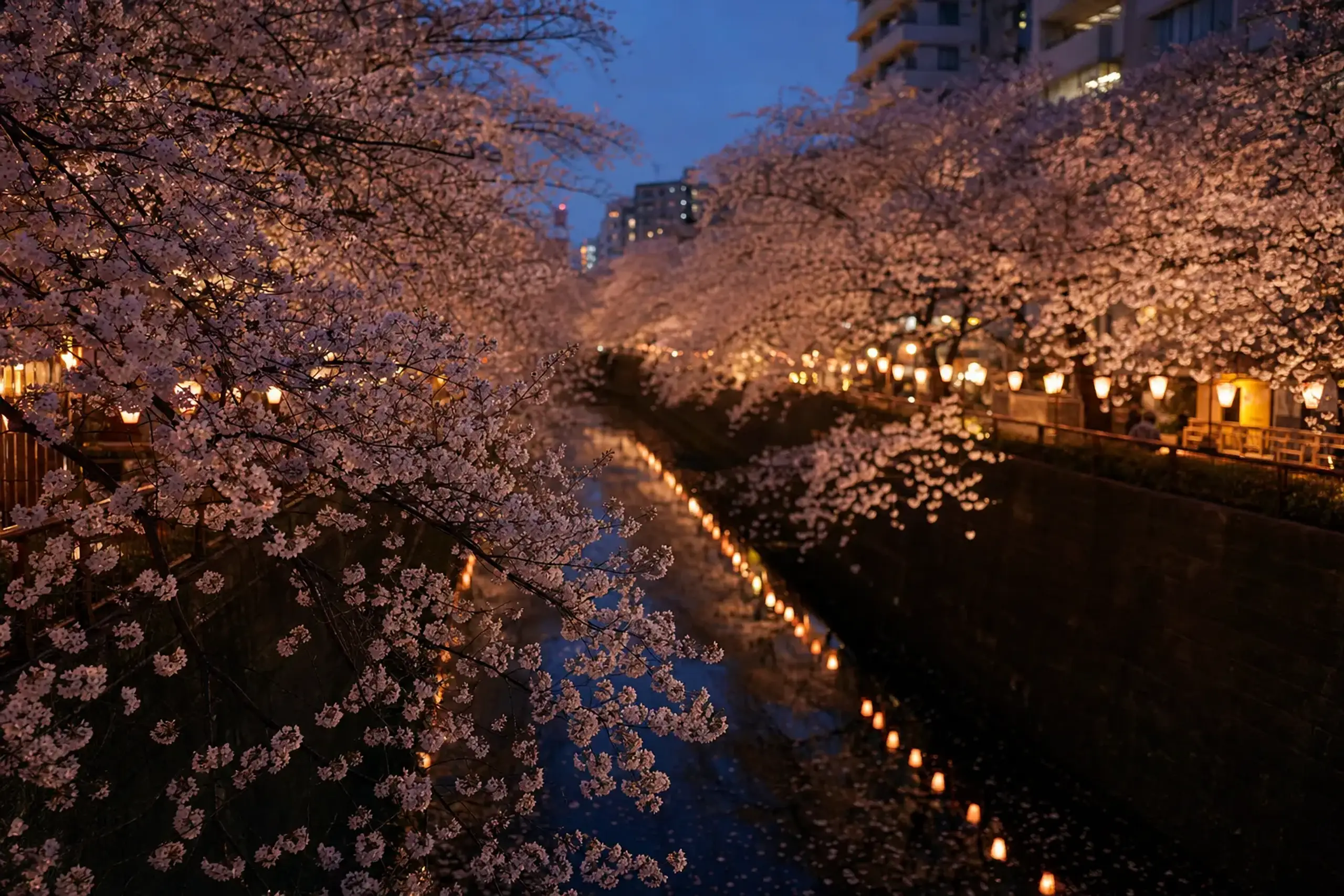
Start before the lights feel “late,” and finish when the reflections are strongest.
- Best use: A first-night reset after arrival, when you want beauty without museum-level concentration.
- Logistics note: Choose a start and end point; the river is not a loop.
Keep expectations realistic. It is urban. That is why it works.
Morning: Chidorigafuchi Early (Rules First, Photos Second)
Go on a weekday morning when possible. Walk the Green Way slowly, then step out for coffee and let the crowd build without you.
- Photography note: Tripods are prohibited; plan handheld or fast lenses.
- Access note: Weekend illumination periods can trigger one-way flow and blocked entry from Hanzōmon side.
This is Tokyo’s moat season at its most spare. Stone, water, blossom. Nothing else needed.
Evening 2: Chidorigafuchi Illumination, Then A Short Transfer
Return at night on a day when illumination is active. Accept the crowd, but use timing and entry direction to avoid pointless backtracking.
If you want a second location the same evening, keep it tight. A short transfer beats a long cross-city crawl in peak spring traffic.
Tokyo Sakura Festivals In 2026: Dates That Help With Planning
Festivals do not guarantee peak bloom, but they do guarantee atmosphere, lighting, and seasonal menus.
Two verified 2026 calendars are useful anchors when you are building a Tokyo March schedule:
- SAKURA FES NIHONBASHI 2026: 18 March to 5 April 2026.
- Chiyoda City Sakura Festival (Chiyoda City spring events): 5 March to 22 April 2026.
Nihonbashi is especially practical for HNW travelers because it supports evening-forward plans: illumination, seasonal offerings, and walkability near premium hotels.
You can see blossoms without treating the night as an afterthought.
How Private Transportation Helps In Tokyo Blossom Season (And Where It Does Not)
A car helps most by enabling clean drop-offs and pick-ups; it does not help by “getting you closer” to Chidorigafuchi, where there is no parking.
In blossom season, the friction is not distance. It is flow: one-way crowd control, blocked approaches, and the fatigue of repeated transfers when you are dressed for dinner rather than for subways.
The best pattern is pragmatic. Get dropped at one end of the Meguro River walk. Get collected at the other. For Chidorigafuchi, use the car to control your approach and exit, not to chase a non-existent parking space.
For private chauffeur and vehicle options, see our private transportation service page.
What Japan Royal Service Covers For Tokyo In Blossom
Japan Royal Service supports Tokyo blossom travel through guiding, private transfers, and accommodation planning, shaped around real rules, real timing, and your tolerance for crowds.
We keep the public-page promise clean. We do not claim to publicly book or guarantee third-party events or brand services from this article. For clients who want deeper coordination, we handle details privately after you inquire.
This is also where our three pillars show up in a Tokyo-appropriate way:
- Discretion: We treat your identity and daily plan as private, especially during high-visibility seasons.
- Imperial-class access (in tone and conduct): Tokyo’s moat district demands a higher formal register—punctuality, quiet movement, and respect for crowd control.
- Shokunin: When the blossom corridors are saturated, we can suggest craft-centered interludes that still feel “seasonal” without relying on a single overcrowded path.
For a truly tailor-made itinerary, we design days that can pivot when the forecast moves.
Calm planning beats chasing headlines.
Frequently Asked Questions
Is Tokyo Cherry Blossom Season Really Decided By One Tree At Yasukuni Shrine?
Yes—Tokyo’s official flowering is declared when five or six blossoms open on the Japan Meteorological Agency’s standard Somei-Yoshino at Yasukuni Shrine.
That single threshold is why Tokyo can feel “late” one day and suddenly in season the next. If you are traveling in the last two weeks of March, watch the standard-tree announcement closely.
What Were The 2026 Tokyo Cherry Blossom Dates For Flowering And Full Bloom?
In 2026, Tokyo’s standard tree flowered on 25 March, and full bloom ran from 31 March into early April.
Use those dates as context, not as a promise for future years. Forecasts shift with temperature and rainfall.
Can I Use A Tripod At Chidorigafuchi For Night Sakura Photos?
No—tripods and stepladders are prohibited on Chidorigafuchi Green Way, including Kudanzaka Park.
Plan for handheld shooting, stabilize against railings where permitted, and consider earlier evening light rather than the latest hour, when crowds and motion both increase.
Which Tokyo Sakura Spot Feels Calmest For A Luxury Traveler Who Still Wants Real Blossom?
Shinjuku Gyoen is often the calmest mainstream choice because it has paid admission, multiple varieties, and more breathing space than the moat and river corridors.
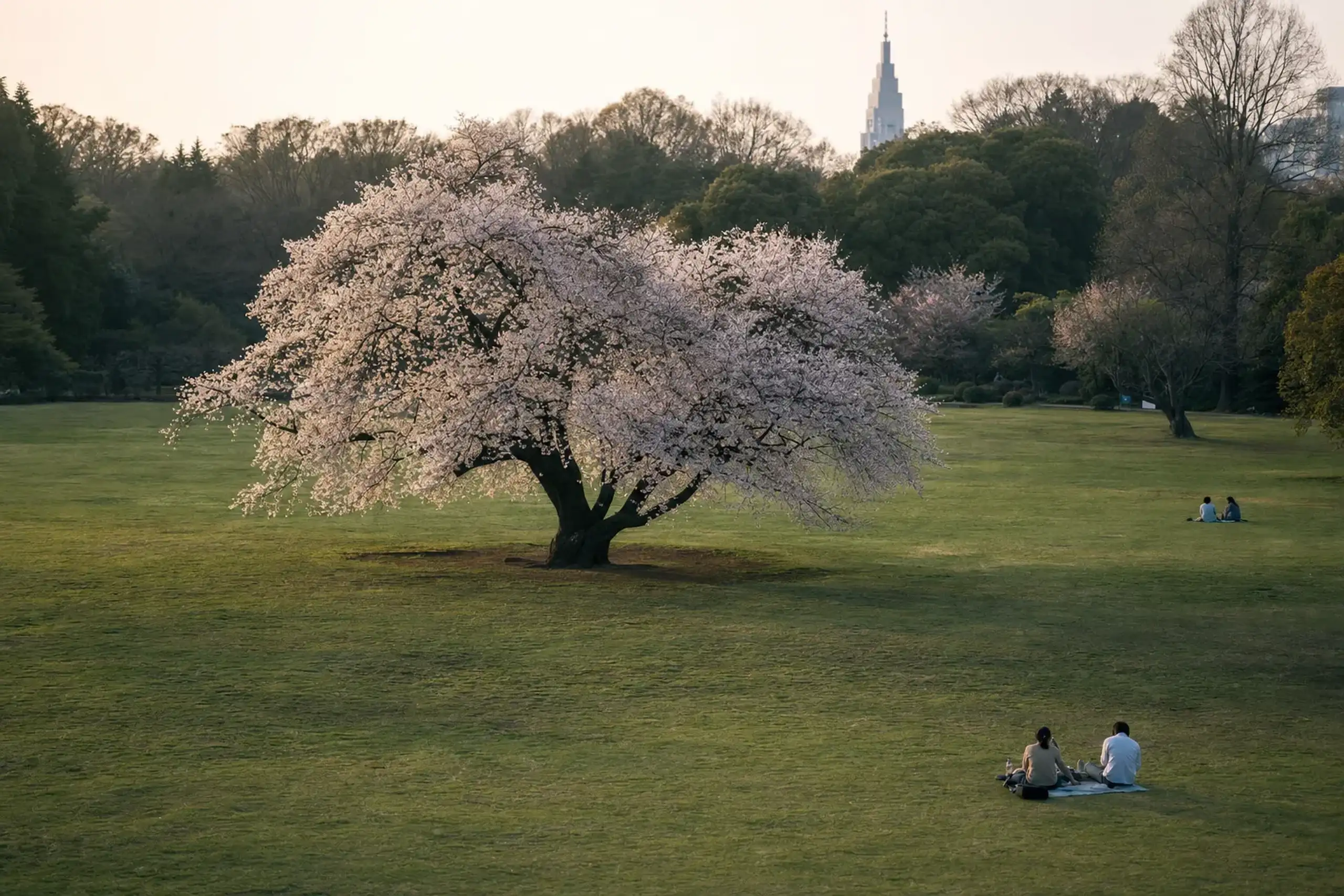
The trade is atmosphere: it is less of a city-wide street party. Many HNW travelers prefer that.
How Far In Advance Should I Plan A Tokyo Blossom Trip?
Start planning in February when forecasts begin publishing, then confirm your day-by-day plan two to three weeks before arrival as timing tightens.
If your schedule is fixed, build a “bloom-hedged” plan with both iconic corridors and multi-variety gardens, so your trip stays strong even if peak Somei-Yoshino shifts.
Why Choose Japan Royal Service
Tokyo in blossom rewards travelers who respect how the city works: public corridors, strict crowd rules, and fast-changing timing. Our team at Japan Royal Service is built for that reality.
We plan like locals with standards. Discreet routing, precise time blocks, and vehicles that fit your party rather than forcing you into generic tours. Quiet competence matters most in late March.
We also stay honest about what Tokyo is. It is not a private garden city in spring. It is a capital celebrating in public, and we help you experience it with control, comfort, and a lighter footprint.
Ready to plan Tokyo in blossom? Reach our team privately via WhatsApp or LINE, or contact us here to discuss dates, routing, and a bloom-hedged itinerary.