In this guide
- 01What Are The Legends Of Tono?
- 02What Is A Kappa, And What Is Kappabuchi?
- 03What Is A Magariya Farmhouse, And Where Do You See One?
- 04The Museum In The Old Sake Brewery
- 05How Do You Reach Tono From Shin-Hanamaki?
- 06Moving Between Tono's Sites
- 07Pairing Tono With The Rest Of Iwate
- 08How Japan Royal Service Arranges A Tono Visit
- 09Frequently Asked Questions
- 10Why Choose Japan Royal Service
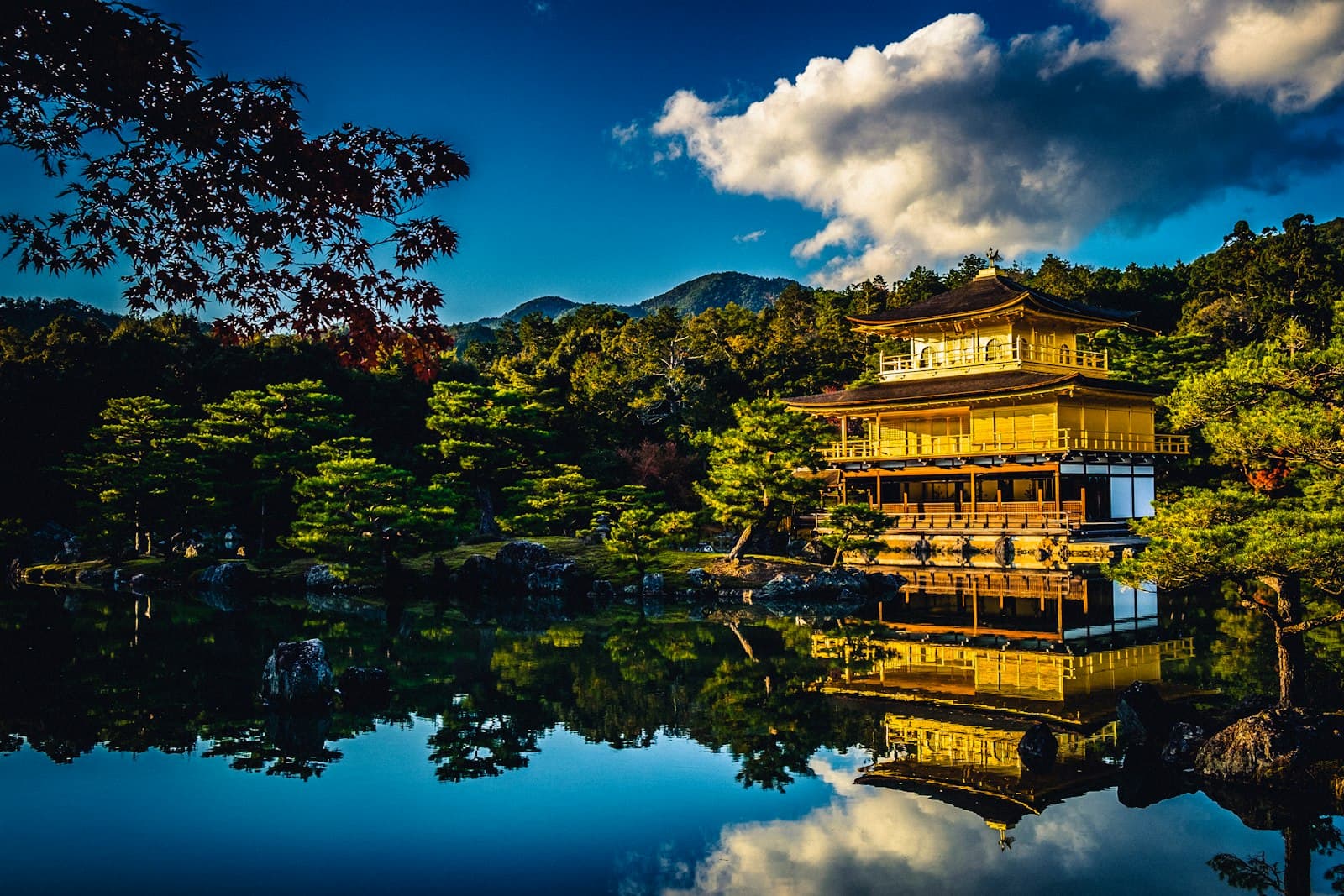
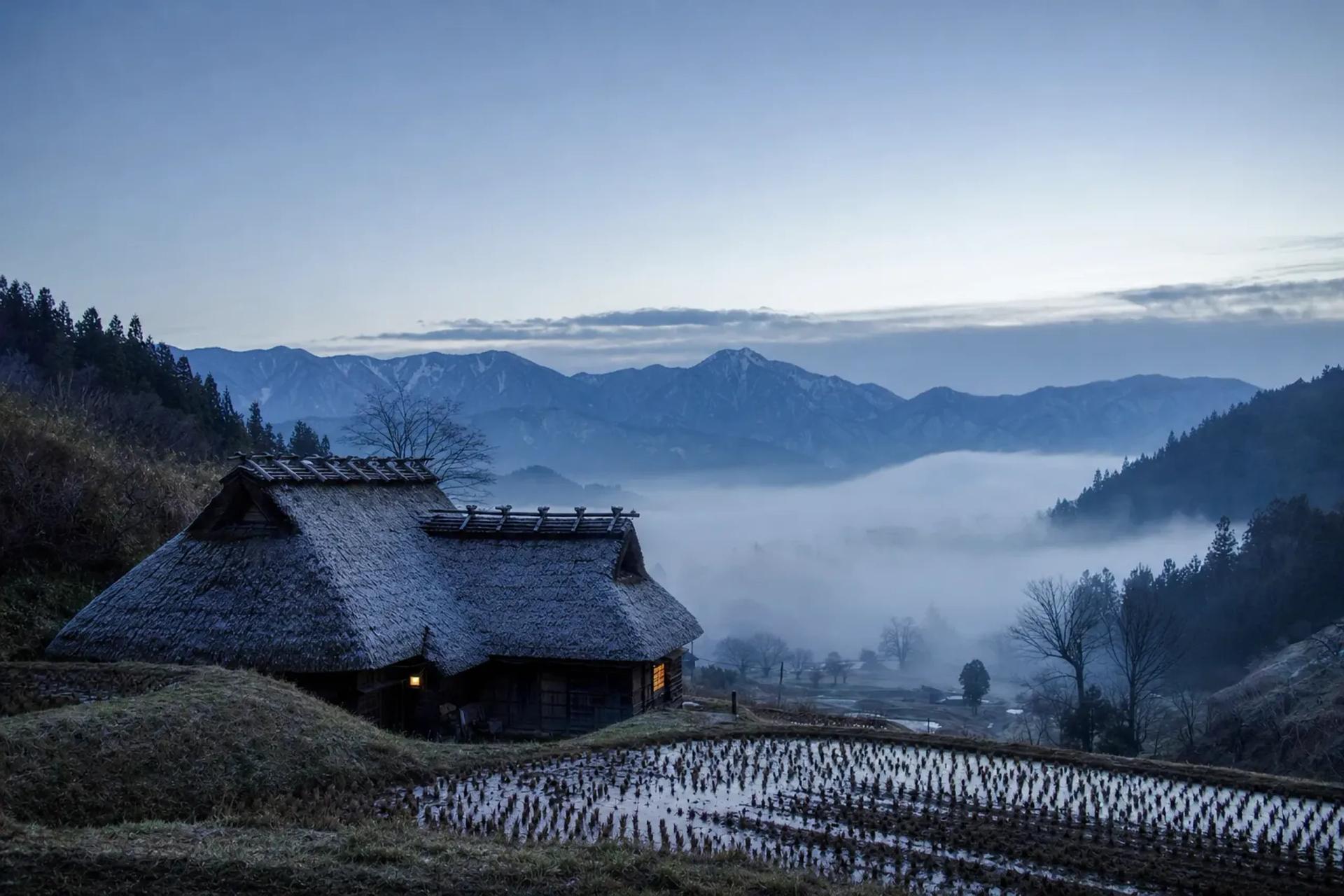
In the hills of Iwate, there is a valley whose stories became a book. Tono is that valley. The tales of this valley were published in 1910 as the Legends of Tono, and more than a century later the thatched farmhouses, the small pool tied to water-sprite lore, and the folk villages are still here to walk through.
This guide covers what the Legends of Tono are, who wrote them, what a kappa is, what a magariya farmhouse is, how to reach Tono from Shin-Hanamaki Station, and how to move between sights that are spread across a valley. Our team at Japan Royal Service builds Tono into a wider Iwate stay, and the practical details below are the ones you will actually need.
What Are The Legends Of Tono?
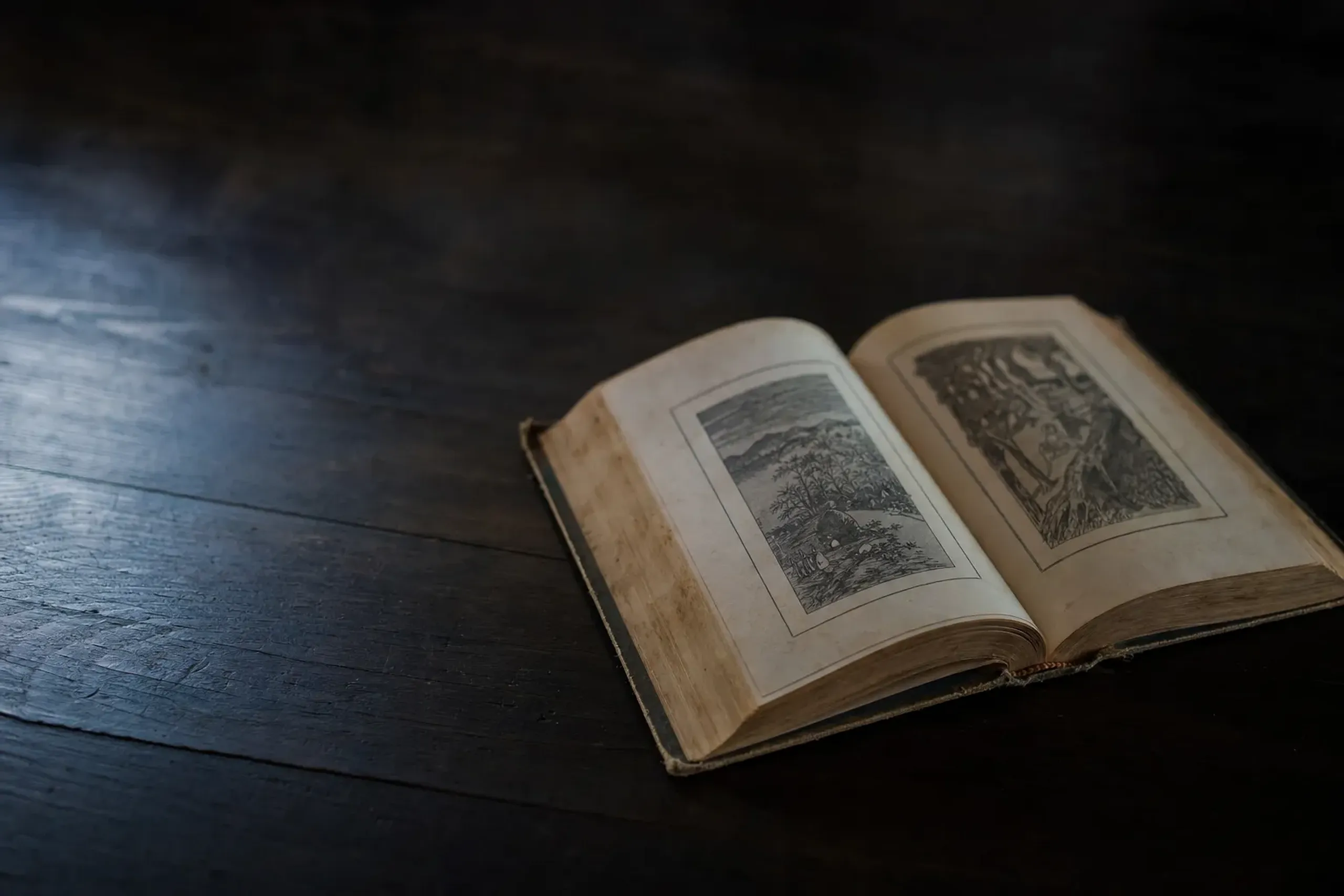
The Legends of Tono is a collection of local tales published in 1910. According to japan-guide, Yanagita Kunio collaborated with Sasaki Kizen to put the book together.
Two men stand behind the collection: Sasaki Kizen and Yanagita Kunio. japantravel.com uses the label "City of Folklore" for Tono.
What Is A Kappa, And What Is Kappabuchi?
A kappa is a water sprite from Japanese folklore. According to japan-guide, it is said to be fond of eating children and cucumbers. That is folklore, and this guide keeps it as folklore.
Kappabuchi is a small pool behind Jokanji Temple in Tono, with a kappa shrine nearby. The pool is small; the interest is the lore.
Key fact: The kappa lore at Kappabuchi is folklore; the interest is the story and the shrine behind Jokanji Temple.
A cultural interpreter guide can tell the tale at the pool.
What Is A Magariya Farmhouse, And Where Do You See One?
A magariya is an L-shaped thatched farmhouse.
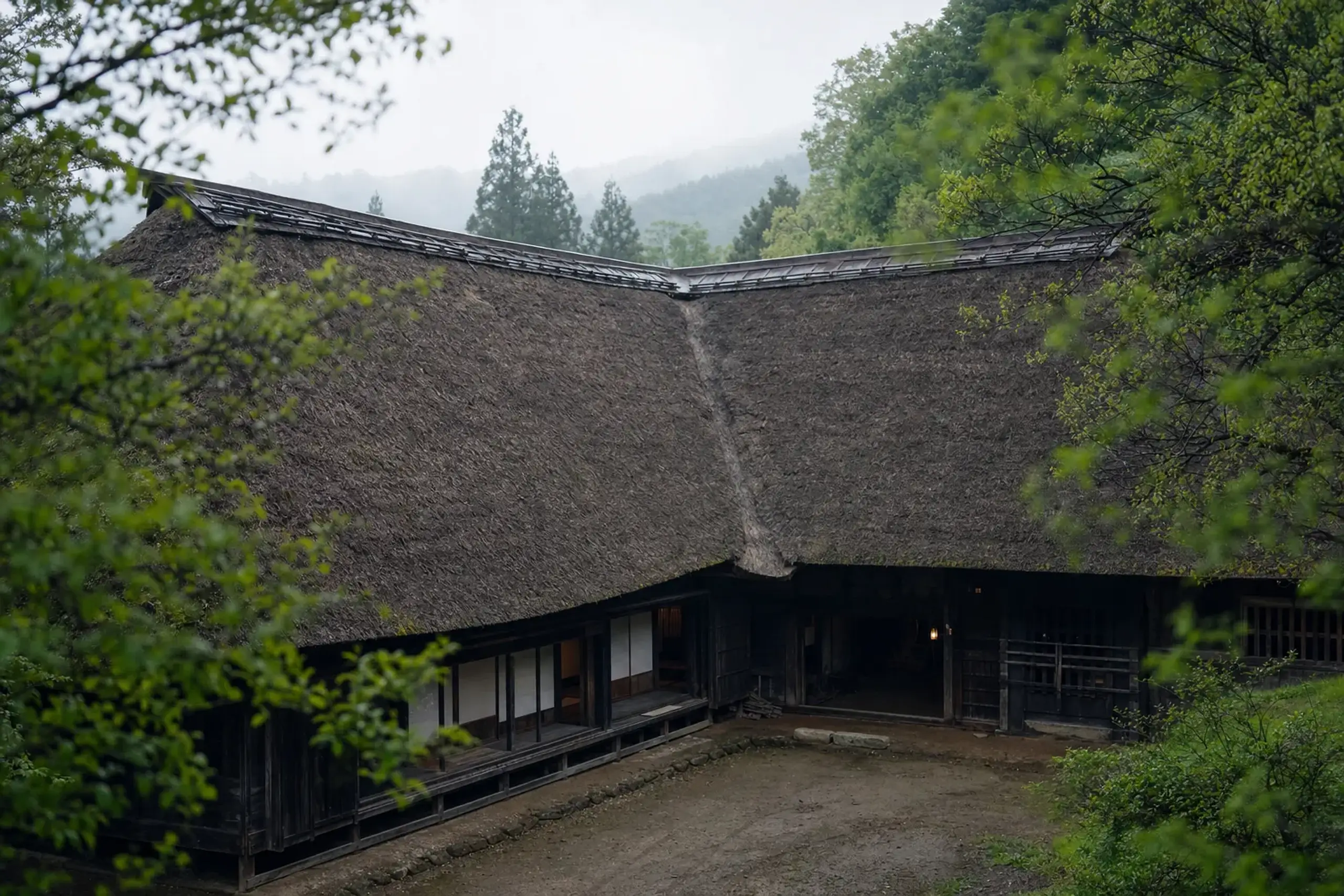
According to japan-guide, these houses are common in the Nambu region, and their L shape is the detail to look for.
Tono's folk villages have thatched farmhouses you can see up close. Two sites make this easy.
Tono Furusato Village
Tono Furusato Village gathers thatched-roof farmhouses, storehouses, watermills and fields in one place. According to japan-guide and japantravel.com, it offers hands-on farming and straw or bamboo crafts. japantravel.com puts Furusato Village about 7 kilometres from Tono Station.
- Thatched-roof farmhouses
- Storehouses, watermills and working fields
- Craft and farming activities on site
Denshoen
Denshoen is a small folk village of about a dozen buildings. According to japan-guide, it includes a museum dedicated to Sasaki Kizen, who collaborated with Yanagita Kunio on the Legends of Tono.
Transport between the sites is covered below.
The Museum In The Old Sake Brewery
The Tono Monogatari-no-Yakata museum is set in a converted sake brewery, according to japan-guide.
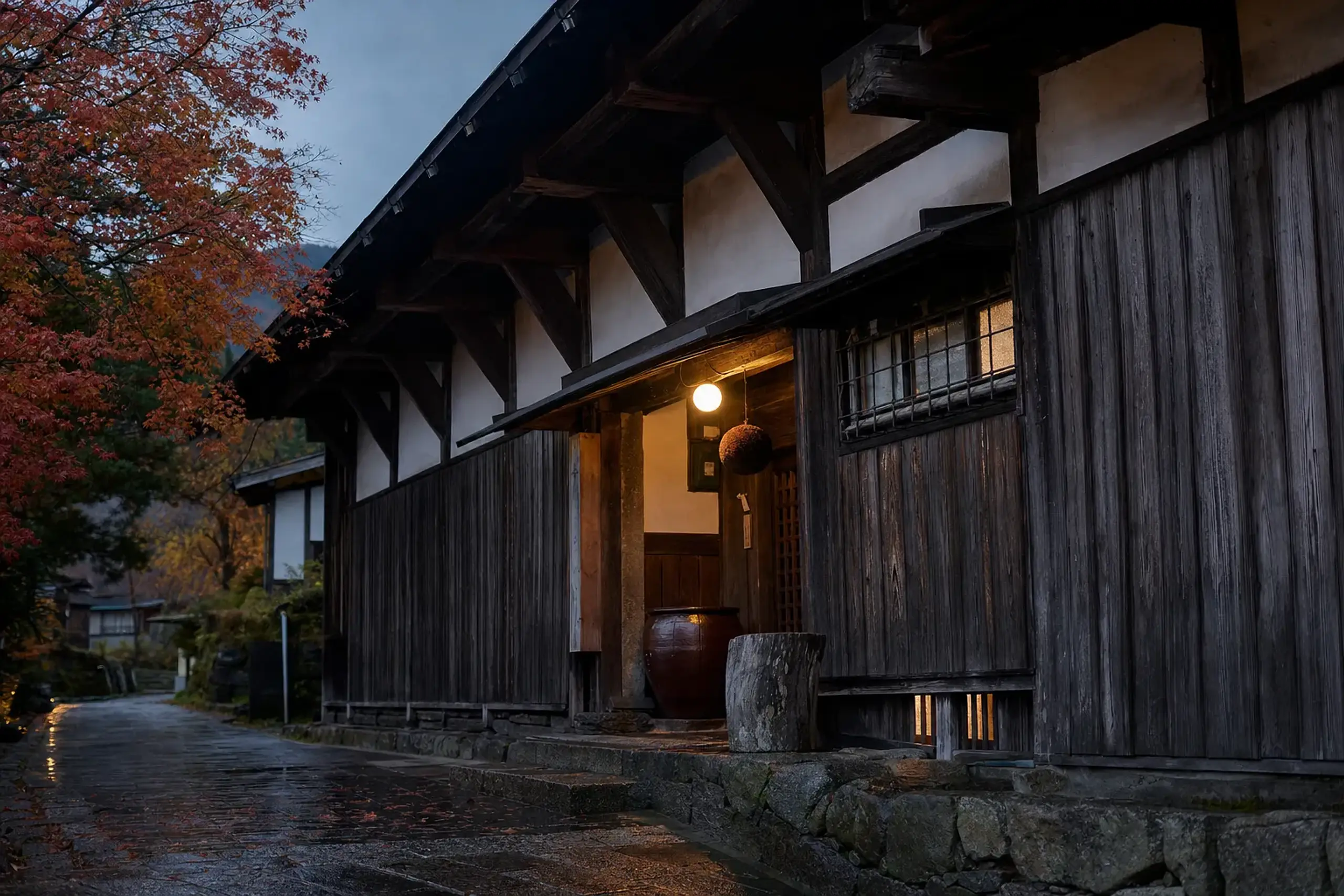
Opening days and times vary, and the JRS concierge team confirms directly with the guest at time of arrangement.
How Do You Reach Tono From Shin-Hanamaki?
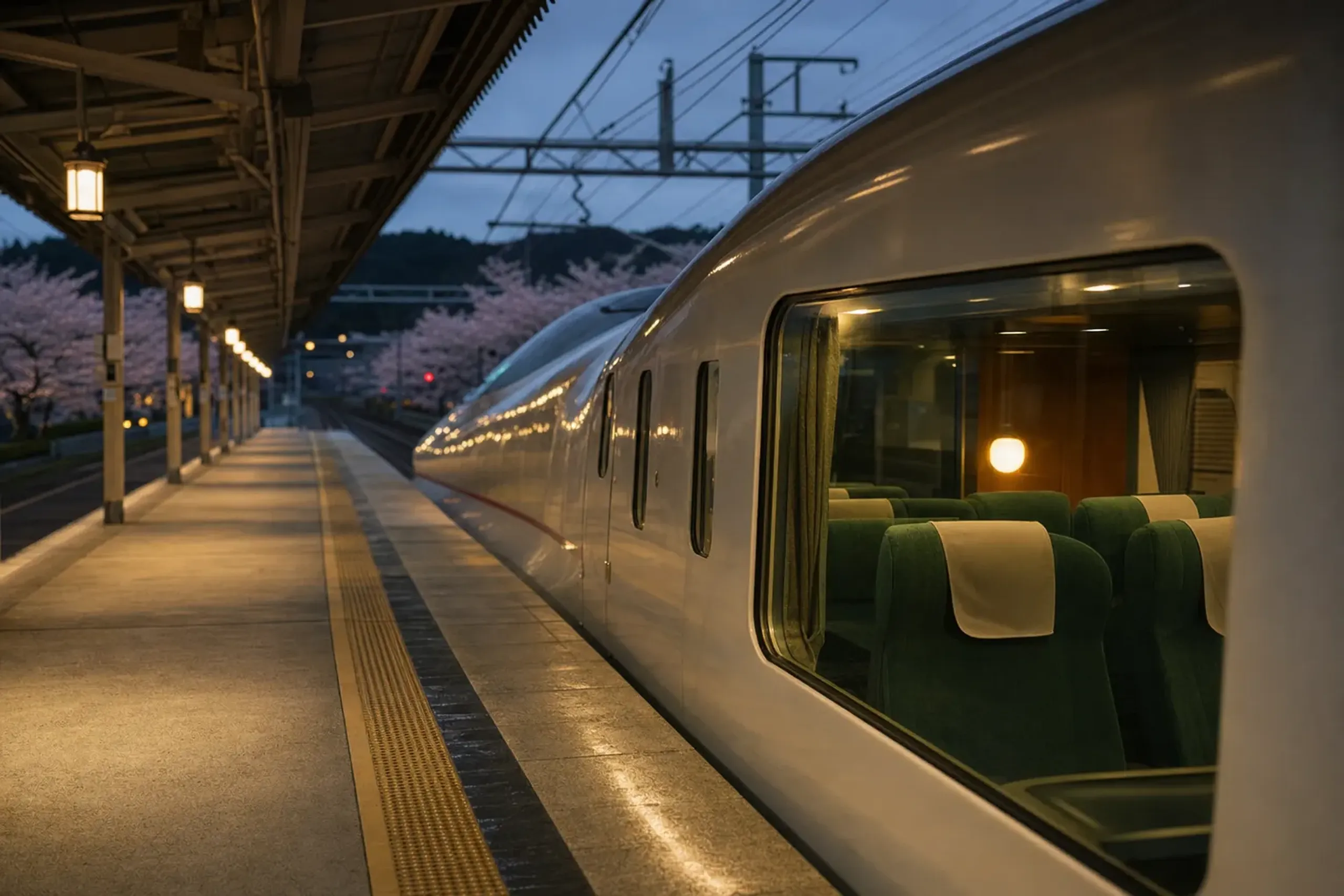
You reach Tono by taking the Tohoku Shinkansen to Shin-Hanamaki Station, then the JR Kamaishi Line. According to japan-guide, the train from Shin-Hanamaki to Tono takes 45 to 60 minutes.
The Kamaishi Line runs between Hanamaki and Kamaishi, and Tono sits along it. The shinkansen leg runs to Shin-Hanamaki, and the local line continues to Tono. Exact train timings and connections vary by day, so the JRS concierge team confirms directly with the guest at time of arrangement.
| Leg | Line | Notes |
|---|---|---|
| To Shin-Hanamaki | Tohoku Shinkansen | Green Car and Gran Class where available |
| Shin-Hanamaki to Tono | JR Kamaishi Line | 45 to 60 minutes, per japan-guide |
For the shinkansen leg, we can arrange rail tickets, Green Car and Gran Class seating where it is sold, platform assistance and luggage forwarding so you arrive unburdened. If you are weighing the train against a car for part of the journey, our guide to private driver versus rail lays out the trade-offs.
Moving Between Tono's Sites
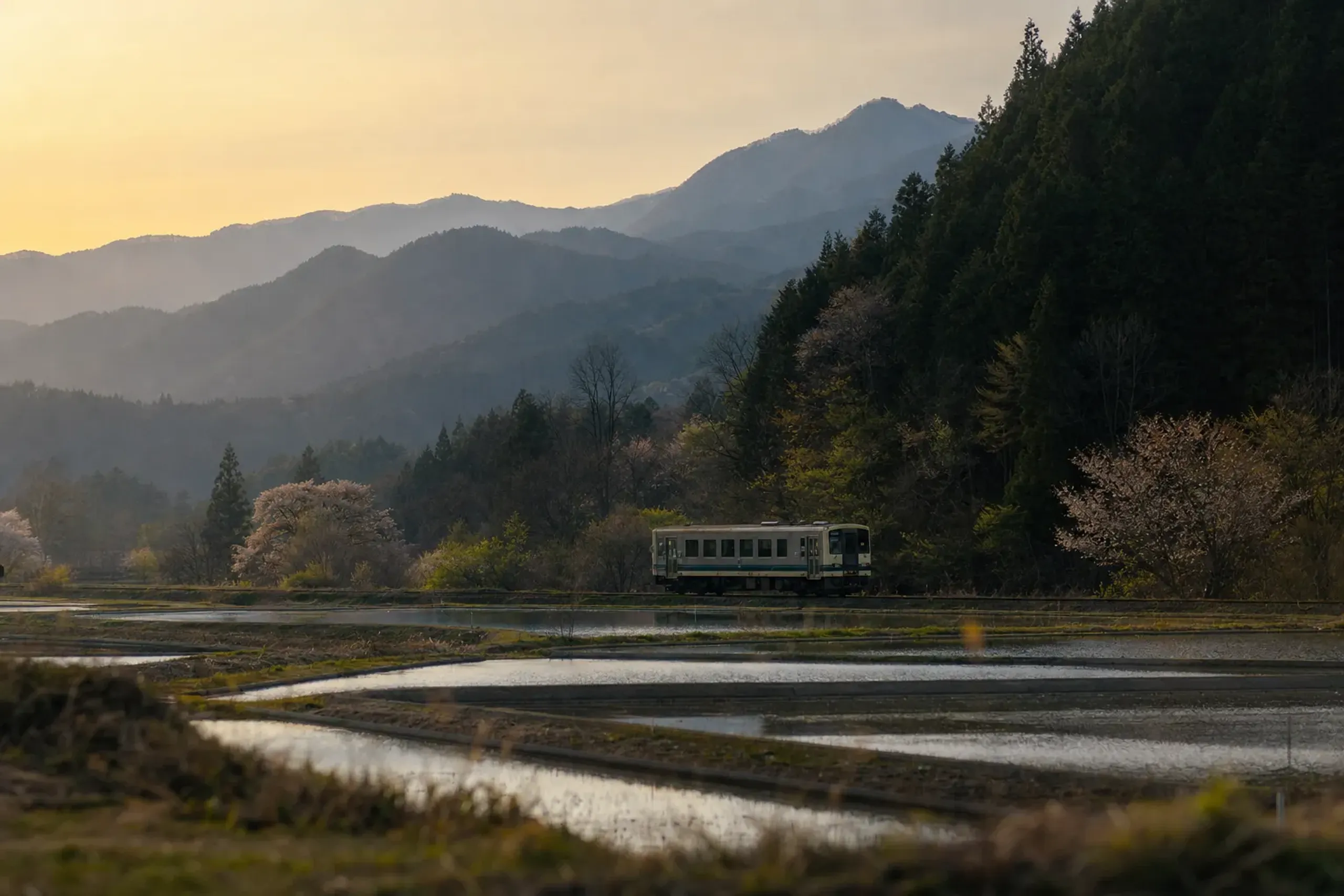
Tono's sights are spread across a valley rather than clustered in one walkable block. According to japan-guide, bicycles can be hired in front of Tono Station, and the terrain is described as quite hilly.
For the sites outside the town, a car with an English-speaking driver suits the layout. A vehicle links them without the time lost to spread-out local connections.
The private transportation we arrange uses vehicles from partner companies with English-speaking drivers. The driver handles the roads between sites; a separate cultural interpreter guide reads the folktale sites with you. Booking those two roles separately keeps each one doing what it does best.
Pairing Tono With The Rest Of Iwate
Tono fits naturally into a wider Iwate route, and a few neighbours deserve a line each.
- Chusonji and Hiraizumi: the Golden Hall and its temple complex sit to the south; see our Chusonji and Hiraizumi guide.
- The Rikuchu coast: the cliffs and coves of the Pacific edge are covered in our Rikuchu coast guide.
- Morioka: Iwate's main city and its summer dance are in our Morioka Sansa Odori guide.
If you prefer a single long route that strings the coast together, our Tohoku coast road trip frames the wider drive.
How Japan Royal Service Arranges A Tono Visit
Within the scope of a Tono stay, here is what we can set up.
- Planning: the concierge team builds Tono into a wider Iwate itinerary and plans the rail link from Shin-Hanamaki. Start with a tailor-made itinerary.
- Guiding: an English-speaking cultural interpreter guide, booked separately from the driver, to read the folktale sites.
- Transfer: a vehicle from a partner company with an English-speaking driver between Shin-Hanamaki, Tono and the sites outside the town.
- Stay and meals: ryokan and restaurant booking in Tono or Morioka, with dietary needs passed ahead.
- Rail: tickets on the Tohoku Shinkansen to Shin-Hanamaki, Green Car and Gran Class where available, platform assistance and luggage forwarding.
- Same-day re-planning: when weather changes, we adjust the day.
Train timings and which sites are open vary, and the JRS concierge team confirms this directly with the guest at time of arrangement. Everything described in this guide is open to the public.
Frequently Asked Questions
What are the Legends of Tono?
The Legends of Tono is a 1910 collection of local folktales from the Tono valley in Iwate. According to japan-guide, Yanagita Kunio collaborated with Sasaki Kizen to publish it.
What is a kappa?
A kappa is a water sprite from Japanese folklore.
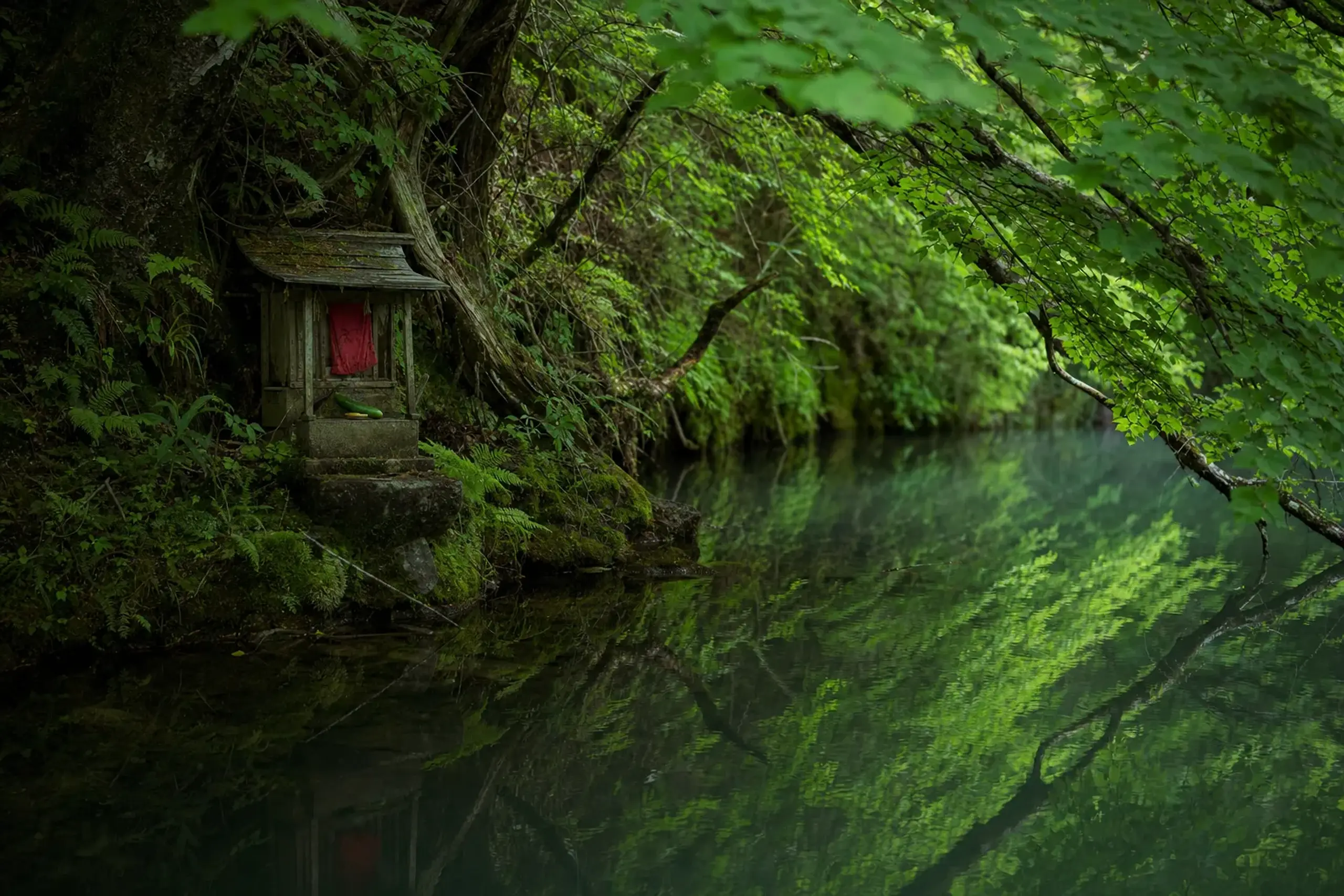
According to japan-guide, it is said to be fond of eating children and cucumbers. In Tono it is linked to Kappabuchi, a small pool behind Jokanji Temple with a kappa shrine nearby.
How do you reach Tono from Shin-Hanamaki?
Take the Tohoku Shinkansen to Shin-Hanamaki Station, then the JR Kamaishi Line to Tono. According to japan-guide, that train takes 45 to 60 minutes. The JRS concierge team confirms exact timings at time of arrangement.
What is a magariya farmhouse?
A magariya is an L-shaped thatched farmhouse. According to japan-guide, these houses are common in the Nambu region. You can see them at Tono's folk villages.
Why Choose Japan Royal Service
Tono is a valley, not a single stop, and its interest lies in reading folklore against the places that hold it. Japan Royal Service plans the rail link from Shin-Hanamaki, arranges a vehicle from a partner company with an English-speaking driver for the spread-out sites, and books a cultural interpreter guide to read the legends with you. We handle the shinkansen tickets, the stay and the meals, and we adjust the day when the weather turns. The detail is kept accurate, and the folklore is kept as folklore.
To begin planning, contact our team here.