In this guide
- 01What Are The Usuki Stone Buddhas?
- 02How Do You Reach The Usuki Stone Buddhas From Usuki Station?
- 03The Nioza Historical Road
- 04Usuki Castle Ruins
- 05Usuki's Brewing And Food Culture
- 06How Do You Get To Usuki From Oita, Oita Airport Or Hakata?
- 07Fitting Usuki Into An Oita Stay
- 08How Japan Royal Service Arranges Usuki
- 09Frequently Asked Questions
- 10Why Choose Japan Royal Service
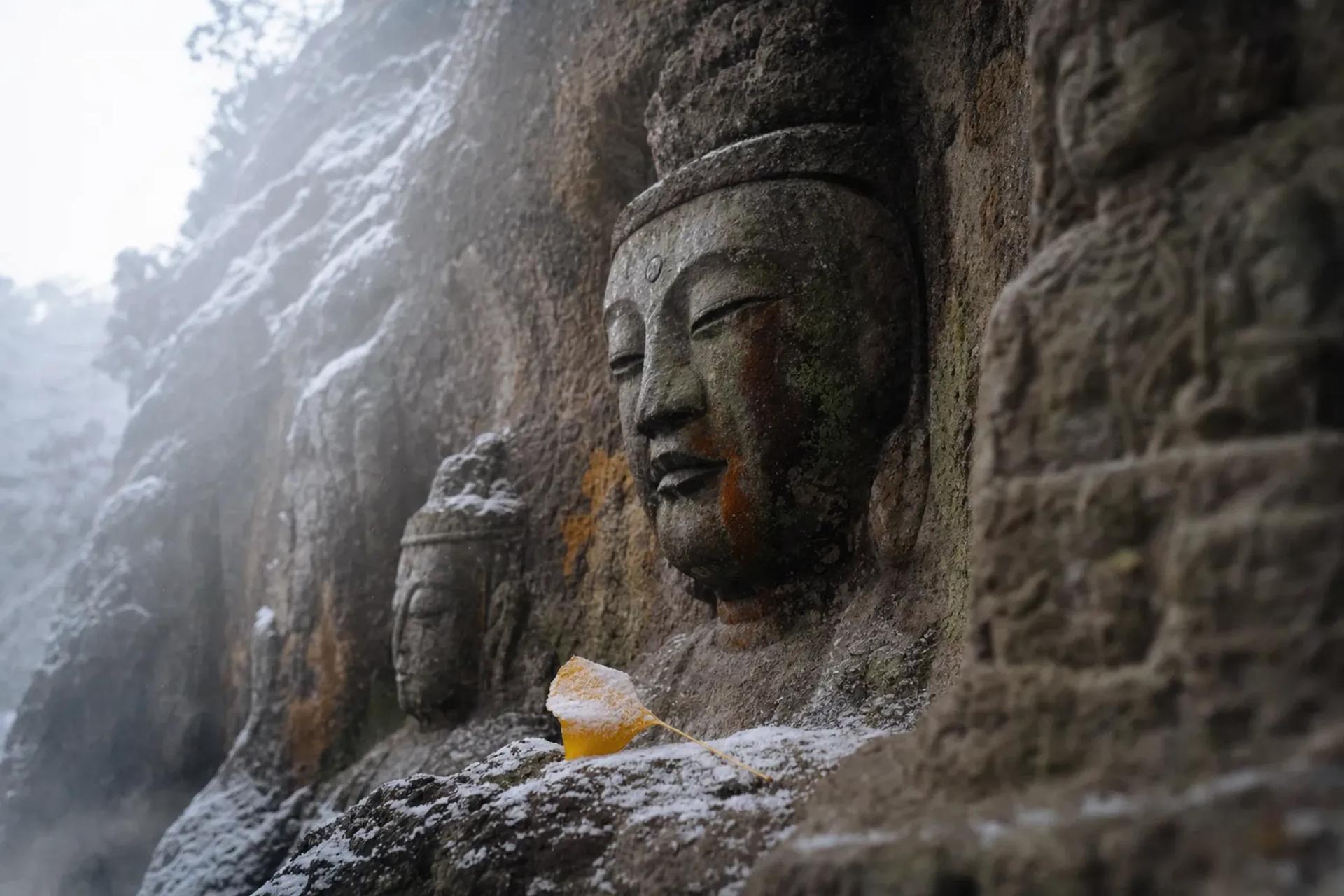
Outside a castle town on the coast of Oita, more than 60 Buddhas are carved into a cliff. The carvings are the Usuki Stone Buddhas, and in June 1995 they became the first rock-carved Buddhas in Japan designated a National Treasure. In the town itself, a lane of temples and samurai houses runs through hills of hardened volcanic ash, and the ruins of a castle stand on what was once a small island in the sea.
This guide answers the practical questions. What are the Stone Buddhas. What else sits in the town. How do you reach Usuki, how do you get from the station to the Buddhas, and how long the day needs. Japan Royal Service builds Usuki into a wider Oita or Kyushu stay.
What Are The Usuki Stone Buddhas?
The Usuki Stone Buddhas are more than 60 figures carved into a rock face, grouped in four clusters and designated a National Treasure in June 1995. The carvings are known in Japanese as magaibutsu, rock-carved Buddha figures.
The four clusters are the Furuzono Cluster, the Hoki Second Cluster, the Hoki First Cluster and the Sannosan Cluster. According to the site's official English page, they are believed to date from the Heian period (794 to 1185) to the Kamakura period (1185 to 1333). Who carved them, and why, is unknown.
The official site states the figures were the first magaibutsu in Japan to receive the National Treasure designation.
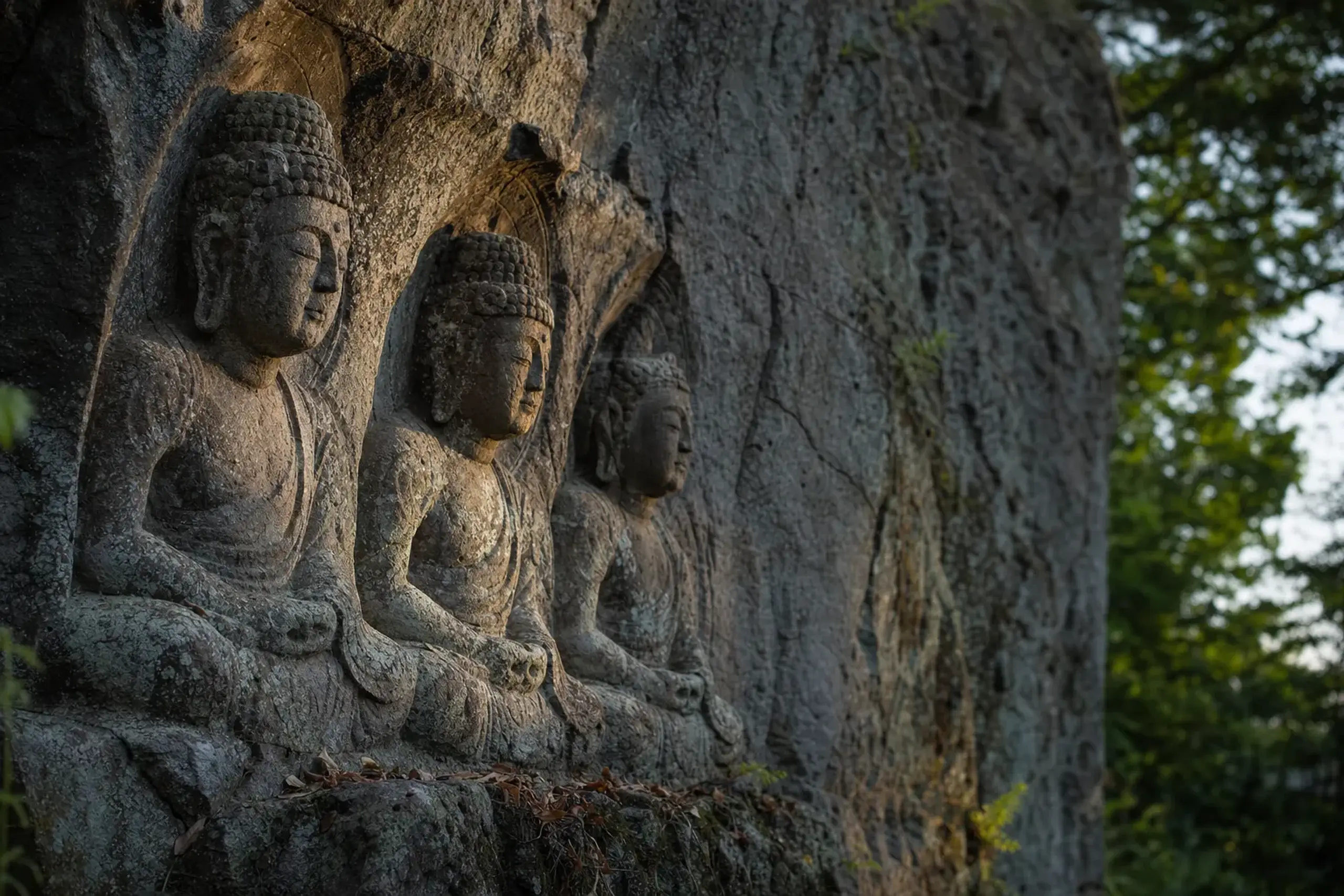
JNTO adds that they are believed to have been carved in the 12th century and were the first historic artefacts in Kyushu to be designated a National Treasure. JNTO also notes that the figures were carved into relatively soft volcanic rock, and that erosion has damaged many of them.
Key fact: The Usuki Stone Buddhas have been a National Treasure since June 1995 — the first rock-carved Buddha figures in Japan to hold that status, per the site's official page.
How Do You Reach The Usuki Stone Buddhas From Usuki Station?
From JR Usuki Station, the Stone Buddhas are about 15 minutes by taxi or about 20 minutes by bus, according to the official site and japan-guide. The buses are infrequent.
Japan-guide notes that buses run only once every one to three hours. That single detail shapes the whole day. Miss one and you wait. This is where a vehicle with a driver earns its place, carrying you from the station to the carvings and back without a timetable deciding your pace.
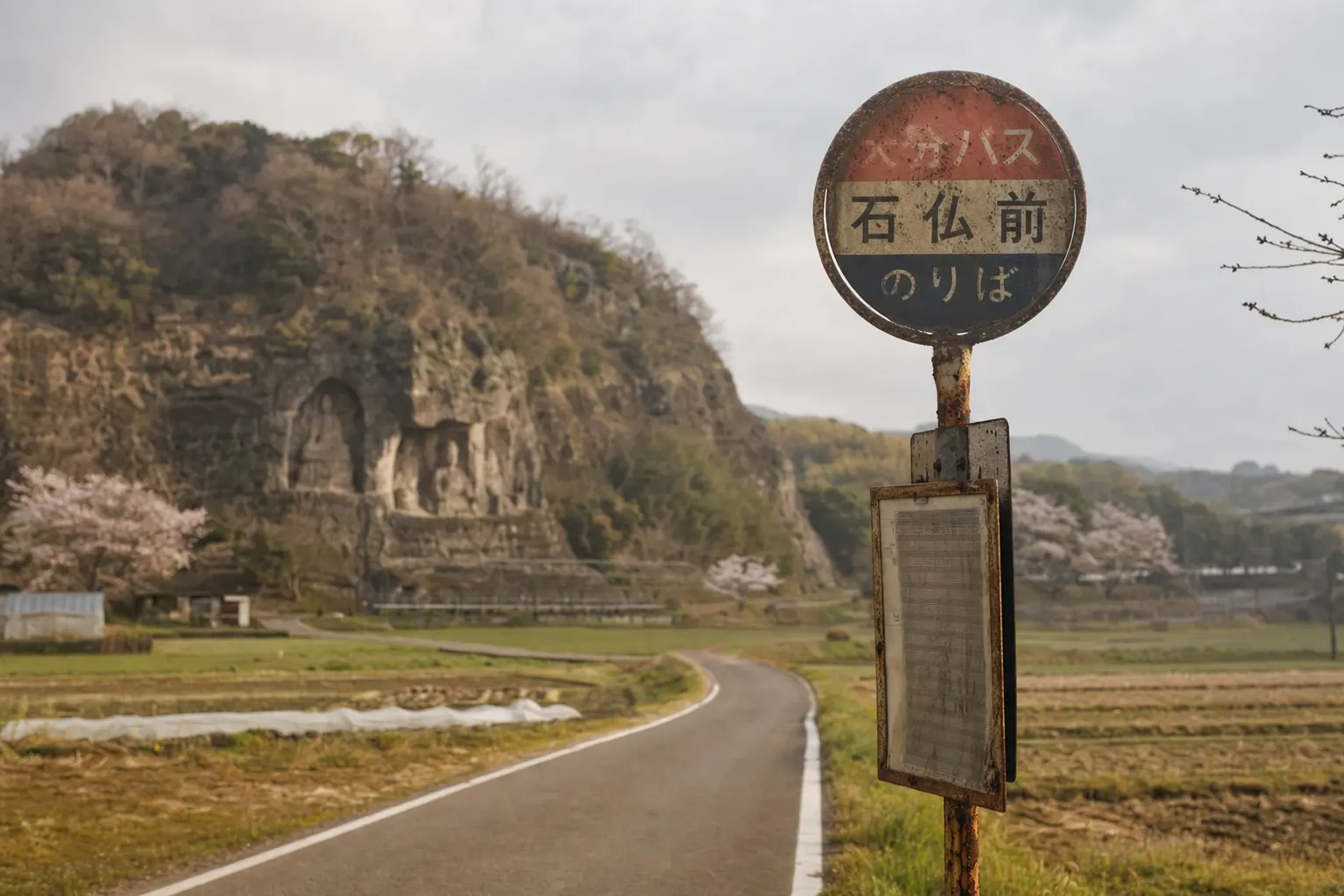
The official site also lists rental bicycles among the options at the station.
The four clusters sit a short walk from each other. Japan-guide describes Mangatsuji Temple as nearby, about five minutes on foot across the field. For the exact train and bus timings, and for which sites are open on the day you travel, the JRS concierge team confirms directly with the guest at time of arrangement.
The Nioza Historical Road
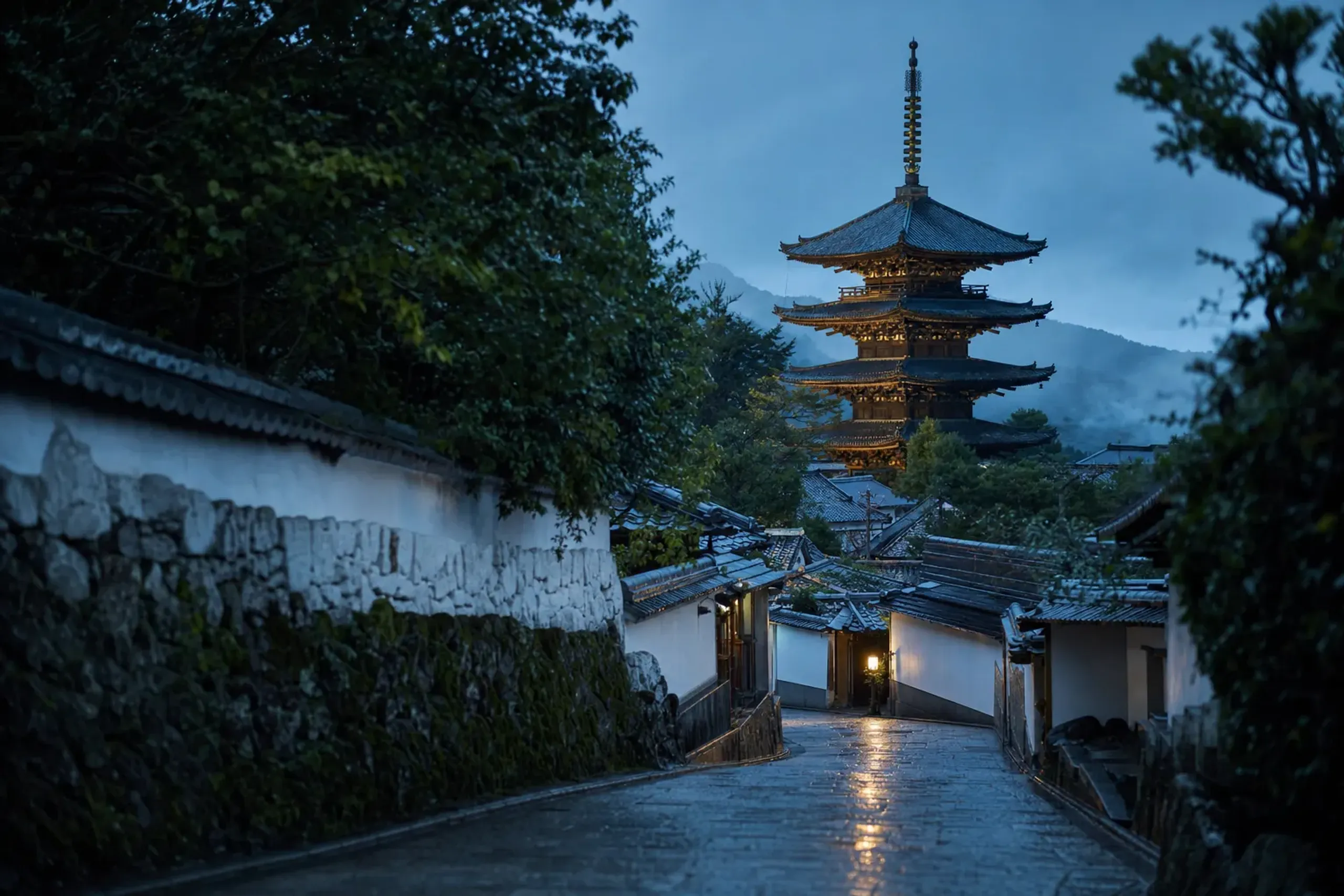
Back in the town, the Nioza Historical Road is a lane of about 200 metres that winds past temples and Edo-period residences, according to JNTO. It is roughly 15 minutes on foot from Usuki Station.
Nioza is a hill of tuff, hardened volcanic ash from Mt. Aso, with roads cut straight through the rock. The usuki-kanko city tourism site names the cut in front of the former Shinko-ji Temple "Kiridoshi." The same source records that the townscape was selected as one of the 100 Best Townscapes in Japan in November 1993.
Along the lane stand houses of high-ranking samurai families and many temples. JNTO notes that Ryugenji Temple has a three-storey pagoda. Two residences are open to visitors: the Inaba Residence, of the Inaba clan who ruled Usuki in the Edo period, and the Marumo Residence.
Usuki Castle Ruins
The ruins of Usuki Castle sit on a rise that was once a small island called Niujima, with the sea as its defence. The castle was built in 1562 by Otomo Sorin, a Christian feudal lord.
It was later restyled under the Toyotomi administration and repaired by the Inaba clan in the 17th century, and it stayed in use until the Meiji Restoration. The keep is gone. Stone walls and turrets remain, and the site is now a park.
Usuki's Brewing And Food Culture
Usuki was recognised as a UNESCO Creative City of Gastronomy in November 2021. The usuki-kanko site credits the recognition to a brewing tradition that began around 1600, together with a focus on organic agriculture and local food.
Miso, soy sauce and sake are part of that culture. The town has brewed for roughly four centuries. Japan Royal Service can arrange ryokan and restaurant booking within Oita prefecture, with dietary needs passed ahead. Specific venues are confirmed at the time of arrangement.
How Do You Get To Usuki From Oita, Oita Airport Or Hakata?
From JR Oita Station, the limited express to JR Usuki Station takes about 30 to 40 minutes.

From Hakata, it is about two hours and 40 minutes by JR limited express to Usuki Station, according to the city tourism site.
If you arrive by air, the usuki-kanko site records about one hour by express bus from Oita Airport to Oita Station, and then the limited express onward to Usuki.
| From | Route | Approx. time |
|---|---|---|
| Oita Station | Limited express to Usuki Station | 30–40 min |
| Hakata | JR limited express to Usuki Station | 2 hr 40 min |
| Oita Airport | Express bus to Oita Station, then limited express | ~1 hr + rail |
Train timings change. The JRS concierge team confirms directly with the guest at time of arrangement, and can arrange rail tickets to Usuki, including Green Car where available, with platform assistance and luggage forwarding.
Fitting Usuki Into An Oita Stay
Usuki works well as a day from Oita or Beppu, built into a wider trip across the prefecture.
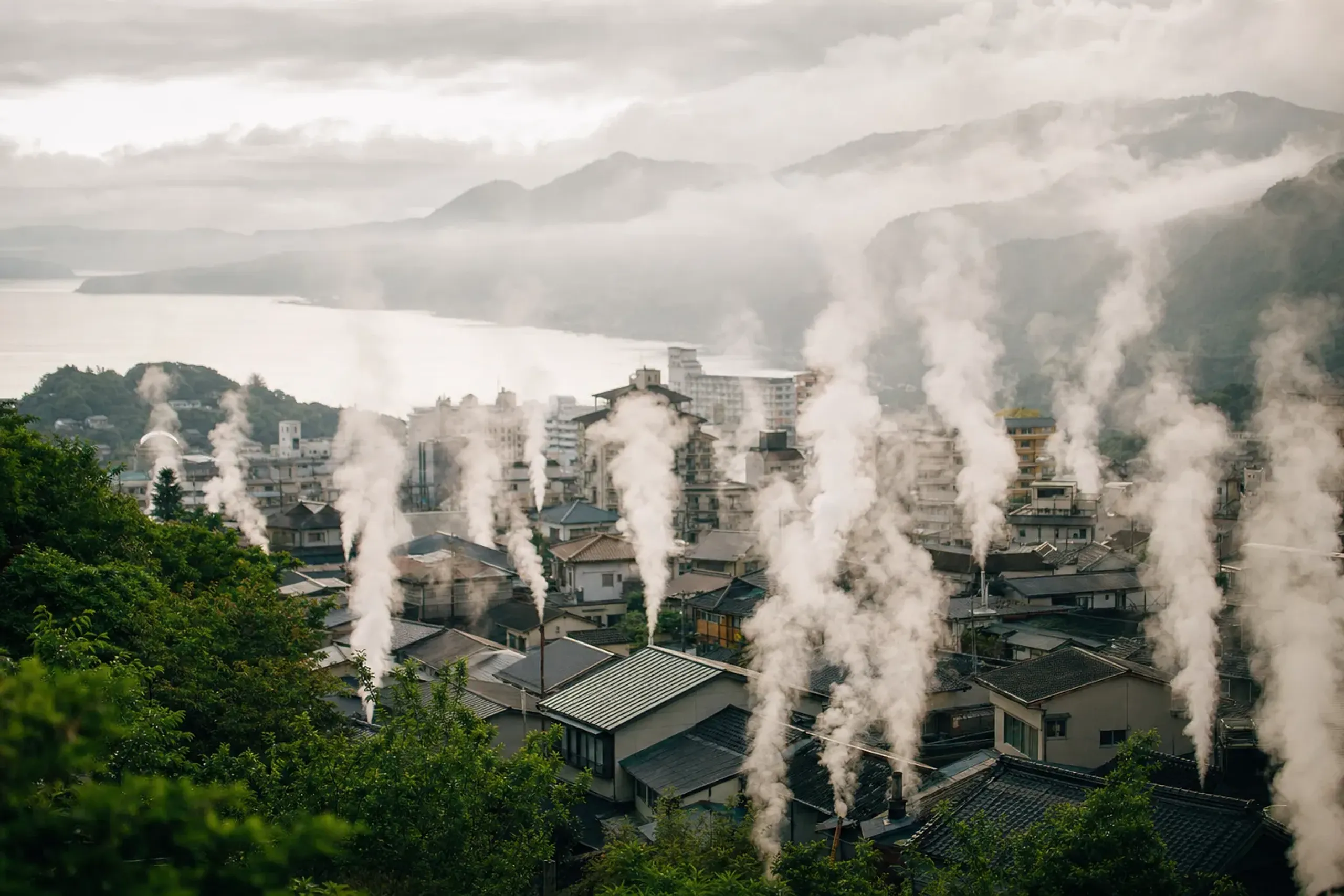
Beppu pairs with the day — see our guide to Beppu's Jigoku hells. The onsen town of Yufuin sits inland. And if drumming and performance draw you, the Kuju drum ensemble performs elsewhere in Oita. All of it fits inside a broader Kyushu route.
How Japan Royal Service Arranges Usuki
Within this day, Japan Royal Service plans Usuki into an Oita or Kyushu stay as a day from Oita or Beppu. Our concierge team shapes a tailor-made itinerary around the dates you give us.
An English-speaking cultural interpreter guide can be booked for the Stone Buddhas and the Nioza Historical Road, separately from the driver. For movement, we arrange a vehicle from a partner company with an English-speaking driver between Oita, Oita Airport or Beppu and Usuki, and between the town and the Stone Buddhas. Because the bus to the carvings runs only once every one to three hours, a car with a driver suits the day.
We also handle ryokan and restaurant booking within Oita prefecture, with dietary needs passed ahead; rail tickets to Usuki including Green Car where available; and same-day re-planning when the weather changes. The JRS concierge team confirms directly with the guest at time of arrangement the train and bus timings and which sites are open. Everything described here is open to the public.
Frequently Asked Questions
What are the Usuki Stone Buddhas?
They are more than 60 Buddha figures carved into a cliff near Usuki in Oita, grouped in four clusters. Known as magaibutsu, they are believed to date from the Heian to Kamakura periods.
When were the Usuki Stone Buddhas designated a National Treasure?
They were designated a National Treasure in June 1995.
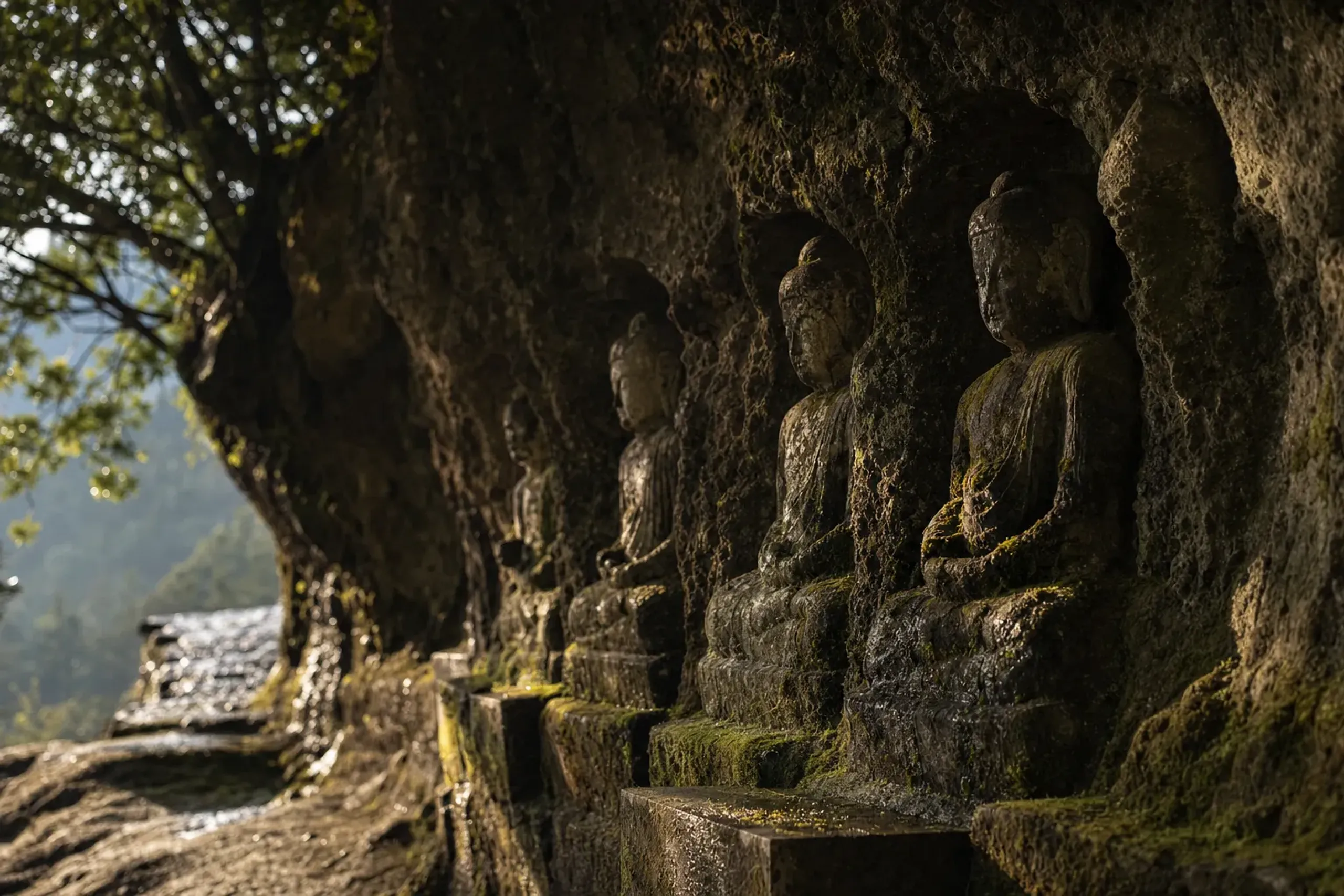
According to the site's official page, they were the first rock-carved Buddha figures in Japan to receive that status.
How do you reach the Usuki Stone Buddhas from Usuki Station?
From JR Usuki Station they are about 15 minutes by taxi or about 20 minutes by bus. Japan-guide notes buses run only once every one to three hours, so a car with a driver suits the day.
What is the Nioza Historical Road?
The Nioza Historical Road is a lane of about 200 metres winding past temples and Edo-period samurai residences, roughly 15 minutes on foot from Usuki Station. Roads are cut through hills of volcanic tuff.
Why Choose Japan Royal Service
Japan Royal Service builds destinations like Usuki into a wider Oita or Kyushu journey, matched to your dates and the places you want to see. We arrange tailor-made itineraries, English-speaking cultural interpreter guides, vehicles from partner companies with English-speaking drivers, rail tickets with platform assistance and luggage forwarding, and ryokan and restaurant booking within Oita prefecture with dietary needs passed ahead. When the weather changes, our concierge team re-plans the same day, and confirms current train and bus timings and site openings with you at the time of arrangement.
To begin planning, contact our team here.