In this guide
- 01Where Is Uwajima, And How Do You Reach It From Matsuyama?
- 02When Is The Uwajima Ushi-oni Festival?
- 03What Is An Ushi-oni?
- 04The Three Days: Programme In Outline
- 05Uwajima Castle, The Town Sight Beside The Festival
- 06Planning The Stay Around July 22 To 24
- 07Frequently Asked Questions
- 08Why Choose Japan Royal Service
Picture a bull-demon of five to six metres moving down a street in a castle town. Its mask is fierce. Its neck is a long run of wooden logs, its tail shaped like a sword, and dozens of young men carry the whole frame on their shoulders. This is the ushi-oni, and it belongs to Uwajima in southern Ehime, on the island of Shikoku. Each year, on July 22 to 24, the town fills with these floats for the Uwajima Ushi-oni Festival.
The guide below answers the practical questions first. What is an ushi-oni. What happens across the three days. How you reach Uwajima from Matsuyama. What you see beside the parade. How the planning fits around the dates.
Where Is Uwajima, And How Do You Reach It From Matsuyama?
Uwajima is in southern Ehime, reached from Matsuyama by road or rail.
From Matsuyama Airport, a bus to JR Matsuyama Station takes about 20 minutes. From there, the JR express south to Uwajima Station runs about 80 minutes along the coast. If you prefer the road, the drive from Matsuyama Airport takes roughly an hour and a half. The JRS concierge team confirms current timings directly with the guest at time of arrangement.
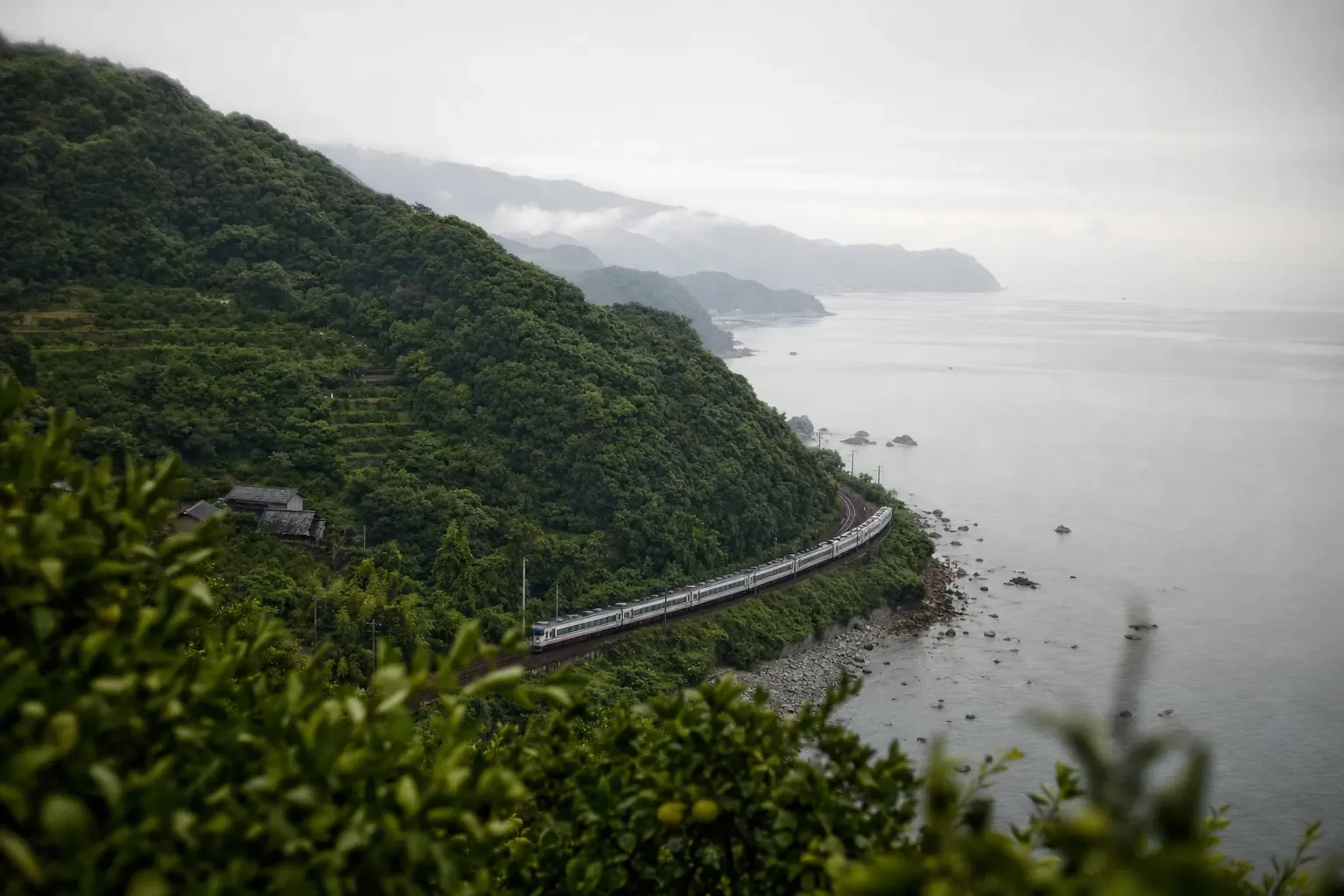
A vehicle from a partner company with an English-speaking driver can take you from Matsuyama down to the coast and around the town. If you would rather weigh the rail route against a car, our journal looks at that choice in a separate piece.
When Is The Uwajima Ushi-oni Festival?
The Uwajima Ushi-oni Festival is held every year on July 22, 23 and 24. It is the annual festival of Wareishrine, which festival guides name as the main venue.
The date is fixed to those three days each summer. Organizers may adjust specific times and parts of the programme, so treat the schedule within the three days as something confirmed close to your visit. The JRS concierge team confirms the programme directly with the guest at time of arrangement.
According to one account recorded in a Japanese travel source, Wareishrine was founded in 1653 by Date Hidemune and enshrines Yanbe Seibei. The festival is the shrine's annual festival and runs across three days.
What Is An Ushi-oni?
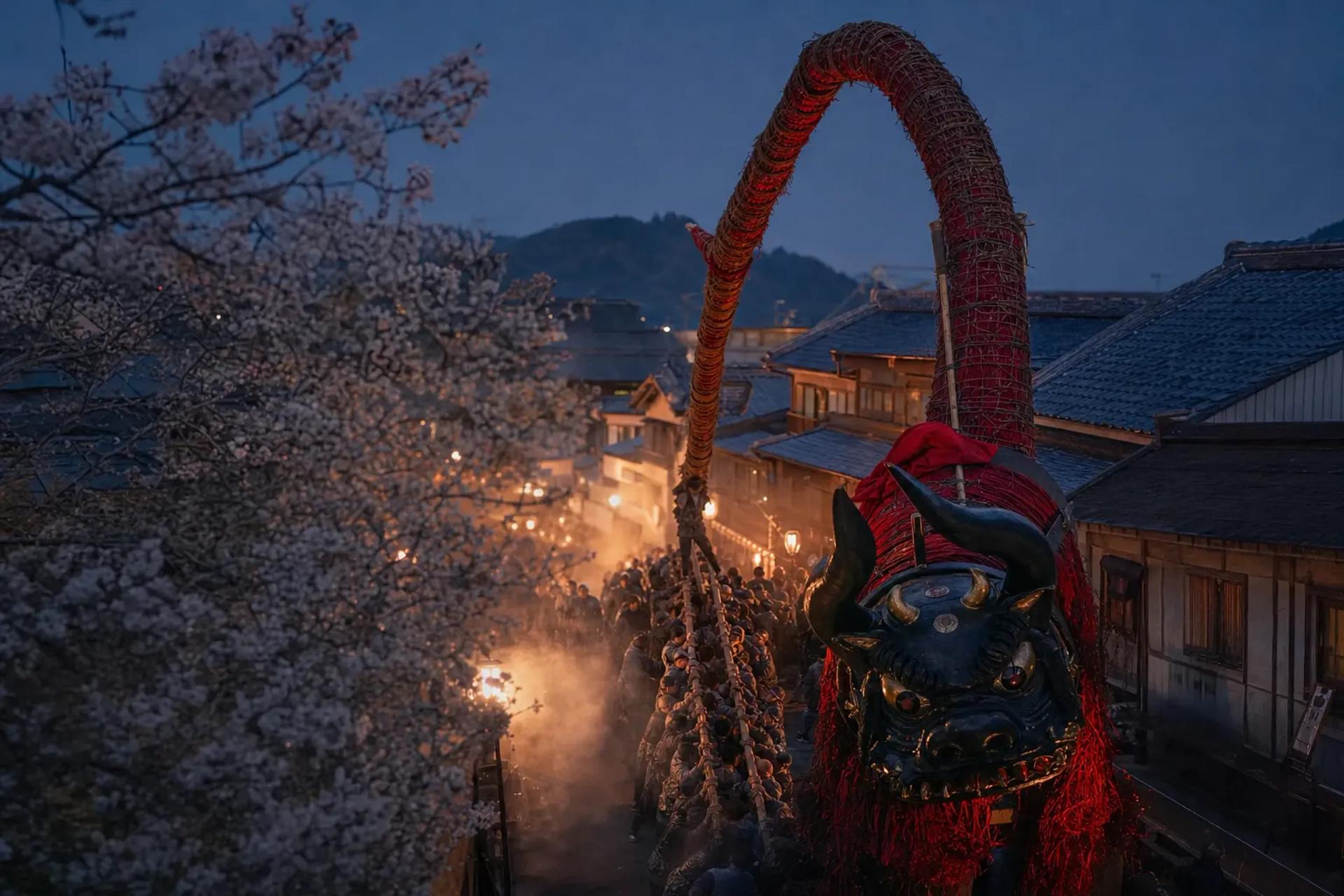
An ushi-oni is a bull-demon float of about five to six metres, carried on the shoulders of dozens of young men.
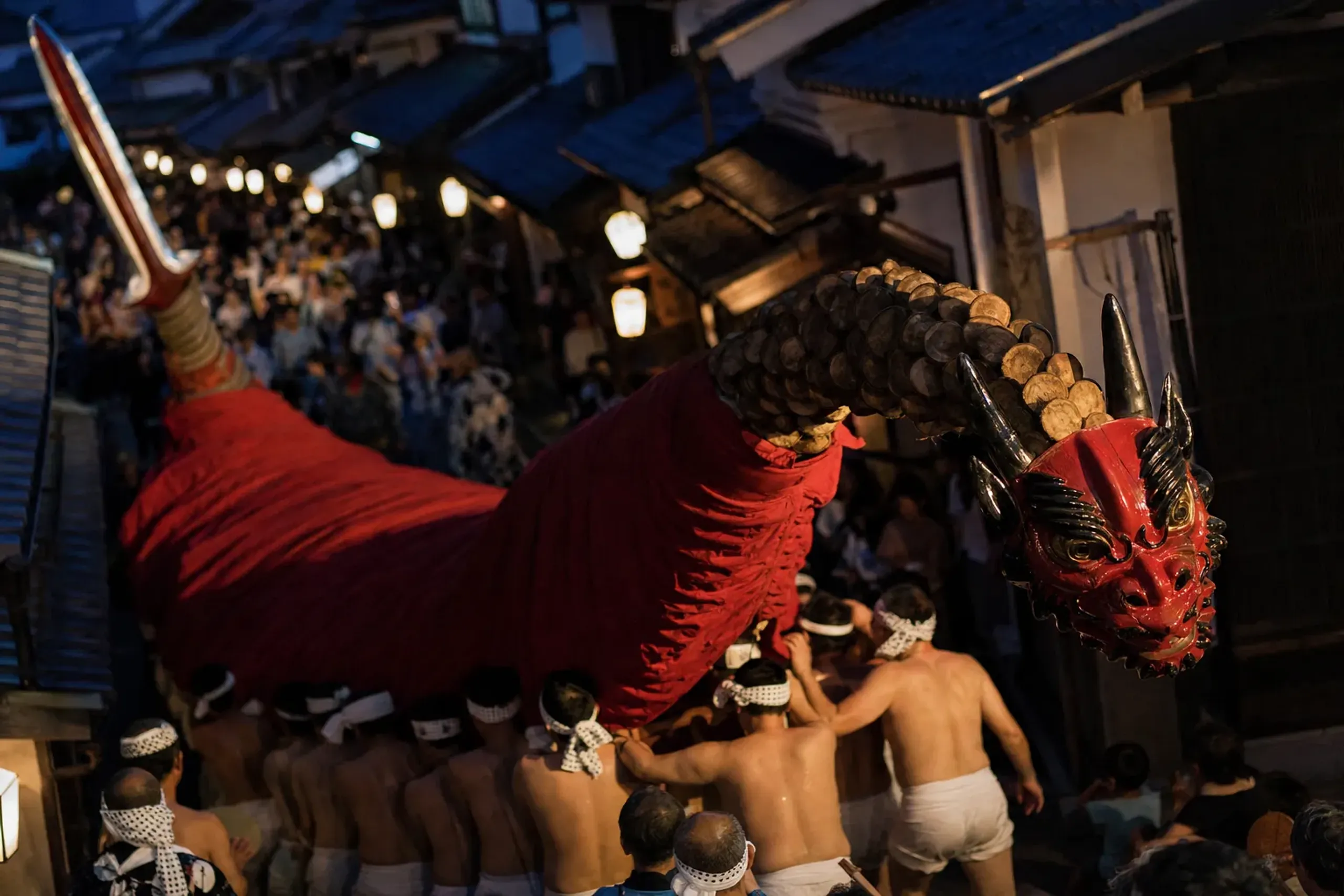
The name joins the words for bull and demon, and the creature is the signature of Uwajima's summer.
A bamboo frame forms the body. The head wears a frightening demon mask. The neck is a long run of wooden logs, and the tail is shaped like a sword. The whole body is covered in palm leaves or red cloth. One account dates the red covering to the early Showa era.
Children walk alongside, blowing bamboo horns called booboos. One festival guide counts more than twenty ushi-oni parading through the city across the days. The parade of the large ones, which that guide calls the star of the festival, comes on the final day.
Key fact: The ushi-oni is a spectacle to watch. Taking part in carrying the floats, or in the final river contest, requires advance sign-up, and Japan Royal Service does not arrange participation.
The Three Days: Programme In Outline
Across July 22 to 24, the festival moves through several distinct events. The concierge team confirms the day-by-day order close to your stay.
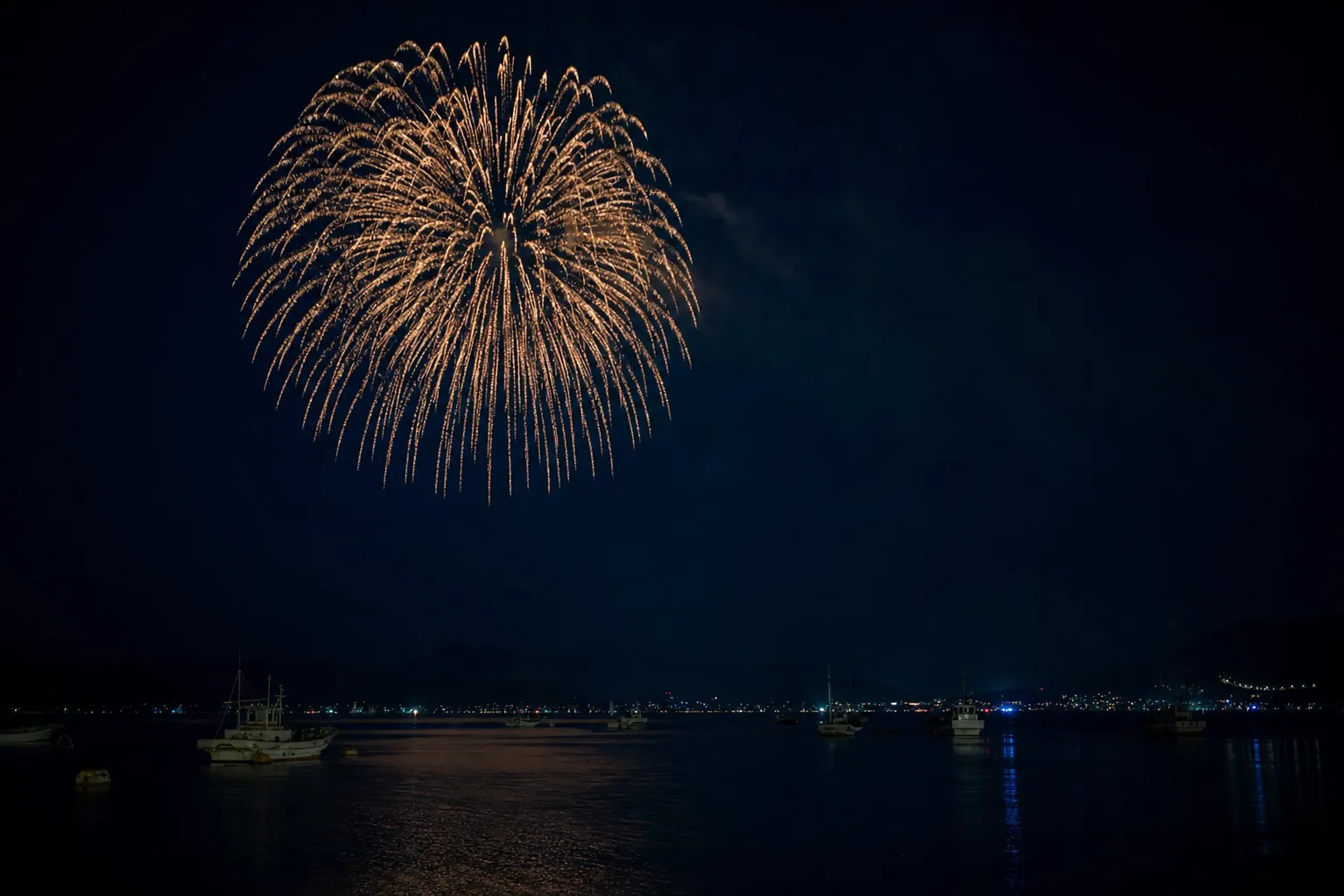
Over the three days you can expect:
- A dance carnival, the Uwajima Gaia Carnival
- A children's parade with miniature ushi-oni
- The Uwajima Odori, a group dance through the streets
- A sea fireworks display over Uwajima Bay
- On July 24, the parade of the large ushi-oni, followed in the evening by the hashirikomi
The last day is the anchor. July 24 brings the large ushi-oni out in number, and the evening closes with the hashirikomi at the river. The JRS concierge team confirms parade times, fireworks times and the evening schedule directly with the guest at time of arrangement.
The Hashirikomi On The Evening Of July 24
On the evening of the final day, mikoshi and floats run down into the Suka River, also called the Sugagawa. The contest ends when young men climb a bamboo pole rising above the river to grab a sacred streamer, a gohei, from its top.
Carrying torches and taking part in the run require advance sign-up, and road restrictions apply around the festival area during the three days. For a visitor, the hashirikomi is something to watch rather than join.
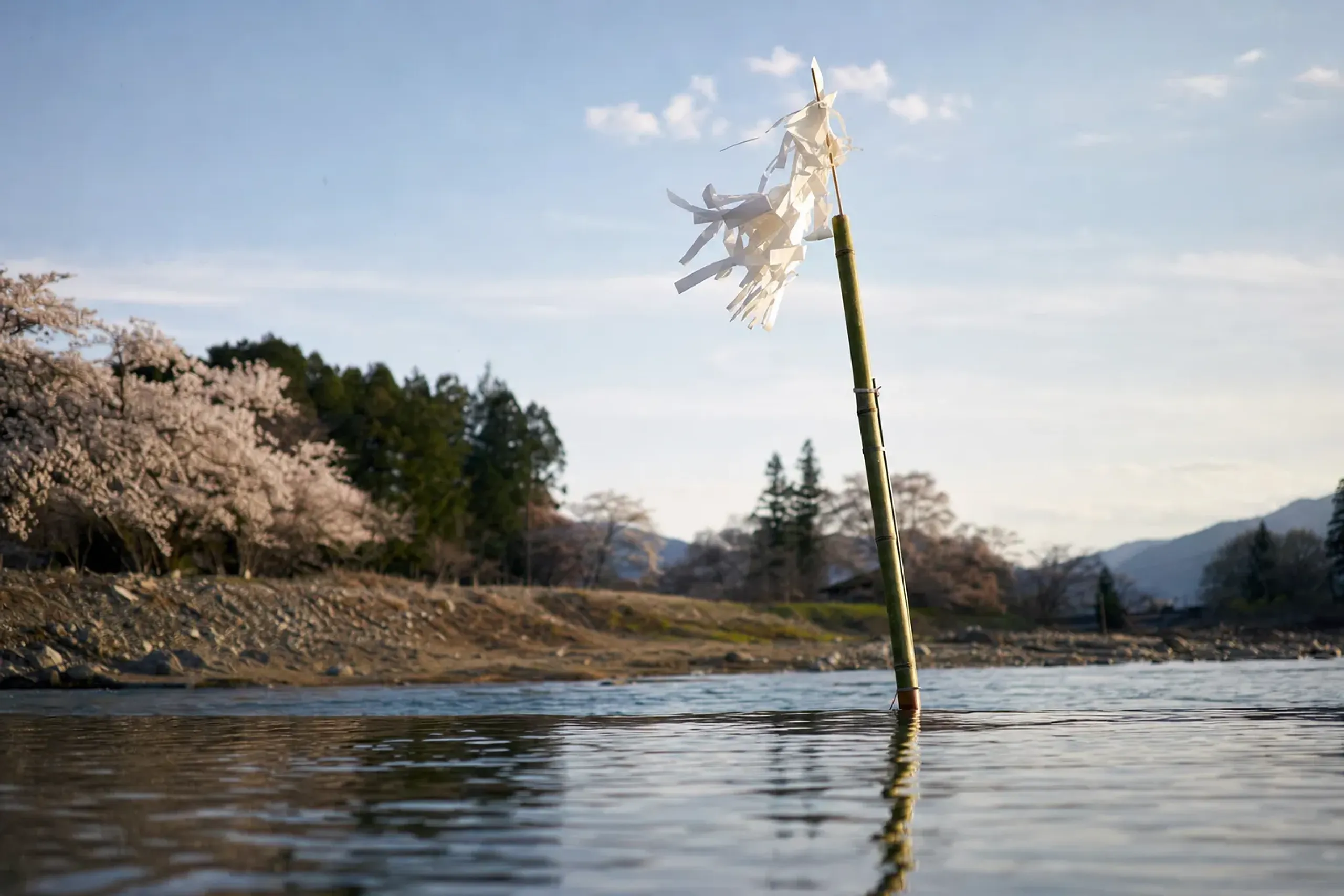
The concierge team confirms road restrictions and the evening timing at time of arrangement.
Uwajima Castle, The Town Sight Beside The Festival
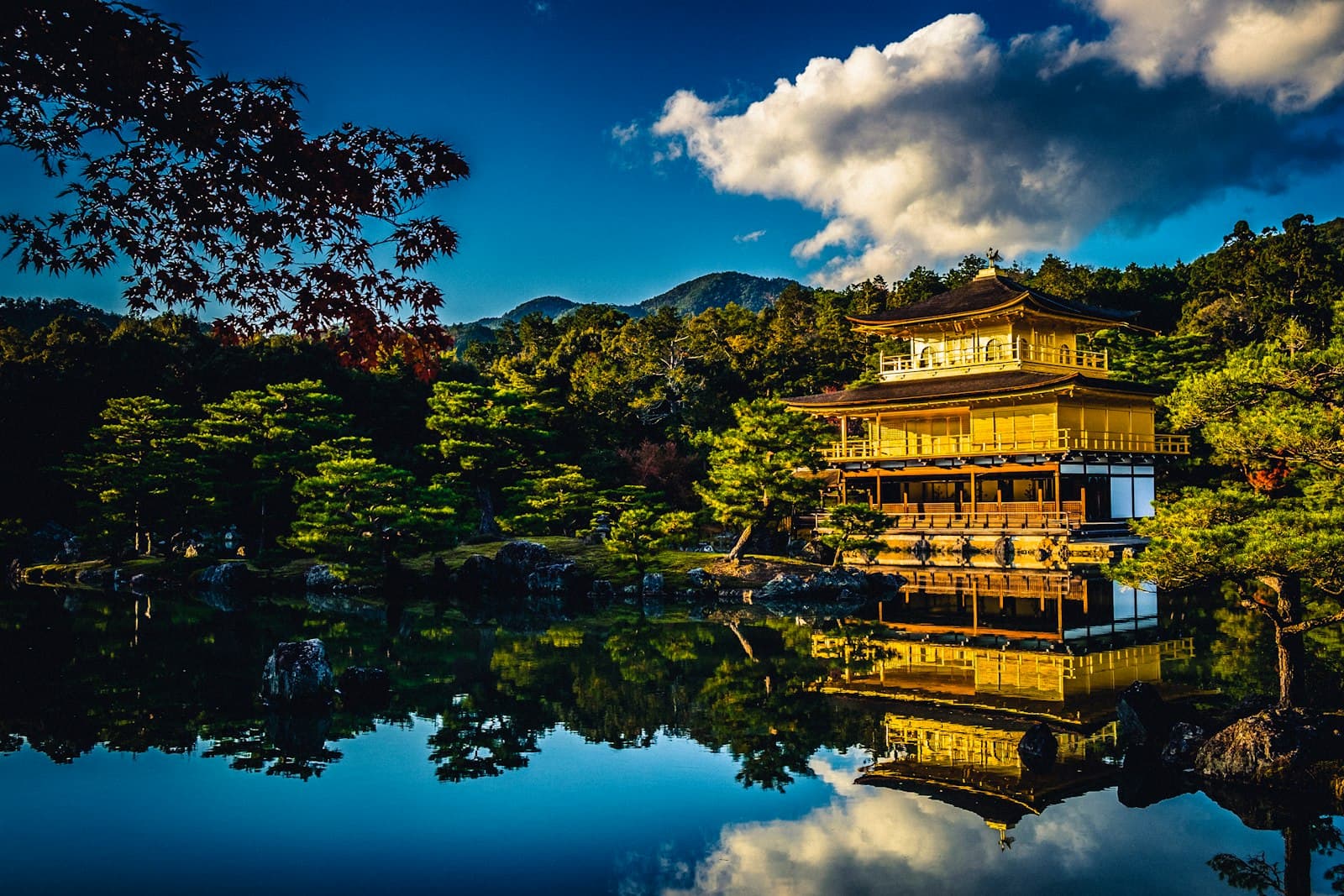
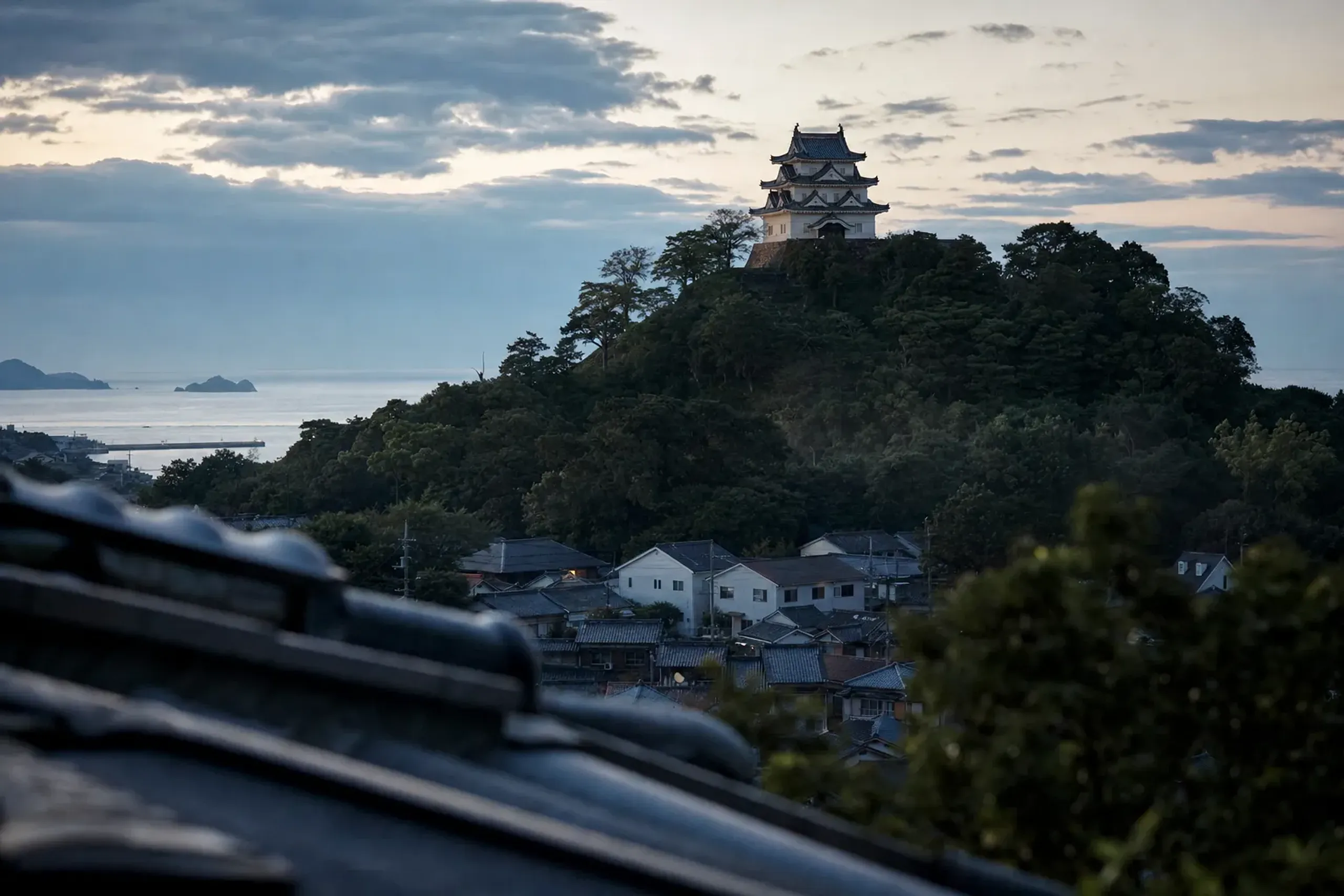
Uwajima Castle stands on a hill about 80 metres above the sea, built in 1601 by Todo Takatora. It pairs with the festival and is reached on foot or by bus from Uwajima Station.
The Ehime tourism page counts the keep among the 12 surviving castle keeps in Japan, and the structure is designated a National Important Cultural Property. The keep was renovated around 1666 by Munetoshi, the second Date lord. The domain itself had been assigned to Date Hidemune, eldest son of Date Masamune.
You can reach the castle on foot or by bus from Uwajima Station. The concierge team confirms the route and timing with you. An English-speaking cultural interpreter guide, booked separately from the driver, can walk the castle and the shrine with you and explain the Date family and the festival as you go.
Planning The Stay Around July 22 To 24
The festival is fixed to three days, so the planning question is which of those days you want at the centre of your visit, and how long you stay around it.
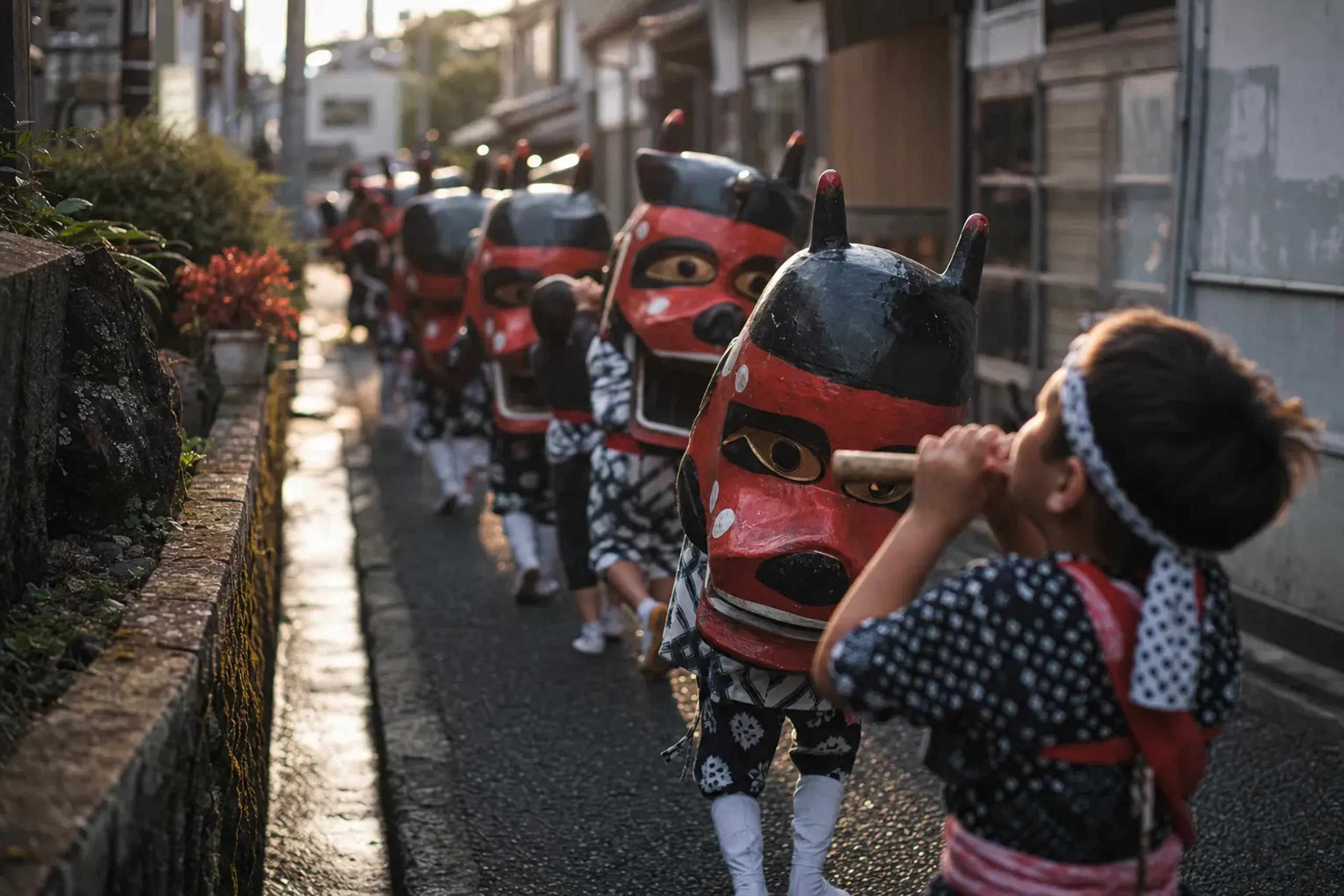
If the large ushi-oni and the river spectacle are what you have come for, July 24 is your day, with the parade of the large ushi-oni and the hashirikomi in the evening. If you prefer the dance events and the children's parade with miniature floats, the concierge team confirms the day each one falls on. The castle can sit on a day beside the festival.
Where you base yourself is part of the plan. You can stay in Uwajima itself to be close to the evening, or base in Matsuyama and travel down each day. Our concierge team at Japan Royal Service arranges ryokan and restaurant booking in either town, with dietary needs passed ahead, and handles rail tickets, including Green Car and Gran Class seating where available, along with any domestic flights, platform assistance and luggage forwarding. If weather shifts the programme, the same team re-plans the day as needed.
Beyond Uwajima, Ehime rewards a longer loop. Matsuyama has its own castle, Dogo Onsen has its own history guide, and the Shimanami Kaido links Ehime and Hiroshima. Each sits in its own journal entry, and the concierge team can thread them into a wider route built around your dates.
Frequently Asked Questions
When Is The Uwajima Ushi-oni Festival Held Each Year?
The Uwajima Ushi-oni Festival is held every year on July 22, 23 and 24. It is the annual festival of Wareishrine. Organizers may adjust times within those three days, which the JRS concierge team confirms at time of arrangement.
What Exactly Is An Ushi-oni?
An ushi-oni is a bull-demon float of about five to six metres, carried by dozens of young men. It has a bamboo frame, a demon mask, a long neck of wooden logs and a sword-shaped tail, covered in palm leaves or red cloth.
How Do You Reach Uwajima From Matsuyama?
From Matsuyama Airport, a bus to JR Matsuyama Station takes about 20 minutes, then the JR express south to Uwajima runs about 80 minutes. By car, the drive from the airport takes roughly an hour and a half.
What Is The Hashirikomi At The End Of The Festival?
The hashirikomi is the climax on the evening of July 24, when mikoshi and floats run into the Suka River and young men climb a bamboo pole to seize a sacred streamer at its top. It is a spectacle to watch; participation requires advance sign-up.
What Else Is There To See In Uwajima Beside The Festival?
Uwajima Castle, built in 1601 on a hill about 80 metres high by Todo Takatora, is the town's main sight and pairs naturally with the festival.
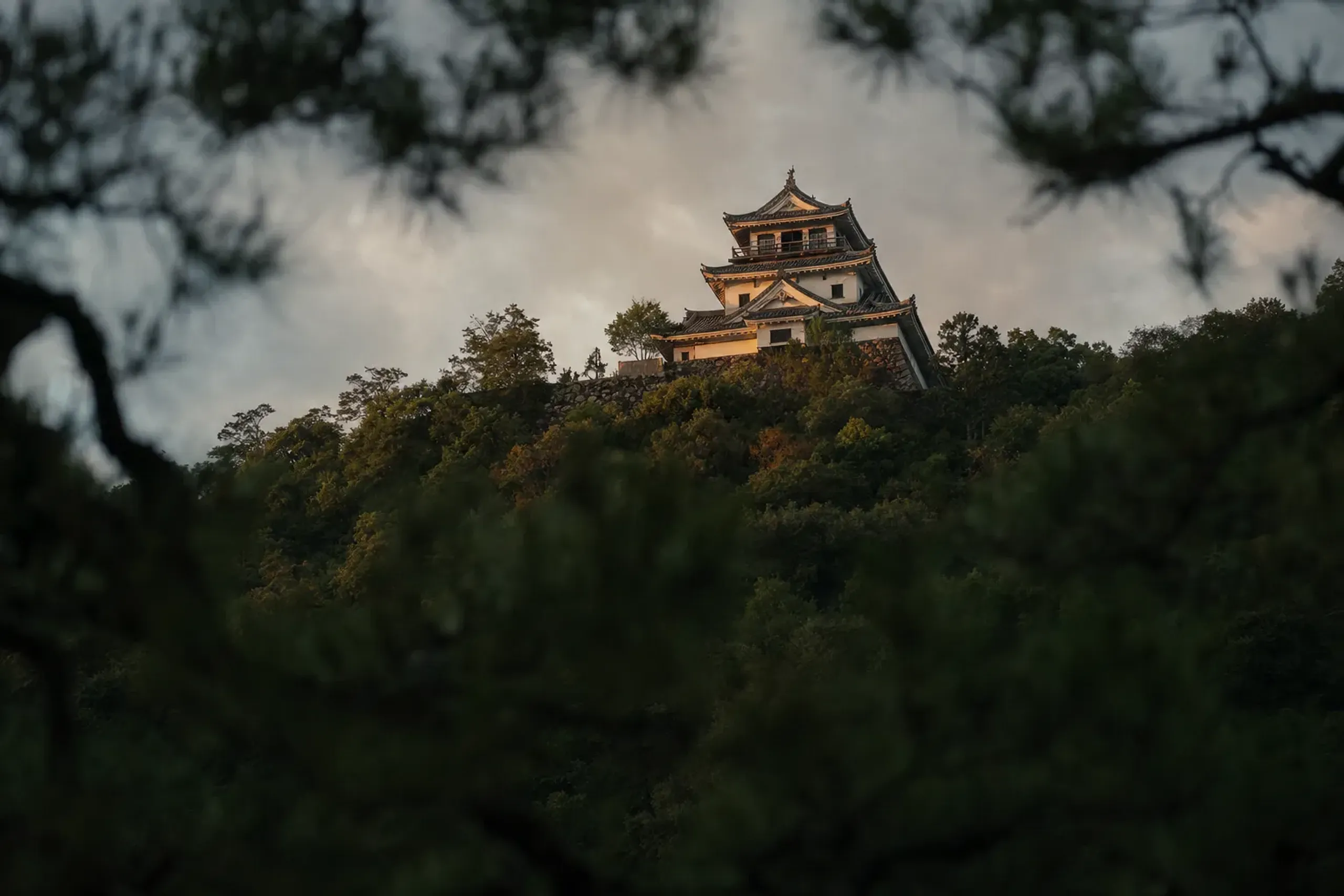
Its keep is counted among the 12 surviving castle keeps and is a National Important Cultural Property.
Why Choose Japan Royal Service
A festival in a town off the main lines asks for careful planning, and that is where our team at Japan Royal Service earns its place. We build the stay around July 22 to 24, around the day you want at its centre, with a fallback ready if weather moves the programme. An English-speaking cultural interpreter guide, booked separately from the driver, walks the ushi-oni parade, Wareishrine and Uwajima Castle with you and explains what you are watching.
The practical layer is handled alongside it: a vehicle with an English-speaking driver between Matsuyama and Uwajima and around the town, ryokan and restaurant booking in either place, rail tickets with Green Car and Gran Class seating where available, platform assistance and luggage forwarding. The festival and the castle are public, and we keep to what is open to everyone. What we add is the planning that lets you simply watch. Parade and fireworks times, any seating that is sold, road restrictions and train timings are all confirmed with you directly at time of arrangement.
To begin planning, contact our team here.